




How Much Does Exterior Cladding Cost in New Zealand?
The largest expense in building a home is typically the exterior cladding. It's crucial to understand the total cost of a cladding system over its lifespan, as well as the ongoing maintenance costs, when comparing cladding choices in the market.
What to consider when choosing a cladding system?
Cost in use
What is the expected cost of the product over its lifetime? Does it require recoating or staining every couple of years? How much will this recoating or staining cost over time?
Maintenance
What maintenance is required? How often is maintenance required? What is the cost to maintain the product?
Installation
How easy is it to install the cladding? Is a specialist trade required, or can your builder install it?
Location
Where is your home located? Is it designed to withstand specific New Zealand climates?
Below we'll discuss common cladding systems, and the costs involved in installation and maintenance requirements, to see how they stack up against our weather-resistant, low maintenance Millboard Envello Mineral Board Cladding system.
Please note: the below pricing is for cladding supply and installation and includes GST. Restaining / repainting costs listed (where applicable) also include GST. Pricing correct as of March 2026.
Cost Comparison Overview
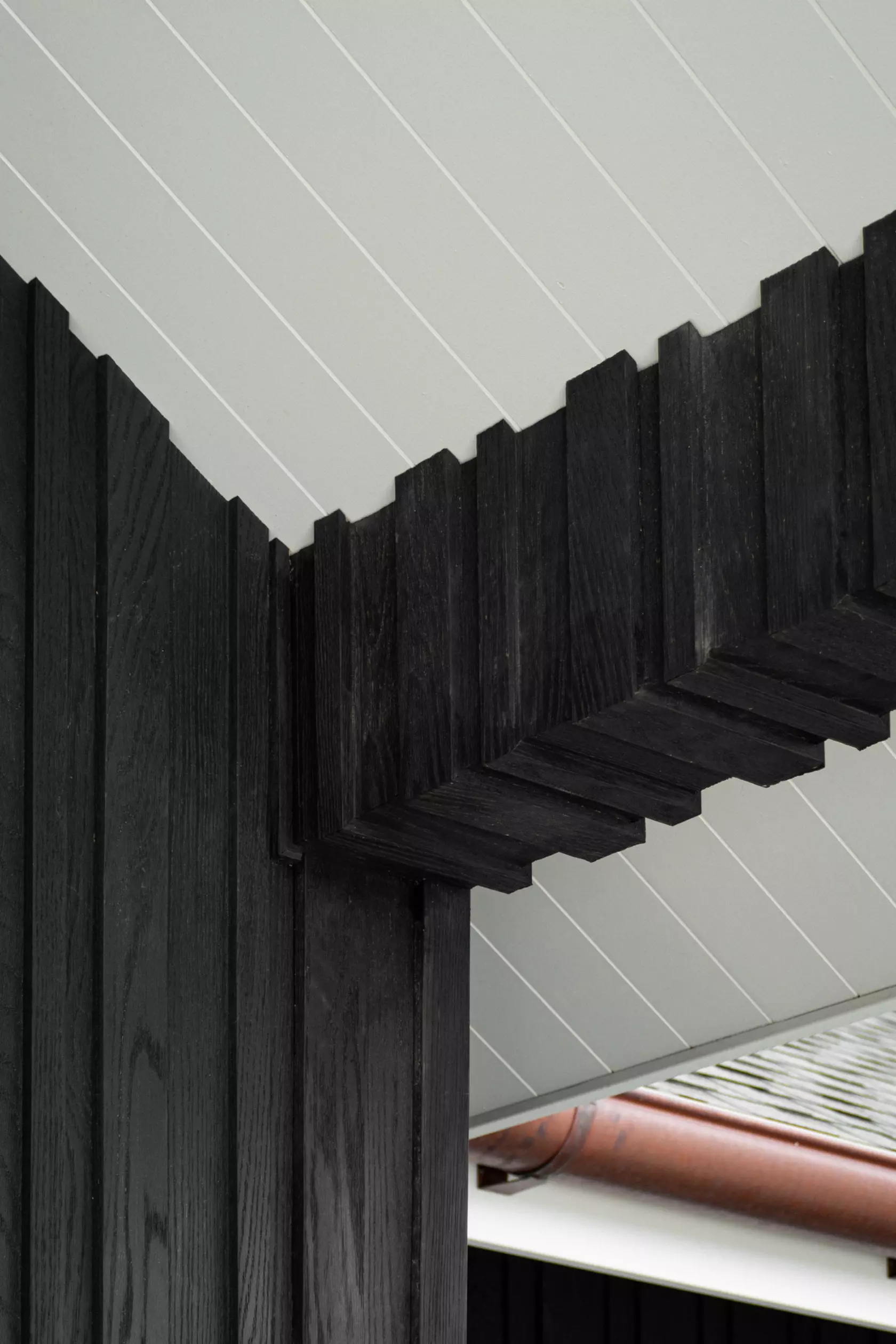
Millboard Envello Shadow Line+
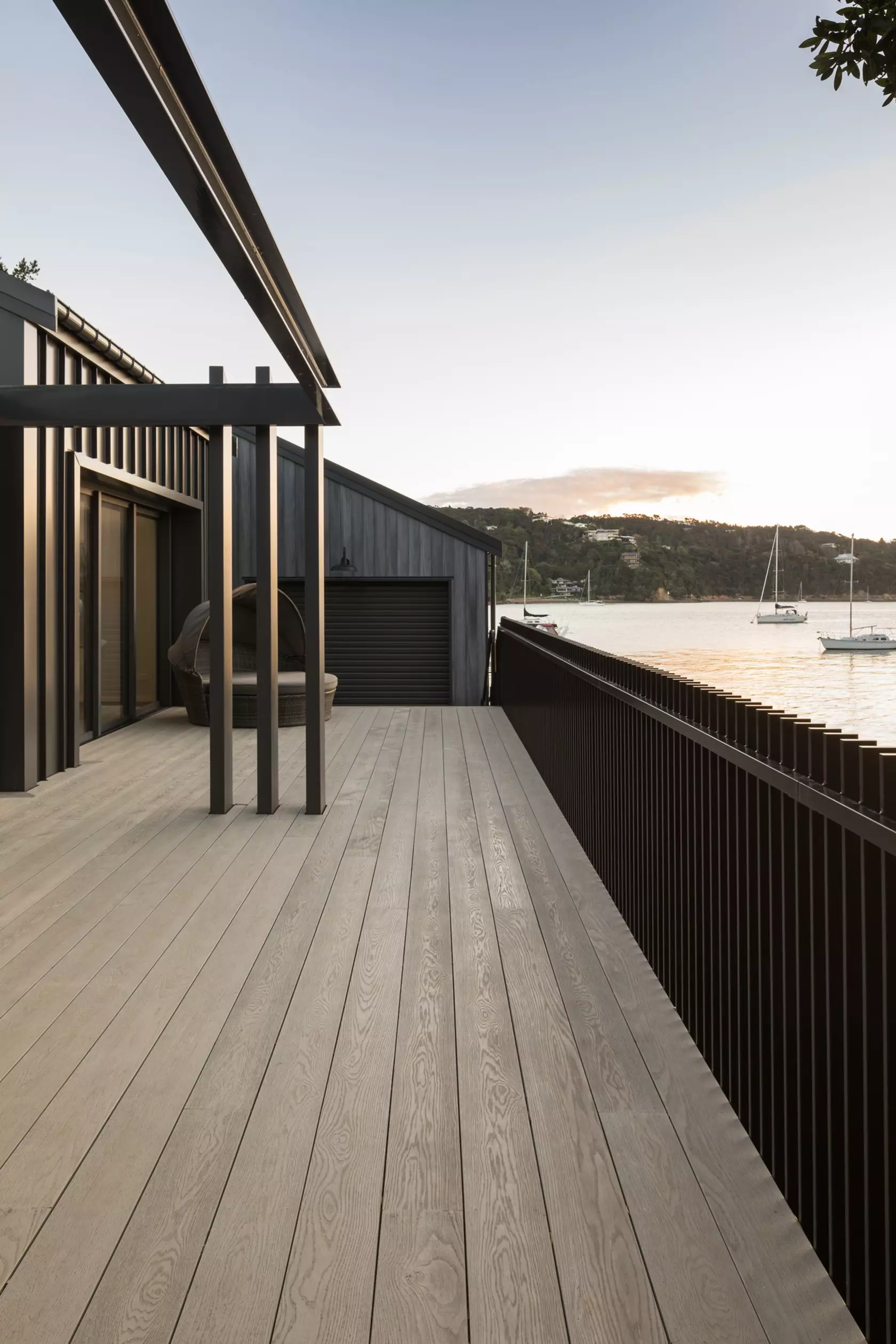
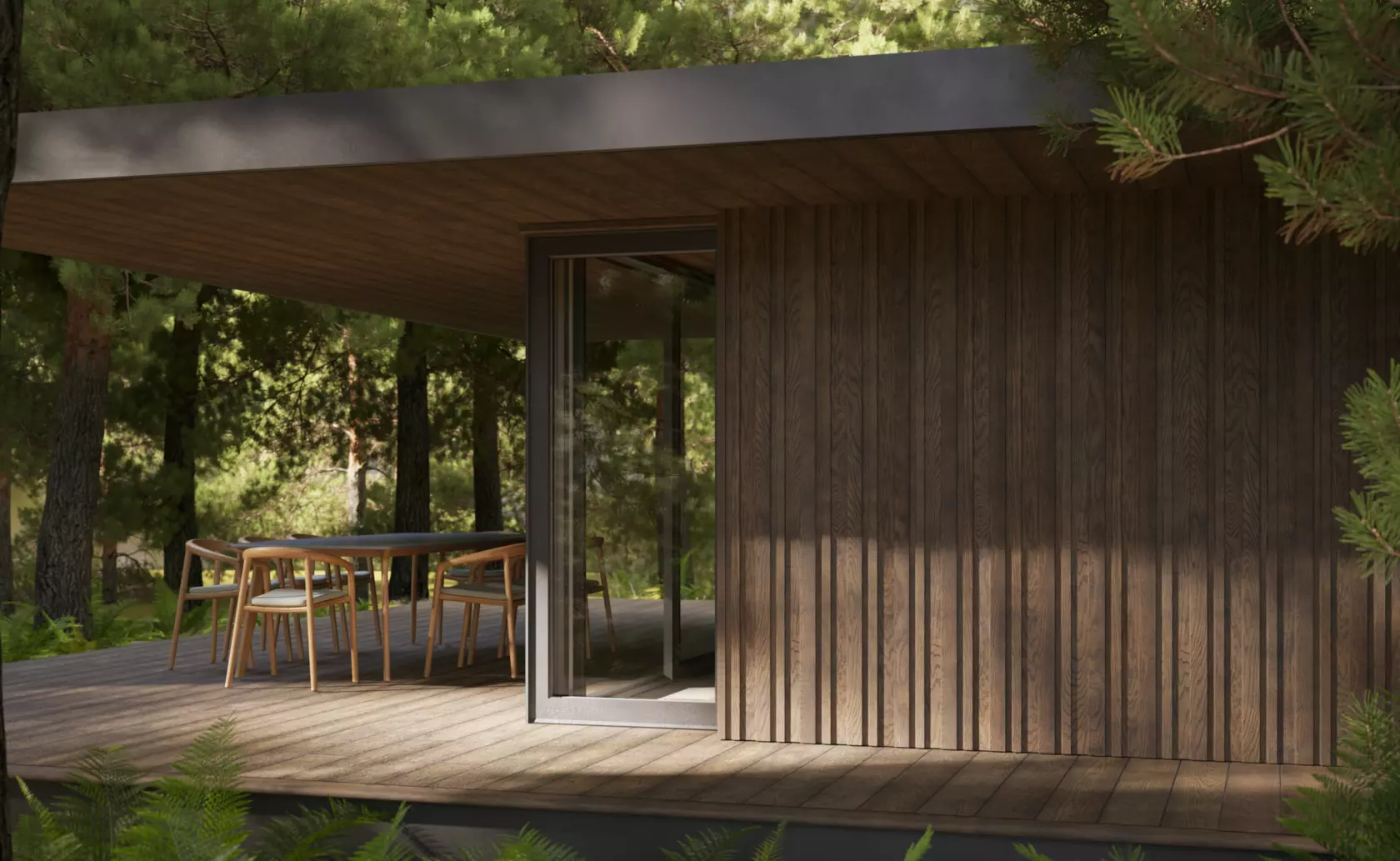
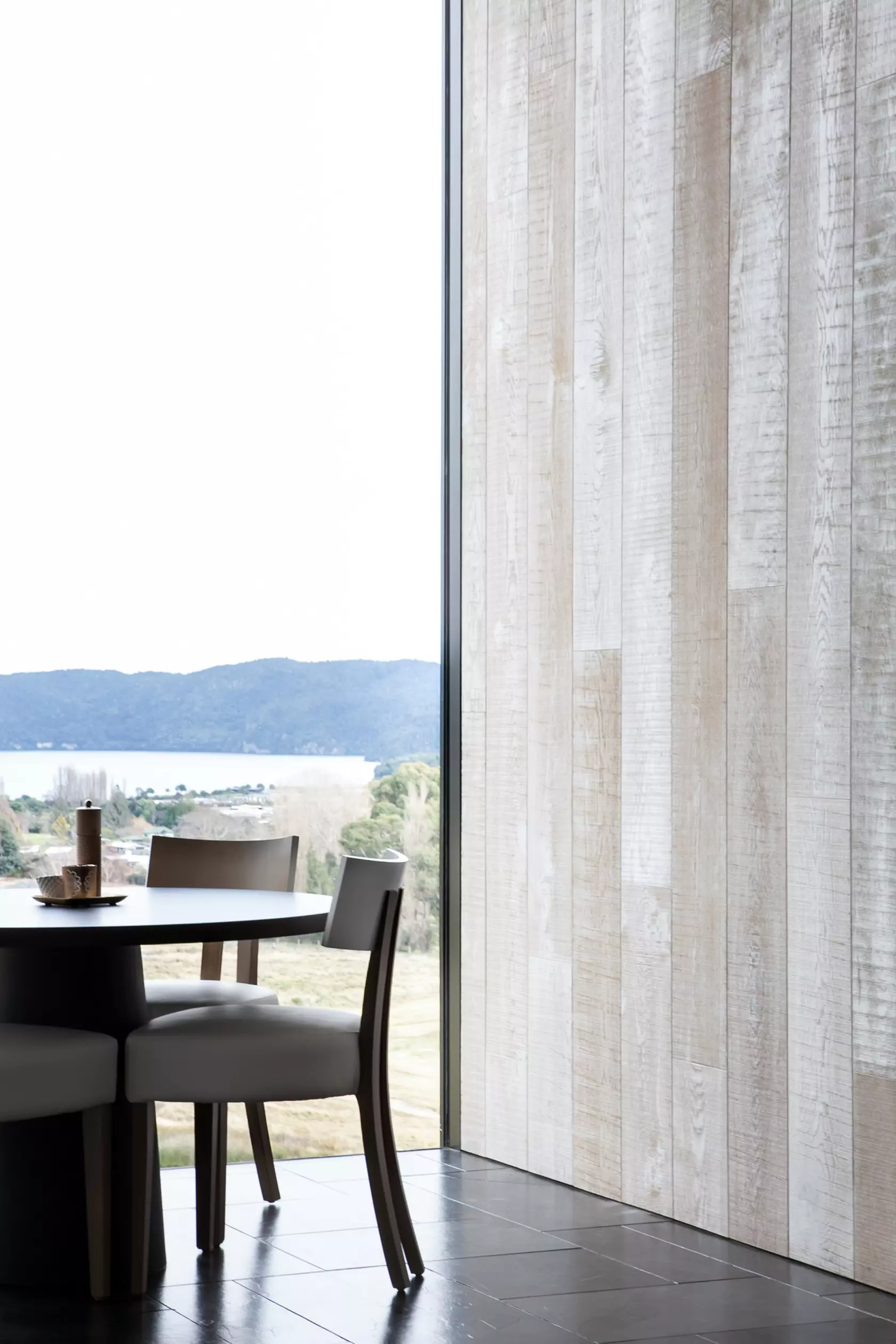
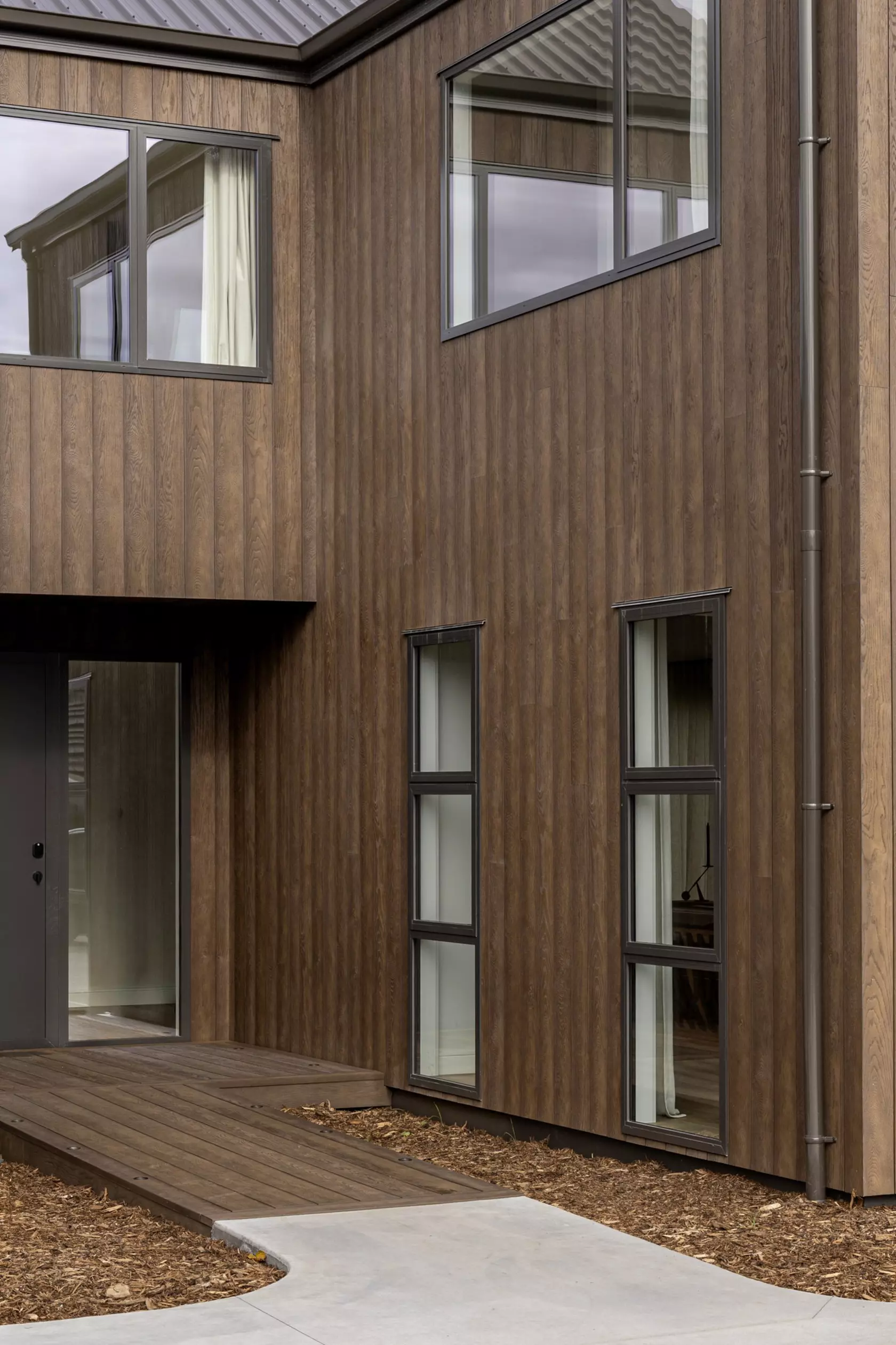
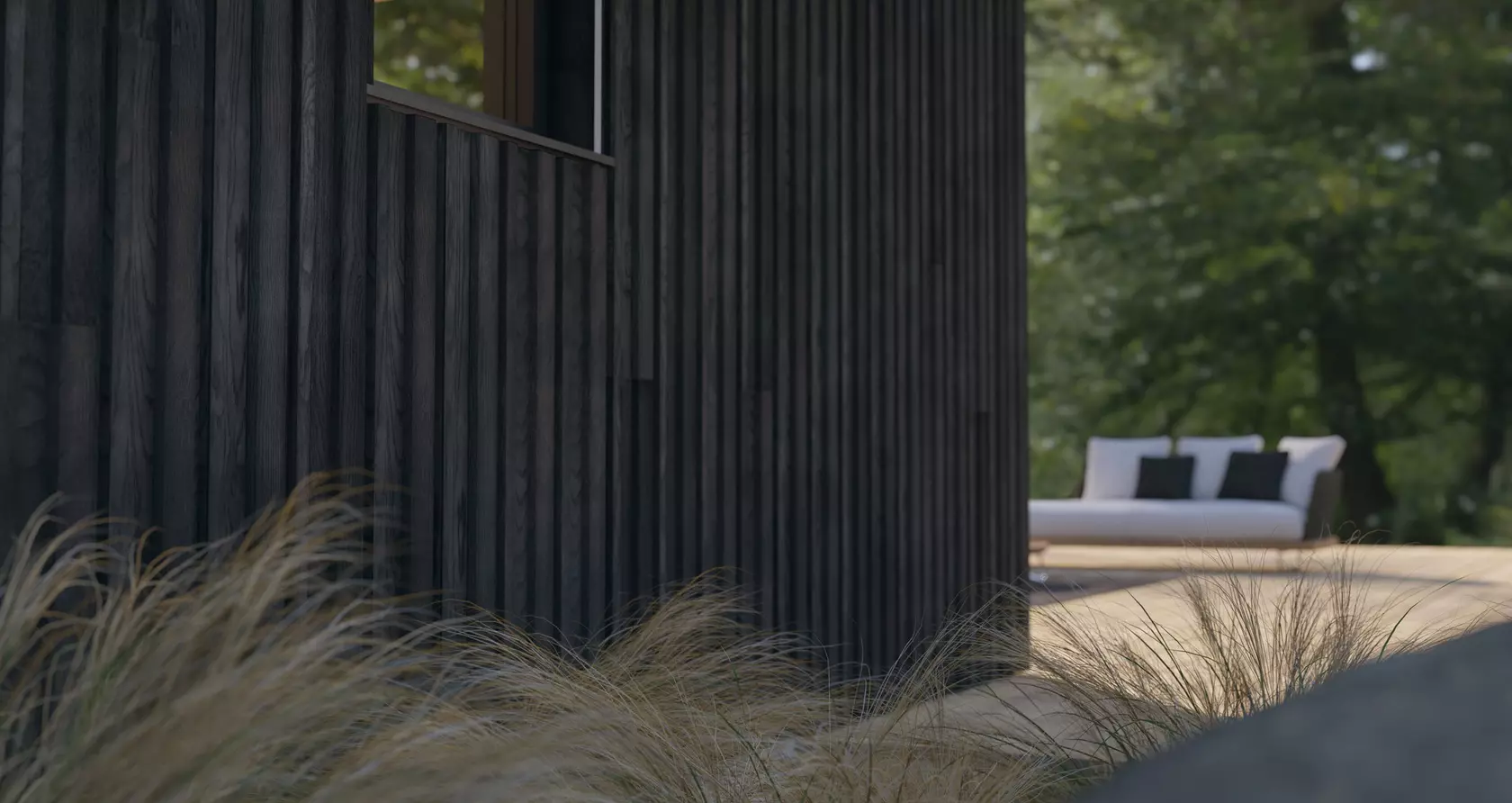
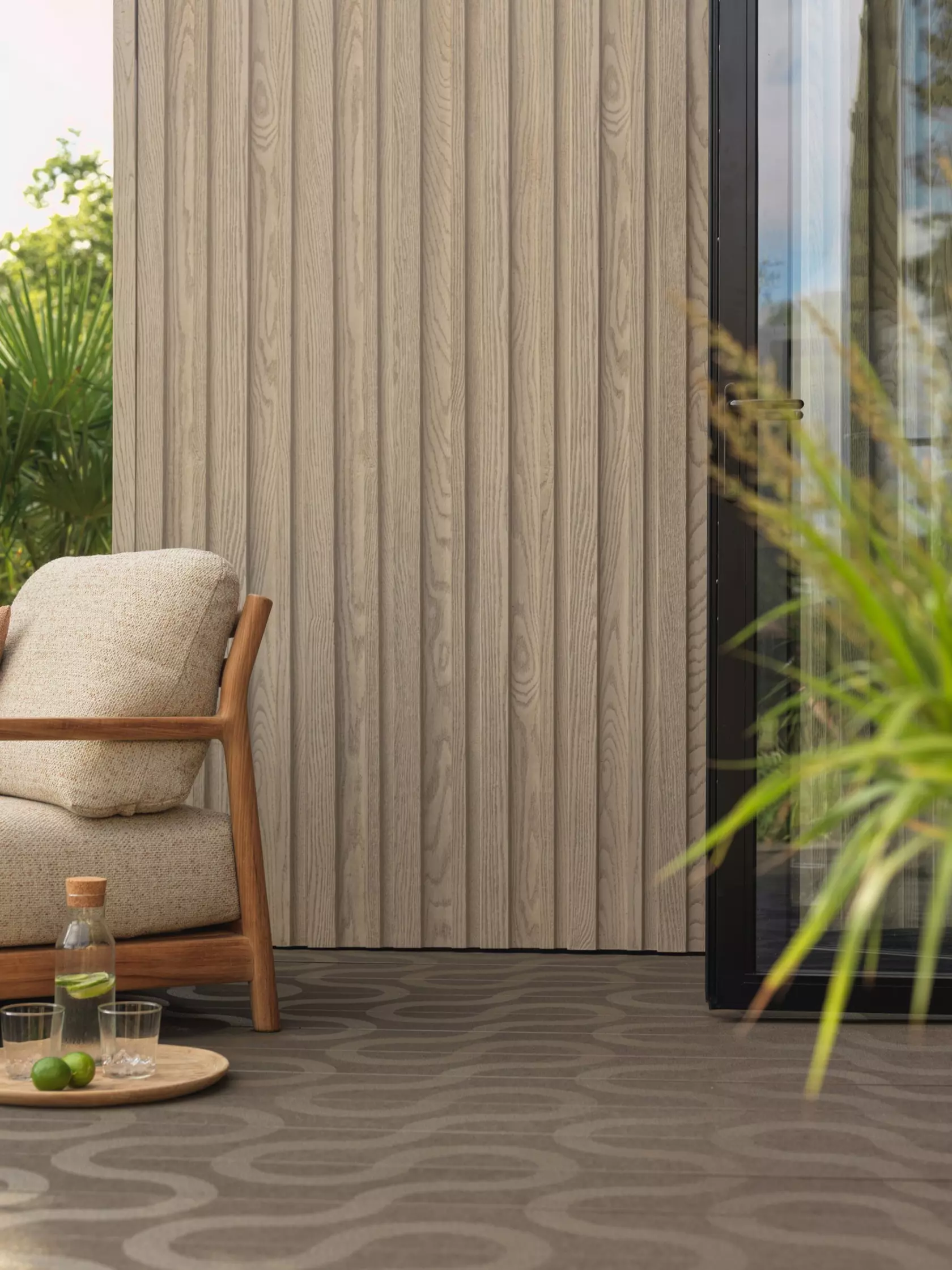
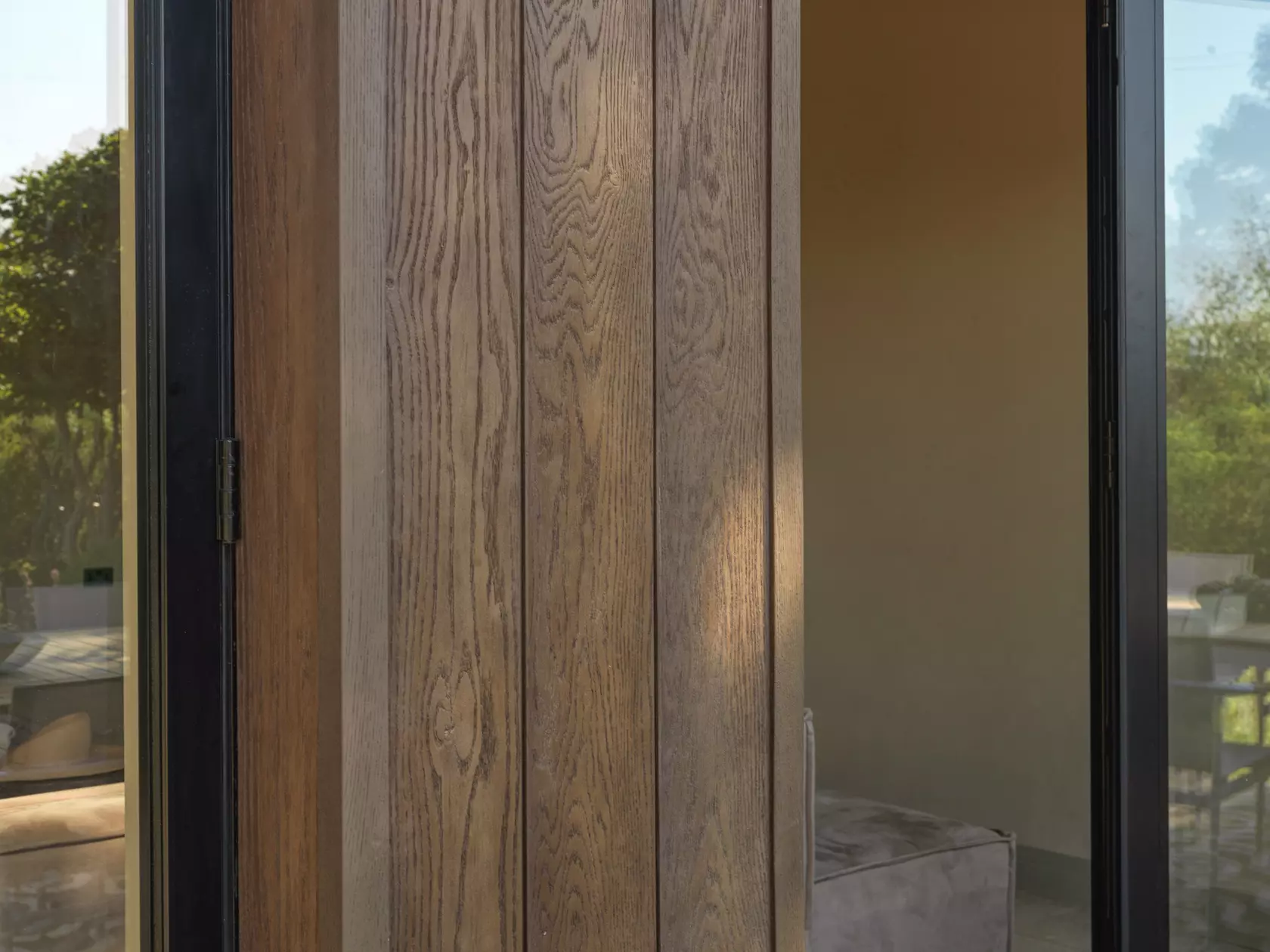
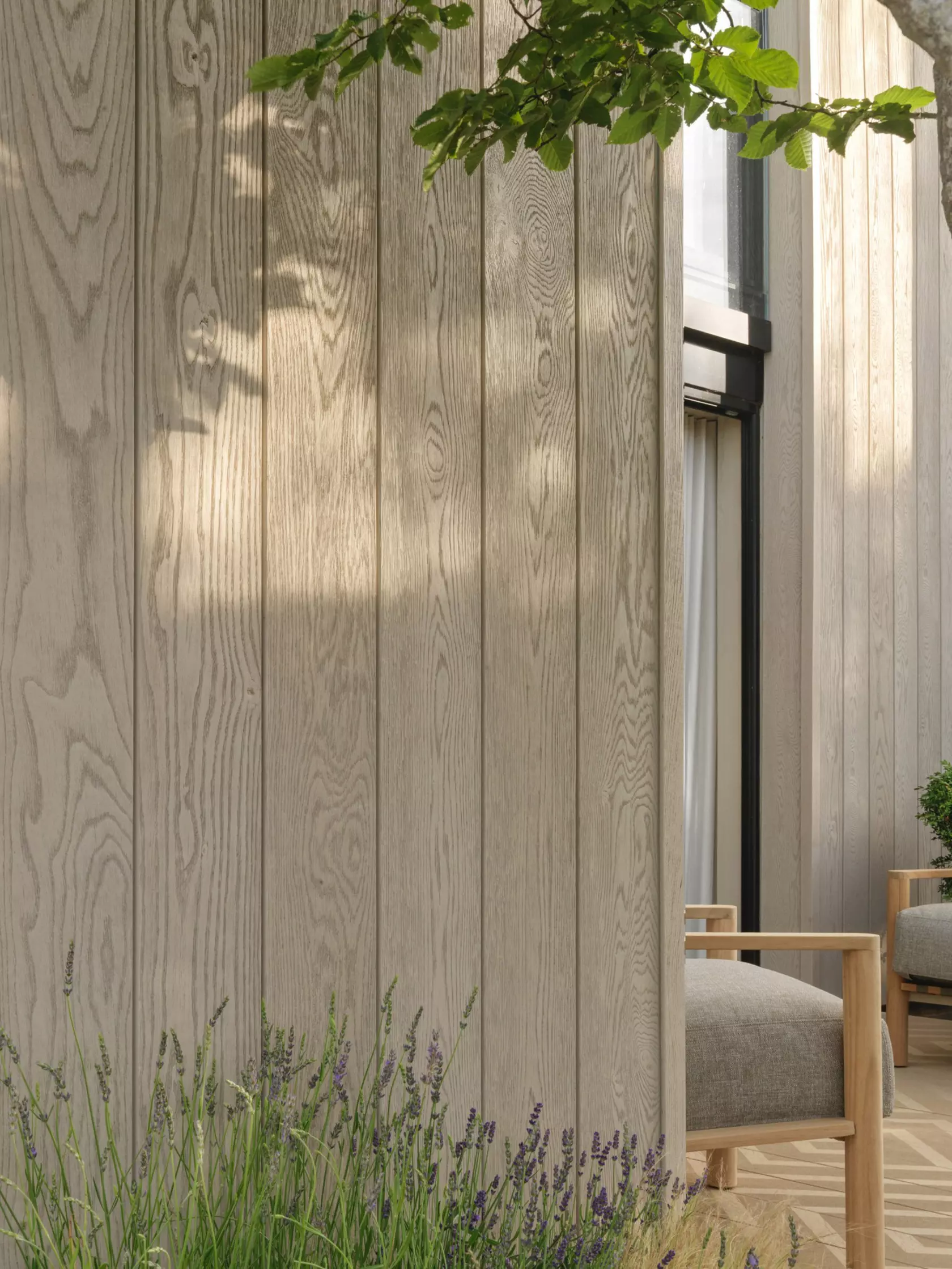
Millboard is a high-performance timber alternative cladding system, crafted with a composition of mineral limestone, that is not only durable, but weather-resistant and low maintenance. Envello boards have an authentic wood look and feel, requiring only minimal maintenance over the lifespan of the product. With its wood-free composition, rotting and warping are not an issue with Millboard, making it the ideal cladding material to withstand New Zealand's demanding outdoor environments.
Available in two profiles, Shadow Line+ and Board & Batten+, Envello cladding requires no specialist tools and can be cut and installed in the same way as traditional timber.
Price:
Product supply: $400/m² (lighter colourways) – $430/m² (darker colourways)
Installation: $110/m² (average)
Please note this is trade pricing
Millboard Envello Board & Batten+
Price:
Product supply: $485/m² (lighter colourways) – $520/m² (darker colourways)
Installation: $110/m² (average)
Please note this is trade pricing
Thermally Modified Timber (Abodo and other brands)
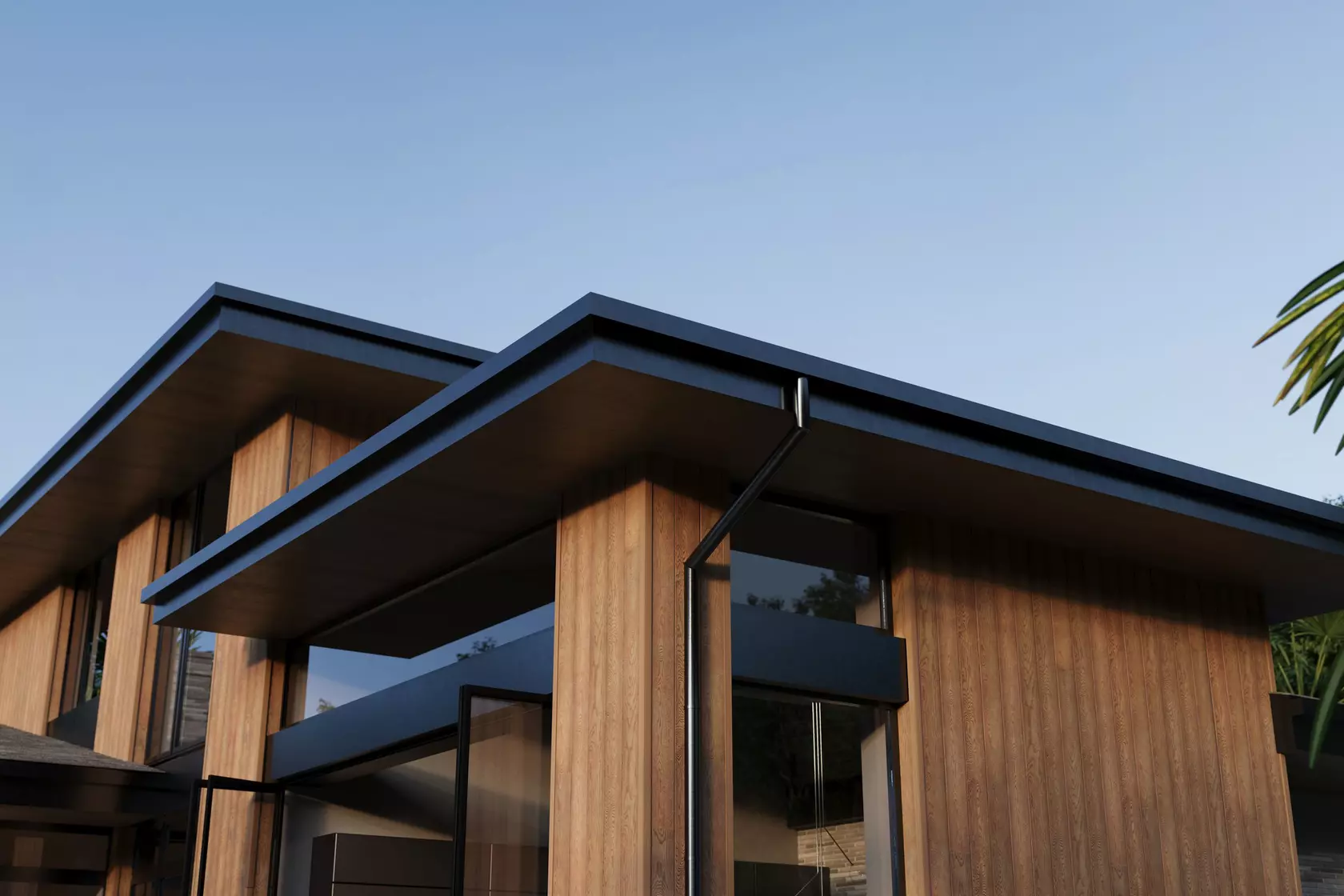
Thermally modified timber is a treated wood product that offers some improvement in durability and stability over untreated timber. However, like all timber claddings, it still requires regular recoating to maintain its appearance and protect against New Zealand’s demanding weather conditions.
Price:
Product supply: $220/m² (includes 1 coat; an additional coat required after installation, approx. $20/m²)
Installation: $110/m² (average)
Recoat every 3 years: $30–$40/m² (professional clean and recoat)
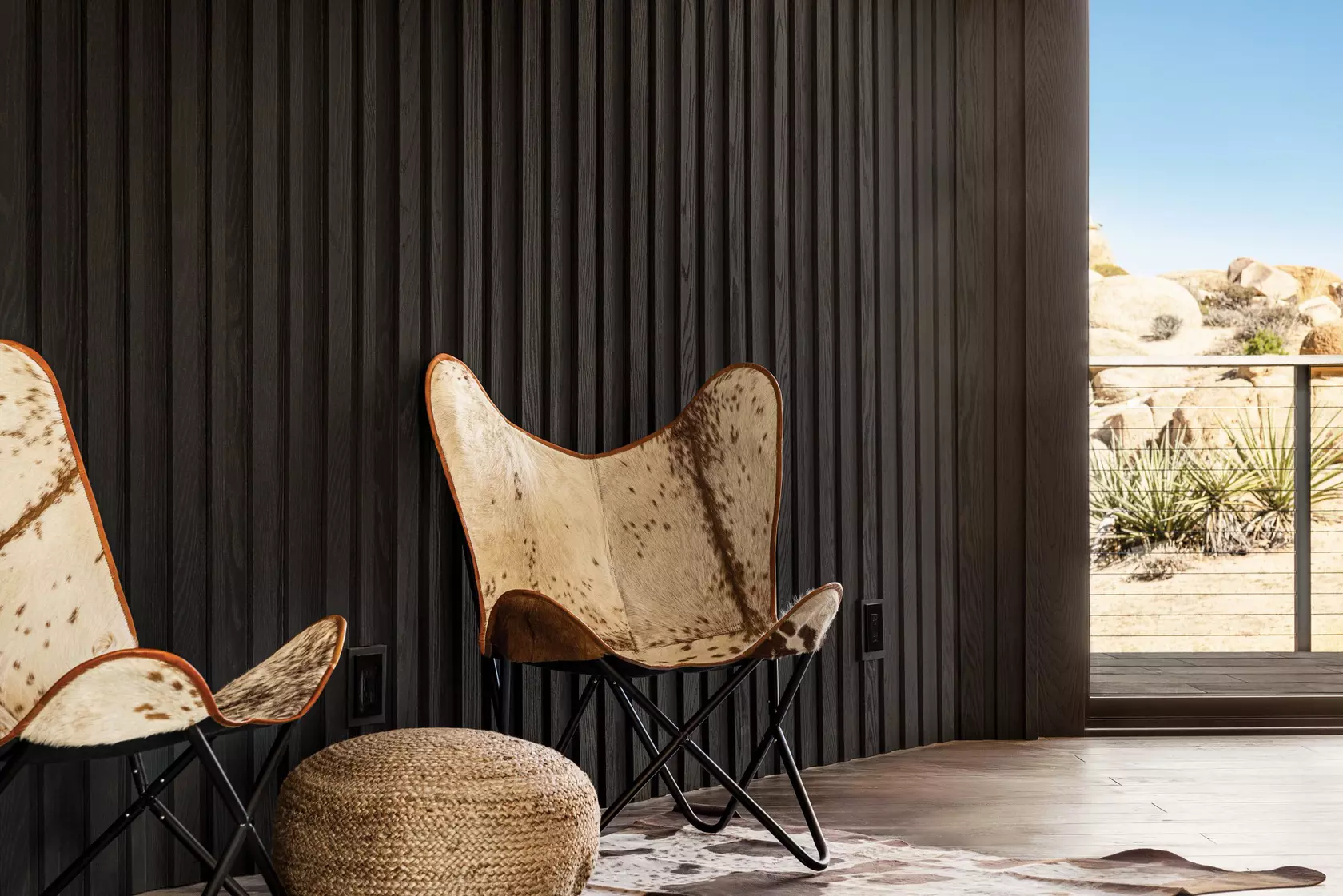
Accoya is a modified wood product that offers good resistance to rot and moisture. Like other timber claddings, it requires periodic recoating to maintain its finish and protection, and ongoing maintenance costs should be factored in when considering the total cost over the product’s lifetime.
Price (available through merchants):
Product supply: $230/m² (another coat required after installation, approx. $20/m²)
Installation: $110/m² (average)
Recoat every 3 years: $30–$40/m² (professional clean and recoat)
CEDAR CLADDING
Cedar is most commonly used in NZ as a feature cladding, often mixed with a cheaper cladding to improve the aesthetics of the design. Cedar requires regular restaining every 2–3 years, depending on the weather conditions (for example, north-facing walls with full sun exposure will need to be restained more often).
Price:
Product supply: $284/m² (includes 1 coat; an additional coat required after installation, approx. $20/m²)
Installation: $110/m² (average)
Recoat every 3 years: $30–$40/m² (professional clean and recoat)
Timber Weatherboards
Timber weatherboards have been around since the 1500s and are still a common cladding material used today. Since the introduction of fibre cement cladding, that has the same look as timber weatherboard, the use of timber weatherboard has slowed, however it is still used by those seeking a more natural material for their homes.
Timber weatherboards require regular upkeep and painting every 5–7 years. It is also recommended that the weatherboards be painted in a light colour to prevent the boards from warping due to sun exposure.
Price:
Pine Weatherboards Painted: $250–$300/m² (incl. installation and GST)
Repainting cost: $120/m²
Fibre Cement Weatherboards
An alternative to timber weatherboards, fibre cement weatherboards are more expensive than timber, however they don't require the same maintenance and can be painted in dark colours as they won't warp in the sun.
Fibre cement weatherboards located in coastal environments will need to be repainted every 10 years to keep the boards durable and looking good.
Price:
$320–$350/m² (incl. installation and GST)
Repainting cost: $120/m²
Colorsteel Metal Cladding
Colorsteel cladding is manufactured from long sheets of steel, roll formed into different profiles. Originally used for roofing, it has become a popular choice for cladding due to its versatility and durability.
Colorsteel is a prefinished, low maintenance cladding option that is durable even in coastal settings. While low maintenance it does require regular fixing inspections.
Price:
• Standard Profiles: $200–$230/m² (incl. installation and GST)
• Architectural/Tray Profiles: $400+/m²
Plaster Cladding
Plaster cladding, also known as monolithic cladding, has historically had a bad reputation for being leaky, especially from the 80s – early 2000s. Nowadays it has been developed to be extremely watertight and structurally sound, even more so than other common cladding materials.
Plaster cladding is created by screwing panels to cavities on the frames of houses, plastered over multiple times and finished in different styles and looks. Alternatively, bricks can be used to enclose the house and plastered over to achieve the same look as traditional plastering.
Plaster clad homes require maintenance and repainting every 7 years or so to ensure the home stays watertight and prevent cracking.
Price:
• Plastered & Painted: $320/m² (incl. installation and GST)
• Repainting: $120/m²
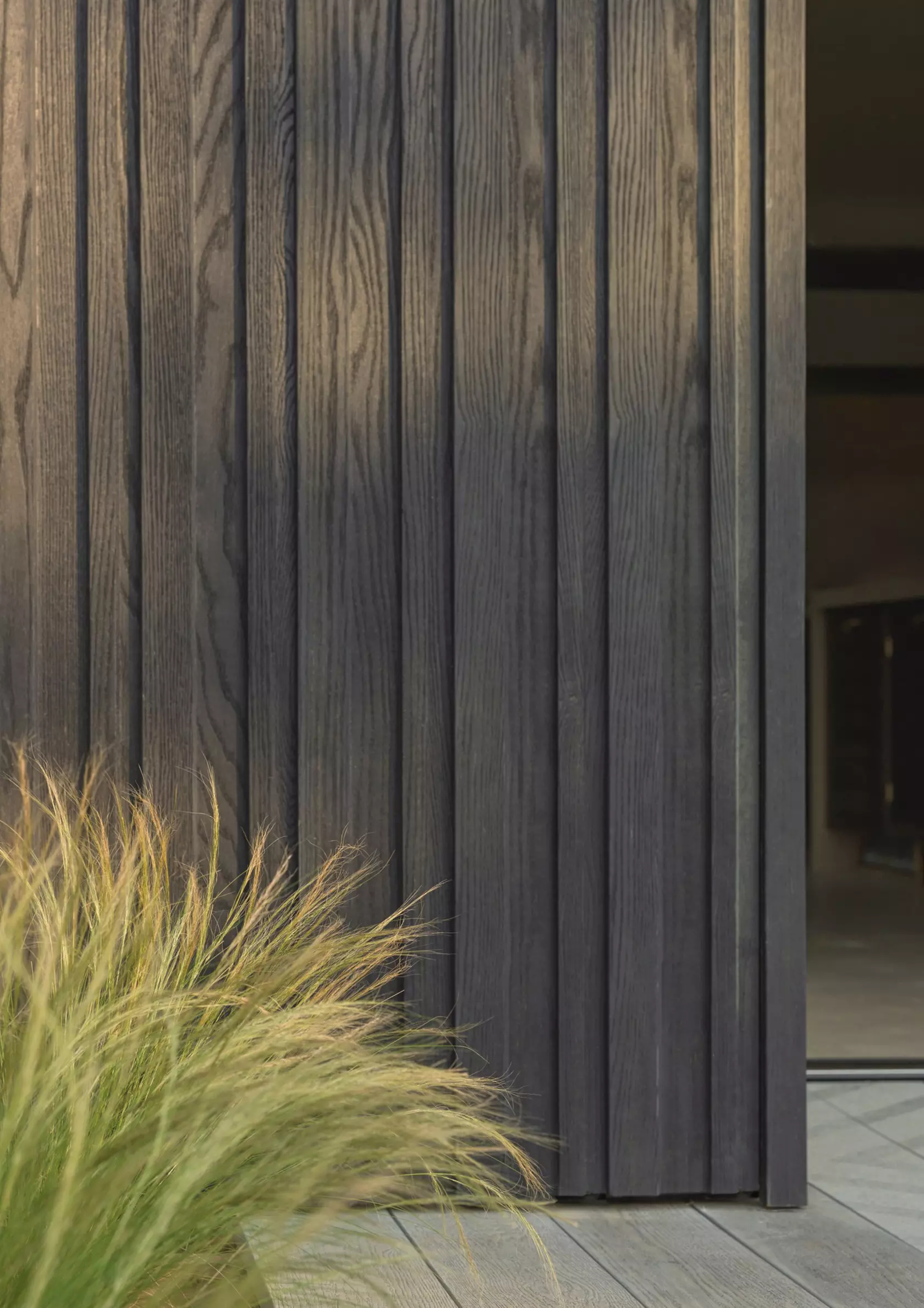
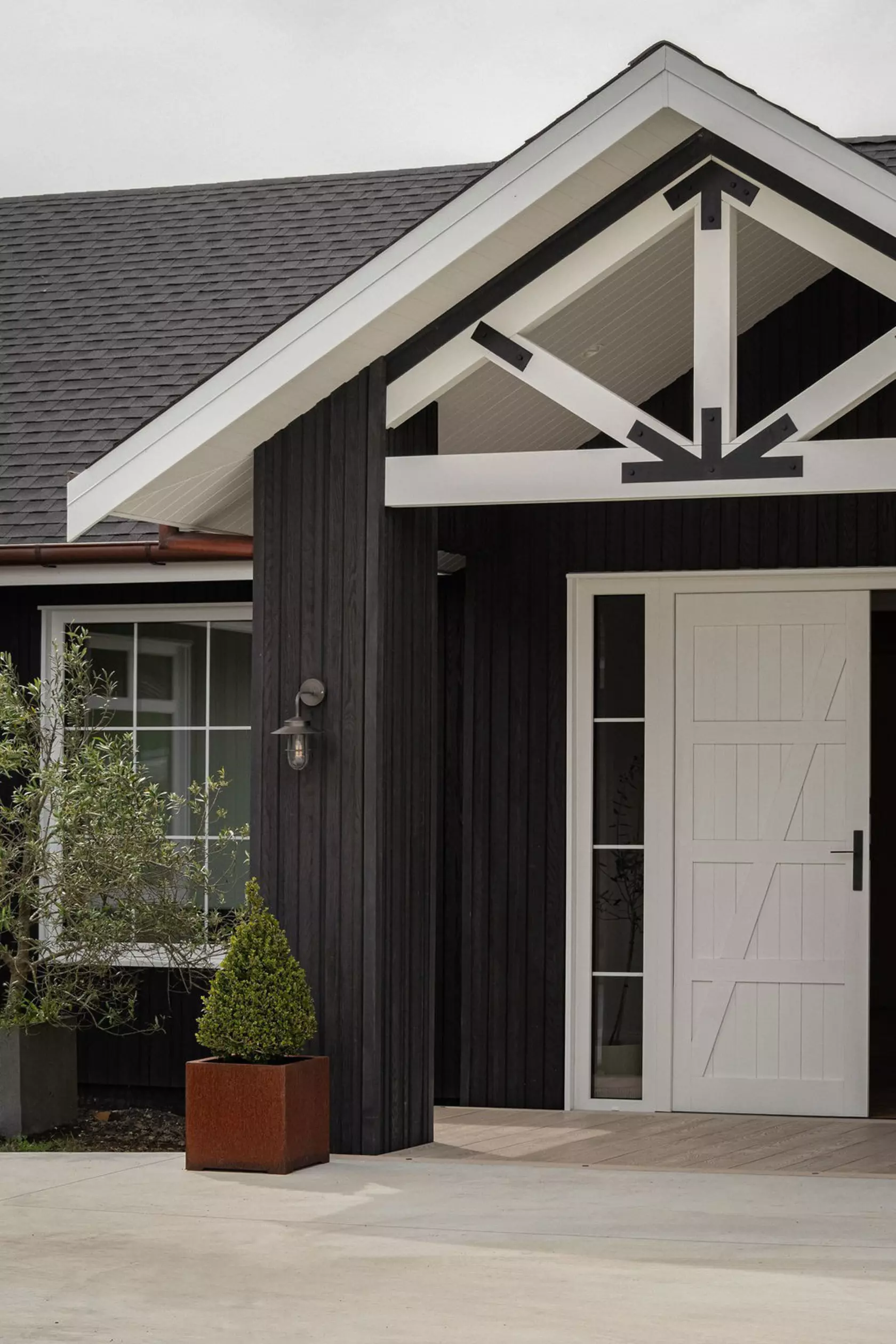
Ply/Board & Batten is a popular cladding choice for those wanting a more country style home, however you will need to do your research before opting for this cladding material.
Ply & Batten (such as Shadowclad) has been used as the board on multiple projects and finished in a dark paint colour. Due to exposure to sun, the ply has delaminated, resulting in excessive repair costs.
If you choose to go with a Board & Batten cladding, it is recommended that fibre cement sheets and battens are used to create the cladding profile. This can be painted in any colour and won't be susceptible to damage from sun exposure.
Fibre cement Board & Batten cladding will need to be maintained, requiring painting/recoating every 8–10 years to keep the cladding looking its best.
Price:
• $250–$300/m² (incl. installation and GST)
• Repainting: $120/m²
Standard Brick
Used on many homes around New Zealand due to its low-maintenance and durable properties, brick cladding is still a popular choice amongst homeowners.
Bricks come in many colours, styles and sizes and are deemed to be the most low-maintenance cladding option on the market. However, bricks that are covered, plastered and painted may need to be repainted after 10–12 years to keep it structurally sound and waterproof.
Price:
• Standard Brick: $230–$300/m² (incl. installation and GST)
• Covered, plastered & painted: an extra $360/m²
With so many cladding options to choose from, picking a cladding solution that requires little to no maintenance, is easy to install and is ultra durable in any New Zealand climate isn’t easy.
Our Millboard Envello Mineral Board Cladding ticks all of these boxes, and even though its cost-in-use may be slightly more expensive than other cladding solutions, it is low-maintenance and doesn’t require regular staining like many other cladding systems in the market — saving you time and money in the long run.