






Clear
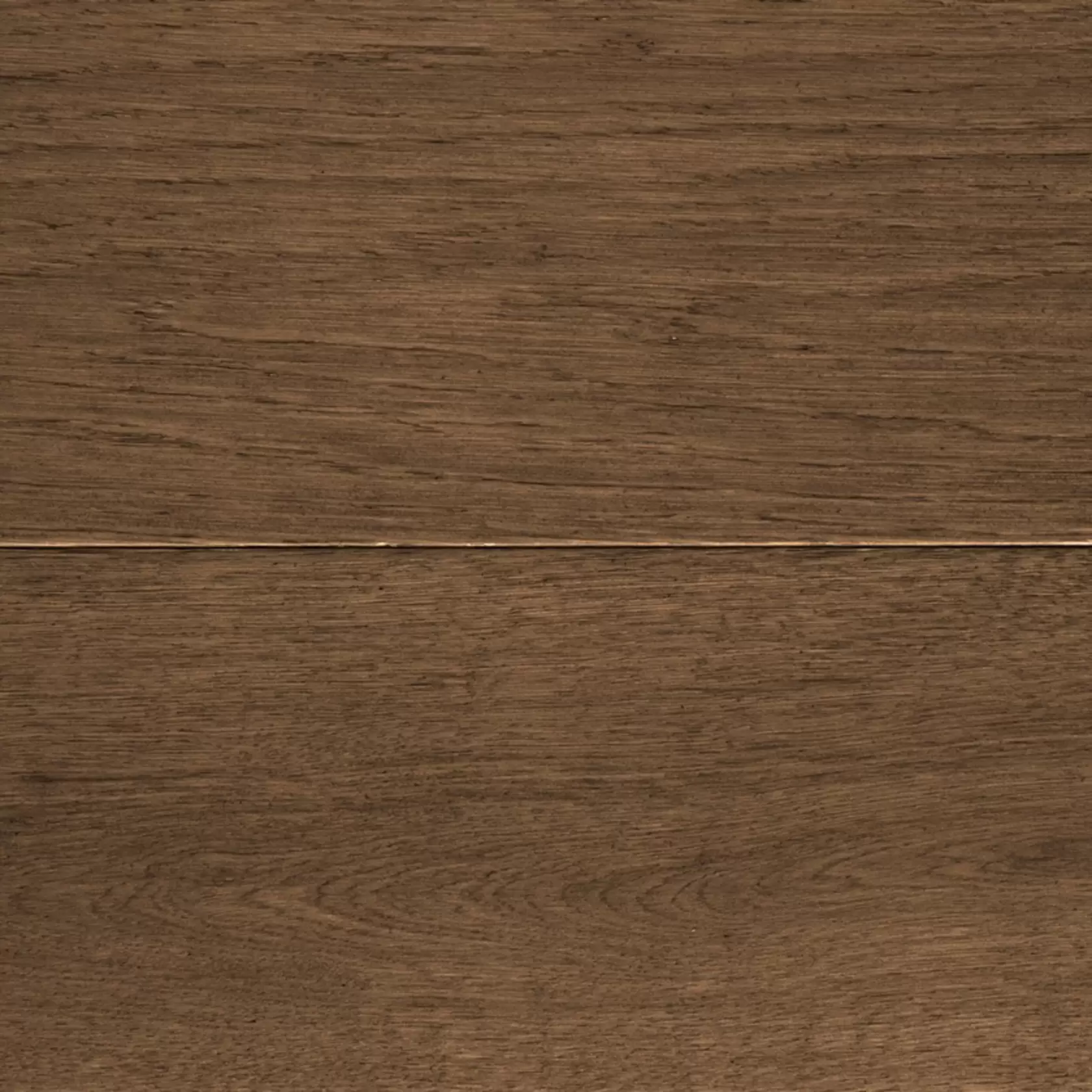
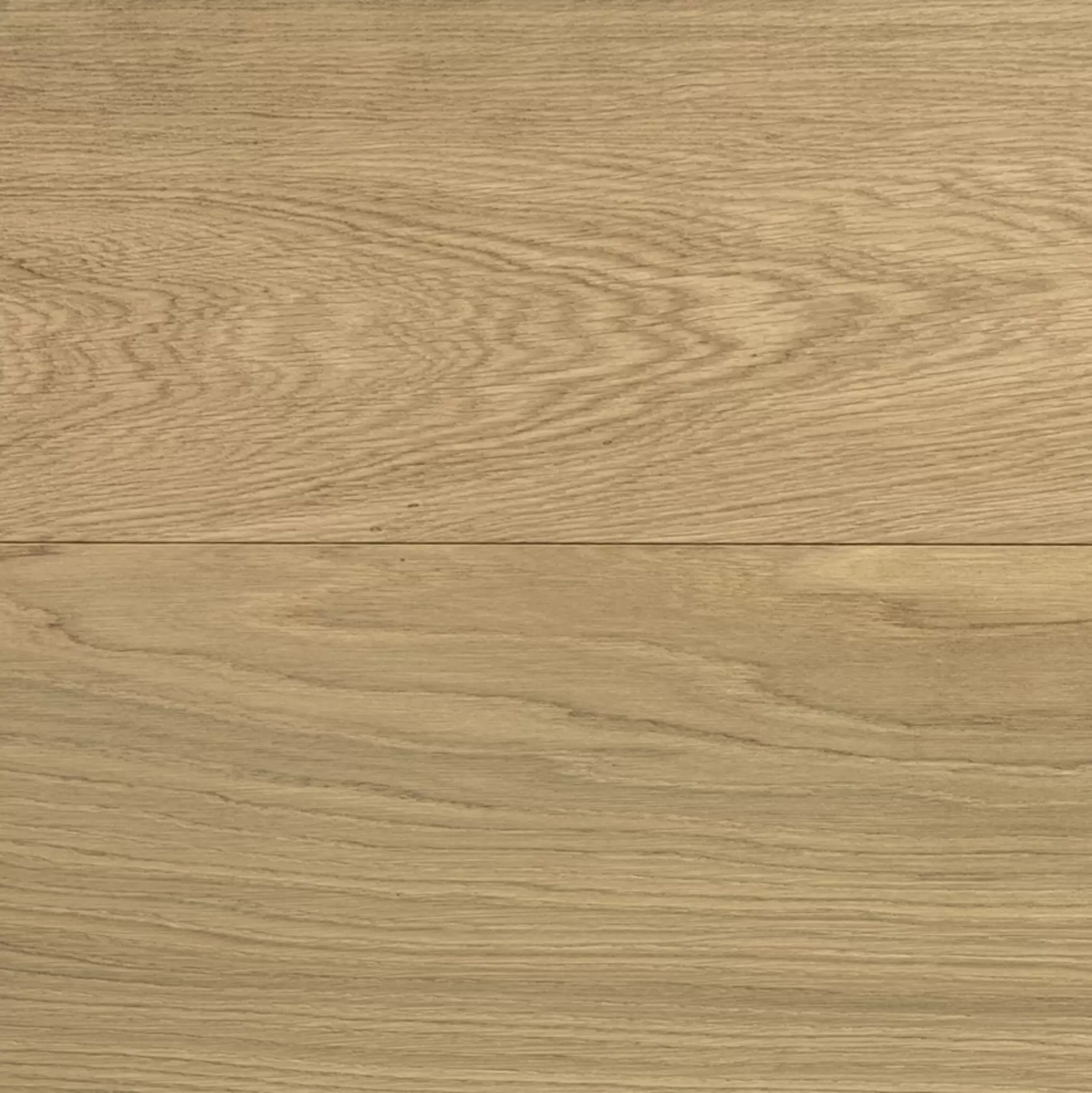
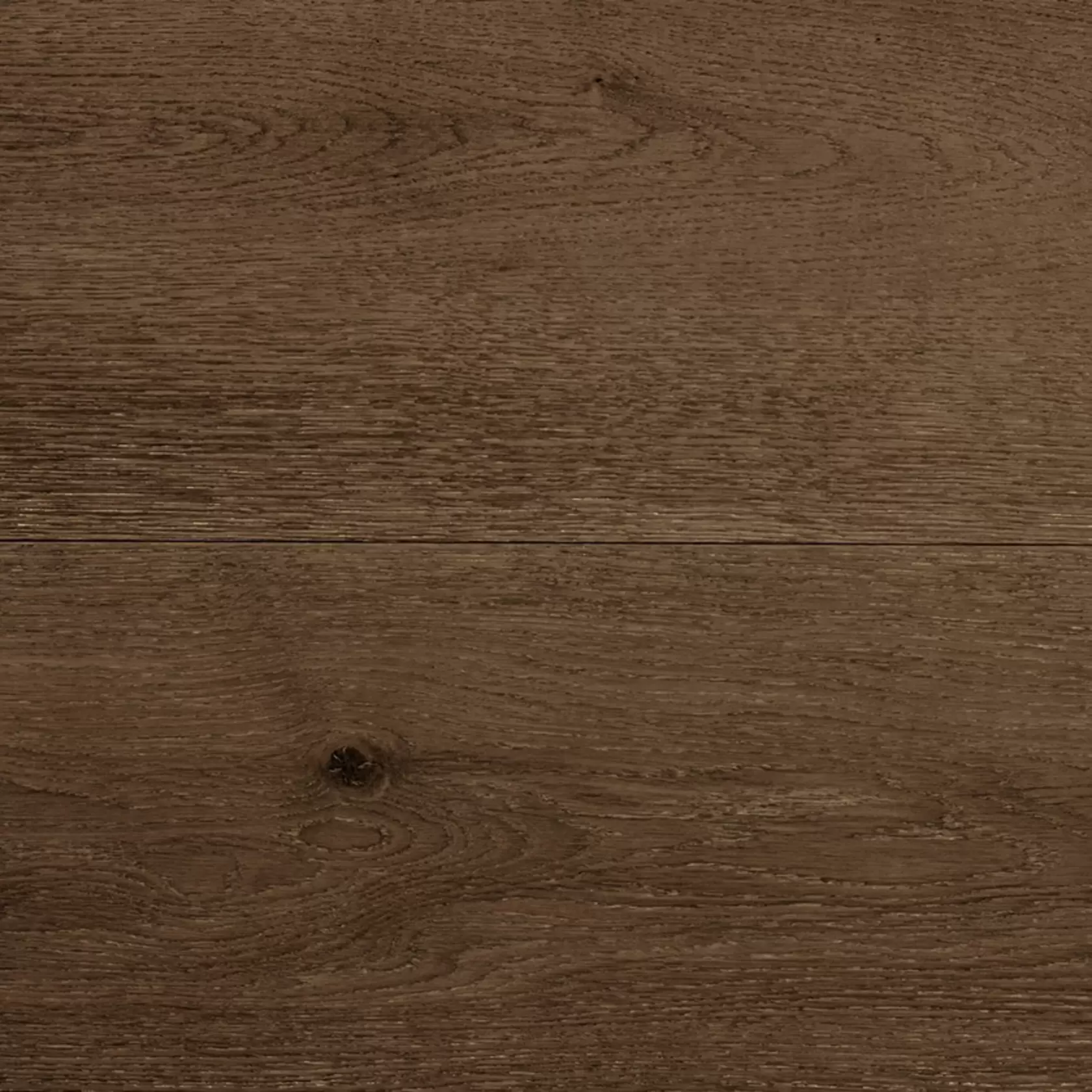
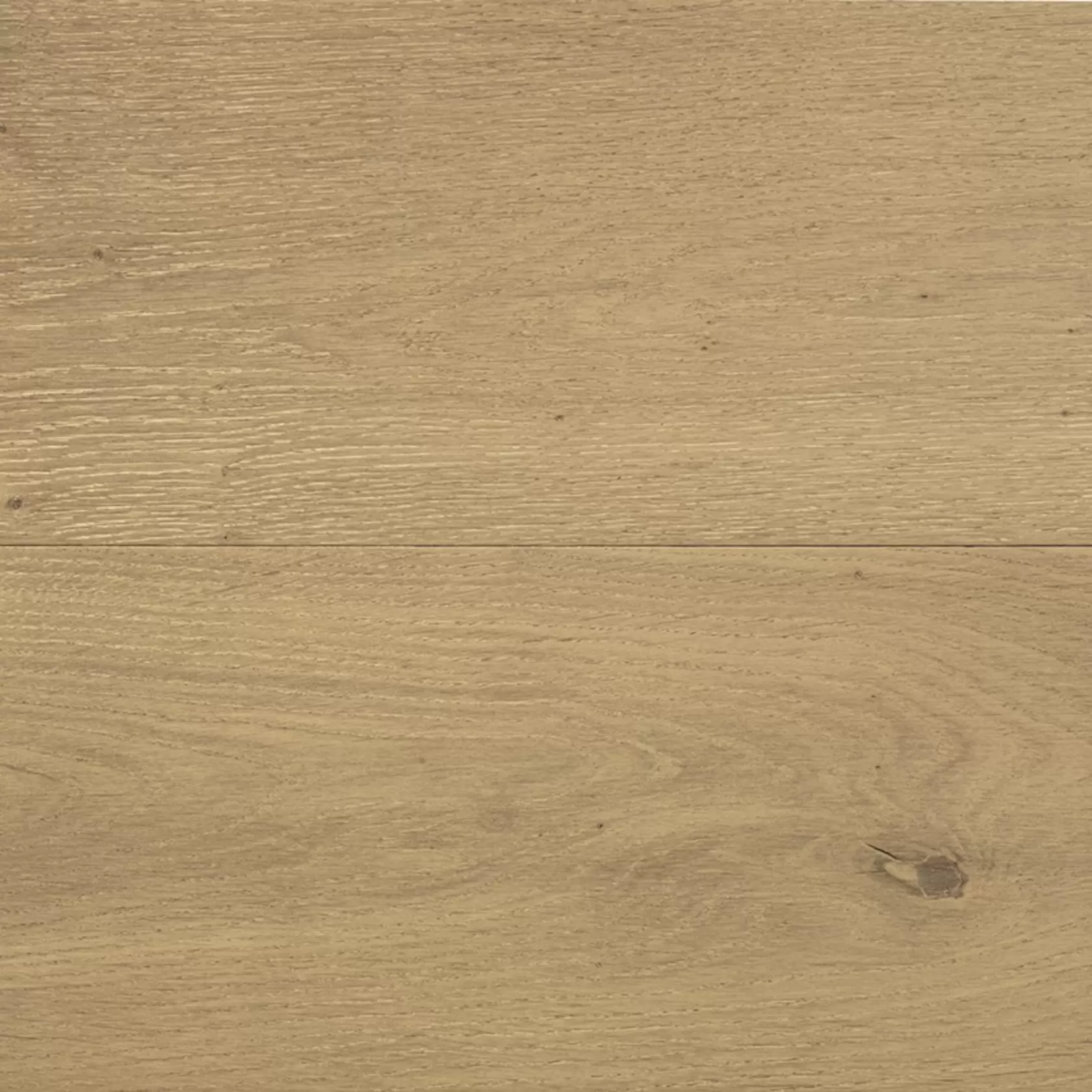
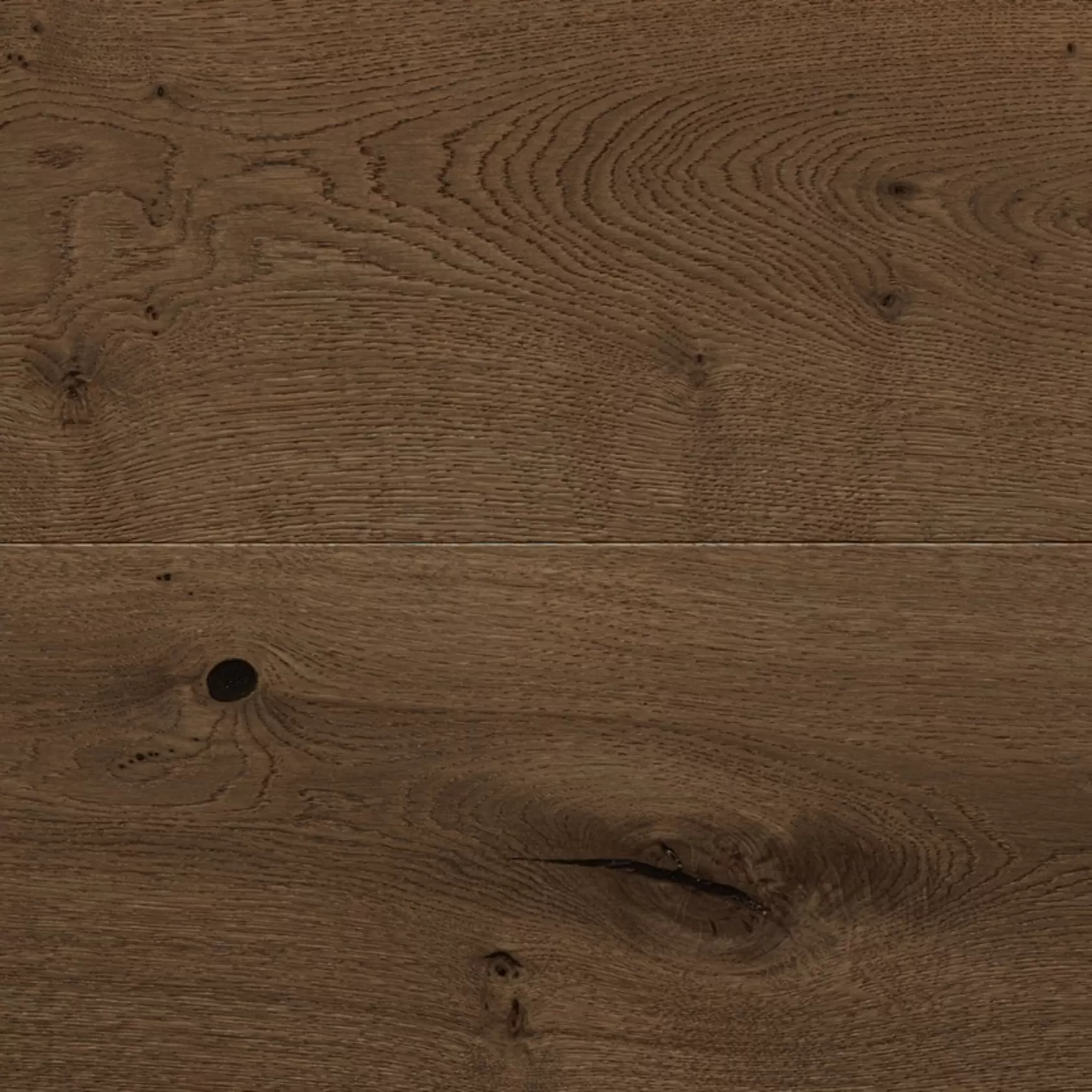
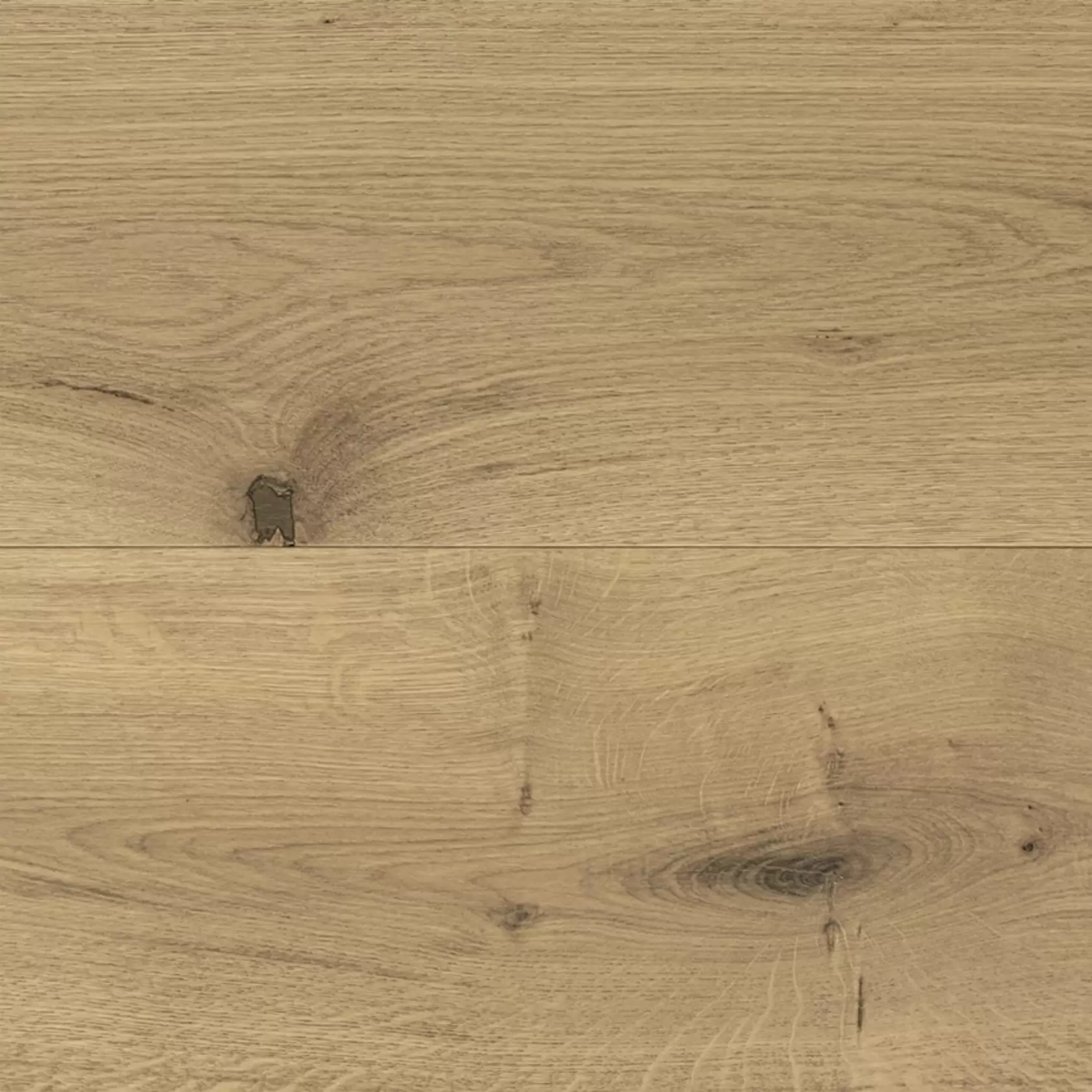
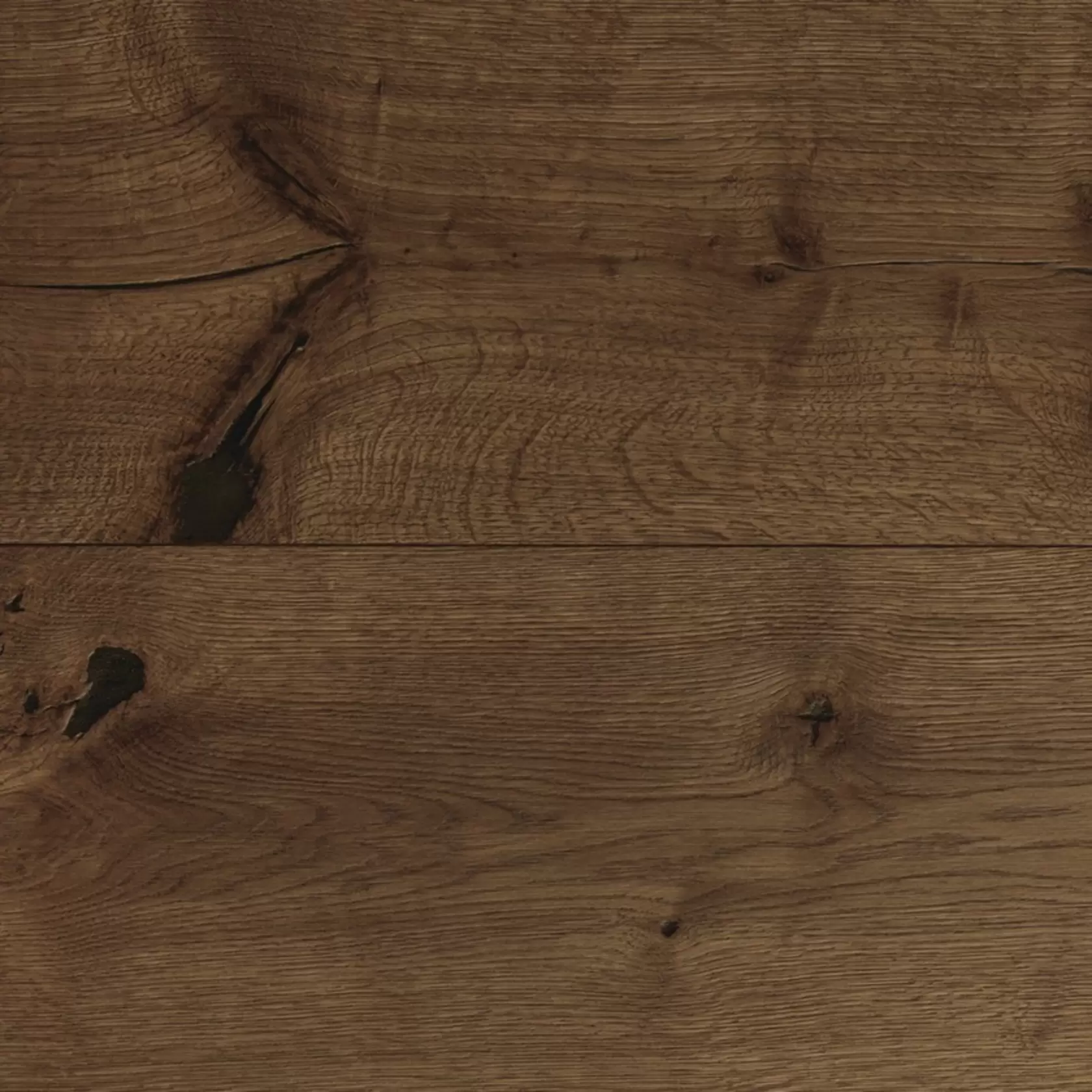
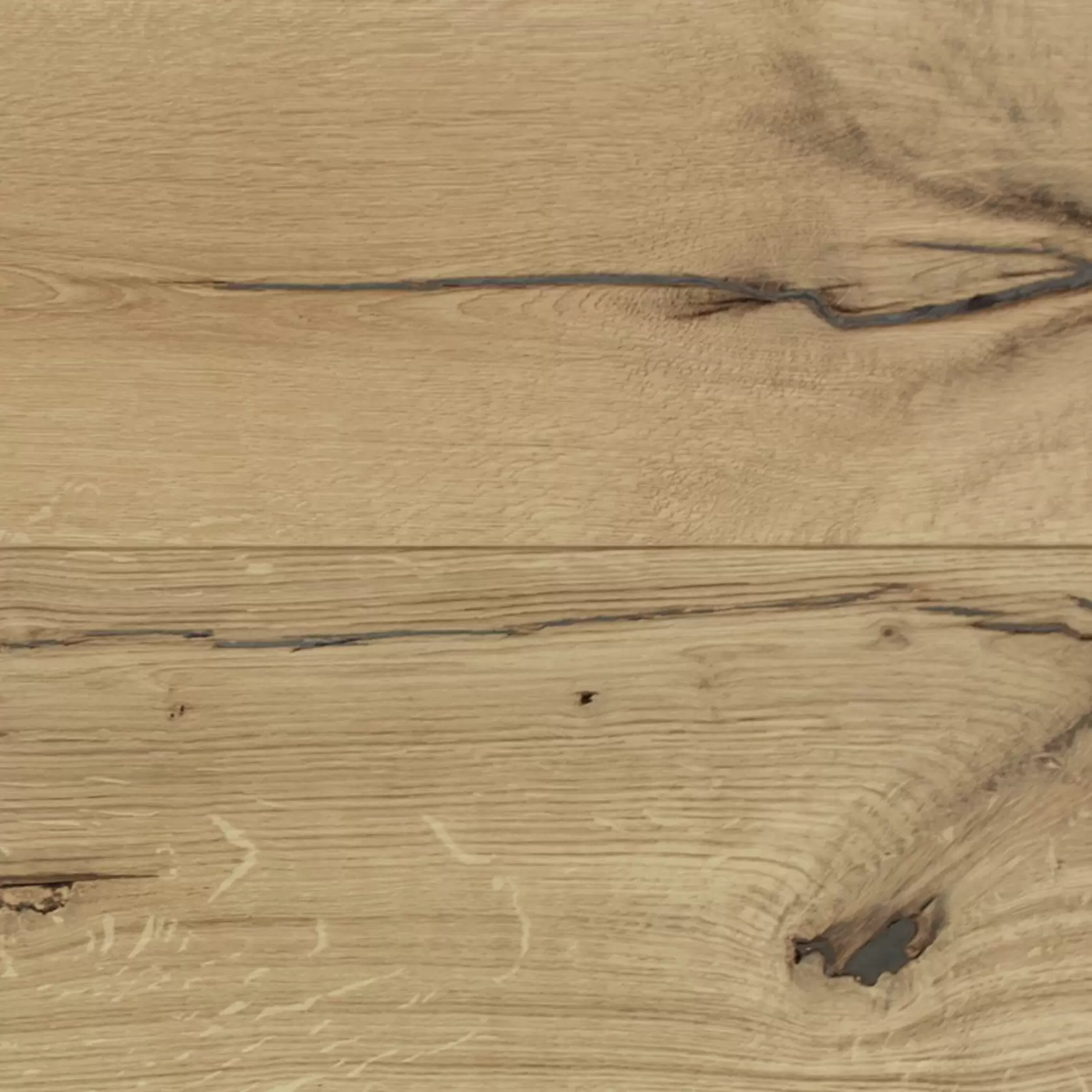
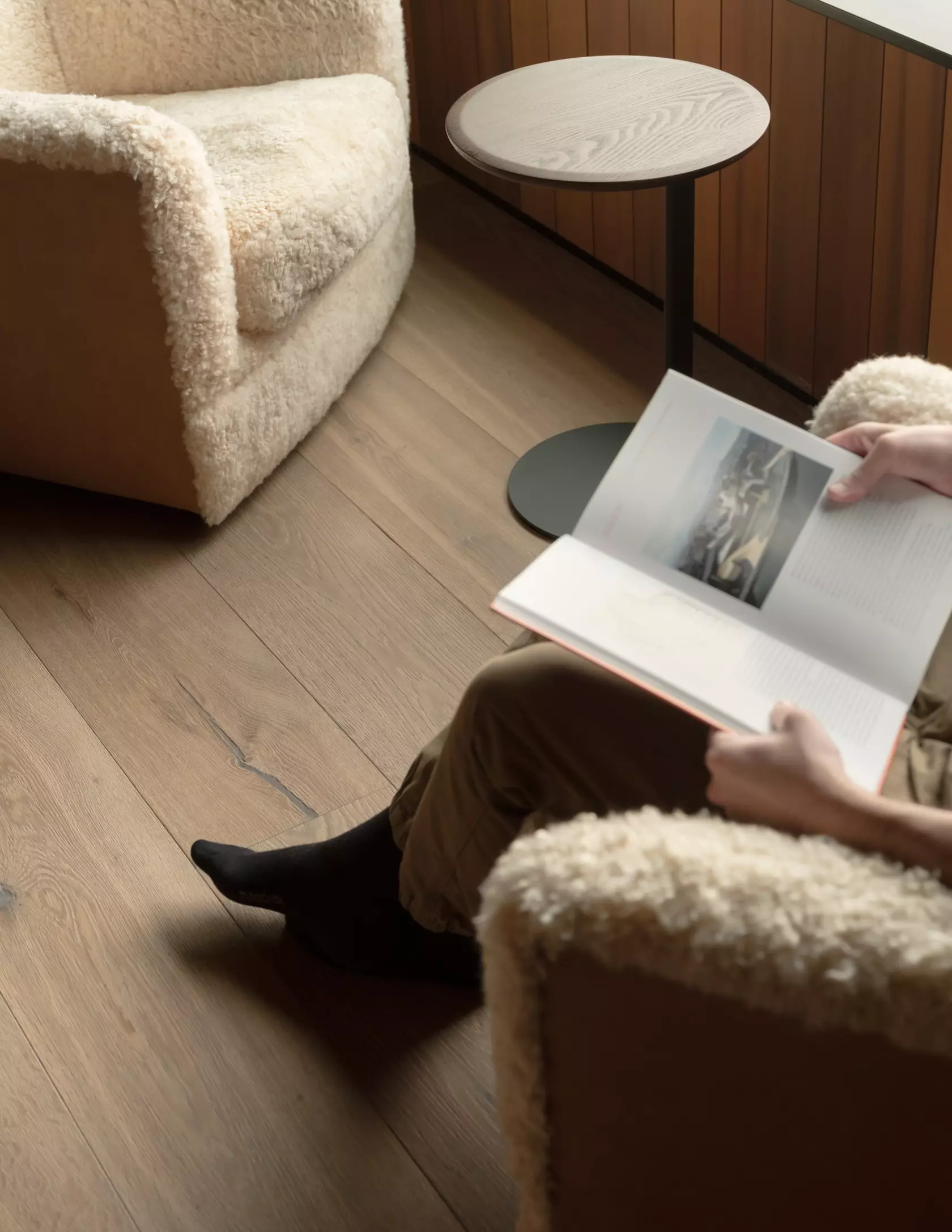
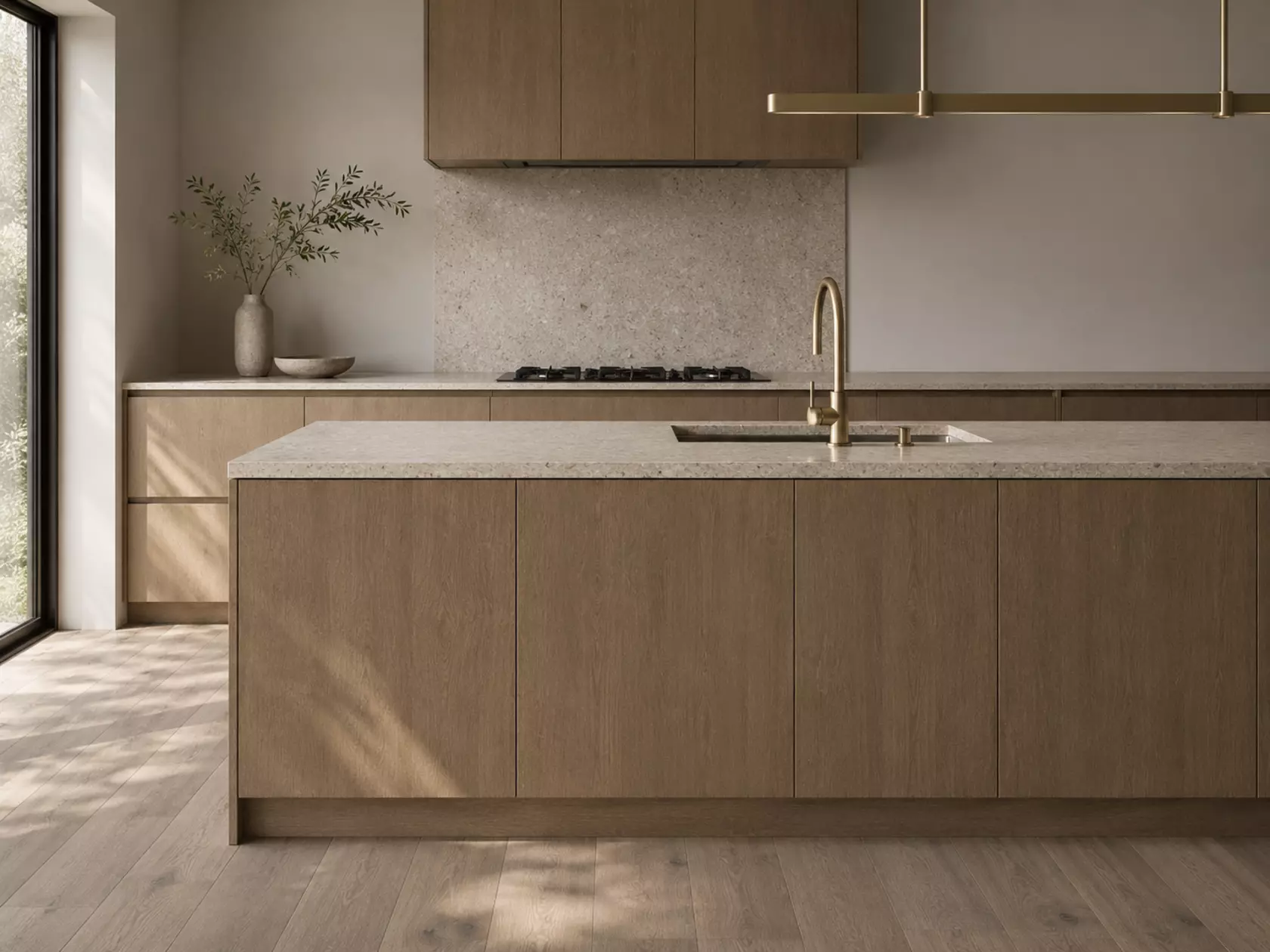
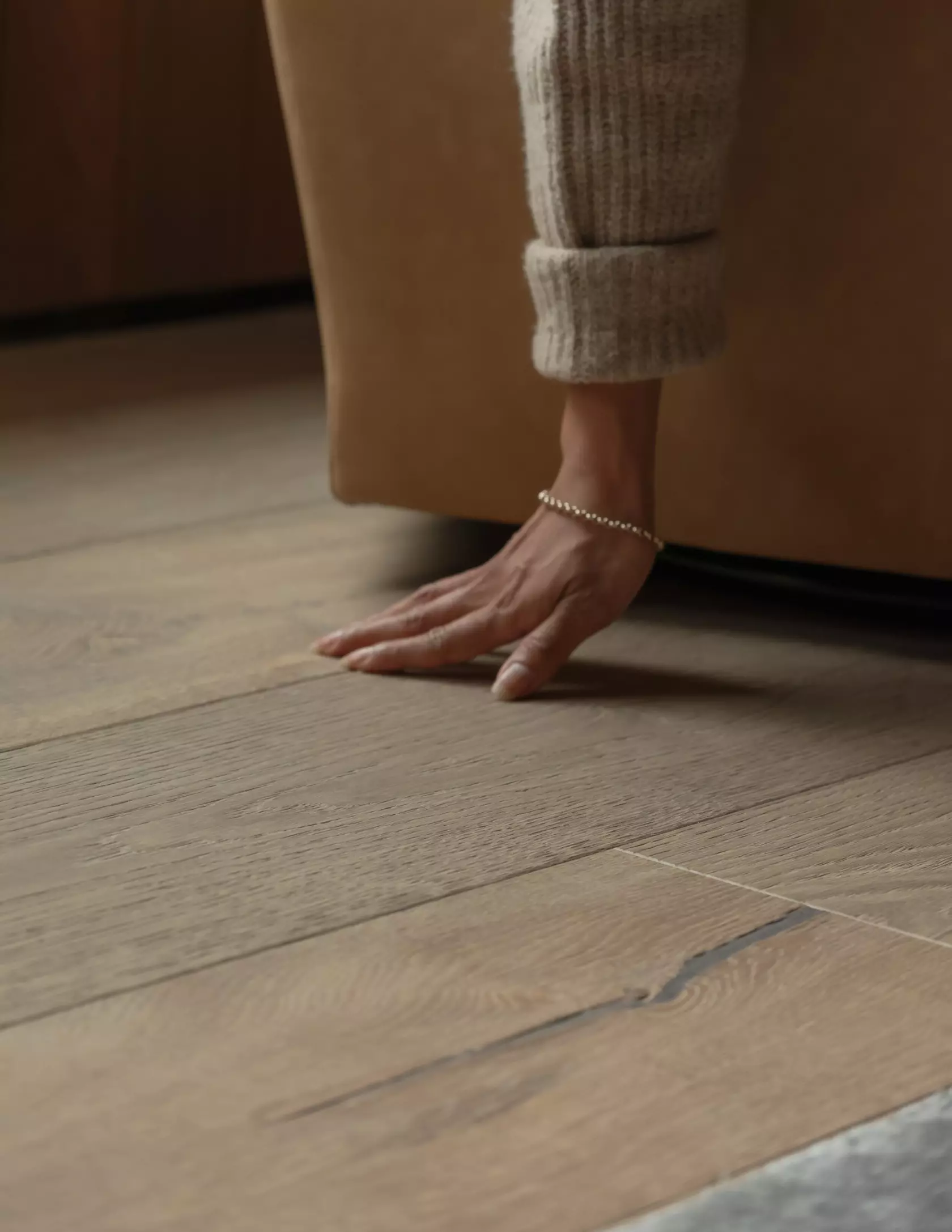
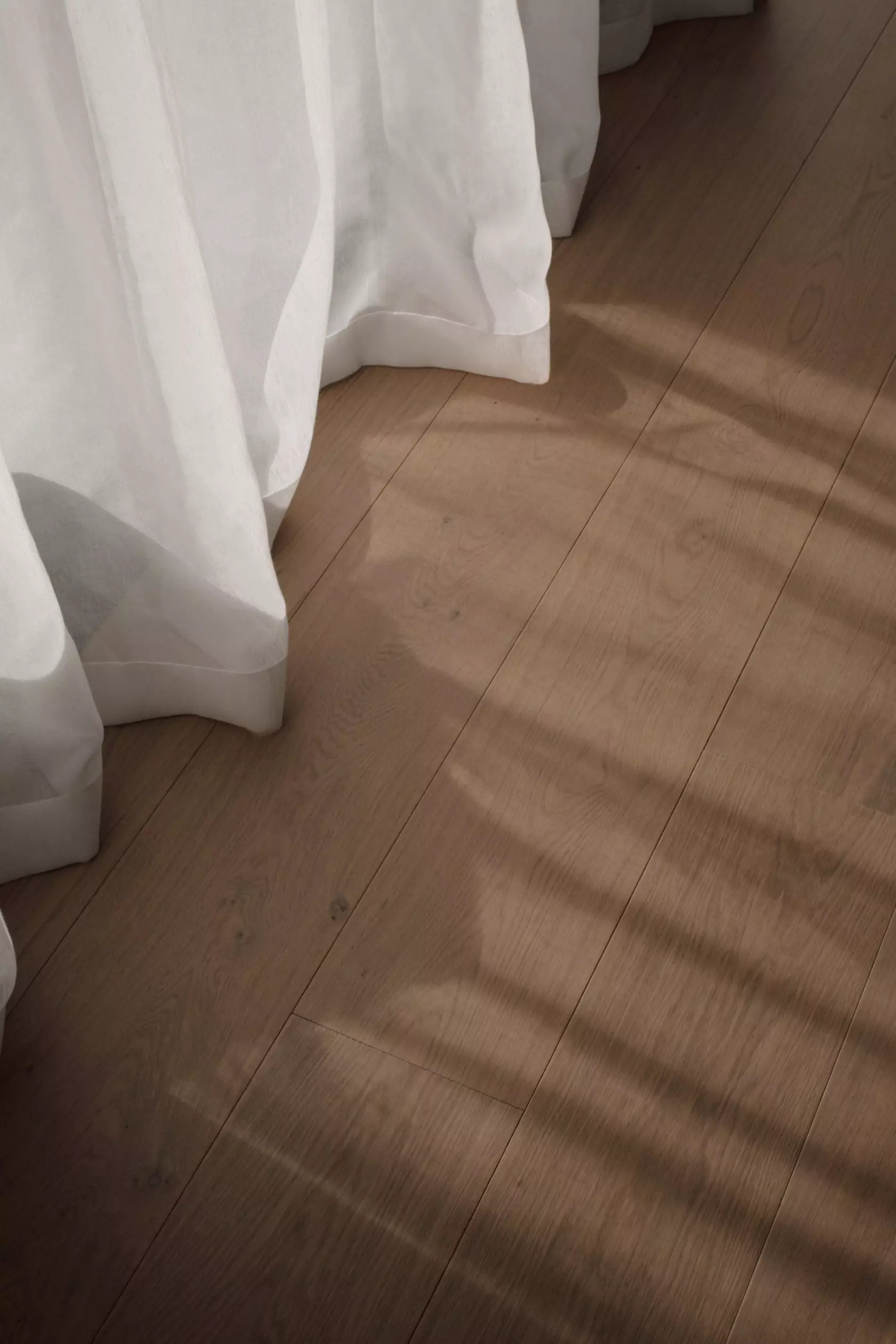
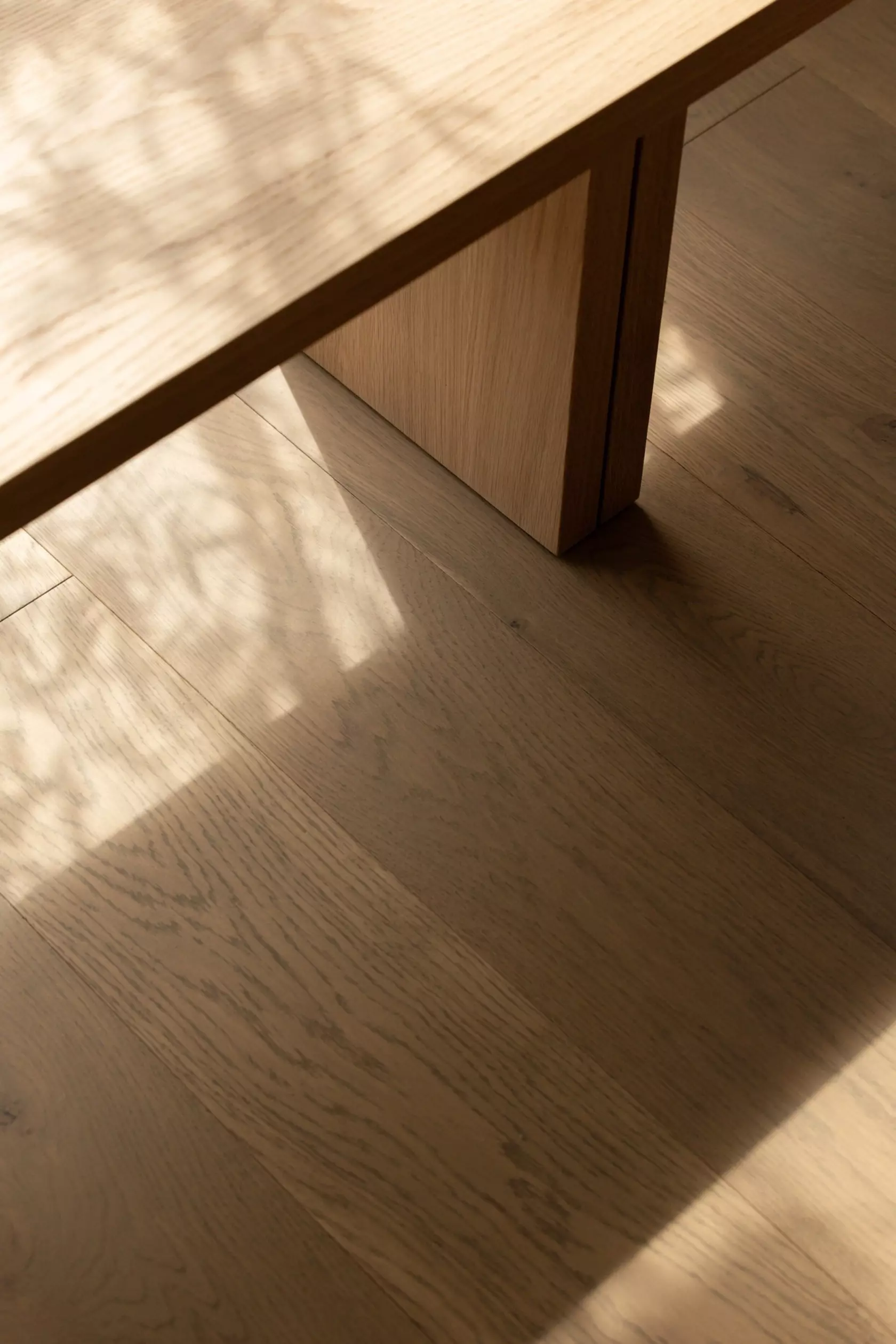
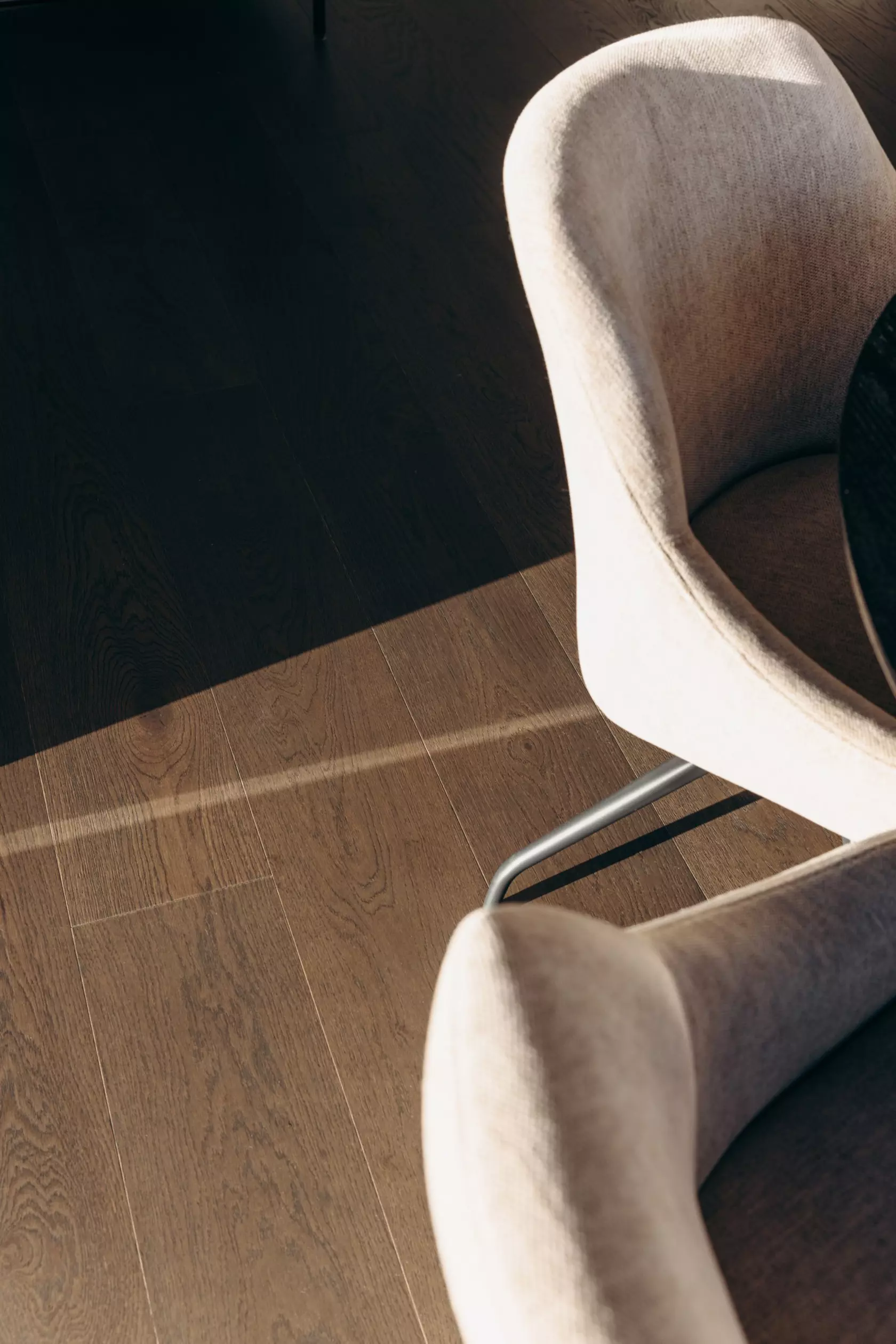
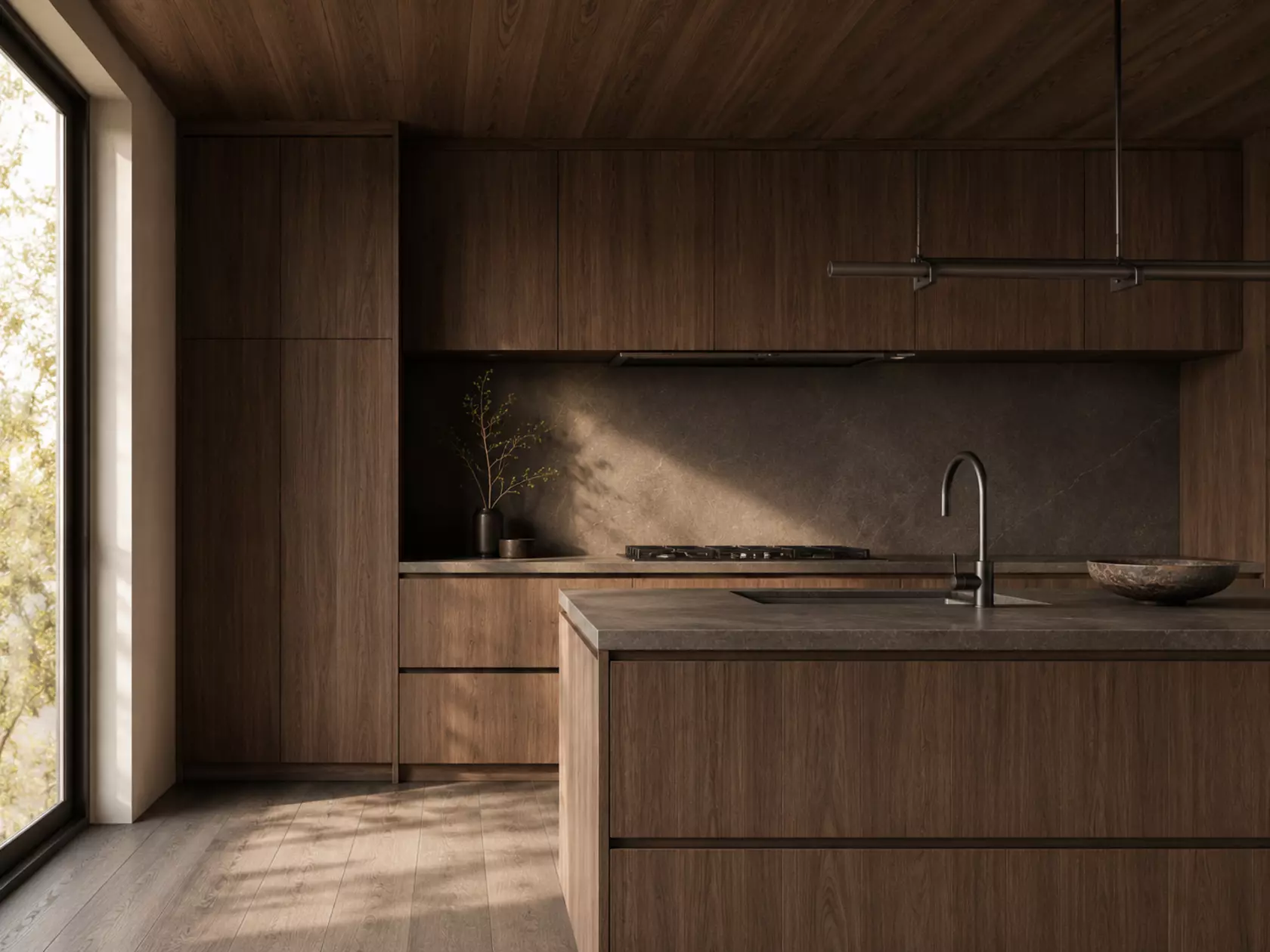
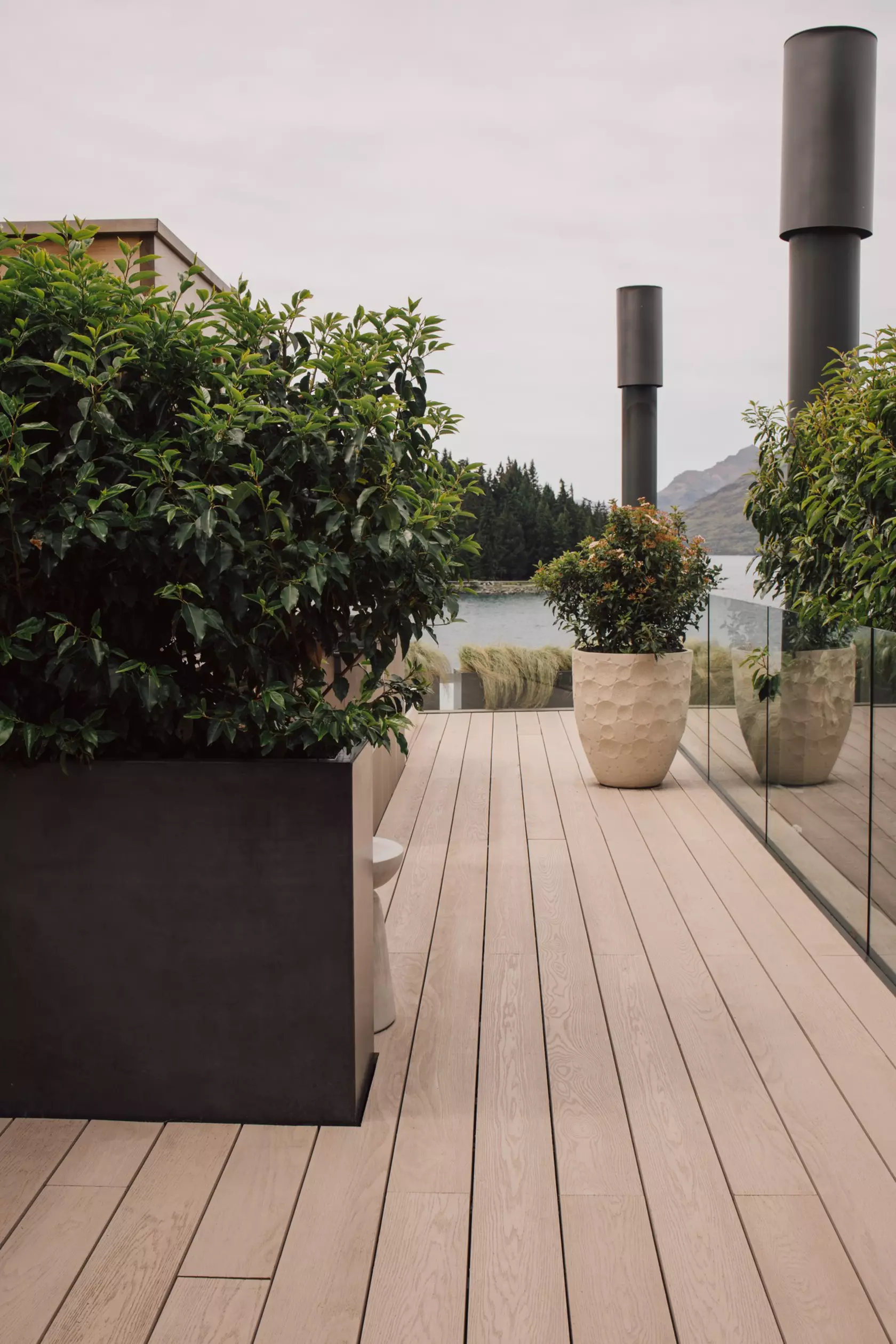
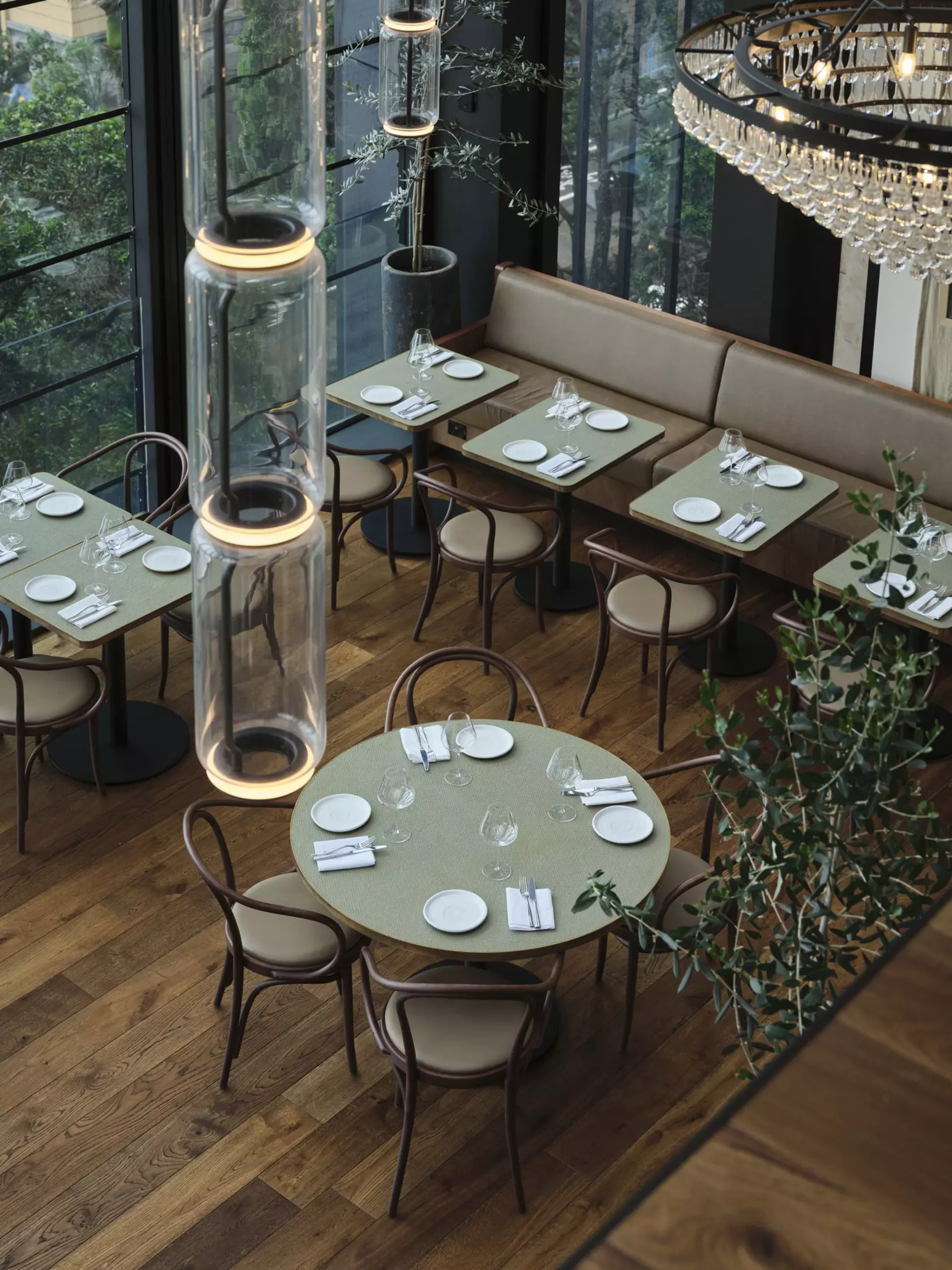
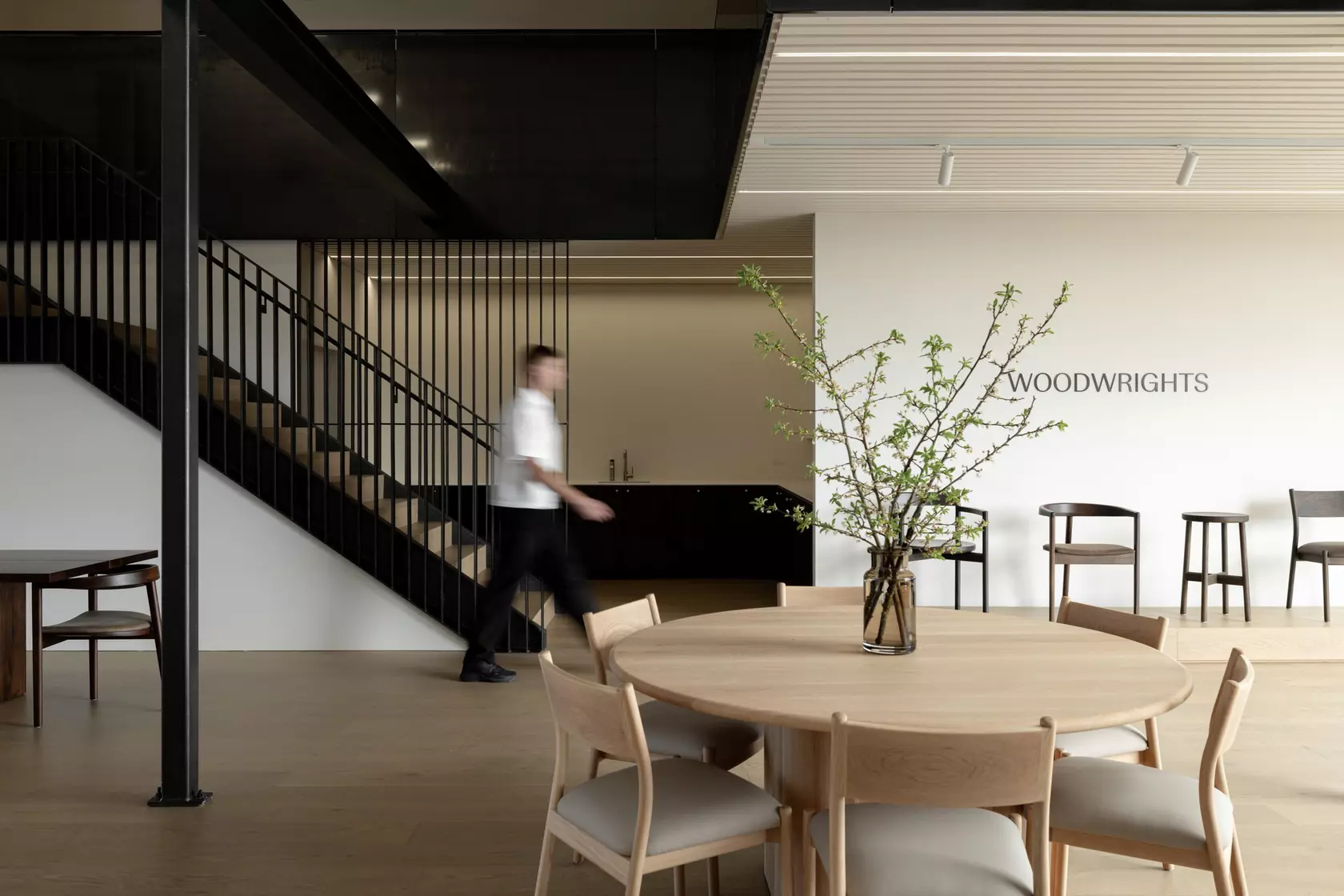
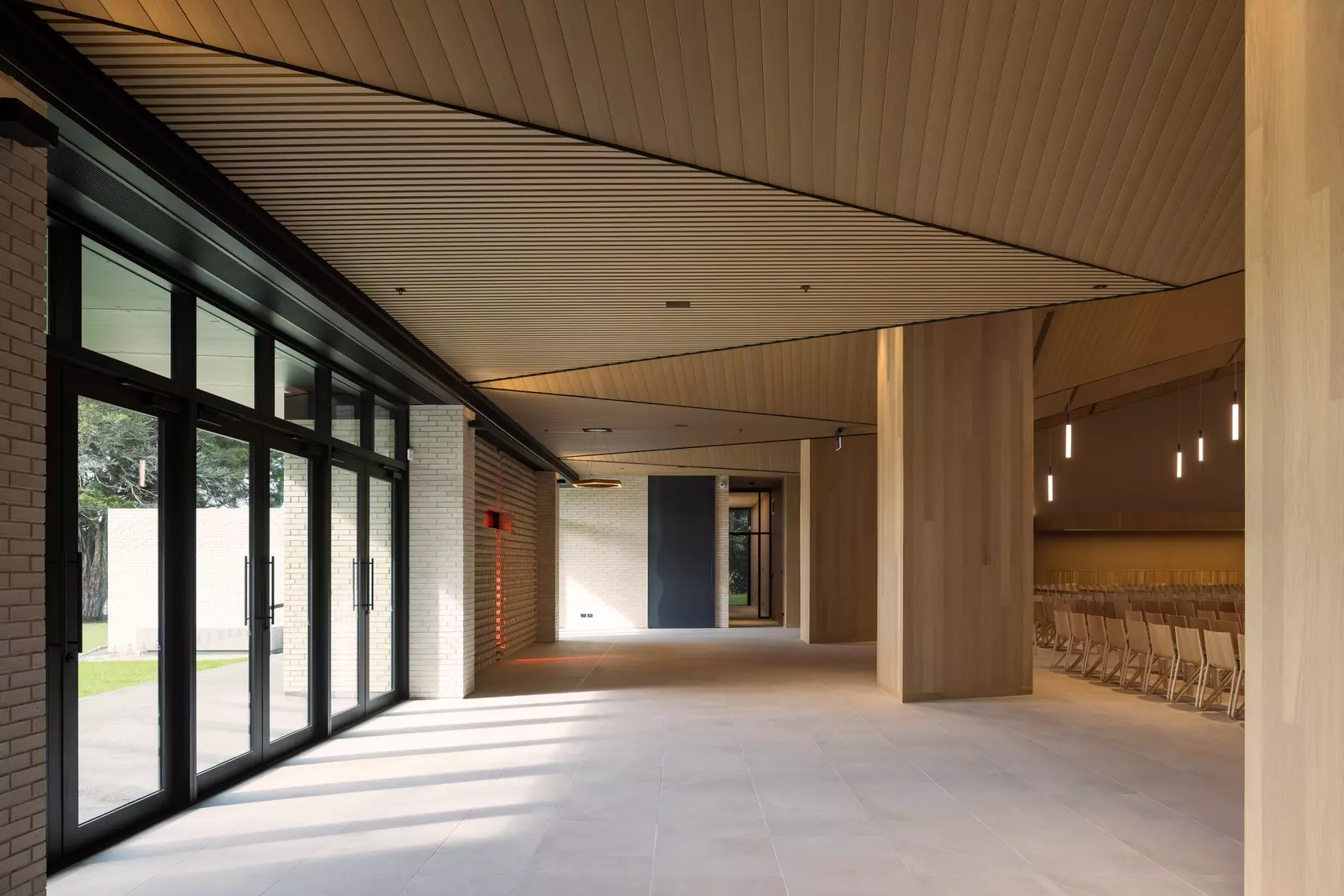
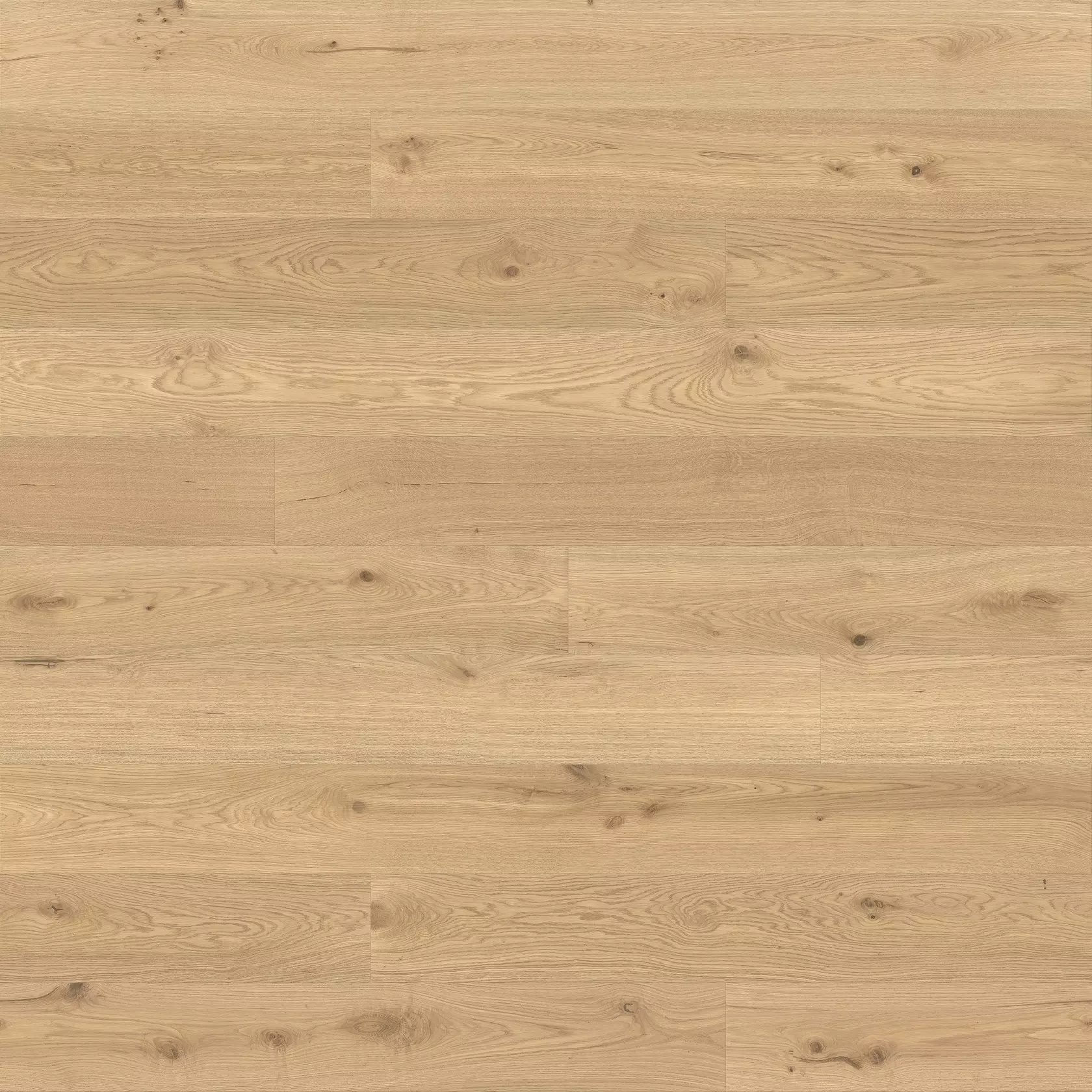
Clear grade offers the most refined and uniform appearance. With minimal visible knots, cracks or variation, it delivers a smooth, consistent finish ideal for spaces that call for a clean, sophisticated aesthetic.
You are currently visiting our Forté New Zealand website.
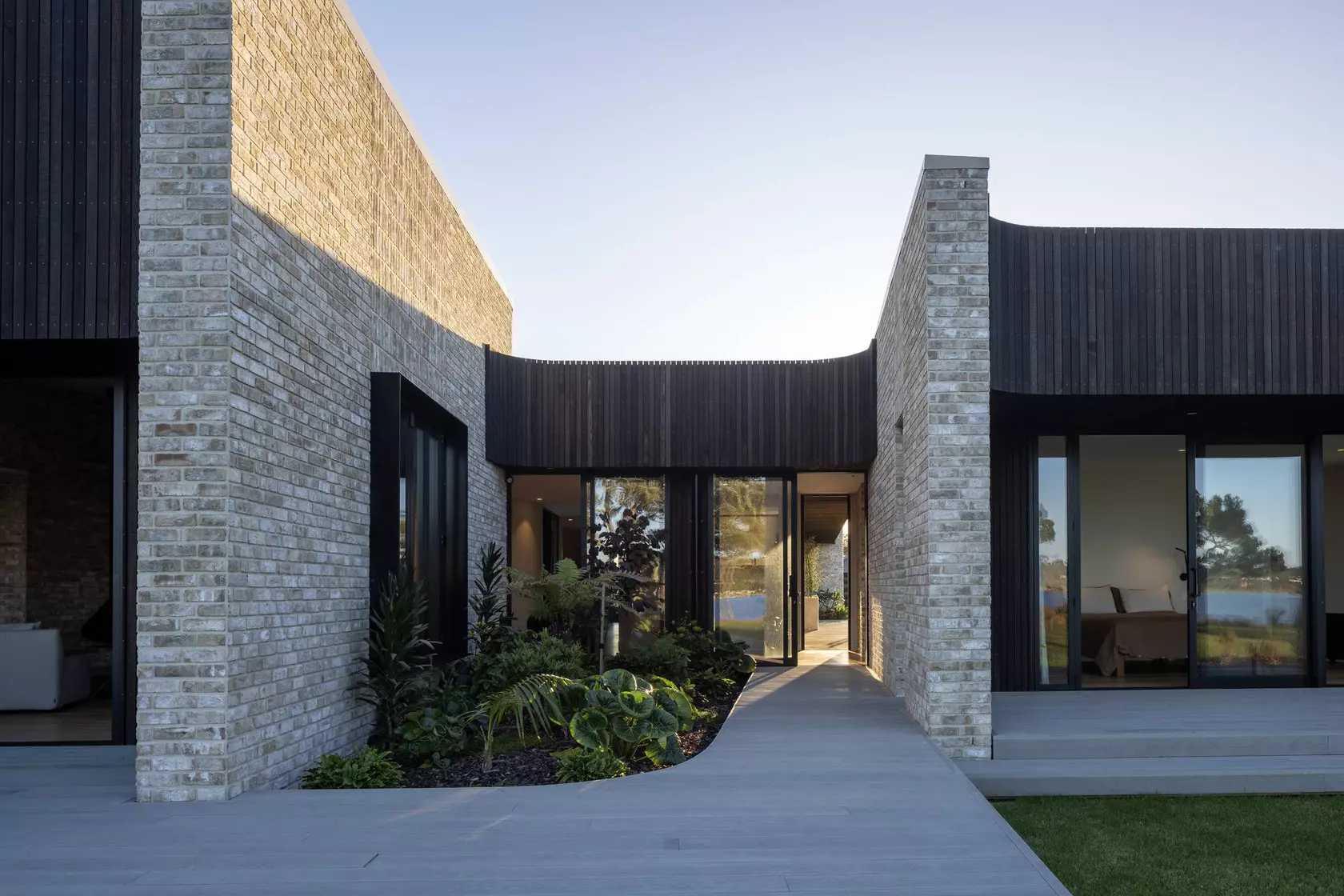
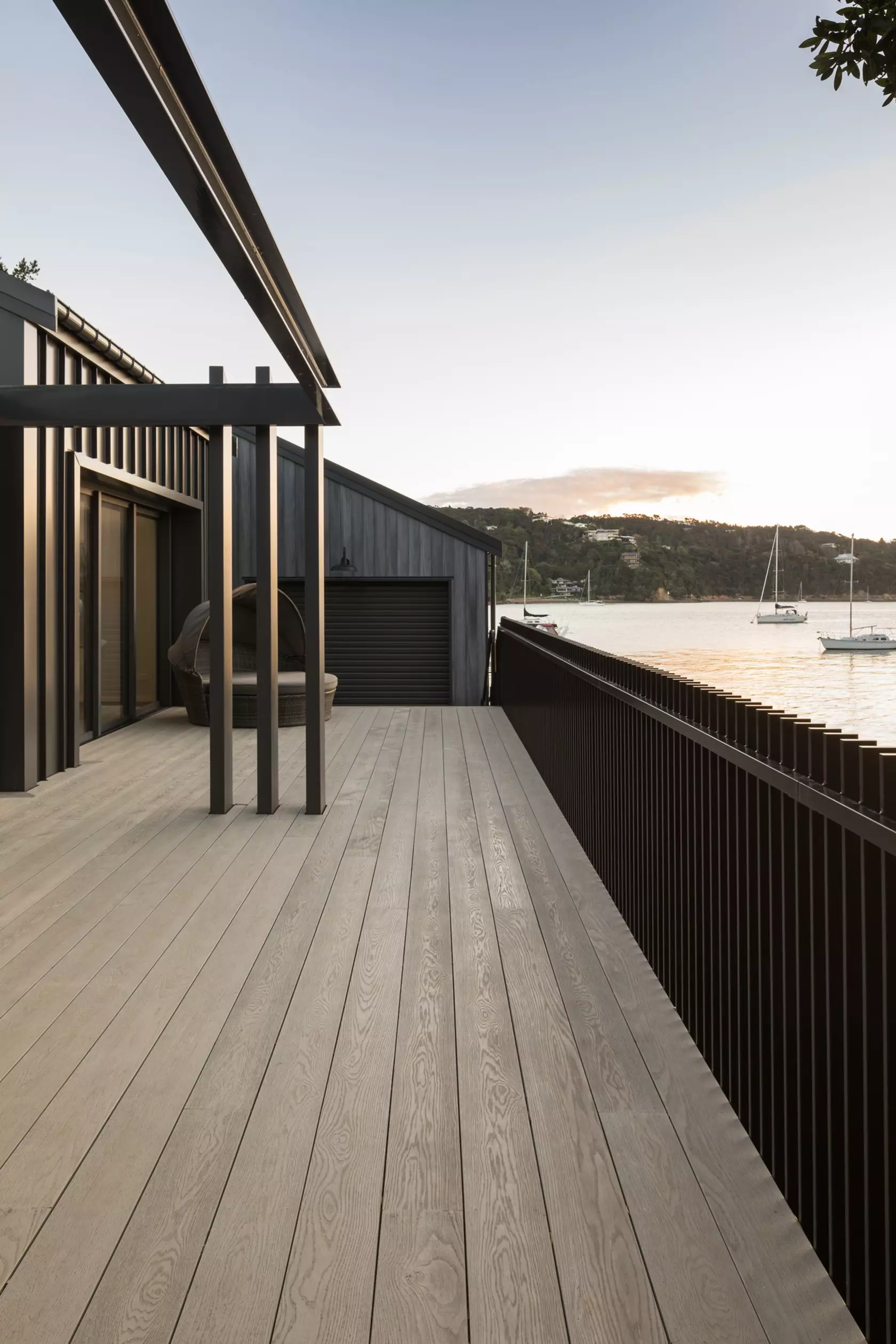
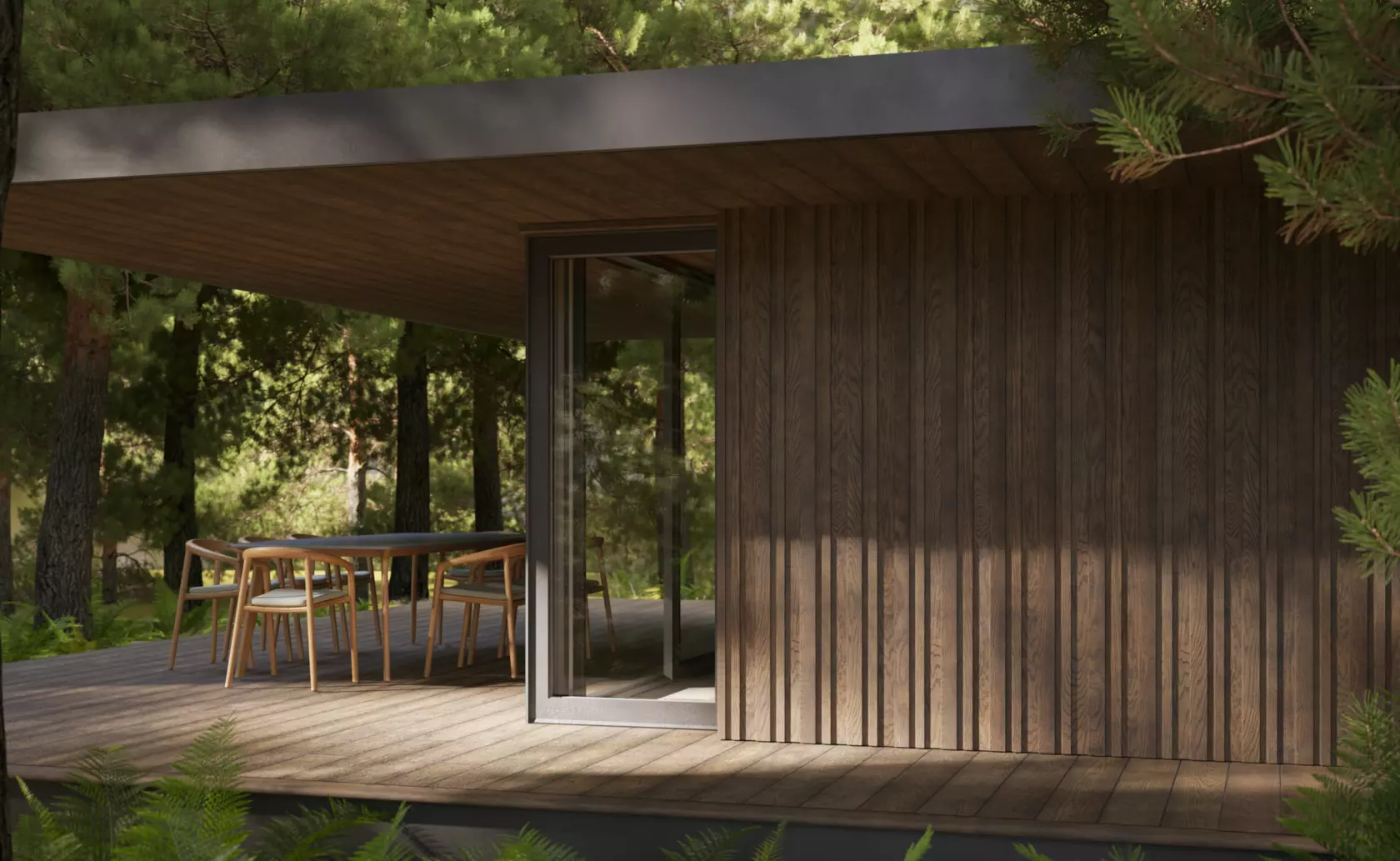
Crafted from a durable resin-mineral core, Millboard exterior decking delivers exceptional performance without compromise. Engineered to resist warping, rotting and algae growth, this premium composite decking will not deteriorate over time, making it ideal for New Zealand’s demanding outdoor environments.
Extensively tested for UV exposure, weathering and moisture, Millboard decking is built to withstand impact, fading and changing conditions. Each board offers exceptional slip resistance, providing confidence and safety in wet areas such as pool surrounds, coastal homes and outdoor entertaining spaces.
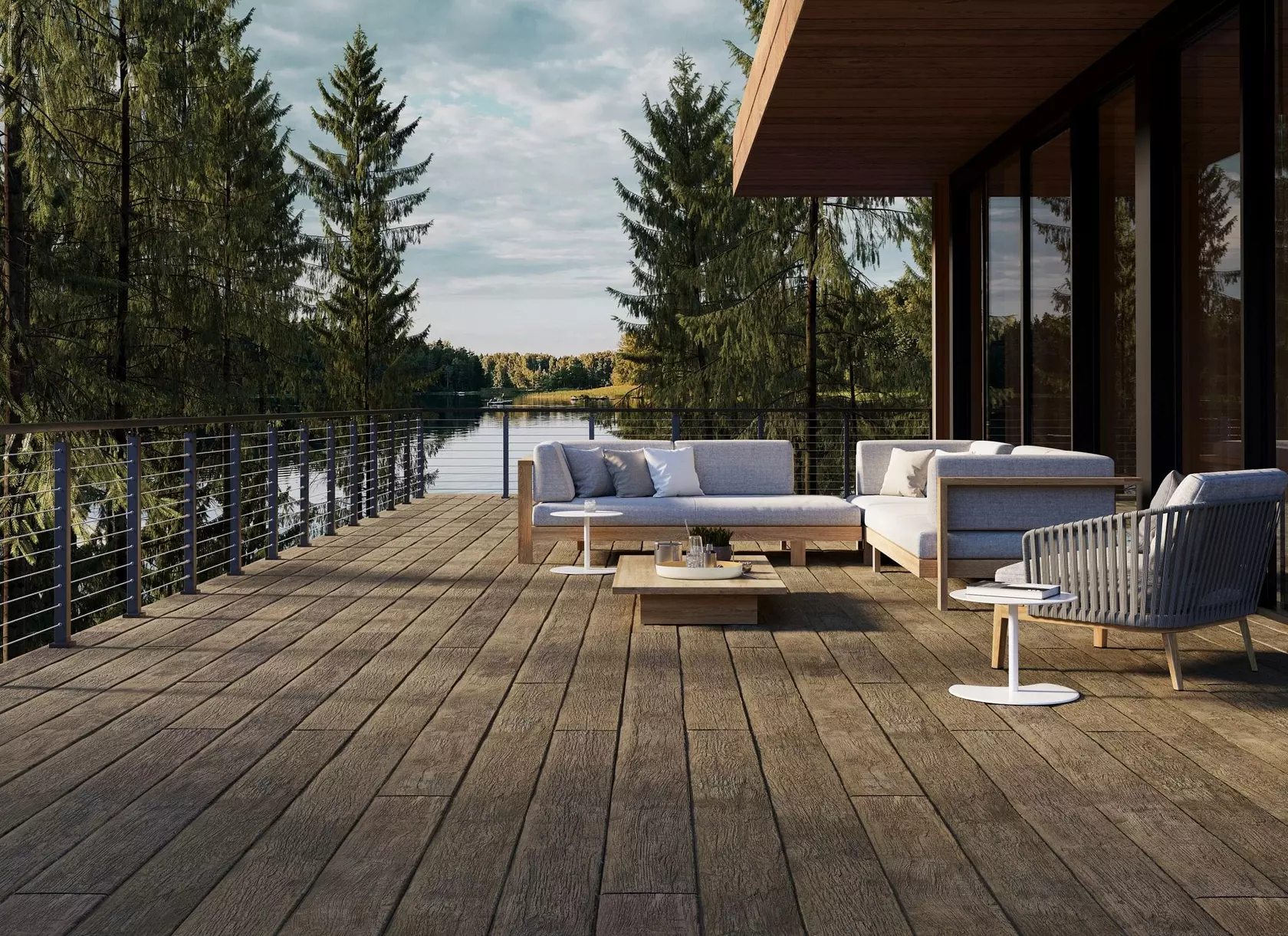
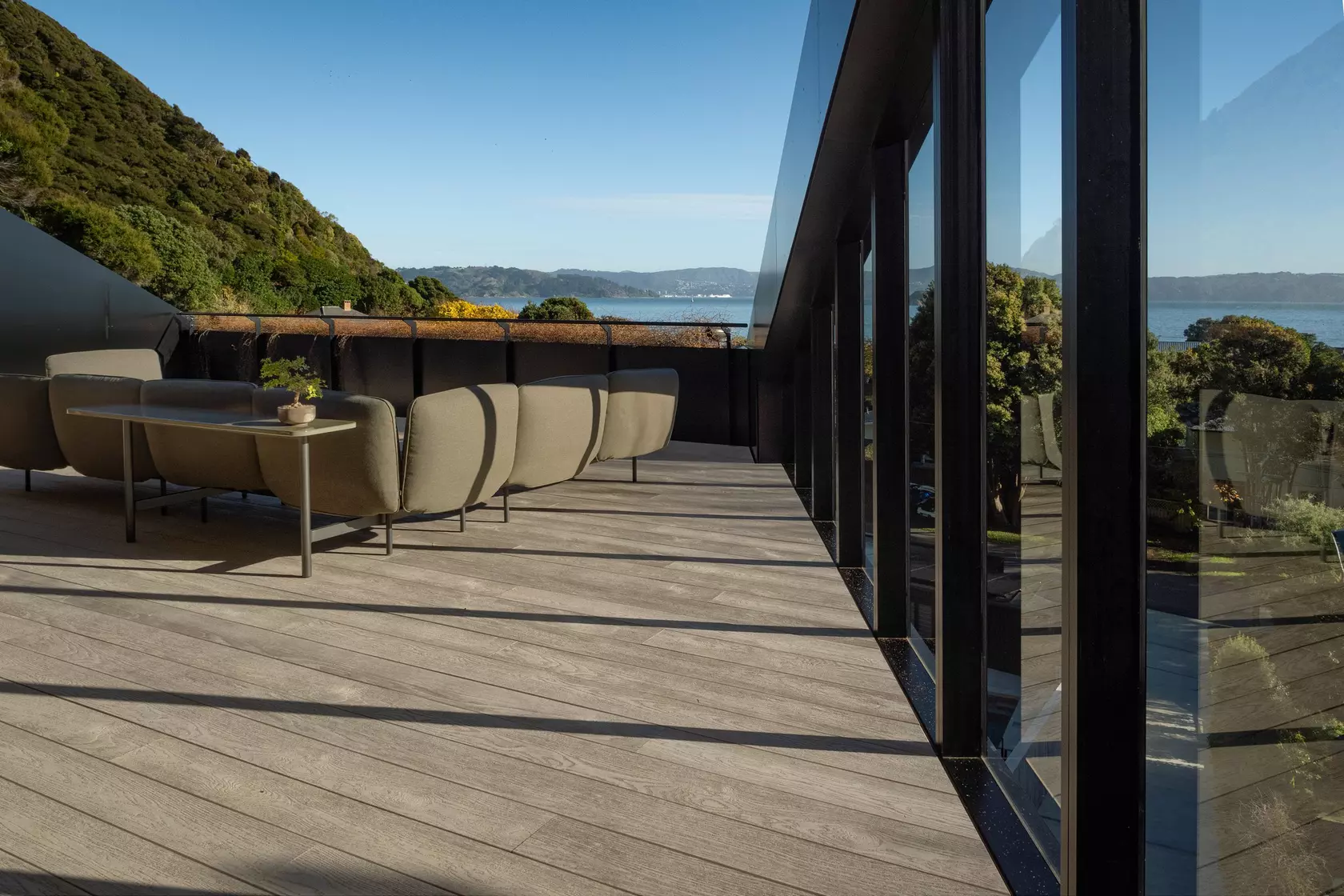
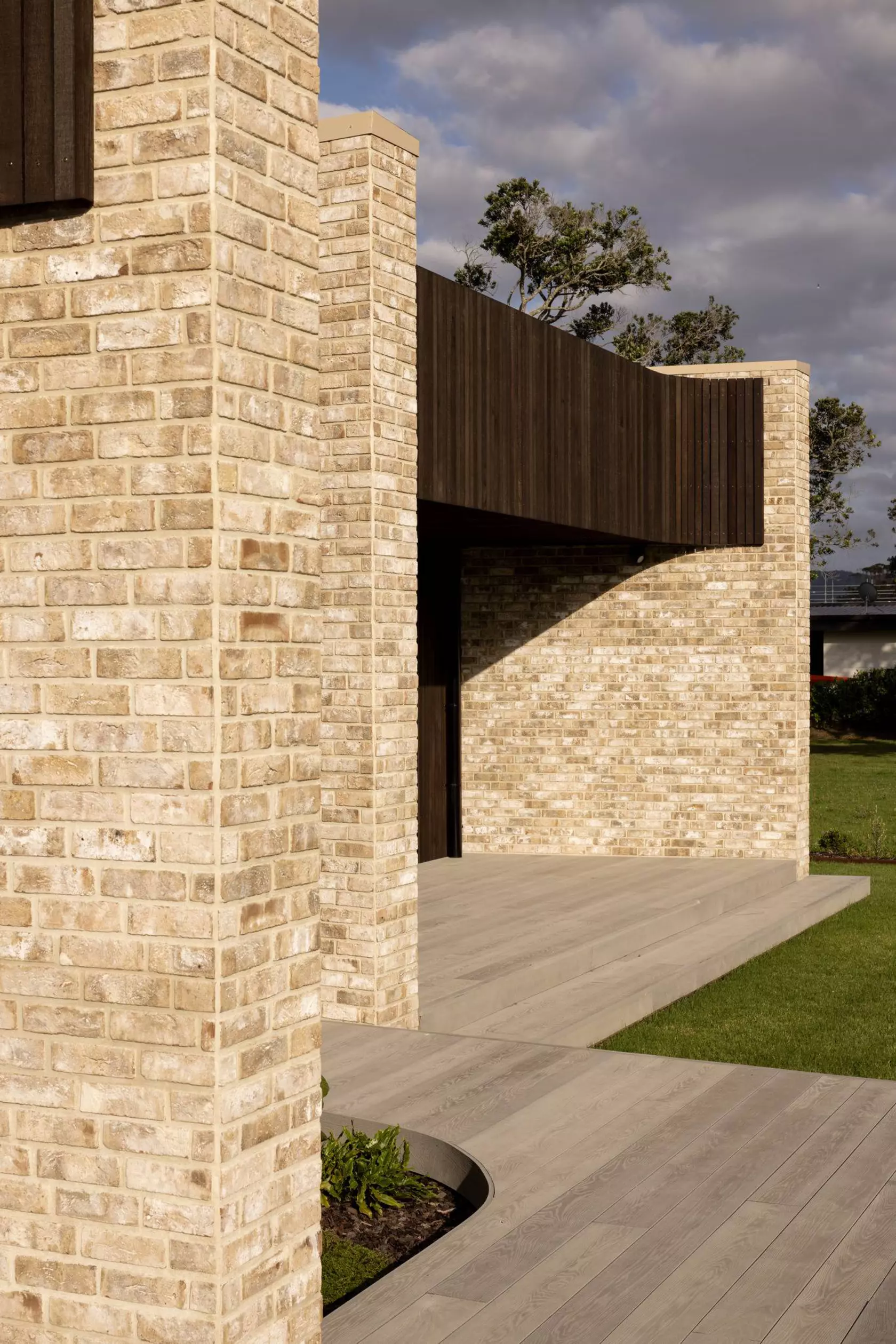
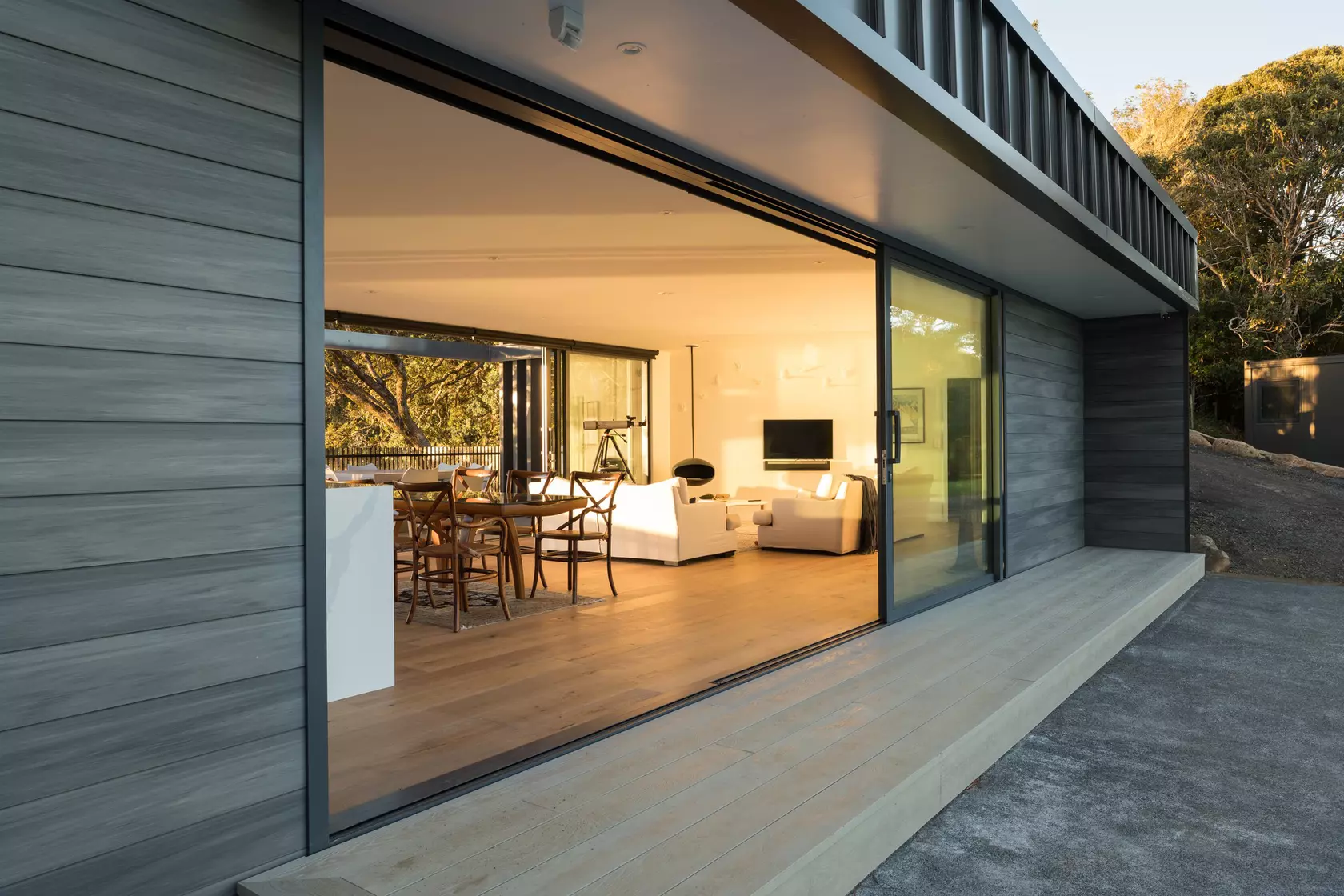
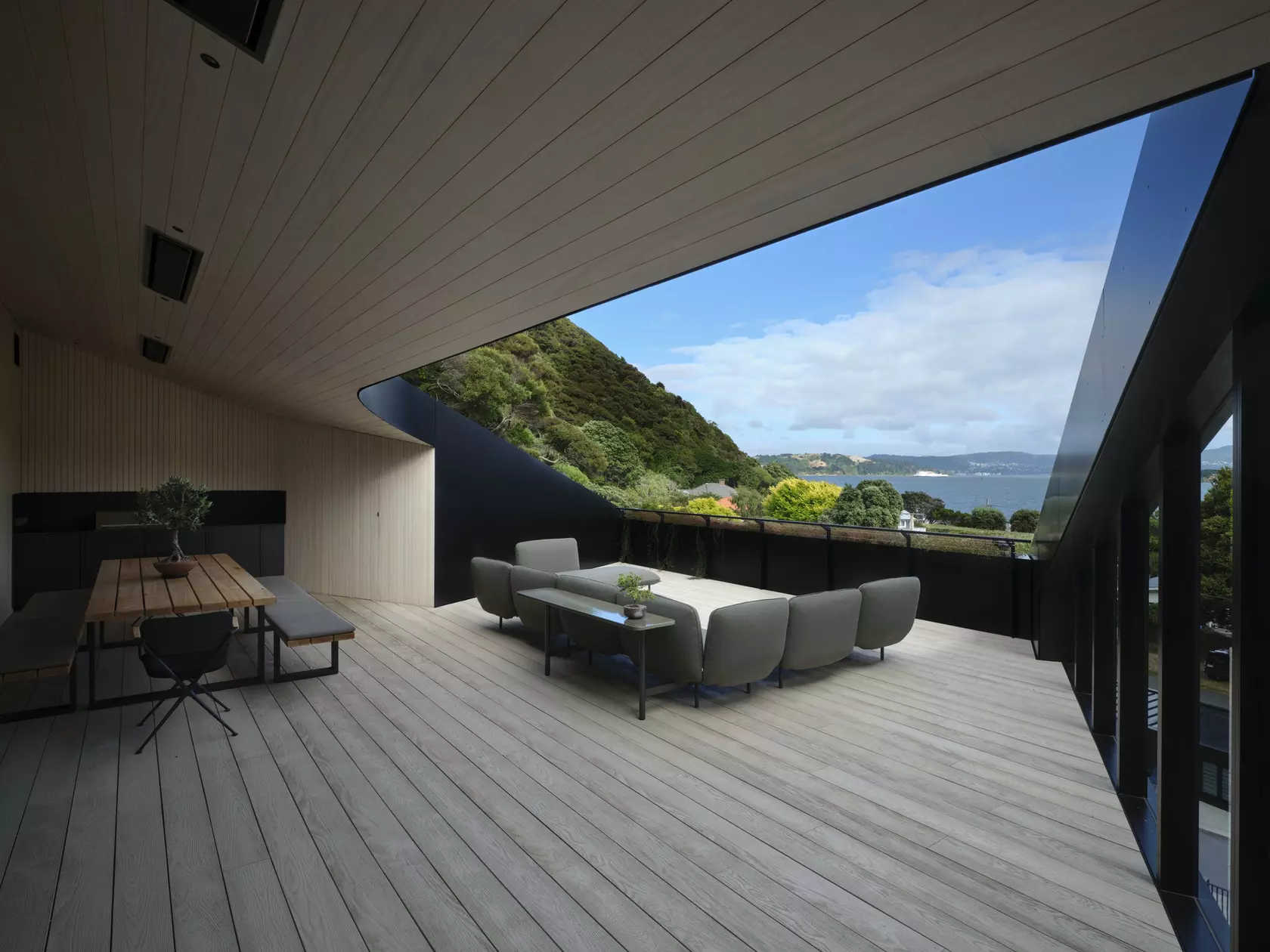
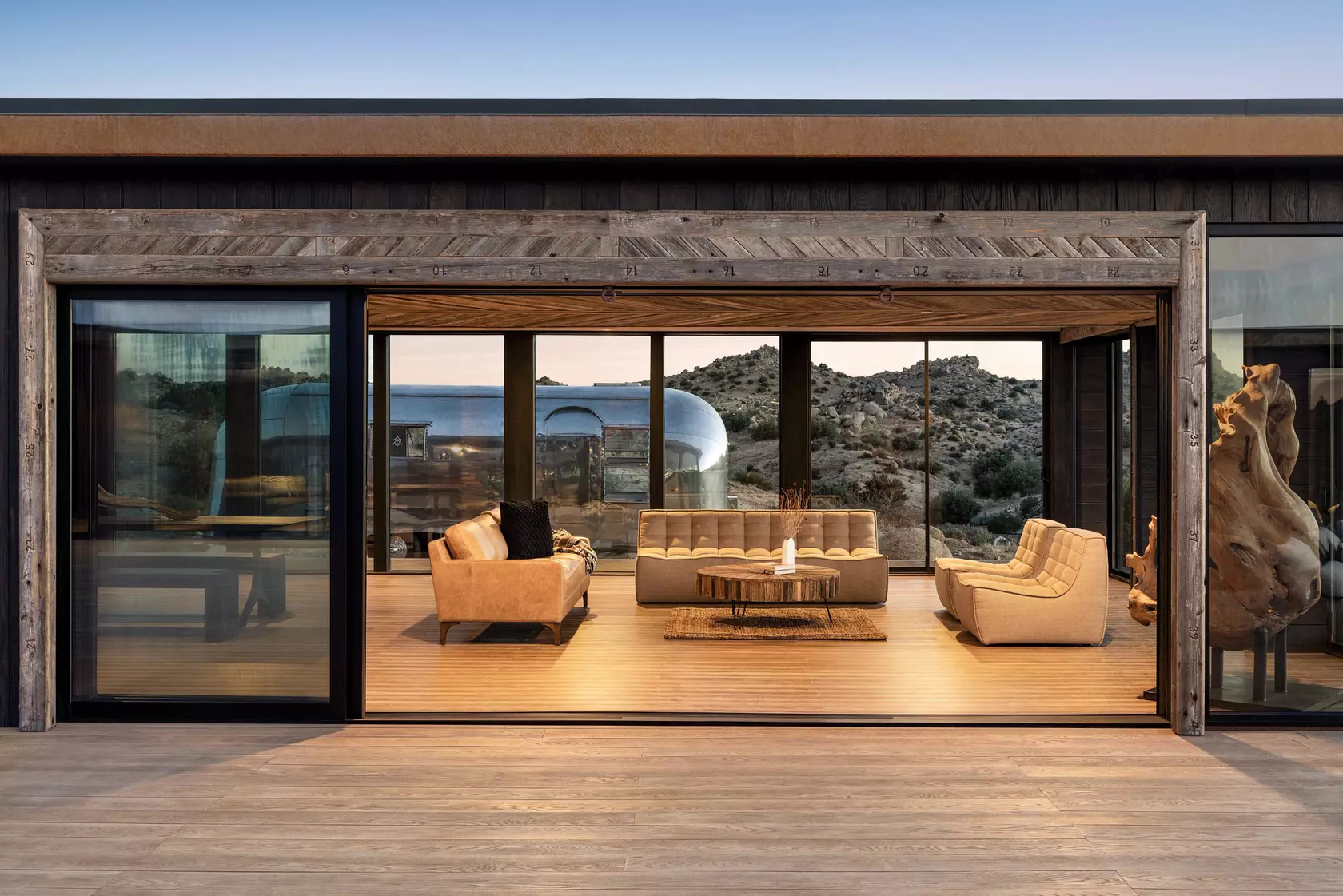
Moulded from carefully selected oak samples, Millboard mineral composite decking authentically replicates the texture, grain and character of natural timber — without the ongoing maintenance. Unlike traditional timber decking, Millboard requires no staining, sealing or sanding, delivering long-term ease, enduring beauty and design flexibility in every board.
The result is a low-maintenance, high-performance decking solution that combines the look of timber with the durability of advanced composite technology — premium decking designed to perform and endure in New Zealand conditions.
Solid timber decking is 100% natural solid timber all the way through. Learn more here.
Composite decking is a man-made product made up of a mix (or 'composite') of different materials. There are different types of composite decking, such as WPC and RMC. Learn more here.
RMC is a revolutionary type of decking made from a resin mineral composite. It is more durable than both WPC and real timber decking and requires very little maintenance. Learn more here.
WPC is a type of decking made from a wood plastic composite. It is characteristically more durable than real timber decking and requires less maintenance. Learn more here.
PVC is a type of decking made from polyvinyl chloride (also known as vinyl). It is characteristically lightweight and requires very little maintenance - however it tends to look the least like real timber. Learn more here.
The subframe material and installation labour costs of Millboard are comparable to traditional decking. Upon purchasing, Millboard may appear more expensive than timber decking. However, if you take into account its greater durability, increased lifespan and reduced maintenance requirement, the life cycle cost of Millboard is considerably less than that of timber decking. For more information refer to our pricing article.
Millboard decking boards are ideal for use as part of a sustainable design strategy. Their extended design life dramatically reduces the need for repair and replacement.
Millboard as a company is focused on continued sustainability and have become the first premium outdoor decking and cladding company in the world to have their carbon footprint independently verified. The embodied carbon of Millboard decking has been verified as 1.31kg / CO2e per m2.
Millboard is an ISO 14001 certified company, complying with international environmental management practices. They are the only carbon-verified premium timber-free outdoor decking and cladding material in the entire world.
Small Surface Scratches
Minor scratches can be touched up using Millboard touch-up paint. Apply sparingly with an artist brush, keeping the painted area minimal so it blends seamlessly once dry.
Dents and Gouges
For dents or deeper gouges, fill the hole carefully with a PU-based filler or sealant, such as grey SikaFlex 221. Apply a small amount into the hole and immediately wipe away any excess from the surrounding surface. Once the filler has dried, use Millboard touch-up paint with an artist brush to finish the repair.
Please refer to our Millboard Structural Warranty.
We recommend cleaning your deck twice a year or as required. As an exterior product, Millboard will benefit from this periodic clean to remove any accumulated dust or dirt residue.
1. Wet the area with water 10-15 minutes before applying any cleaning solution.
2. Spread foaming cleaner onto the Millboard deck to help lift dirt out of the grain. Our preferred regular cleaner for Millboard is Wet & Forget Double Bubble House Wash.
3. Using a hard bristle brush or broom, scrub the surface of the Millboard to loosen any dust and dirt. We recommend the Browns Superior Deck Scrub brush.
4. Thoroughly rinse off the house wash solution using a hose. Ensure all the solution is washed off and avoid letting it dry on the surface.
For more information regarding periodic maintenance, please refer to our Millboard Decking Care Guide.
Yes, Millboard does expand and contract, at a rate of 0.2% of its length. This is very minimal in comparison to both solid timber decking and traditional composite decking.
Millboard is produced from UV stable materials and has a very high resistance to fading. It has been UV Stability tested to BS EN ISO 4892-2:2006 with a result of 2% LRV (shift over 5000 hours) which is deemed 'Exceptional'.
Yes, Millboard decking can get hot in the sun. Darker colours in particular will feel hotter and may be uncomfortable to walk on in bare feet. If surface temperature is of concern to you we recommend opting for Millboard's lighter decking colours
Yes, Millboard's surface greatly enhances slip resistance in wet conditions. In AS/NZ: 4586.2004 slip resistance tests, all styles of Millboard decking achieve one of the highest possible slip-resistant ratings.
Millboard's Lastane® finish is highly resistant to many types of stains. As with most decking products there is a risk of marking from strong dyes and stains such as berries and animal droppings - these should be removed as soon as possible.
Millboard's Lastane® finish is highly resistant to scratches and everyday wear and tear. However, sharp objects such as unprotected table or chair legs, spiked shoes or metal planter bases can leave marks if dragged across the surface, so take care.
Yes, Millboard will vary in colour between boards. It has been designed to replicate the natural variances of timber and it is not intended for each board to be identical in colour.
Millboard decking boards can typically last up to 35-40 years (subject to environment), whereas real timber decking typically lasts 10-15 years.
Durafix® stainless steel screws are required, which are designed specifically for Millboard. With these screws there’s no need for pre-drilling or countersinking. When installed correctly the unique Lastane® material self-heals, leaving a virtually indistinguishable mark.
Millboard can be cut with standard saw blades, although we recommend a carbon-tipped, multi-purpose miter saw. For more information refer to our video 'How to Install Millboard Decking'.
We advise against using an impact driver to fix the Durafix® screws to the decking as this can break the drive bit and screw head, as well as impede the board from being fixed directly against the subframe.
Joist spacing of 400mm centres is recommended for normal residential use. For commercial applications, 300mm spacing is recommended.
Millboard recommend allowing a minimum of 5mm between the lengths of the boards and a 1mm gap between the ends of board. A 10mm gap should be left between the boards and any solid surface to aid drainage.
The recommended 5mm gap between Millboard lengths is very minimal considering the width of the planks (176mm for -200mm wide). In comparison, a 6-8mm gap between lengths is recommended for most solid timber decking planks between 130-140mm wide, and a 5mm gap between lengths is commonly recommended for most traditional composite decking between 136-140mm wide. With Millboard you can have wider boards with narrower gaps - a better look overall!
Yes you can, where the edge is merely aesthetic, such as a balcony edge, if this is your preferred finishing option. However, where the edge is likely to sustain impact, such as a step, we do not recommend using a standard board. Our edging boards have been specifically designed with high impact in mind and as such have a thicker Lastane® surface to withstand the knocks and scrapes associated with step edges and other associated applications.
Millboard decking boards won’t bend across their width, but curves can be created by using the flexible edging profiles and fascias.
Absolutely. We usually provide recommended installers once you have approved your quote.
Yes, as long as you follow our millboard installation guide.
No. Millboard composite decking is designed to retain its colour naturally over time, without the need for painting or staining. Applying paint or stain is not recommended, as it is unlikely to adhere permanently to the surface.
No, all Millboard composite decking is surface-sealed in the factory to ensure it arrives in premium condition. It is designed to retain its colour without any staining or re-finishing over time.
Millboard requires very minimal maintenance - see our guide on this topic for more information.
Refer to our Millboard Decking Care & Maintenance Guide for information on this topic.
The manufacturing tolerances for Millboard are; Width: ± 3mm. Length: ± 5mm. Thickness: ± 2mm.
There will always be a slight variance in the board’s dimensions due to the fact that Millboard planks are moulded from natural oak, and due to the pressure of the moulding process. Despite this, Millboard calibrate the boards to maintain as consistent a profile as possible.
The dimensions of the Weathered Oak style may vary more between moulds due to the fact that they are moulded from timeworn oak with minimal changes to the dimensions. When working with the boards, packers can be used to create a flush finish between two boards.