




Showcase
Burntwood House
Burntwood House
Tonni De Geest
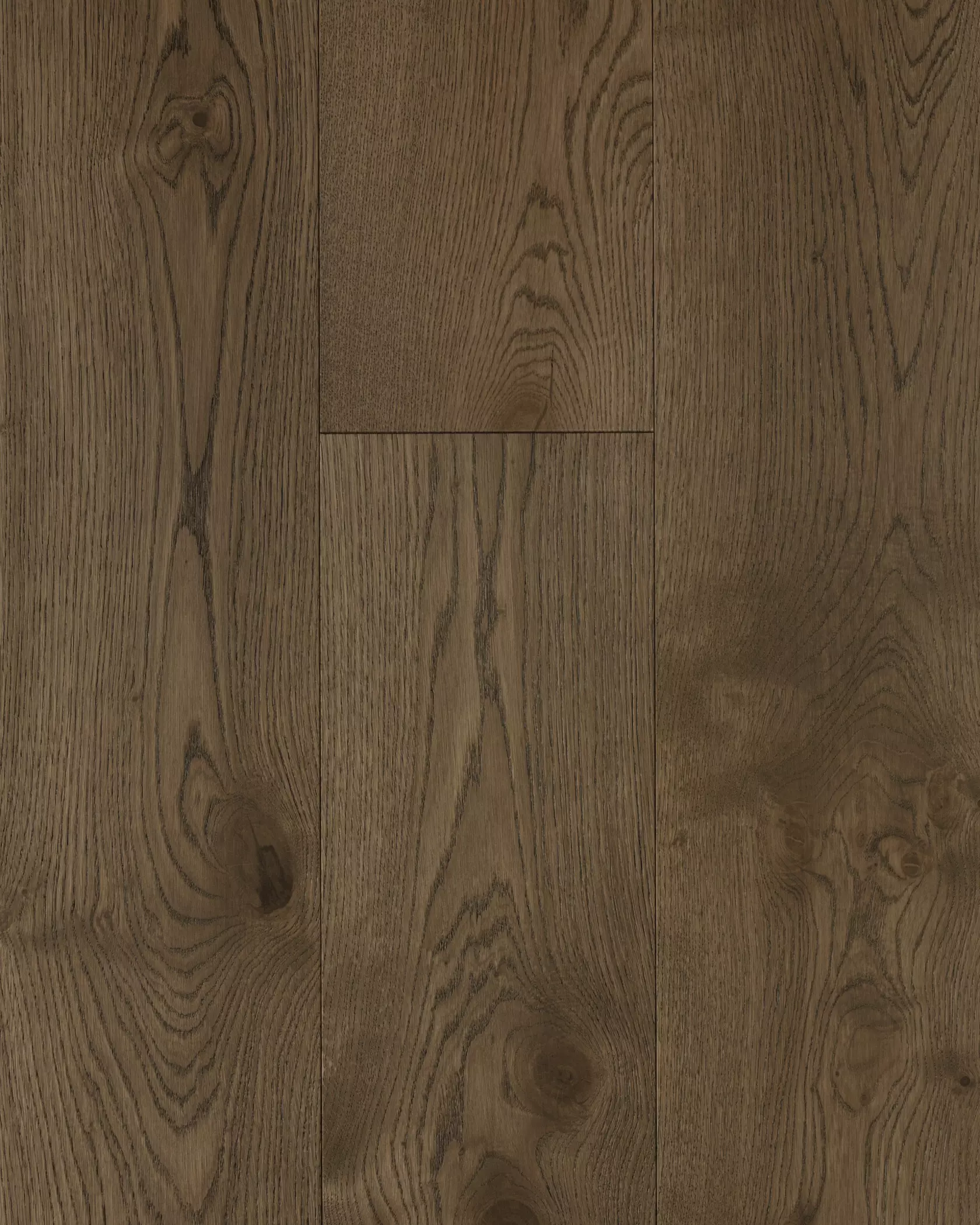
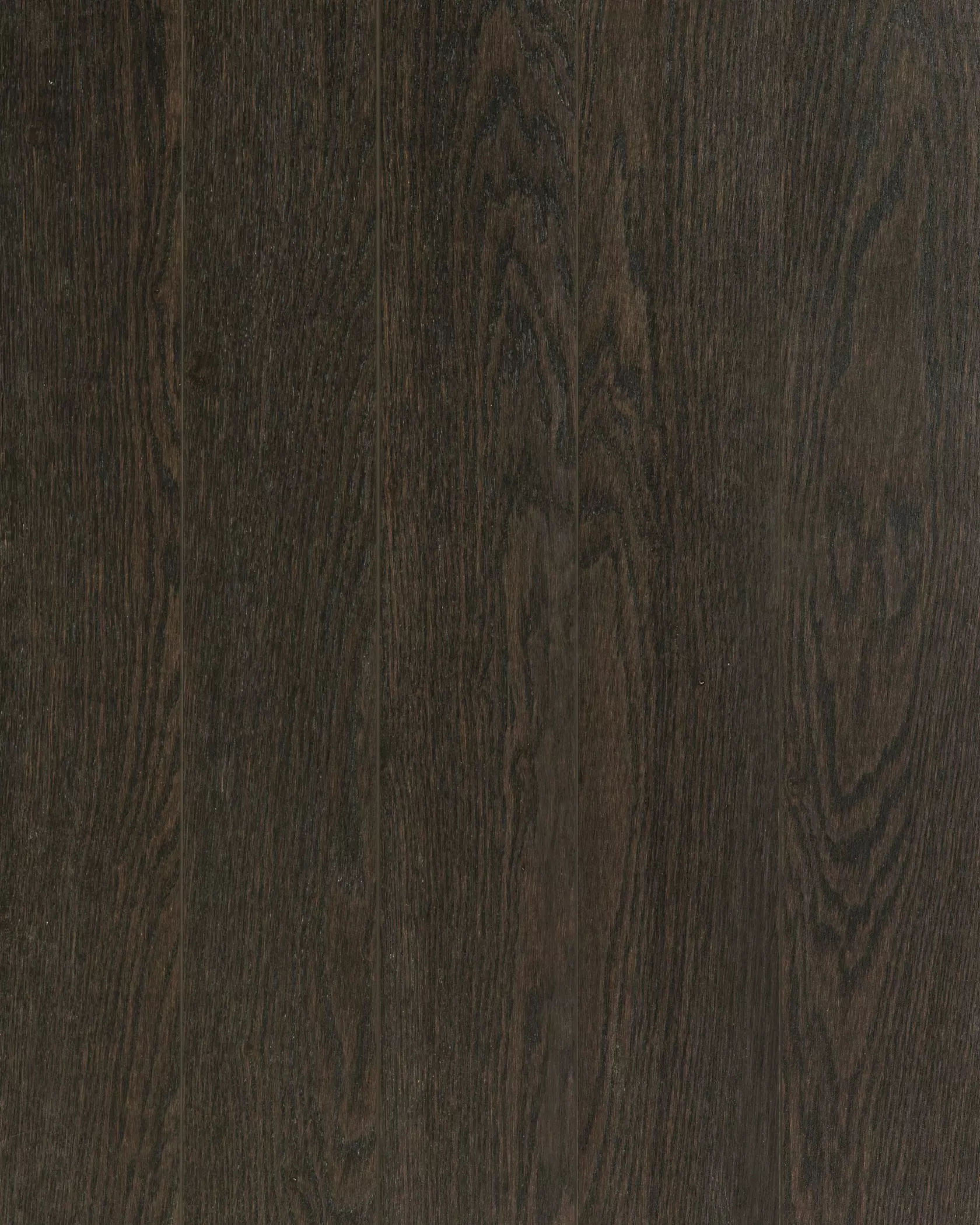
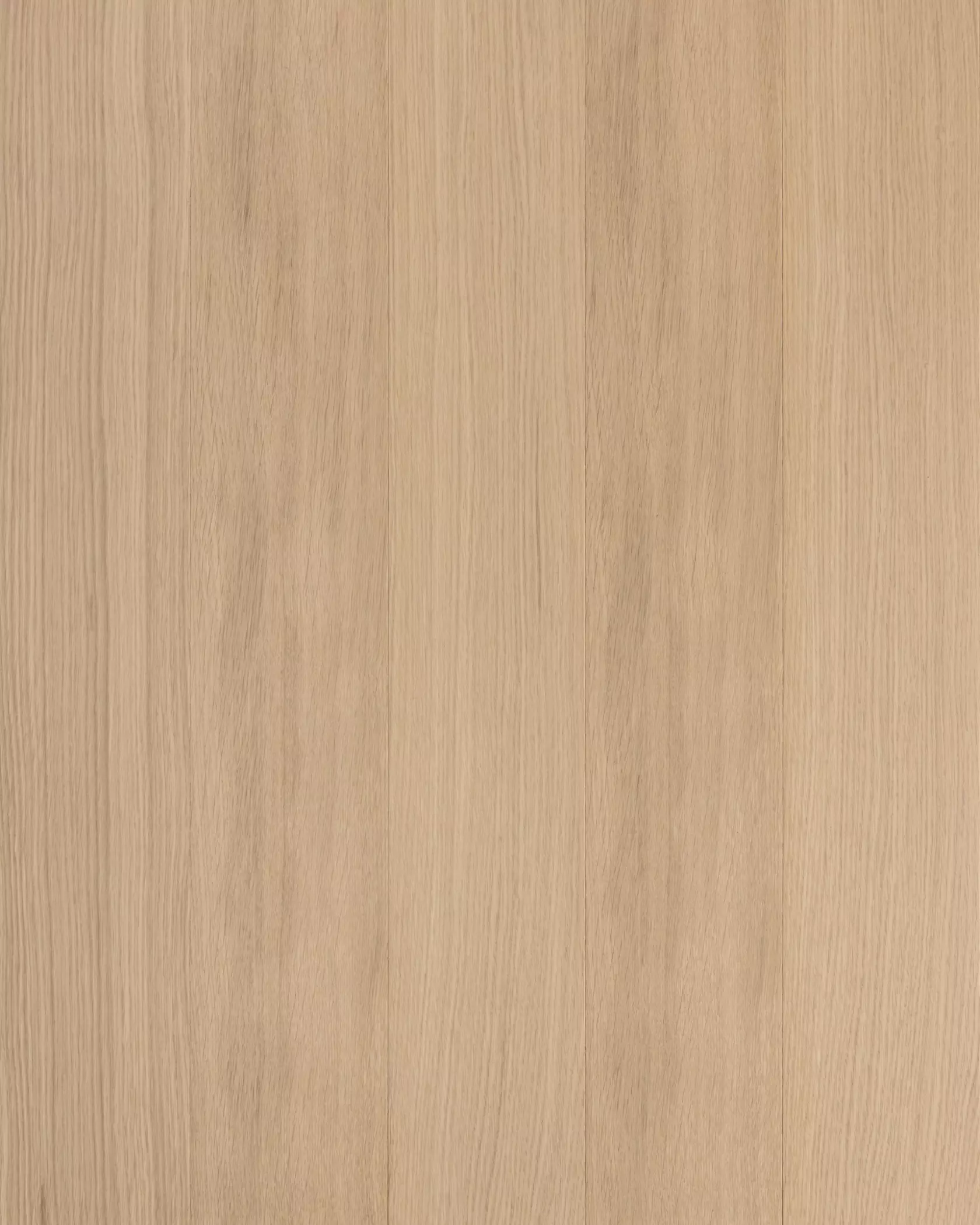
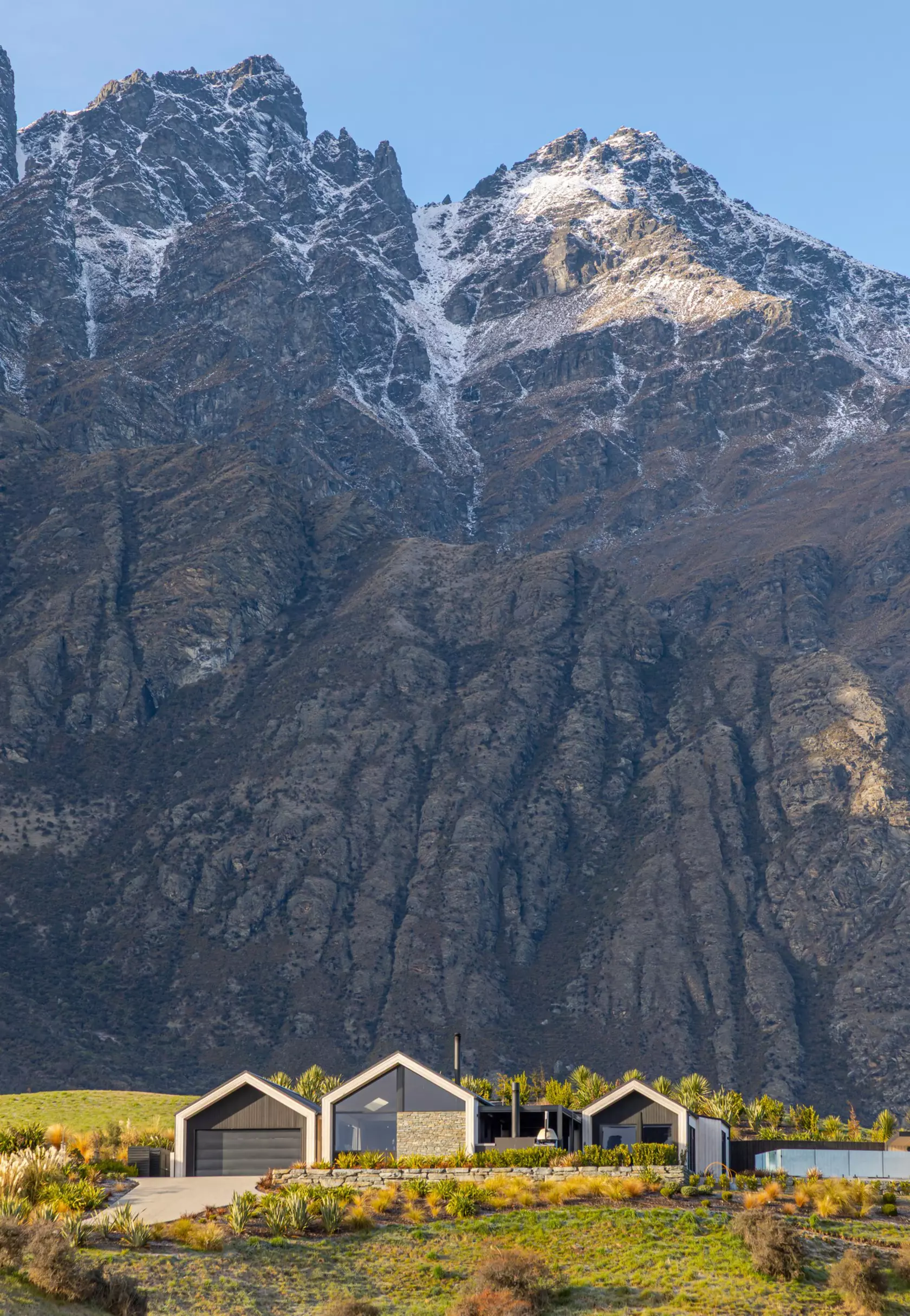
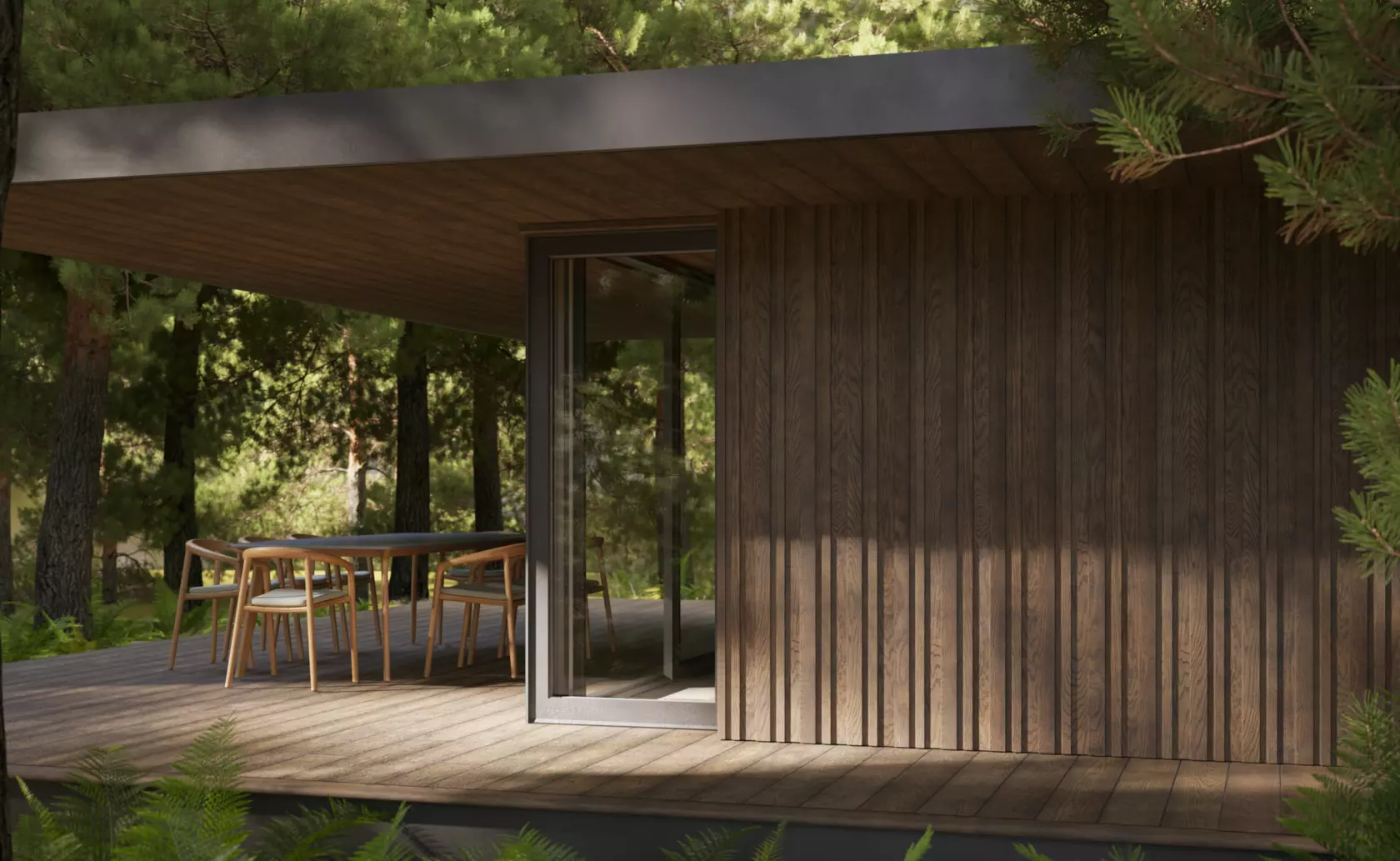
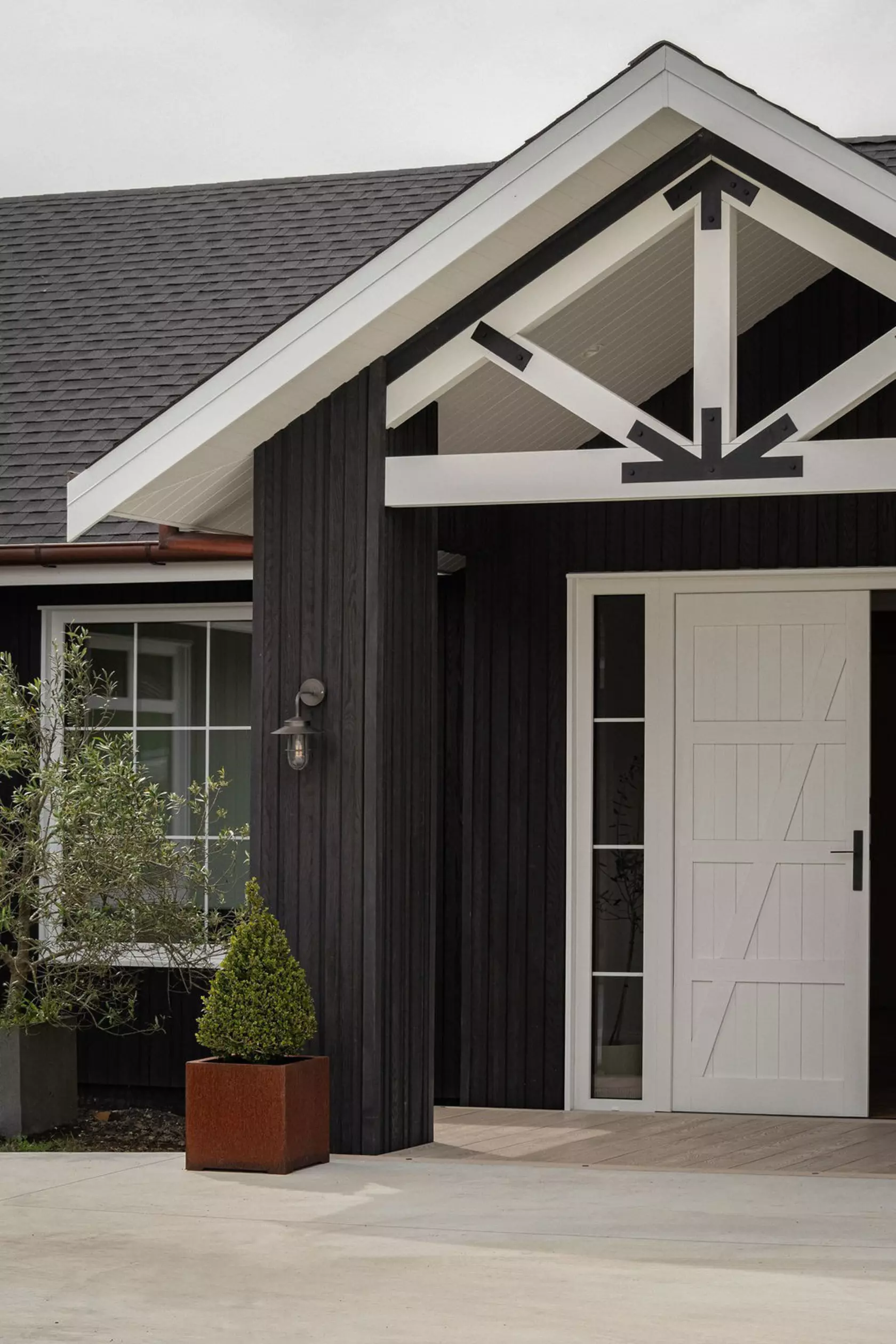
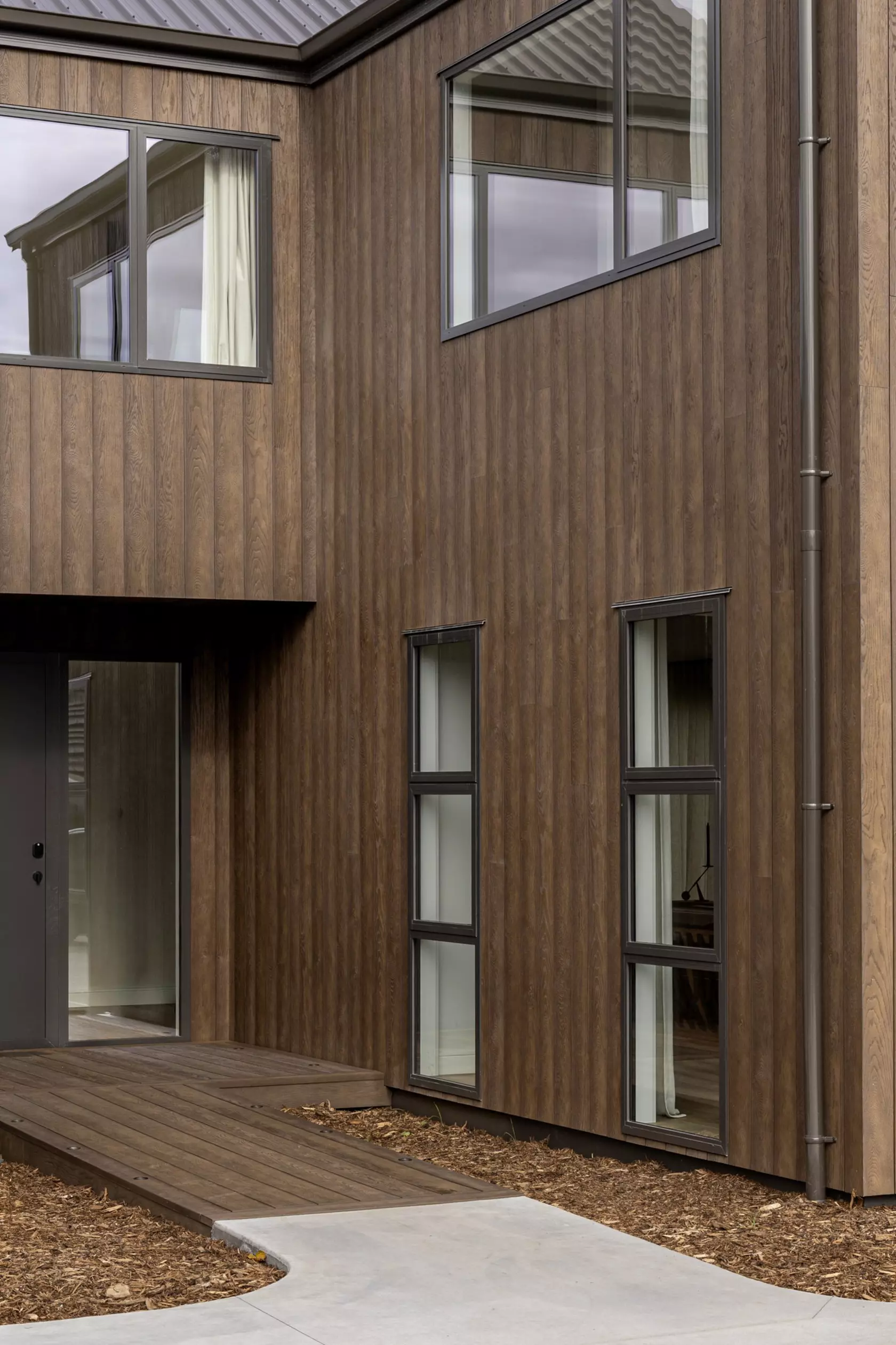
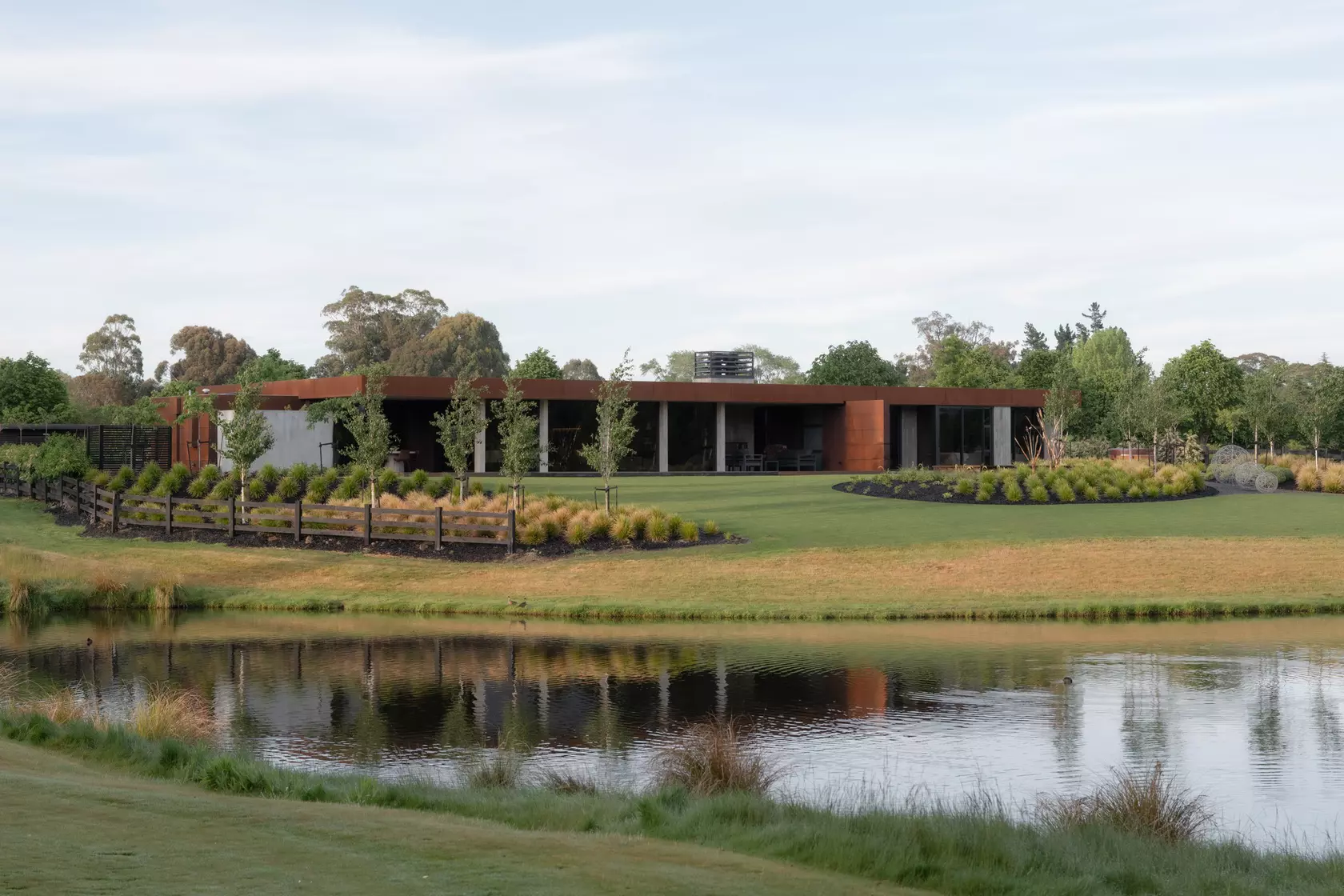
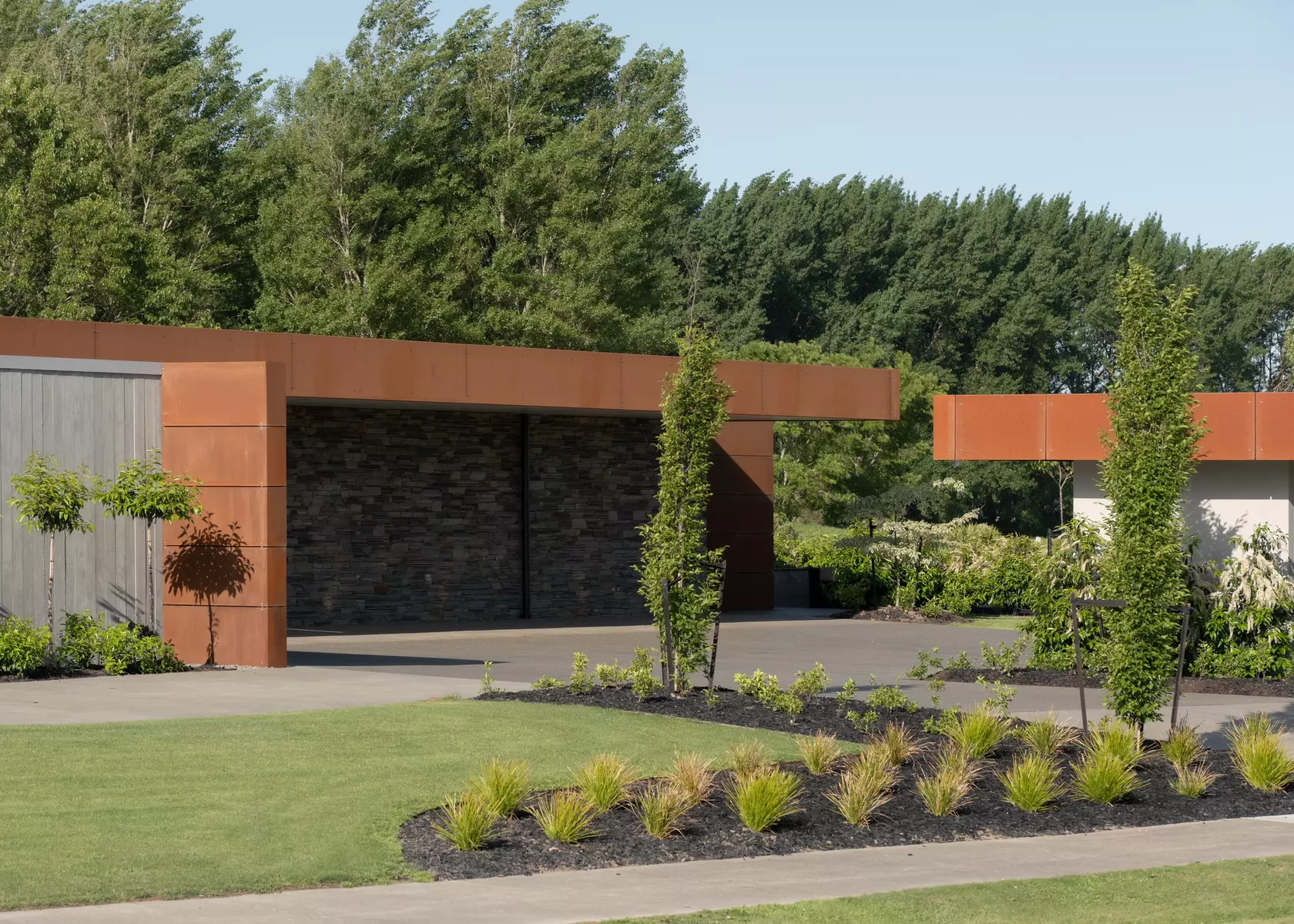
Approaching Burntwood House from the street, you're confronted with something unexpected on a golf course: an uncompromising facade of concrete, rock and weathering steel that could have been lifted from an industrial warehouse. It's a fortress, really – unapologetic in its materiality, hunkered into the manicured landscape like it’s always been there. But step through the front door, and the narrative shifts entirely. The hard exterior gives way to rich chestnut brown underfoot and golden oak climbing the walls, where timber surfaces soften every edge and industrial precision meets residential intimacy.
This is the deliberate duality at the heart of Burntwood, a residence that refuses to play by suburban rules even as it nestles into the fairways of Pegasus Golf Course in North Canterbury. It's a home that shields and reveals, fortifies and welcomes...all at once.
The clients for the build arrived with a clear vision: create a bunker-like home that would settle into the golf course rather than stand above it. They sought privacy from the prominent road frontage while also wanting to capture expansive views across the fairways and waterways.
"The clients had a pretty clear idea of what they wanted," explains Gareth Ritchie, director of Arco Architecture. "They had reference images of houses overseas that they really liked, so the brief was pretty defined from the start. It was just up to us to incorporate it into the golf course and put our own spin on it locally."
The design creates a striking contrast between exterior and interior. Perfectly achieving the clients’ vision, the street-facing facade presents a fortified shell that shields the home from the road, while the north-facing elevation opens generously toward the golf course through extensive glazing.
"When you arrive at Burntwood you're greeted with an industrial façade, which is really pronounced in contrast to the warmth you experience upon entering," Ritchie describes. "The way it's been designed... when you walk in from the street, it's a very private house." adds builder and project manager, Tonni De Geest.
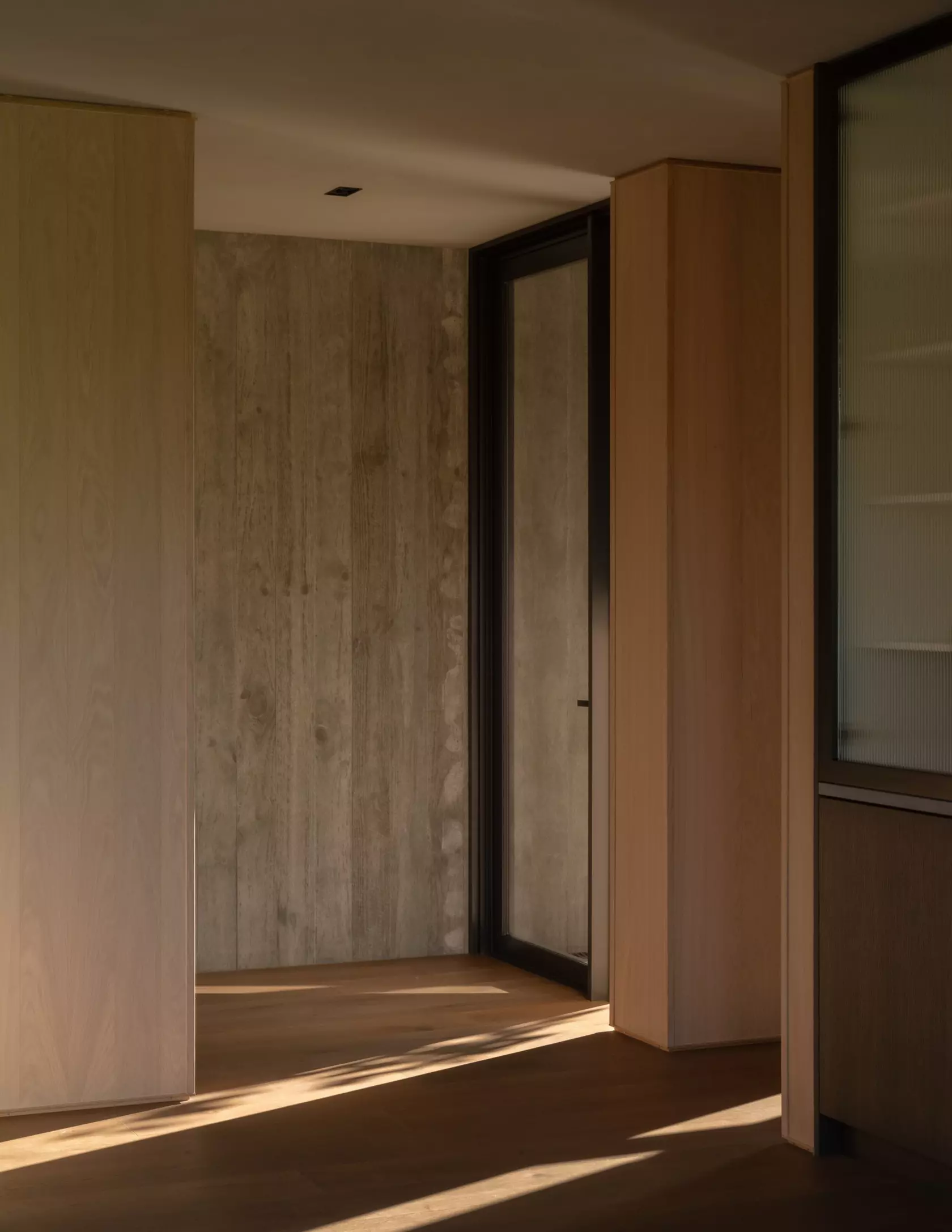
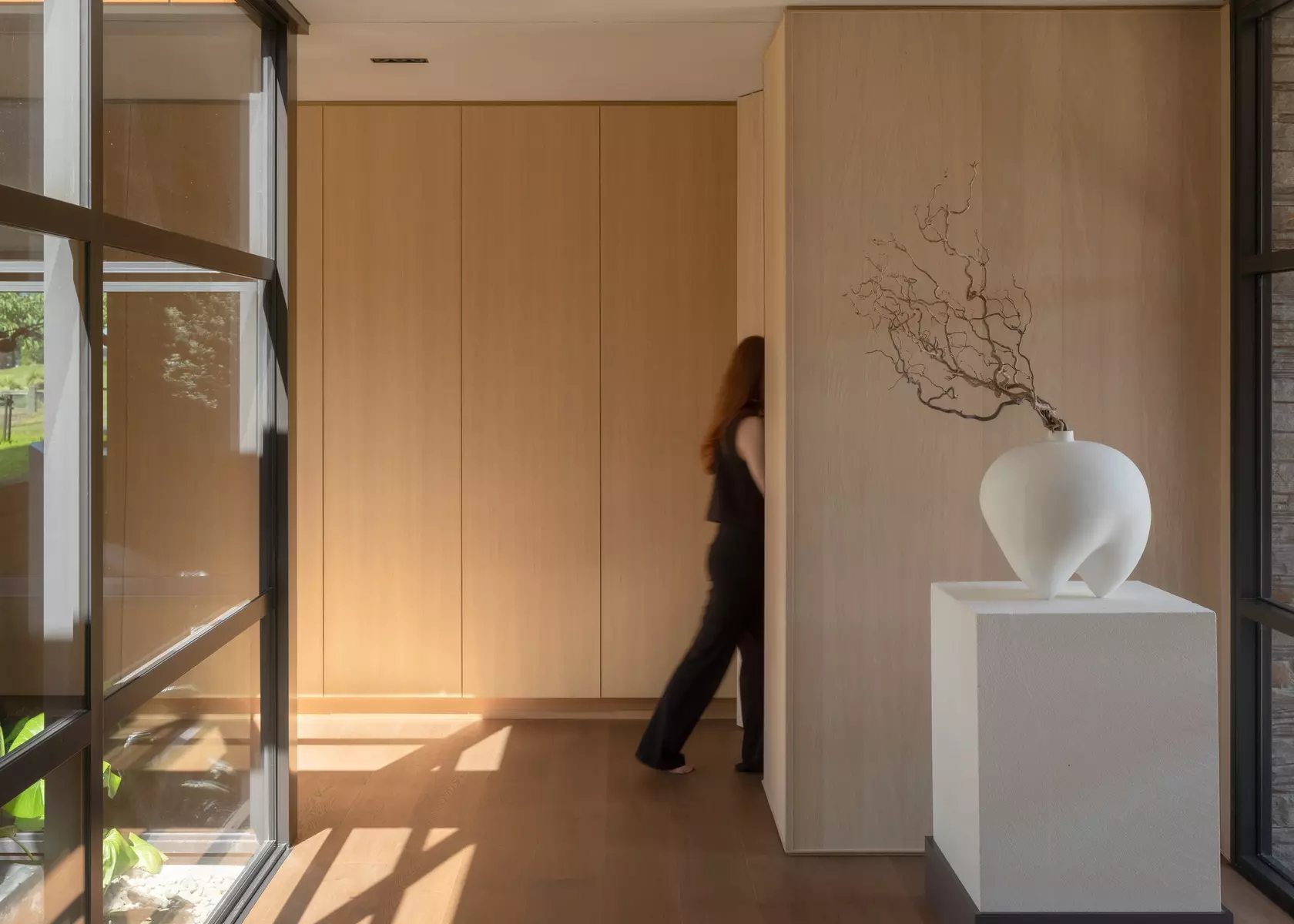
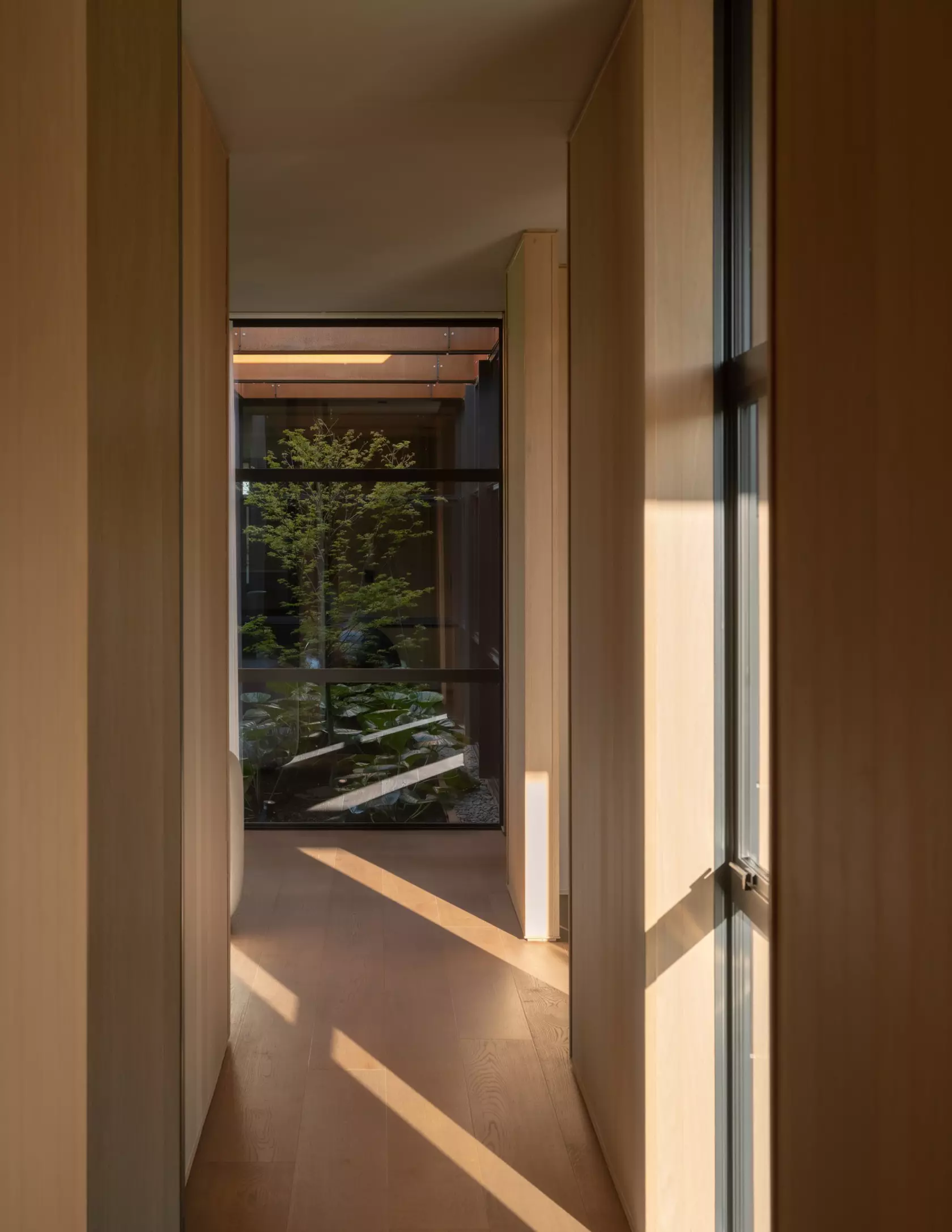
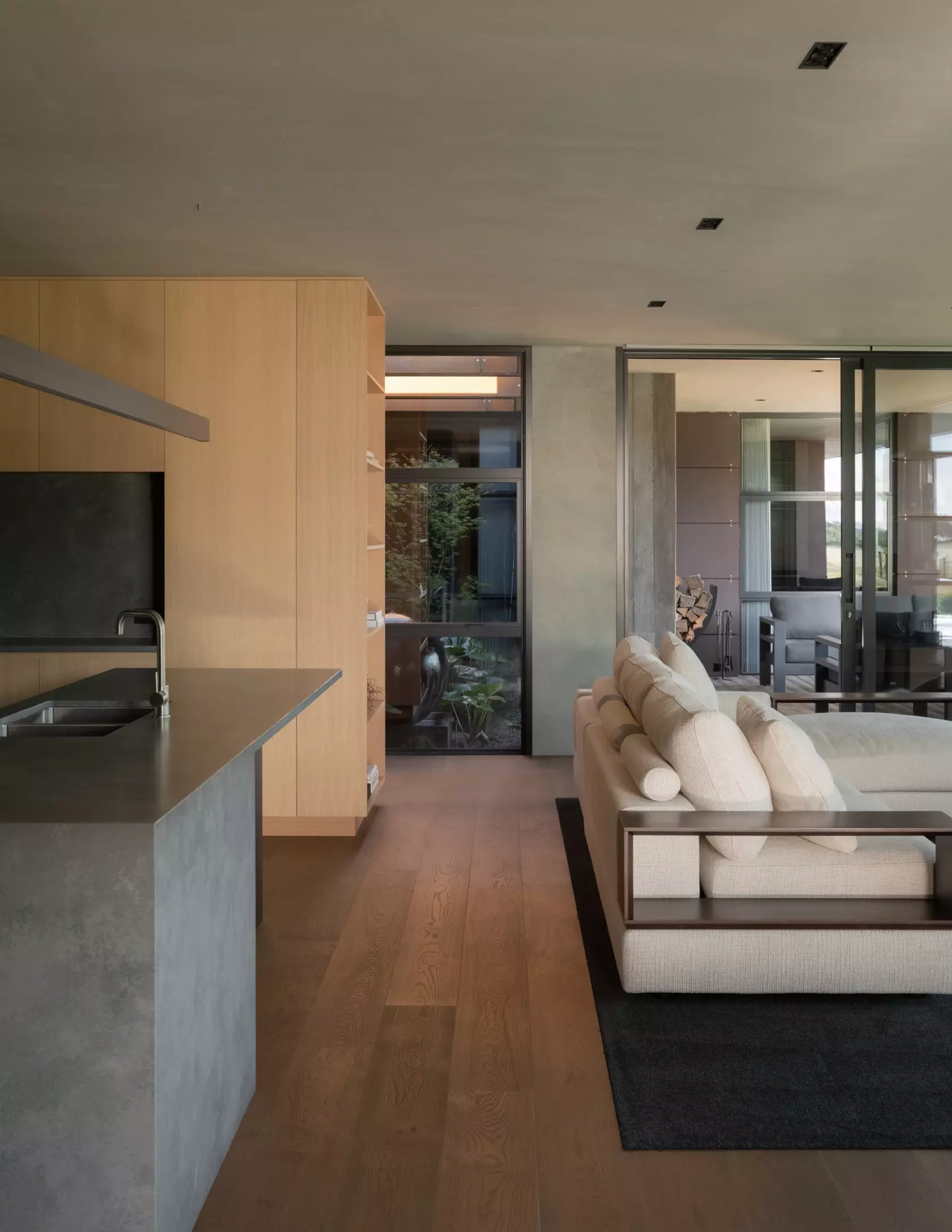
The layout separates the home into two distinct wings – a private owners' wing and a guest wing – connected by a transitional space punctuated with internal courtyards and gardens. These green spaces were critical, bringing natural light deep into areas where the solid road frontage would otherwise create darkness. De Geest's favourite feature is the main atrium: "It makes the house feel so different, and you don't normally see this in a residential build."
The guest wing to the west unfolds as a common area followed by two bedrooms with en-suites, each opening to views of the fairways. To the east, hidden behind timber-panelled doors, lies the master suite with its walk-in wardrobe, en-suite, and private courtyard.
Externally, the landscaping continues the golf course theme with its own putting green, planting that matches the course's contours, and a fire pit nestled into its own bunker. An outdoor fireplace, designed into the centre of the home, marks the transition between indoor and outdoor spaces.
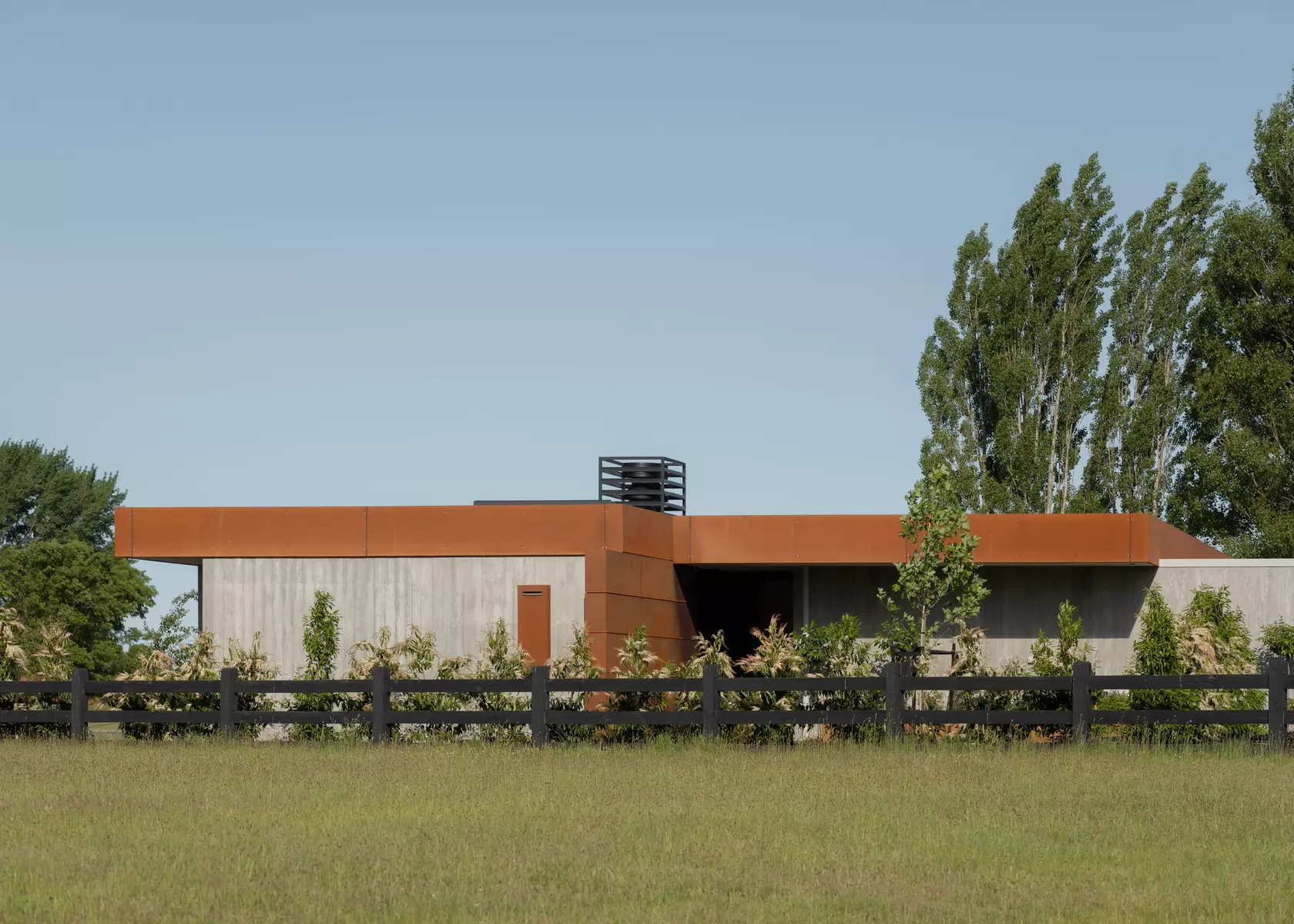
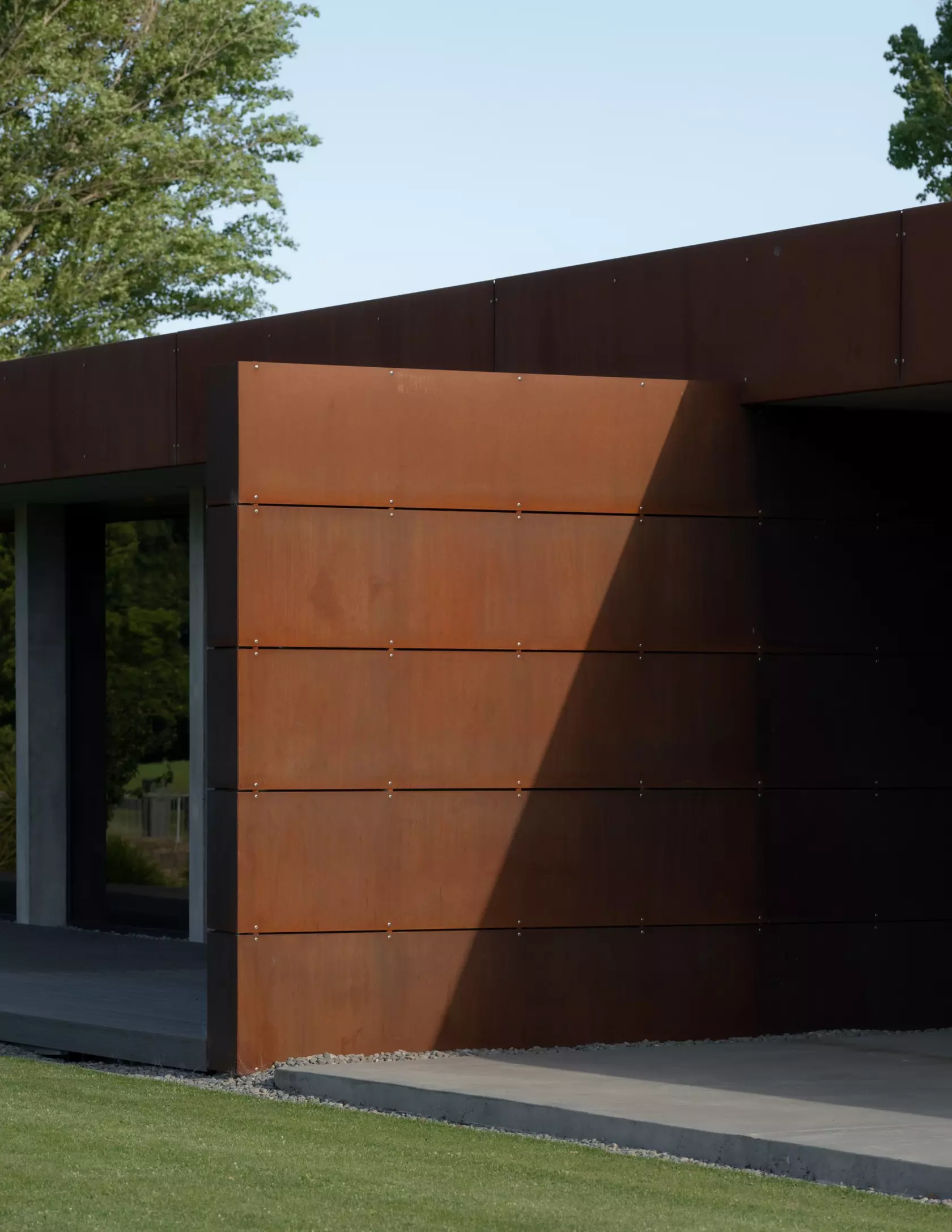
The exterior aesthetic is achieved through pre-cast concrete, natural schist, and Corten steel – materials that anchor the home into its landscape while creating visual strength. The schist installation drew particular praise – even from one of the owners, who spent much of his life in the schist-build capital of Wanaka. "When we were 50% finished, he said, 'Wow, that is the best laid schist stone I've ever seen,'" De Geest recalls.
The Corten steel installation proved more difficult, taking place during a particularly wet winter. "The guys rang me up and said, 'I've got the scissor lift stuck,'" De Geest remembers. "We had to get a digger to tow it out. But they persisted and made a lovely job, especially matching into the custom-made Corten garage door. It was a real challenge to get that so perfect. And they did."
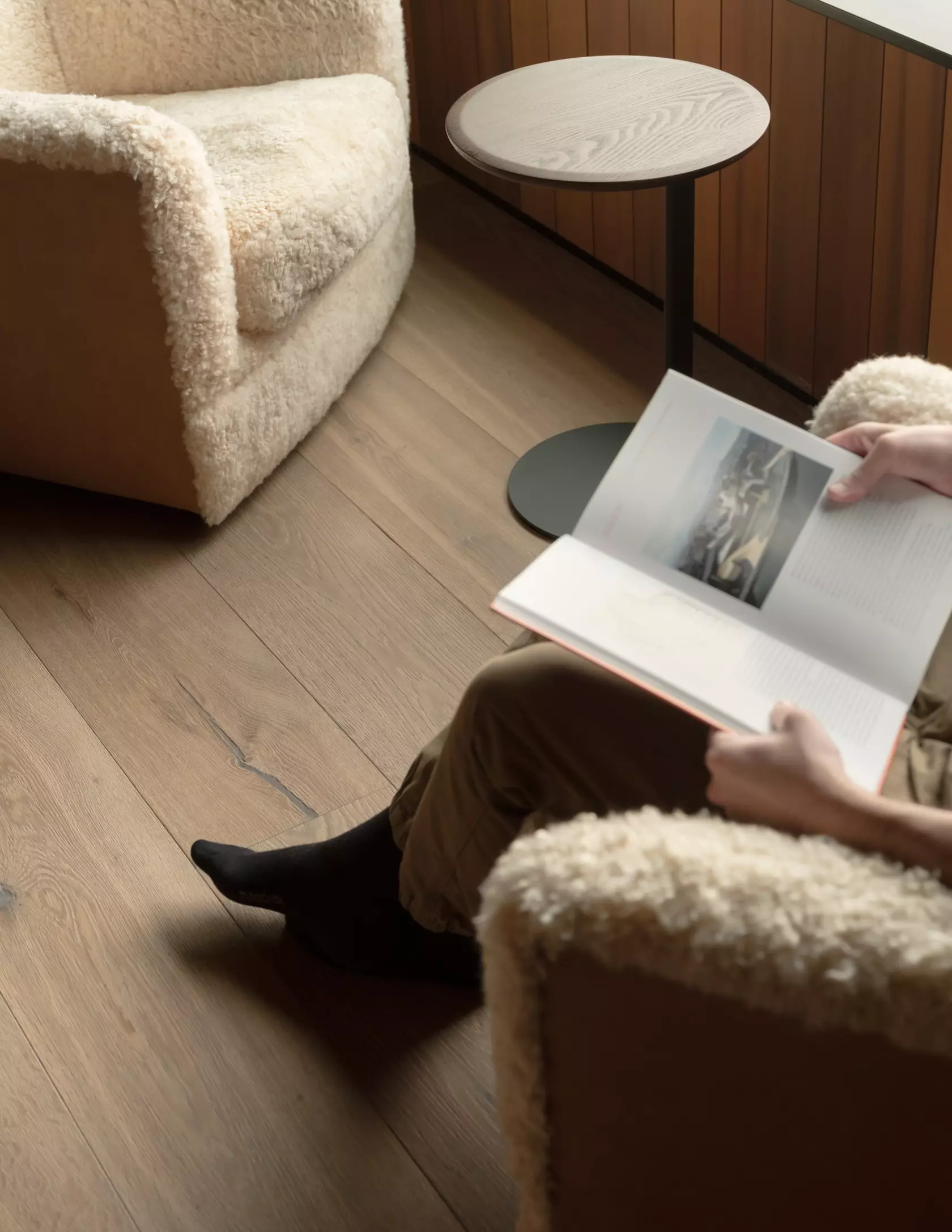
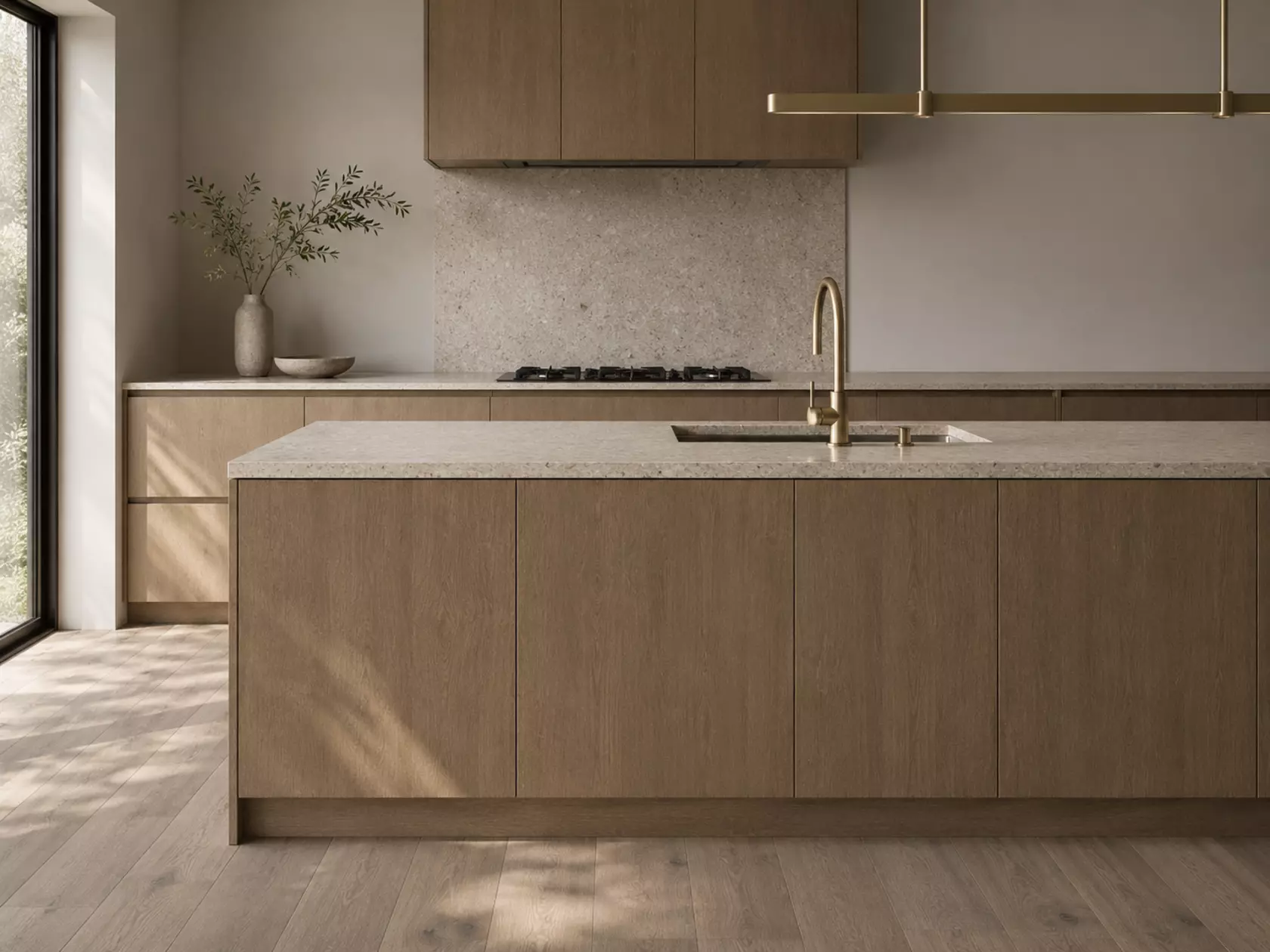
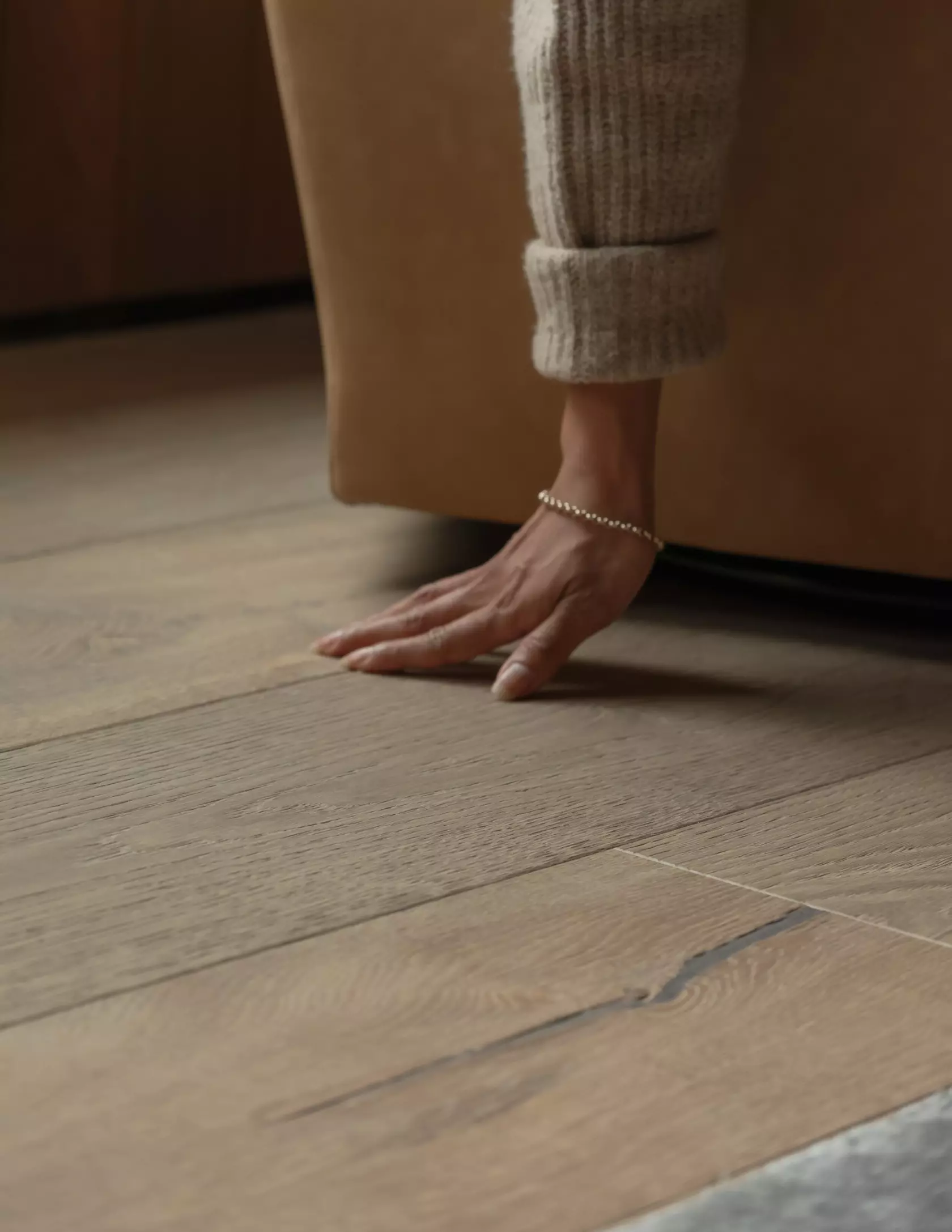
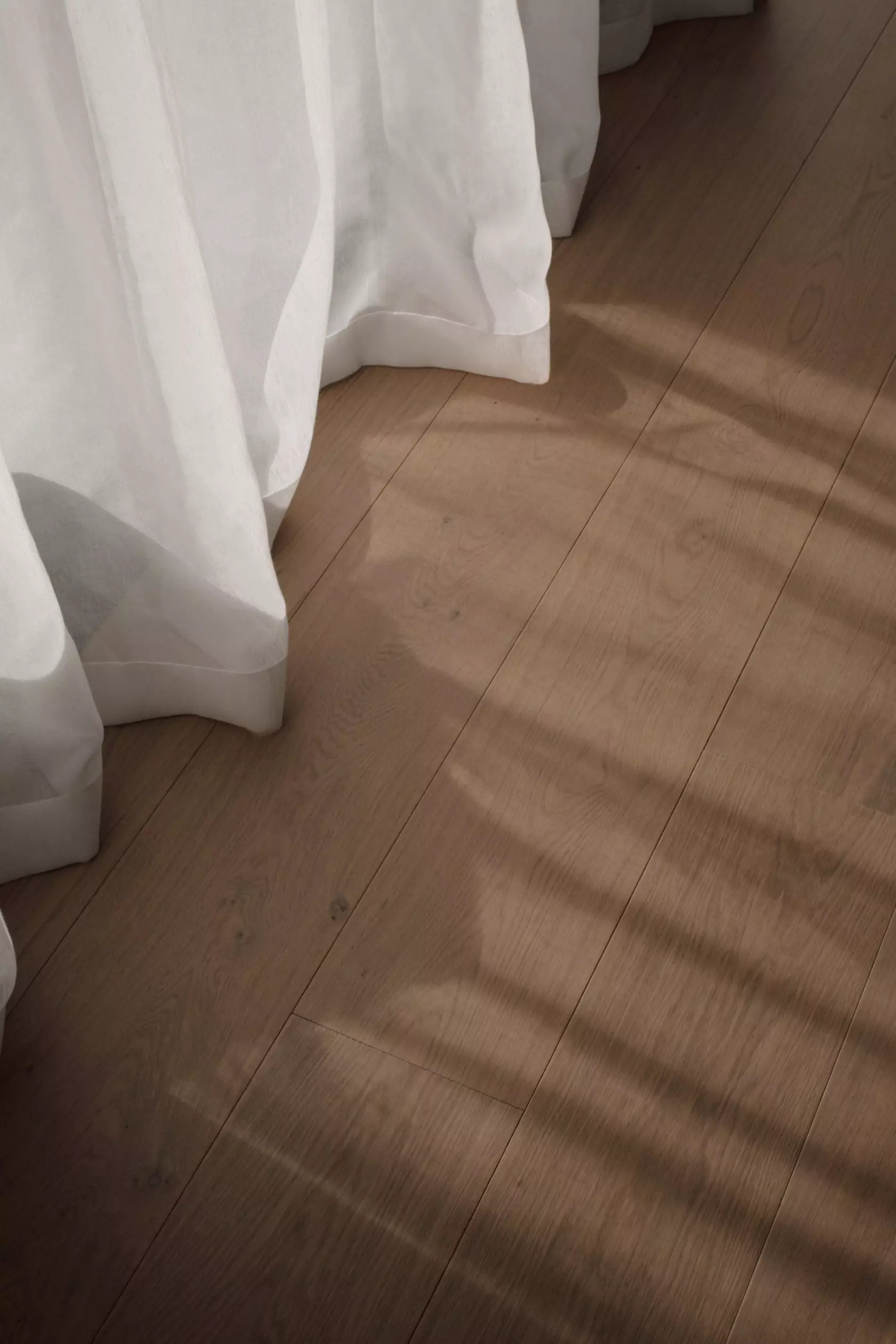
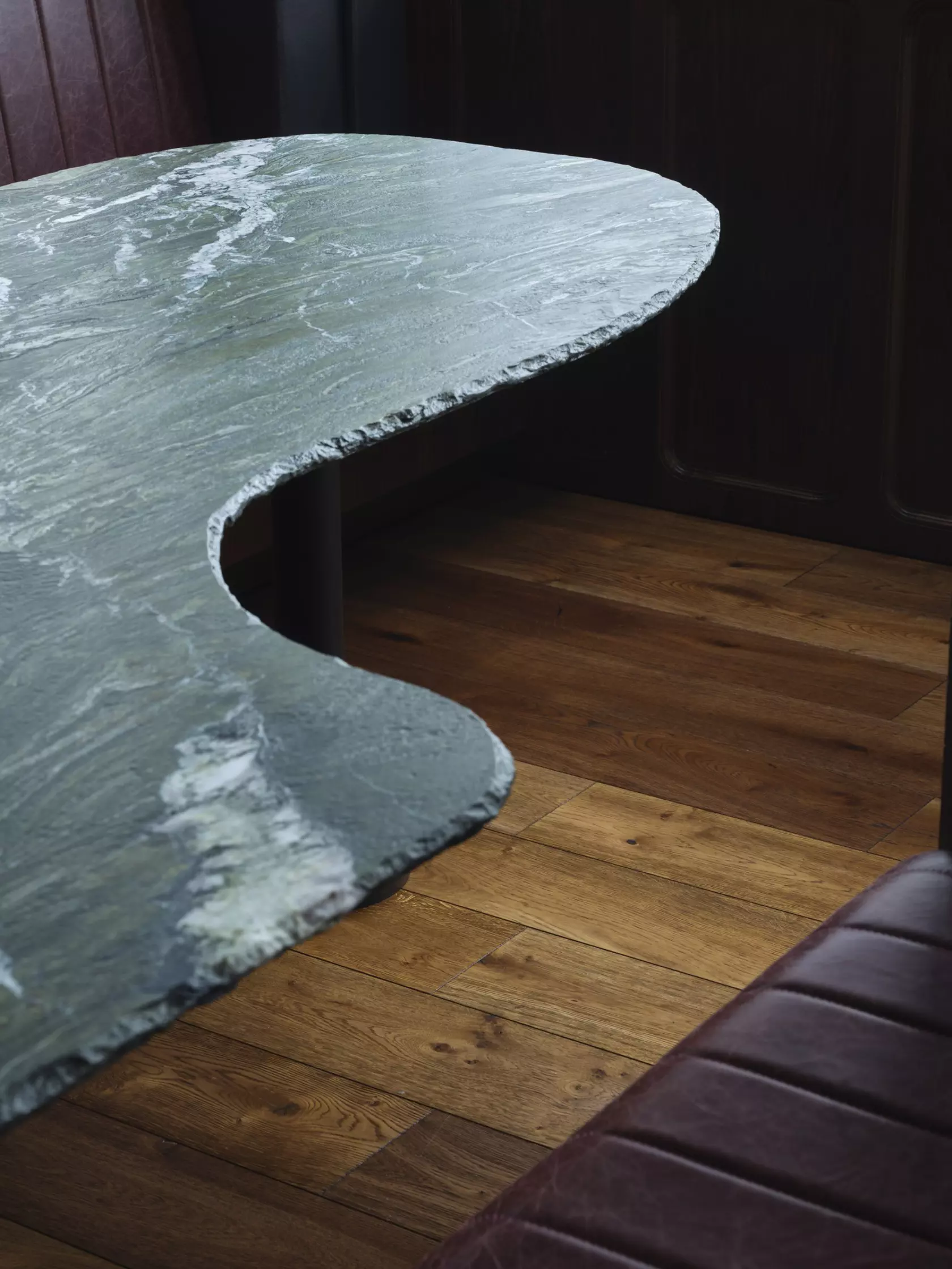
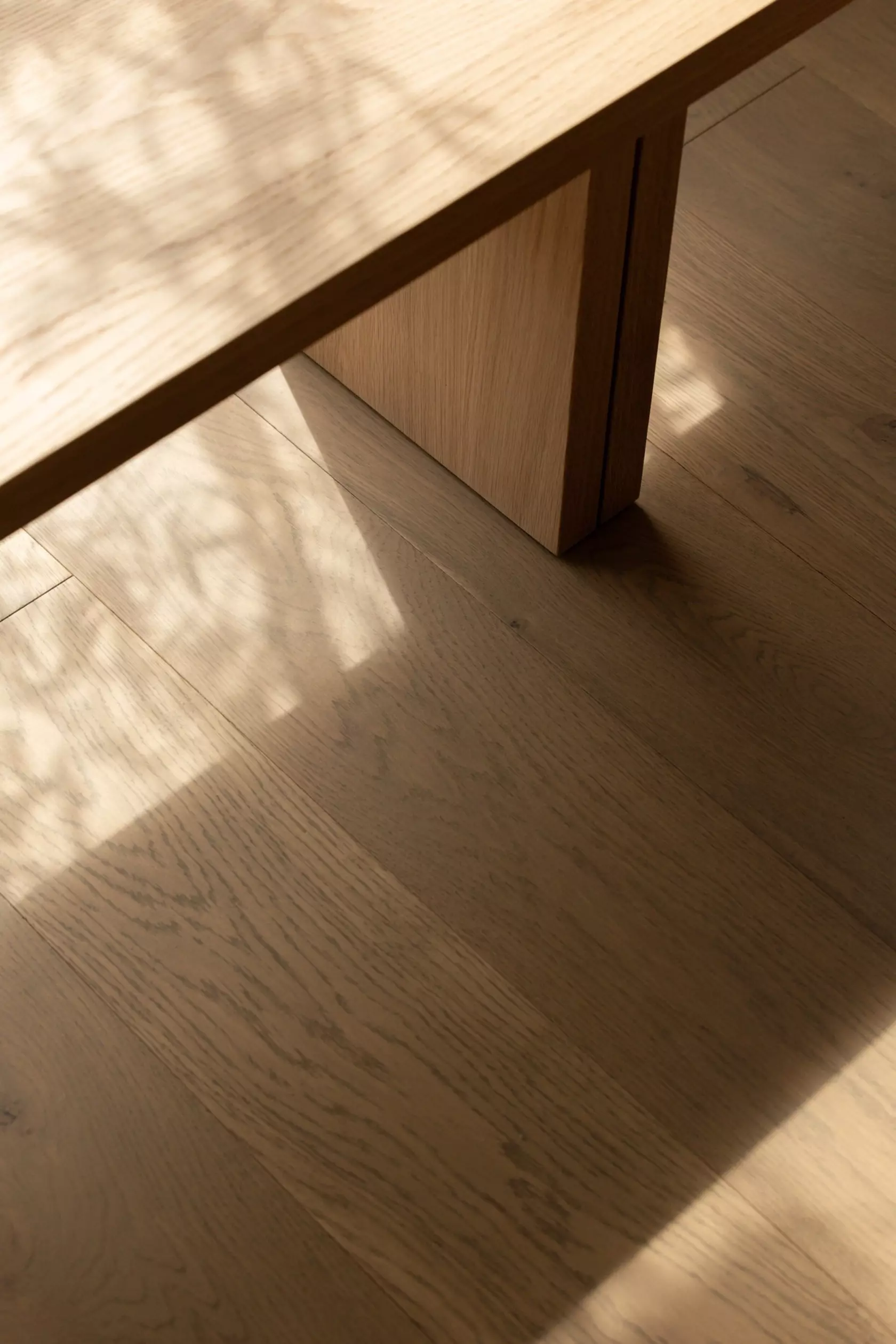
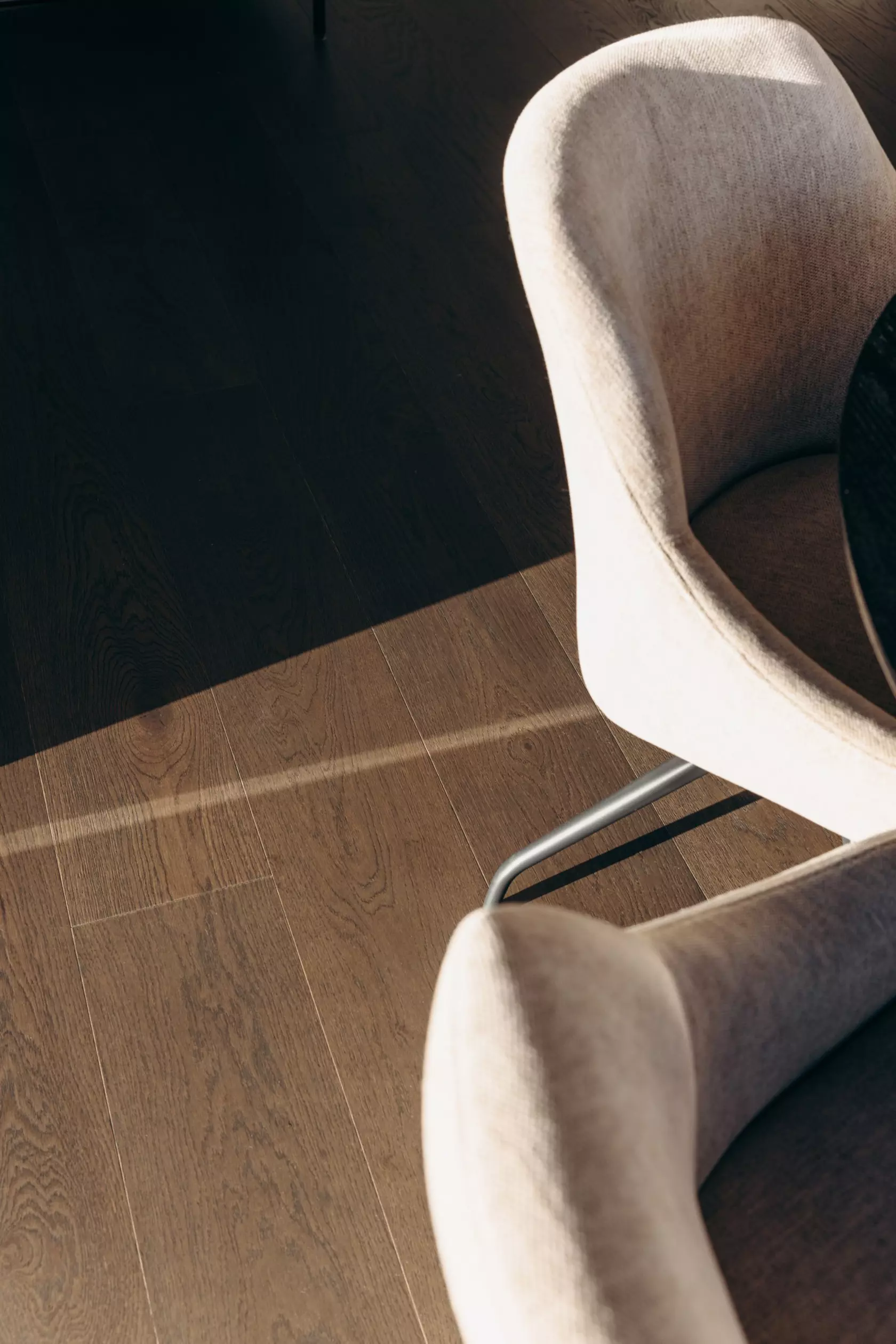
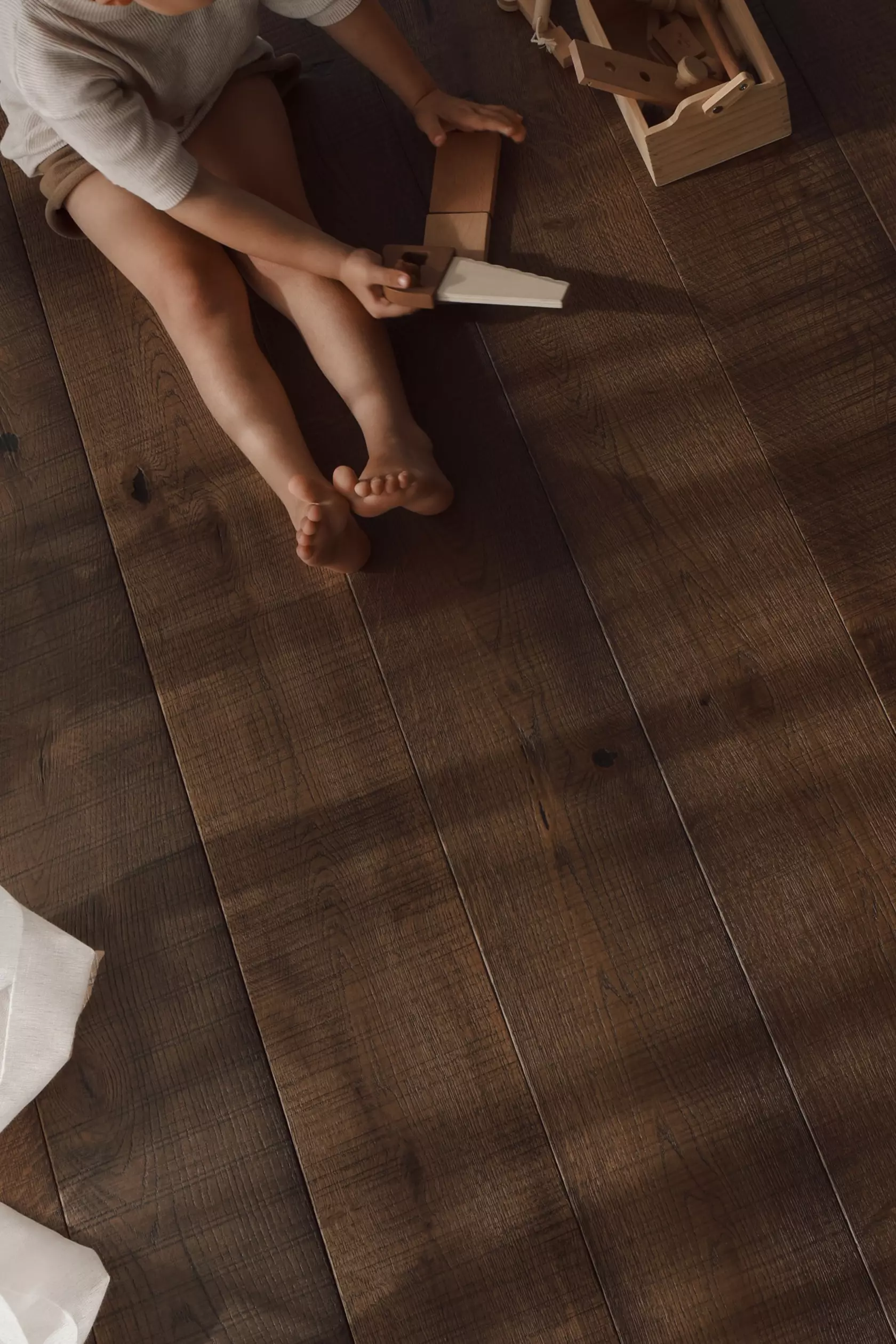
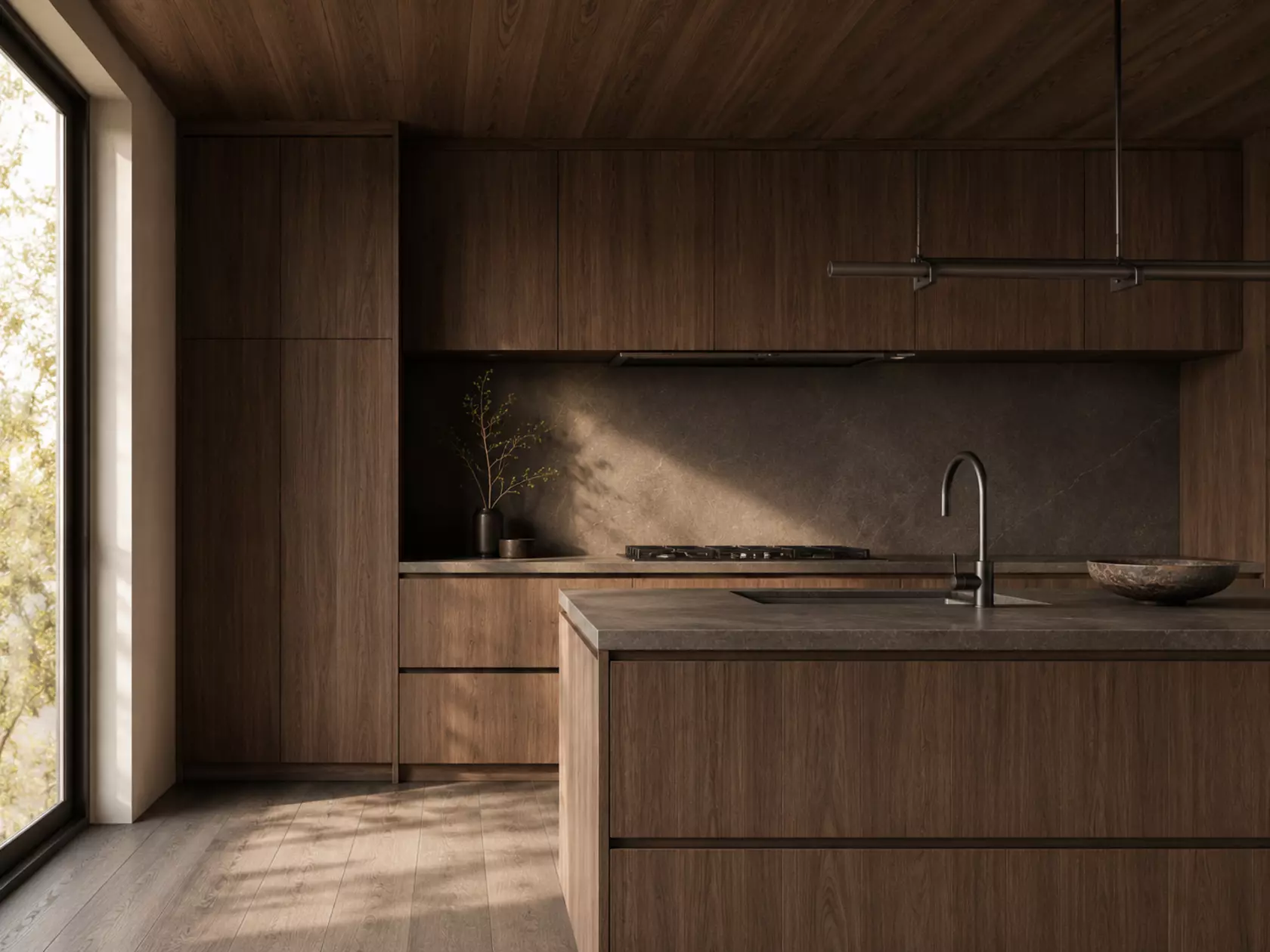
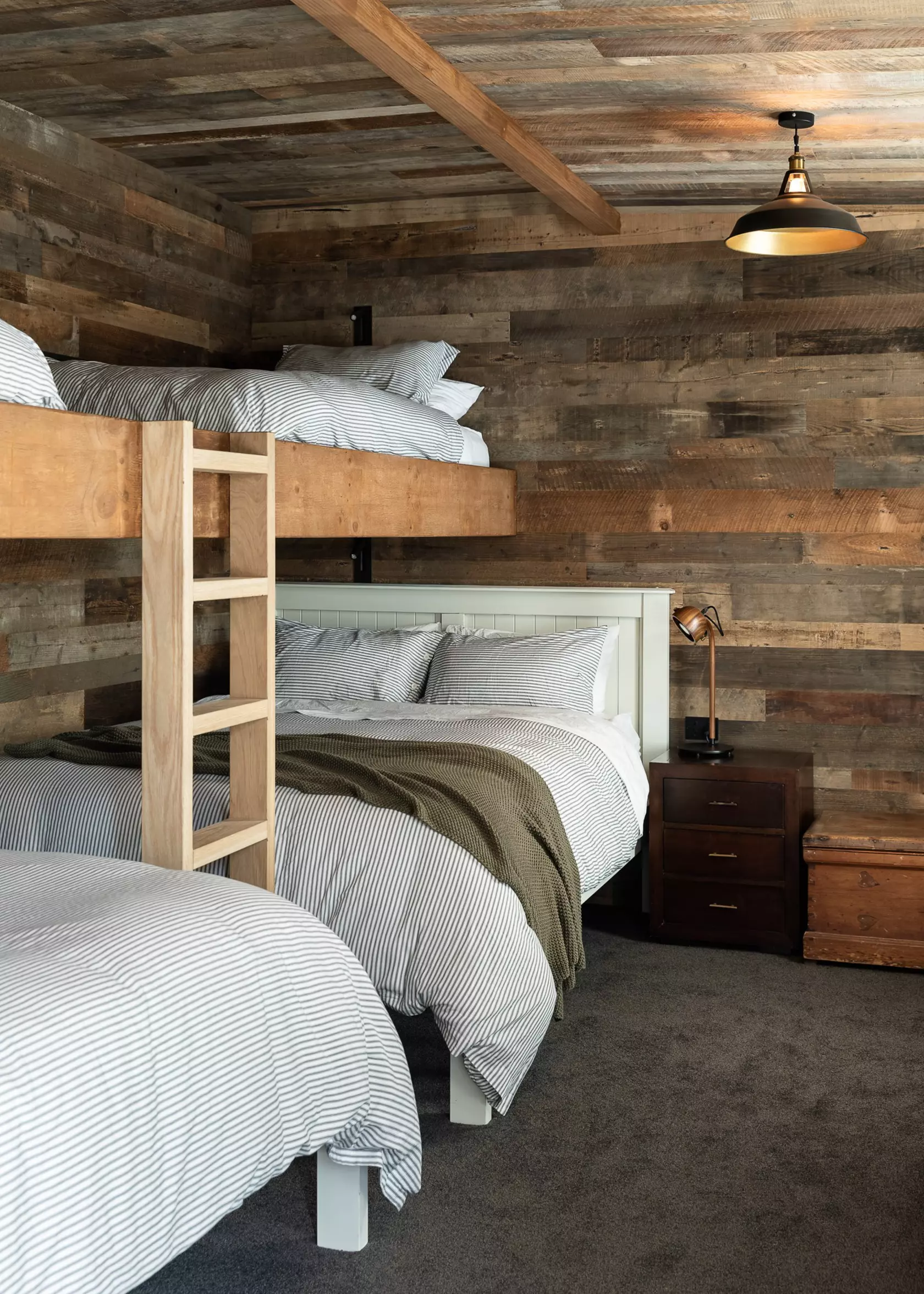
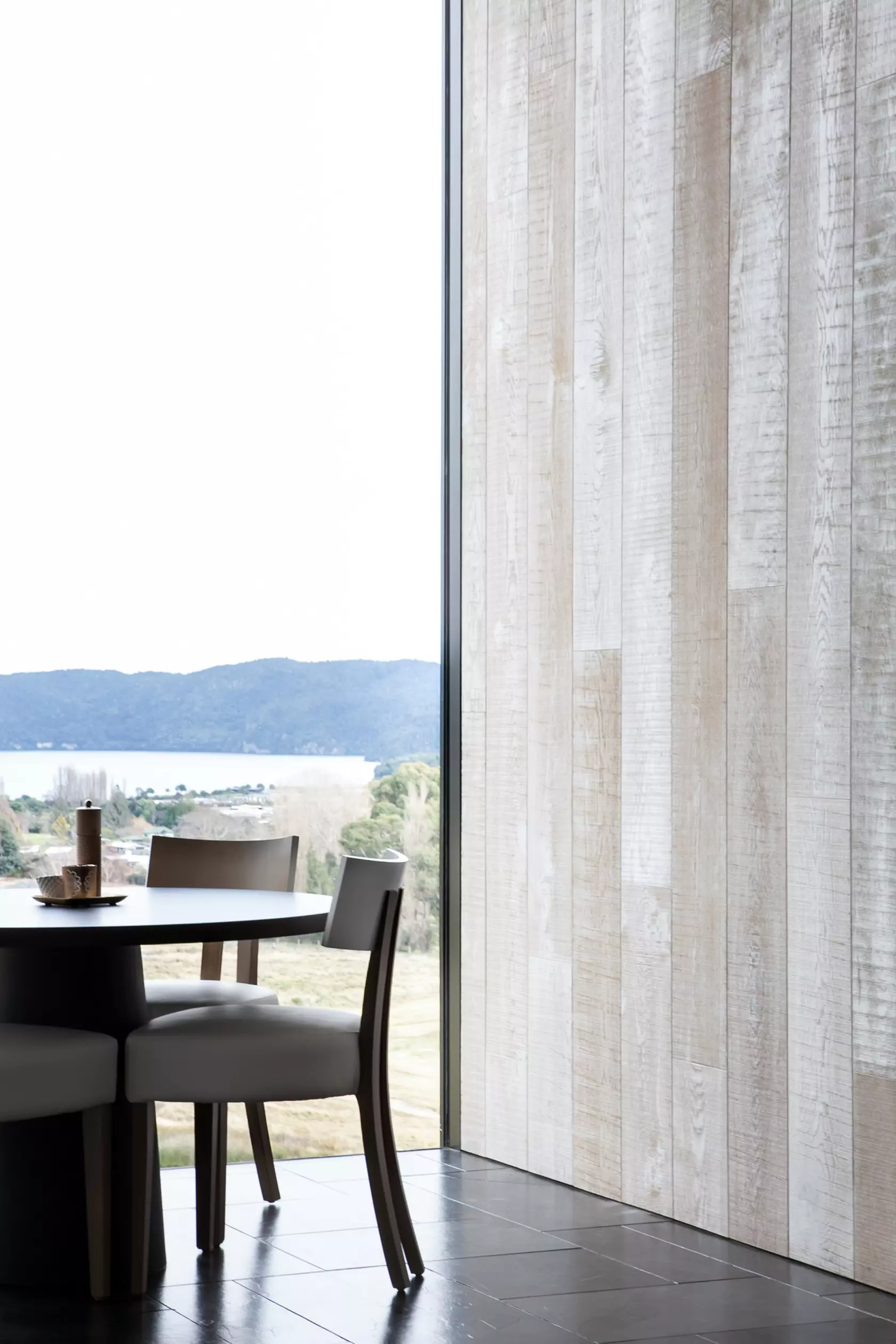
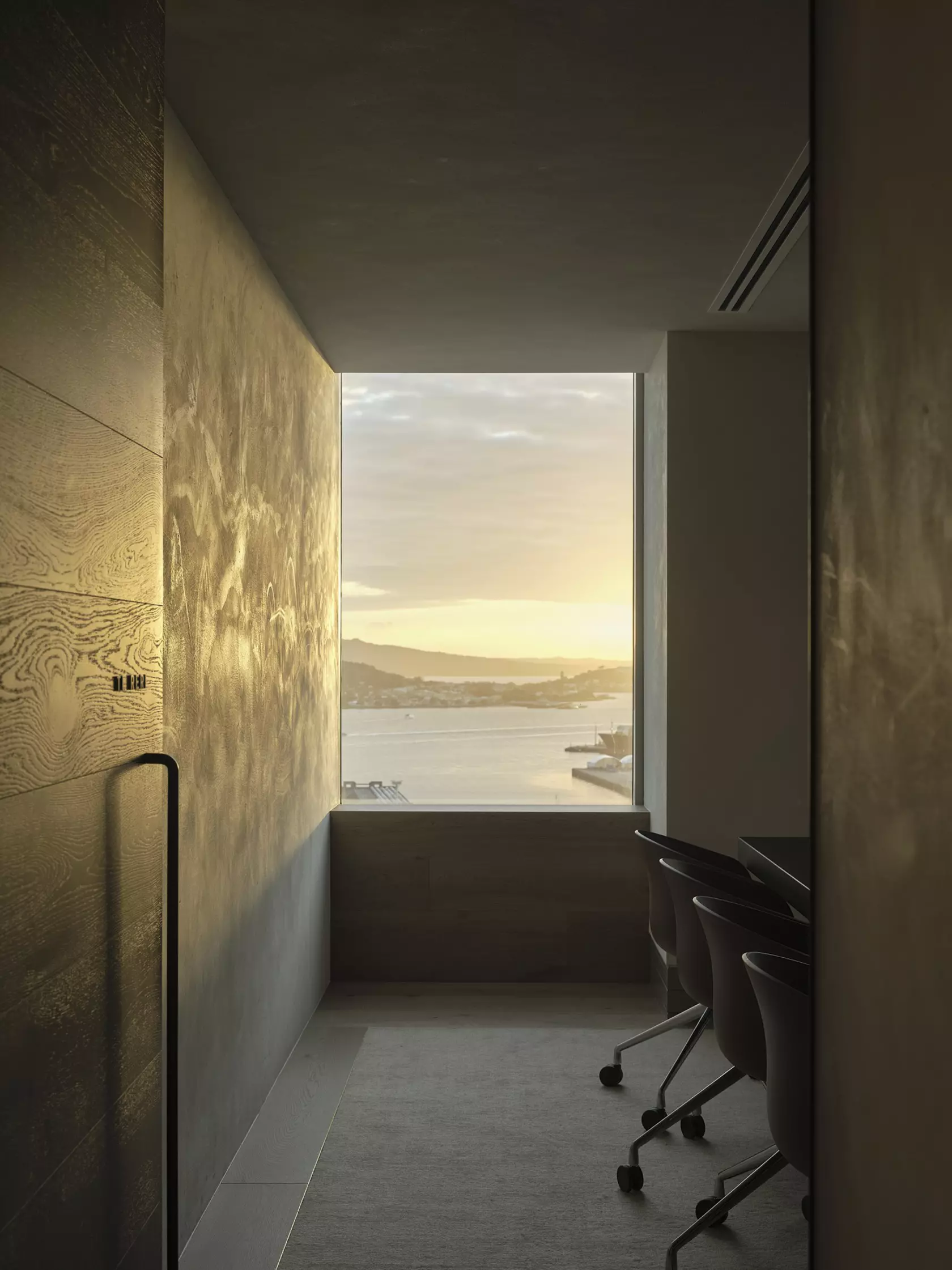
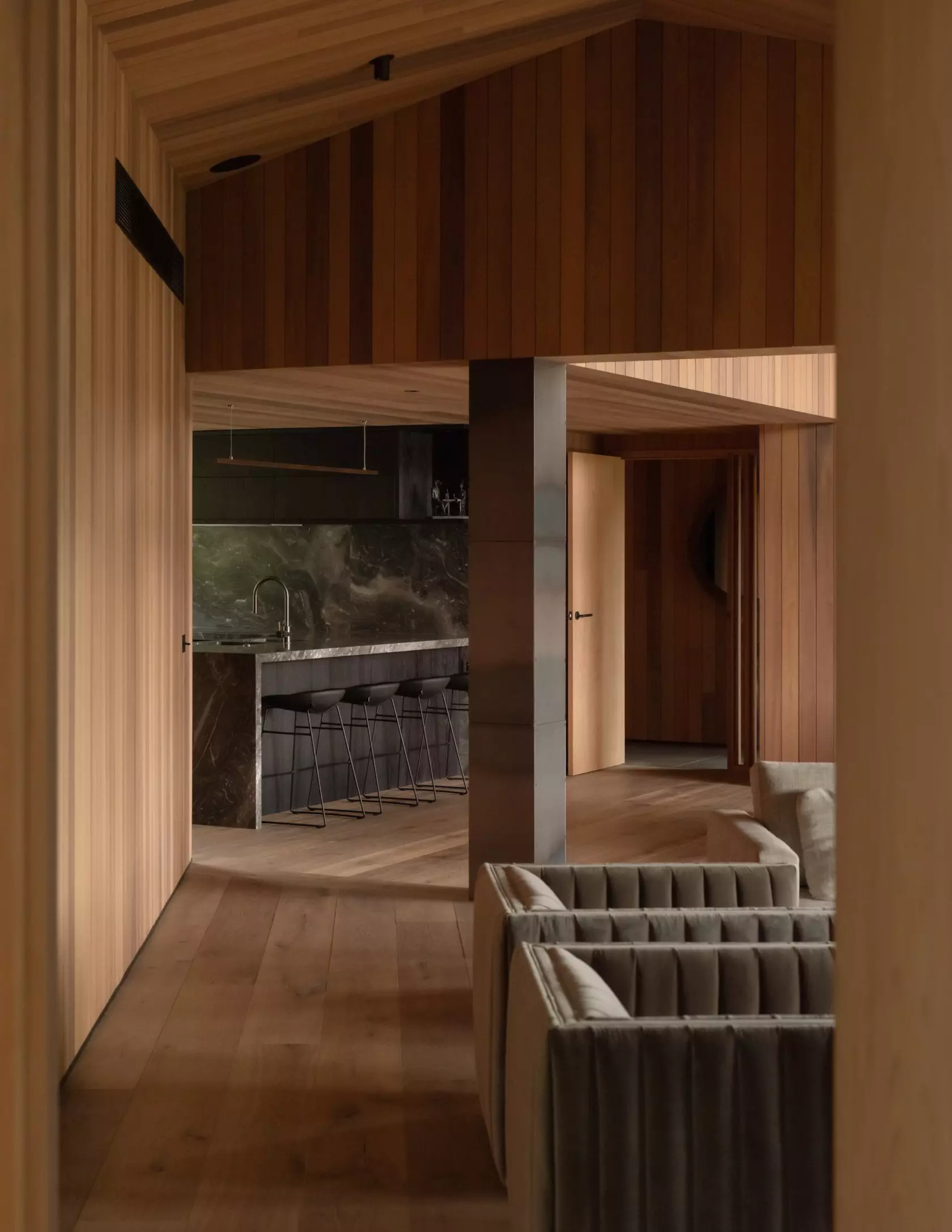
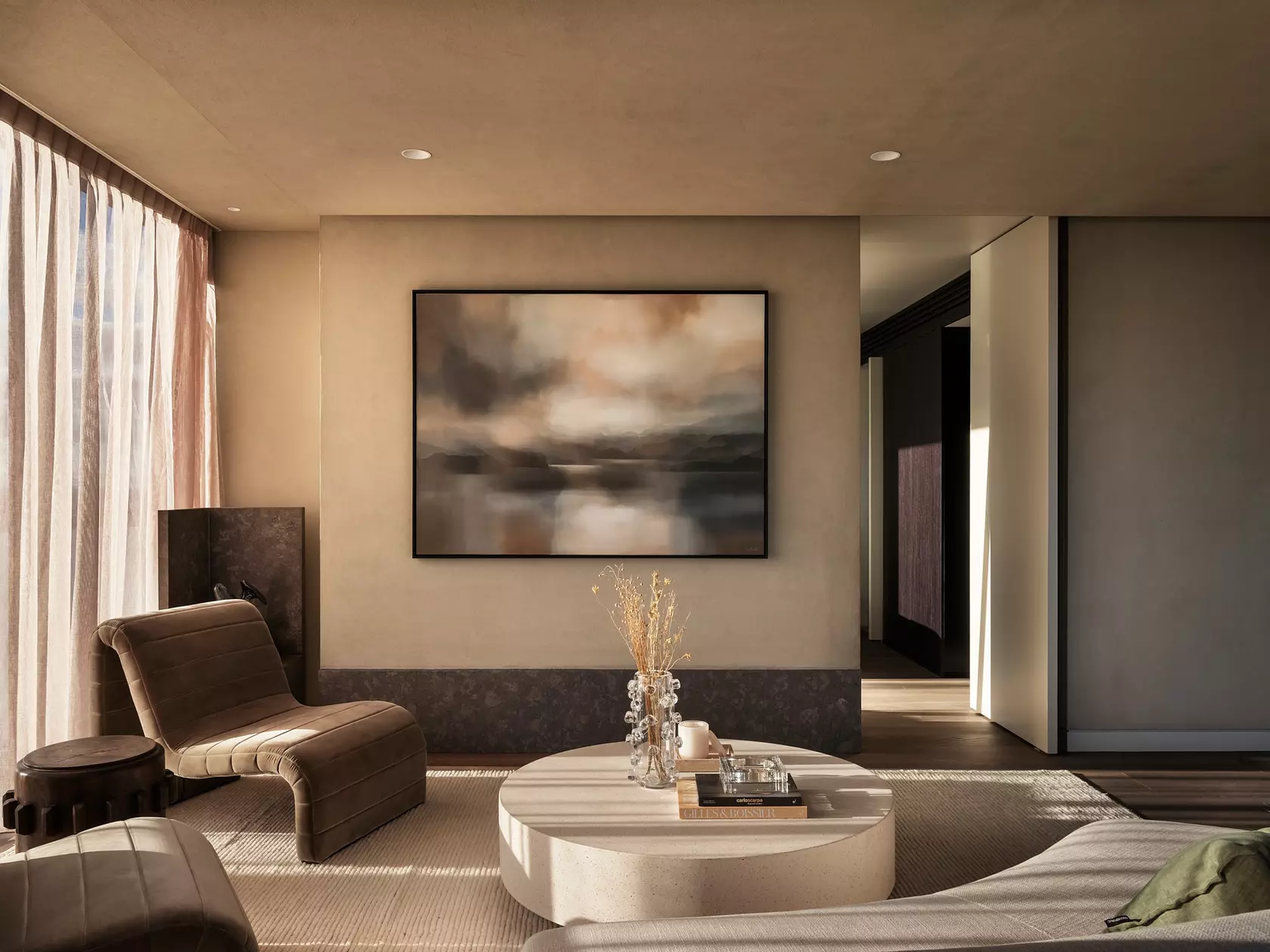
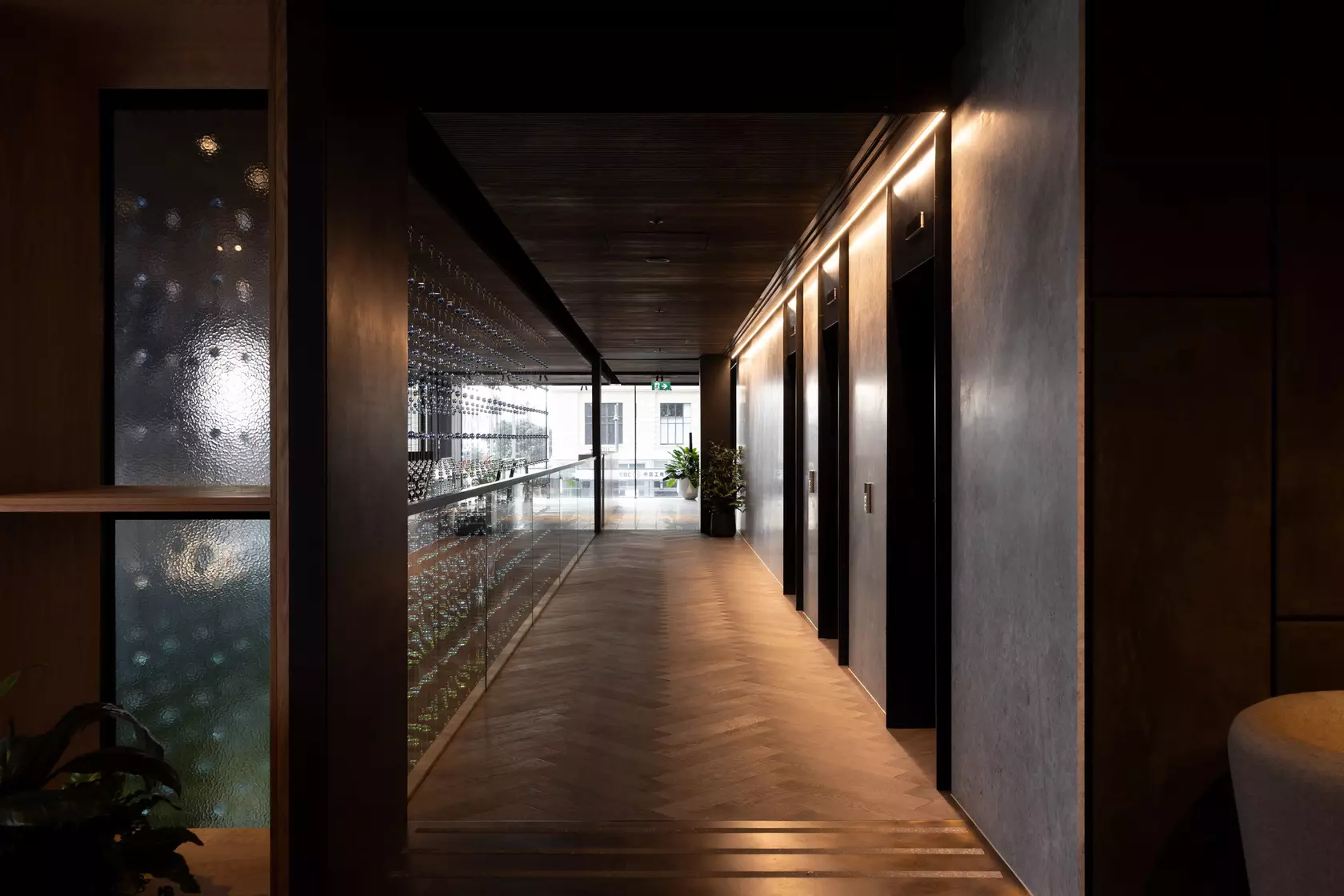
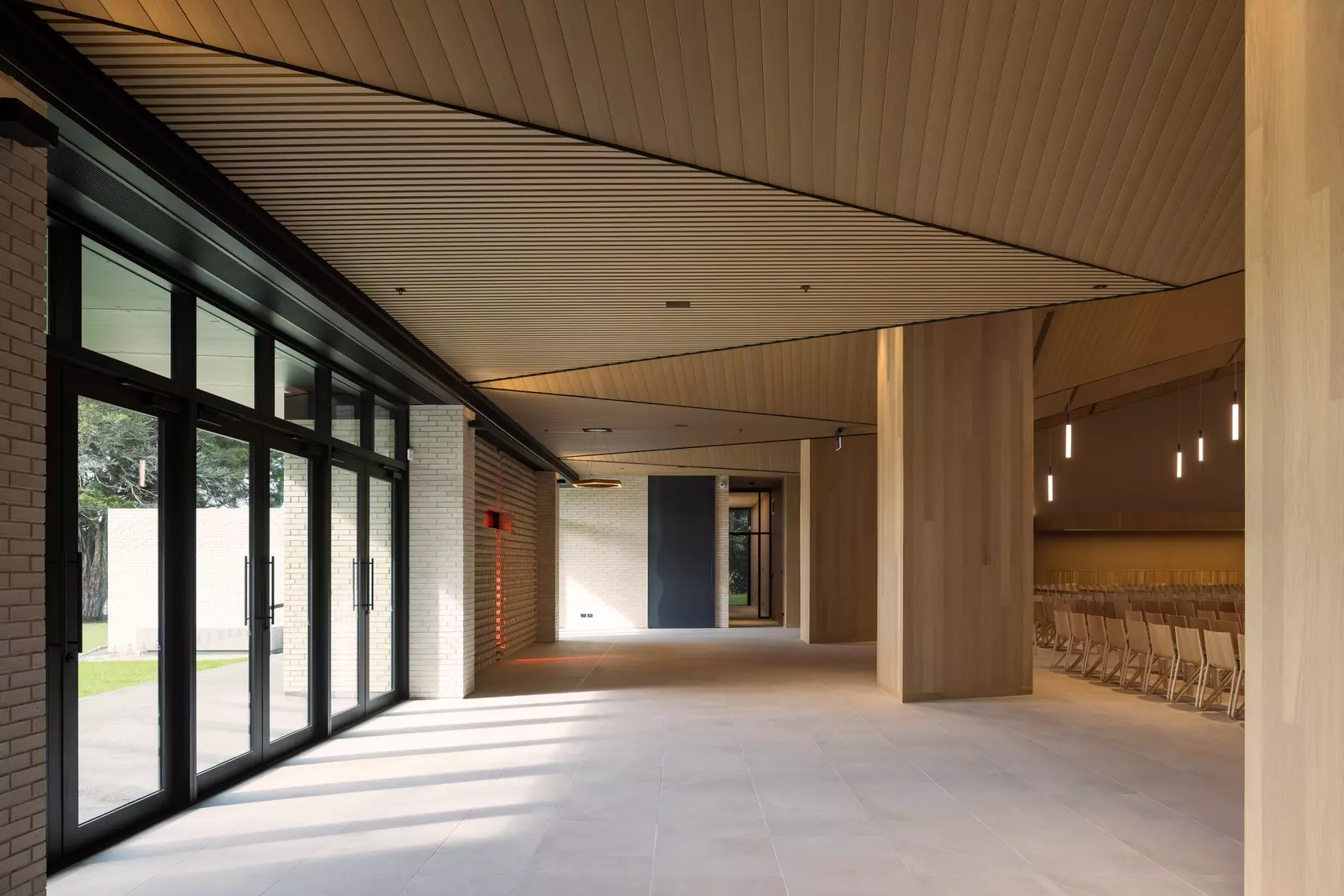
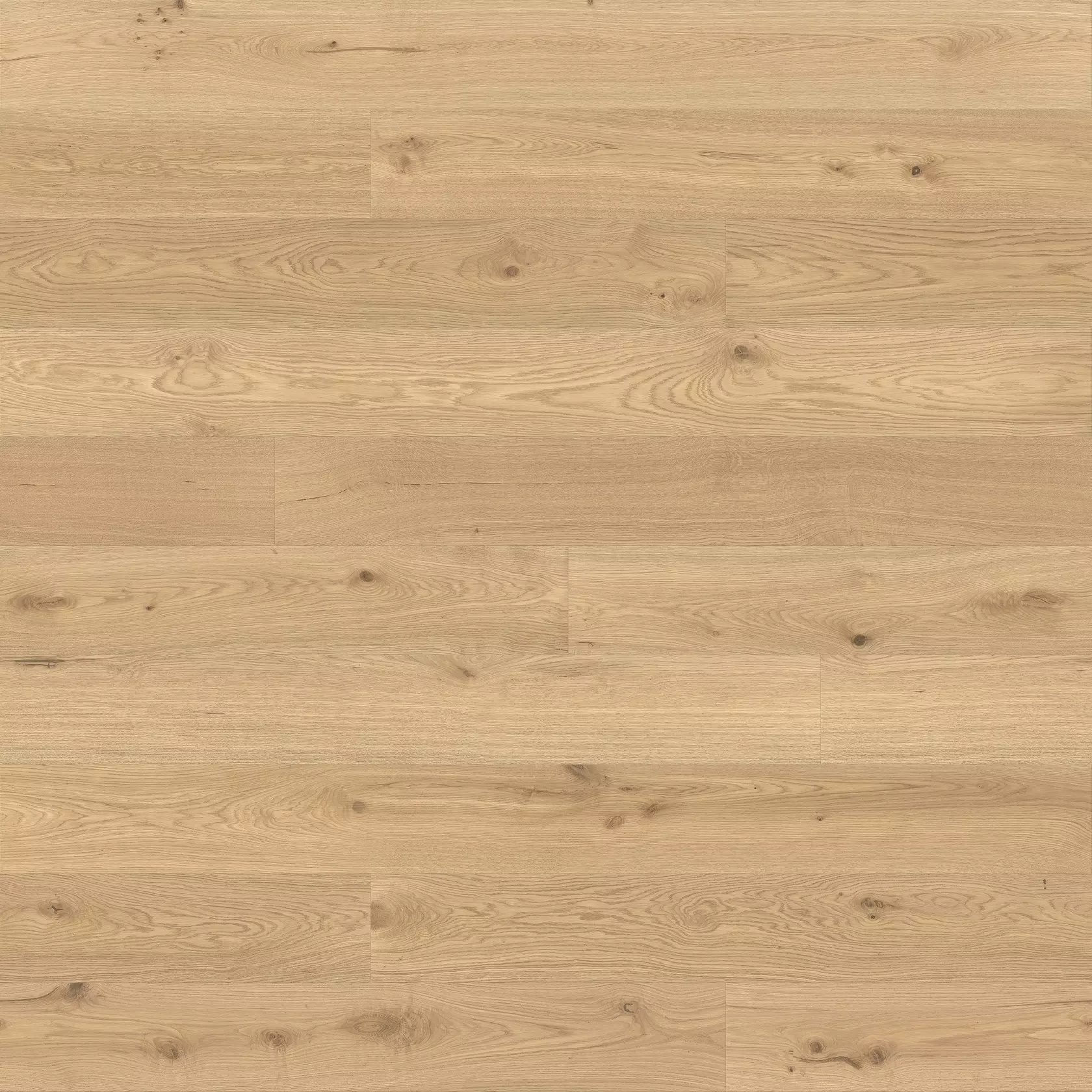
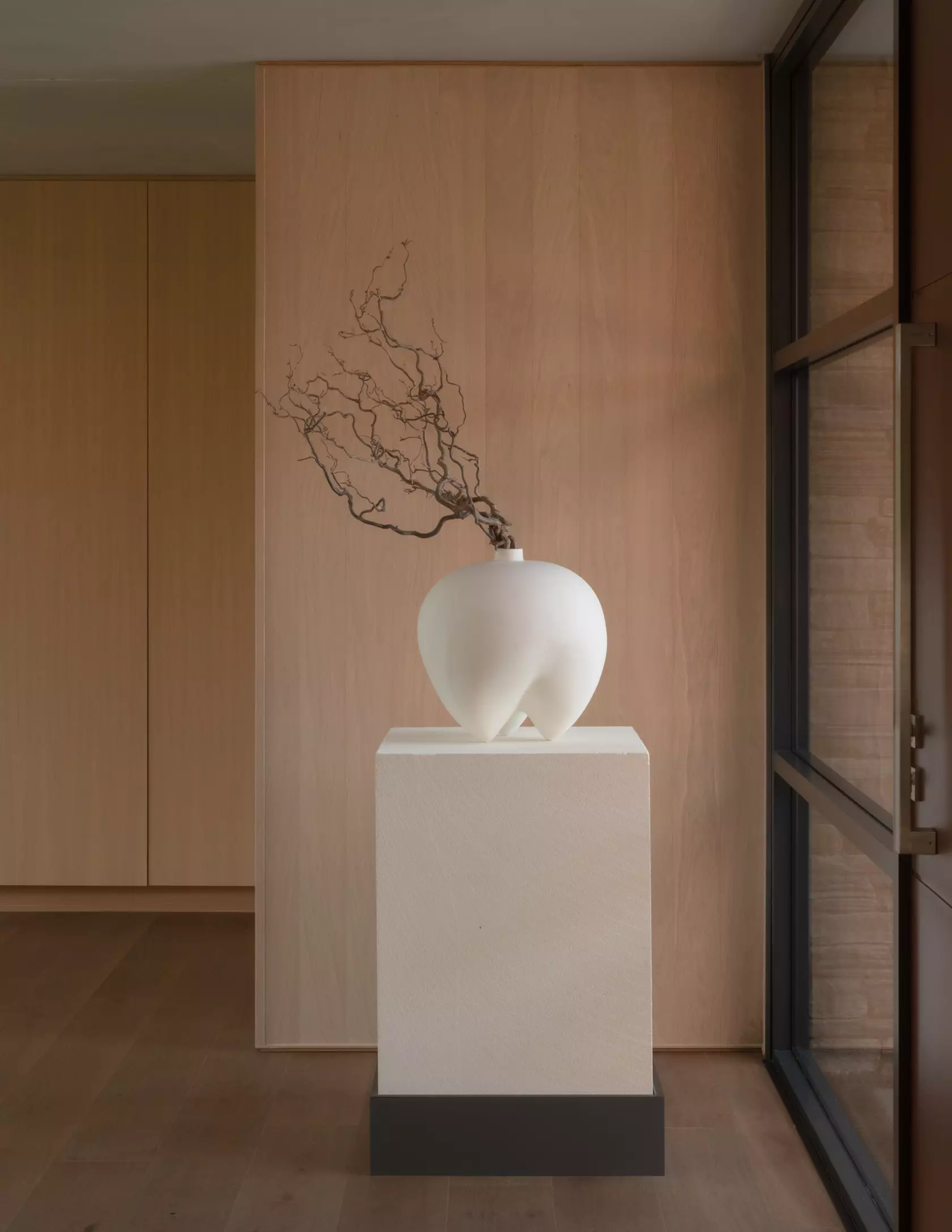
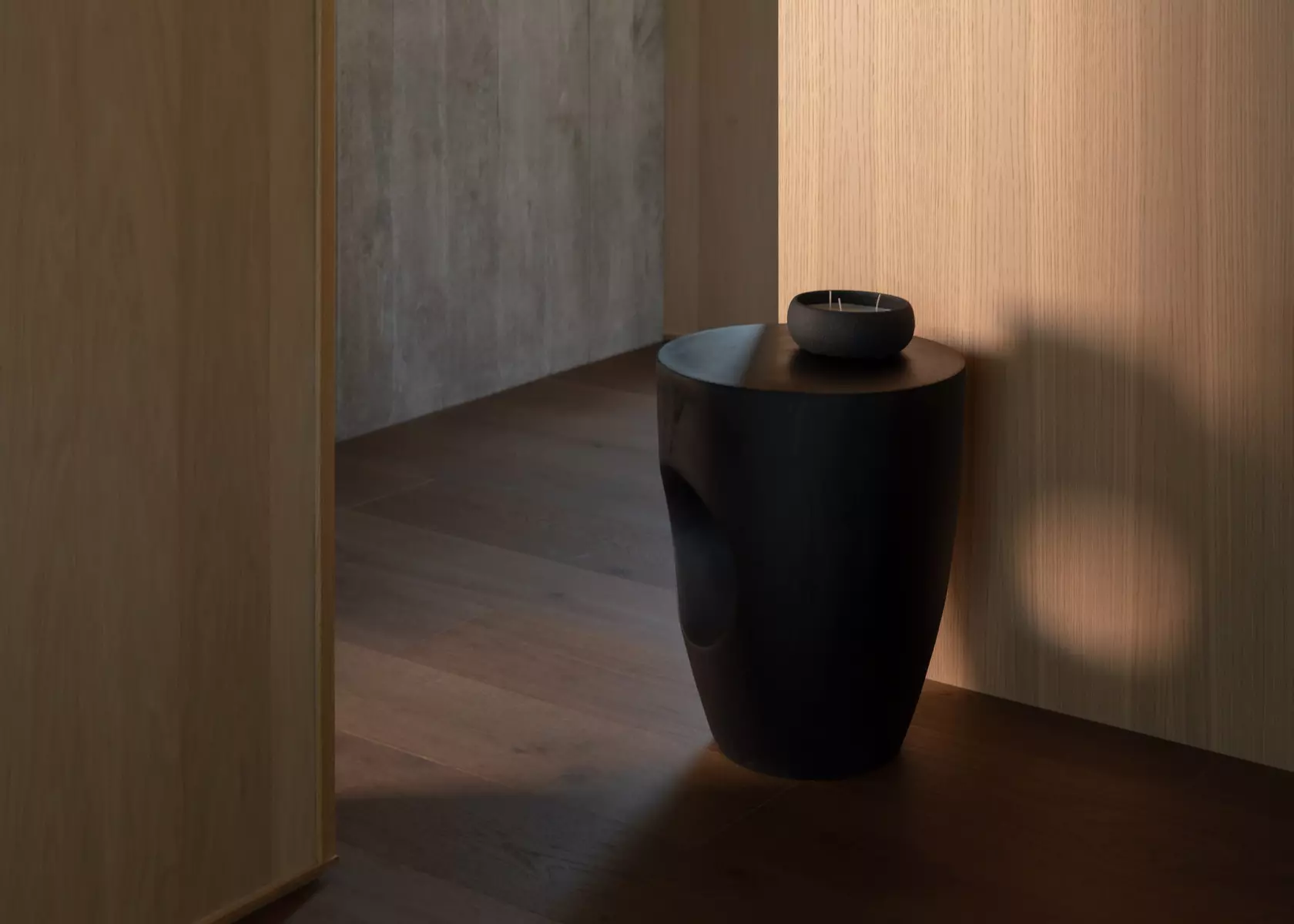
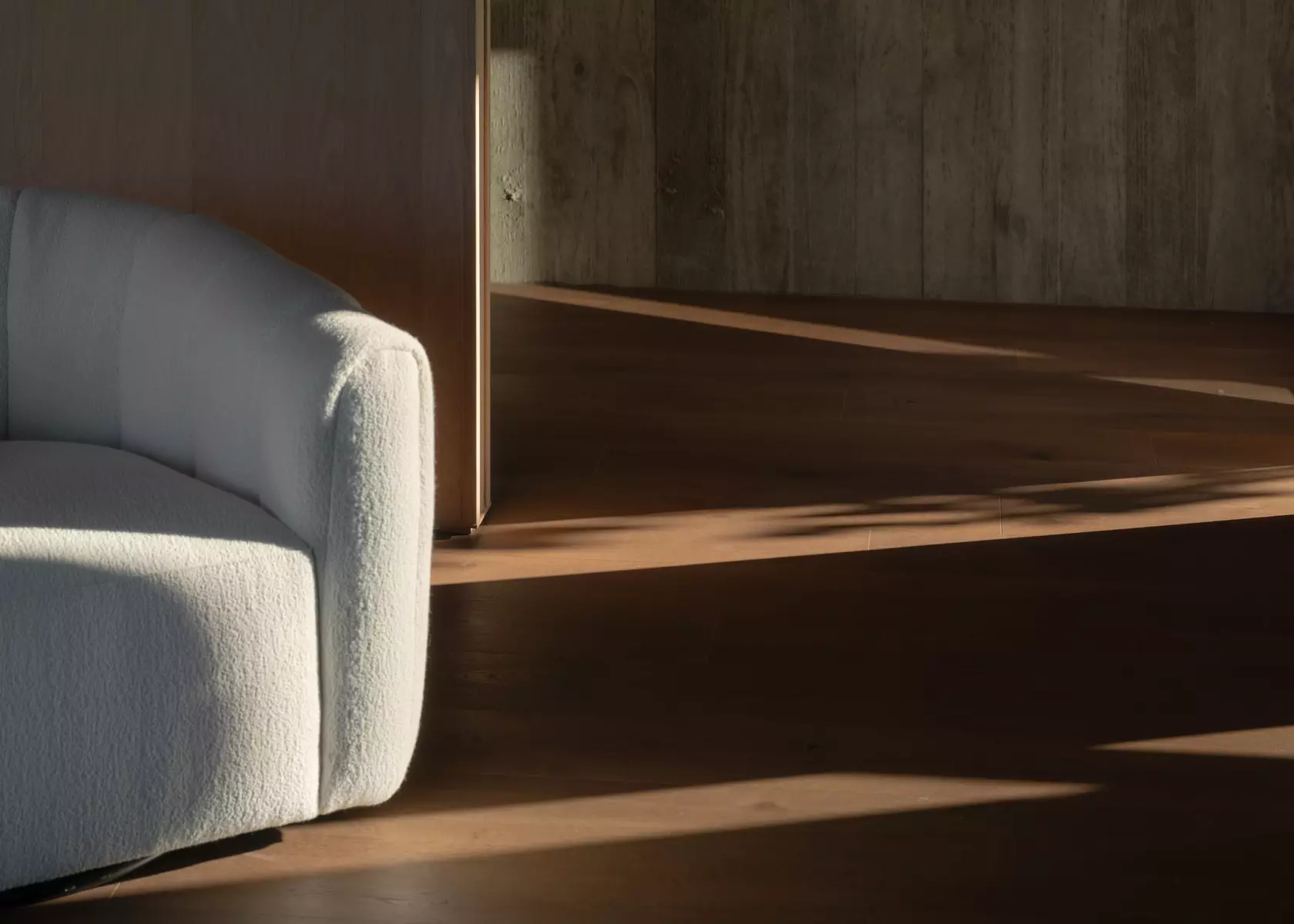
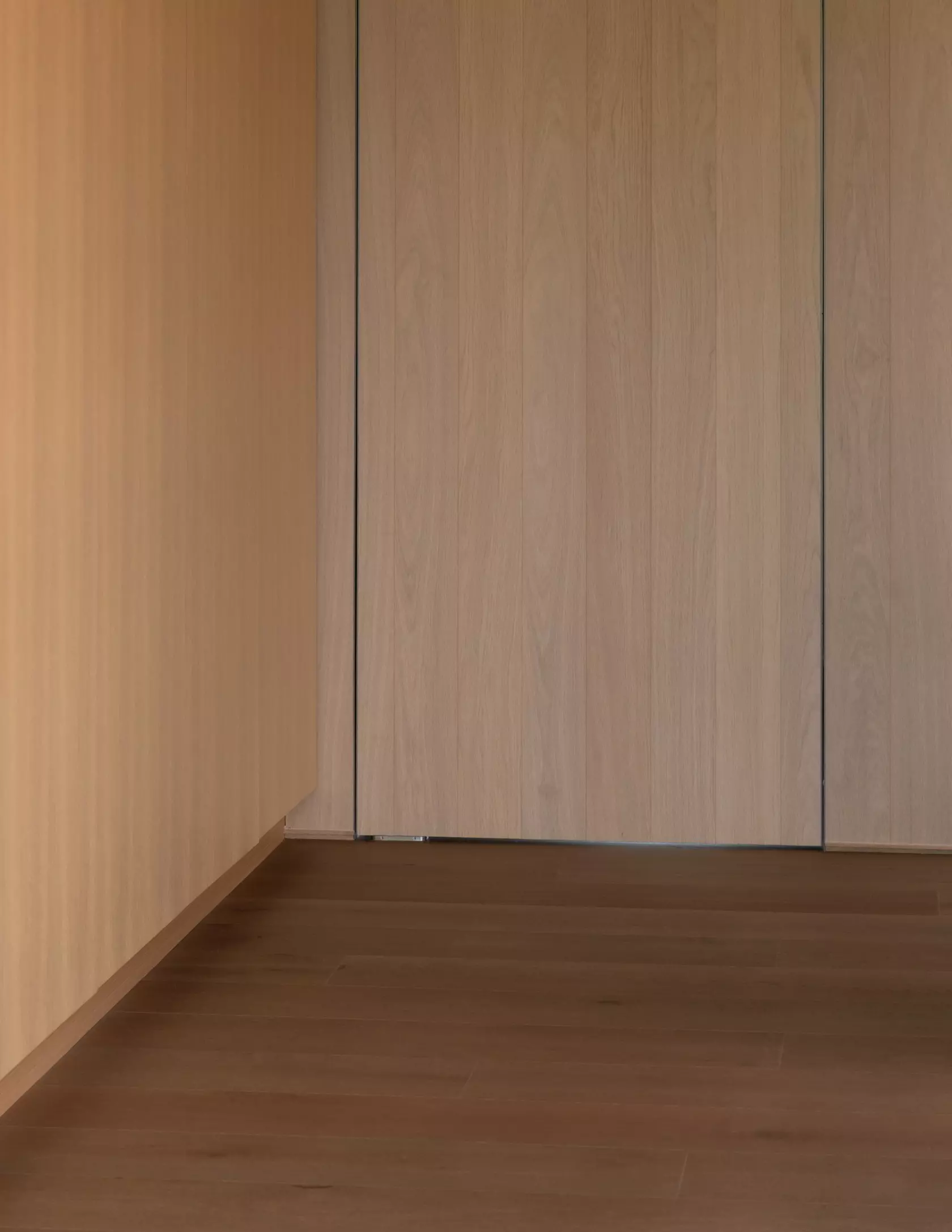
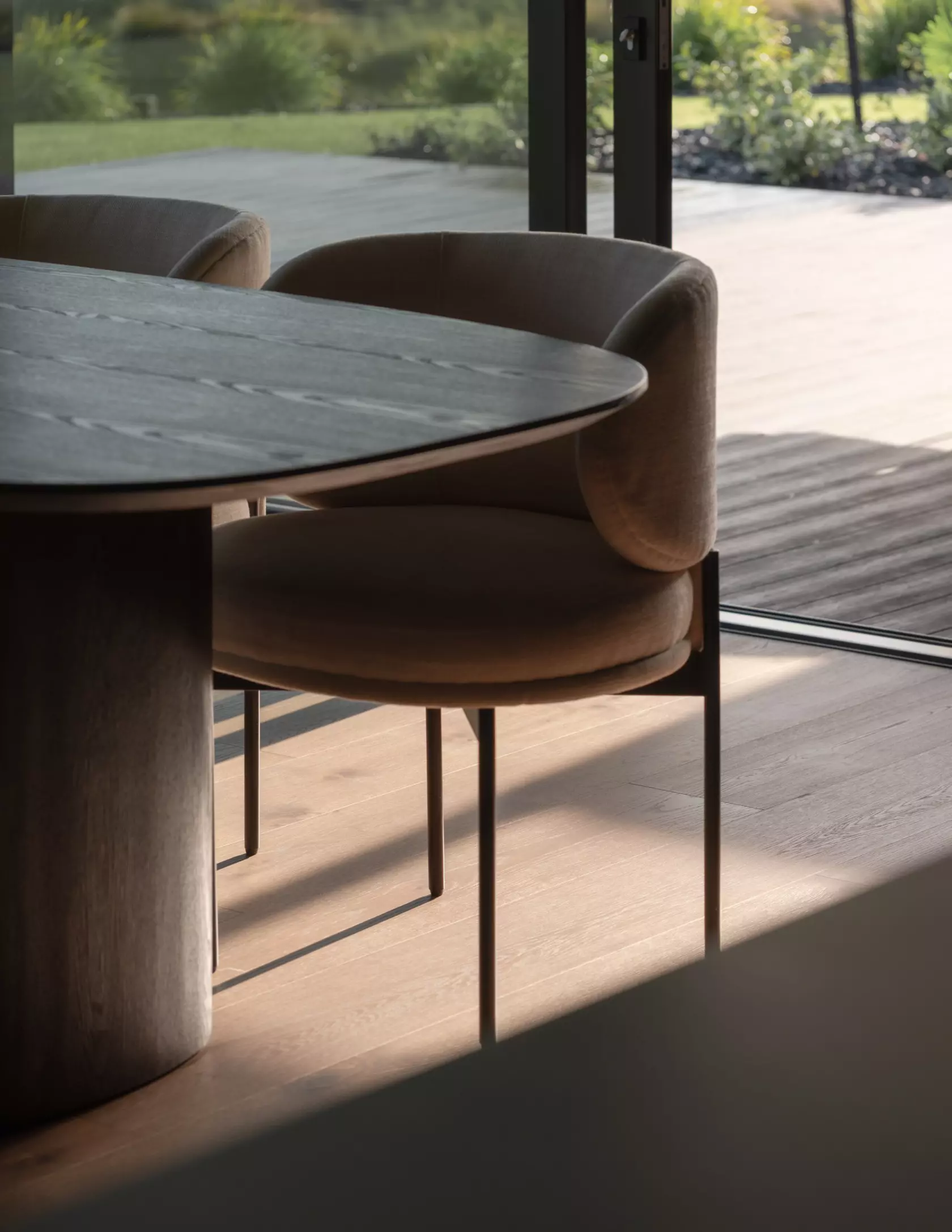
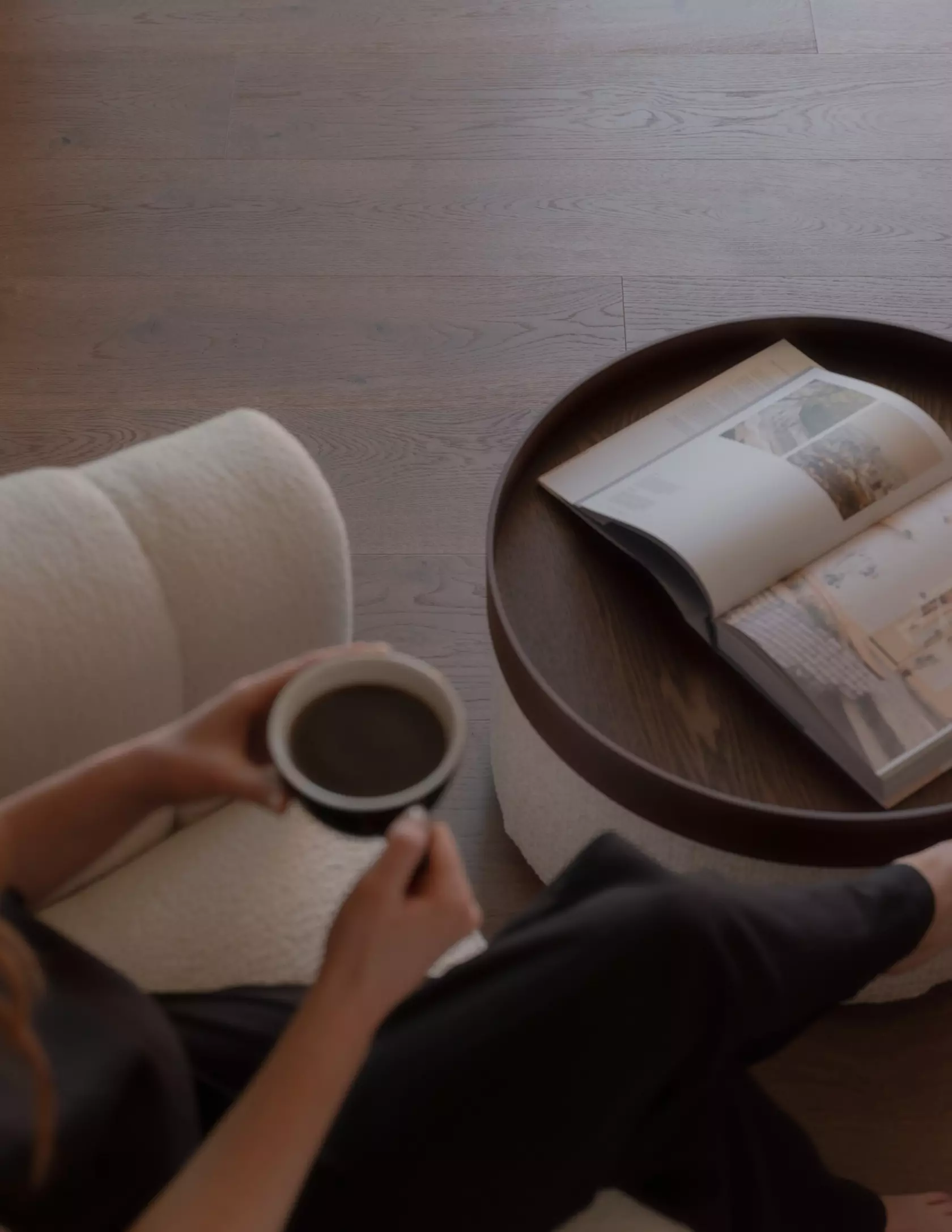
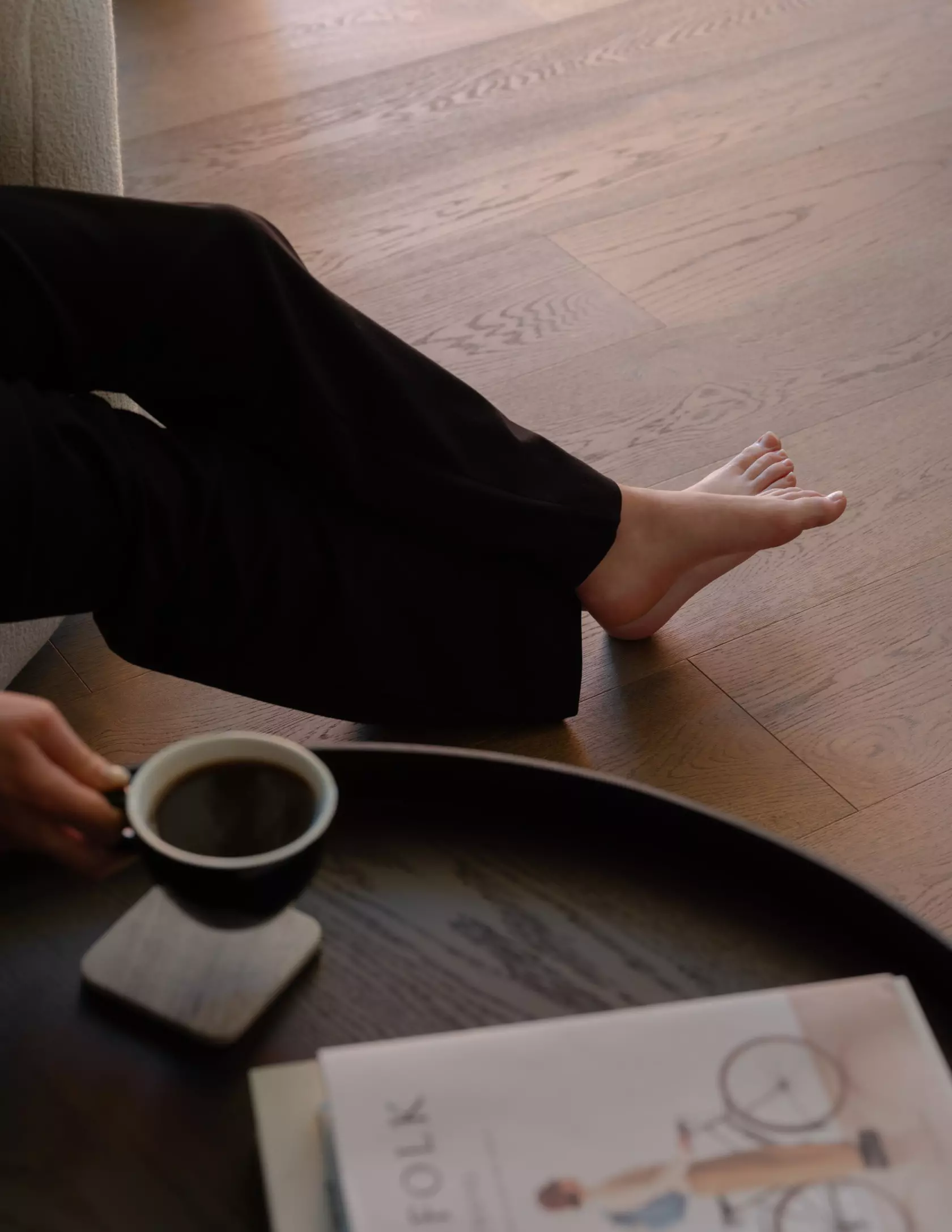
Inside, a deliberate shift occurs where timber tones soften the robust shell. Forté's Moda Isola flooring – a rich, chestnut-brown European Oak in a wider plank with knots and character – provides warmth underfoot, its lightly brushed texture adding tactile depth. Against this, Muuro wall panelling creates contrasting moments: Muuro Noir, with its dark, sumptuous tones, brings drama to key spaces, while Muuro Fawn, a creamy golden hue, infuses other areas with radiance.
"We flipped the aesthetic and went for a warm interior with timber flooring and wall panellings," Ritchie explains. The panelling was incorporated throughout every room and even over hidden doors, bringing cohesion to the entire home. The Muuro system's 2.7m lengths allowed for full planks on standard wall heights, creating the seamless, uninterrupted surfaces critical to the clean-lined aesthetic.
De Geest was meticulous about execution: "When we set out to do the wall panelling, I was very conscious that we didn't want small pieces and uneven corners. So we did it all properly." The Muuro system's lightweight profile and locking joint made installation more straightforward, though precision remained paramount. "With the Forté flooring and panelling, it's such a good system. It clips together so nice and neat. The end product is very high-end. And it is there forever. There's no gib on the wall, so what you've got is what you see, and it lasts forever."
This direct-to-framing installation not only saved time and cost but achieved the architectural precision the clients demanded – a prime-grade, knot-free surface in the Noir areas, and characterful warmth in the Fawn sections.
The flooring contractor provided valuable input early: "He said, 'Get the boxes early, unwrap them, put the underfloor heating on low. This will stop the shrinkage, so you get a perfect job.'" The attention to detail extended to the junction between panels and flooring. "Some of the details that Gareth had drawn at the bottom of the panels gives a real clean-lined finish, which was another high-end part of the build."
De Geest particularly appreciated Forté's ongoing support: "One thing I did note which I really thought was a great finishing touch is the team came out and looked over the whole project and did a Q&A and reported back to me. Most suppliers, once you've paid the invoice, you never ever hear from them."
The build also benefited from a uniquely collaborative approach between builder, architect, and client, explains De Geeest: “This project ran seamlessly because we were all wanting to achieve the same result – a high-end, minimalist house."
The site maintained a permanent office with a coordination board and dual sets of plans – both architectural and engineering – allowing the team to work through challenges as they arose. "Until you start building, some of these hiccups that come along, you don't see on the plans," De Geest explains. "Gareth was really good because if you couldn't get him on the phone, he'd ring you back. And if things got too difficult, we would have an onsite meeting."
The clients’ involvement proved crucial to maintaining momentum. "[client] Ken was so quick at making decisions and keeping the project flow, which was good for everybody," says De Geest. "Nothing was ever a problem."
"There wasn't a particular proudest moment in this project," Ritchie reflects. "The project in its entirety was almost artwork for us. It was a process that we were involved in from concept through development through interiors and exterior, and to see the end result is fantastic."
De Geest shares this sentiment: "I'm extremely proud of the project and how everyone had the buy-in and the finishing on it. I live in Pegasus, and I drive past this place every day. I always turn to look at the house. As it ages with the Corten, it just gets rustier and more rustic. It's just a lovely home, and I'm so proud that Donna and Ken trusted me to build their family home."
For the local community, Burntwood has become a notable addition to the landscape. "It was fantastic to be asked to do a project like this locally," says Ritchie. "It was a bit different, it turned a lot of heads, and it created a lot of positive feedback for us, which professionally is extremely fulfilling."