







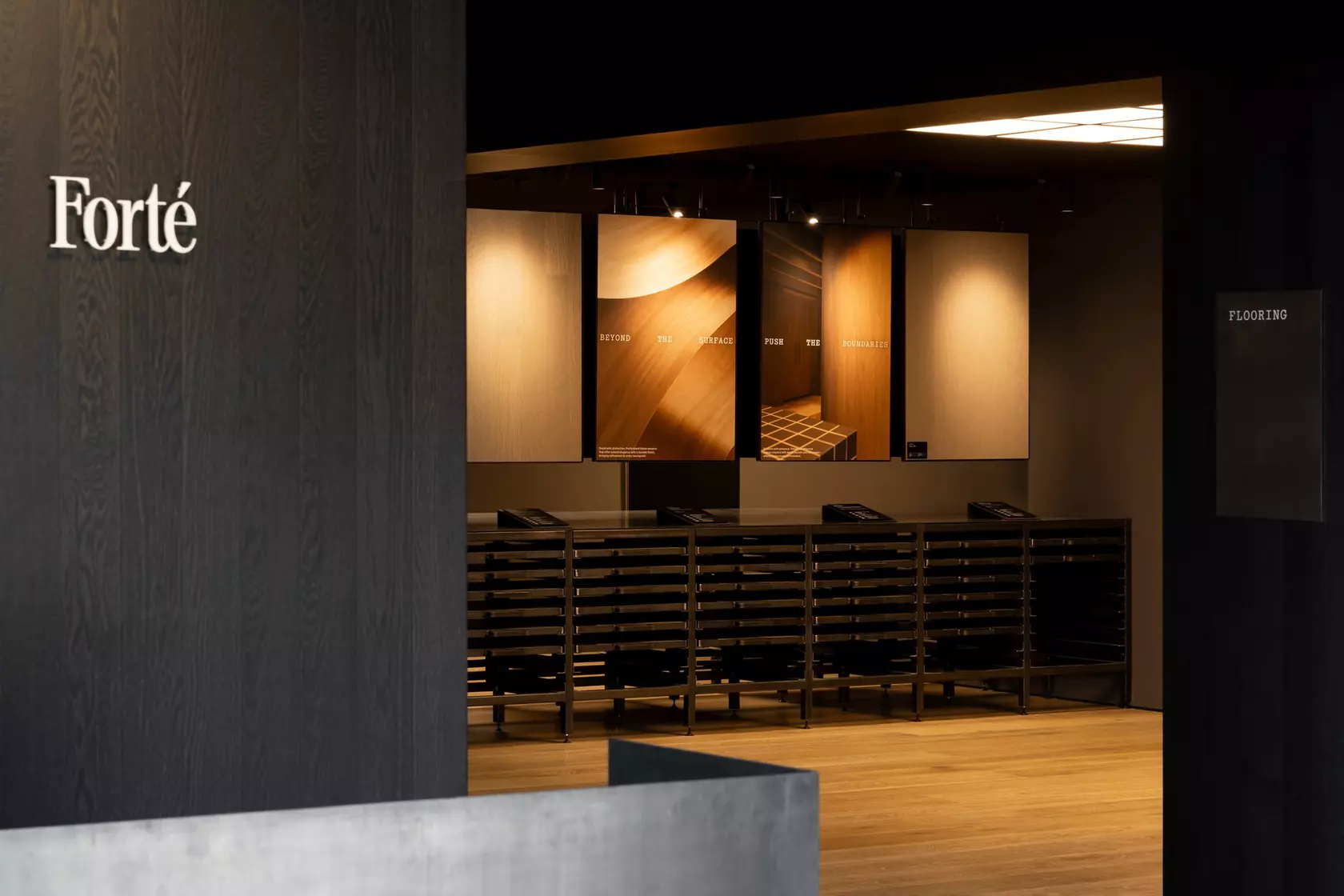
How to read a sample in a showroom vs how it will look at home
You've spent time in the showroom. You've held the samples, compared the tones, narrowed it down to two or three you love. Then you get home, hold them against your walls, and suddenly nothing looks the way it did.
This is one of the most common experiences when choosing timber surfaces, and it's not a sign you made the wrong choice. It's just the nature of samples. Understanding why the gap exists, and how to close it, makes the whole process a lot less stressful.
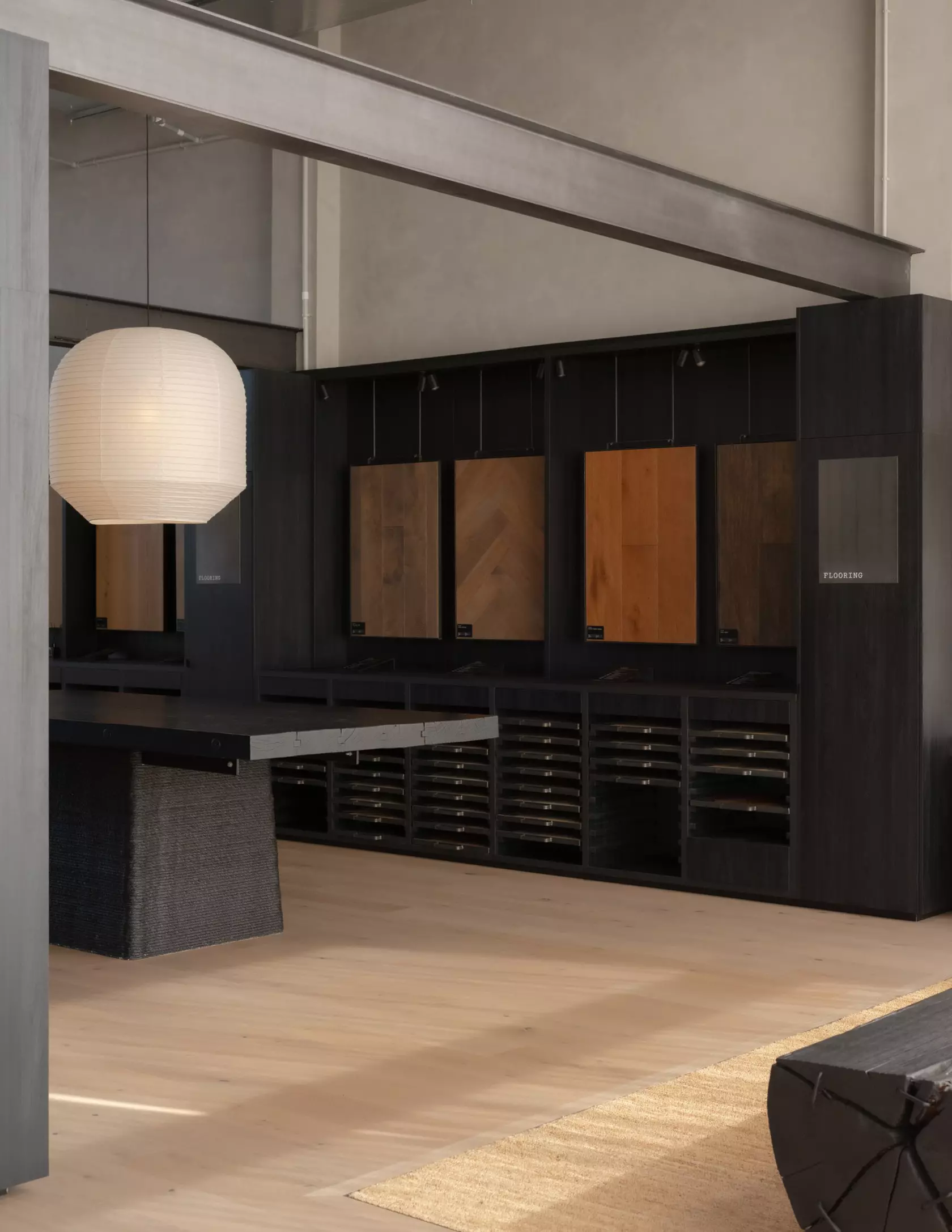
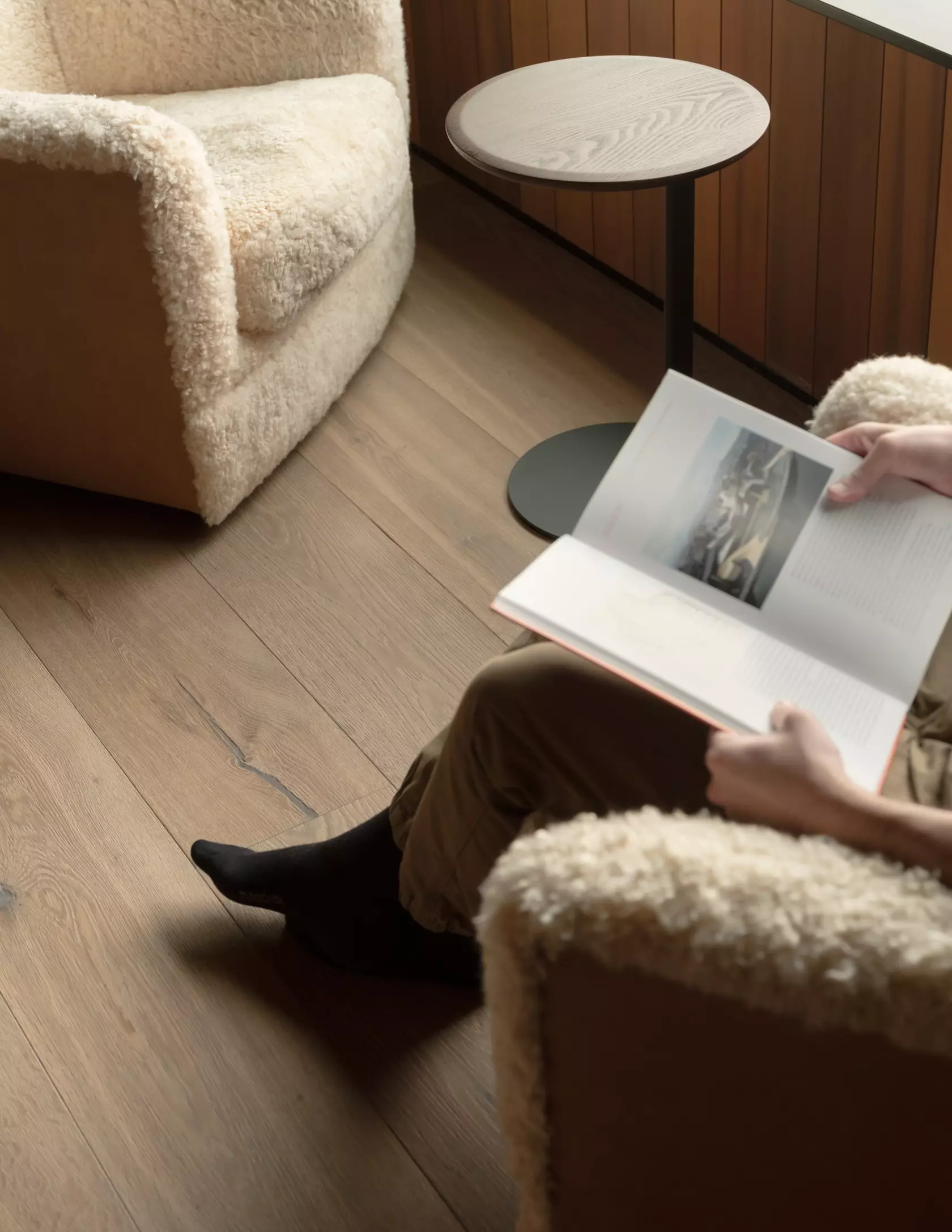
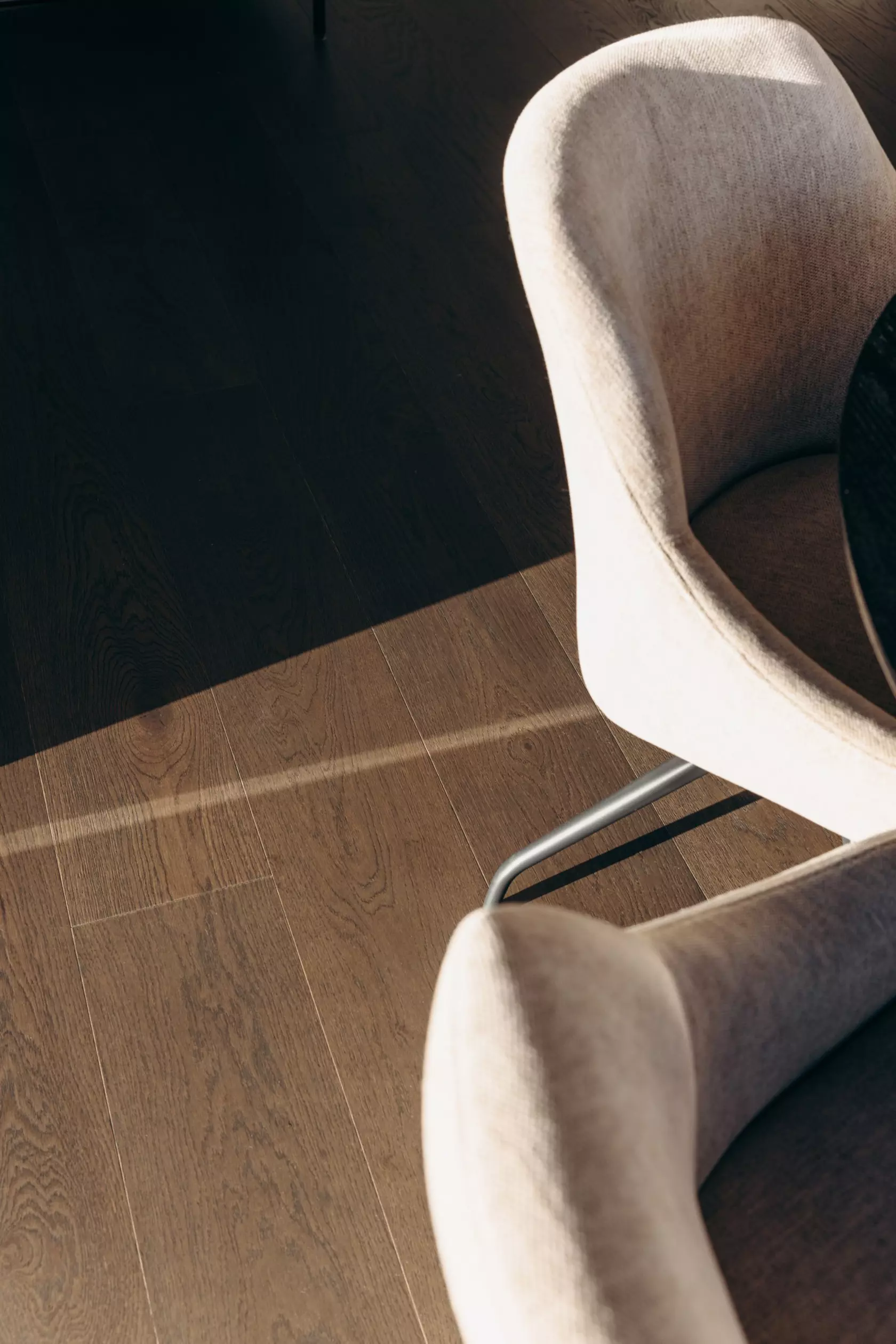
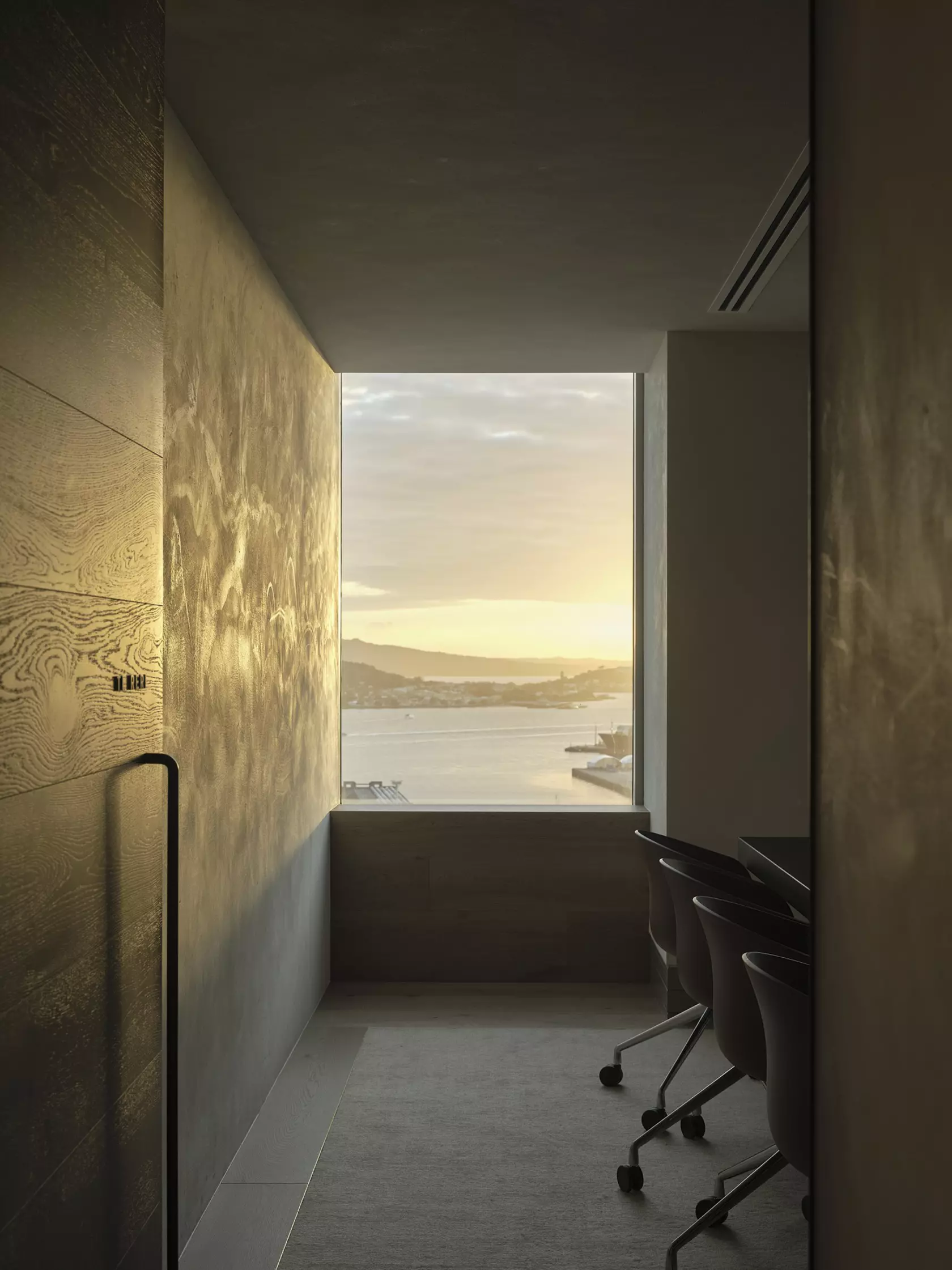
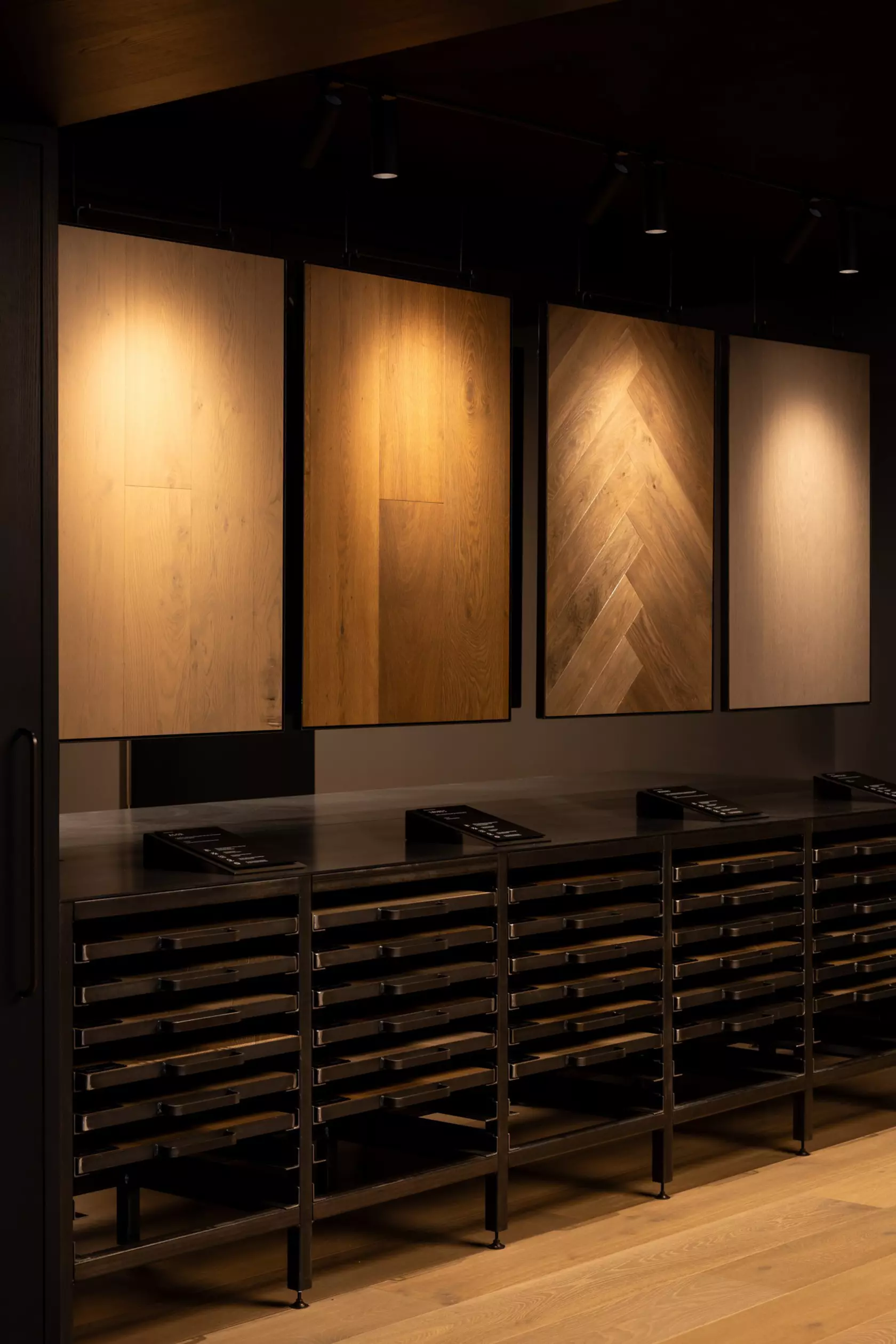
Showrooms are designed to present products well. The lighting is typically warm, bright, and consistent – ideal timber conditions. Your home is something else entirely: a mix of natural light that changes by the hour, artificial lighting that might lean cool or warm, and walls, furniture, and soft furnishings that all cast their own colour into the space.
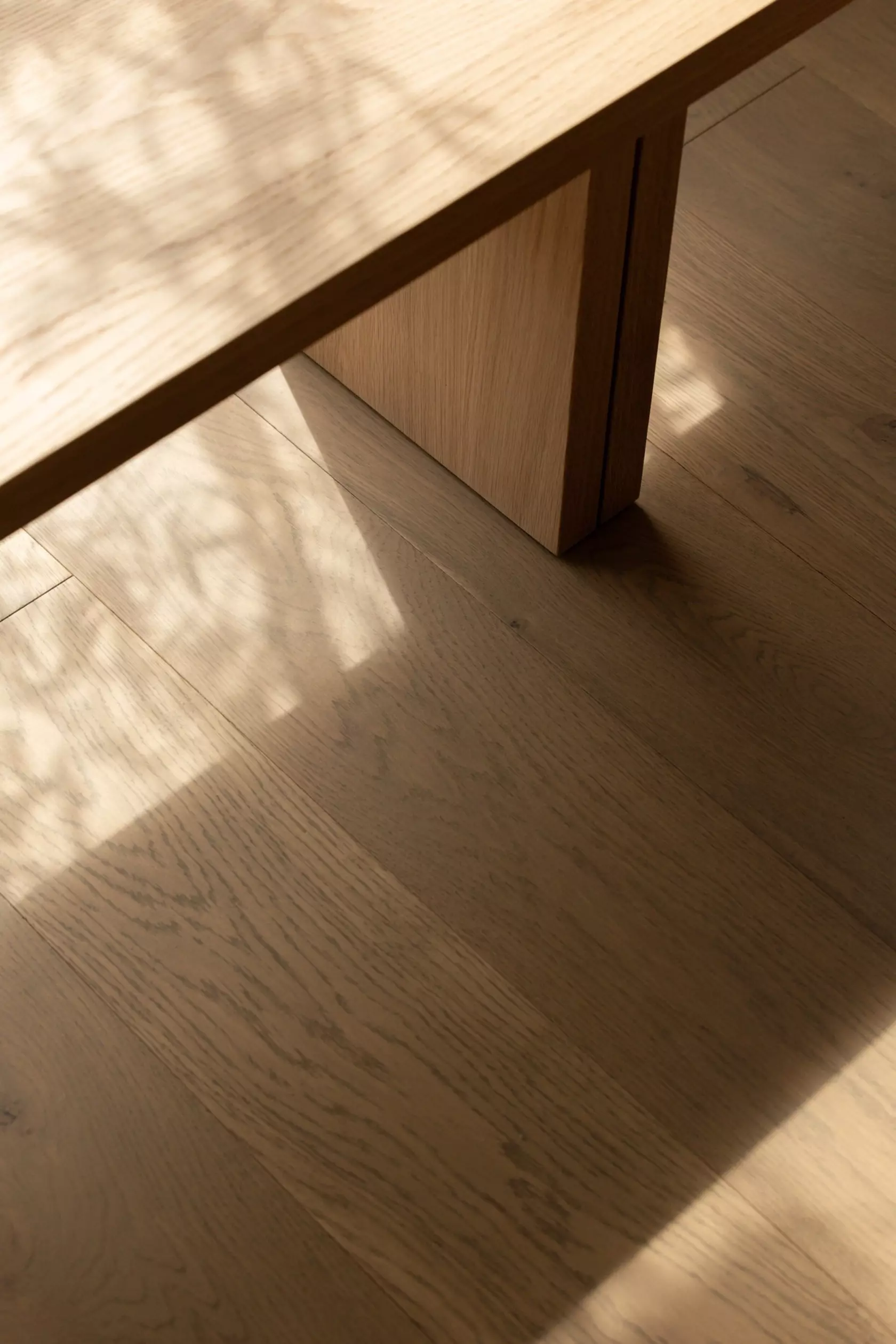
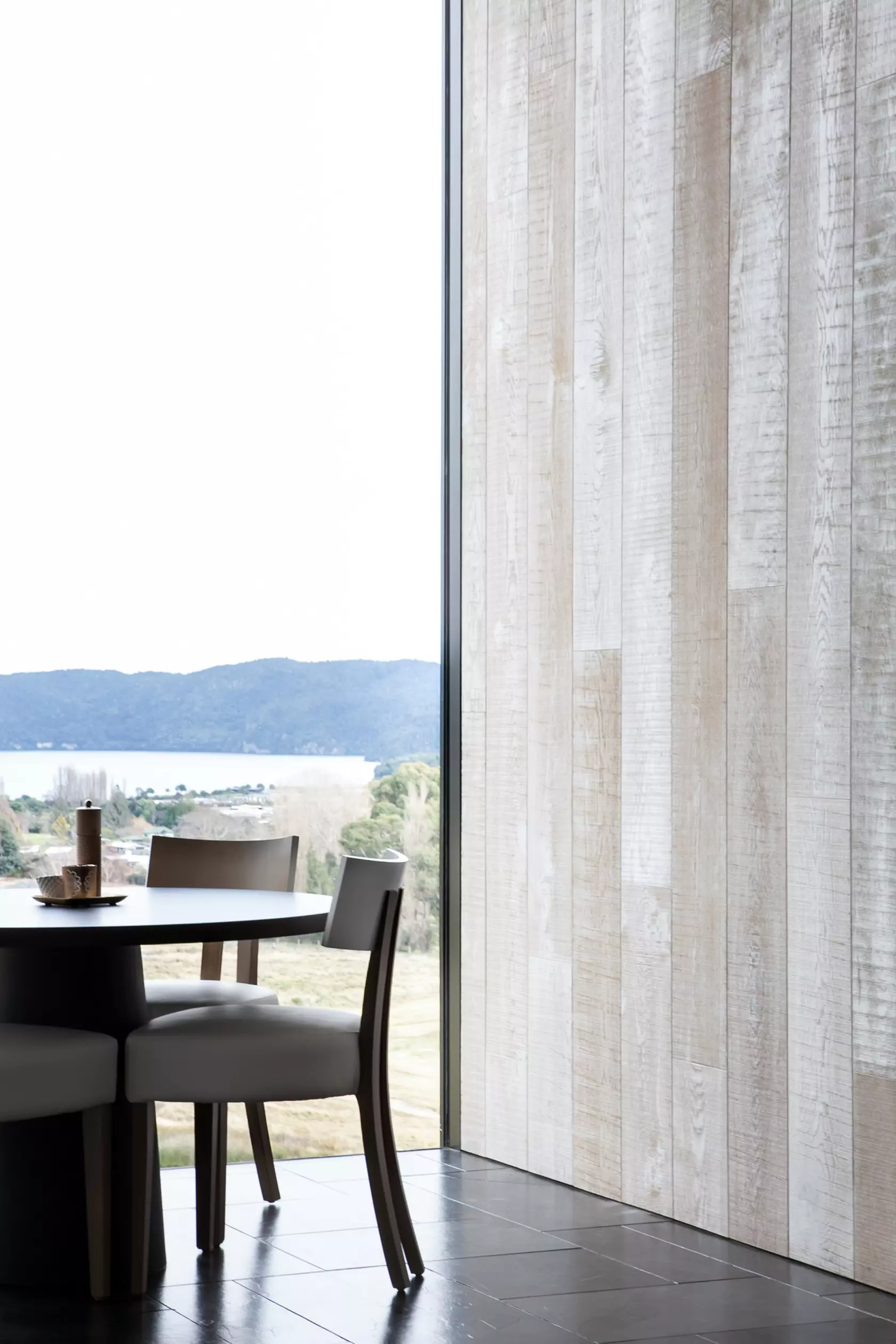
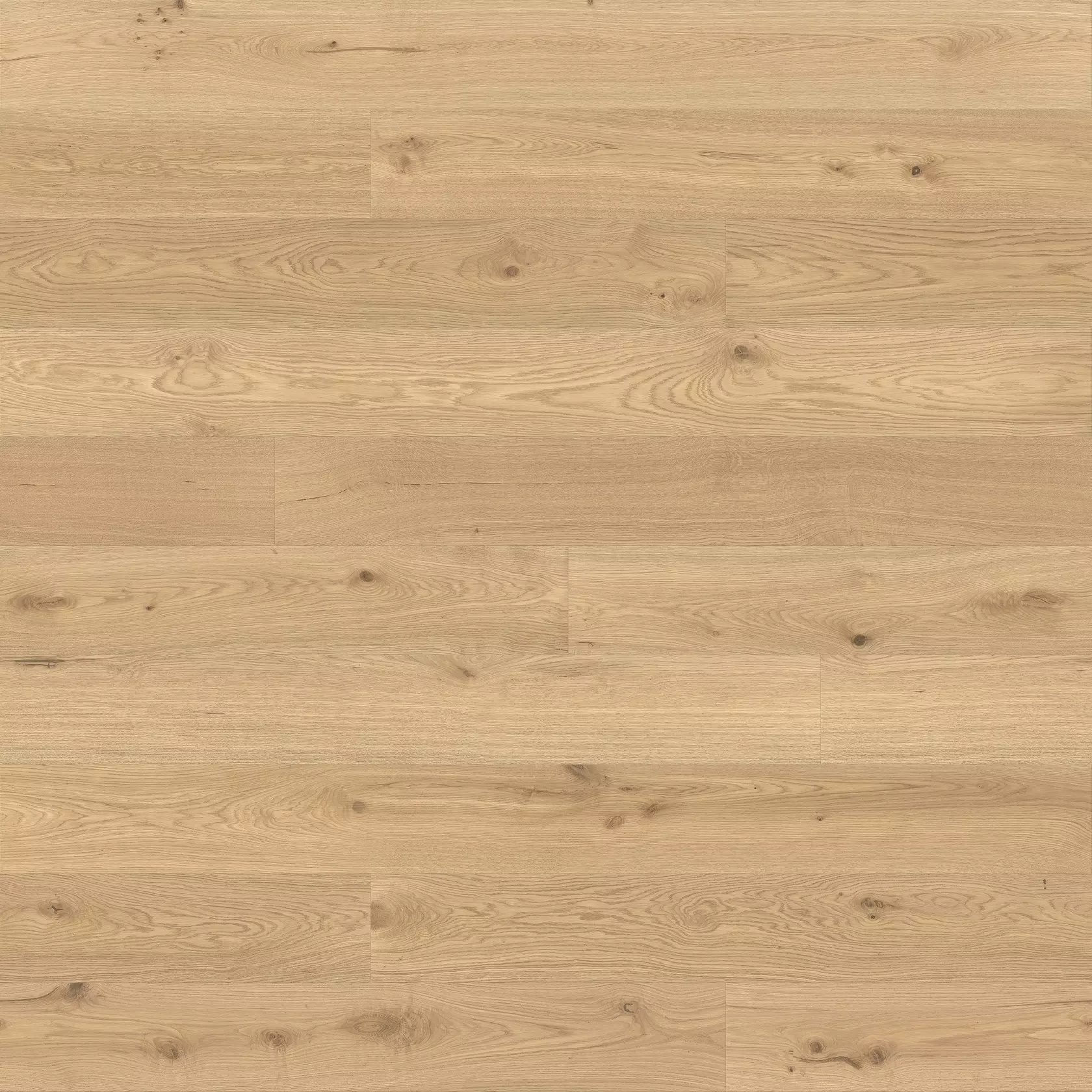
A small sample alone also can't show you what a surface looks like at full scale. The grain variation, the way light moves across a larger expanse, the depth a wall panel creates when it runs floor to ceiling – none of that is visible in a single piece. What reads as light and understated in a sample can feel quite different installed across a full room.
Neither version is wrong. They're just different contexts, and learning to account for that is the skill.
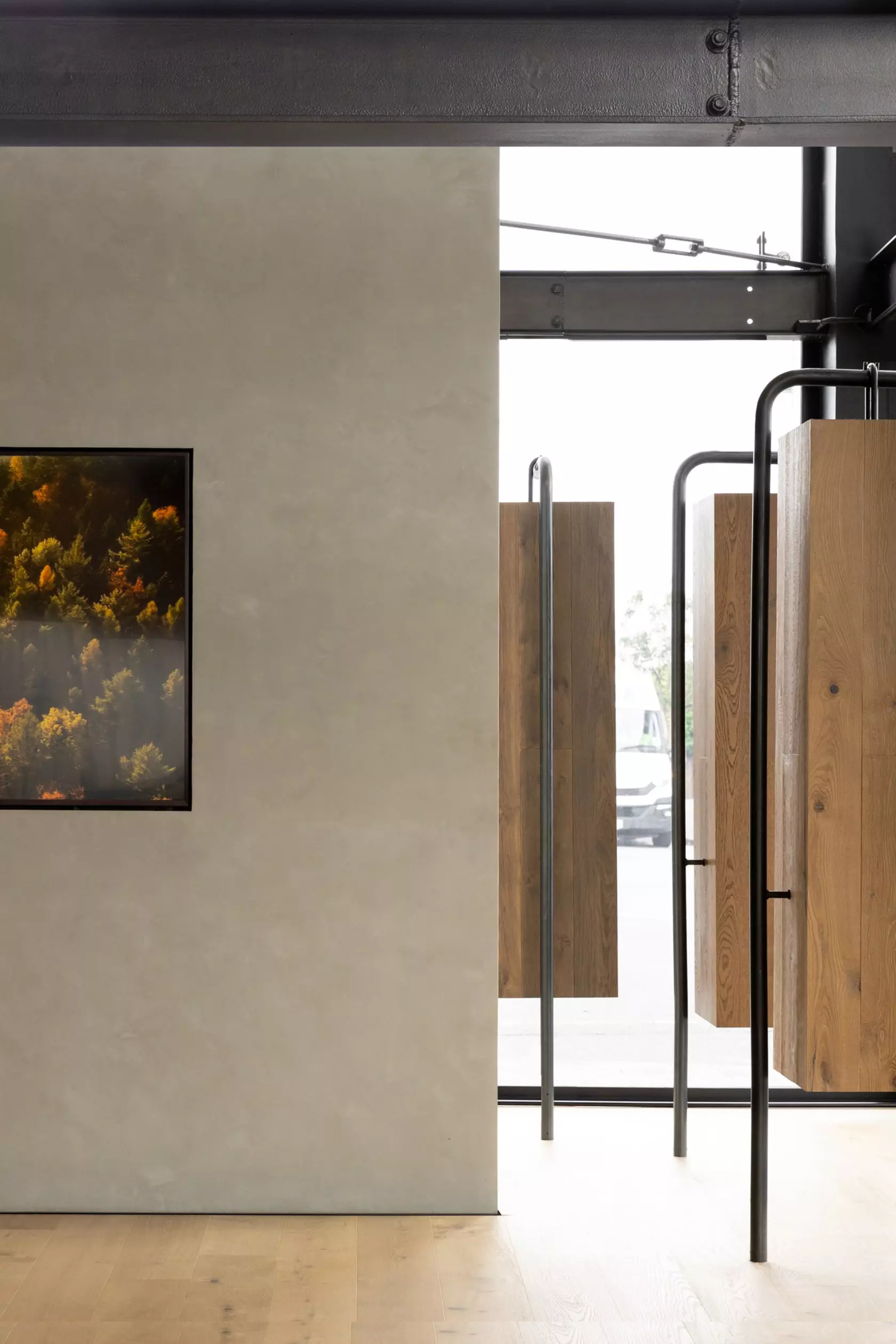
Before you take a sample inside, look at it in natural daylight – ideally outside, or in a doorway. Daylight is neutral and unfiltered, and it gives you the truest read of a surface's actual colour and tone. This is particularly useful for distinguishing between options that look almost identical under artificial light but are clearly different in daylight.
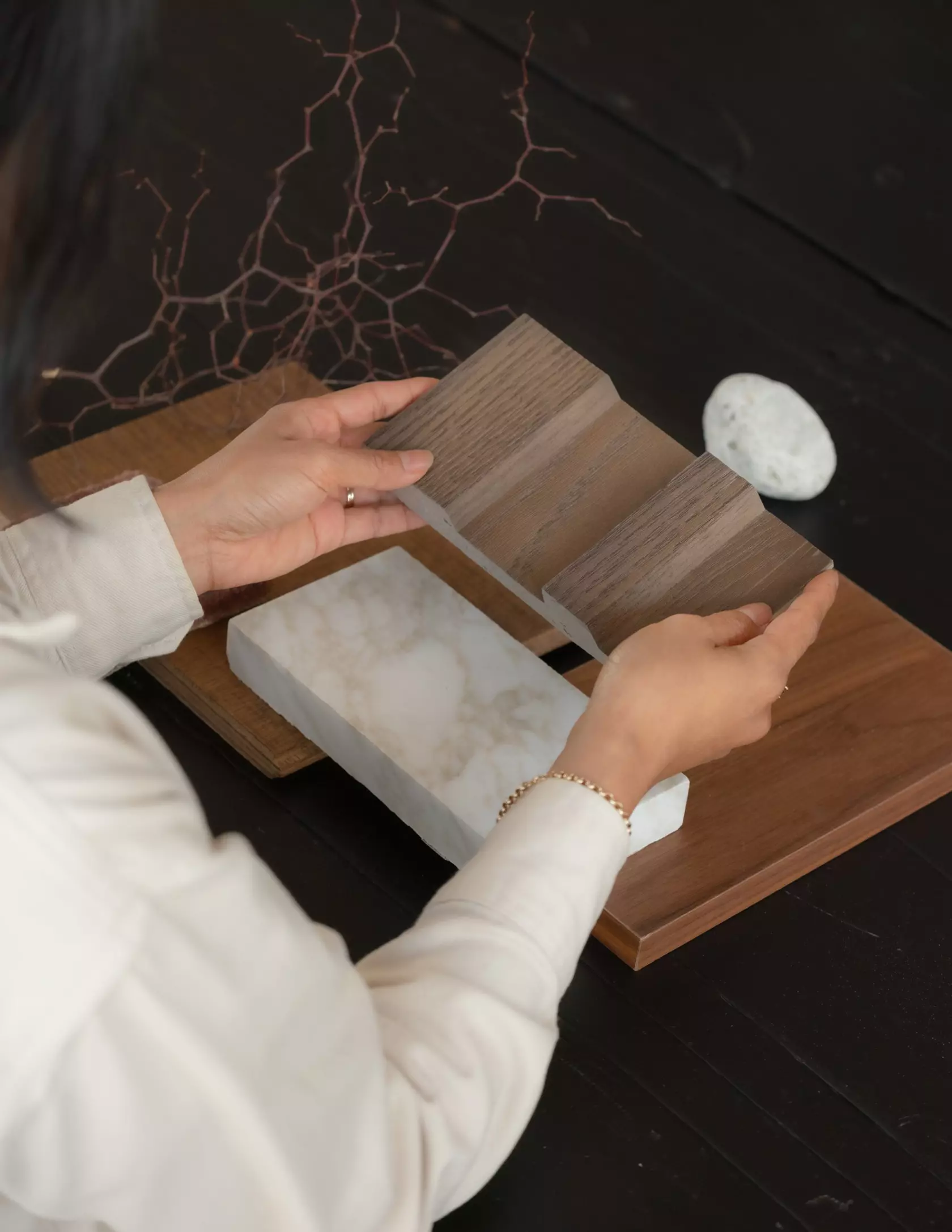
It also helps you understand undertones. Timber surfaces — whether for floors, walls, or cabinetry — often carry warm (yellow, red, orange) or cool (grey, green) undertones that aren't obvious in a showroom but become very apparent once installed alongside white ceilings, painted walls, or stone benchtops.
Test it in the room, at different times of day
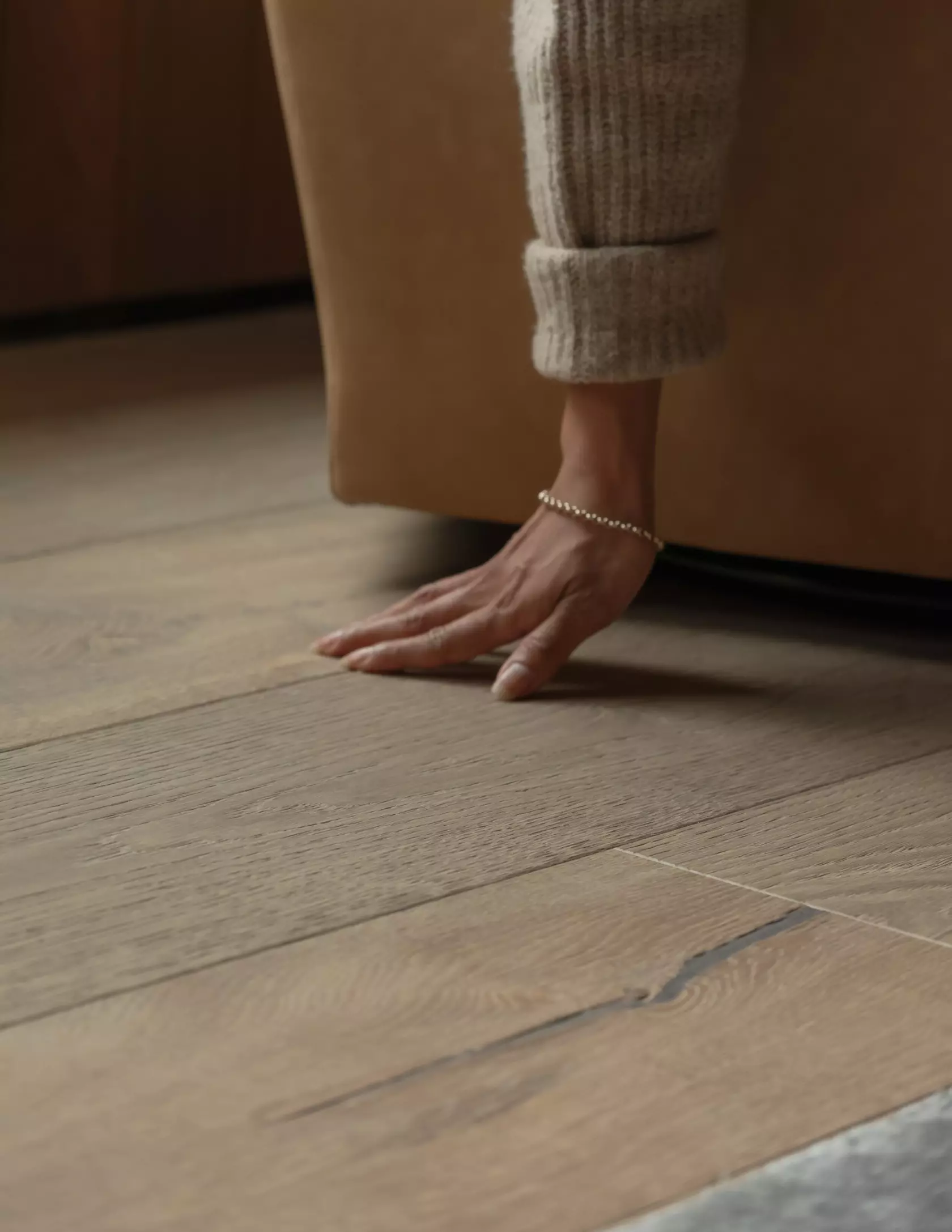
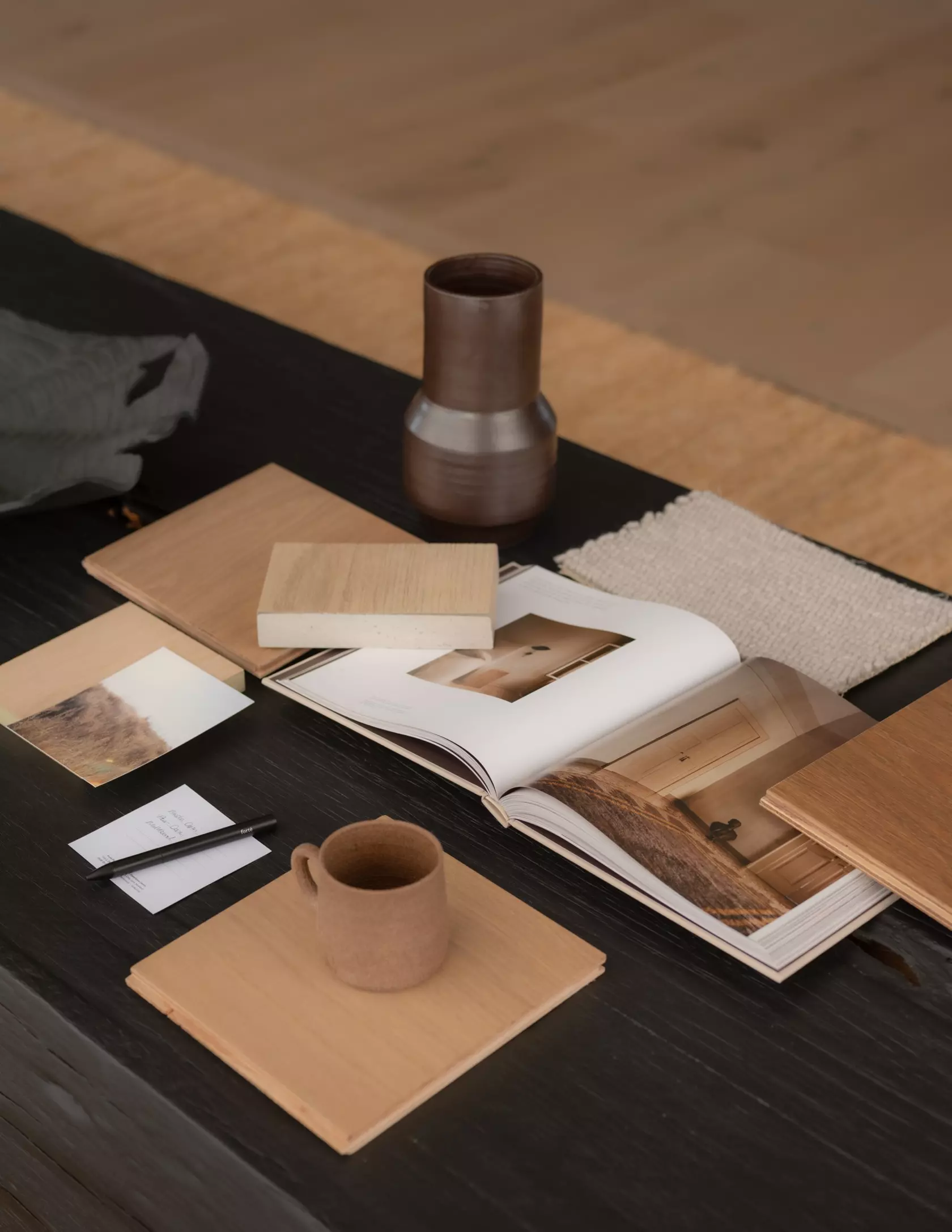
Once you've shortlisted one or two options, take the samples home and live with them for a day or two. Place flooring samples flat on the floor. Hold wall and ceiling panel samples against the surface where they'll go — or prop them in position if you can.
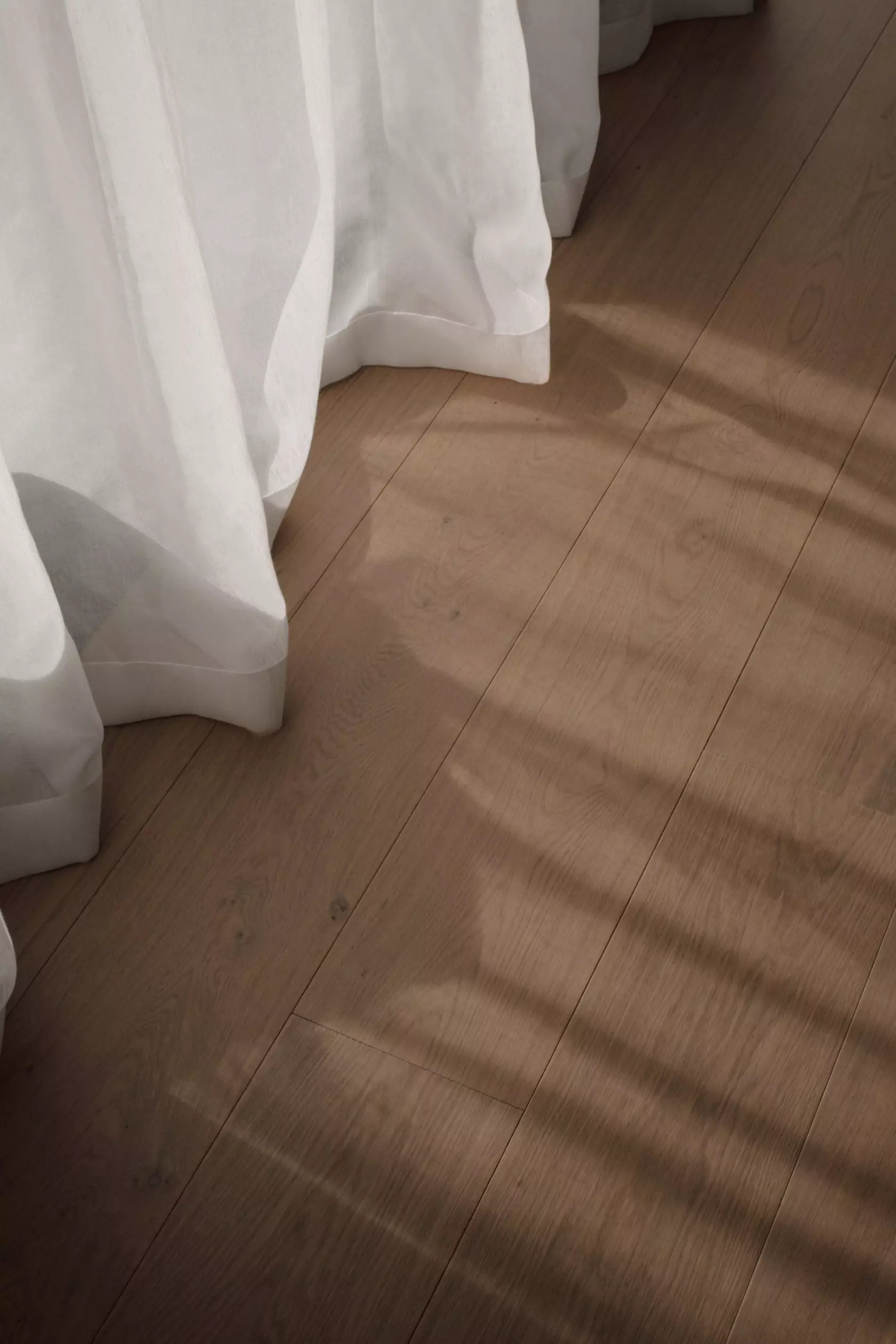
Then check them at different times: morning light, midday, late afternoon, and in the evening with your lights on. A north-facing room gets strong, shifting sun throughout the day. A south-facing room stays cooler and more consistent. The same surface can look meaningfully different across these conditions — and the right choice will hold up well in all of them.
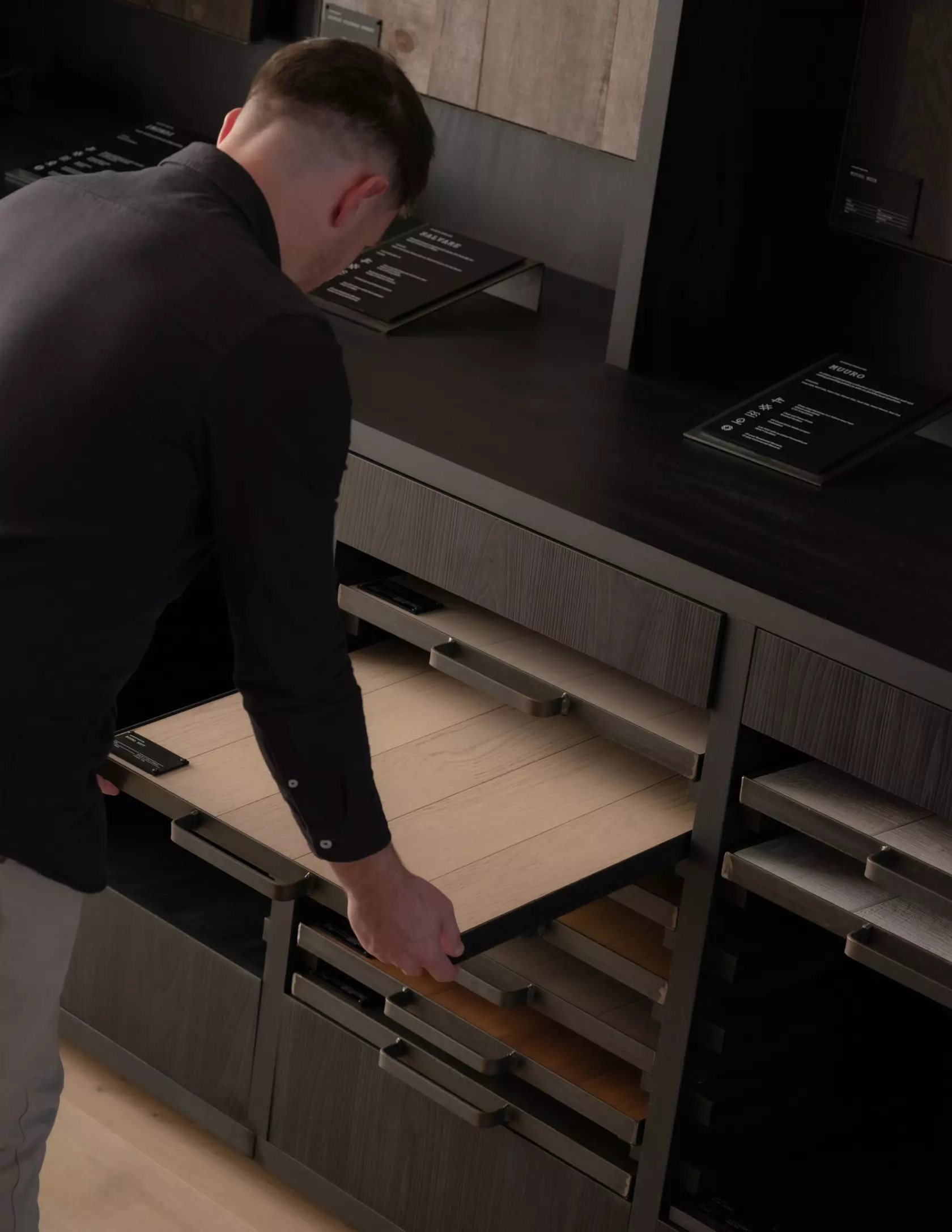
Think about how surfaces relate to each other
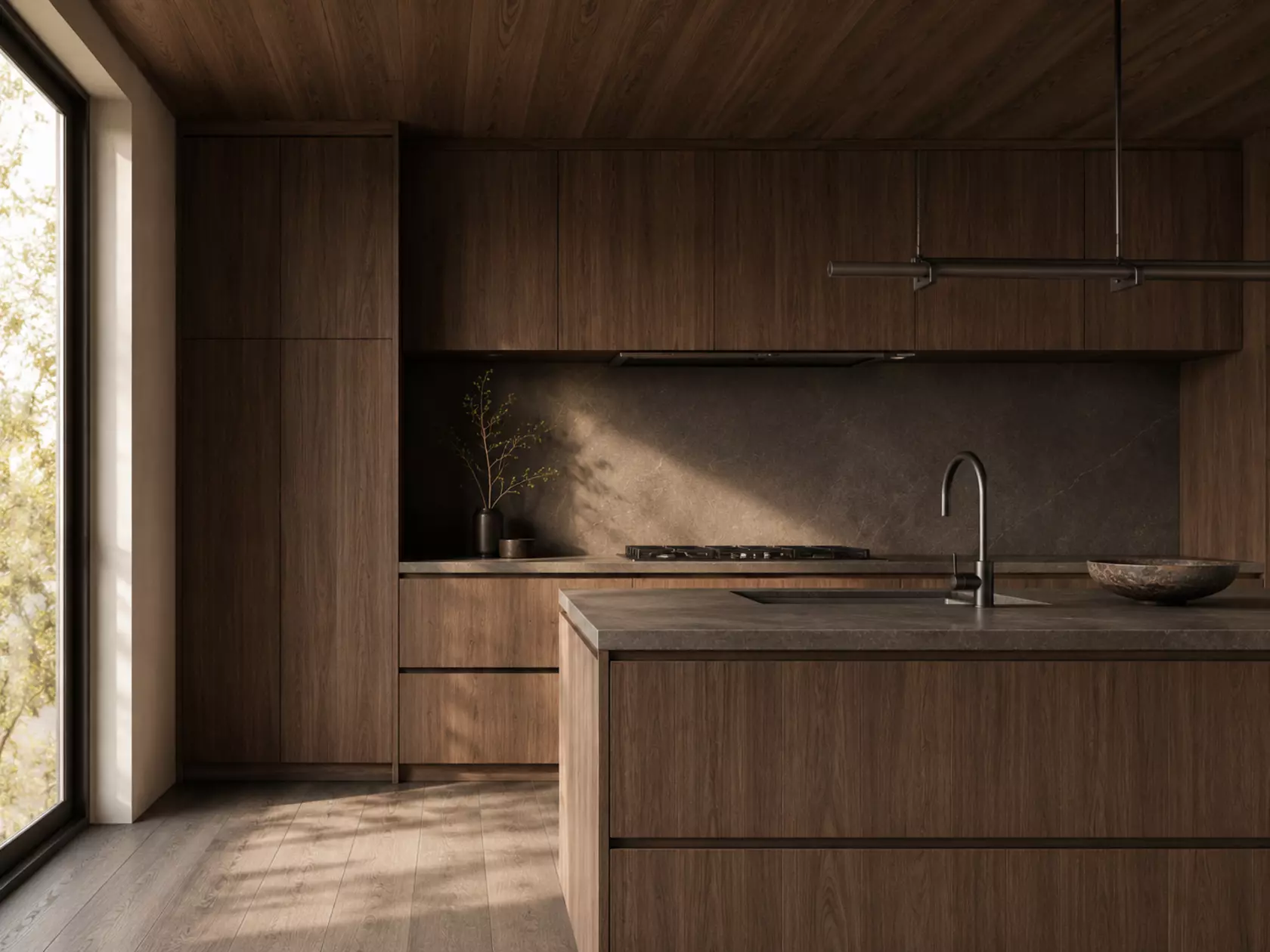
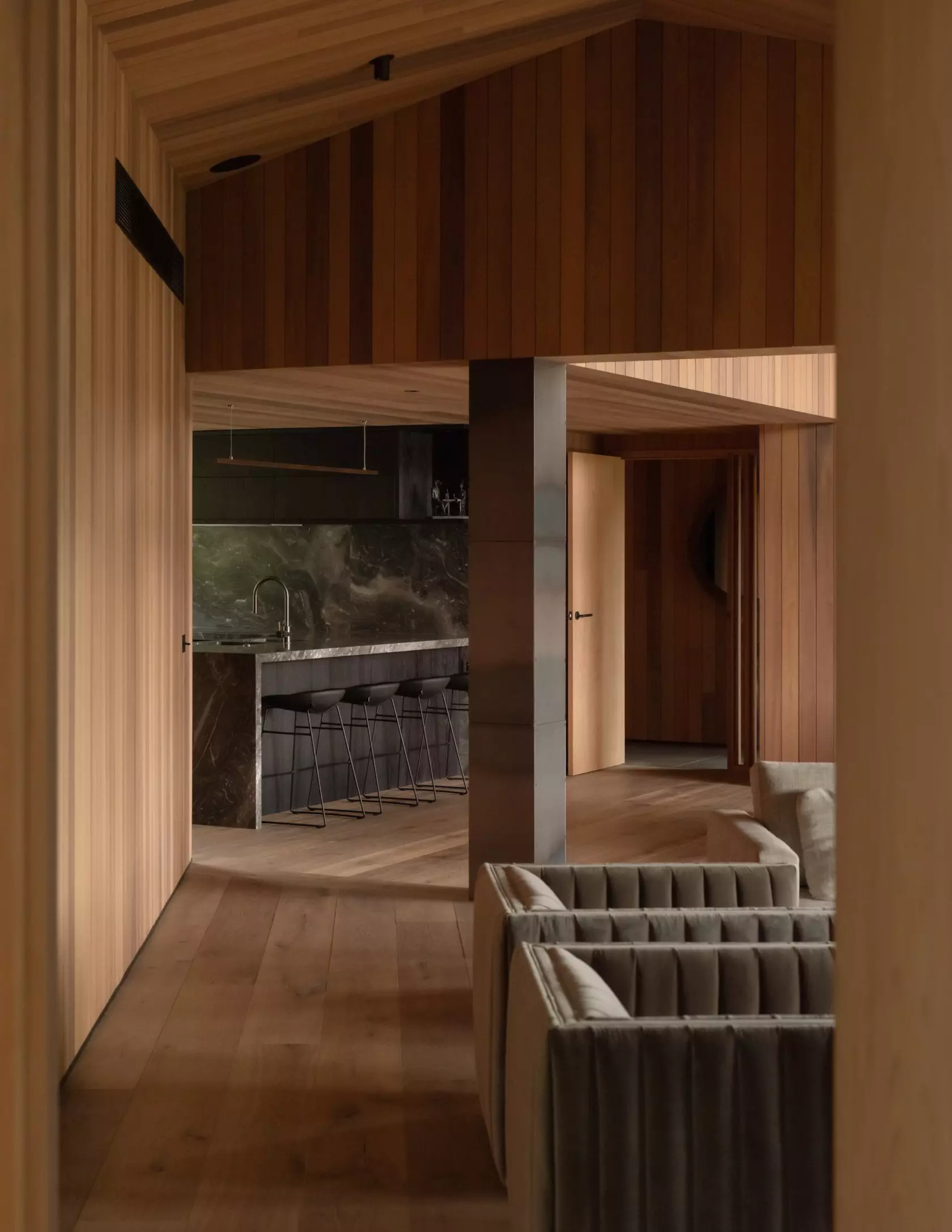
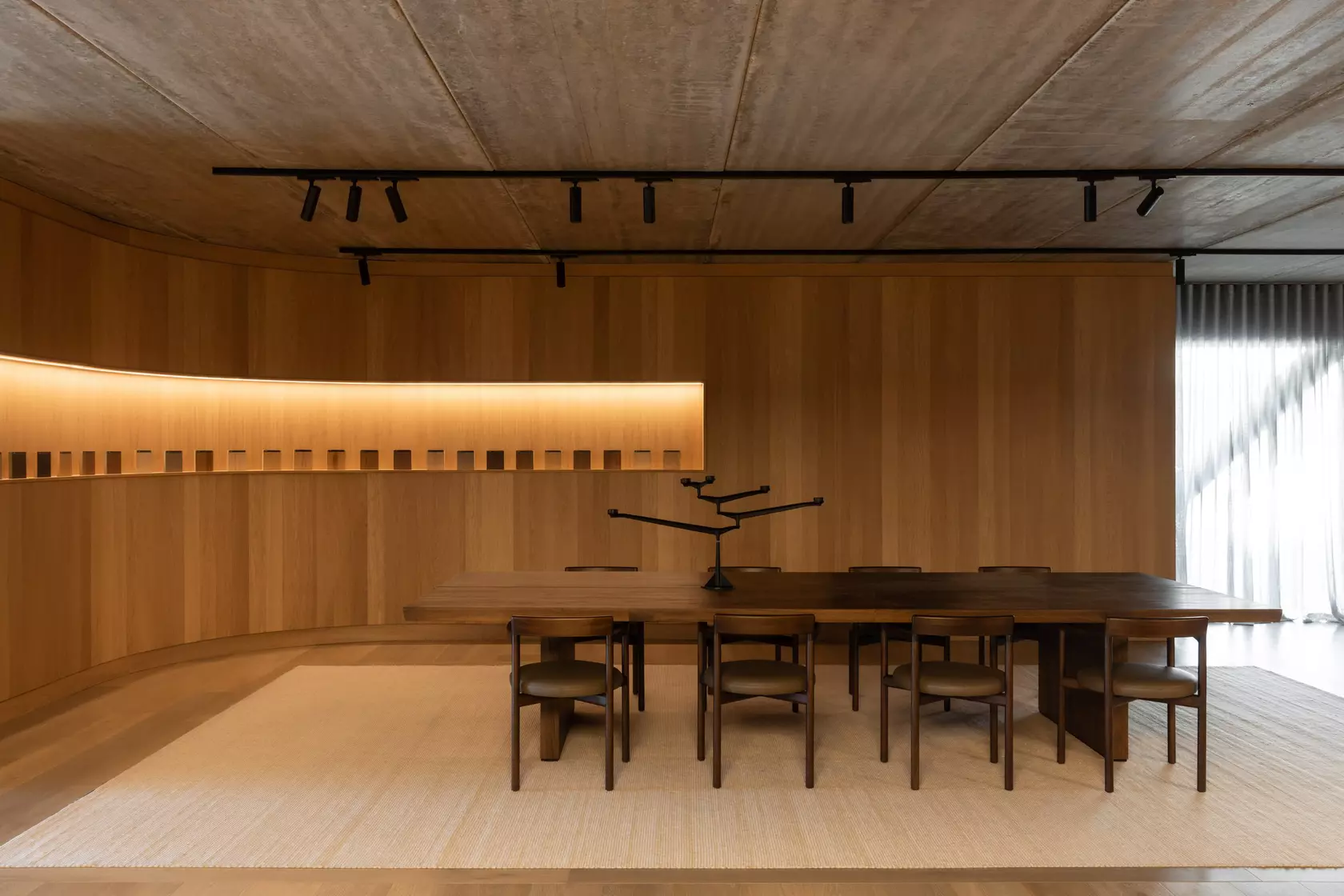
This is where it gets interesting — and where a lot of people underestimate the complexity. When you're using timber across multiple surfaces in a room — a floor, a feature wall, a ceiling, a run of cabinetry — the relationship between them matters as much as each individual choice.
Matching species or finish across surfaces can create a seamless, immersive feel. Using complementary but distinct tones adds depth and contrast. What rarely works is two surfaces that are almost — but not quite — the same: close enough to look like an accident, different enough to create tension.
The most considered interiors tend to establish one timber surface as the primary element and let the others support it. Your floor might carry the room, with a ceiling panel in a lighter tone lifting the space. Or a bold wall panel becomes the focal point, with a more neutral floor sitting underneath it.
If you're choosing surfaces for multiple applications in the same room, bring all the samples together and assess them as a group, not individually.
Timber surfaces don't exist in isolation. They sit alongside your walls, your cabinetry, your benchtops, your hardware. The interaction between all of these matters more than any single surface in isolation.
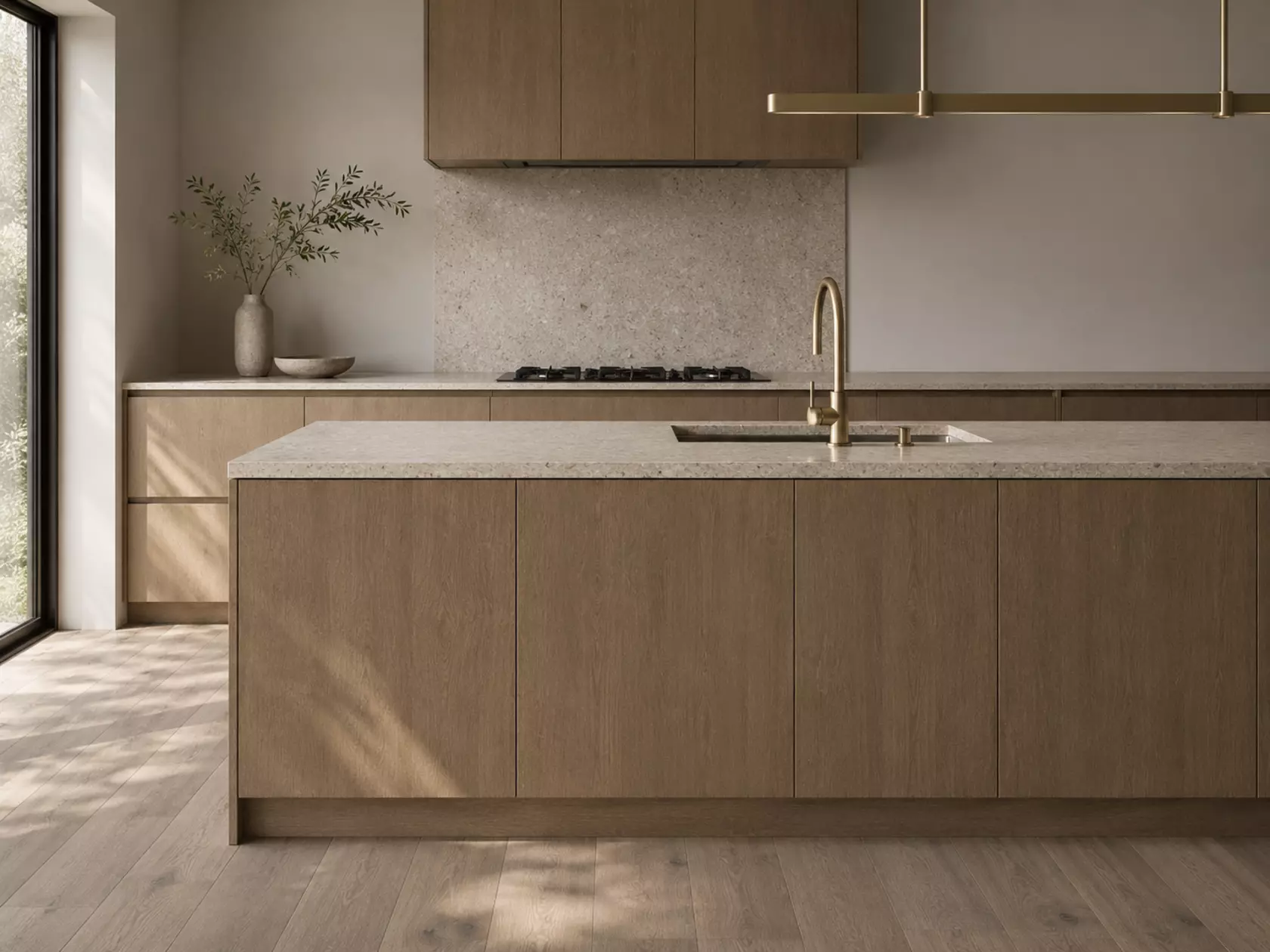
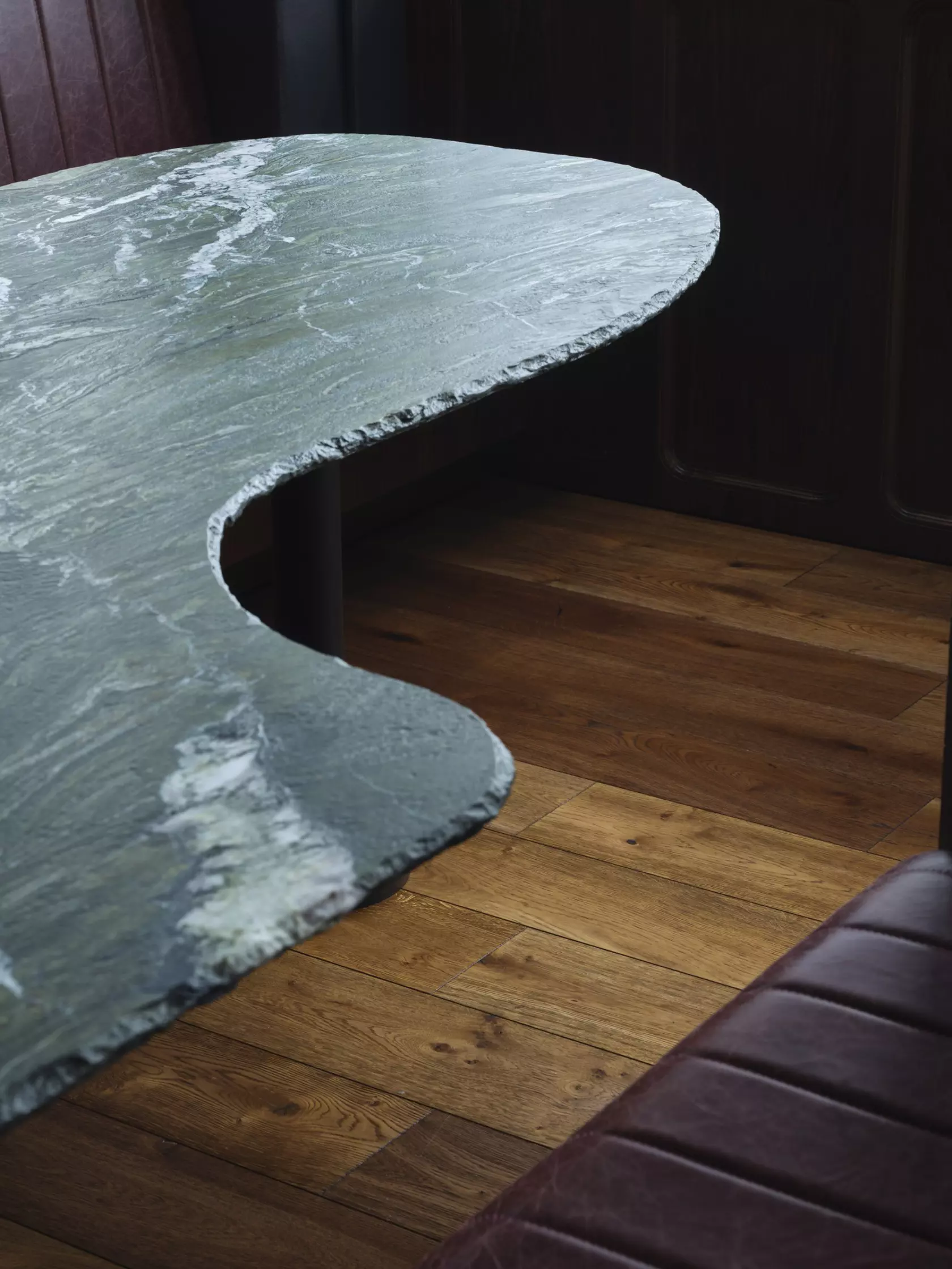
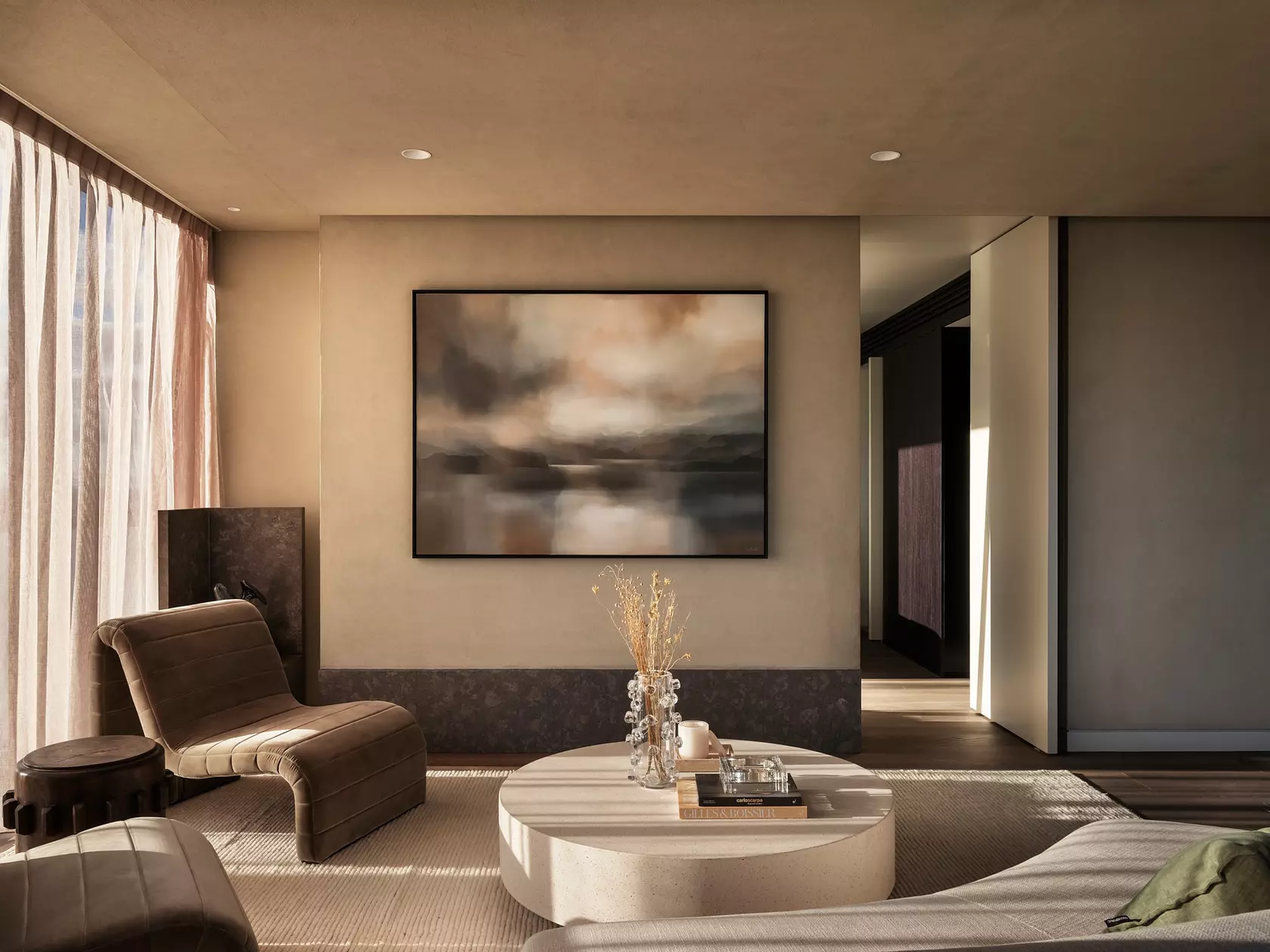
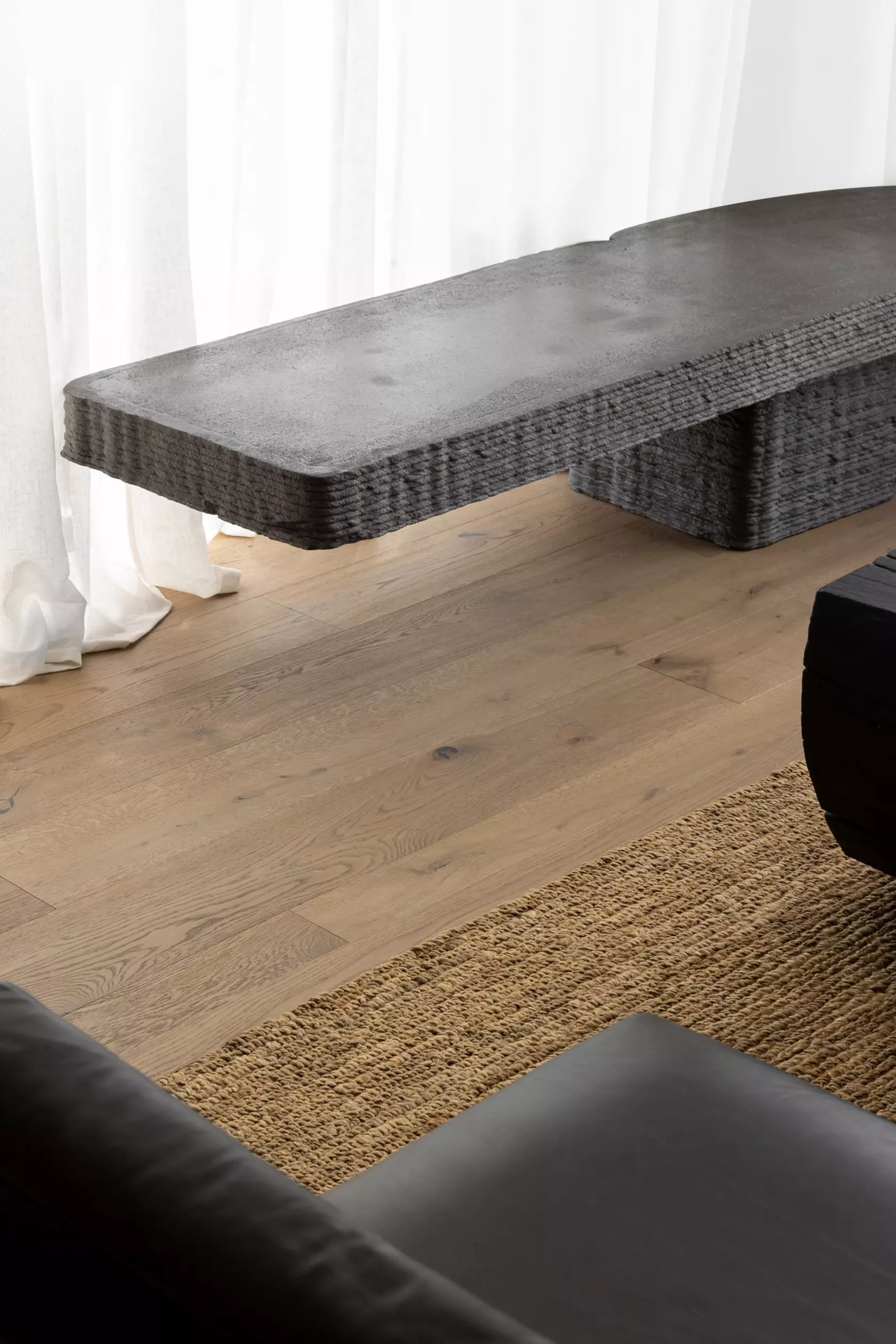
Warm-toned timbers generally sit well with off-white or warm white walls, natural stone, and brass or warm metal fixtures. Cooler, greyer timbers tend to suit crisp whites, matte black hardware, and more contemporary palettes. Neither rule is absolute, but if a sample looks right in the showroom and awkward at home, it's often the surrounding elements — not the timber itself — that are creating the tension.
Hold samples against your existing walls, your cabinetry, your benchtops, even a cushion or rug you're keeping. You're looking for harmony, not an exact match.
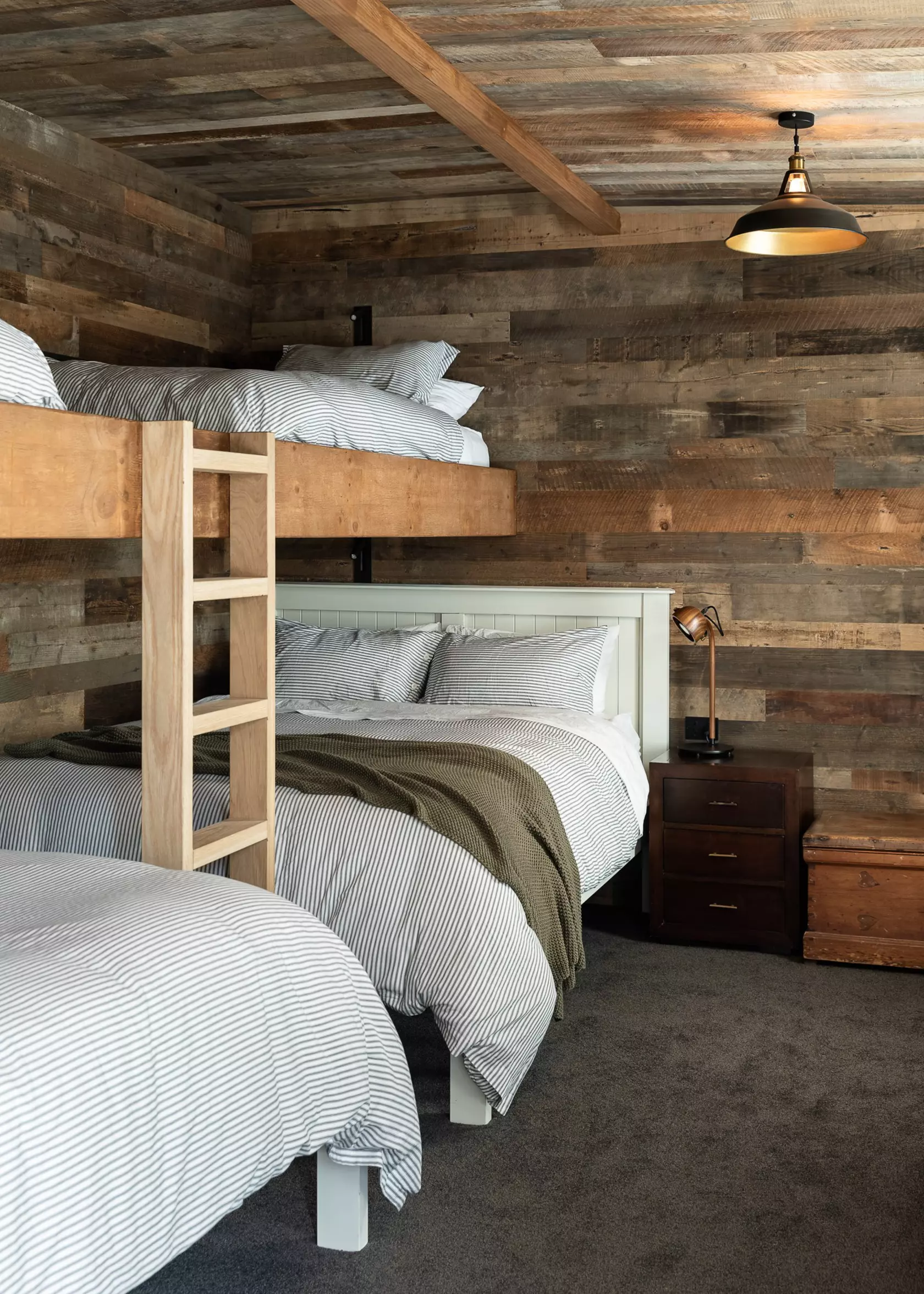
A single sample shows you one piece. A real installation is much more than that — and timber, being a natural material, will have variation across every board, panel, or veneer. Grain character, knot placement, and subtle tonal shifts are all part of what makes it beautiful. But they can surprise people who were expecting the result to look exactly like the sample at scale.
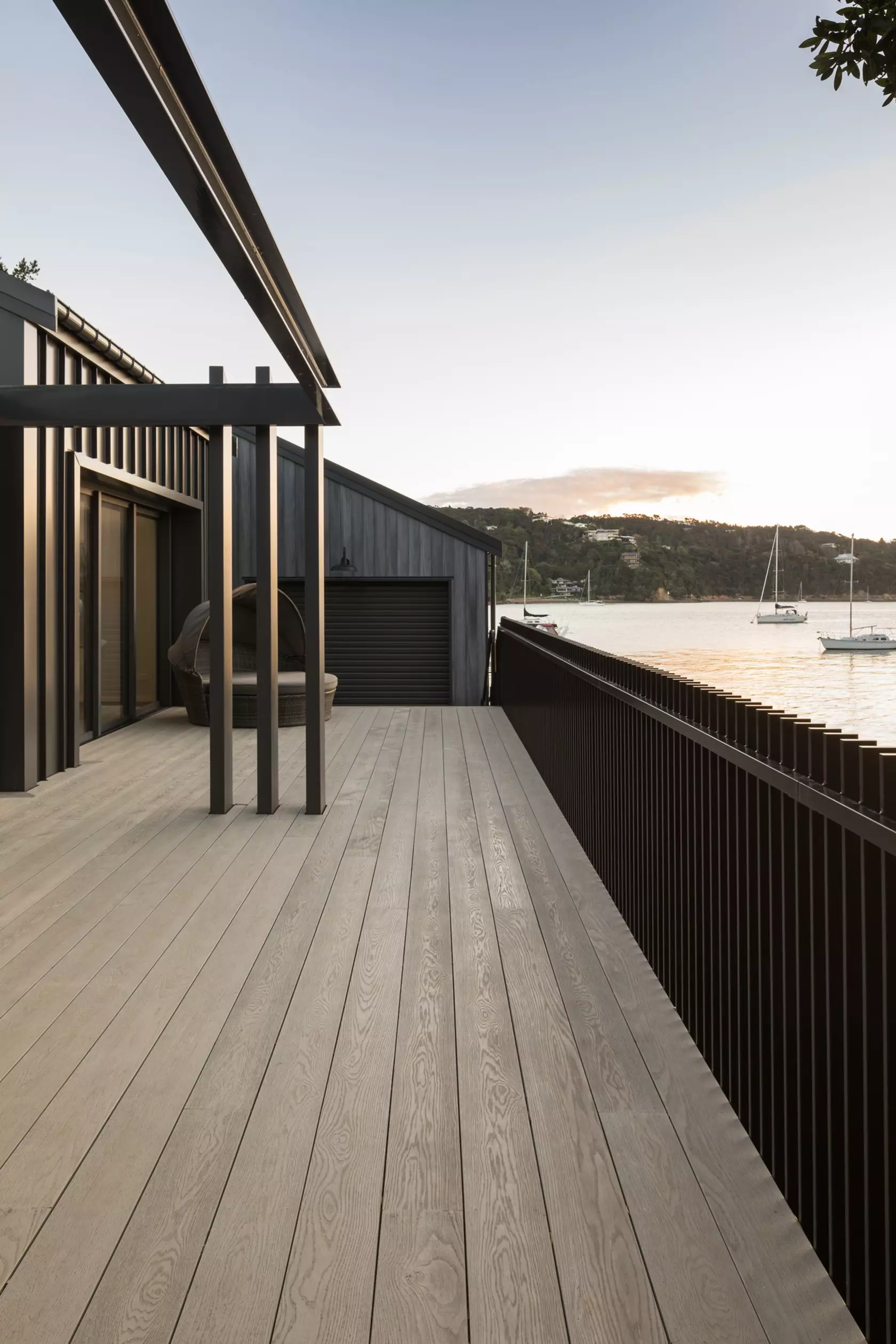
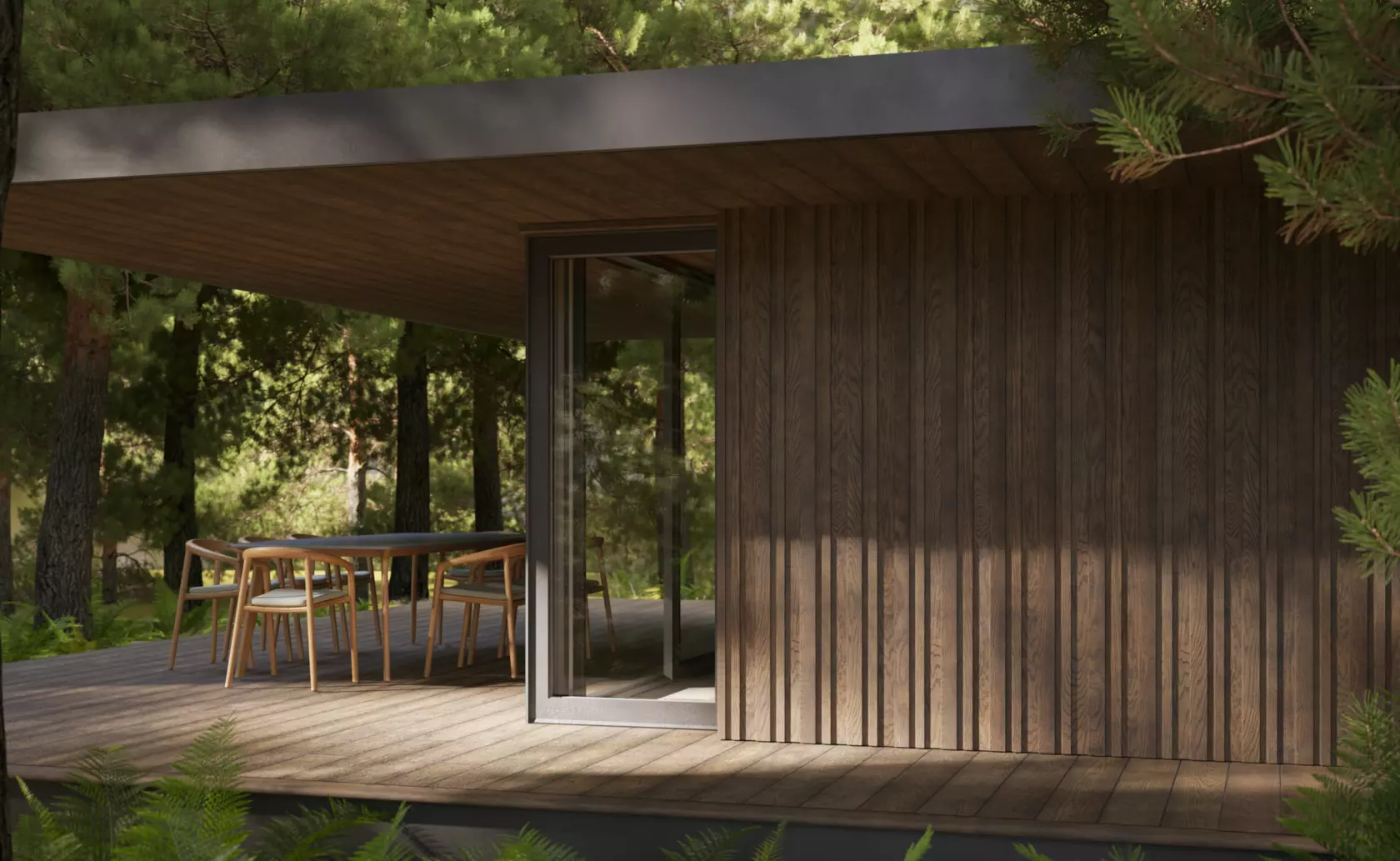
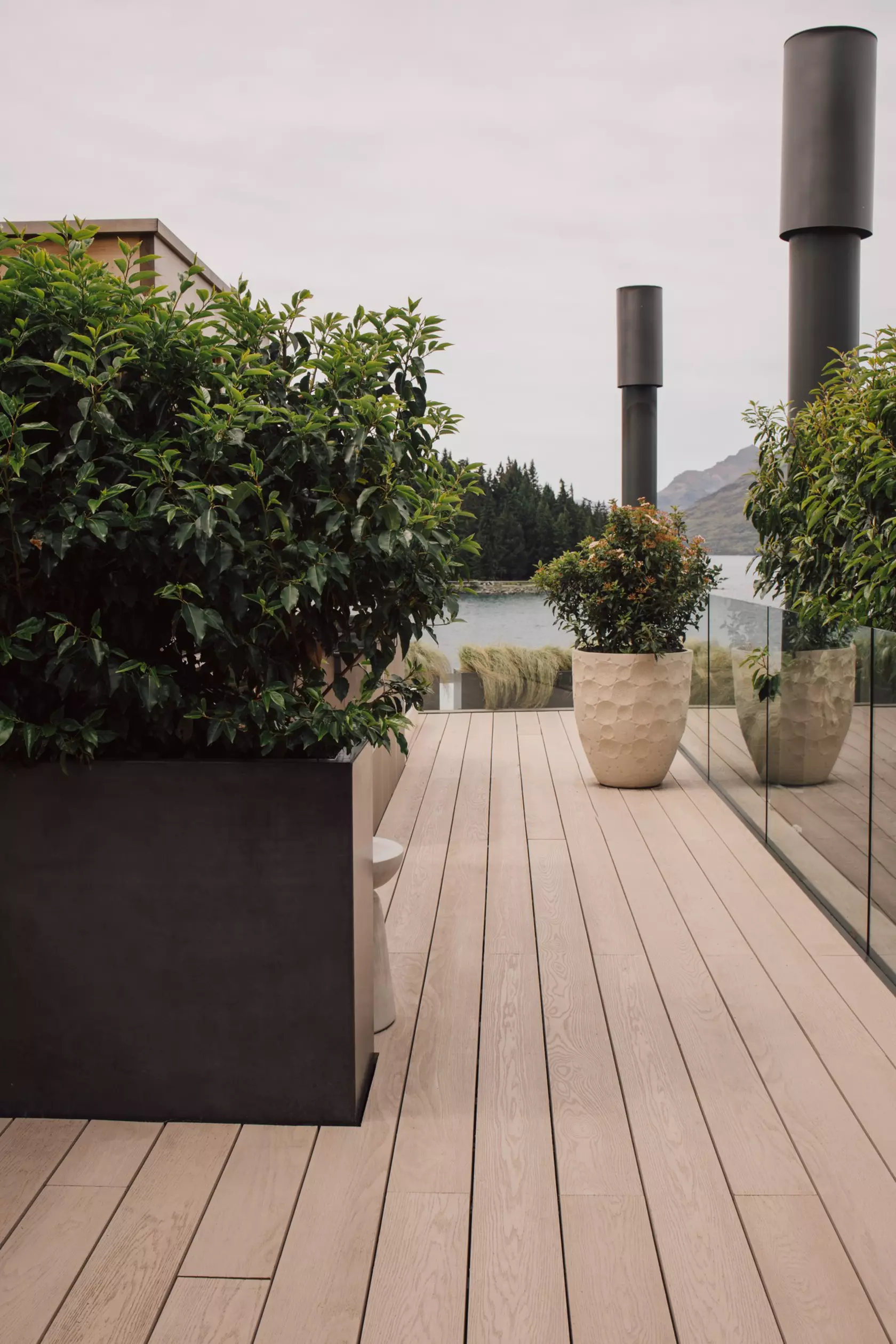
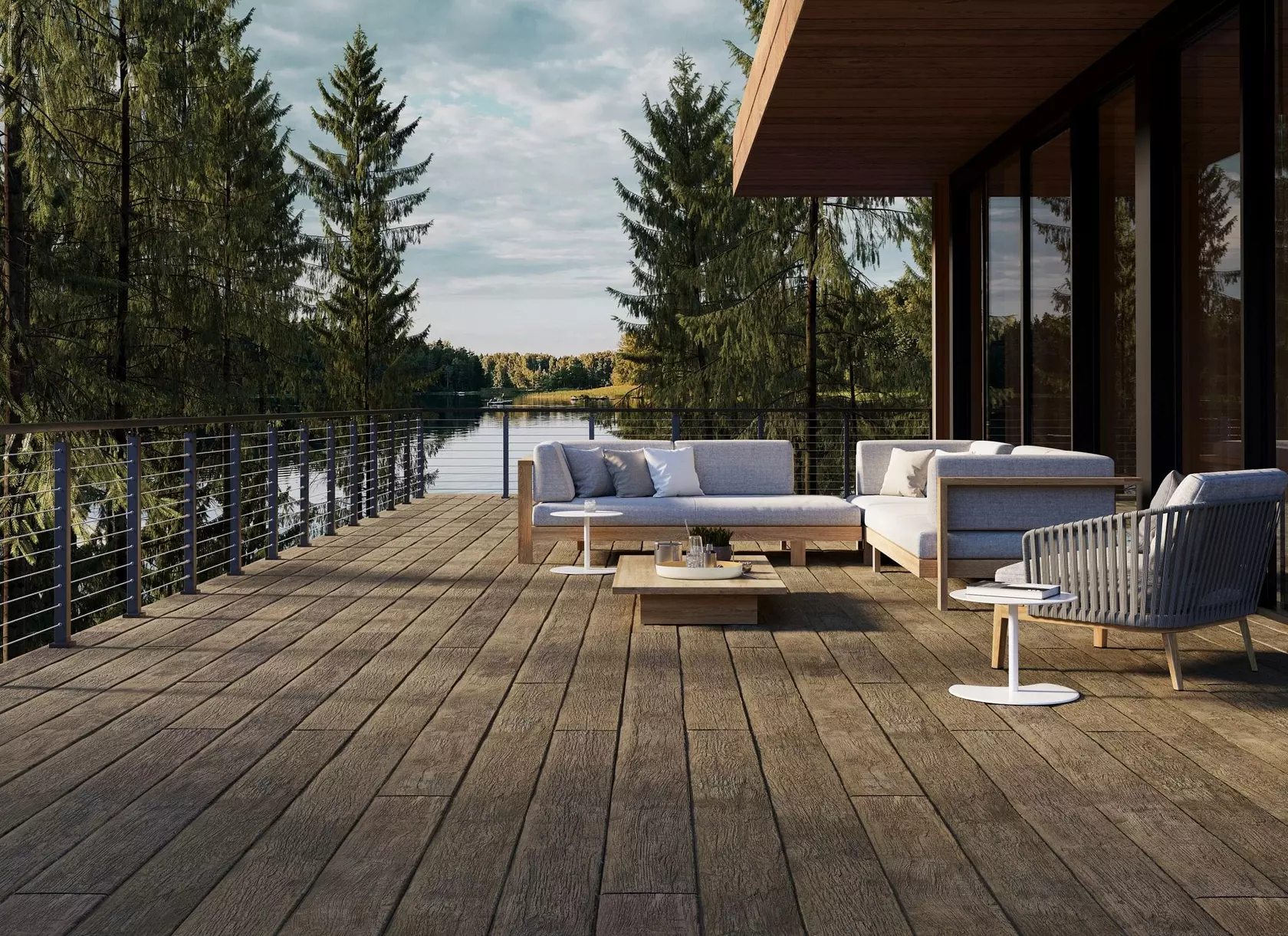
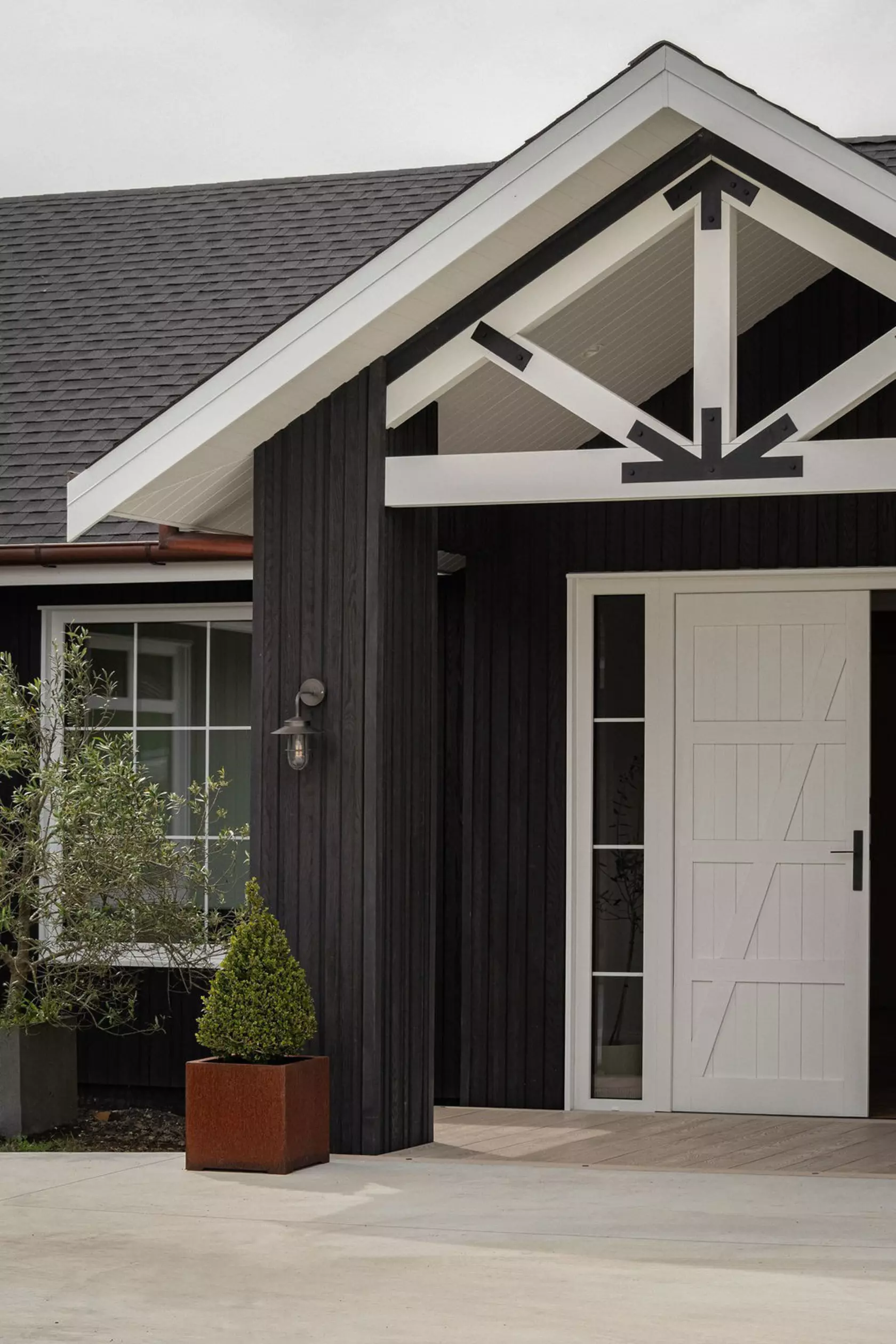
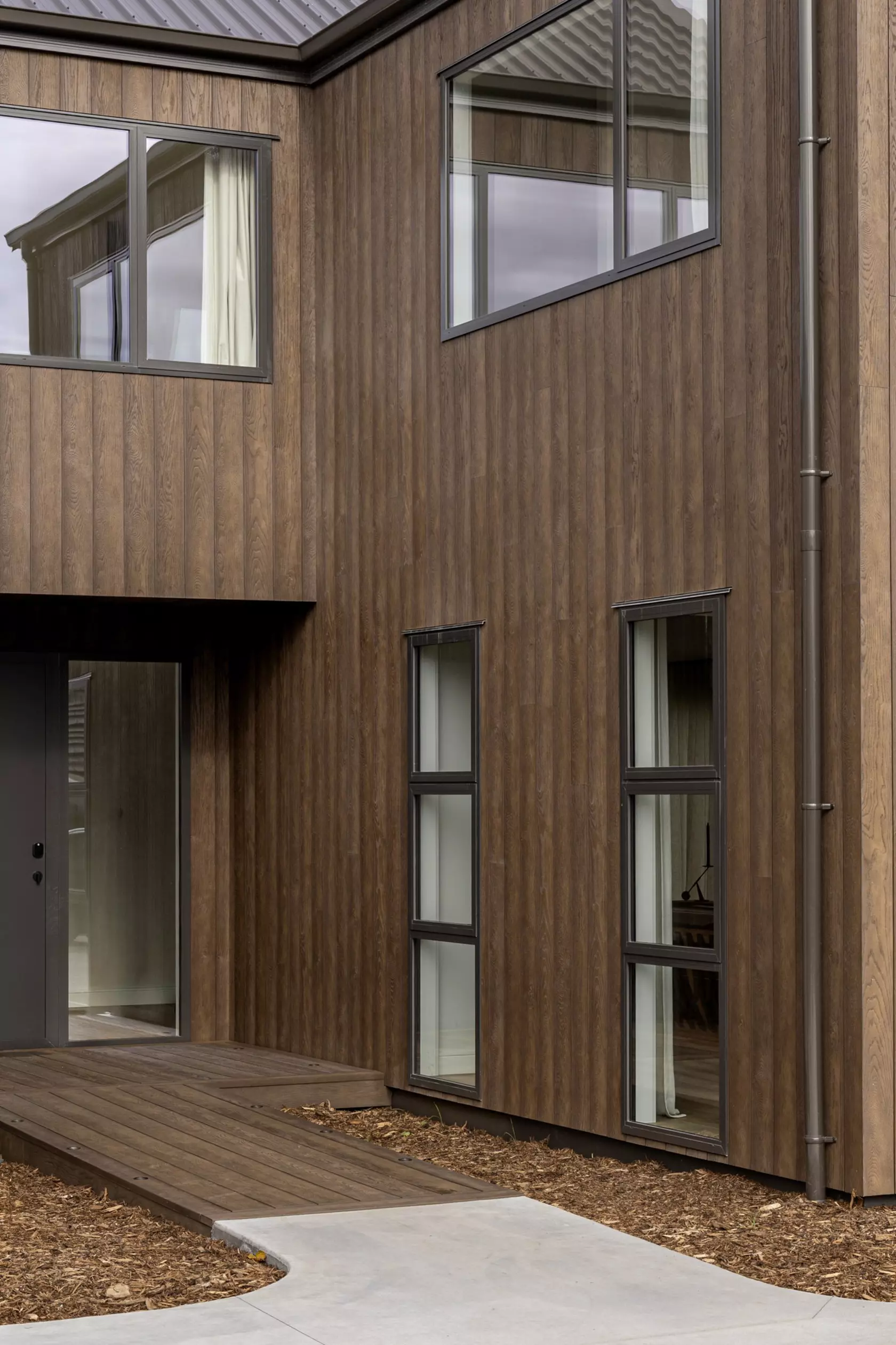
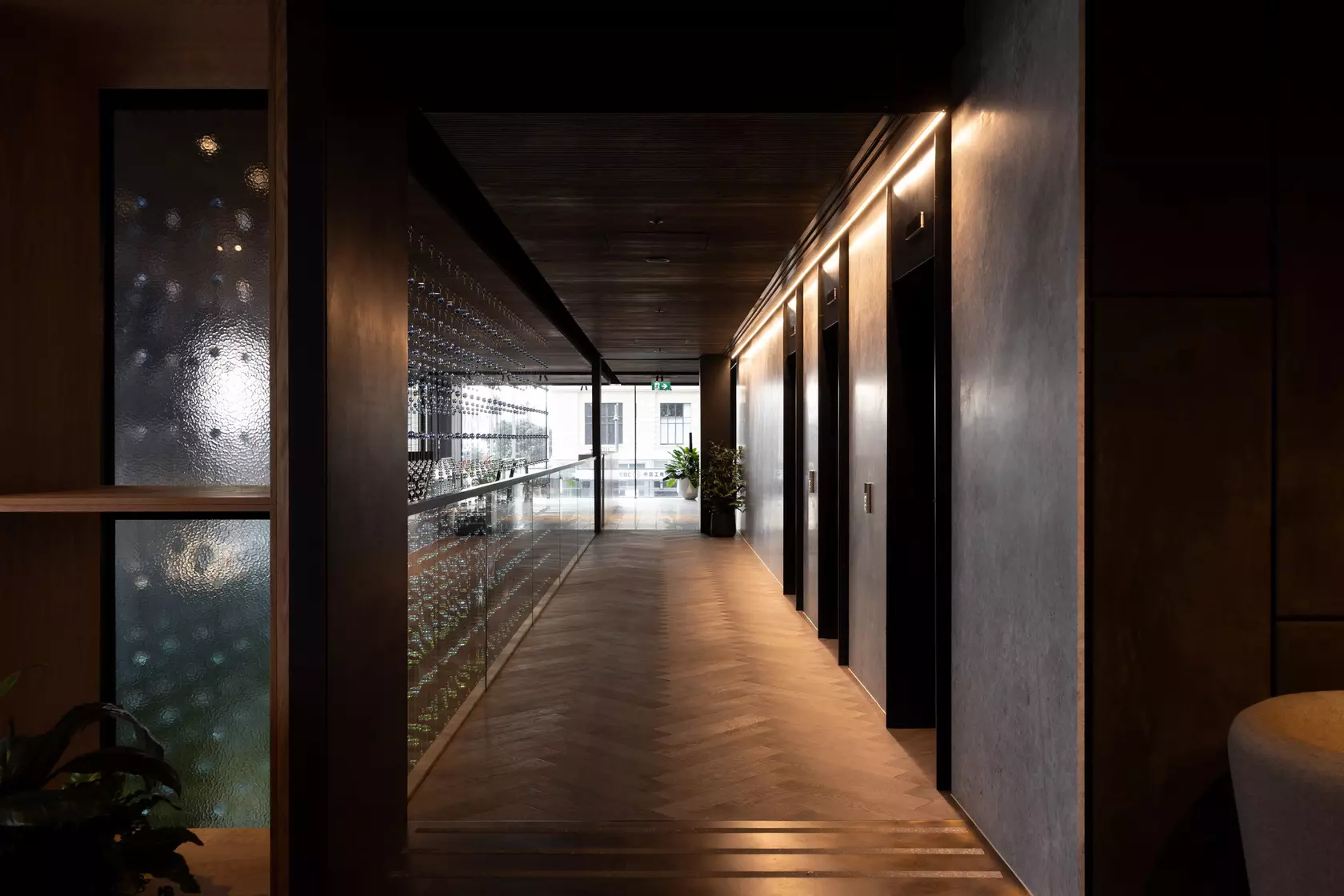
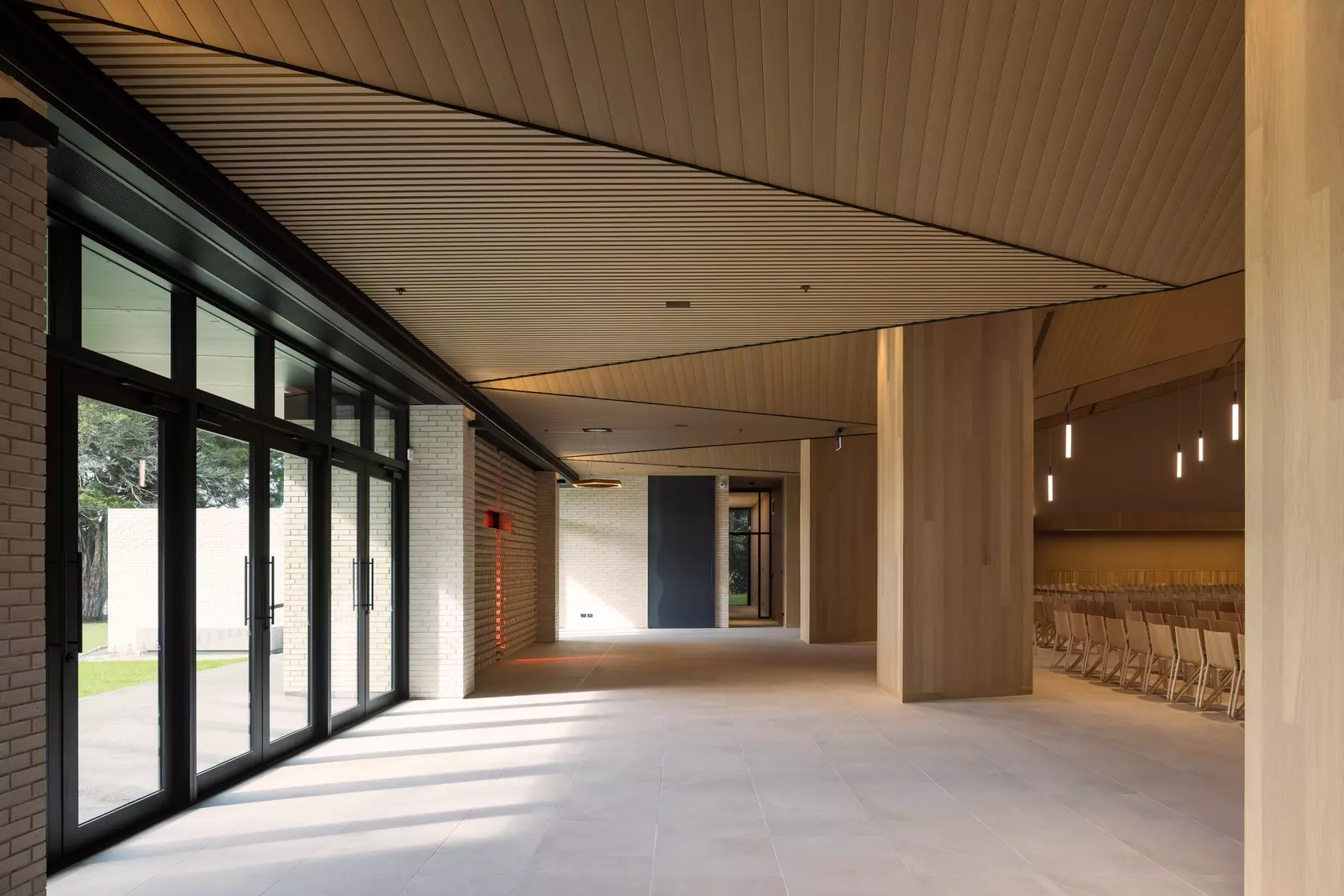
If you prefer more consistency, ask to see a larger display section in the showroom, or photos of the product installed in a completed project. For wall panels and ceiling applications in particular, seeing a full installation — even in a photo — tells you far more than a small sample can. Your Forté team can show you examples of how specific products read in real rooms.
Ask the right questions in the showroom
A few questions make a real difference when you're shortlisting:
How much variation is in this product? Some ranges are deliberately consistent; others have significant character. Knowing what you're getting helps you picture the finished result.
What finish does this have? Matte finishes absorb light and feel natural. Satin finishes reflect more and can read quite differently in bright rooms or under direct downlights.
How will this sit alongside what I already have? Bring photos of your space, your fixed elements, and anything you're keeping. A good conversation in the showroom is worth more than an hour of guessing at home.
Can I see it installed? A completed project image — particularly for panelling, veneer, or ceiling applications — is one of the most useful references you can have.
Take your time with it
There's no shortcut to feeling certain. The homeowners who feel most confident in their choices are almost always the ones who took samples home, lived with them, and came back with a clear answer.
If you're still not sure, that's useful information too. It might mean neither option is quite right — or it might mean you need to see one more thing before you decide. Our team is used to this process, and there's no pressure to commit before you're ready.
The right surface is worth getting right.
Still deciding? Order a free sample and take it home to see for yourself — in your own light, against your own walls.