




Types of Timber Flooring Explained: Your 2026 Guide
Timber flooring is one of the most enduring choices you can make for a home or commercial space. Its warmth, grain variation and natural character are impossible to replicate, but walk into any flooring showroom and you'll quickly realise that 'wood flooring' covers a wide range of very different products. Engineered planks, solid hardwood boards, laminate panels and intricate herringbone or chevron installations all sit under the same banner, yet they perform, age and cost very differently.
This guide breaks down the four main types of timber flooring available in 2026, helping you understand the key differences so you can make a confident, informed decision.
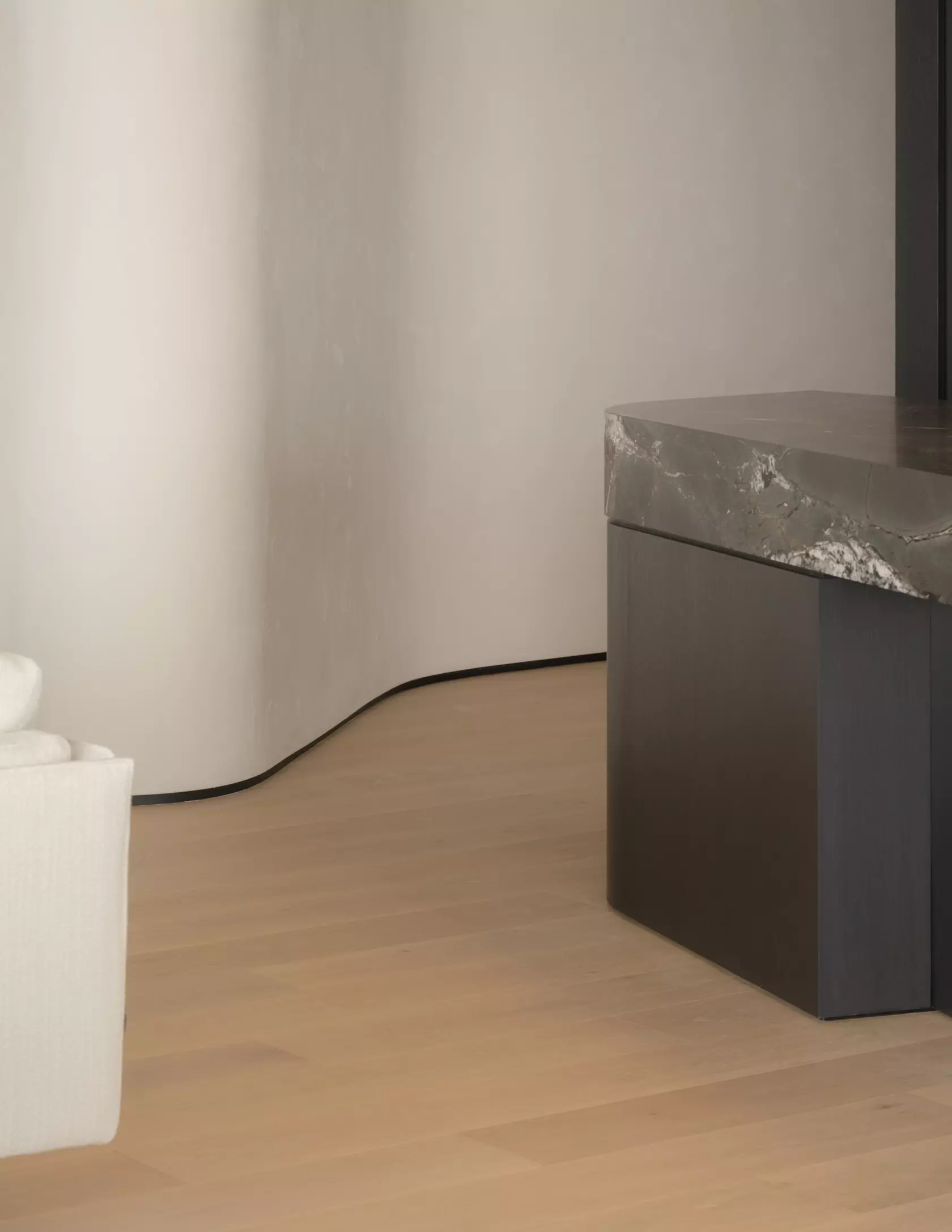
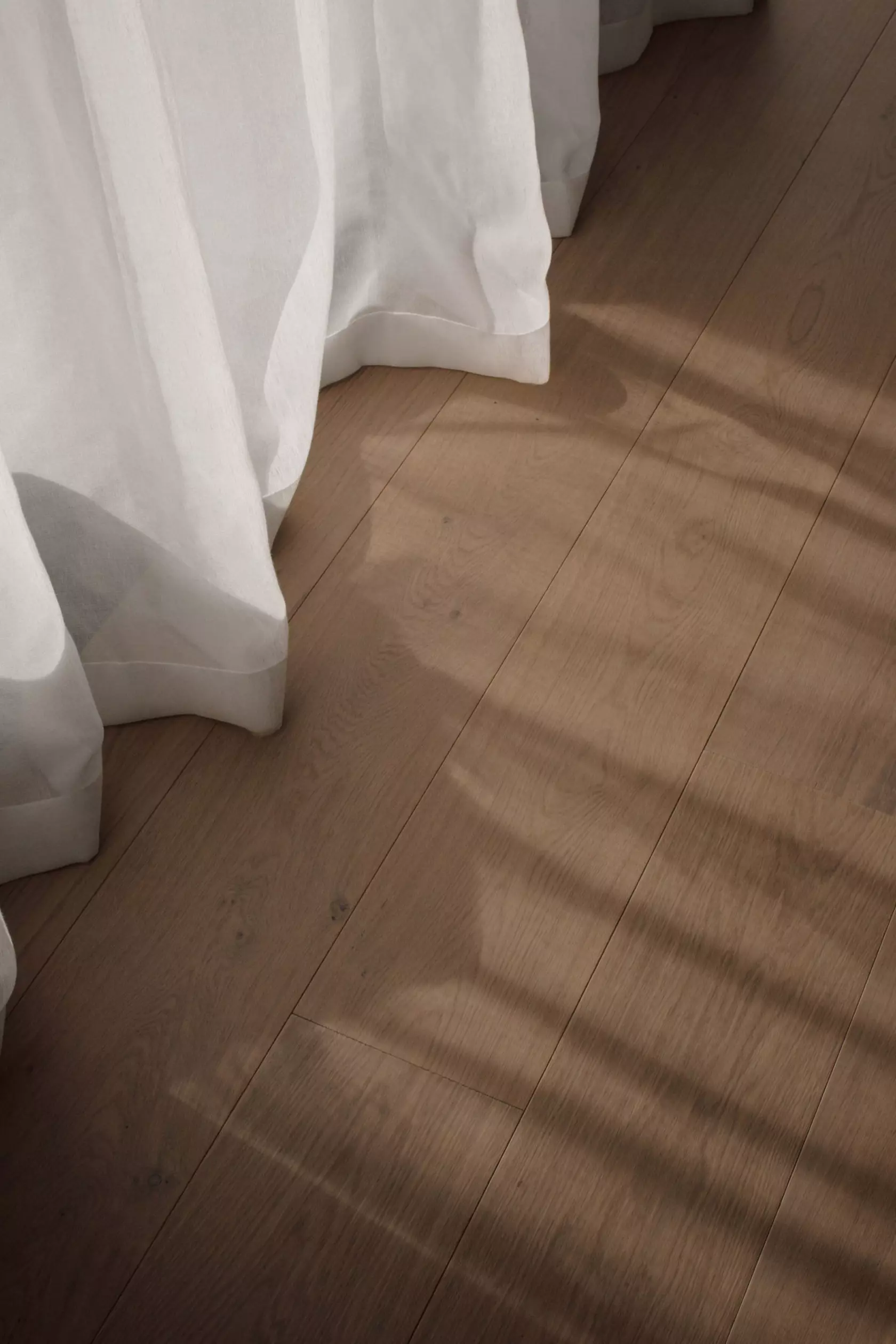
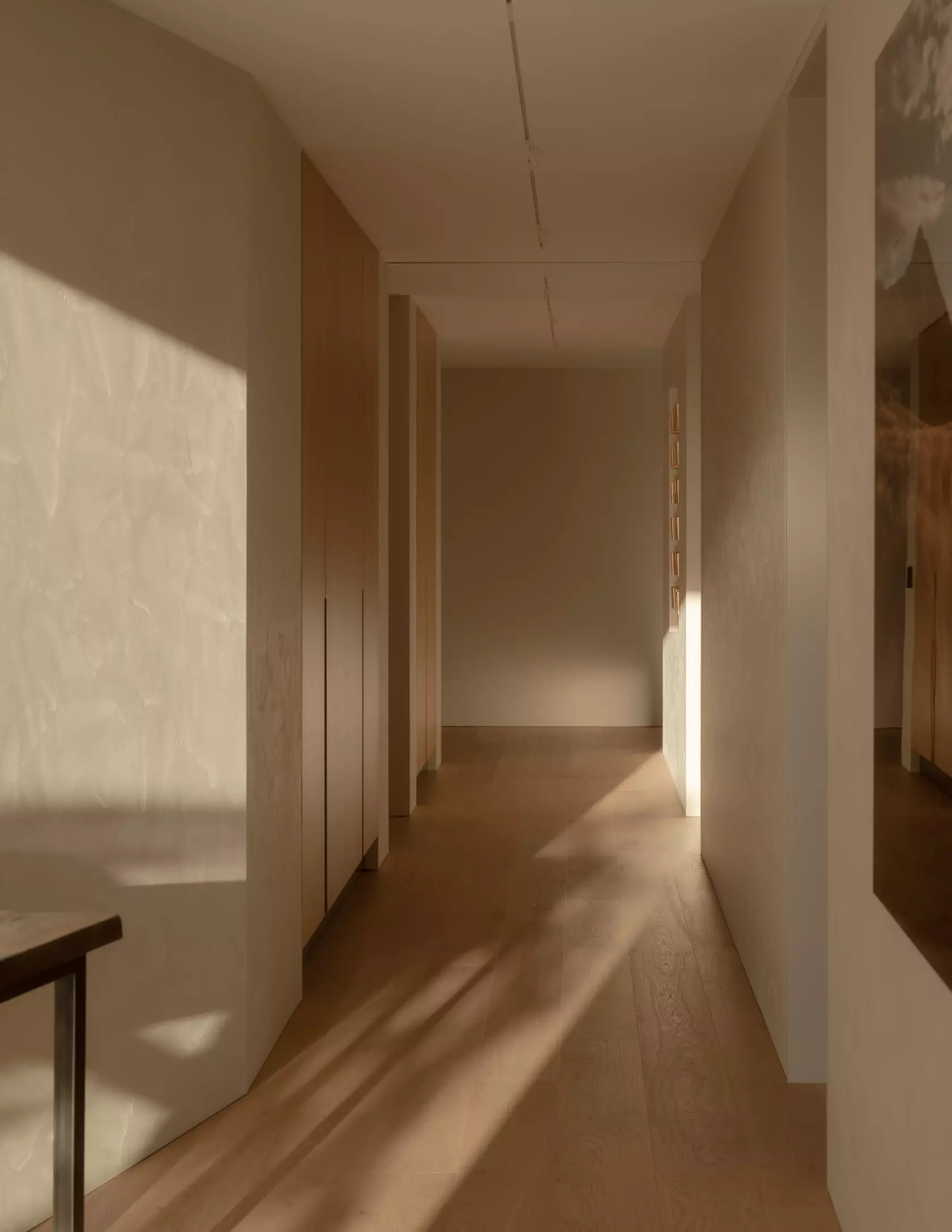
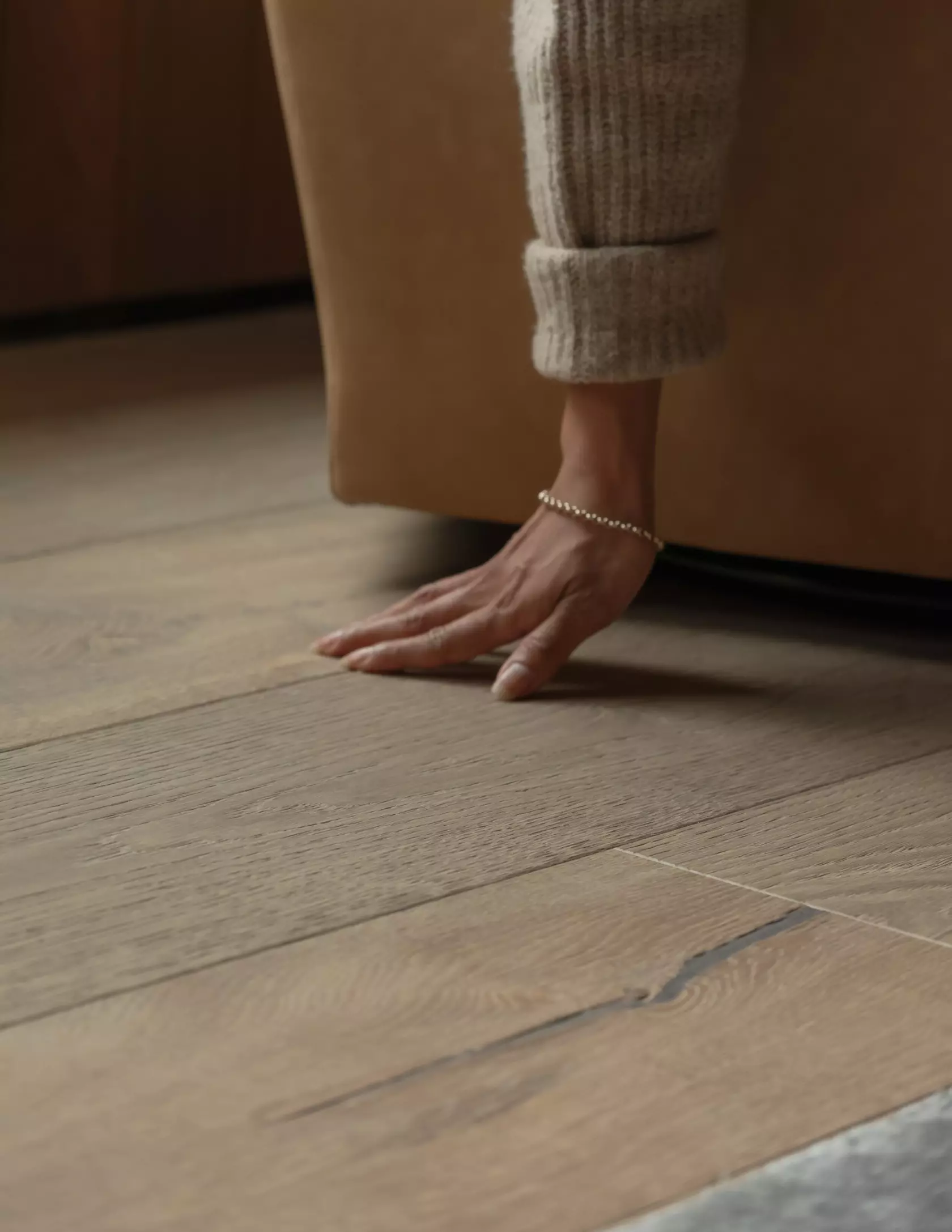
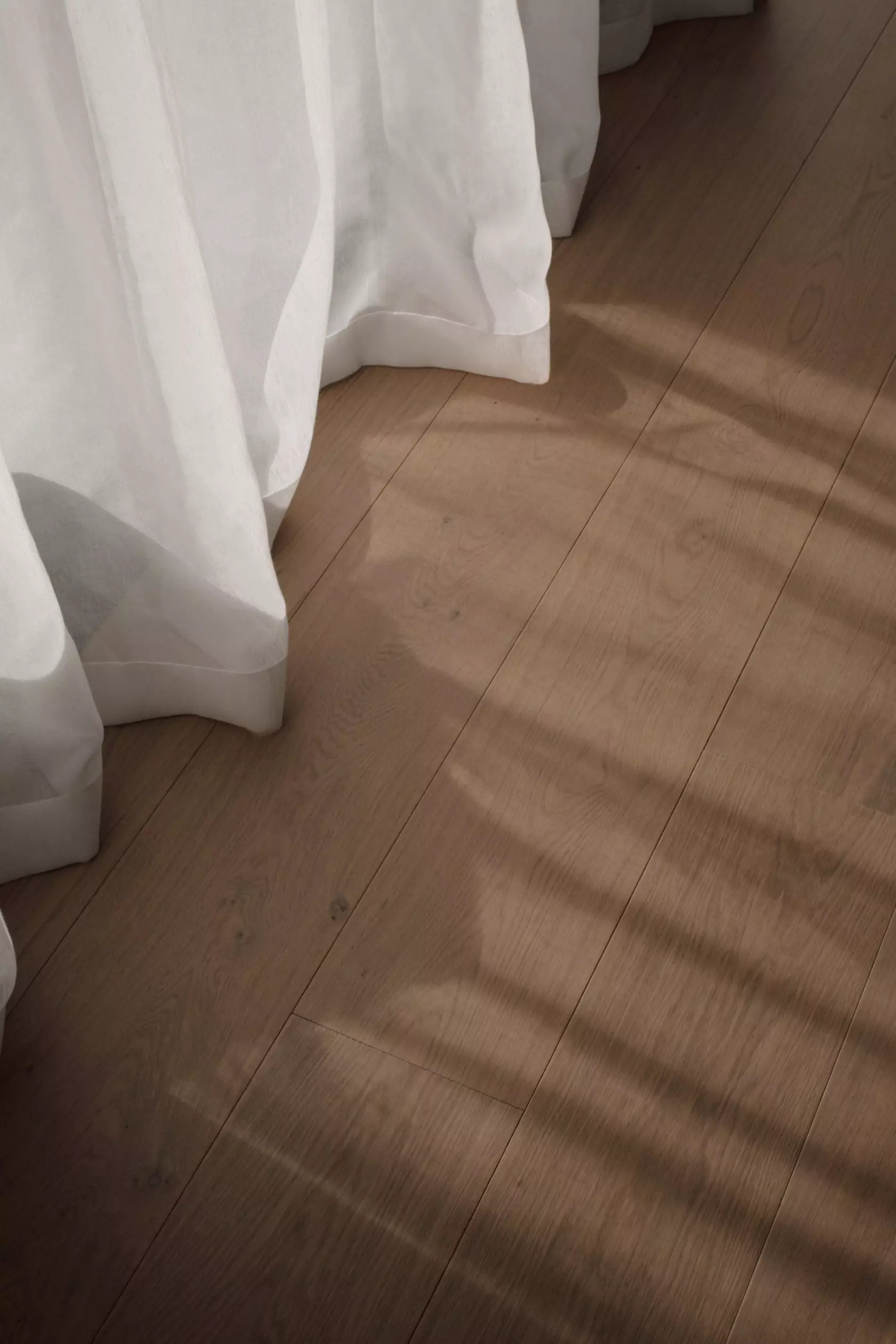
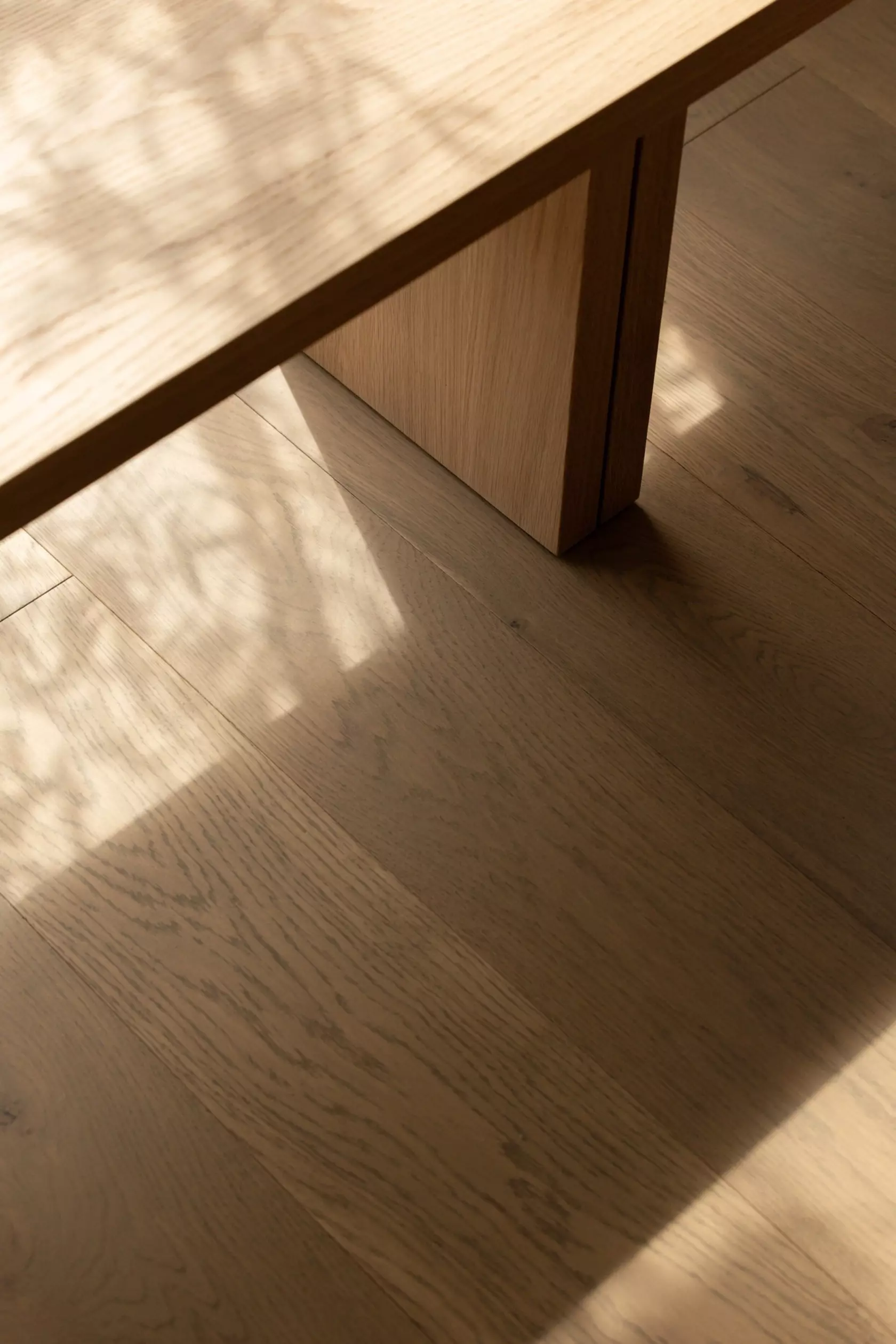
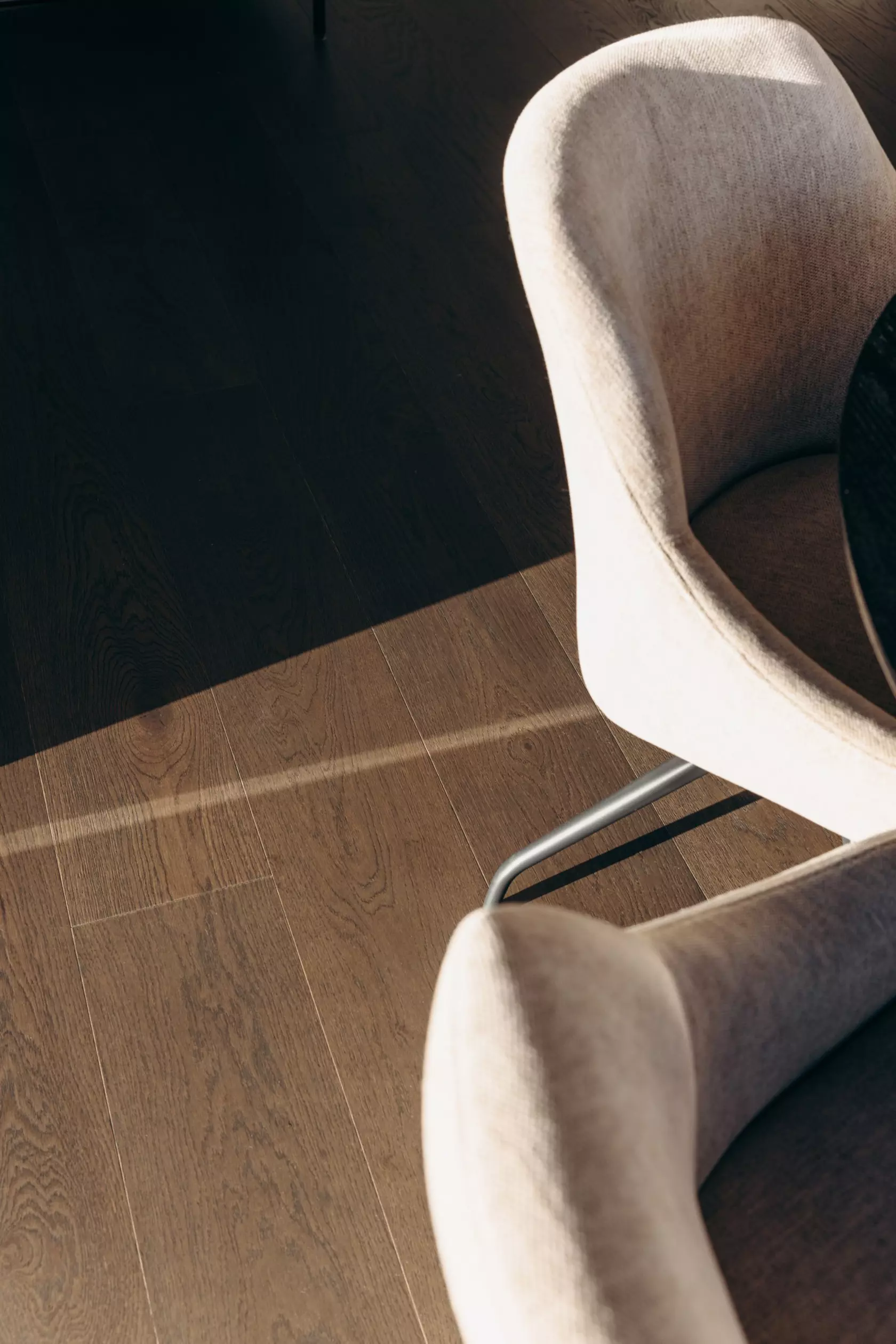
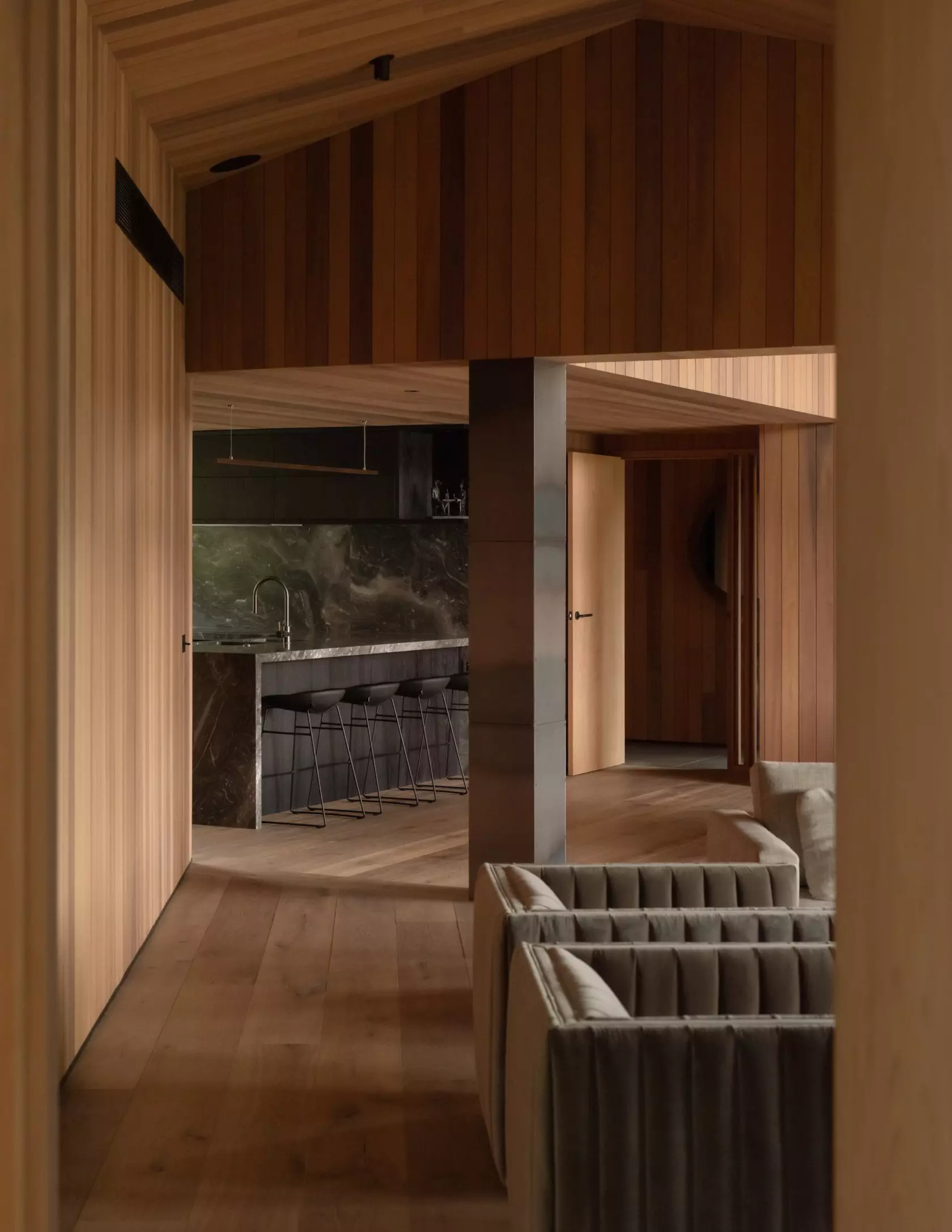
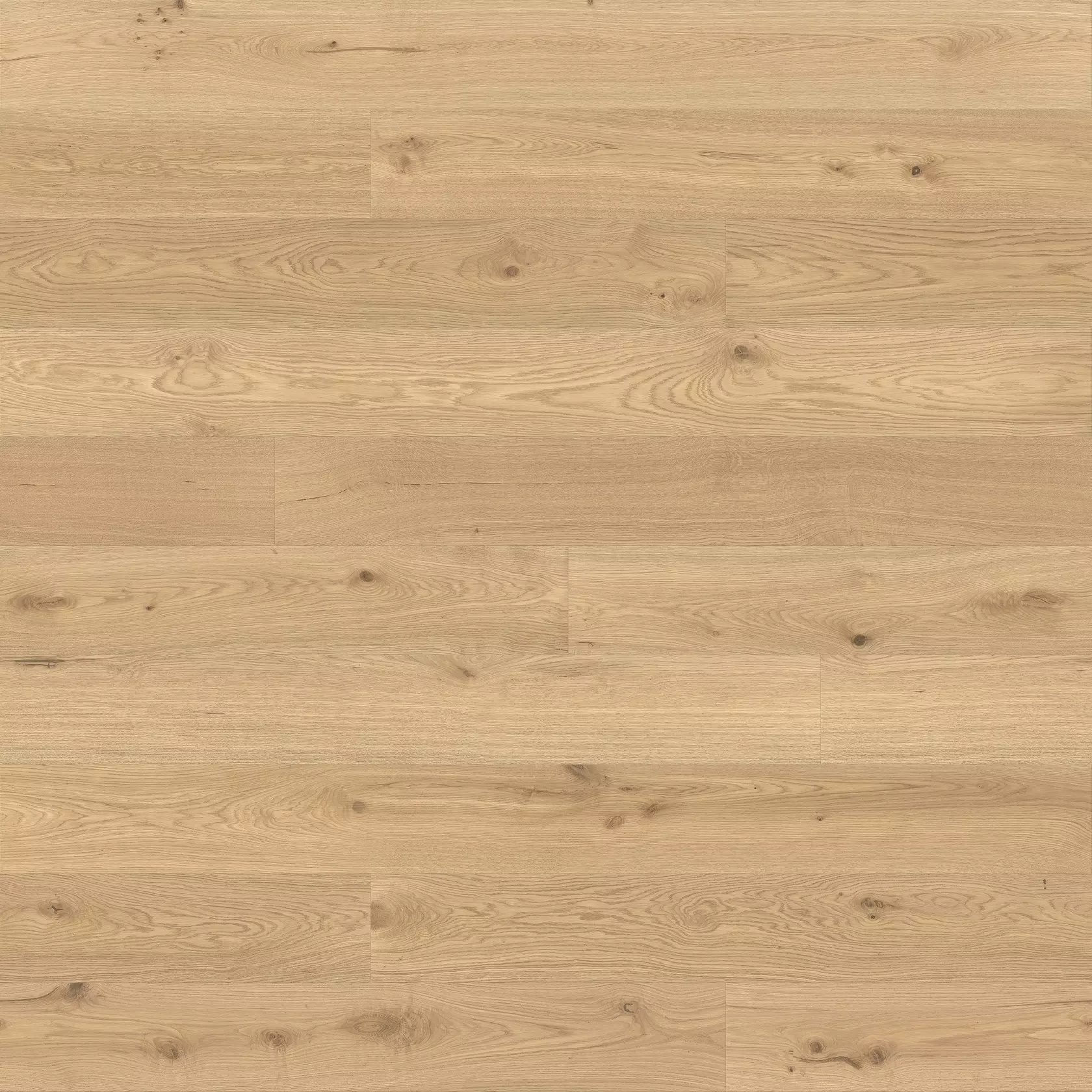
Engineered timber flooring is the most popular choice for New Zealand homes and commercial projects today – and for good reason. Each plank is constructed with a real timber veneer bonded to a reinforced plywood core. That veneer delivers the authentic grain, warmth and visual depth of solid wood, while the layered construction underneath provides superior dimensional stability.
Because the core is made from fast-growing, responsibly sourced materials, engineered timber uses significantly less precious slow-growing hardwood than a solid plank of the same size. This makes it a more sustainable option without compromising on aesthetic.
Key advantages of engineered timber flooring:
Can be installed on any flat surface – including over existing tiles and concrete – without nails or glue
Available as prefinished boards, dramatically reducing installation time and mess
Wider plank formats are achievable compared to solid wood flooring, thanks to its dimensional stability
The veneer can be re-sanded and refinished up to five times over its lifetime (depending on thickness)
Better moisture resistance than solid timber due to its multilayer construction
Suitable for both residential and commercial applications
The main trade-off: like all real wood flooring, engineered boards are susceptible to water damage if moisture is allowed to penetrate the surface for extended periods.
For most homeowners and designers in 2026, engineered timber represents the ideal balance of performance, sustainability, aesthetics and value.

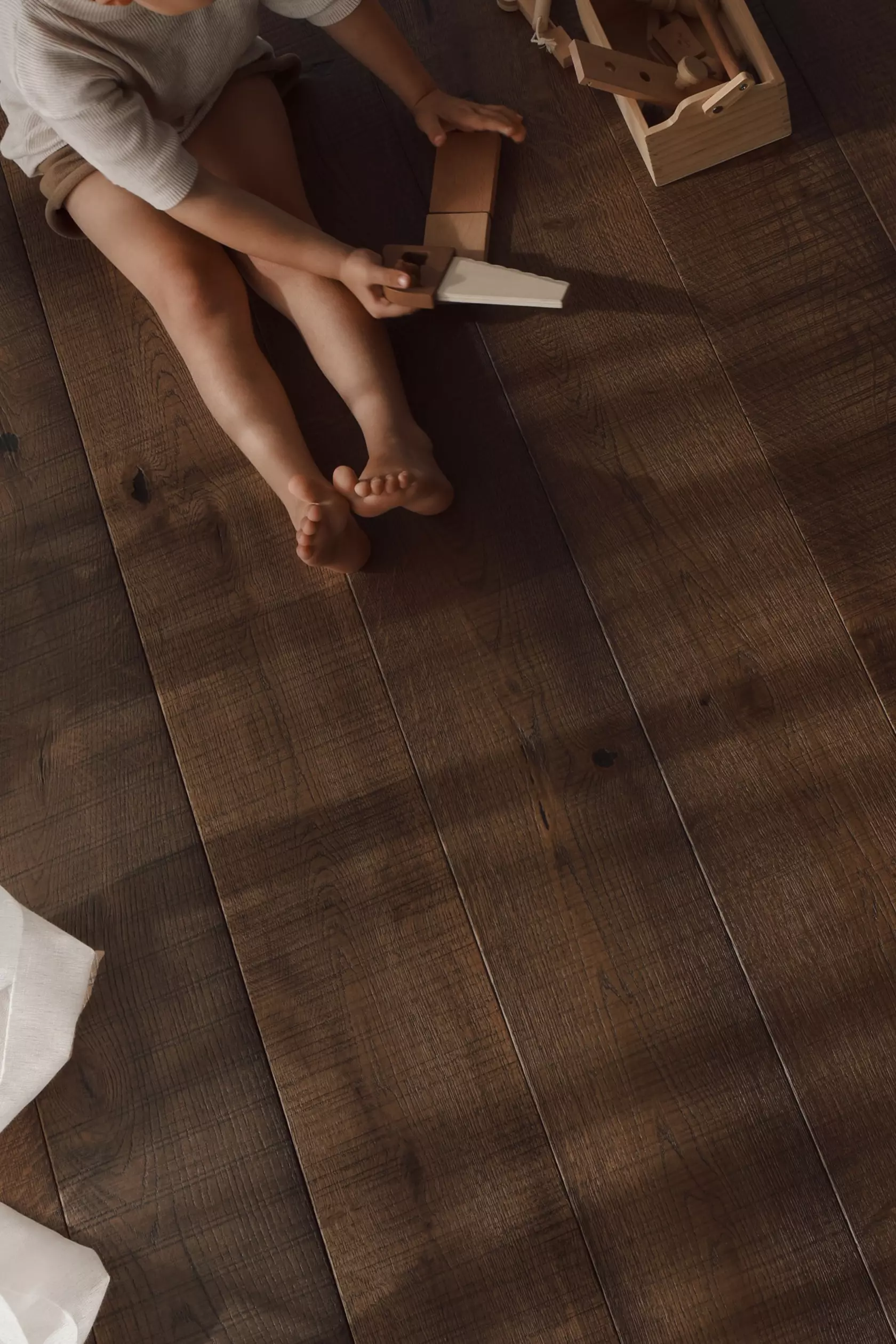
Solid hardwood flooring is exactly what the name suggests – 100% solid timber from top to bottom. It has been used in homes for centuries, prized for its unmatched depth of character, the variation in its grain, and its ability to be re-sanded and refinished multiple times over decades.
A well-laid solid wood floor can last for generations. However, it comes with a set of requirements and limitations that make it less practical than engineered timber for many modern projects.
What to know before choosing solid timber:
Requires a flat subfloor, bearers or joists; it cannot be floated or glued down directly to concrete
Needs a two to three-week acclimatisation period before installation, adding time to the project
Professional installation is essential; this is not a DIY-friendly product
Prone to movement – particularly in wider planks – which can cause shrinkage and cupping in variable climates
Uses approximately three times more precious hardwood than an engineered plank of equivalent size, making it a less sustainable option
Significantly more expensive than engineered alternatives
The upside: solid timber flooring adds genuine property value and has a timeless quality that no other flooring type can fully match. If budget, subfloor conditions and climate are all on your side, it remains a compelling choice.
Laminate Flooring
Laminate is not real timber. It is a synthetic, multilayer product that uses a photographic applique layer to mimic the look of wood flooring. That layer is adhered to a fibreboard base and sealed with a clear resin topcoat.
It occupies the lowest price point in the timber-look flooring category and, on paper, sounds appealing: it is scratch resistant, affordable and easy to find. However, it has a number of significant drawbacks that make it a poor long-term investment for most applications.
The limitations of laminate:
The photographic surface often looks repetitive and artificial, lacking the variation of genuine wood flooring
The feel and sound underfoot is noticeably hollow and synthetic
Cannot be re-sanded or refinished – once it deteriorates, it must be replaced
Has a short lifespan compared to engineered or solid timber
Extremely sensitive to moisture; if the core becomes exposed to water, damage is typically permanent
Does not add value to a property
Laminate may suit very tight budgets or temporary installations, but for anyone making a considered flooring investment in 2026, engineered timber flooring delivers better long-term value across almost every measure.
Herringbone and Chevron Wood Flooring
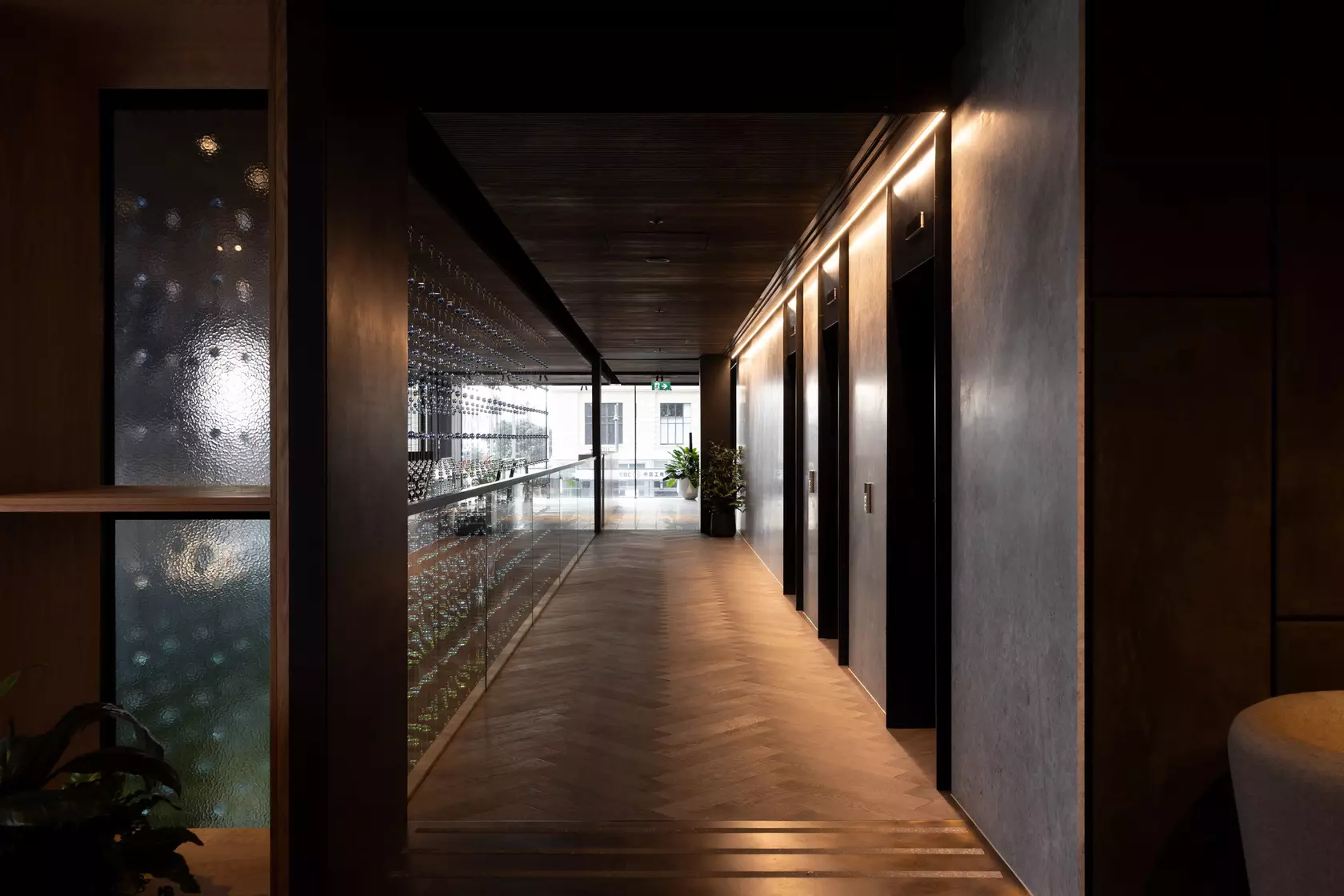
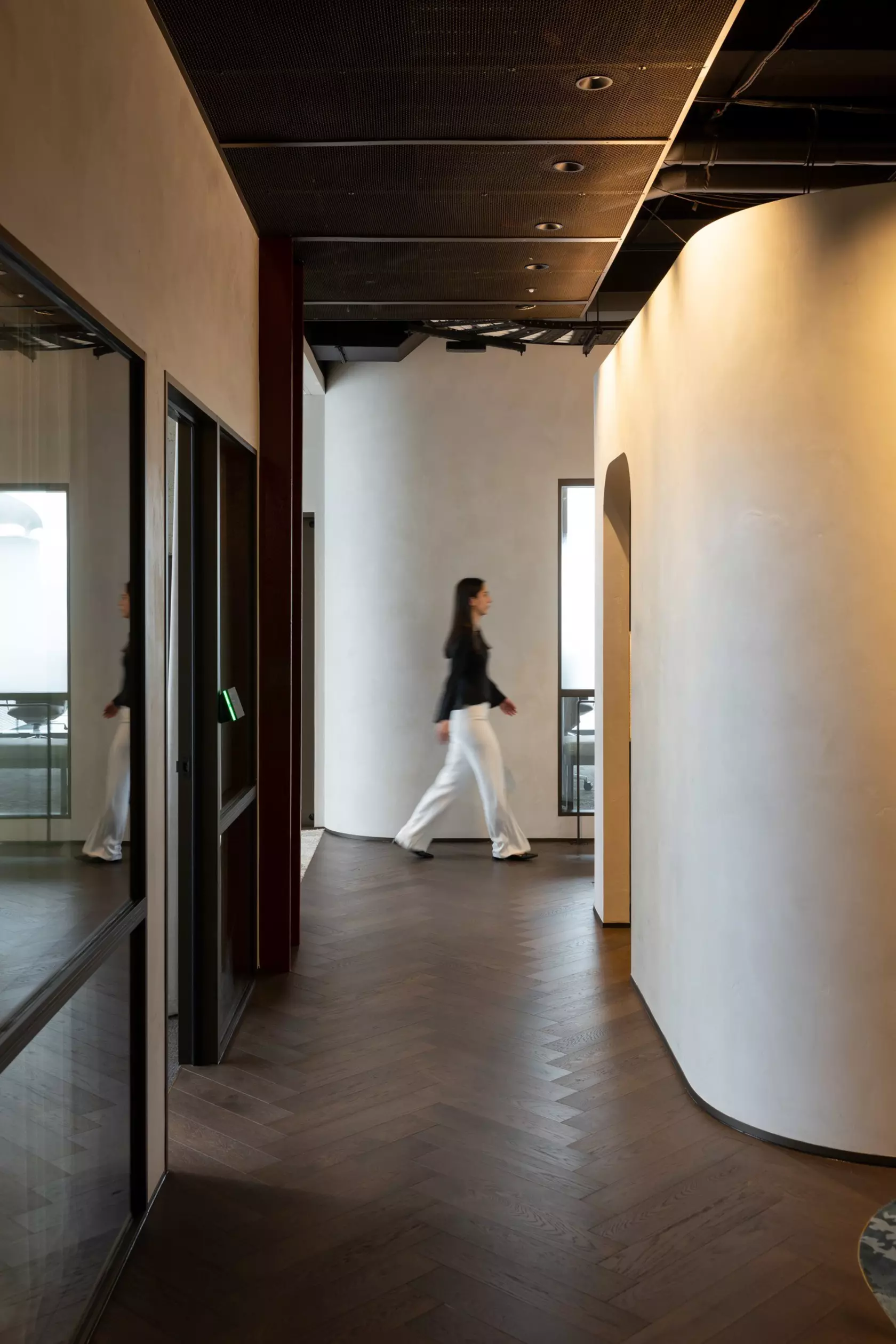
Herringbone and chevron are two of the most visually striking timber flooring formats available. Rather than long planks running in a single direction, both styles use short timber pieces arranged in distinctive geometric patterns – creating a floor that becomes a design feature in its own right.
Herringbone wood flooring arranges rectangular planks in a staggered zigzag, where each plank meets the next at a 90-degree angle. Chevron timber flooring is similar but uses angled-end planks that meet precisely at a point, creating a sharper, more continuous arrow-like pattern. Both are available in solid hardwood and engineered timber formats, and are typically glued down to a timber subfloor or level concrete slab.
Herringbone and chevron flooring at a glance:
Deliver a unique, high-impact aesthetic that elevates any interior
Available in a wide range of timbers, stains and plank widths
Work in both contemporary and heritage-inspired spaces
Installation is intricate and time-consuming, requiring skilled tradespeople
More expensive than standard plank wood flooring, both for supply and installation
Require higher ongoing maintenance to keep the pattern looking its best
Susceptible to water damage, as with all timber flooring types
Both styles tend to work best as a considered design choice for feature rooms – an entry hall, a formal living room, a boutique hotel lobby – where the floor itself is part of the architectural story. Chevron suits clean, modern interiors; herringbone works equally well in both contemporary and traditional settings.
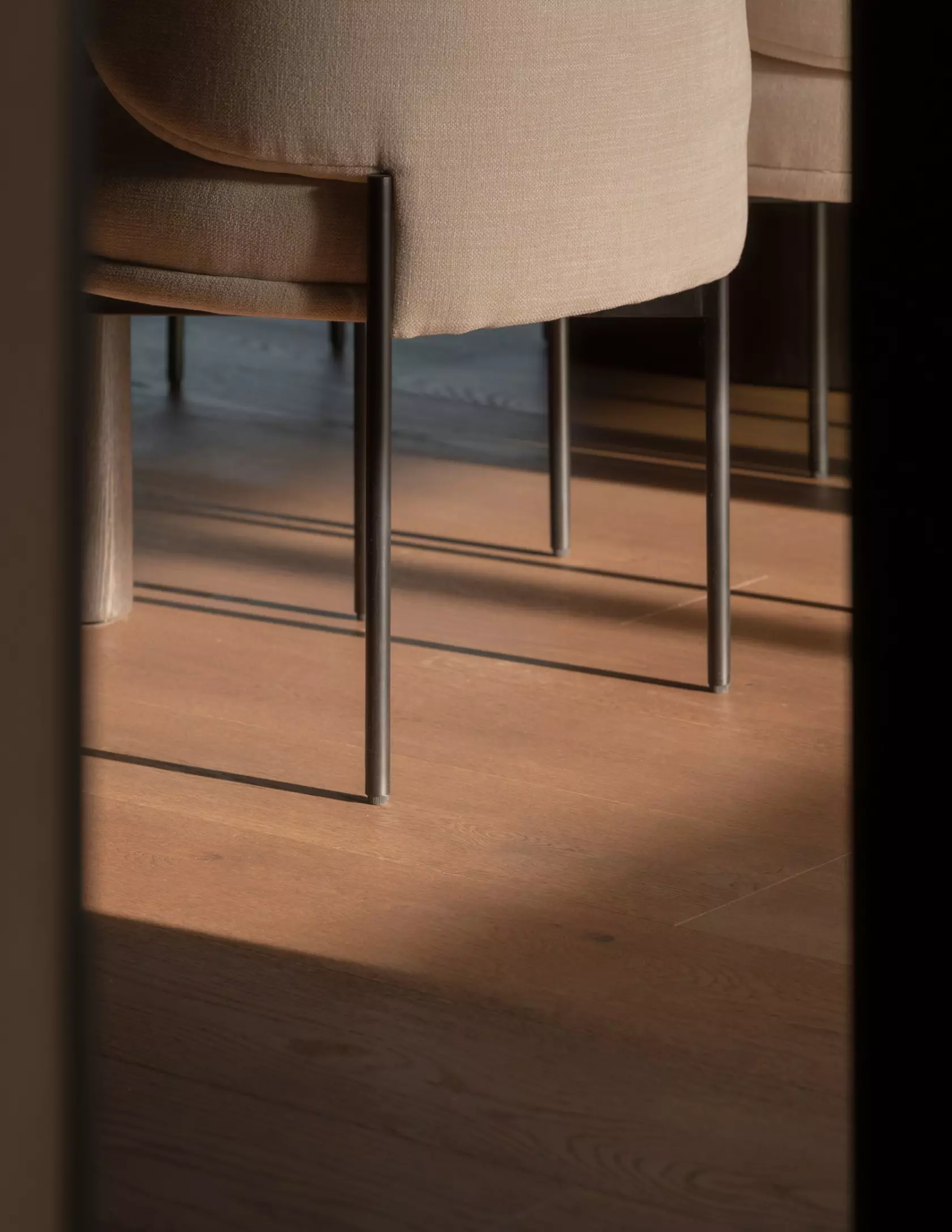
The right timber flooring type depends on a combination of factors: your budget, the subfloor conditions, the climate you're building in, how much ongoing maintenance you're prepared to do, and the aesthetic you're trying to achieve.
As a general framework for 2026:
For most homes, new builds and renovations, engineered timber prefinished flooring is the most practical and versatile choice
For heritage properties or high-end projects where budget is less of a constraint, solid hardwood brings unmatched authenticity
For dramatic design impact in feature spaces, herringbone or chevron wood flooring in an engineered timber format offers the best of both worlds
For tight budgets or temporary spaces, laminate is the entry-level option, but it is worth saving for engineered timber if at all possible
Explore Forté's Range of Engineered Timber Flooring
Forté specialises in premium prefinished engineered timber flooring designed specifically for New Zealand homes and climates. Browse the full collection or order free samples to find your perfect floor.
forte.co.nz