




At Work With: Handcrafted Modern
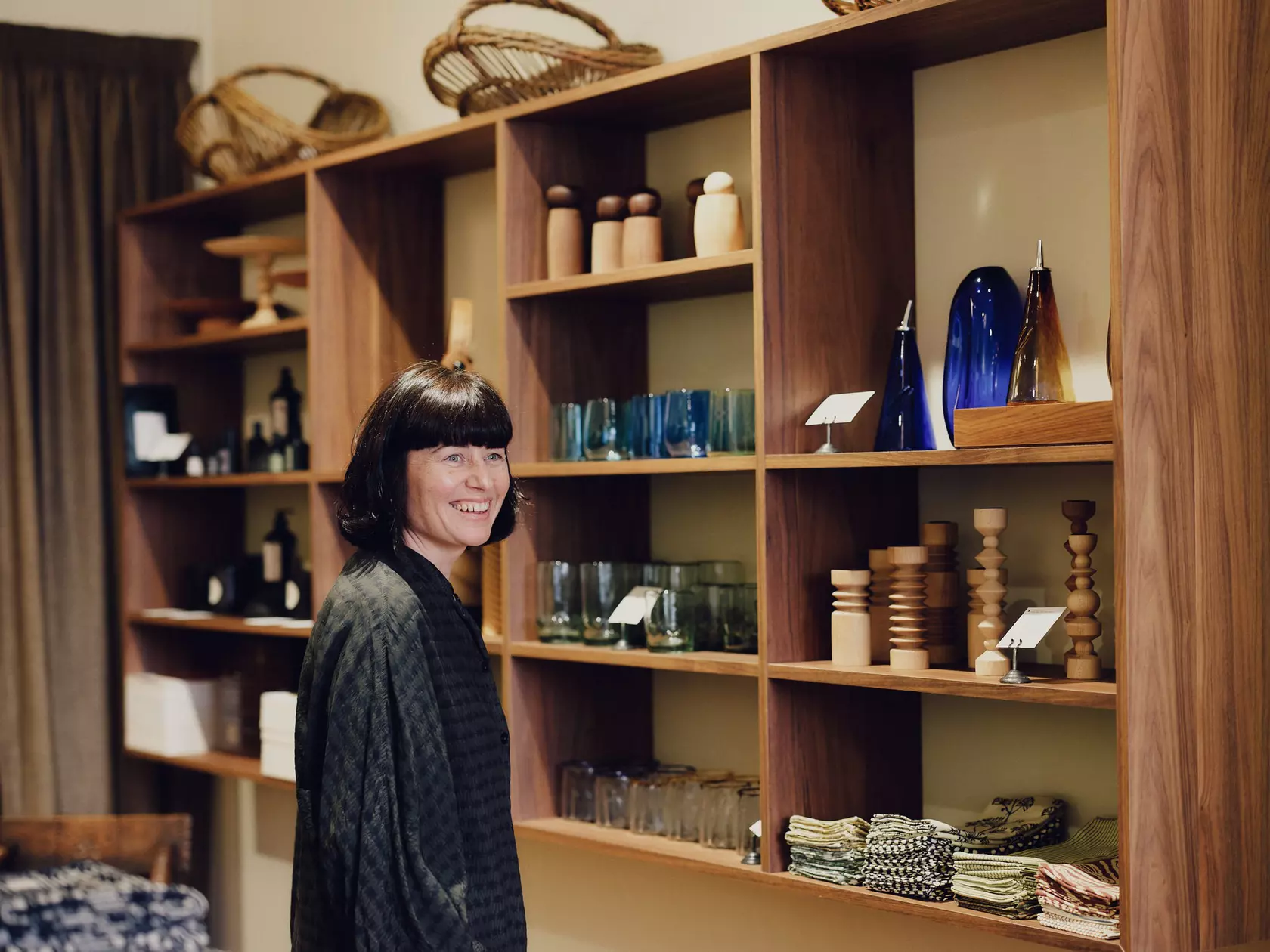
In a market saturated with fast homewares and disposable aesthetics, Handcrafted Modern feels quietly radical. Founded by renowned costume designer and general aesthete Katrina Hodge, the store is built on a simple but increasingly (re)valued premise — that the objects we live with should be made with integrity, chosen with care, and built to last. We spoke with Katrina about the thinking behind the space, and what it means to curate with heartfelt intention.
Photography: Scott Hardy
Handcrafted Modern came about quite intuitively.
I had been collecting and living with textiles and objects for many years, pieces that hold a sense of history, material honesty, and care in their making, and I found myself increasingly drawn to the presence they bring into a space.
I’m curious by nature, which invites you to notice and appreciate the small details in how a piece comes to exist, why a material is chosen, how it translates into form, the history of its origin, the craft itself, and the hands that shape each piece.
At the same time, I became more aware of how difficult it was to find these kinds of objects gathered in one place. There is so much available, but not always with a clear sense of provenance or integrity.
It wasn’t a single defining moment, but rather a gradual realisation that there was space for something more considered, a place where objects could be brought together thoughtfully, and where their stories could be shared
How has your background as a costume designer shaped the way you curate pieces for the store?
Costume design taught me to think in layers, in texture, tone, and how materials sit together in an intuitive way within an environment.
When you’re building a character, every detail matters. The background of the character, whether fictional or based on a real person, is essential. Research and development, material selection, patina, layering, and observing how someone lives within an environment all inform the outcome. These considerations translate very naturally into how I curate the store.
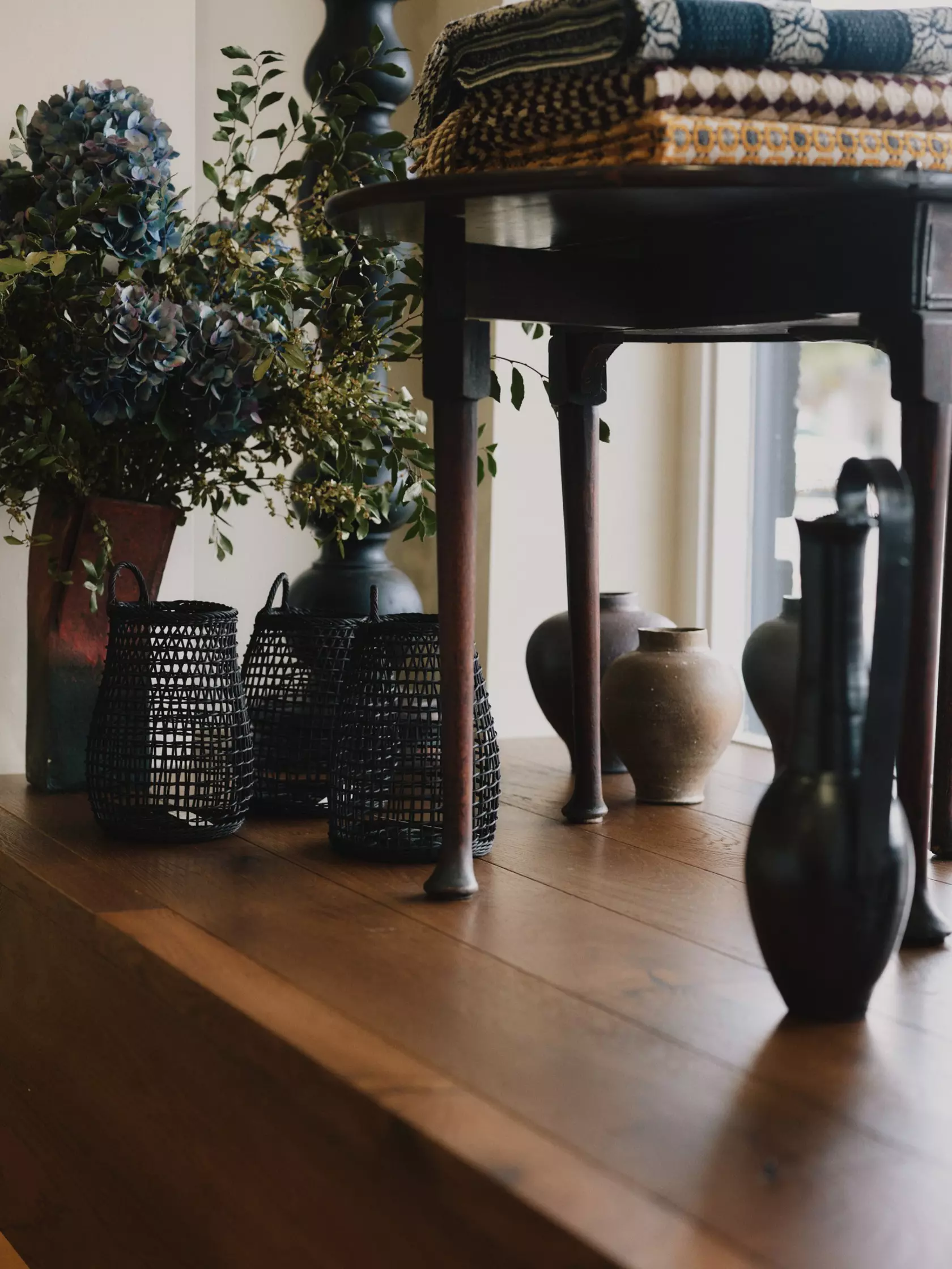
I tend to think of the space almost like a character composition. Objects are placed in relation to one another, not just individually, but for how they exist together in a space. Palette and texture are important factors, and there is a clear parallel in the way I approach curating a collection of works.
Is there a craft tradition or material you haven't yet found the right maker for, but really want to?
There are always things on the horizon.
I’m particularly interested in continuing to explore natural dye practices and textile traditions, pieces where you can really see the process in the finished work.
I am personally drawn to wool as a medium, and I’m interested in exploring its possibilities further, particularly within a New Zealand context.
It’s quite instinctive, but there are a few things I return to.
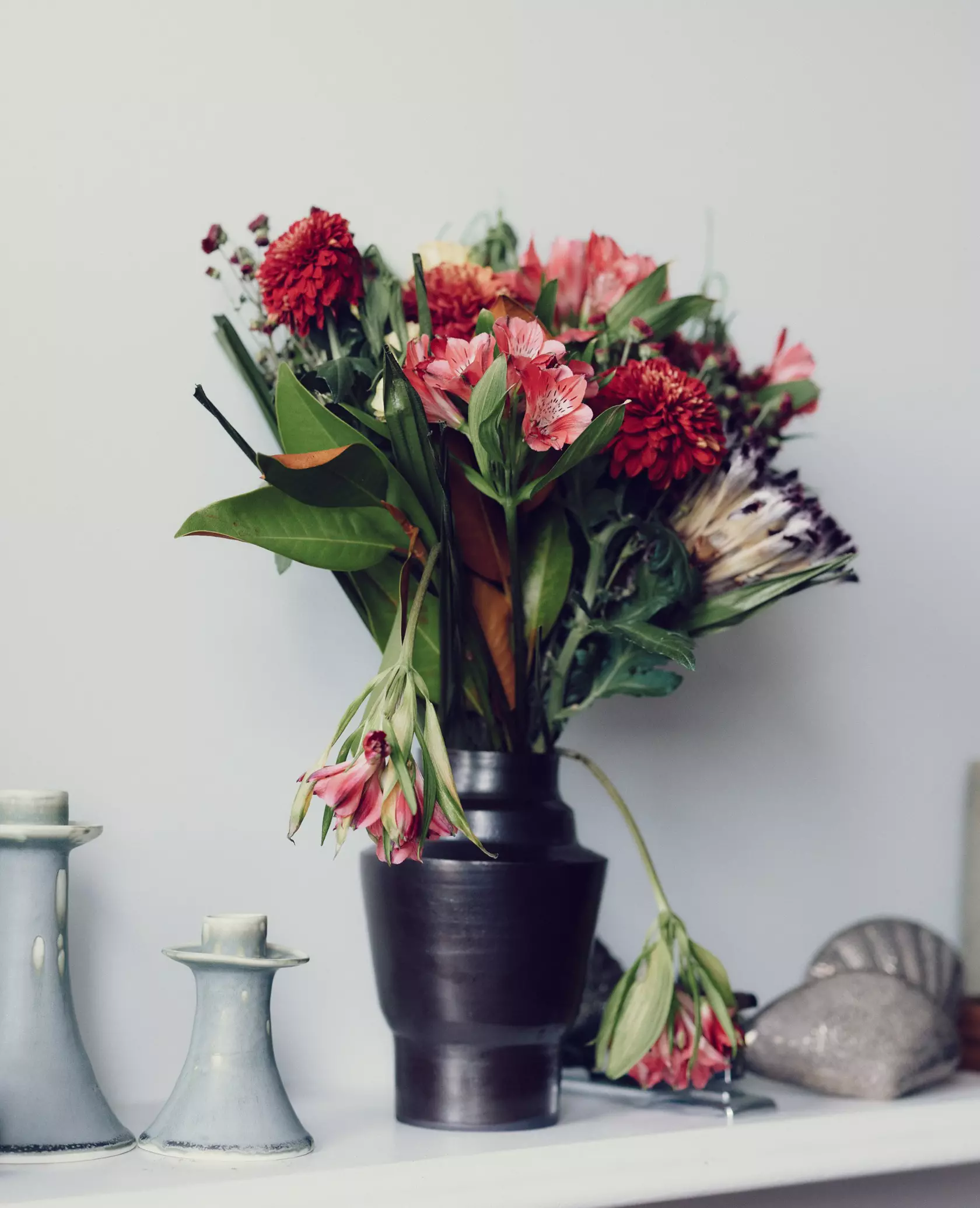
I’m always looking for integrity in the object, natural material selection, thoughtful construction, and a clear sense of the maker’s hand. Beyond that, it’s about how the piece feels. Does it hold its own space, does it invite you to pause? Can it return to the earth? Is it useful, beautiful, or both?
Then there’s how it sits within the wider collection. Not everything needs to match, but it does need to belong. Each piece is chosen for its story, its craft, and its ability to resonate.
The store is very much about relationships between objects, and how they might find a place in someone’s home. If I would live with it myself, I trust that it will speak to our customers.
We live in a world of fast, disposable homewares... how do you help someone understand the value in choosing something made with real care and intention?
I think it often comes down to a personal connection to the objects, and the makers behind them.
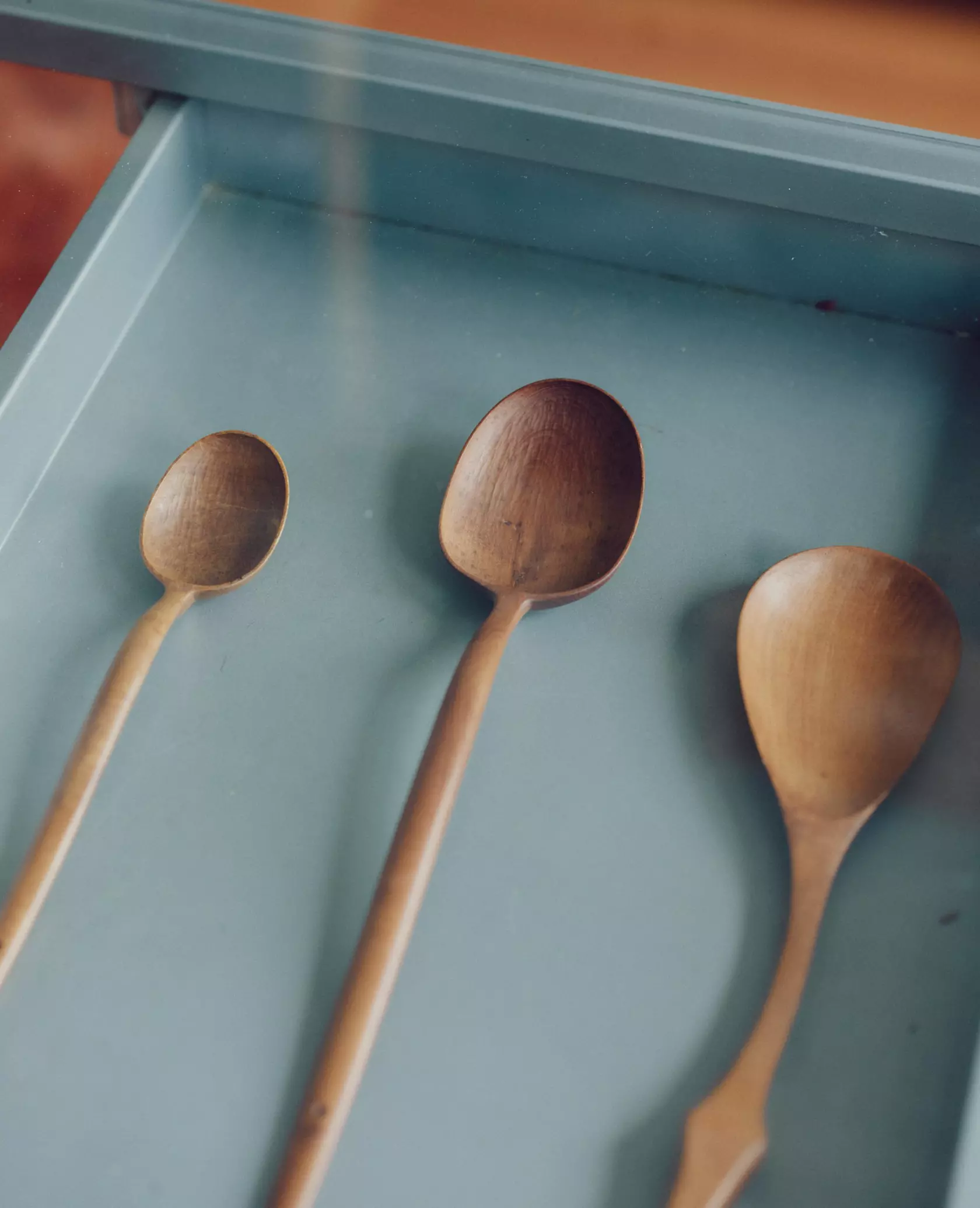
When someone picks up a well-made object, they can feel the difference in the weight, the balance, and the material. Our role is to help deepen that understanding through storytelling, sharing the processes behind traditional craft techniques, and the importance of choosing items made with respect for both people and the environment.
We try to create a space where people can slow down and spend time with the objects. Once that connection is made, the value becomes clear. These are pieces made to be lived with, and to last.
With that said, I feel that there is a growing appetite for objects that mean something. Would you agree?
Yes, very much so.
People are becoming more considered in how they live and what they bring into their homes. There is a shift toward fewer, better things, objects that carry meaning, whether through their material, their maker, or the story behind them.
It feels like a return to something more grounded. Objects shaped by hand are becoming increasingly valued.
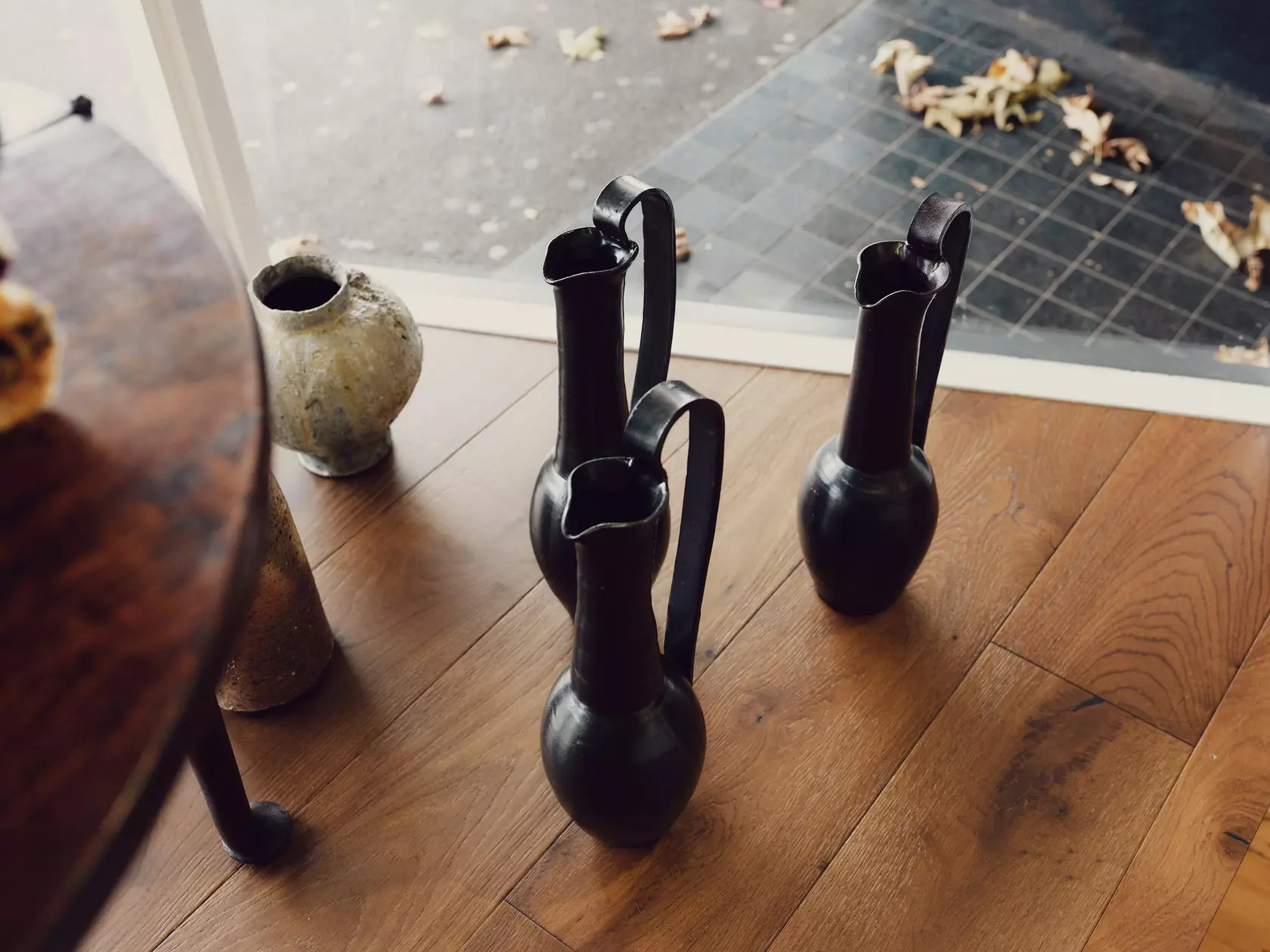
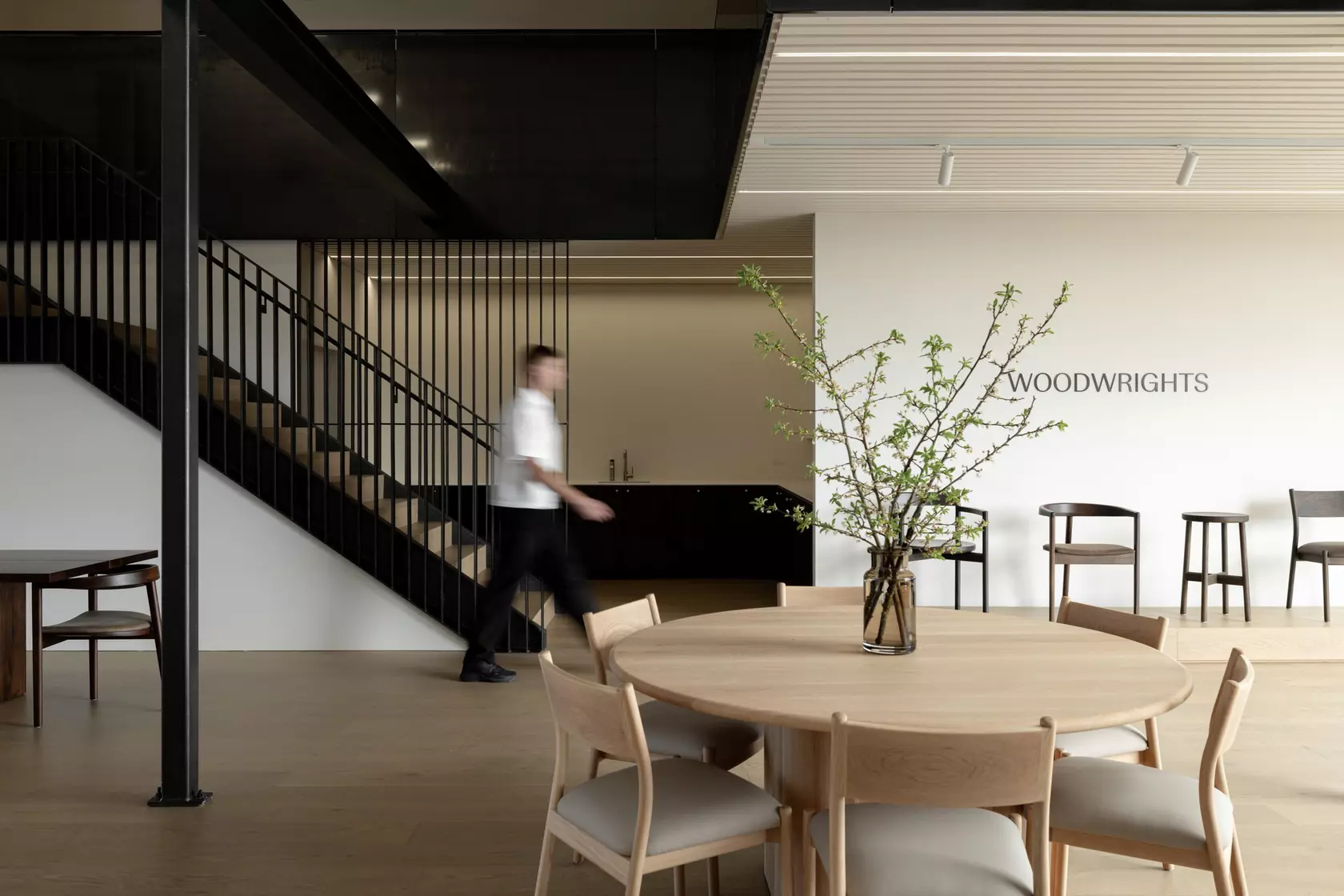
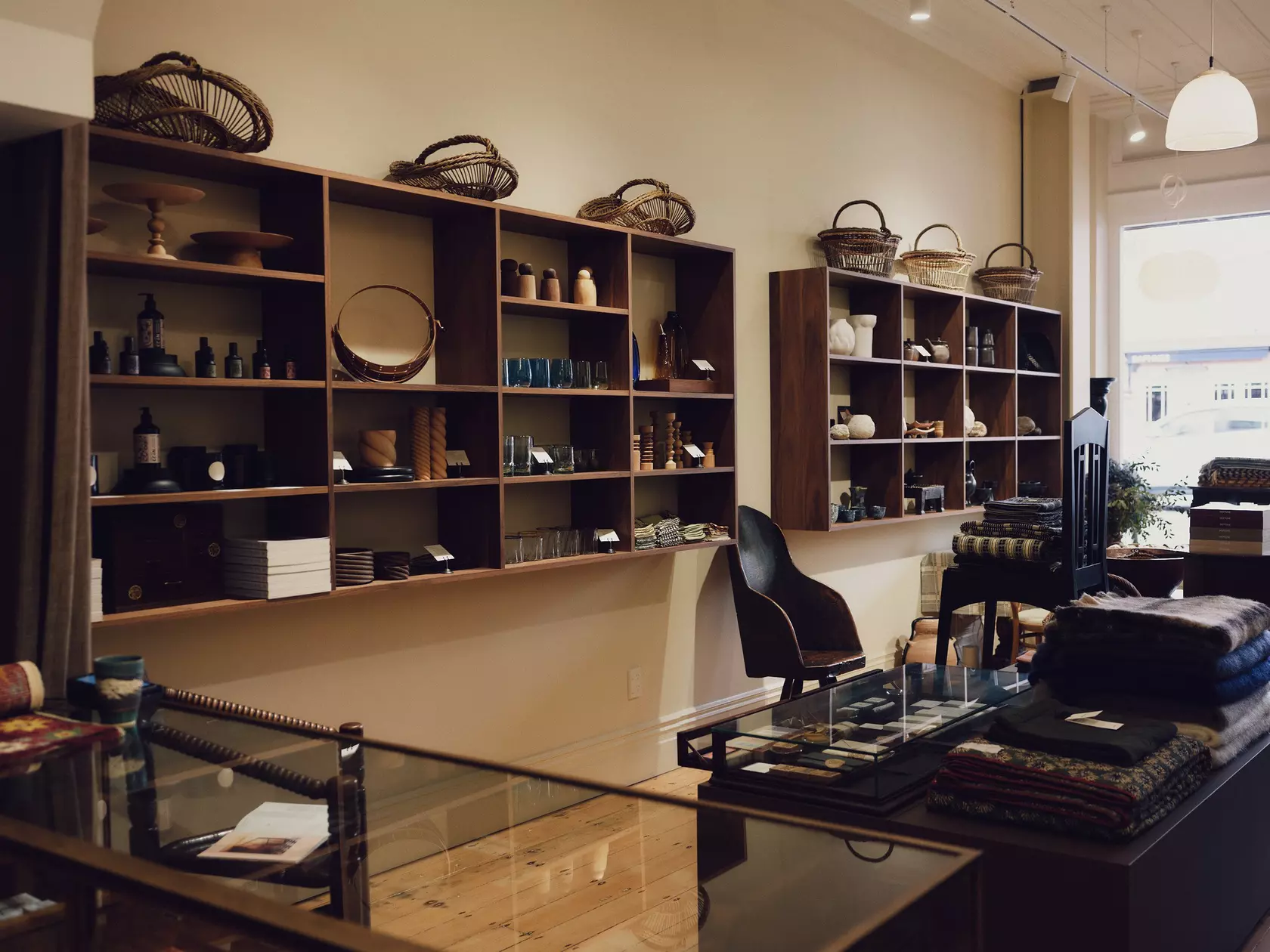
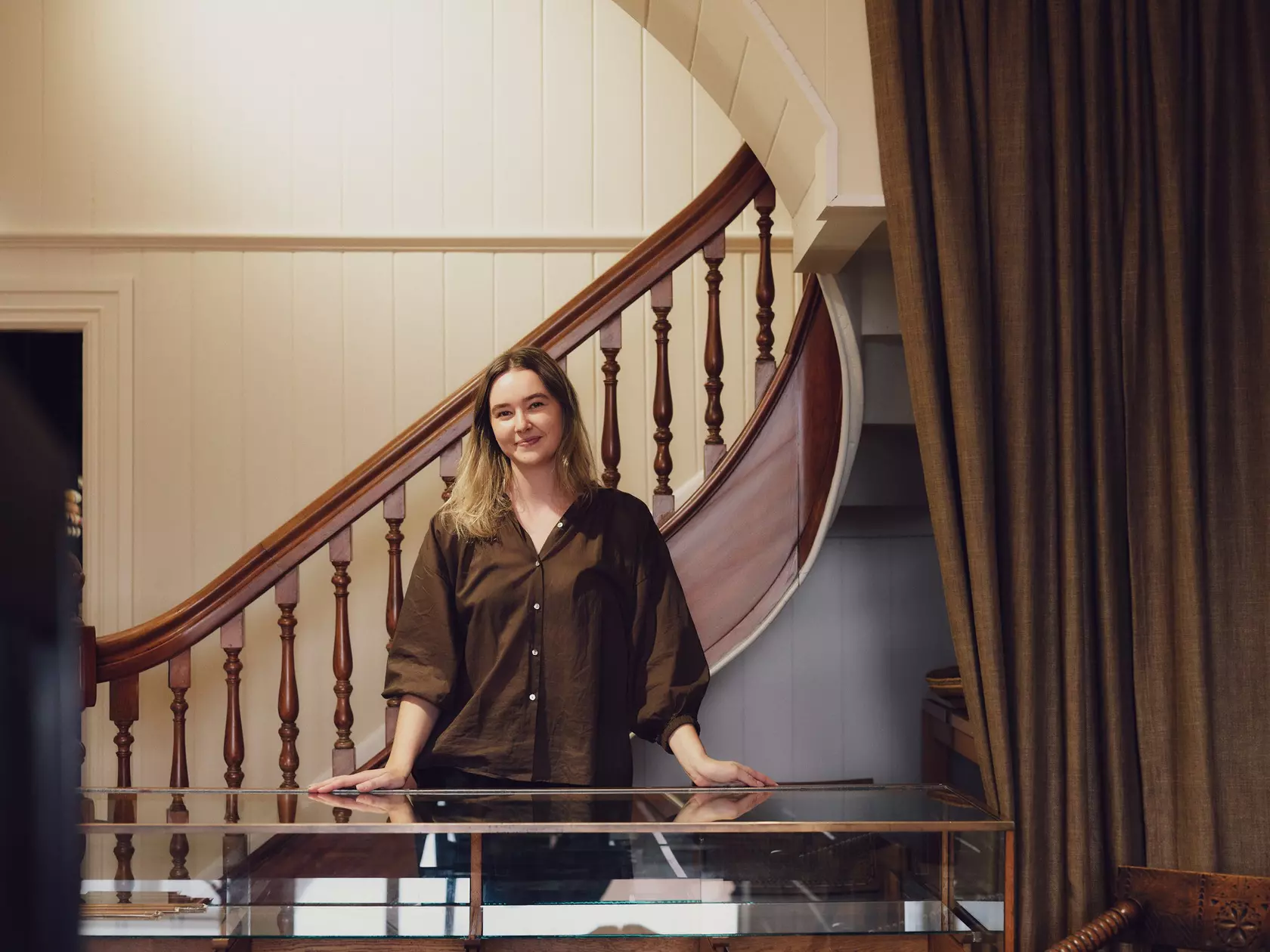
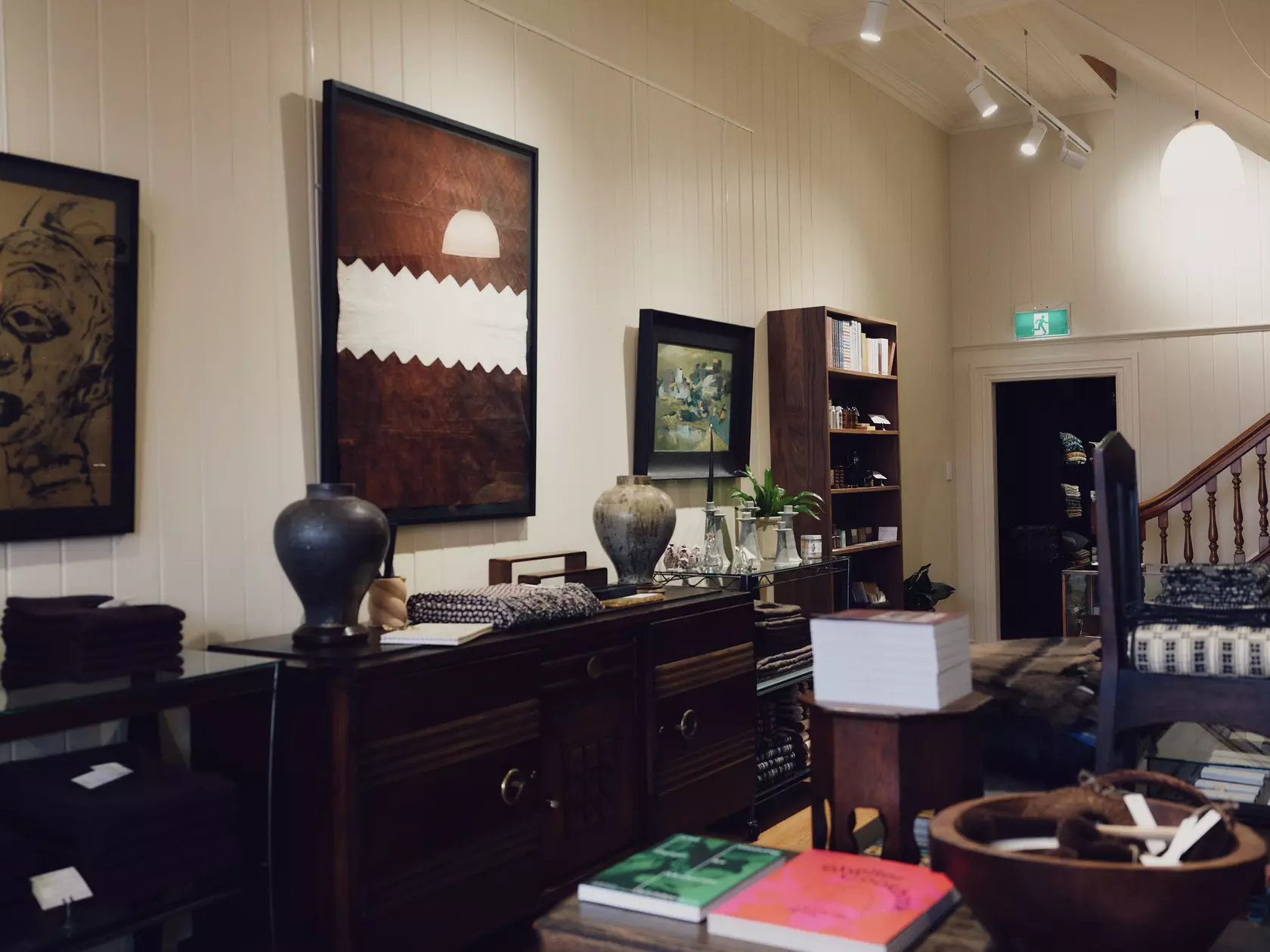
We wanted people to feel an immediate sense of calm and curiosity, like they were walking into a welcoming home.
That first moment of entering, pausing, and taking in the space was very important. The layout, palette, material selection, and the spacing between objects were all carefully considered to allow that to happen.
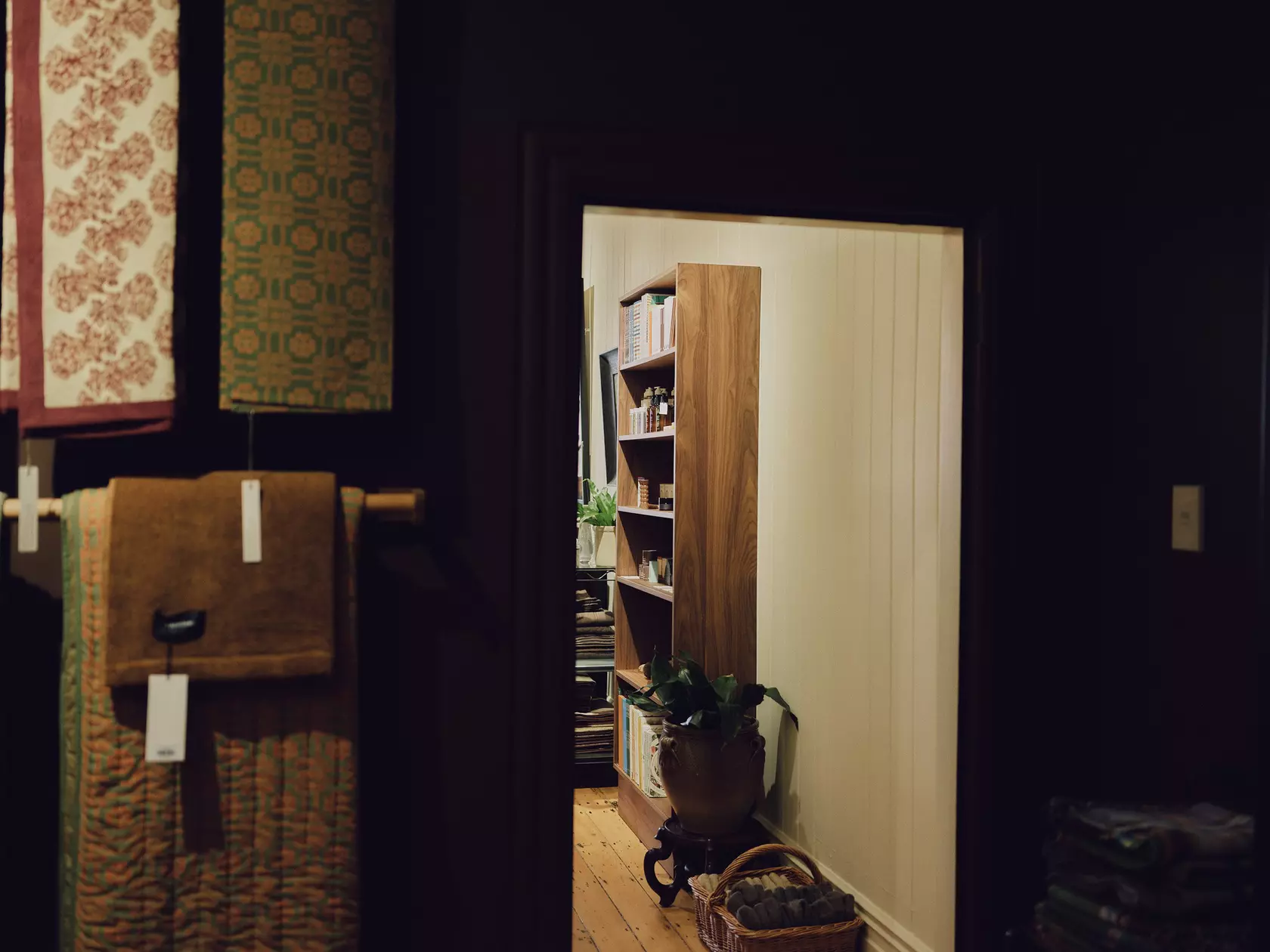
It’s not a space that reveals everything at once, it invites you to move through it slowly, with a sense of discovery.
Why did the Forté Alor timber veneer feel right for this space?
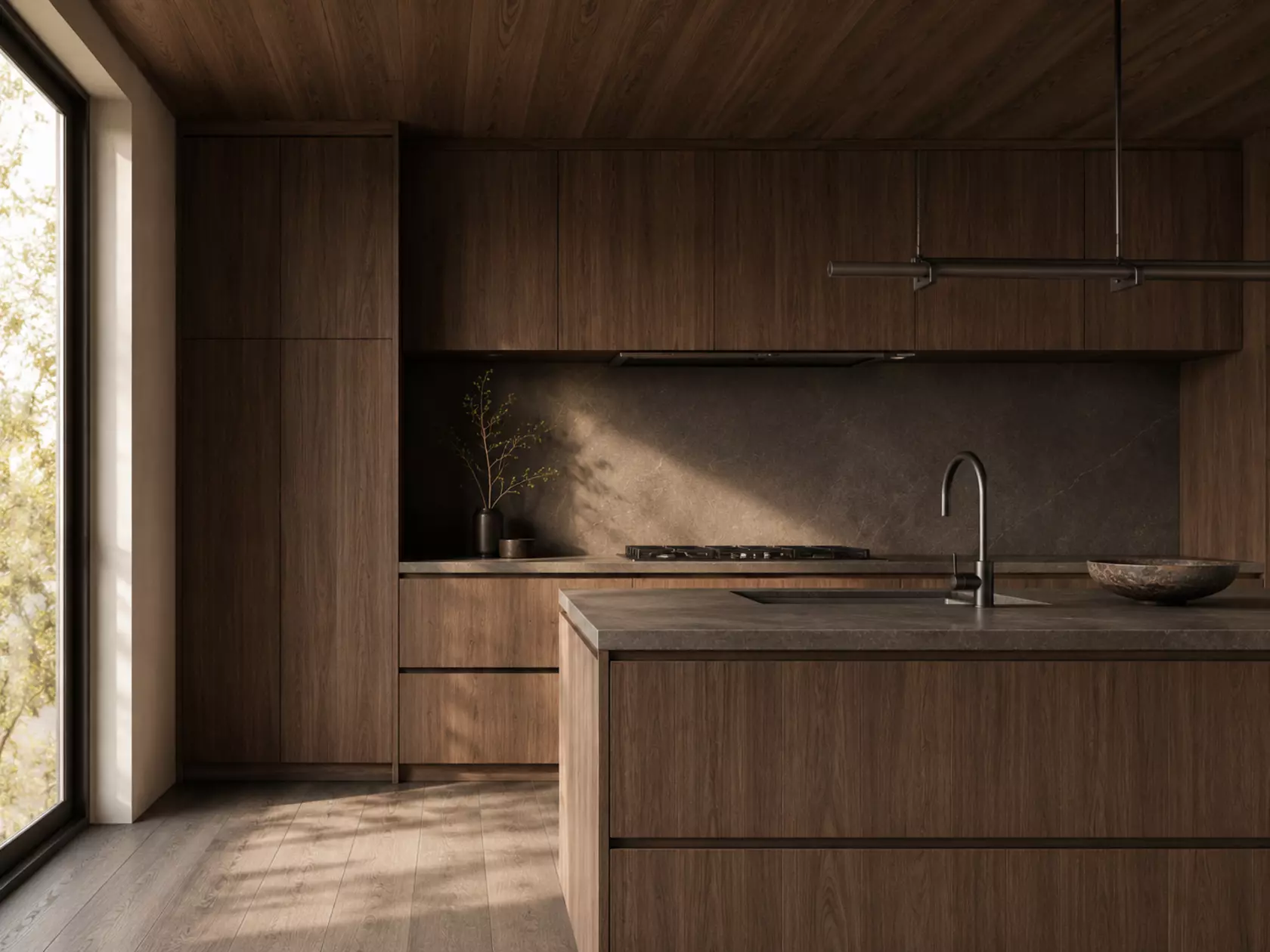
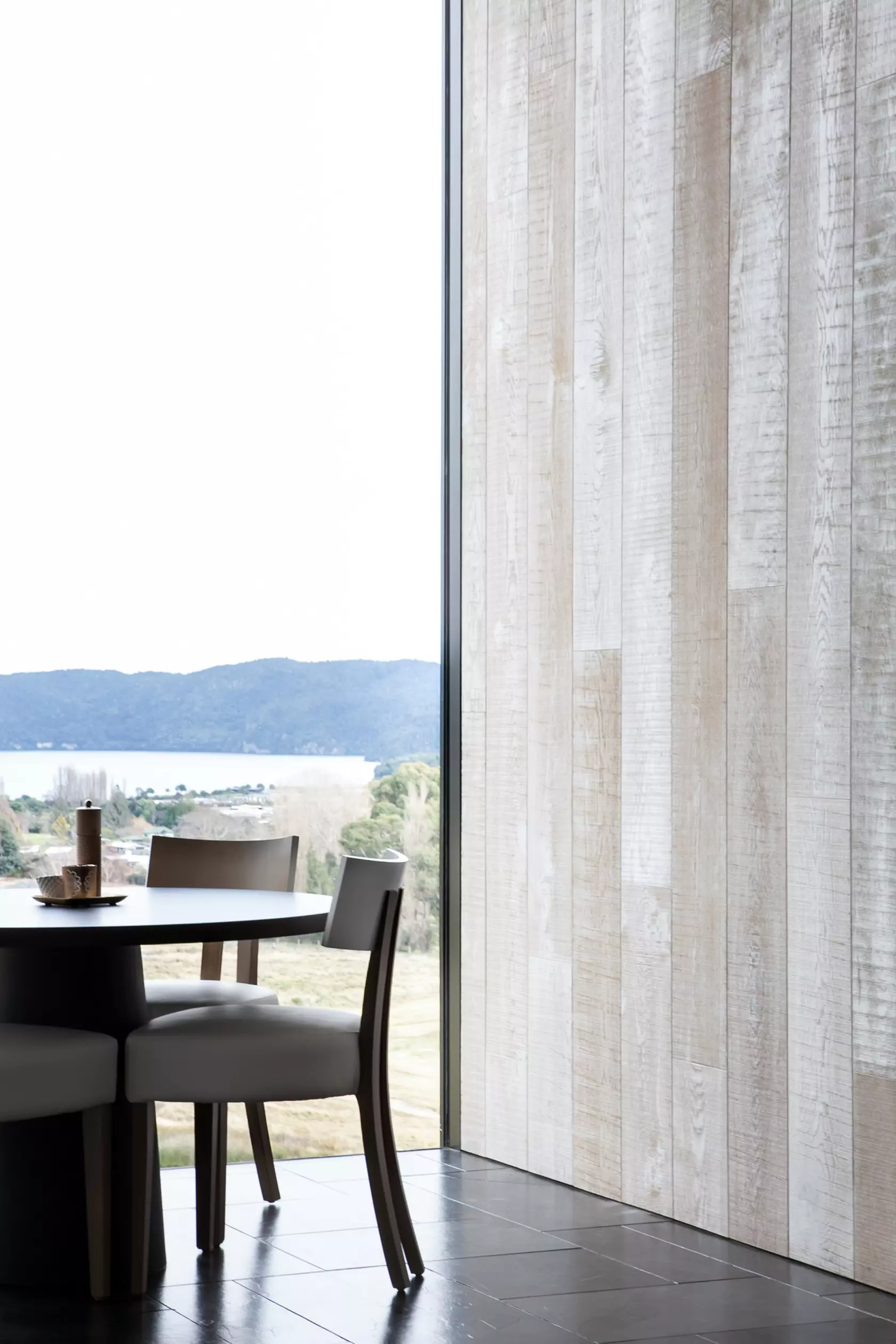
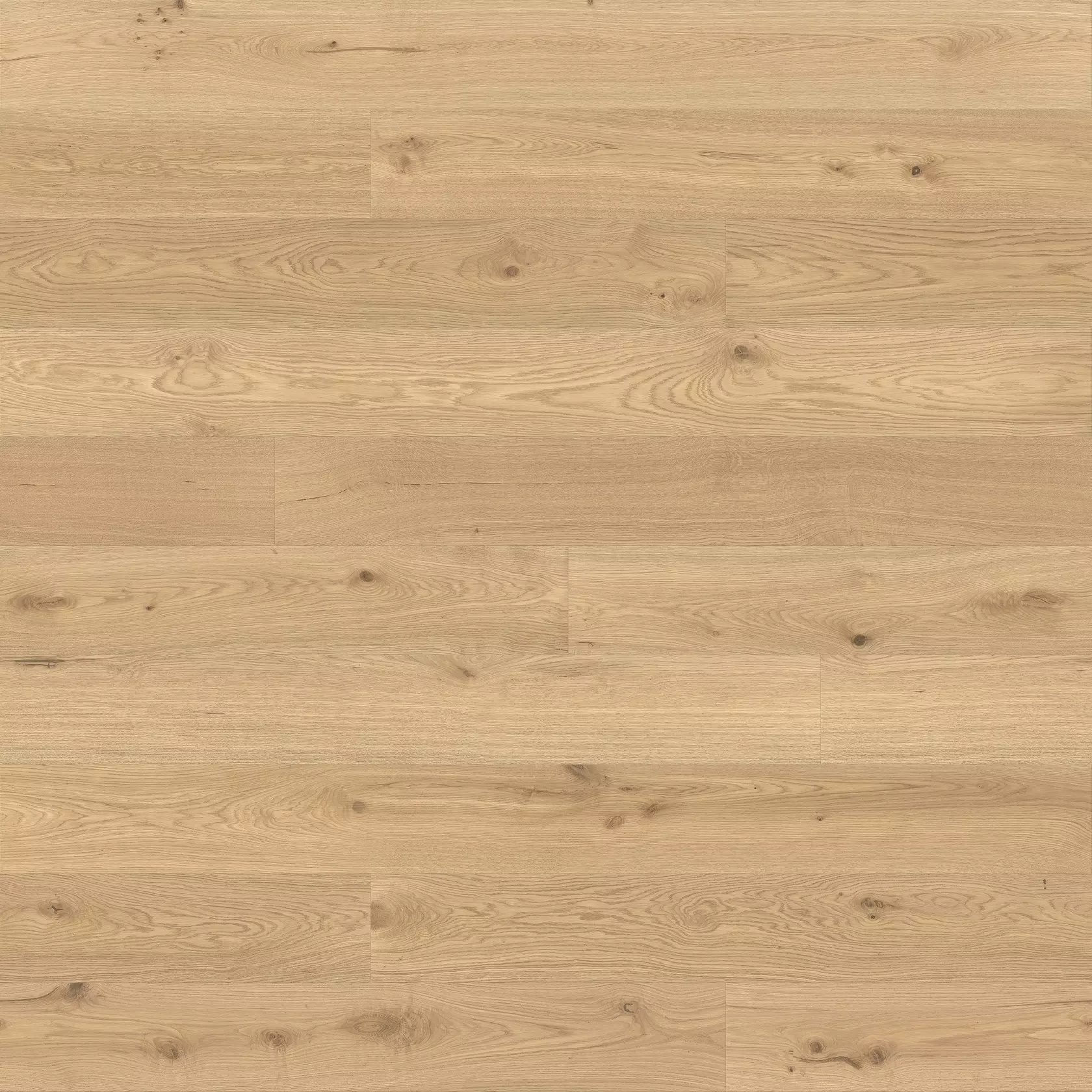
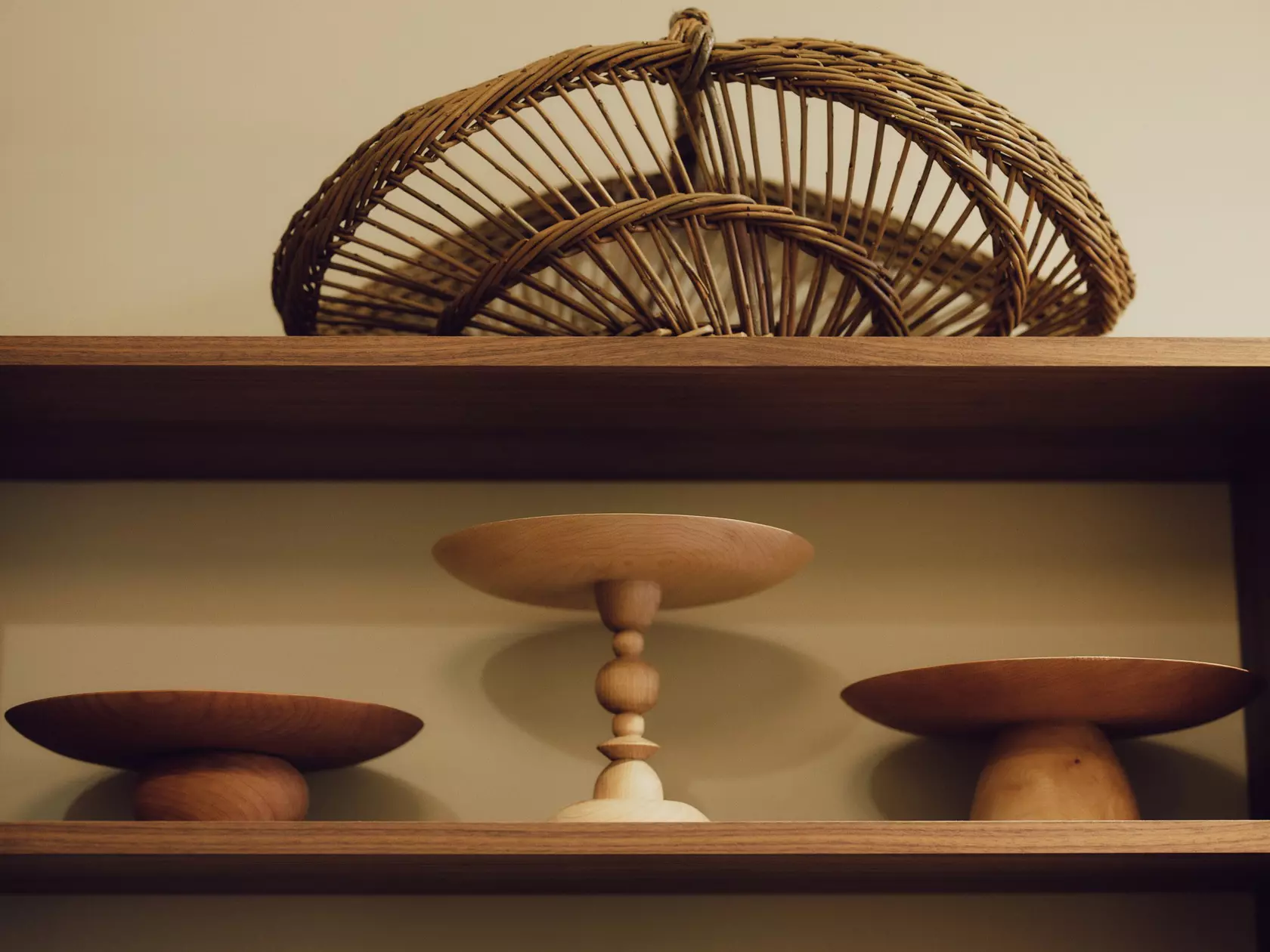
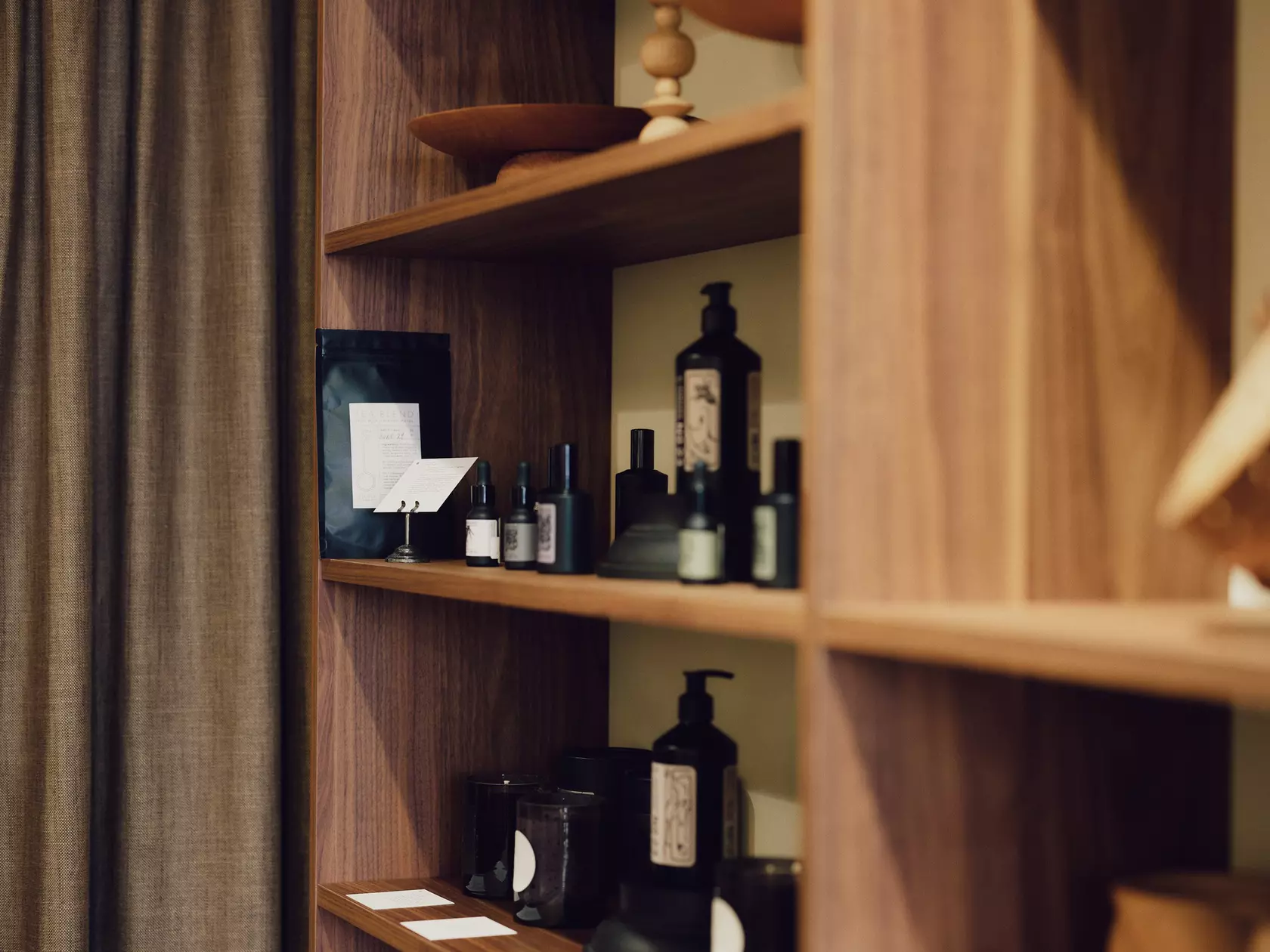
The Walnut Ember Alor veneer has a warmth and depth that felt very aligned with the materials in the collection, and our approach to the overall design.
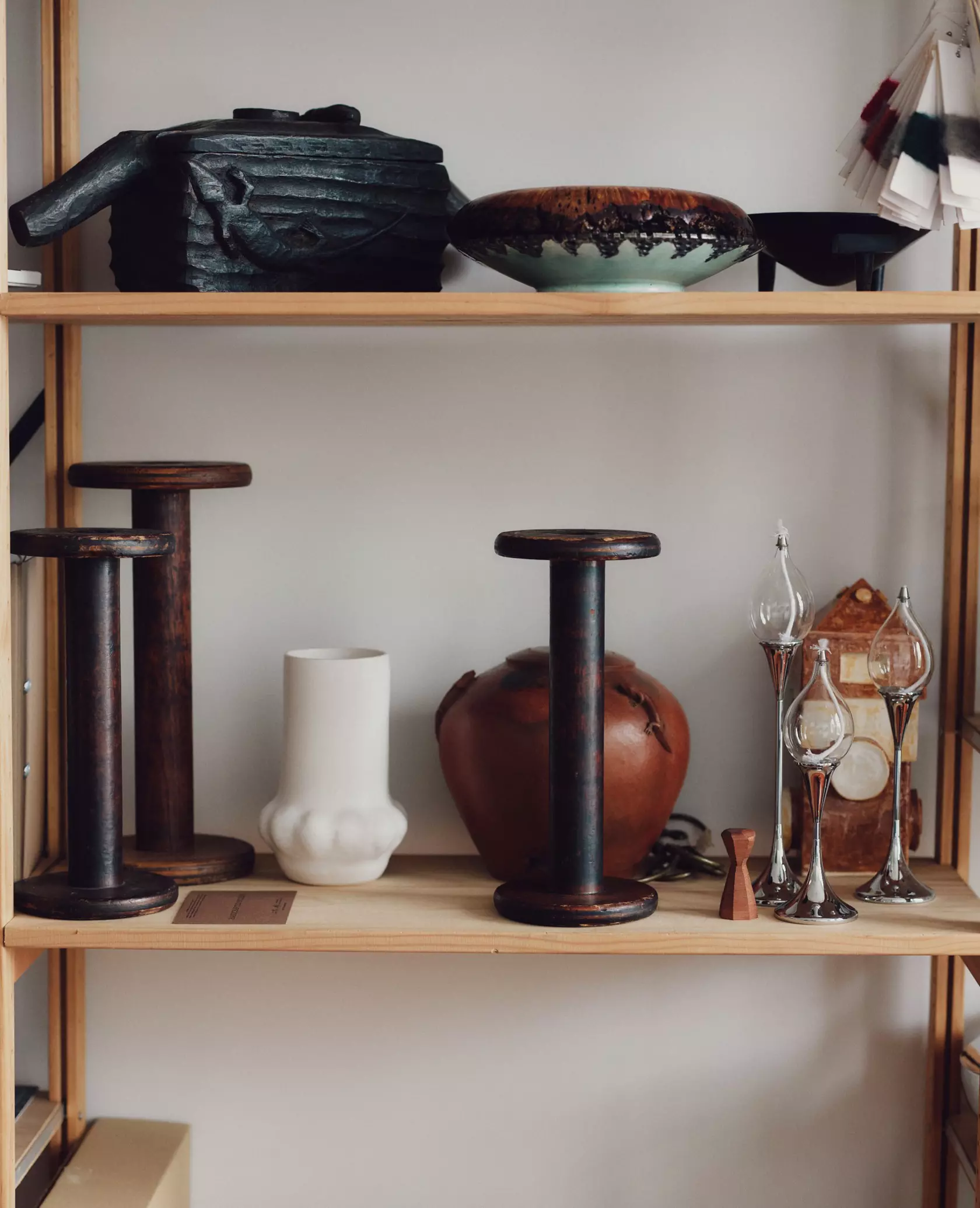
I was drawn to the softness of the grain and the versatility of the product. I knew I wanted floating shelves to keep the floor space visually clear, and the panelling allowed us to achieve very specific proportions and a sense of continuity.
When the edges are clashed, it reads like a beautiful solid timber, with a rich natural grain and tone.
We wanted something that would support the objects without competing with them, a surface that feels grounded, natural, and able to age gracefully over time.
What was your brief for the shelving and who did you work with?
The brief was to create something that felt integrated rather than newly inserted into a heritage space.
We worked closely with our makers at Odd Form to ensure the shelving sat comfortably alongside the existing elements, the vintage furniture, repurposed cabinetry, and the architecture of the building itself.
There is a balance of handcrafted and modern throughout the space. Forté Alor became our considered modern material, introduced in a way that feels natural and seamlessly integrated.
Now that you’ve been open a few weeks, how has the reception been?
It’s been incredibly positive, and very heartwarming.
People have really responded to the feeling of the space. There’s a warmth and calmness that seems to resonate, and a genuine engagement with the objects themselves.
That has been very encouraging.
How do you see Handcrafted Modern evolving?
Very gradually.
It’s not something we want to rush. The collection will continue to grow and refine over time, and we’re interested in deepening relationships with our existing makers and expanding into new areas in a considered way.
The intention is to build something lasting. Our hope is to become a trusted destination for those who notice the small things in life, and who believe craft matters, as we do.