










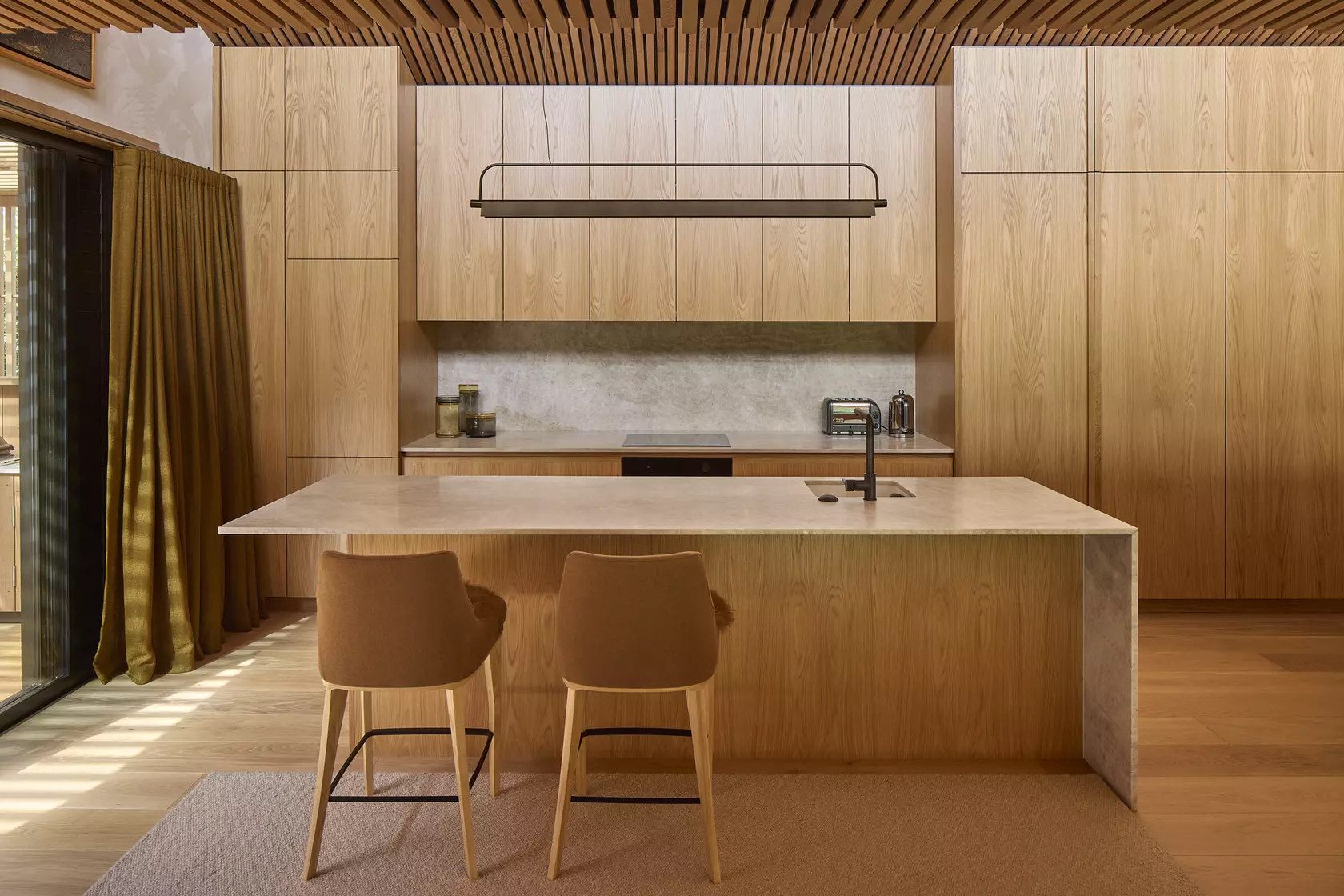
Renovating in stages. Here's how to future-proof your flooring choices
Most homes don't get renovated all at once. Life doesn't work that way, and, lets be honest, neither do budgets. For many homeowners, a renovation happens room by room – the kitchen this year, the living areas next, the bedrooms when the time is right.
That's completely normal. But it does create a challenge when it comes to flooring: how do you make decisions today that you won't regret when you get to the next stage?
Here's what to think about before you start.
The most common mistake in a staged renovation is buying flooring in isolation. You choose something you love for the hallway, then two years later you're trying to match it in the living room only to find that the product has been discontinued, or the colour has shifted slightly between batches, or you simply can't remember what you ordered.
Before you commit to anything, map out the whole floor plan. Which rooms are you doing now? Which come later? Where do they connect? Even a rough sketch helps you think about flow, transitions, and continuity before you spend a dollar.
Buy more than you need, and store it well
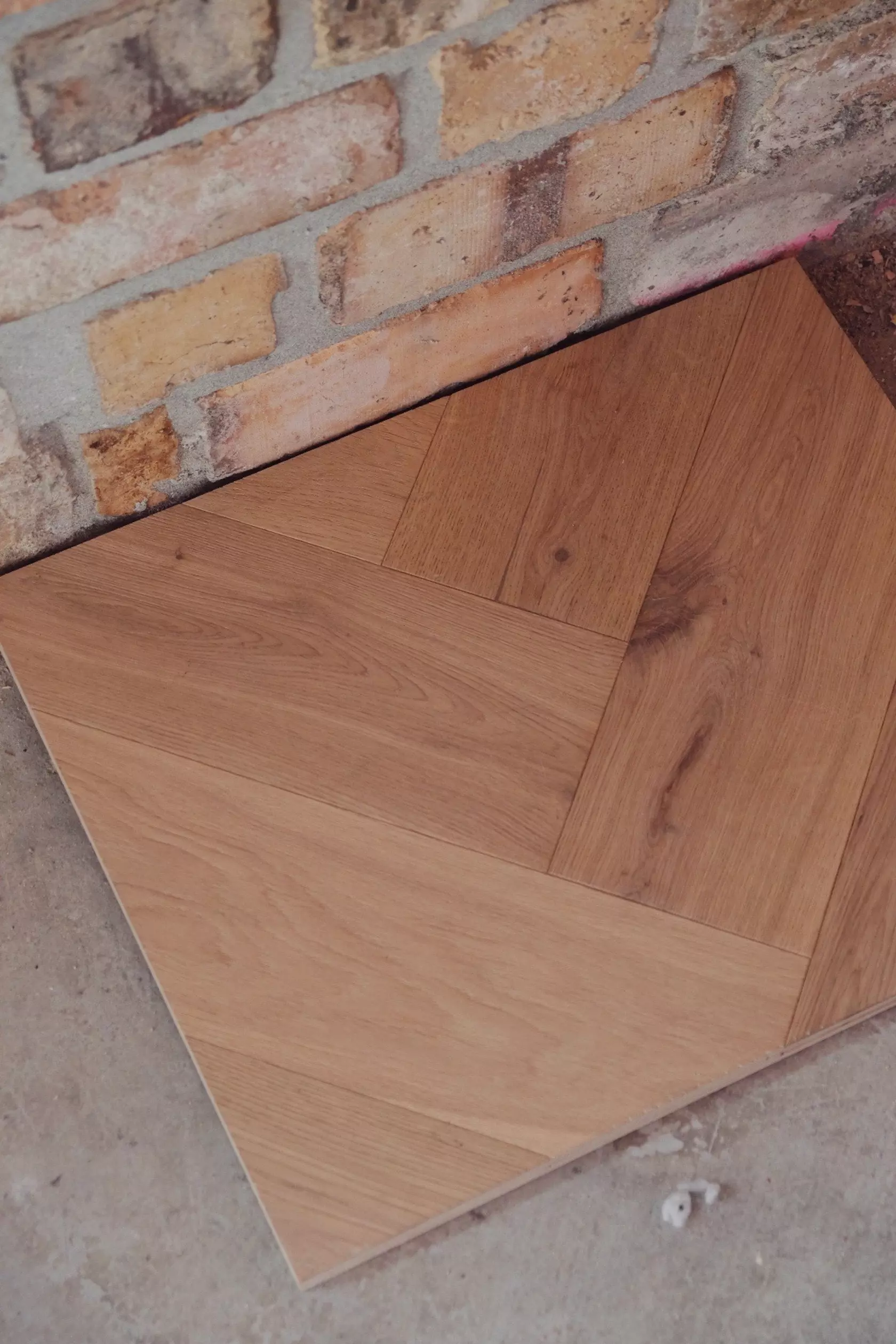
If you find a floor you love, buy enough to cover your eventual scope, not just the current stage. Timber products can vary between production runs. Batch variation is real – the grain pattern, tone, and finish can shift subtly over time, enough to be noticeable when rooms sit side by side.
A good rule of thumb: add 10–15% for cuts and wastage per room, then factor in your future rooms. Store the surplus properly – flat, off the ground, in a dry space – and it will be there when you need it. You can read more about proper storage here.
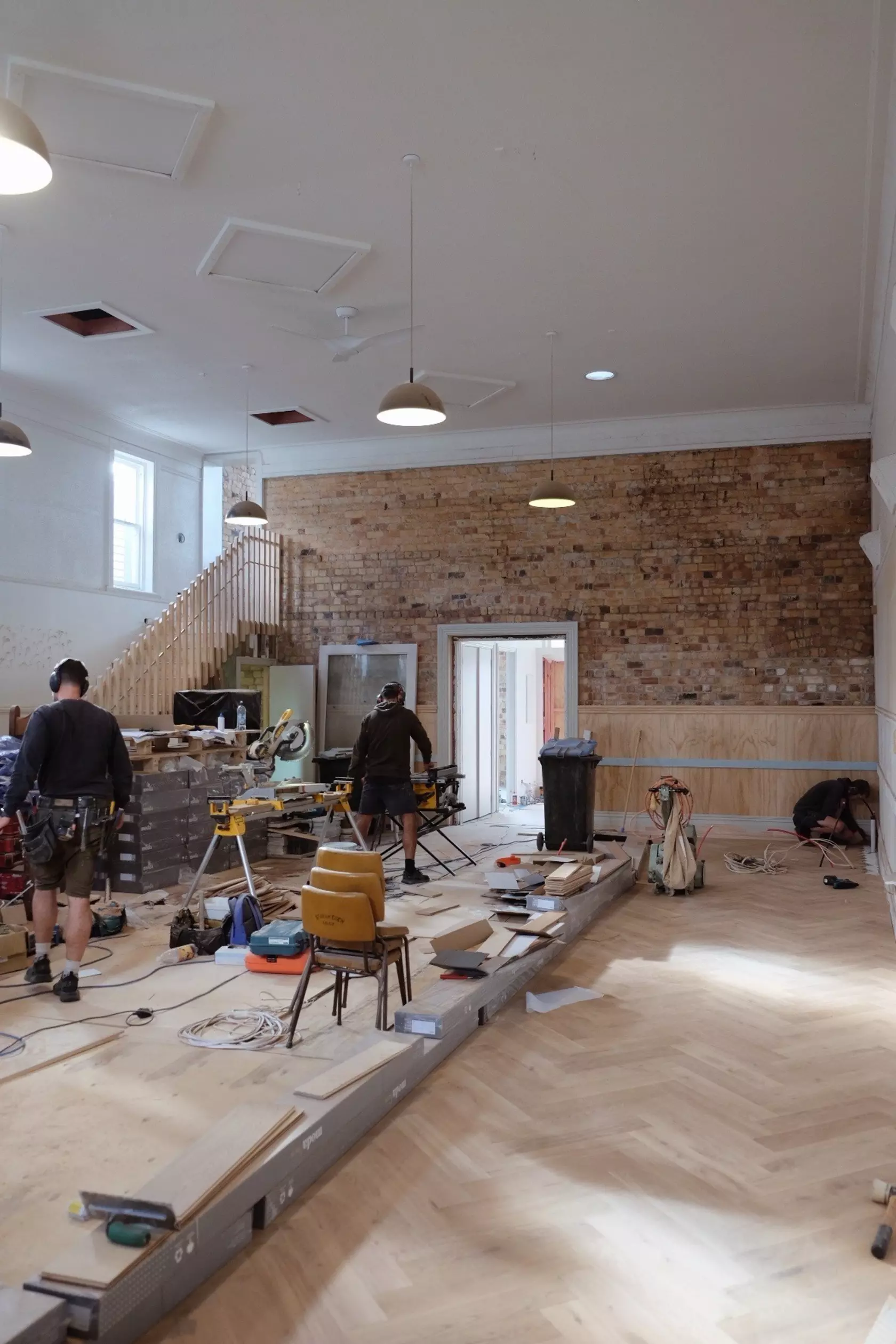
Where one room meets another, you'll need a transition detail – whether that's a flush threshold, a small step, or a continuation of the same floor. These details are easy to plan for and awkward to fix after the fact.
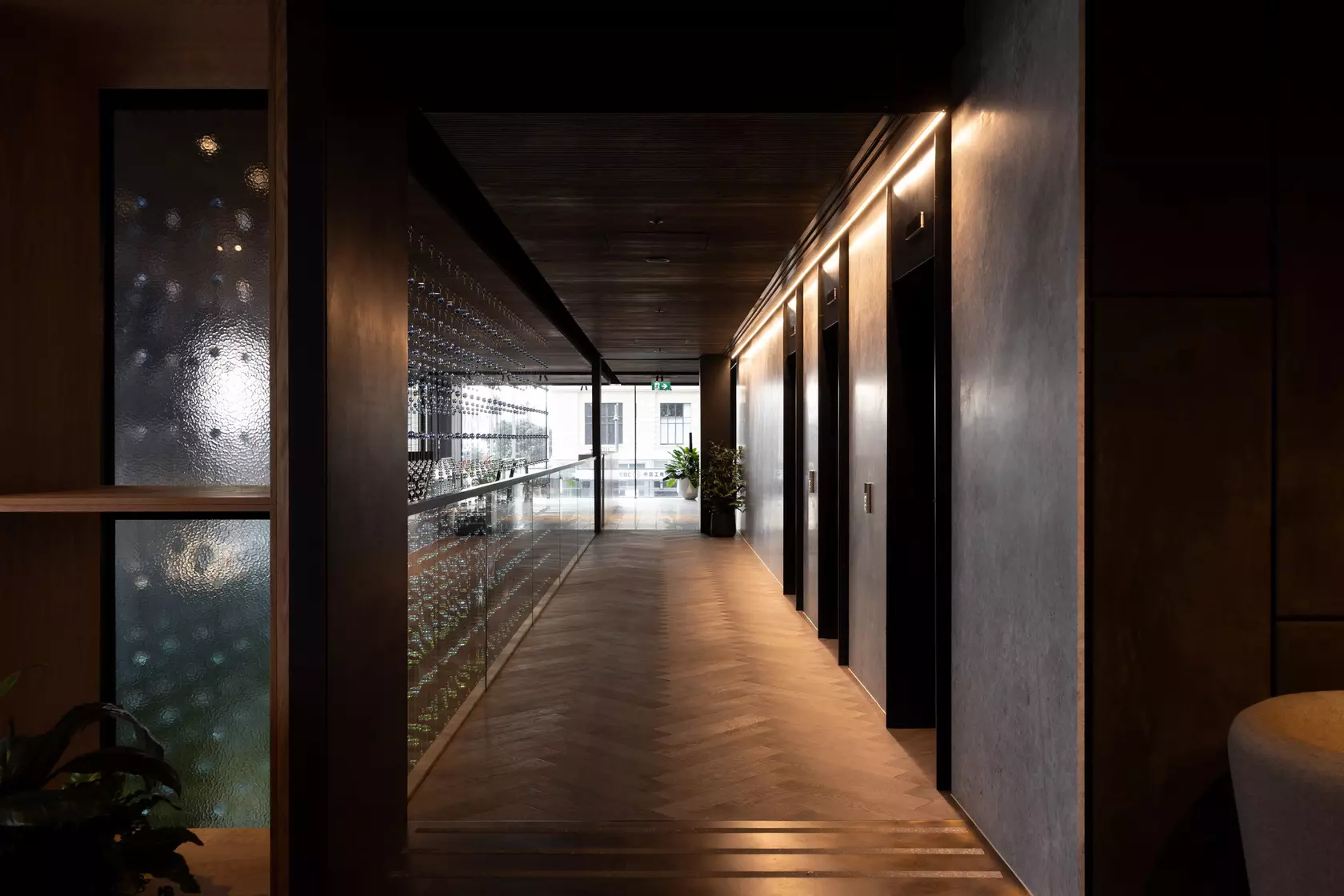
If you're running the same floor throughout, a continuous run with no break is usually the cleanest result. That means thinking carefully about doorways, level changes, and how your installer will manage the joins between stages.
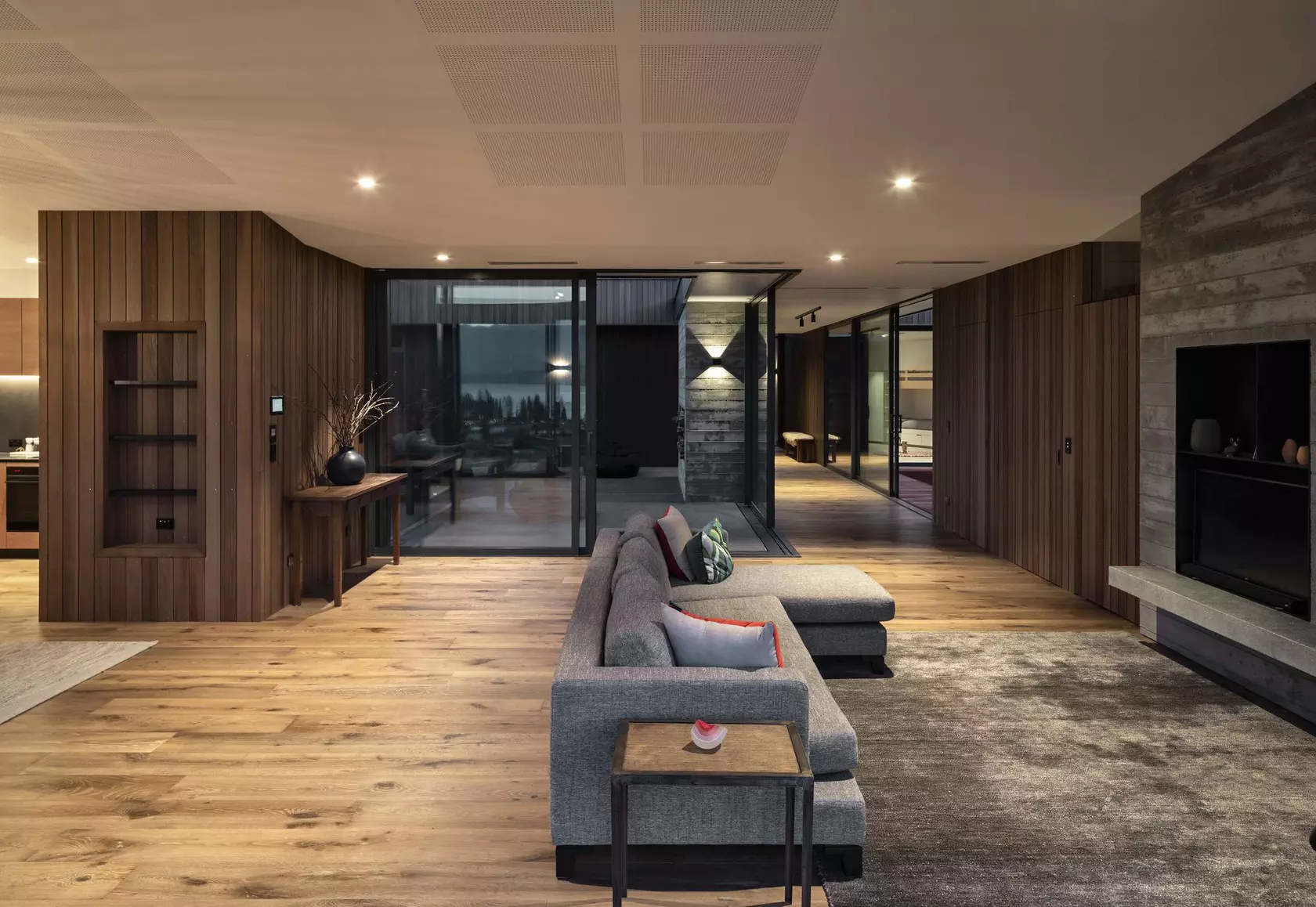
A busy pattern or a very specific tone can feel perfect in one room and limiting in the next. When you're buying for a staged renovation, it pays to choose something with staying power – a floor that works as a backdrop as well as a feature.
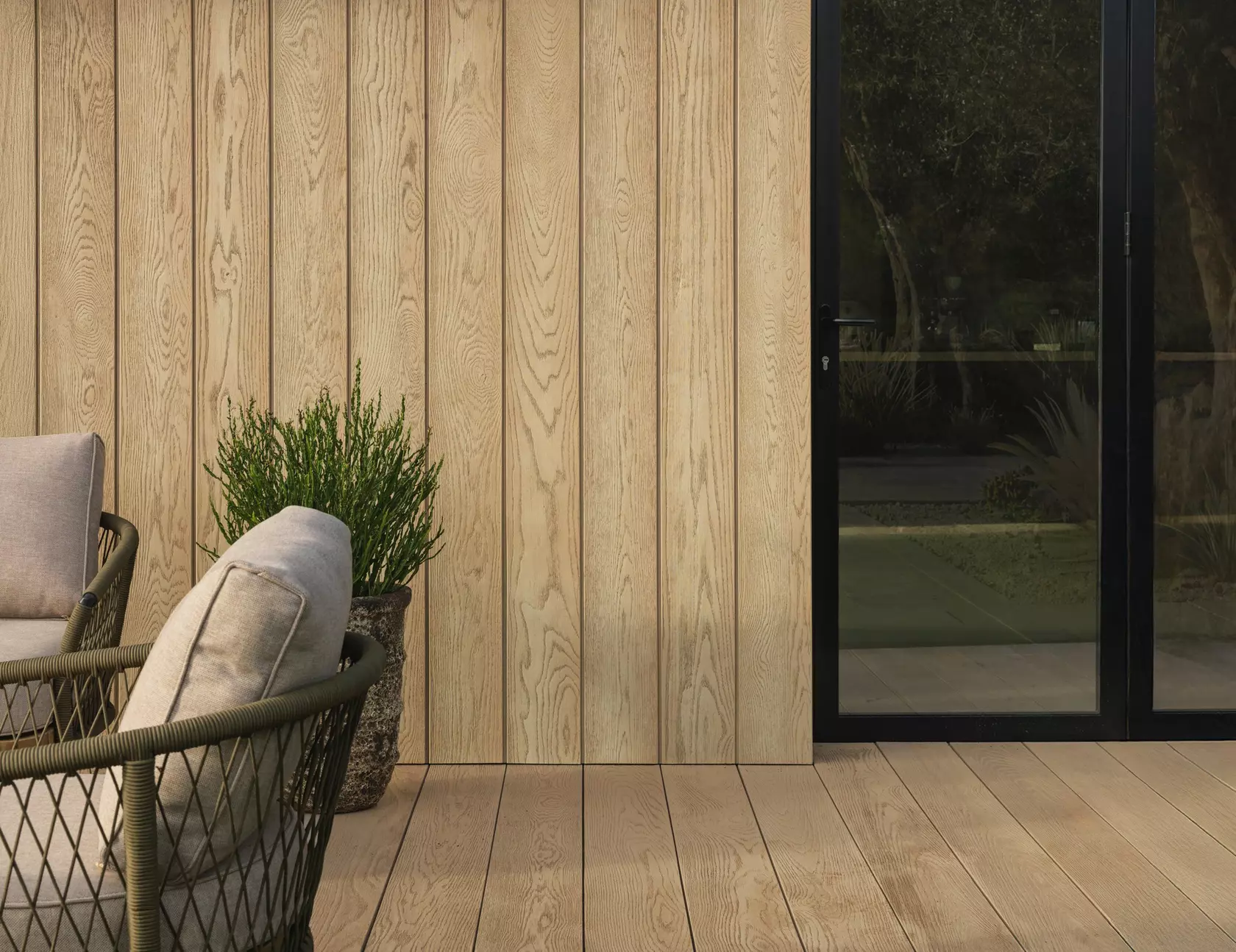
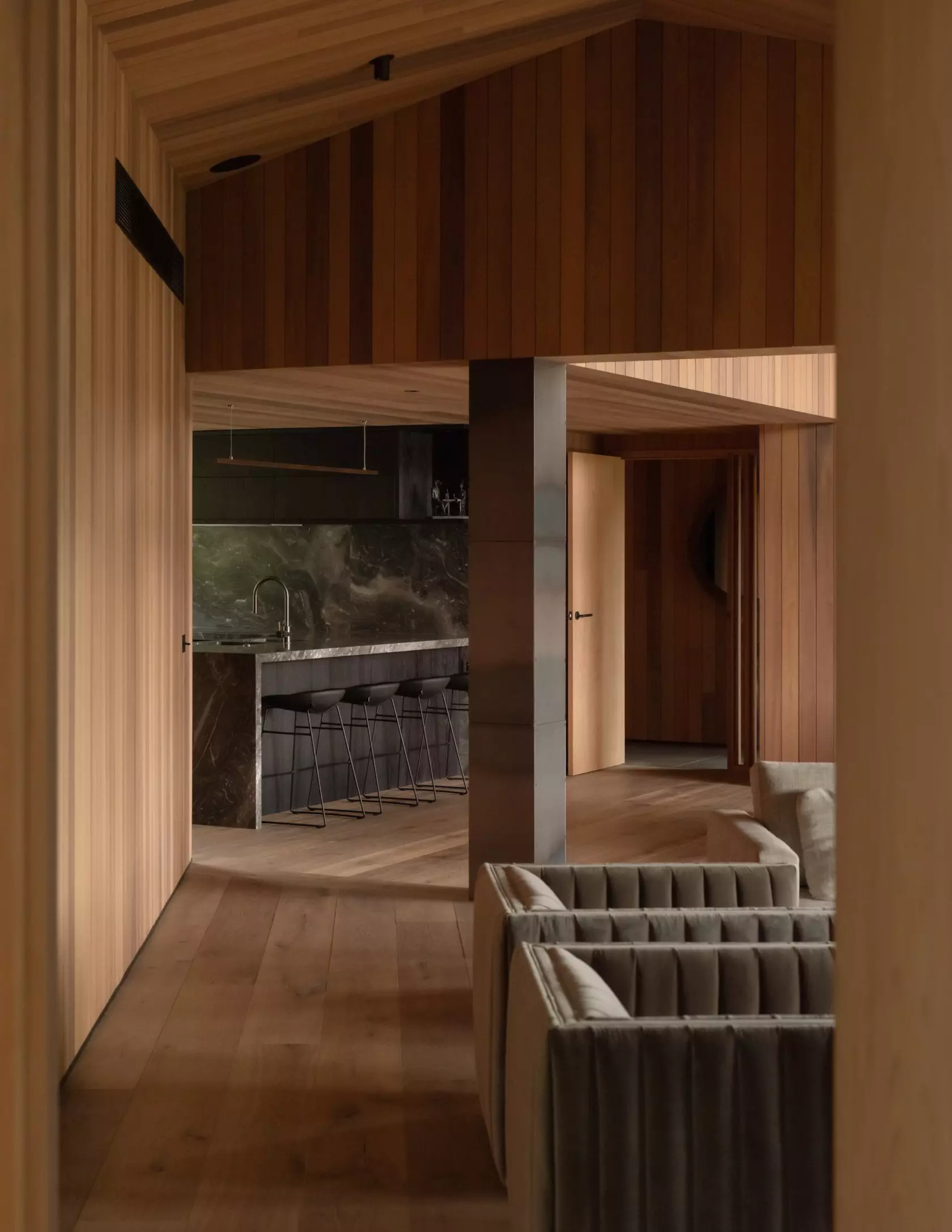
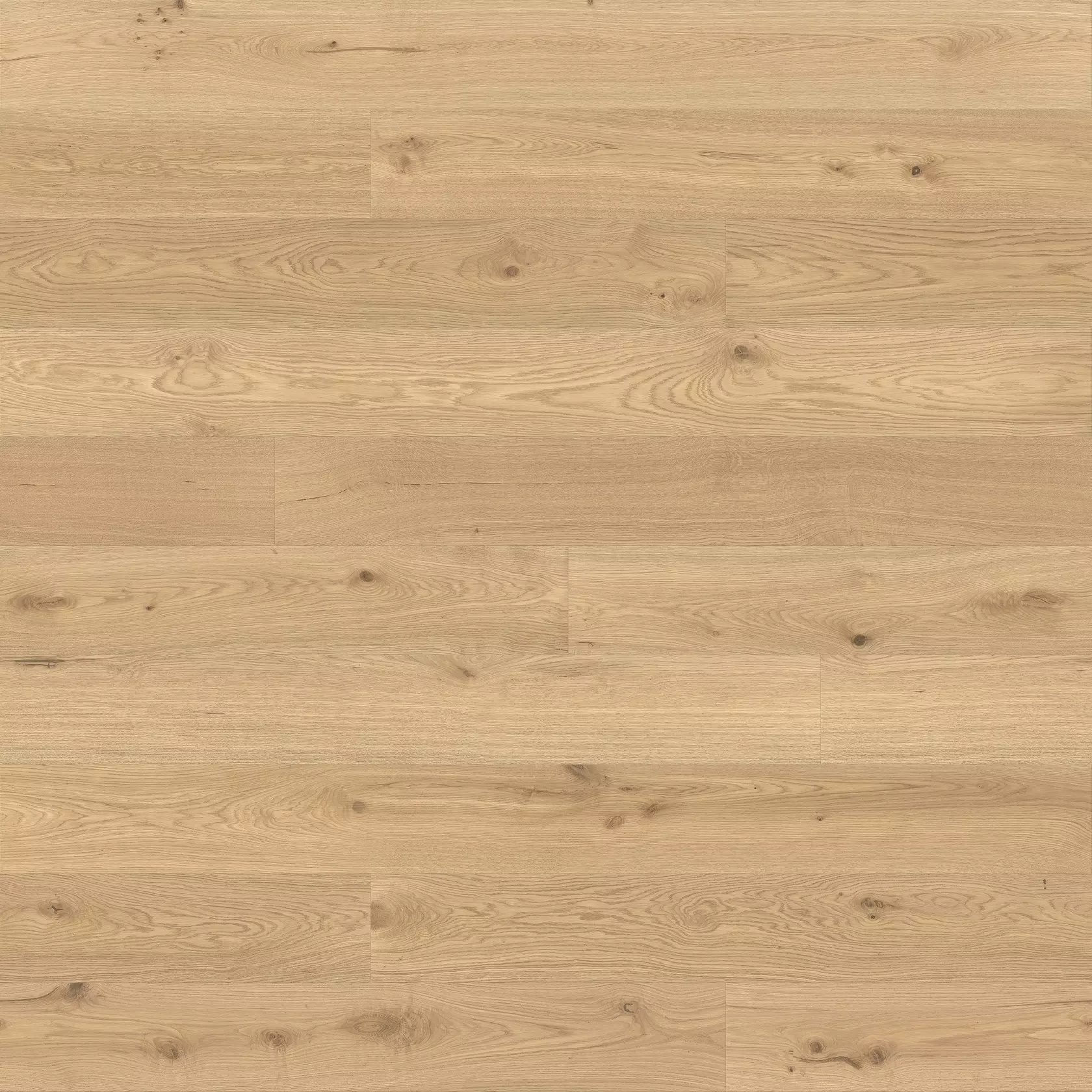
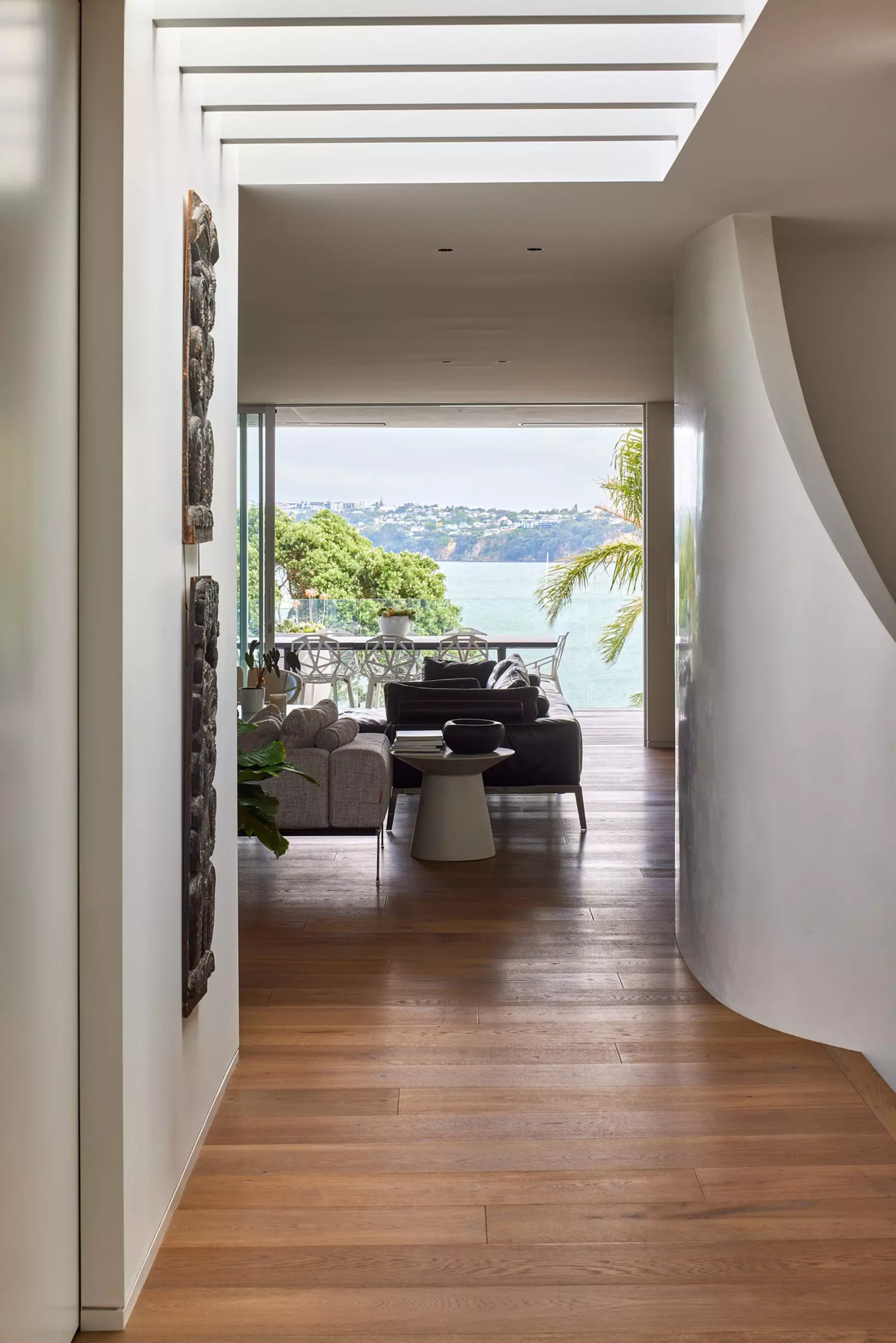
Wider boards tend to read as more timeless. Mid-range tones – warm oaks, natural greys, understated browns – give you more flexibility as your furniture and décor evolve. Very light or very dark floors can be beautiful, but they're less forgiving in rooms with different light conditions.
Ask yourself: will I still love this in every room of my home, not just the one I'm looking at today?
Consider the subfloor across the whole house
Different rooms often have different subfloor conditions – concrete slab in one area, timber framing in another. This affects which installation method is appropriate, and in some cases, which products will perform well.
Your flooring specialist can walk through your floor plan and flag anything that needs addressing before you get to it. It's much easier to plan for a moisture barrier or a self-levelling compound now than to discover the issue mid-project.
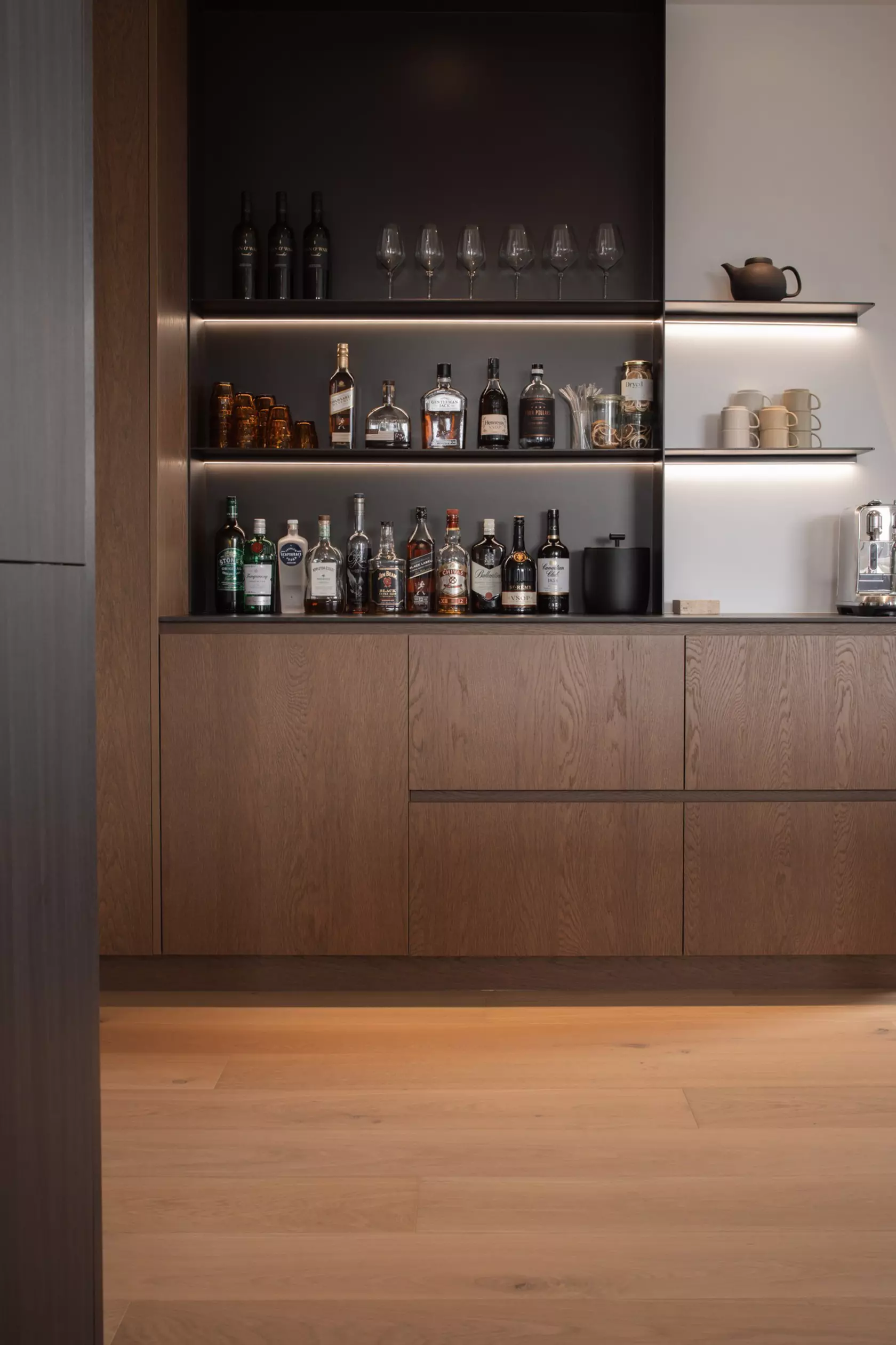
Once you've made your choice, write it down – product name, colour code, batch number, supplier, and the date of purchase. Keep this somewhere you'll actually find it: a home renovation folder, a note in your phone, a photo of the packaging.
If you ever need to order more, repair a damaged board, or brief a new installer, you'll be glad you have it.
Ask for help thinking it through
A staged renovation isn't a problem, it just requires a bit more planning upfront. If you're not sure where to start, visit one of the Forté showrooms (or book a mobile showroom) with your floor plan and a sense of your timeline. We've helped plenty of homeowners think through exactly this, and there's usually a straightforward path forward.