





The Decking Decision Most People Get Wrong
You've compared the aesthetics. You've looked at price. You might have even considered maintenance. But there's one factor that's easy to overlook when choosing outdoor decking... and it's the one most likely to cause a serious injury.
Slip Resistance
Almost every decking product on the market claims to be "anti-slip" or "slip resistant." Very few can back that claim with independently verified test data. And the difference between a product that performs on paper and one that performs on a wet deck in winter matters more than most people realise.
When you're comparing decking materials, slip resistance claims are everywhere. What's harder to find is actual proof.
In New Zealand, outdoor decking must meet a minimum slip resistance classification under AS/NZS 4586:2004 – a standard that uses a pendulum test to measure how much grip a surface provides when wet. The result is expressed as a British Pendulum Number (BPN), and classified from V (very low risk) through to Z (very high risk).
Classification W – a minimum BPN of 45 – is what the NZ Building Code requires for any outdoor deck exposed to weather. Steps, pool surrounds, and external walkways all need to meet this standard.
The problem is that many suppliers quote general claims, overseas test results, or ratings from different test methods that can't be directly compared. Unless you're looking at a NATA-accredited wet pendulum test result to AS/NZS 4586, prepared for the New Zealand market, you don't actually know where the product sits.
Why Your Deck Gets More Dangerous Over Time
Here's what the product brochures rarely mention: slip resistance isn't fixed at installation. It degrades.
Two things drive this, and both are hard to avoid in the New Zealand climate:
Biological growth. In shaded or damp environments – which describes a large proportion of New Zealand residential properties – algae and mold develop on decking surfaces over time. Even a thin biofilm can take a surface from borderline-compliant to genuinely dangerous. This is especially common in Auckland, Northland, and on the West Coast.
Surface wear. The texture that provides grip on a new deck board gradually smooths out with foot traffic and weathering. A product that meets the code minimum when installed may fall well below it a few years later, with no visible sign that anything has changed.
For timber decks in particular, maintaining slip resistance requires regular cleaning, re-oiling, and periodic re-treatment. Most residential decks don't receive that level of care, which means the performance gap between what was specified and what's actually underfoot widens quietly over time.
Timber Decking
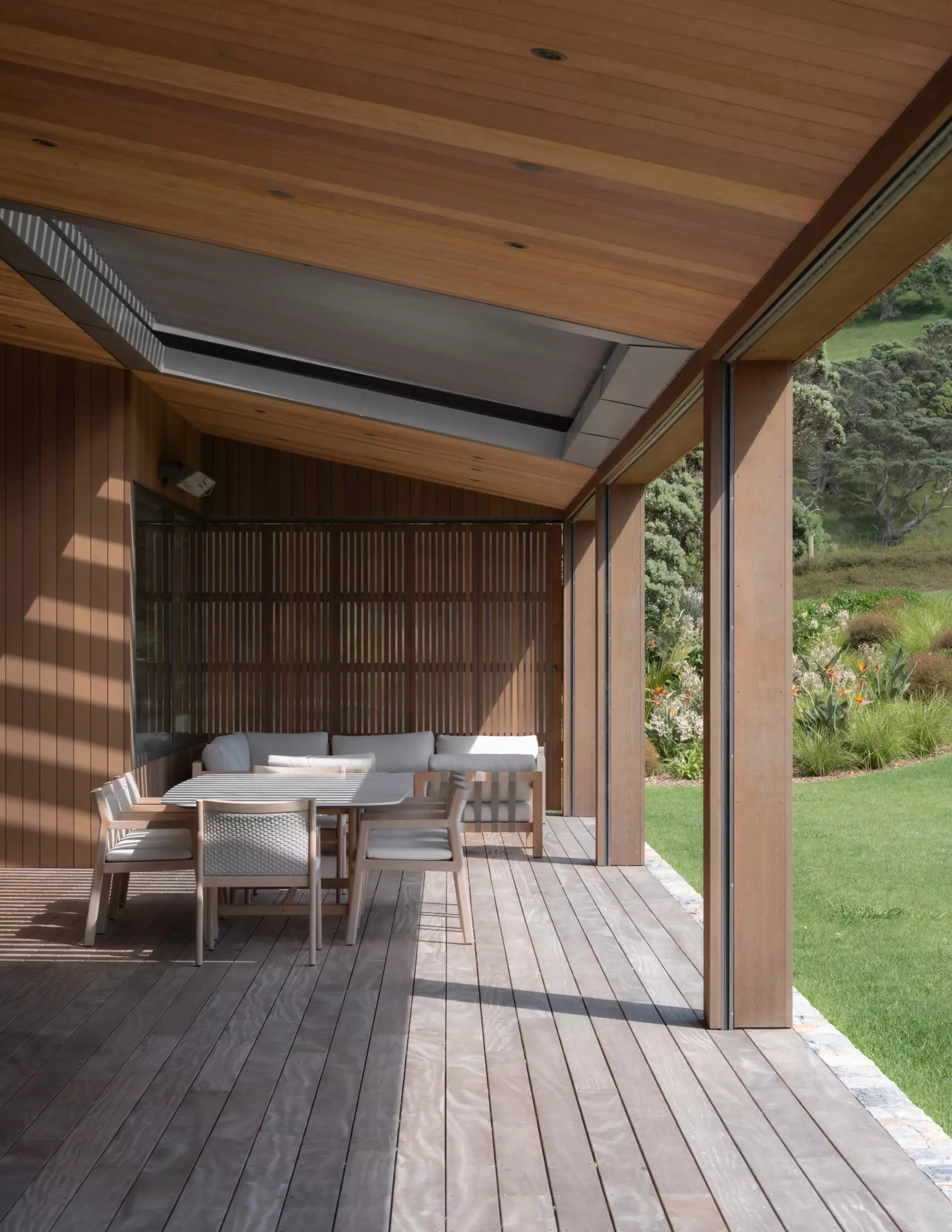
Natural timber is New Zealand's traditional choice, and it can meet code requirements – when new, well-maintained, and in the right conditions. The challenge is that those conditions are difficult to sustain.
A freshly grooved hardwood deck in good condition typically achieves estimated BPN values of 30–38 – borderline for Classification W. Treated pine performs lower still, at an estimated 22–30, which is below the code minimum for exposed outdoor use without anti-slip treatment.
Once algae takes hold, either material can drop below BPN 25 and into the high-risk Z band. For shaded decks, coastal properties, or any installation that won't receive frequent professional maintenance, this is a real and common risk.
Composite Decking
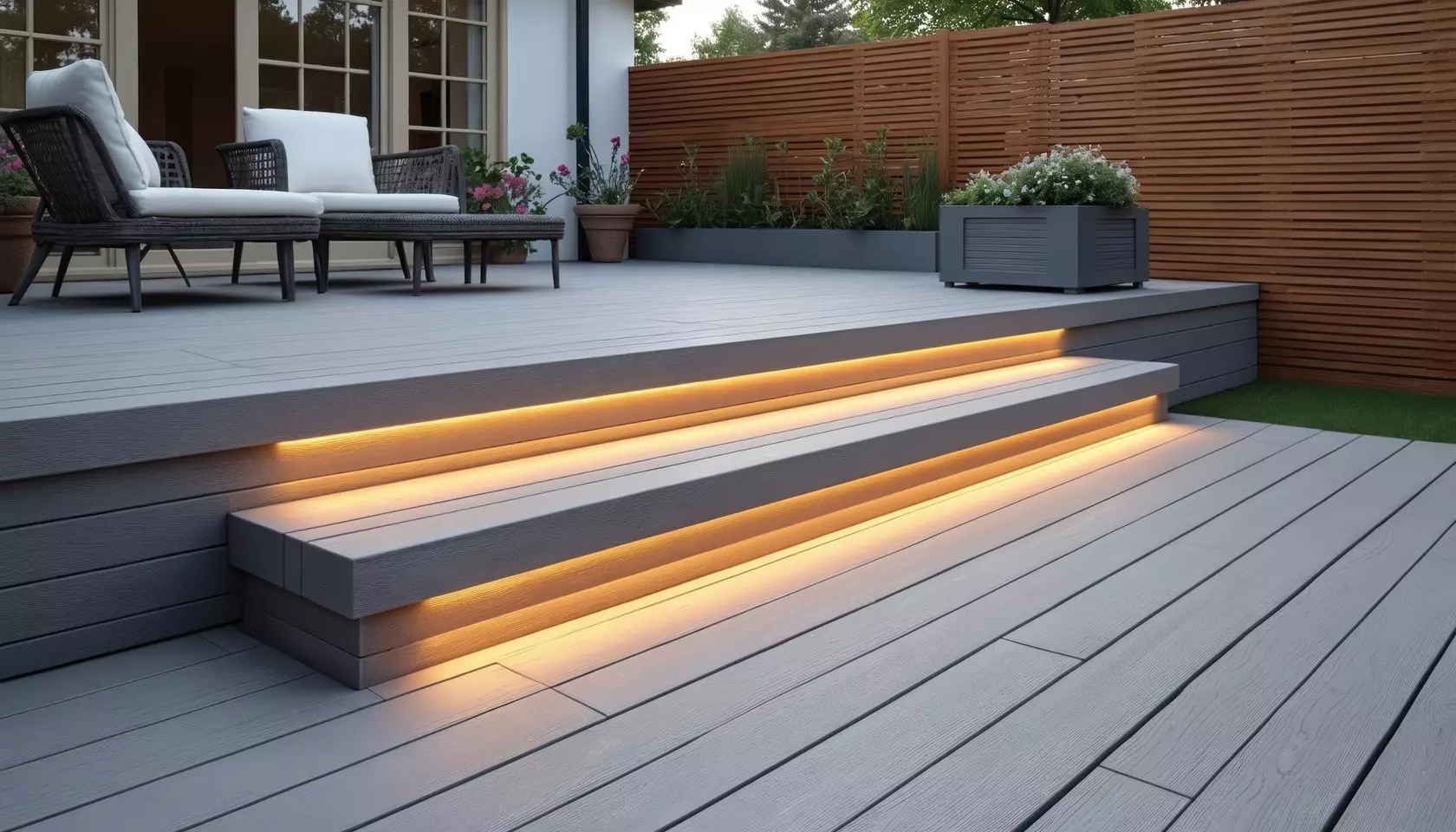
Capped composite has improved significantly and is a credible option — but performance varies widely between brands and product lines. Some publish credible test data. Others rely on R ratings from oil-wet ramp tests, which use a different methodology and can't be directly compared to wet pendulum BPN results.
The rule for any composite: request the AS/NZS 4586 test certificate for the specific product, colour, and finish you're specifying. A general claim of compliance isn't enough.
Millboard Decking
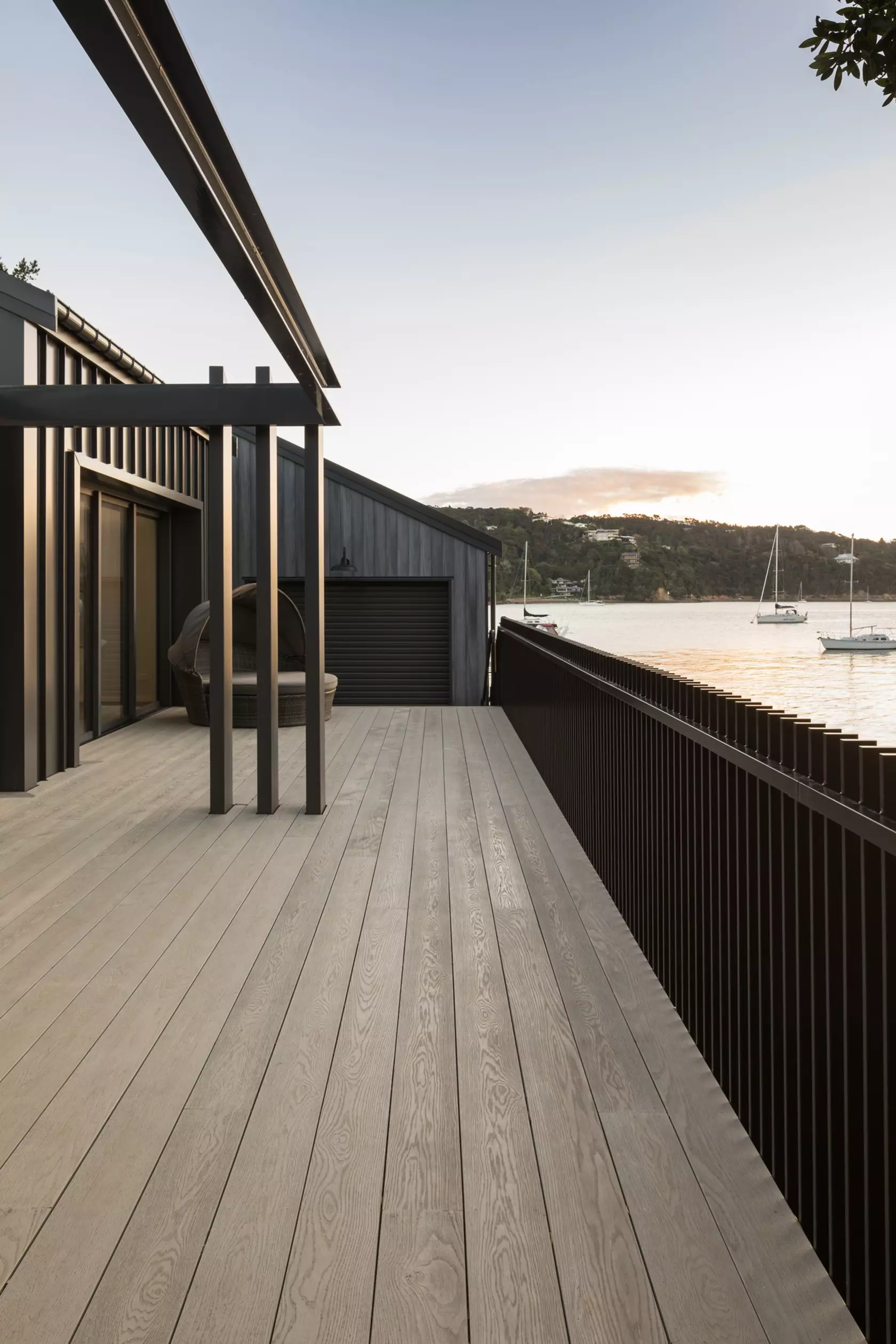
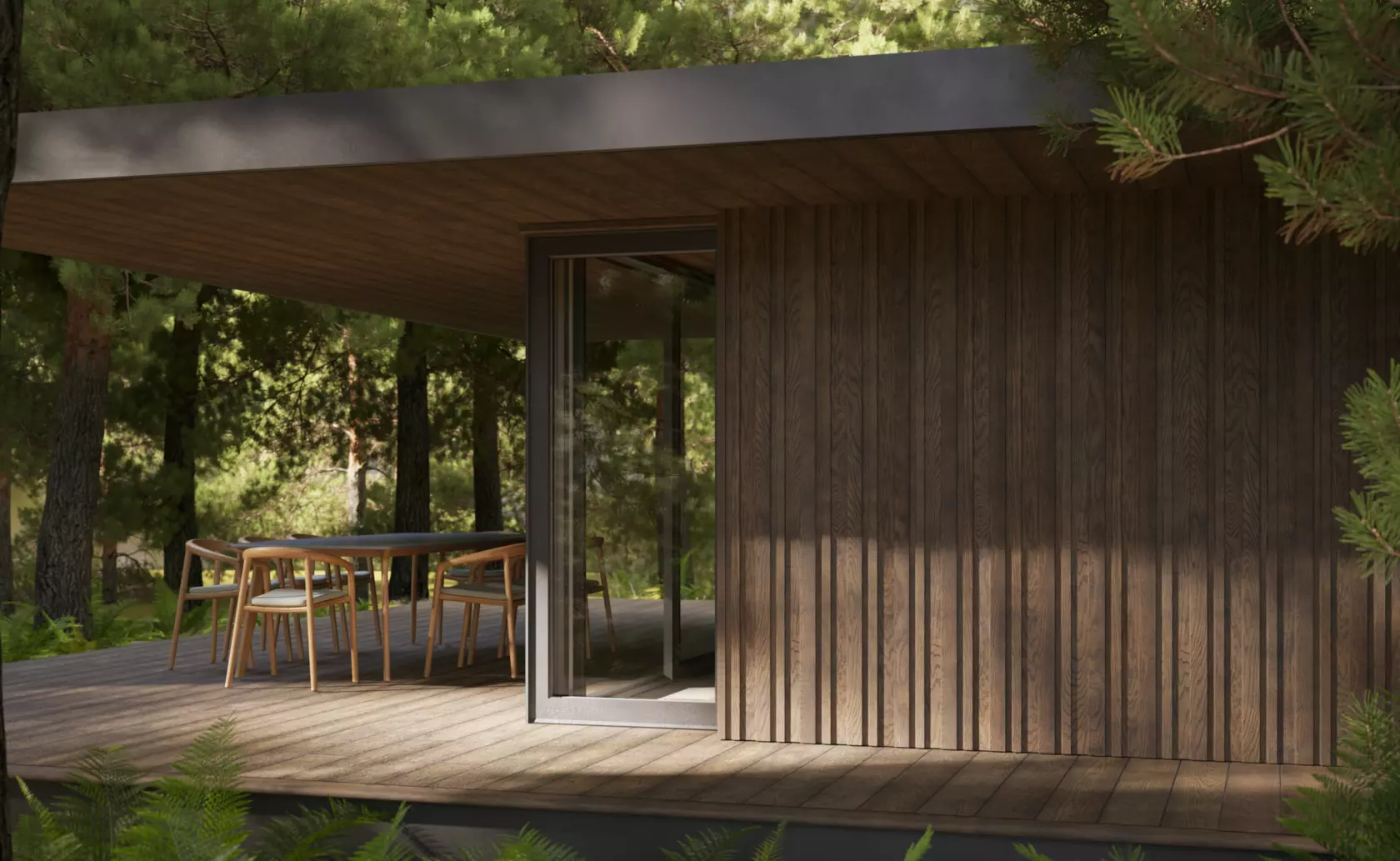
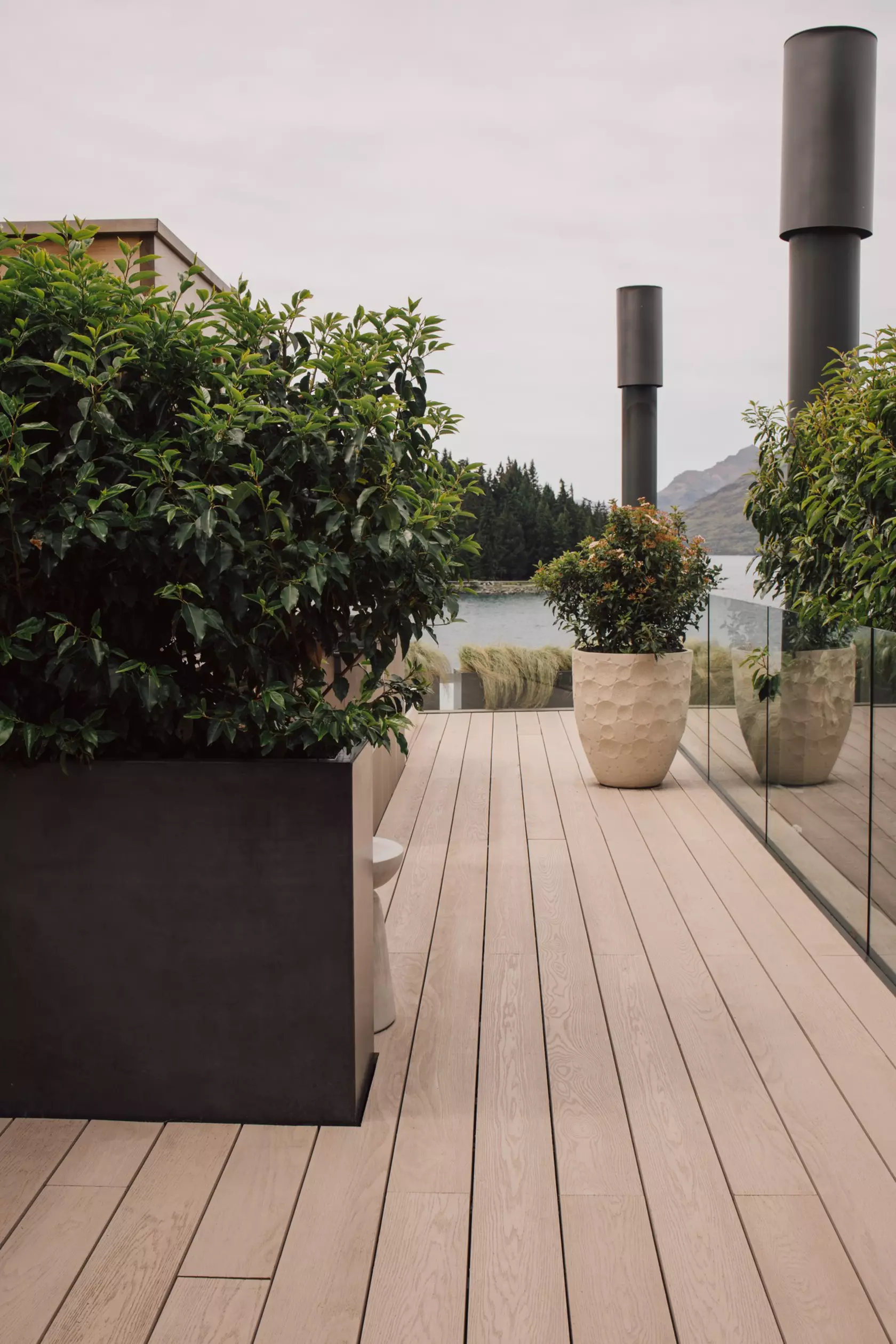
Most decking products sold in New Zealand have been tested overseas, if at all. Millboard is one of the few with NATA-accredited slip resistance test reports prepared specifically for the New Zealand market – tested by Independent Slip Testing Services (ISTS) in Three Kings, Auckland, under AS/NZS 4586:2004.
All three meet Classification W. Lasta-Grip, at 53 BPN with highly consistent individual results, is the recommended choice for steps, pool surrounds, and ramps.
But the more important point isn't the number – it's what happens to that number over time.
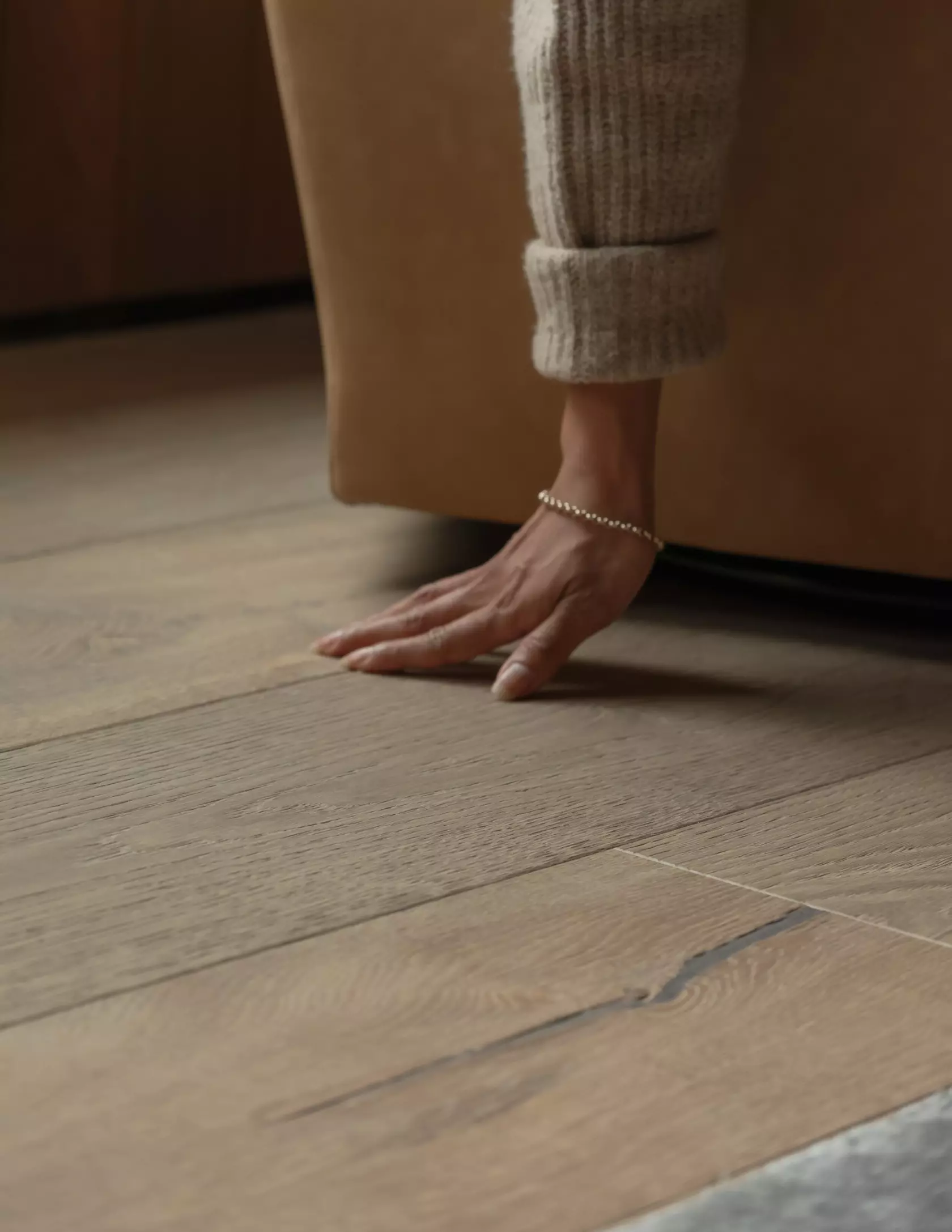
Millboard's non-porous Lastane elastomer surface doesn't absorb moisture and doesn't support the biological growth that degrades timber and some composite surfaces. The slip resistance you have on day one is, for practical purposes, the slip resistance you'll have in five years. That's not something timber can offer, and it's not something every composite can claim either.
What to Ask Before You Decide
Whether you're a homeowner finalising a material choice or an architect specifying for a client, these questions will quickly separate products with genuine compliance from those relying on unverified claims:
Can you provide a NATA-accredited wet pendulum test certificate to AS/NZS 4586 for this specific product?
What classification does it achieve — W or V?
Are the results for the exact colour and finish I'm specifying?
What maintenance is required to sustain that classification over time?
If a supplier hesitates on any of these, that's worth noting.
Steps, Ramps and Higher-Risk Areas
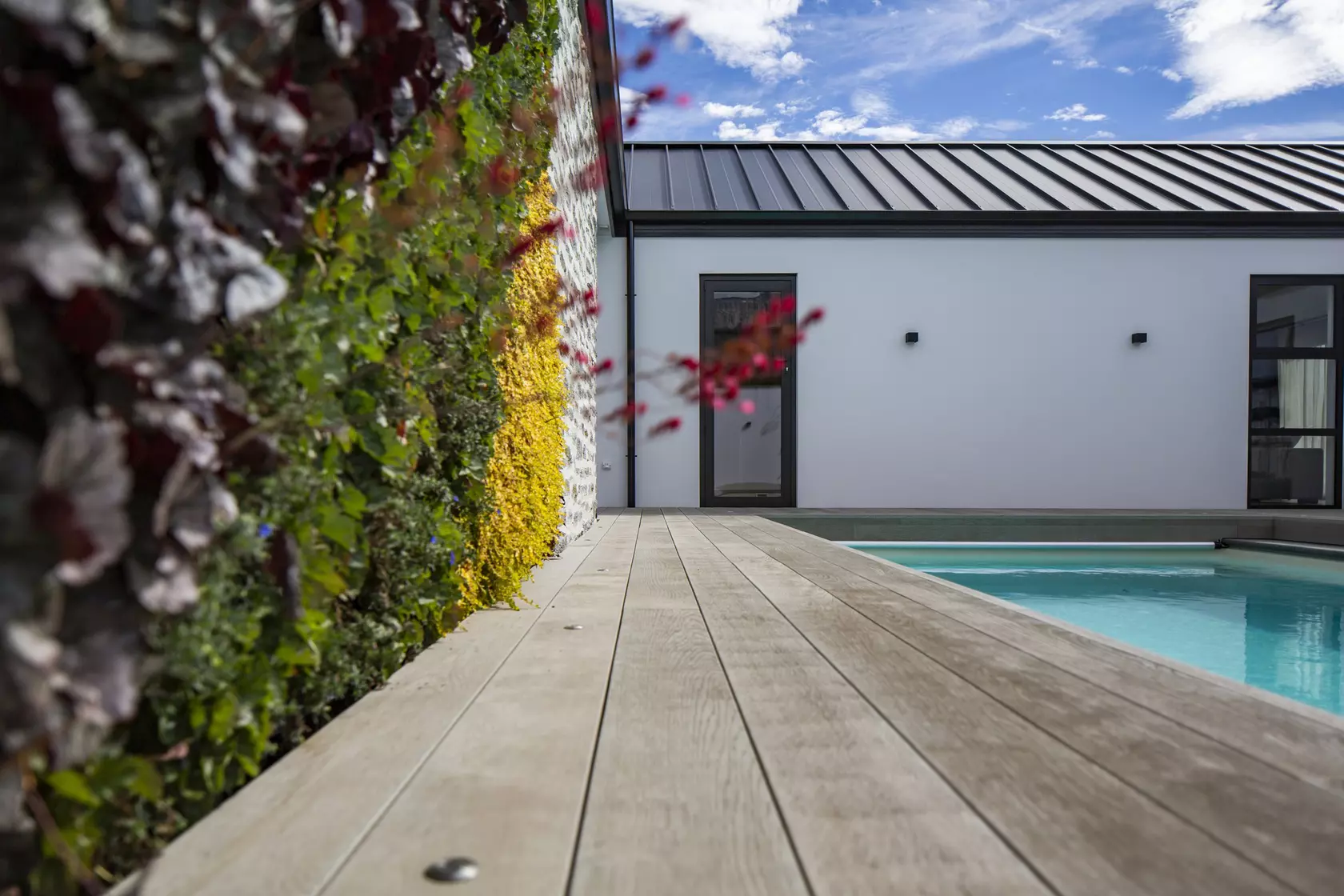
If your project includes stairs, a sloped walkway steeper than 1:14, or a pool surround, the code requirement steps up to Classification V (BPN > 54). These are also the areas where a slip is most likely to result in a serious fall.
Even if you use a standard product on the main deck field, it's worth specifying the highest-performing surface available for these areas. Millboard Lasta-Grip sits at the top of Classification W and is appropriate for most residential step and pool applications.
Most decking products claim slip resistance. Few can prove it. And even those that meet the standard at installation may not hold that performance over time – particularly in the damp, shaded conditions common across New Zealand.
If you want a surface you can verify before installation and rely on for years afterwards, ask to see the test data. Forté holds NATA-accredited NZ test reports for all three Millboard product lines and can provide them for specification and consenting purposes.