



What Really Determines the Value of an Engineered Timber Floor?
A timber floor is one of the few things in a home that genuinely appreciates with age. Chosen well, it outlasts trends, weathers decades of daily life, and becomes part of the character of the house itself. Chosen poorly, it becomes one of the most expensive mistakes a homeowner can make; not because of the purchase price, but because of what it costs to put right.
That is the lens through which any timber floor decision is worth making. Not which product looks most compelling on a website, or which one comes in at the lowest supply price – but which one will still be performing, still be beautiful, and still be worth what you paid for it in twenty years' time.
The questions that follow from that are straightforward. What does veneer thickness actually mean for long-term stability? How does a finish hold up to real domestic life? What is a warranty worth if the company behind it is hard to reach? And is there a meaningful difference between a general sustainability claim and a verified one?
These are the right questions. And they are worth asking before you commit.
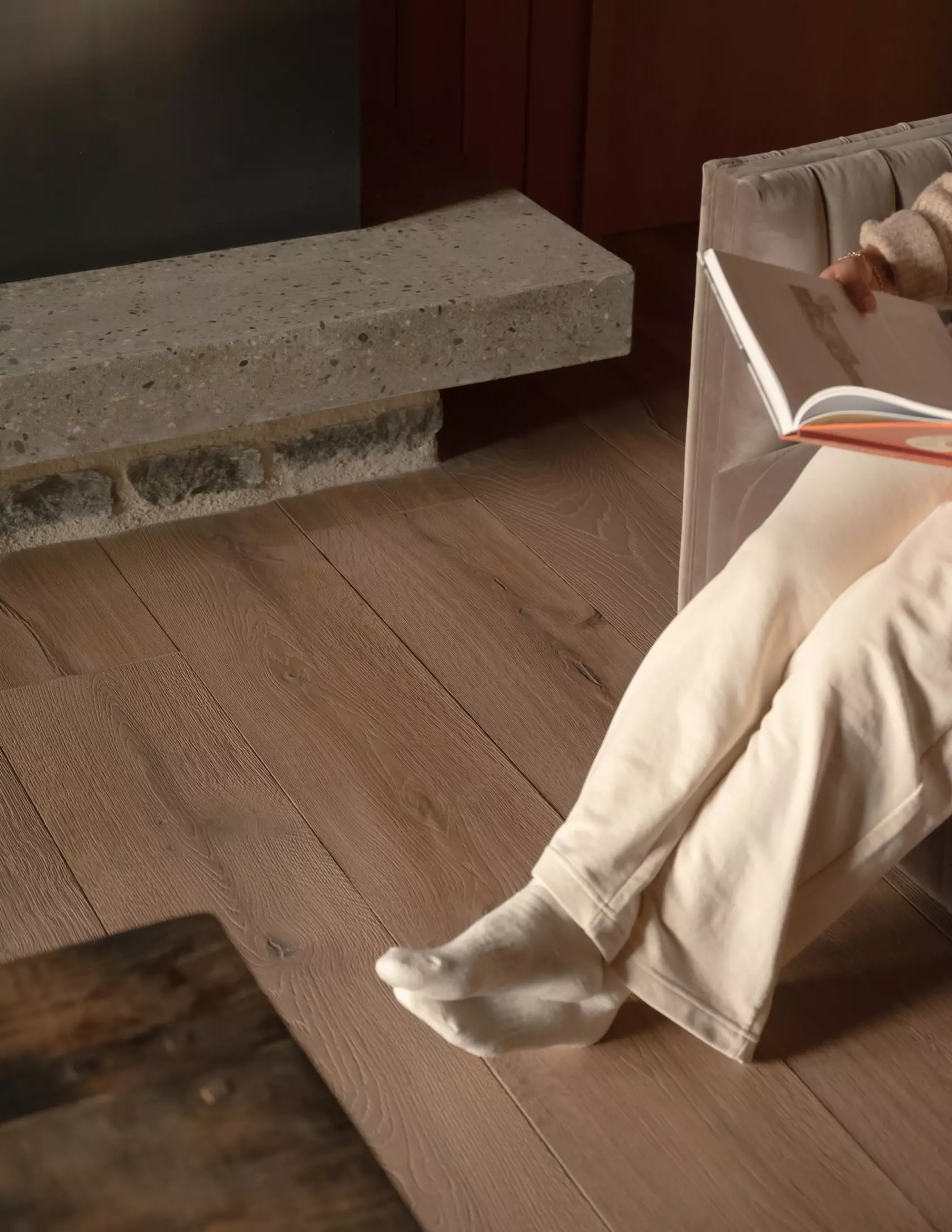
The most common way flooring products are compared is veneer thickness – the layer of real timber on top of the engineered core beneath. A thicker veneer sounds better, but it is not the whole story.
An engineered timber board works because the veneer and its core are in balance. The core – a multilayer plywood substrate – is what keeps the board stable as your home moves through New Zealand's seasons: the warm, humid summers and the dry, cool winters that cause timber to expand and contract. When that balance is right, the board stays flat and behaves predictably for decades. When it isn't, the board moves – cupping, gapping, or shifting in ways that no amount of maintenance will correct.
Independent specialist testing in September 2025 found that a thicker veneer, when not properly balanced against its core, can actually work against stability – the lamella exerting enough force to overwhelm the plywood beneath it, causing the board to cup and warp under heat and humidity changes. The very feature being marketed as a premium advantage was, in that case, the structural liability.
Every Forté product is engineered with a carefully balanced relationship between veneer and core, designed specifically for New Zealand conditions. That balance, not the headline dimension alone, is what keeps a floor stable for the life of your home.

A floor in a showroom and a floor in your home are two different things. In a showroom, it simply has to look beautiful. At home, it faces a leaking dishwasher, a wine spill left until morning, water tracked in from the pool, a bathroom puddle that doesn't get dealt with until the next day.
Forté tests every product for exactly this – not in a controlled laboratory environment, but in a domestic simulation. Water is applied to the floor surface and left for 12 hours, then assessed for how well the finish held up. Every Forté product passed without marking, whitening or any sign of finish breakdown.
When other products on the market were put through the same test, results varied. Smooth formats performed well. Textured and rough sawn surfaces (the ones often chosen for their warmth and character) showed visible water absorption and lacquer colour change. The finish had not penetrated deeply enough into the surface grain to seal it completely.
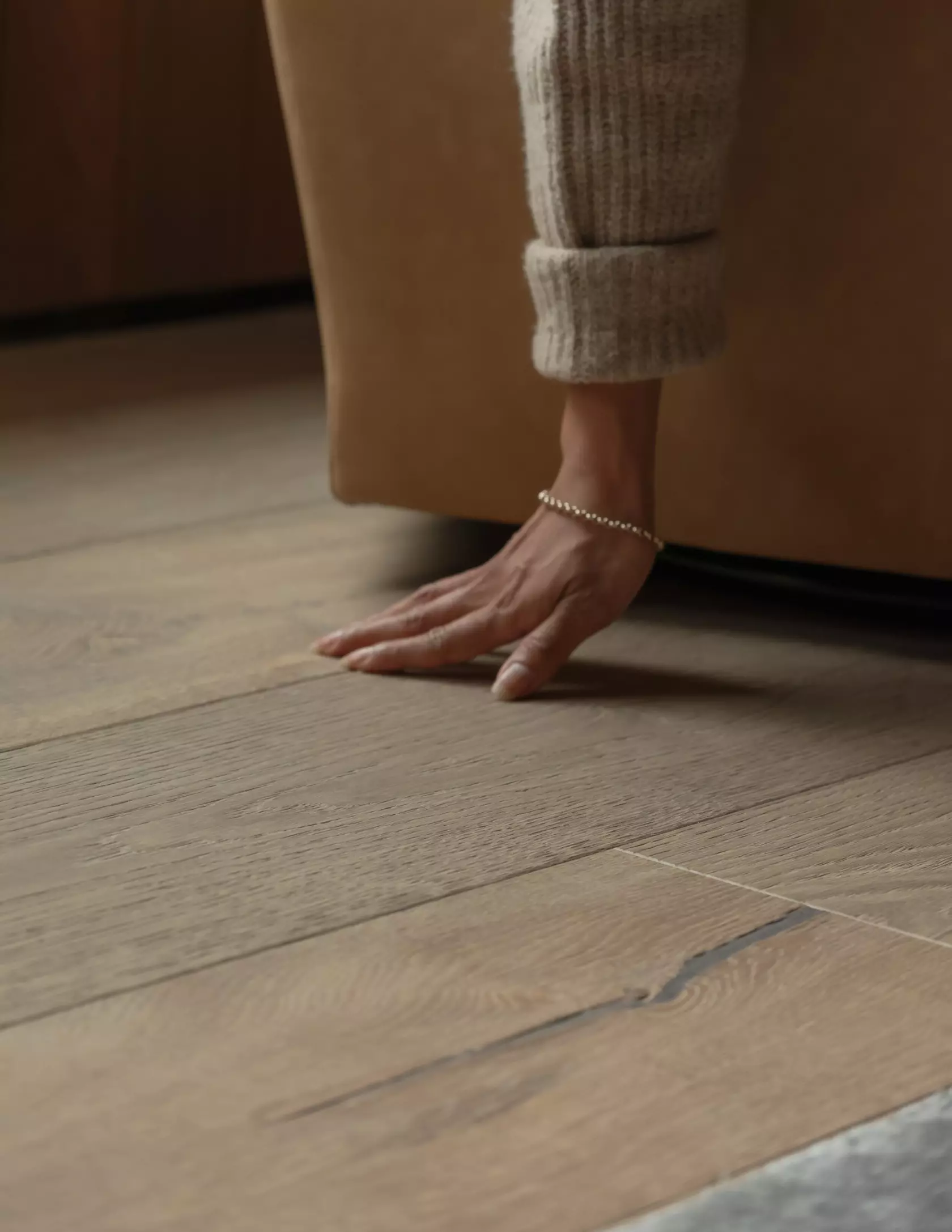
The lesson: when you fall in love with a particular texture or tone, it is worth asking how that surface performs, not just how it looks. The floor you choose for its visual character should also be one you can trust to handle daily life.
Forté products carry structural warranties of up to 25 years for residential use, and a finish warranty of up to 7 years for residential use. Those numbers matter, but what matters more is the business standing behind them.
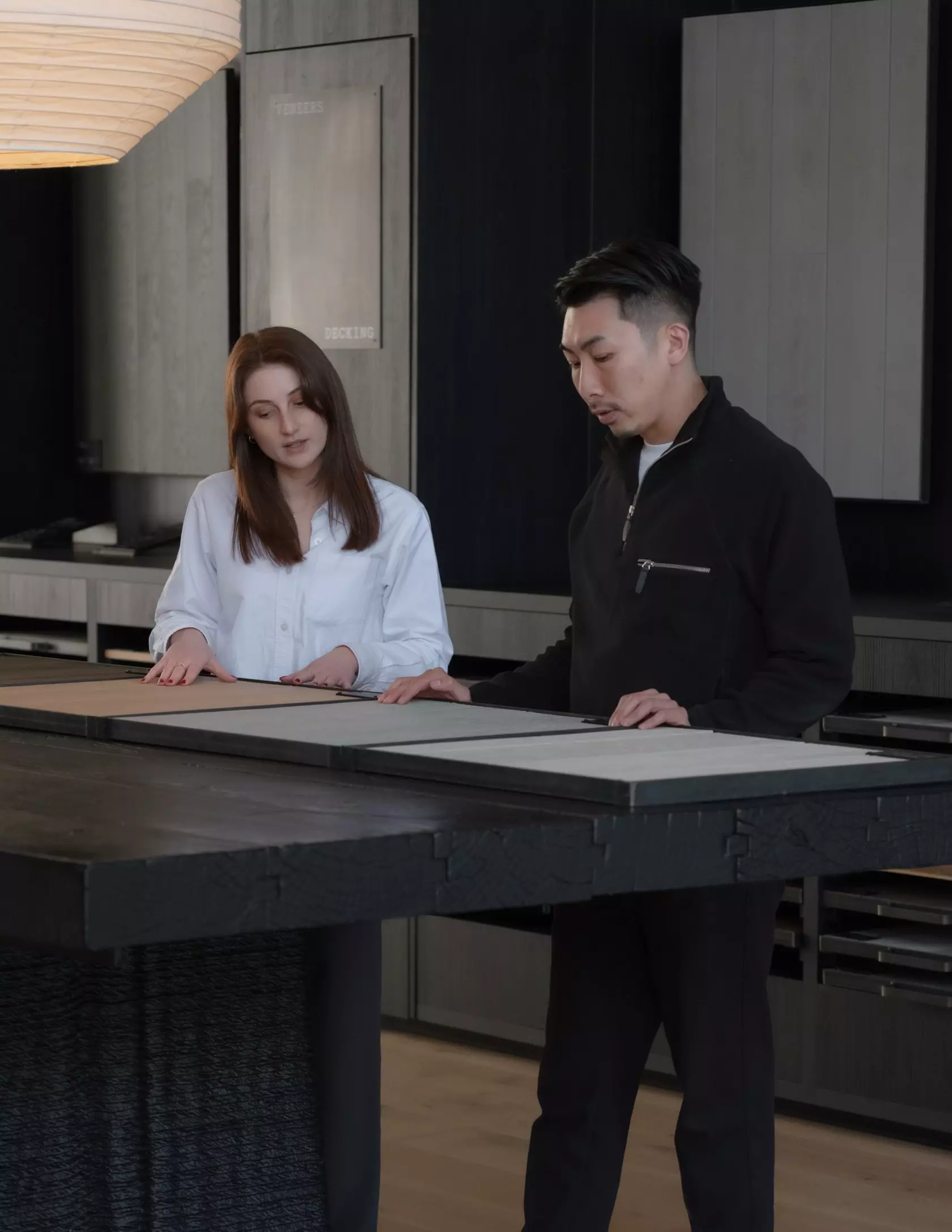
Forté has operated in New Zealand for years, with Experience Centres in Auckland, Christchurch and Queenstown where you can see, touch and compare products in person before making a decision. There is a team you can call. There are people who know the product, know how it installs, and know how to help if something needs to be resolved.
A warranty from a business you cannot reach is not a warranty in any meaningful sense. When you invest in a floor that will be in your home for twenty-plus years, the relationship with the supplier matters as much as the product specification.

If where your timber comes from matters to you – and for many homeowners, it does – it is worth understanding the difference between a general environmental claim and a verified one.
Forté holds FSC and PEFC chain-of-custody certification, meaning the journey of the timber from forest to floor has been independently audited at every stage. Forté also participates in the Toitū CarbonReduce programme, New Zealand's leading carbon measurement and reduction framework. These are not marketing positions. They are independently verified credentials that exist in documentation.
A low-VOC finish – also independently verified – means the air quality in your home is not compromised by off-gassing from the floor beneath your feet. For families with young children, or anyone who spends significant time at home, that is worth knowing.
There will often be a cheaper option. On an 80m² floor, a $30 per square metre difference in supply price translates to roughly $2,400 – a real number, and a reasonable thing to weigh up.
But it is worth putting in context. Forté Moda, our most popular residential engineered timber floor, sits at approximately $280 per square metre installed. Against that investment, the cost of remediation if a floor fails – removing boards that have cupped or warped, addressing substrate damage, replacing product, resanding and repainting affected skirting – typically runs between $5,000 and $15,000. That cost falls on the homeowner, not the supplier.
The premium for a Forté floor, at any point in our range, buys a product that has been independently tested for dimensional stability and finish performance, certified through FSC and PEFC, backed by a structural warranty of up to 25 years, and supported by a team that will answer the phone if something needs to be resolved.
That is not a premium for its own sake. It is the cost of a decision you can make once and not revisit.
What to Ask Before You Choose Any Timber Floor
Whether you choose Forté or not, these are the questions worth asking of any product you are considering:
Has the board been independently tested for dimensional stability under New Zealand heat and humidity conditions?
How does the finish perform under real domestic water exposure – not a 15-minute test, but overnight?
Is the supply chain FSC or PEFC certified, or are sustainability claims general and unverified?
What does the warranty actually cover, and who is standing behind it?
What happens if something goes wrong after installation?
A product that answers all of those questions clearly and completely is a product worth choosing. Forté does.
Have questions about which Forté floor is right for your home? Get in touch with our team – we're happy to help. Or visit us in person at our Experience Centres in Auckland, Christchurch or Queenstown to see the full range and take home free samples.