





Why Millboard is New Zealand's Safest Decking Solution
For architects, designers, and building specifiers, decking material selection carries a compliance obligation that goes beyond aesthetics and durability. Slip resistance is a life-safety issue — and in New Zealand's damp, shaded residential environments, it's one that demands verifiable, independently tested performance data, not marketing claims.
Millboard is the only decking product available in the New Zealand market with NATA-accredited slip resistance test reports prepared specifically for local conditions, under AS/NZS 4586:2004. That distinction matters at consent stage, at handover, and for the lifetime of the installation.
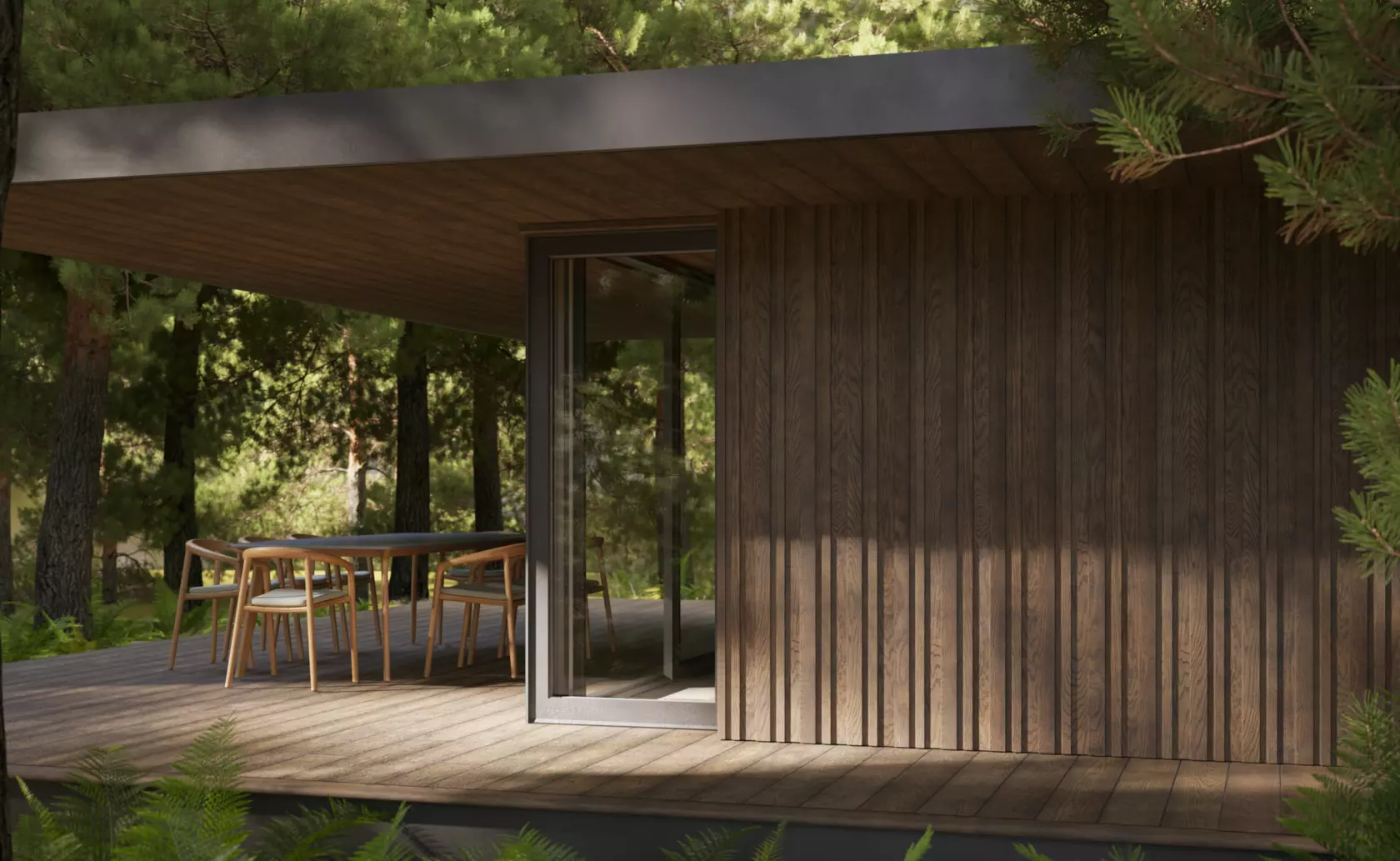
The New Zealand Building Code requires outdoor decking exposed to weather to achieve a minimum Classification W — a British Pendulum Number (BPN) of 45 or above under the AS/NZS 4586:2004 wet pendulum test. Steps, pool surrounds, ramps, and external walkways carrying public or heavy residential foot traffic must meet the higher Classification V threshold (BPN > 54).
The challenge facing specifiers is straightforward: the majority of decking products sold in New Zealand have not been tested under this standard, or have been tested overseas under different methodologies that cannot be directly compared. R-value ratings from oil-wet ramp tests — commonly cited by composite suppliers — use a fundamentally different methodology and are not equivalent to BPN results. Specifying on the basis of an R-value does not demonstrate AS/NZS 4586 compliance.
When a product is specified without a valid AS/NZS 4586 test certificate, the compliance gap falls on the specifier and the building consent holder.
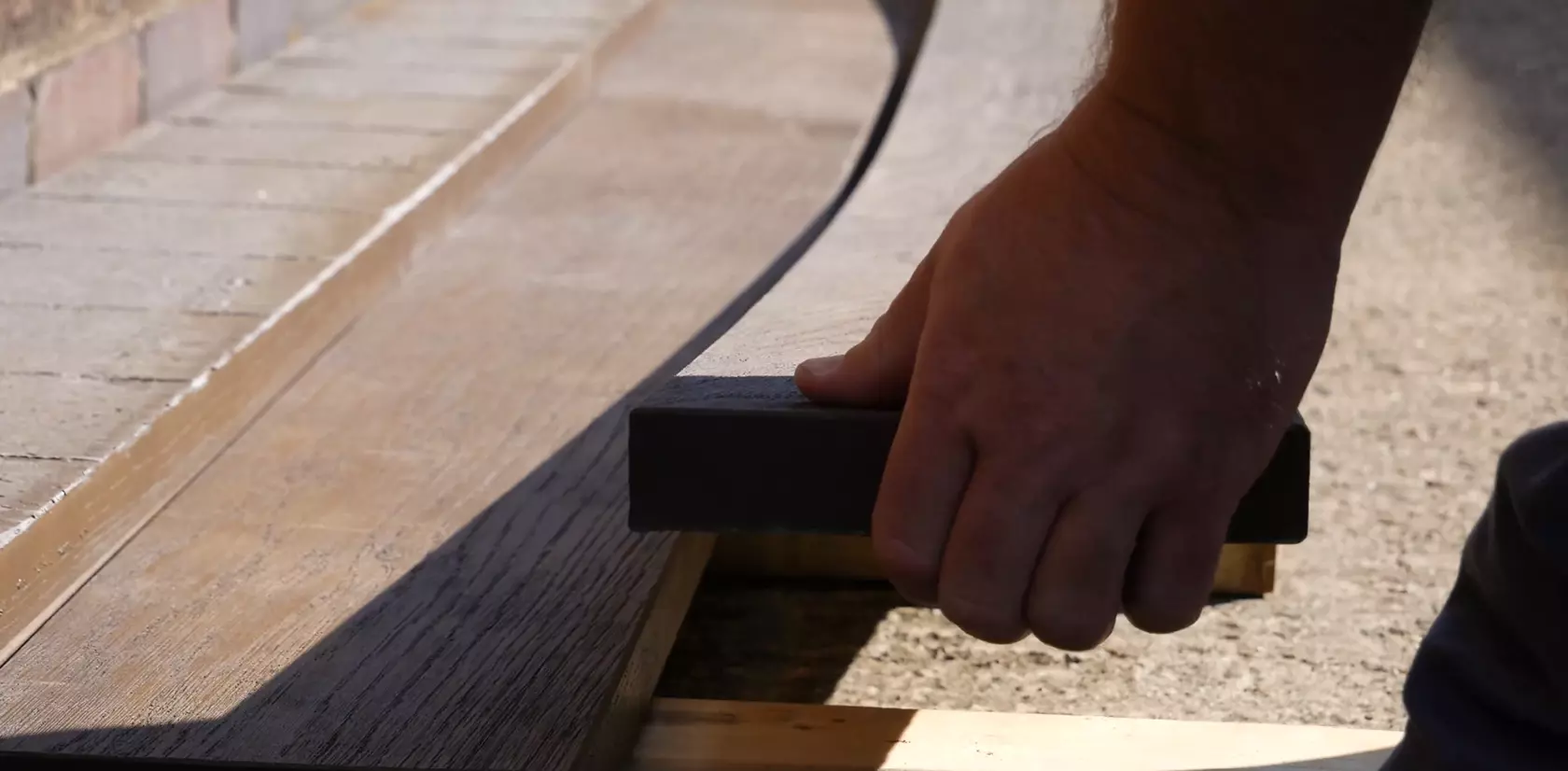
A product that meets Classification W at installation may not sustain that performance across the building's service life. Two mechanisms drive degradation, and both are difficult to mitigate in New Zealand conditions:
Biological growth. Algae and biofilm accumulation on porous or textured surfaces is endemic in shaded, humid environments – which describes a significant proportion of New Zealand residential and commercial decks, particularly in Auckland, Northland, and the West Coast. A thin biofilm layer is sufficient to reduce BPN values below the code minimum, often with no visible indication to the building occupant.
Surface wear. Foot traffic and weathering progressively smooth the surface texture that generates slip resistance. Timber and many composite products that meet code requirements when new will fall below Classification W over time without intensive maintenance programmes that most residential installations do not receive.
For specifiers, this creates a liability exposure that persists well beyond practical completion. A deck that was compliant at consent may not be compliant — or safe — two years later.
Millboard's Performance Credentials
Millboard decking was tested by Independent Slip Testing Services (ISTS) in Three Kings, Auckland — a NATA-accredited laboratory — under AS/NZS 4586:2004 wet pendulum conditions. The results apply to product as supplied to the New Zealand market.
For steps, ramps, pool surrounds, and any application where the consequence of a fall is elevated, Lasta-Grip is the appropriate specification. At 53 BPN with highly consistent individual test results, it sits at the top of Classification W and is appropriate for the majority of residential higher-risk applications.
NATA-accredited test certificates for all three product lines are available from Forté for inclusion in consent documentation and project specifications.

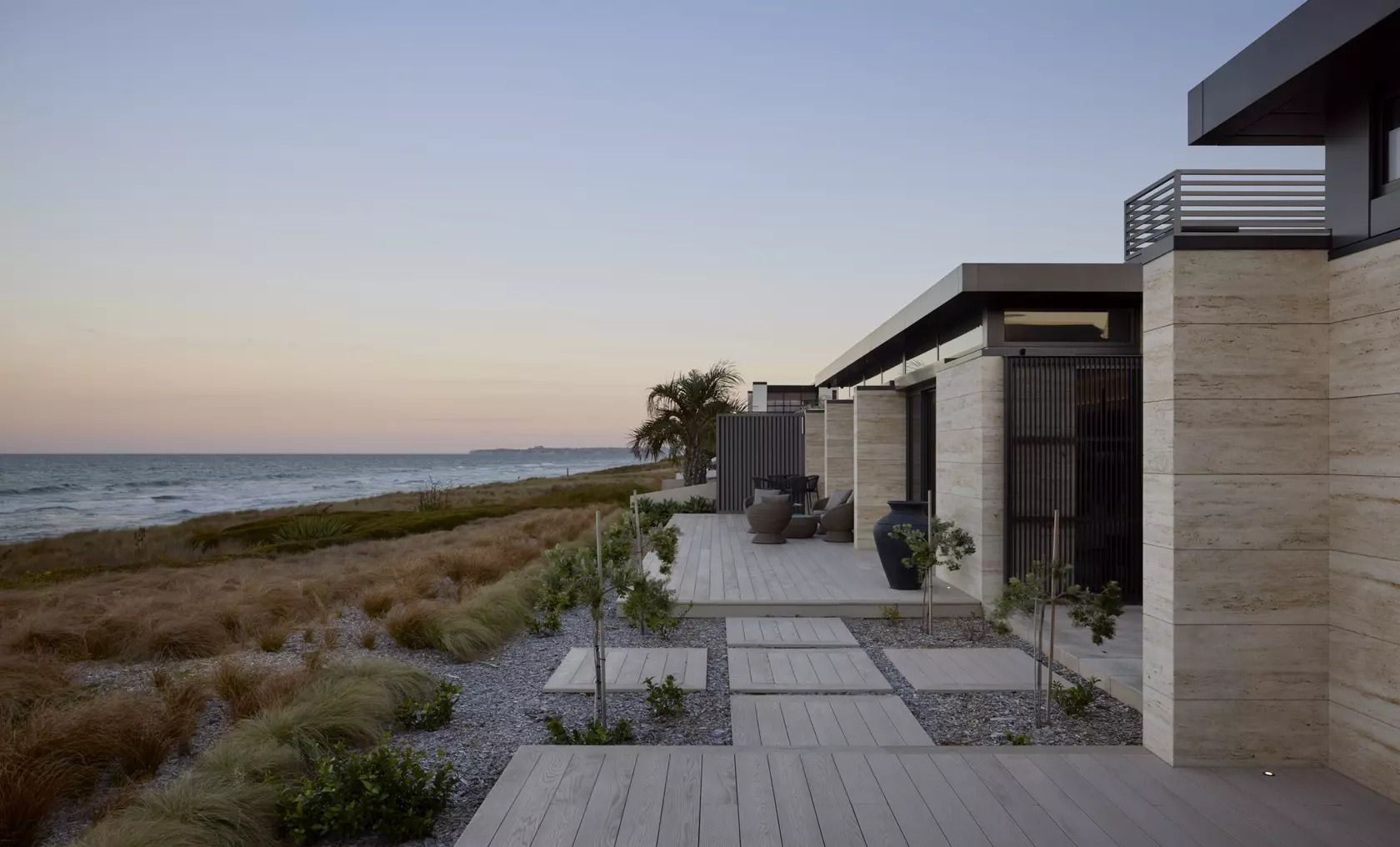
The defining advantage of Millboard for safety-focused specification is not just the initial BPN result – it is the stability of that result across the building's service life.
Millboard's Lastane elastomer surface is non-porous. It does not absorb moisture, and it does not support the biological growth that progressively degrades the slip resistance of timber and many composite alternatives. The slip resistance profile on day one is, for practical purposes, the slip resistance profile in year five and beyond – without the maintenance programme that timber compliance depends upon.
For specifiers working on projects where ongoing maintenance regimes cannot be guaranteed, or where duty-of-care obligations extend across the building's service life, this durability is a material specification advantage.
When specifying any decking product for external exposed applications, the following should be confirmed before documentation is finalised:
NATA-accredited wet pendulum test certificate to AS/NZS 4586:2004, specific to the product, colour, and finish being specified
Confirmed BPN and classification result — W (≥45 BPN) for standard deck fields; V (>54 BPN) for steps, pool surrounds, and ramps steeper than 1:14
Results applicable to the New Zealand market and climate conditions
Manufacturer guidance on the maintenance programme required to sustain classification over the building's service life
Requesting Test Documentation Forté holds NATA-accredited AS/NZS 4586:2004 test reports for Millboard Lasta-Grip, Enhanced Grain, and Weathered Oak and can provide them for specification and consenting purposes on request. For technical specification support, NBS clause content, or project-specific guidance on product selection and higher-risk area detailing, contact our team.
Choosing the right timber for your project is easier when you can see and feel the material in context. We'll send you complimentary samples from our interior and exterior product ranges — so you can explore the tones, textures and finishes before you decide. tion with our flooring experts today.
Order Free Samples Explore Our Ranges