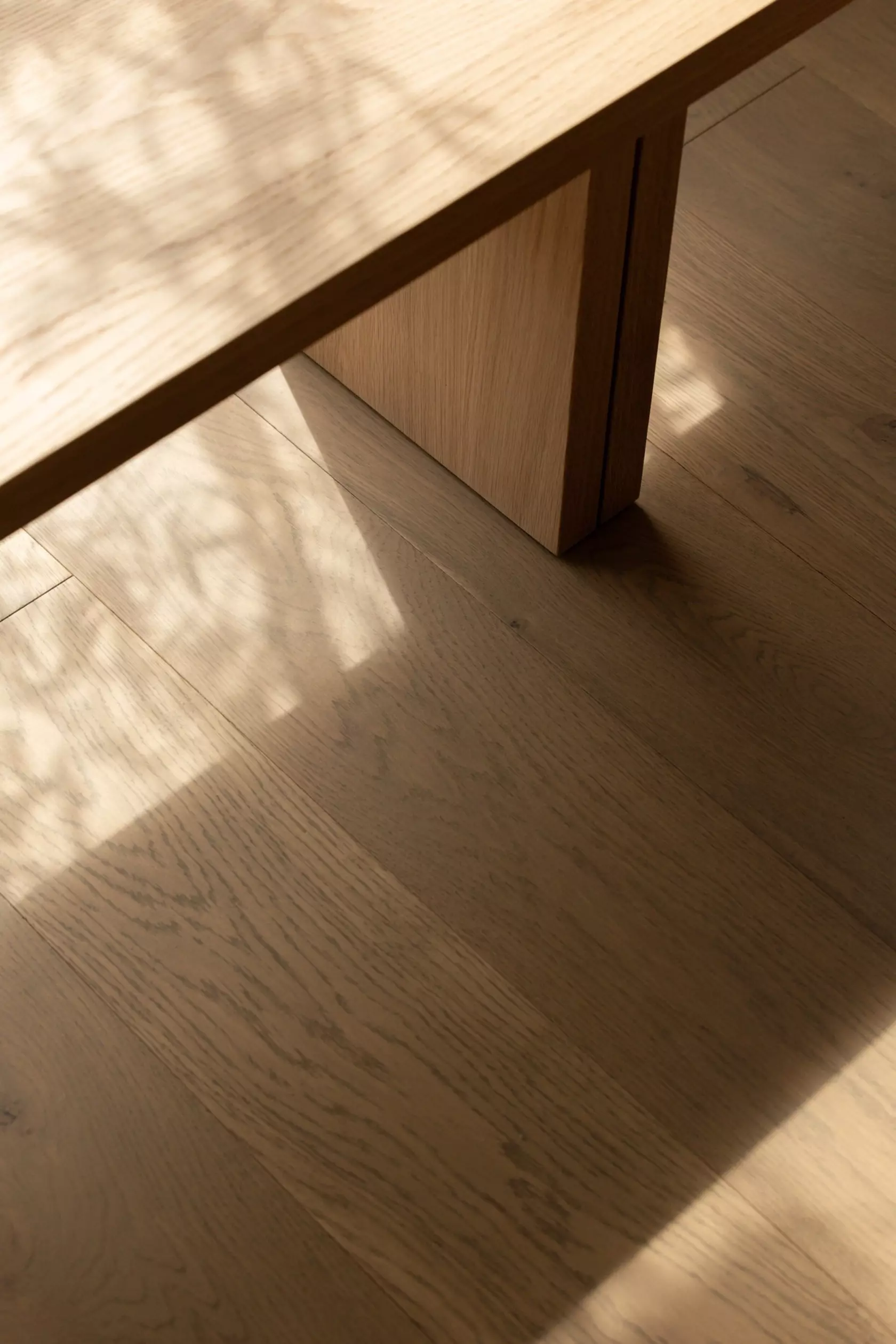
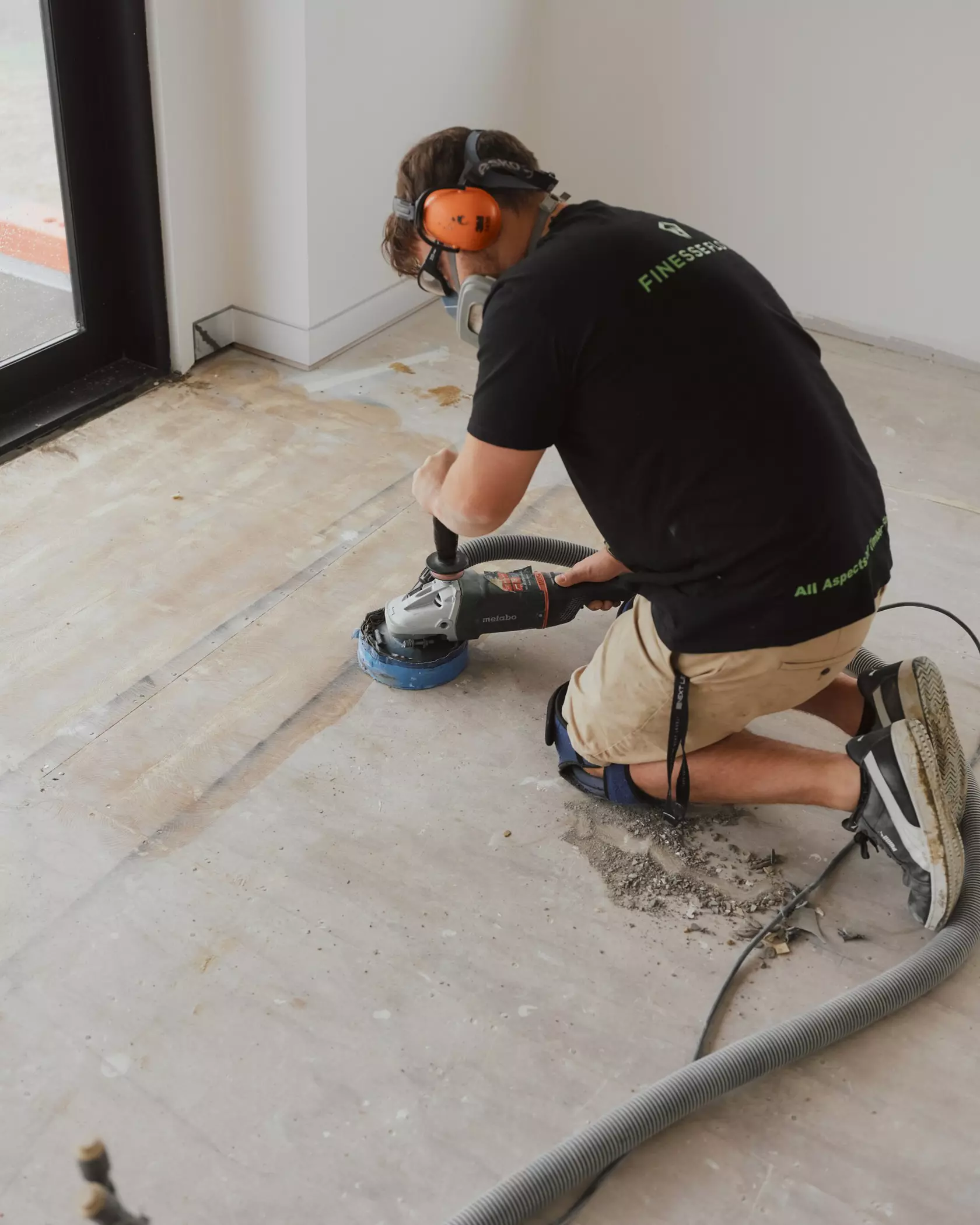
One of the primary reasons for bevels in prefinished timber flooring lies in the nature of subfloor levelling. Unlike unfinished timber floors, which require sanding and levelling on-site after installation, prefinished floors are designed to be ready for immediate use once installed. However, subfloors are rarely perfectly level—there are always slight variations.
The standard for subfloor tolerance is typically a 3mm variance over a 3m² area, meaning it is almost impossible to achieve a perfectly level surface. Even the most carefully prepared subfloor will likely have minor imperfections. Without a bevel, these small variations can create visual inconsistencies and may even lead to issues like cracks or squeaks over time.
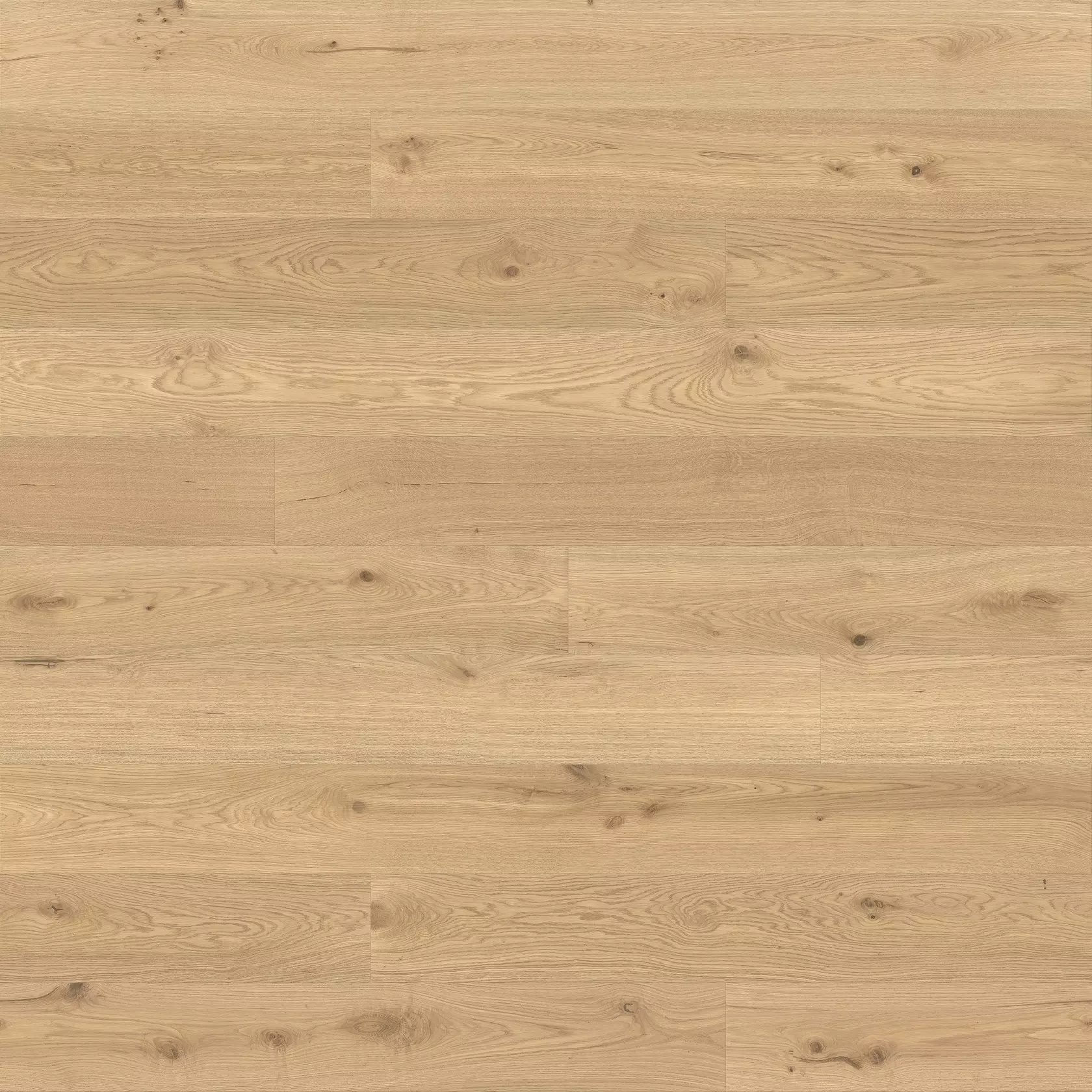
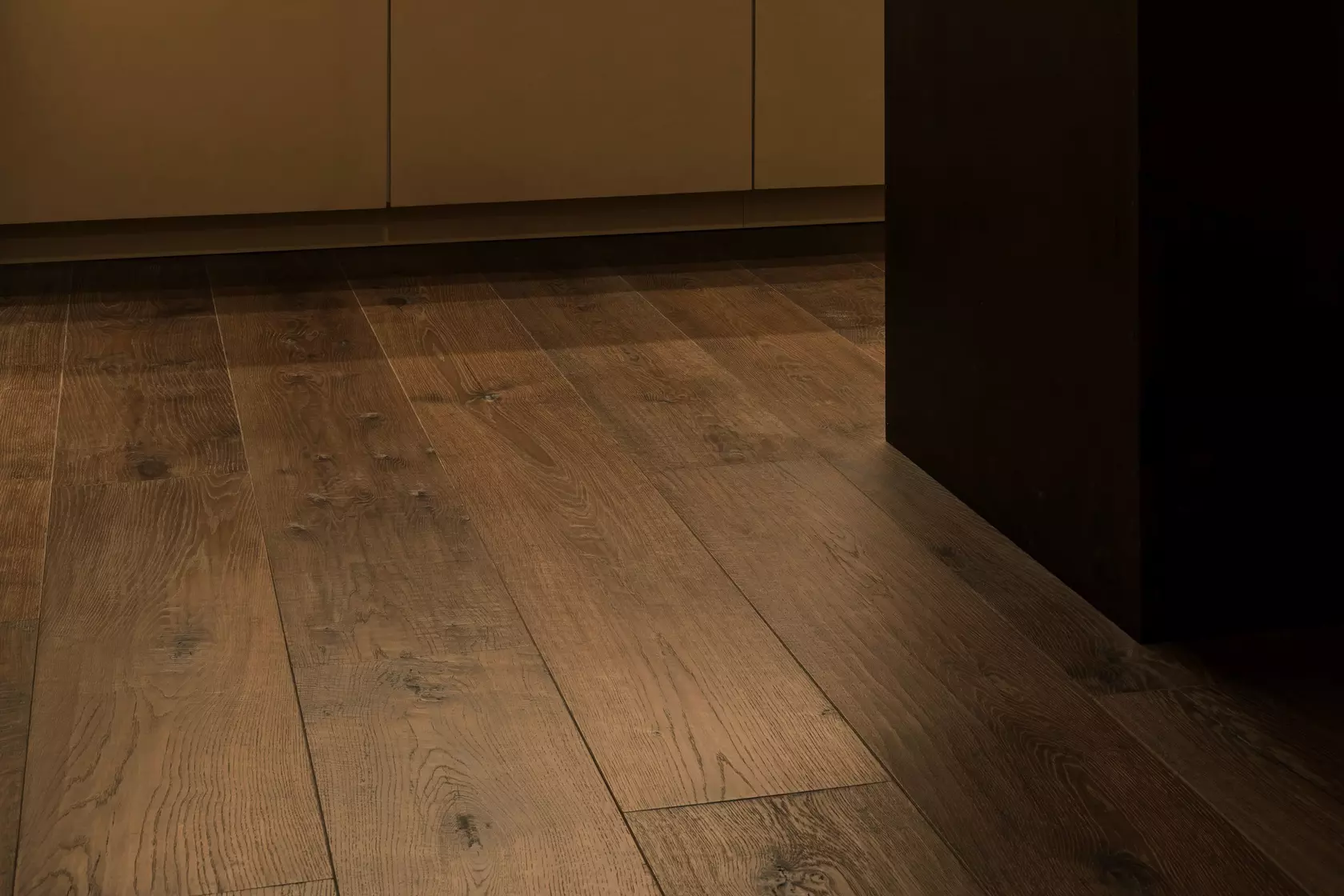
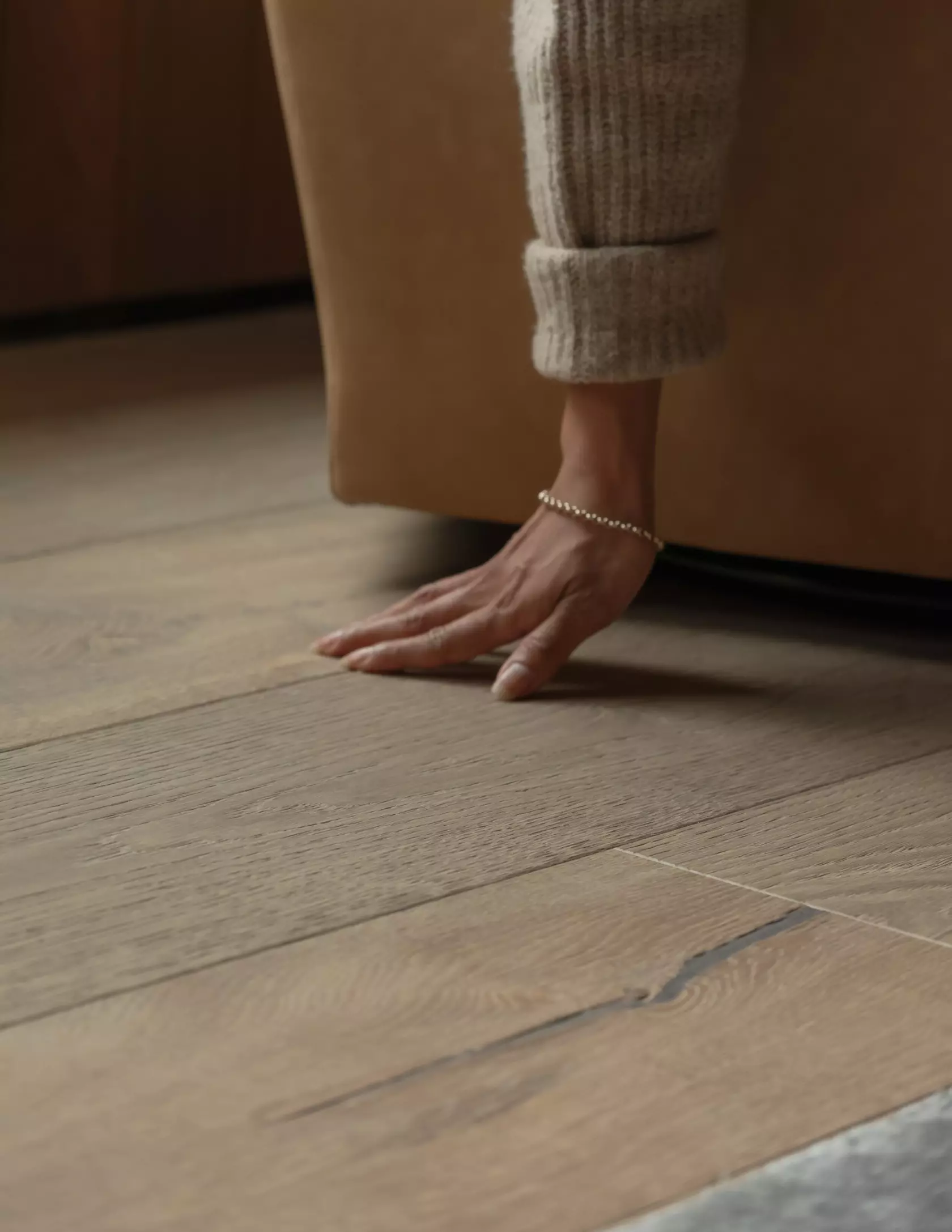
“The bevel in prefinished flooring serves as a solution to these minor subfloor inconsistencies. It accommodates slight height differences between adjacent planks, ensuring that the flooring looks uniform despite subtle subfloor irregularities,” shares Jonas.
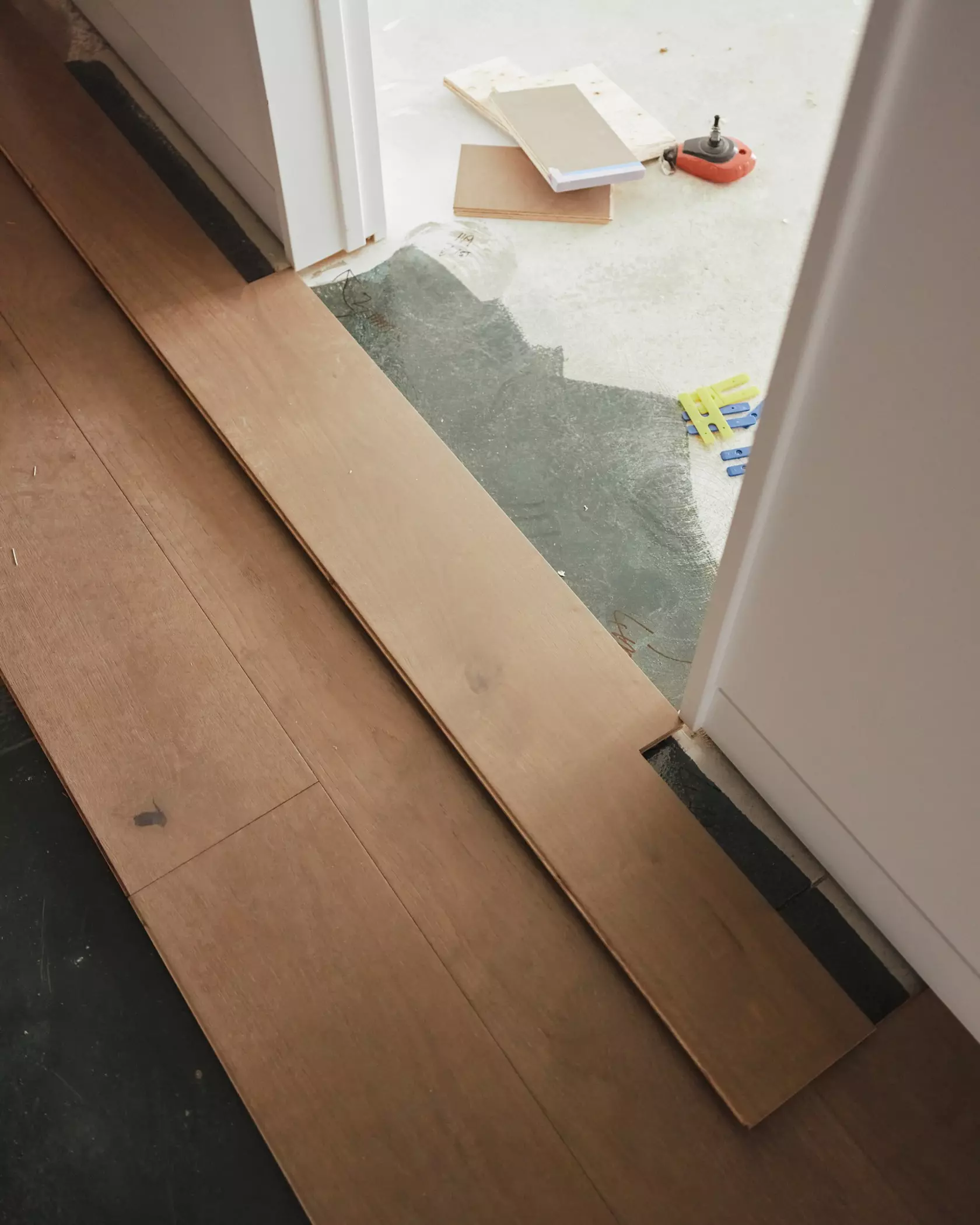
Additionally, when using prefinished flooring, the installation process is significantly quicker. For instance, after the glue has dried, you can walk on the floor within 48 hours. This speed and convenience would not be possible if more time-consuming measures, like sanding to achieve a perfectly level surface (as is needed for unfinished timber floors), were necessary.