




At Home With: Alexandra Morrison
There's a particular confidence that comes from living between worlds. For interior designer Alexandra Morrison, a decade absorbing London's richly layered design scene has shaped how she now approaches New Zealand interiors — with more boldness, more personality, and a refreshing belief that beautiful spaces should be deeply liveable and reflective of those who inhabit them.
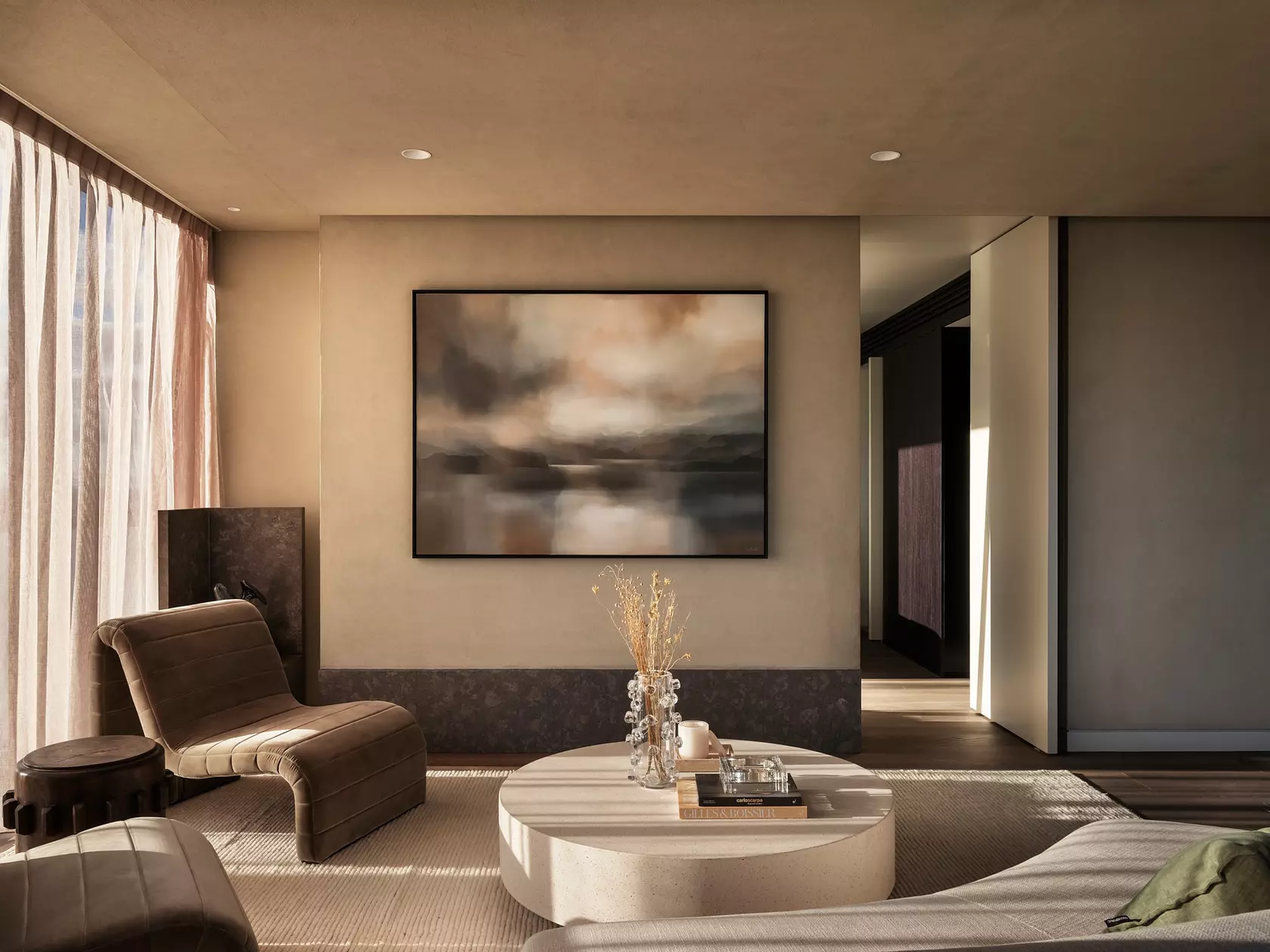
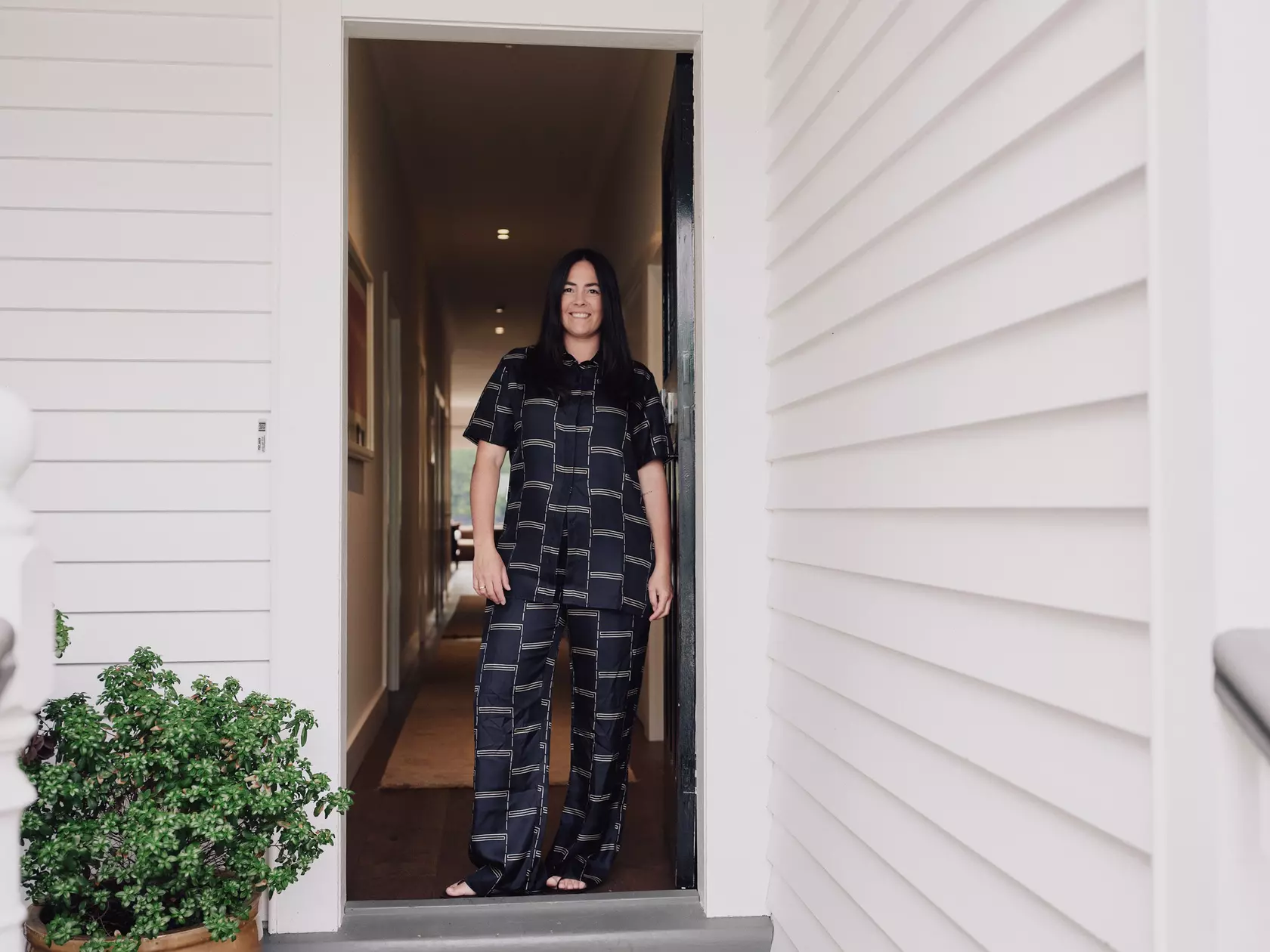
Alexandra found her own central Auckland home almost by accident and a dash of lucky timing, with she and her husband Alex happening to come across the open home while out for a walk. The home's generous light and open-plan living felt immediately right for a growing family and burgeoning design practice. More importantly, it had the kind of strong bones that could accommodate Alexandra's signature approach: spaces that feel elevated yet lived-in, never too precious.
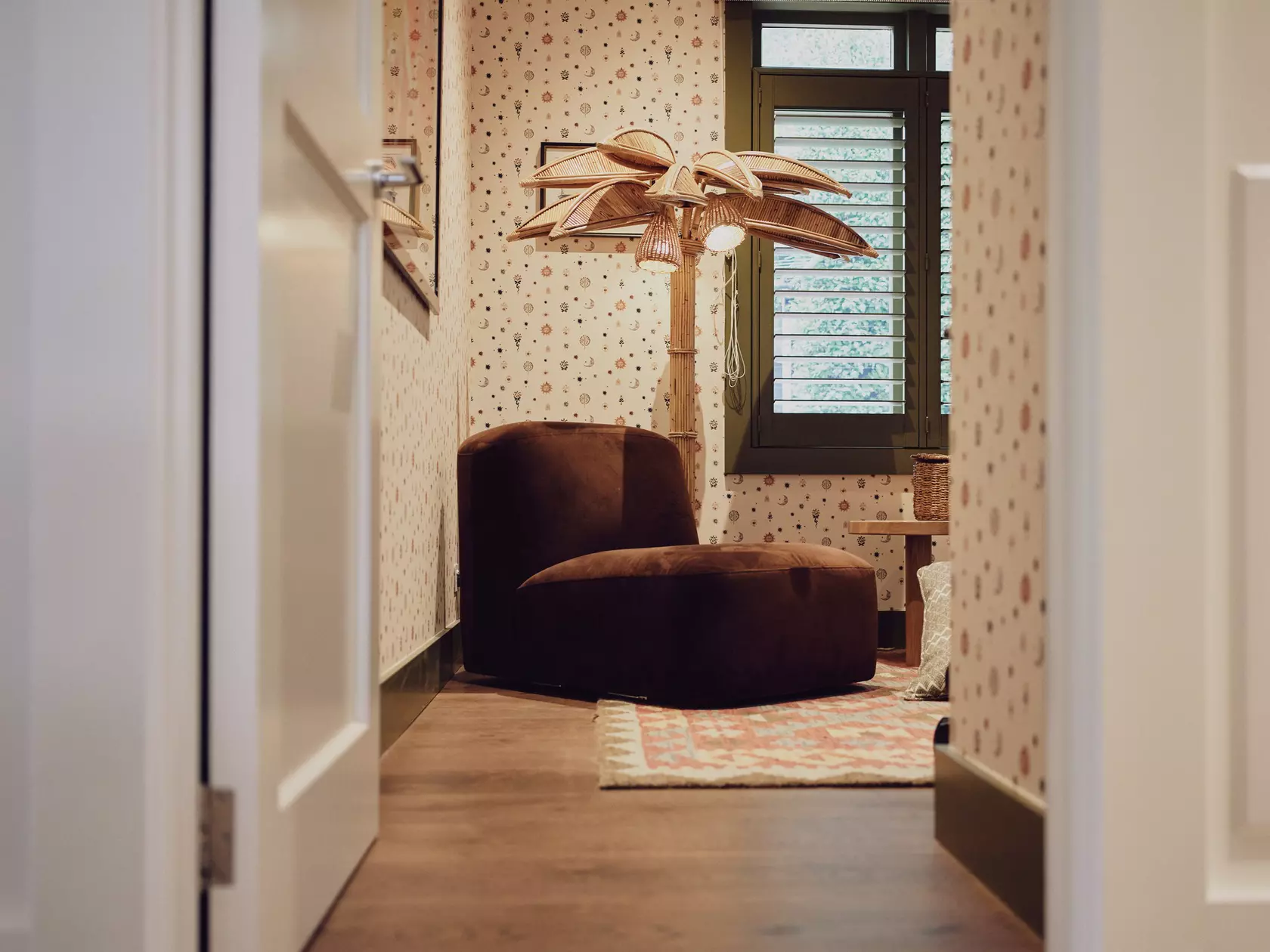
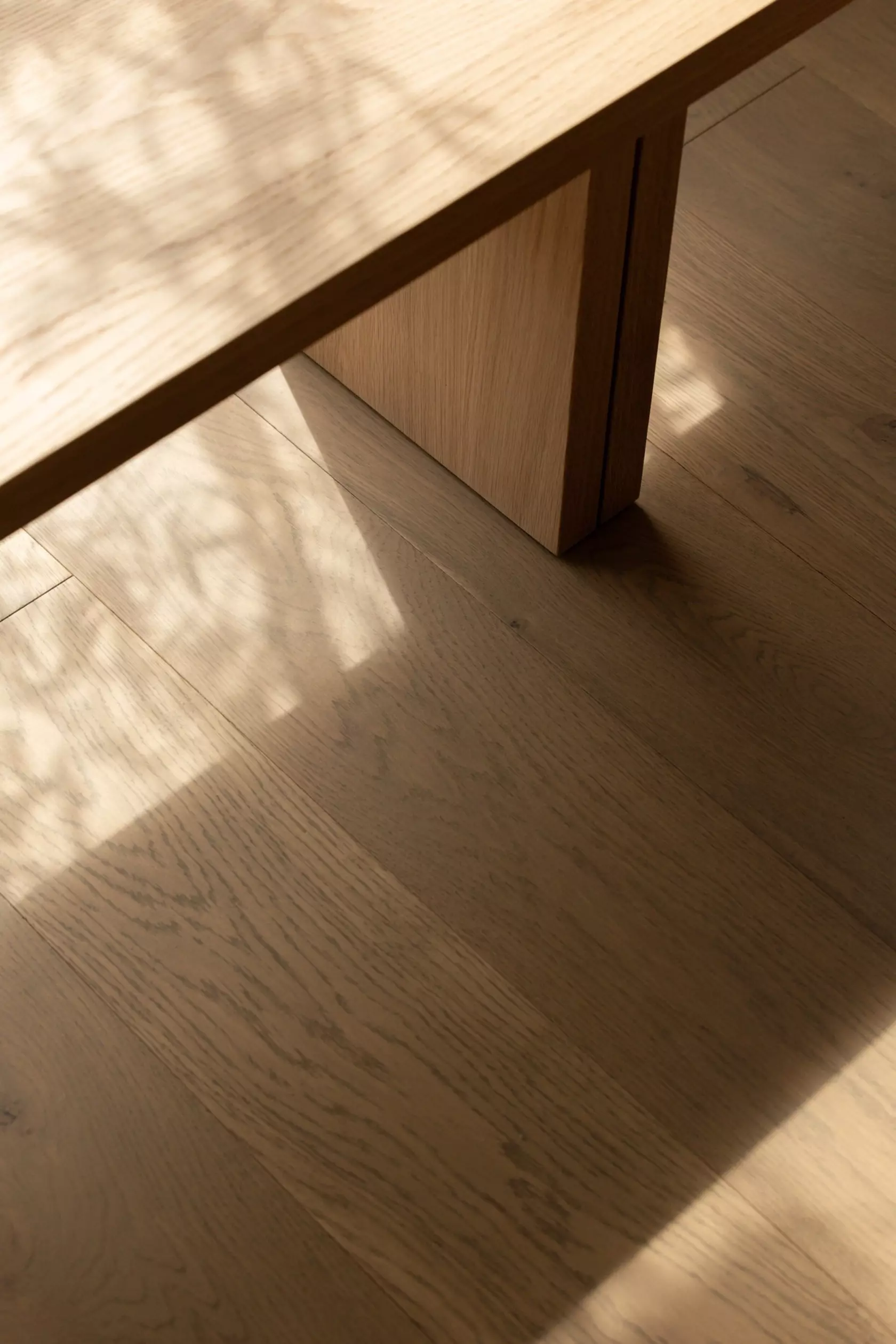
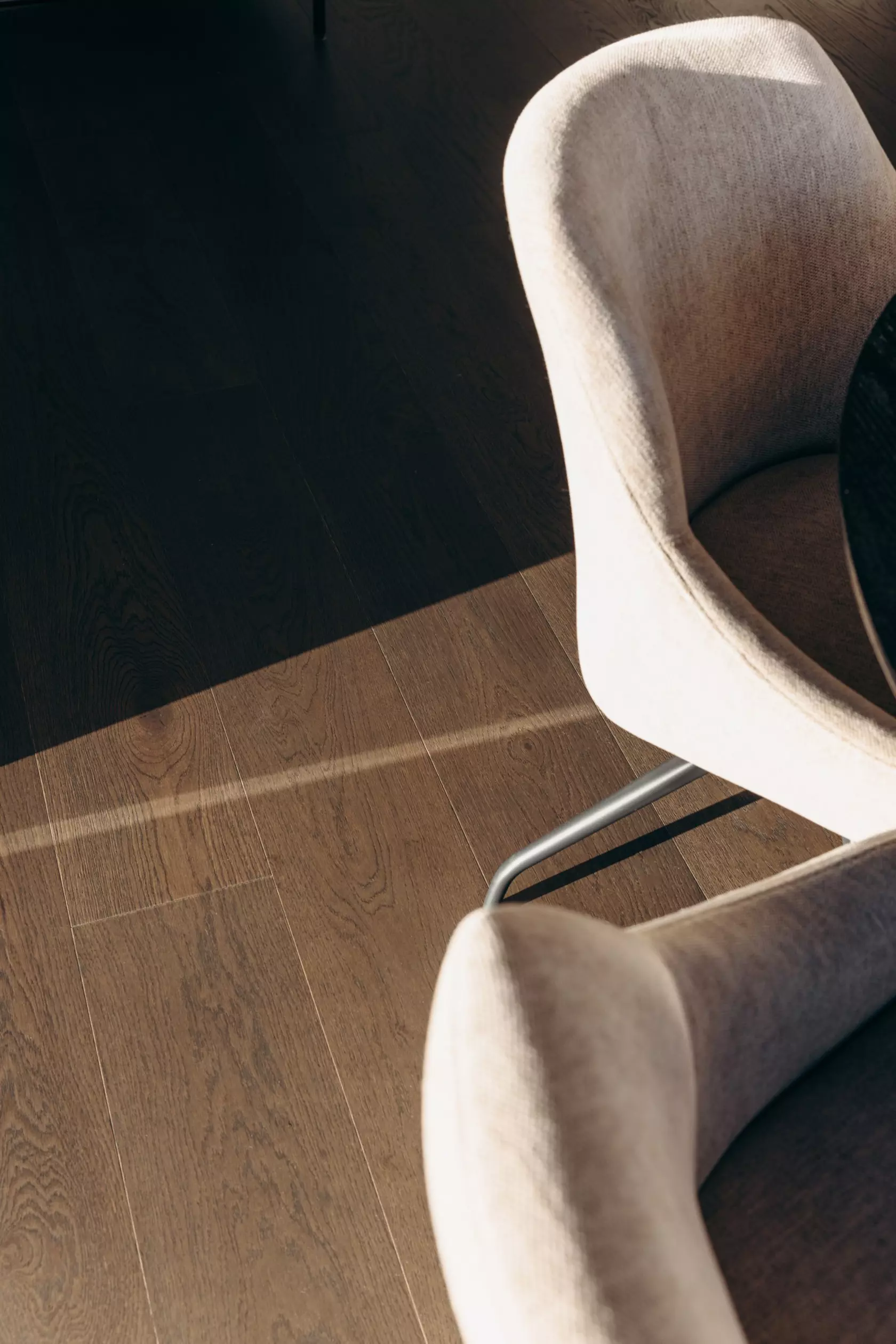
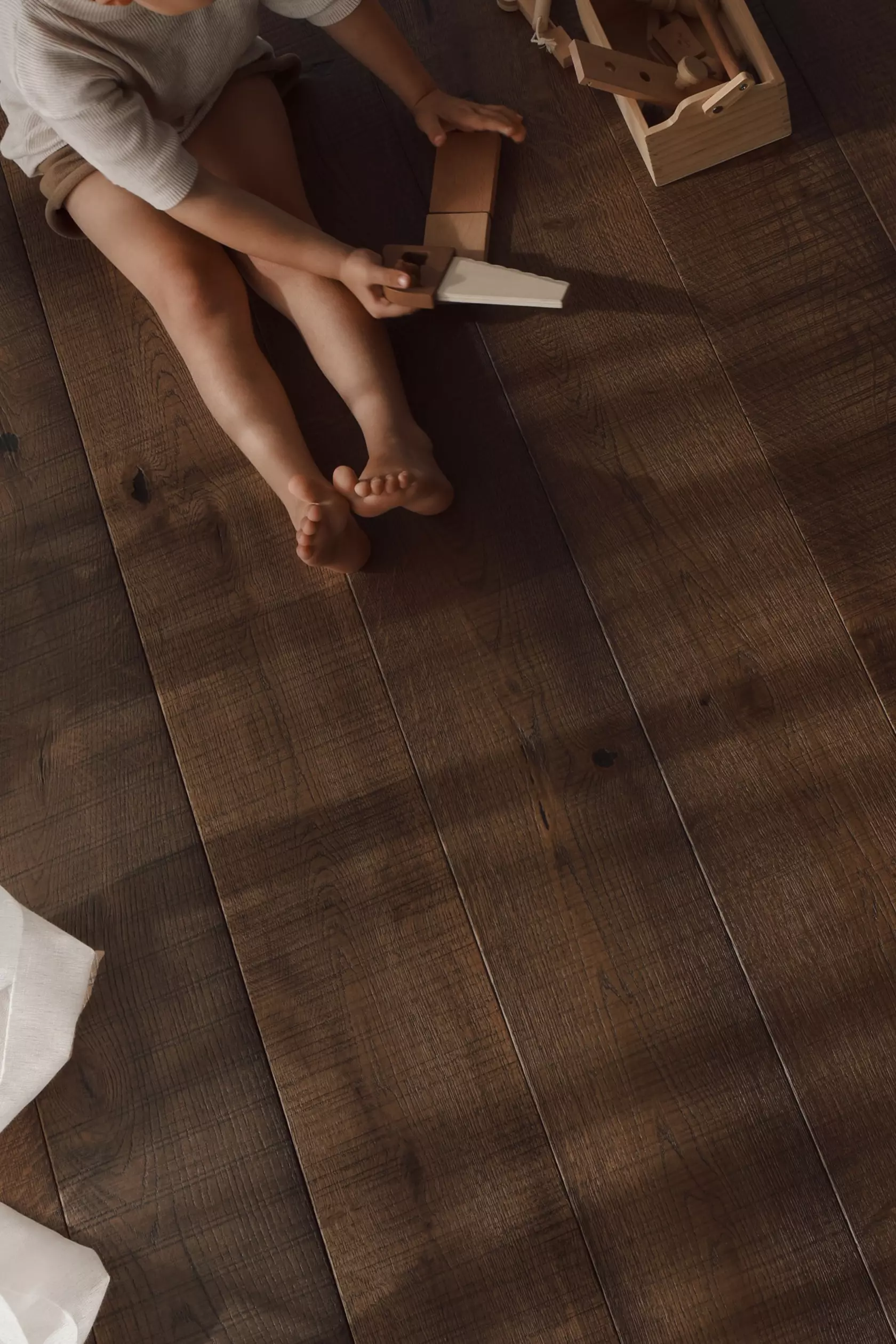
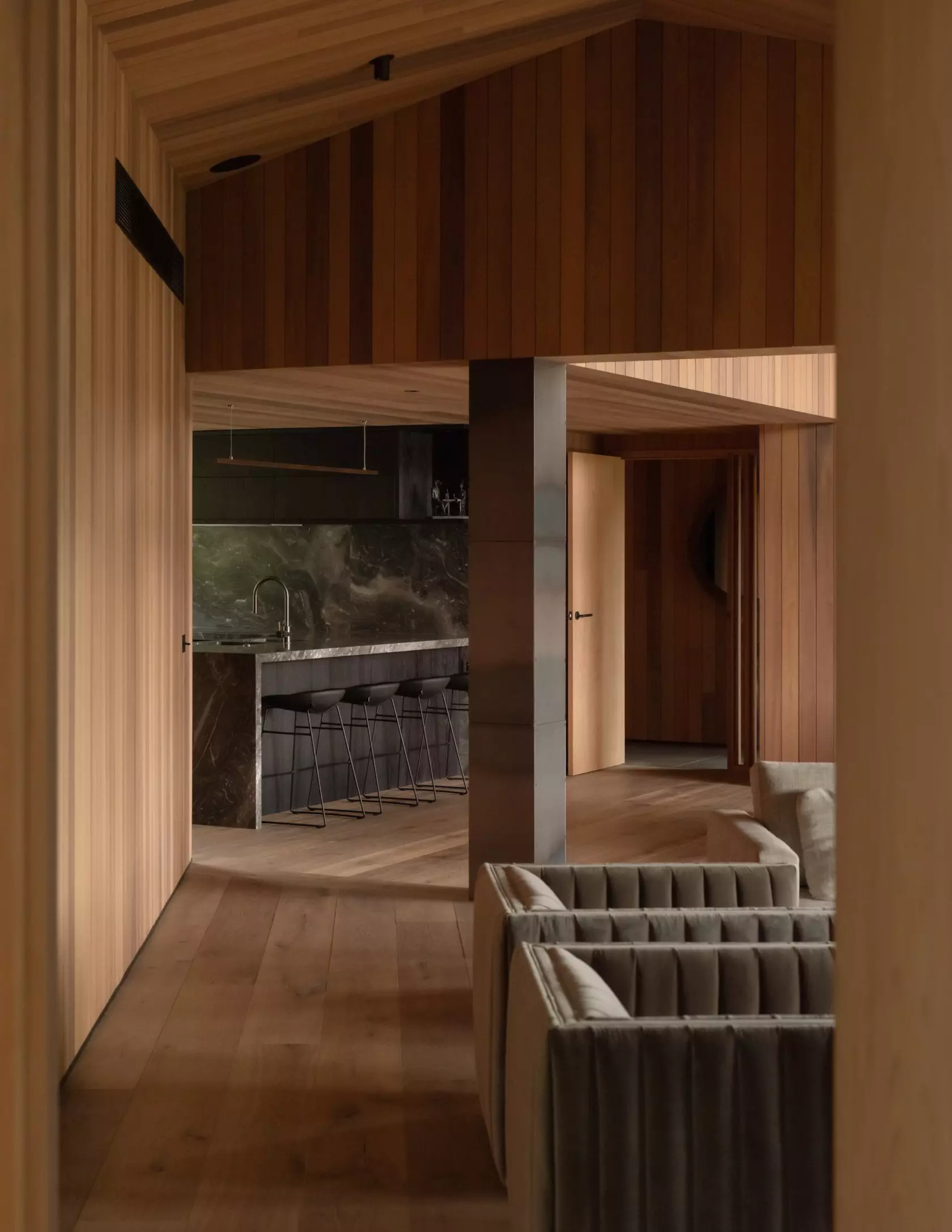
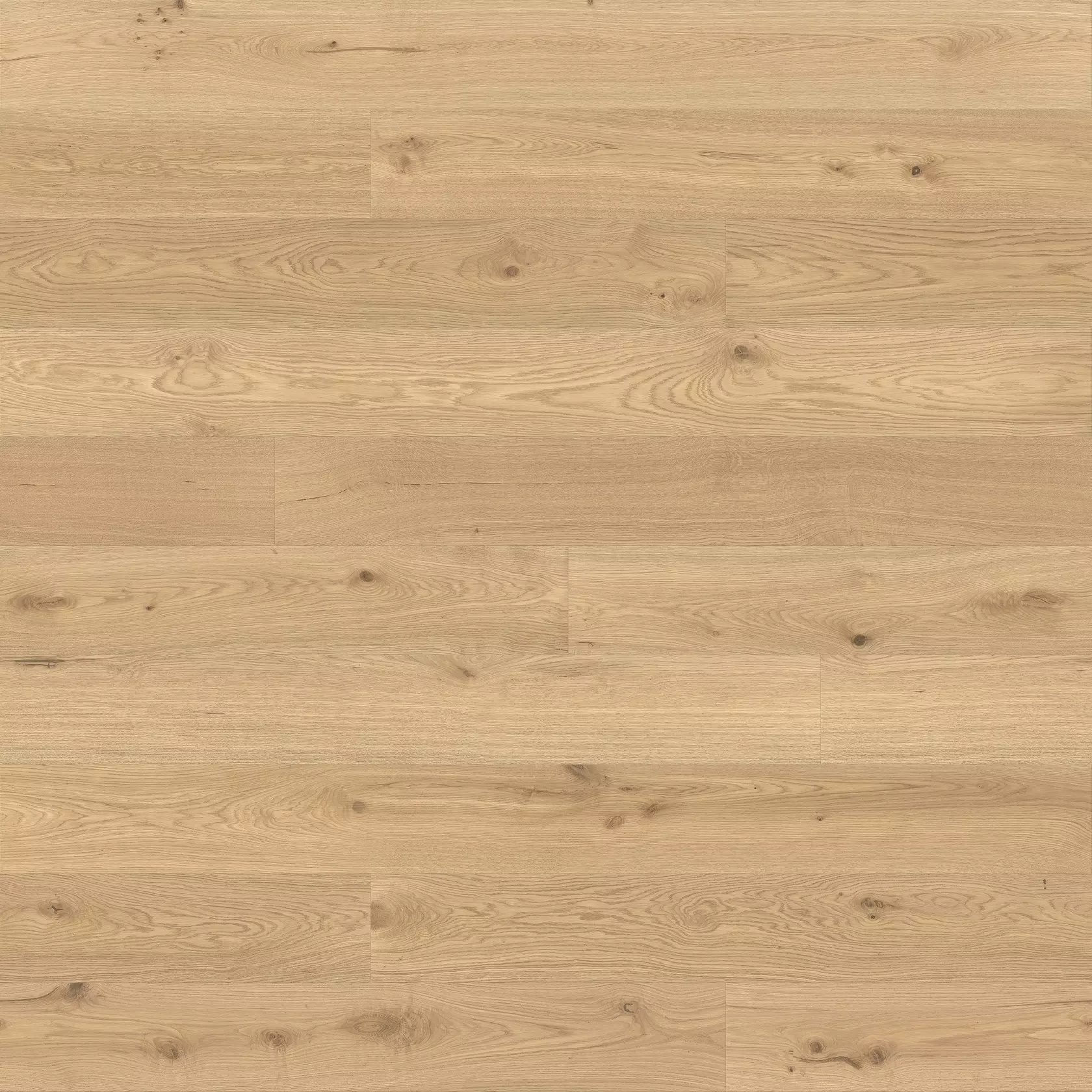
What makes Alexandra's work distinctive isn't perfection, but the confidence to layer eras and textures, to mix the unexpected, and to create rooms that work with the ebb and flow of life — shifting seamlessly, for example, from elegant dinner parties to daily family routine. Throughout her home, Forté's Moda Isola flooring anchors this philosophy, providing the durability a young family needs while offering a warm, timeless look that's adaptable to future changes.
In this conversation, Alexandra shares how she translates a London sensibility to New Zealand living, and why the most meaningful design celebrates the everyday.
Could you tell us about your home – who lives here, how long you've been here, and what drew you to it both as a designer and as someone with a young family?
I live here with my husband Alex, our two-year-old son Albie, dog Rocco, and we have a baby boy on the way. We’ve been in the house for almost a year now. We were renting just up the road and happened to stumble across the open home while out for a walk one day and knew immediately this was the perfect house for us. The light, generous spaces, and open-plan living felt perfect both for everyday life and entertaining. From a design perspective, it had great bones: a strong foundation with just enough character and flexibility to make it our own without the need for a full renovation. At a time when we are growing both our family and Studio Morrison, that balance felt right.
You returned to Auckland in 2024 after a decade in London's design scene. What did that experience teach you, and is there something specific you've brought back to your New Zealand work?
London is a place where design is richly layered and ever evolving. Mixing eras, textures and references. It is wonderfully unpolished and has a lived-in quality rather than feeling over styled. I was lucky enough to spend my time at a studio in Notting Hill where the Creative Director was incredibly talented in sourcing antiques, mixing bold colour and pattern while also showing restraint in her approach.
New Zealand design oftens lends itself to a minimalist aesthetic and connection to the landscape so I want to bring to my clients a sense of confidence and ease in selecting evocative, unexpected pieces and pairings that create timeless spaces full of personality.
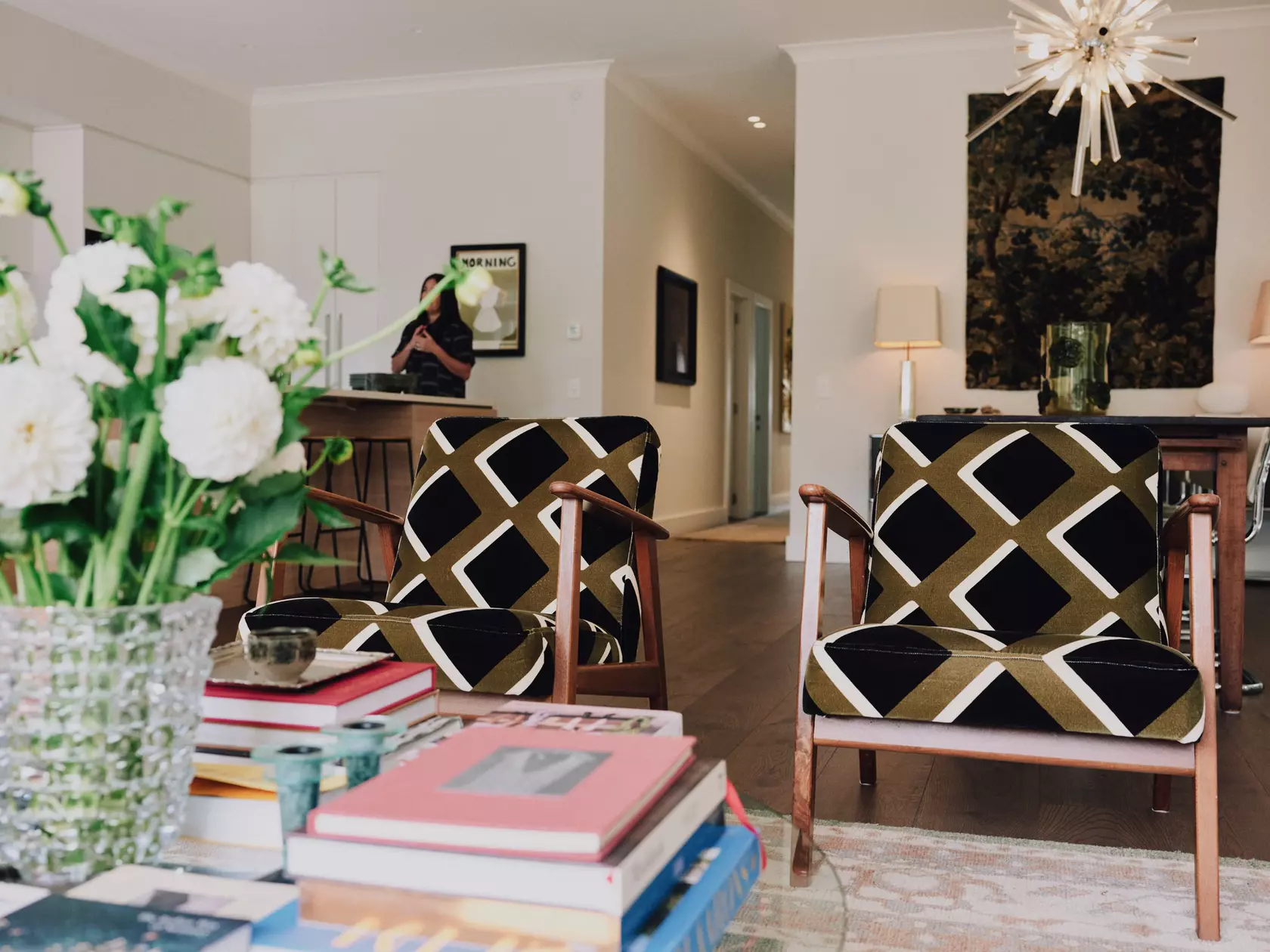
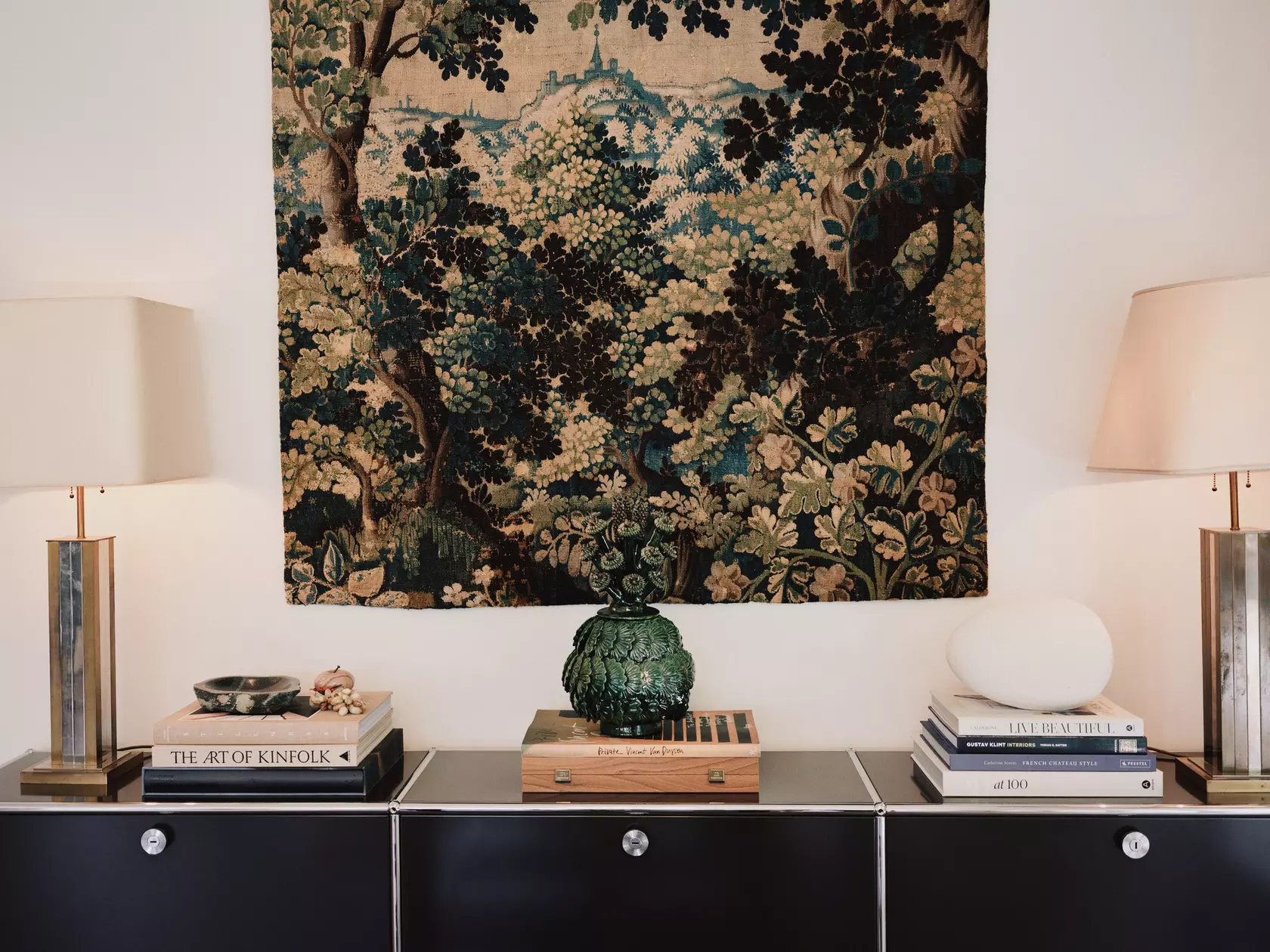
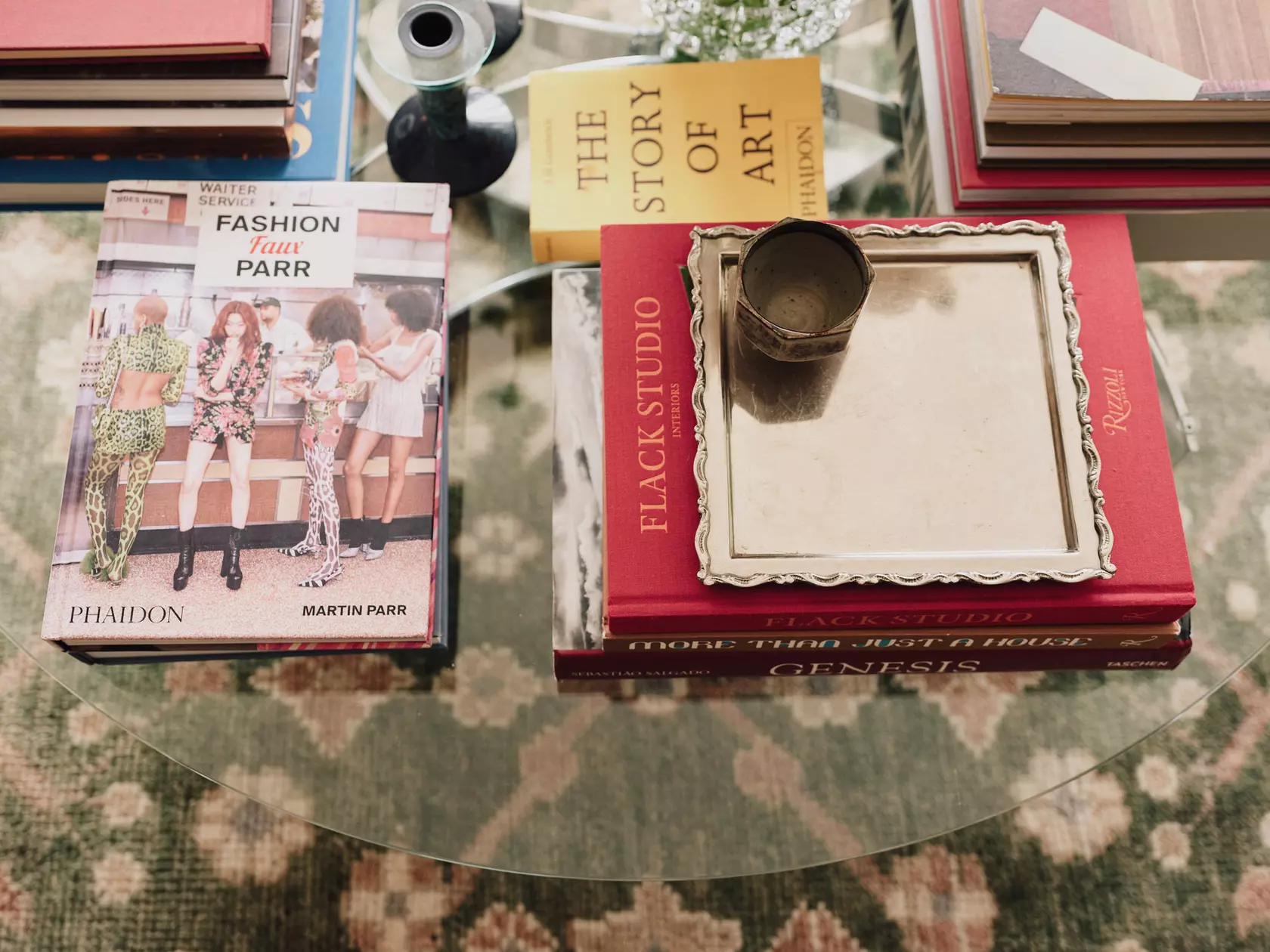
When it came to renovating your own home, what were your key goals for how you wanted the space to feel and function?
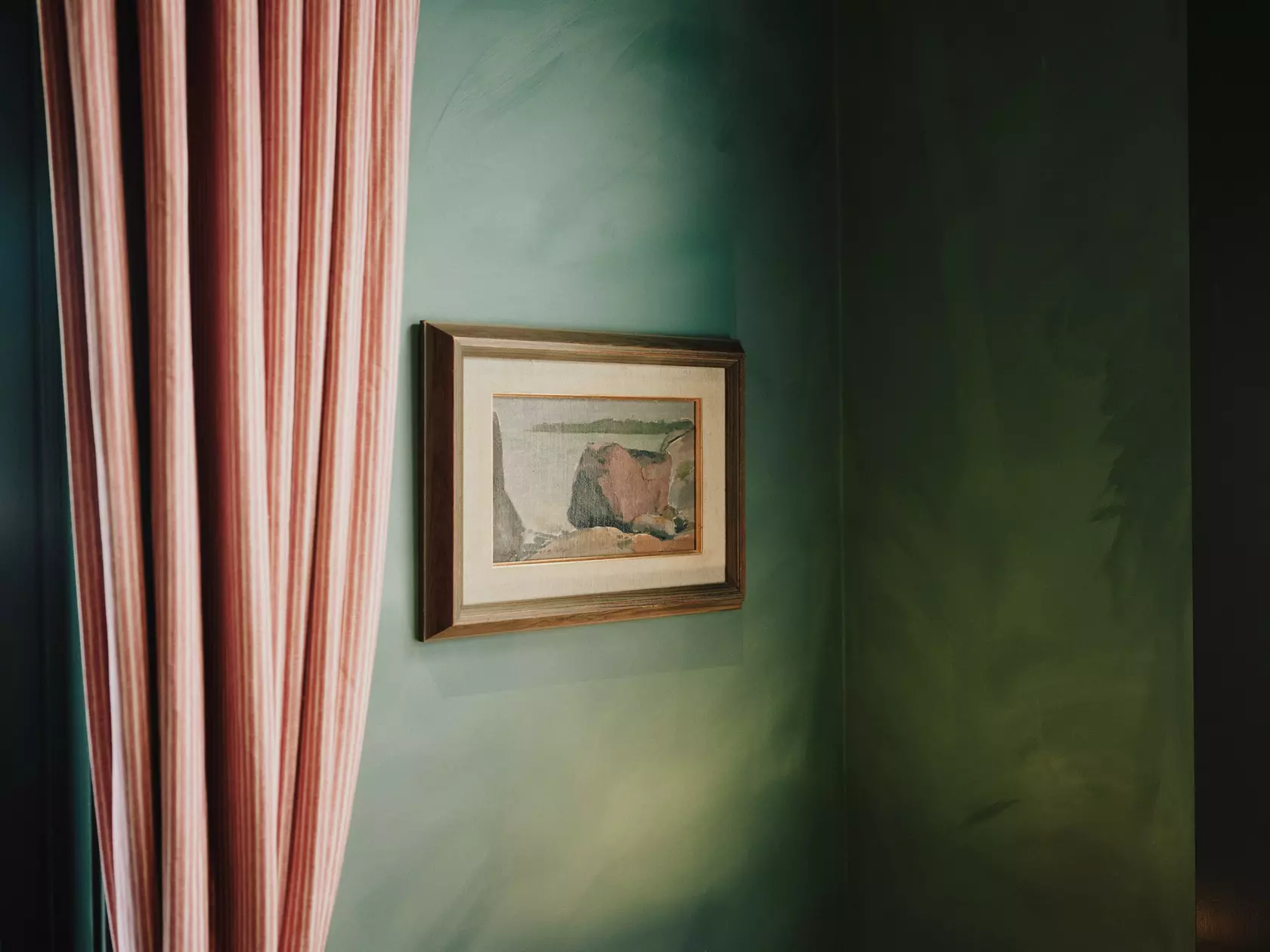
The intention was to create a home that feels layered and deeply personal, built around pieces we’ve collected through our travels and years living abroad. I wanted each room to offer moments of discovery, while still feeling cohesive throughout the house, new details people might notice and delight in each time they visit.
Above all, the space needed to reflect who we are at this moment — as a couple, as a family, and in this particular stage of our lives. It was important that it felt calm and grounding while also invigorating and full of life, with a richness that comes through in the depth of colour and texture. We are a young family, but at the same time love to entertain so the spaces needed to be functional and versatile. A dining room chic enough to host a dinner party but practical for a chaotic breakfast with a two year old.
Your philosophy centres on "creating beauty in everyday moments." Can you point to a specific moment or detail in your own home where that philosophy comes to life?
I am an aesthetically inclined person and so have always been drawn to making things visually appealing or “ creating beauty in everyday moments”, whether that is through decorating a room, laying a table or plating a meal. But often it’s the small, collected details that make a space feel alive and personal. The light above our dining room table, which we bought at Alfie’s market in London, catches the sunlight in the morning and casts reflections across the table and in the evenings with a warm dim this changes to shadows. I love it at every point of the day and often stop to look at it. It’s a reminder that beauty doesn’t always have to come from grand gestures.
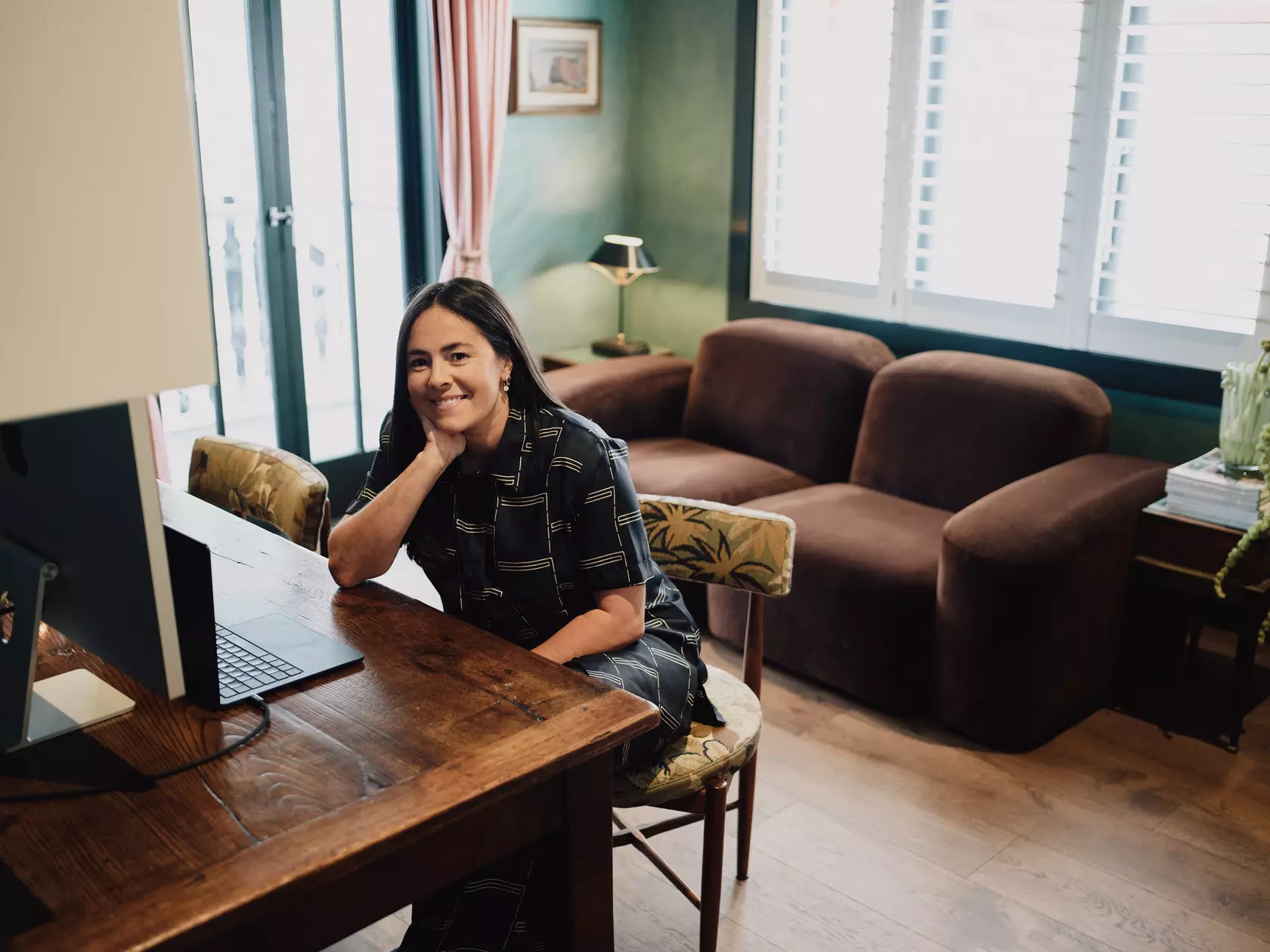
Your work beautifully mixes old and new – something we see throughout your home. How do you approach that balance, and how do you know when you've got it right?
My mum has always been an incredible collector of antiques and she taught me that if you love a piece, you will find a place for it. I encourage clients to incorporate the art, furniture, and treasures they’ve collected over the years. It’s about layering and contrast, rather than matching everything perfectly, so a space feels effortless, personal, and truly lived-in. You know you’ve got it right when the room feels authentic and considered, without ever feeling overly curated.
Your spaces always have beautiful depth, with plenty of layered textures and considered tonal palettes. When you're selecting materials, what are you really looking for beyond how they look?
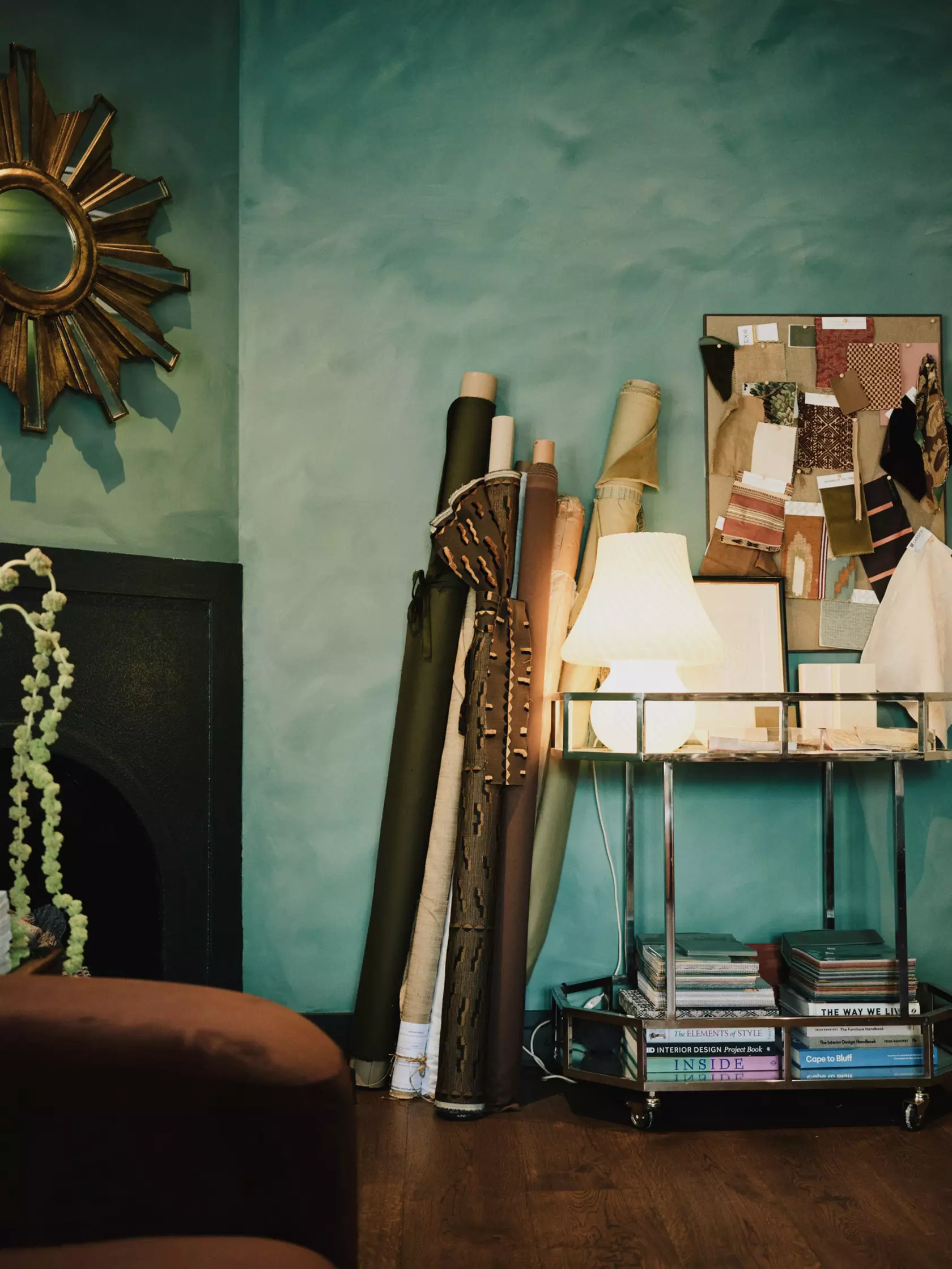
When selecting materials there are of course the important things to consider like how they catch the light, how they will age over time and how they interact with the existing architecture. However when I am scheming a space I love the moment of having all the pieces in front of me and feeling that excitement when it all comes together – holding the samples, feeling the textures and seeing the reaction of the clients the first time you present a scheme. A space should always feel layered and tactile, but never too precious.
You've used Forte's Moda Isola flooring throughout your home. How does it interact with the other materials, and did the flooring choice influence other decisions or was it the piece that tied everything together?
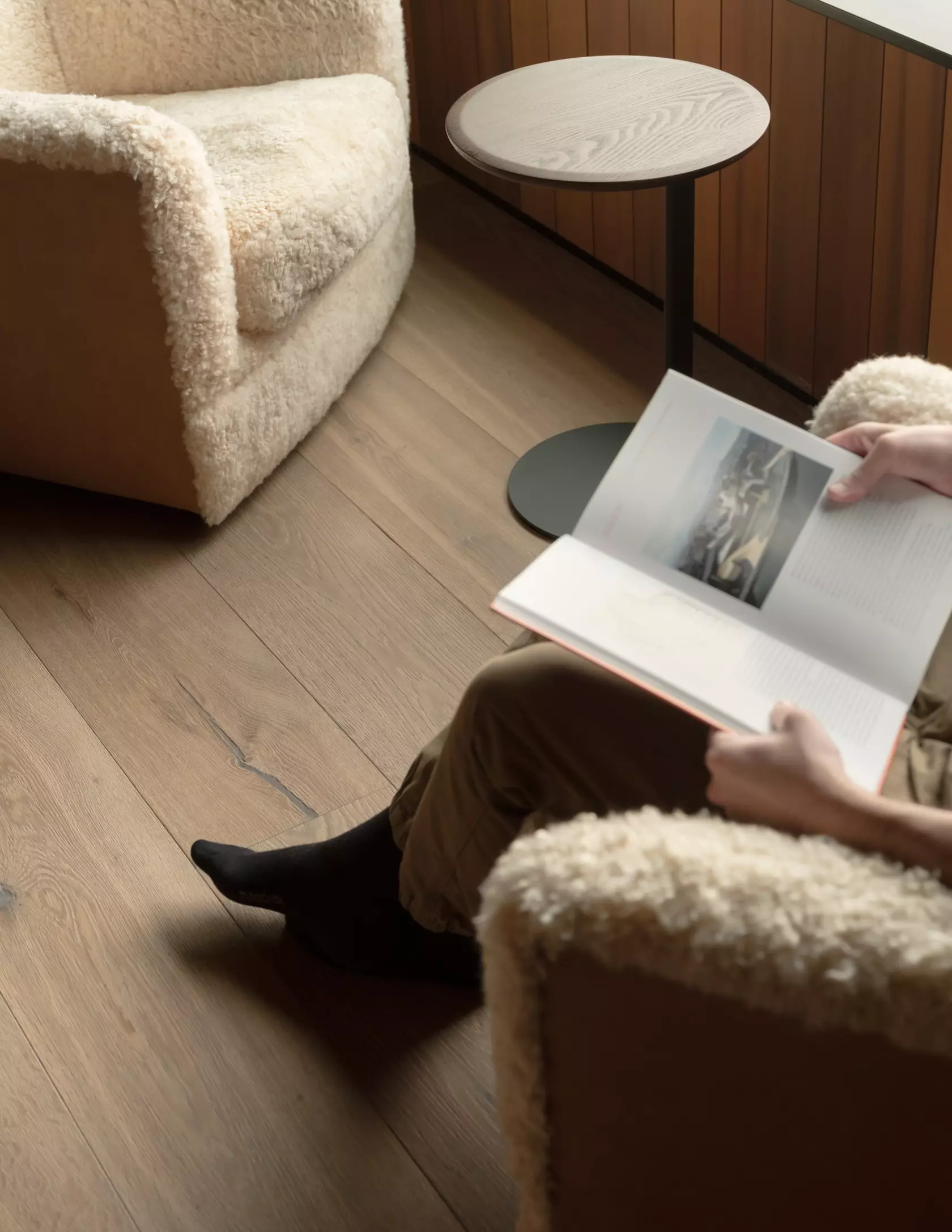
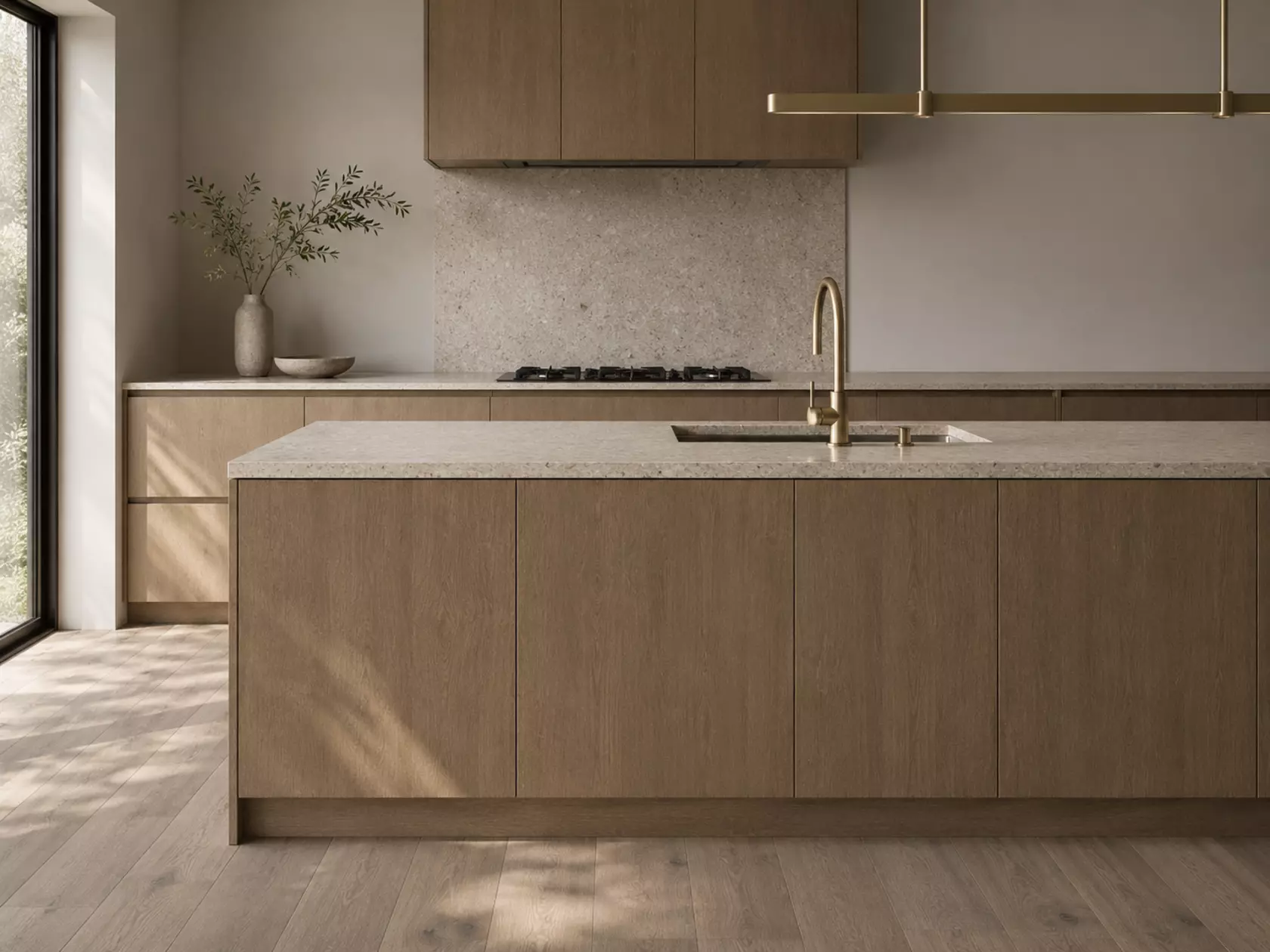
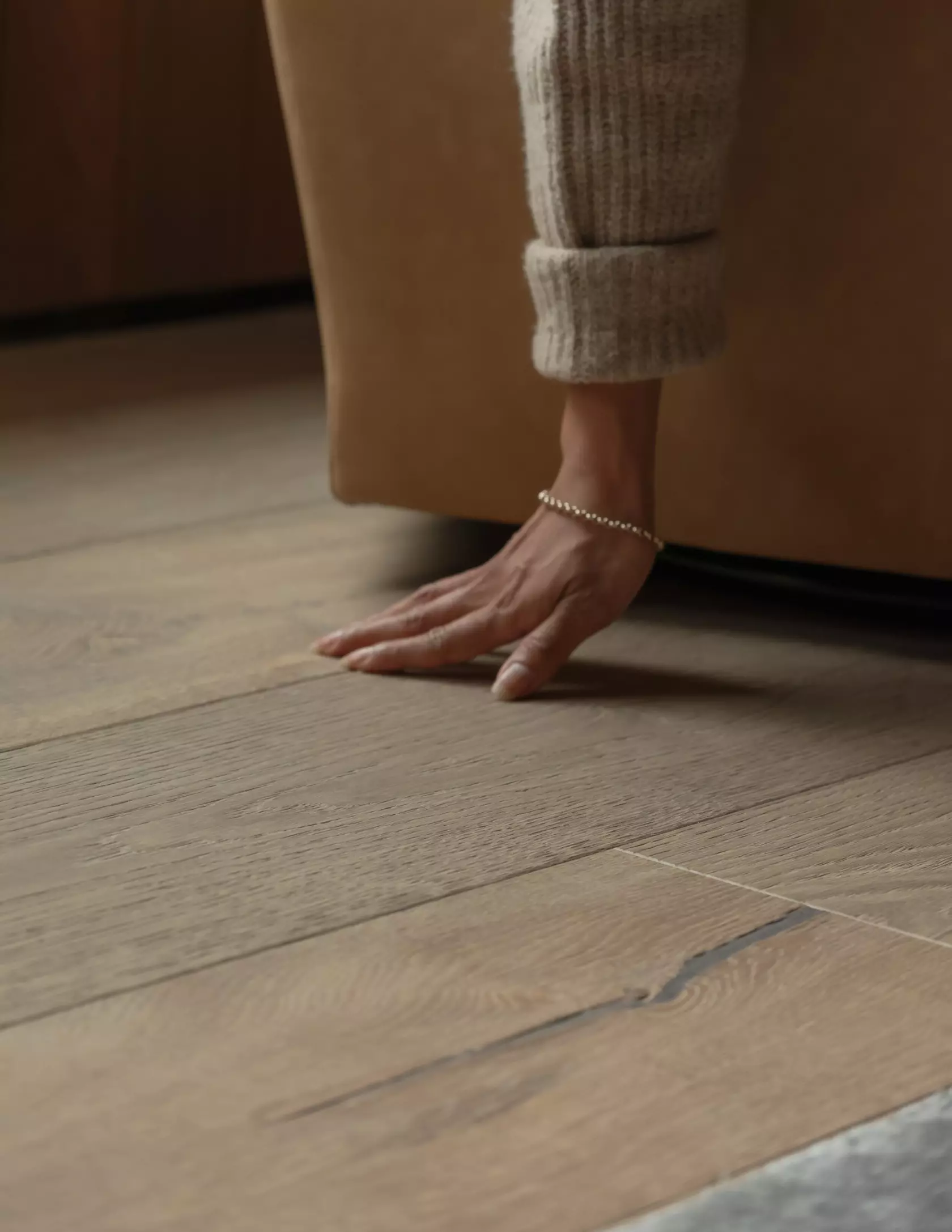
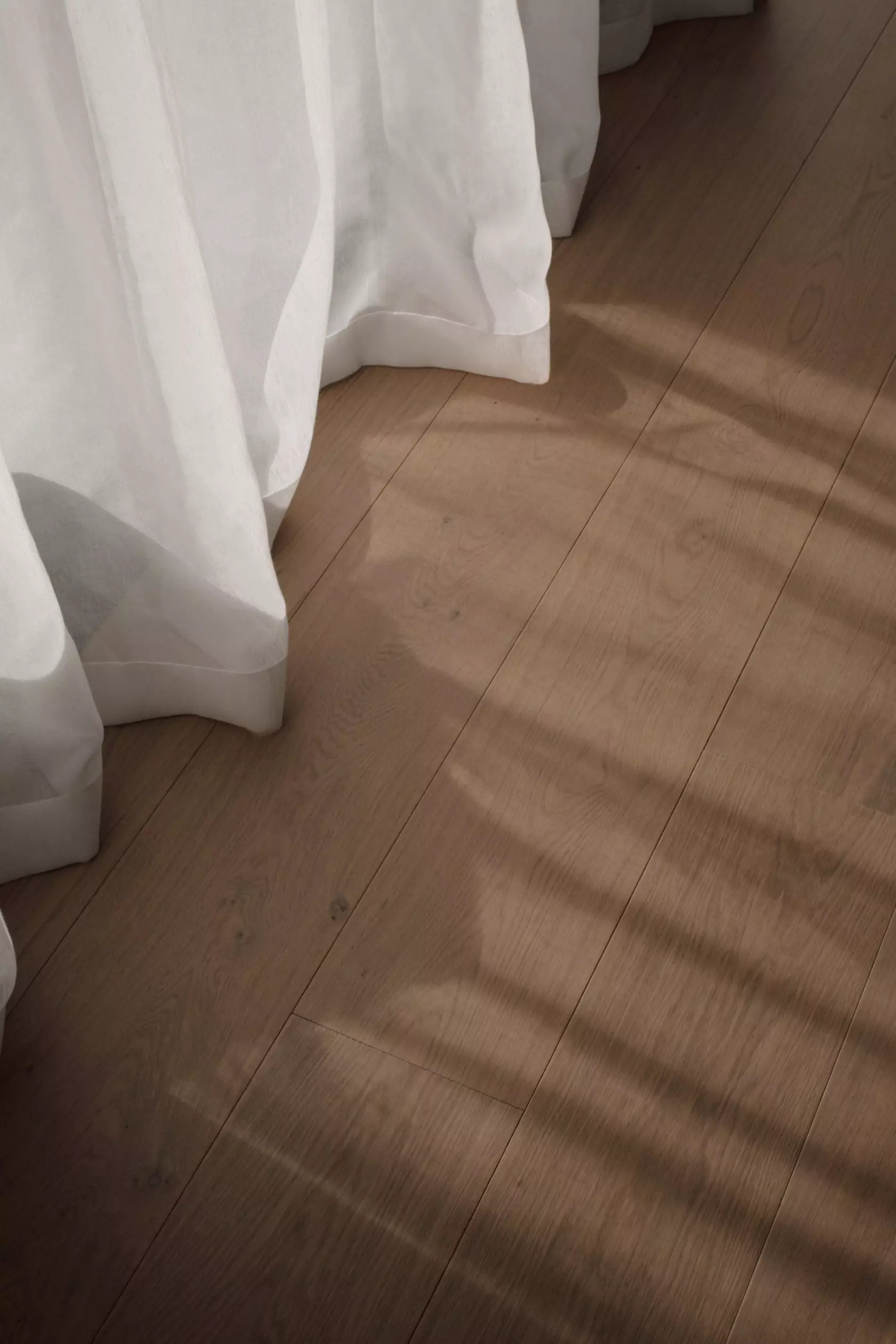
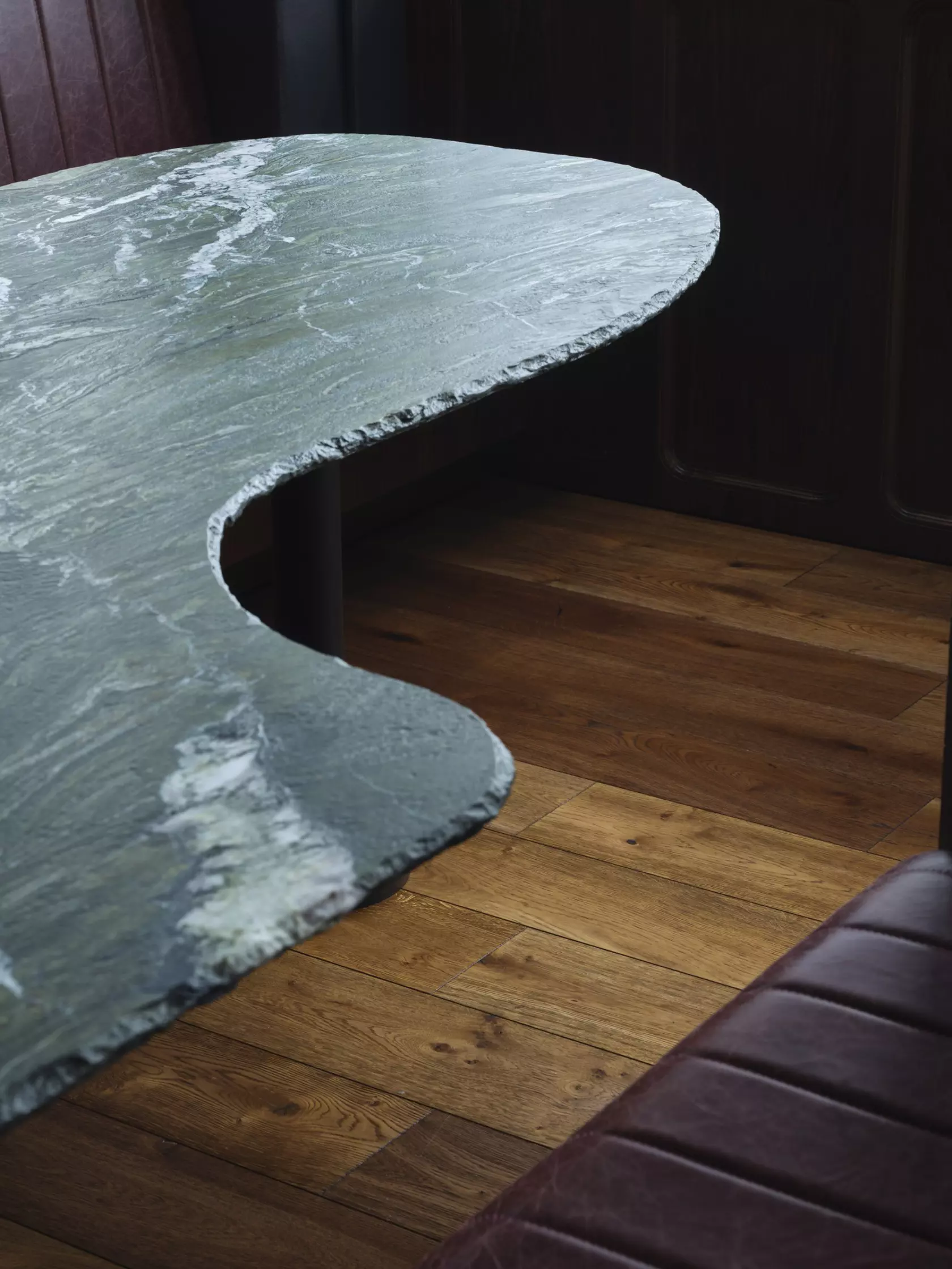
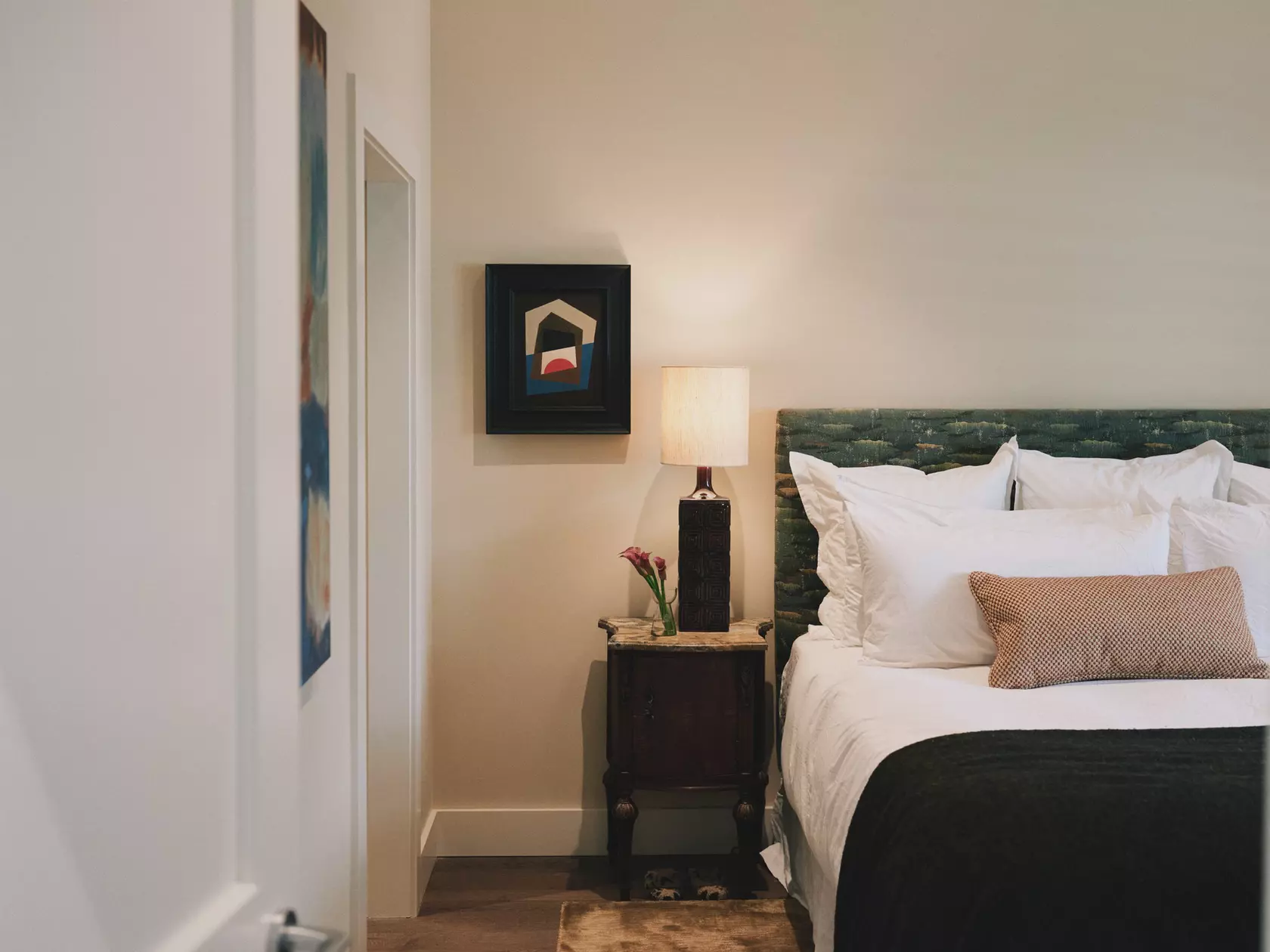
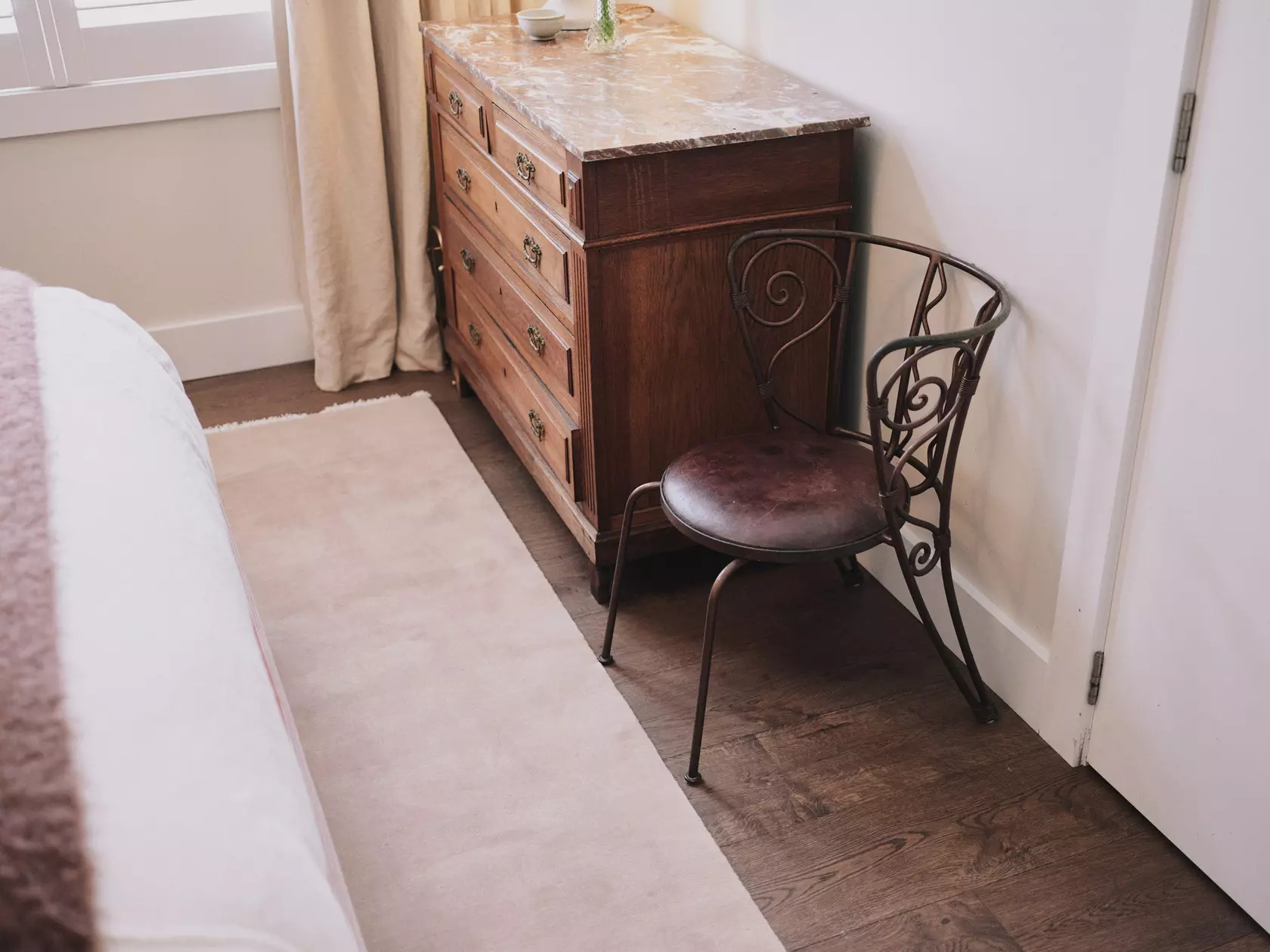
We chose Forte’s Moda Isola flooring throughout the house — even in the bedrooms — and it’s become such a key part of our home. The rich, European oak feels warm and inviting, while totally durable for a young family. I love the movement and imperfections between the planks which is what makes it so timeless and versatile. I know it will work beautifully with future kitchen and bathroom renovations.
Where are you finding inspiration right now? Has returning to New Zealand changed where you look or what resonates with you?
As cliché as it sounds, inspiration is everywhere – design books, textiles, art, food, nature – often found in the least likely of places. I could be walking past my local dairy and the line up of flowers could inspire a colour combination. As designers you are always gathering archives of inspiration which hasn’t changed since moving to New Zealand, and honestly is probably something I have been doing since an early age.
What do you want people to feel when they walk into a space you've designed, and how has your own home taught you about creating that feeling?
I want the spaces I’ve designed to feel warm, inviting, inspiring and authentic to the people who live there. Our approach balances refinement with approachability, layering thoughtful design with intention, and always infusing each space with character and meaning. Through my own home I have learnt to create a space that feels elevated while lived in, not too precious & undeniably functional. To create spaces that you can live in wholeheartedly. They should feel uplifting yet deeply comfortable and personal.
In our first year as a studio, we’ve quietly built a purposeful portfolio, largely through word of mouth—a sign, I hope, that our work is resonating and that we’re doing something right.