



Craft at Work: Little Batch Wax Co.
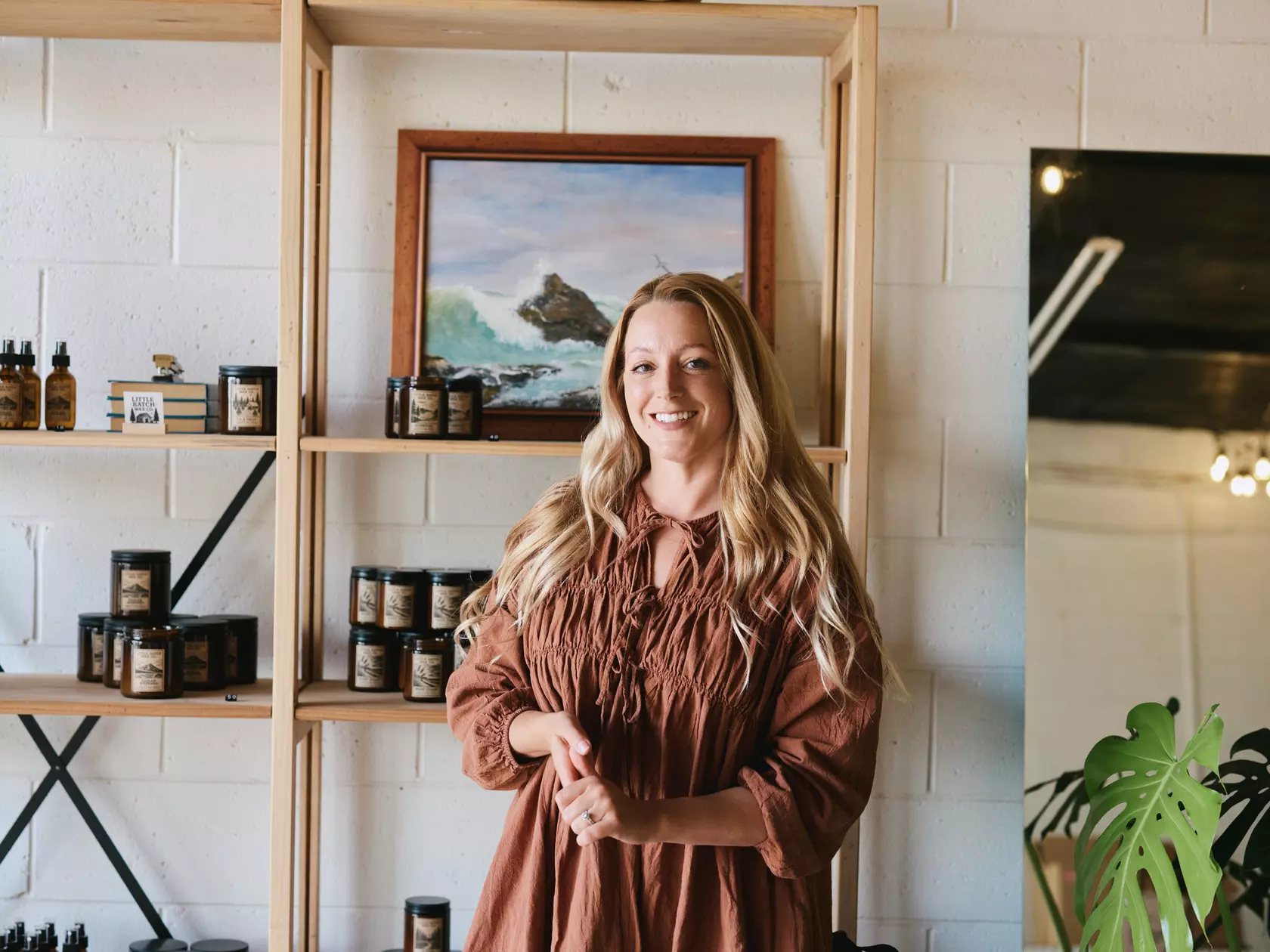
Beth Coulson’s candle-making journey began in her Auckland kitchen, driven by homesickness and a craving for scents she couldn't find on store shelves. What started as a therapeutic and experimental process grew into Little Batch Wax Co., a Pukekohe-based studio where she hand-pours 100% soy wax candles in small batches, never more than 100 a day.
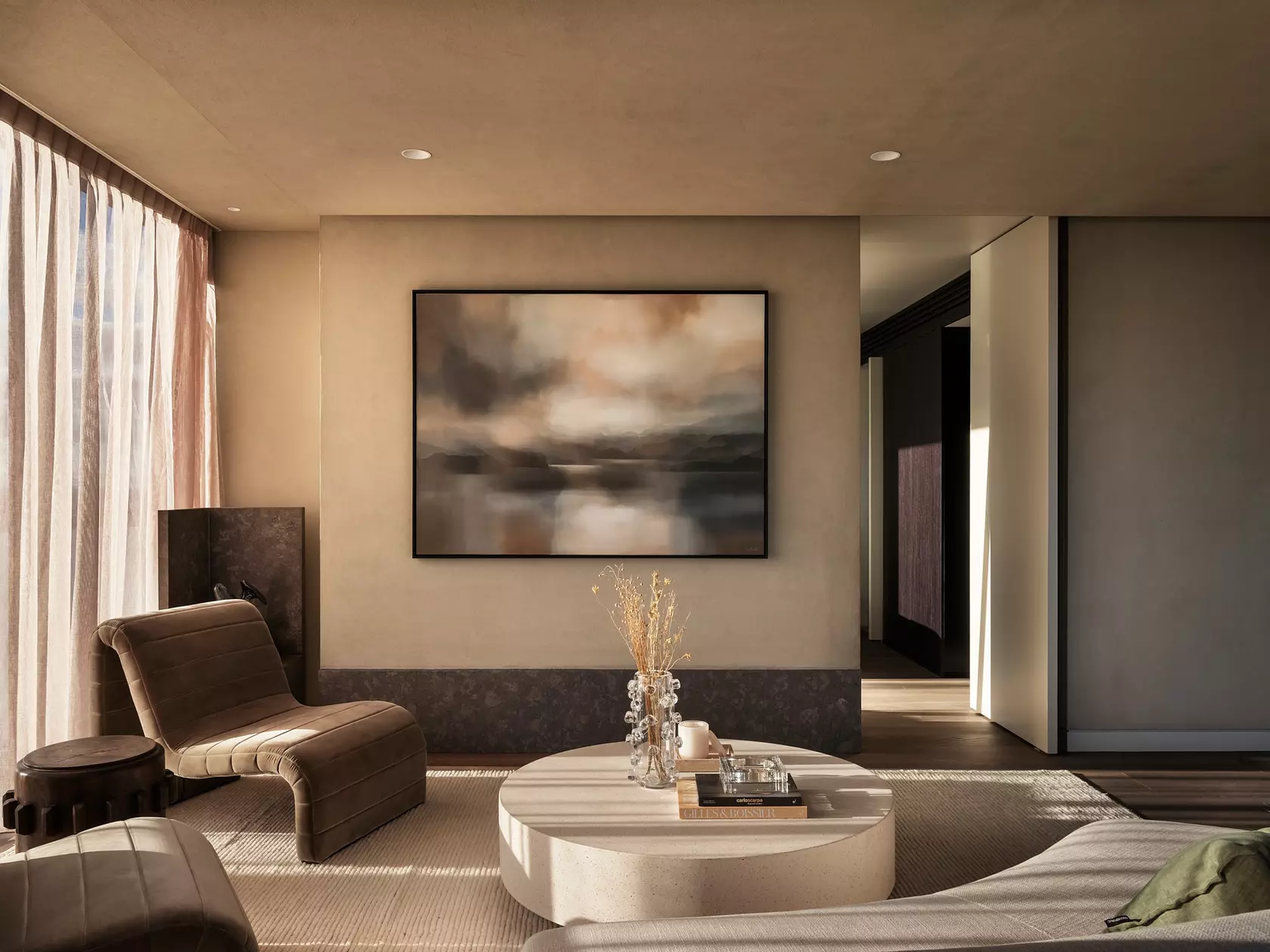
Her candles tell stories: Alpine, inspired by a family hike near Waihi. West Coast, reminiscent of Sunset Beach at Port Waikato. Raglan Weekend, named for the beach town where her extended family gathers. And of course there’s Sylvan, the custom scent she created for Forté's Experience Centres, and which evokes the feeling of walking through a sun=dappled forest.
In this Craft at Work conversation, Beth talks about the power of scent and memory, why transparency in ingredients isn't negotiable, and what it means to scale a craft business without losing the intention behind that first candle.
Can you take us back to that first Pumpkin Chai candle on your kitchen stovetop? What was the actual process like - the trial and error, the mess, the moment you knew you'd made something special?
Creating my very first candle was the beginning of an addiction — I was hooked immediately. After moving to Auckland from the Midwest (USA), I was happy but homesick, and I couldn’t find the candles I missed most.
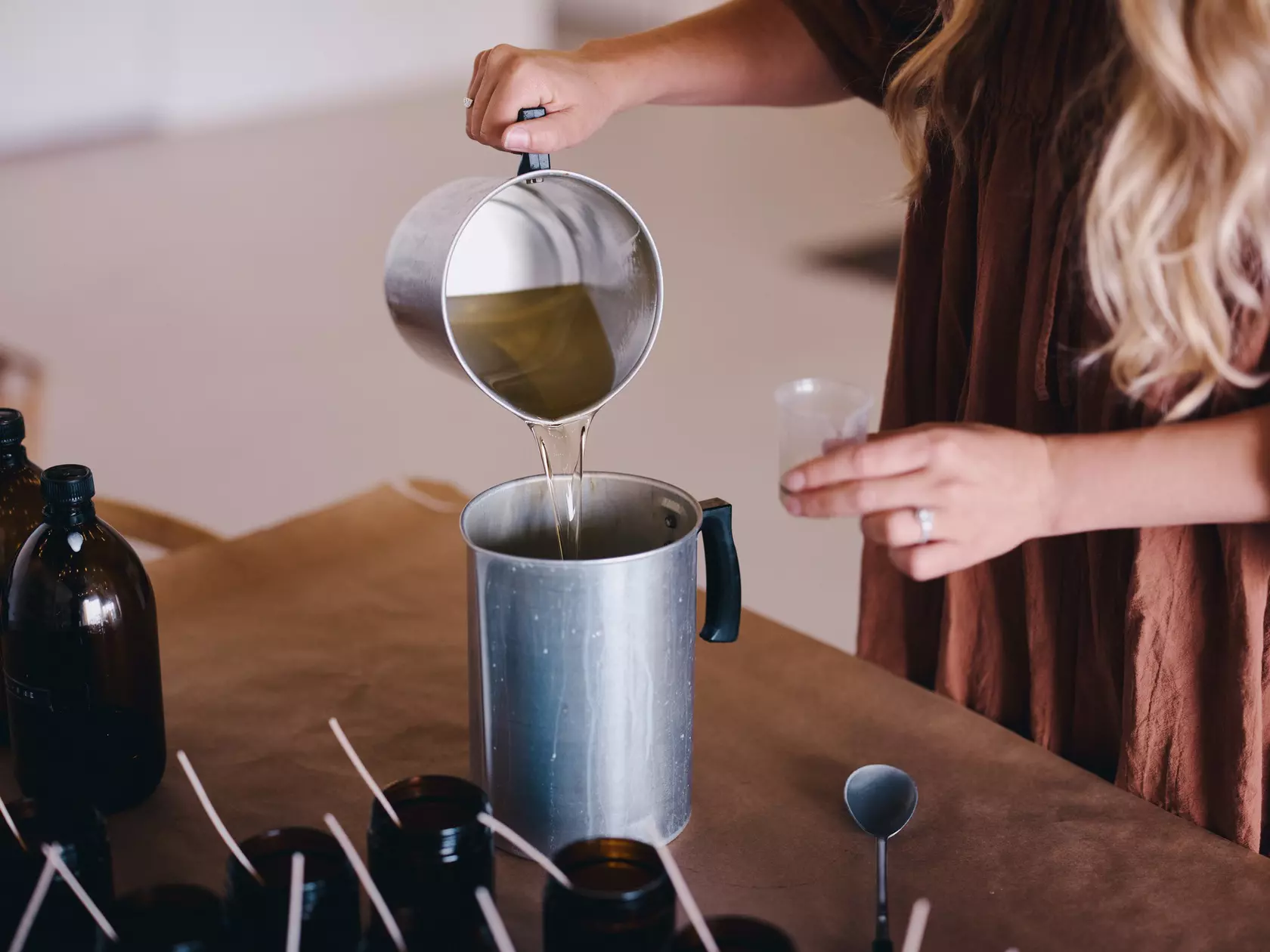
Blending the exact scent I was craving — pumpkin, cream, sugar and spice — measuring and adding the fragrance to the melted wax, and pouring it into a vessel was deeply therapeutic. I honestly think I sat and watched it cure, waiting each day to light it. And once I did, it eased something in me.
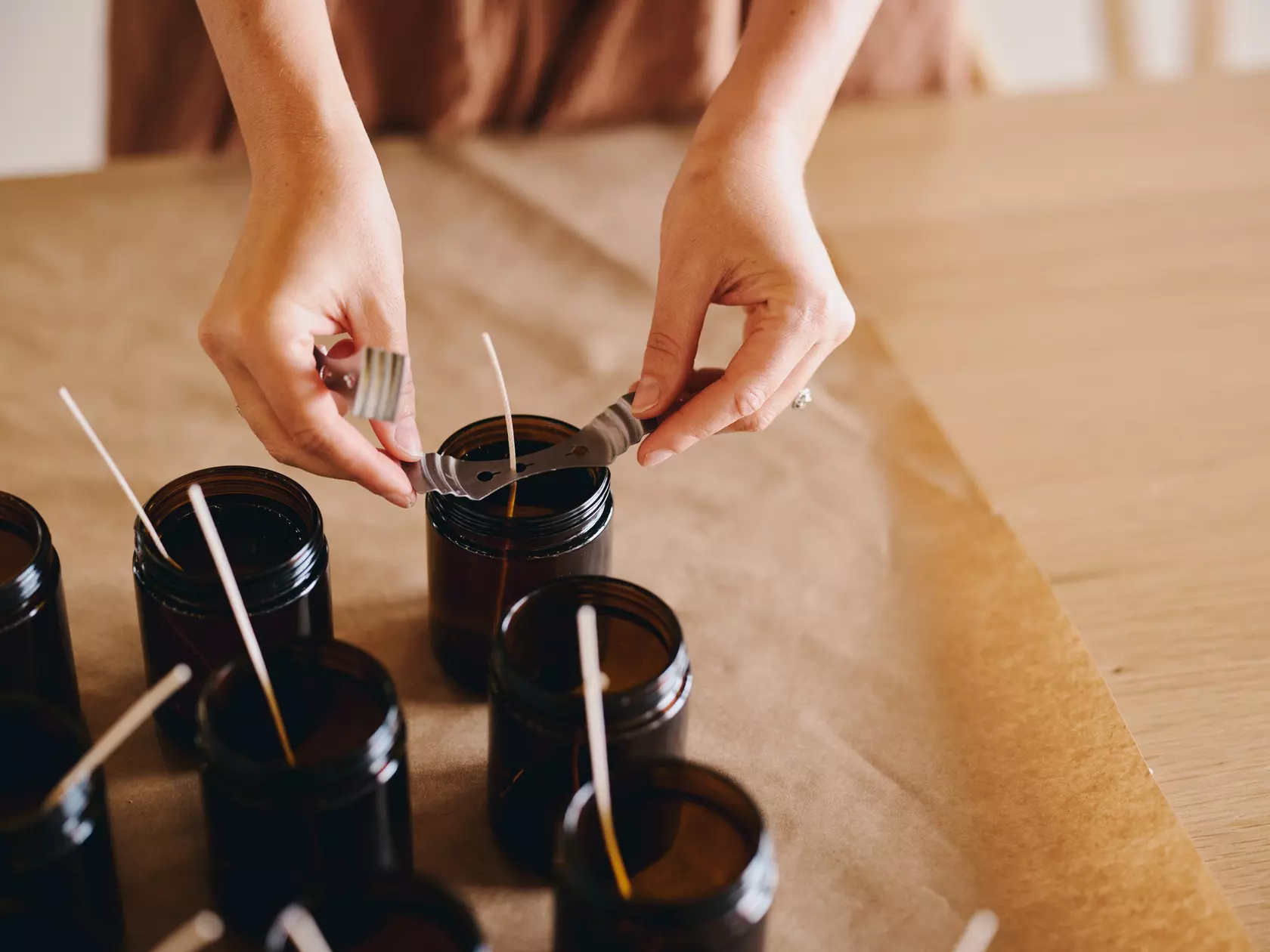
My collection grew quickly, and much of my paycheck from my day job went straight back into more materials and oils. Getting the wick size right, understanding scent throw, and learning all the small intricacies became especially satisfying for my brain that craves order. It took quite a few tries, but once I cracked it, I knew I was onto something.
You discovered that most store-bought candles contain paraffin and synthetic fragrances. What was that discovery process like, and how did it fundamentally change your approach to the craft of candle-making?
A: I learned this quite early on while researching which wax to use. My first feeling was frustration - I had no idea that "soy wax blend" meant mostly paraffin with just a drop of soy. And then to discover that over 90% of candles on shelves today are made with these "blends”...
This is something I feel compelled to share with people during our hands-on workshops. And now transparency in ingredients isn't just important to me - it's something we stand for.
Walk me through your candle-making process today - from conception of a scent to the finished product. How has your technique evolved from those early kitchen experiments to running a production space?
Most of my custom scent blends are seasonal and nature-inspired. I love depth in fragrance. My favorite notes when blending are fraser fir, spruce, fireside, teakwood, tobacco and cinnamon. But in summer, I lean toward blood orange, sandalwood, creamy coconut, lemon and lime-type fragrances.
"Alpine" is my absolute favourite scent in our line - inspired by a family hike we took near Waihi. "West Coast" reminds me of Sunset Beach at Port Waikato, near where we live. And "Raglan Weekend" was inspired by my favourite beach town, where we spend most weekends and where our extended family lives.
The process has evolved from these trial-and-error kitchen experiments to a more refined practice, but the heart remains: the re-telling of a story (place, feeling or memory) in scent form.
The warehouse allows me to create, test and maintain the quality needed for small-batch production like ours.
Scent is deeply personal and evocative. How do you approach developing new fragrances? What's your process for blending and testing, and how do you know when you've captured what you're after?
Scent is our most powerful sense - studies show scent can trigger emotion or recall memories five times faster than any other sense, due to its connection to the limbic system (where emotions / memories are processed).
I begin with an overall persona and feeling I’m looking to create. I'll usually name a candle before I blend. The scent is personal and almost always nature-inspired.
I'll gather fragrances from my favourite fragrance houses and blend up to three varieties, keeping notes on each. After blending, I step away from the scents for a day or two before deciding on my favourite. Next, I pour three test candles and give them to people whose opinions I value, and I go from there.
Sometimes, though, I just create for the sake of wanting a certain fragrance to exist in the world. Case in point: "Hearth," which smells like a fireplace in a wood cabin tucked deep in the forest.
I'm always trialing and testing new fragrances. It's important that scents sit well within our existing collection, but also that we offer variety.
Your candles are deeply connected to seasons and the rhythms of the year. How does living in New Zealand - with seasons opposite to your home city of Detroit - influence the scents you create and when you make them?
Living in New Zealand has reshaped how I think about the seasons. Growing up in Michigan, autumn meant crisp air, falling leaves and pumpkin picking.
Winter here has its own distinct scent — softer and more intimate than the harsh, snowy Midwest cold.
What I love is that I now have access to two seasonal vocabularies to dip into. I can create autumn scents inspired by where I'm from, while also celebrating New Zealand summer or a foggy Waikato winter morning.
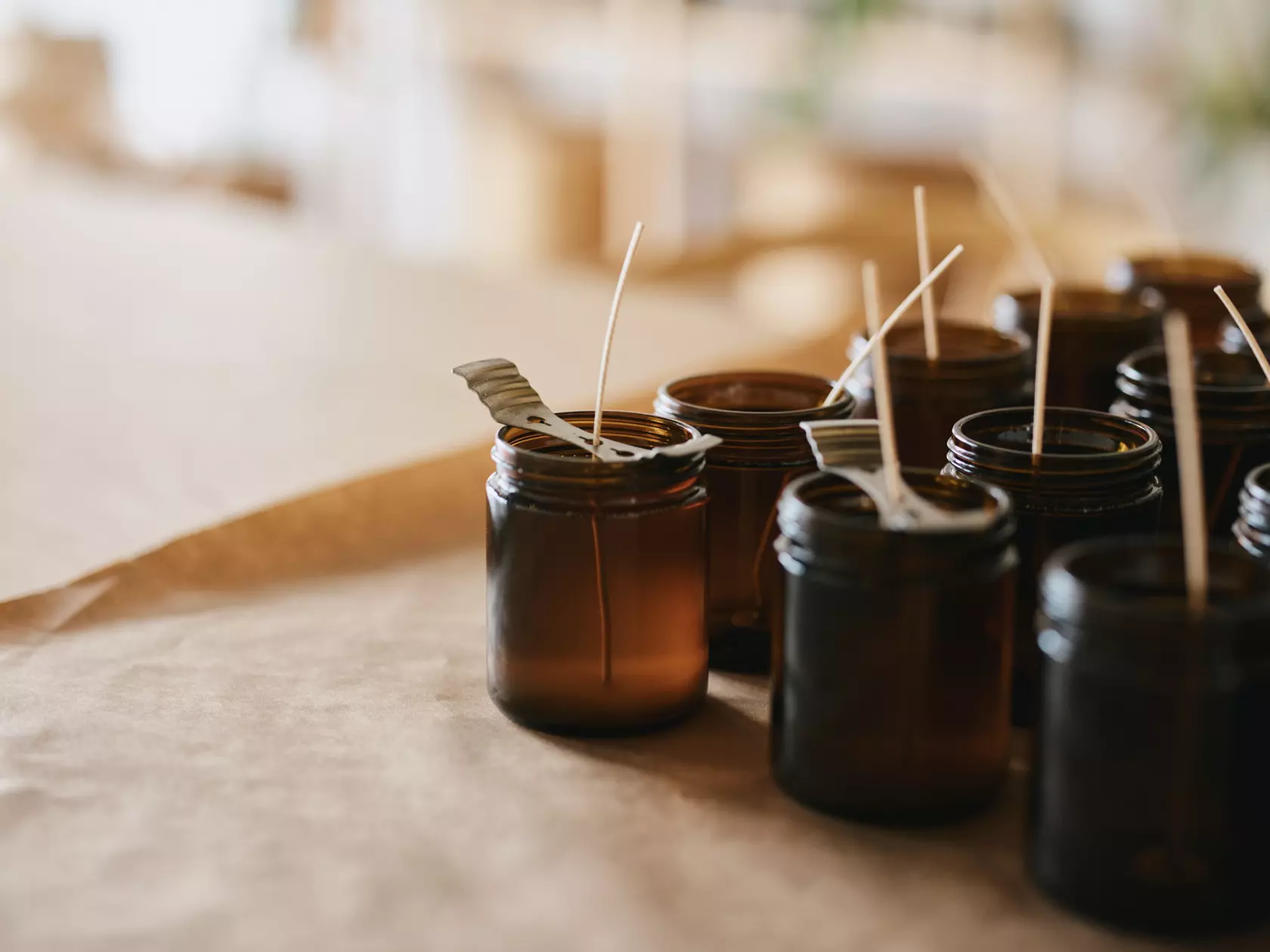
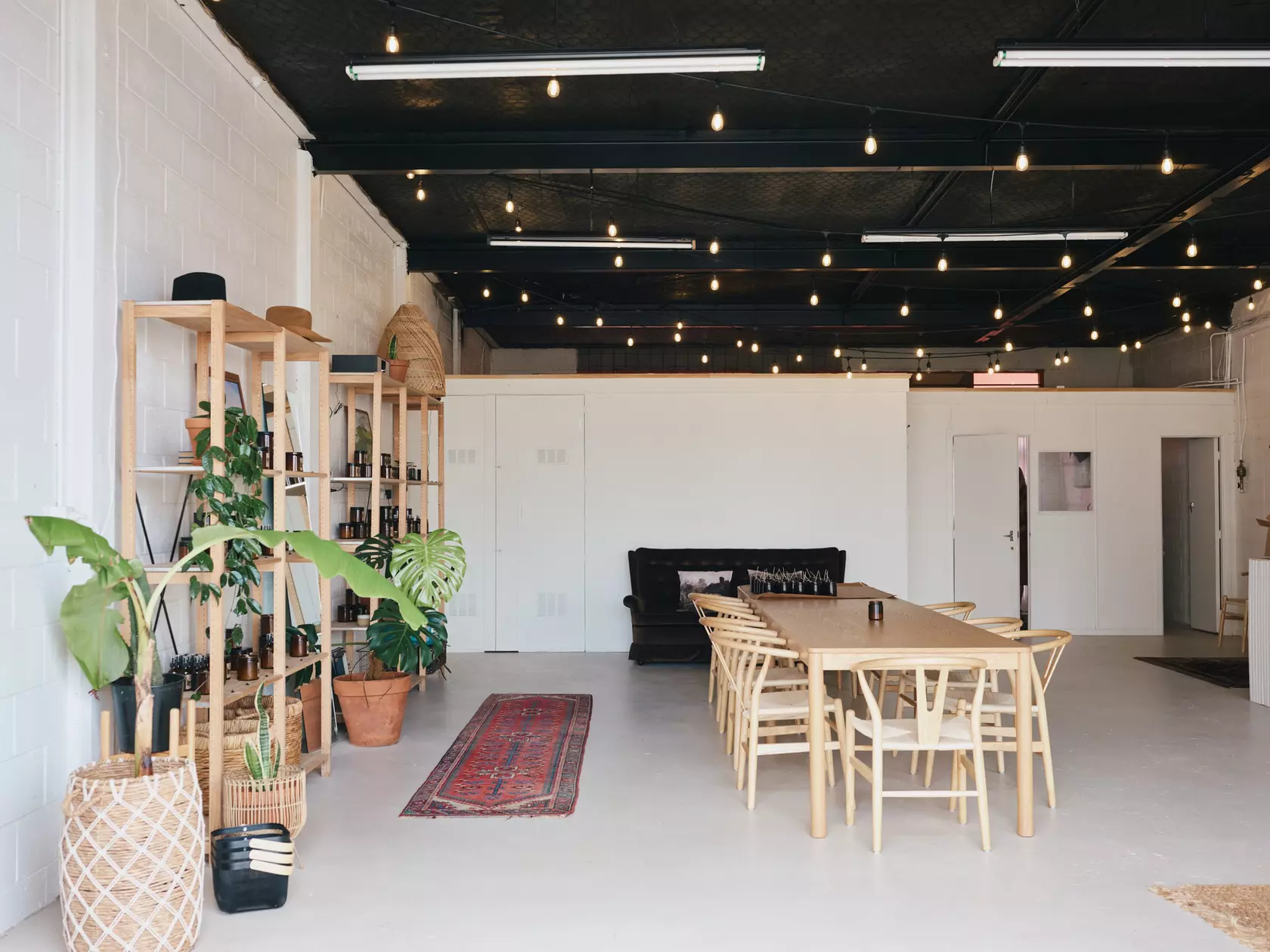
You also run hands-on workshops. What happens when you teach someone to make their first candle? What do they learn about the craft... and maybe even about themselves?
I absolutely love teaching others how to blend scents in our workshops.
What they learn goes far beyond wick placement and pour temperature. They begin to realise that scent-making is really about memory — first noticing it and then bringing it back to life. They leave with a candle but also with permission to lean into their own senses, to pay attention to what moves them and to recreate those moments in scent form.
The workshops are really special because they take me right back to why I began making candles in the first place.
Let's talk about materials. Why soy wax specifically, and what does it demand from you as a maker? How do you source your ingredients, and what are you looking for in a phthalate-free fragrance oil?
I adore soy wax. It can be fickle and dramatic, but when it sets properly, it's a joy to work with. Our soy wax is made from hydrogenated soybean oil - naturally biodegradable, 100% plant-based, vegan and without synthetic additives.
Soy wax demands patience and precision. It's temperature-sensitive and won't forgive shortcuts. But that's exactly why I love it - it keeps me honest as a maker.
As for fragrance oils, phthalates are non-negotiable for us - we simply won't use them. Phthalates are synthetic chemicals used to make fragrances last longer, but they're also endocrine disruptors linked to hormonal imbalances and other health problems. When you're burning a candle in your home for hours, you're breathing in whatever's in that wax.
We source only phthalate-free fragrance oils from reputable suppliers. Quality ingredients cost more, but there's no compromise when it comes to what people are bringing into their homes and breathing in daily.
You now have a physical space at 152A Manukau Road. How has having a dedicated workshop changed your relationship to your craft? What does it mean to have a home for Little Batch?
A: It's been an absolute dream to give Little Batch Wax Co. the home she deserves - a physical retail space and fulfillment center all in one.
The warehouse has become a gathering place for creation and community. It's where I pour candles at 8am before anyone arrives, where workshop participants can create their new favourite scent and where Candle Club boxes are packed each month.
The move felt natural. The space is perfect, and Pukekohe has been so welcoming. I’m grateful for the support of our local community.
Scaling a craft business means balancing growth with maintaining quality and intention. What's been the hardest part about going from one candle to many, and how do you preserve what made that first candle special?
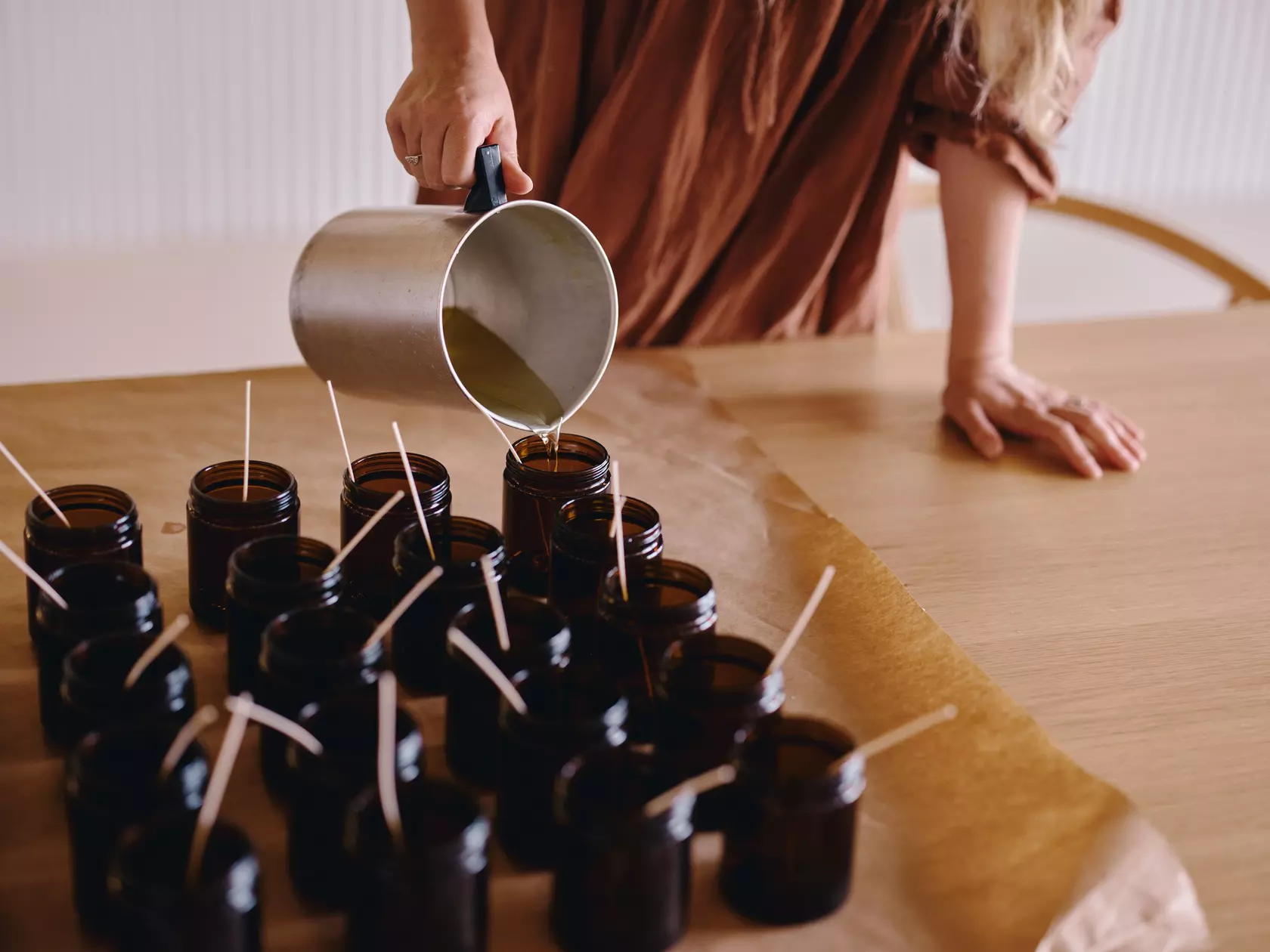
A: Small-batch production remains our core objective - it's in our name, after all. We won't pour more than 100 candles in a day, each made by hand in a controlled setting.
Small-batch means we can monitor fragrance load, pour temperature, and packaging consistency. It means I can still catch a candle that doesn't look quite right, adjust a wick placement, or notice when something's off.
The hardest part of scaling has been resisting the pressure to produce faster and grow bigger than we're ready for. Every candle that leaves our warehouse should feel like it was made for that specific person - because in a way, it was.
When you light one of your candles now, what do you notice? And what does the word "craft" mean to you after eight years of doing this work?
When I light one of our candles now, I notice how the flame performs - the scent throw relative to room size and how long it takes to reach a full melt pool. (These are all important things to track when burning your own candles.)
I also notice how the mood in a room shifts. How candlelight fills the cracks of the spaces where we spend most of our quality time. The conversations that happen around it.
After eight years, “craft” means showing up every day to do work that matters on a small scale — work that won’t change the world, but can make a long day feel a little lighter for someone.
I'm grateful to call this my work. Thank you to Forte' for being part of our story and for allowing us to be part of yours.