










Case Study
Dilworth St Patrick's Chapel
Auckland

The architecture of sacred spaces carries an obligation that most building types do not. It must do everything a complex brief demands – for example accommodate a growing school community, perform acoustically across a dozen different configurations, serve the daily and the ceremonial – while also producing something that stops a person in their tracks. Not through drama, but through a quality closer to profound stillness.
When Jasmax was appointed to replace Dilworth School's ageing 425-seat chapel, that was the charge: a new 775-seat space that could serve a growing school community across a wide range of uses, and still feel, above all else, like somewhere that naturally invites pause and reverence.


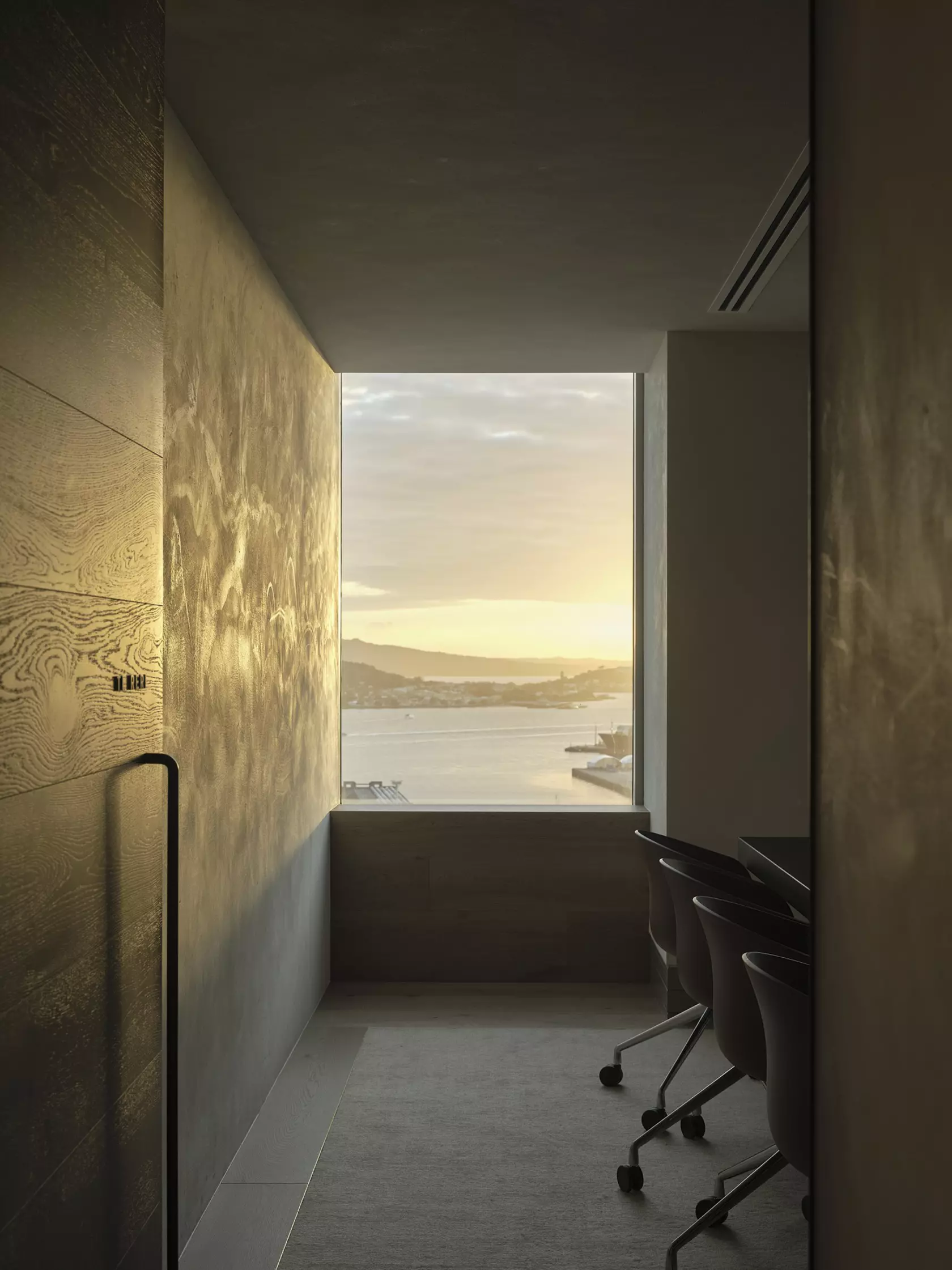
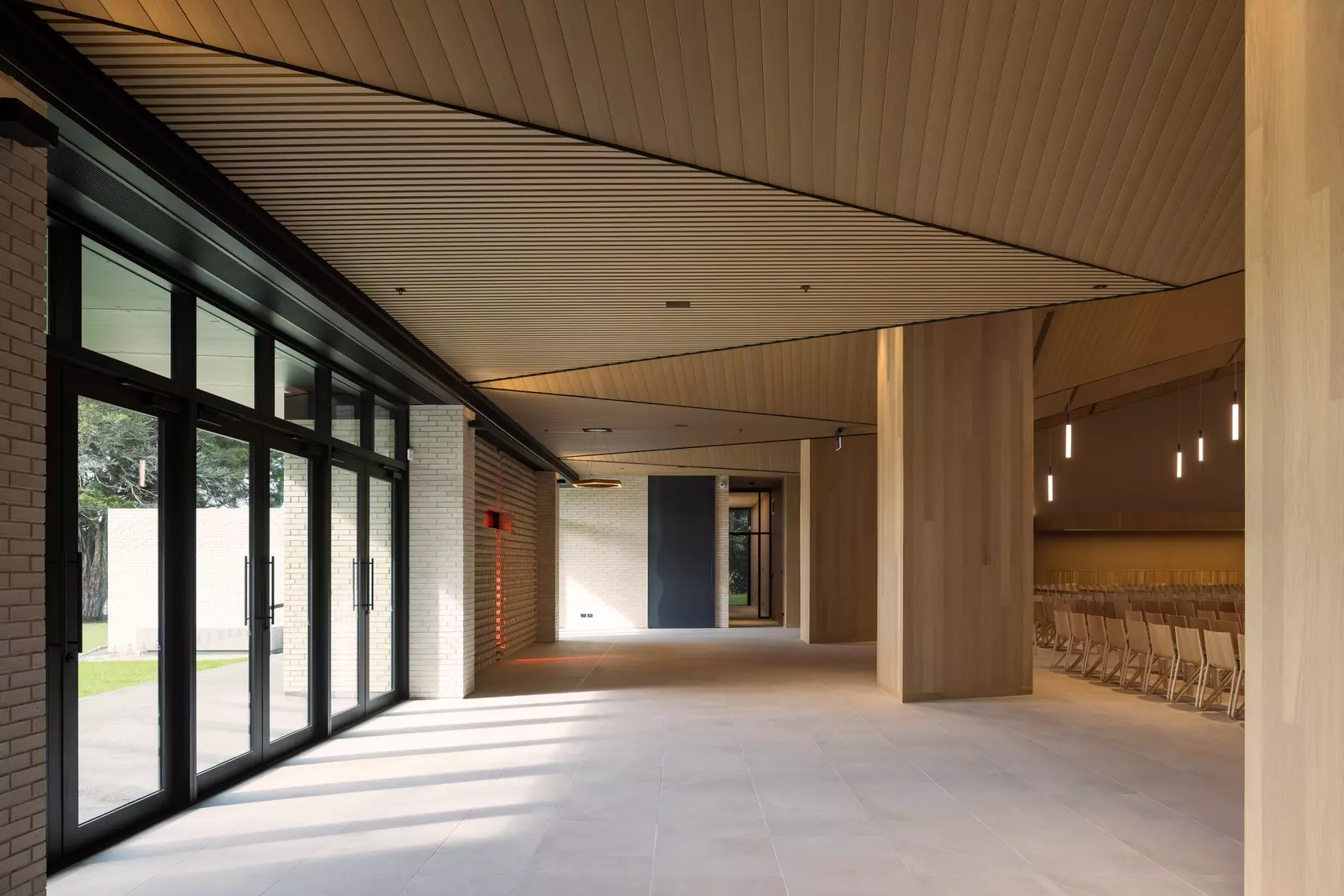
Jasmax understood early that the design's strongest asset wasn't on any drawing. The site at the northern edge of the Senior Campus is ringed by trees that predate the school's 1906 founding – a canopy so dense and commanding in its effect that the Jasmax team treated it less as context and more as collaborator. "These trees were central to the design vision from the outset," architect Zee Shake Lee says. The chapel is positioned within that canopy, sitting alongside the original building now known as Old St Pats, oriented so that the landscape is never incidental. It is always present, always legible; framed through expanses of glazing including the triple-height main windows. The light that enters does so on nature's terms – shifting, dappled, and deepening across the day in ways that no lighting specification could replicate.
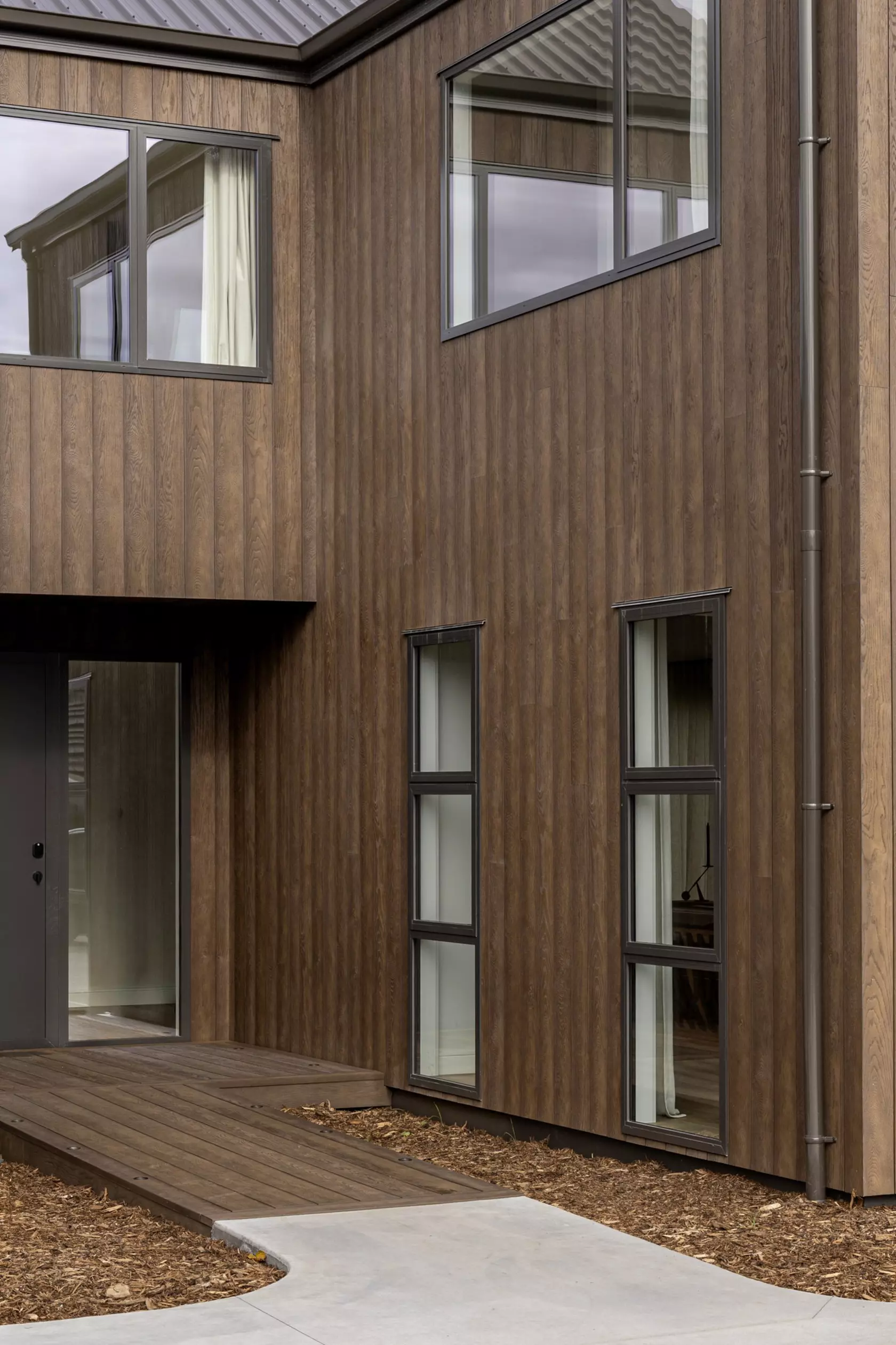
The wider campus – Hinuera stone, steeply pitched rooflines, a material weight built up across generations – established a clear conversation for the new building to enter. The team’s approach was not to match it but to extend it, finding a contemporary expression that shares the same commitment to permanence without retreating into imitation.
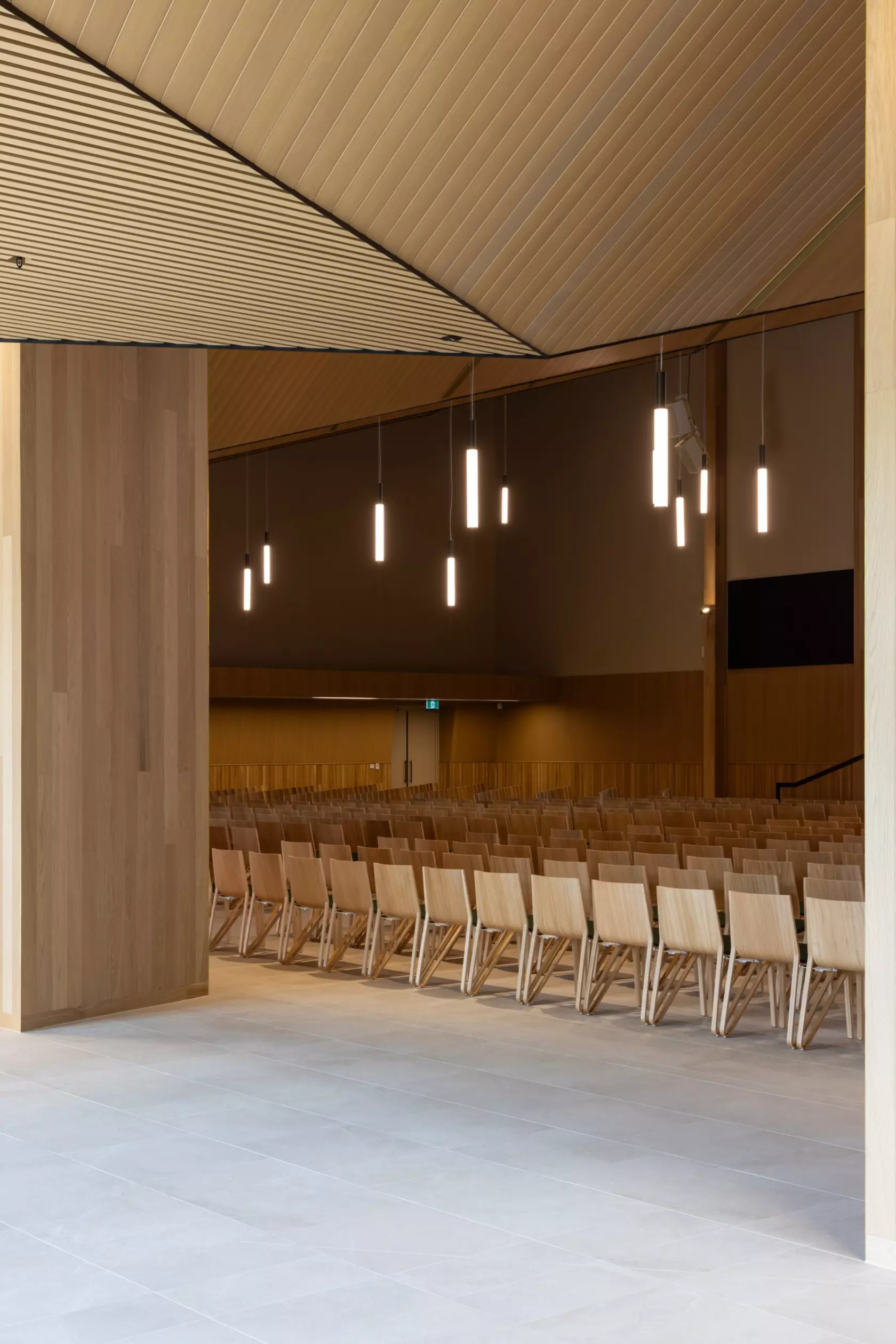
The congregation arrangement breaks from convention. Where a traditional nave funnels worshippers toward a distant sanctuary, the main worship hall at St Patrick's gathers people in in a wide, lateral layout that prioritises collective experience over procession. The sanctuary is something you are drawn toward rather than directed at, and the route is marked by the building's central architectural move: a sequence of folded ceilings that climb to a triple-height volume overhead, pulling the eye and the spirit upward in the same movement.
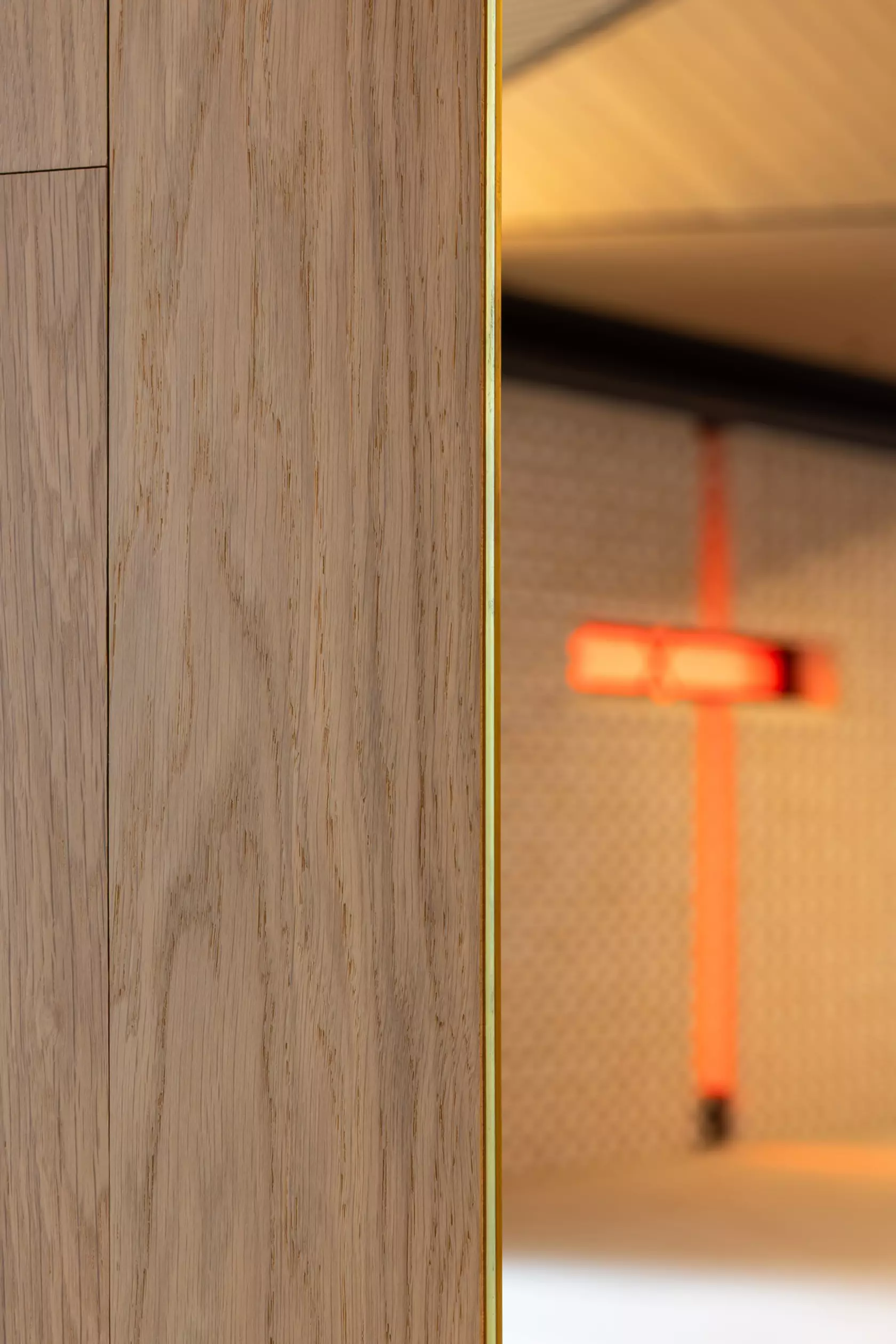
Working closely with Reverend Greg Worboys, Jasmax developed the spatial sequence from the moment of arrival through to the most formal ceremonial occasions. "That close dialogue helped shape not just the brief but the spirit of the space itself," says Lee. The foyer is anchored by a red-hued stained-glass cross drawn from the previous chapel – continuity made visible, framing the baptismal font beneath it. Off the main hall, a minor chapel provides a different register entirely: smaller, quieter, its windows designed by Old Boy Jon Chapman-Smith with input from current students. A space for private reflection rather than collective worship.
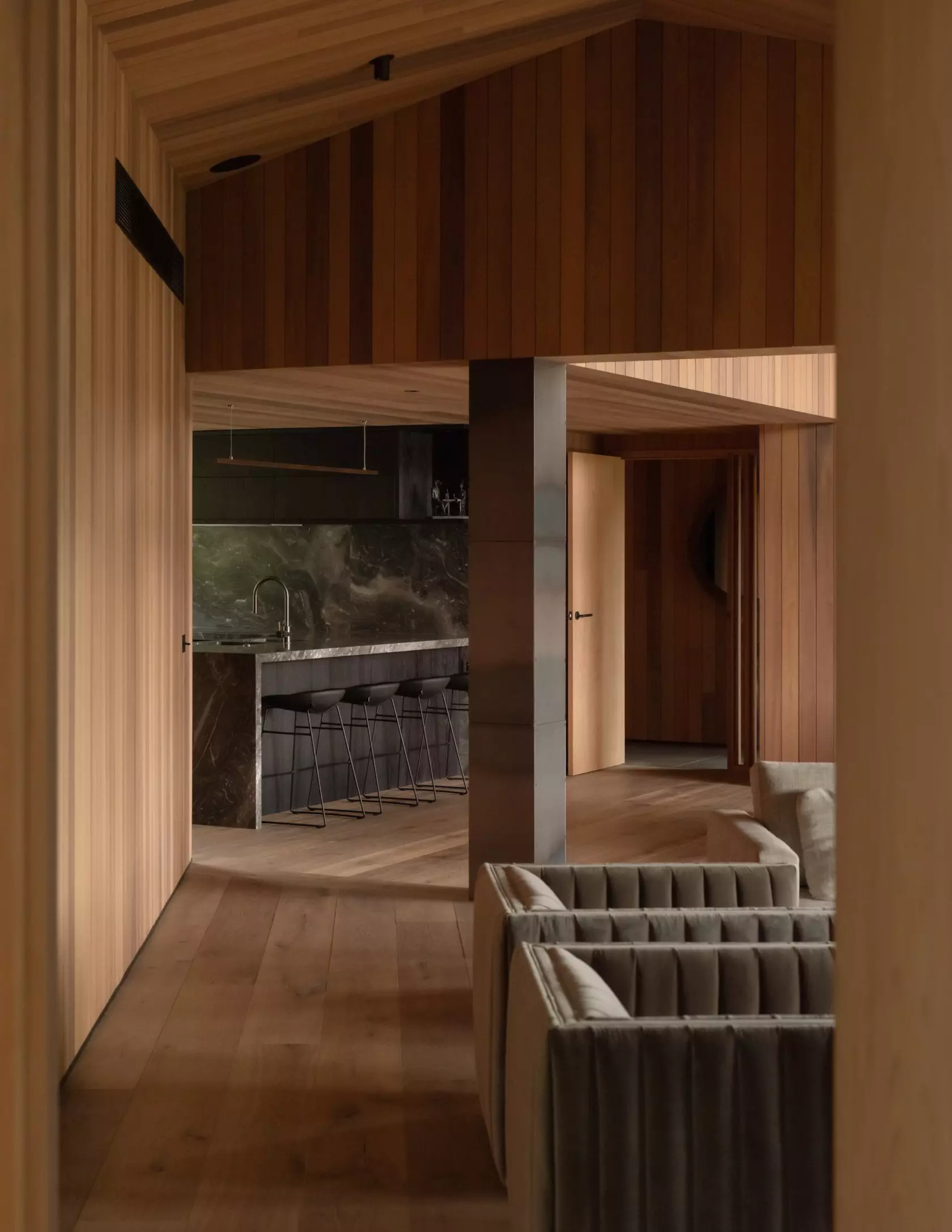
The interior palette was assembled with restraint as its organising principle. Brick and concrete establish the ground note – materials with mass and permanence that speak directly to the campus's existing character. Timber linings introduce warmth and texture at a human scale, their grain and tone referencing the trees outside. Blackened steel threads through as a counterpoint, adding definition without hardness. "The juxtaposition was intentional," Lee explains. "Robust materials anchoring the space, refined detailing – and a certain character appropriate to the school's context."
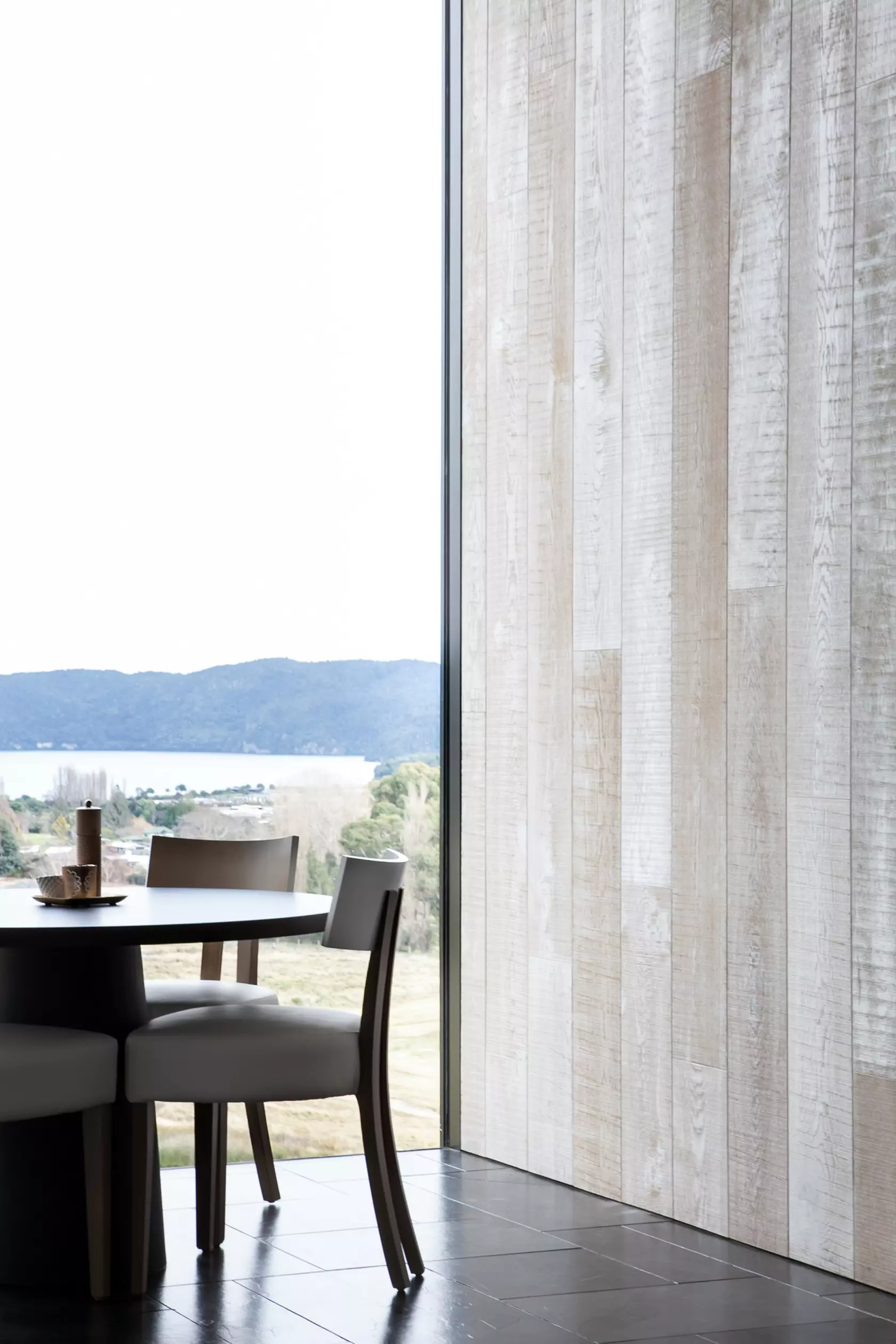
Muuro panels are central to how that material language holds together across the building. In the foyer, they form the shaped columns that greet you on arrival – their surface texture and tonal warmth doing something that a painted or plastered column simply could not. Where harder materials establish the building's bones, Muuro introduces the quality of something considered and craft-led; a natural tactility that makes the structural feel inhabited rather than merely structural.
That material thread carries through into the chancel, where the panels wrap the steel columns standing in front of the curtain wall. Here the effect is subtler but no less purposeful — the columns become part of the backdrop to the sanctuary rather than an interruption of it, their warm tone mediating between the interior and the landscape visible beyond the glass. It is the kind of specification that earns its place not by drawing attention but by making everything around it feel more resolved.

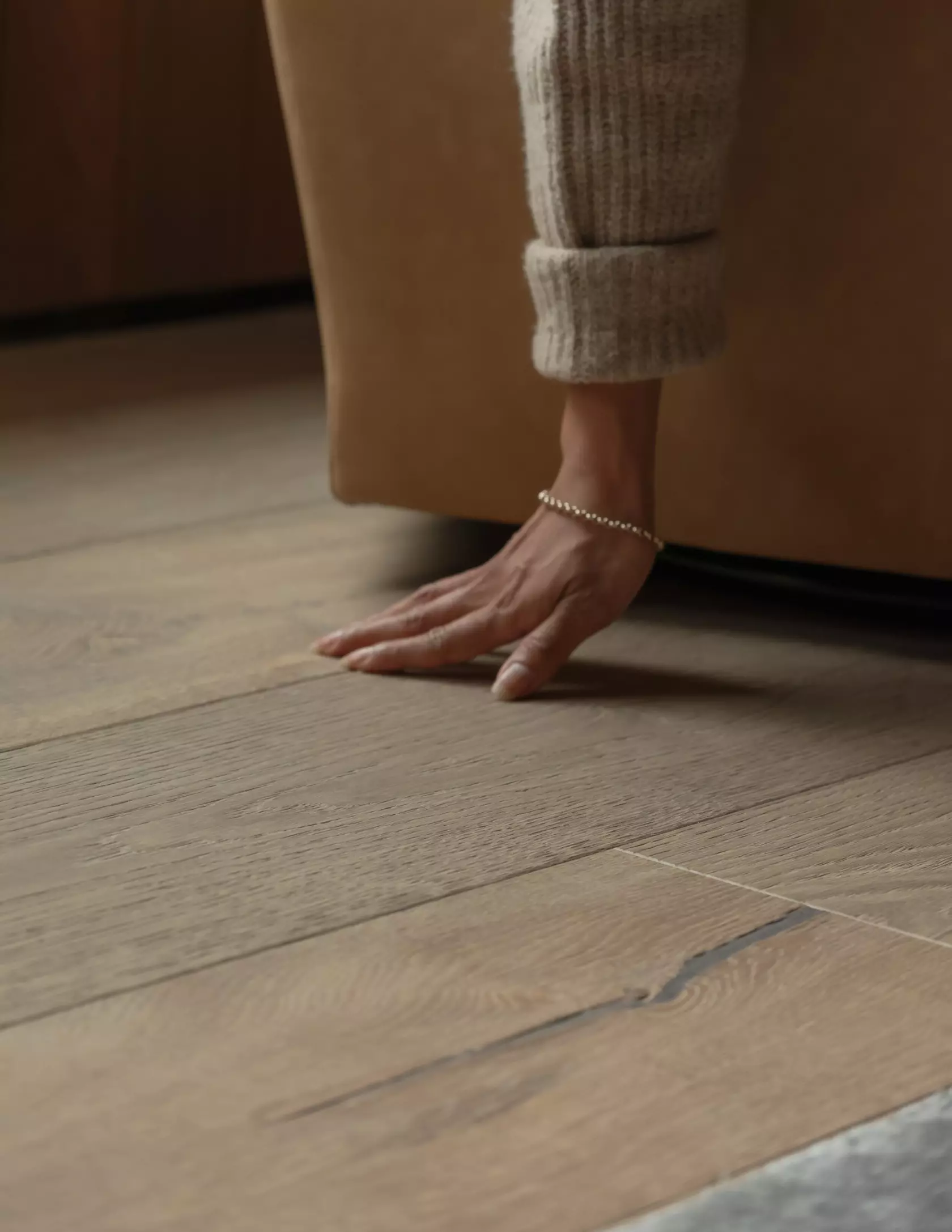
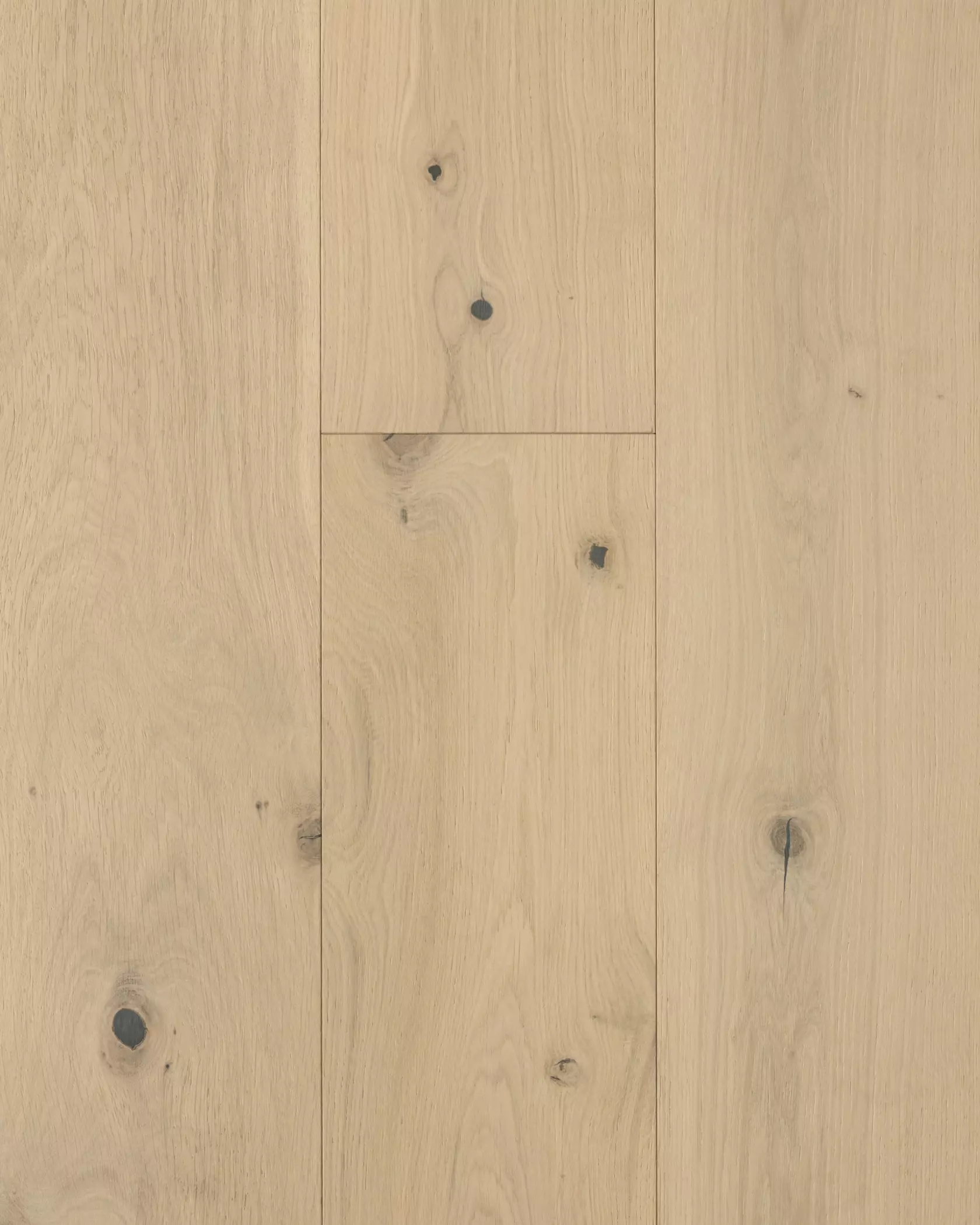
At the sanctuary floor, Forté SmartFloor grounds the focal point of the space with the same considered logic. The finish is refined enough for the ceremonial weight the sanctuary carries, durable enough to sustain the daily life of a busy school. Custom brass tread inserts mark the stairs leading up to it – "a note of warmth and craftsmanship," as Lee describes them, "that articulates the hierarchy of the space without overstating it."
Acoustic performance was built into the architecture from the earliest stages rather than resolved afterward. The folded ceiling geometry and angled wall battens are as much about sound as they are about form, engineered together to deliver optimum reverberance and distribution across the chapel's full range of uses – unamplified choir and organ at one end of the spectrum, amplified live performance at the other, with every configuration between accommodated. A programmable lighting scheme adds a further dimension of atmosphere, allowing the space to shift its character across the day and across different occasions without any single mood becoming fixed or permanent.
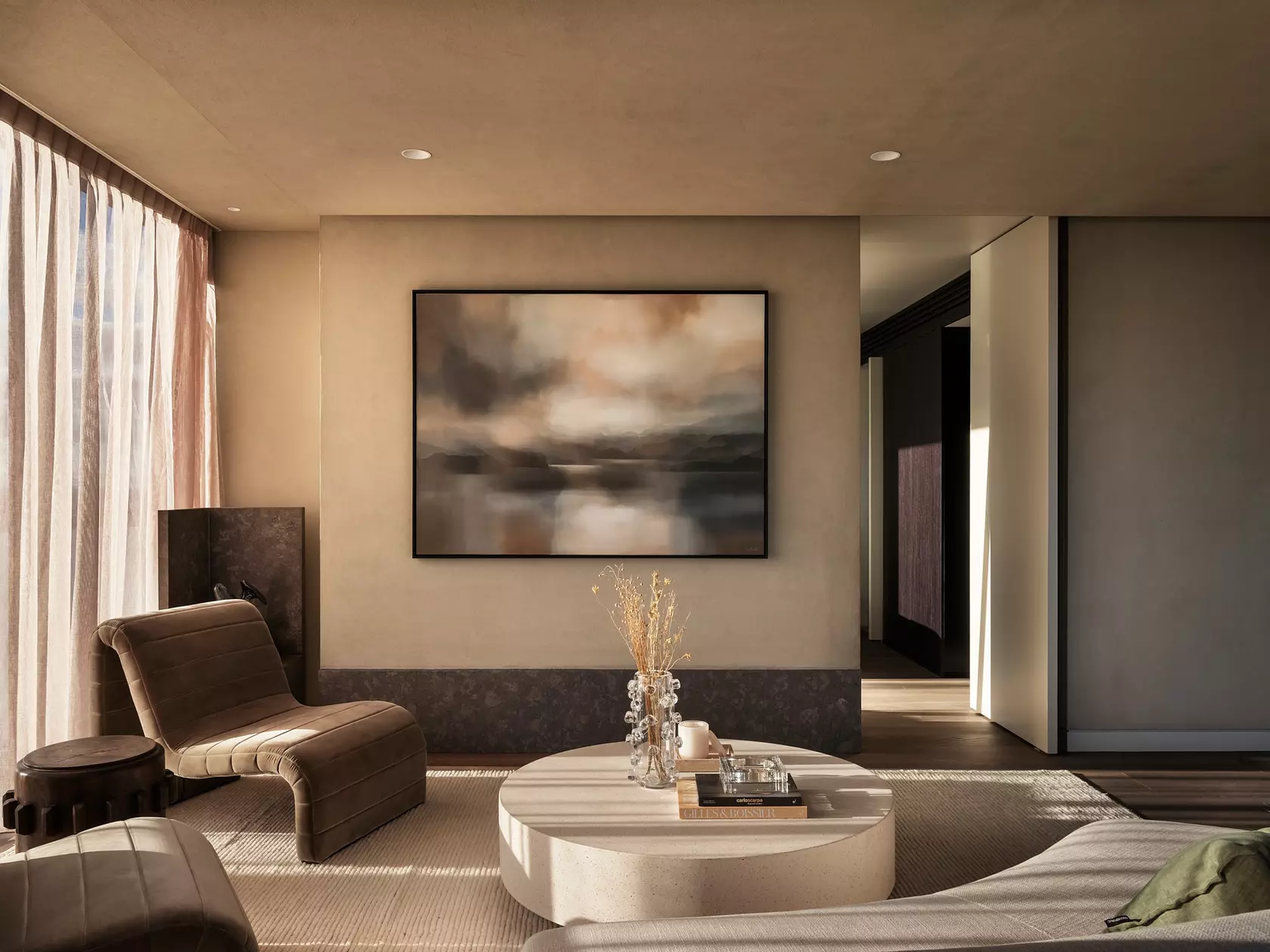
Lee's measure of success for the project is atmospheric rather than technical. "By limiting contrast and avoiding visual noise, the space holds a sense of clarity and stillness – one that allows people to pause, reflect, and connect," he says. "That quality was at the heart of the brief, and it came through." It is a considered achievement in a building type where the tendency toward grandeur is ever-present: a chapel that moves people not by overwhelming them, but by offering them somewhere genuinely still to land.
That it sits at the main entry to the Senior Campus is no accident. The chapel is where Dilworth's founding mission becomes architecture; a space that, as Lee puts it, embodies 'renewal and hope', and a commitment to developing young men of good character. It is hard to arrive and not feel the gravitas of that intention.