





Artiste Grande Van Gogh
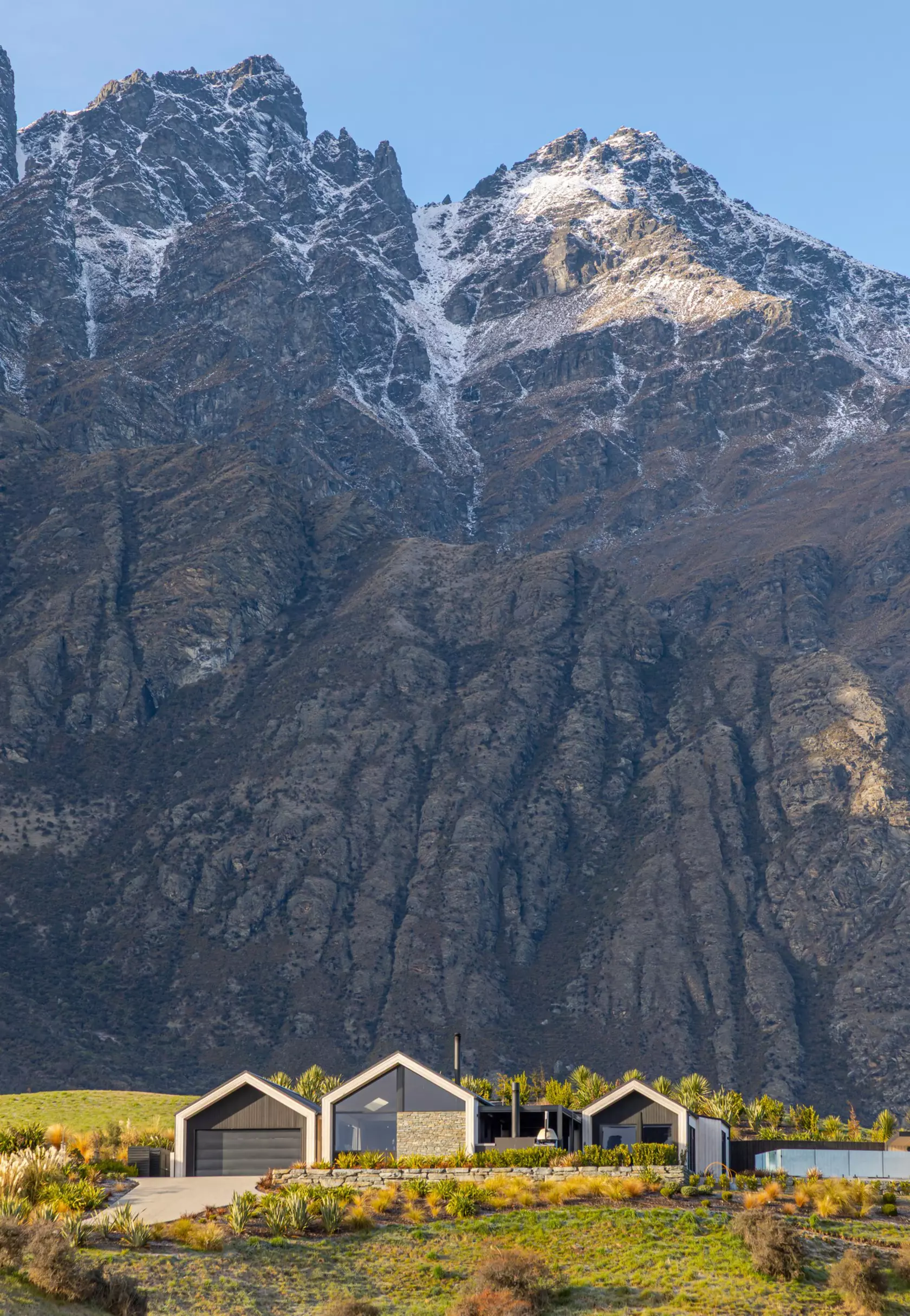
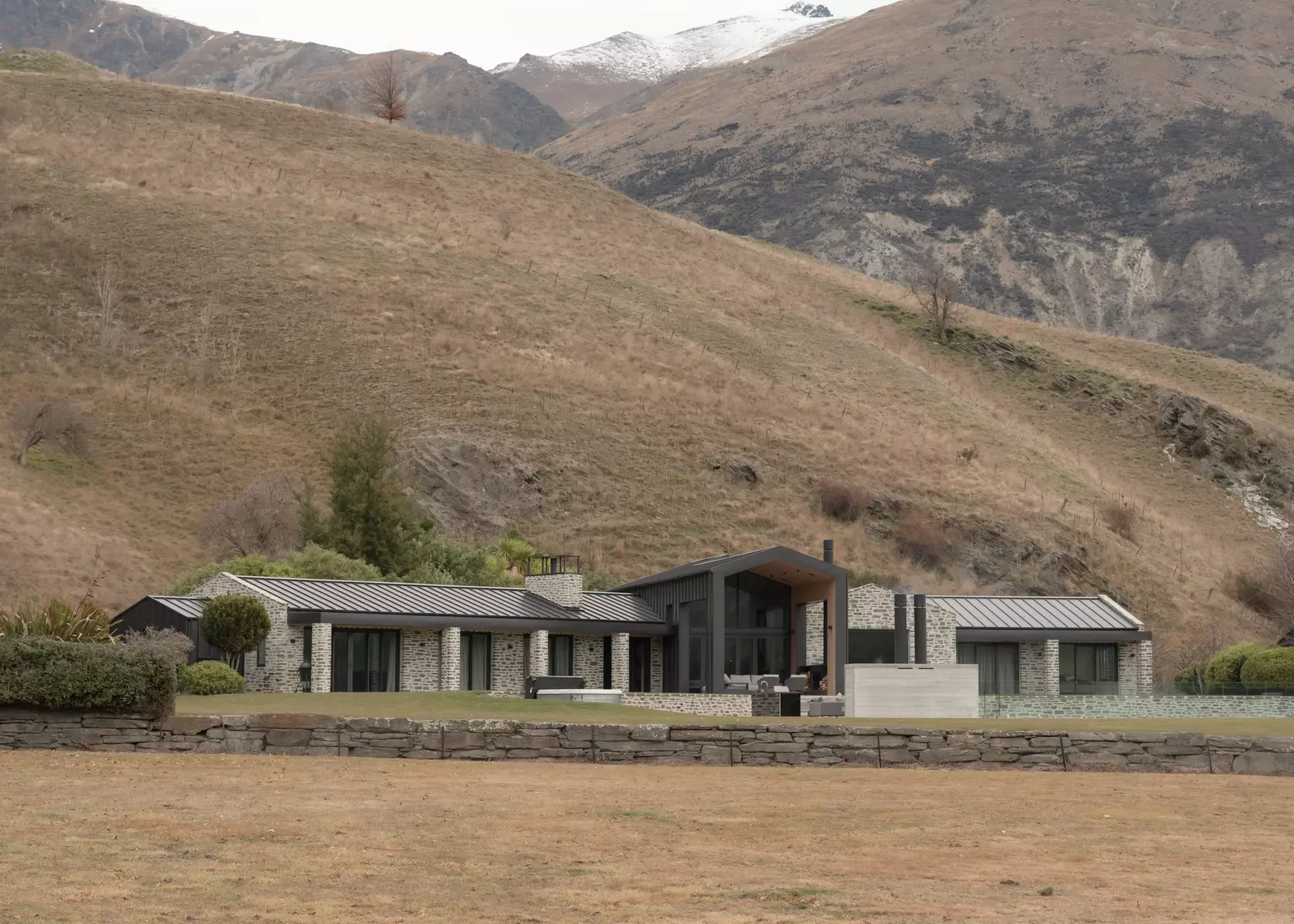
As the name suggests, Lake Hayes House occupies a north-facing site overlooking one of Central Otago's most picturesque lakes. Surrounded by rolling hills, snow-capped mountains and rugged schist formations, it is, as project architect Kate Wyatt describes, "a beautiful, tranquil environment that lends itself to an architectural home."
As an Associate at Crosson Architects, Wyatt led the transformation of the existing dwelling, with the clients seeking an alteration and addition that would enhance both functionality and aesthetic in a context-specific way. As she explains, "They wanted a design response that elevated the existing home and better connected it to its surroundings." The project unfolded in two intertwined layers: reconfiguring the interior for cohesion and openness, and reshaping the exterior to create a stronger architectural identity.

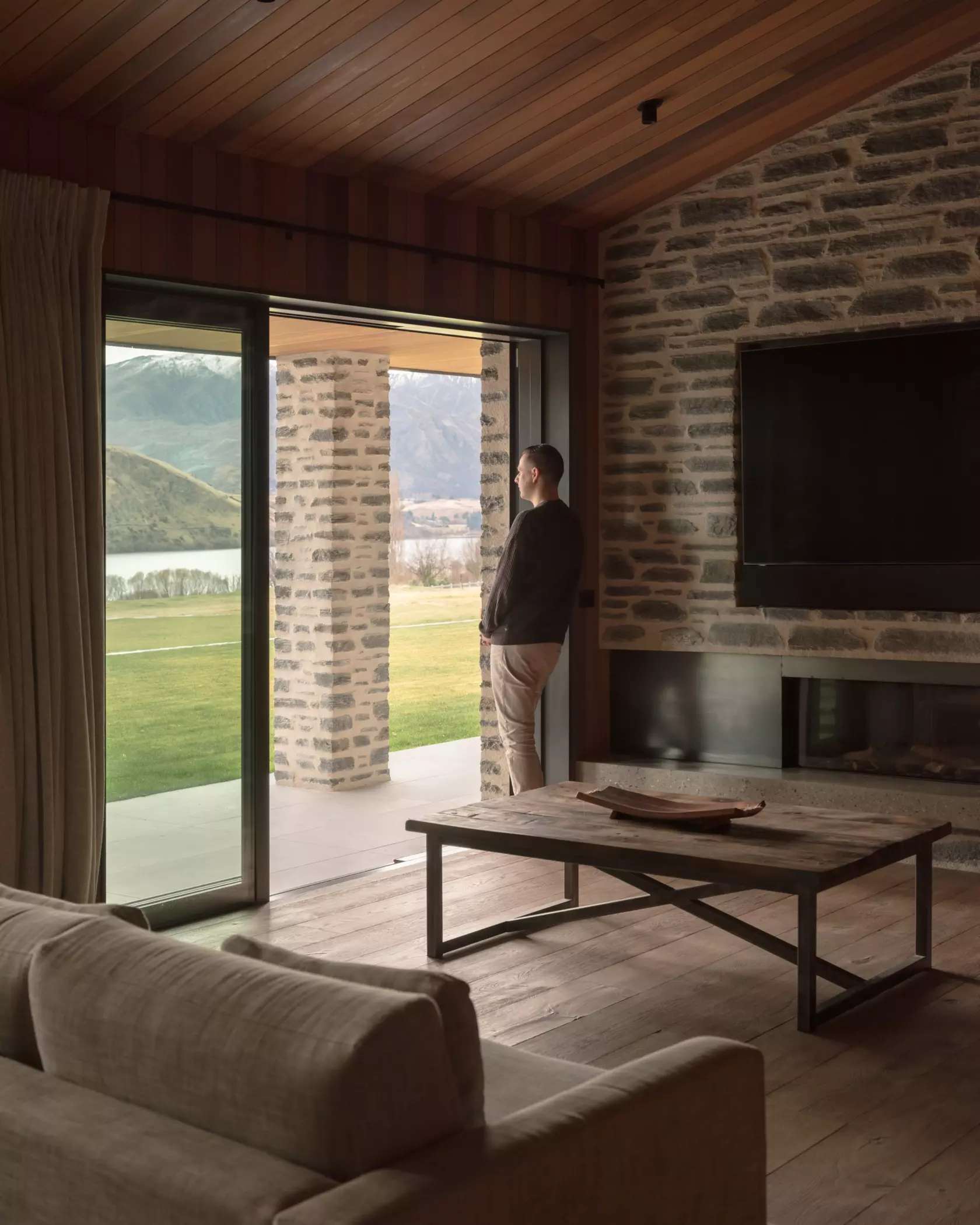
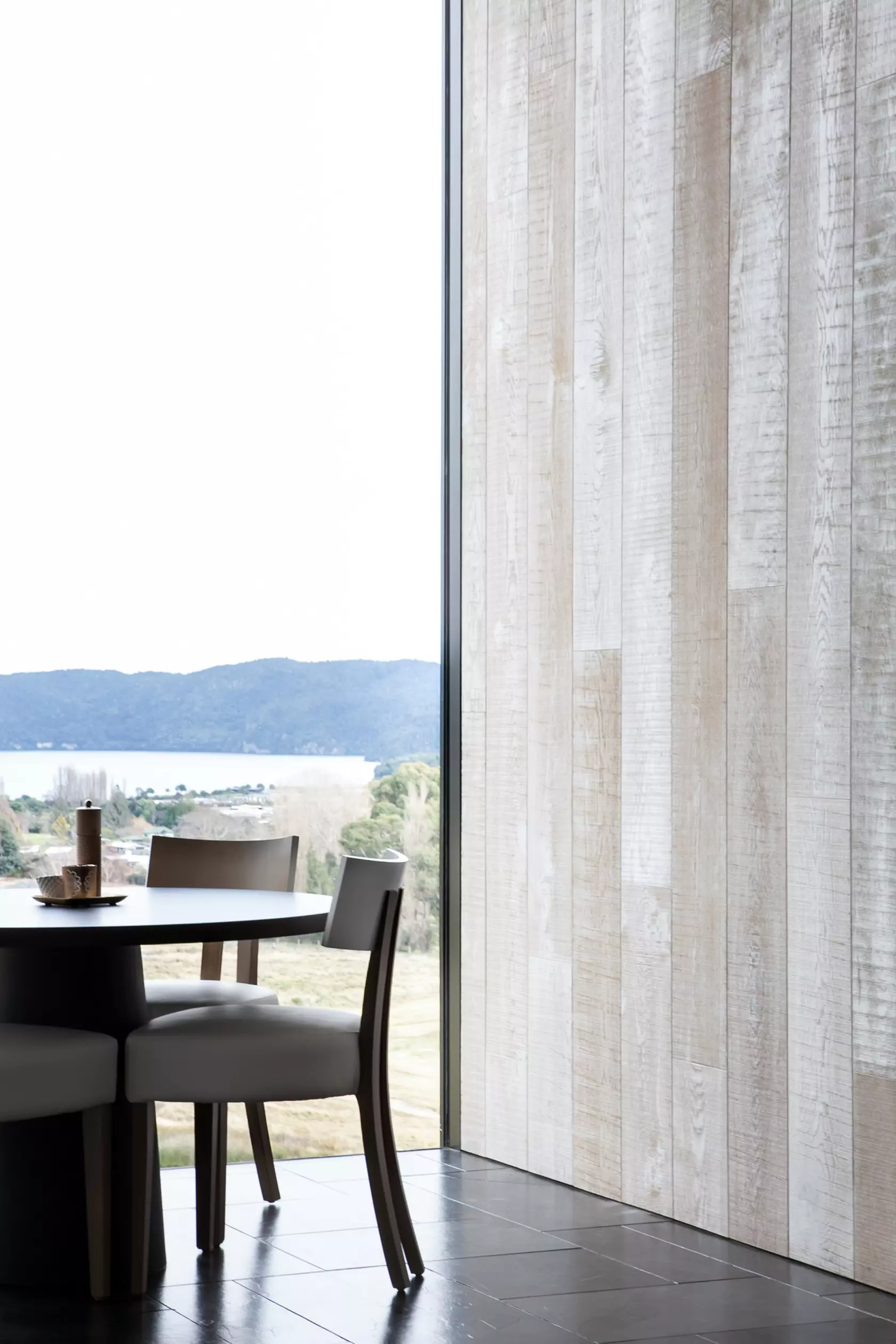
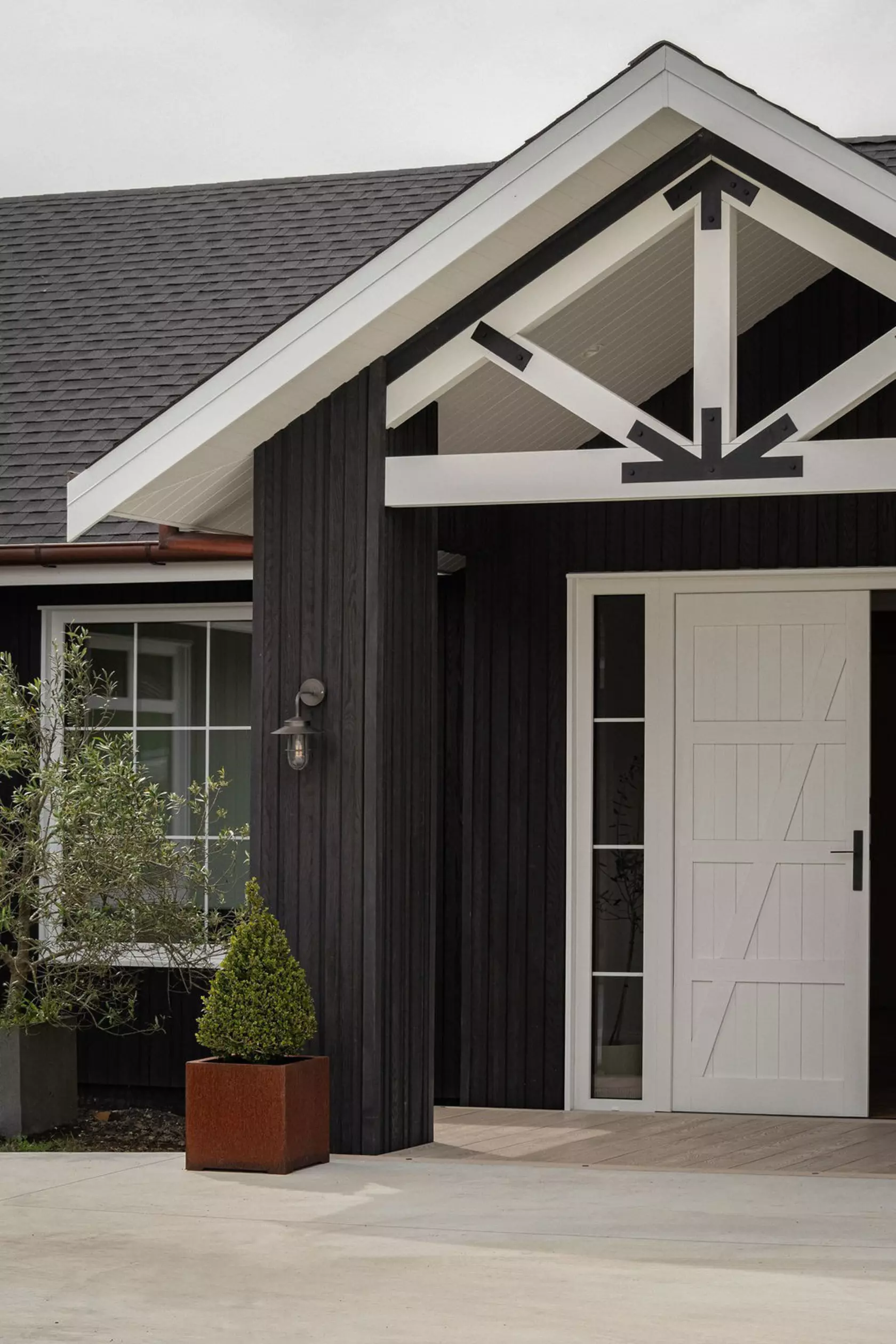
A winding driveway leads to a newly articulated front entry, replacing what was once an understated back door. Stepping inside reveals a generous, light-filled volume framed by a picture window offering a glimpse into the courtyard beyond. Warm western red cedar panelling and steel joinery define a dedicated wine cellar before the interior opens into the primary living zone. "This is where you get your first glimpse of the stunning views out to Lake Hayes," Wyatt notes, describing the moment when the kitchen, dining, and living spaces reveal the expansive landscape.
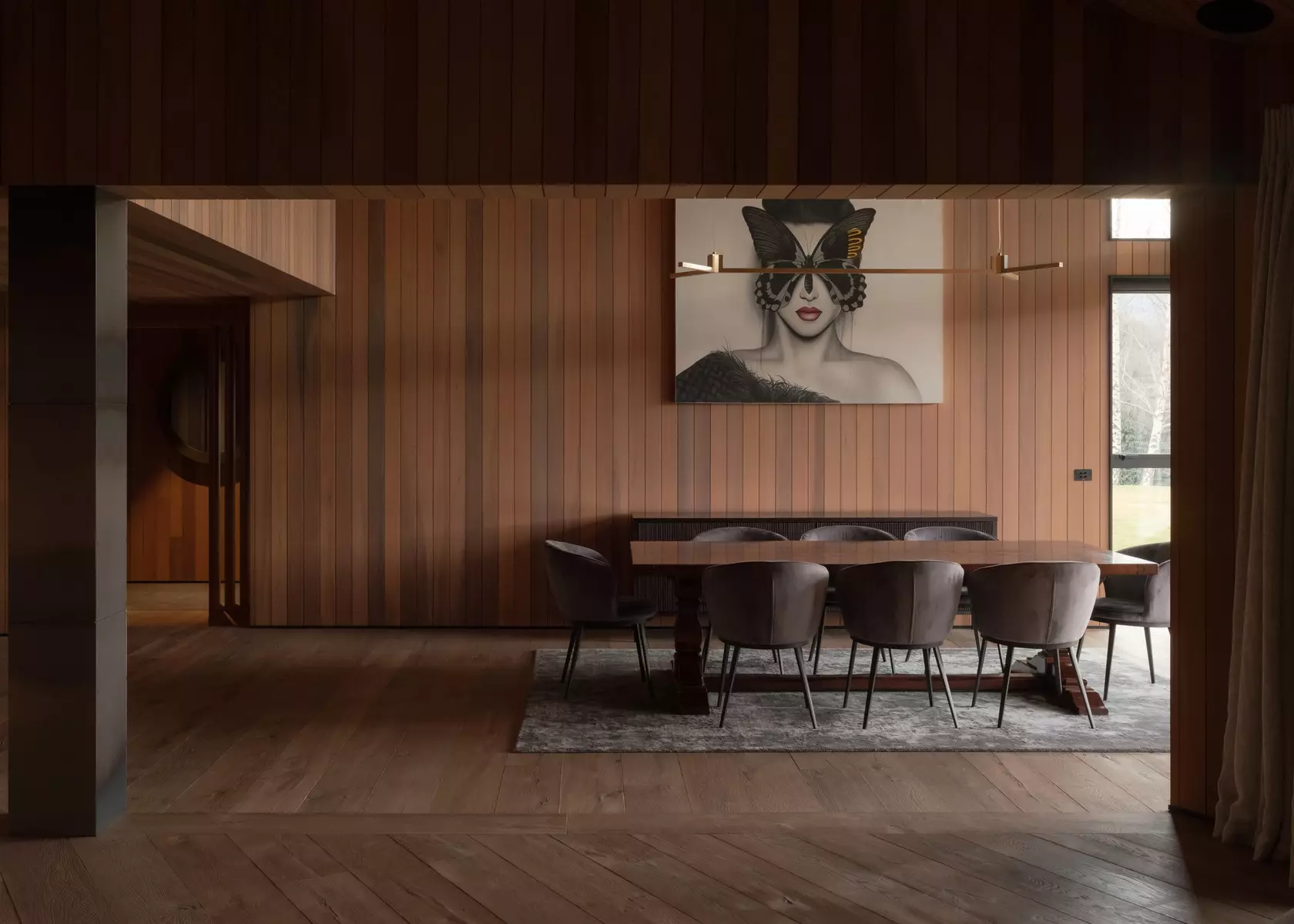
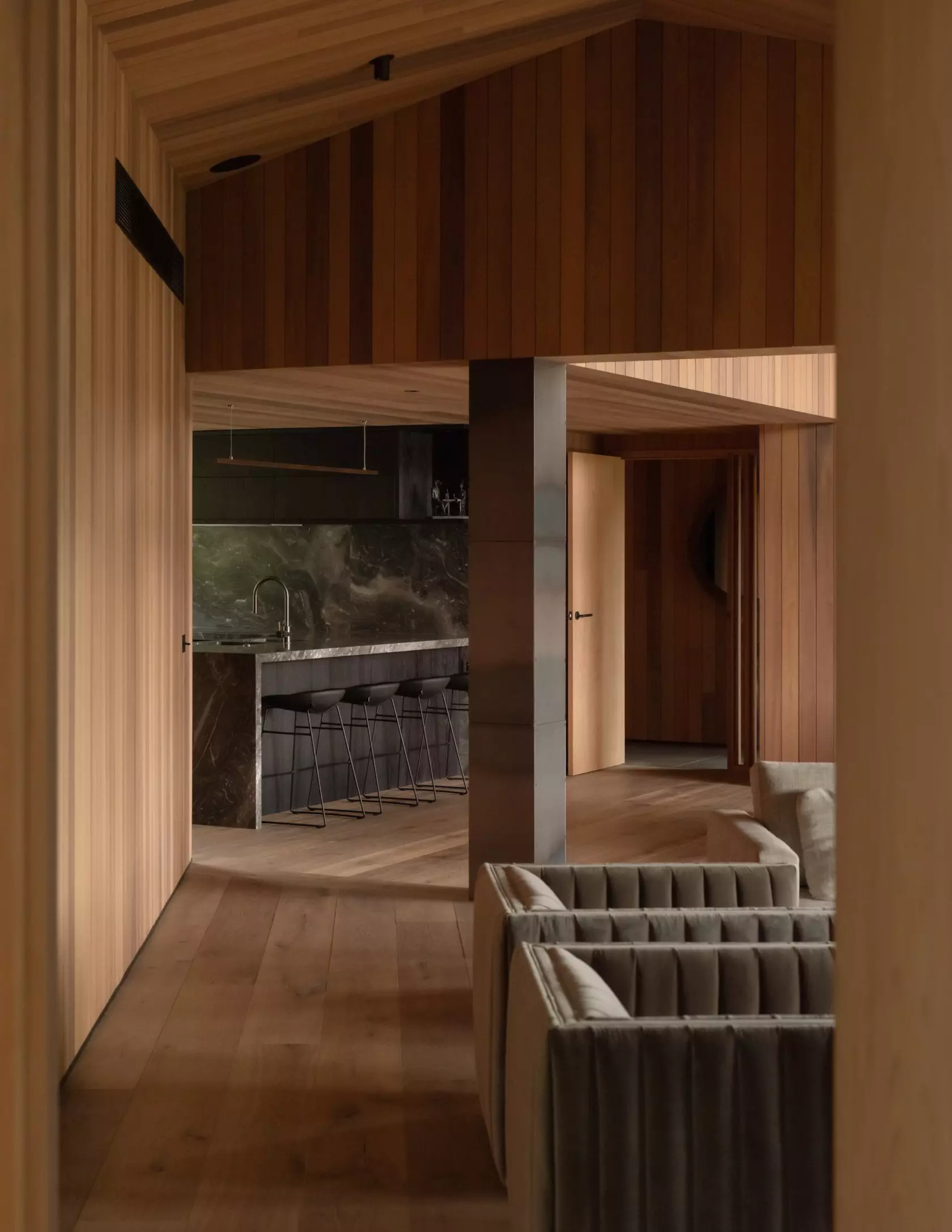
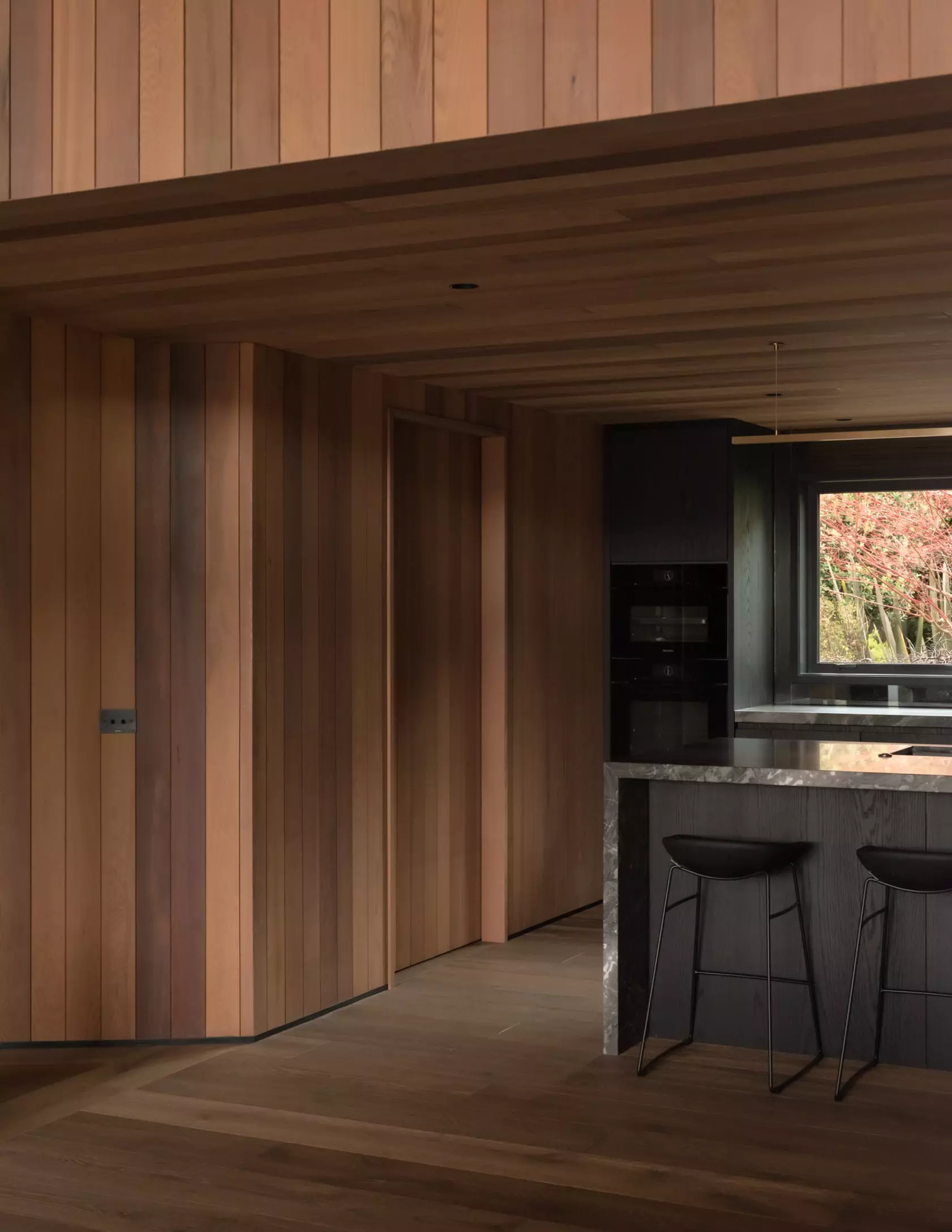
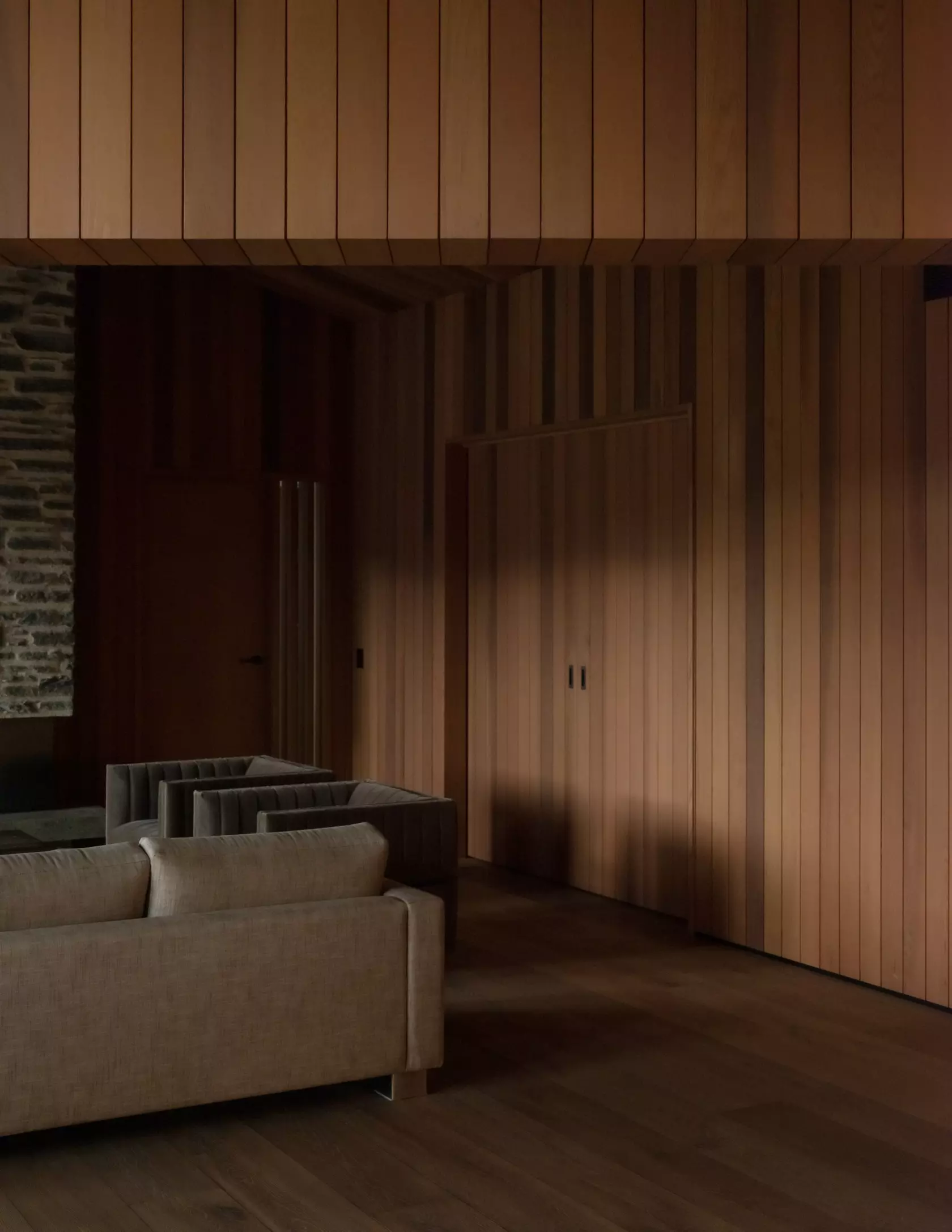

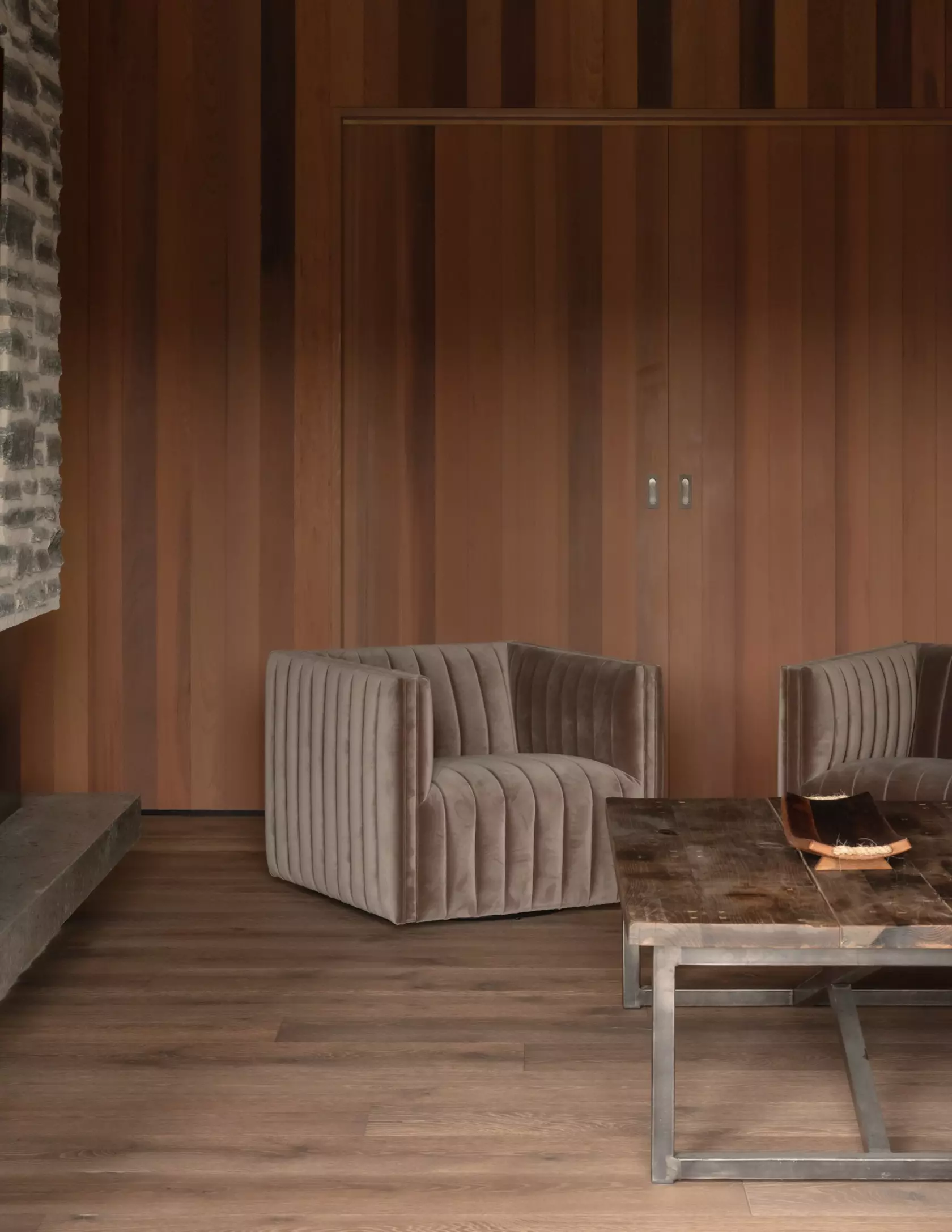
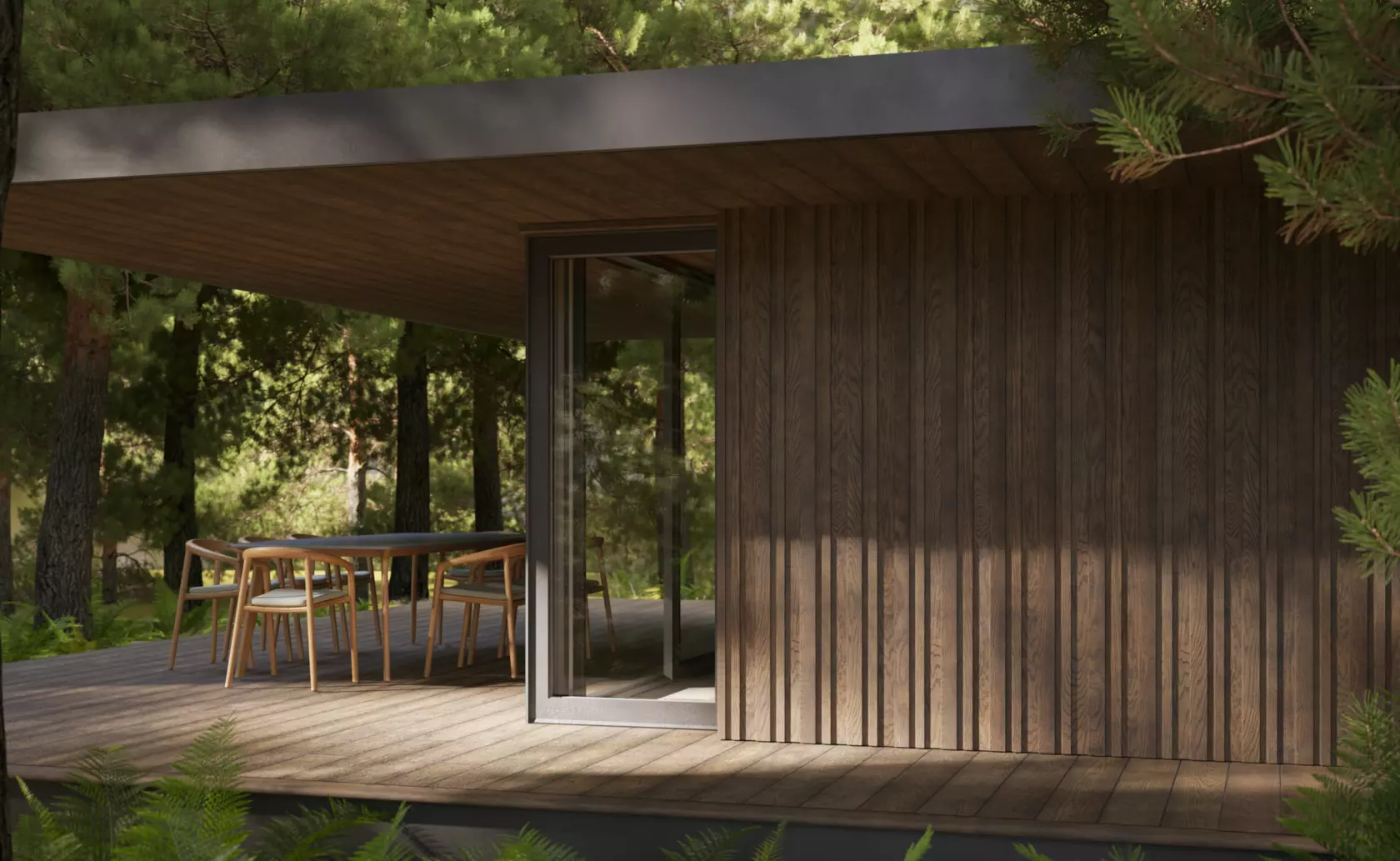
The exterior form features a striking extruded gable that extends the dining room and creates a sheltered outdoor courtyard, strengthening the connection between interior and exterior. Tucked behind timber-panelled doors, a discreet bar sits near the main living area, while a scullery offers additional functionality without interrupting the calm of the open plan. A separate lounge provides a cosy retreat – "the perfect place to tuck away in the winter months with a red wine in hand in front of the fire."
Accommodation is arranged to give the home adaptability. The main bedroom suite sits at the heart of the plan, with two separate wings positioned on either side – one for family, one for guests. Wyatt describes this as allowing the house to "expand and contract," ensuring it feels intimate during everyday living while comfortably accommodating visitors.
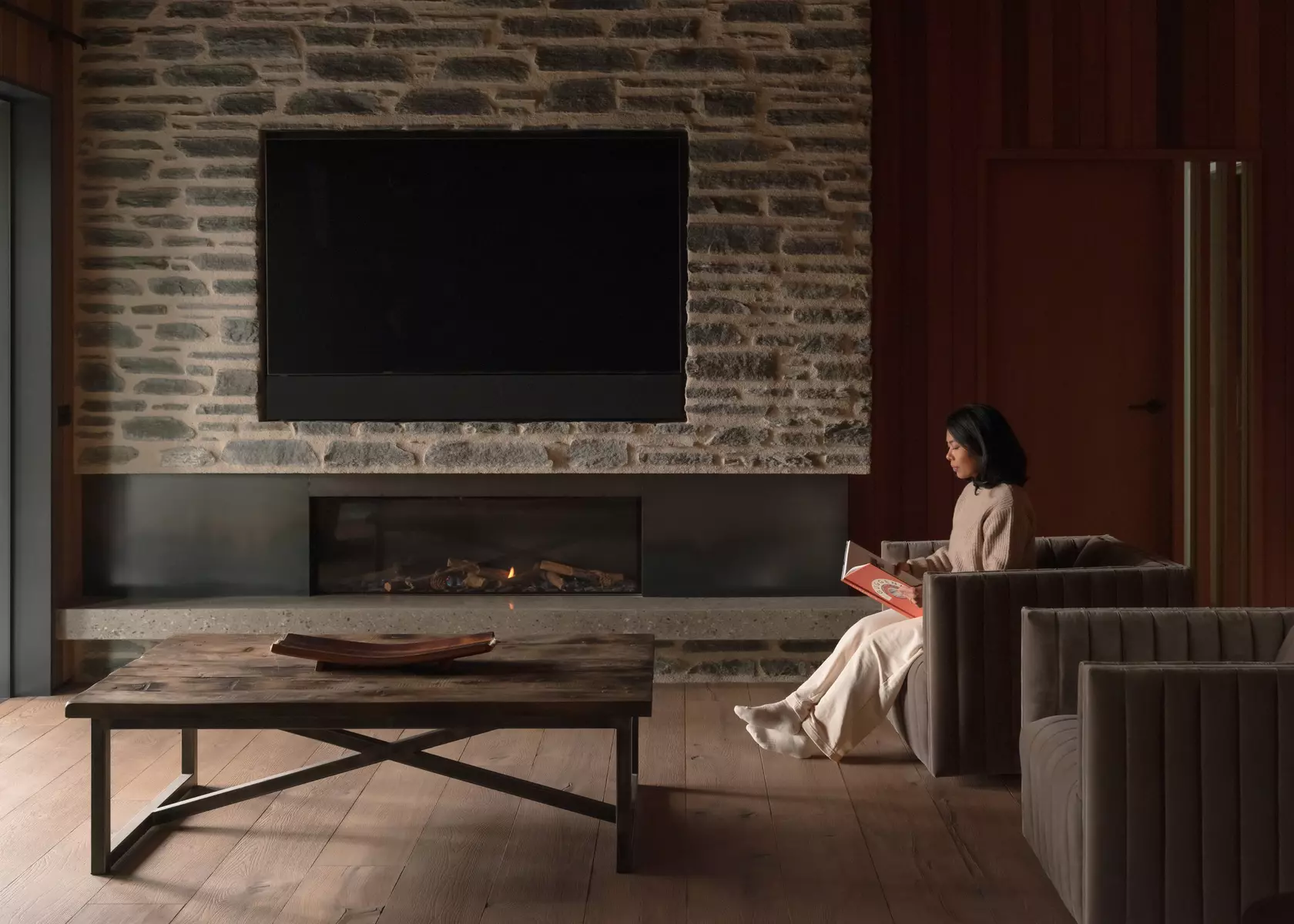

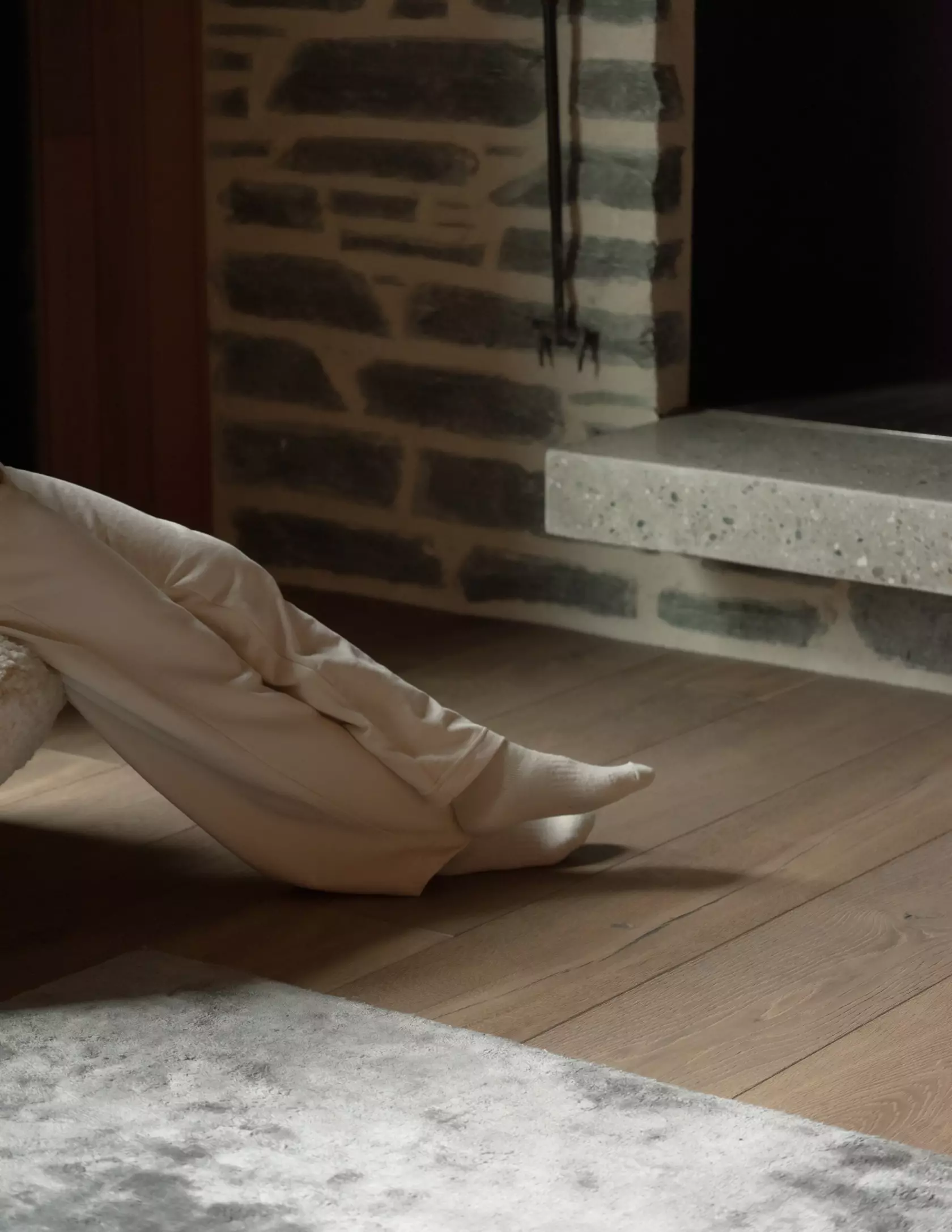
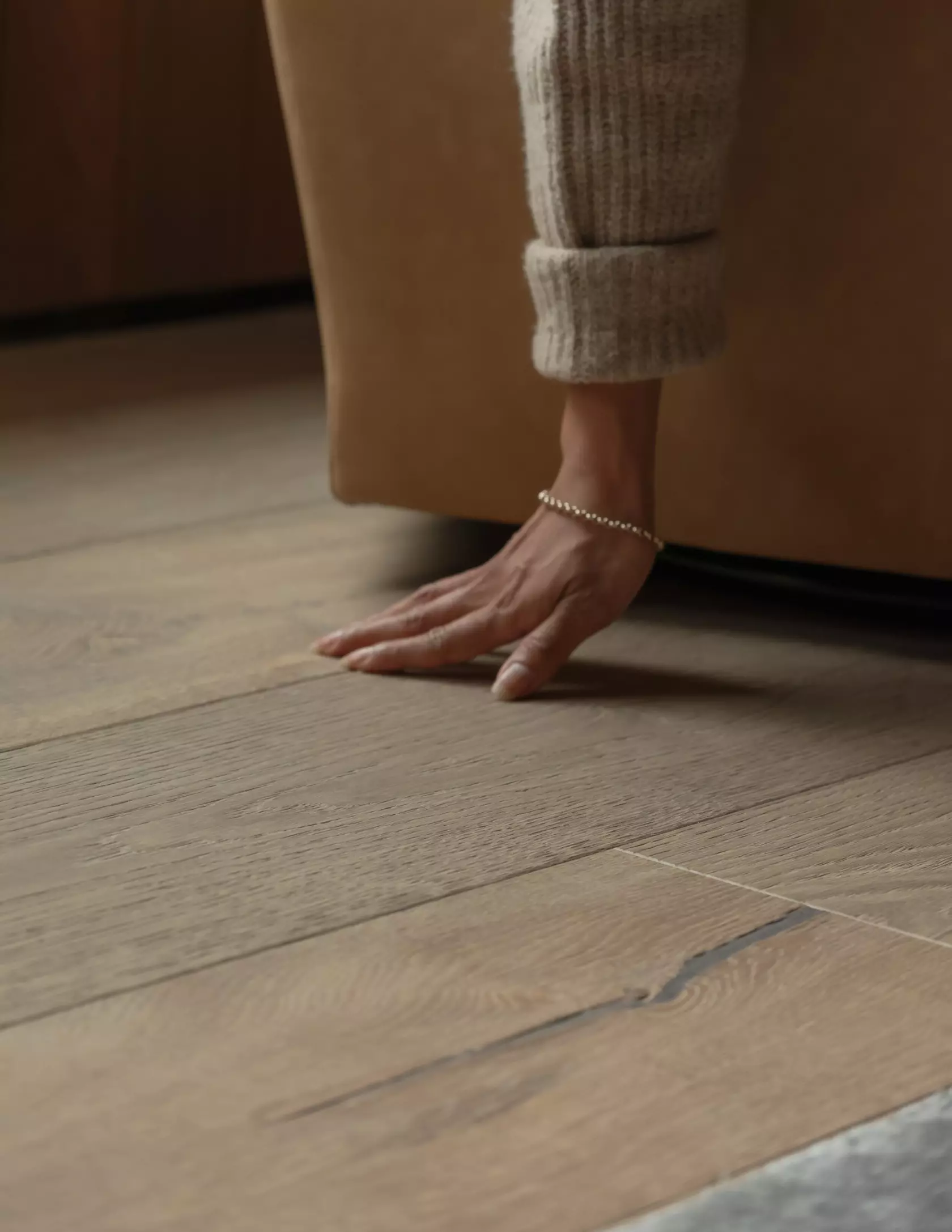
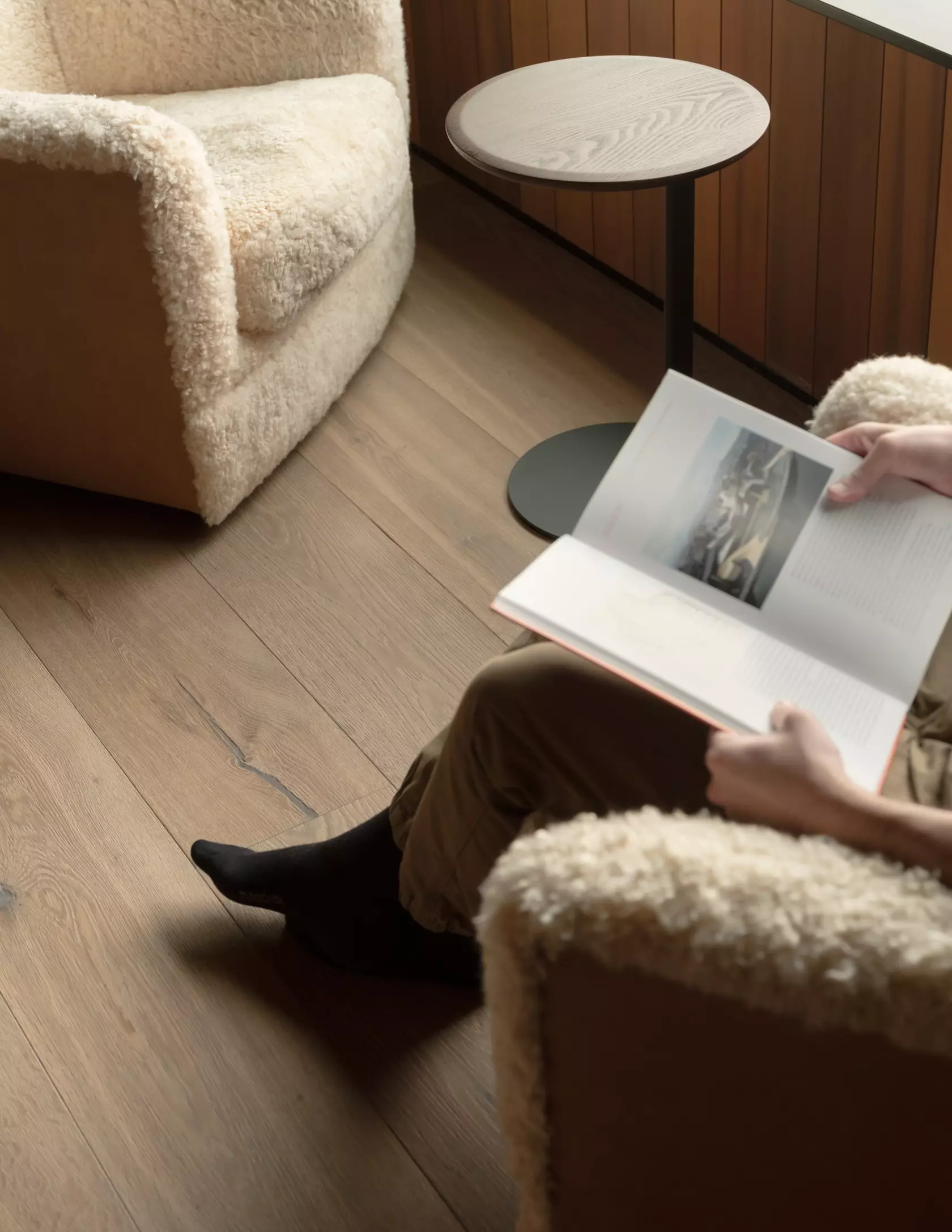
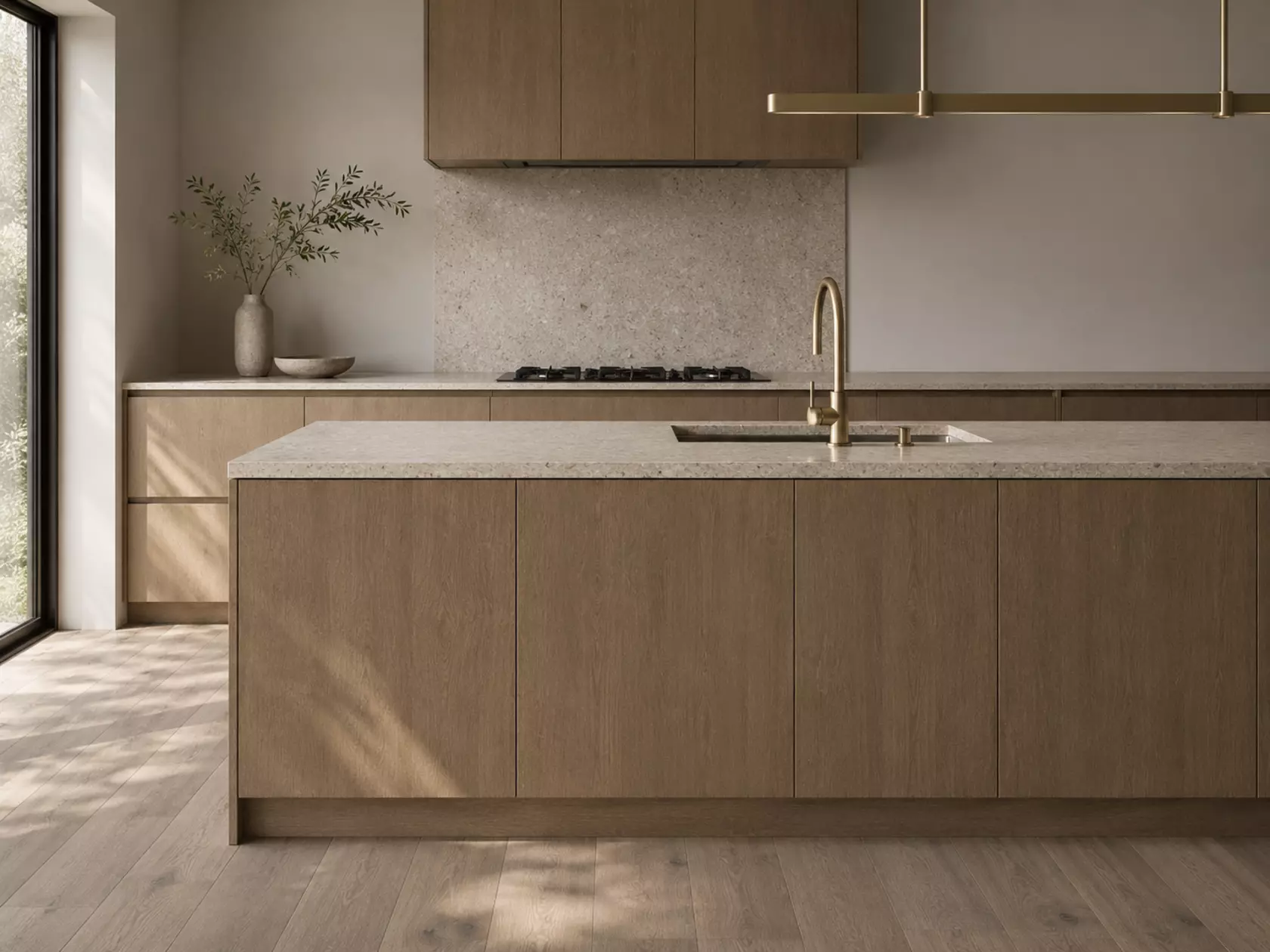
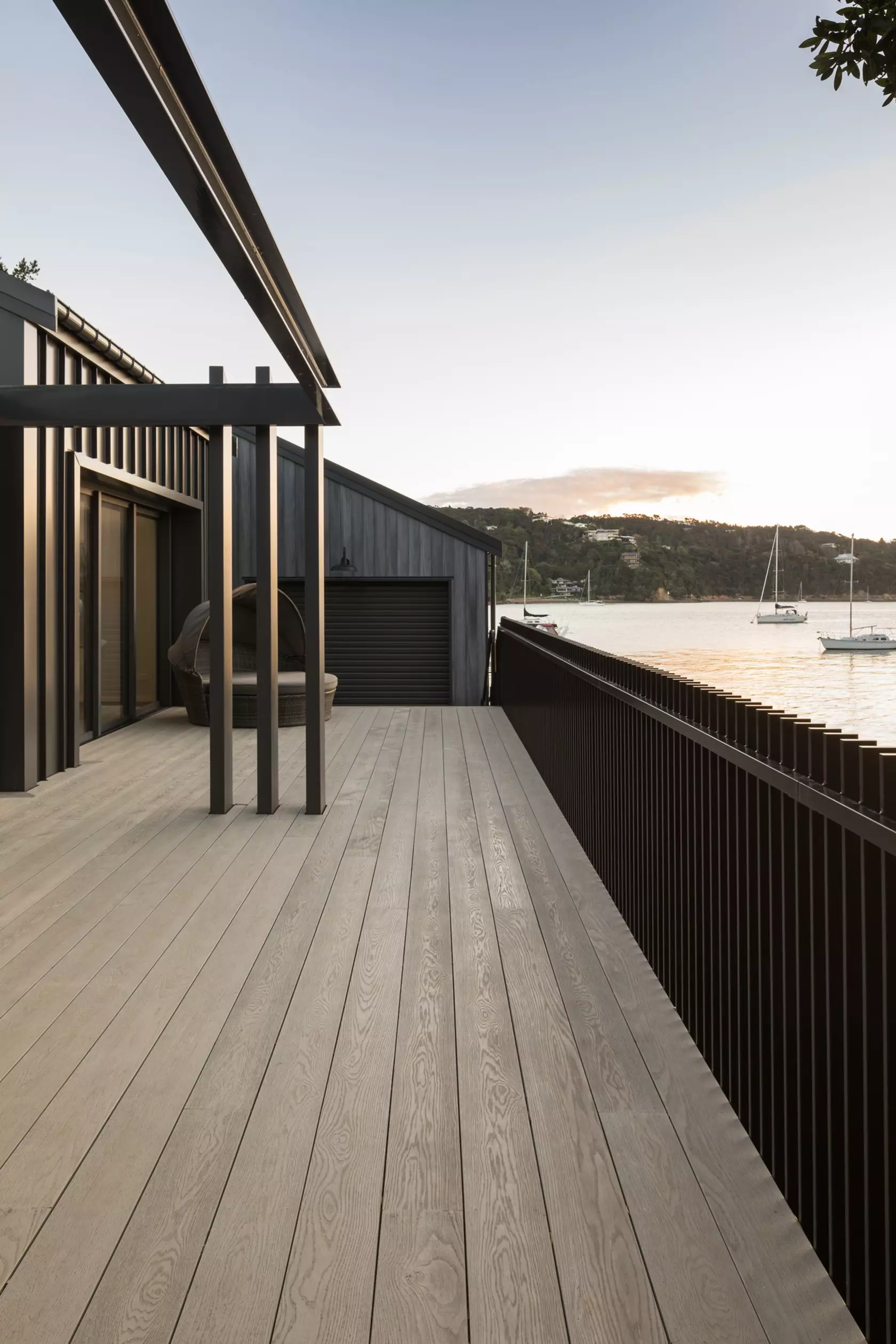
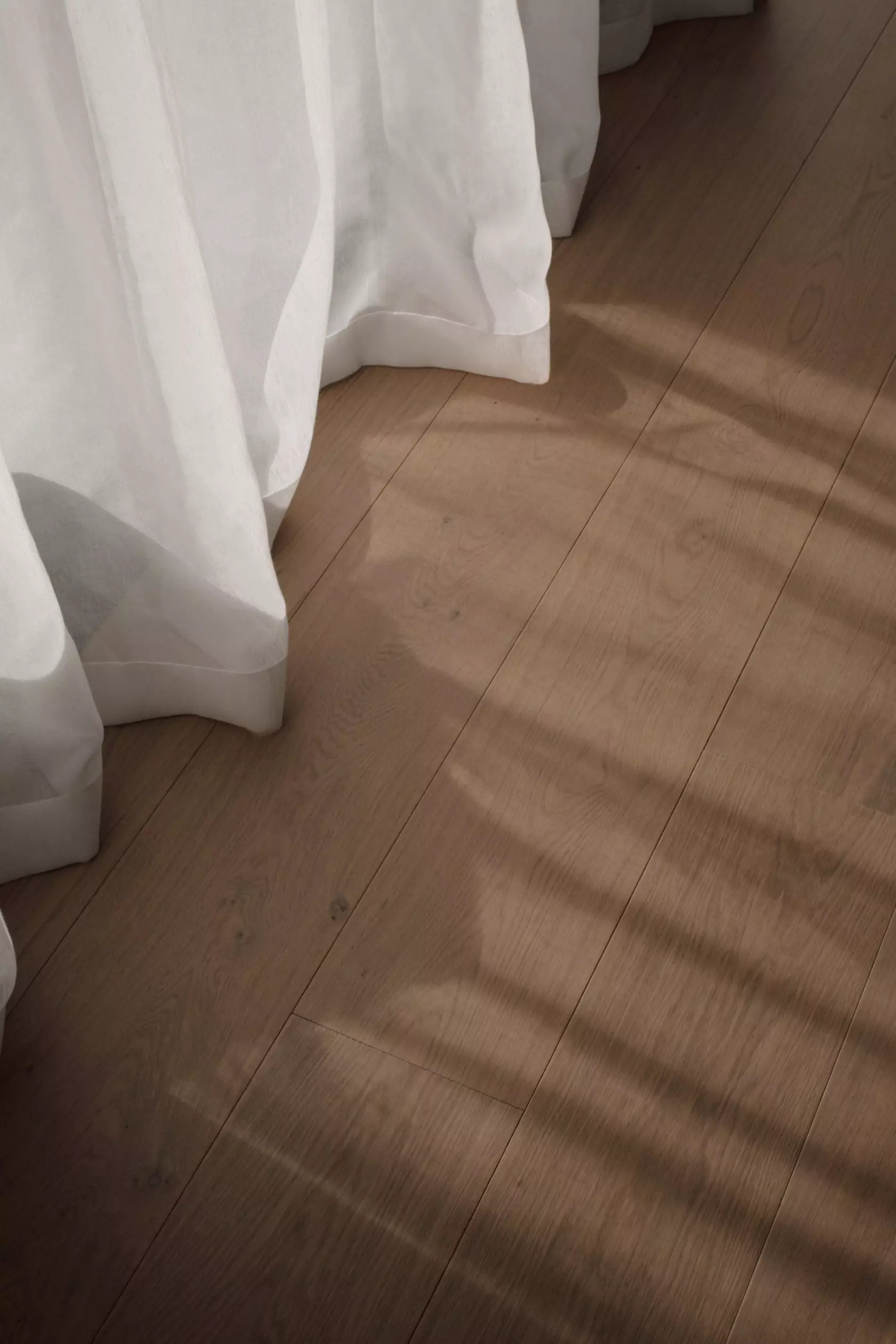
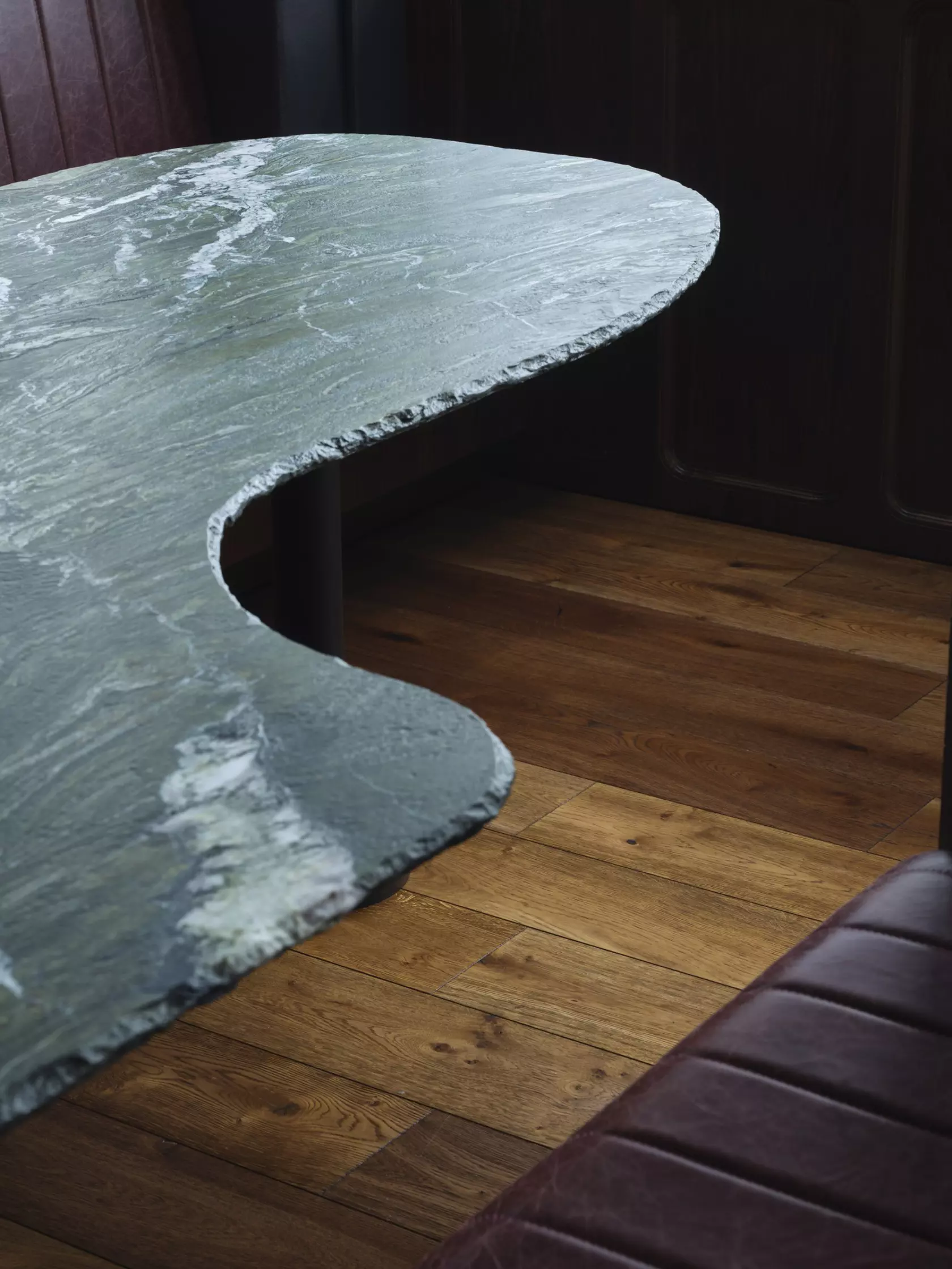
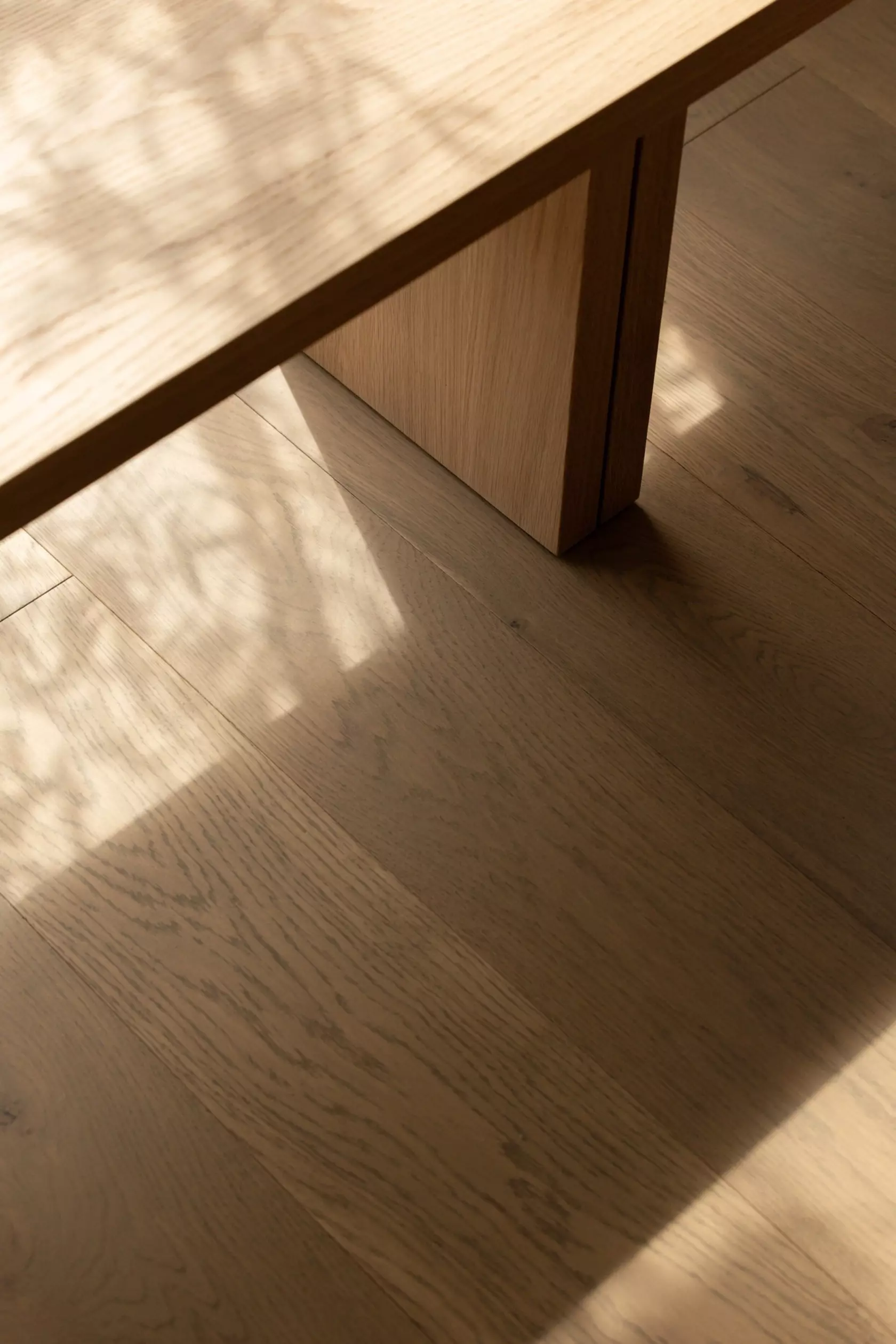
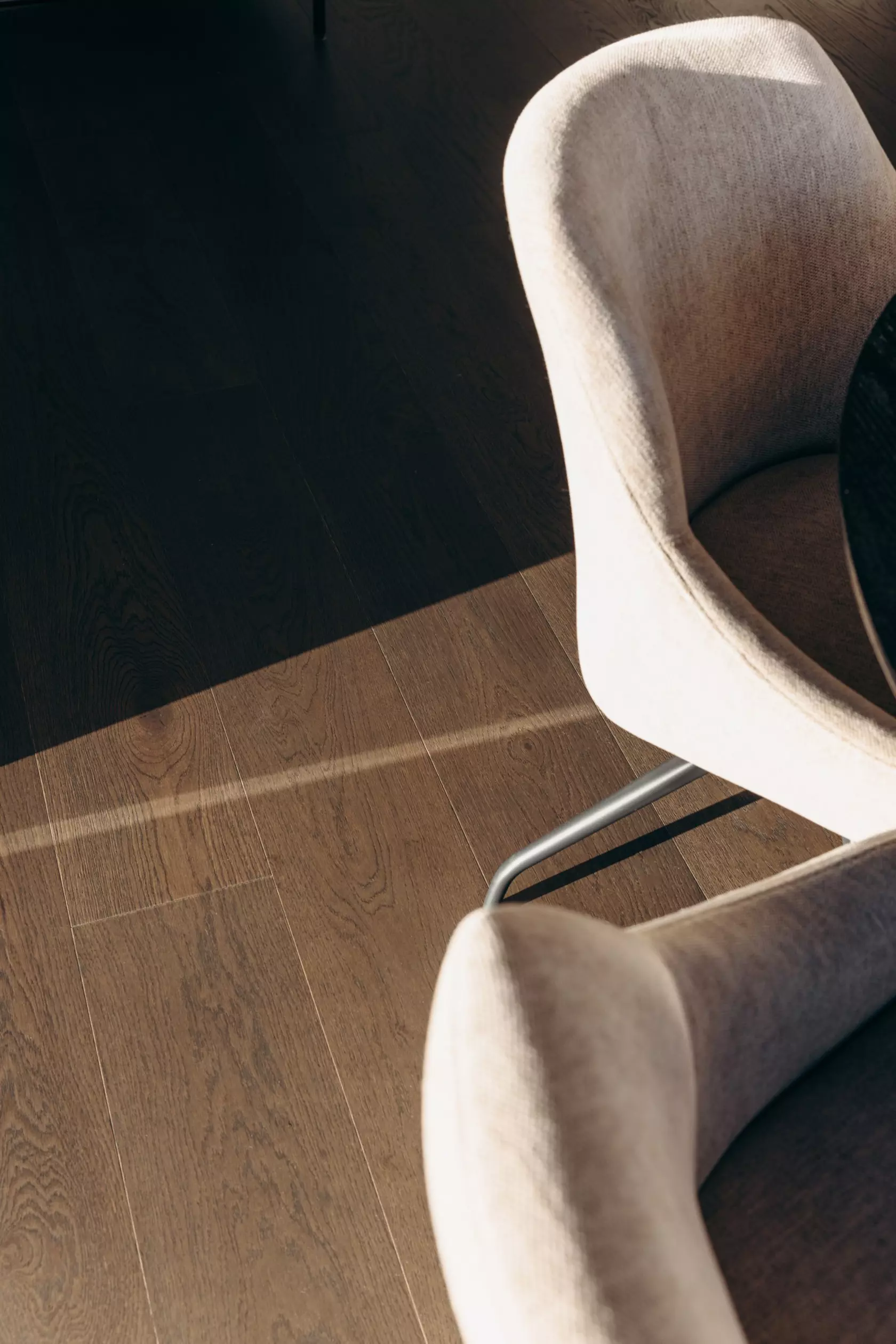
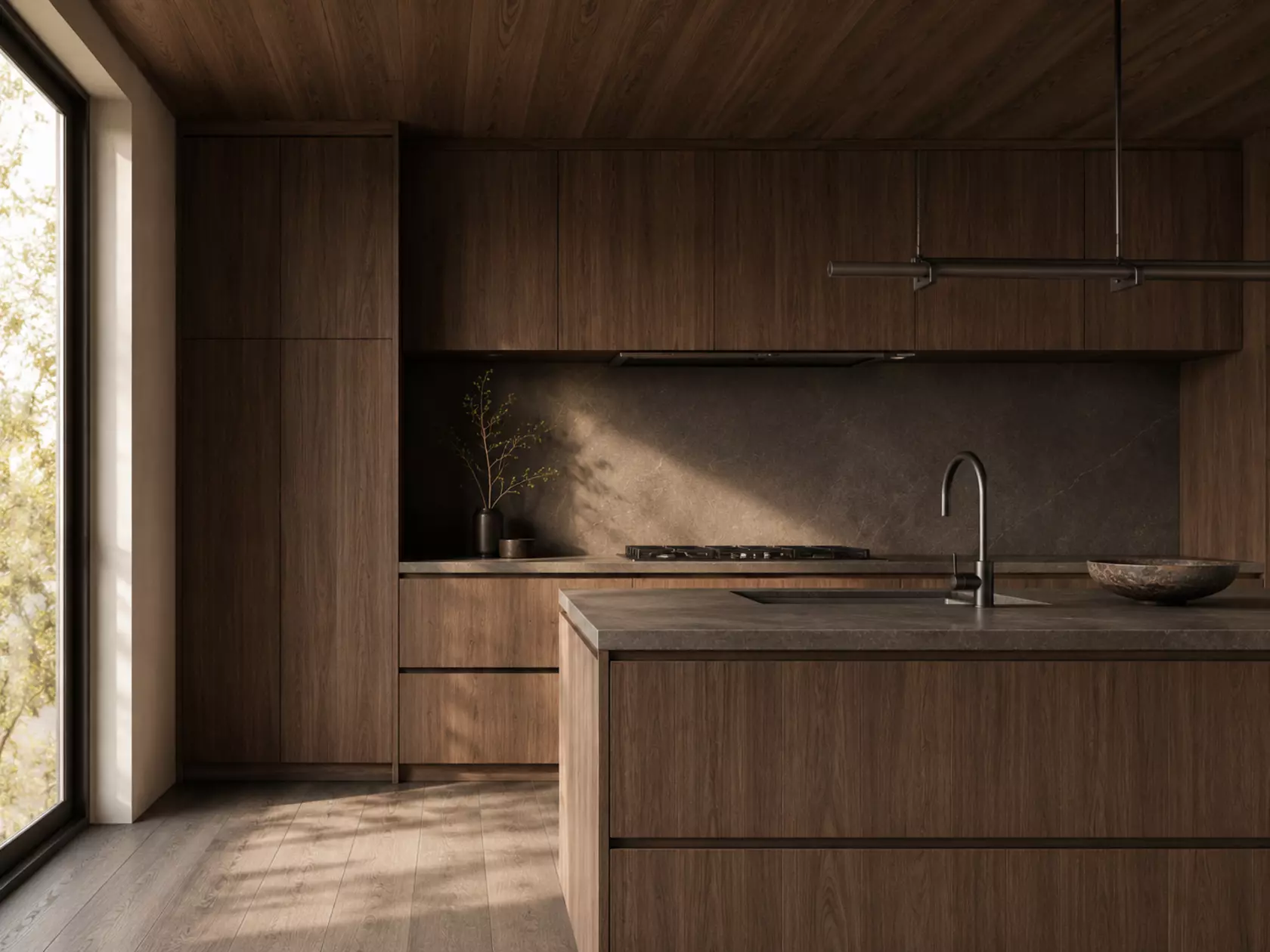
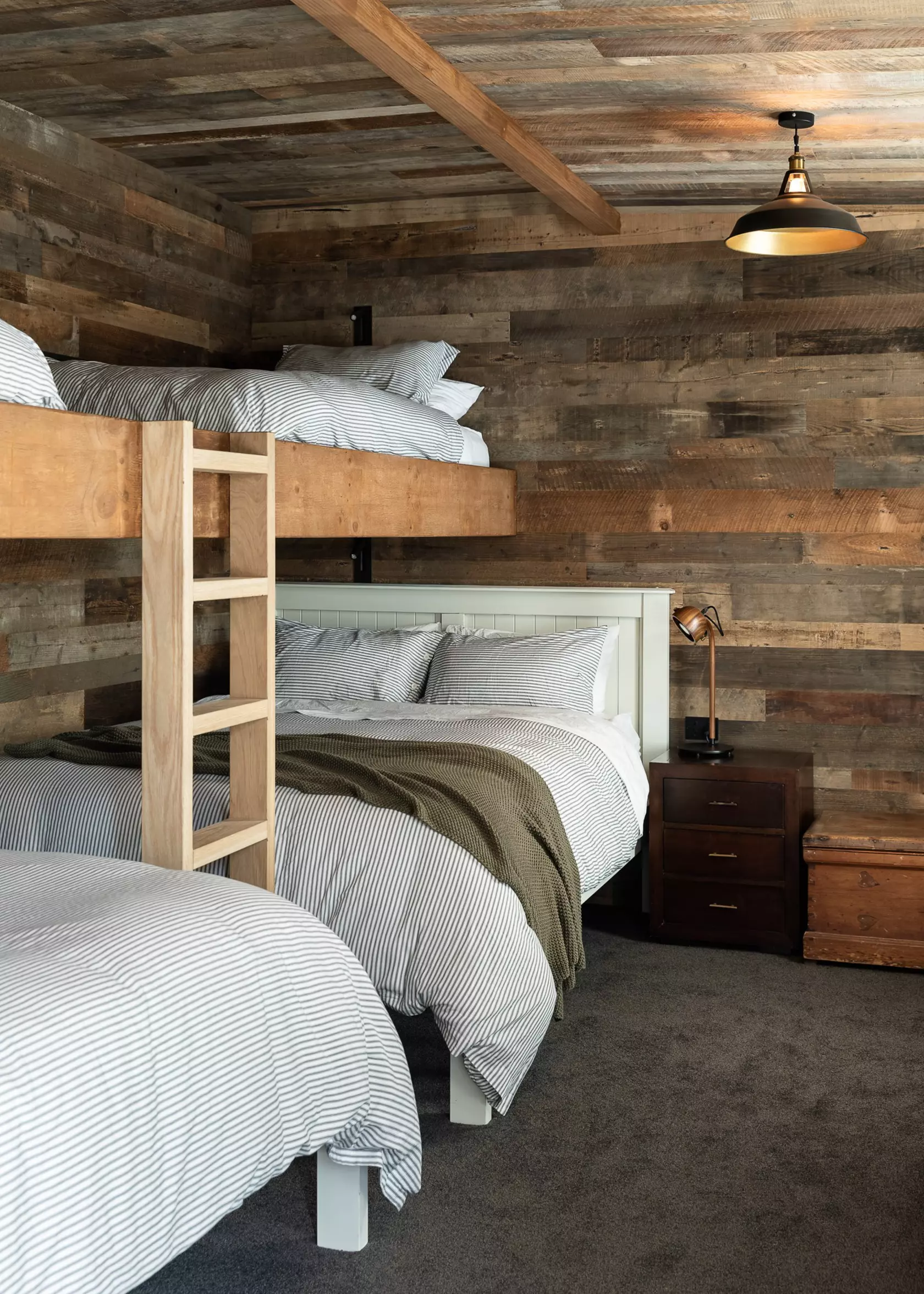
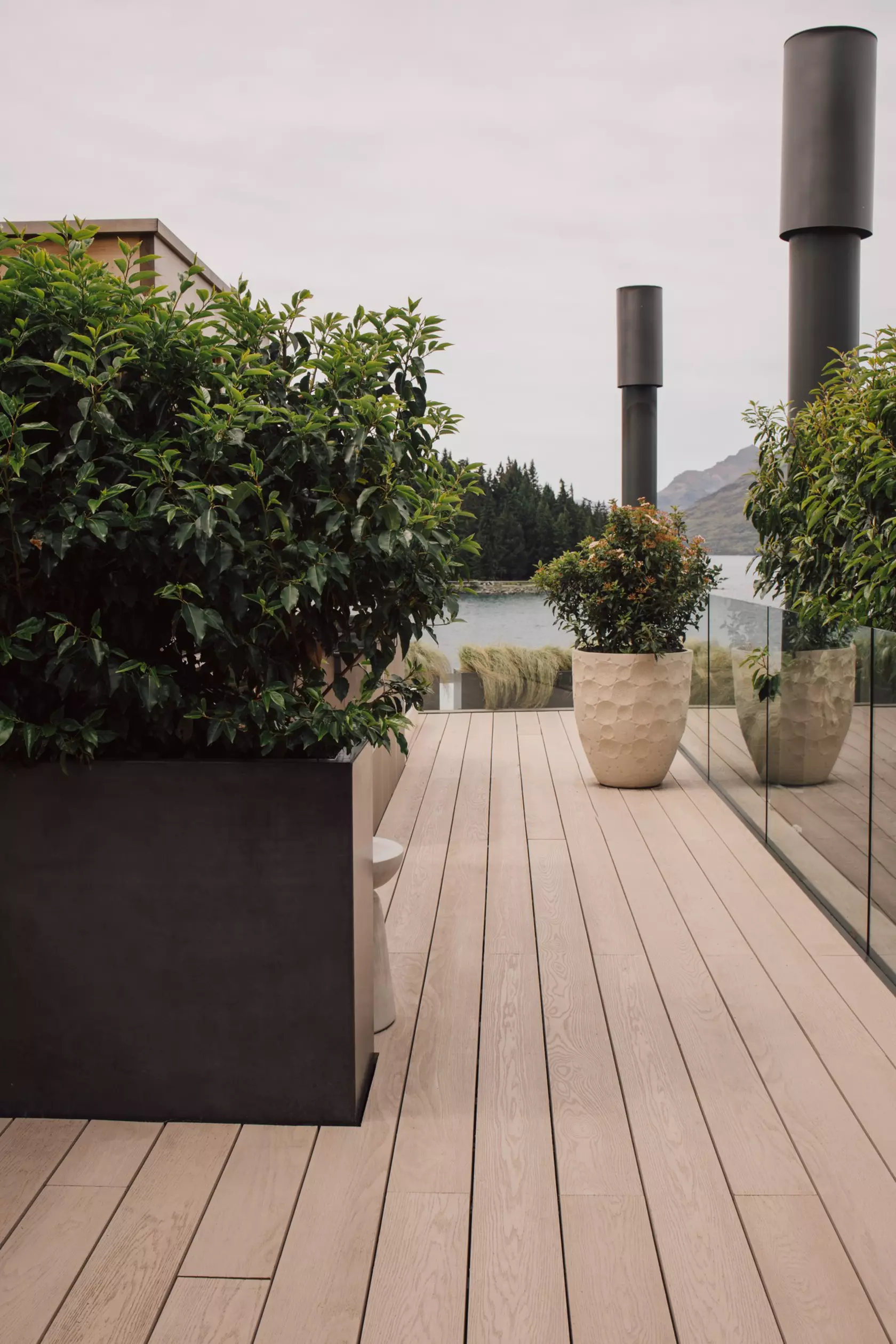
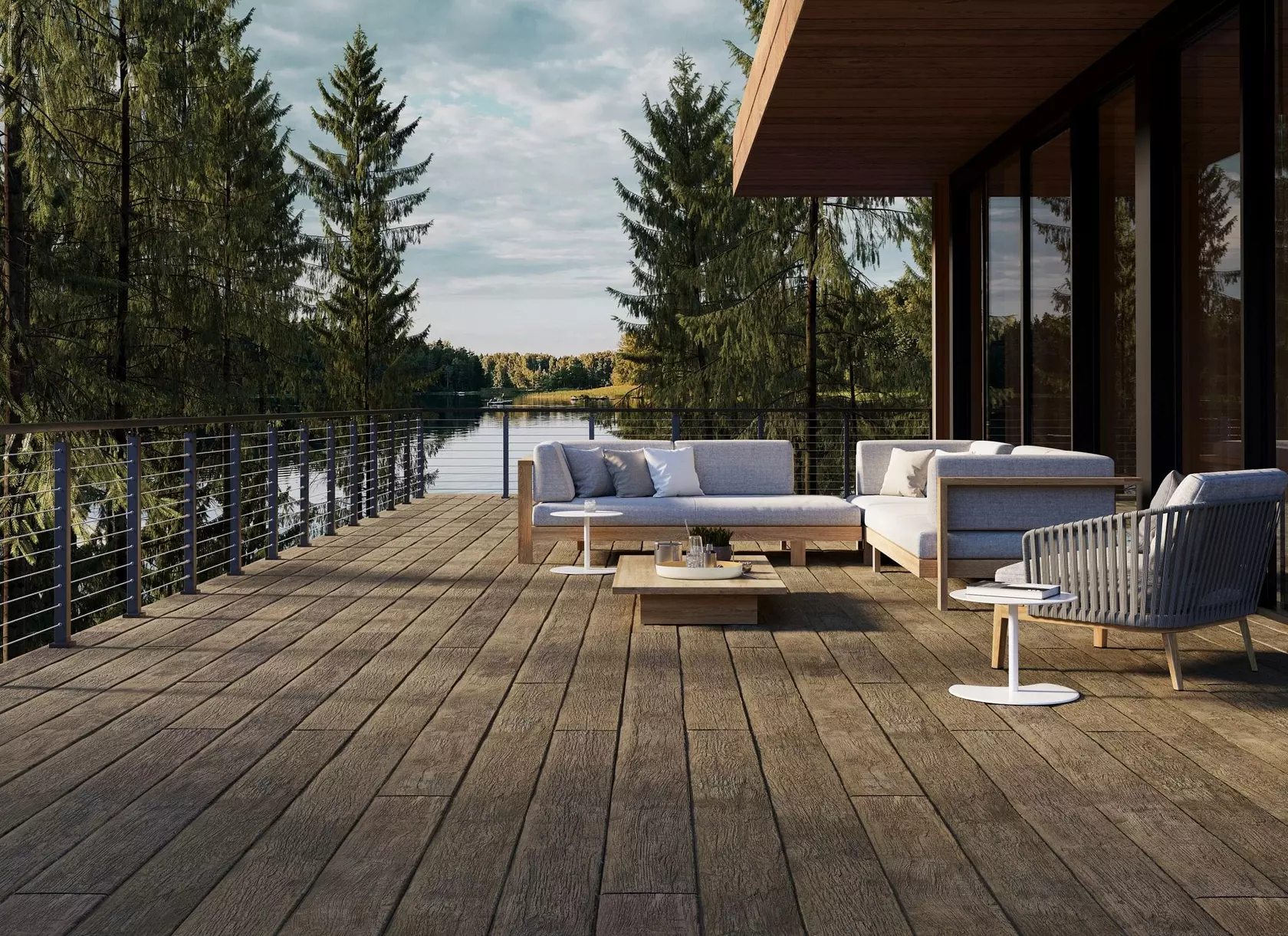
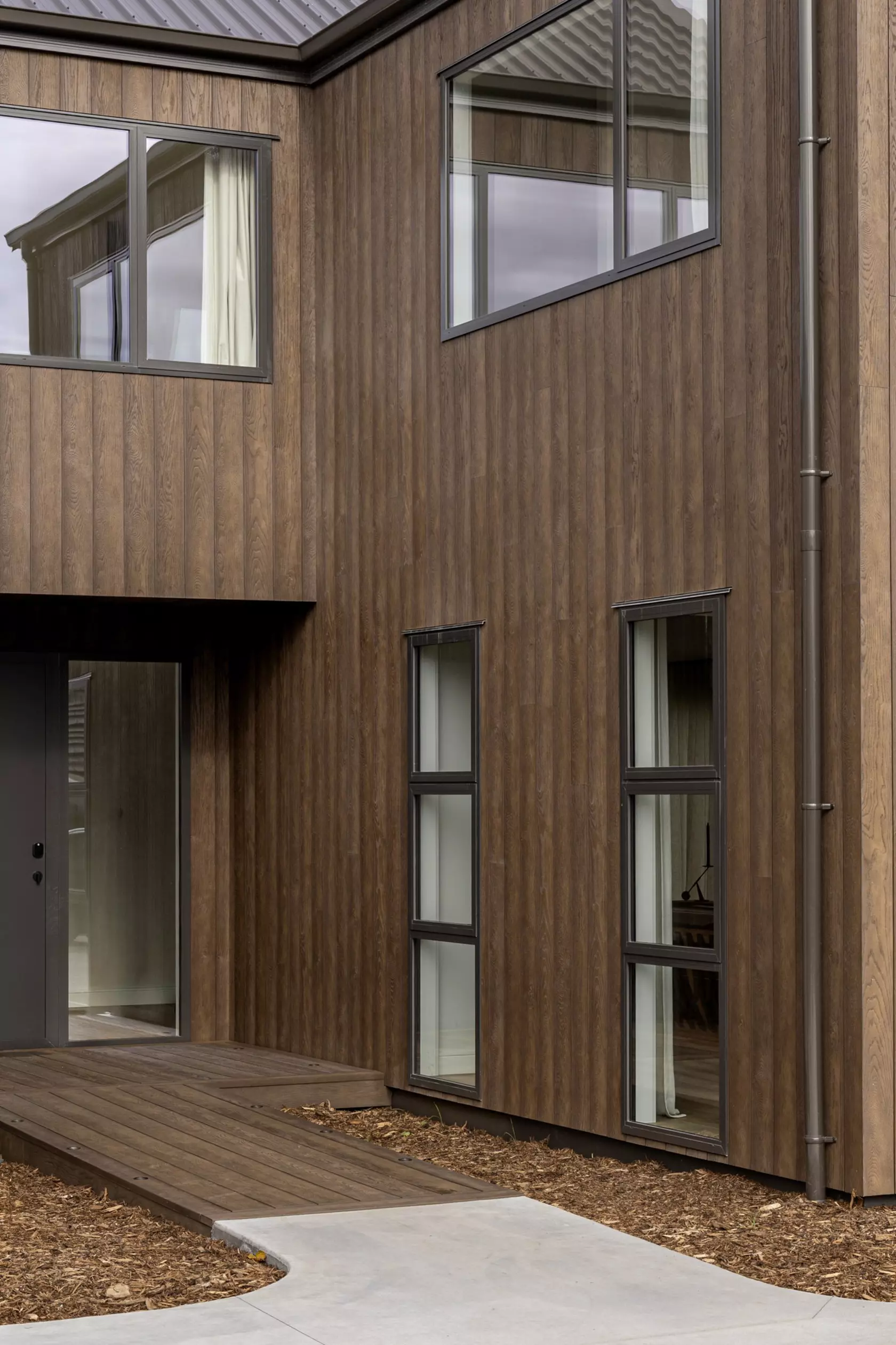
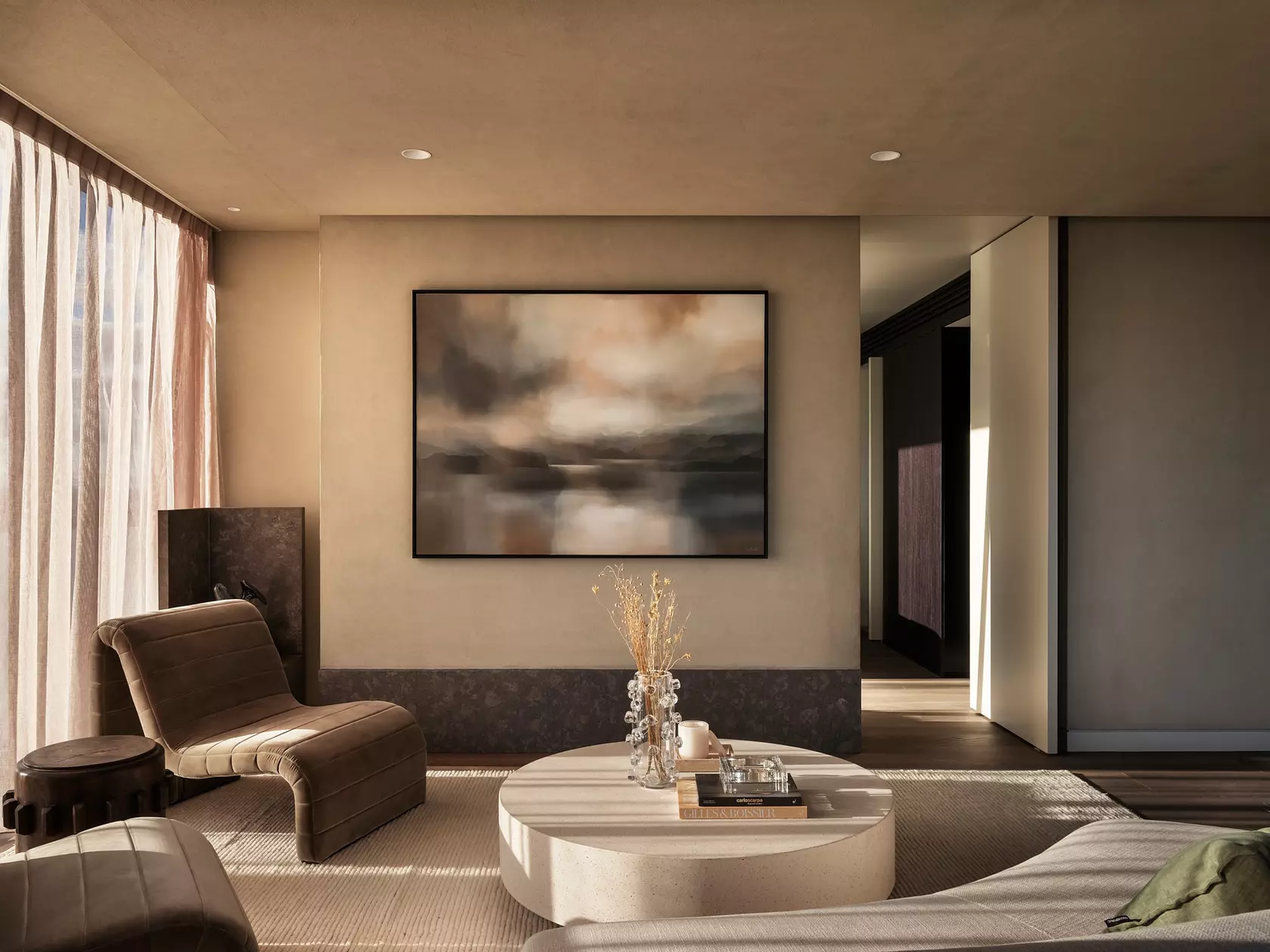
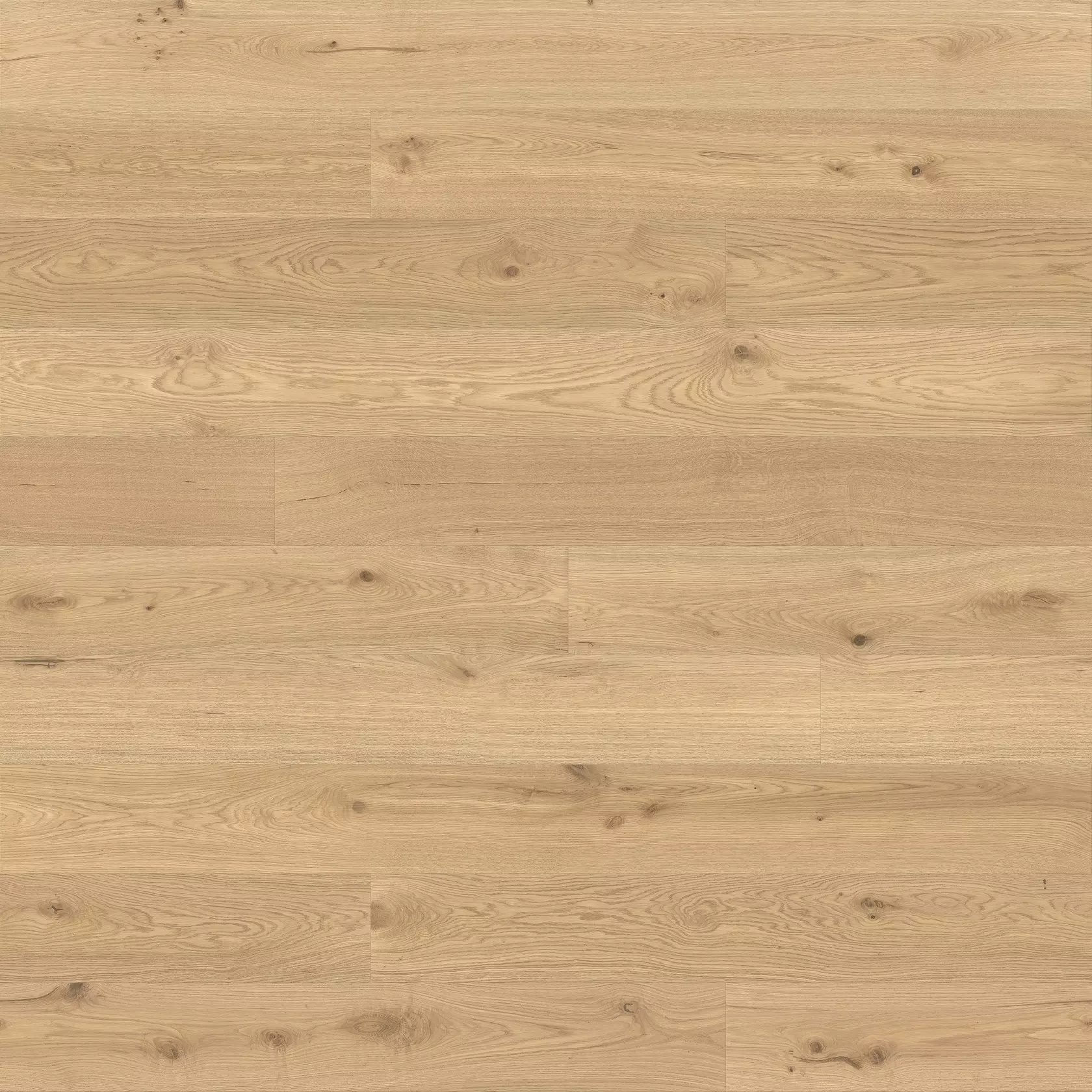
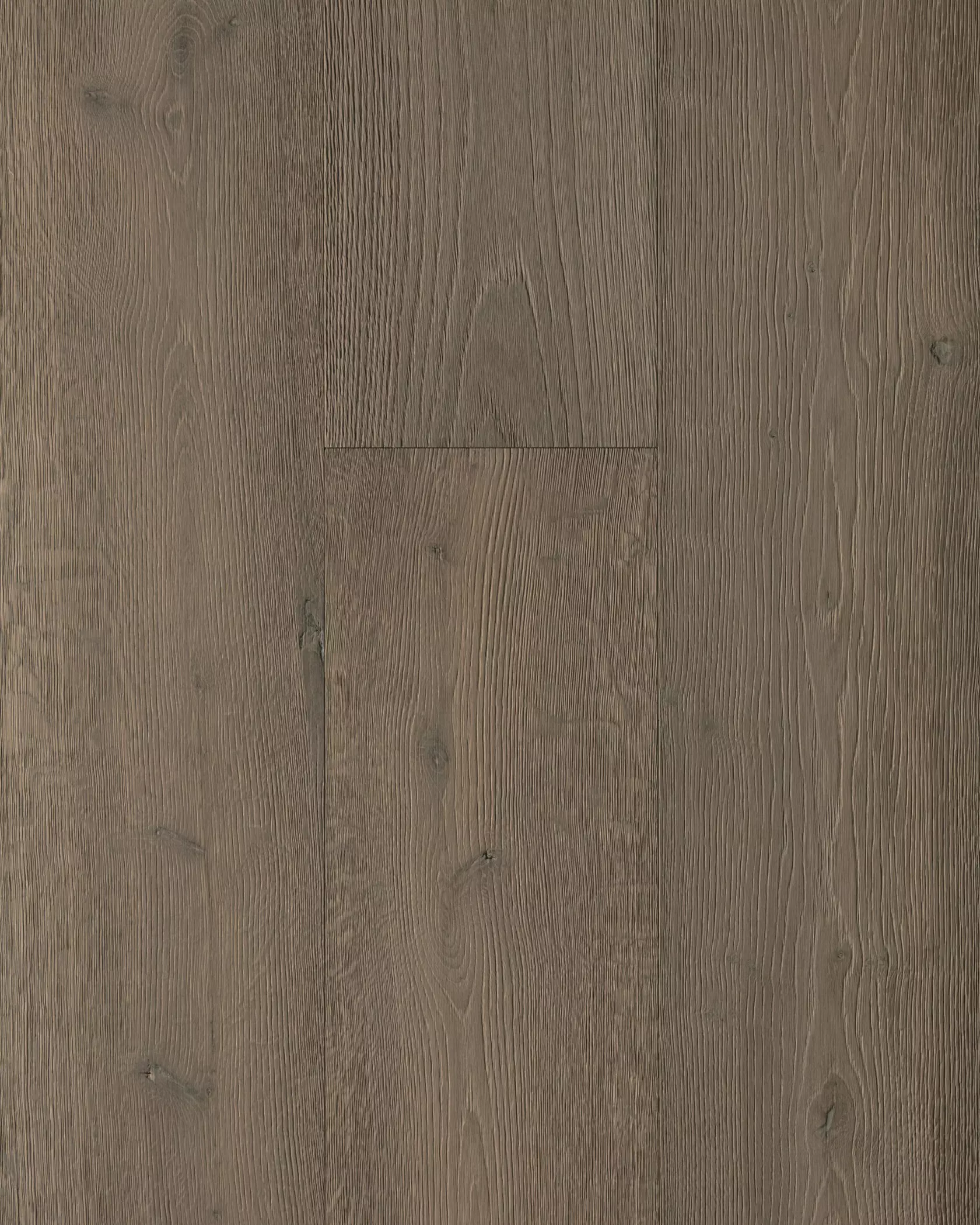
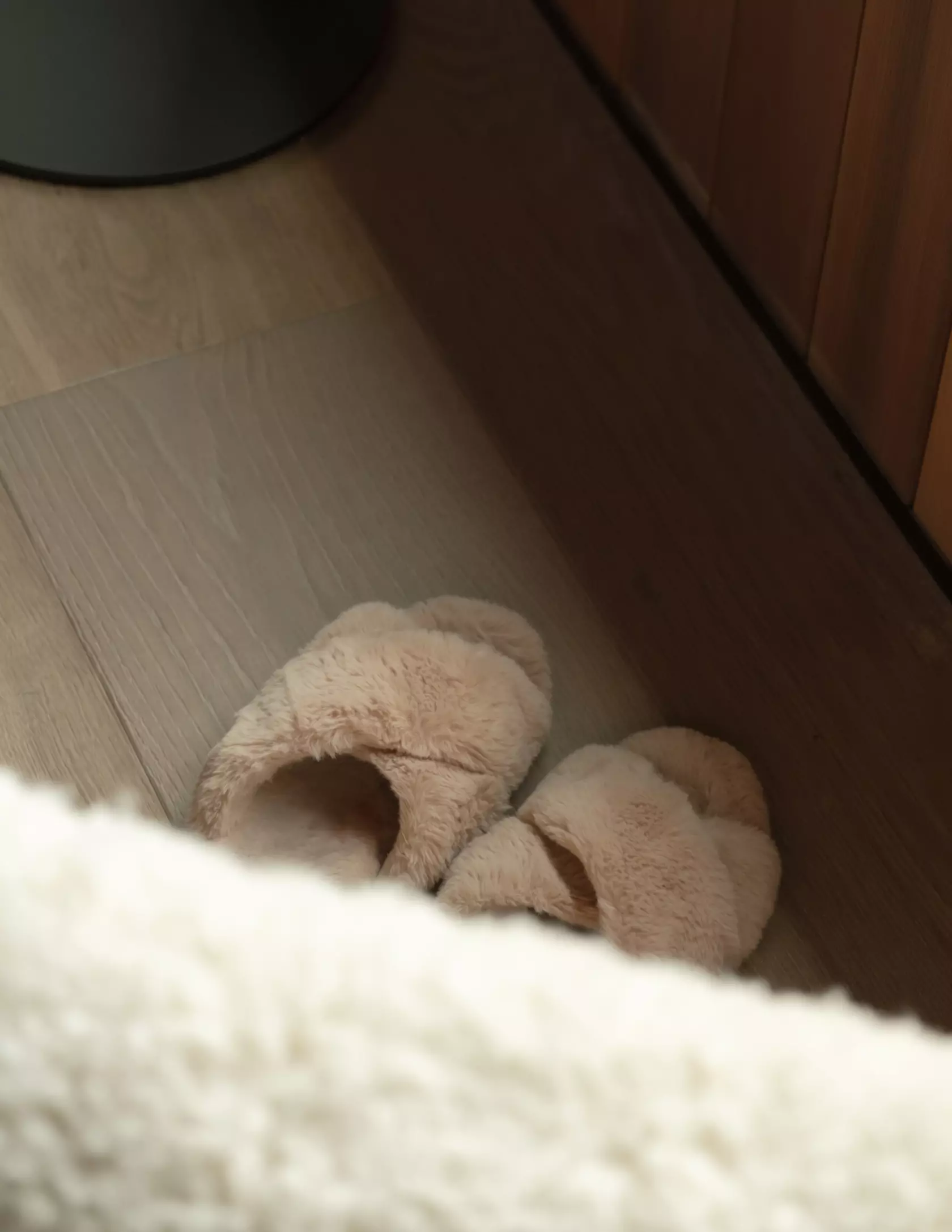
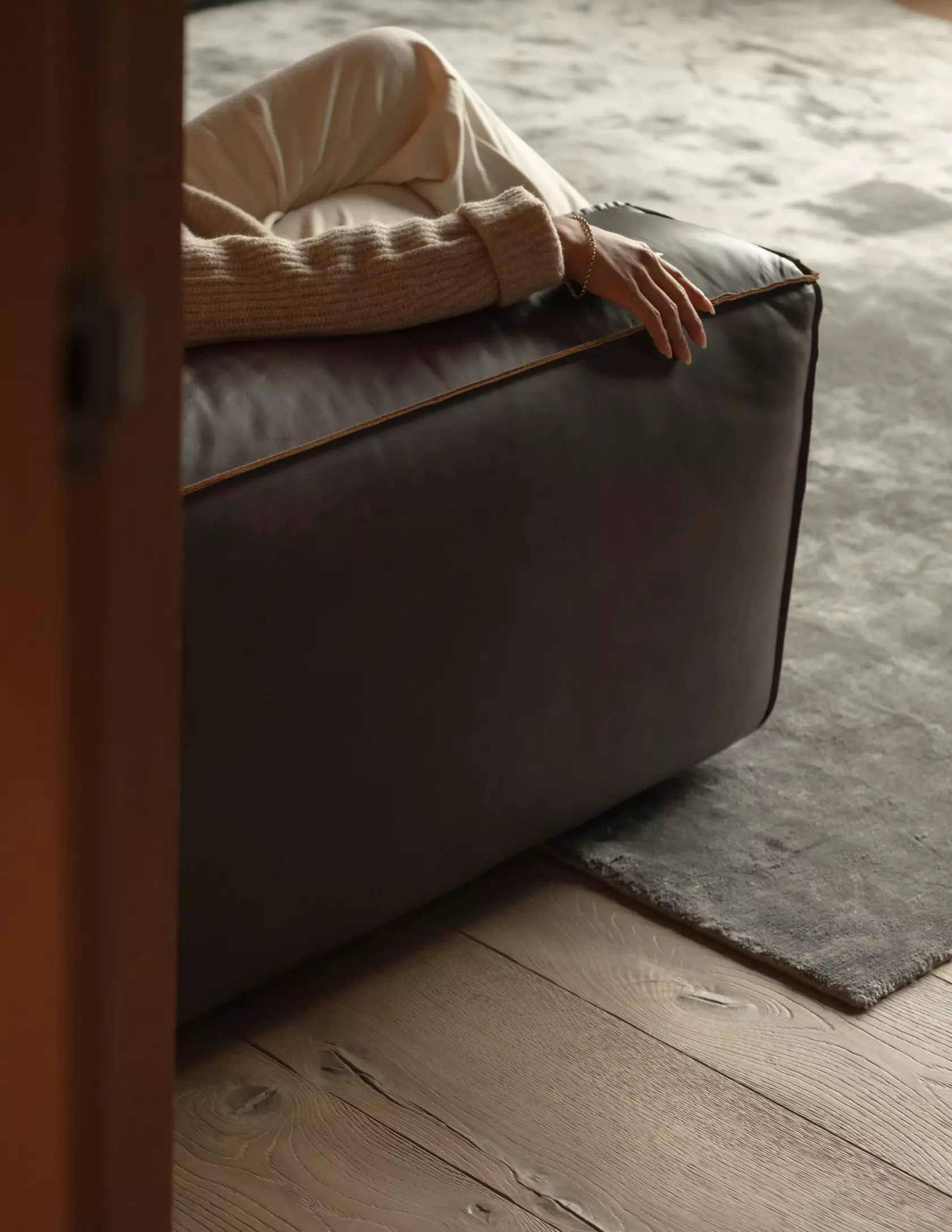
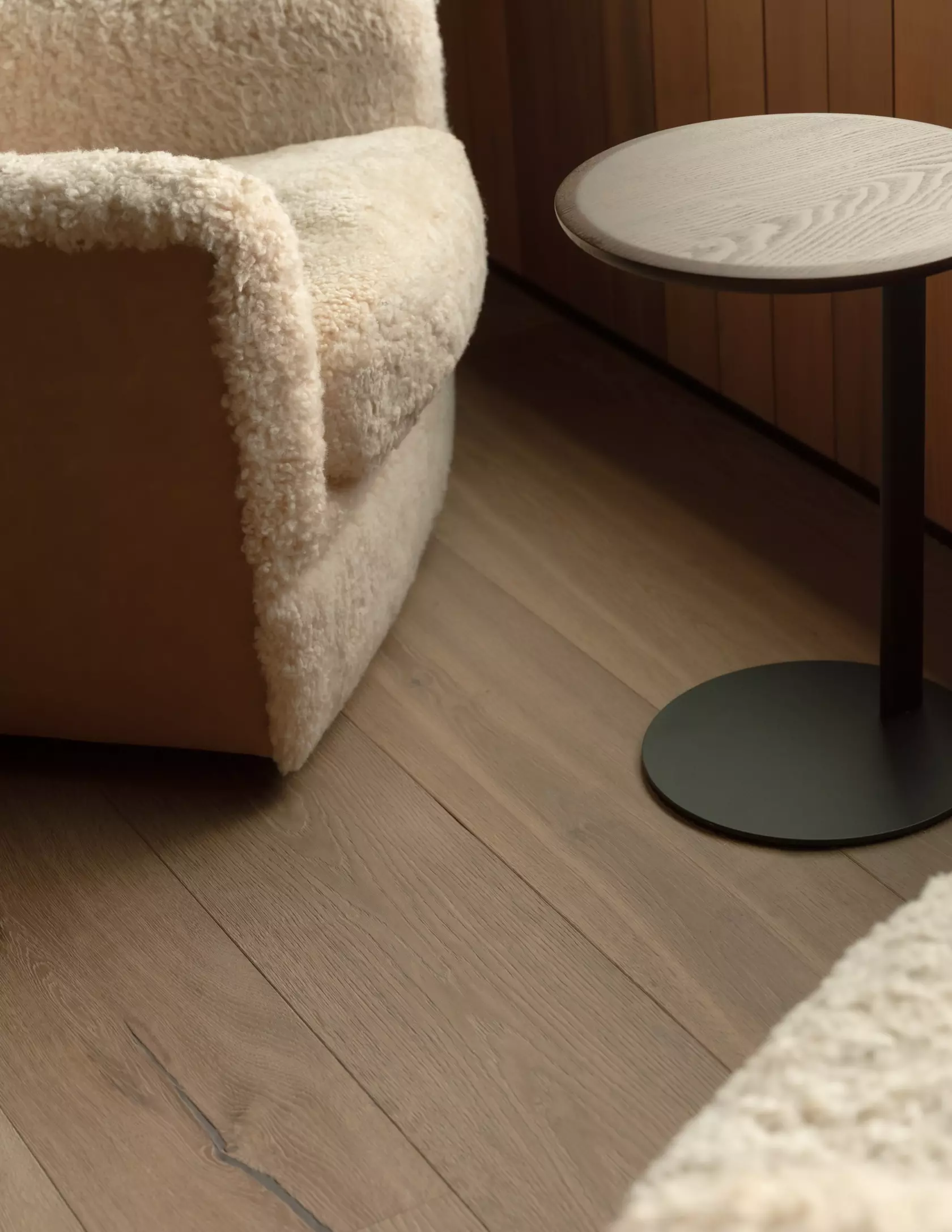
Materiality is central to the brief of anchoring the home to its environment. The rugged Queenstown landscape guided the exterior palette, which draws on local schist and Corten steel to echo the geological textures surrounding the site. "We wanted the house to feel like it belonged here while remaining refined and timeless," says Wyatt. Inside, the mood shifts to a more serene, tactile atmosphere. Forté's Van Gogh flooring provides warmth and continuity throughout the central living zone, hallways, and bedrooms. White describes the choice: "We loved the rustic character of the Van Gogh timber flooring. The soft hues and wider boards were perfect for these large interior spaces." The flooring's natural variation and durable construction made it ideal for a home designed to withstand the Central Otago climate while maintaining its refined interior character. "It was chosen not only for its beautiful nature," she adds, "but also because it will stand the test of time." Timber panelling, soft linens, and carefully selected finishes complete the interior palette, creating spaces that feel both grounded and graceful.
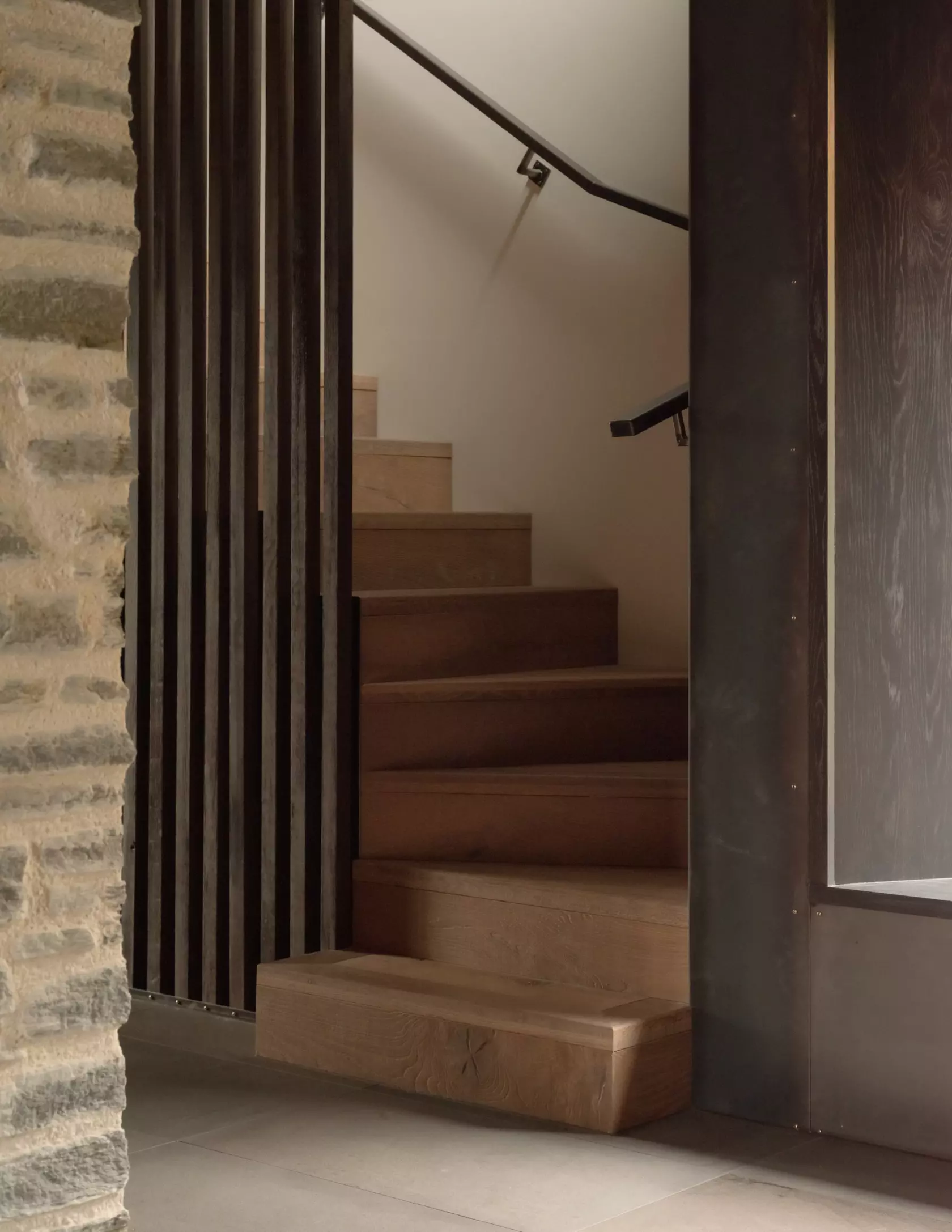
The completed home balances architectural presence with landscape sensitivity. From the modernised entry to the central gable pavilion that frames Lake Hayes and Coronet Peak beyond, the Lake Hayes House now embodies its remarkable setting – refined in execution, welcoming in character, and deeply connected to place.