





Understanding Rustic Grade
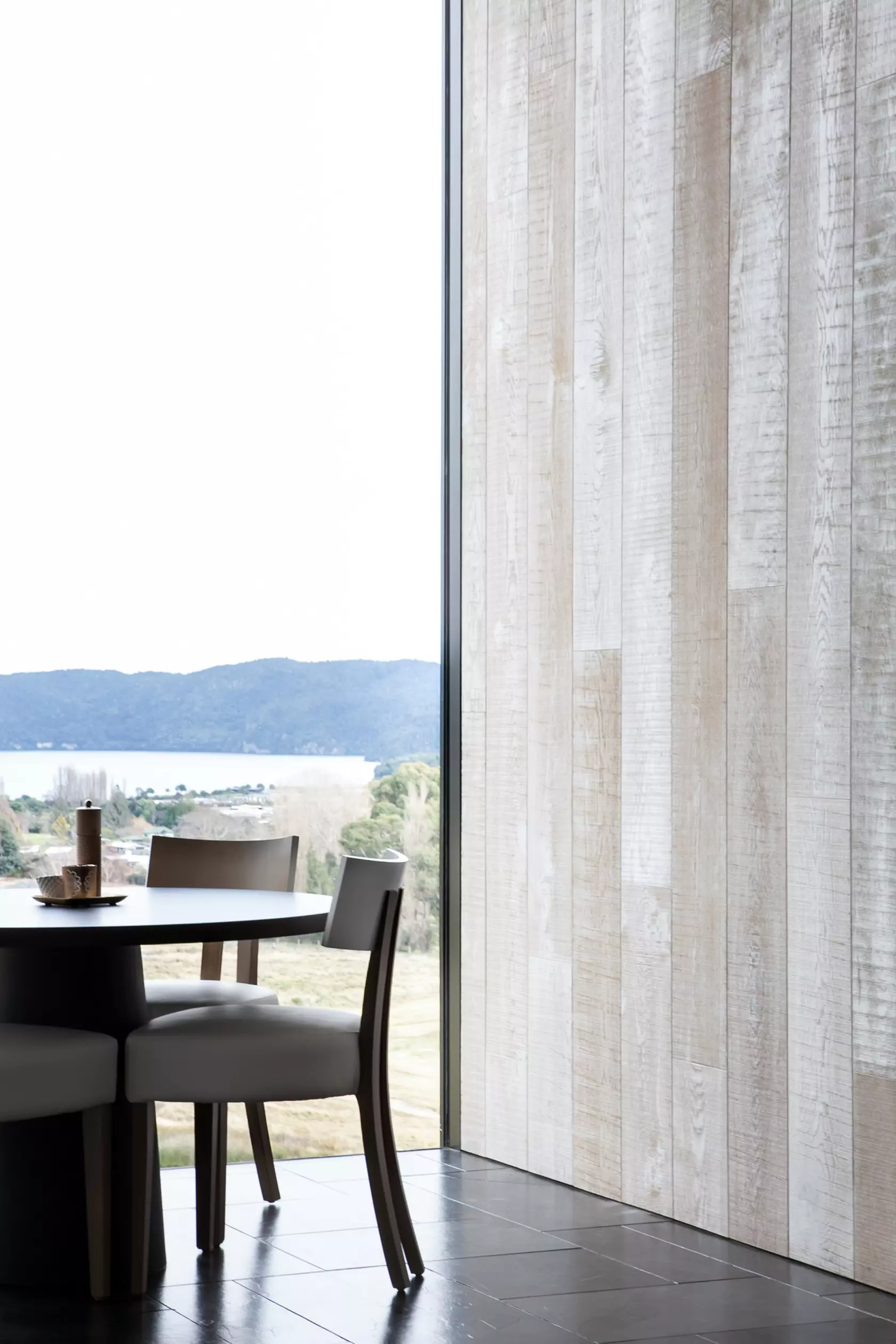
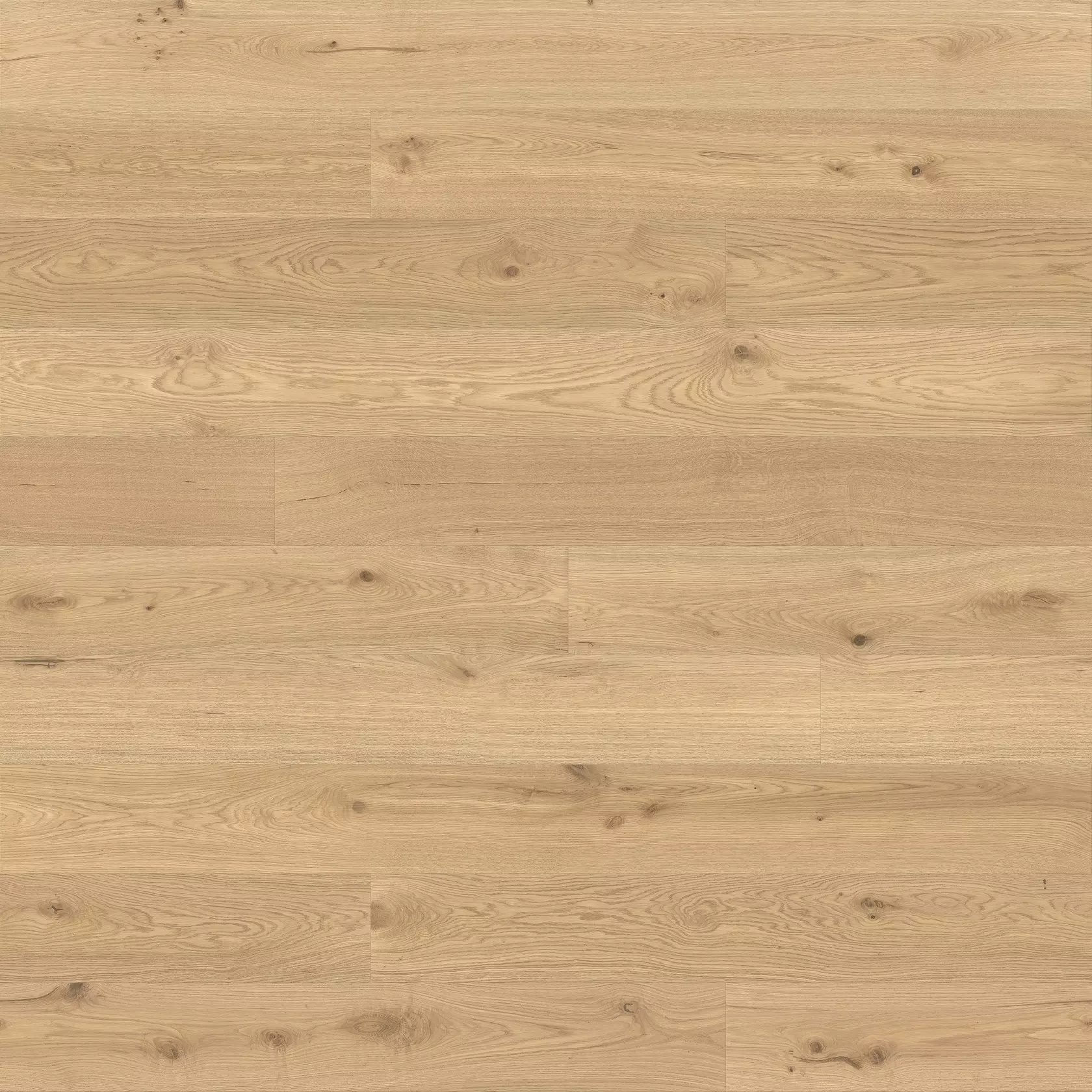
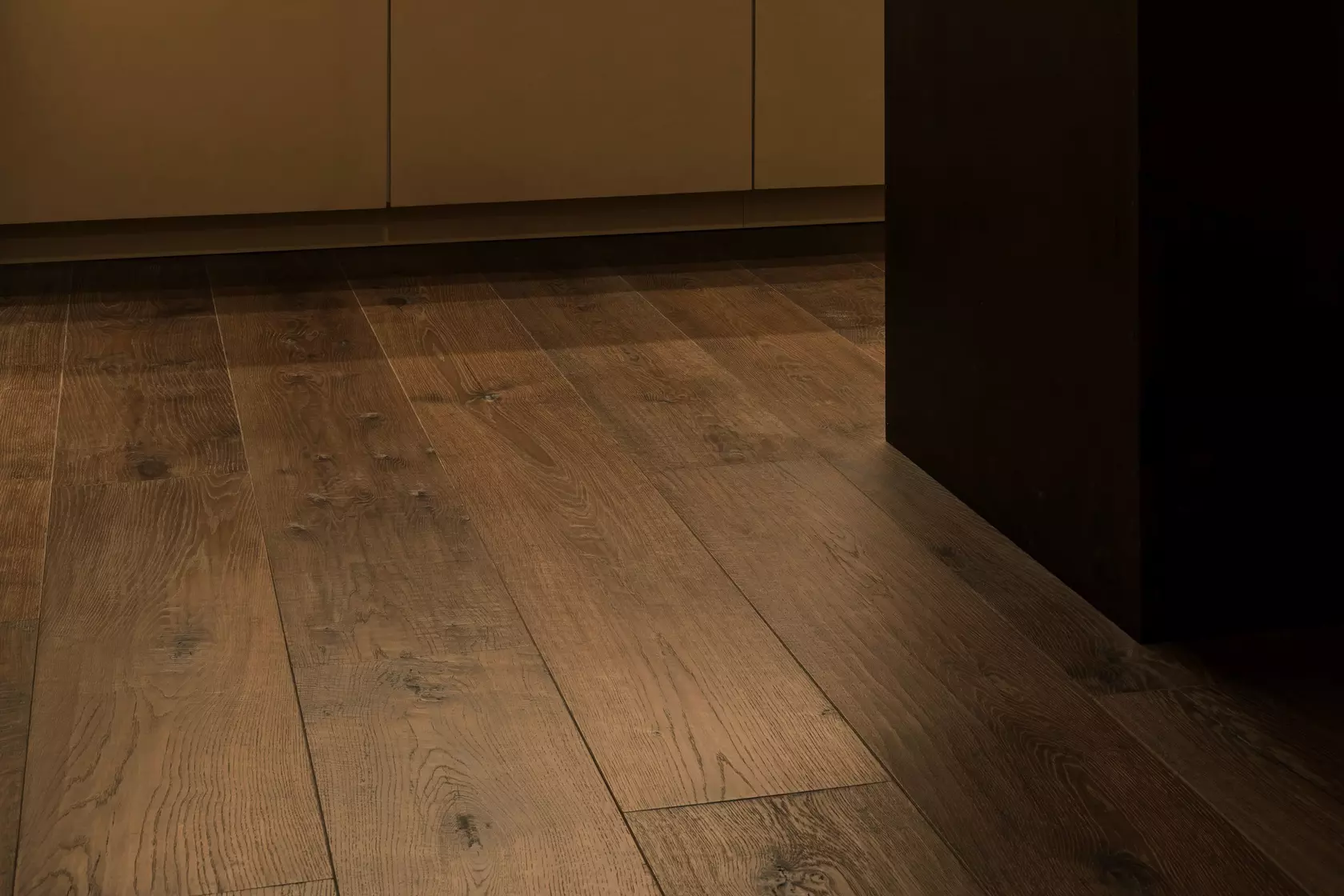
When it comes to timber flooring, perfection isn't always the goal. Rustic grade flooring celebrates what many would consider flaws – knots, colour variation, sapwood, fine cracks and grain irregularities. These aren't defects to be hidden or apologised for. They're the authentic signatures of the tree, telling the story of how it grew, weathered and lived before becoming part of your home.
Understanding rustic grade flooring means shifting perspective from pristine uniformity to natural character. It's a choice that brings warmth, texture and genuine personality to spaces, but it requires knowing what you're inviting in and how to live with it beautifully.
Timber flooring is typically graded based on the visual characteristics of the wood. While the exact definitions vary between manufacturers and species, Forte uses the following:
Clear grade - Offers a premium, flawless finish with no visible knots, cracks, or imperfections. Its surface is smooth and consistent, with minimal colour and grain variation. There will be some minor imperfections, this makes it the ideal choice for projects where a sleek, sophisticated aesthetic is essential. The clean, uninterrupted appearance of Clear grade timber brings an understated elegance to any space.
Prime grade - Delivers a refined, natural look with subtle character. While predominantly uniform, it may feature small knots and gentle variations in colour, adding a touch of texture and authenticity. This grade strikes a balance between clean lines and the organic charm of natural wood, making it perfect for spaces that demand both elegance and warmth. rks
Light Feature Grade - A balance between clean aesthetics and natural character. It showcases small to medium knots, gentle colour variation, and some natural imperfections, bringing a touch more texture and interest. These features offer an authentic reflection of the timber’s natural origins without dominating the design. Knots and cracks are often filled with coloured wood filler, providing a smooth finish while retaining the timber’s unique charm.
Feature Grade - Offers a more expressive display of natural character. Larger knots, some visible cracks, and colour and grain variation bring a sense of warmth and texture to any space. This grade celebrates the timber’s natural beauty, making it perfect for adding a statement of organic charm. Features like knots and cracks may be filled with coloured wood filler to create a balanced, polished appearance.
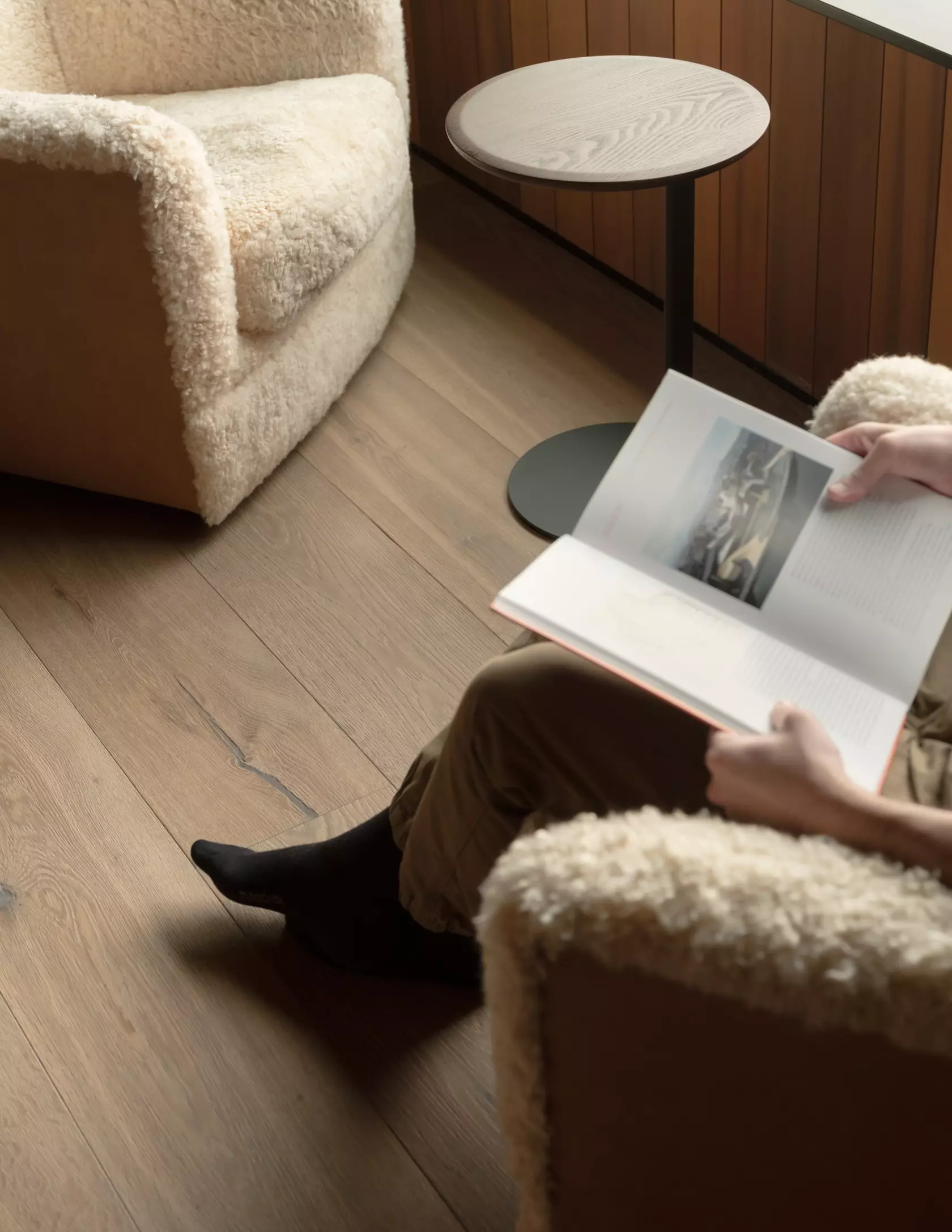
Rustic Grade - Embraces the raw beauty of wood, featuring large knots, open cracks, and significant colour and grain variation. This grade captures the timber’s natural essence, and celebrates the sections others might discard – the areas near branches, the boards with dramatic grain shifts, the timber with natural checking and undulations. It offers a more rugged texture and bold, organic aesthetic.
Knots of various sizes
Sound knots (firmly integrated into the wood)
Pin knots (small, tight knots)
Larger knots up to 40-60mm in some species
Open knots where the knot has partially fallen out and has been intentionally left during manufacture
Dark knots contrasting with surrounding timber
Colour variation
Sapwood and heartwood in the same board
Dramatic shifts from light honey to deep brown
Mineral staining creating grey, black, or green streaks
Natural discolouration from the tree's growth
Grain irregularities
Wild, swirling grain patterns
Interlocked or irregular grain
Figure and character from unusual growth
Dramatic cathedral patterns
Natural characteristics
Fine cracks (checks) in the timber surface
Small splits at board ends
Insect marks (historic beetle tracks, often filled)
Bark pockets or inclusions
Surface texture
Natural undulation and variation
Slight height differences between boards
Organic feel rather than machined precision
The Appeal of Rustic Grade
Authentic Character
Rustic grade flooring doesn't try to hide what timber actually is. In an era of synthetic materials designed to look "real," rustic timber is unapologetically genuine. Every knot marks where a branch once grew. Every colour shift reflects the tree's journey from sapwood to heartwood. The imperfections are the proof of authenticity.
This resonates particularly now, as design moves away from aesthetic uniformity toward spaces with soul and story. Rustic grade floors don't look like they came from a factory yesterday; they carry history and character from the moment they're installed.
Visual Warmth and Depth
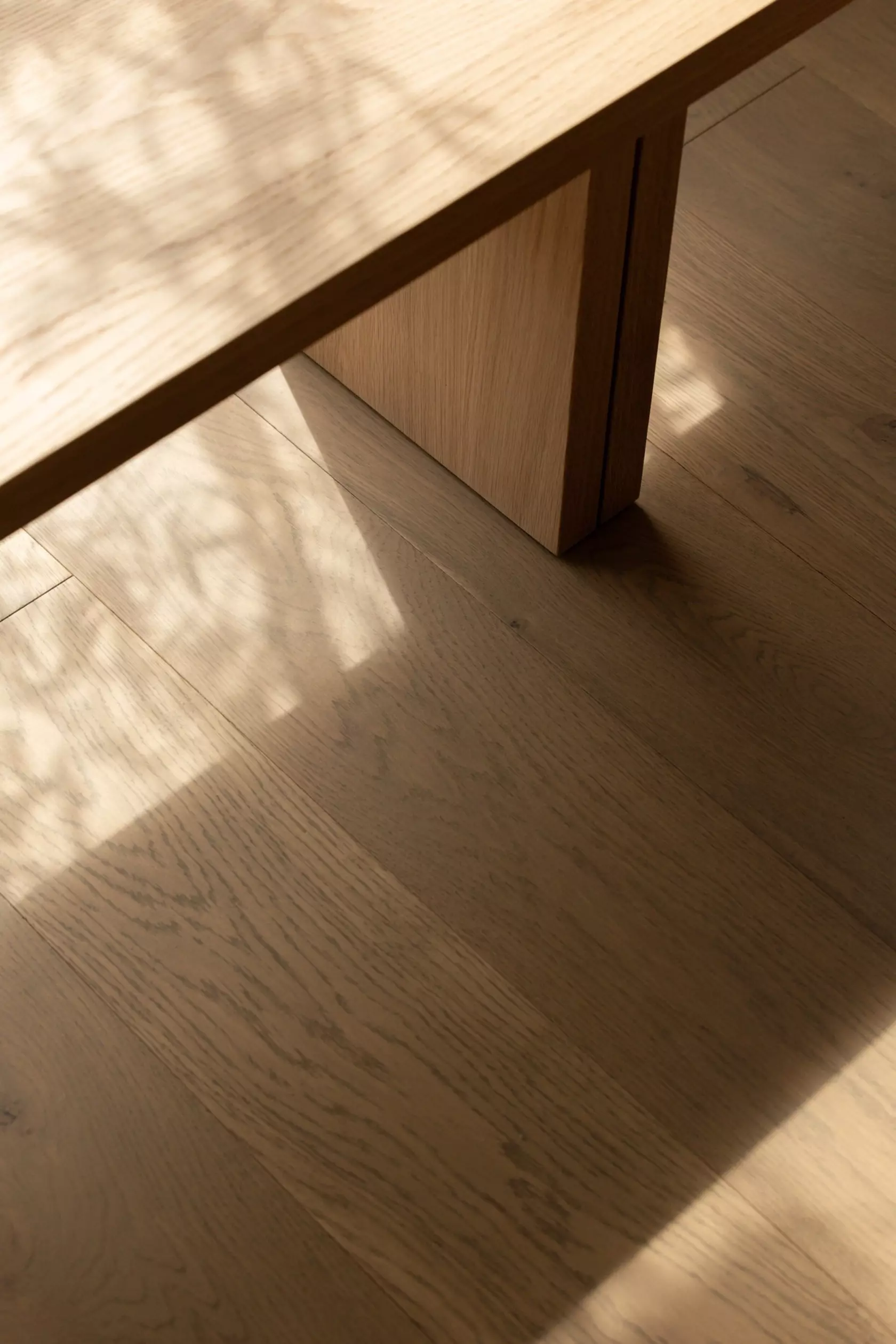
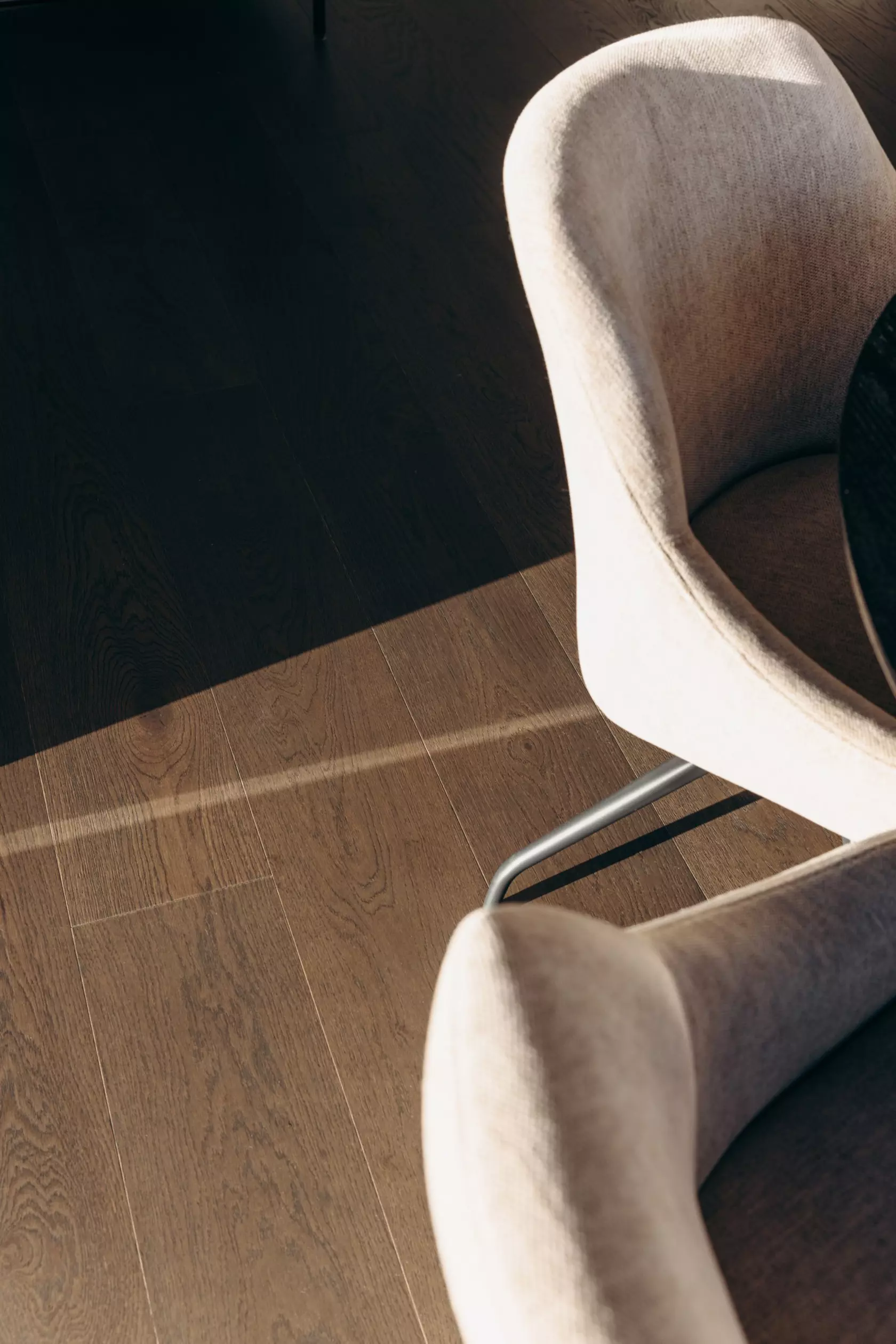
The colour variation and natural marking in rustic grade creates visual richness that uniform flooring can't match. Light plays across the varying tones throughout the day. The eye travels across the surface, discovering new patterns and details. The floor becomes a textured, living element rather than a neutral backdrop.
This depth makes spaces feel more grounded and collected, as though the home has evolved over time rather than being installed all at once. It's the difference between a space that feels carefully assembled and one that feels naturally grown.
Forgiving Nature
Here's a practical benefit rarely discussed: rustic grade flooring hides wear and damage remarkably well.
That new scratch from moving furniture? It settles in among existing grain irregularities and becomes part of the floor's story. The dent from a dropped pan? Just another character mark joining the knots and undulations. Where premium grade flooring shows every imperfection against its uniform surface, rustic grade absorbs new marks into its existing texture.
This makes rustic grade particularly practical for high-traffic homes, families with children and pets, and people who want beautiful floors without the upkeep of keeping them pristine. The floor is designed to be lived on and truly become part of the household.
Environmental Consideration
Rustic grade makes fuller use of each tree. Where select grade might use only 30-40% of a log (the clearest, most uniform sections), rustic grade can utilise 70-80% or more. This means less waste, more efficient use of resources, and greater respect for the tree's full character.
In an era of increasing focus on sustainability and material consciousness, choosing rustic grade represents a more complete use of a natural resource.
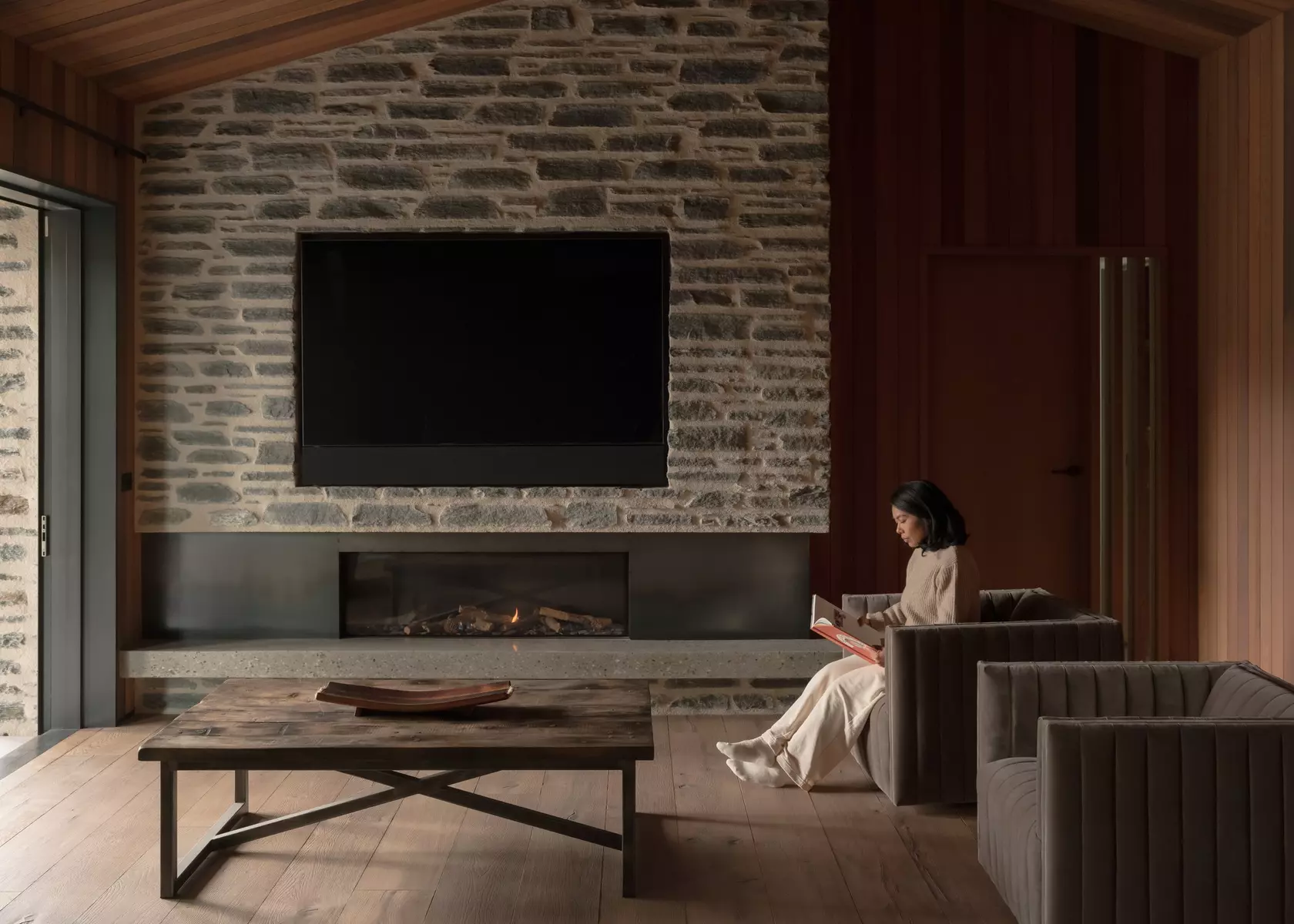
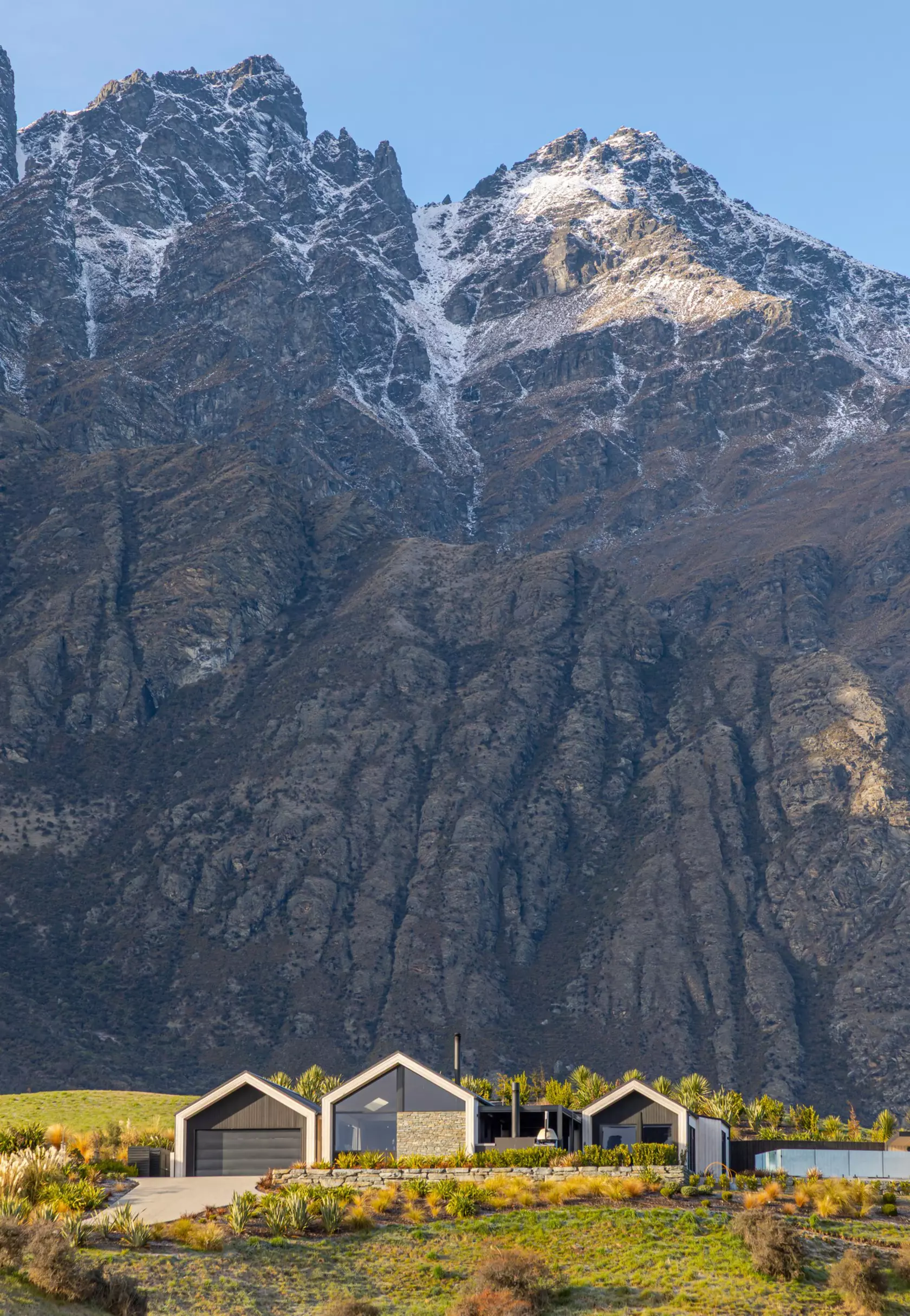
Alpine Style Homes
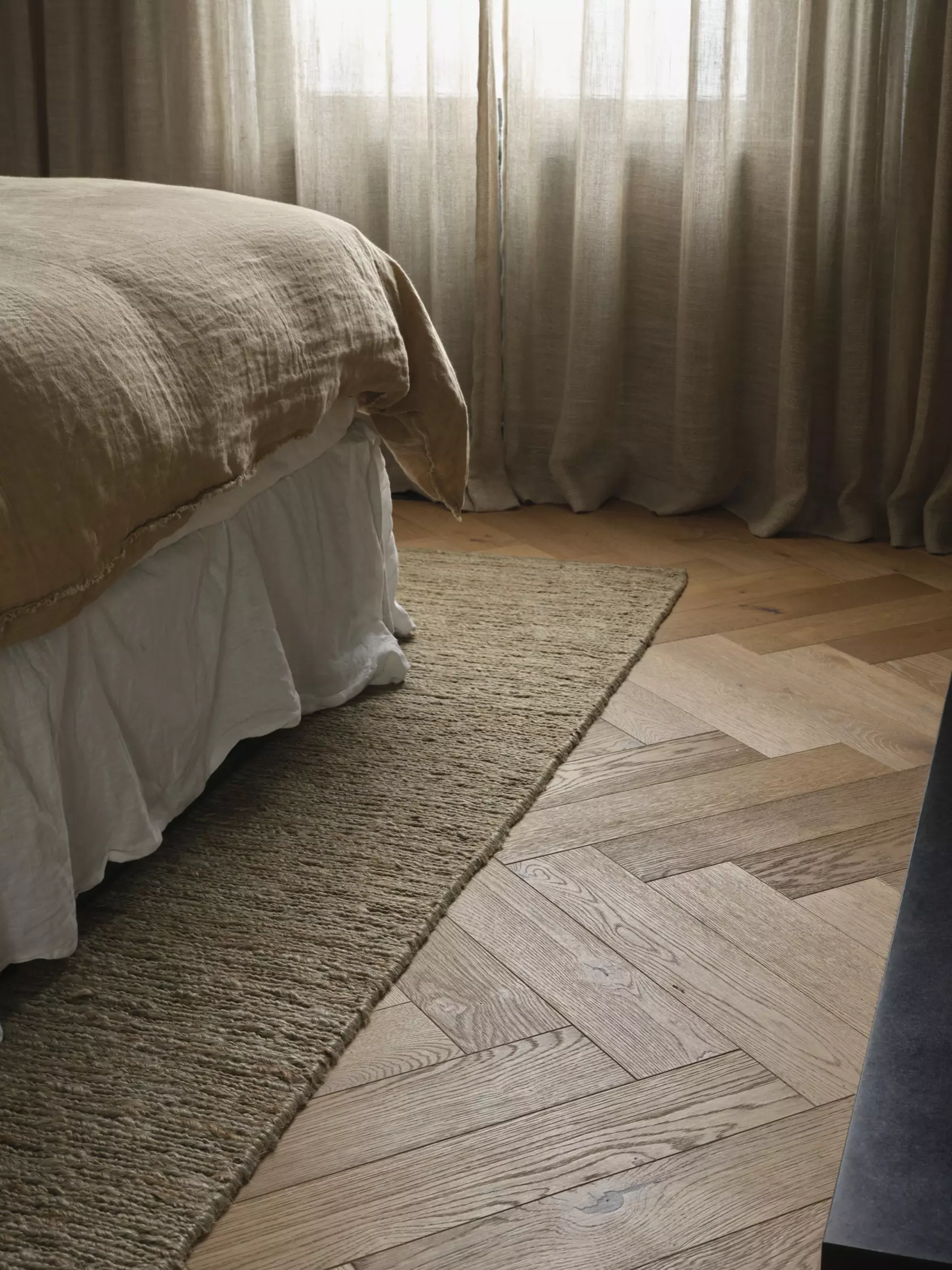
Heritage and Character Homes
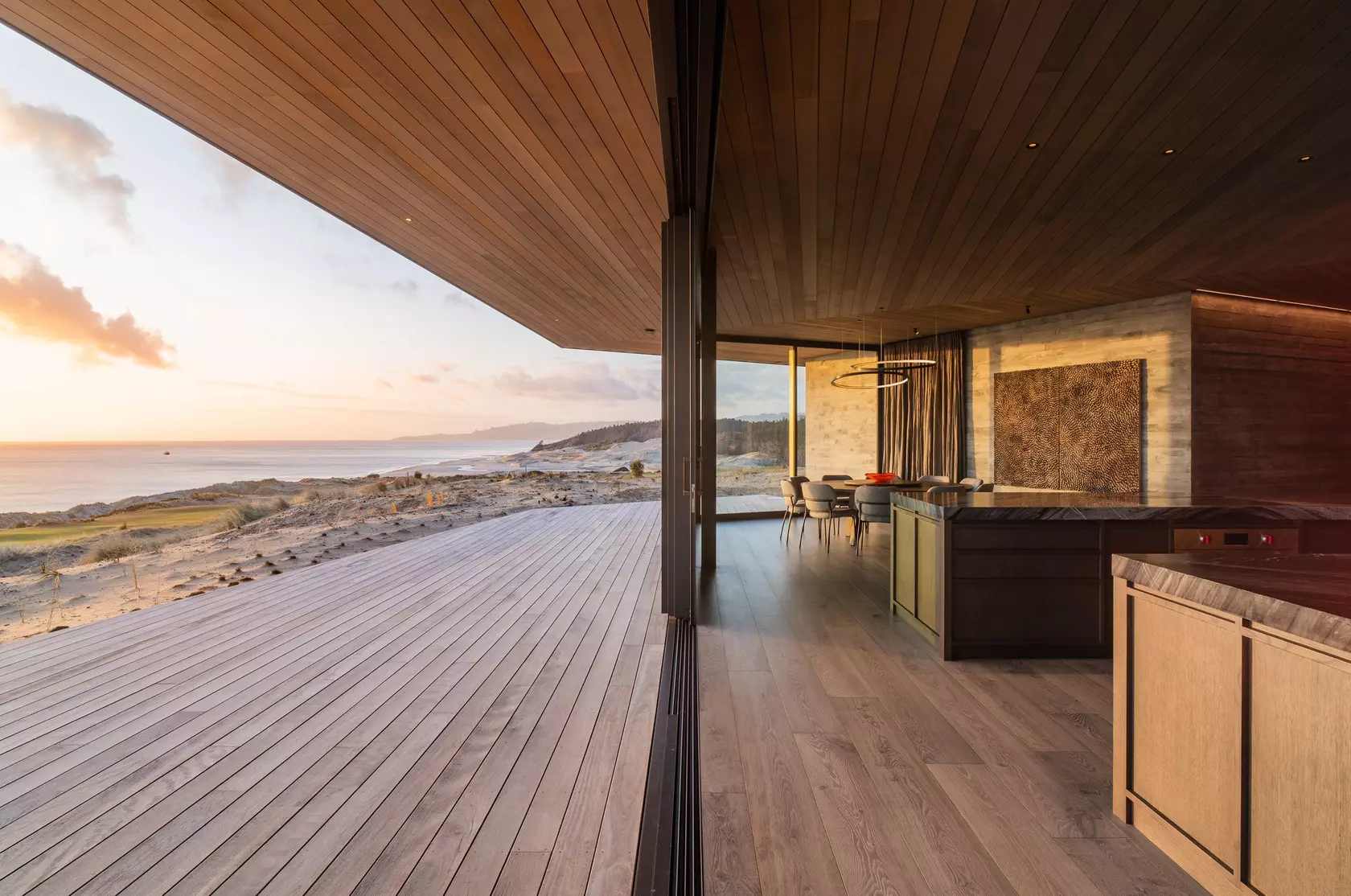
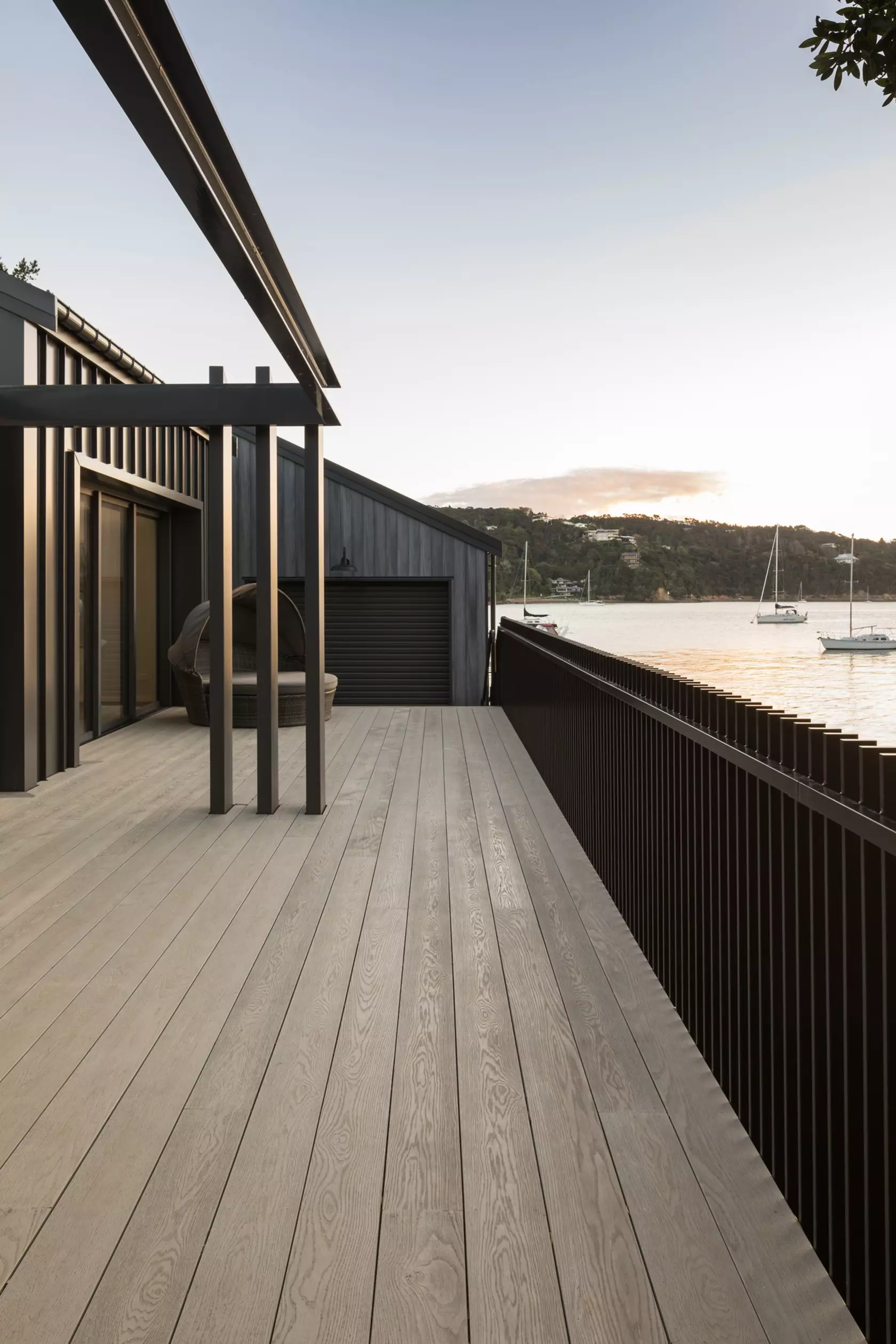
Coastal Homes
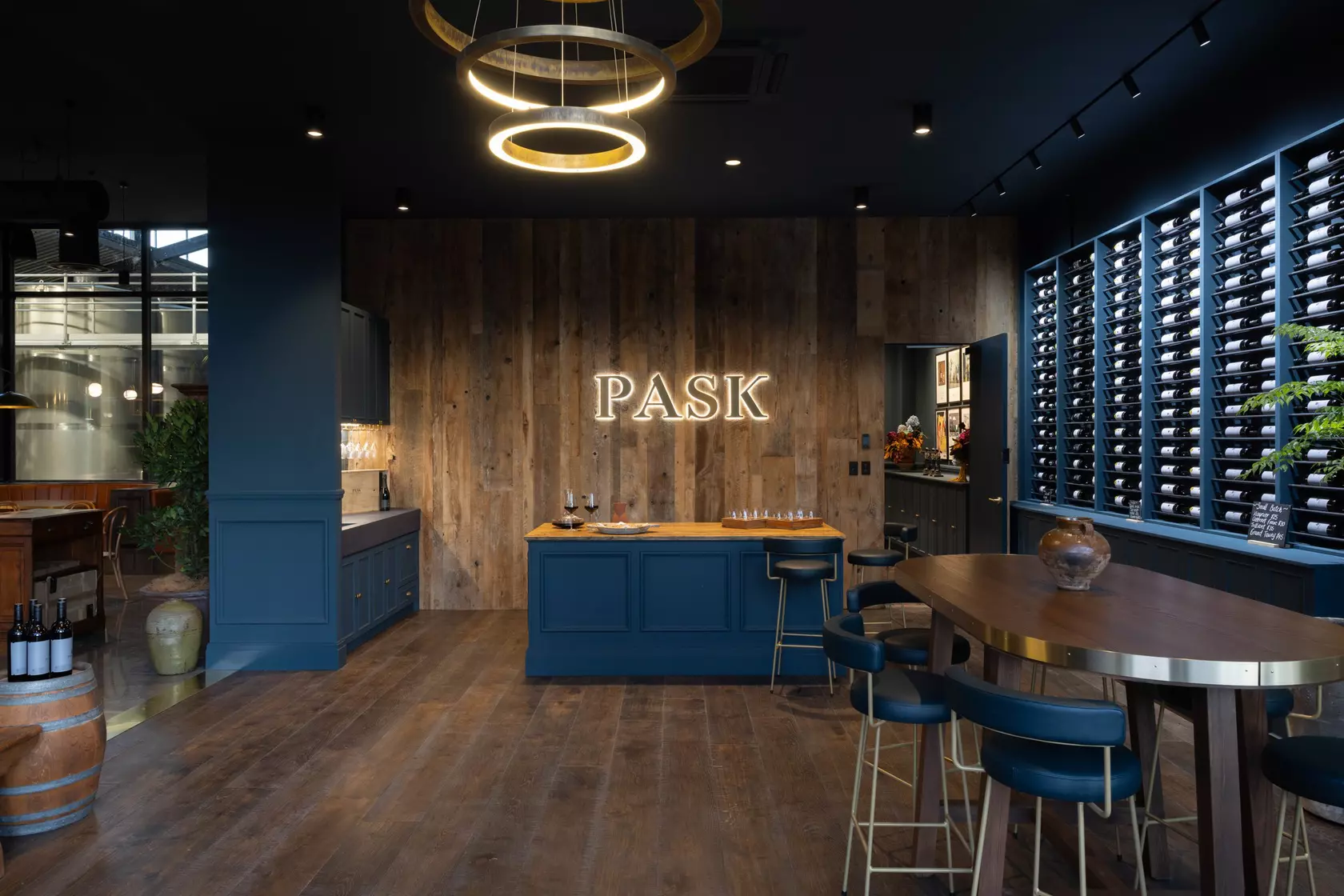
Hospitality and Commercial Spaces
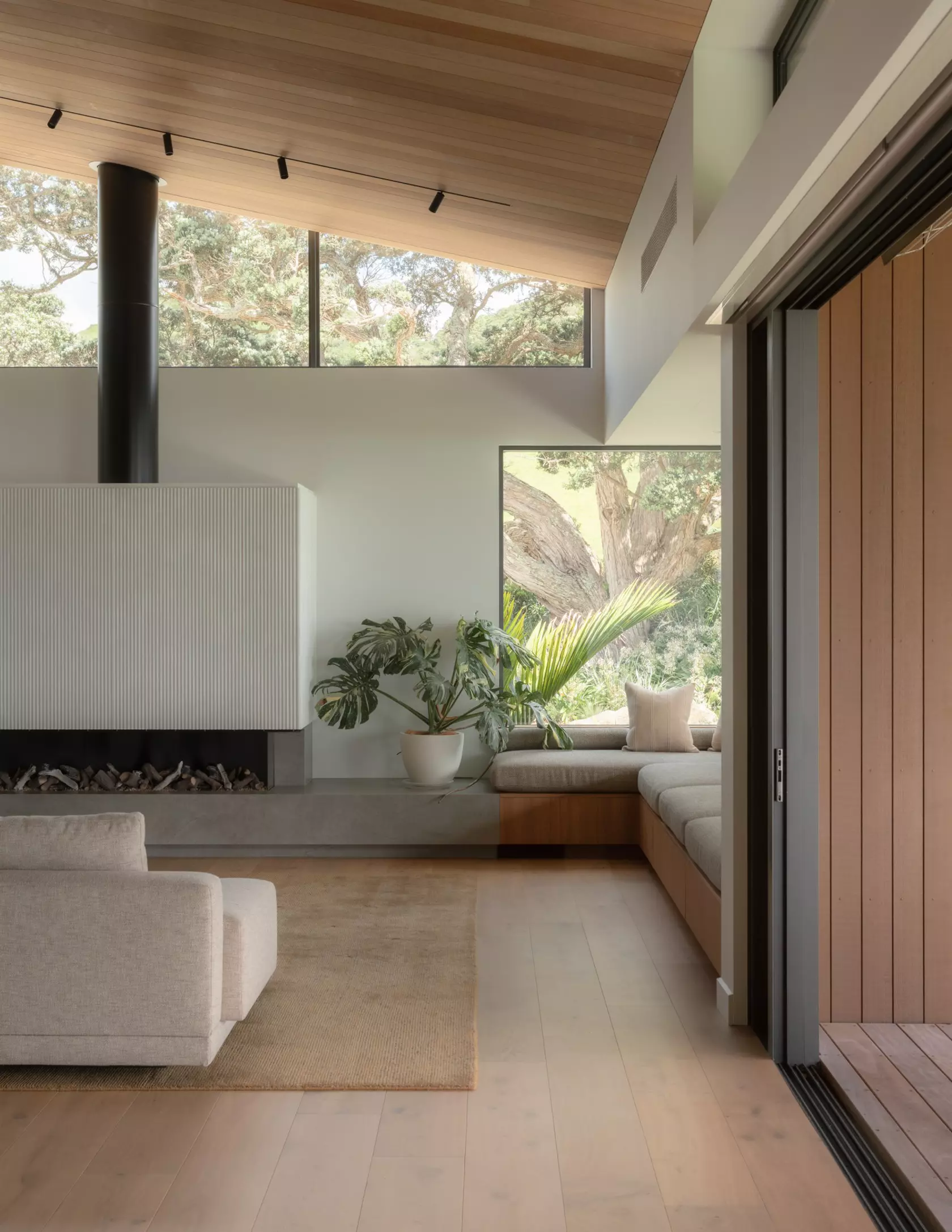
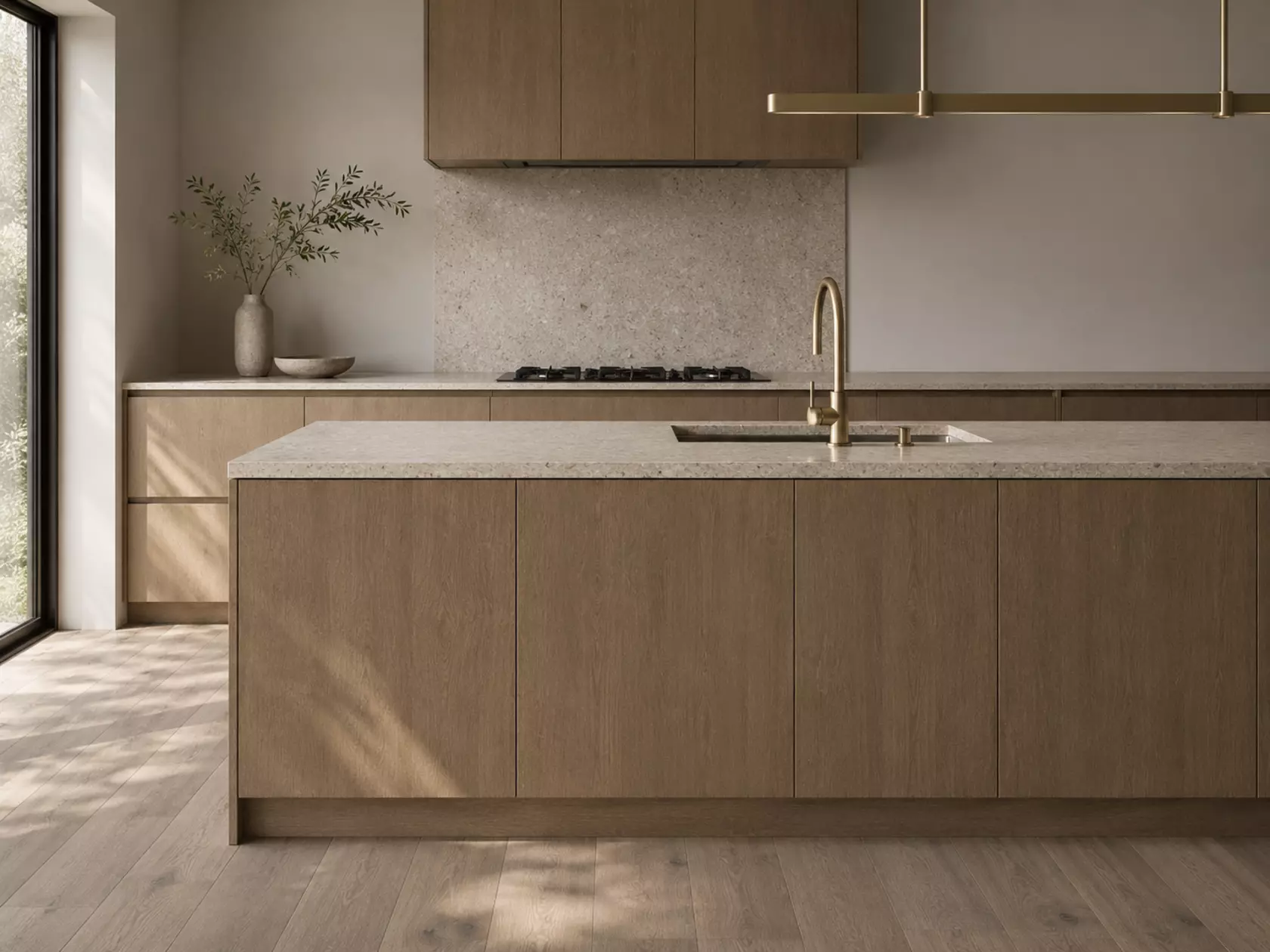
Contemporary Homes Seeking Warmth
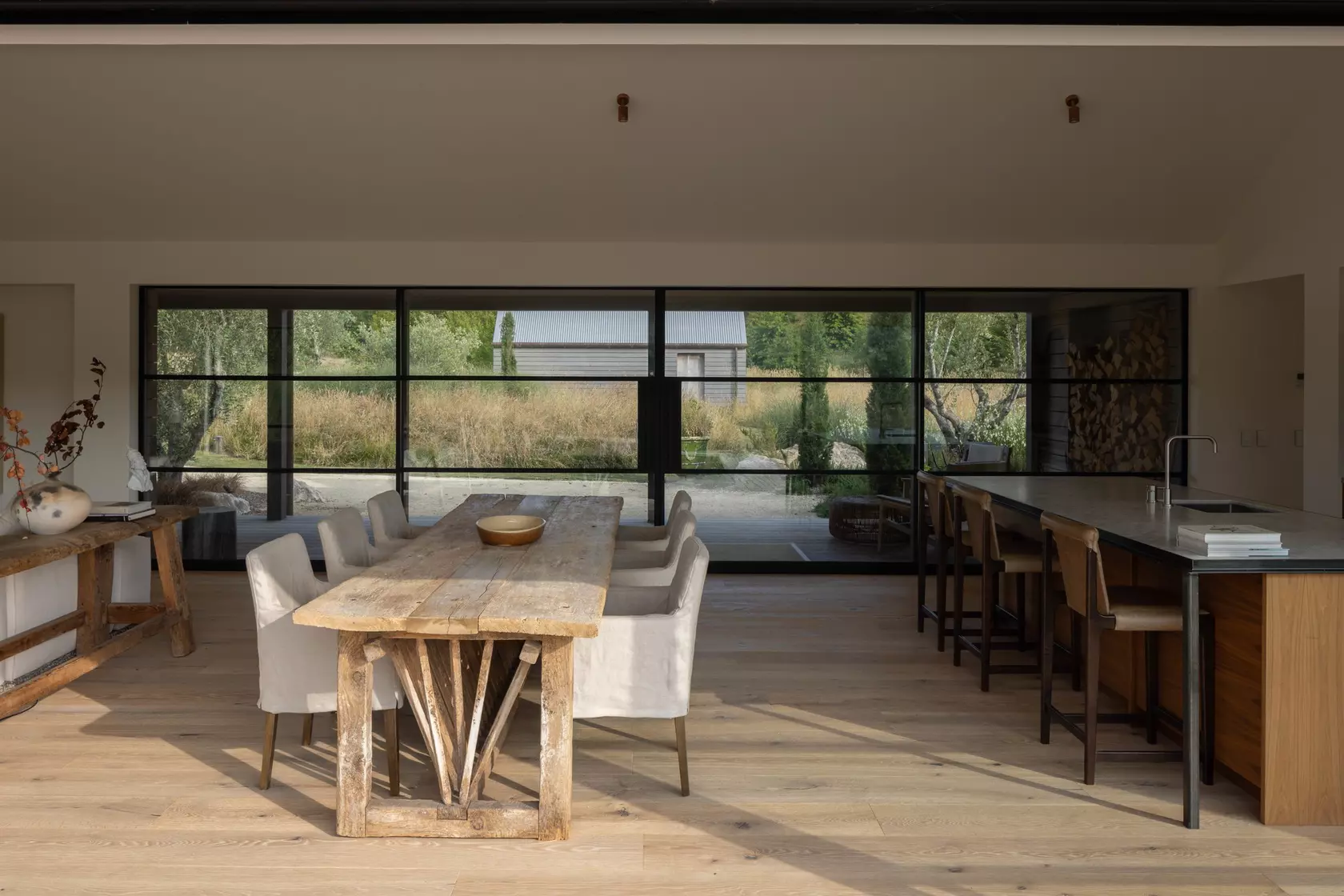
Open-Plan Living Areas
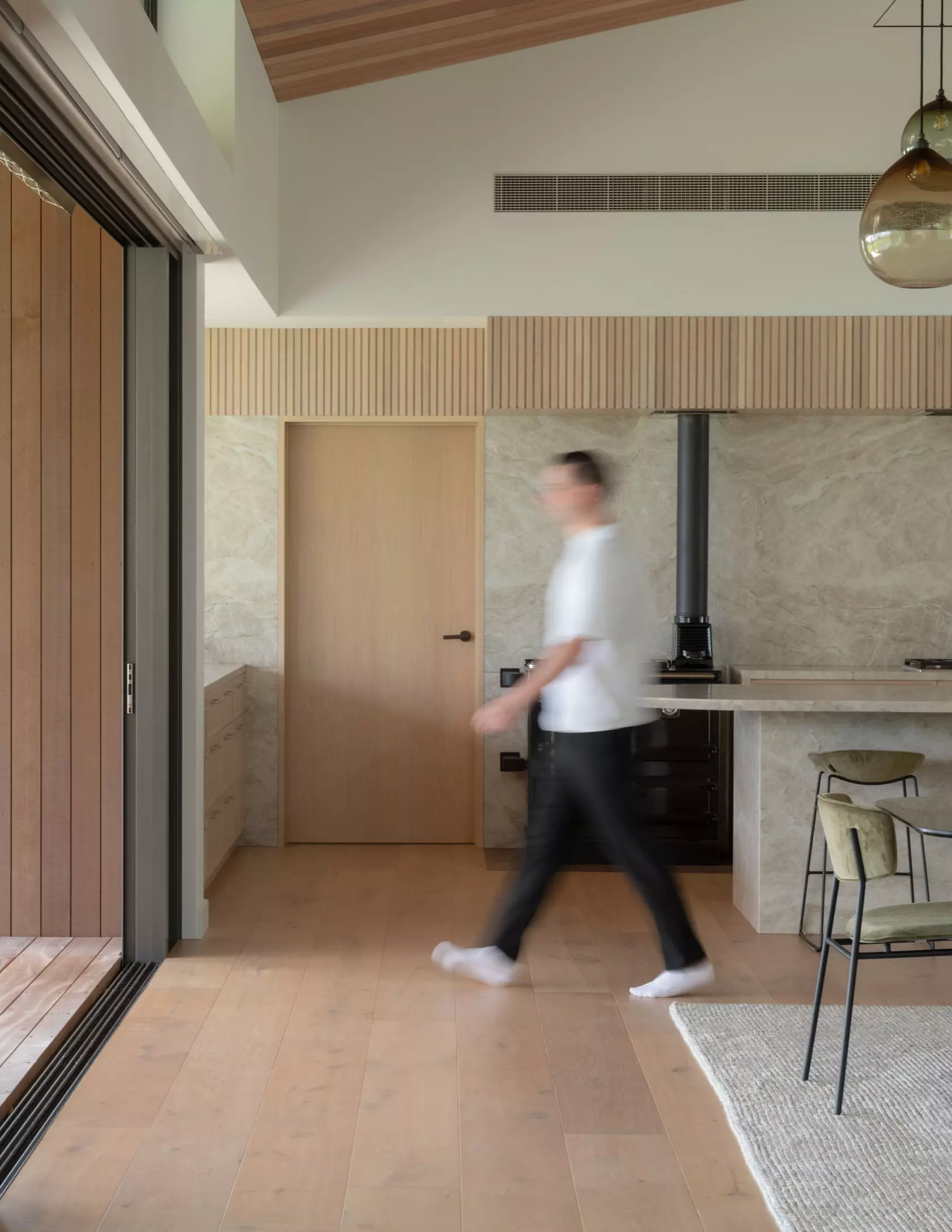
High-Traffic Family Homes
What to Expect From Your Floor
Rustic grade flooring celebrates the authentic beauty of wood. To help you feel confident in your choice, here's an overview of some of the normal features you can expect from your floor.
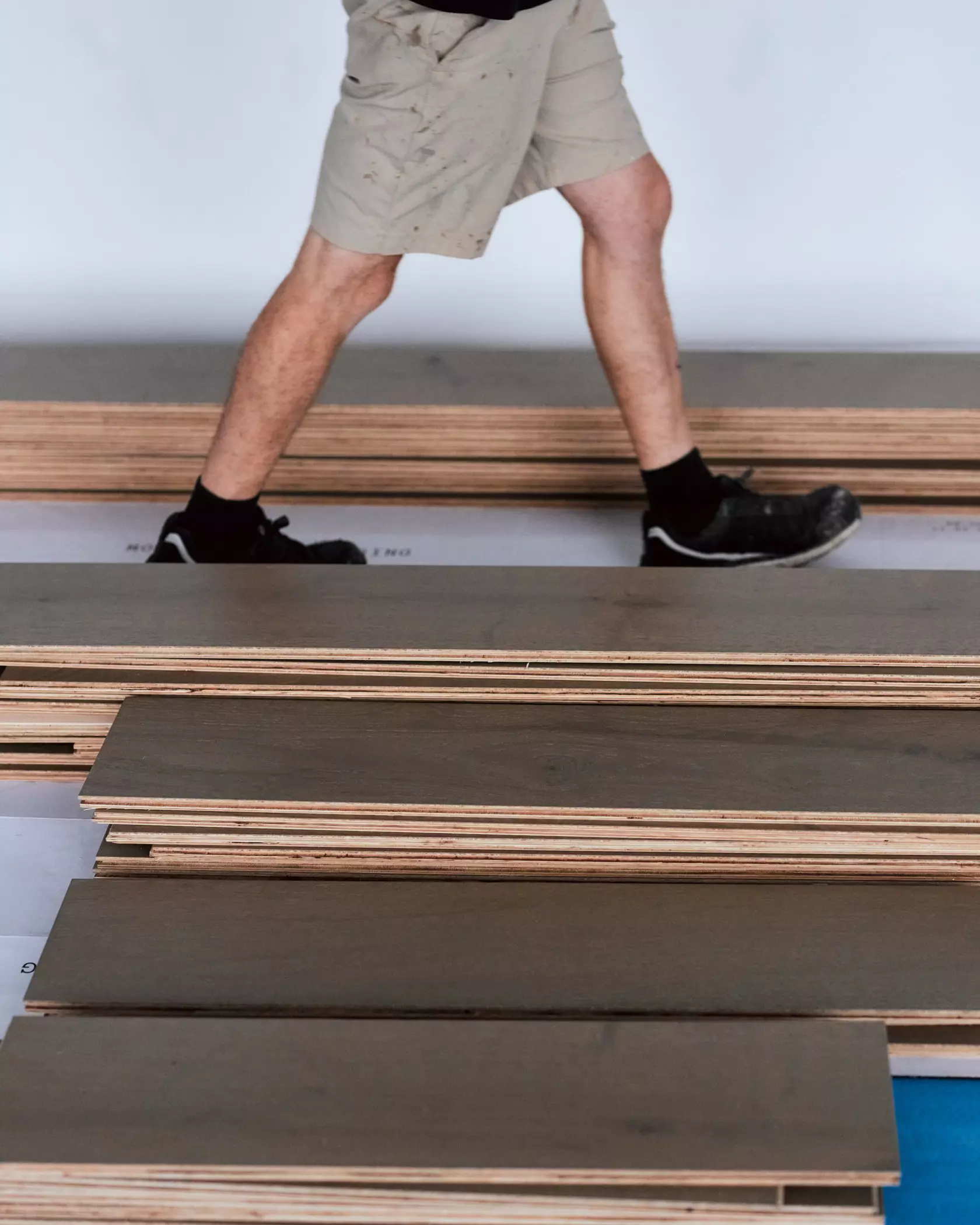
With all timber there is variation - no two boards are the same and that is the beauty of incorporating true timber within your home.
Managing this: During installation, ask your installer to pull from multiple boxes simultaneously and dry-lay sections before fixing. This allows you to distribute character evenly rather than having heavily marked sections concentrated in one area.
Small pin knots (3-10mm): Very common, scattered throughout. These are tight, sound, and stable. They add texture without structural concern.
Medium knots (10-30mm): Frequent in rustic grade. Most are sound (solid within the board). Some may have small checks or cracks radiating from them. This is normal and stable.
Large knots (30-60mm): Present in rustic grade, especially in certain species. These may have minor checking or small open areas.
Open or loose knots: Where the knot has partially separated from surrounding timber. They're part of rustic character but shouldn't be so frequent that they affect structural integrity.
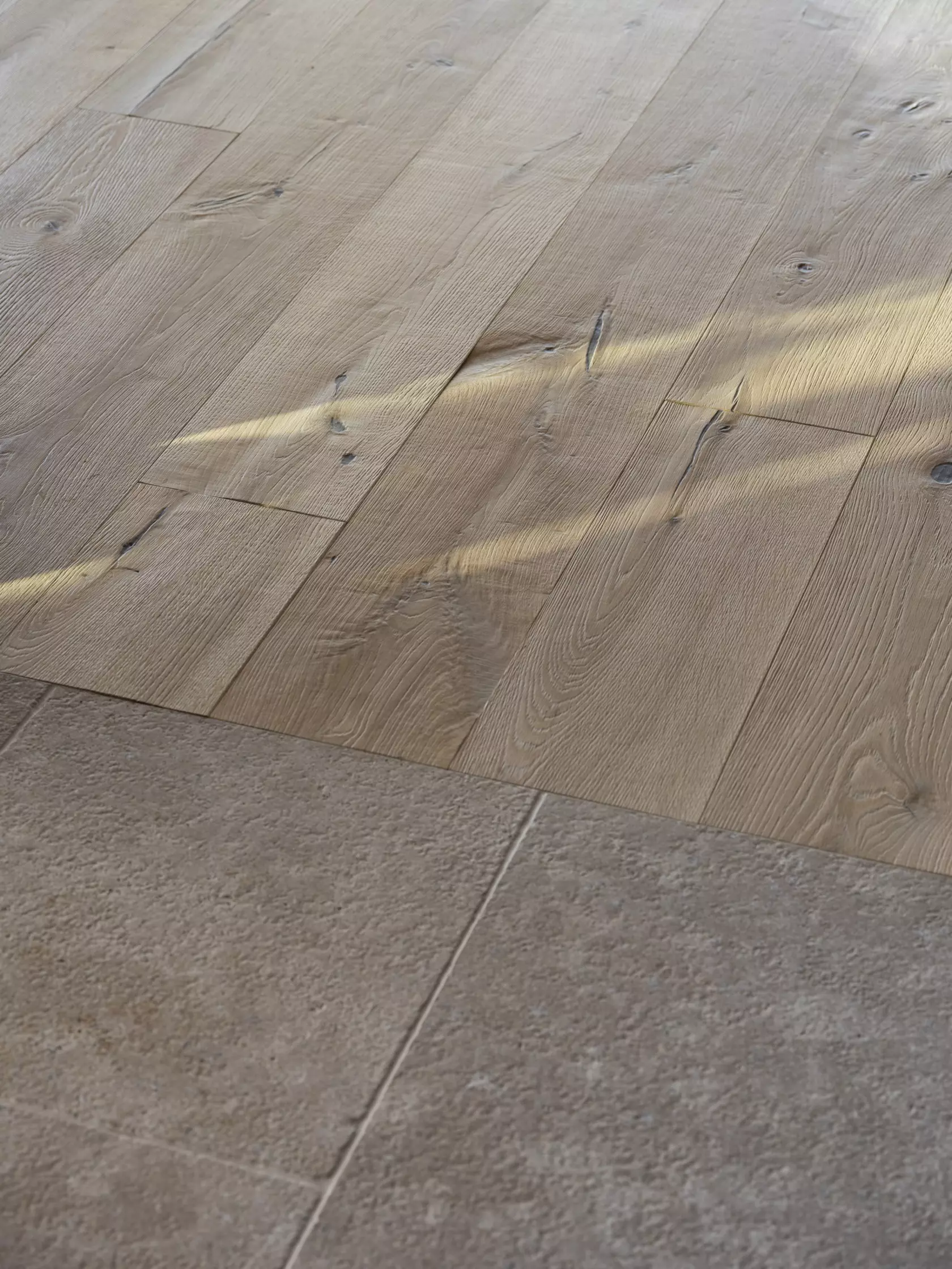
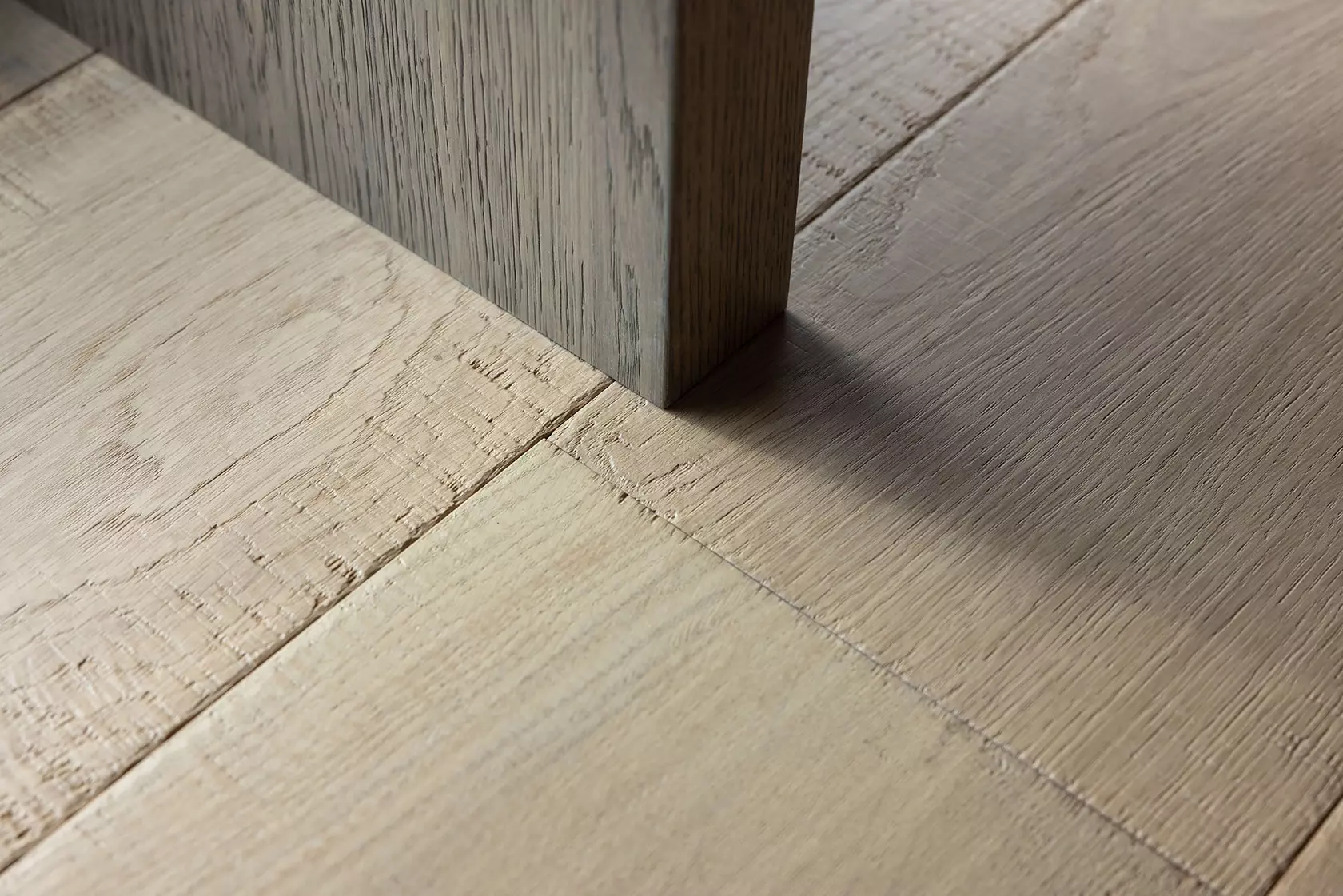
Micro-checking: Fine hairline cracks on board surfaces, particularly in wider boards or near knots. This is natural timber behaviour and doesn't affect structural integrity.
End checks: Small splits at board ends from natural drying. These should be cut off during installation, but very small end checks may develop over time with seasonal moisture variation.
Knot checks: Cracks radiating from knots. These are normal stress releases and part of how timber moves around its growth points.
What's concerning: Deep splits running the length of boards, or cracks that develop after installation indicating major moisture issues. Surface checking is character; structural splitting is a problem.
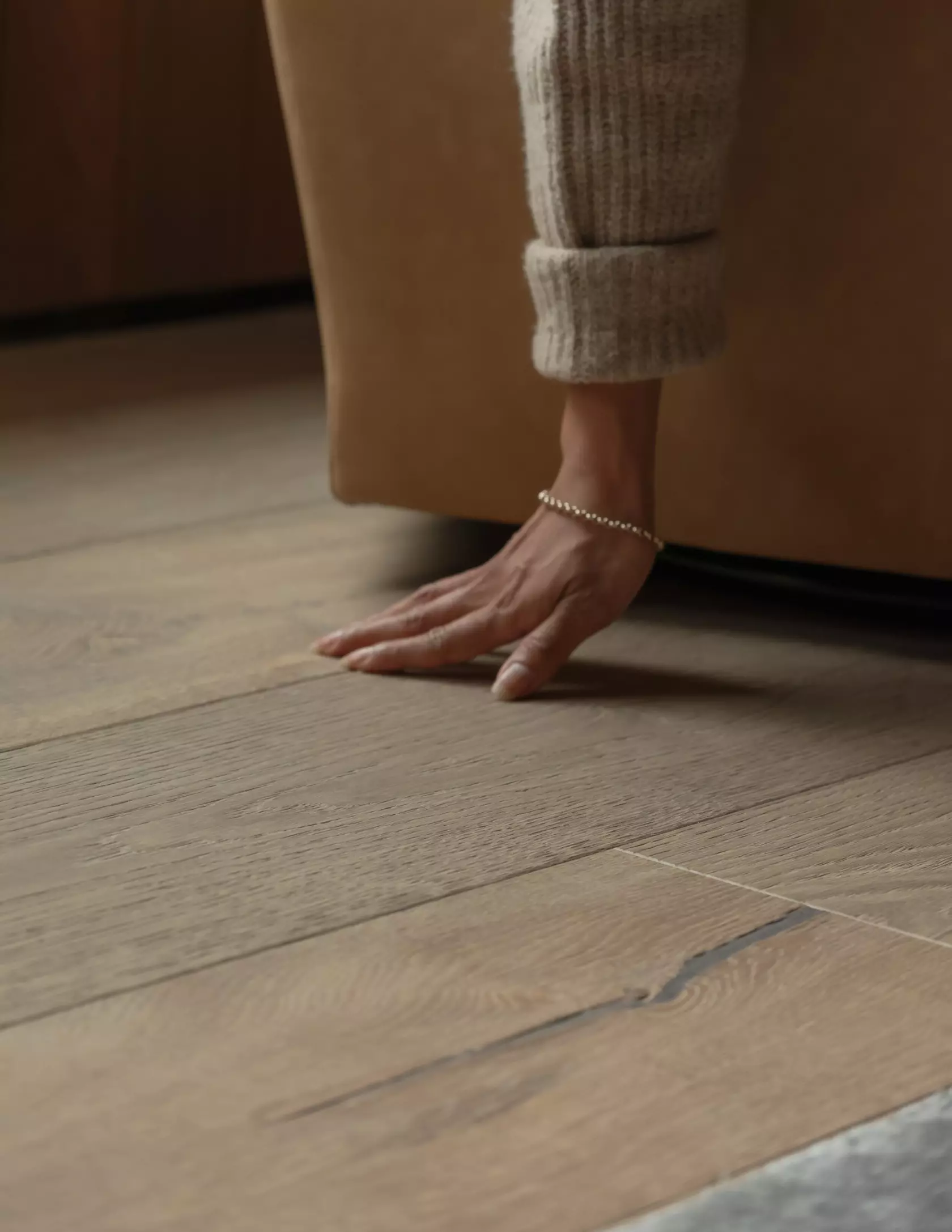
Rustic grade engineered flooring meets structural specifications, but there may be very slight height differences between boards. This creates a more organic, hand-laid feeling rather than machined precision.
This is more noticeable with touch than sight, and contributes to the authentic, less-processed character. It's not a defect, but a characteristic.
Post installation: What's Normal vs. What Needs Attention
Normal and expected:
Fine checking around knots developing over first year
Very small gaps opening seasonally between boards
Slight colour mellowing and integration over time
Minor surface scratches that blend into grain
Small dents that read as additional character
Needs attention:
Deep gouges penetrating through finish to bare wood
Standing water causing localised swelling or cupping
Boards lifting or cupping significantly
Large gaps (5mm+) that don't close seasonally
Finish wearing through in high-traffic areas exposing unprotected wood
Substrate Preparation
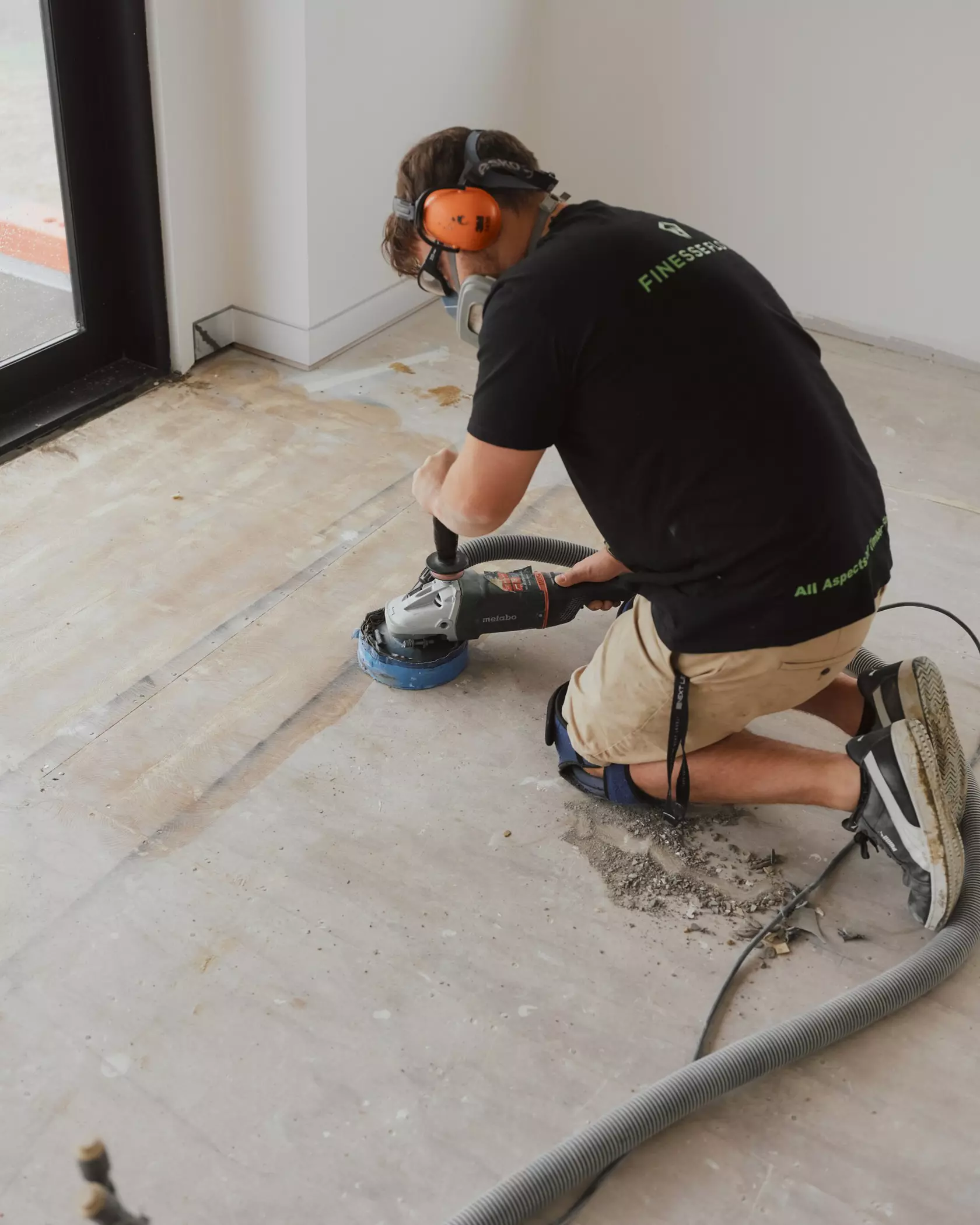
Rustic grade doesn't hide subfloor imperfections any better than select grade. While the surface has character, the installation must still be flat, level, and properly prepared. Humps, dips, and irregularities in the substrate will still telegraph through and cause issues.
This is particularly important in New Zealand renovations where original floors may have moved or settled over decades.
Acclimatisation
Allow timber to acclimatise to the space for 48-72 hours before installation. This is crucial for all grades but particularly important for rustic, as the wider boards and natural characteristics make movement more visible if moisture content isn't stabilised.
New Zealand's variable humidity – from Northland's subtropical conditions to Canterbury's dry nor'westers – makes acclimatisation essential regardless of location.
Layout and Blending
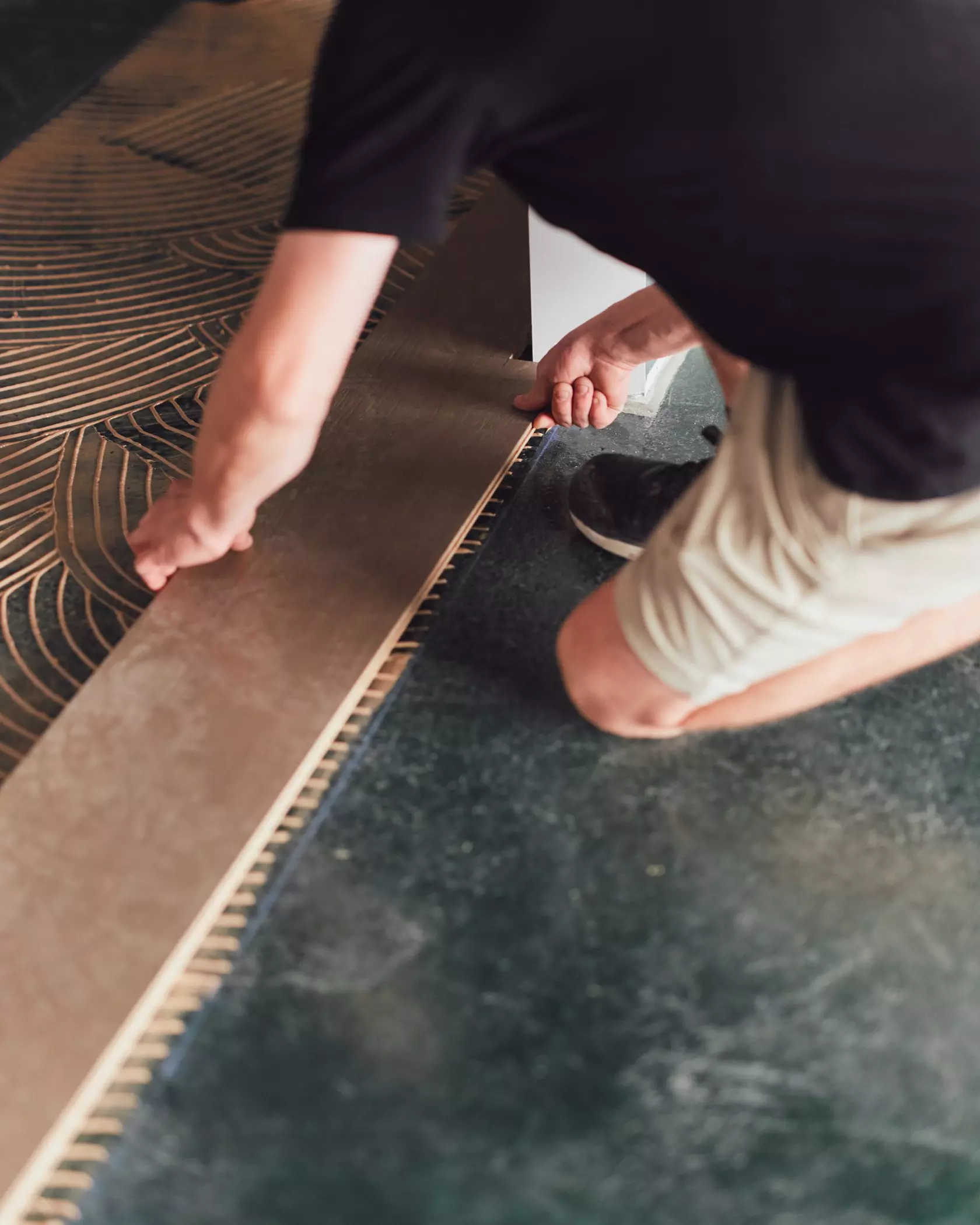
Professional installers blend boards from multiple boxes to distribute character. They'll also orient boards thoughtfully – placing heavily knotted or dramatically marked boards where they work visually, balancing busy areas with calmer sections.
This is more art than science, and experience matters. An installer familiar with rustic grade will create better outcomes than one accustomed only to select grade uniformity.
Filling and Finishing
Rustic grade boards retain their knots and fine cracks rather than having them filled in – that's part of the authentic, natural look. This is a deliberate design choice, not a quality issue, and it doesn't affect how strong or stable your floor is. All boards still get a protective finish applied during manufacture, which seals the finish and keeps it durable.
For more detailed installation guidance, refer to our Installation Guide.
Rustic Grade FAQs
"Will it look too busy?"
This depends entirely on context. In a minimalist white space with clean lines, yes, rustic grade will be a strong presence. In a warm, layered interior with texture and character elsewhere, it becomes part of a cohesive aesthetic.
The solution is honest evaluation during design phase. Look at large samples in the actual space, consider the room size and other materials, and ensure the floor supports rather than overwhelms the vision.
New Zealand's bright, clear light can intensify colour and pattern variation, so viewing samples in actual lighting conditions is particularly important.
"What if I get bored of the character?"
Rustic grade actually ages into visual comfort more gracefully than uniform flooring. The initial "busy" feeling often settles as you live with it, and the variation becomes background rather than focal point.
"Is it lower quality?"
No. Grade refers to appearance, not structural quality. Rustic grade engineered flooring has the same:
Engineered construction (stable, multi-layer core)
Wear layer thickness (determines refinishing potential)
Finish quality and durability
Dimensional stability and warranty
The only difference is aesthetic – rustic includes character that select grade excludes.
"Will guests think I bought cheap flooring?"
This is a mindset shift. In contemporary New Zealand design, character is often more desirable than perfection. Rustic grade reads as authentic, natural and intentional – especially when paired with quality design elsewhere.
Rustic grade in a well-designed space looks collected and sophisticated, not budget-compromised. The movement toward "lived-in luxury" and away from Pinterest-perfect interiors means characterful materials are increasingly appreciated.
"Is it harder to care for and keep clean?"
Caring for rustic grade flooring is no different from any other timber floor: regular sweeping or vacuuming, periodic deep cleans, wiping up spills promptly, and protecting against scratches with furniture pads.
For detailed maintenance information, see our complete Care and Maintenance guide.
"Does it meet E3 requirements?"
Yes. All Forte flooring collections, including rustic grade, is E3 compliant as an approved 'alternative solution' for moisture-resistant applications. Our products have passed independent moisture testing for use in kitchens and wet areas in residential and commercial spaces.
How do you feel about variation?
If your personal taste leans toward visual consistency and uniformity, rustic grade may not be for you. If variation feels rich and interesting, you'll love it.
How will you use the space?
High-traffic family areas benefit from forgiving character. Formal spaces might need more consideration.
What's your design aesthetic?
Natural, layered, textured, warm interiors suit rustic grade beautifully. Ultra-minimal or highly formal aesthetics might require a more clean and uniform look.
How do you relate to imperfection?
If scratches and wear bother you deeply, no floor is going to be perfect – but rustic grade is most forgiving. If you see patina as beauty, rustic grade is ideal.
Does it suit your lifestyle?
Relaxed Kiwi lifestyles – prioritising indoor-outdoor flow and casual entertaining – pair naturally with rustic grade's forgiving nature.
Request large samples - At least 5-6 boards showing the range of variation. One perfect sample doesn't represent the grade.
Visit installed examples - Nothing substitutes seeing rustic grade installed at scale. Consider visiting public or commercial spaces where rustic grade flooring has been used.
Consider New Zealand light - View samples in your actual space at different times of day. Our bright, UV-intense light affects how colour and variation appear.
Lay out before fixing - During installation, dry-lay significant sections and live with them for a day before final fixing. This lets you see the full effect and make adjustments.
Understand the range – Our team can walk you through the specific information on knot sizes, checking, colour variation, and natural characteristics in each collection.
The Bigger Picture
Rustic grade flooring represents a philosophy as much as a product choice. It's about embracing what timber actually is – a natural material with history, variation and imperfection. It's about creating homes that feel collected and authentic rather than showroom-perfect.
Rustic grade also feels culturally aligned and suited to how Kiwis actually live: with kids, pets, beach sand, muddy boots, and the casual, indoor-outdoor lifestyle that defines our relationship with home.
The key is entering the choice with open eyes: understanding what you're getting, caring for it appropriately, and appreciating the character for what it offers. Rustic grade isn't for everyone or every space, but where it fits, it brings warmth, authenticity, and forgiving beauty that grows more comfortable over time.