







Design Note: Using Plank Borders to Create Clean Flooring Transitions
Flooring transitions play a crucial role in shaping how interior spaces flow, both visually and functionally. One of the most effective techniques for achieving a refined, high-end finish is the use of a plank border — a deliberate framing detail that defines thresholds between rooms or zones while elevating the overall aesthetic.
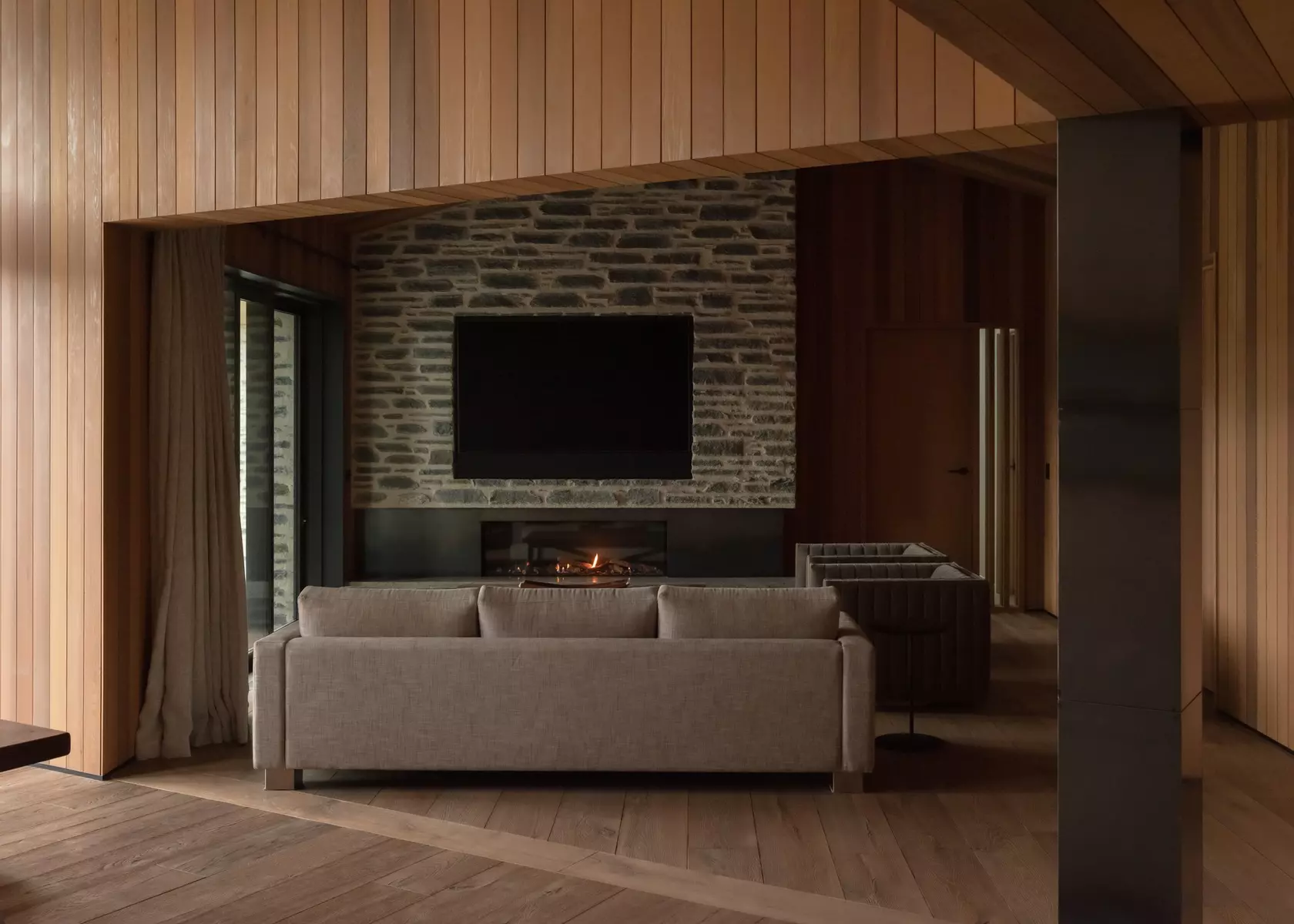
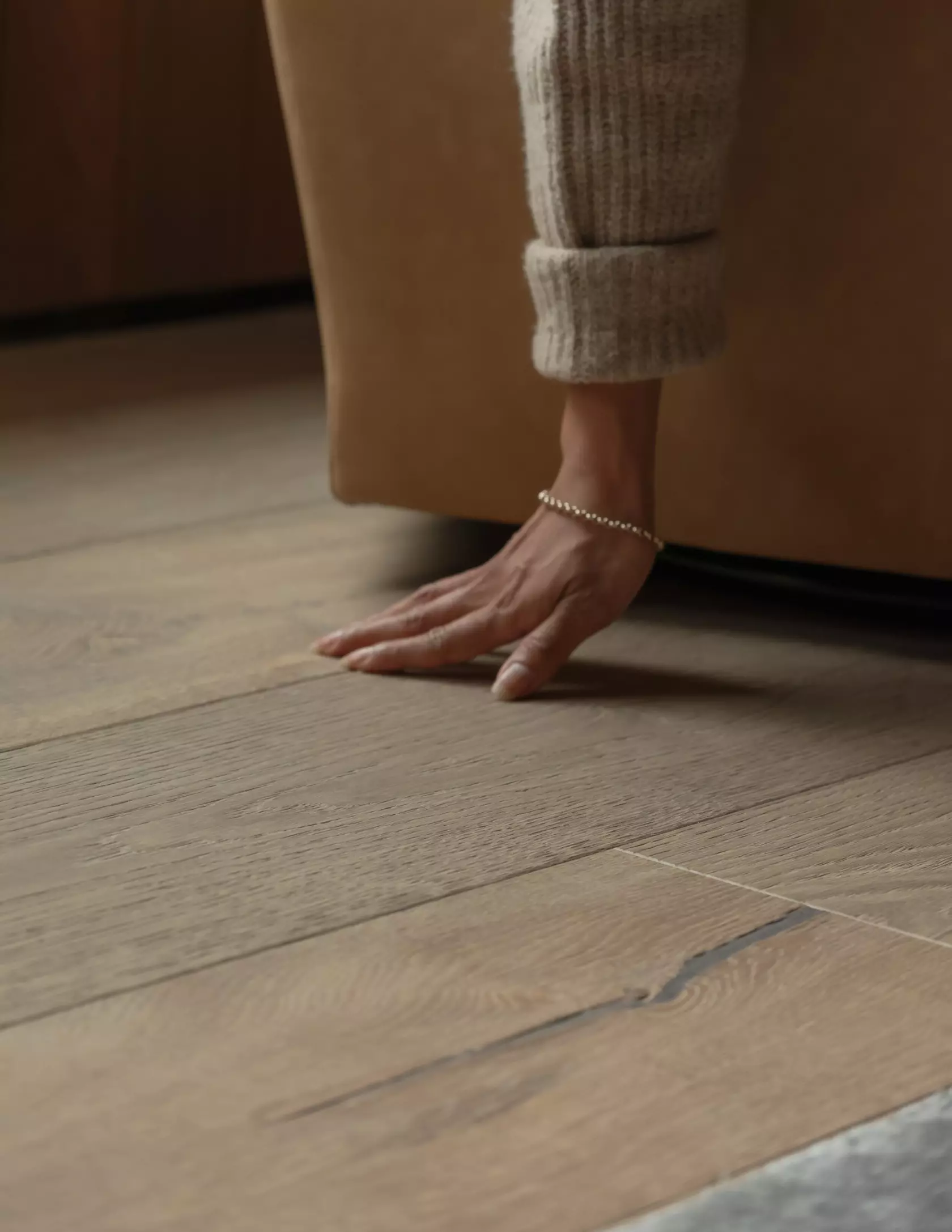
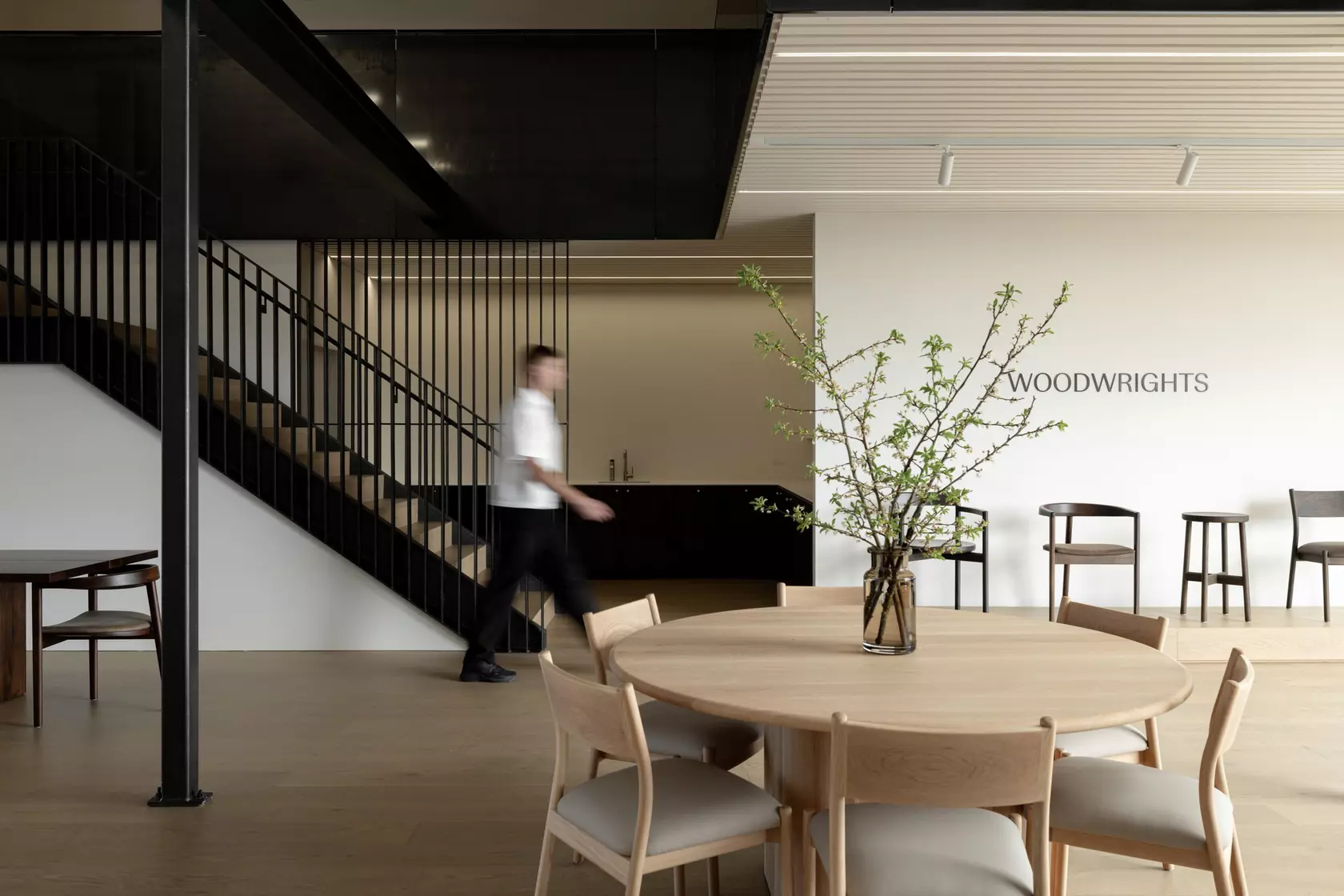
A plank border creates a clean, intentional moment where one space becomes another. Rather than using metal trims or abrupt material changes, bordering employs the same timber flooring to form a frame around openings, turning a practical transition into a crafted design feature. This approach adds clarity to the floor plan, guides movement naturally, and helps maintain a coherent architectural language throughout the home.
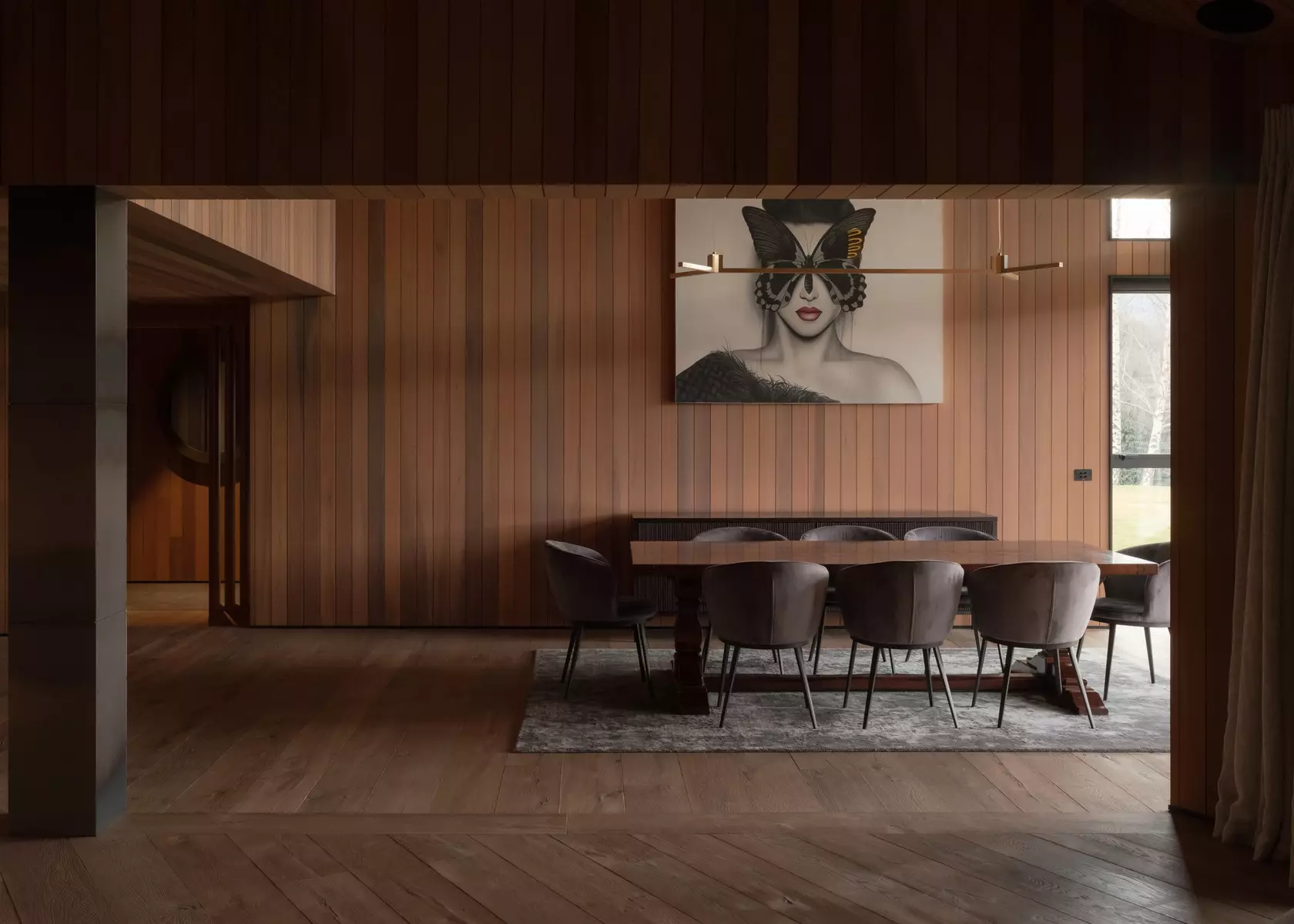
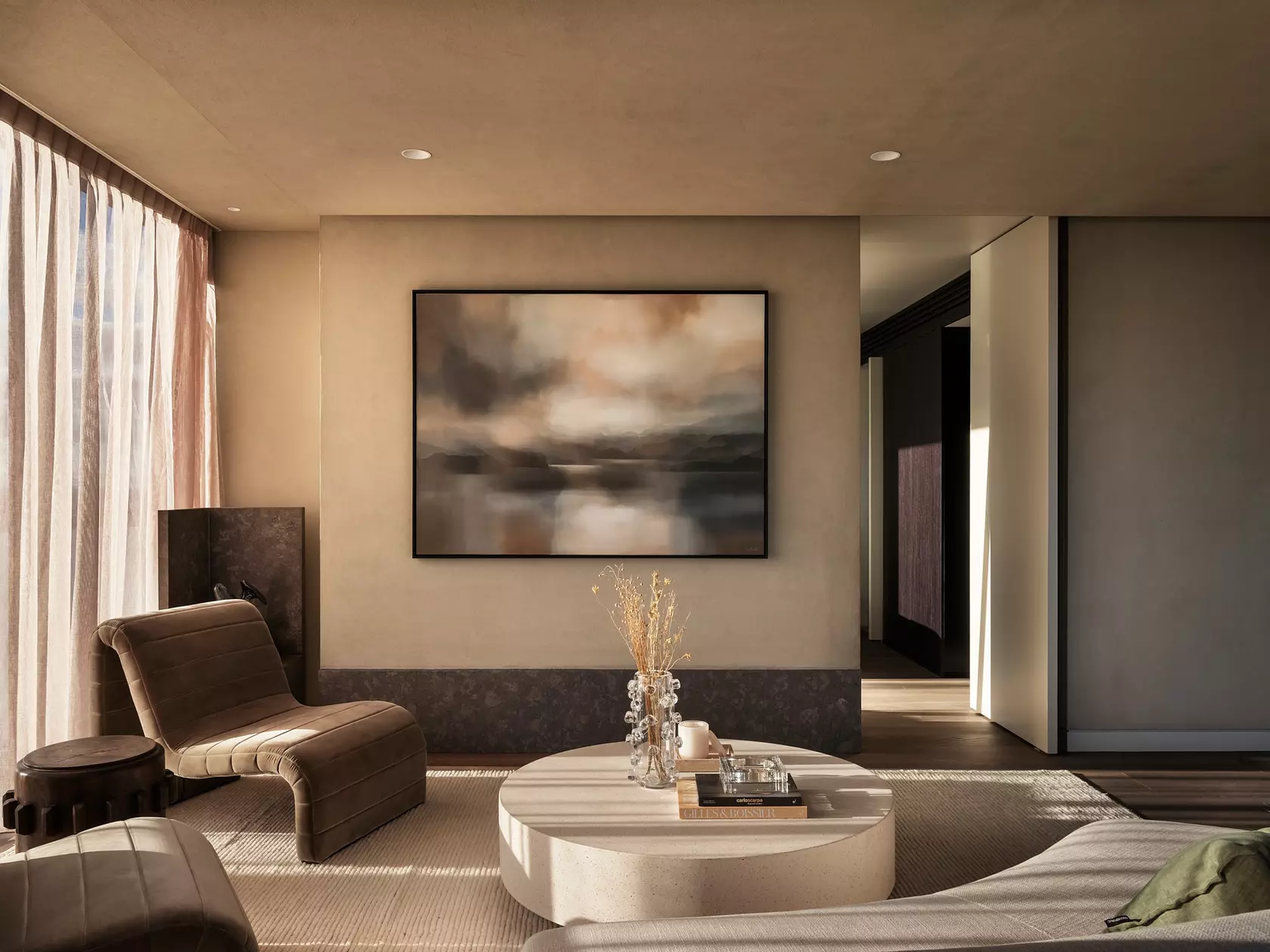
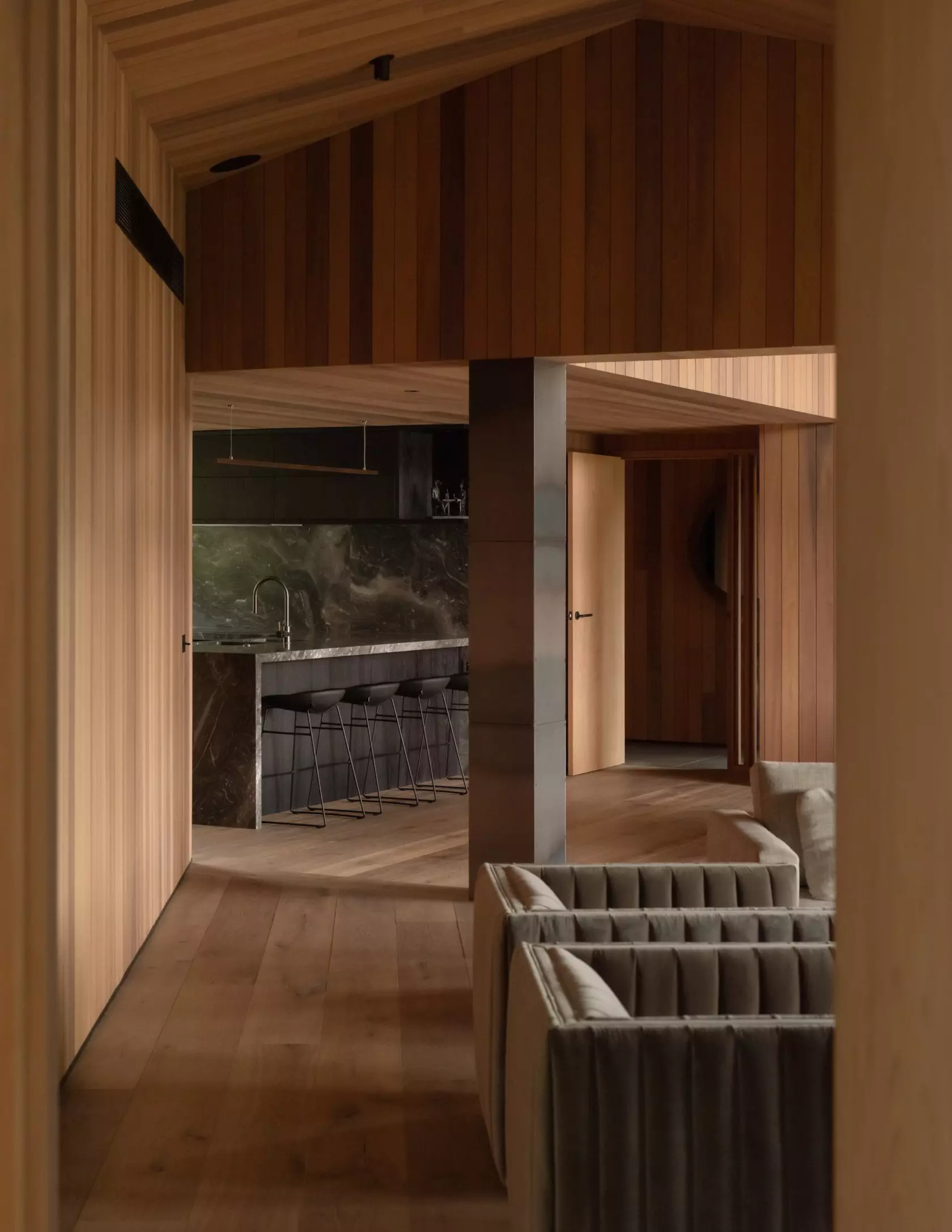
This technique was used extensively in Lake Hayes House, where large, open spaces called for subtle detailing to maintain visual order. With expansive living areas, multiple circulation paths, and shifting volumes, plank borders provided a refined way to resolve transitions and anchor the flooring composition. The result was flooring that supported the architecture rather than overwhelming it—calm, cohesive, and beautifully controlled.
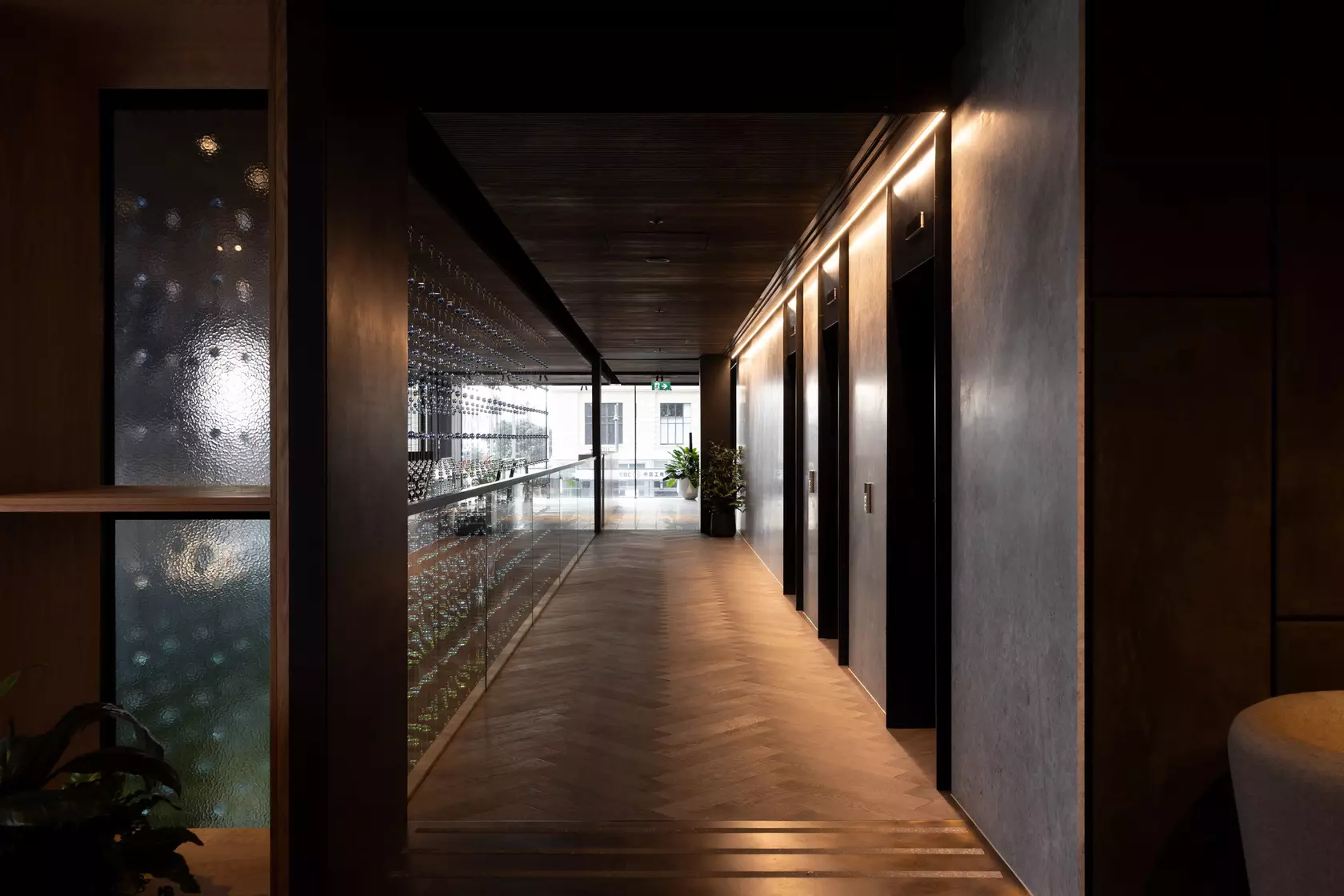
Beyond its visual appeal, a plank border also solves technical challenges. It neatly resolves changes in board direction —such as transitioning from a hallway into a wider living zone — or contains patterned installations like herringbone within a defined frame so the design remains elegant rather than busy.
In well-considered interiors, it’s often these small, thoughtful decisions that make the biggest impact. A plank border transition is one of those details: understated yet transformative, quietly elevating the experience of the entire space.