





What's Shaping Interiors in 2026? A Return to Authenticity
As we move into 2026, New Zealand's design landscape is shifting toward something more personal, more tactile, and decidedly less curated. We spoke with leading designers Matt South and Alexandra Morrison to understand the movements shaping homes this year—and the common thread is clear: authenticity over perfection.
Lived in Luxury
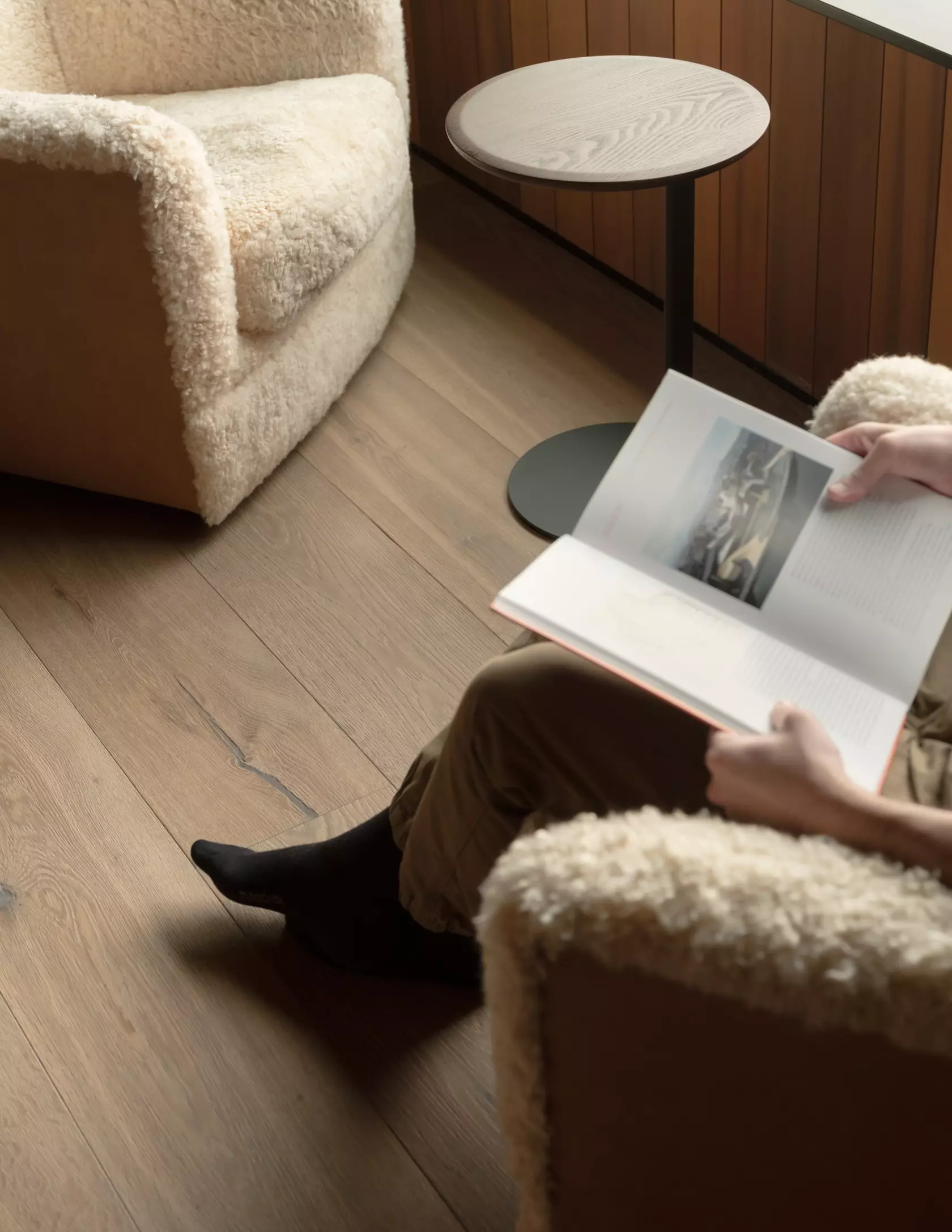
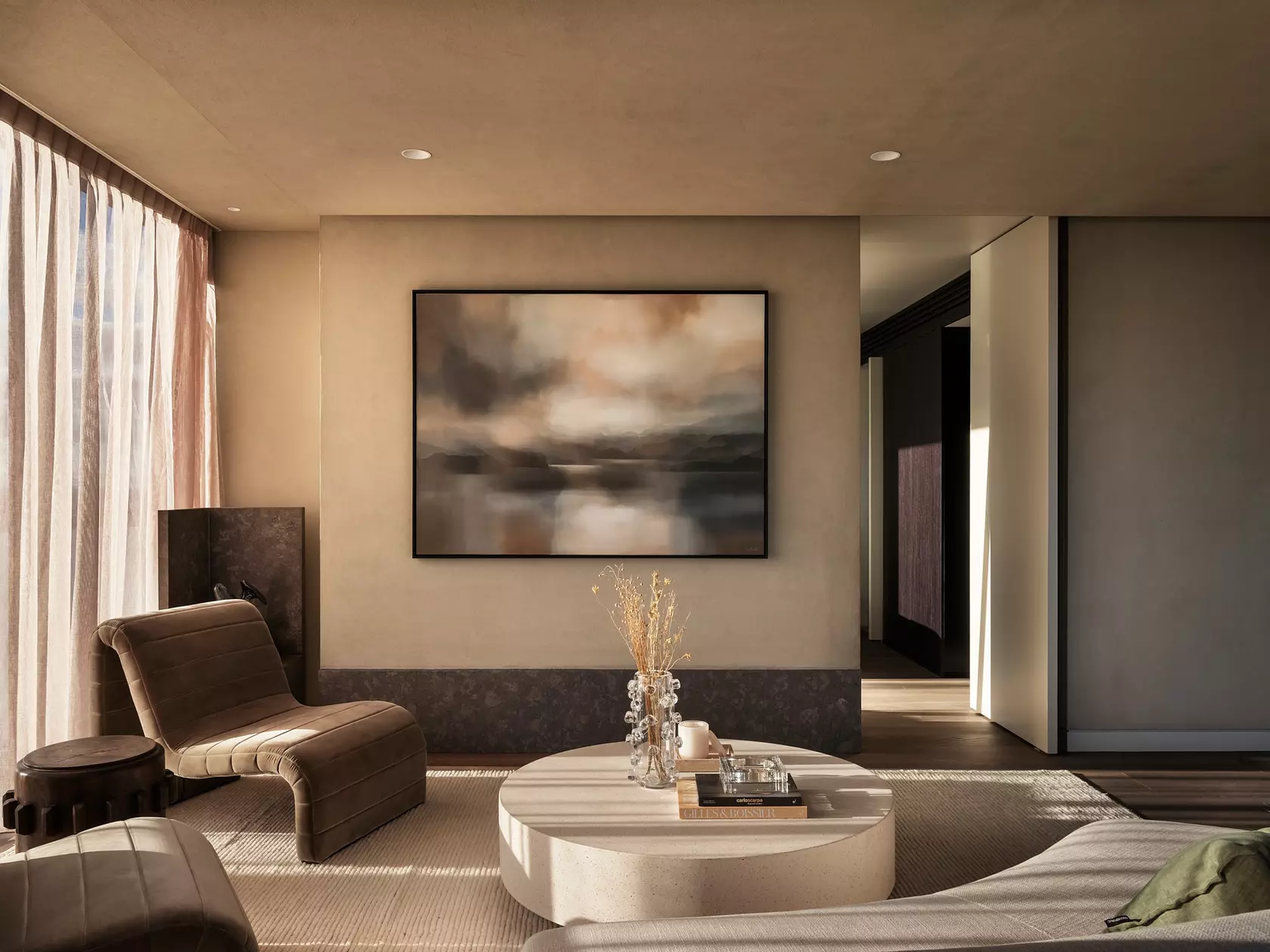
The era of the perfectly styled, Pinterest-ready interior is giving way to spaces with patina and personality. Think Kendall Jenner's “grandma chic” mountain home that went viral at the tail-end of 2025. Guided by designer Heidi Callier, it was a lesson in layered, eclectic charm.
"There's a strong drive to ensure clients' interiors feel like a genuine reflection of themselves," says Matt South. "Their history, lifestyle, and personality should be evident in the space."
Alexandra Morrison agrees, emphasising this shift toward homes that feel grounded and character-driven. "Homes are going to feel more lived in and reflective of the people who live there," she explains. "This interplay of elements – texture and tone, colour and material, and most importantly the inclusion of both new and old – is at the heart of how we're designing now."
For Morrison, who's navigating life with a growing family, this trend feels particularly relevant. "It's this delicate balance of practicality and chic – the softer edges, the lived-in aesthetic, not being overly precious while still feeling elevated and timeless."
A Return to Craft
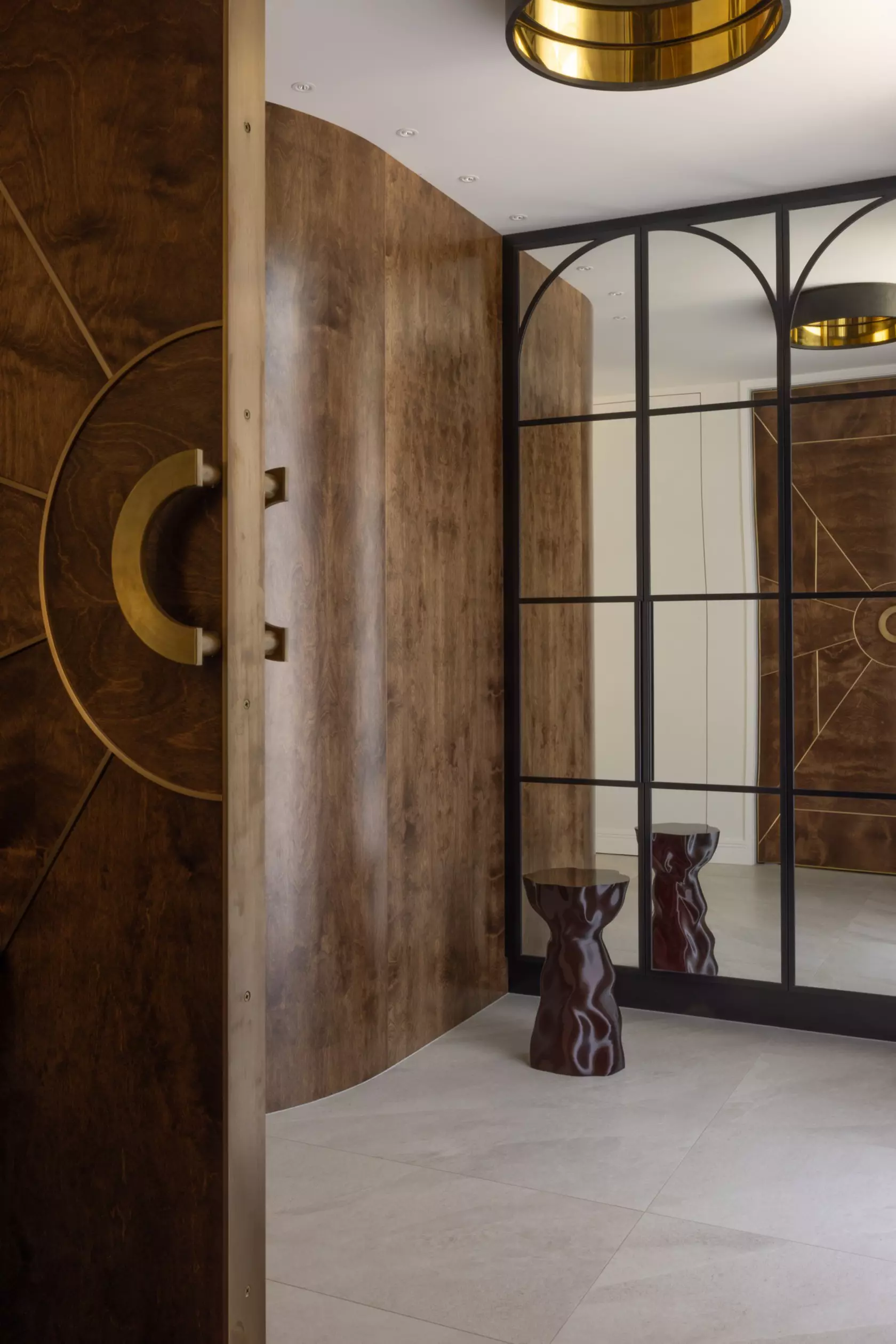
Unique, handcrafted pieces are becoming non-negotiable in thoughtful interiors. As footprints shrink and sustainability concerns grow, bespoke furniture offers both high functionality and personal expression.
"Crafted, one-off pieces feature in almost every one of my projects," says South. "We're incredibly lucky in New Zealand to have such talented craftspeople who can bring these ideas to life."
Morrison takes this further, connecting craftsmanship to longevity. "Leaning into true craftsmanship means creating pieces that surpass trends and can be handed down from generation to generation. I have antique pieces in my home that my mum bought when she was my age."
This vintage revival ties directly to sustainability; not as a trend, but as a philosophy. "Sustainability is all about longevity and choosing pieces that can be enjoyed for decades to come," Morrison notes.
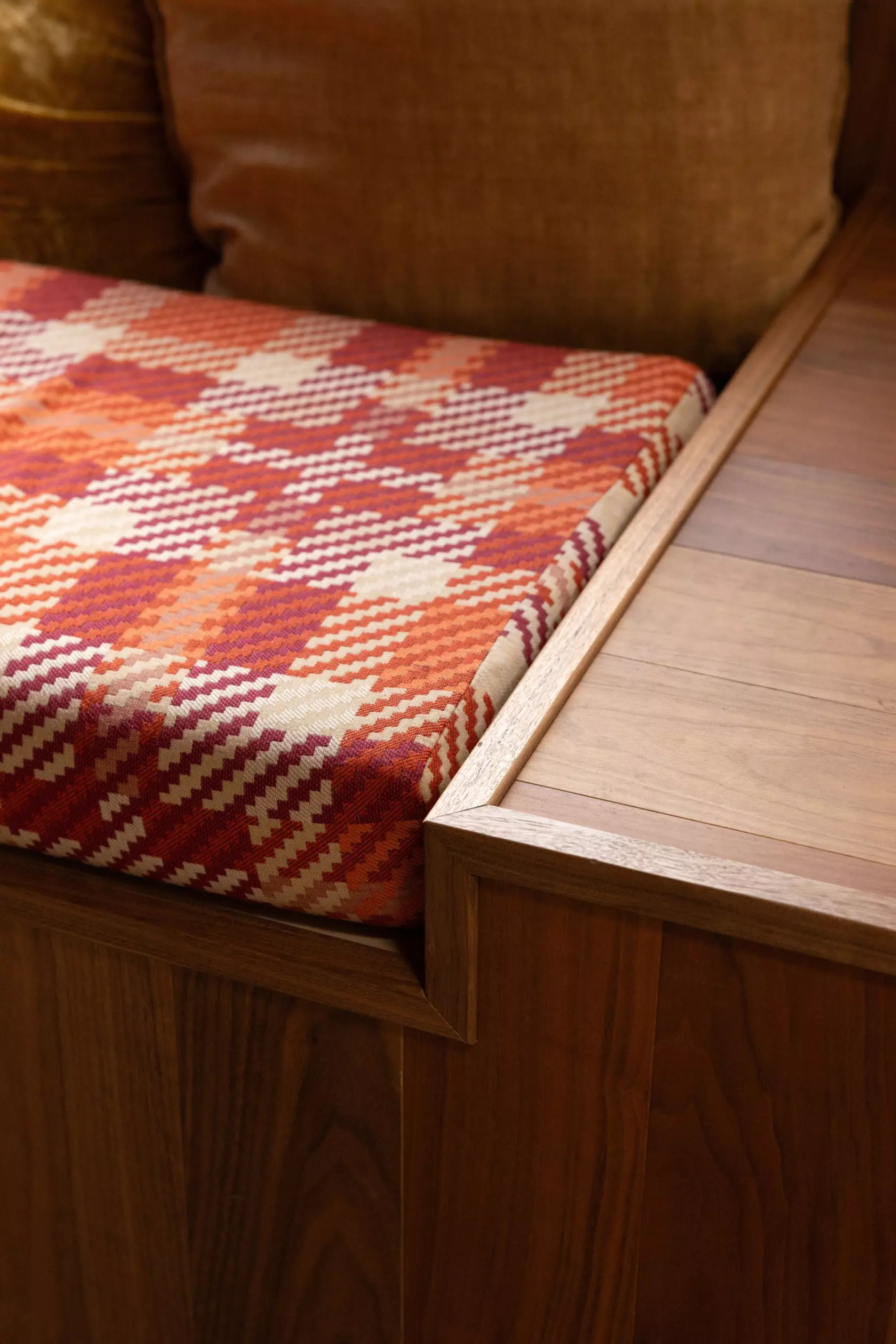
Both designers rarely buy off the shelf, preferring custom upholstery and cabinetry that allows clients to add their personal mark. Morrison loves seeing pops of individuality emerge in her client’s spaces: "Metallics like chrome and nickel, repurposed fabrics – little moments that make a space uniquely theirs."
Wood Drenching Continues
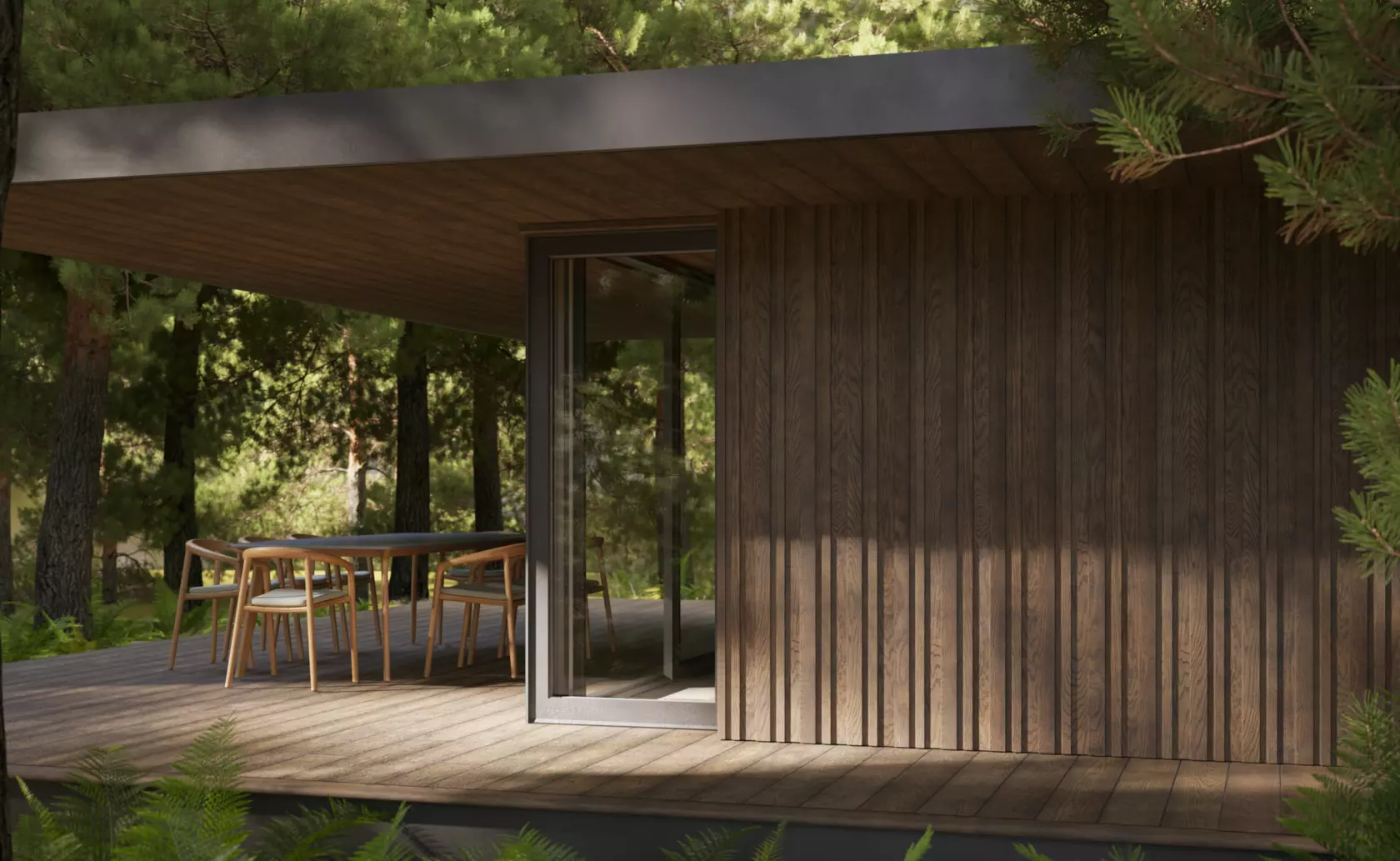
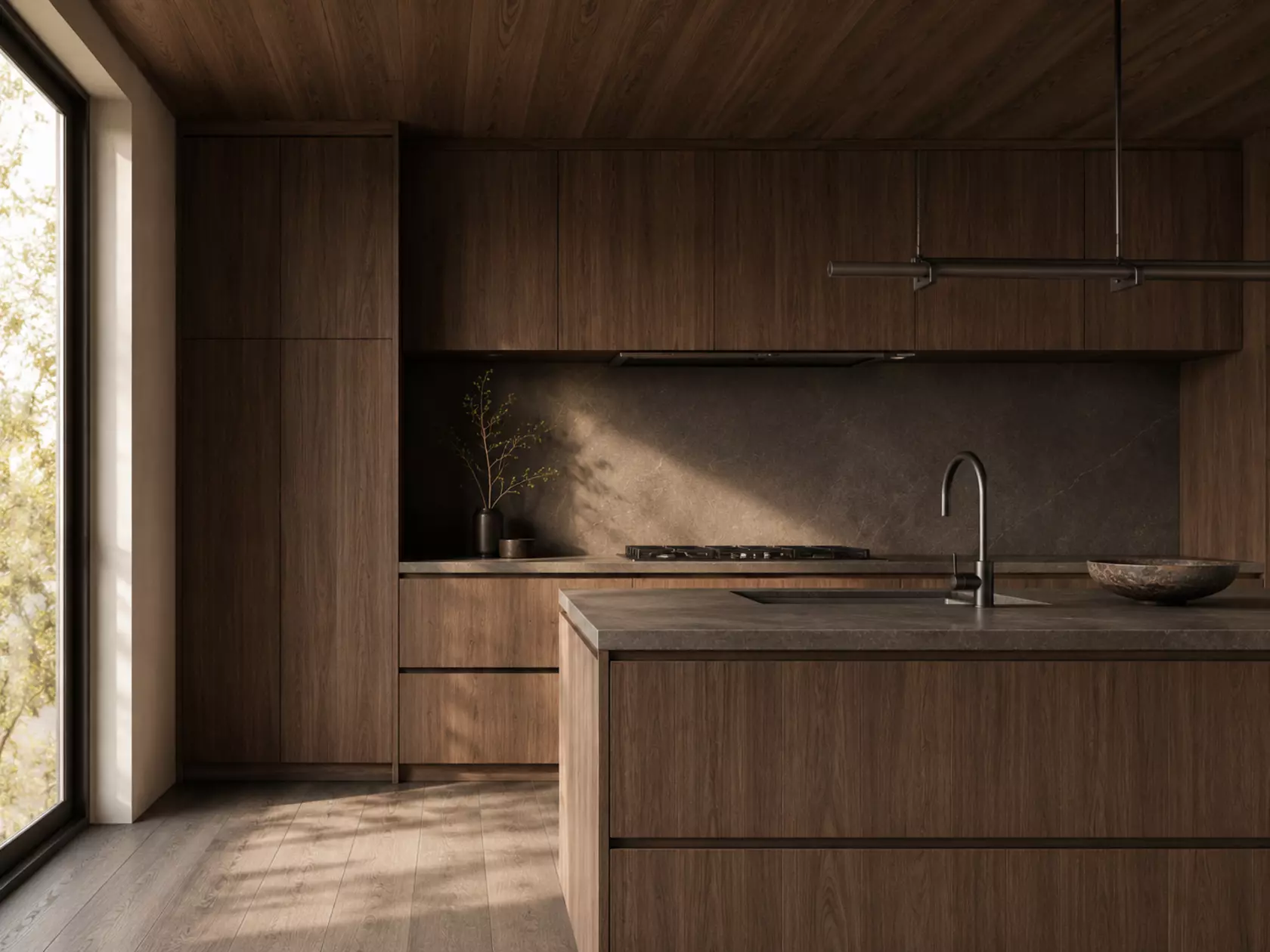
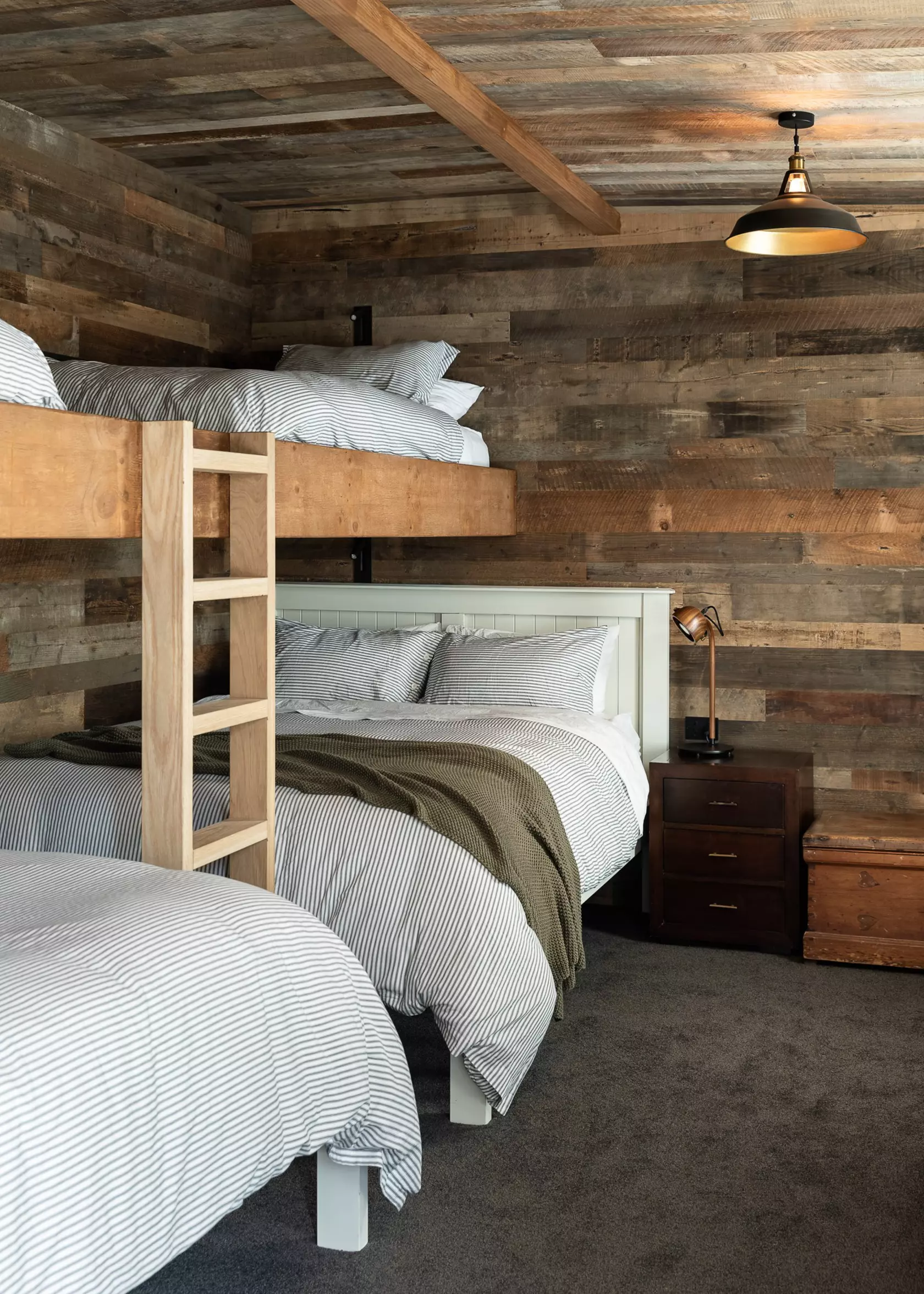
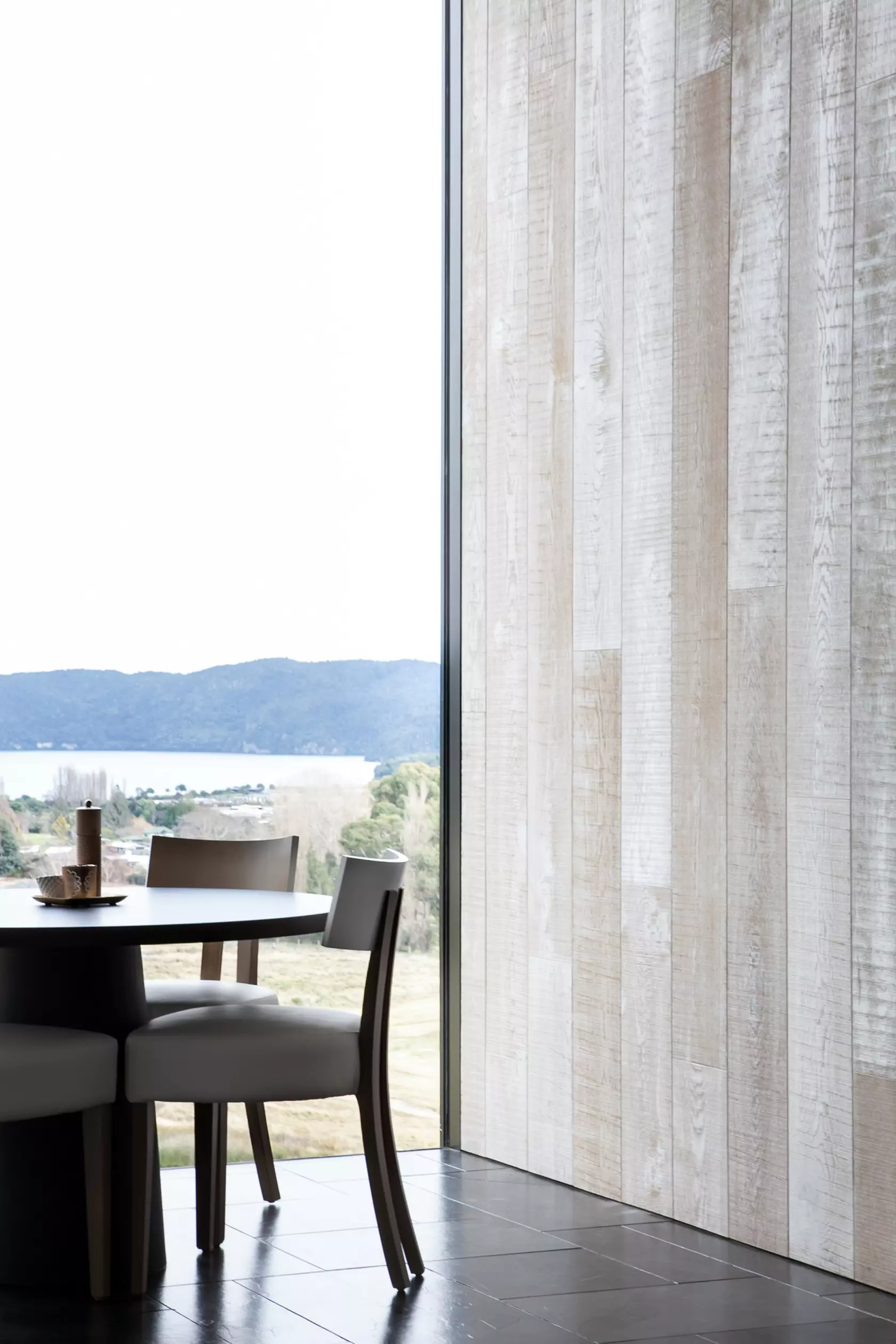
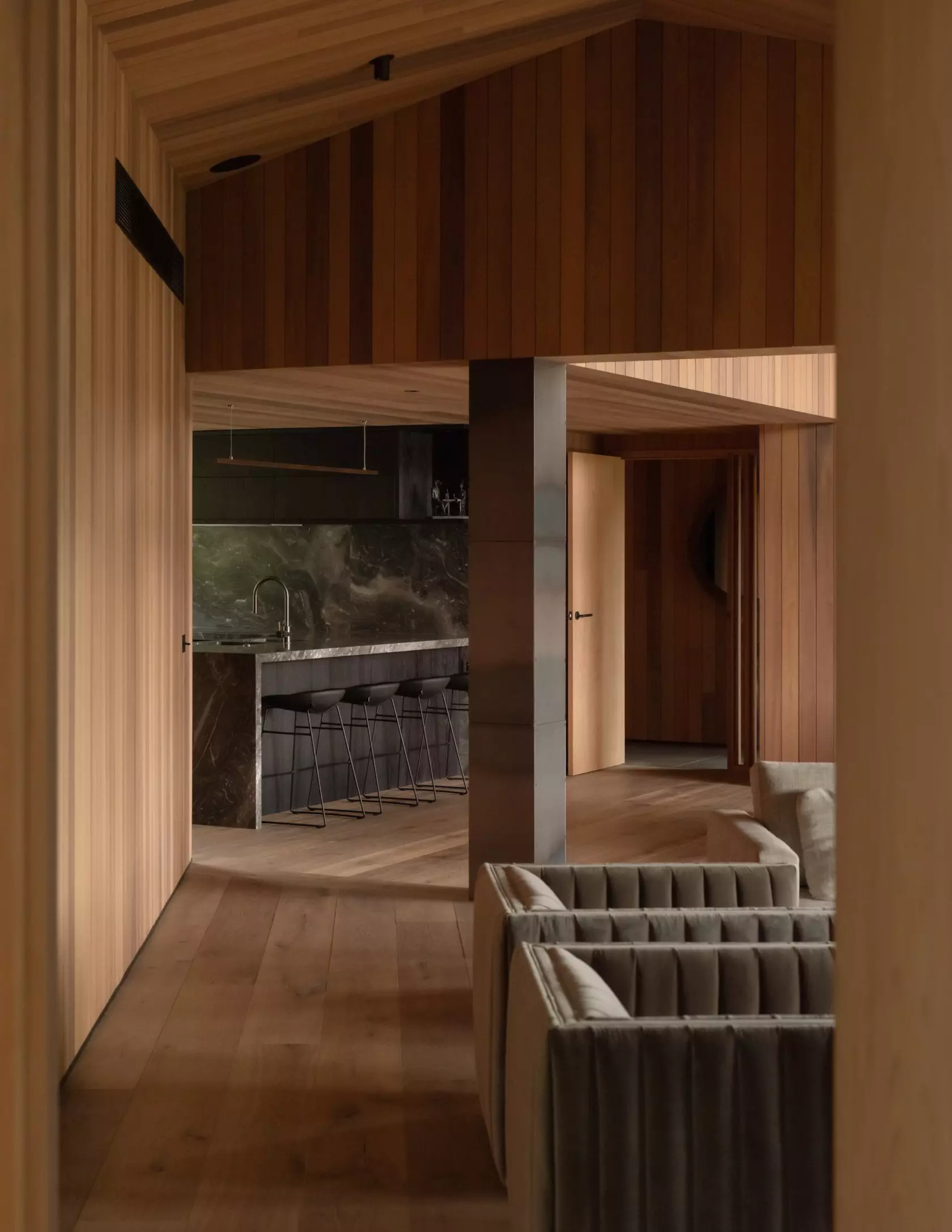
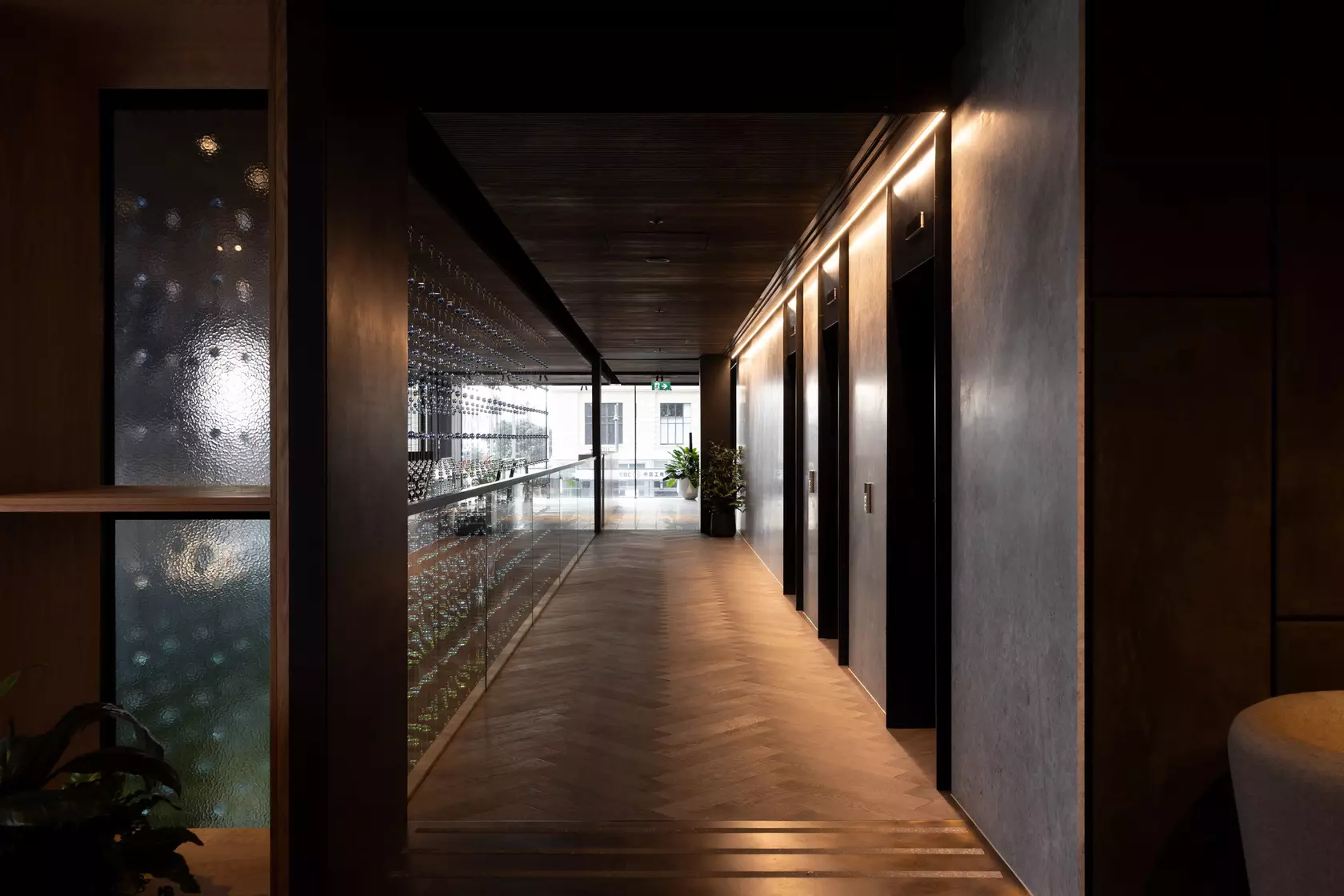
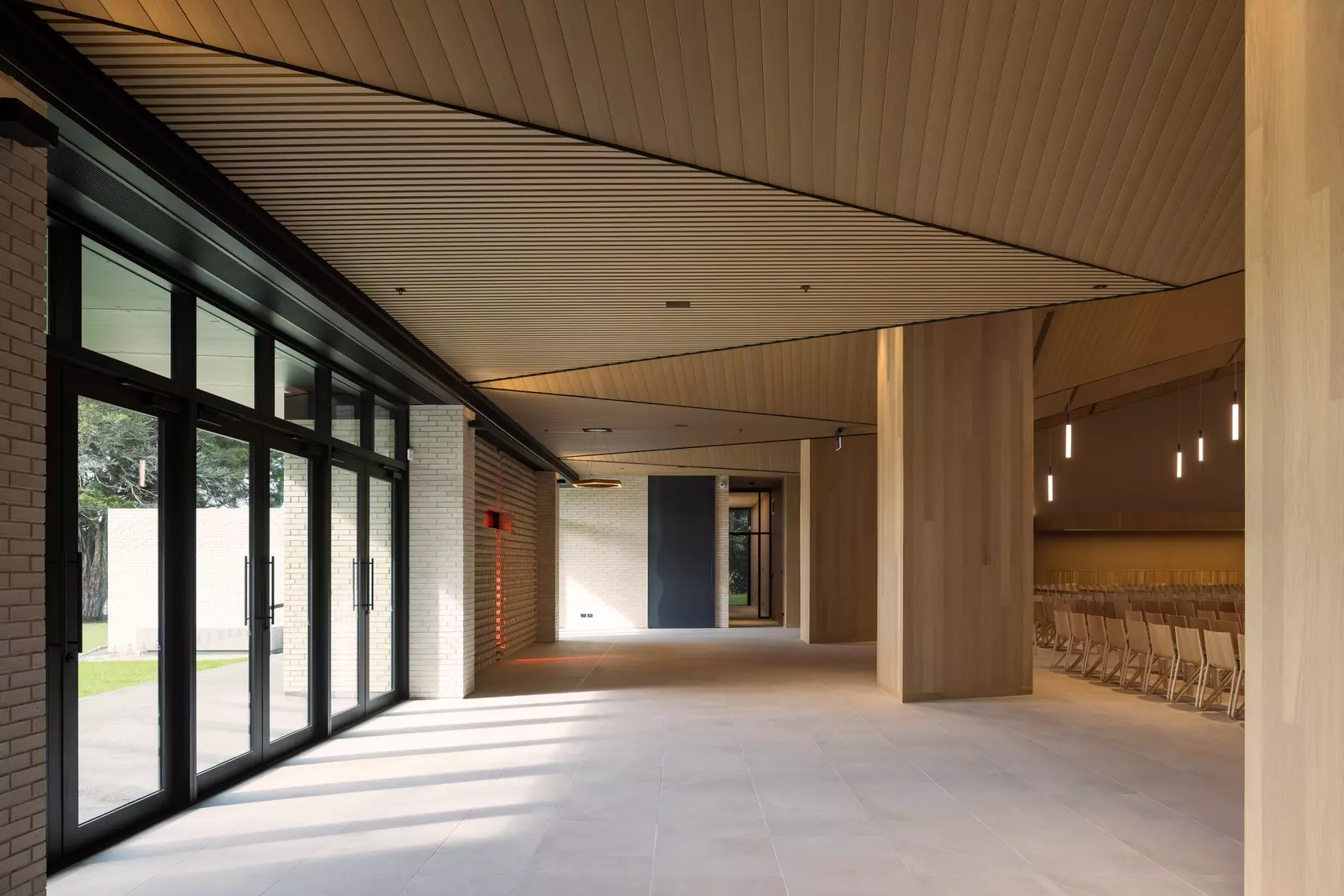
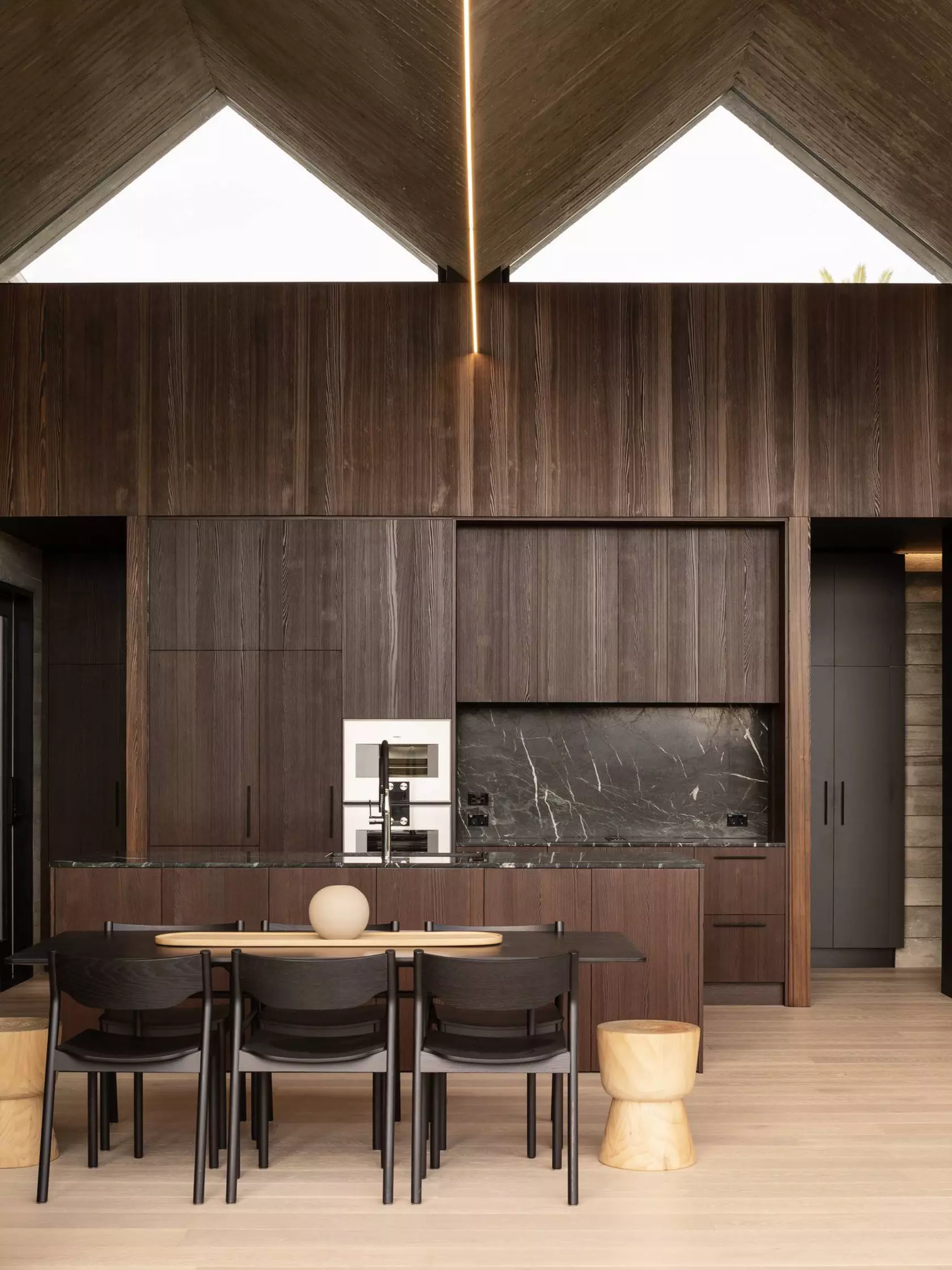
The timber wall and ceiling panelling trend that gained momentum in 2025 shows no signs of slowing.
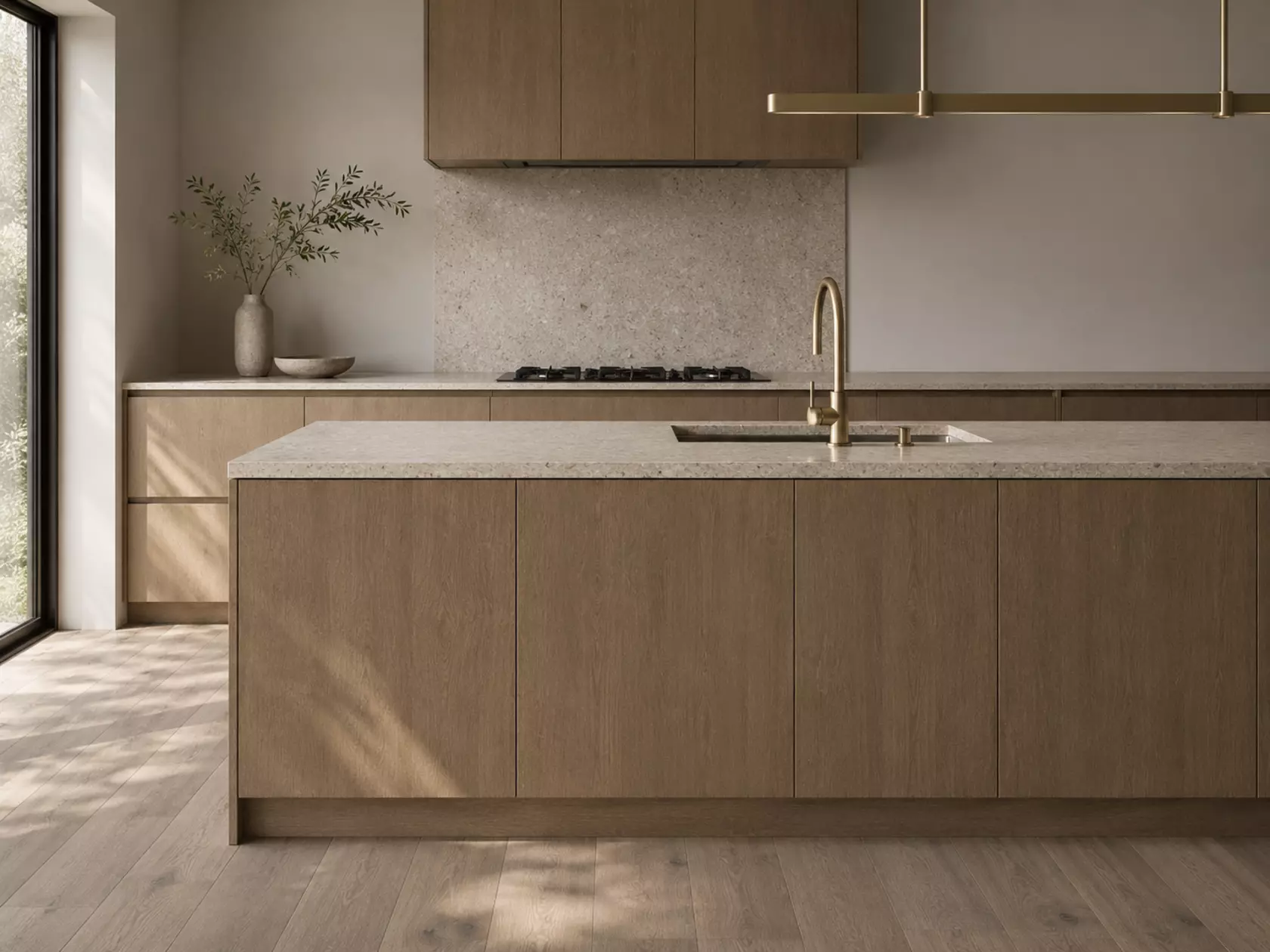
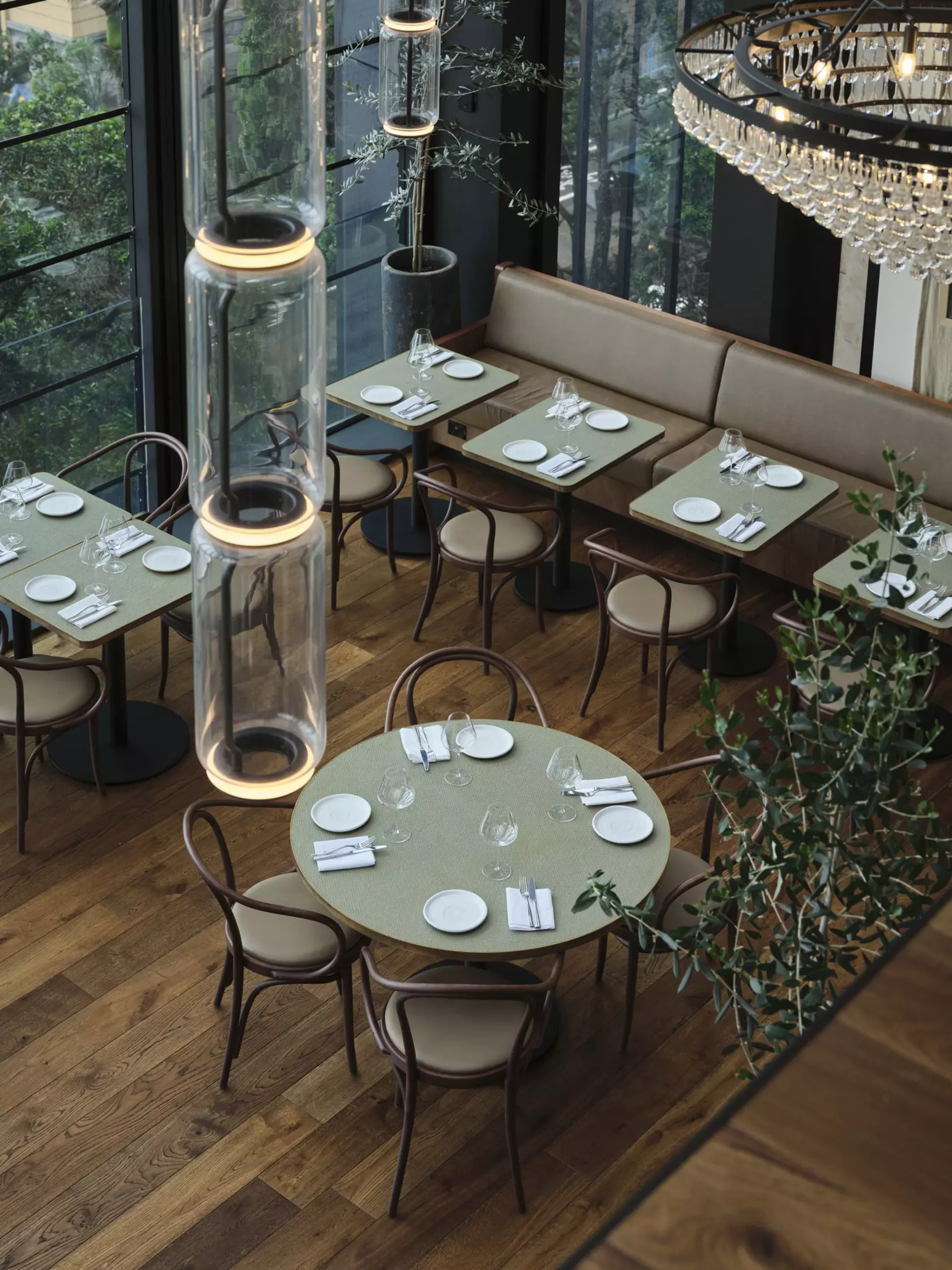
"I’m absolutely loving this in bathrooms at the moment – incredibly chic," says Morrison. She predicts clients will also pull away from colourful kitchen joinery, steering toward natural woods in both fitted joinery and in standalone pieces that feel more furniture-like, such as built in banquettes and dining nooks.
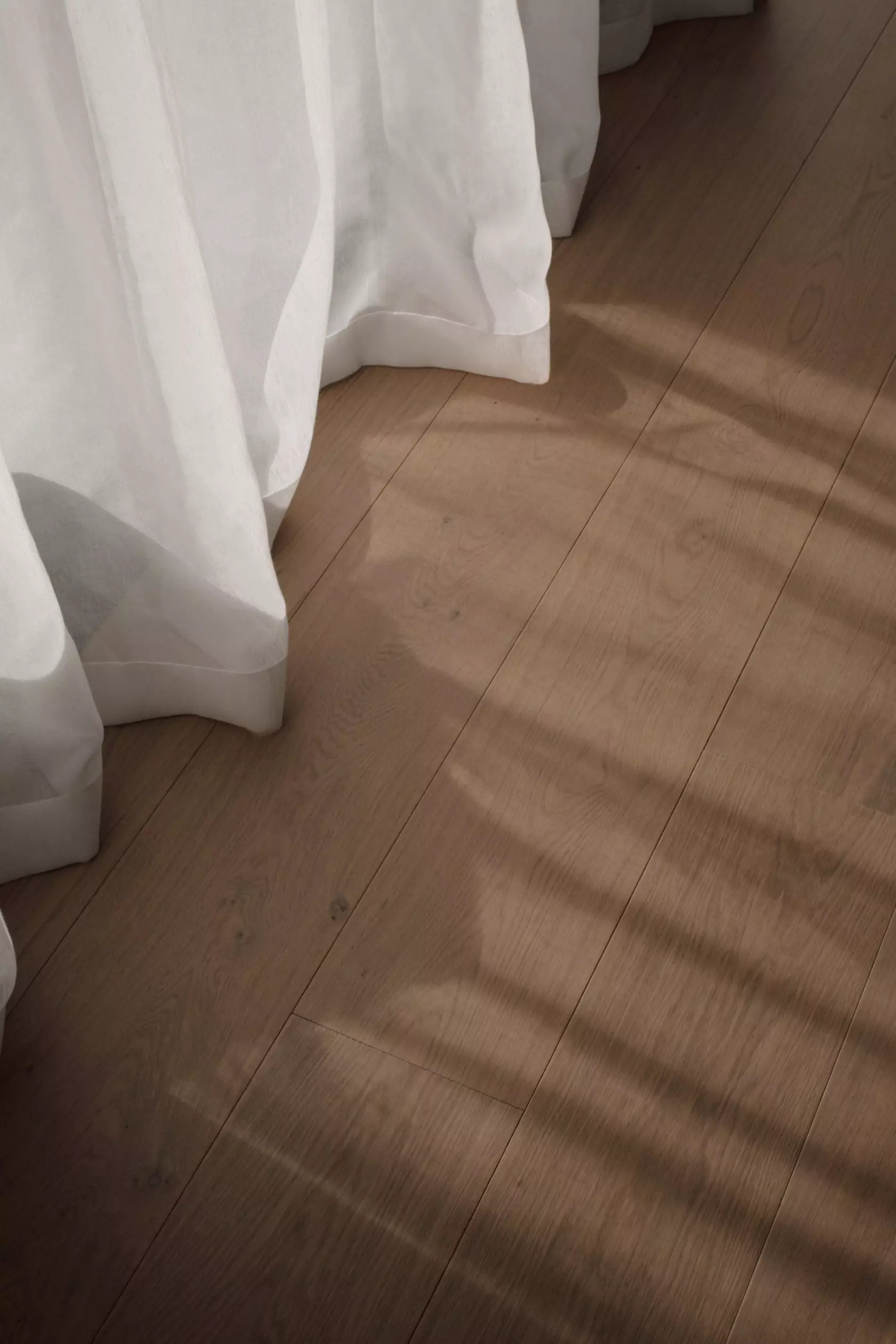
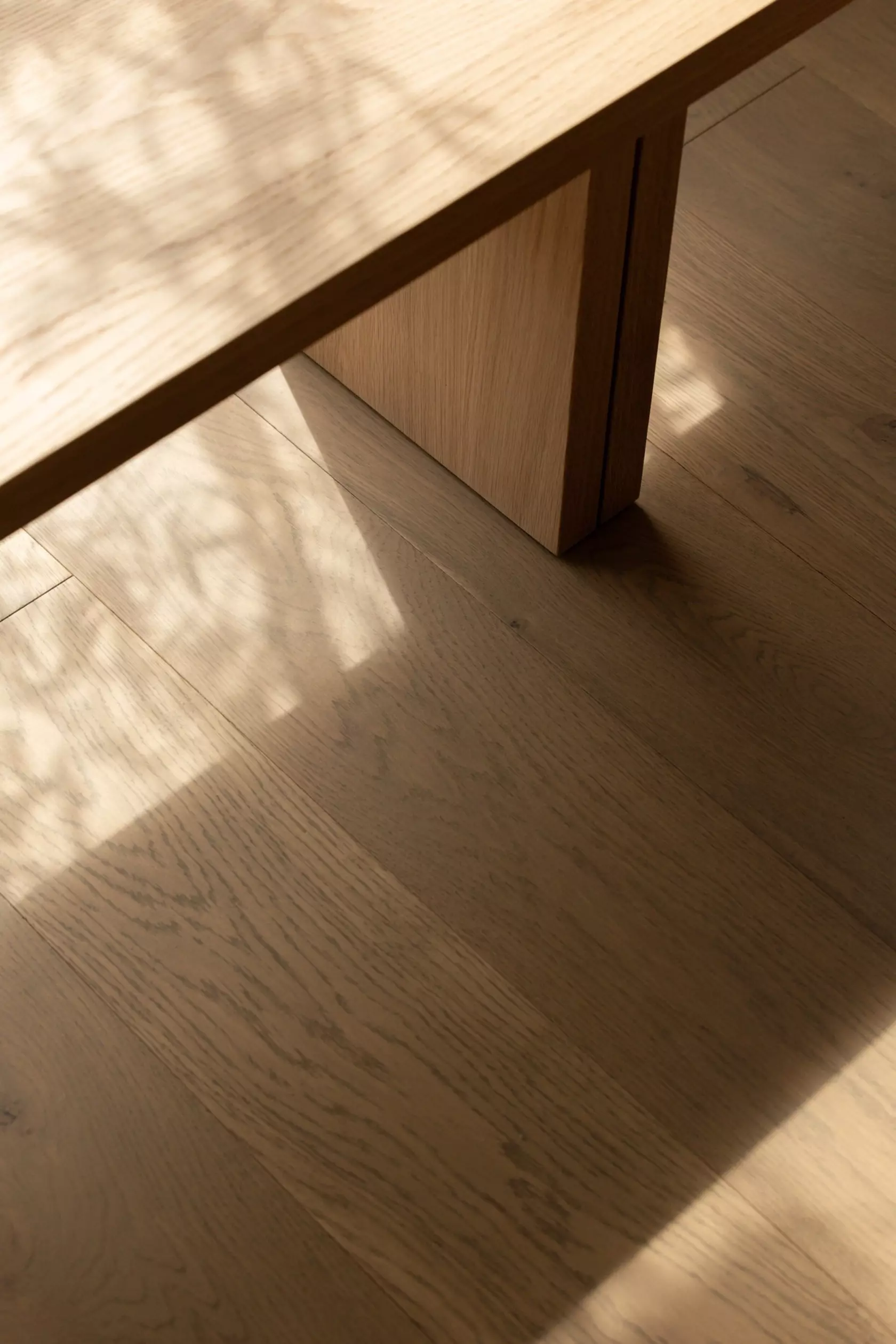
Our premium Wall & Ceiling panelling has been designed to work with our flooring to create a cohesive wood drenched look.
Coffee and Chocolate Tones
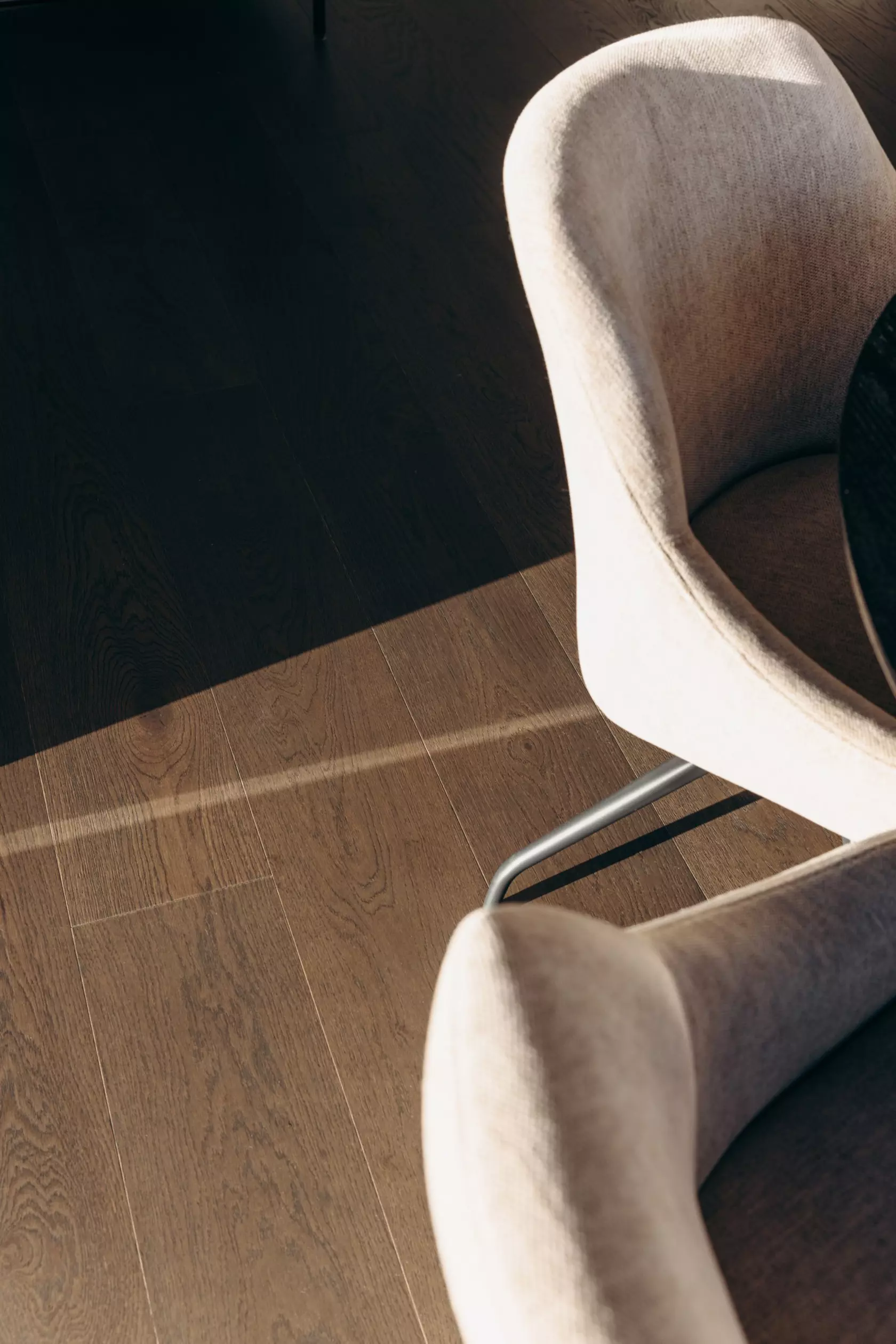
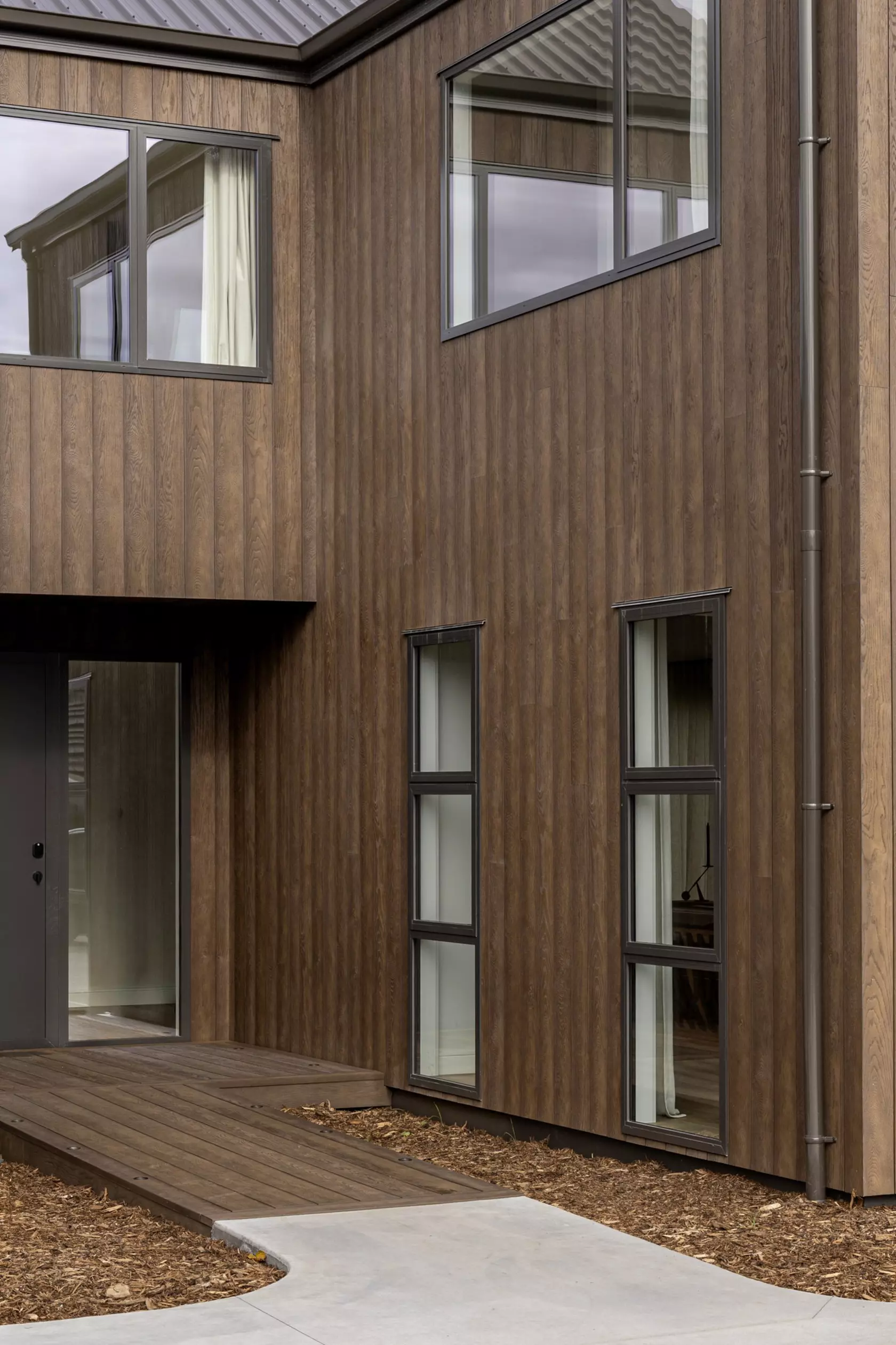
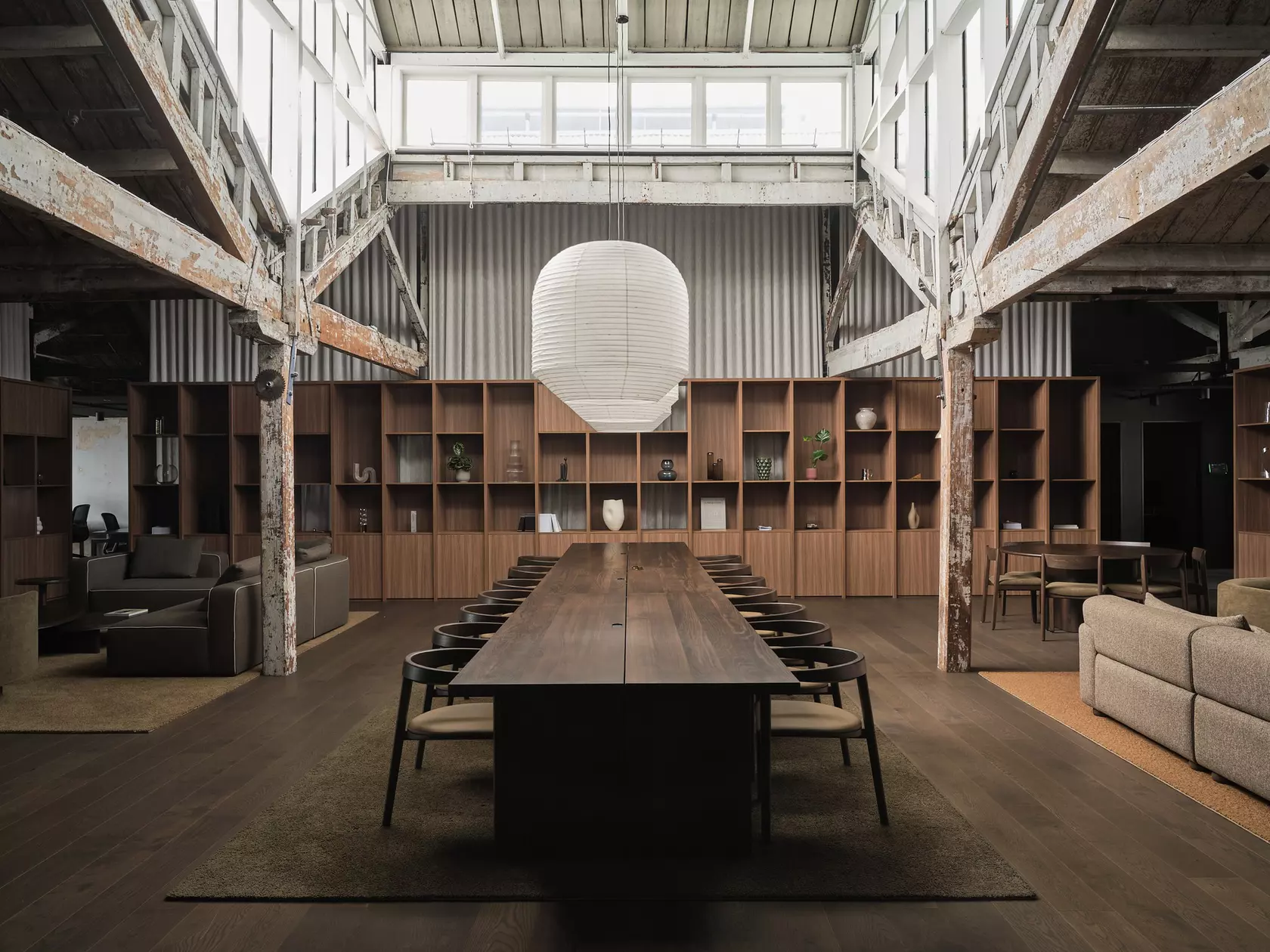
An evolution from last years’ warm honey and walnut tones, rich, deep browns are now coming to fore in both timber selections and paint palettes.
"The coffee and chocolate tones feel like they're here to stay for a while yet," notes South, though he cautions designers to consider New Zealand's unique light conditions. "It's important to balance these with sharper colours or lighter tonal moments that allow schemes to sit comfortably within New Zealand's brighter, fresher natural light."
Morrison is seeing this shift firsthand: "We've always been a studio that loves richer colours and darker-toned woods, and we're seeing a move away from paler wood varieties that the New Zealand market typically gravitates toward." This colour story extends beyond timber. "It's coming through in paint colours too – earthier, deeper tones that ground a space."
The move toward these warmer, more saturated hues reflects a broader desire for interiors that feel cocooning and substantial; spaces with depth and character rather than the cool, minimal palettes that dominated in the first half of the decade.
Sculptural Form Meets Utilitarian Materials
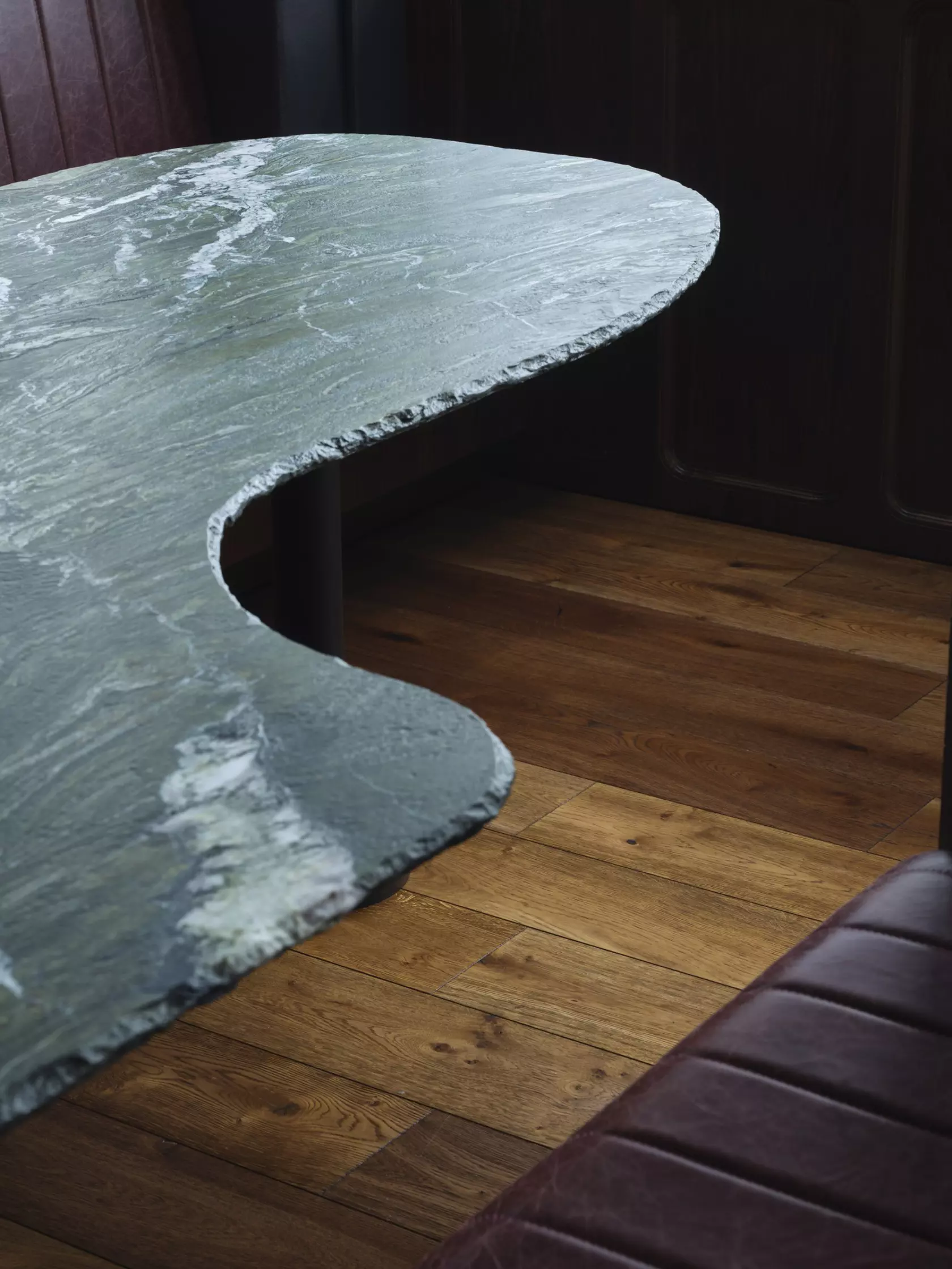
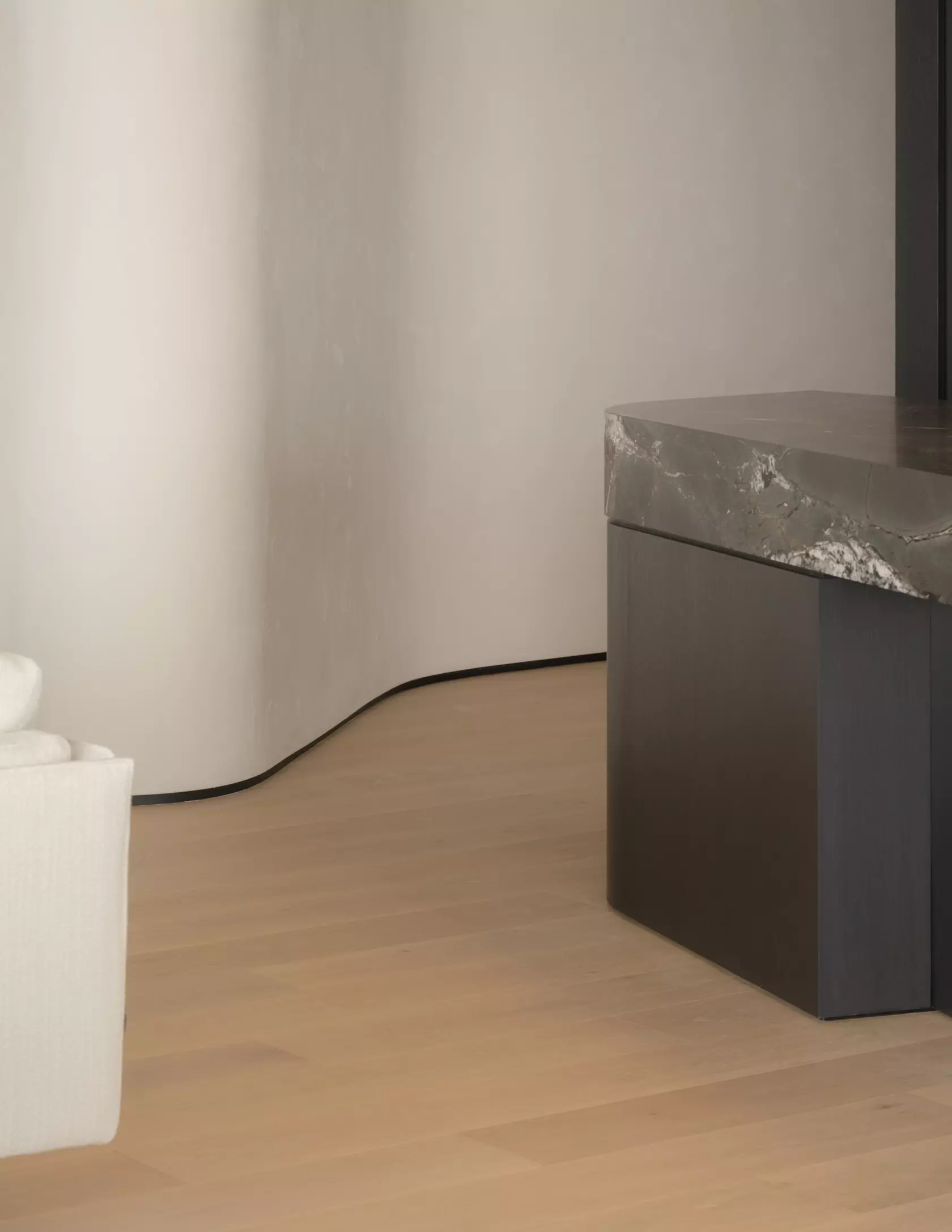
One of the more prominent trends South is implementing is sculptural form – often juxtaposed with hard-wearing, utilitarian materials.
"Hand in hand with the collected and crafted interior movement, it's often form that differentiates one space from another in a world increasingly governed by access to similar materials and finishes," he explains. "This reinforces the idea that luxury isn't just about materiality, but very much about the details."
Embracing Imperfection
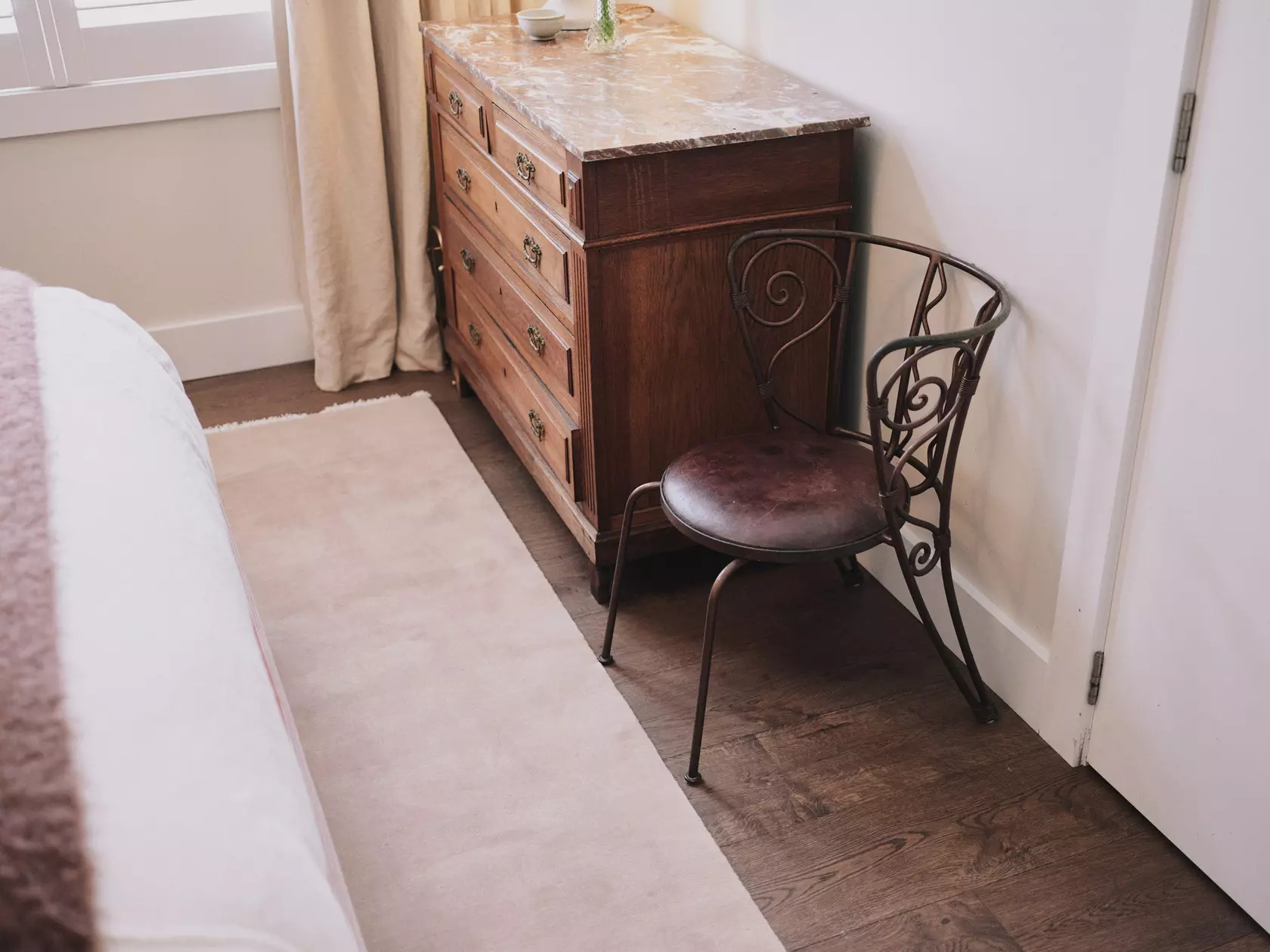
Tactile textures and materials that patina over time are gaining traction metals that age in bathrooms and kitchens, ceramics with character, woven textiles that tell stories.
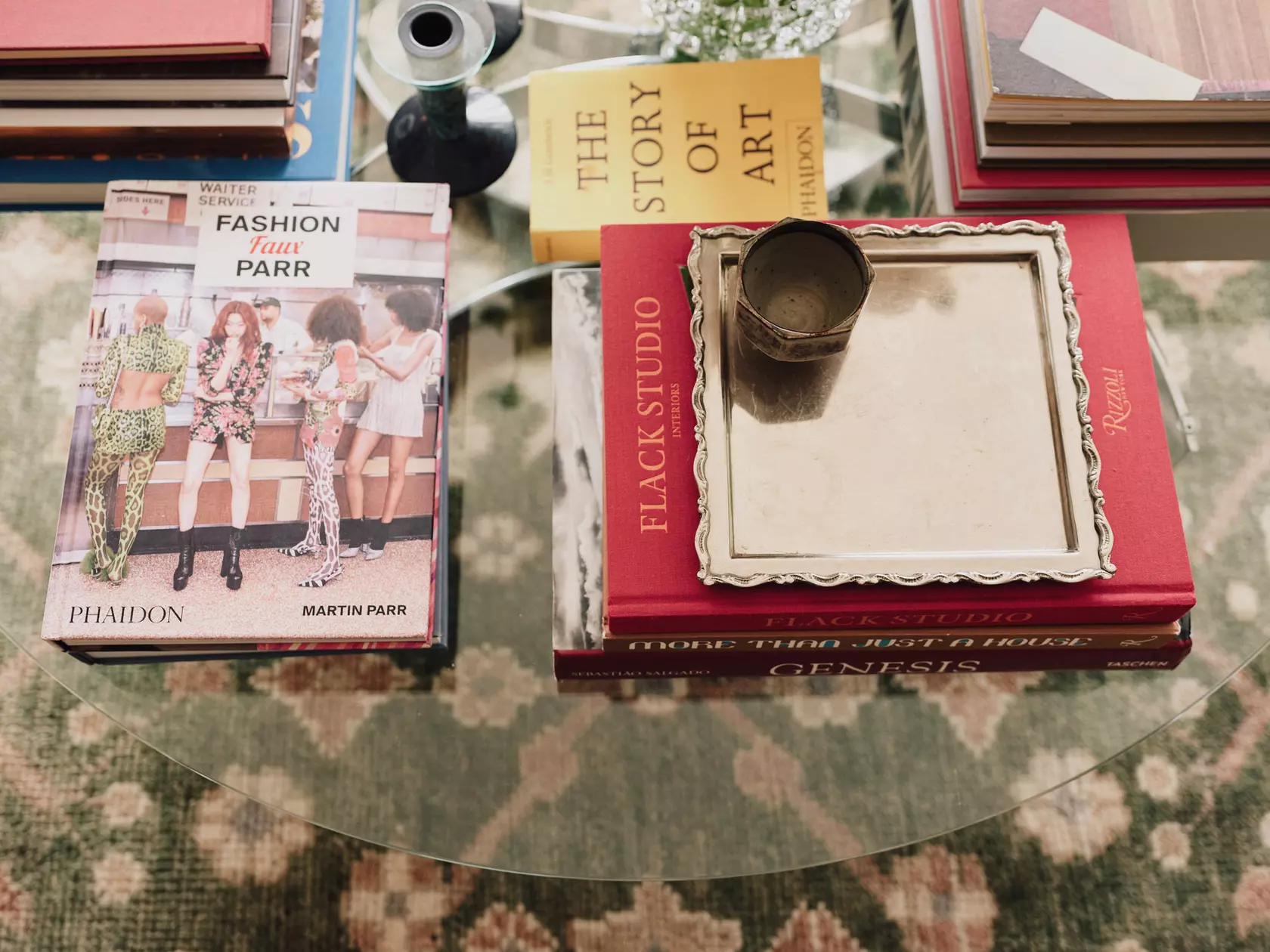
Morrison sees this as an extension of the lived-in movement: "Incorporating collections of things – books, antiques, trinkets. Plenty of textures, ceramics, woven textiles. It's about embracing imperfection."
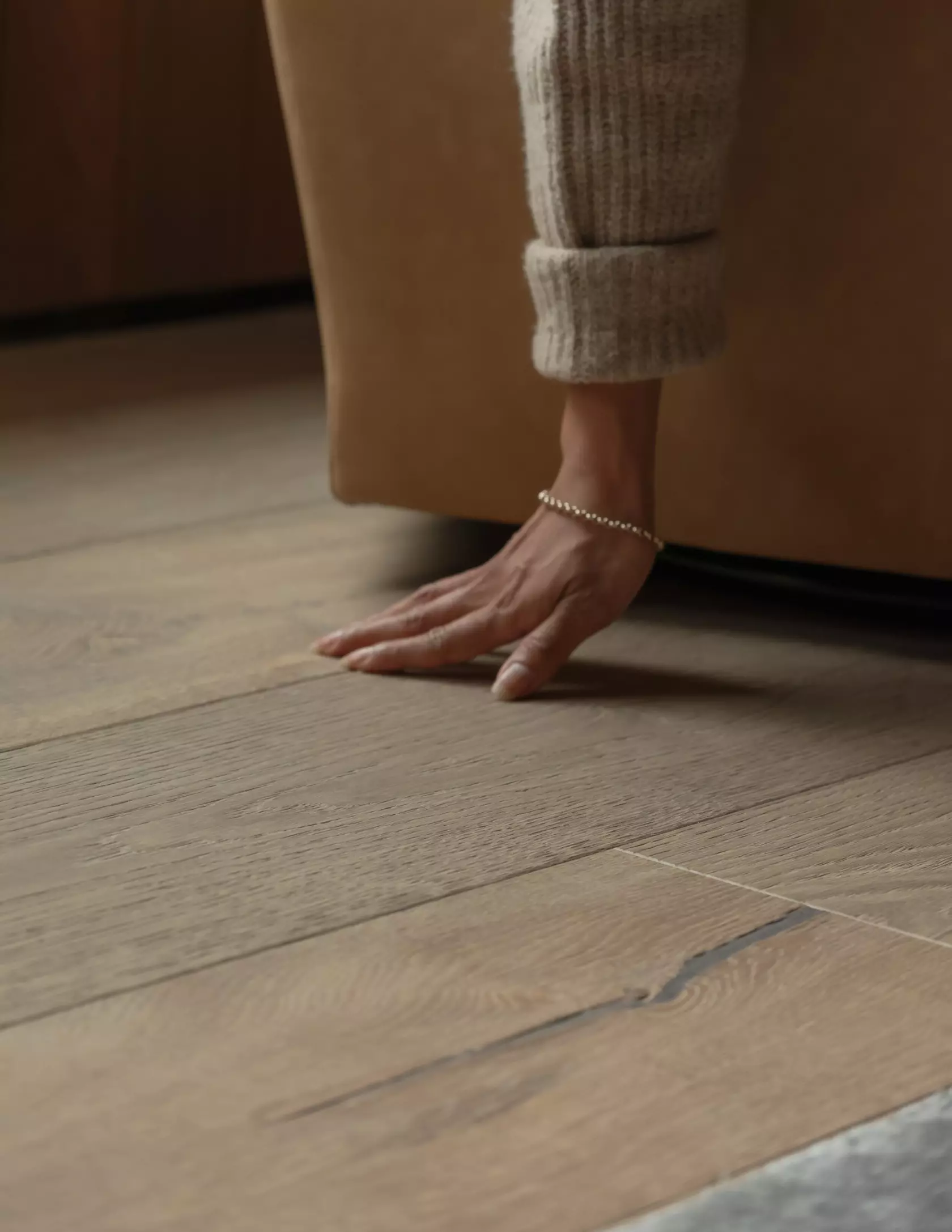
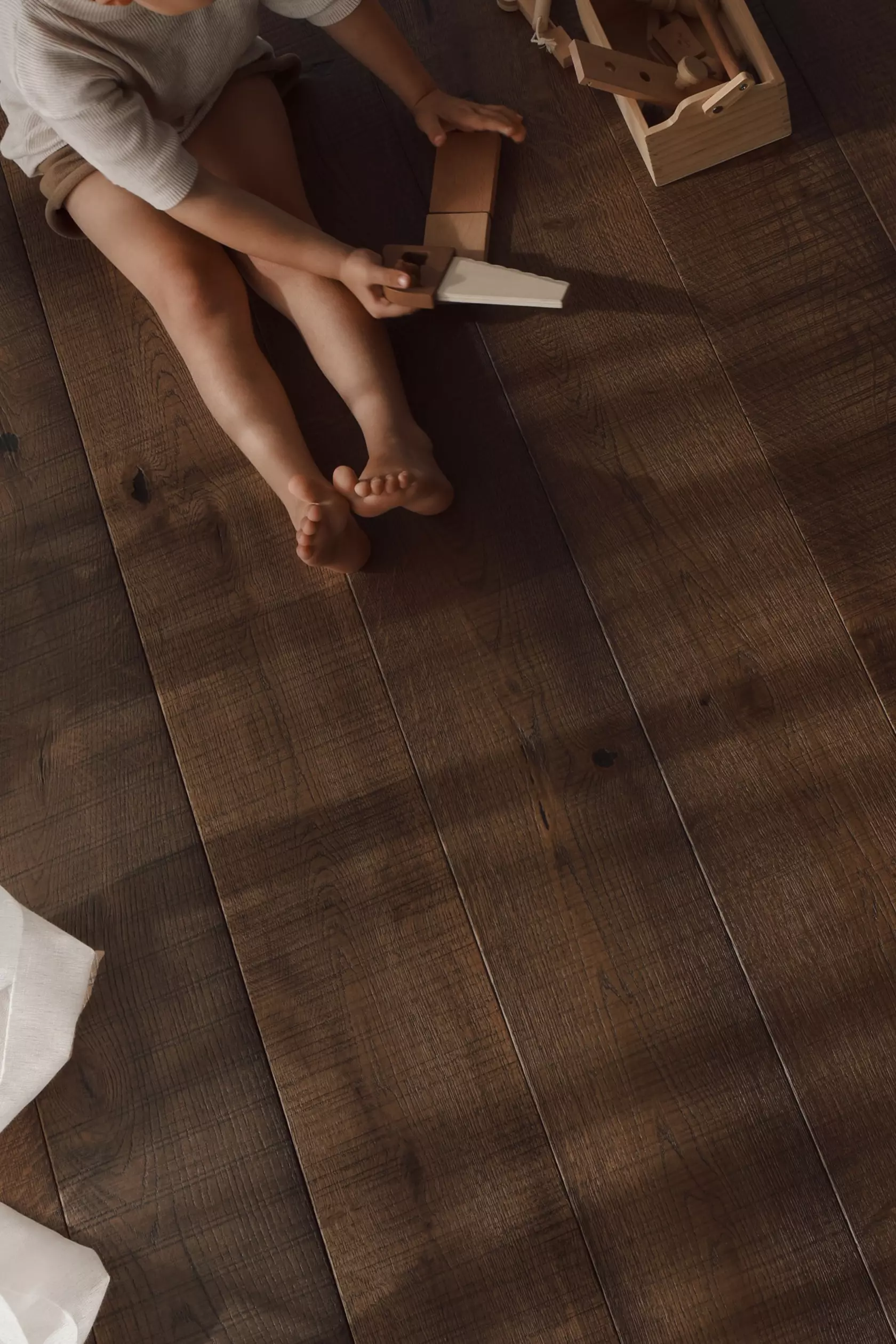
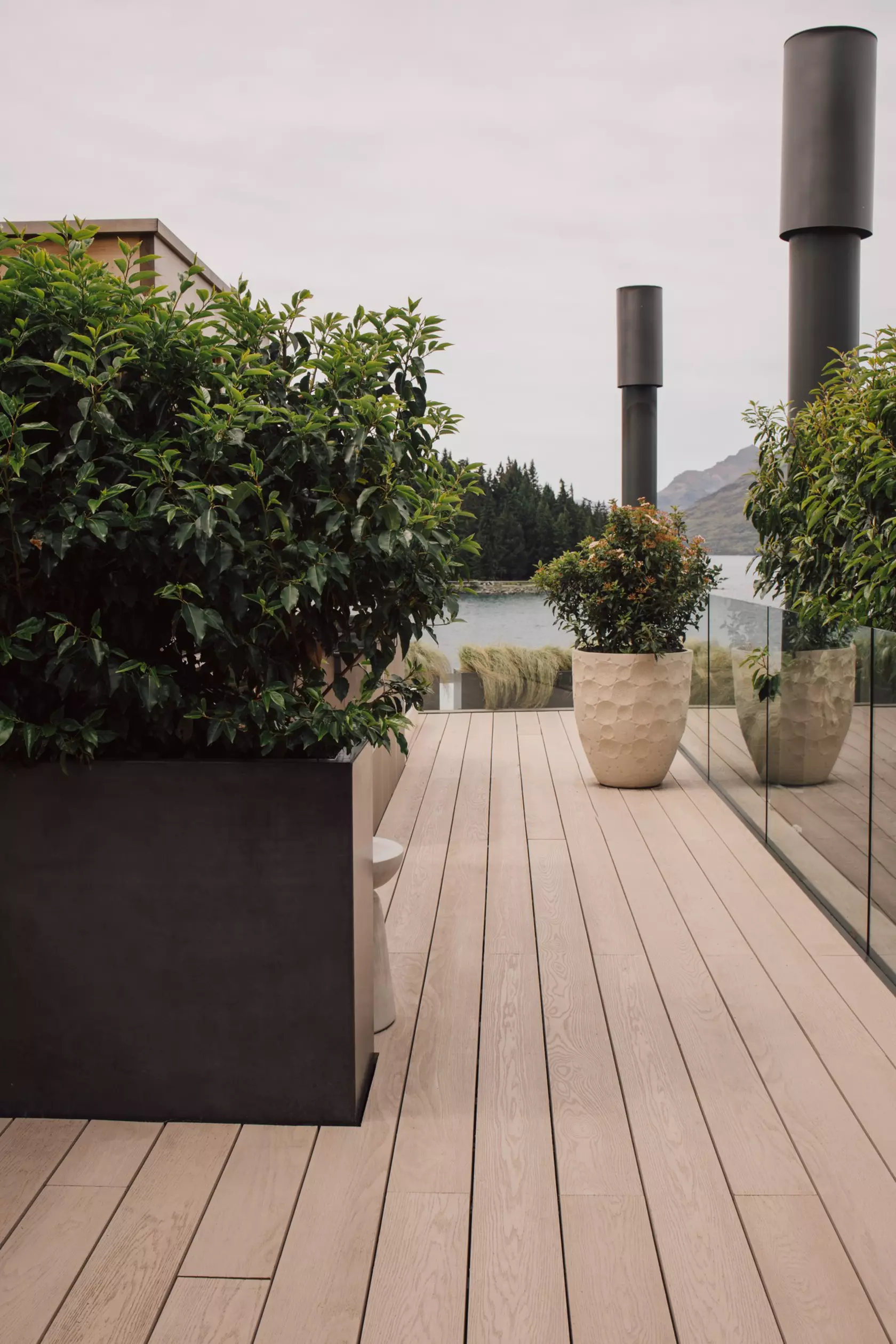
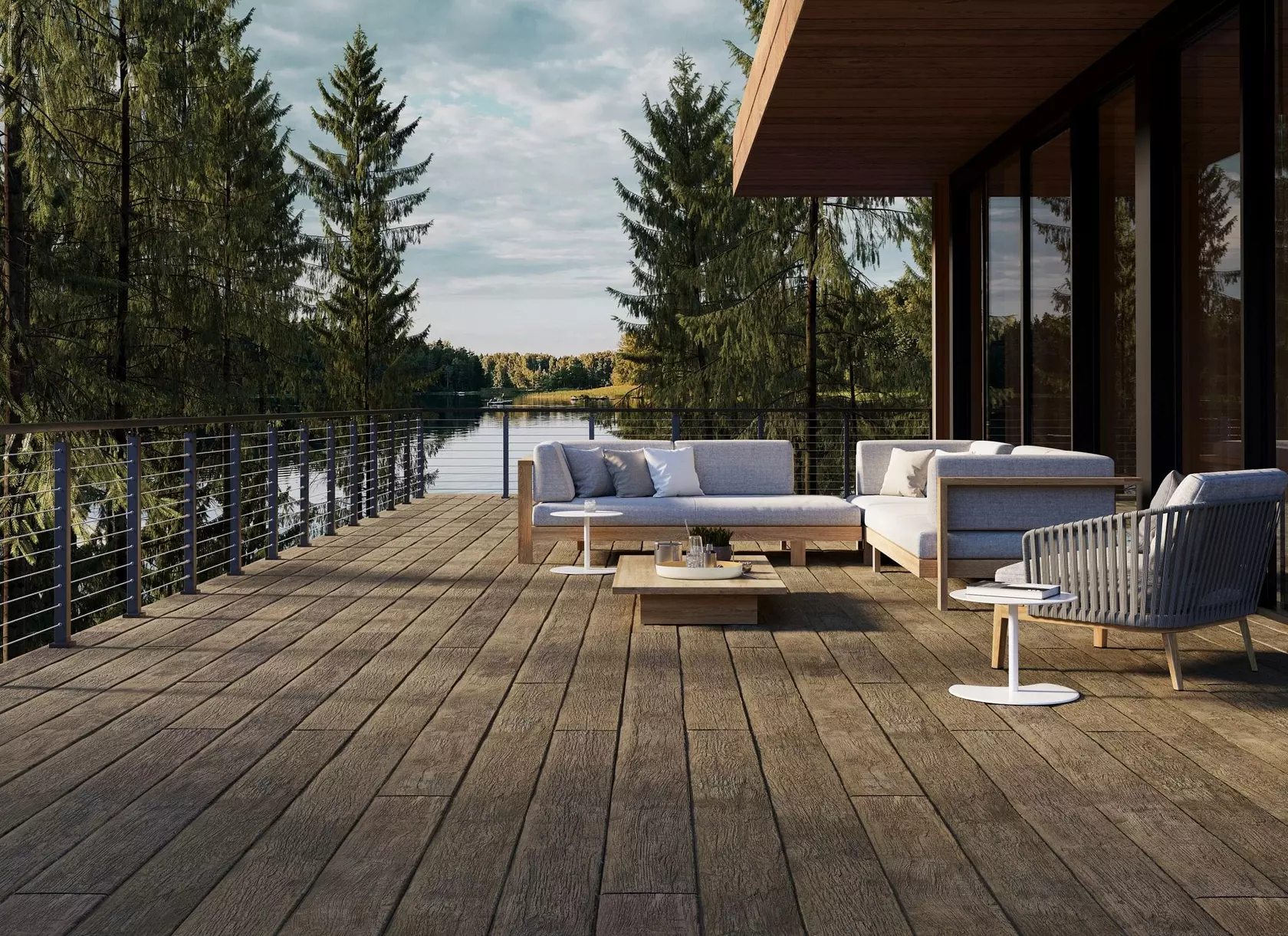
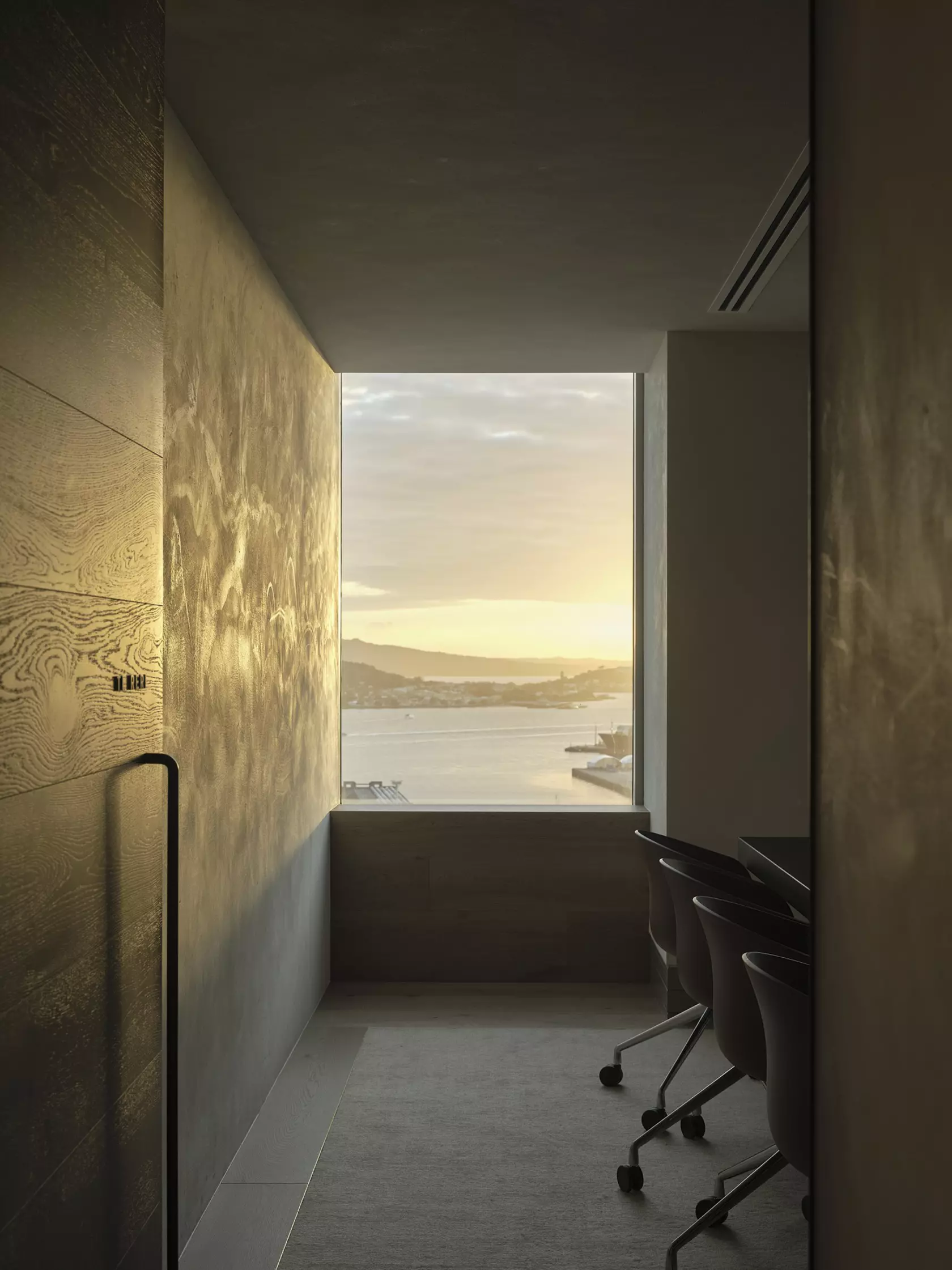
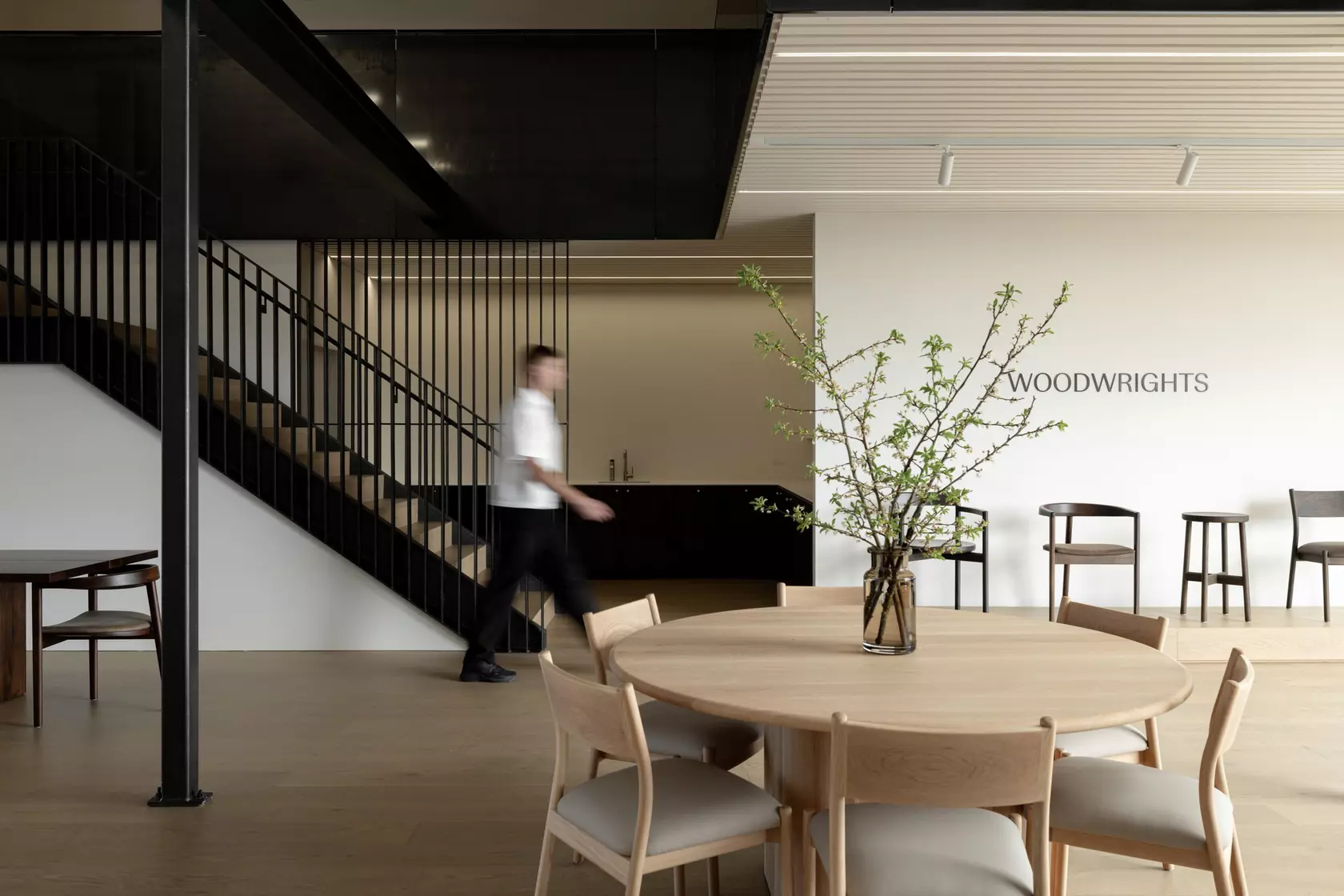
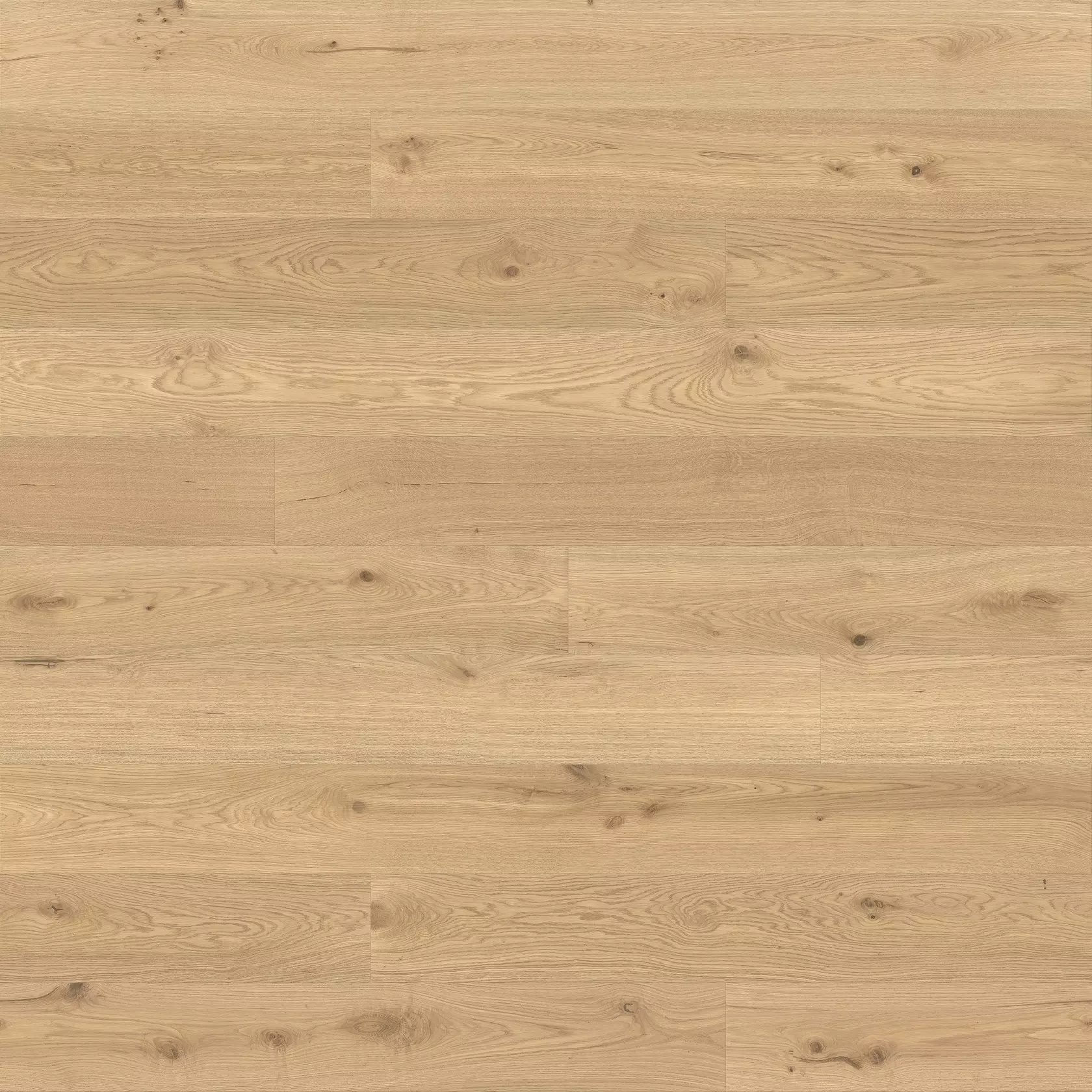
This philosophy extends to flooring choices, where rustic grade timber finishes with knots, surface cracks and saw marks are being celebrated rather than hidden. These characterful surfaces are forgiving by nature, made to develop patina and grow in interest with everyday life, making them perfectly aligned with the shift away from pristine, high-maintenance interiors toward spaces that age gracefully alongside their inhabitants.
What emerges from these conversations is less about following trends and more about a philosophical shift. As Morrison puts it: "I am not a big trend follower when it comes to designing a home as a space should be timeless rather than interchanging with the times."
Yet these movements do mirror culture at large – how we're now living, how we want to feel in our homes and workplaces, what's important to us. In 2026, that means interior choices that are layered, intentional, added to over time, and deeply personal. Spaces that genuinely reflect the lives lived within them.