



How to communicate the value of engineered timber floors
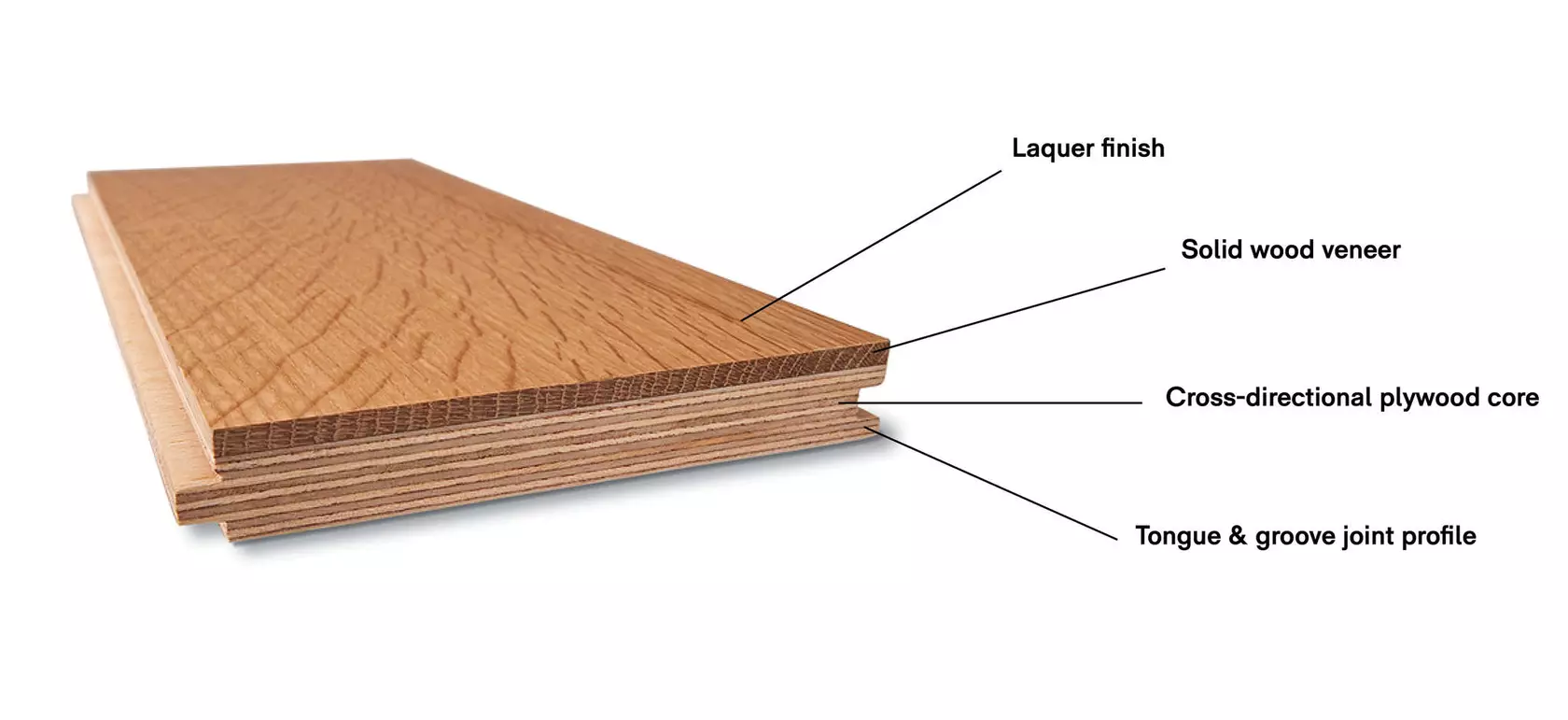
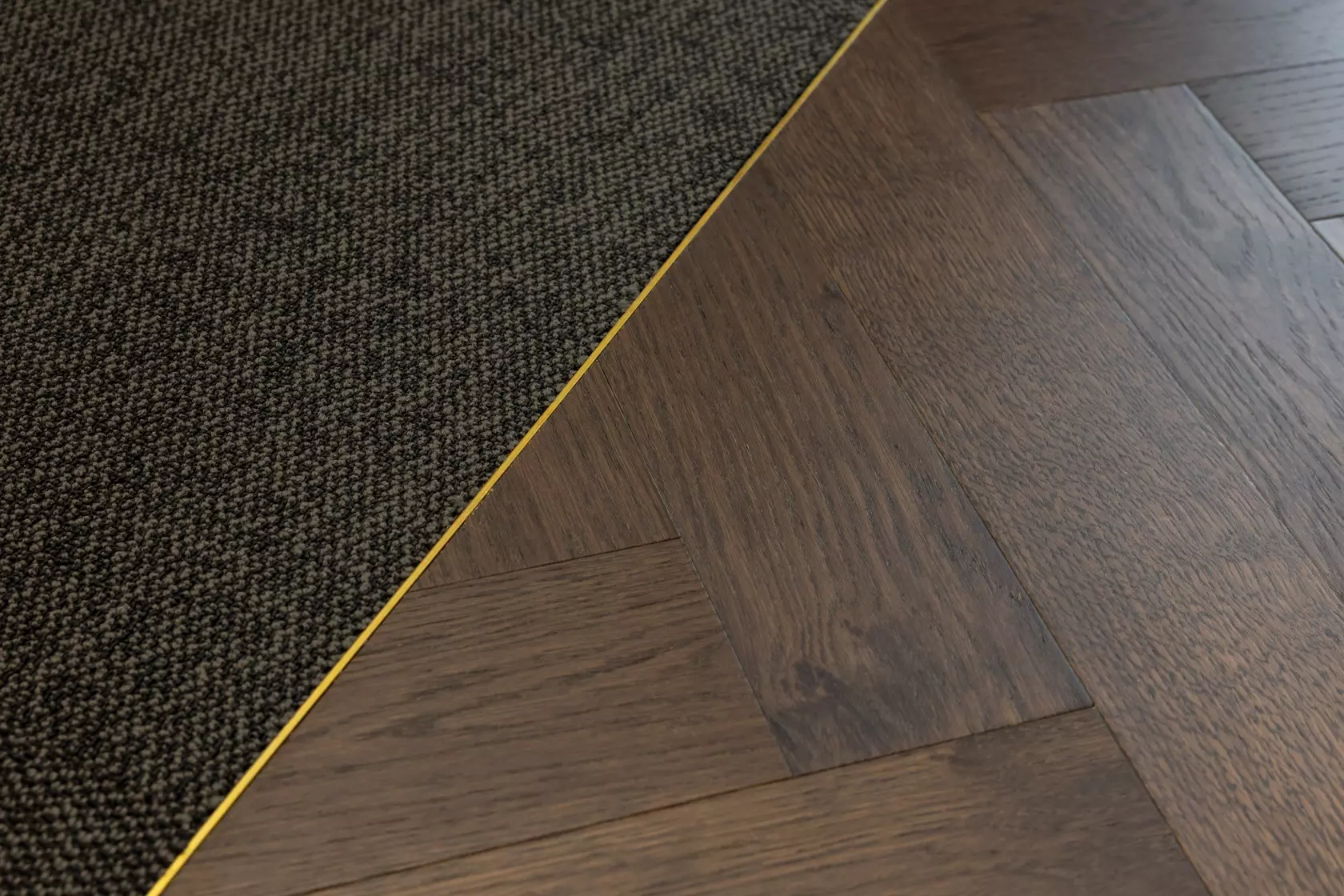
Engineered timber flooring consists of two parts – a reinforced core backing and a wear layer of solid hardwood. Compared to solid timber, engineered timber flooring is easier to source, cheaper to process, easier to install, and therefore more cost-effective.
Strong core backing
Each flooring plank has a multi-layered core of stable timber, usually made from numerous layers of economical timber such as plywood, pine, or hevea. These layers are glued cross-directionally and pressed together for maximum strength.
Solid hardwood veneer
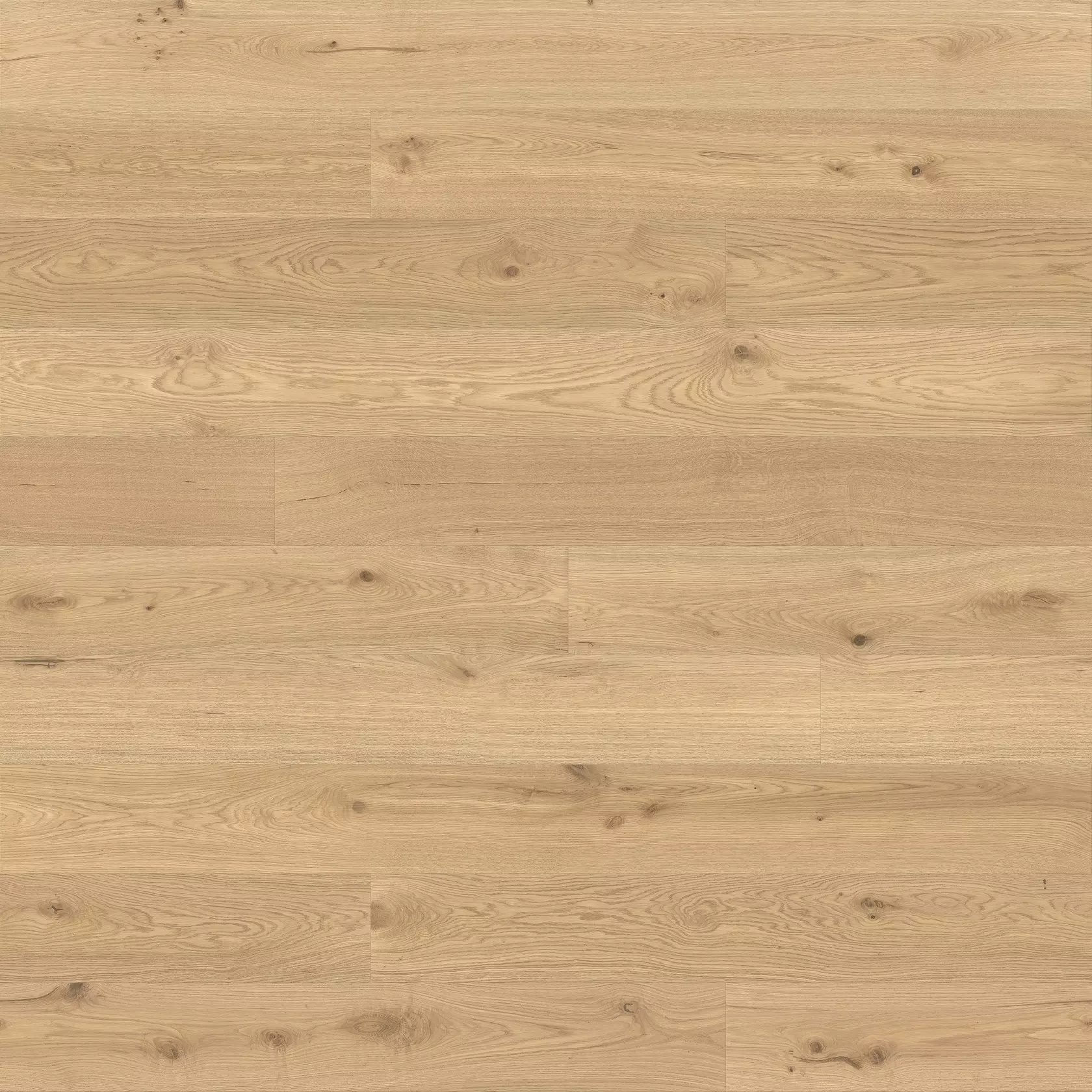
A wear layer, commonly known as a veneer, is fixed to the core backing. The veneer is made of authentic hardwood timber, usually between 2mm and 6mm thick. This layer of real wood provides the floor with an elevated appearance, featuring unique wood grains and colours.
Prefinished floorboards
When the core backing and veneer have been fixed together, the sanding, staining, and lacquer coating are completed in the factory. This allows the engineered timber flooring manufacturer to apply coatings more consistently and achieve a more effective protective layer.
Prefinished flooring is also much faster to install because all the preparation is completed before installation. This way, your installer can lay the floor much faster, reducing project costs dramatically.
The benefits of engineered timber flooring
When discussing flooring options with your clients, take them through the following advantages of engineered timber floorboards:
Authentic appearance
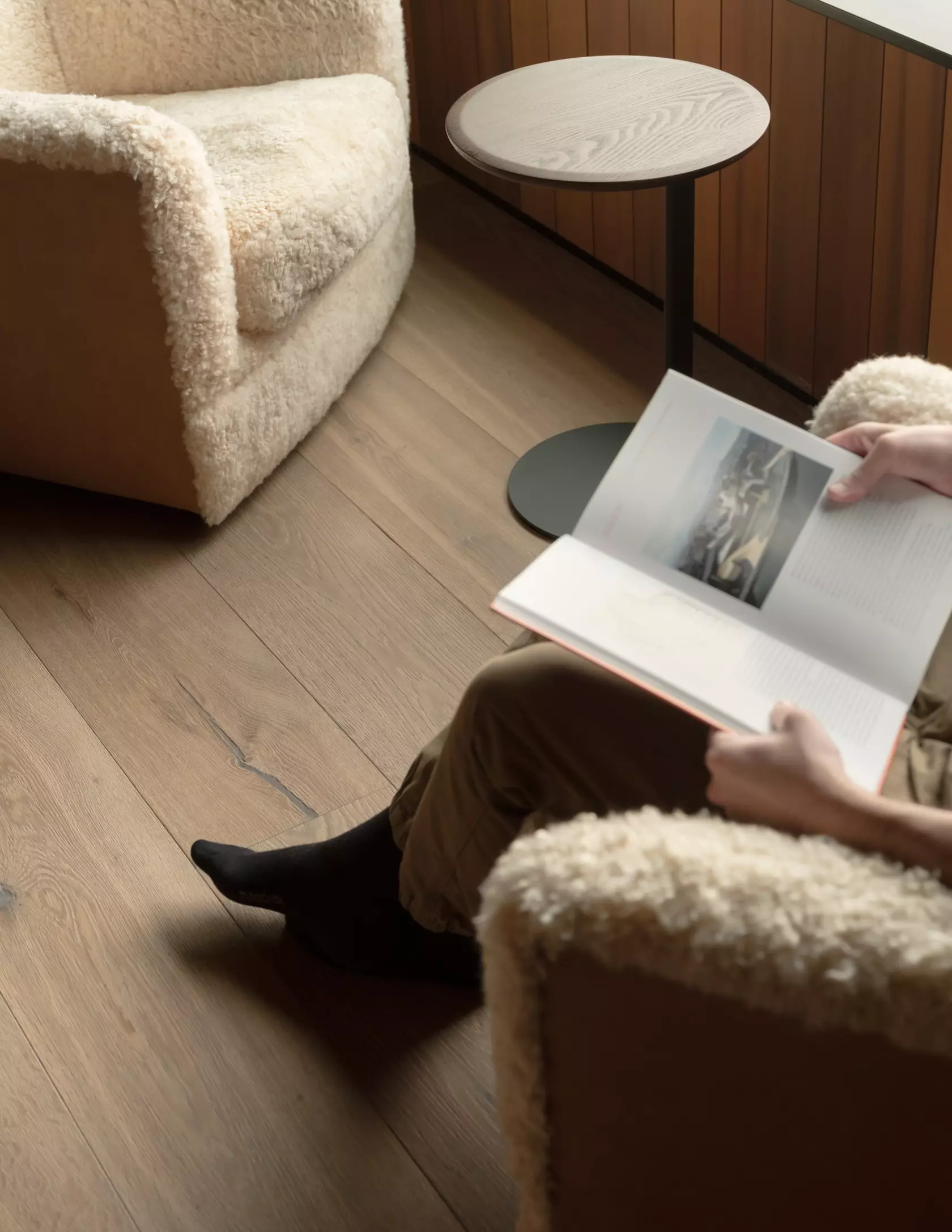
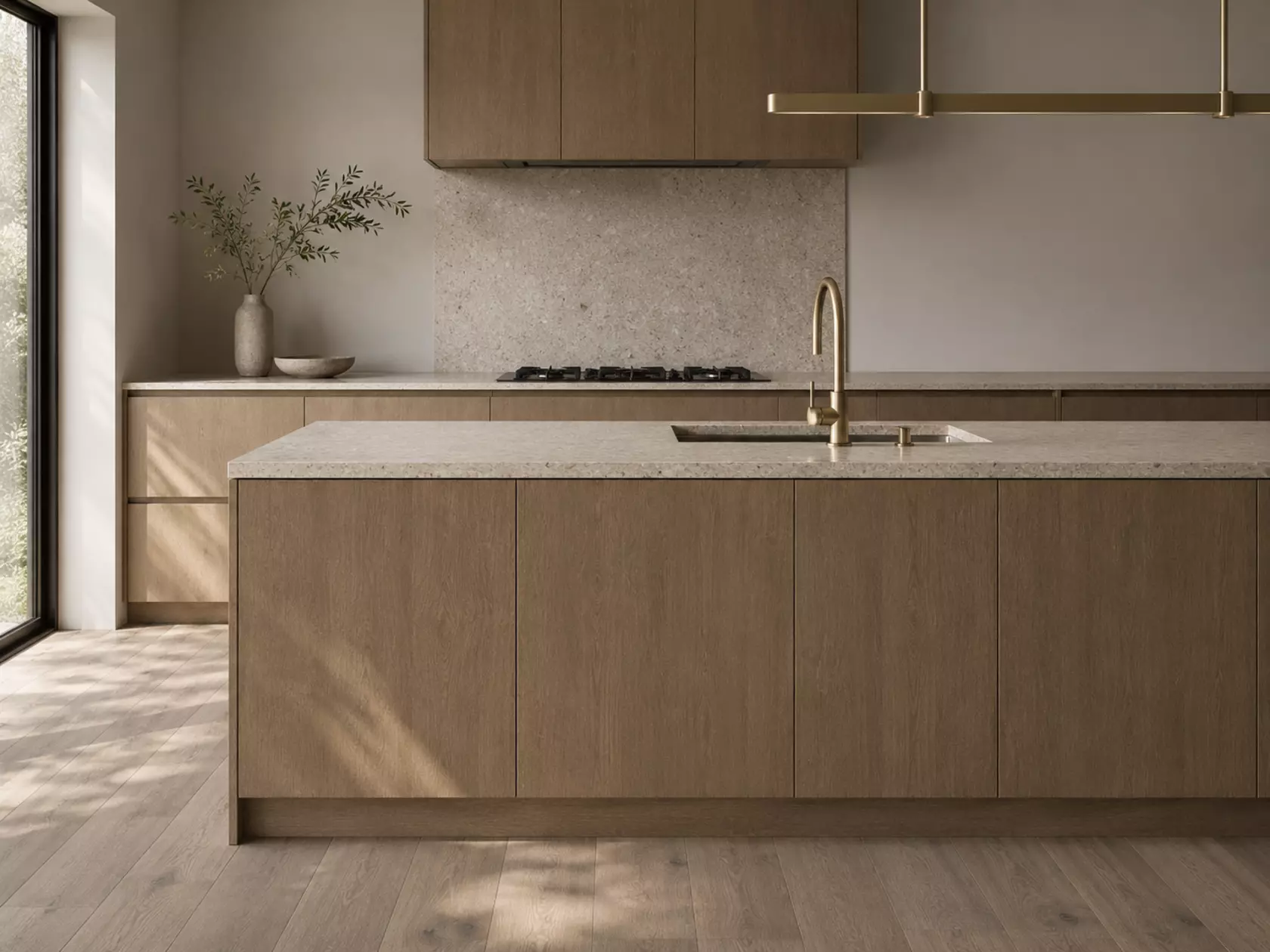
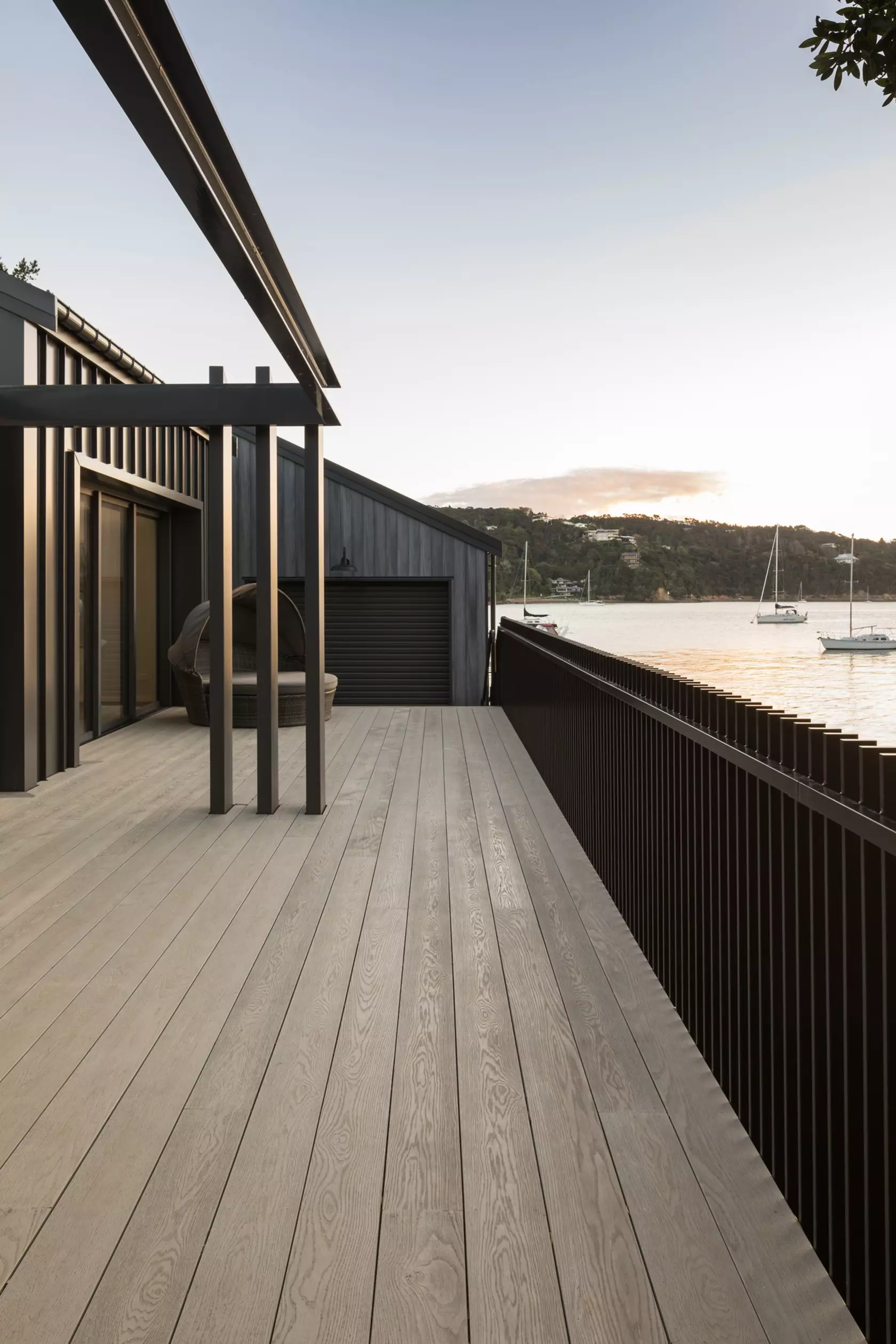
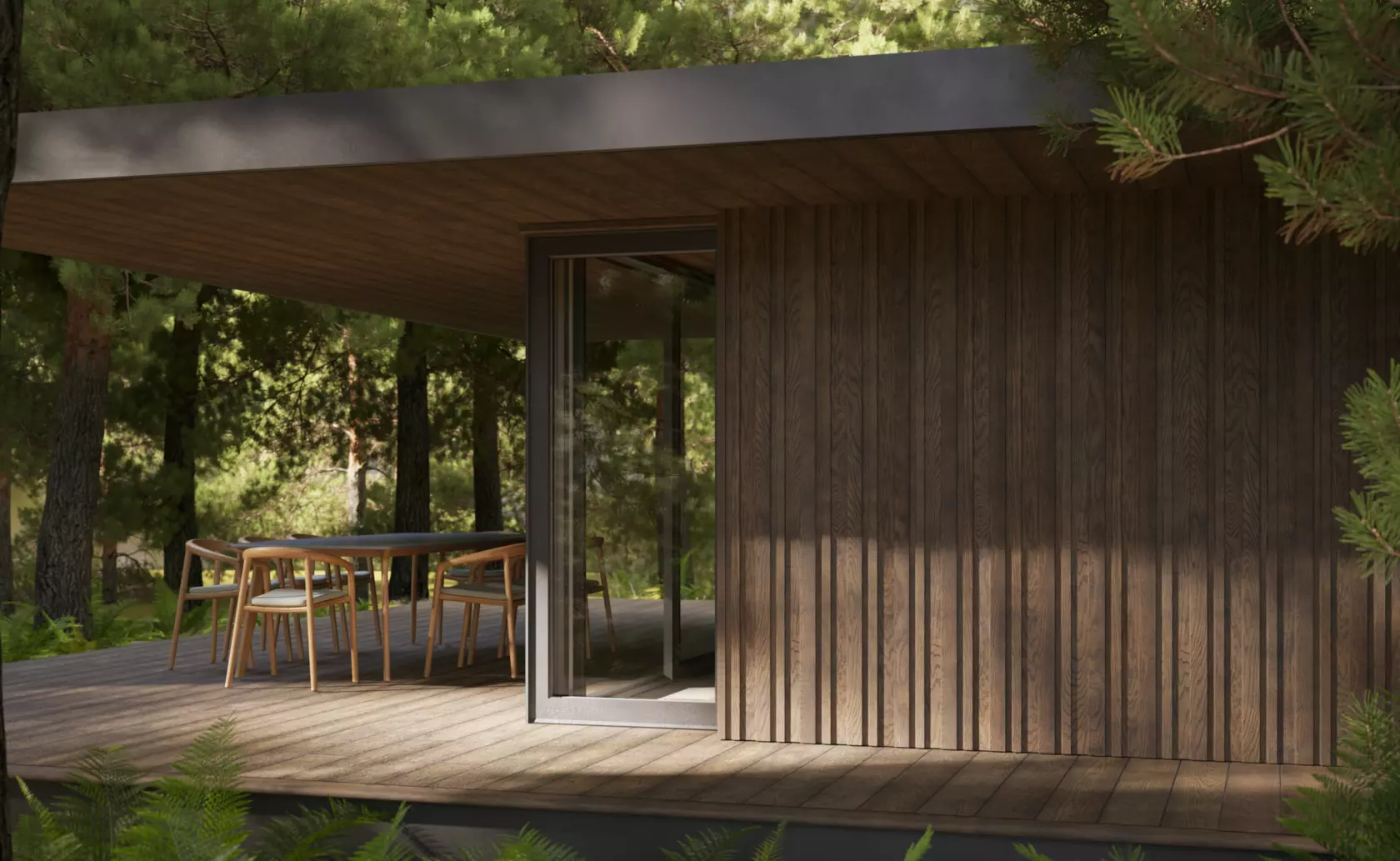
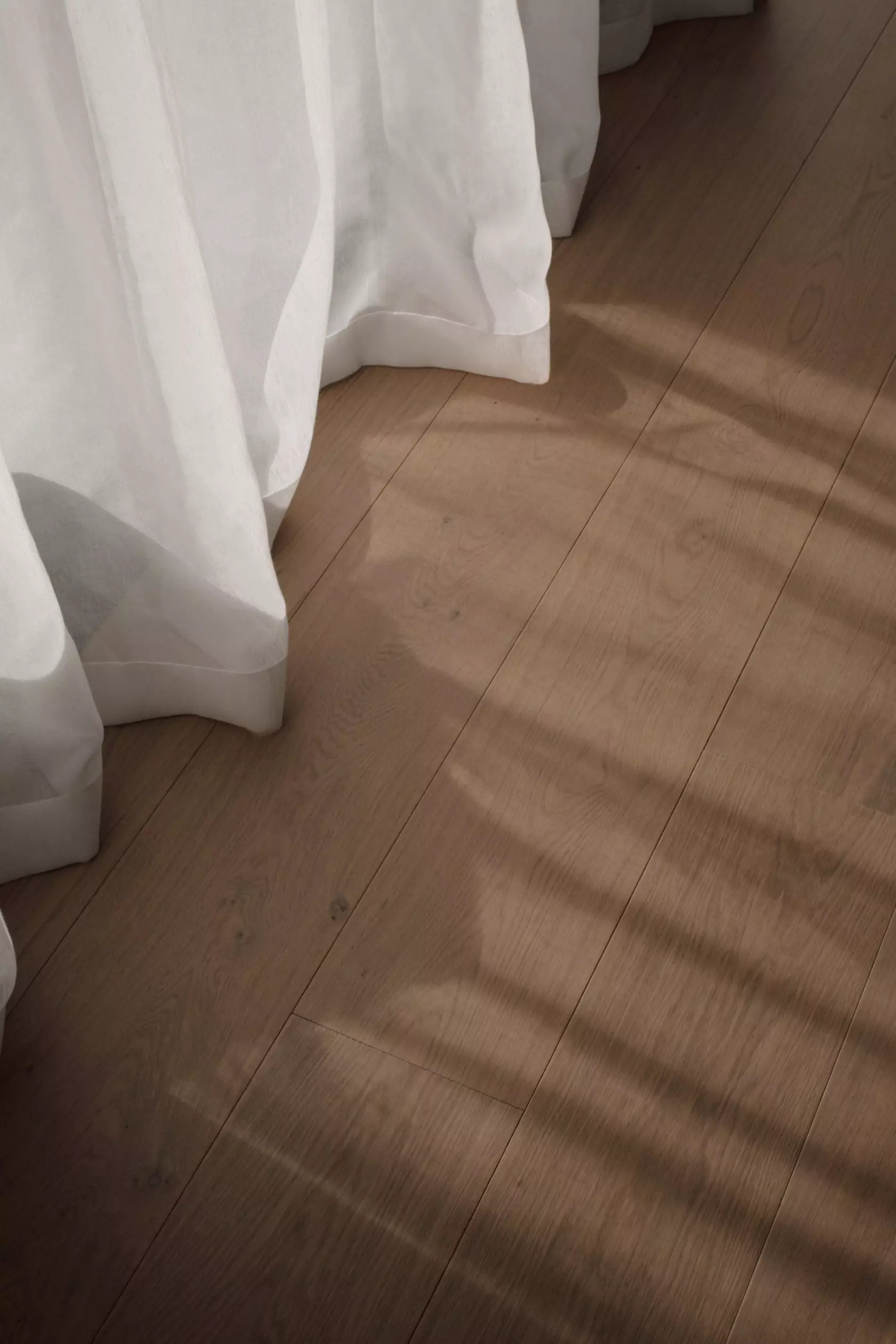
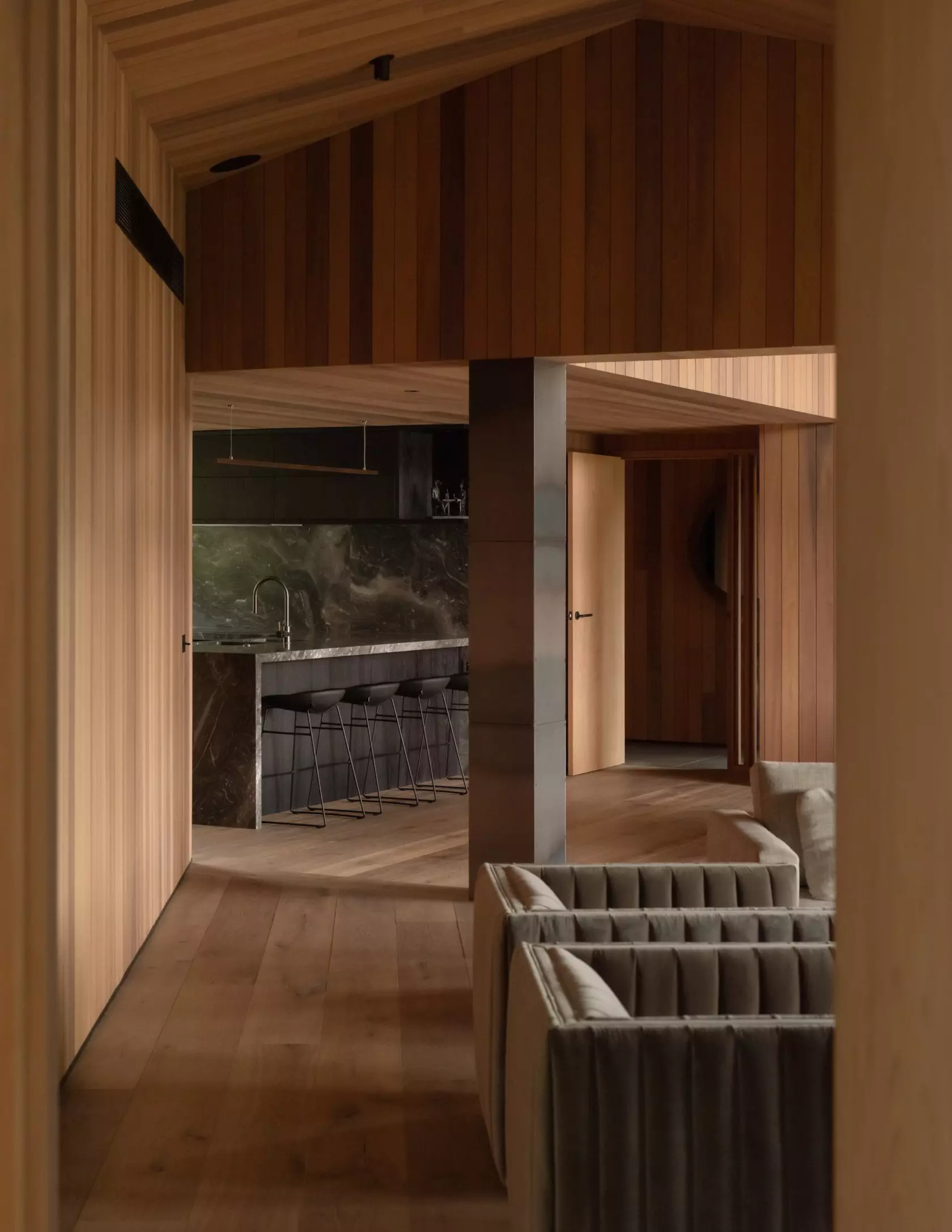
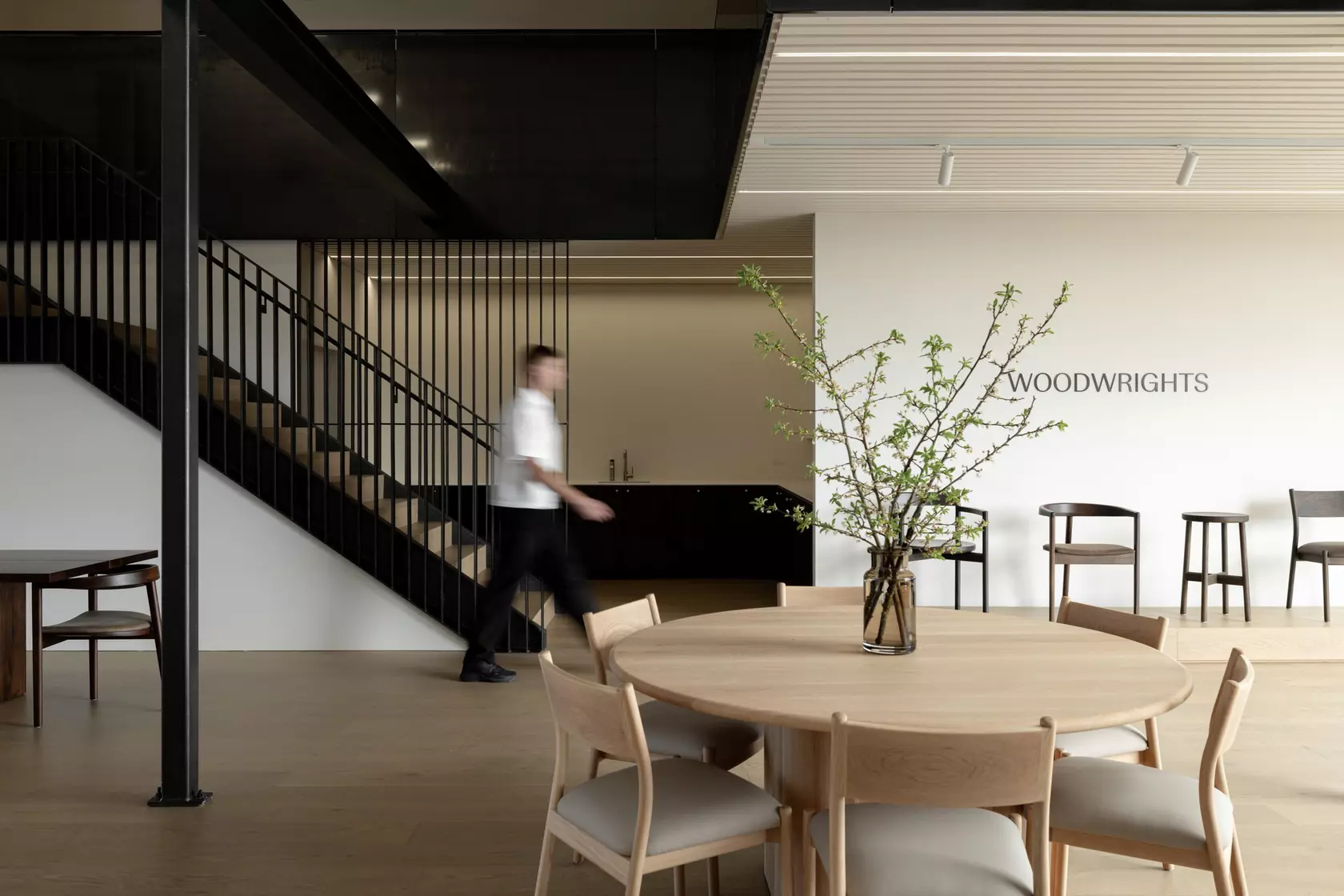
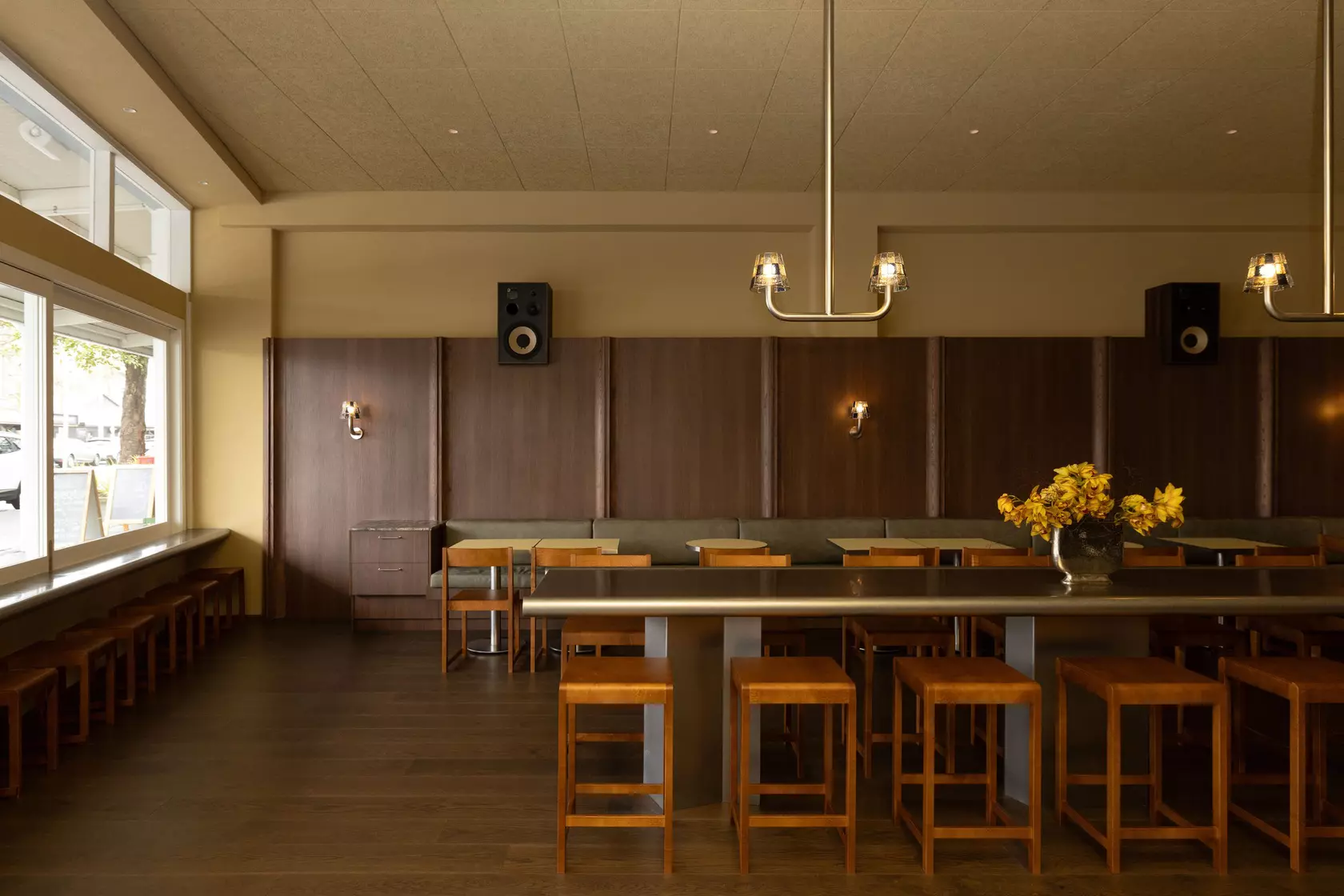
Real timber brings warmth, heritage, and natural character to an interior space. With engineered timber flooring, clients can choose from a wide range of colours, timber grades, surface textures, and finishes. Since the veneer is made with real timber, there are no repetitive patterns on the planks.
Feel underfoot
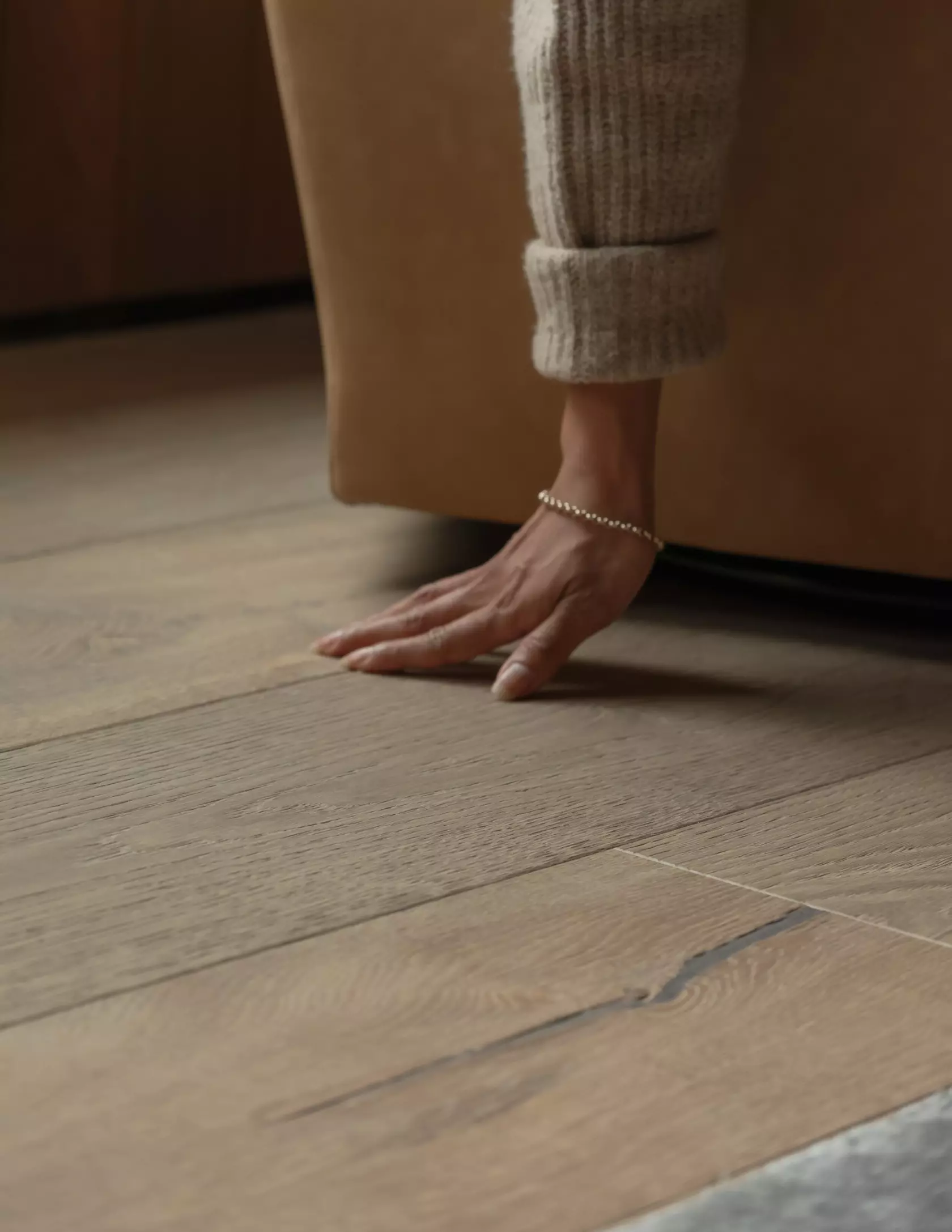
Usually, engineered timber flooring is glued down for stability, eliminating any creaking and cracking underfoot. This significantly improves the feel and sound as you walk on the floor, especially when compared to a floating laminate floor installed with a foam underlay.
Long-lasting
If glued down, engineered timber flooring offers an impressive lifespan and excellent durability. Before leaving the factory, each plank is finished with a heavy-duty coating to protect it from damage, moisture, scratching, and staining.
Depending on the veneer thickness, engineered timber floors can be re-sanded up to 5 times, giving them a lifespan of 30 to 50 years. Compared to the estimated 10 to 20 years for a laminate floor, engineered hardwood floors are worth the initial investment.
Efficient installation
Due to being prefinished in the factory, engineered timber flooring is machined to a higher standard than solid timber flooring, has highly consistent joint profiles, and is already sanded, stained, and sealed. Once on-site, it simply needs to be fit together and glued down. Compared to the time it takes to install a solid timber floor, this dramatically reduces the installation costs.
Can be finished multiple times
The most common thickness for engineered timber floor veneers is 4mm, which is enough for the floor to be re-sanded and refinished three times over its lifetime. This ensures your floor can last longer and, if damaged, can be repaired rather than completely replaced.
Cost-effective
Engineered timber floors are more cost-effective than solid hardwood floors because they contain timbers like plywood, hevea, or pine that are easier to source. Additionally, the prefinished boards drastically reduce installation costs.
Sustainable
Due to its fast growth rate, plywood is one of the most environmentally friendly timber products available. By using ply as a backing timber, engineered timber uses approximately one-third of the amount of slow-growing hardwood compared to solid timber planks of the same dimensions. This allows forests to be managed sustainably.
Additionally, engineered timber floors do not contain any synthetic glues, resins, or fibreboards like those in laminate flooring.
How to specify flooring in a client project
As a design professional, you are constantly balancing the budget, timeframe, and scope of a project with the desired outcome. When specifying products, your goal is to create a space that feels cohesive, well-thought-out, and elevated, without pushing the boundaries you’ve been given.
At Forté, we have worked with both clients and designers so we have a thorough understanding of how these relationships work. Fortunately, we also have the experience required to achieve your design goals without overstepping your client’s expectations. See our top tips below:
1. Choose the right type of flooring
While we recommend specifying engineered timber flooring for most projects, common alternatives also include polished concrete, floor tiles, laminate or vinyl flooring, and carpet. Each offers its own advantages and disadvantages, so do your research into each before deciding.
The flooring you choose will set the scene for the entire project so this decision must be one of the first you make. Your chosen flooring products will transform the entire atmosphere in a project and provide you with a base to build off. To ensure you make the right choice, consider longevity, aesthetics, maintenance requirements, and foot traffic.
2. Consider functionality
Where will this flooring be installed? Always think carefully about the purpose of the room and how well the specified flooring will perform in those conditions. For example, is it a bathroom or laundry room? In these cases, be sure to choose a product that is designed to withstand excess moisture.
If you are designing a kitchen, how easy will the floor be to keep clean? Always check the supplier's maintenance guides before applying any cleaning products. When discussing options with your client, practicality will be one of the key factors in their decision so make sure to prioritise this first and foremost.
3. Discuss upfront cost vs long-term value
Specifying products is about clearly communicating the relationship between cost and value, so clients understand what they’re getting for their investment.
With this in mind, you can discuss the advantages of engineered timber flooring—its longevity, durability, authentic appearance, faster installation, and sustainability.
For many clients, this combination of benefits justifies the initial investment, especially as the floor will last for decades.
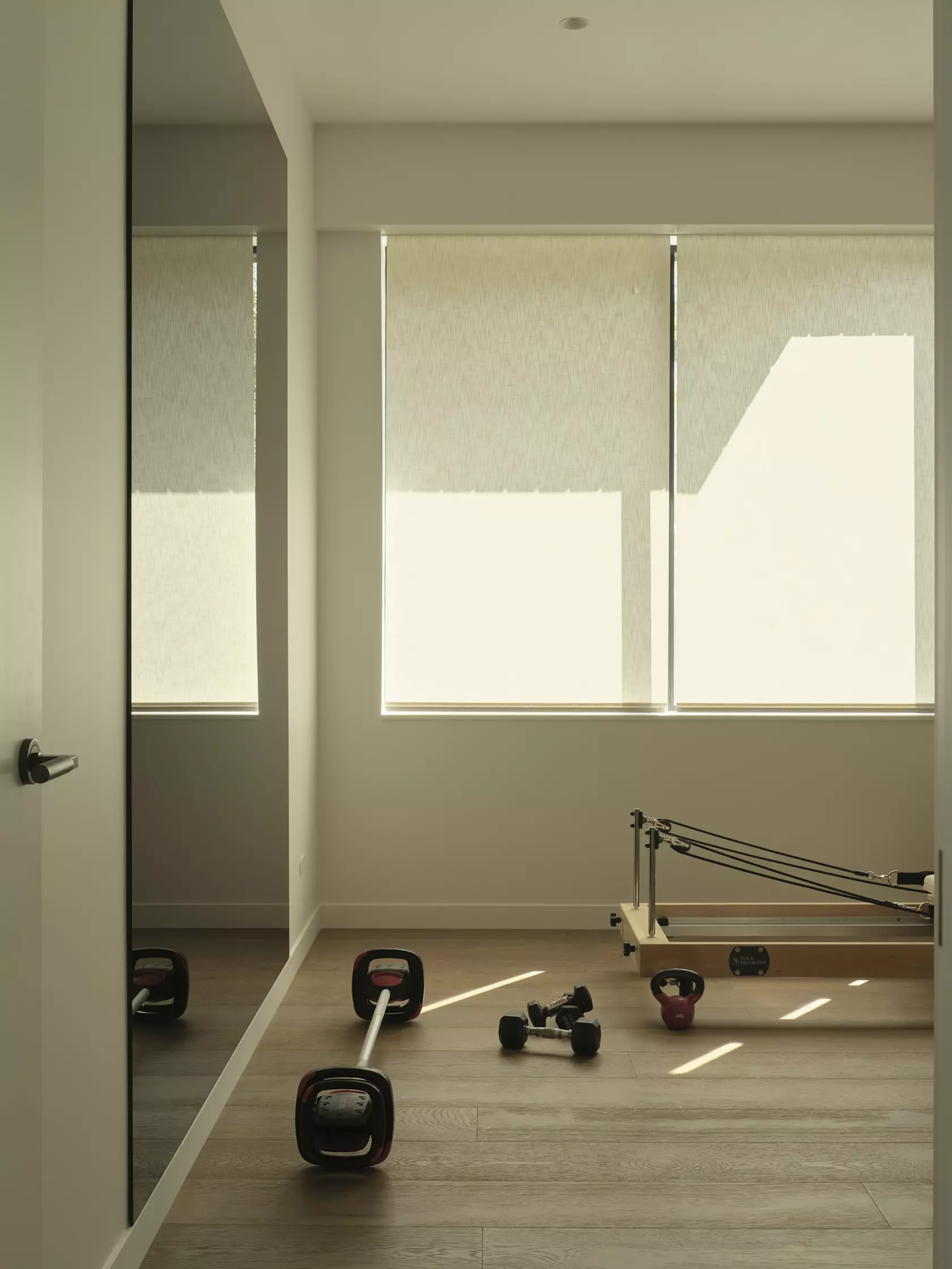
Wooden flooring NZ
While every Forté collection offers unique specifications and features, every collection provides the following advantages as a standard inclusion:
Authentic European Oak veneer
Reinforced core backing
25 to 50-year lifespan
Pre-finished planks for faster installation
Sustainably sourced timber
Low in formaldehyde
E3 Approved
Cost-effective
CodeMark Certified
If you want more information on our premium engineered timber products, download our Ultimate Guide to Choosing the Perfect Timber Flooring. Inside you’ll find everything you need to know about timber flooring, comparisons of different options, and the key benefits.
Or, to find the most suitable timber flooring for your project, browse our full range and order free samples to trial in your next interior project.
A Clearer Path to Consent: Envello Exterior Cladding System Achieves CodeMark Certification

Our Engineered Timber Flooring Warranties: What You Need to Know
What's Shaping Interiors in 2026? A Return to Authenticity