





Timber Inside and Out: How to Create Visual Continuity Between Your Interior and Exterior
Creating a seamless connection between your interior and exterior doesn't require using the same material in both spaces. What the eye reads as continuity comes down to shared tone, grain character, texture, and the quality of light — not identical product specifications. Two surfaces can feel like a natural continuation of each other despite being entirely different materials, provided they share the right visual relationship. This article explains how that effect works, what decisions drive it, and how to achieve it in your own home.
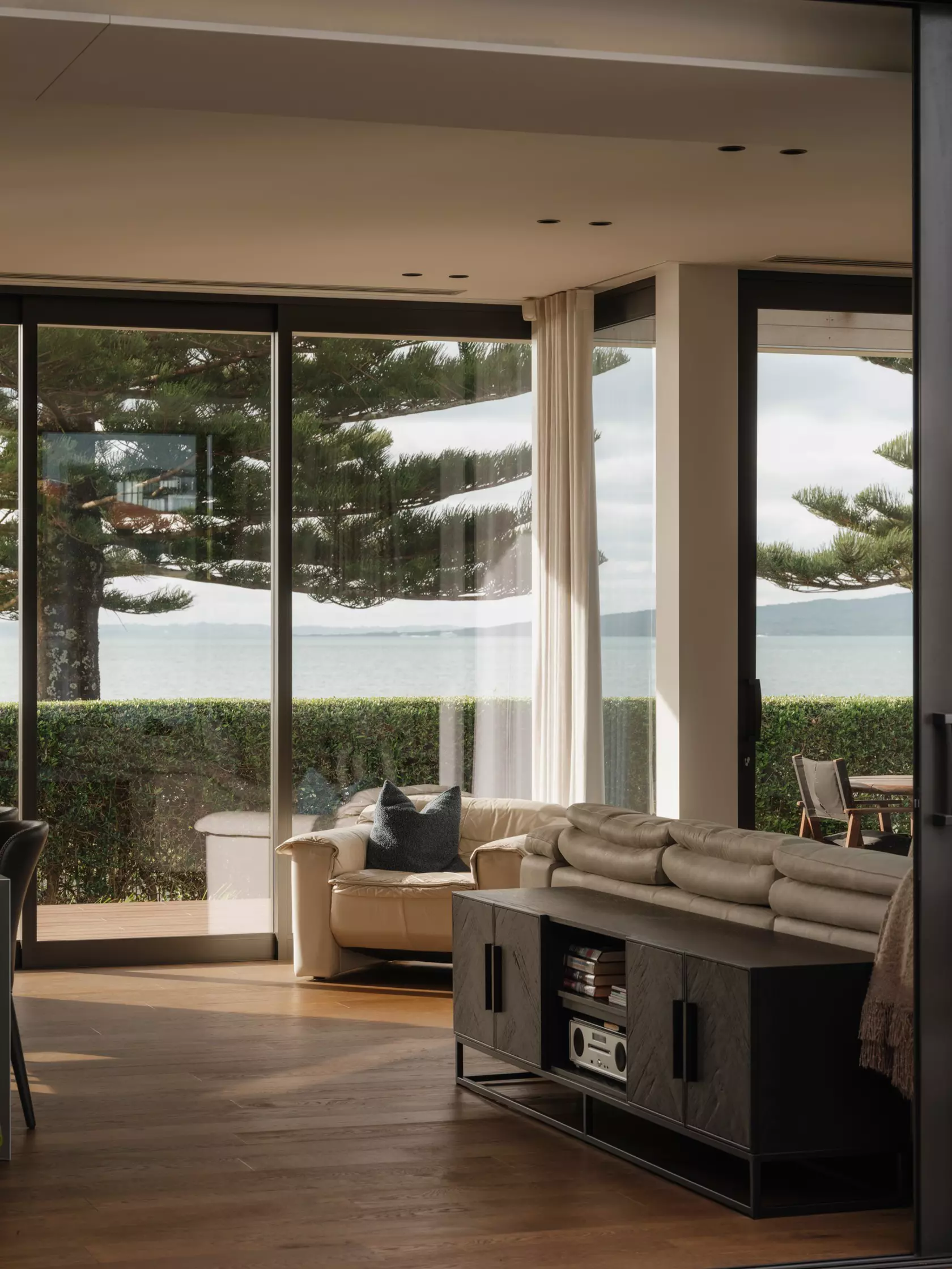
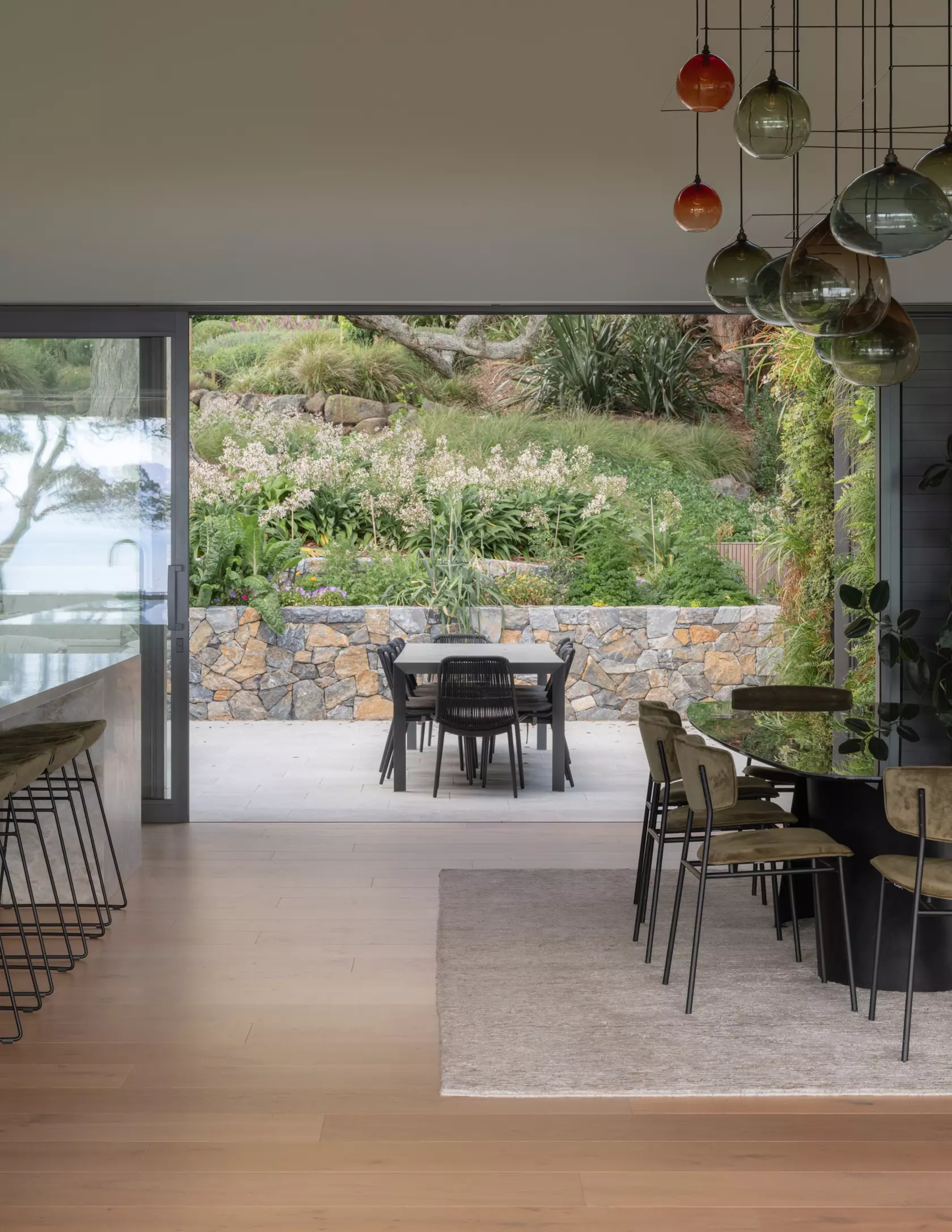
Most homes weren't designed as a whole. The interior and exterior are often specified separately — different trades, different timelines, different budgets — and the result is two spaces that coexist without truly connecting. You step outside and feel like you've left one place and arrived in another.
Achieving genuine continuity requires thinking about both spaces together from the start, and understanding what actually creates the sense of visual flow. The answer isn't what most people assume.
No — and in many cases, trying to match materials exactly works against you.
Real timber used outdoors faces a constant battle with UV exposure, moisture, and temperature change. Without diligent and regular maintenance, even a premium hardwood deck will silver, crack, or fade — and within a few seasons, it looks nothing like the warm, finished floor inside. The material that was supposed to create continuity has become the thing undermining it.
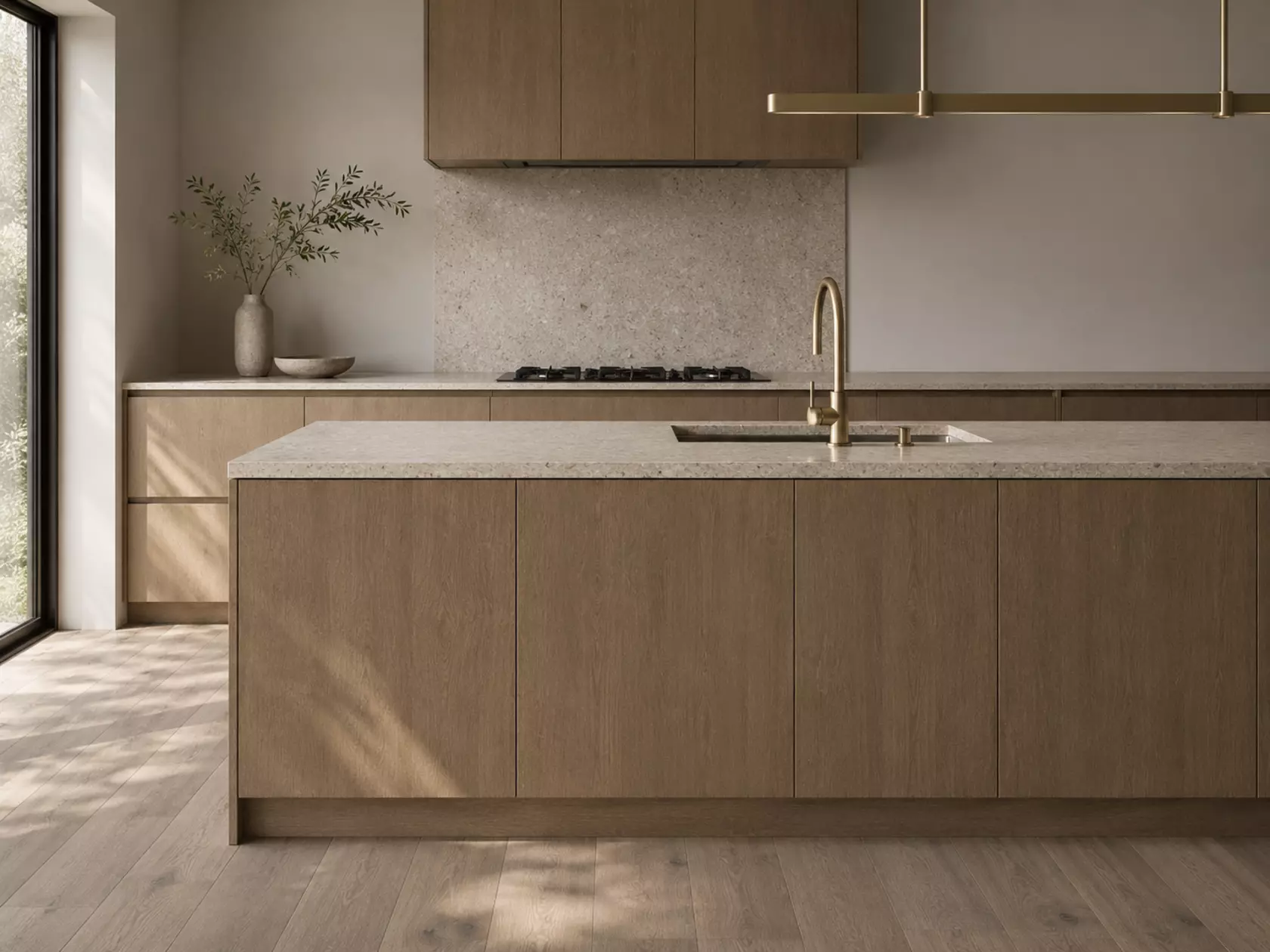
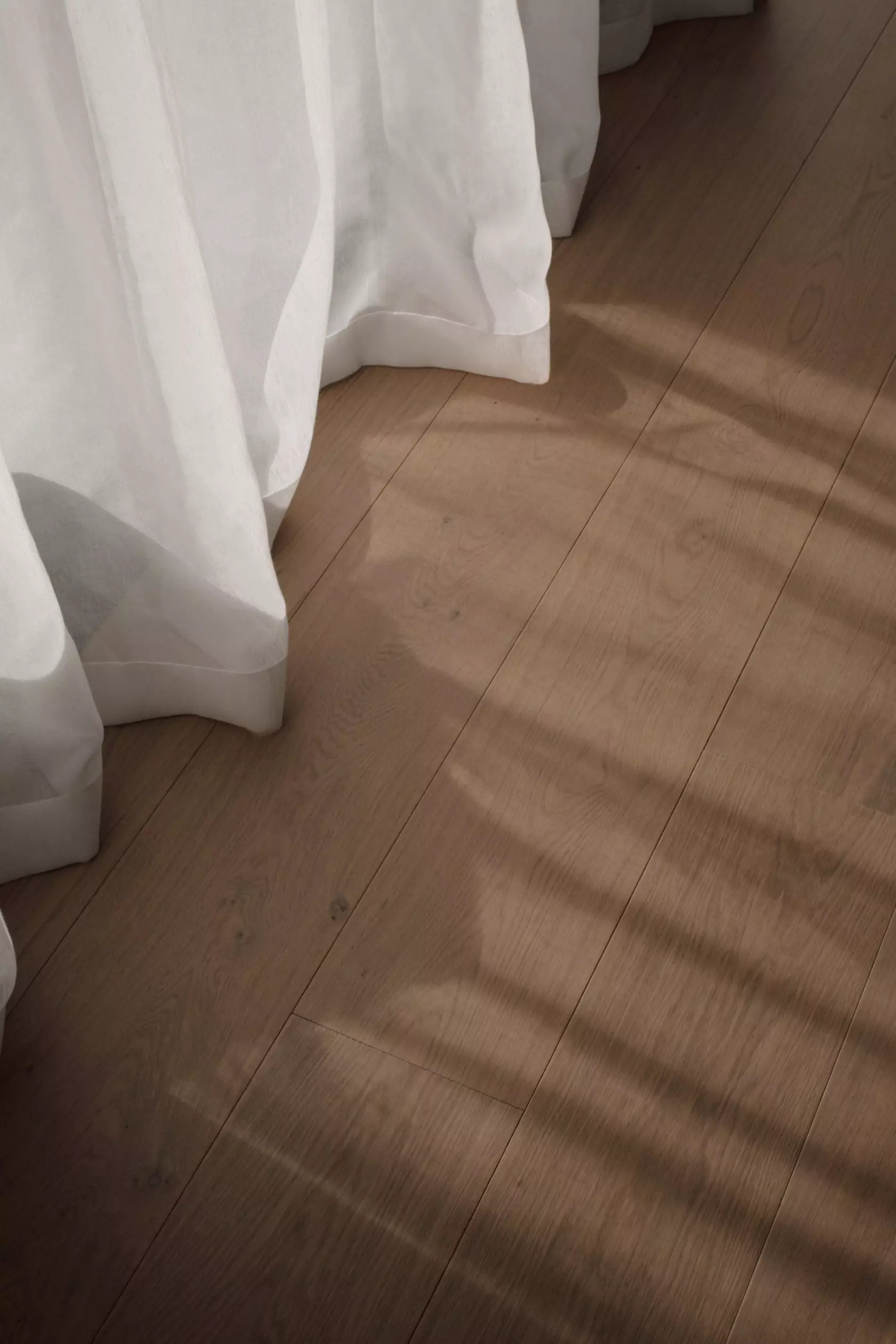
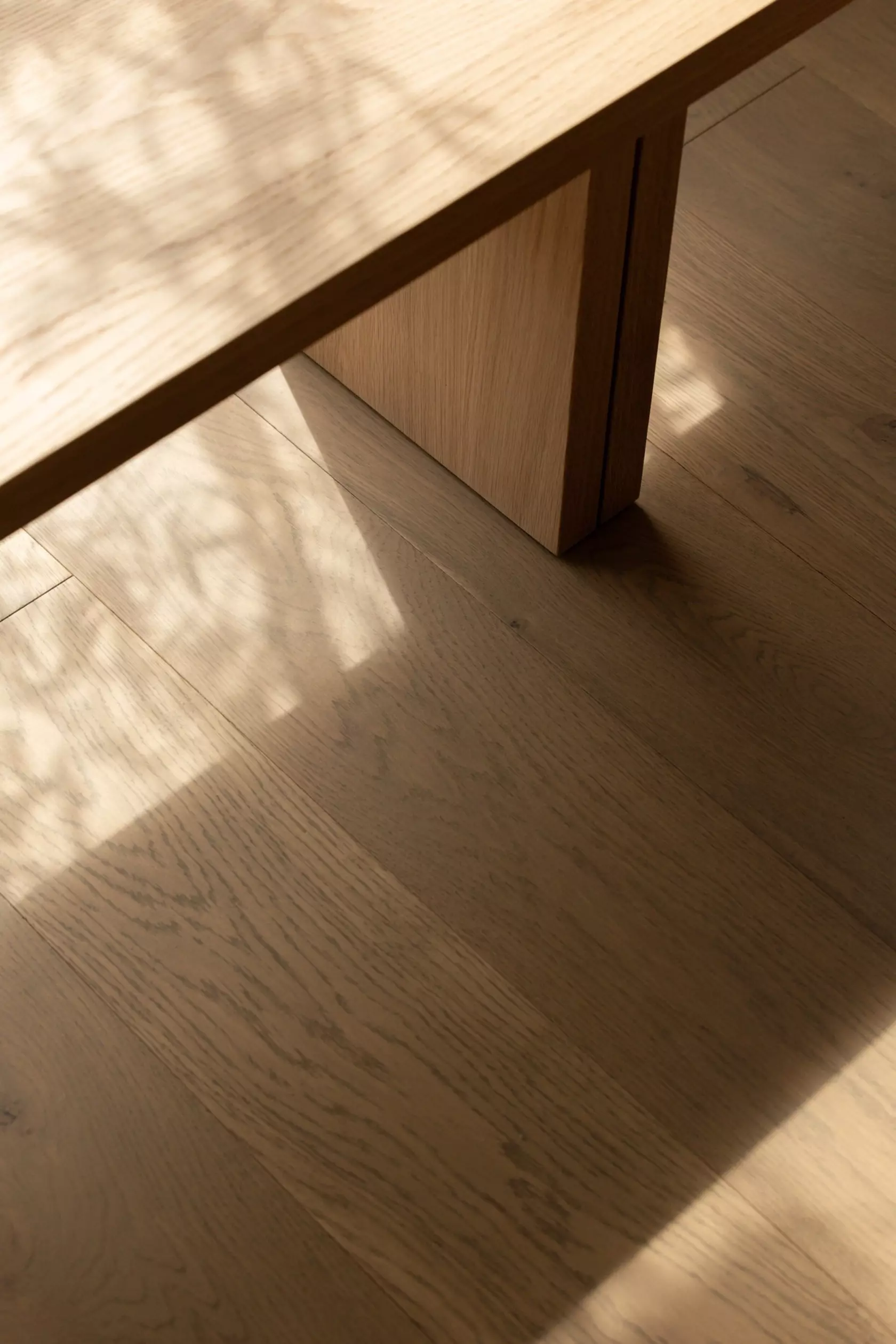
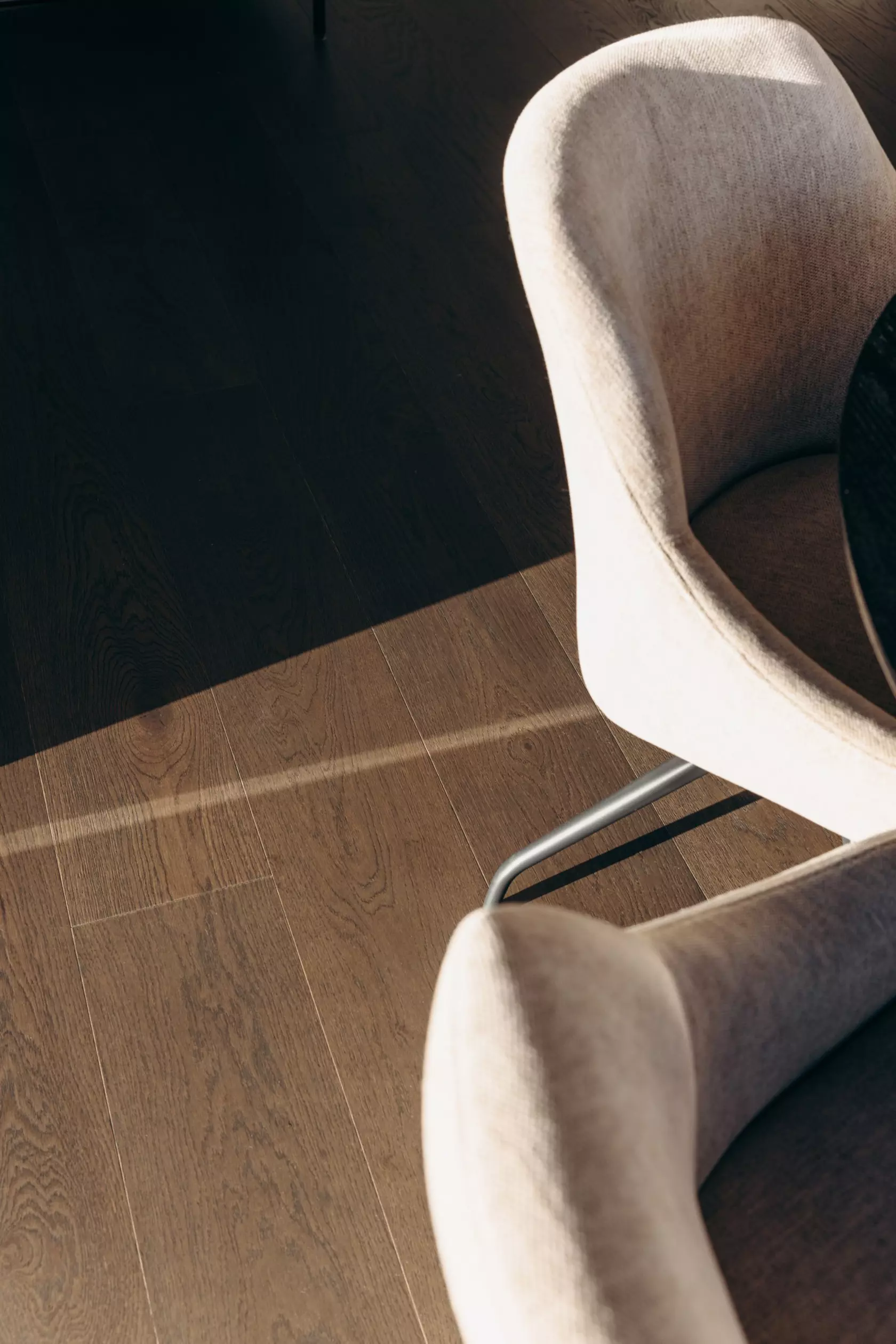
What the eye actually reads as continuous is more nuanced: shared warmth of tone, similar grain character, a consistent quality of surface. Two materials can look like they belong together without being the same thing — and two pieces of identical timber can look completely disconnected if the lighting, scale, or finish pulls them apart.
Continuity is a visual phenomenon. And visual phenomena respond to visual cues.
Visual Cue | What to Watch For
Colour temperature
Warm interior tones need warm exterior tones. A cool grey deck will fight a honey oak floor regardless of quality.
Grain direction and rhythm
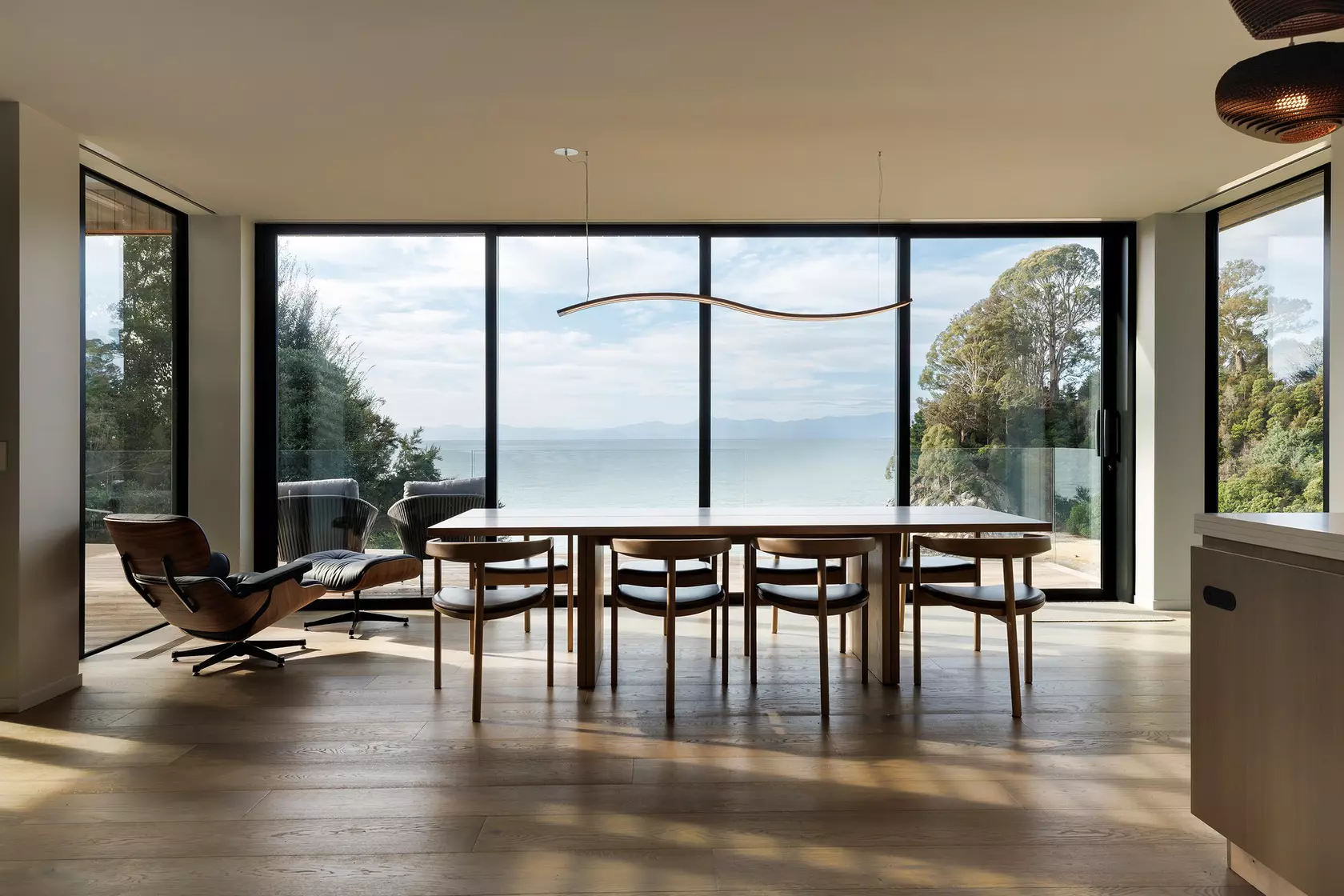
Boards running in the same direction — inside to out — guide the eye across the threshold without interruption.
Surface quality
A refined, finished interior surface paired with a rough or inconsistent exterior reads as mismatched even if the species are related.
The threshold detail
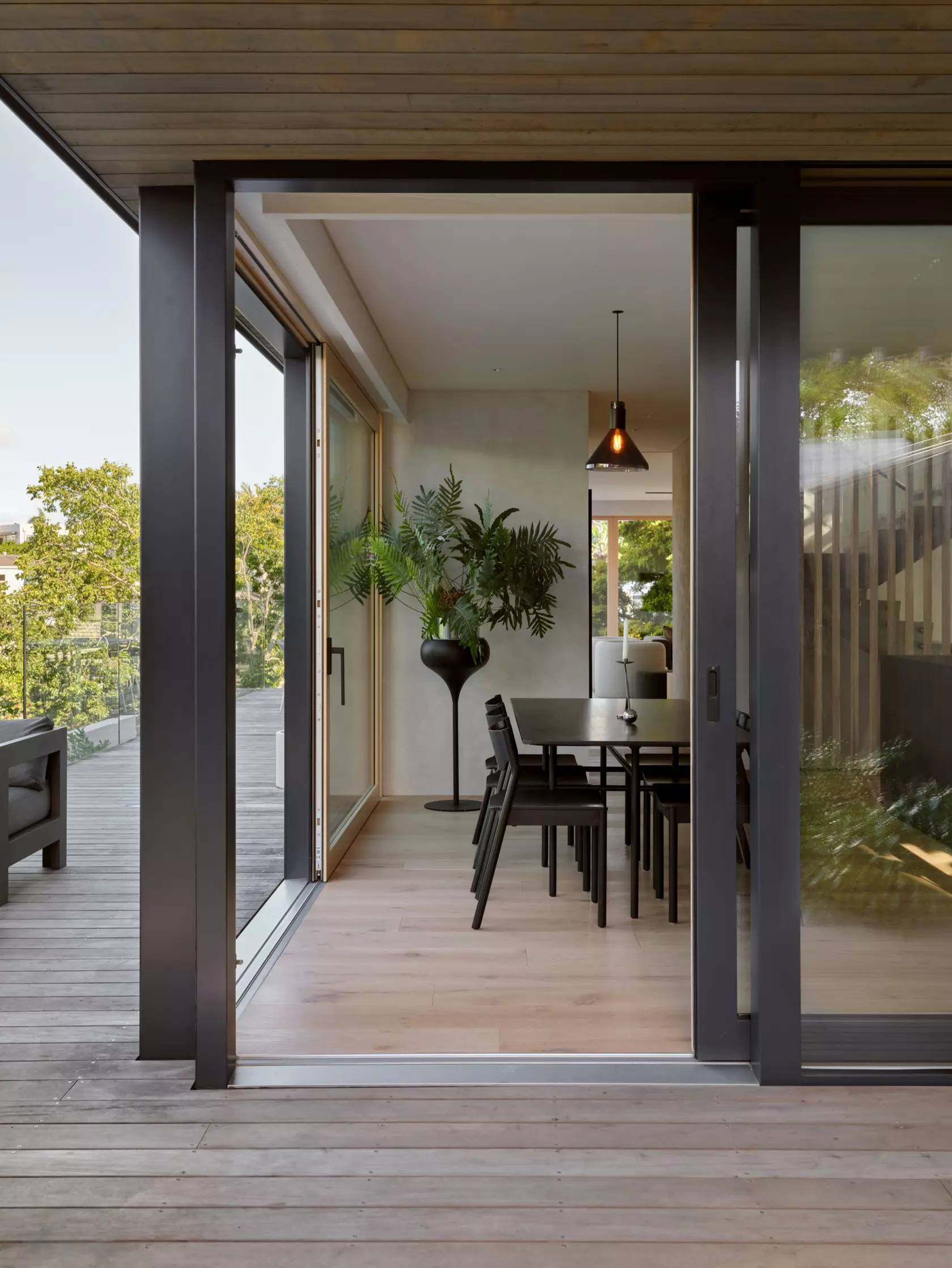
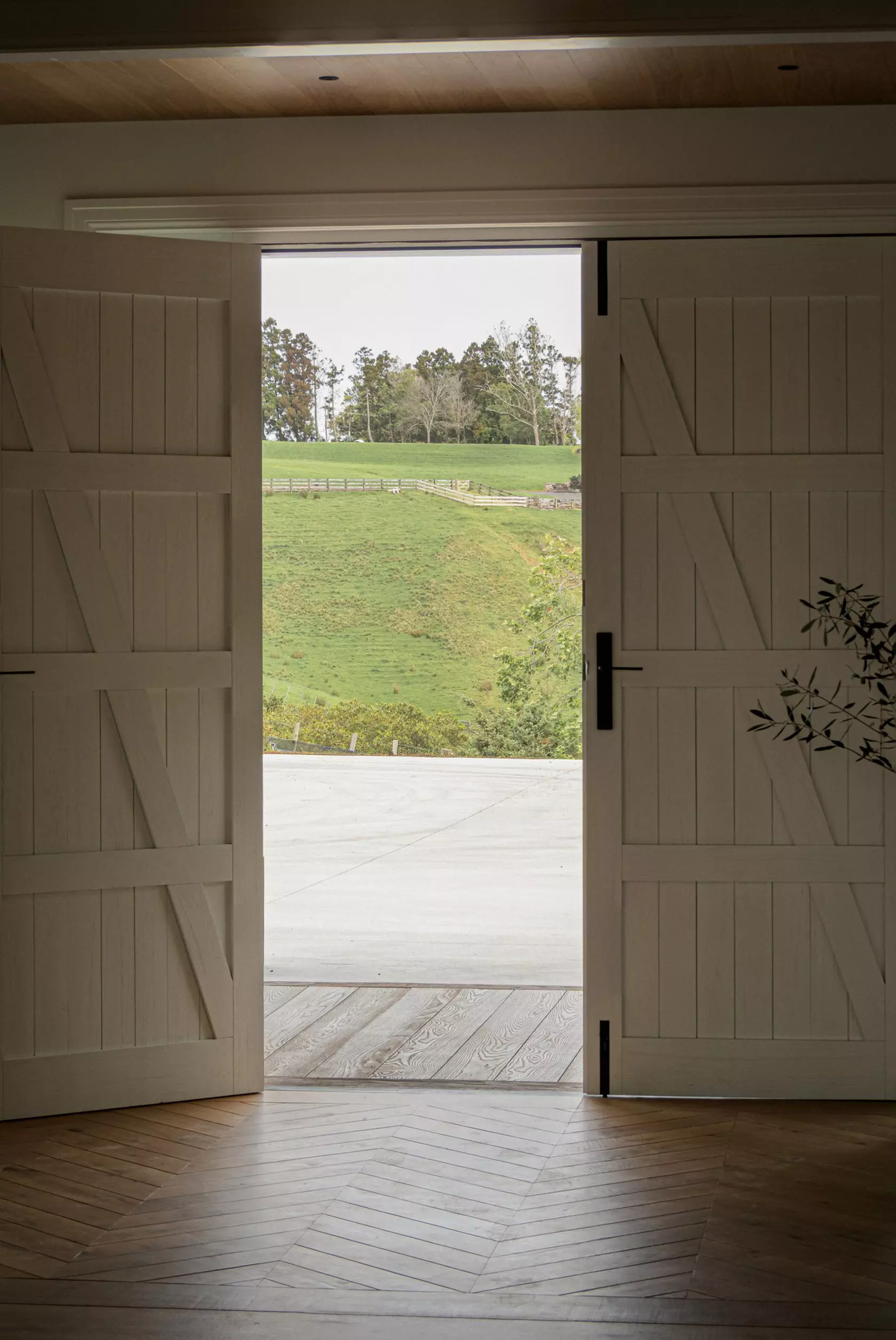
A flush or near-flush connection at the door dramatically strengthens the sense of flow. A significant step up or down reads as a break.
Lighting after dark
Warm-toned exterior lighting keeps the two spaces in conversation once natural light is gone.
How Kern Road Residence Gets It Right
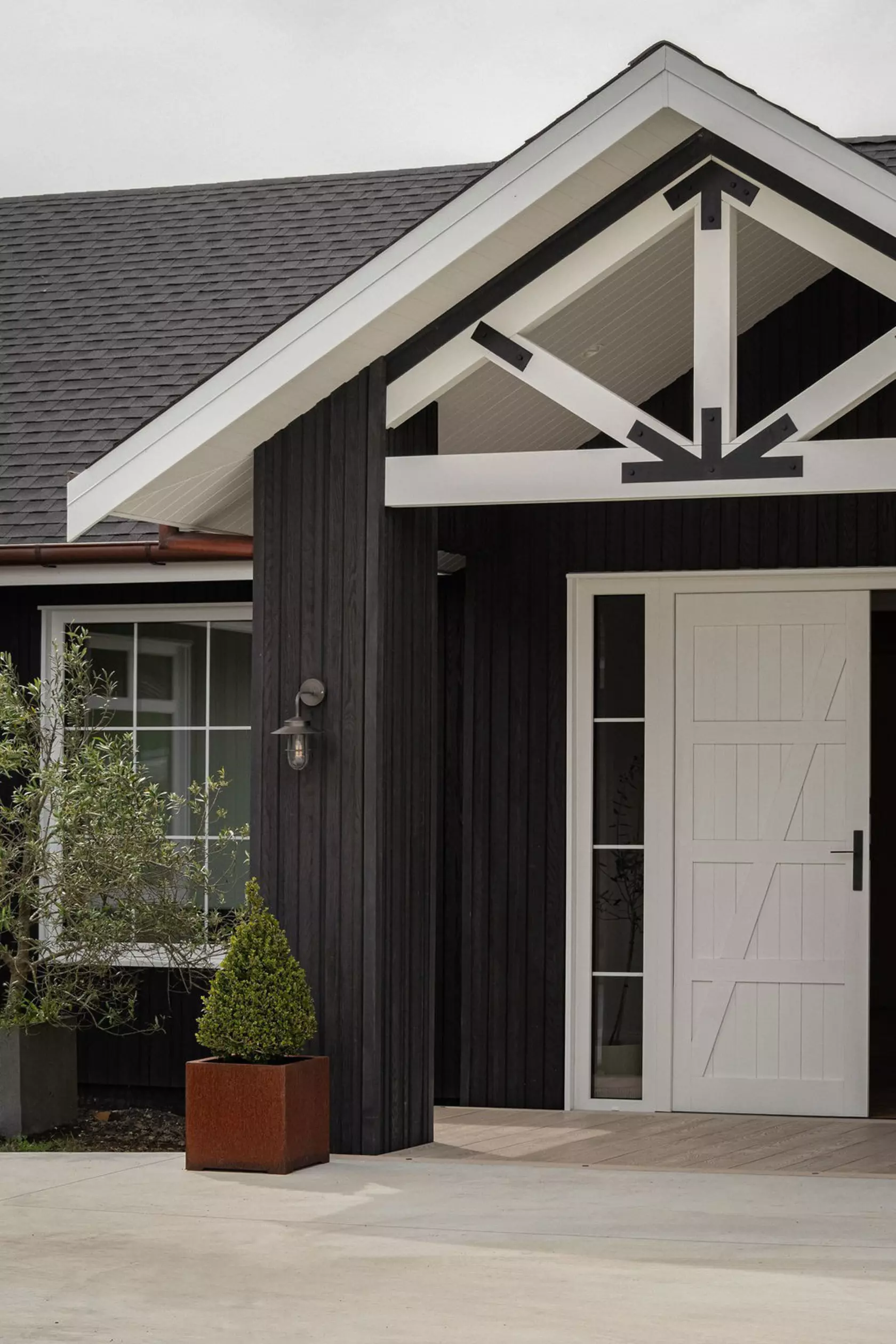
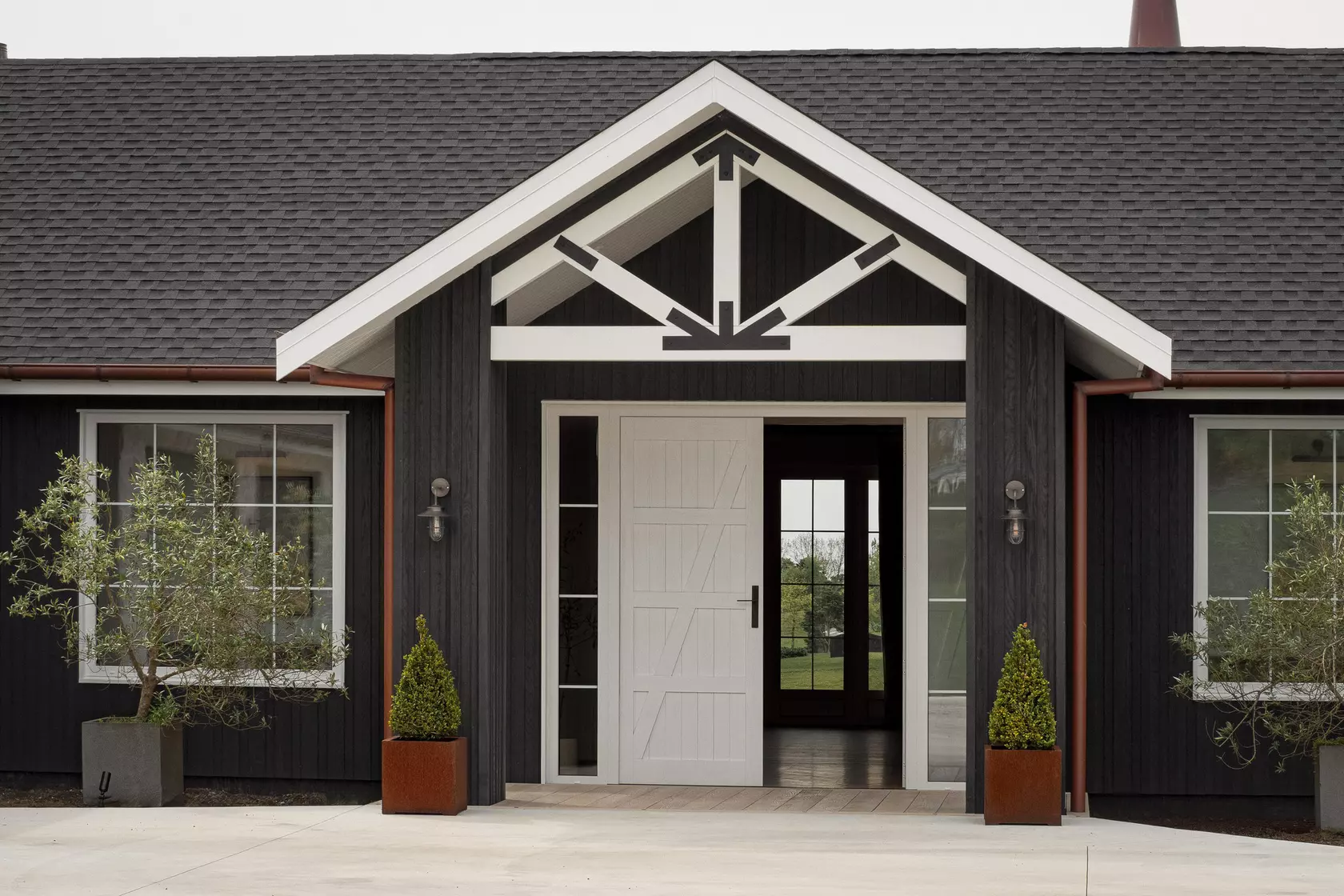
The Kern Road Residence in Rāmarama, south of Auckland, sets a clear example of successful inside-out continuity, and it achieves it across entirely different materials.
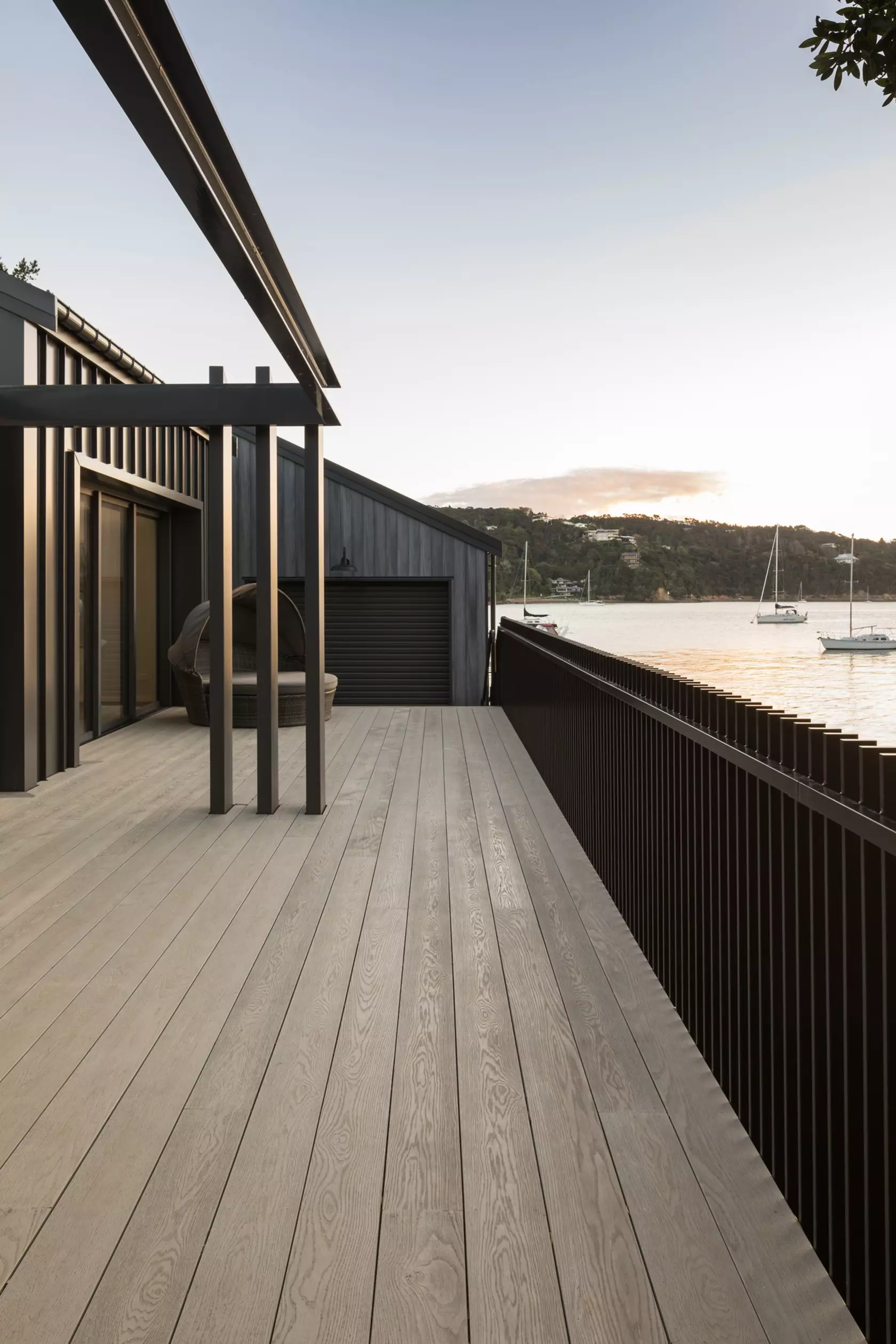
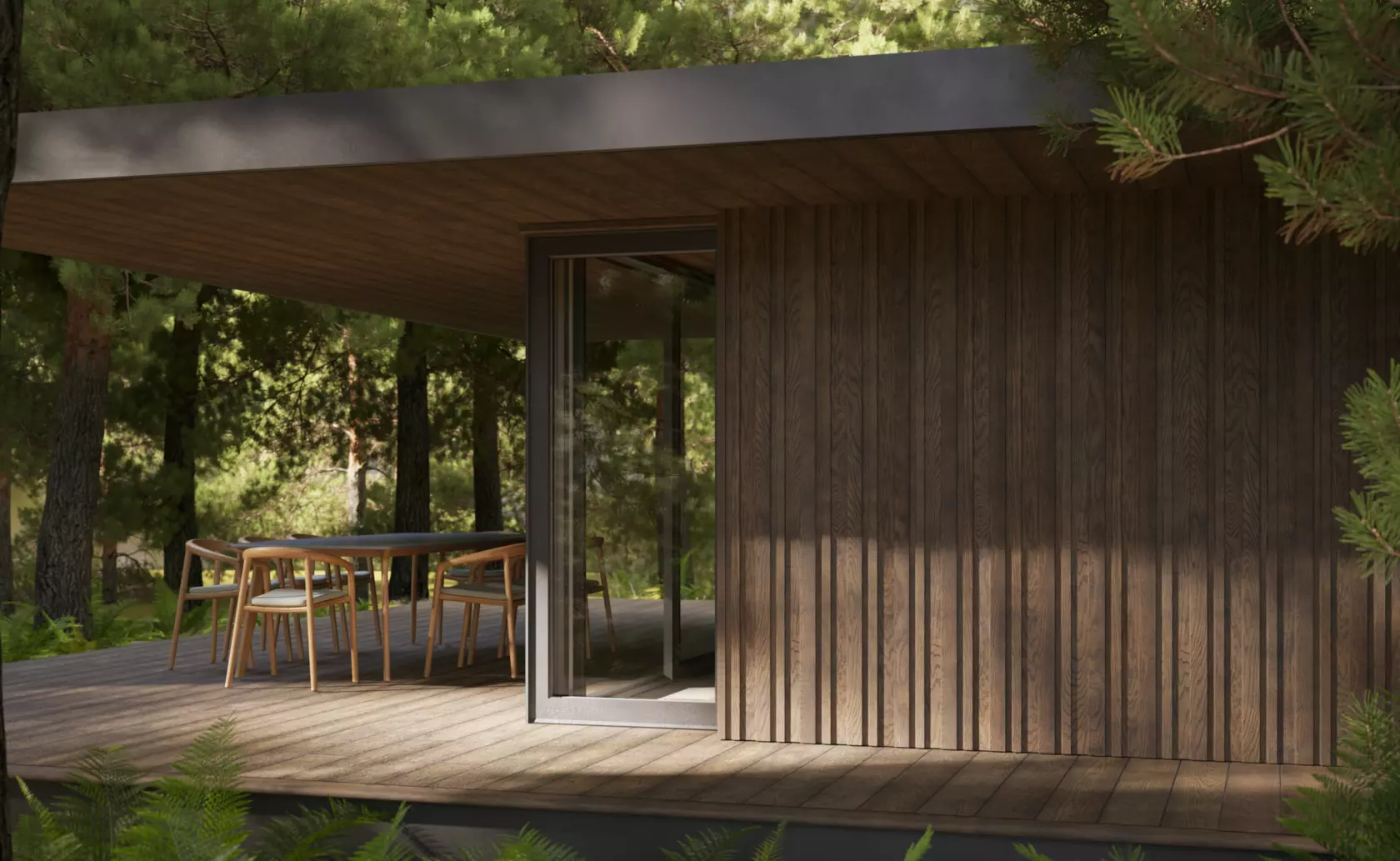
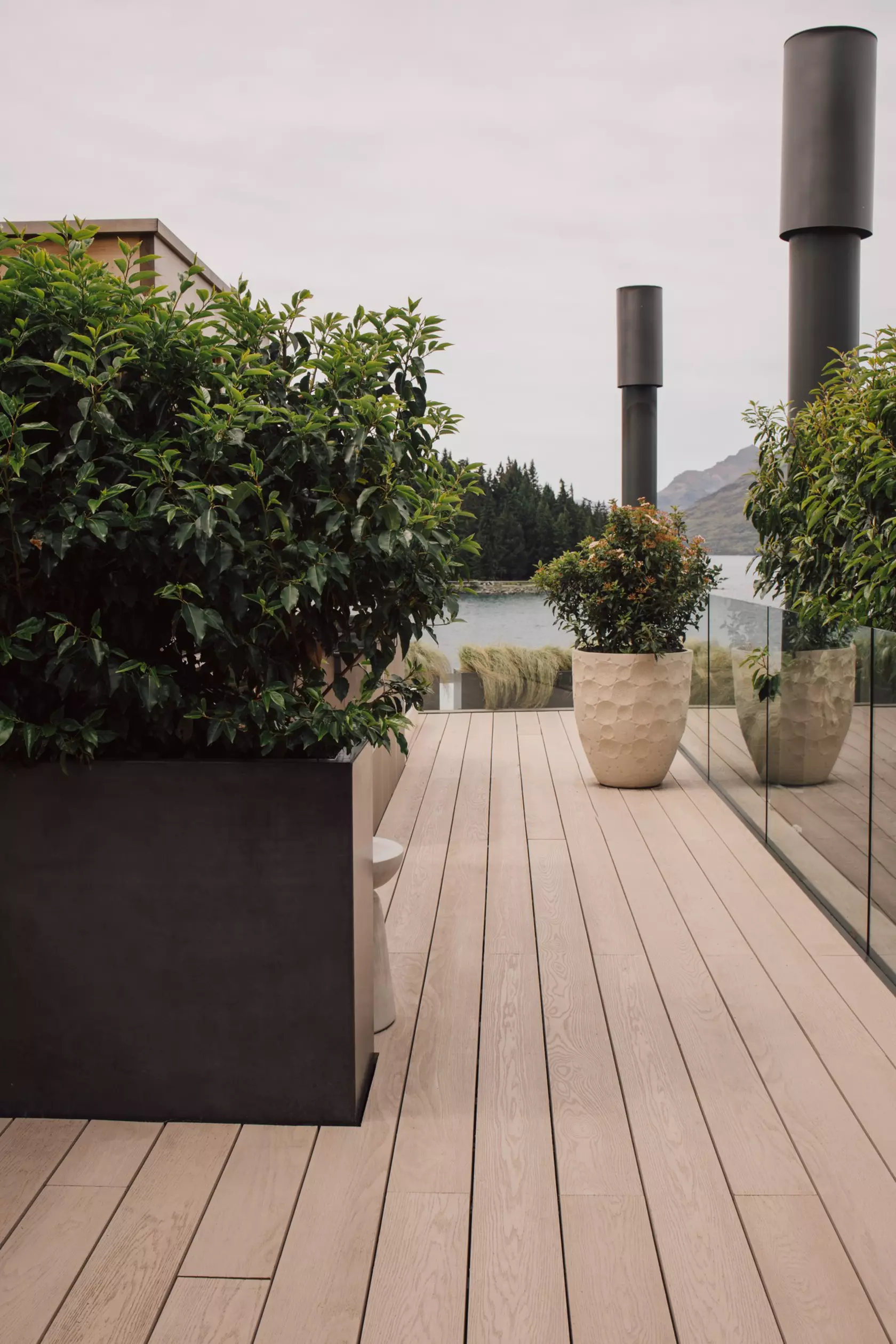
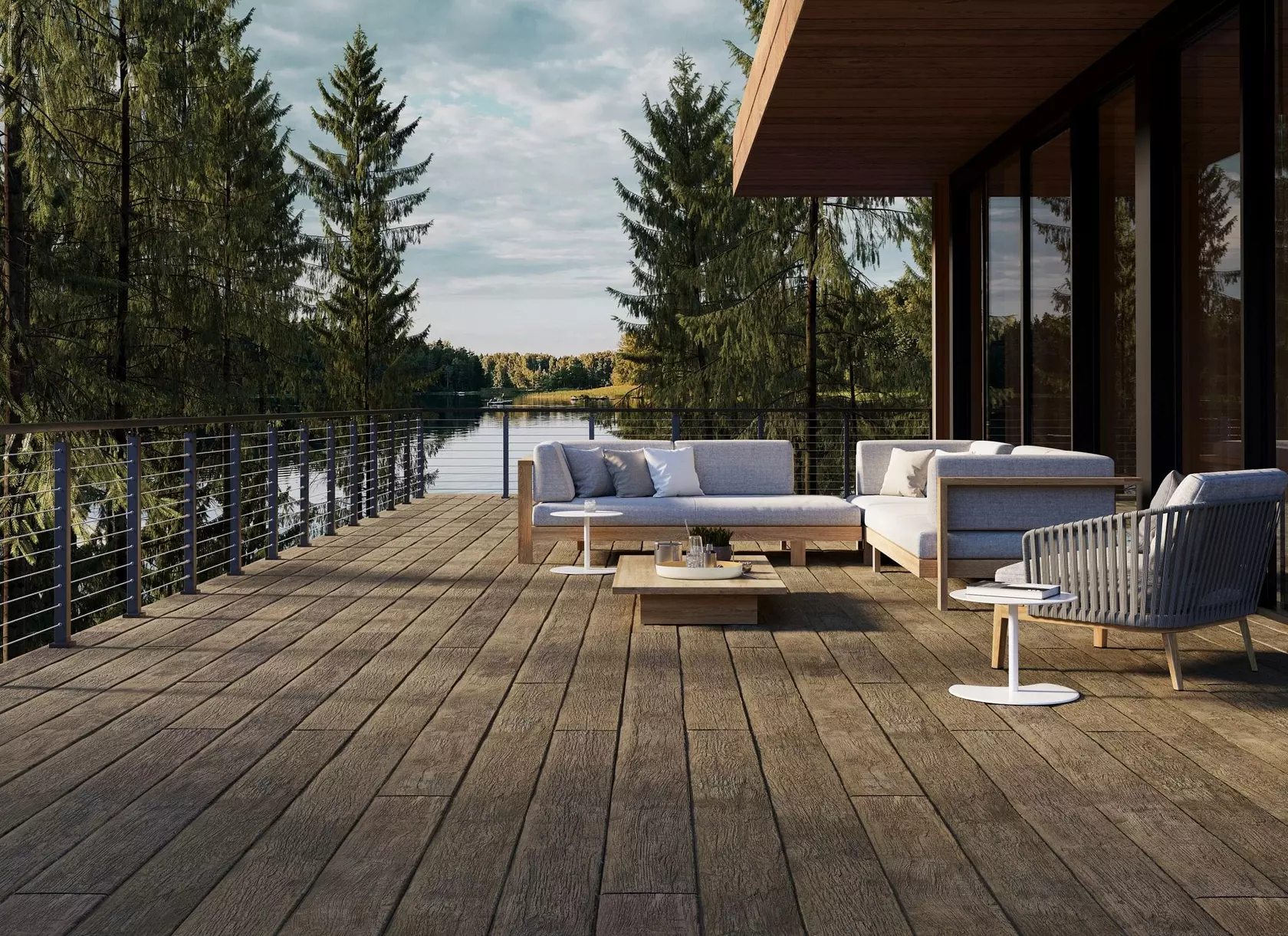
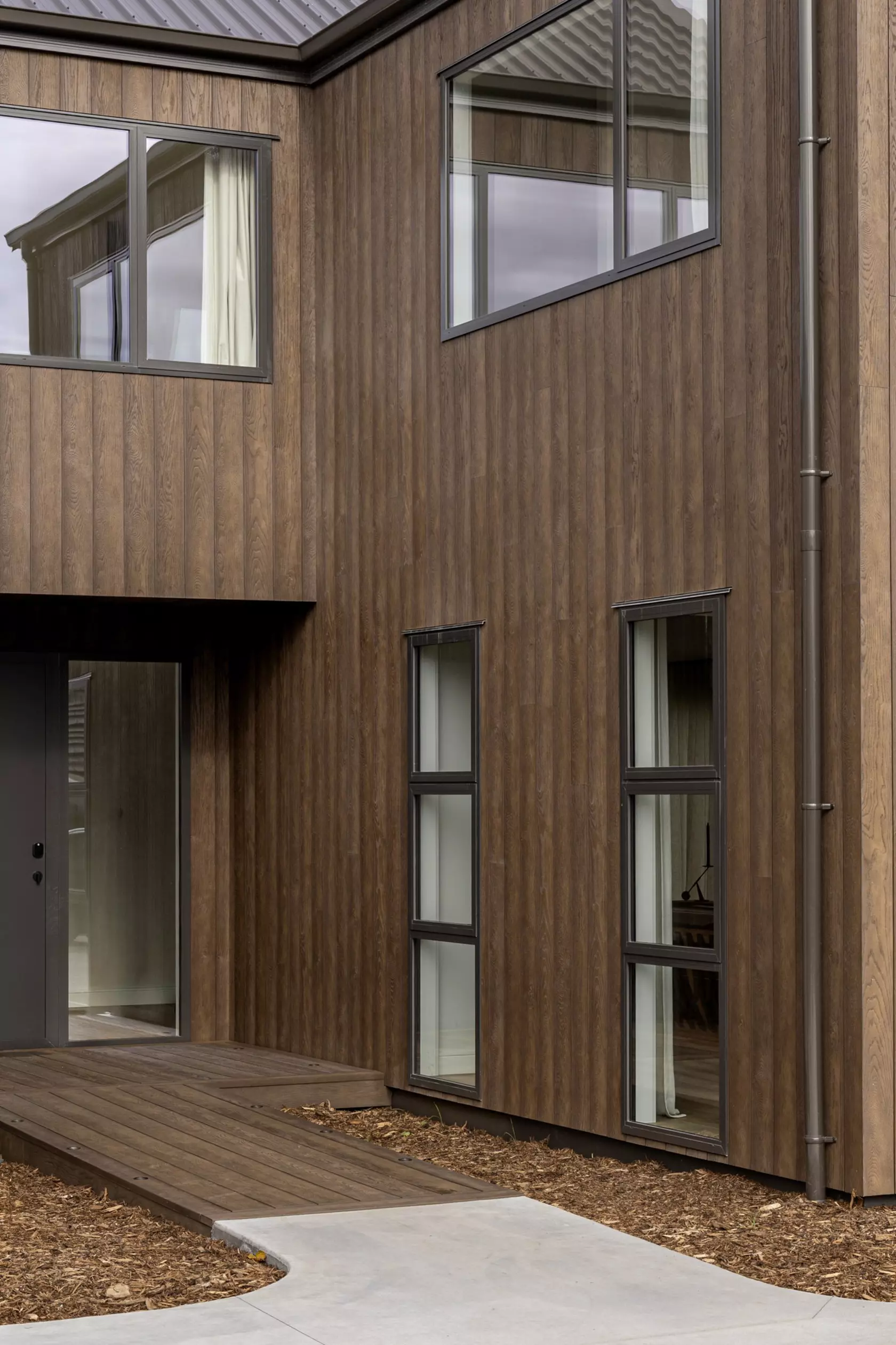
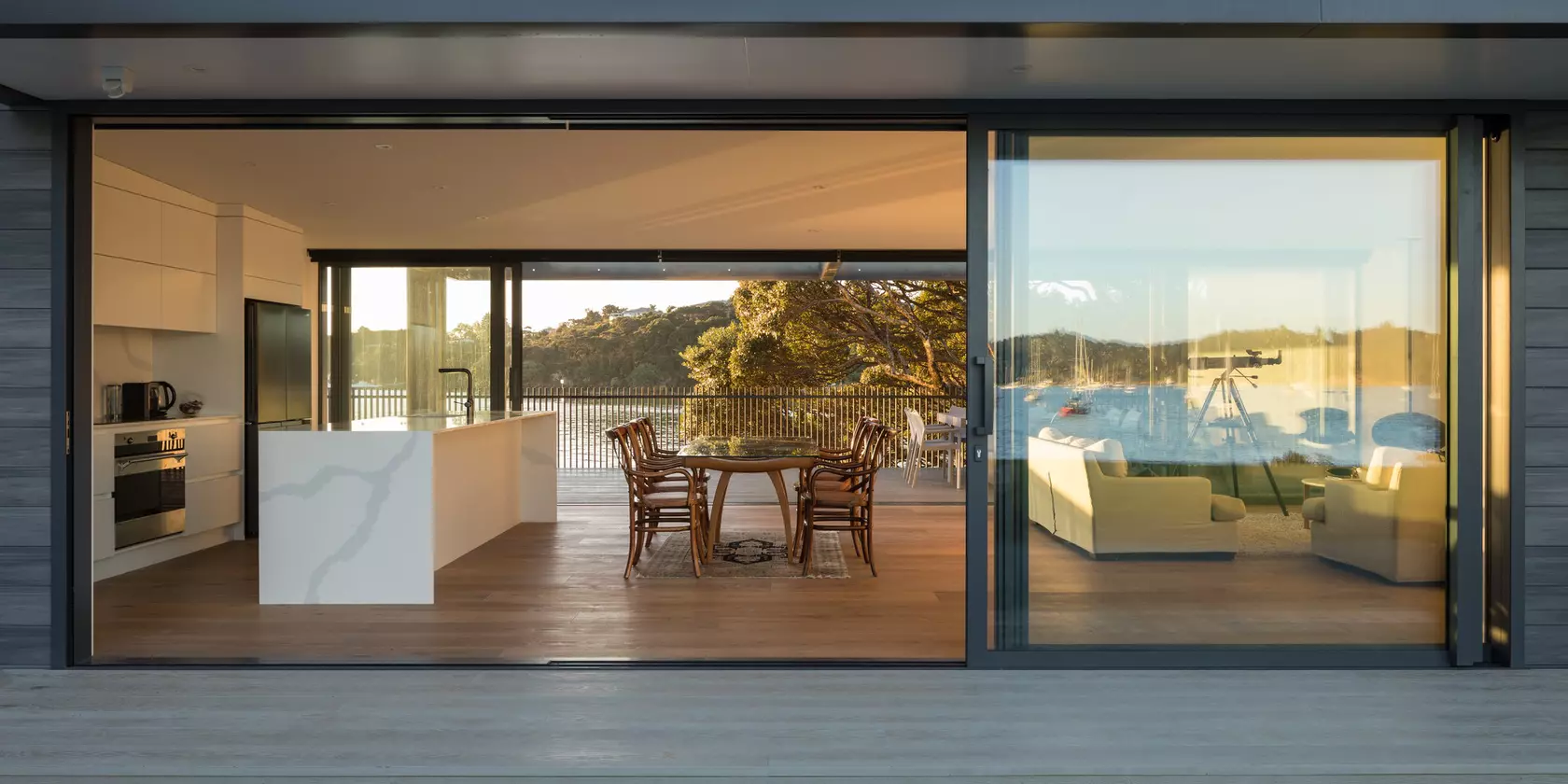
Built around a black barn aesthetic drawn from the owners' Hawke's Bay roots, the home presents a composed, dark exterior against the surrounding rural landscape. The exterior is clad in Envello Board & Batten+ and Shadowline+ in Burnt Cedar — a mineral resin product hand-moulded from real timber to replicate the grain and shadow detail without the maintenance demands of wood used outdoors. The decking is Millboard Enhanced Grain in Limed Oak, which carries warmth to the boundary of the living space and beyond.
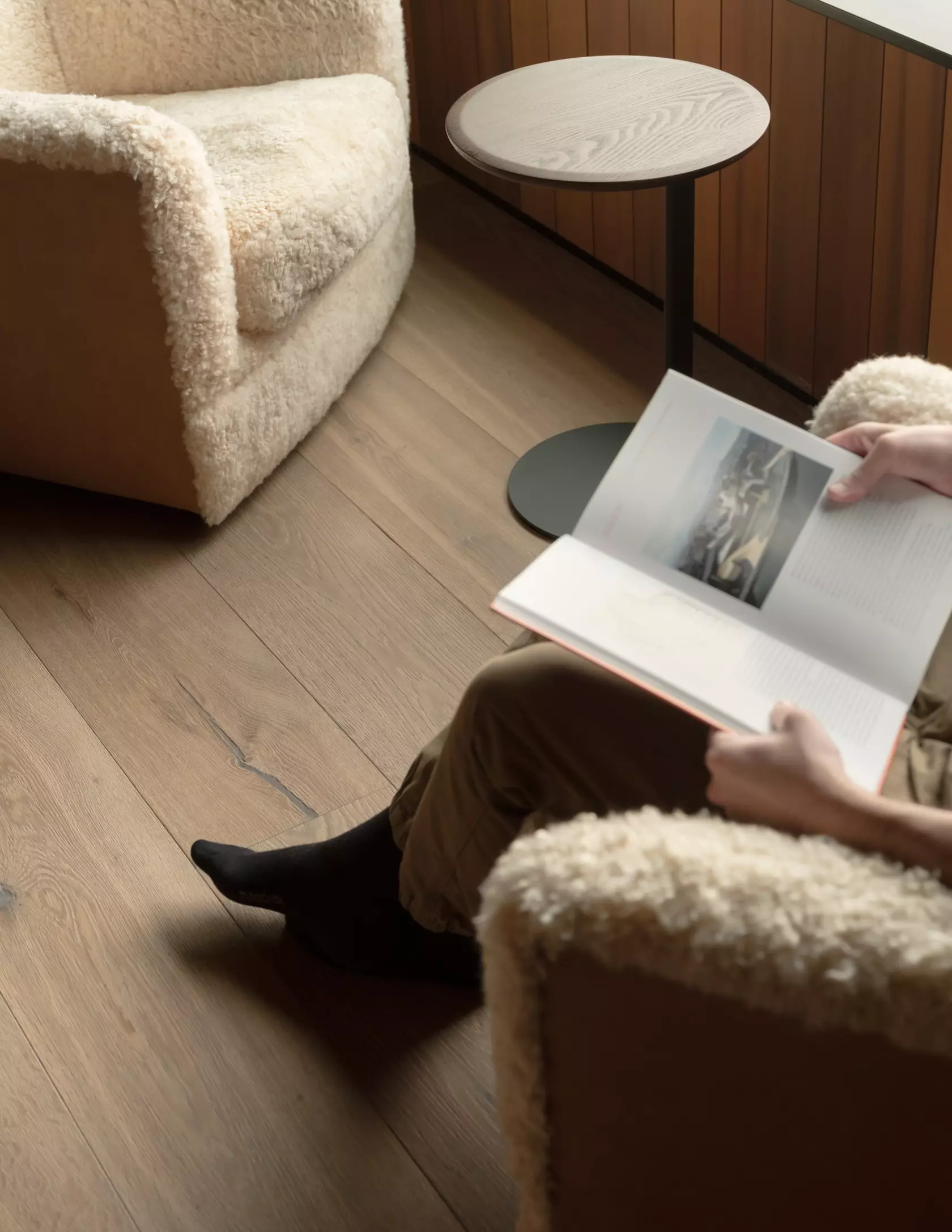
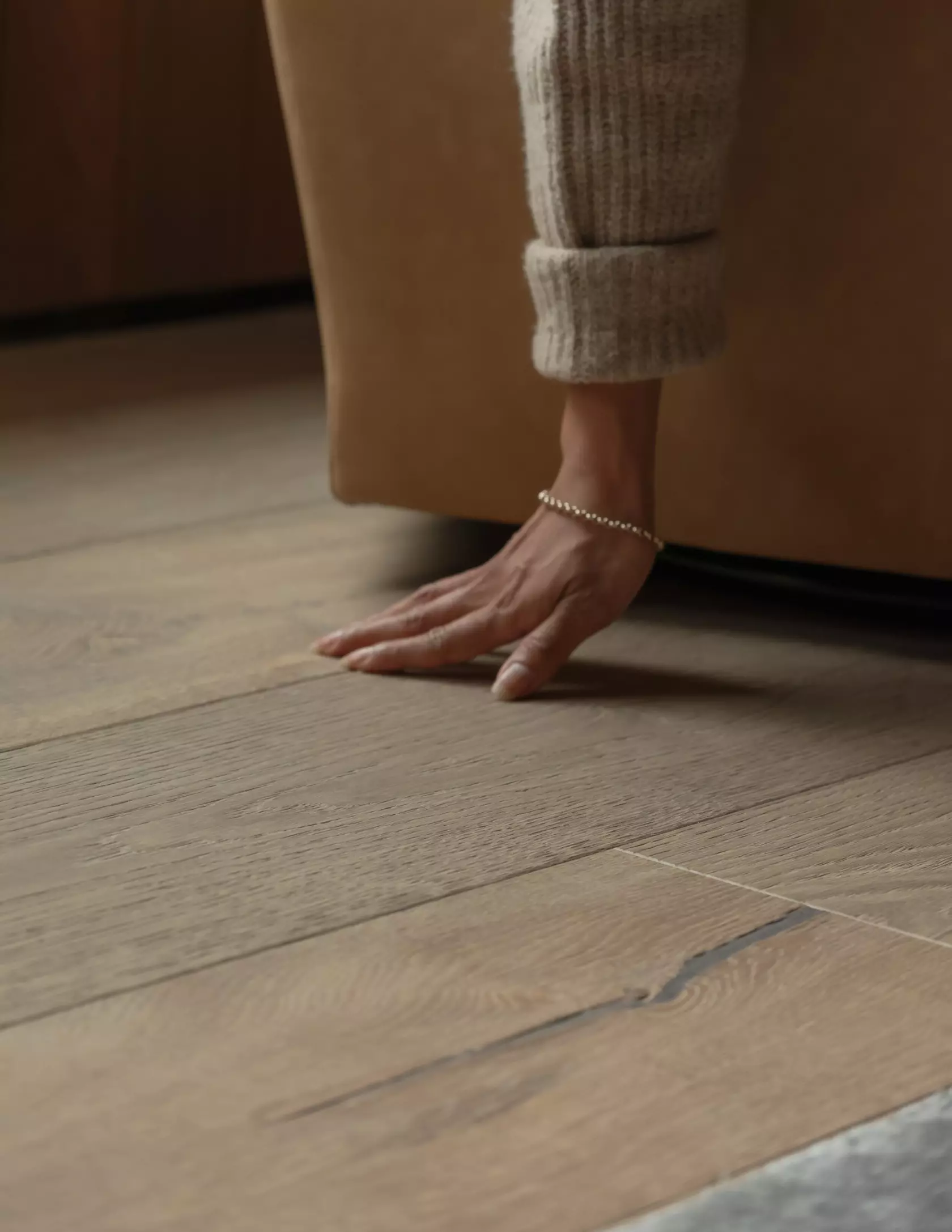
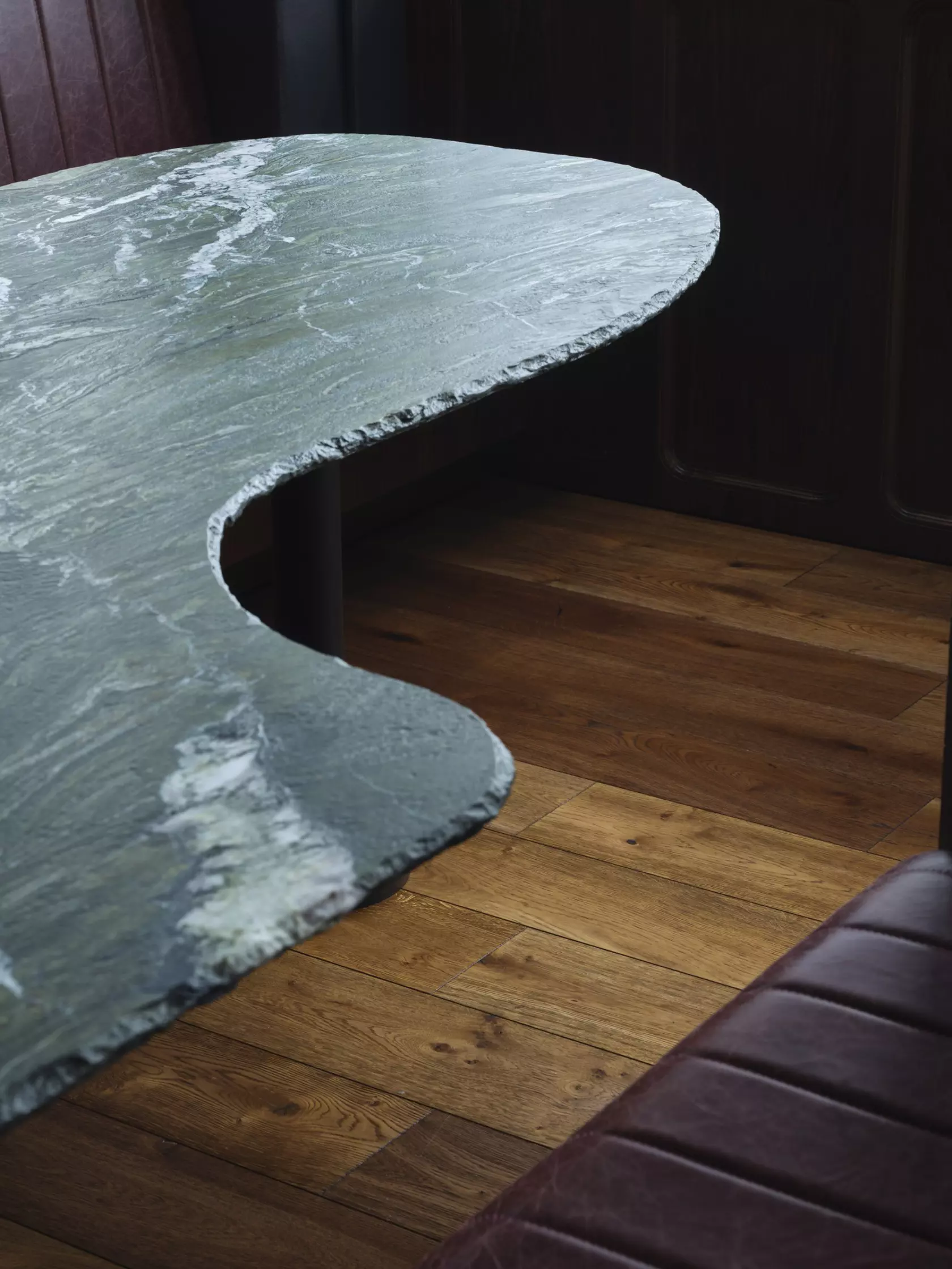
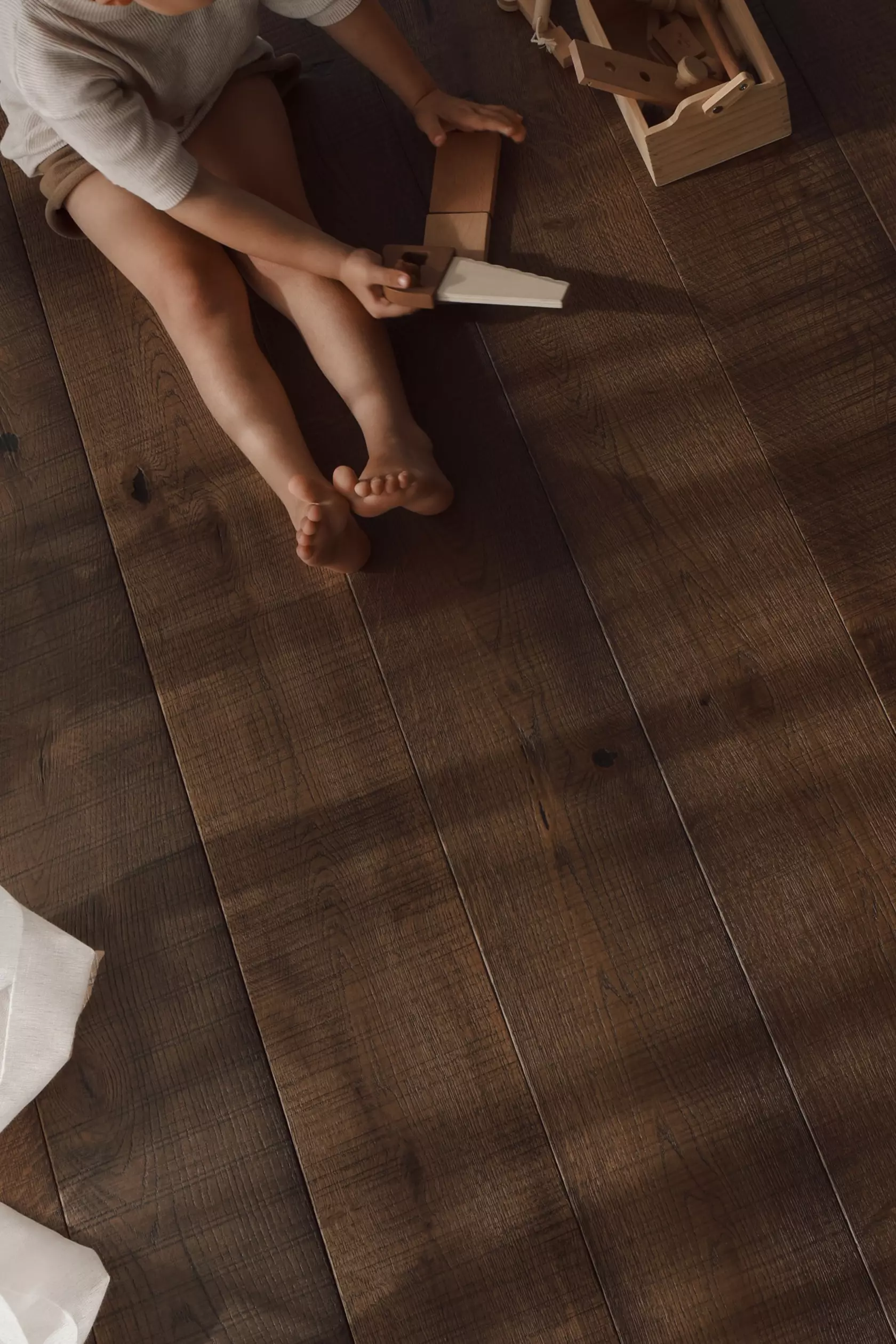
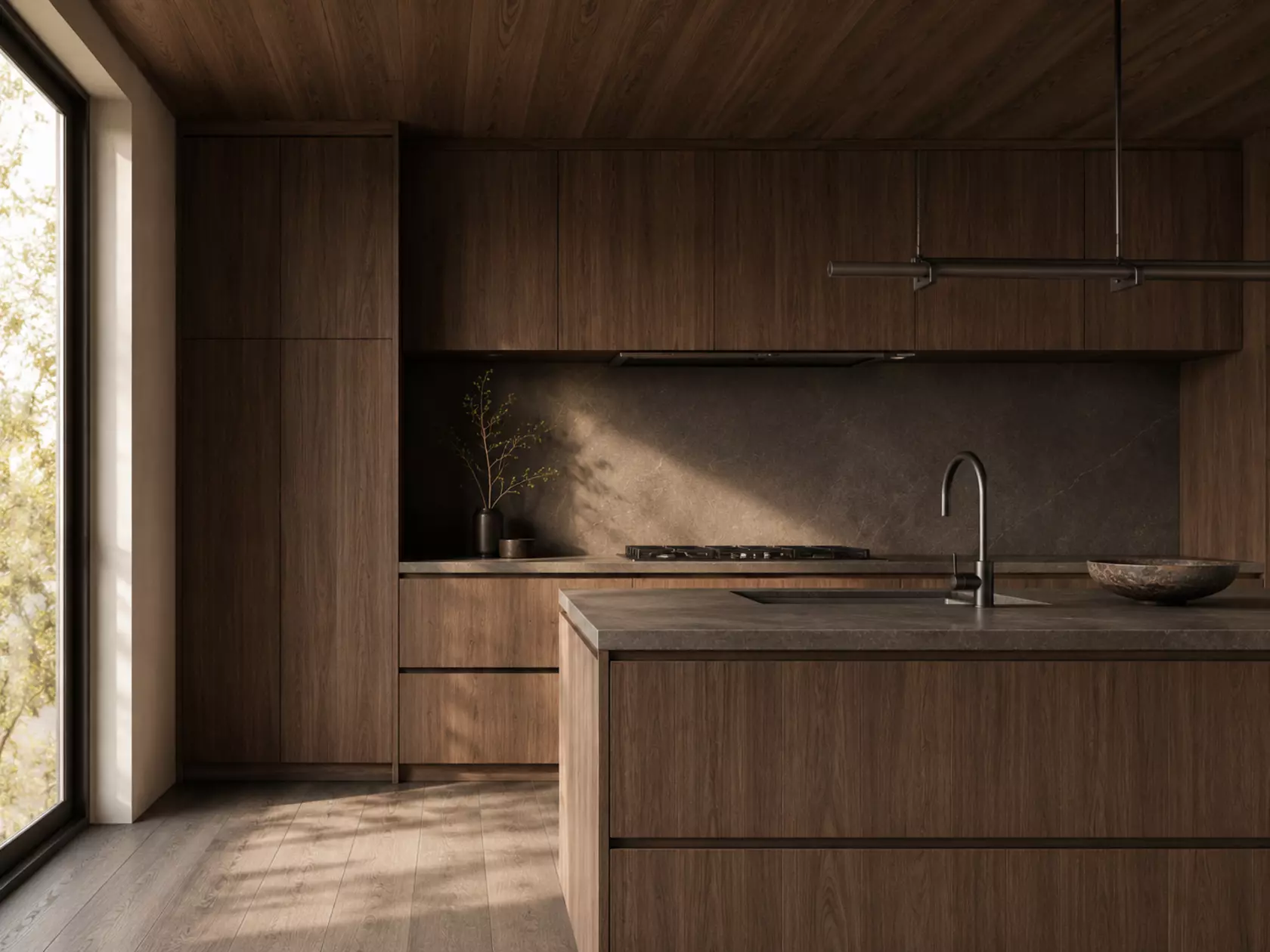
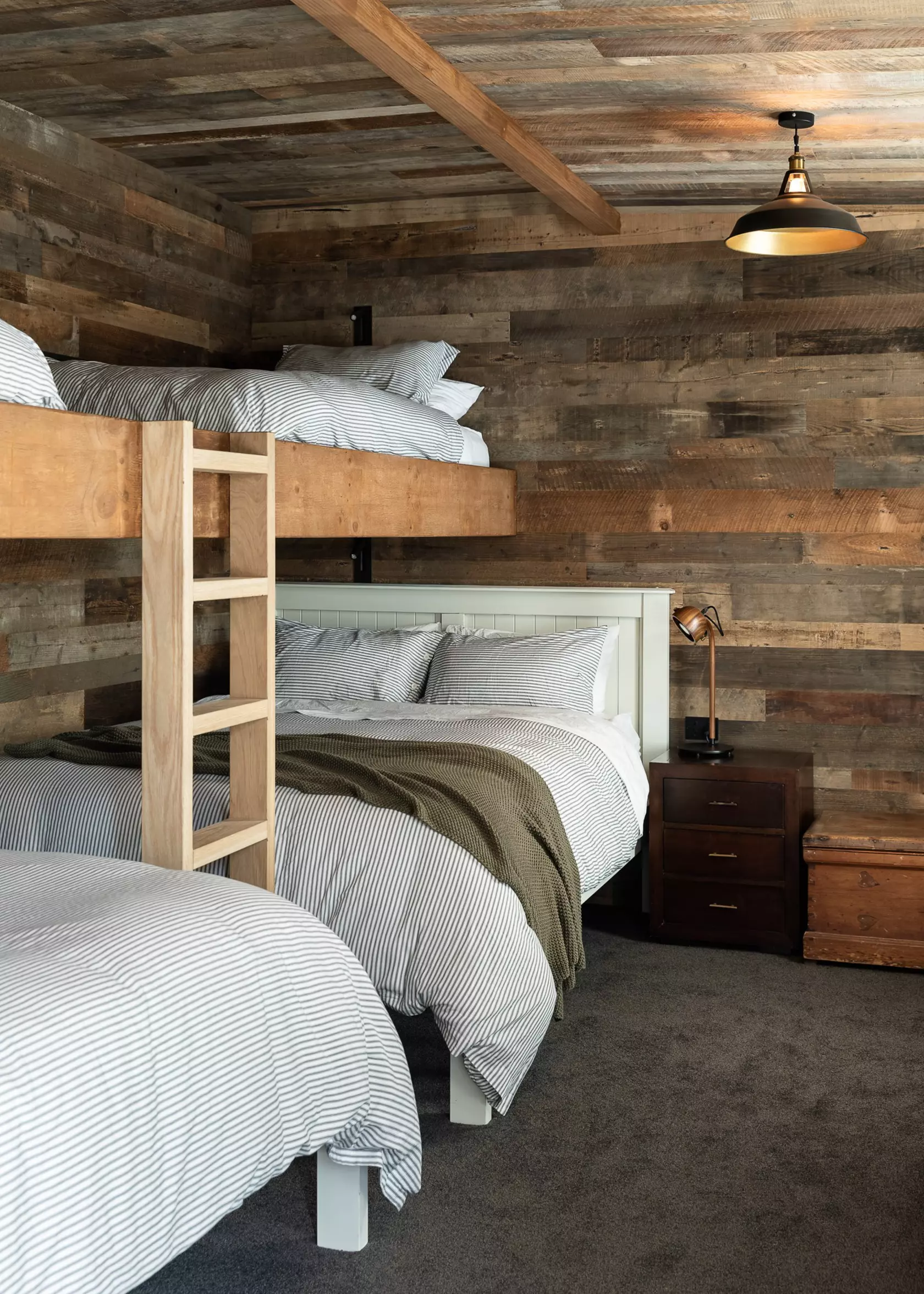
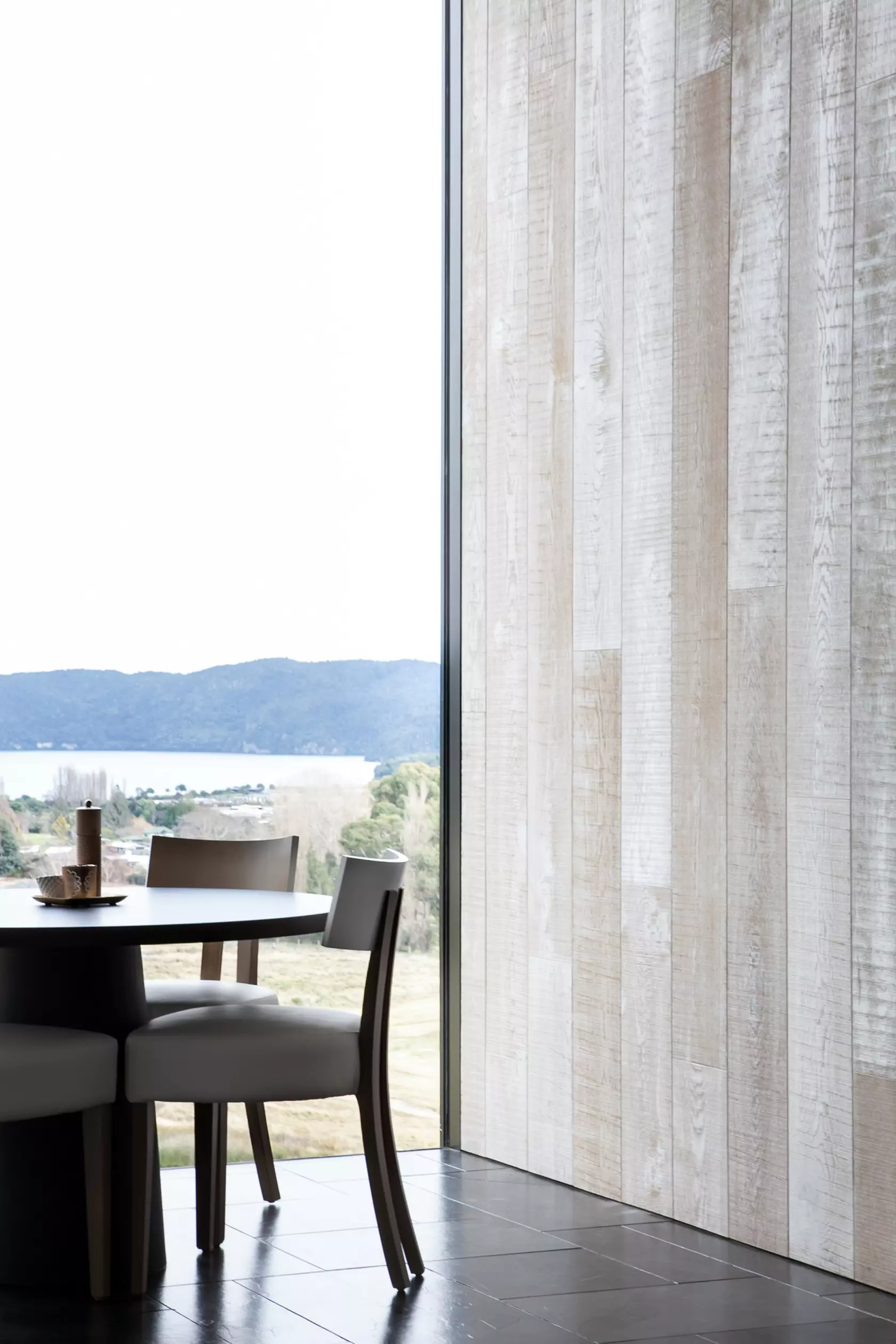
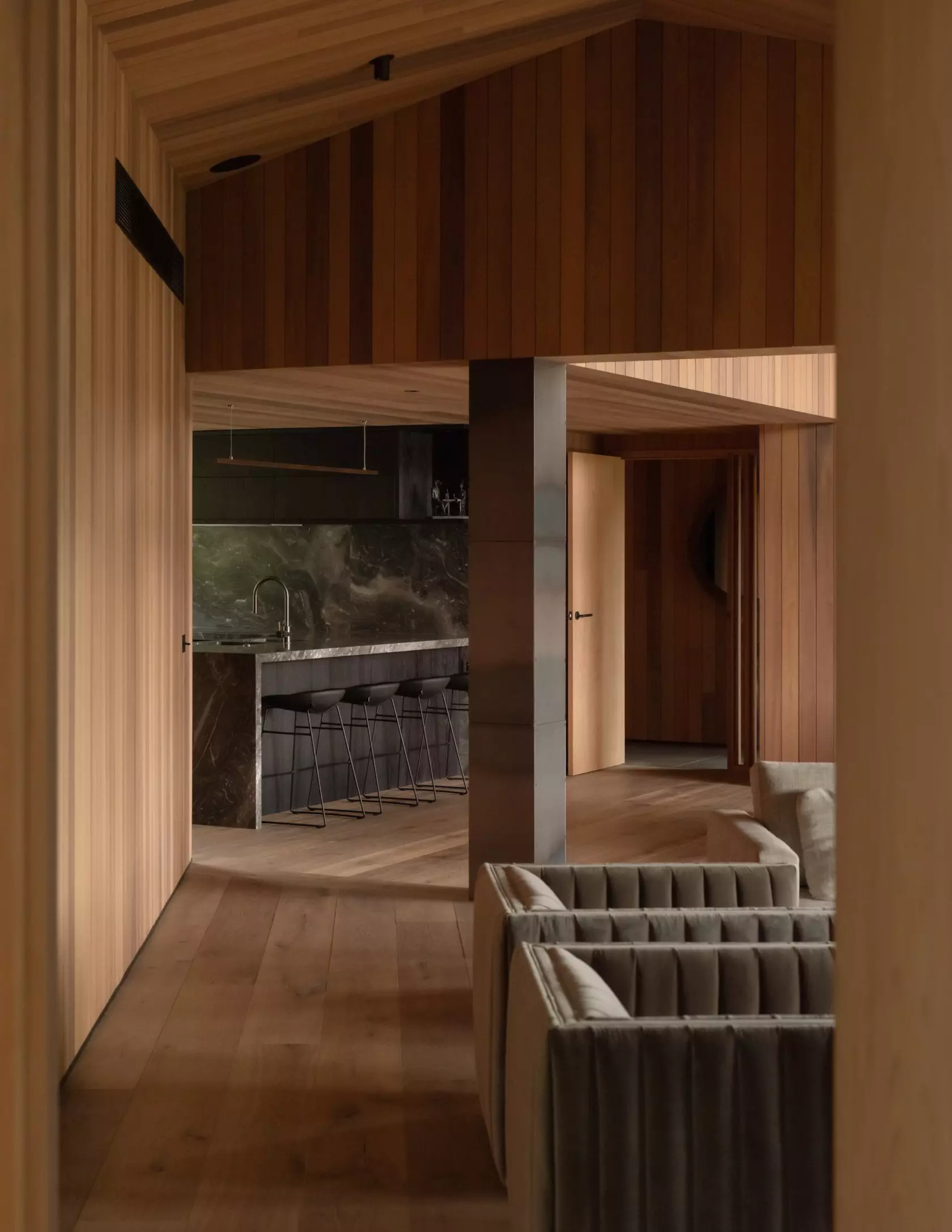
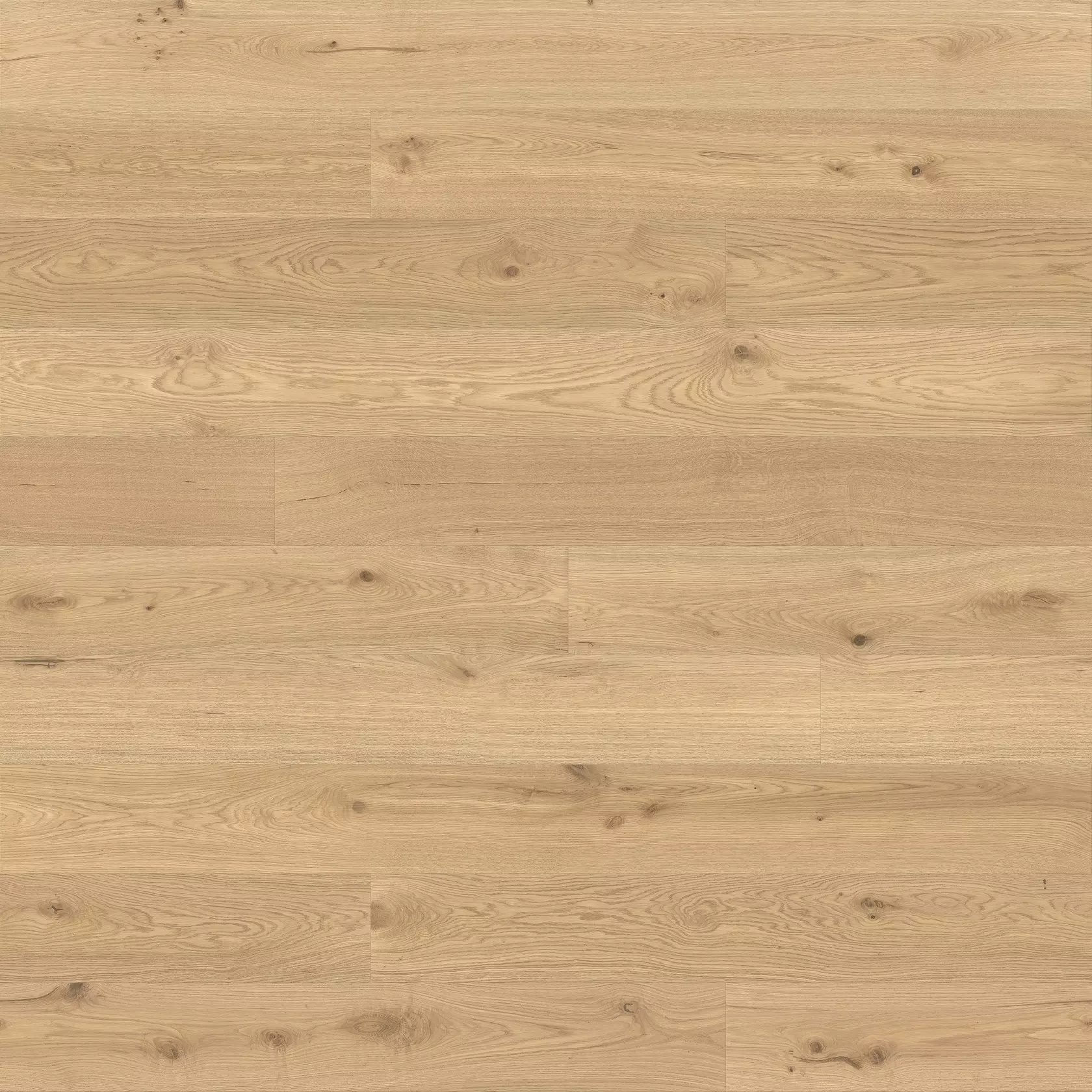
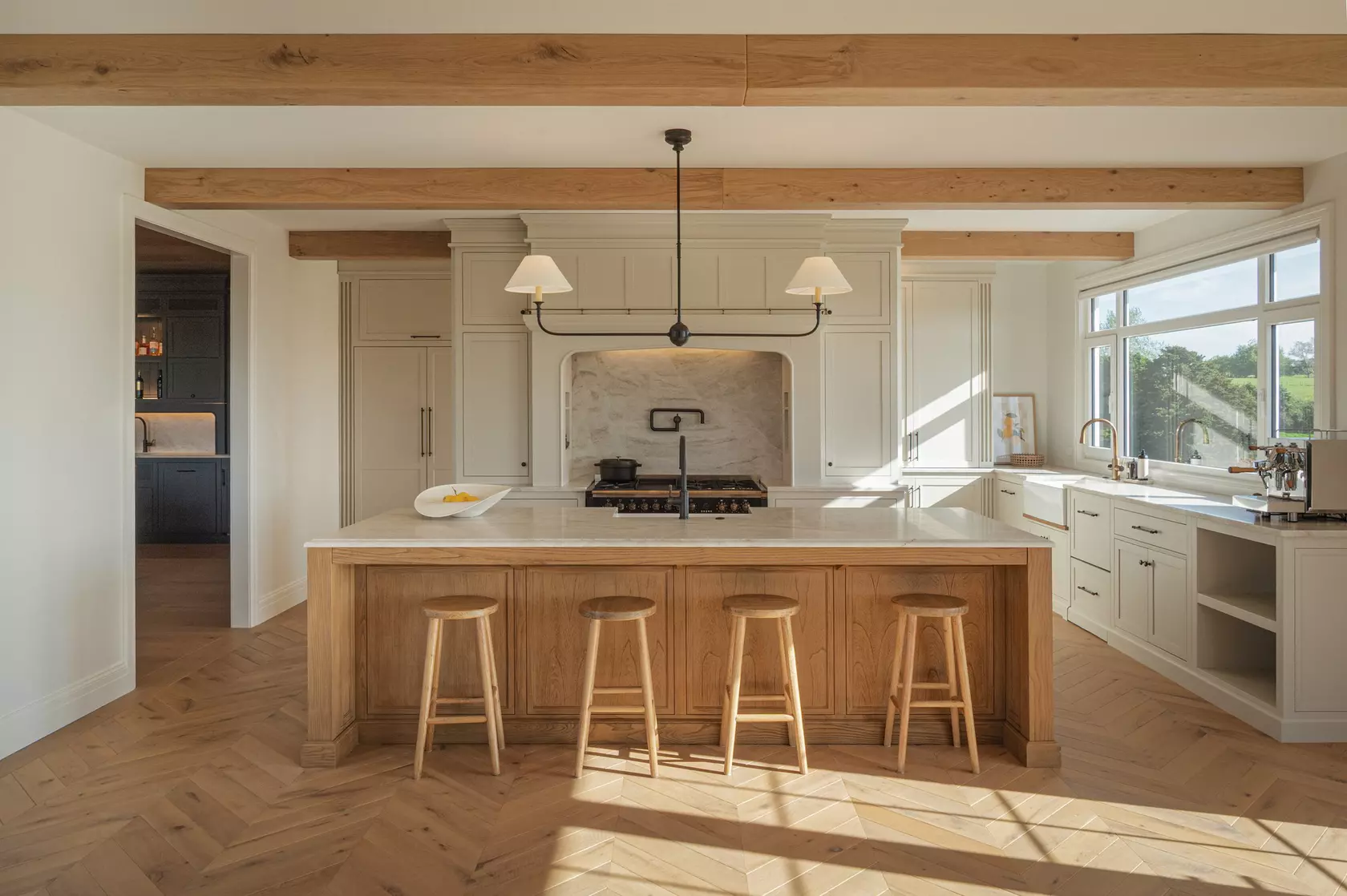
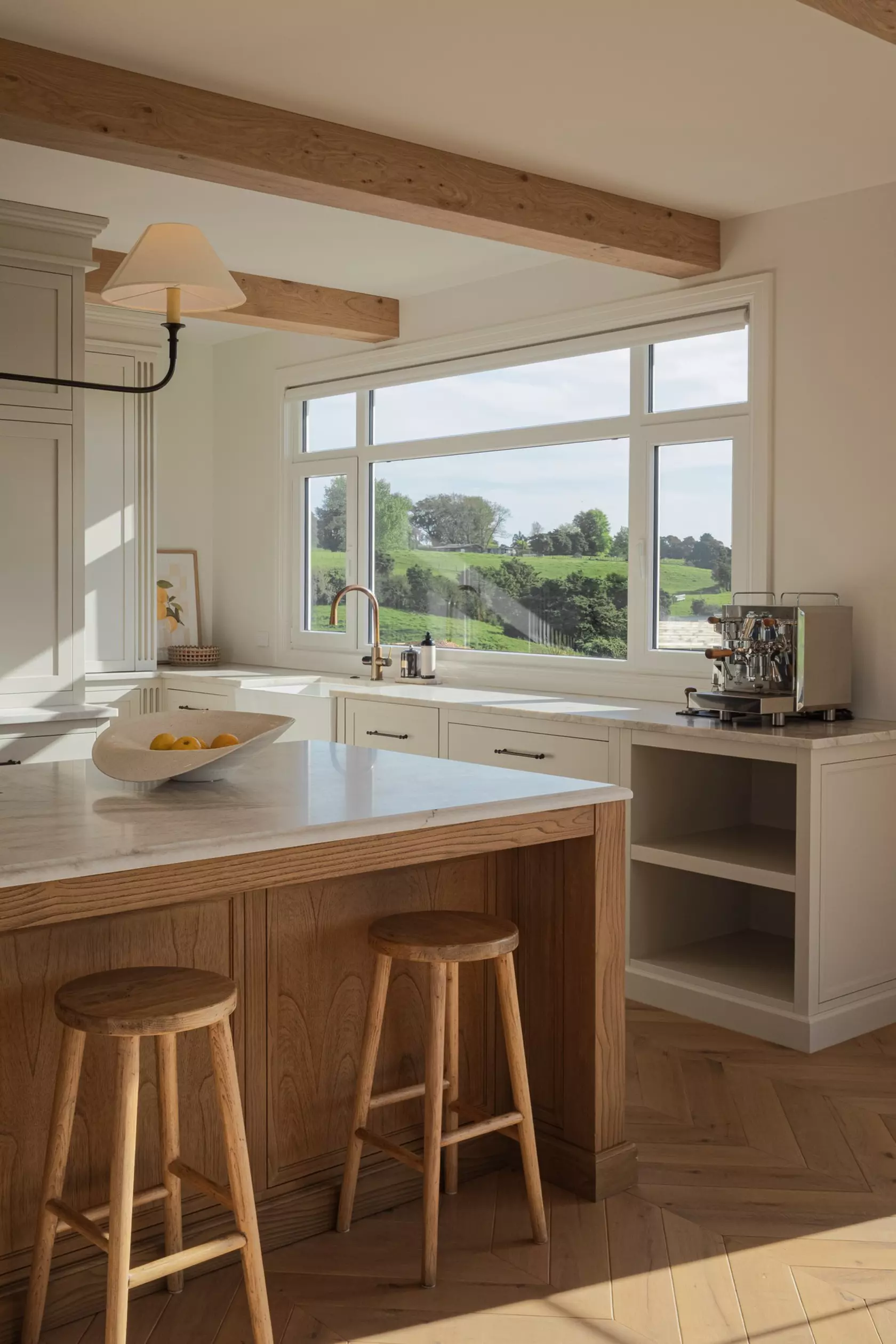
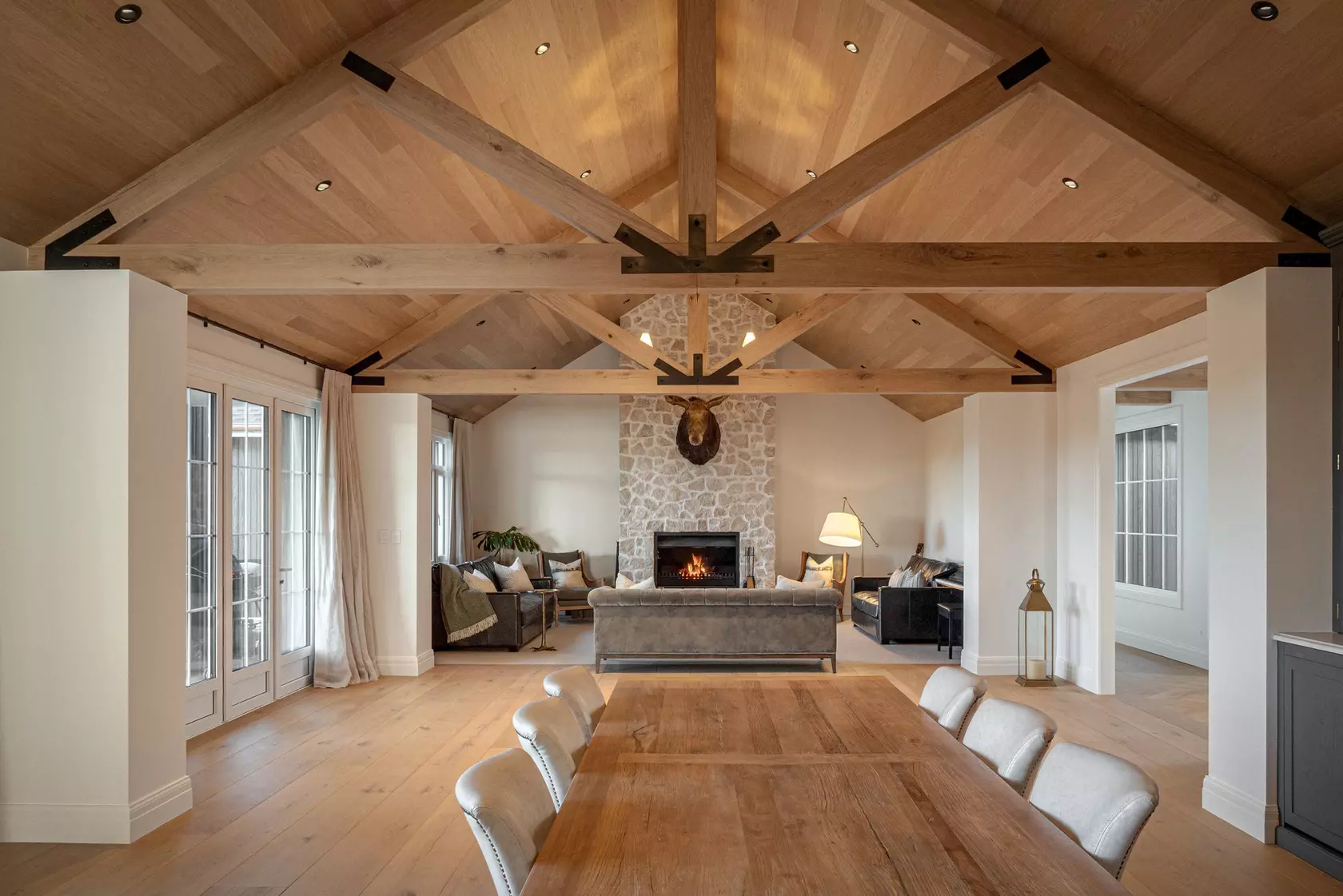
Step inside, and the material language shifts — but the feeling doesn't. A rustic custom flooring runs throughout in both Plank and Chevron formats, and Alor panelling lines the ceilings as custom box beams. None of these are the same product as what's on the exterior. But the warmth of tone, the natural grain character, and the consistent quality of surface across both spaces creates exactly the effect the homeowners were after.
As the owners described it: "We couldn't be happier with the warmth, character and authenticity it brings to the home. Not to mention how easy it is to care for, and the way it fits in with our rural lifestyle."
They also noted something that speaks directly to the visual continuity effect: "Guests notice it. It's the warmth of the floors underfoot, the texture of the ceiling overhead, the way the outside seems to continue inside. A feeling that's hard to name precisely, but unmistakable when you're in it."
That's the goal. And at Kern Road, it's been realised.
Why Choose a Composite Product for Exterior Surfaces?
The properties that make real timber beautiful inside — warmth, grain depth, tactile surface — are exactly the properties that make it demanding to maintain outside. The sun bleaches it. Rain swells it. Seasonal temperature changes cause it to expand and contract. Without oiling every one to two years and occasional resanding, even premium hardwood loses the warmth that made it attractive in the first place.
Both Millboard and Envello are hand-moulded directly from real timber grain, which is why they captures the depth, shadow, and variation of wood so faithfully — but their composition means they won't crack, splinter, fade, or demand a maintenance programme.
For homes that are rural, exposed, or simply built to be lived in without constant upkeep, that distinction matters enormously. The exterior holds its warmth and character over time, remaining in visual conversation with the interior rather than weathering away from it.
Start with your interior anchor. Your internal flooring is usually the most visible and considered surface in the home. Choose its tone first — and let that decision guide everything outward.
Look for tonal family, not an exact match. At the Kern Road Residence in Rāmarama, for instance, Limed Oak decking and Burnt Cedar cladding outside share warmth and grain character with the custom flooring choice inside — despite being different products in different colourways. The eye reads them as belonging together because they occupy the same tonal world: natural, warm, considered.
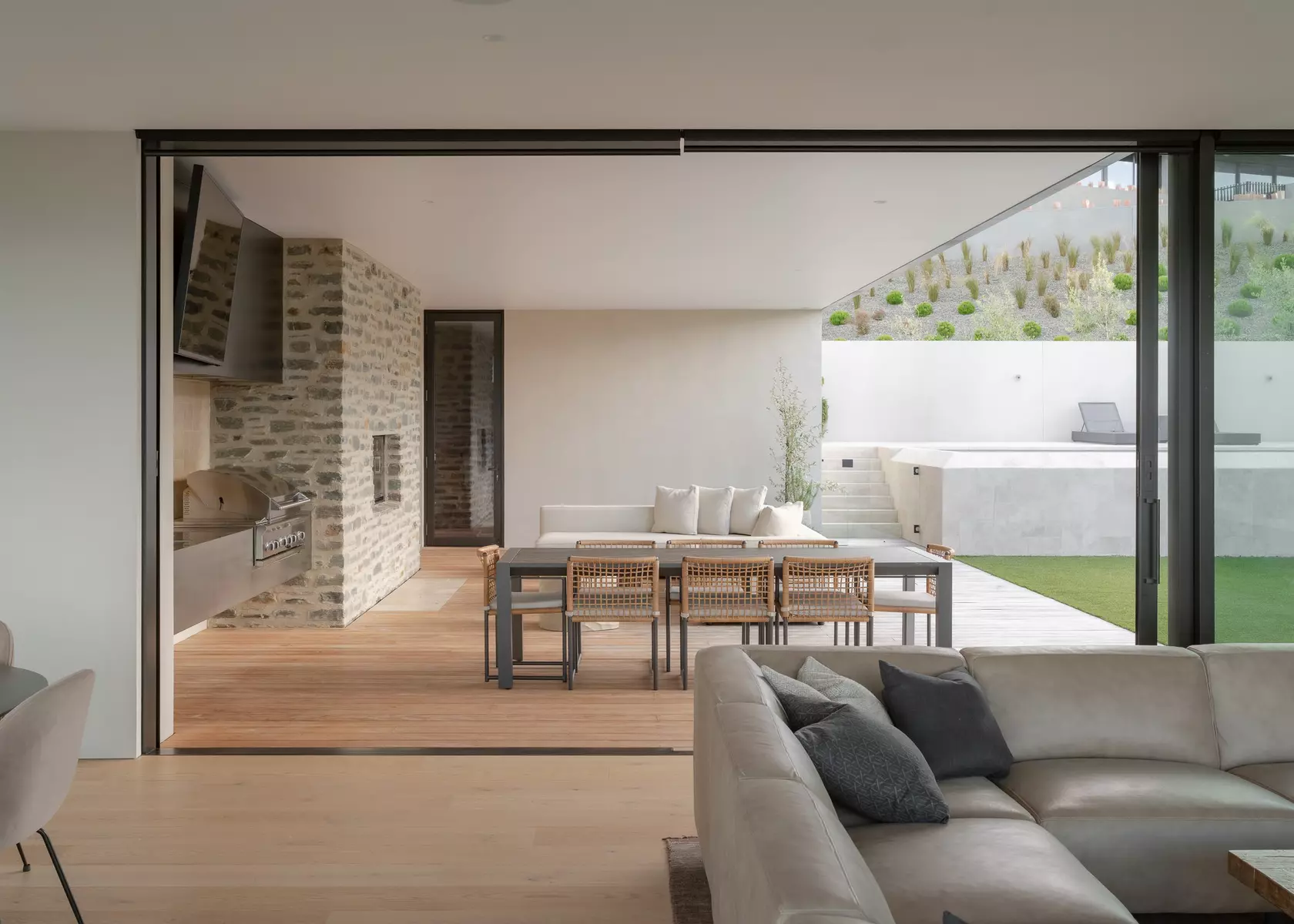
Use transition zones deliberately. Covered verandahs, glazed rooms, and entranceways are opportunities to bridge inside and out. Running the same decking material into a covered exterior zone, or introducing interior panelling into an enclosed outdoor room, can do more for continuity than colour-matching alone.
Resolve the threshold carefully. Work with your builder from the start to minimise any step between interior floor and exterior deck. A flush or near-flush connection — separated only by a slim door frame — makes the relationship feel effortless and considered.
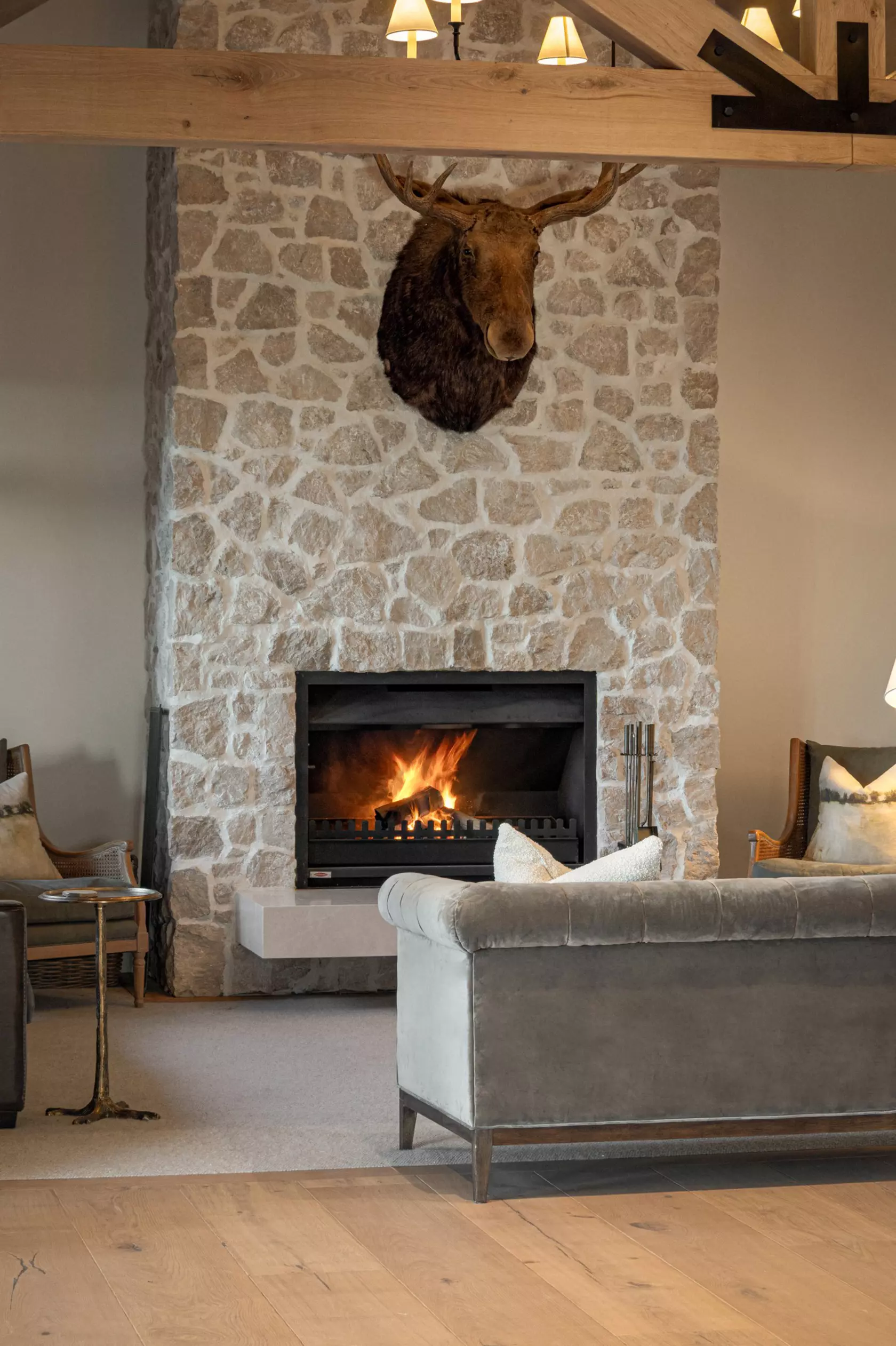
The inside-out connection is most tested at dusk and in the evening. During the day, natural light fills both spaces. After dark, interior warmth reflects in the glazing — and the exterior needs to hold up its end of the conversation.
Warm-toned exterior lighting (2700–3000K) brings out the amber and honey character of timber-toned surfaces beautifully, and keeps the two spaces visually connected after sunset. Cool or neutral exterior lighting flattens natural grain tones and severs the warmth that the interior creates. Low-level deck lights, uplights washing cladded walls, and considered garden illumination all contribute to continuity that works around the clock, not just when the sun is out.
Can I use real timber inside and Millboard Decking or Envello Cladding outside?
Yes — this is exactly the approach taken at Kern Road, and it works well. The key is selecting interior timber tones that share warmth and grain character with your chosen colourway, rather than trying to match species or product codes exactly.
How do I stop my deck from looking disconnected from my interior floor?
Board direction is one of the most effective tools: aligning Millboard Decking boards with interior floorboards — where the plan geometry allows — guides the eye across the threshold without interruption. The threshold detail itself also matters significantly; a flush connection reads as designed, a significant step reads as incidental.
Does Millboard Decking really look like real timber?
Millboard Decking is hand-moulded from real timber grain, which gives it a depth and variation that most composite products can't replicate. Projects like the Kern Road Residence — where the Envello Cladding in Burnt Cedar and Millboard Decking Enhanced Grain in Limed Oak are consistently noted by visitors as a surprise when they learn the material isn't wood — are a good reference point for what's achievable.
What's the best Millboard Decking colour to pair with warm oak interiors?
Limed Oak and Antique Oak from the Millboard Decking Enhanced Grain range sit naturally alongside warm European oak interiors. For a higher contrast approach — dark exterior cladding, warm interior — Burnt Cedar in the Envello Cladding range works well, as demonstrated at Kern Road.
Do I need to maintain Millboard Decking or Envello Cladding?
Neither Millboard Decking nor Envello Cladding requires oiling, staining, or sanding. An occasional wash is sufficient. This is a significant advantage over real timber decking and cladding, which typically requires oiling annually and more substantial maintenance every few years to retain warmth and appearance.
A Note on Materials and Authenticity
There's a view that only real timber can create a genuine connection between inside and out. The projects we work on regularly challenge that. What visitors and homeowners consistently describe — the warmth underfoot, the sense that the outside continues inside — is an experience rooted in material quality and design integrity, not in whether every surface is cut from the same log.
At Kern Road, the owners put it plainly: "At the time of choosing, natural materials may seem like a more expensive option. But once they are installed in your home, the appreciation of them — and how they make the home feel — is incomparable."
Millboard sits within that same philosophy. It isn't a substitute for timber — it's a surface designed for the specific demands of the exterior environment, drawing on the character of real wood grain to create something that holds its beauty over time. Paired with genuine timber inside, the result is a home where the materials work together, each in its right place.
For further reading on the performance characteristics of composite decking versus real timber outdoors, see BRANZ's guidance on exterior timber maintenance and Millboard's durability testing documentation.