


























Why This Architect Designs Homes With Indoor Air Quality in Mind — A Conversation with Keiron O'Connell
For Invercargill architect Keiron O'Connell, the issue of indoor air quality started not on site, but at home.
He runs a small architectural practice, founded in 2015, with a particular focus on energy efficiency and sustainable residential design. "My focus is on creating practical, well-designed homes that are healthy, energy efficient and built to last," he says. "I'm particularly interested in low-VOC construction, high-performance building design and simple, buildable solutions that improve comfort and reduce long-term running costs."
That interest has personal roots. While living and working in the UK, O'Connell's eldest daughter suffered from severe eczema that worsened over winter. "As we tried to understand what might be contributing to it, I began researching indoor air quality and learned how modern building materials and poor ventilation can affect the health of occupants, particularly when homes are closed up during colder weather," he says.
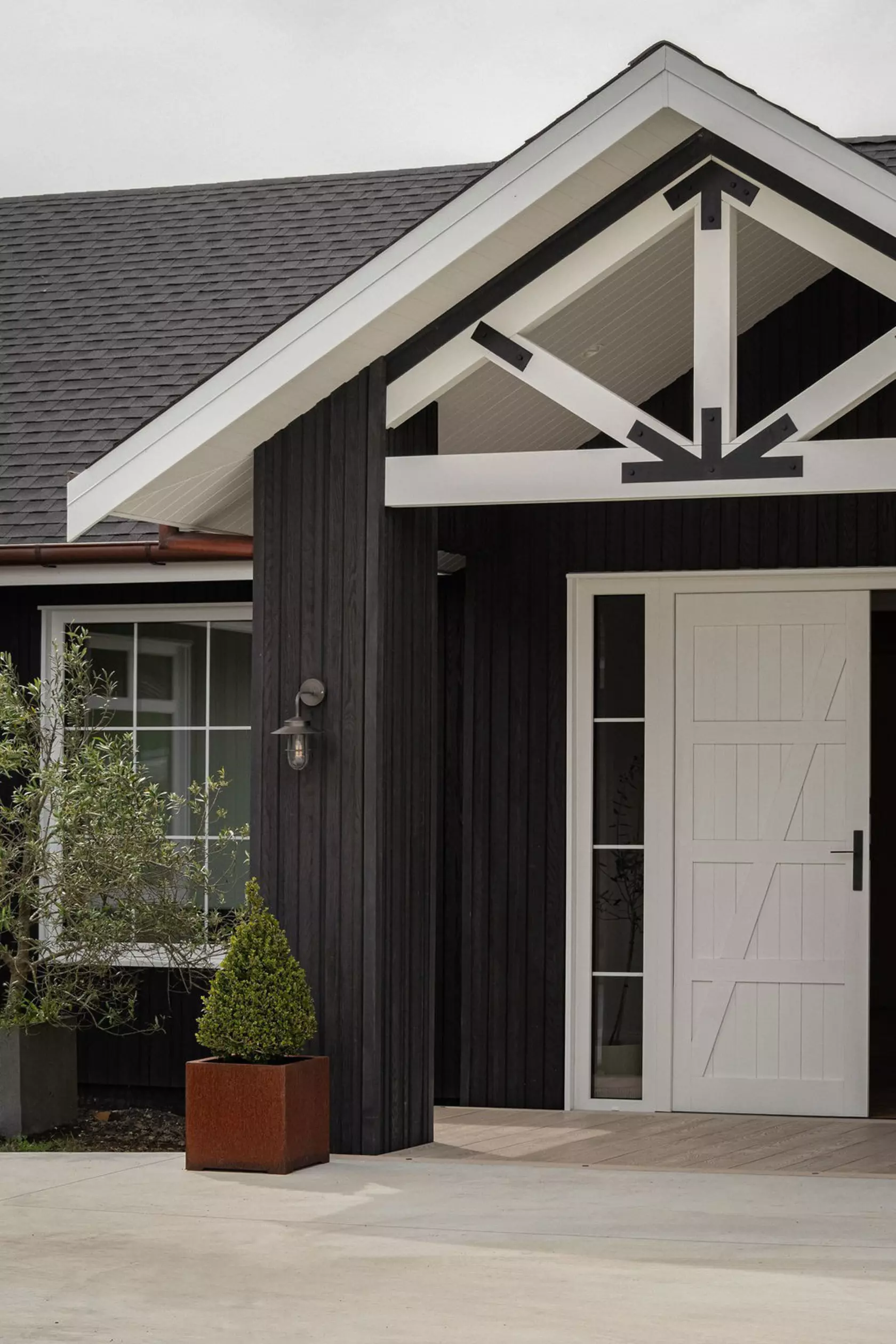
Back in New Zealand, he began working with an overseas SIPs manufacturer built to international standards — an experience that exposed him to a level of awareness around low-emission materials he hadn't seen locally. It's an influence that eventually shaped one of his own projects, the Swiss Chalet in Wanaka, which he carefully detailed to minimise VOCs while still delivering a high-performance, energy-efficient home.


"VOCs, or Volatile Organic Compounds, are gases released from many everyday building materials such as paints, adhesives, sealants, flooring, cabinetry and some manufactured timber products," O'Connell explains. "You often can't see them, but you may notice the 'new house smell' or the smell of fresh paint — that's often VOCs being released into the air."
The risk is that these compounds linger. Most reduce over time, but some can continue off-gassing for months or years — and in a modern, well-sealed home, they can become trapped indoors without good ventilation. "For some people, they can contribute to headaches, eye and throat irritation, allergies, or worsen existing conditions such as asthma or eczema," he says. "Some VOCs, such as formaldehyde and benzene, are also recognised as carcinogens or suspected carcinogens, which is why reducing unnecessary exposure is an important consideration when selecting building materials."
Interior linings are a common source, he notes, "along with treated timber and paints and normally materials which rely on a lot of glue — kitchen and cheaper joinery units, for example."
Awareness, O'Connell says, is something he largely has to introduce rather than respond to. "90% of the time it's something I inform them of," he says. Clients typically arrive already wanting a better-performing home — the specific conversation about VOCs comes later, from him.
Cost remains the central constraint on how far that conversation goes. "It comes down to cost a lot of the time," he says, "but if the structure is clean, the interior may change several times over its lifetime" — meaning the building envelope, done well, gives later flexibility even if budget limits what's possible up front.
Trade-offs are simply part of the job. "There are always trade-offs in architecture, and every client has different priorities," he says. "Clients who place a high value on health and indoor air quality are generally willing to invest more in low-VOC materials and healthier building products. Others have tighter budgets and naturally focus on achieving the best value for money, which can limit some of those choices." His role, as he sees it, is to help clients understand the options and long-term benefits so they can make informed decisions that suit both budget and priorities.
A transparency gap
Getting clear answers from manufacturers isn't always straightforward. "It's generally information that I have to ask for specifically," O'Connell says, "and quite often the people representing the products don't have the answers immediately. They usually need to go back to the manufacturer to obtain information about VOC emissions or the chemical composition of the product."
By contrast, he's found manufacturers supplying European and North American markets noticeably further ahead — many already provide Environmental Product Declarations (EPDs) and VOC emission certifications as standard.
Is the industry taking it seriously enough?
O'Connell doesn't mince words. "Truthfully, no," he says — though he's quick to add, "I do find a willingness when made aware of it."
He sees the stakes rising as homes change shape. Smaller floor plans and increasingly airtight construction are good for energy efficiency, he says, "but it also means the quality of the air inside those homes becomes even more important."
His hope is for the industry to treat indoor air quality with the same seriousness as energy performance. "A home shouldn't just be warm and efficient," he says. "It should also provide the healthiest indoor environment possible for the people living in it."

His advice
For homeowners, his message is simple: ask questions. "If you're selecting paints, flooring, cabinetry, adhesives or other building materials, ask what the VOC content is and whether there are lower-emission alternatives available," he says. "The more people ask, the more the industry will respond."
For fellow architects, he urges thinking about air quality from day one, not as an afterthought at the specification stage. Material selection, good ventilation and thoughtful design all work together — and as he puts it, "small changes across a project can make a meaningful difference to the environment people live in every day."