


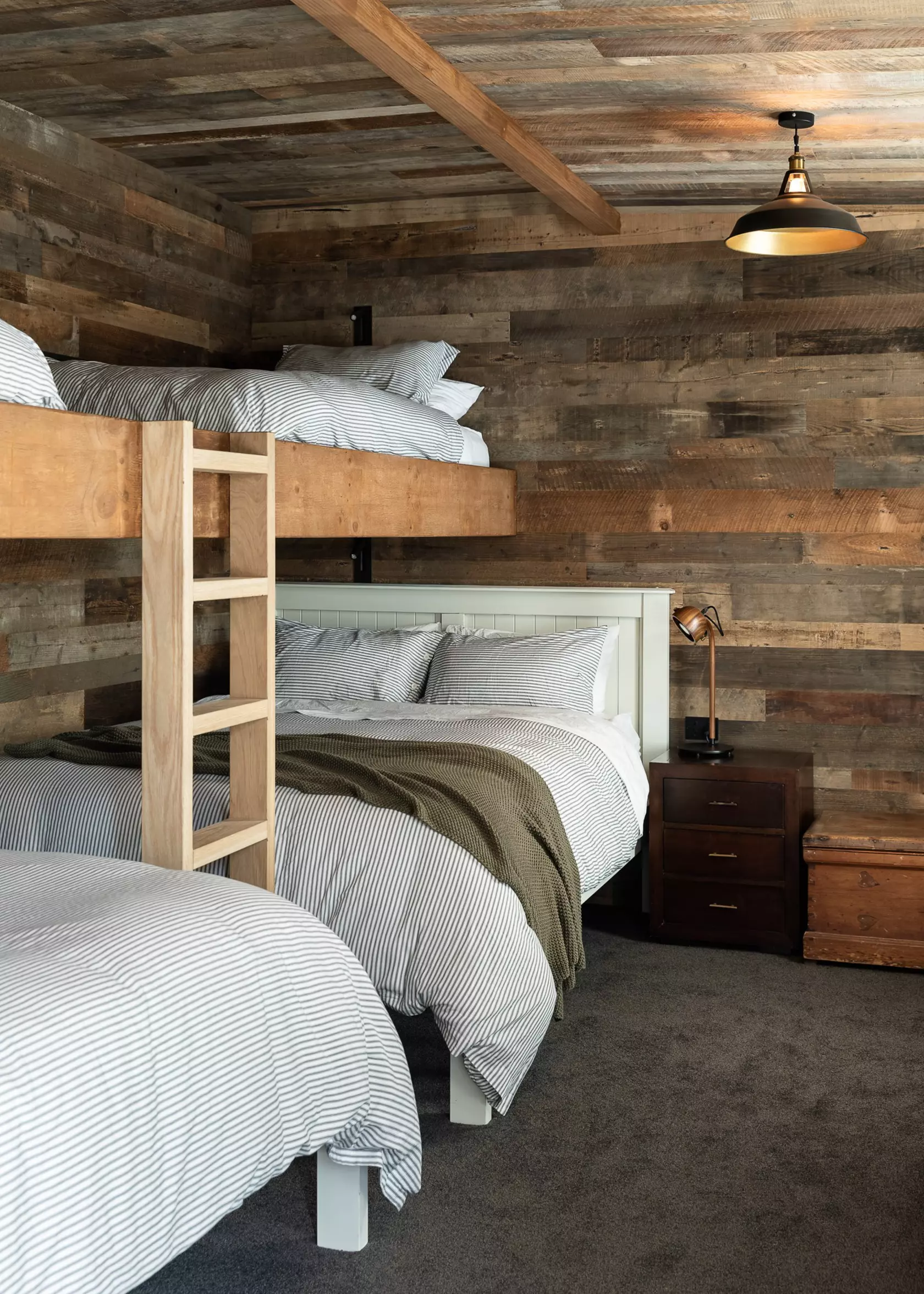
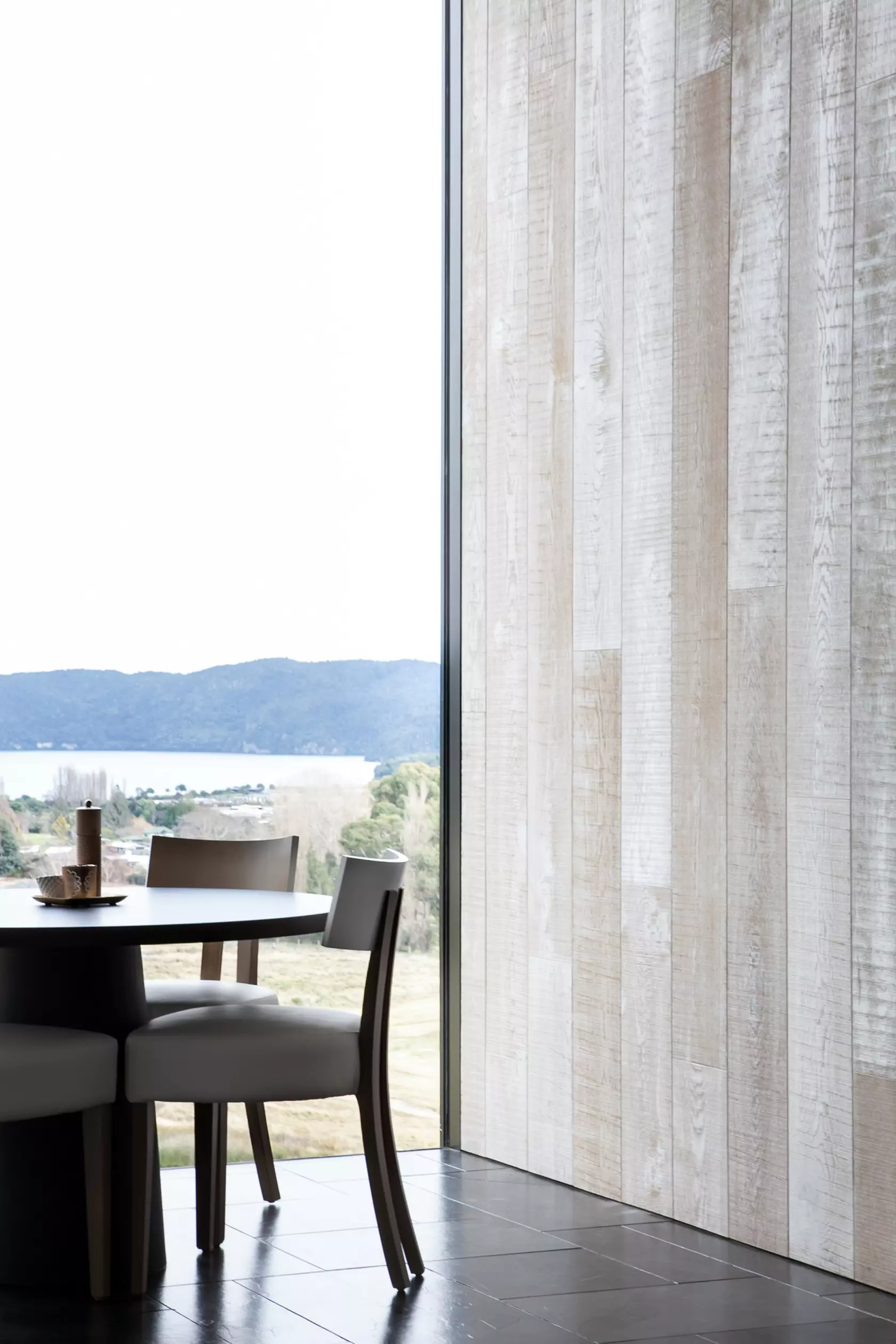
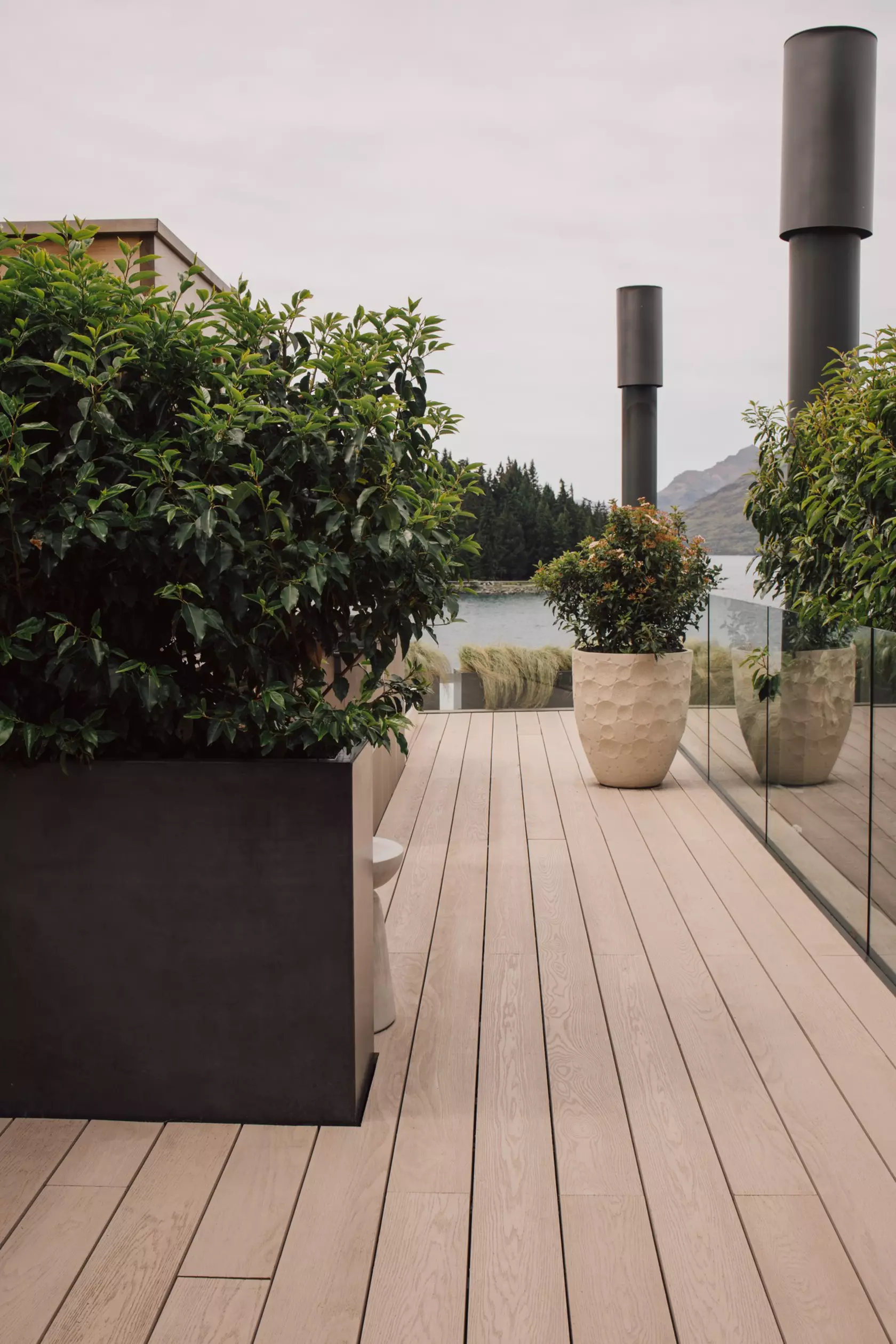
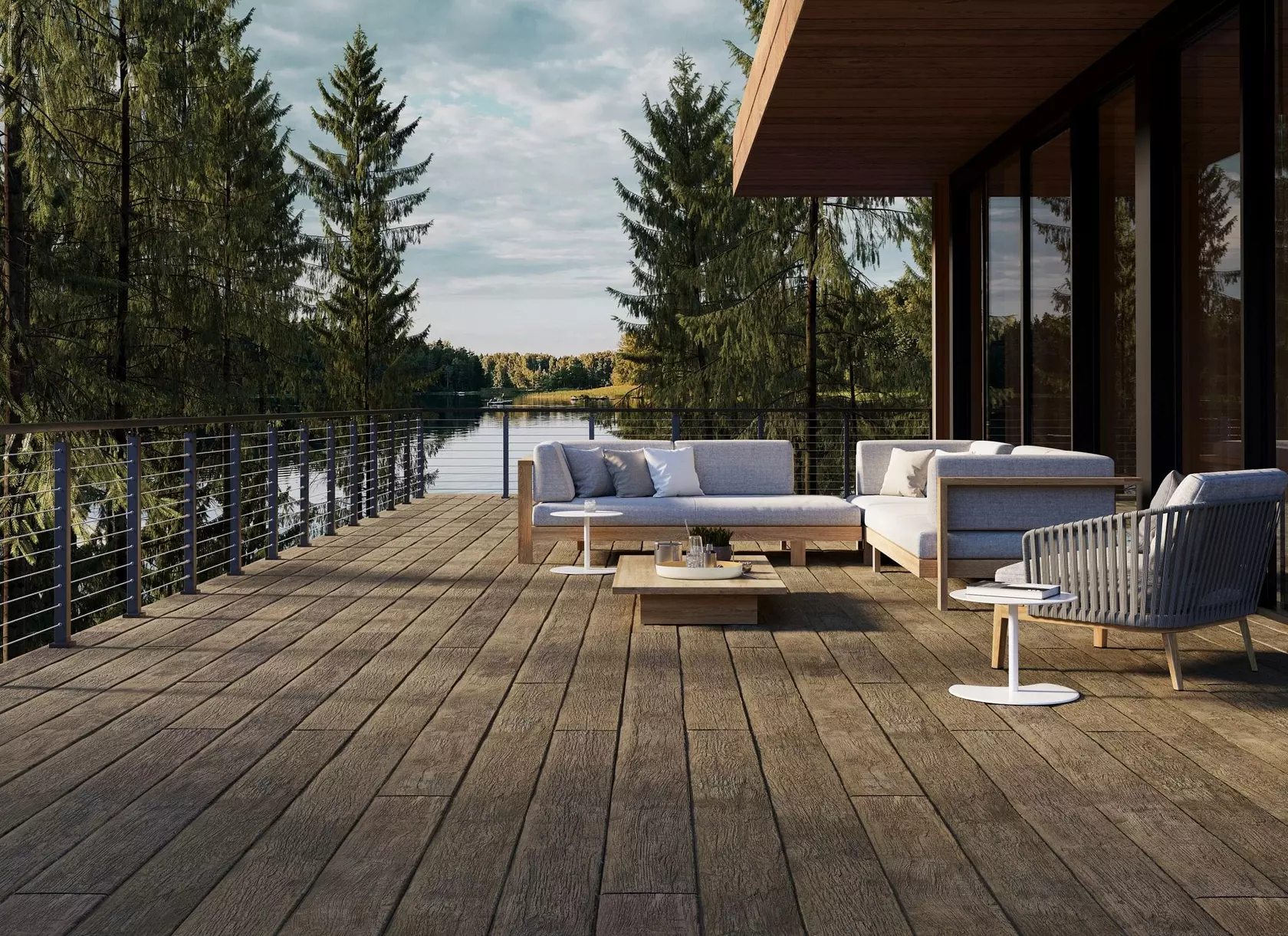
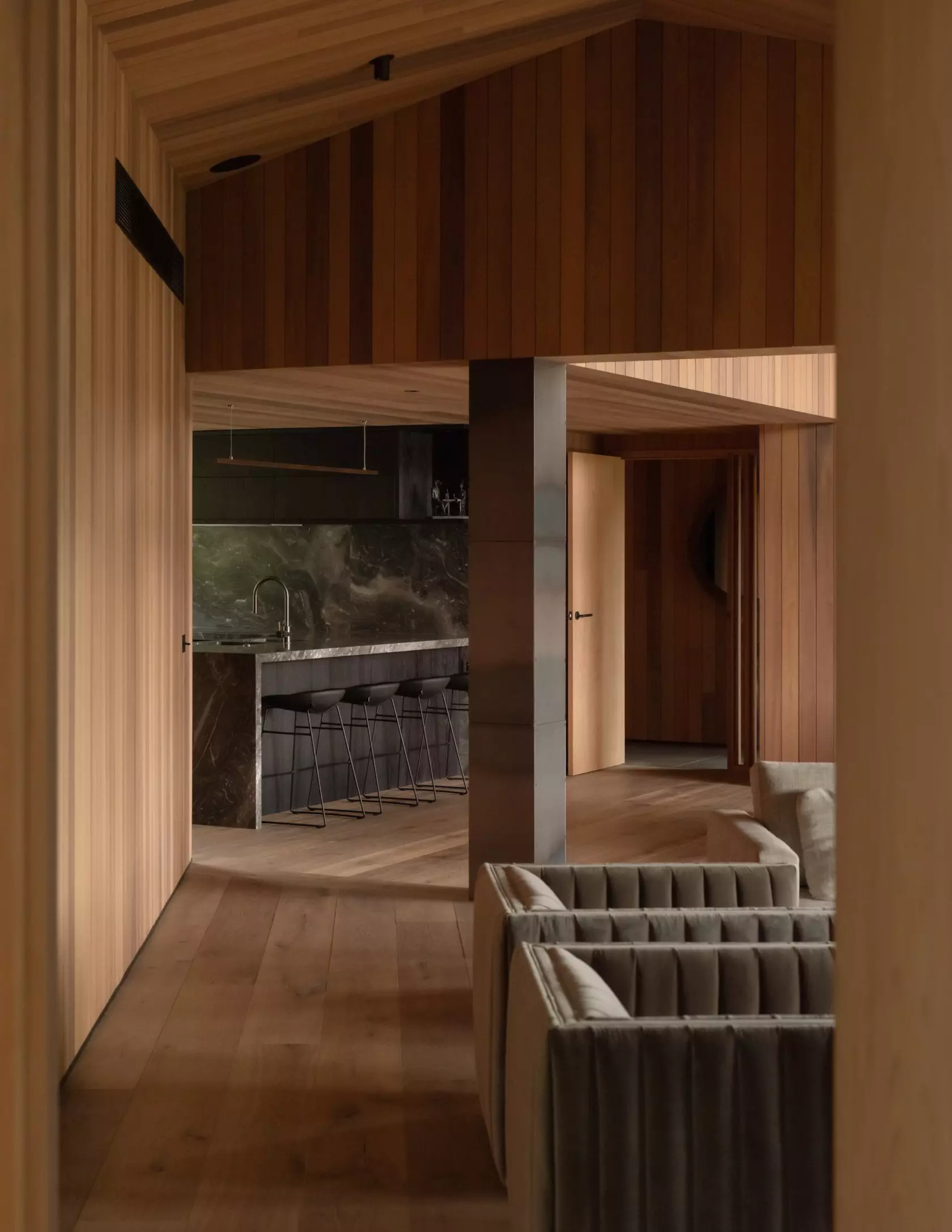

Premium oak, engineered for stability. Prefinished, tested and backed by a 25-year residential structural warranty.
Engineered timber flooring combines the warmth of real oak with the stability of modern engineering. A hardwood veneer sits on top of a cross-layered timber core, creating a floor that looks identical to solid timber but holds its shape through New Zealand's humid summers and dry winters.
At Forté, engineered timber flooring is all we do. We've spent over a decade testing every product for the real conditions of NZ homes, not just laboratory ones. Every floor is prefinished in oak, glued down for longevity, and backed by our structural warranty. Whether you're building, renovating or specifying for a client, this page covers what engineered timber flooring is, how to choose the right floor, and why Forté floors are built to stay beautiful for decades.
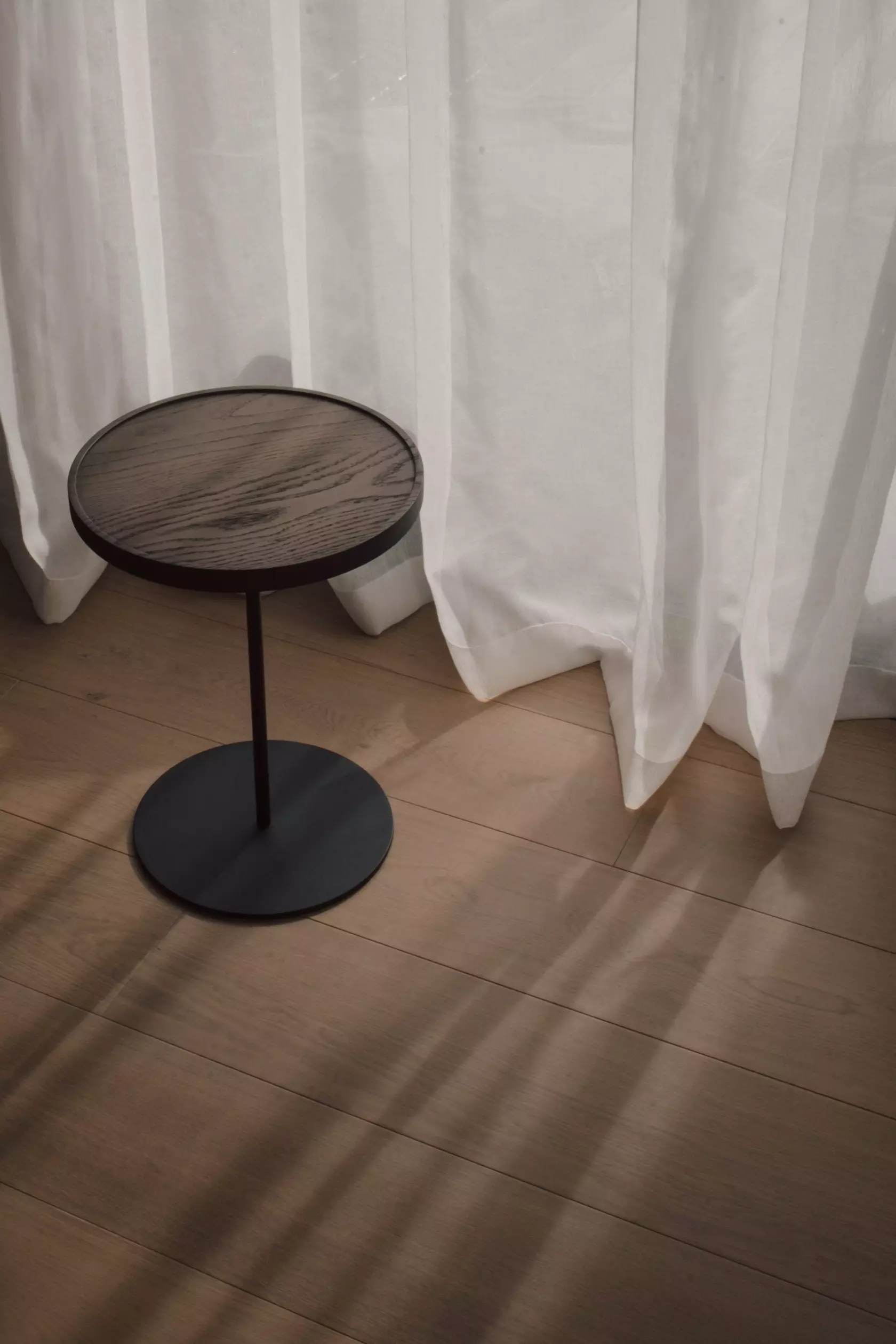
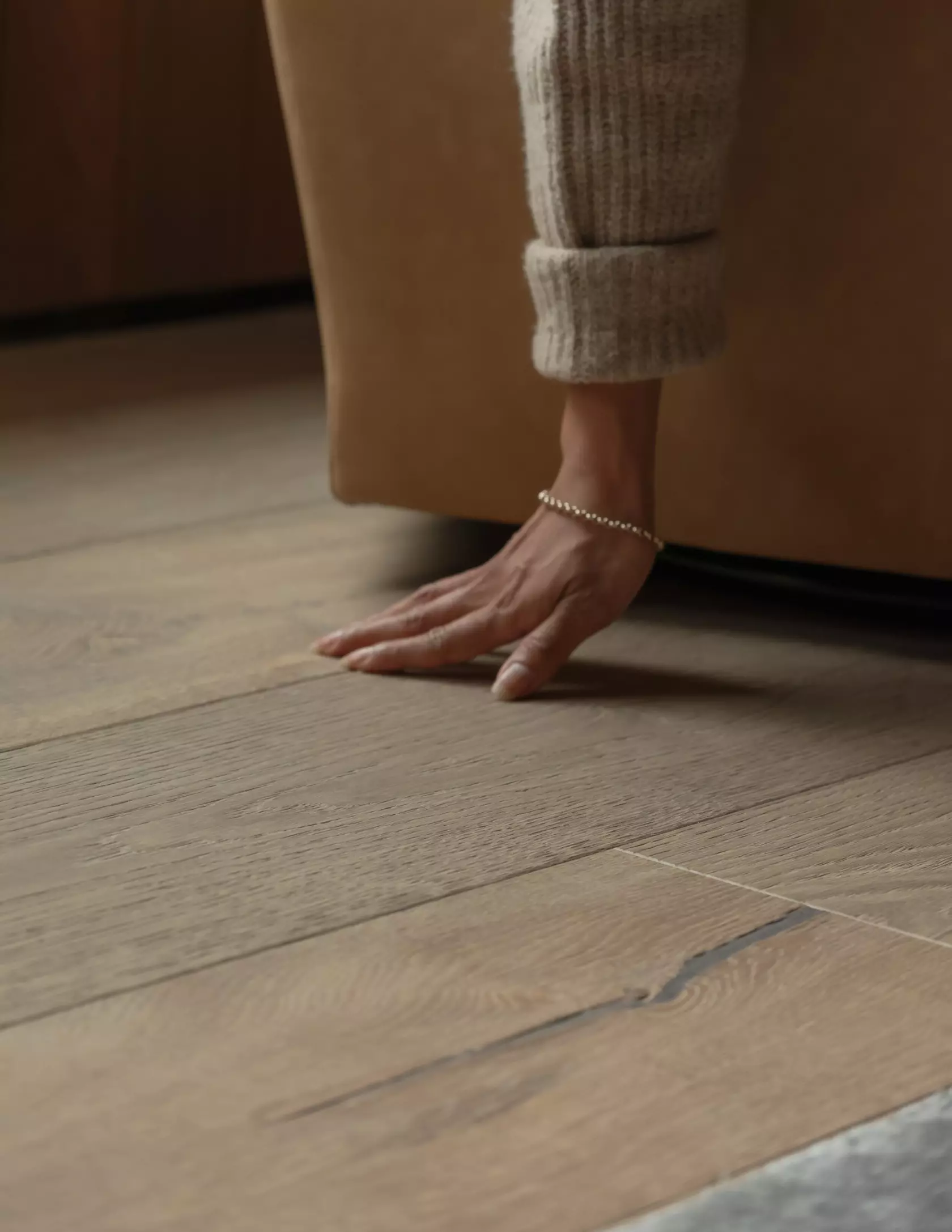
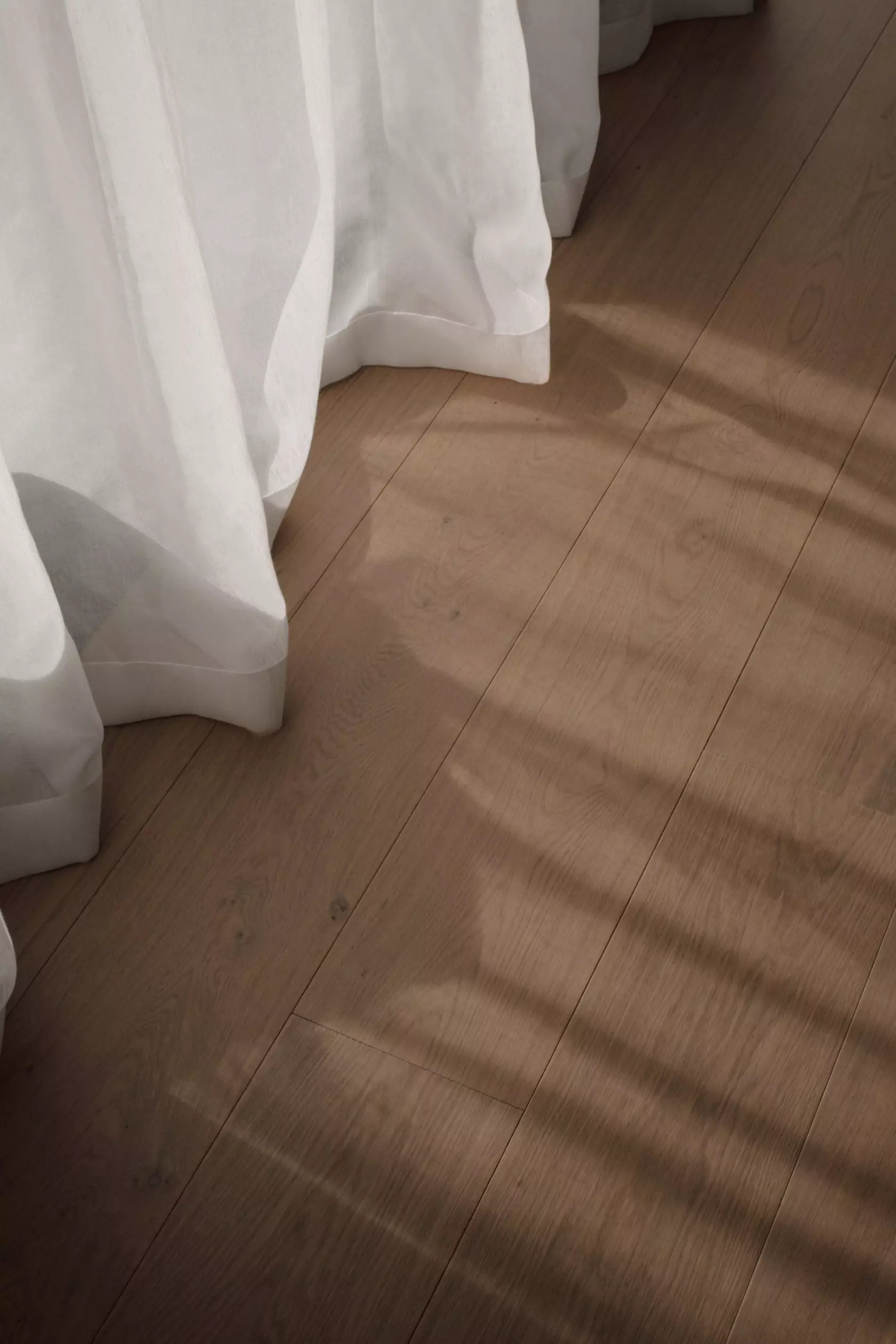
Engineered timber flooring is a real hardwood floor, constructed in layers. The top is a solid oak wear layer — typically between 2mm and 6mm thick — bonded to a cross-directional plywood or timber core beneath. That layered construction is what gives engineered timber its stability. The core resists the expansion and contraction that causes solid timber to cup, gap or warp, especially in our climate.
Each plank joins with a precision-machined tongue-and-groove profile, glued directly to the substrate. Once installed and finished, an engineered timber floor looks and feels the same underfoot as a solid timber floor — but it performs better, lasts longer in most homes, and uses roughly a third of the slow-growing hardwood resource.
Read the full guide to engineered timber construction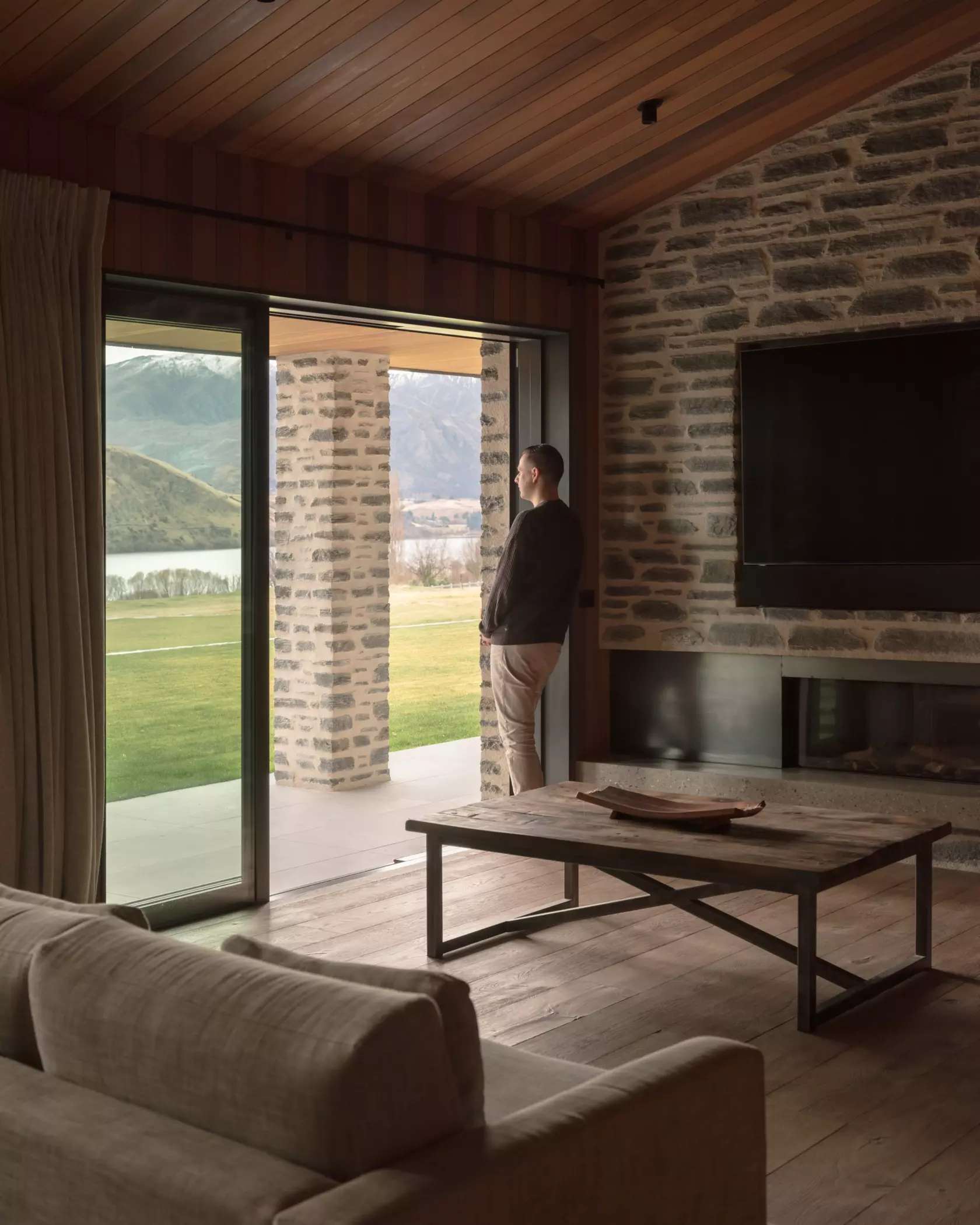
Built for NZ conditions
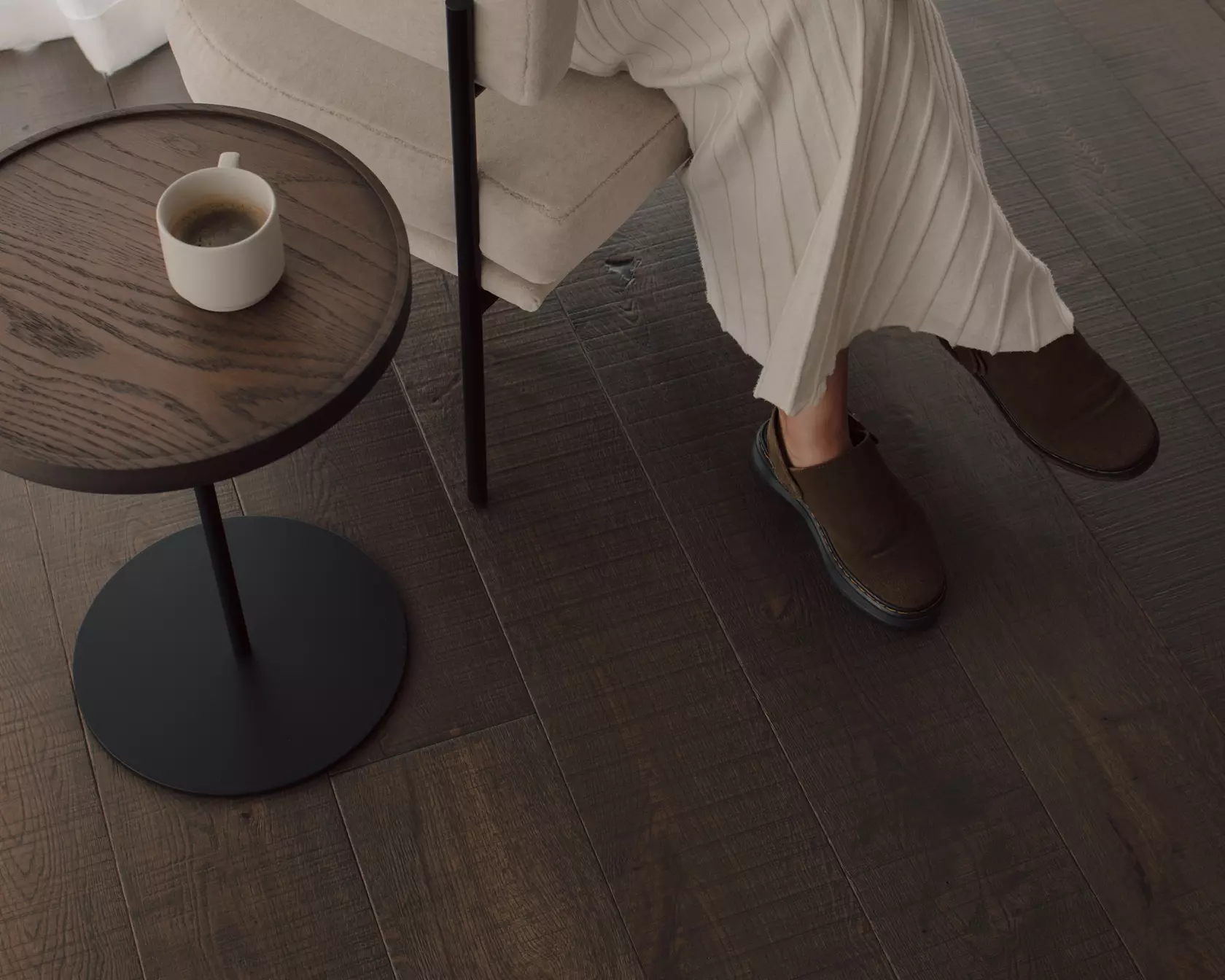
Real oak, prefinished properly
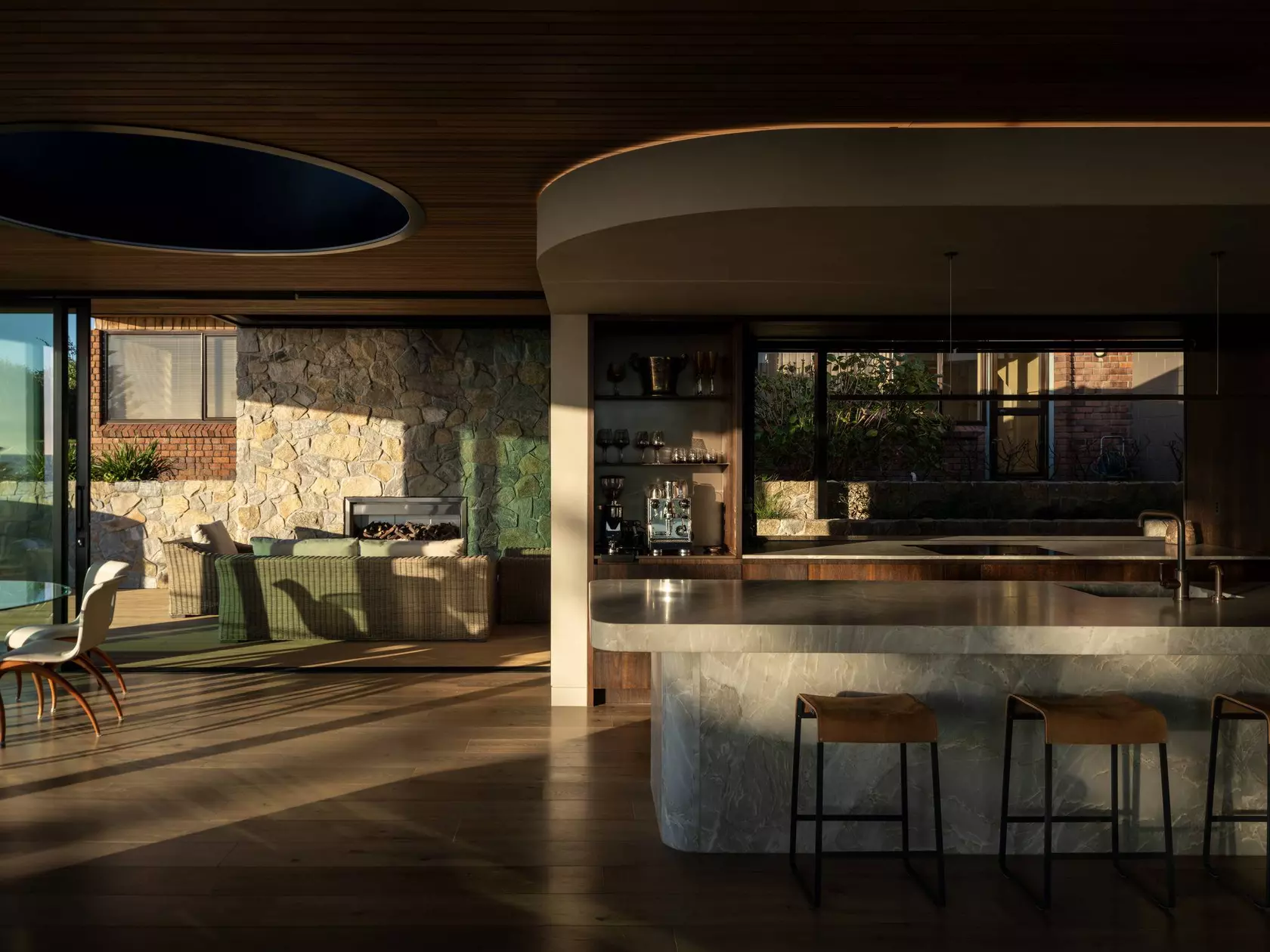
Backed for the long term
Engineered timber, solid timber and laminate all get called "wood flooring" - but only two of them actually are.
Solid timber is milled from a single piece of hardwood, board after board. It's beautiful, and it can last a lifetime, but it moves with humidity. In most NZ homes, that movement leads to cupping, gapping and expensive remediation down the track. It's also more resource-intensive, using roughly three times the hardwood of an engineered floor with the same finished surface.
Laminate is not wood at all. It's a fibreboard base topped with a photographic print of timber under a clear resin. It's cheaper up front, and the image can be convincing, but the surface is synthetic - no real grain, no warmth, and no option to refinish when it wears.
Engineered timber sits in the middle by design: genuine hardwood where you see and feel it, stable engineered core where you don't. For the majority of NZ homes, it's the floor that performs best and lasts longest.
Engineered vs solid timber flooring
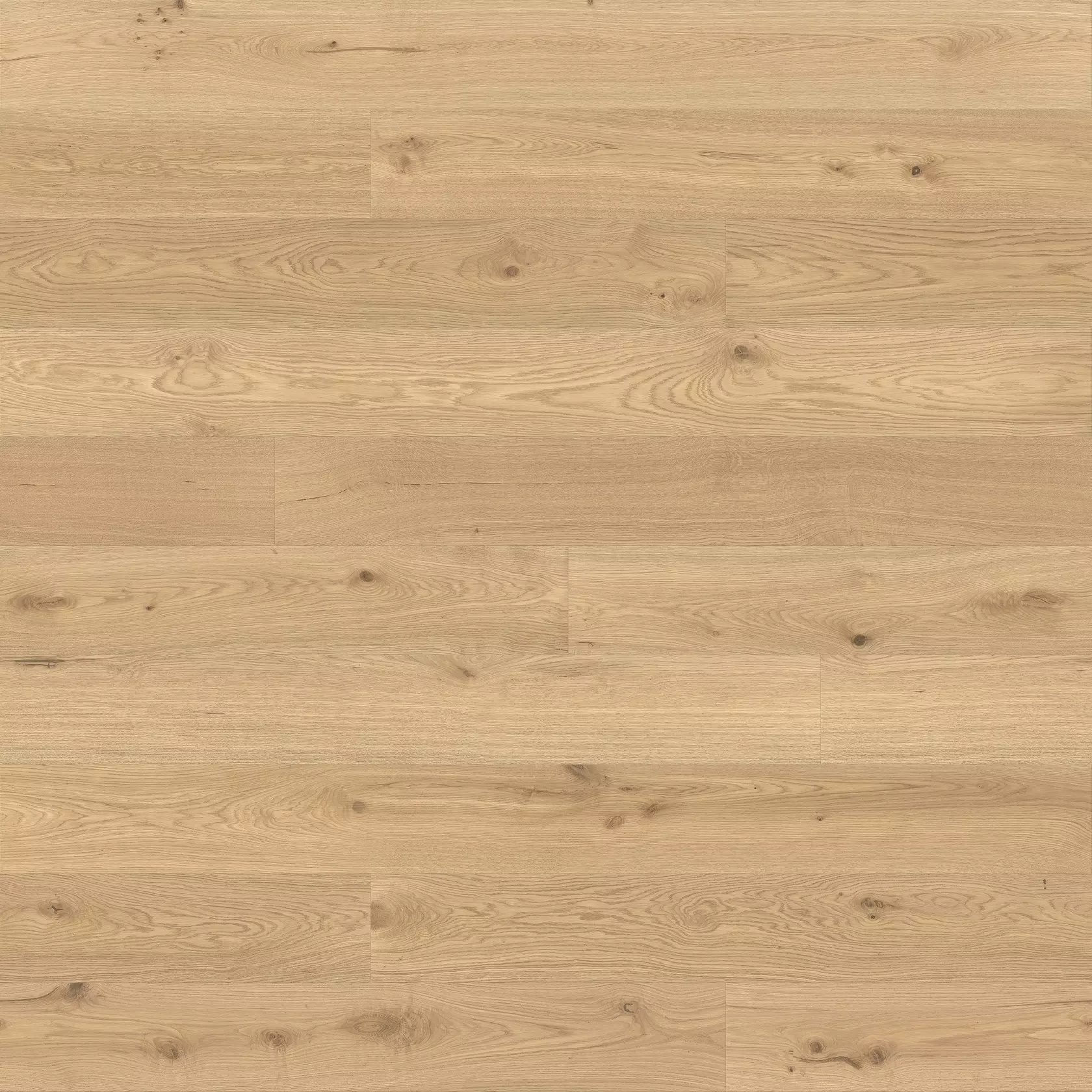
Grade. Prime shows minimal knots and clean, consistent grain. Feature grade includes a wider range of natural character. Rustic grade embraces the full variation of the timber — knots, colour shifts and grain movement included. None is "better"; they're three different aesthetics.
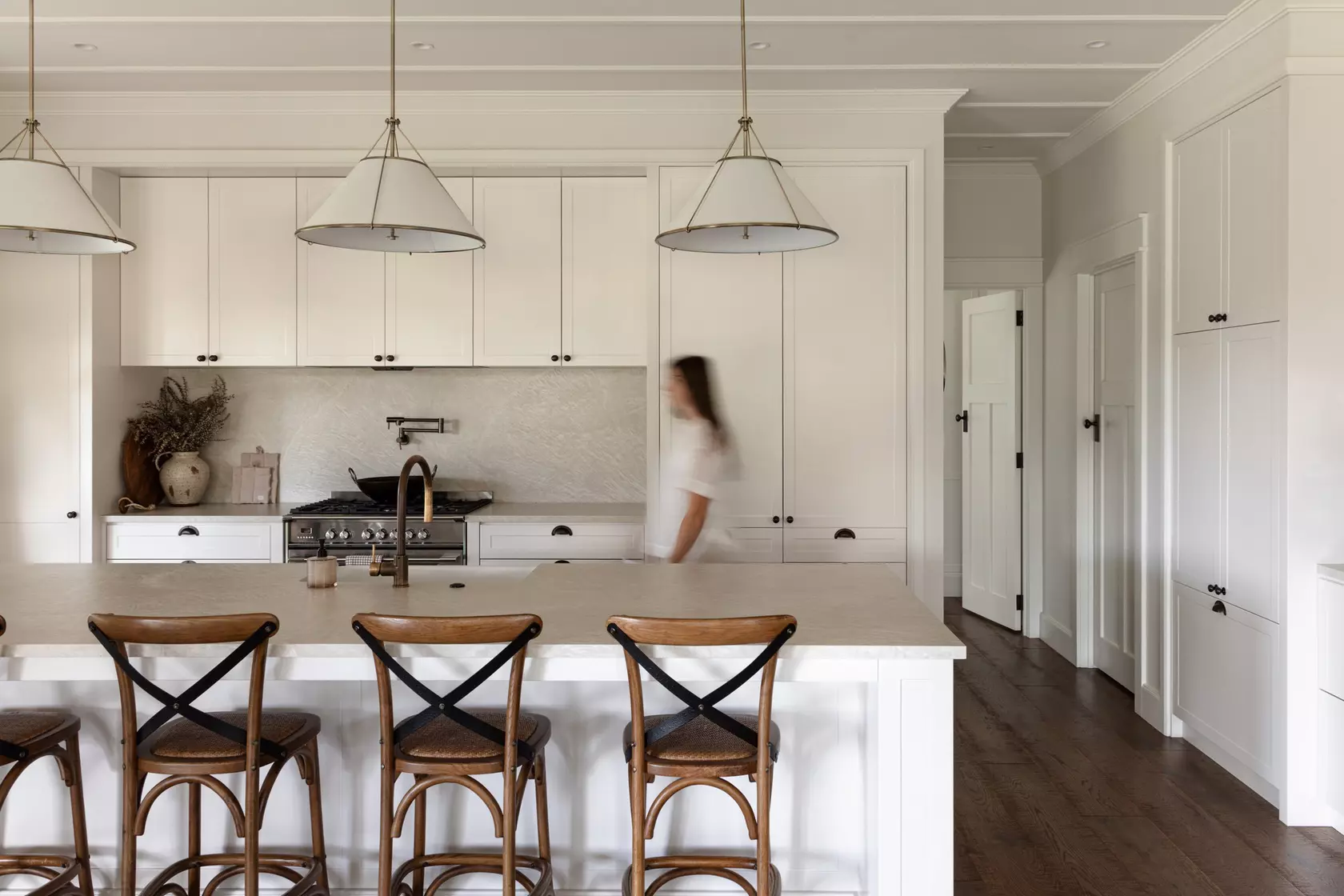
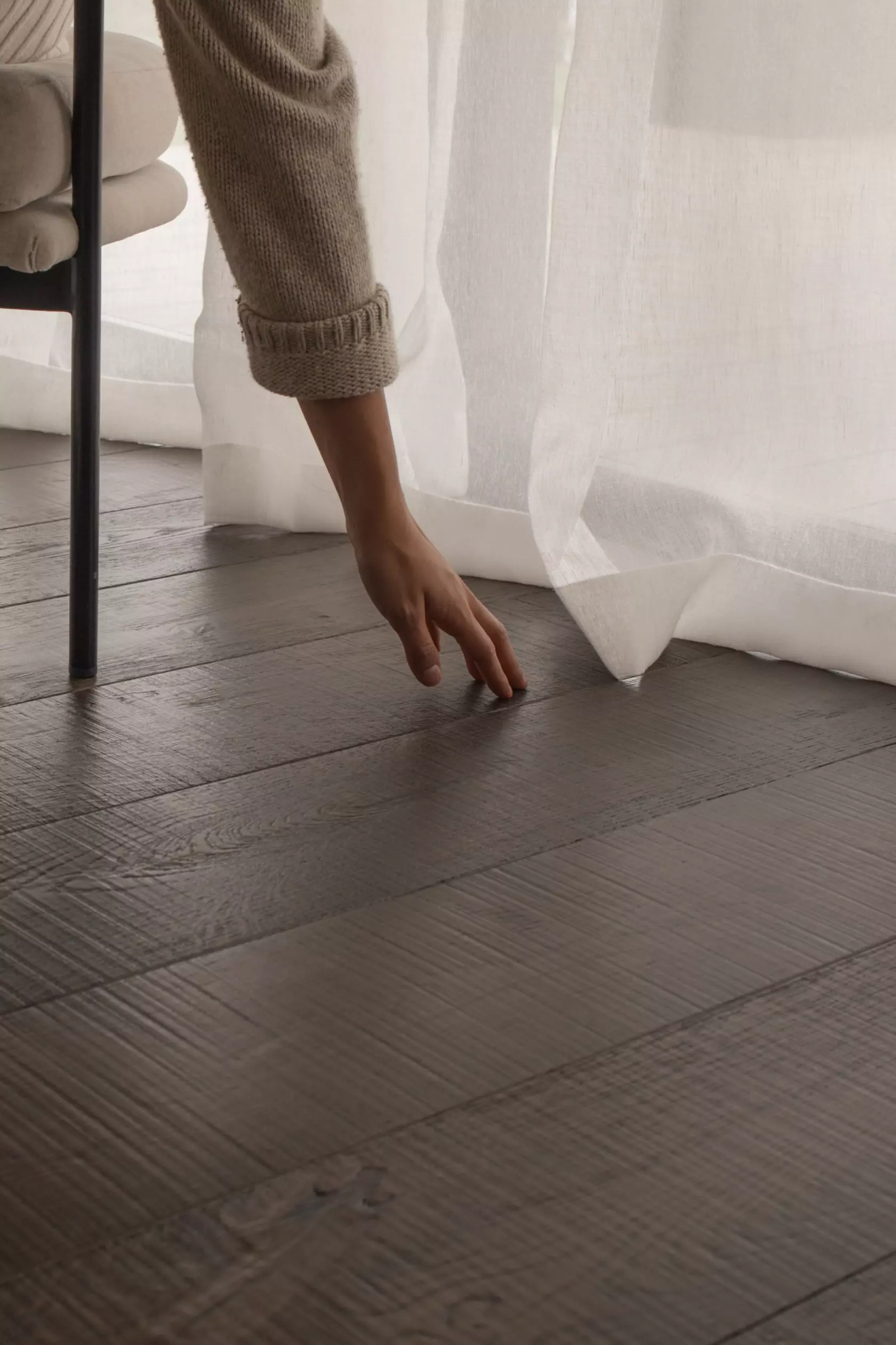
Colour and finish. Forté colours span from pale, white-washed oaks through warm mid-tones to deep, smoked browns. Every one is prefinished in the factory with a matte water-based polyurethane that sits low and natural on the grain. Brushed and band-sawn textures add tactile depth if you want it.
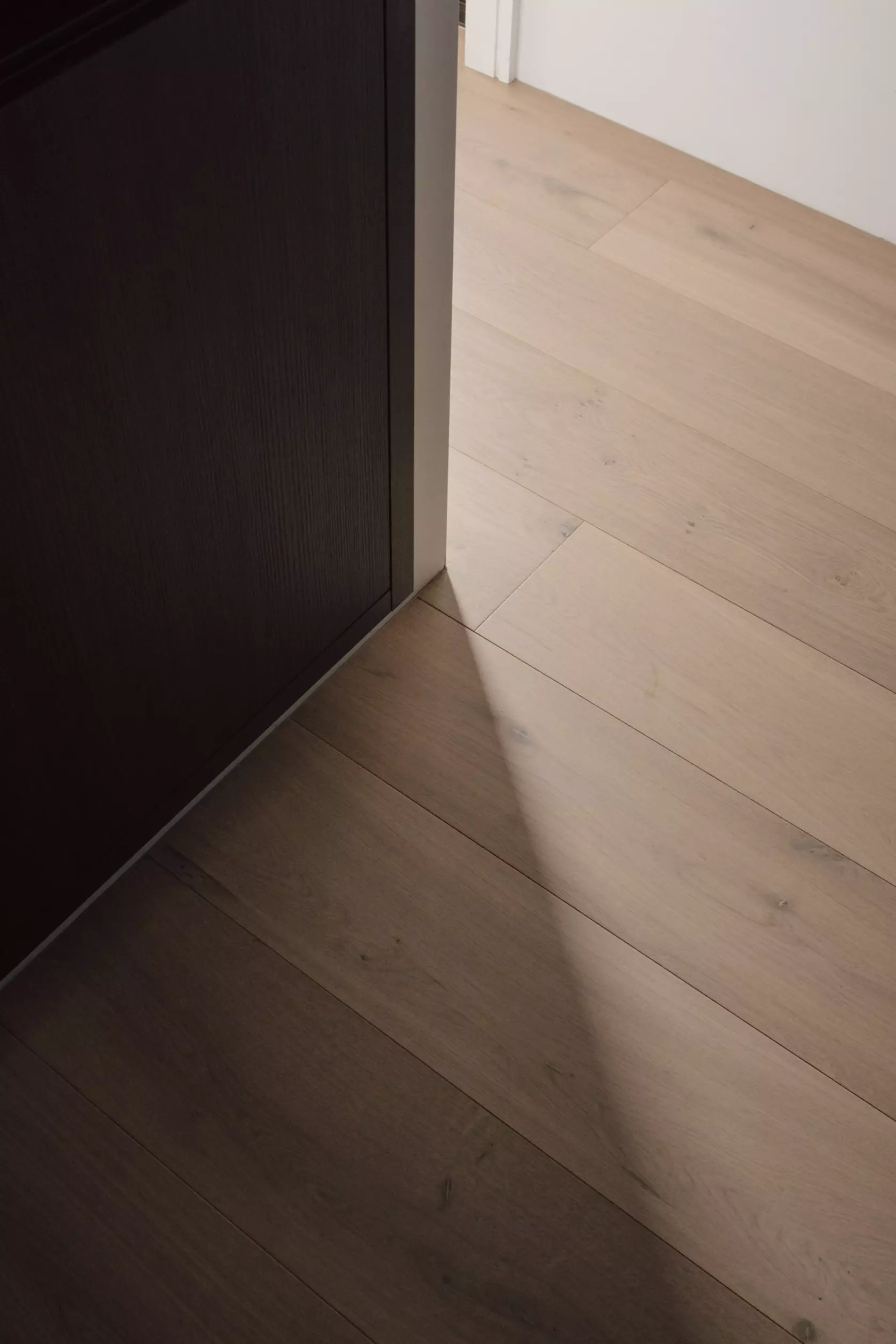
Format and width. Standard plank, wide plank, herringbone, and chevron are all available in most ranges. Wider planks (220mm+) create a sense of openness and continuity. Herringbone and chevron lift a space into something more architectural.
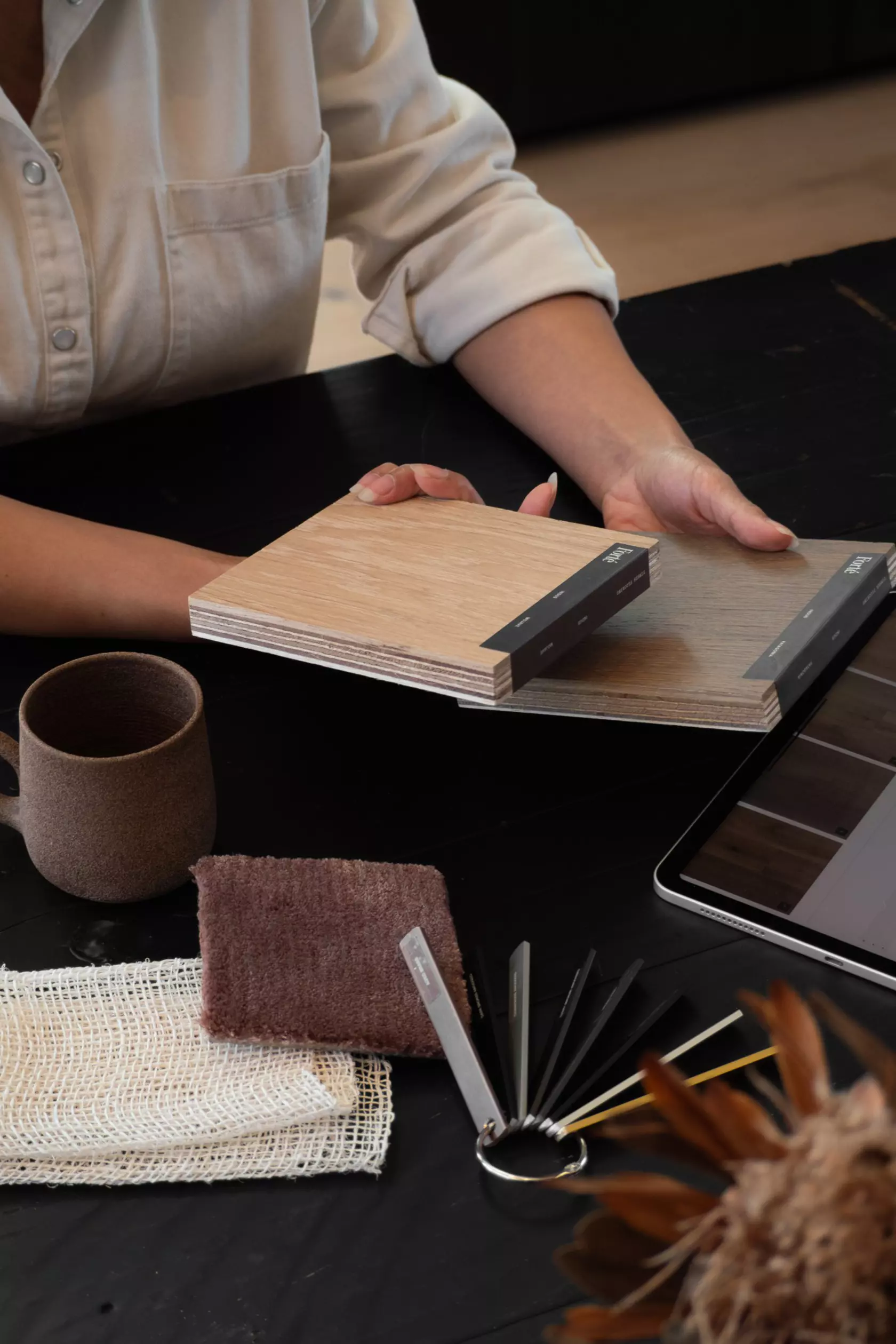
The best starting point is usually a set of physical samples. Colour, grain and texture read very differently in your own light than on a screen.
Order free samples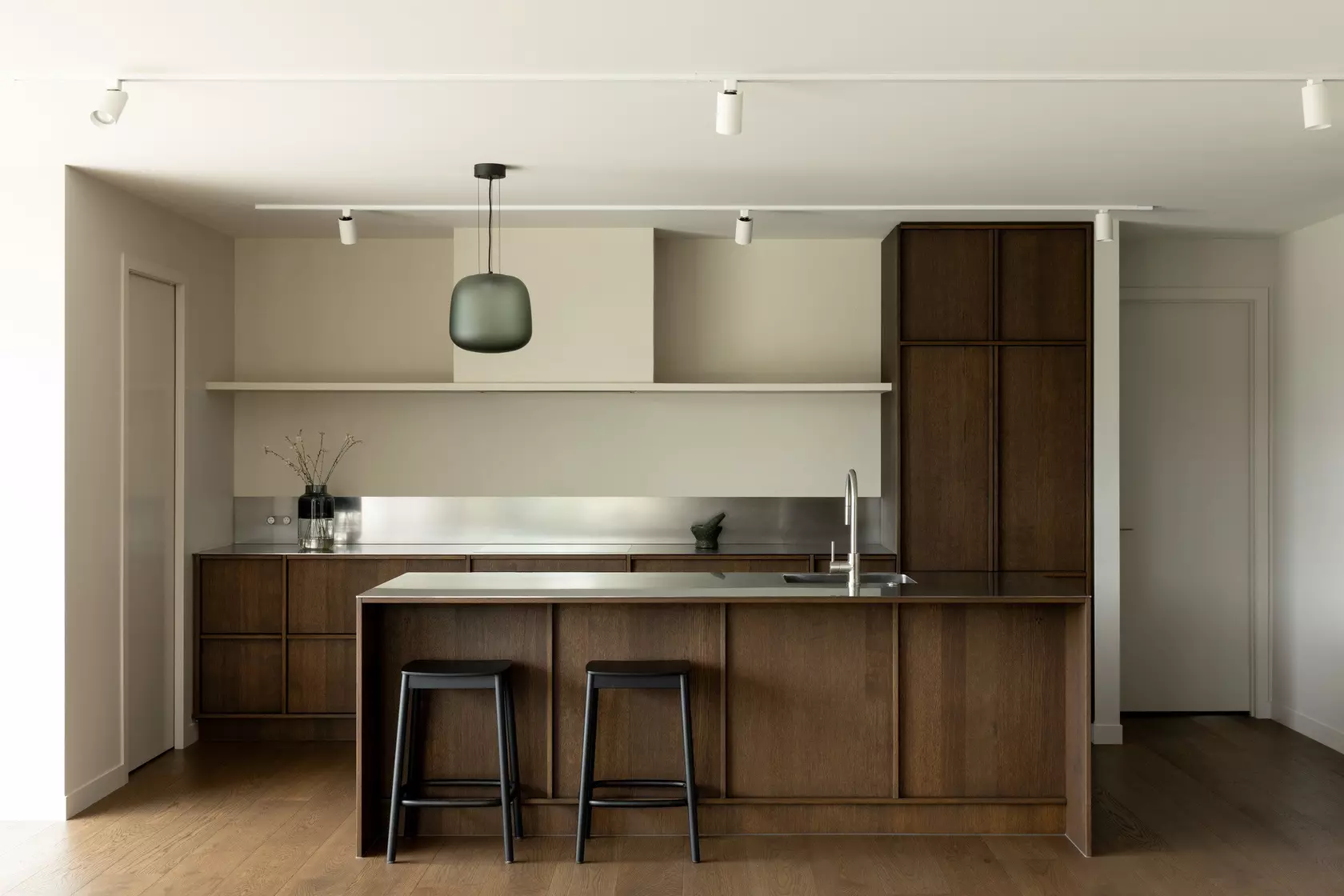
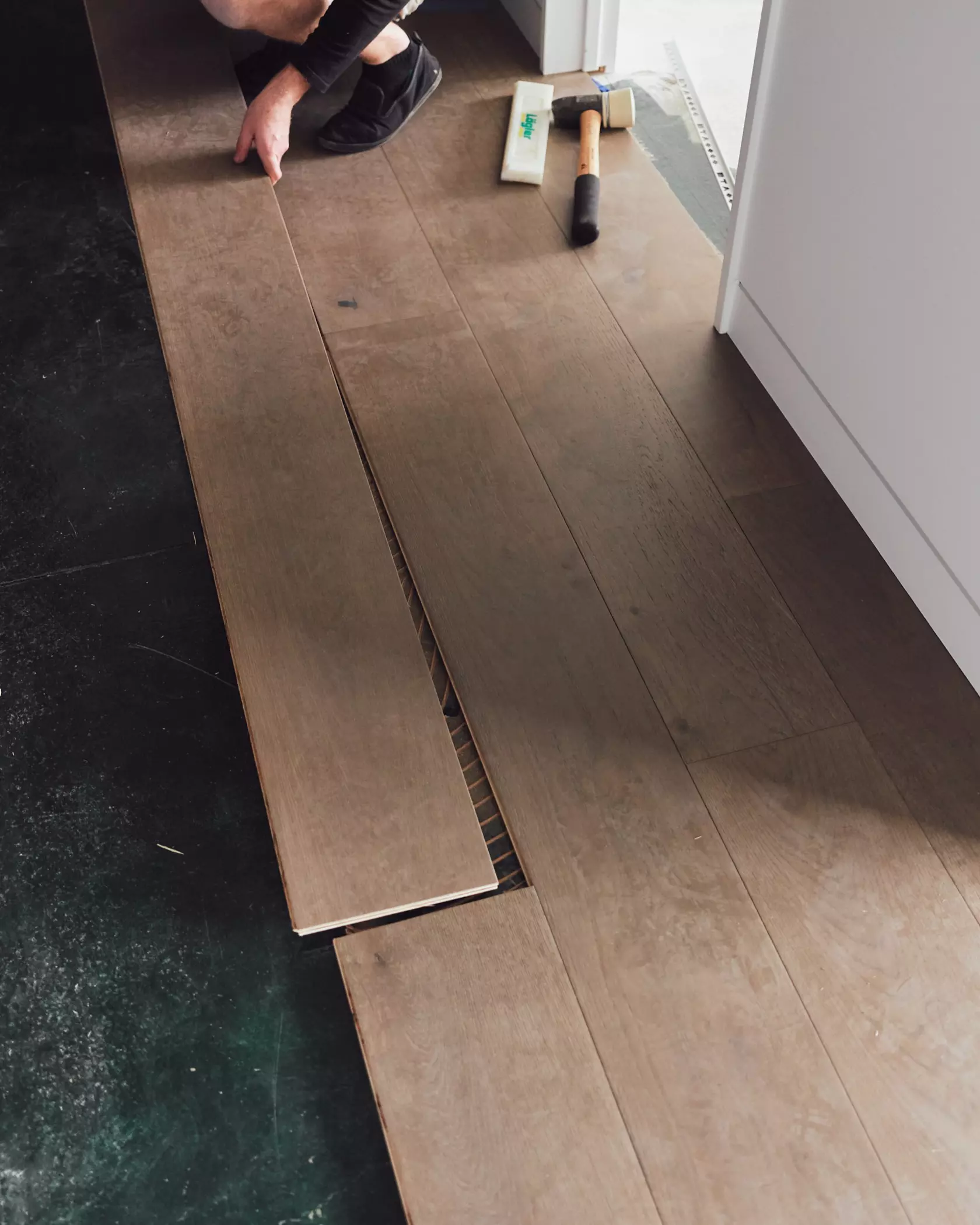
Every Forté engineered timber floor is installed glue-down. It's the only method we recommend, for two reasons: it lets the floor be re-sanded later if ever needed (extending its life by decades), and it eliminates the hollow, creaking sound that comes from floating installations. Installation uses approved substrates, adhesives and underlays, and must meet NZ Building Code and our own installation guide.
Day-to-day care is simple. The factory-applied 7-layer water-based polyurethane is built to handle real domestic life. Sweep or vacuum regularly to protect against grit, wipe spills when you see them, and keep the interior environment steady (16–27°C, 40–60% relative humidity) to keep the floor performing within warranty. No oiling, no annual recoating.
Engineered timber works well with underfloor heating when specified and installed correctly. We have a dedicated guide for that.
Read our aftercare guide
Our Engineered Timber Flooring Warranties: What You Need to Know
What Really Determines the Value of an Engineered Timber Floor?
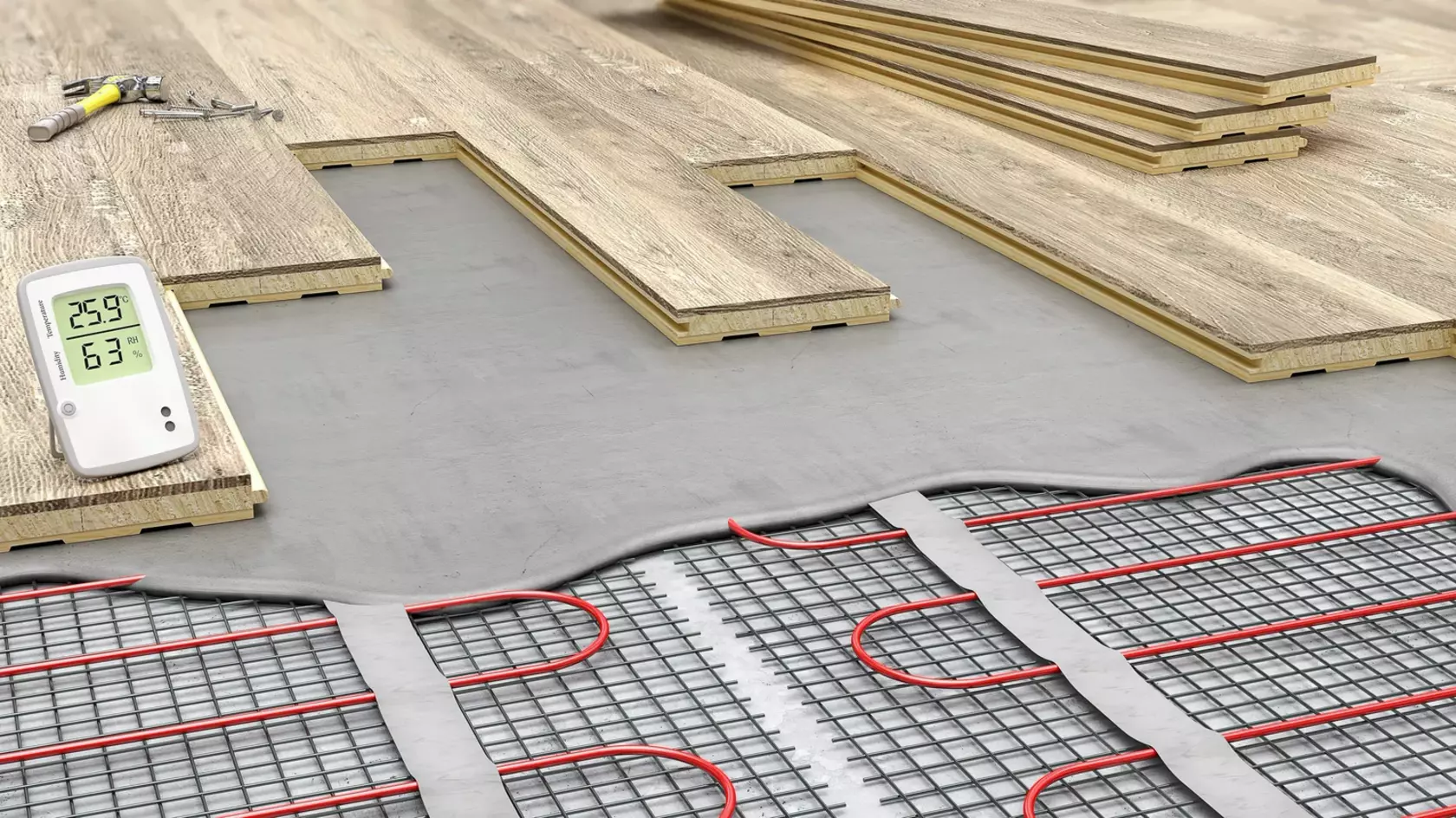
Engineered Wood Flooring and Underfloor Heating: 5 things to consider
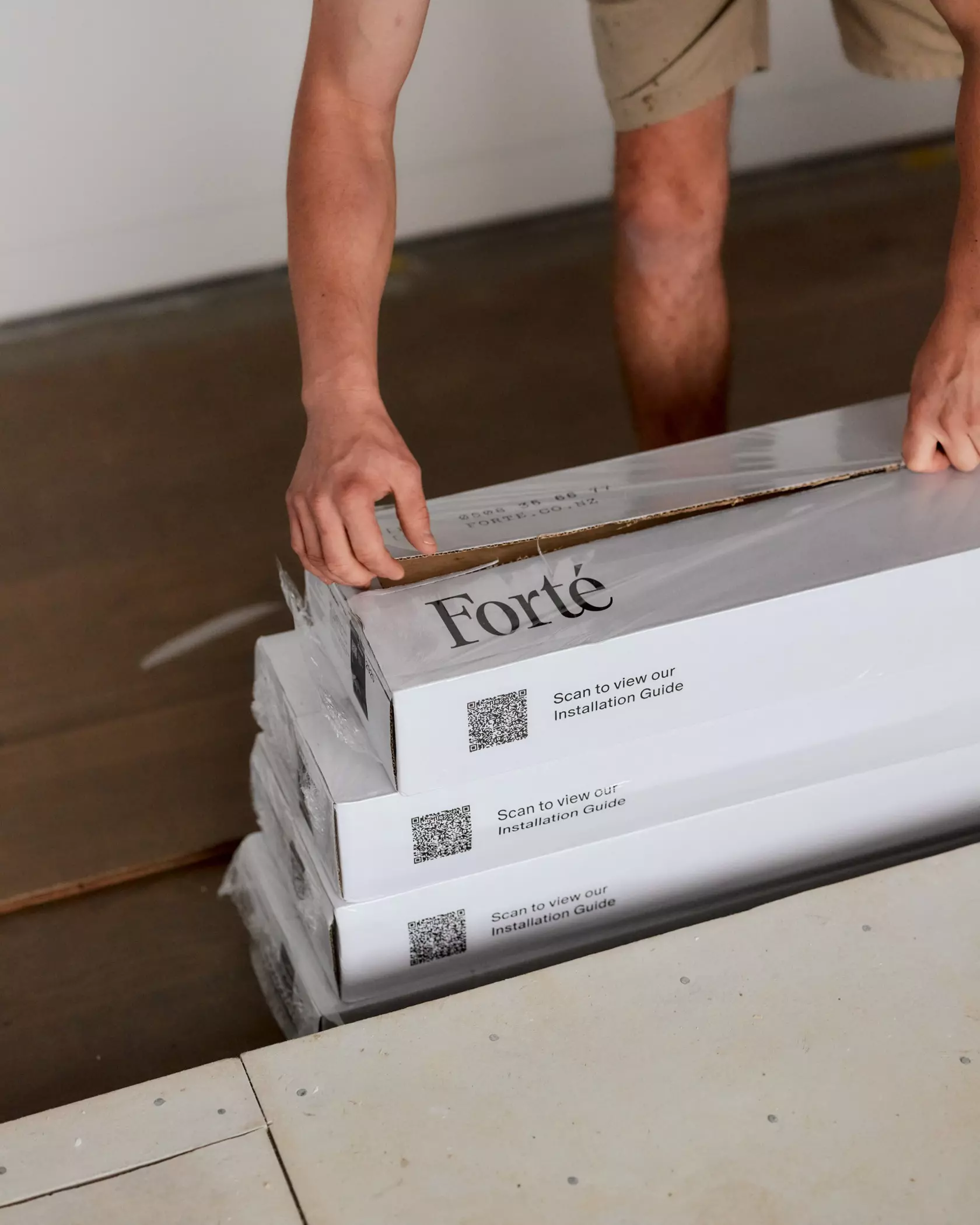
How to Store Your Flooring During Construction
What is engineered timber flooring?
Engineered timber flooring is a real hardwood floor made from a solid oak wear layer (usually 2–6mm thick) bonded to a cross-directional timber or plywood core. That construction gives it the look and feel of solid timber with far better dimensional stability, particularly in New Zealand's climate.
What is the difference between engineered timber flooring and solid timber flooring?
Solid timber is milled from one piece of hardwood all the way through. It's beautiful but moves with humidity, which can lead to cupping and gapping, especially in New Zealand. Engineered timber has the same hardwood surface but a stable engineered core underneath, so it holds its shape over time. Engineered timber also uses around one-third of the slow-growing hardwood resource.
Is engineered timber flooring suitable for underfloor heating?
Yes, when specified and installed correctly. The engineered core is more stable than solid timber under temperature change. We have a dedicated guide covering underfloor heating compatibility, including system type, surface temperature limits and acclimatisation.
How long does engineered timber flooring last?
A well-specified, well-installed Forté engineered timber floor is designed to last for decades. Our 25-year residential structural warranty reflects that. Because our floors are glued down, they can also be re-sanded during their life, which extends them further.
Does engineered timber flooring meet New Zealand Building Code?
Yes. Forté timber flooring is CodeMark certified, which provides product-level assurance for the NZ Building Code and can help streamline the Building Consent process for specifiers and builders.
Can I see and feel the flooring before I choose?
Yes. Free samples are delivered to your door, with up to 9 per order. You can also visit one of our Experience Centres in Auckland, Christchurch or Queenstown to see the full range and book a consultation with our team.
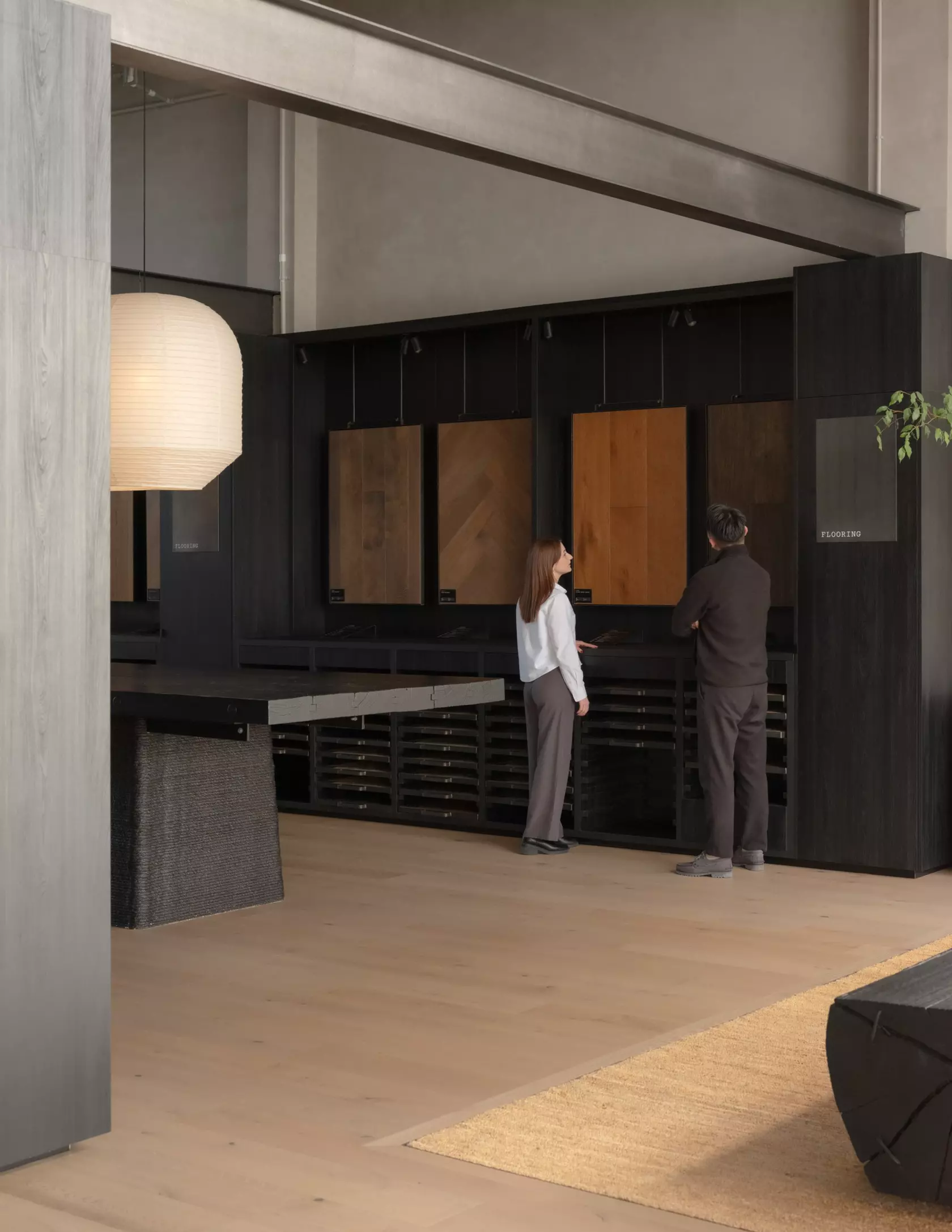
A timber floor is a decision you make once. The best way to get it right is to see the product in person — in your own light, next to your own materials.
Order free Forté samples to your door, or visit an Experience Centre in Auckland, Christchurch or Queenstown and spend time with the full range. Our team is there to help you compare collections, colours and formats, and to specify the right floor for your project.
Order Free Samples Visit An Experience Centre Book a consultation