




Choosing timber flooring for high-traffic commercial spaces
By Felix Piesse, Commercial Specification Lead
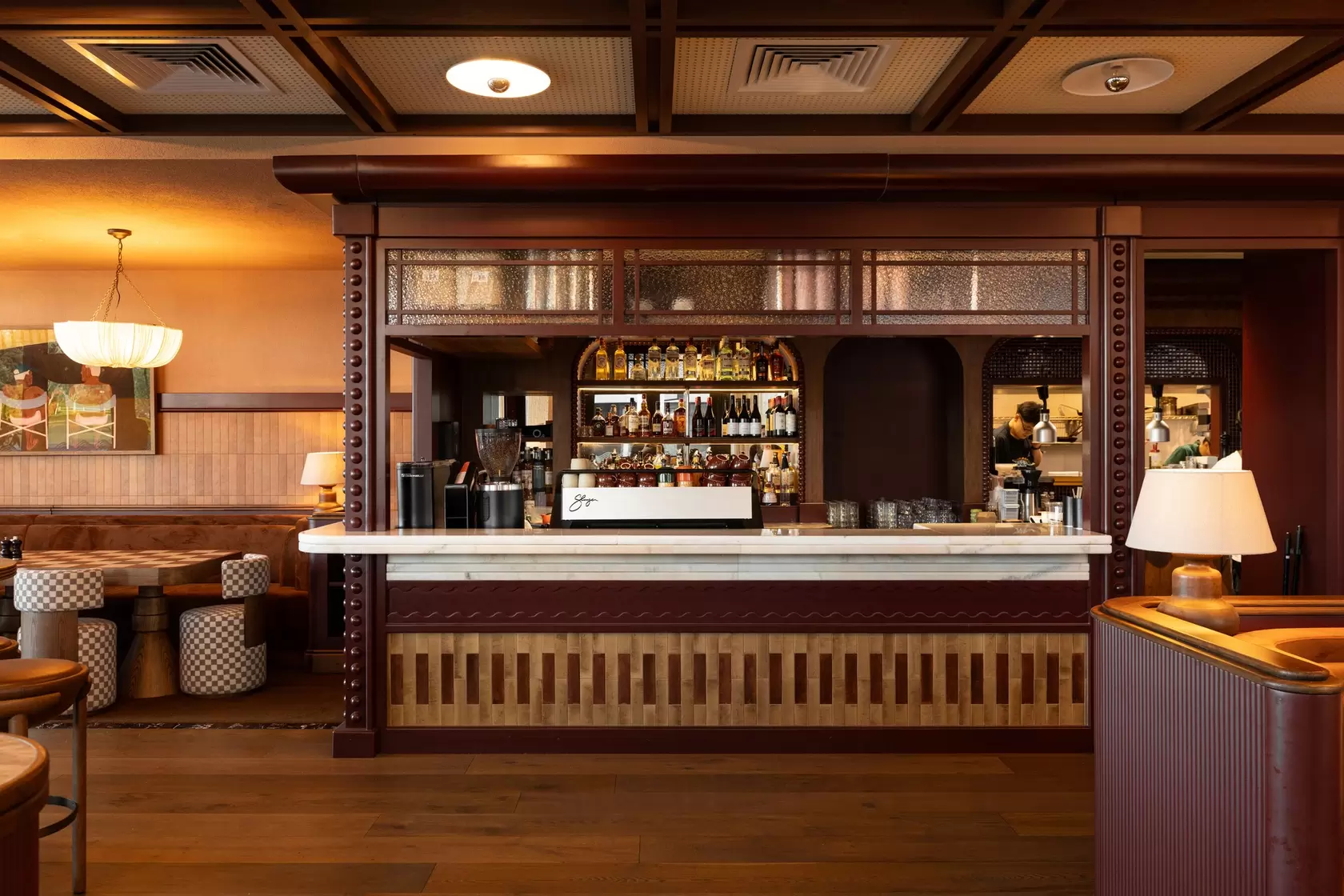
As the Commercial Specification Lead at Forté , most of my week is spent helping architects and specifiers pick a floor that will hold up in busy hospitality environments. If you're choosing timber for a pub, bar, restaurant or similar space, the first thing I'd think about is how you want the floor to look in five or ten years, not just on the day it's installed.
Timber can work really well in these environments, but heavy foot traffic leaves its mark over time: shoes bring in dirt, grit and small stones, furniture gets shifted around, and drinks get spilt. So the key question for me is whether you want to keep the floor looking close to new, or whether you're happy to let it age and develop some character.
For really heavy traffic, I'd lean towards texture
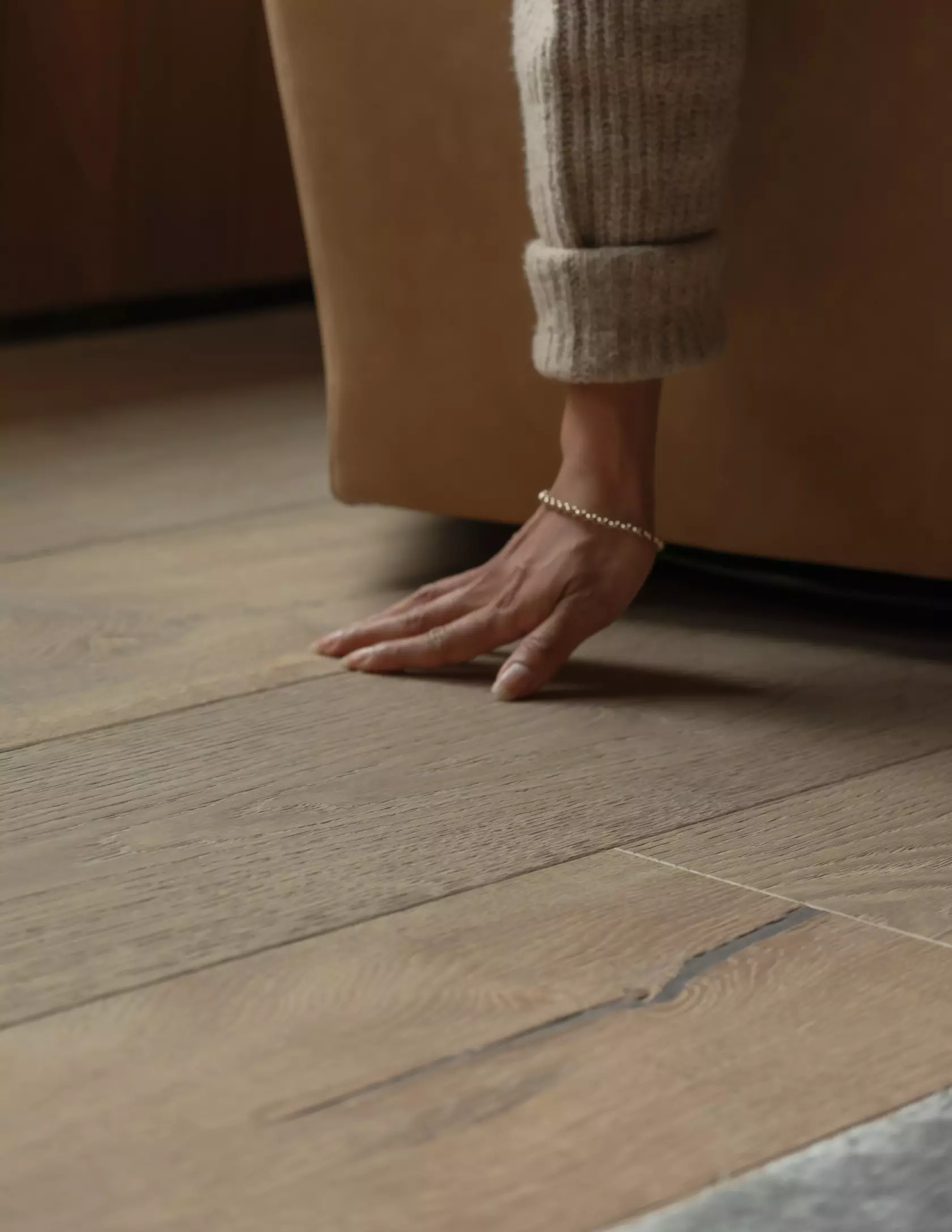
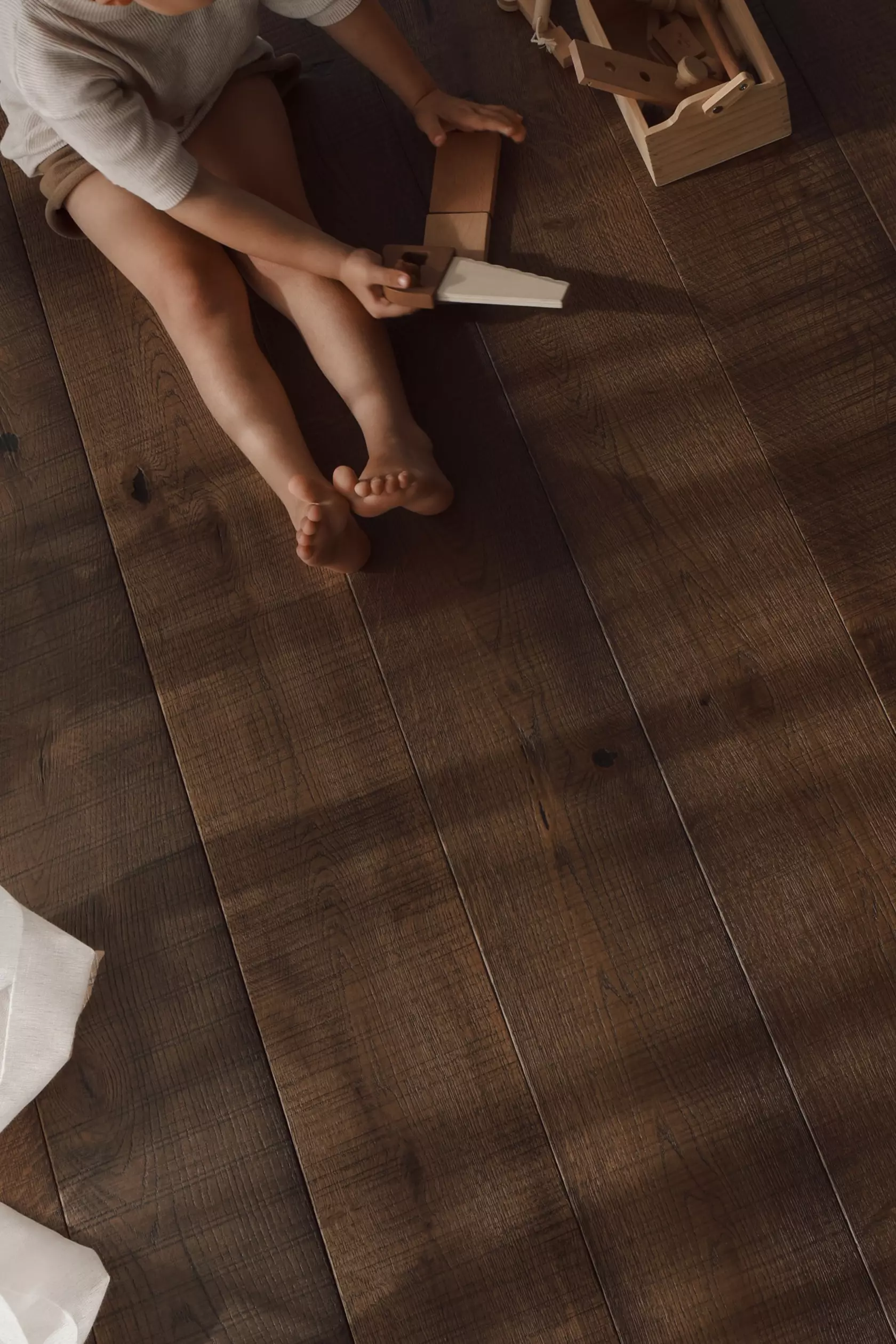
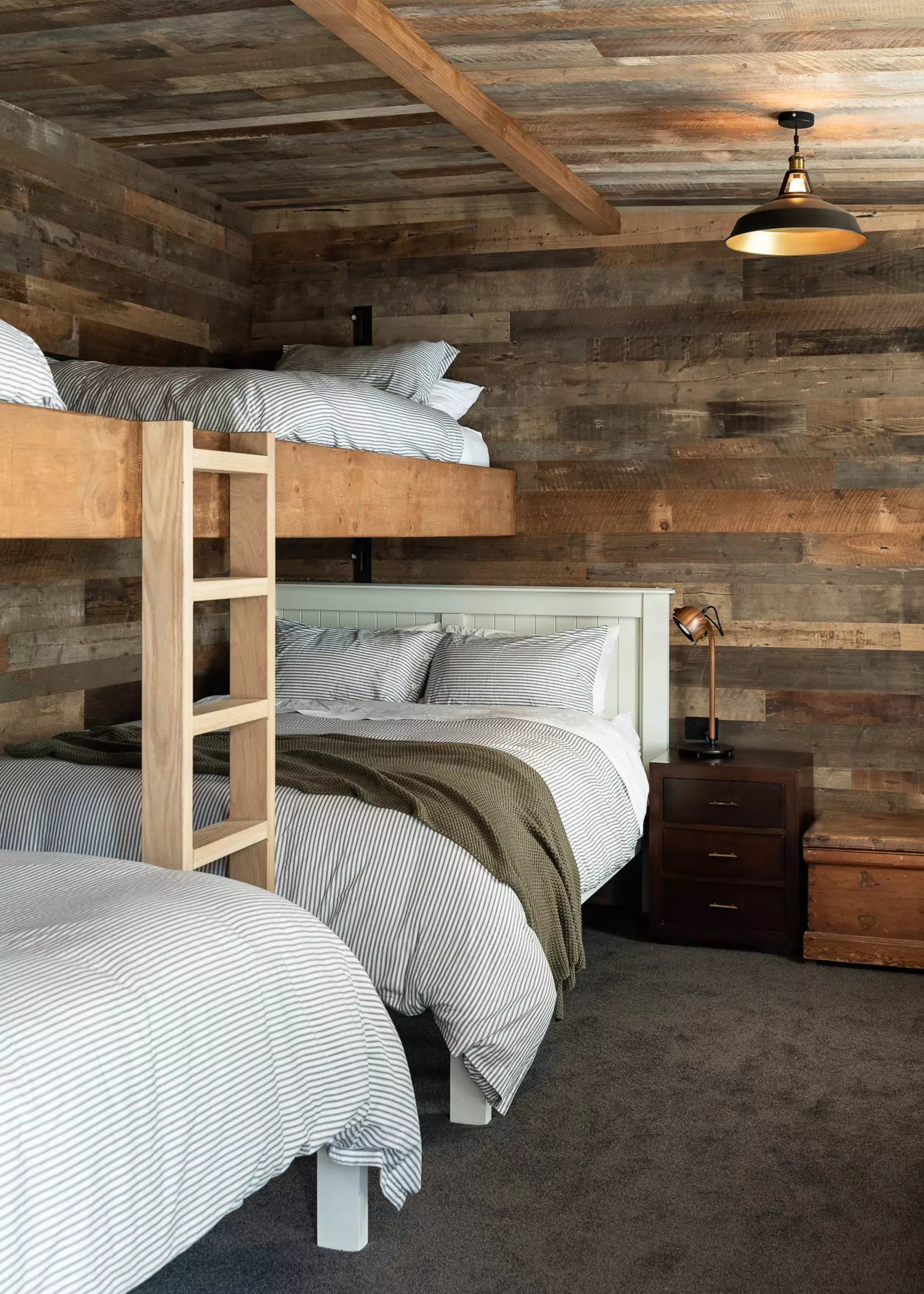
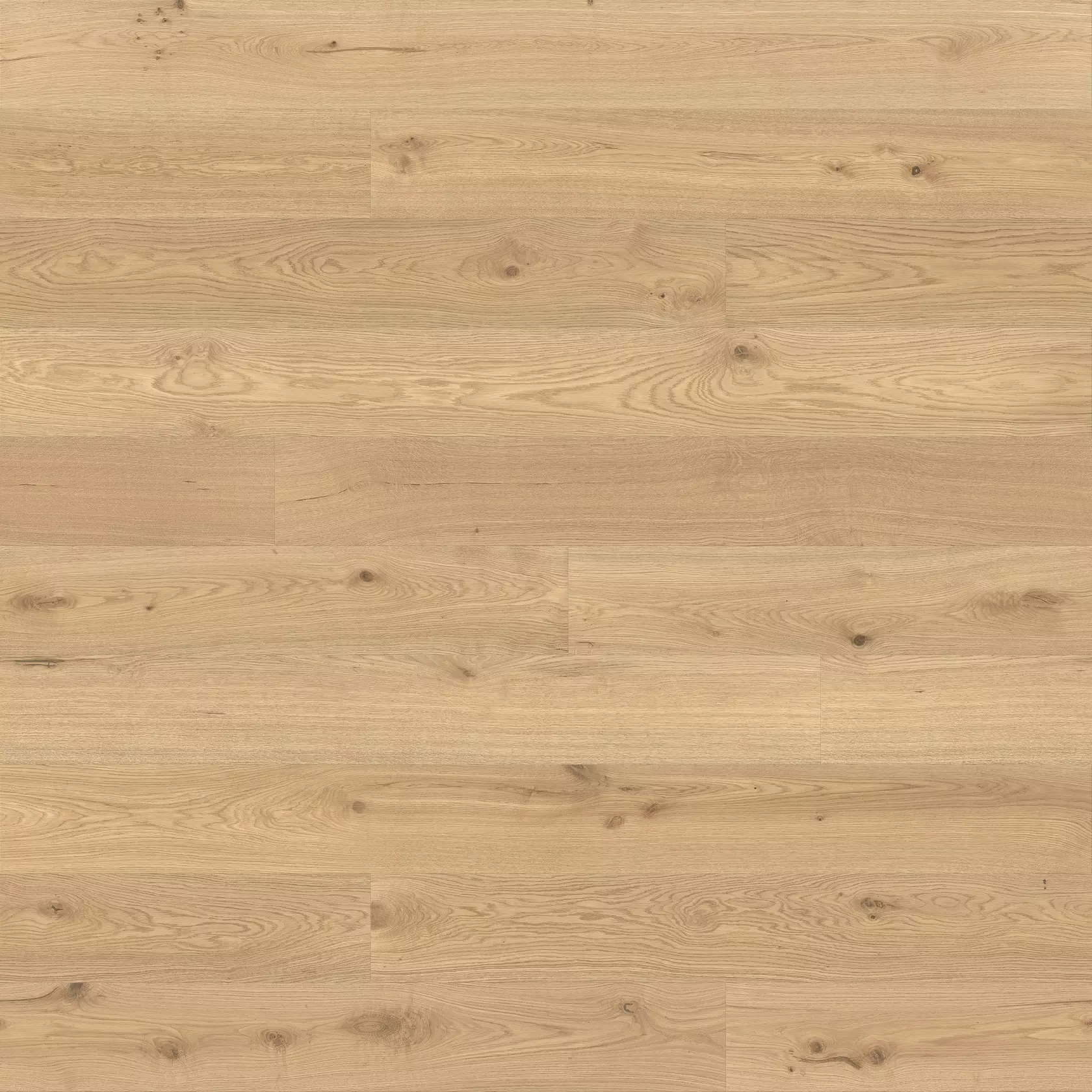
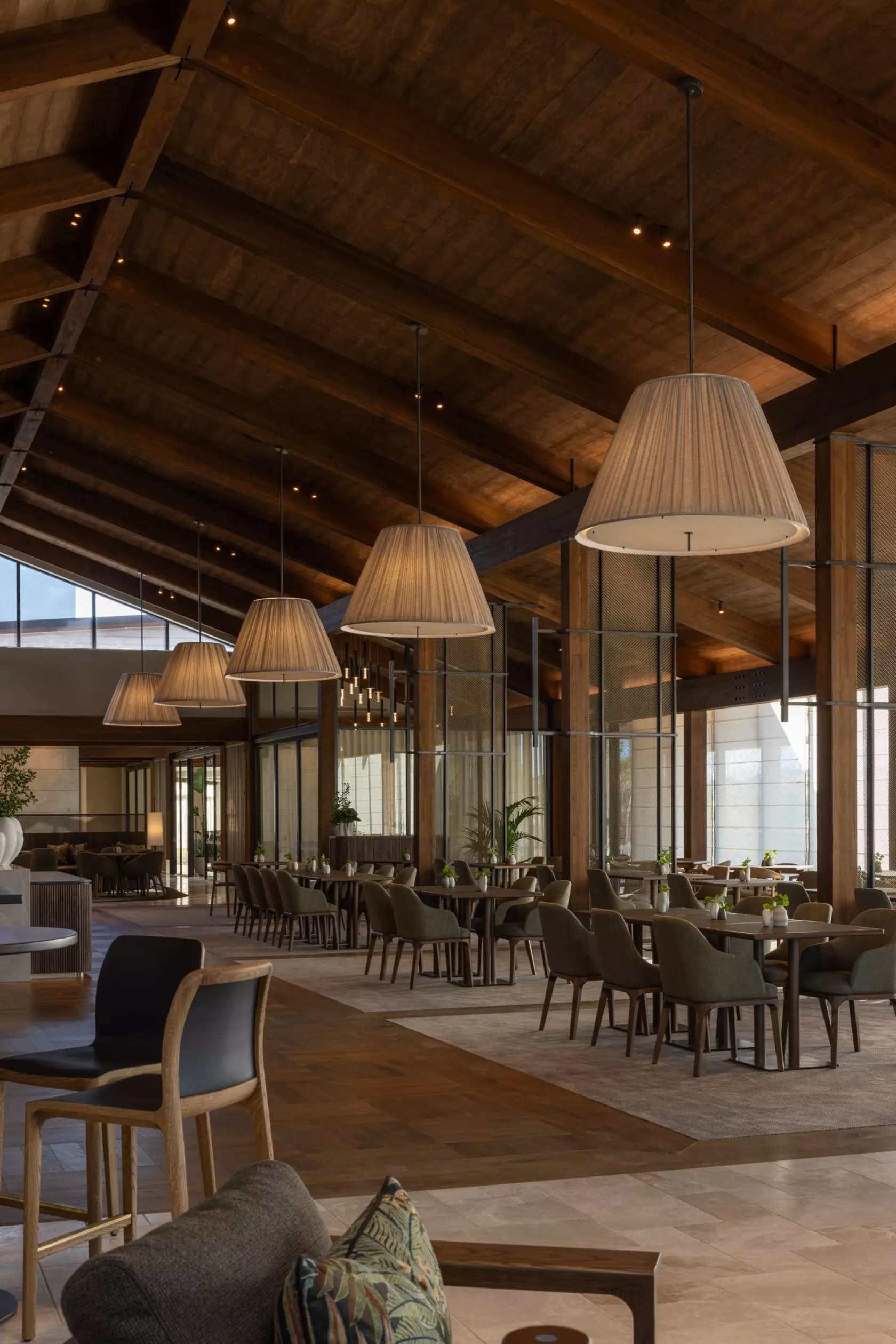
If I knew a space was going to get a lot of wear, my first choice would generally be a timber floor with some texture already built in. Our Ridge Collection is a good example, with a band-sawn surface that carries plenty of natural grain and character before a single customer walks across it.
The benefit is that when the floor starts to pick up scratches, dents and general wear, they don't stand out. They become part of the floor. For a pub, bar or busy hospitality environment, that can work really nicely — rather than constantly fighting to keep the timber looking new, you let it build a natural patina over time.
You can still use a smoother timber floor
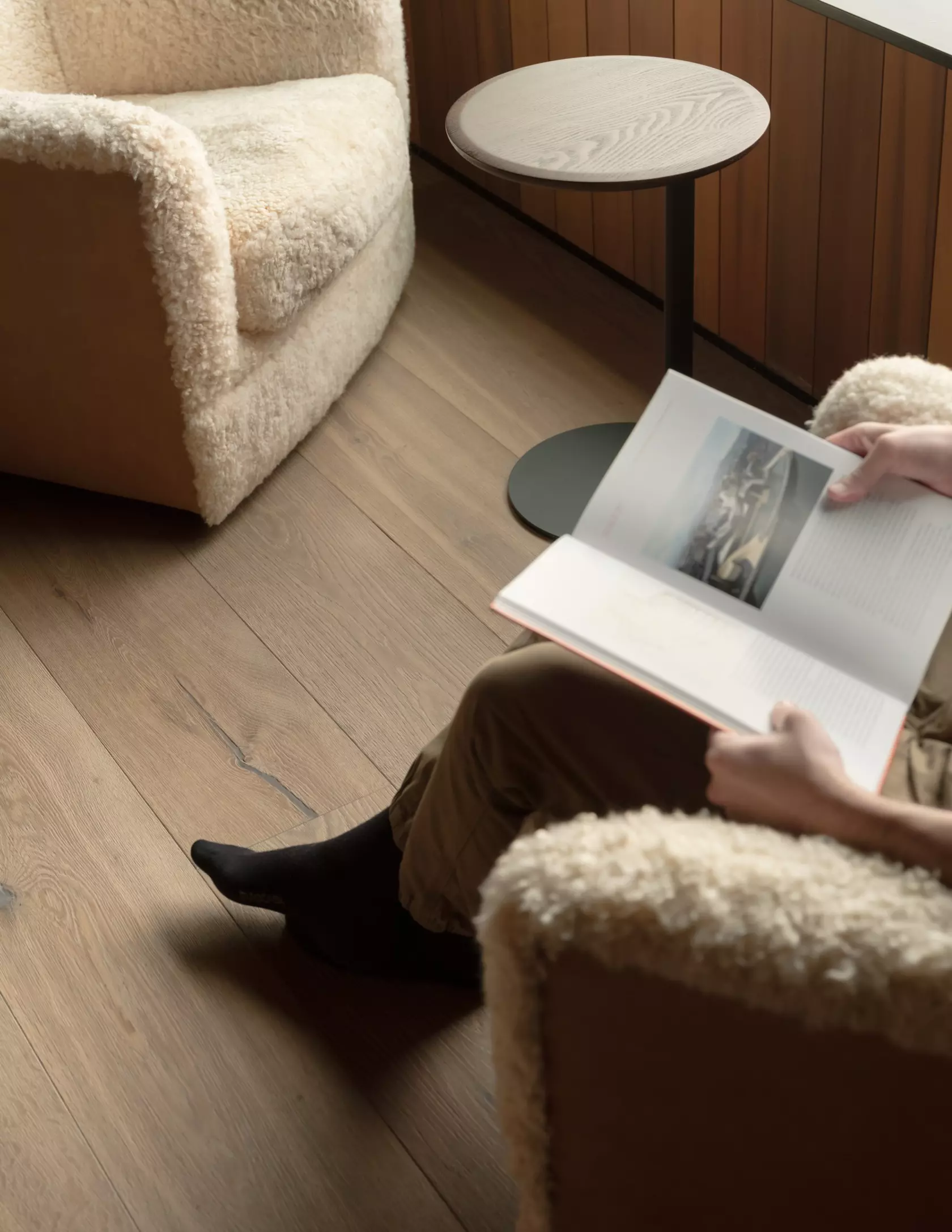
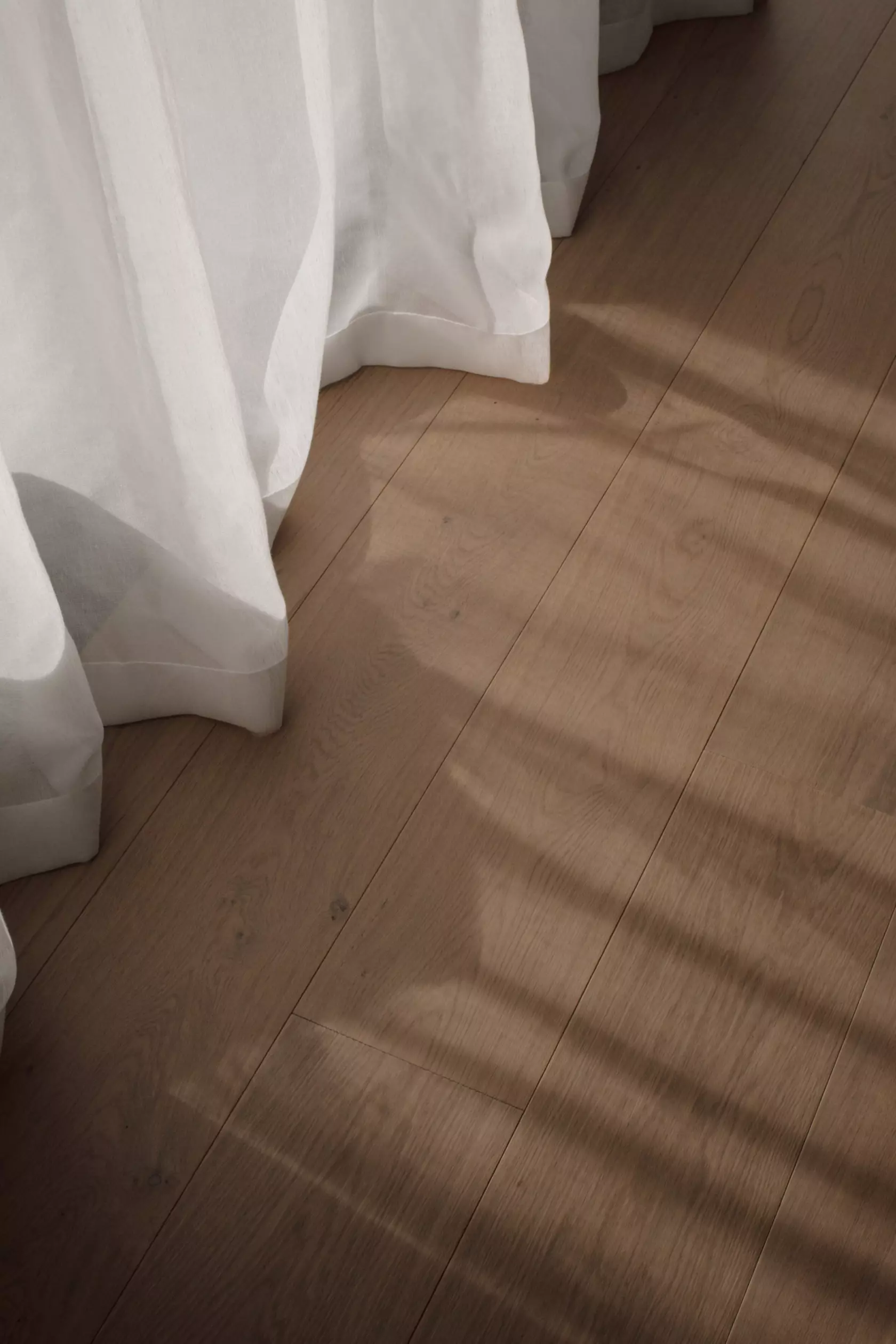
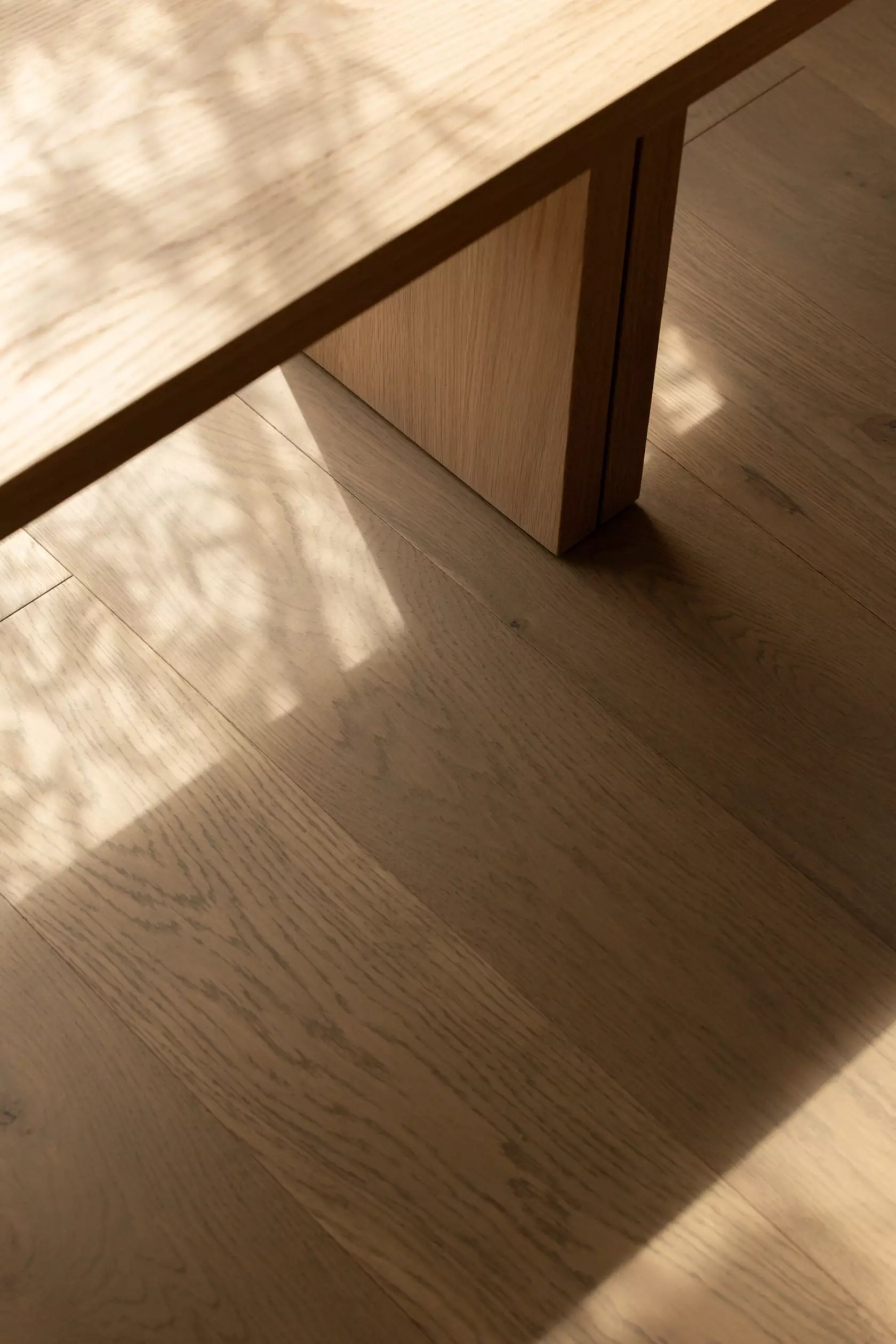
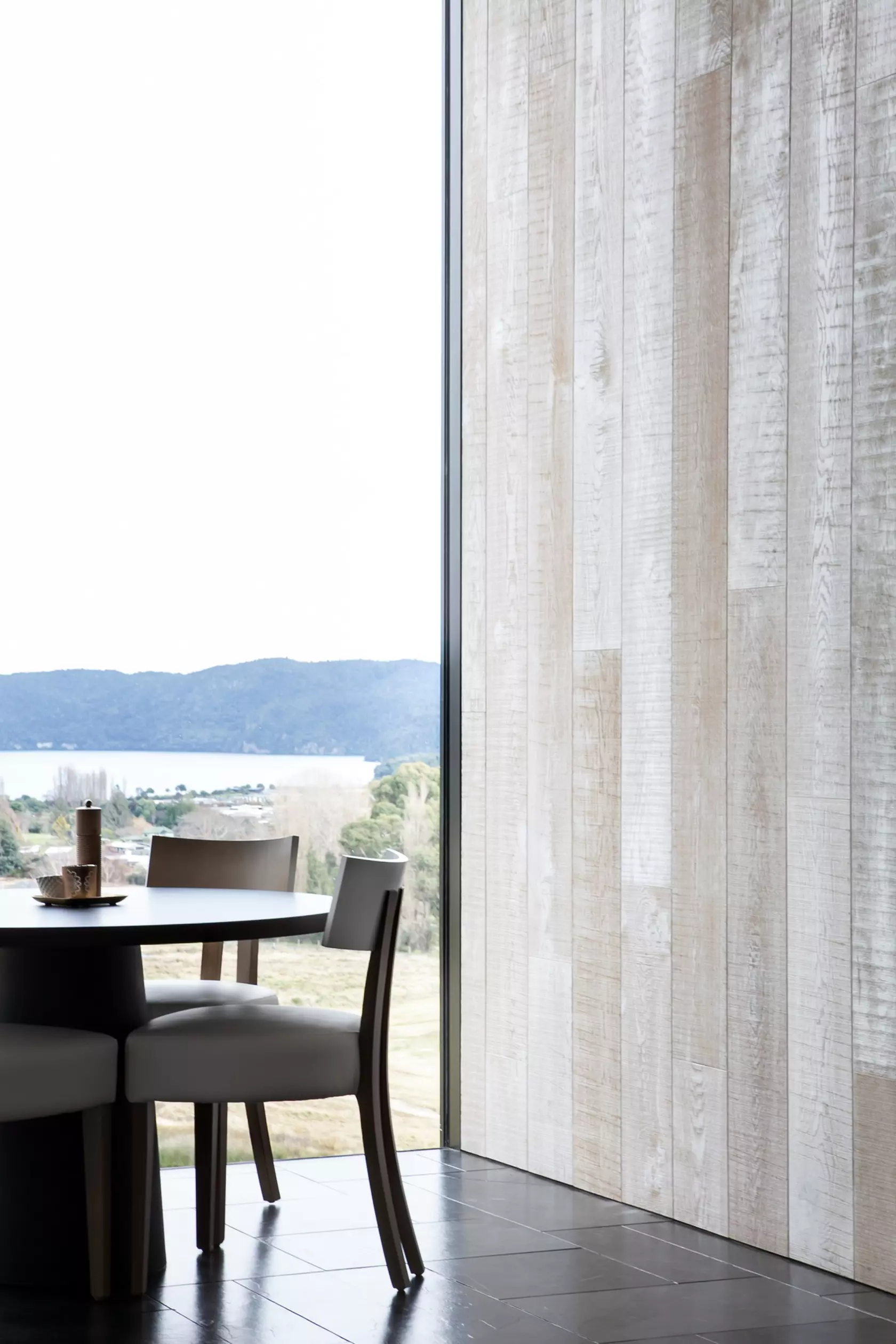
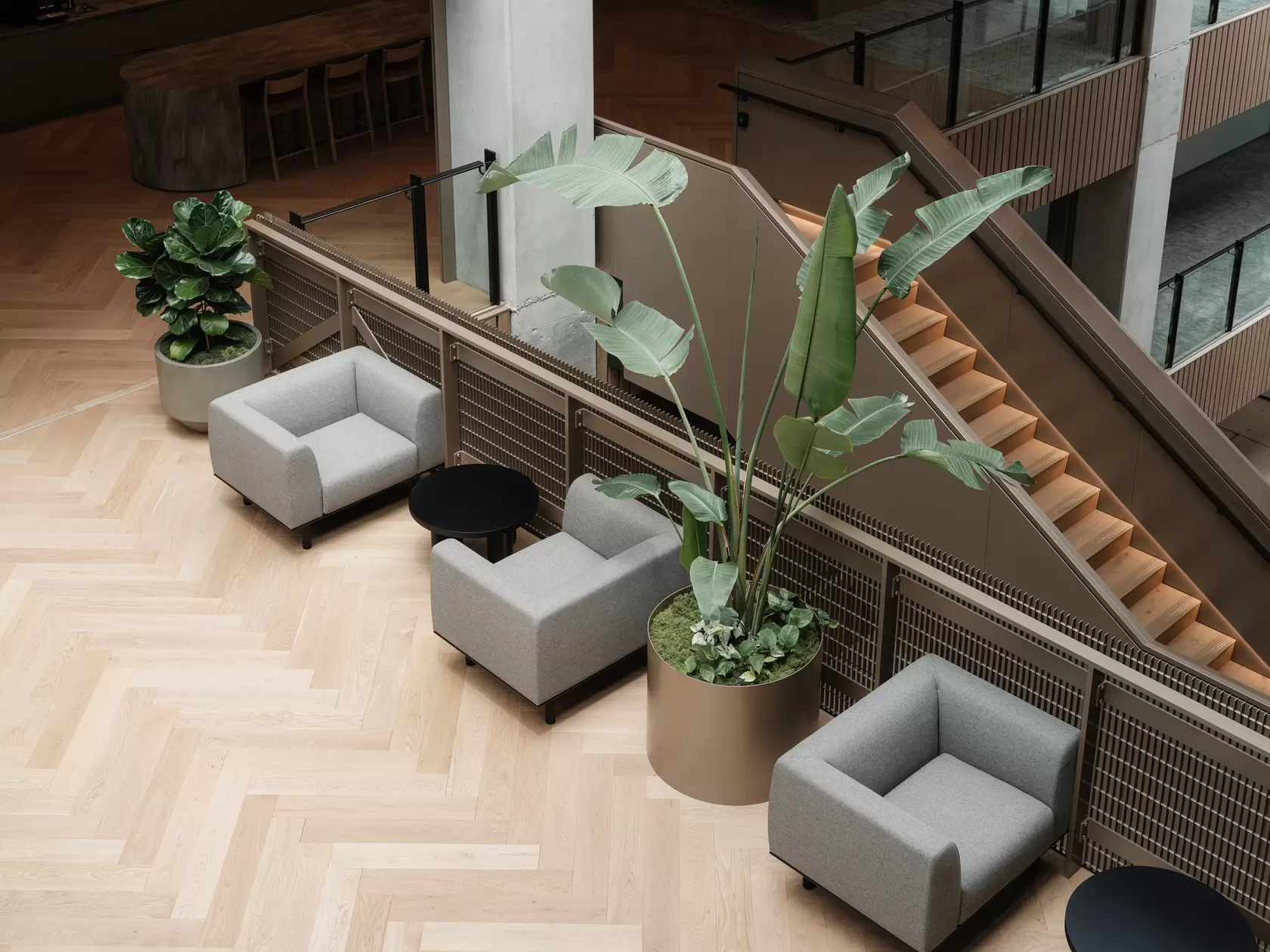
You don't have to use a heavily textured floor in a high-traffic space. A smoother or lightly brushed option such as Haven or Moda can still work well if that suits the design better, but scratches, dents and general wear will be easier to see, so maintenance becomes more important.
As a general guide for high-foot-traffic commercial spaces, that means a daily sweep or vacuum to lift grit before it gets walked into the surface, a more thorough clean on a weekly basis, and a professional deep clean with periodic recoating on a longer cycle, typically every couple of years depending on how hard the space is used. The big thing is keeping grit off the floor: once dirt and small stones are being walked across the surface all day, they act like sandpaper. If the expectation is that the floor stays looking close to new, that's the level of upkeep it needs.

If you know it won't be kept immaculate, choose a colour that will age well
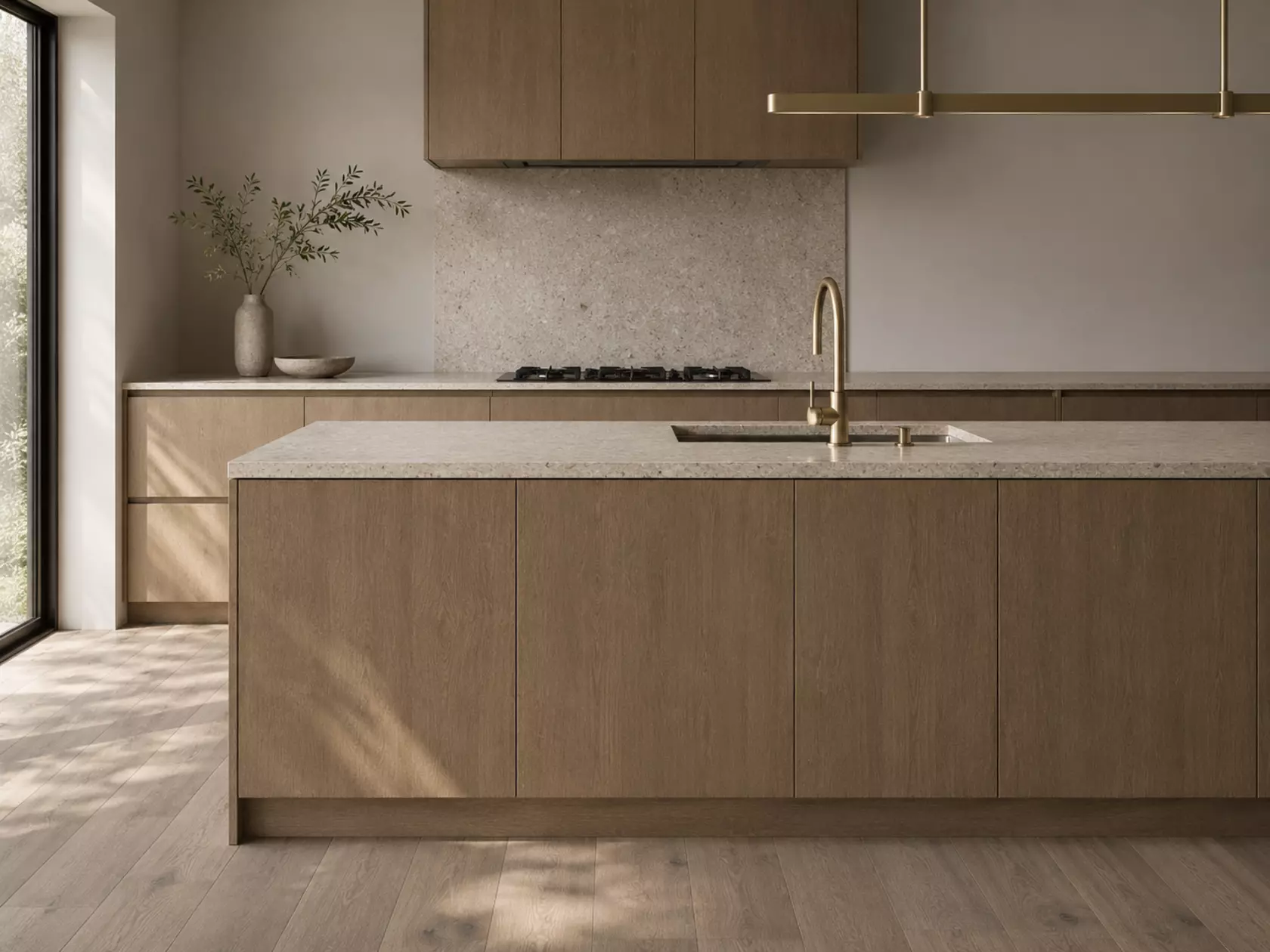
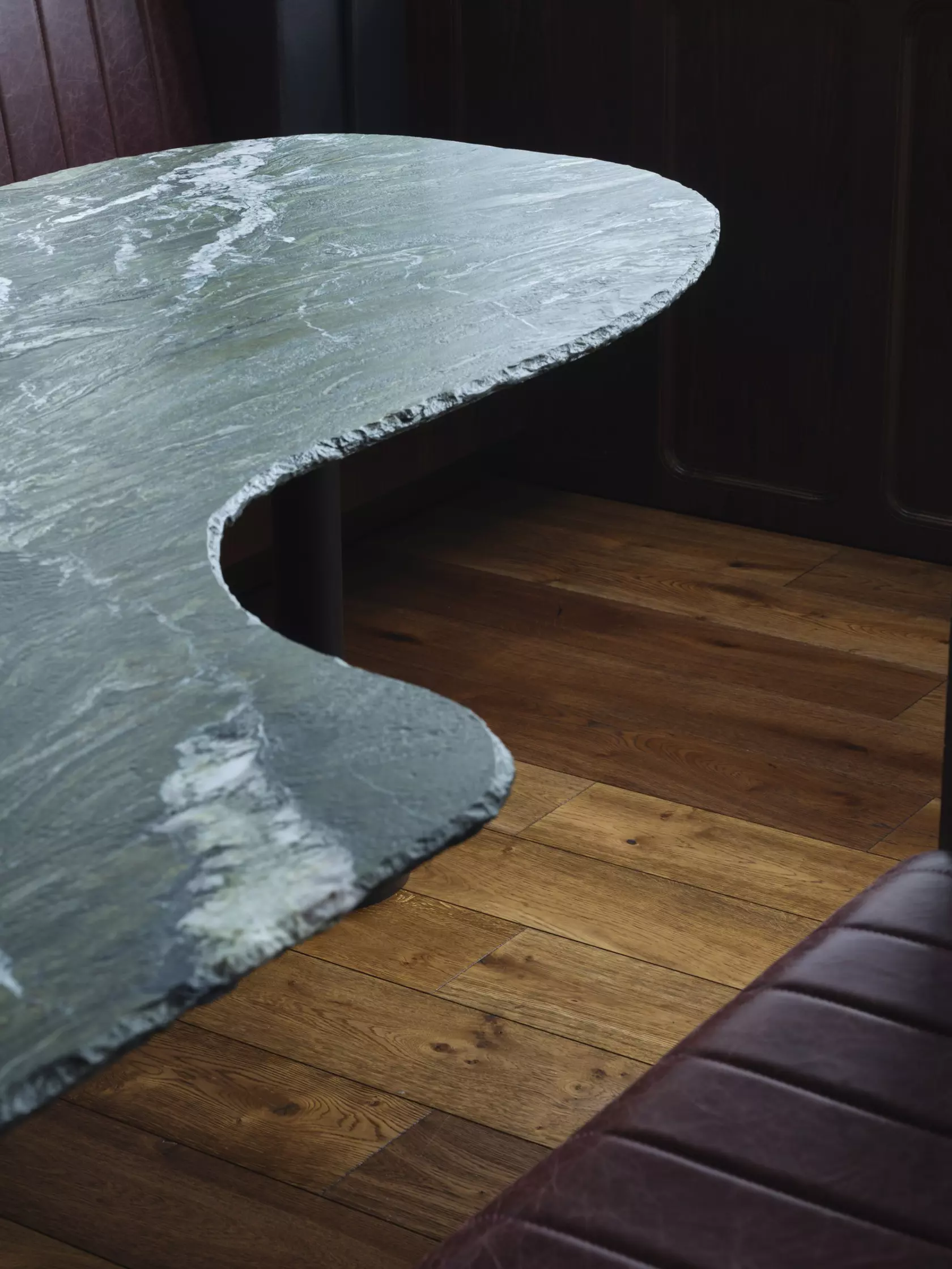
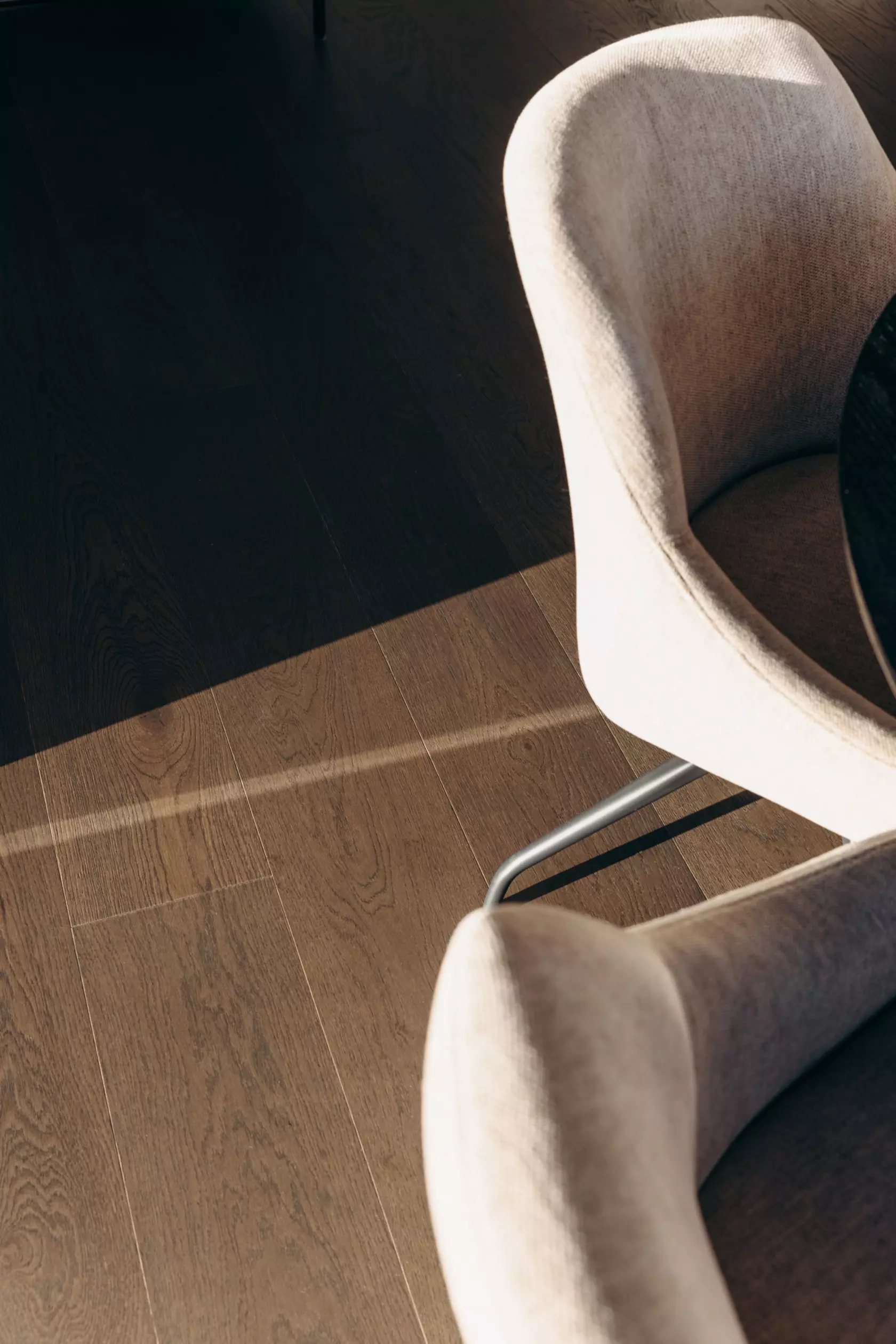
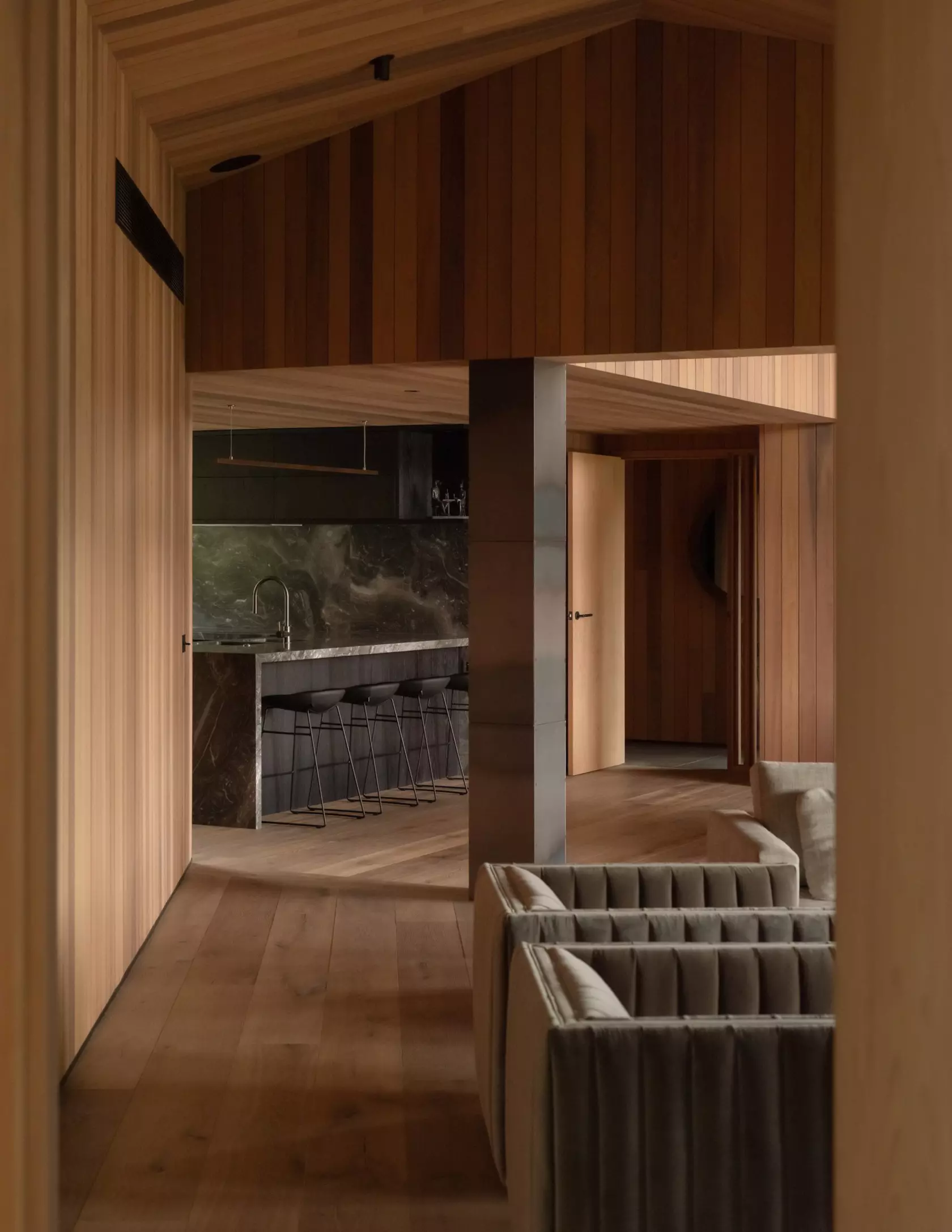
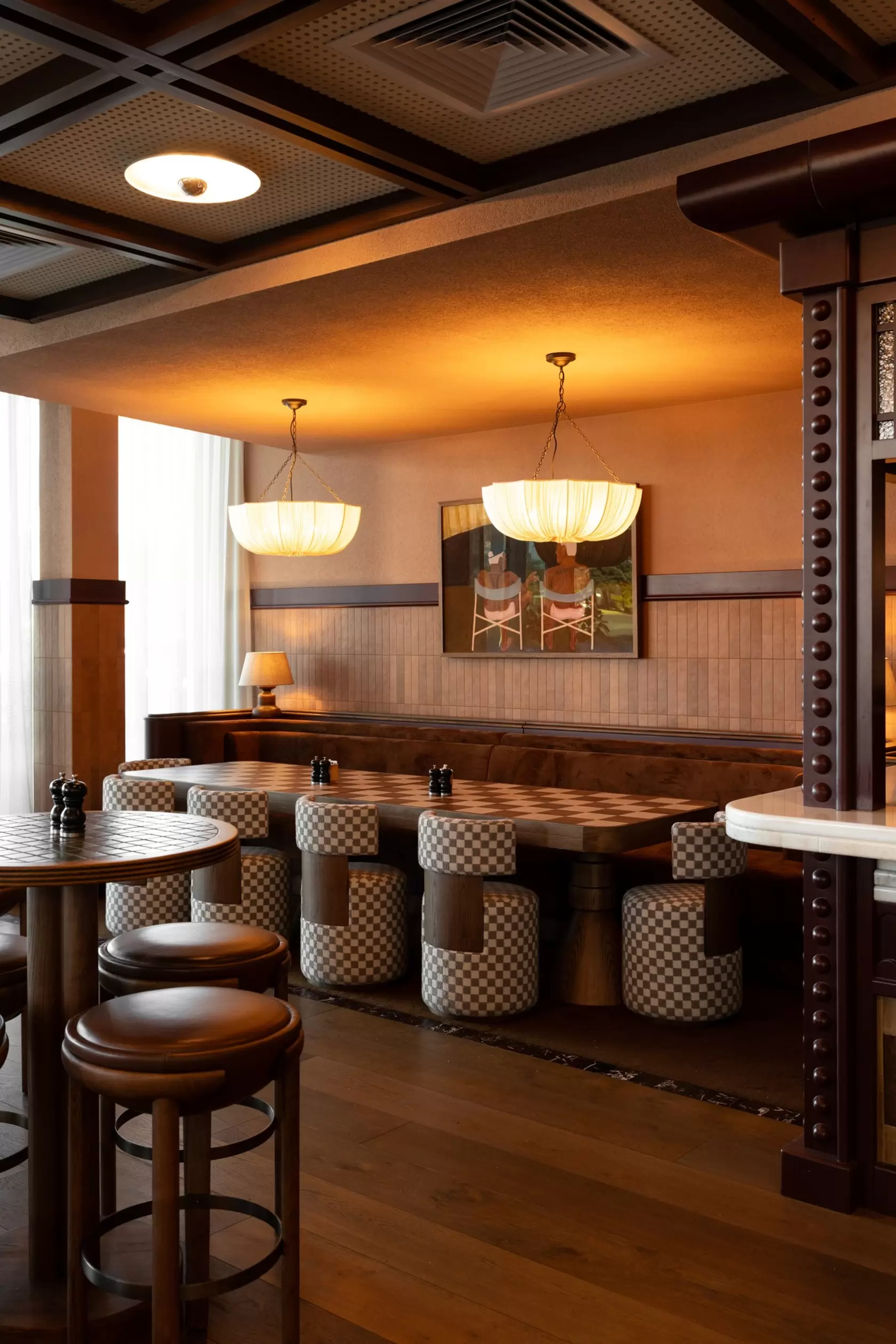
This is probably the most important thing I'd consider. If you know the recommended cleaning regime won't always be followed, and you're comfortable letting the timber patina, choose a colour that will handle that naturally. I generally find mid-toned colours and timbers with natural variation, like those in our Haven range, are more forgiving: scratches, dirt and general wear blend in more easily, and the floor develops character without looking tired.
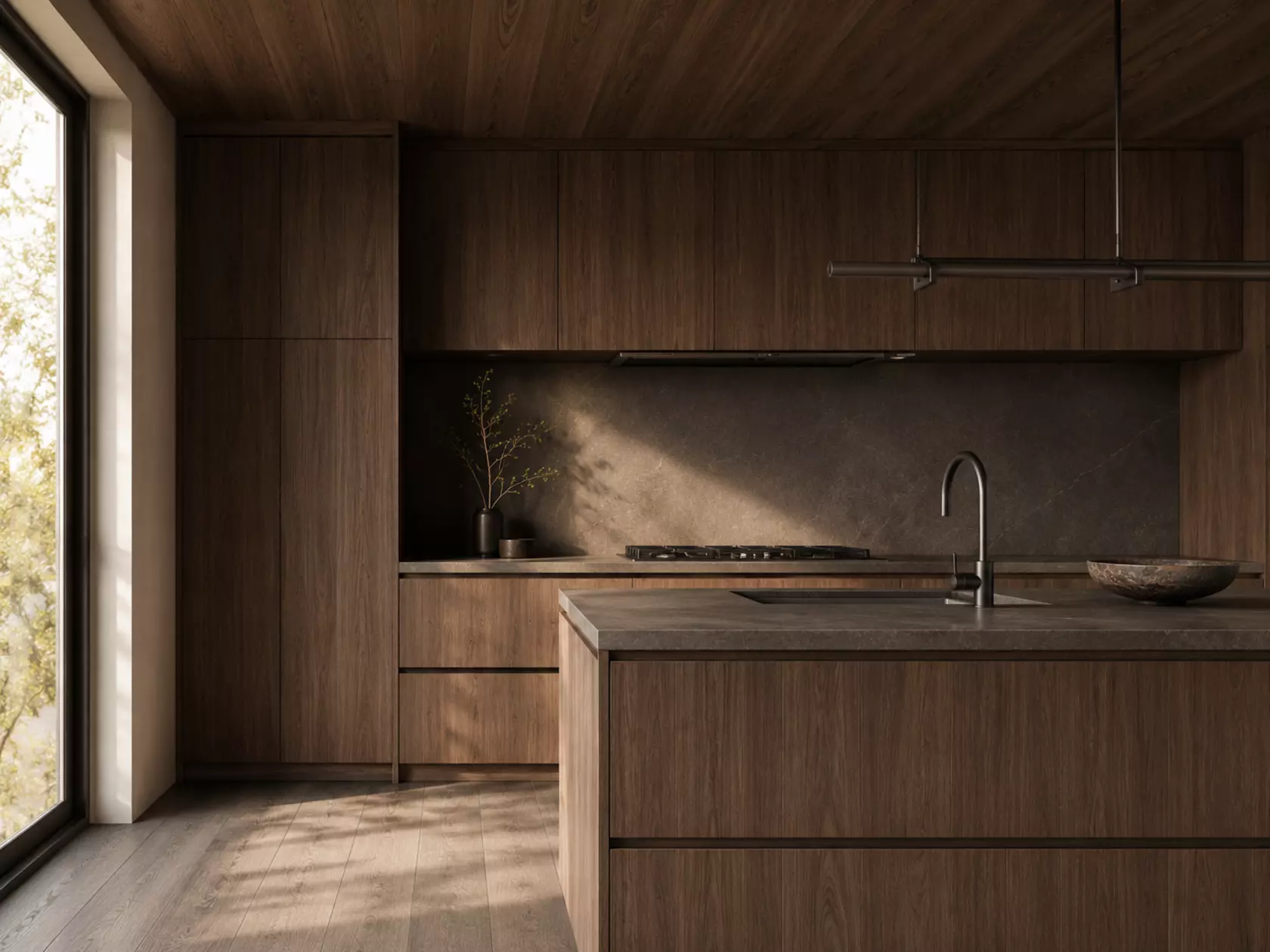
I'd be more careful with very light colours in these environments. They look great when new, but dirt becomes more noticeable over time, particularly in brushed or textured surfaces, and you can start to see contrast between heavy-traffic areas and those left untouched. The same thinking applies to very dark floors under a lot of direct sunlight, since timber naturally changes colour with exposure to UV, visible light and heat, and strong colour shifts can become more obvious.
A few other things make a big difference
The flooring itself is only part of the equation. Entrance matting is a simple one: in commercial spaces, I'd always try to incorporate proper matting so moisture, dirt and grit are removed from people's shoes before they step onto the timber.
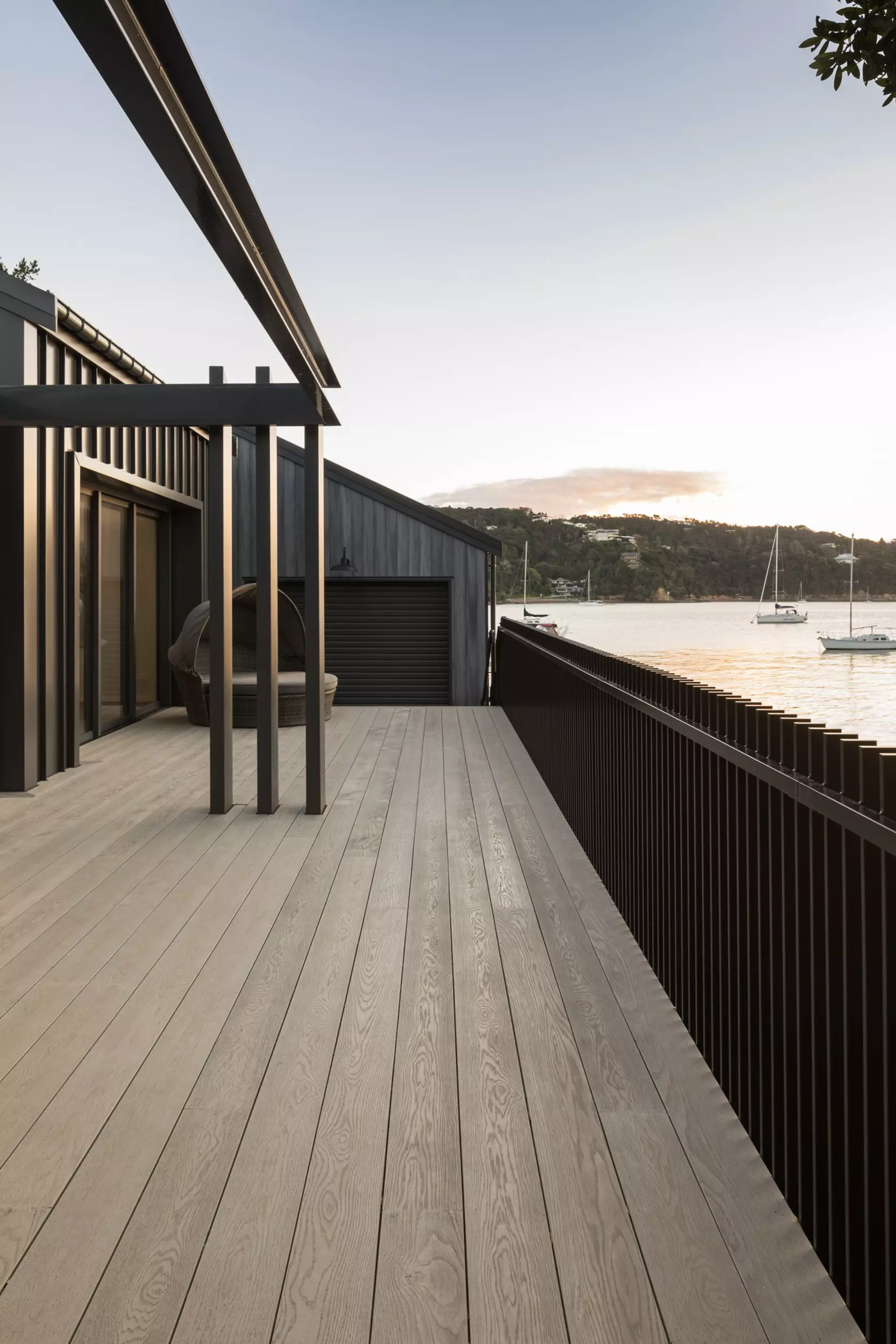
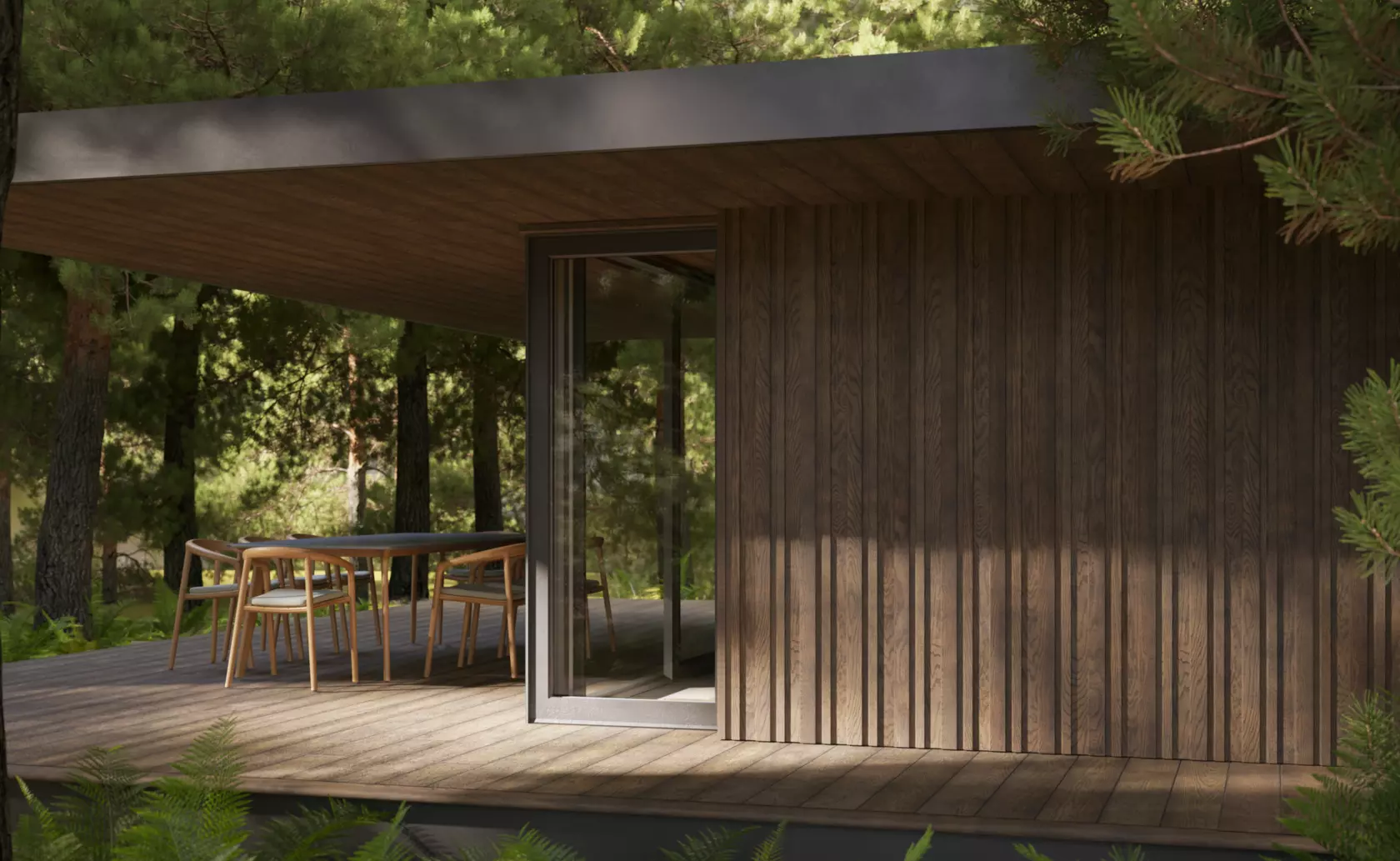
Sunlight is another. If a space has a lot of glazing, particularly where the floor gets prolonged direct sun, it's worth looking at solar-control or UV-protective glass early in the design, alongside window films, blinds, curtains or sheers. You'll never completely stop timber changing with sunlight — that's part of working with a natural material — but good glazing and shading help it age more evenly.
My approach
There isn't one timber floor that's automatically right for every high-traffic space. If you want a clean, refined floor and know it will be looked after properly, a smoother timber floor can be a great option. If it's going into a pub, bar or another environment that you know is going to take a beating, I'd normally lean towards more texture and a colour that will wear gracefully.
The main thing is being realistic about how the space will actually be used. Specify around that, and the floor can still look considered years later, just with more character than the day it went down.
If you're working through a spec for a hospitality project, get in touch with our commercial team — we're happy to talk through options, timber samples and maintenance planning for your specific space.