





Composite Decking vs Timber Decking in New Zealand: A Practical Comparison Guide
For most New Zealand homeowners, composite decking offers lower maintenance and a longer usable life, while timber decking offers a lower upfront cost and the feel of a natural material. A deck is a significant investment in outdoor living, so the right choice balances appearance, upkeep, durability and long-term cost. Where you live matters too. UV, rain, coastal salt air, moisture and algae all shape how a deck performs over time, and a north-facing Auckland deck faces very different conditions from a shaded Queenstown terrace.
Timber decking is natural wood, most commonly treated pine or a hardwood such as kwila or garapa. Composite decking is a manufactured board engineered to look like timber while needing far less upkeep. Most composites are wood-plastic blends, while premium options use a resin-mineral core. The sections below compare the two on the factors that matter most.
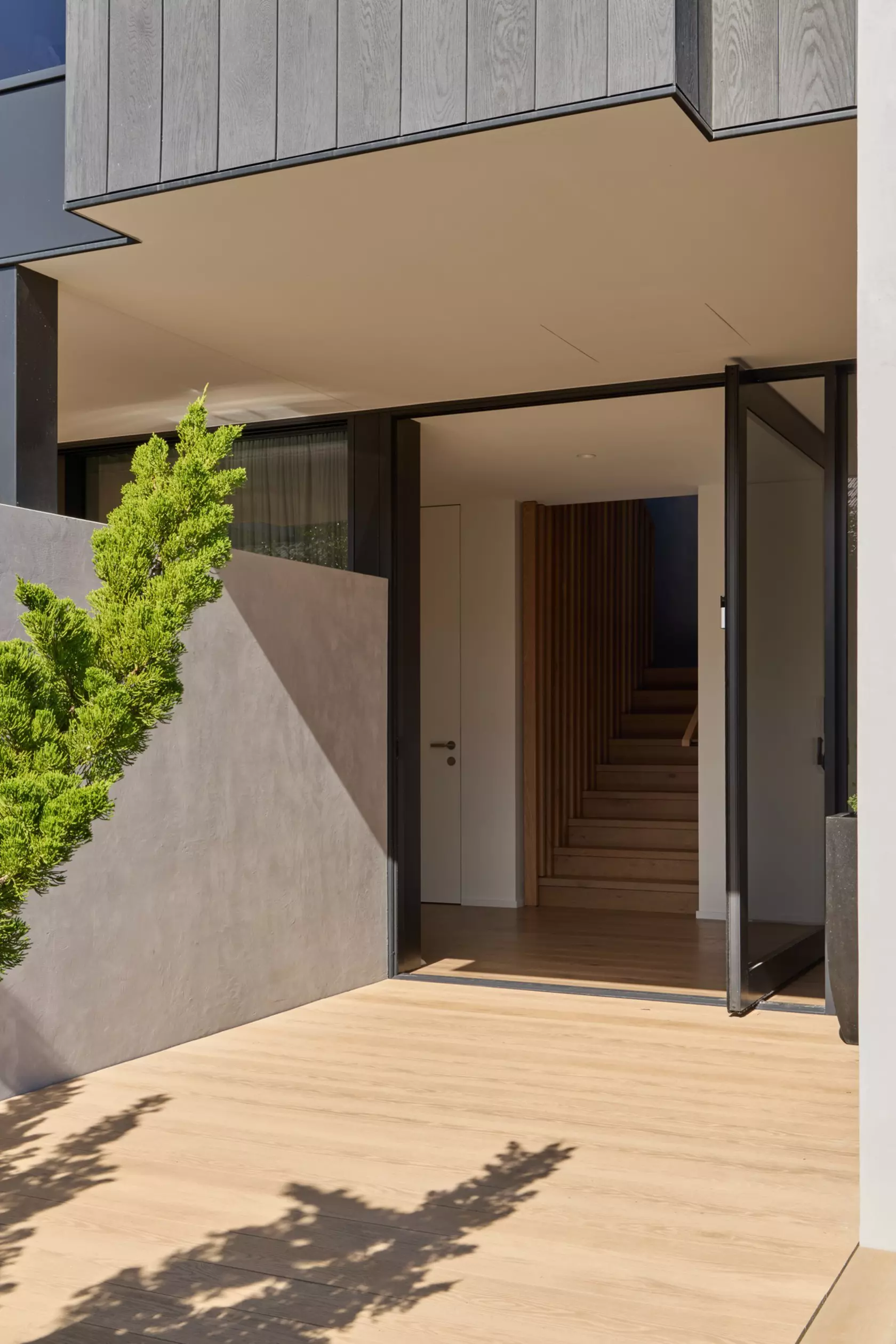
Timber remains popular for good reason. It brings a warm, natural look and feel underfoot, has a lower upfront material cost and is easy to source, and most builders know it well. Hardwood decking adds density and rich colour.
The trade-off is maintenance. Timber needs regular cleaning and oiling, staining or sealing to stay at its best. Without that care it can warp, split, grey, grow algae or rot, and its usable life shortens.
Composite decking: benefits and considerations
Composite decking is designed to remove most of that upkeep. Quality boards resist warping, rot and algae, hold their colour under UV and offer reliable slip resistance, giving a long lifespan in return for occasional cleaning.
The considerations are a higher upfront cost and wide variation in quality. Standard wood-plastic composite can fade or look noticeably synthetic, while premium resin-mineral boards are engineered for greater stability and a more authentic finish. Not all composite decking is equal, so compare products rather than treating composite as a single category.
Composite vs timber decking: a side-by-side comparison
Factor | Timber Decking | Composite Decking |
Upfront Cost | Lower | Higher |
Ongoing | Regular cleaning, oiling or staining | Occasional cleaning |
Maintenance Lifespan | Depends on species and upkeep | Long, with minimal care |
Appearance | Appearance | Timber look with stable colour |
Slip resistance | Can be slippery when wet or algae-covered | Often textured or coated for grip |
NZ conditions | Vulnerable to UV, moisture and algae | Engineered to resist them |
Long-term value | Maintenance costs accumulate | Lower lifecycle cost |
Upfront price is only one part of the decision. Once years of oils, stains, cleaning and repairs are counted, the gap between the two often narrows or reverses.
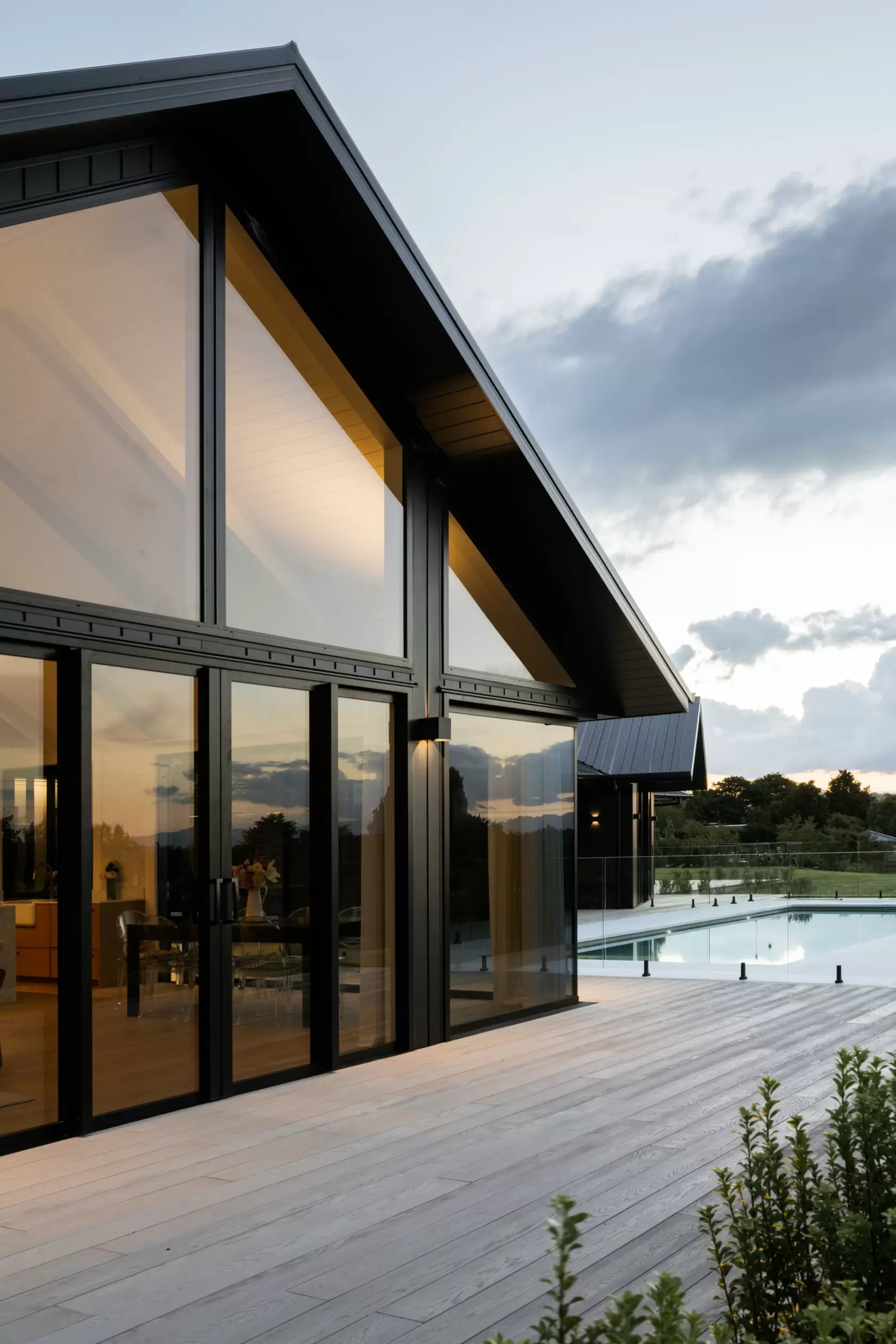
Coastal homes contend with salt air and wind, which accelerate weathering. High-UV regions fade and dry out timber quickly, while high-rainfall areas and shaded, moisture-prone sites encourage algae and slippery surfaces. In each case, a low-maintenance, weather-resistant board tends to hold up better with far less intervention, which is why composite suits many of New Zealand's more demanding environments.
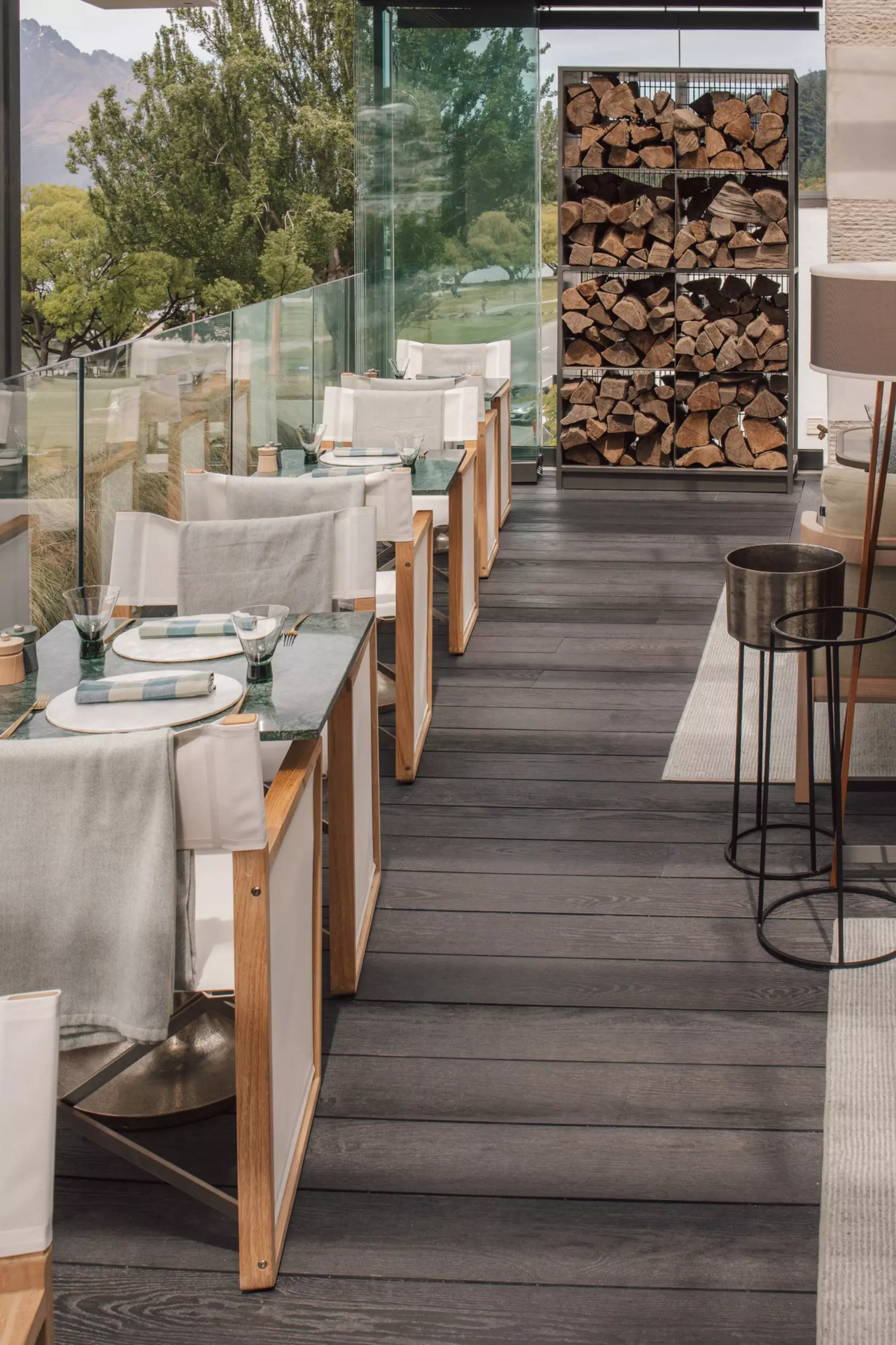
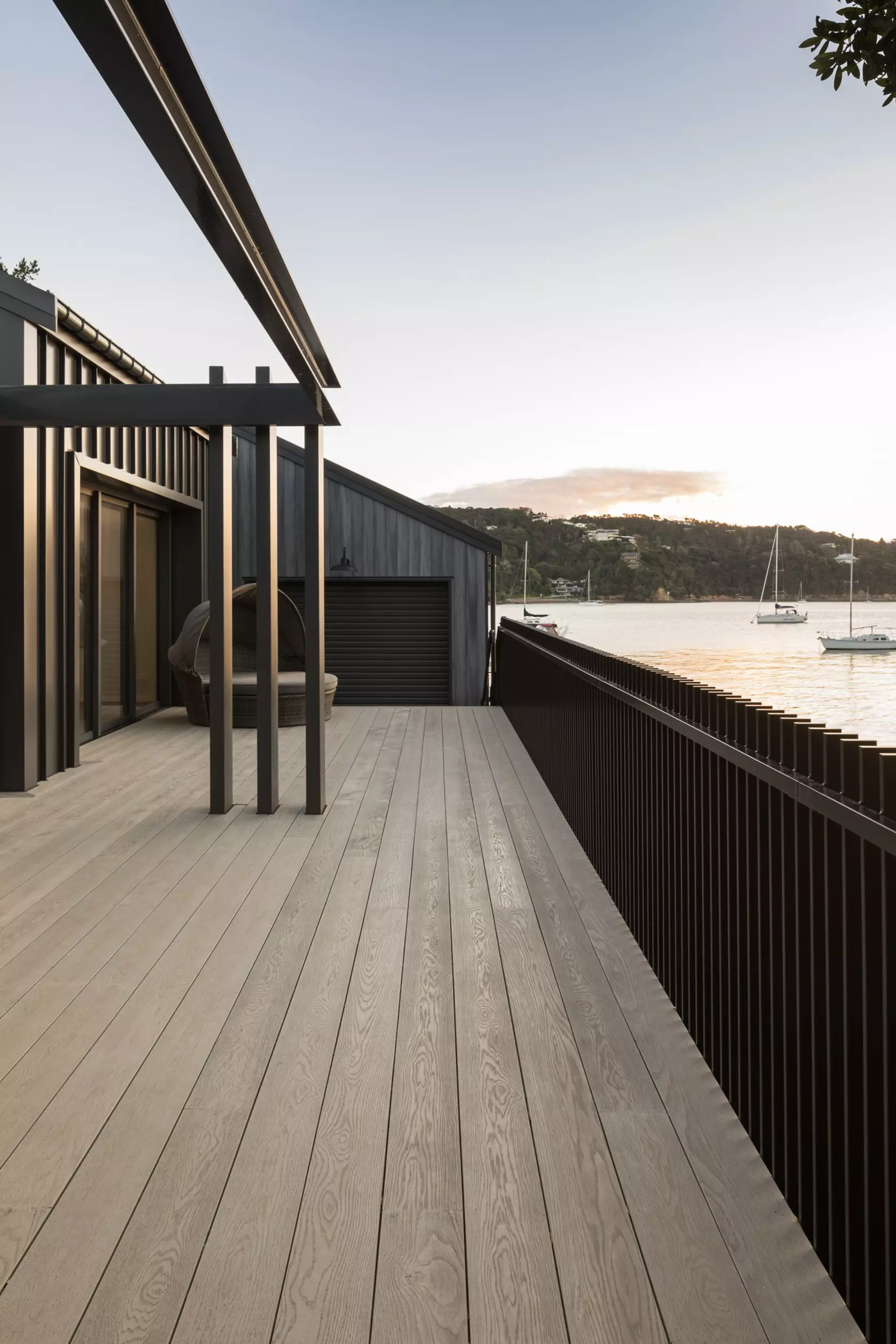
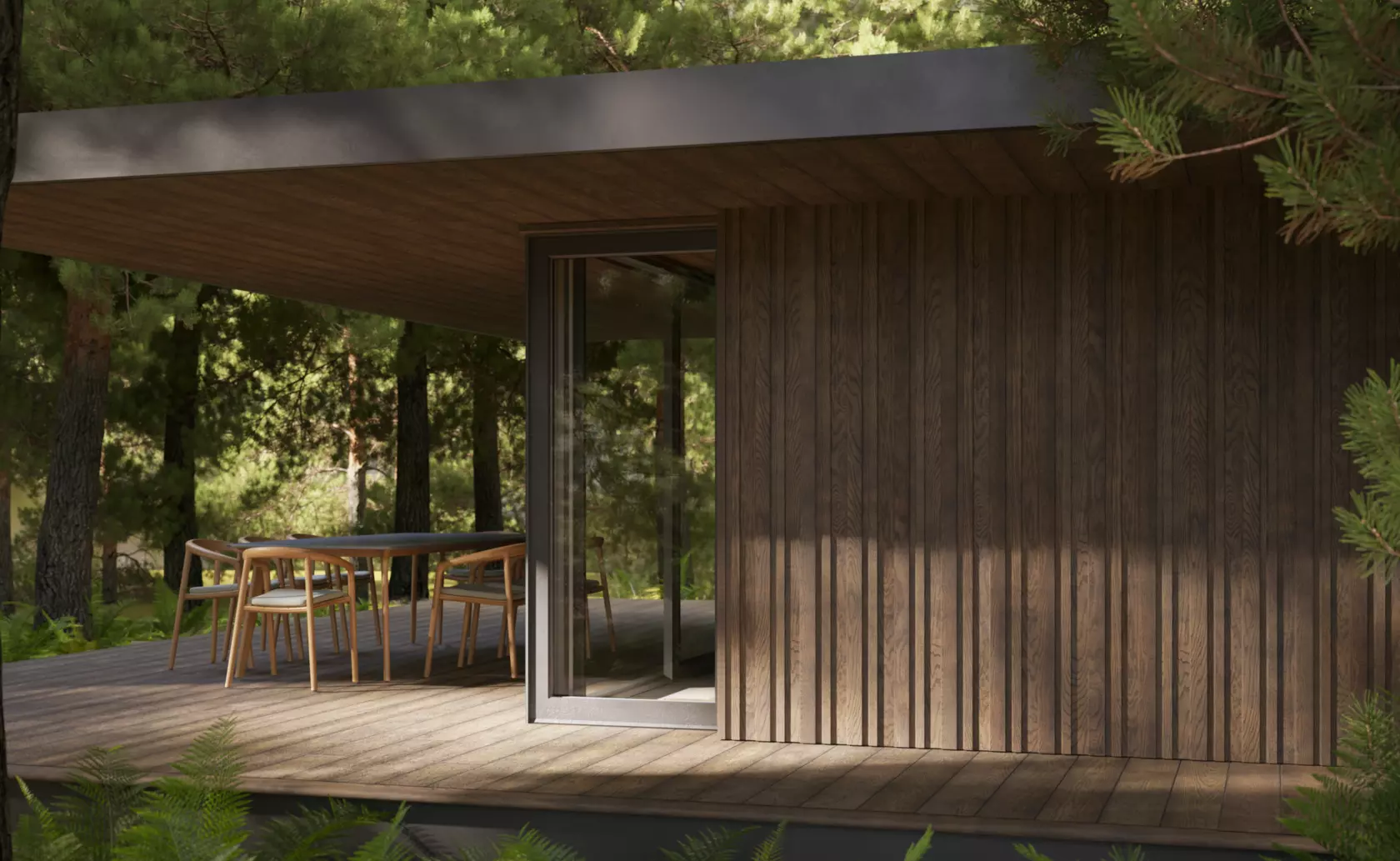
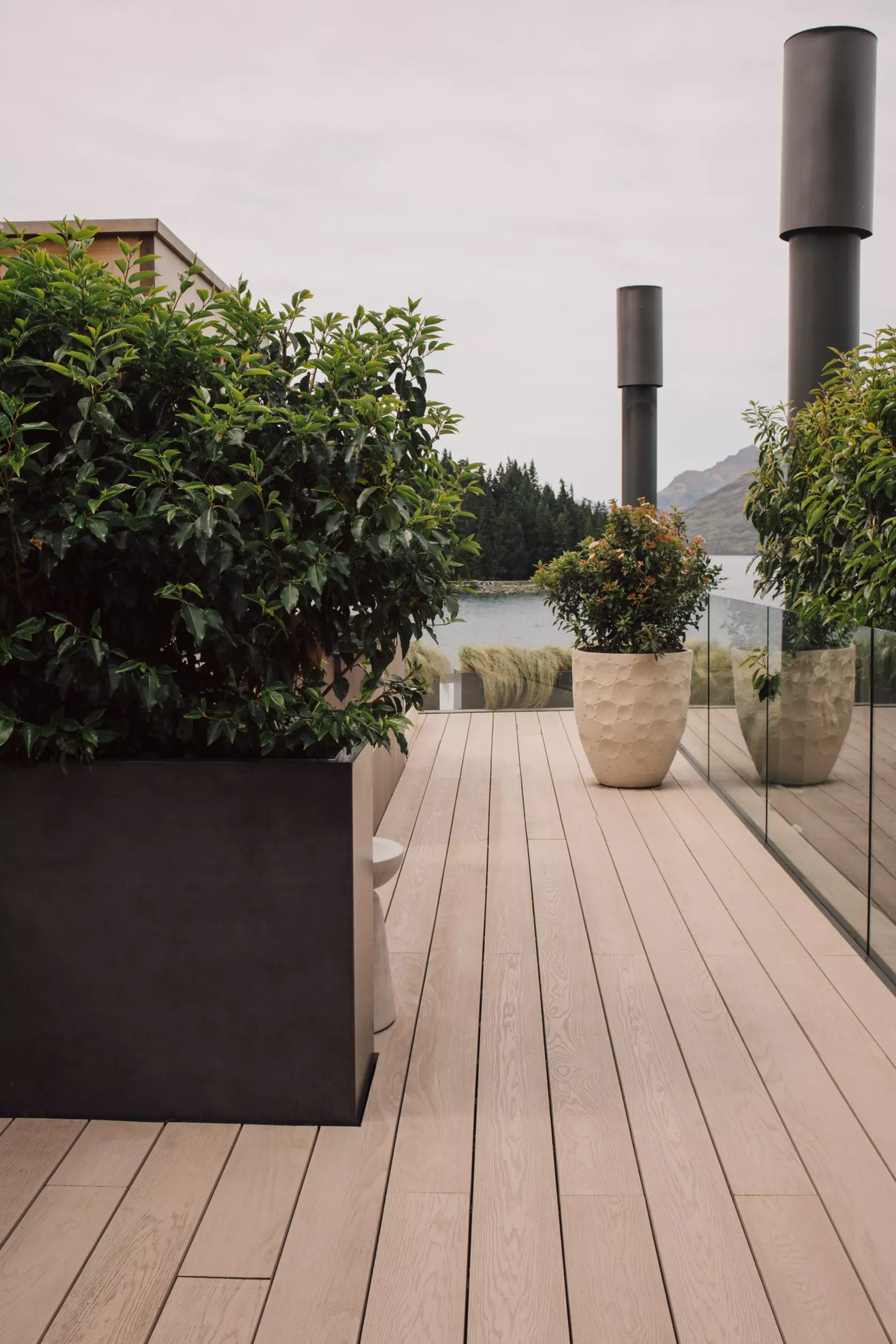
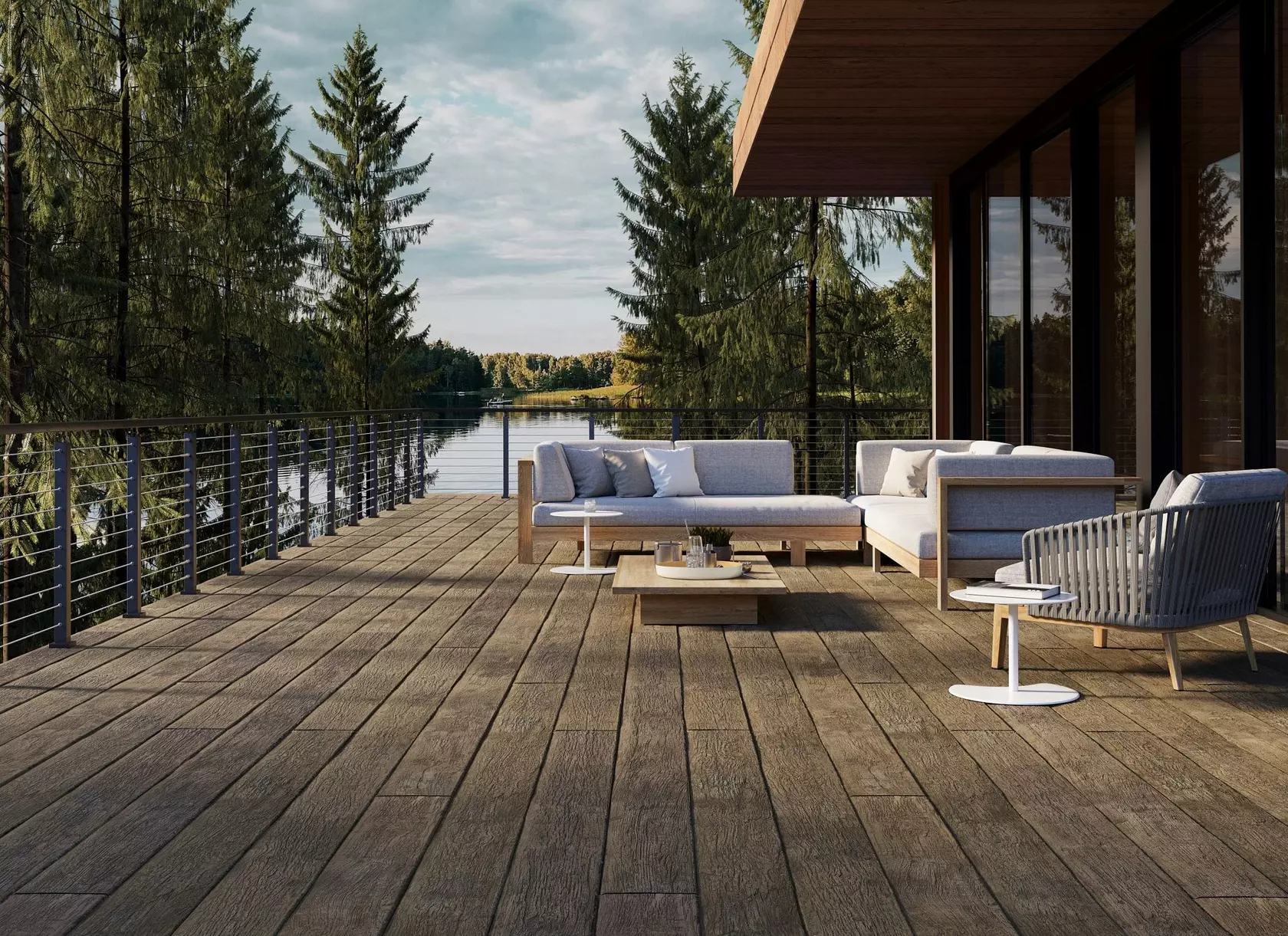
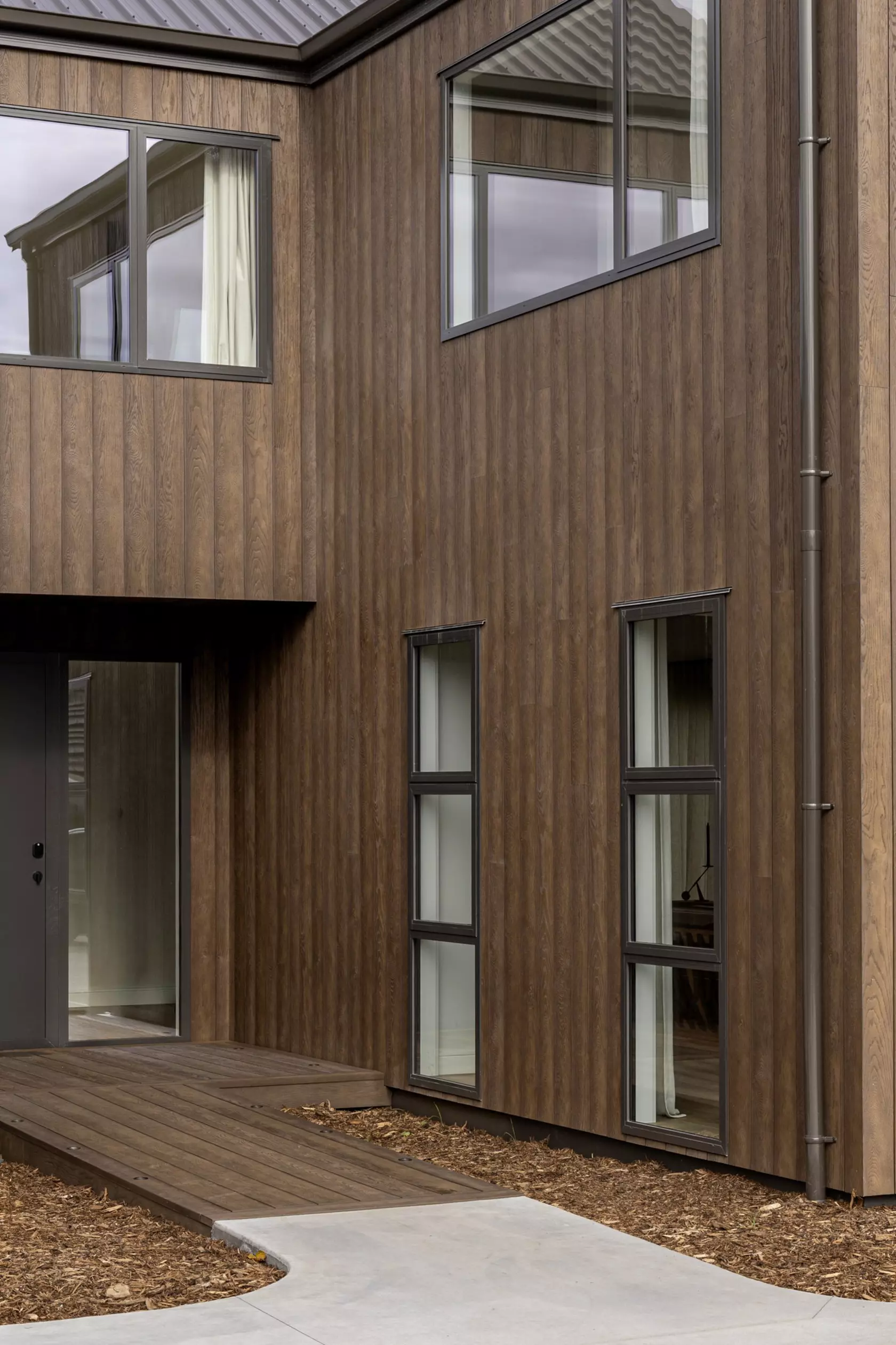
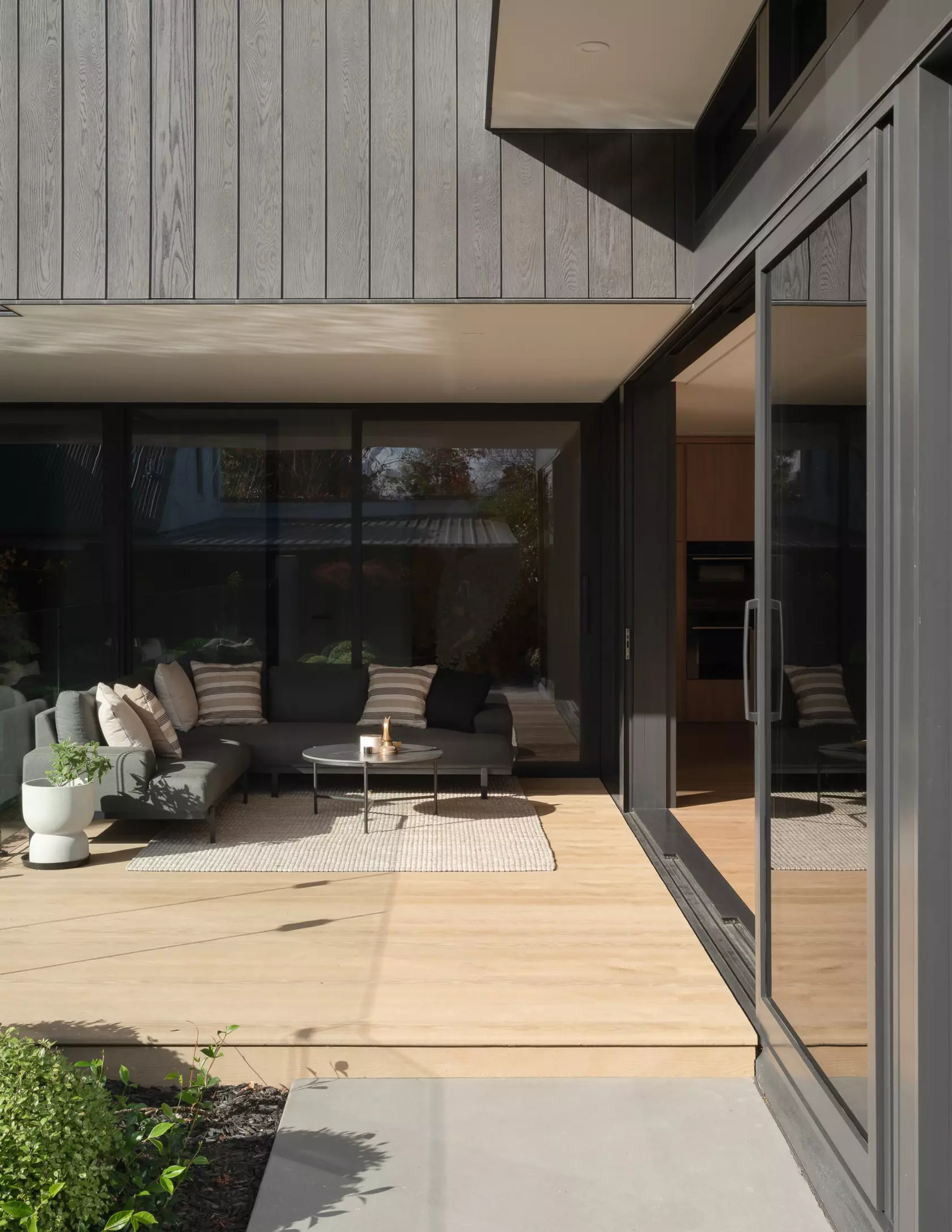
Many homeowners love timber's warmth and texture but would rather spend summer on the deck than restaining it. Premium composite decking bridges that gap, and it's where Forté's Millboard composite decking sits.
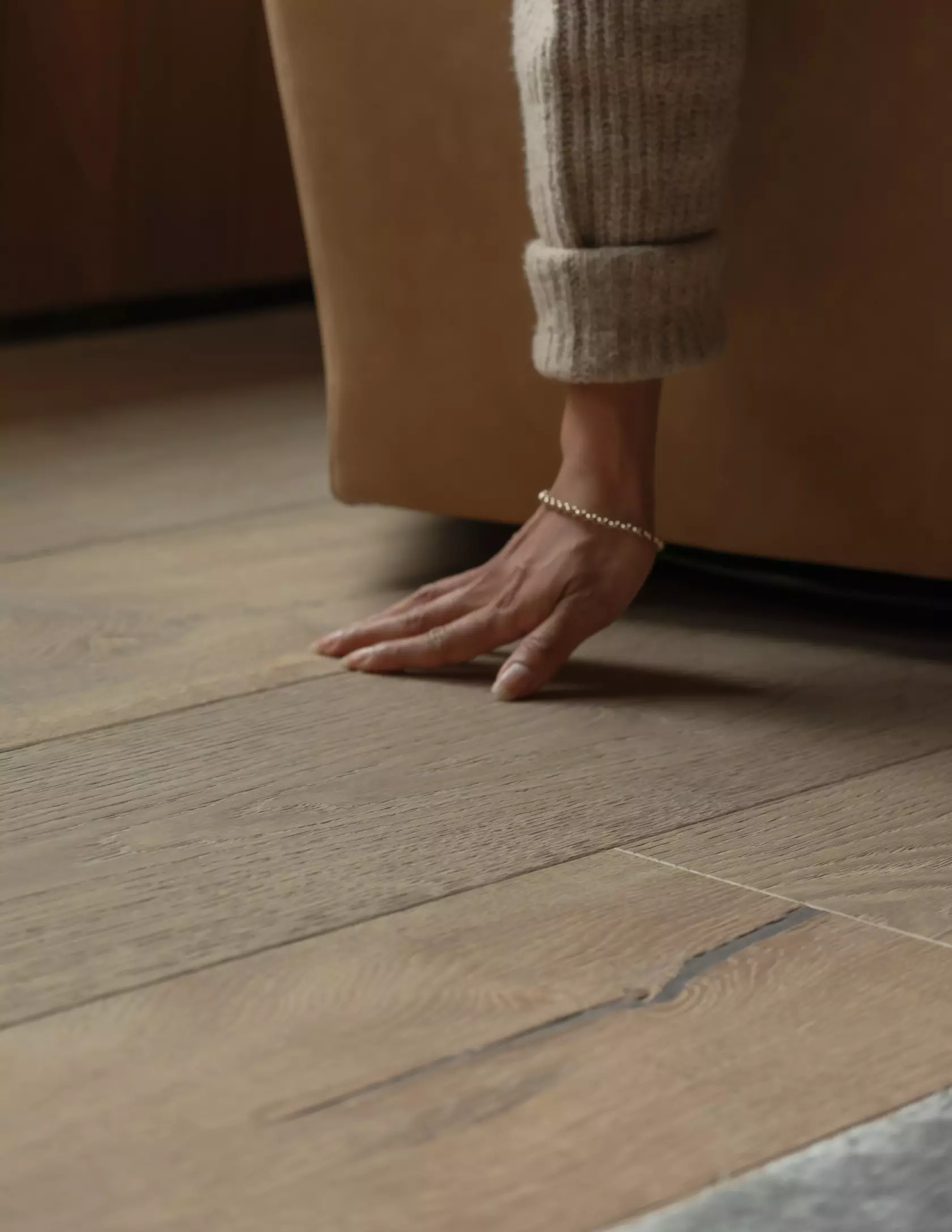
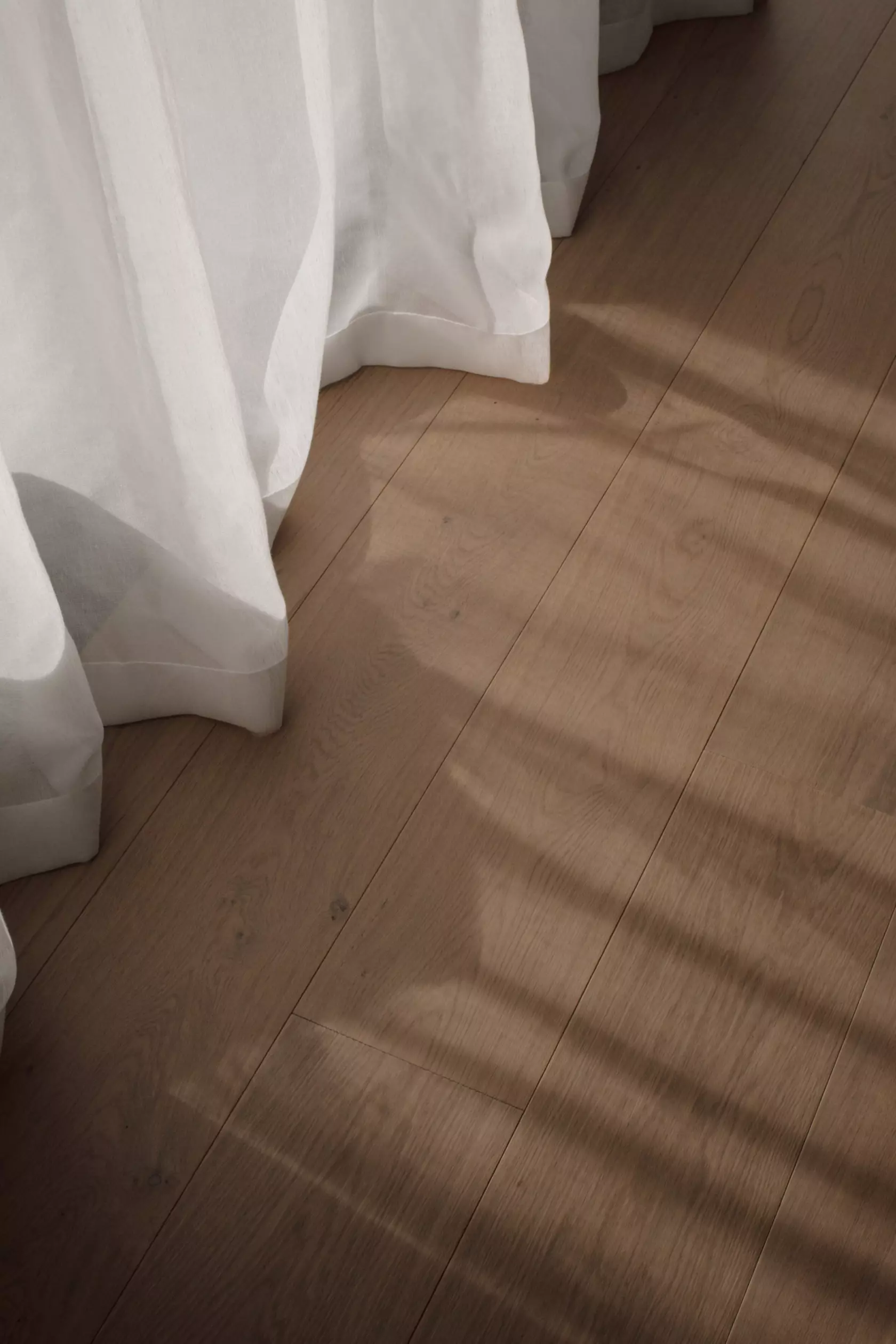
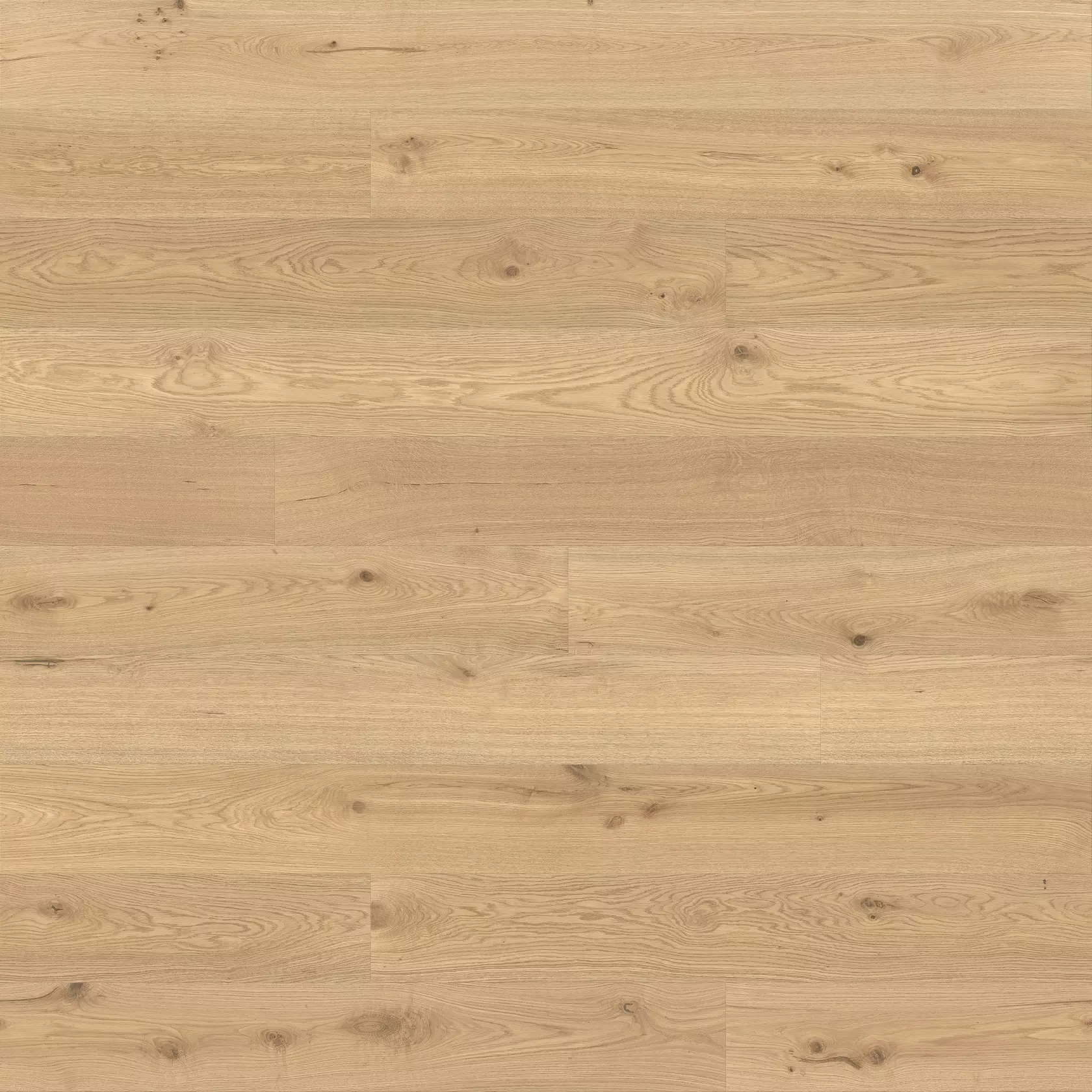
Each Millboard board is moulded from hand-selected real oak and hand-coloured, so it carries authentic grain and texture rather than a printed pattern. Its resin-mineral core won't rot or warp, and its Lastane coating provides slip resistance for wet steps and pool surrounds. For a closer look at how it differs from standard composites, read our Millboard vs composite decking guide.
How much does decking cost in New Zealand?
Decking cost depends on the material, board profile, installation, detailing, site access and complexity, and the maintenance a deck will need over its life. Because every project differs, the most reliable figure comes from a tailored quote. Request a quote and our team can price your project accurately.
Questions to ask before choosing your decking
· How much maintenance am I willing to commit to over the deck's life?
· Is the site coastal, high-UV, shaded or in a high-rainfall area?
· How important is slip resistance for wet areas, pool surrounds or steps?
· What warranties and support are available?
· Can I view or order samples to compare finishes in person?
Choosing the right deck for your home
The best decking balances appearance, maintenance, durability and long-term value, not just upfront price. For homeowners who want the character of timber with the resilience New Zealand conditions demand, premium composite decking is well worth considering.
Explore Forté's decking range. Choosing decking for a new home, deck or renovation? Explore our premium Millboard composite decking, order free samples, request a quote or book a consultation at one of our showrooms, including our Christchurch Experience Centre, to compare finishes in person.