





Five Reasons to build your interior around Alor
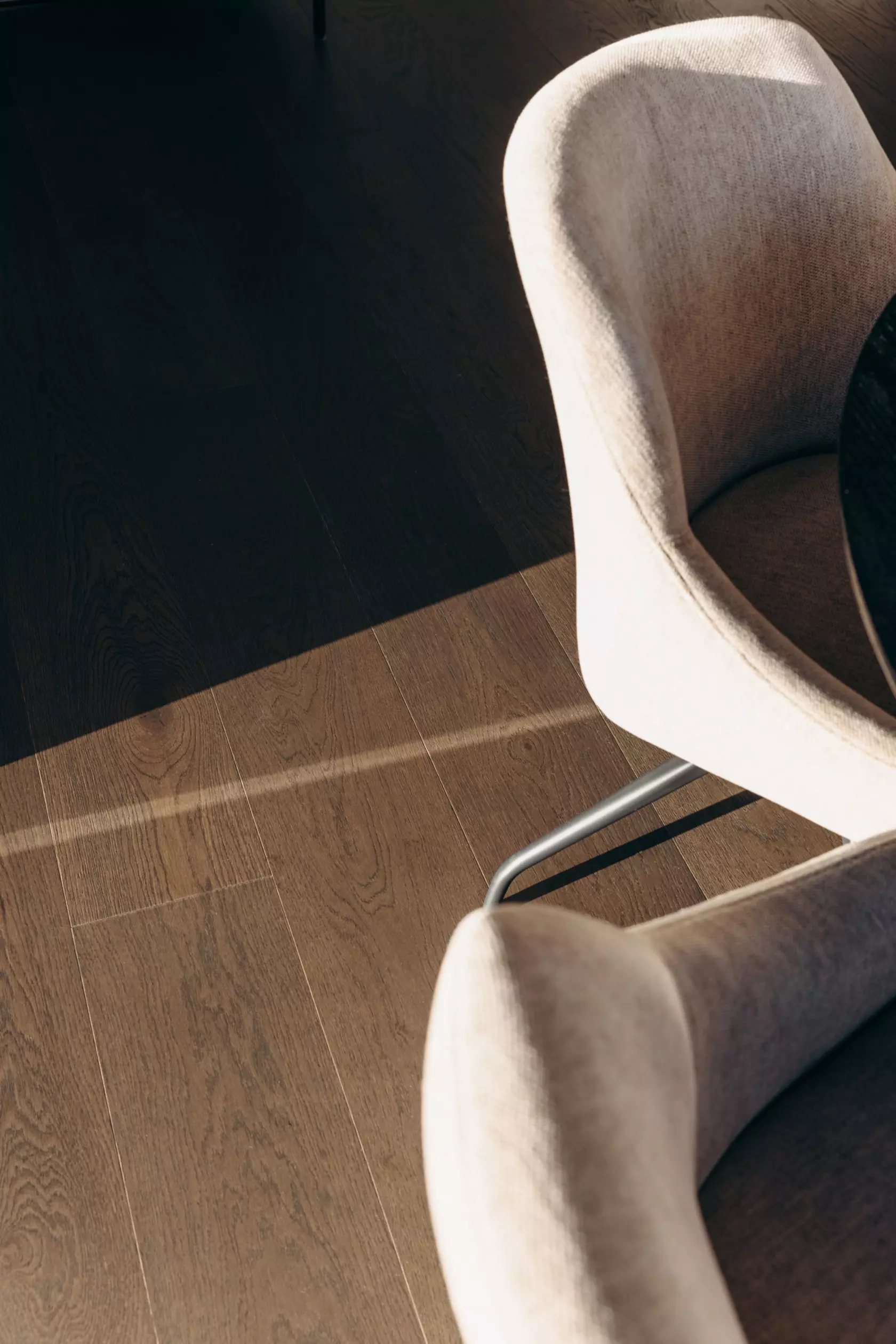
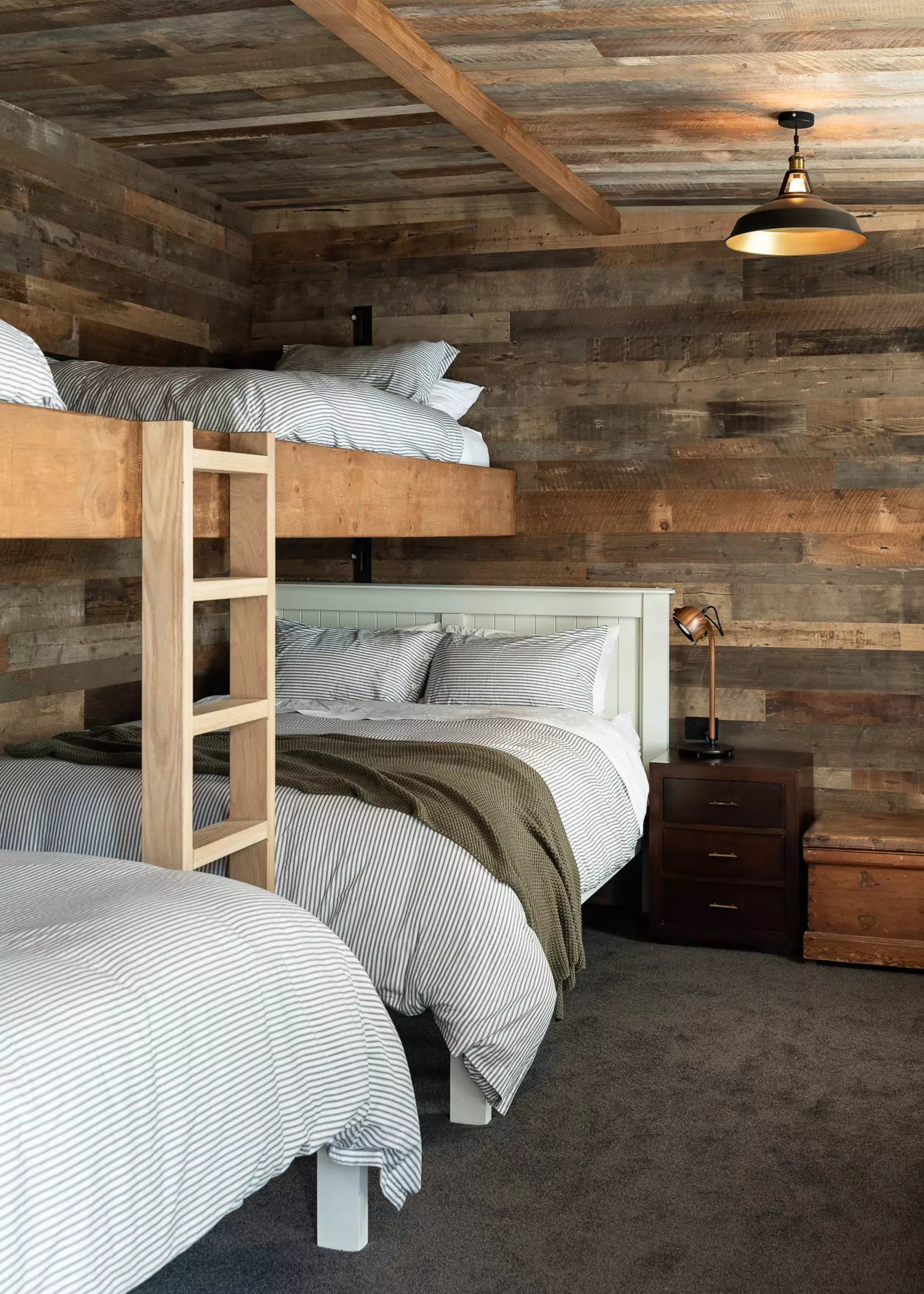
Timber is no longer confined to a floor or a feature wall. Wall and ceiling panelling is still building on its 2025 momentum, and our 2026 interiors report pointed to natural wood taking over from coloured joinery in kitchens and built-ins. The timber-centric look of recent years shows no sign of abating as we head into 2027 – in fact it appears less as a passing trend and more indicative of a broad shift in how people want to live: in homes with warmth, substance and materials that age well.
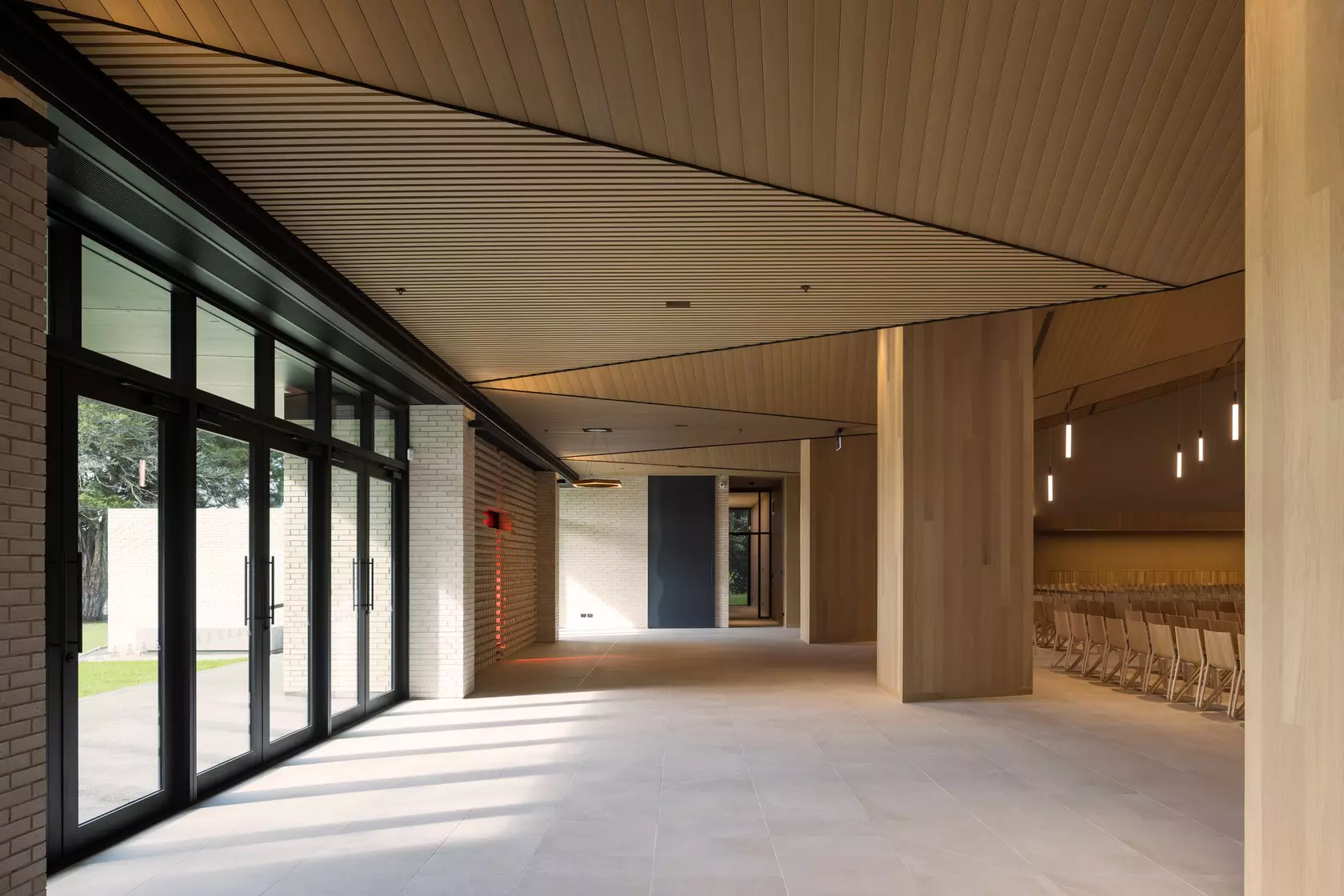
That changes the role timber plays in a room. Rather than an accent, it becomes the main material, running across the ceiling, the walls, the joinery and other touchpoints. At that scale, consistency is what makes it work. When tone or grain shifts from one surface to the next, the space feels assembled rather than composed, and that’s hard to avoid when linings and cabinetry come from different sources.
Our Alor systems were designed with this in mind. It’s a single timber range made for wall and ceiling linings as well as veneer cabinetry and panels, so one material can be carried through a space without interruption. Here are five reasons to build an interior around it.
1. One timber, from ceiling to joinery
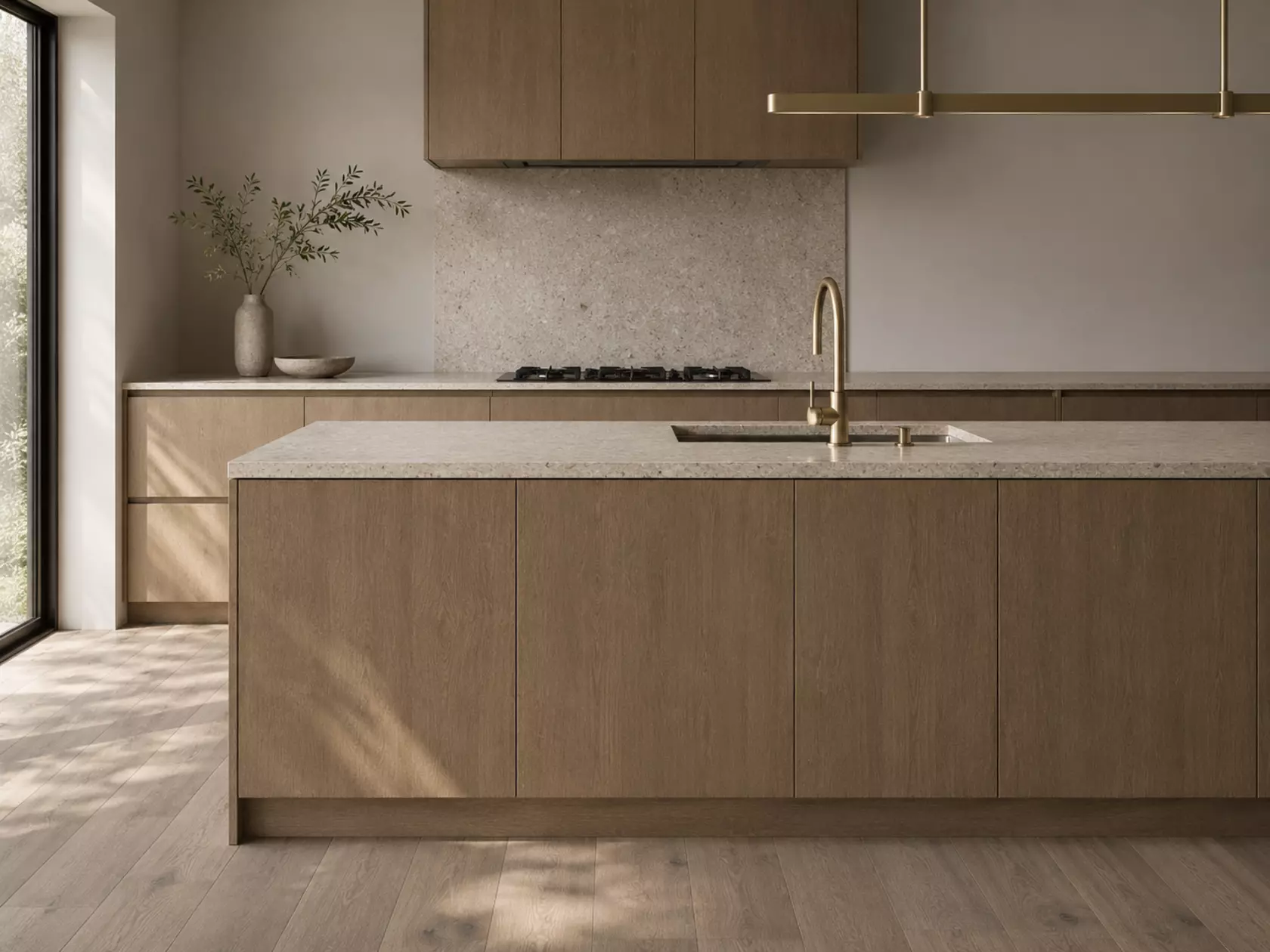
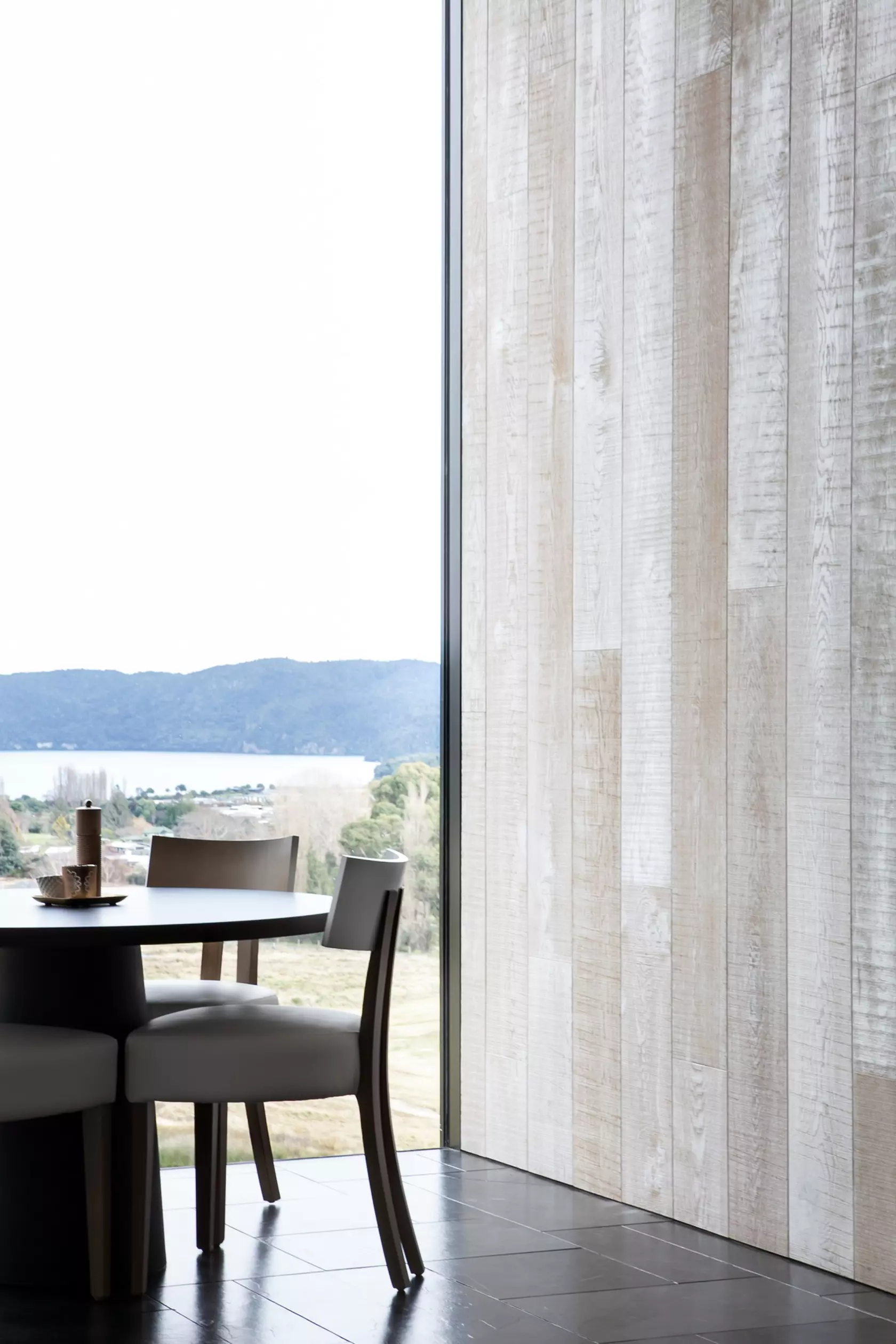
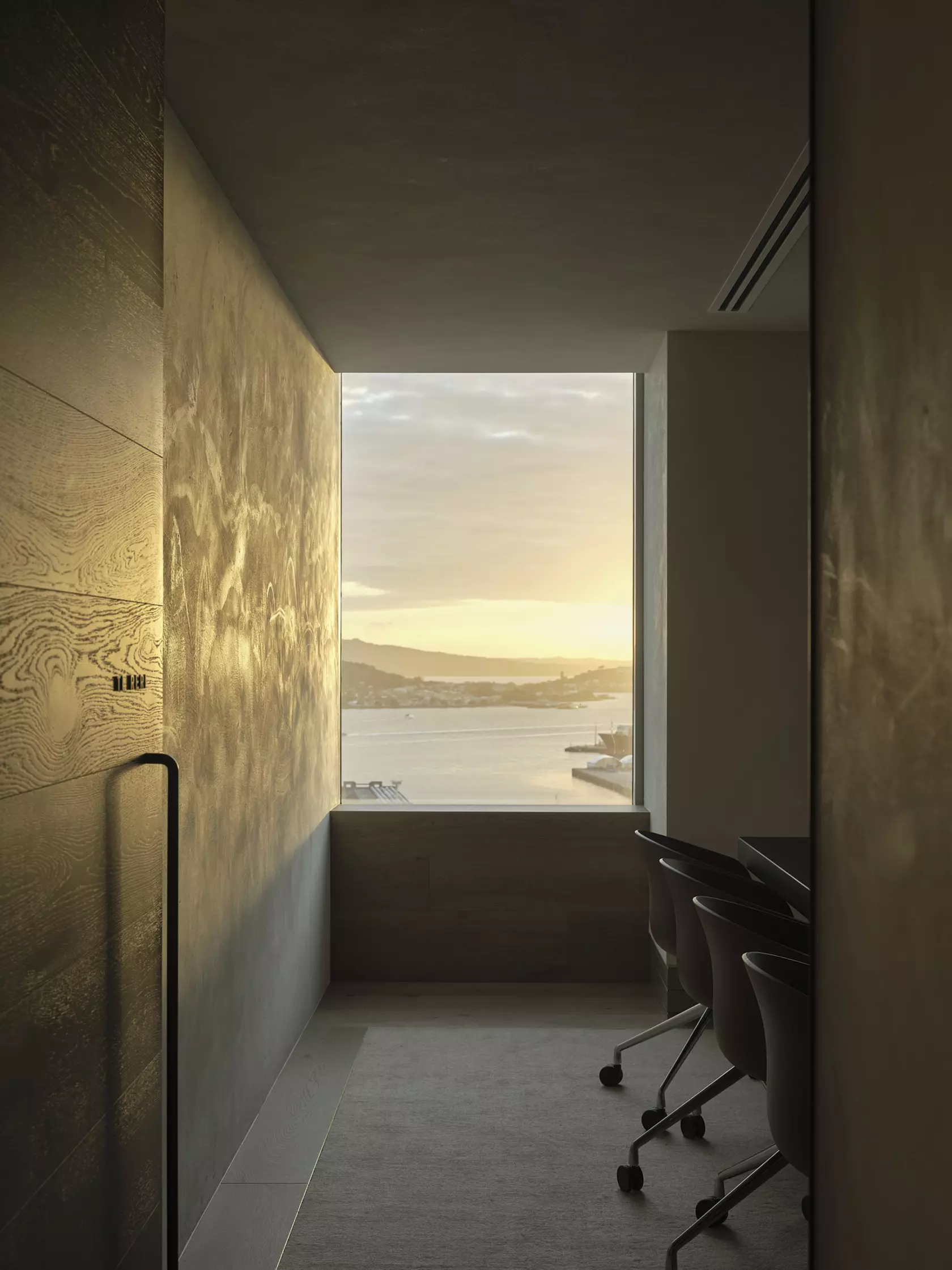
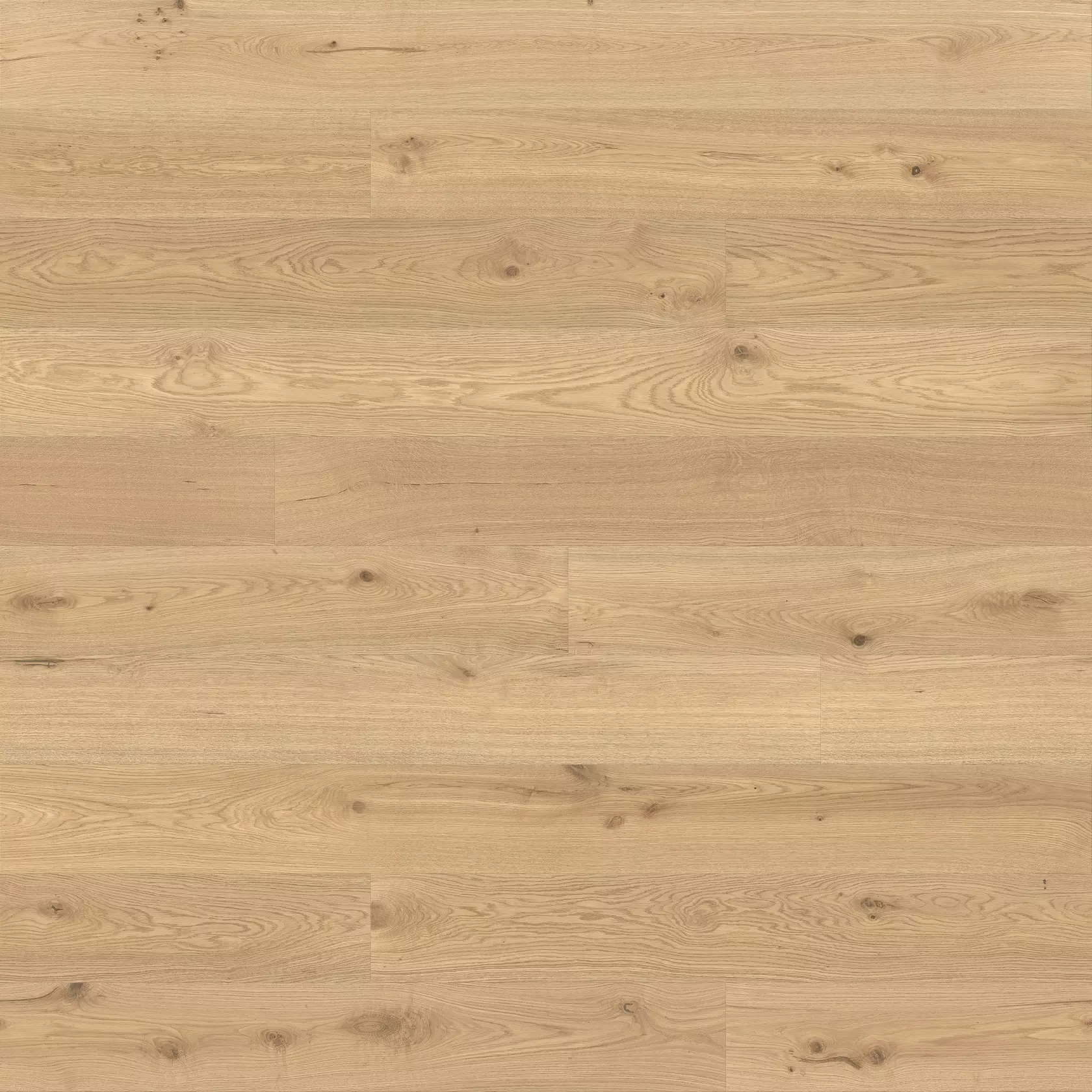
Alor linings and Alor veneer cabinetry panels share the same eight colourways, in European Oak or American Walnut veneer. A tone can be specified once and applied to the ceiling, the walls and the cabinetry, with grain and colour continuing across every surface.
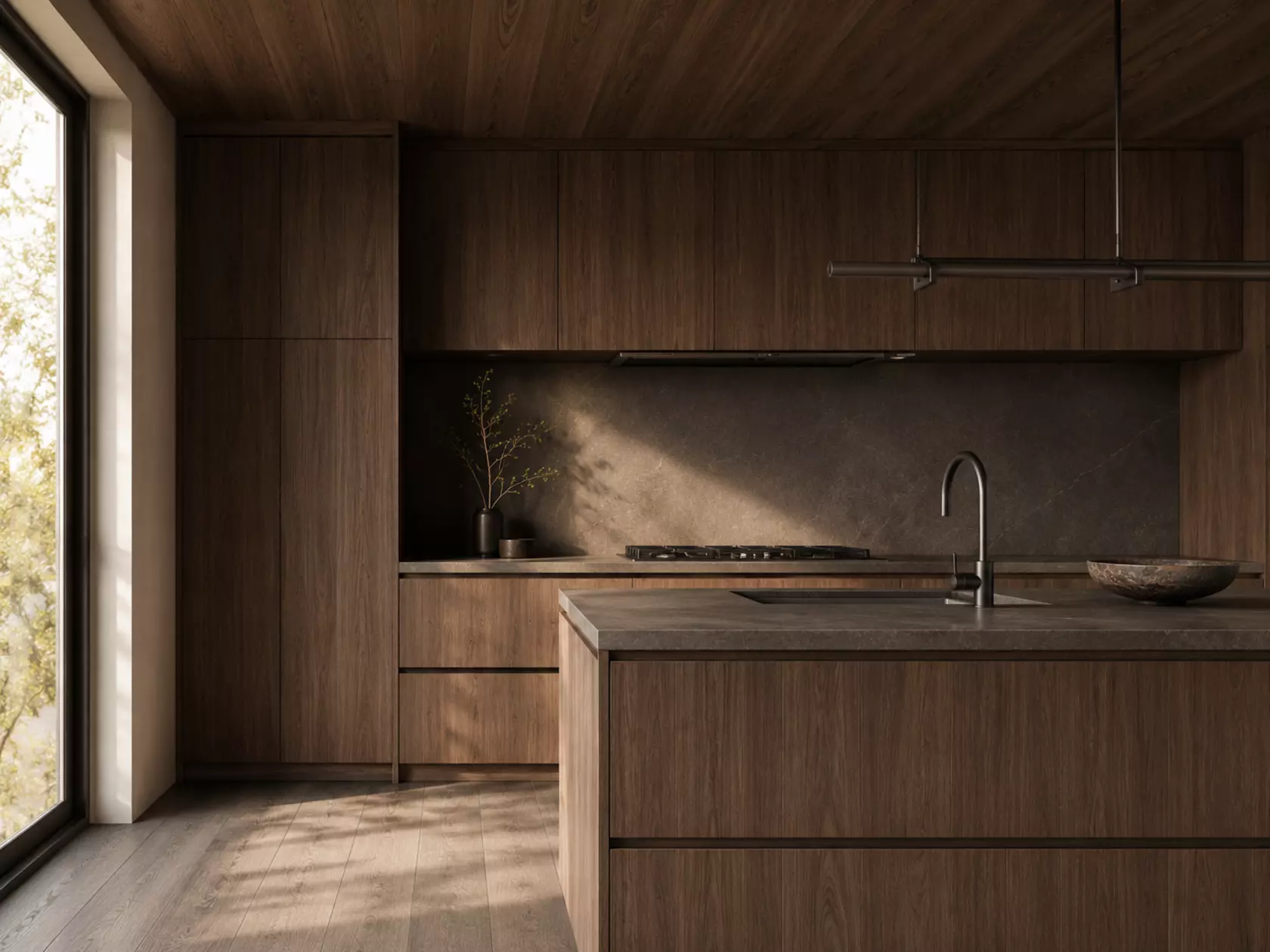
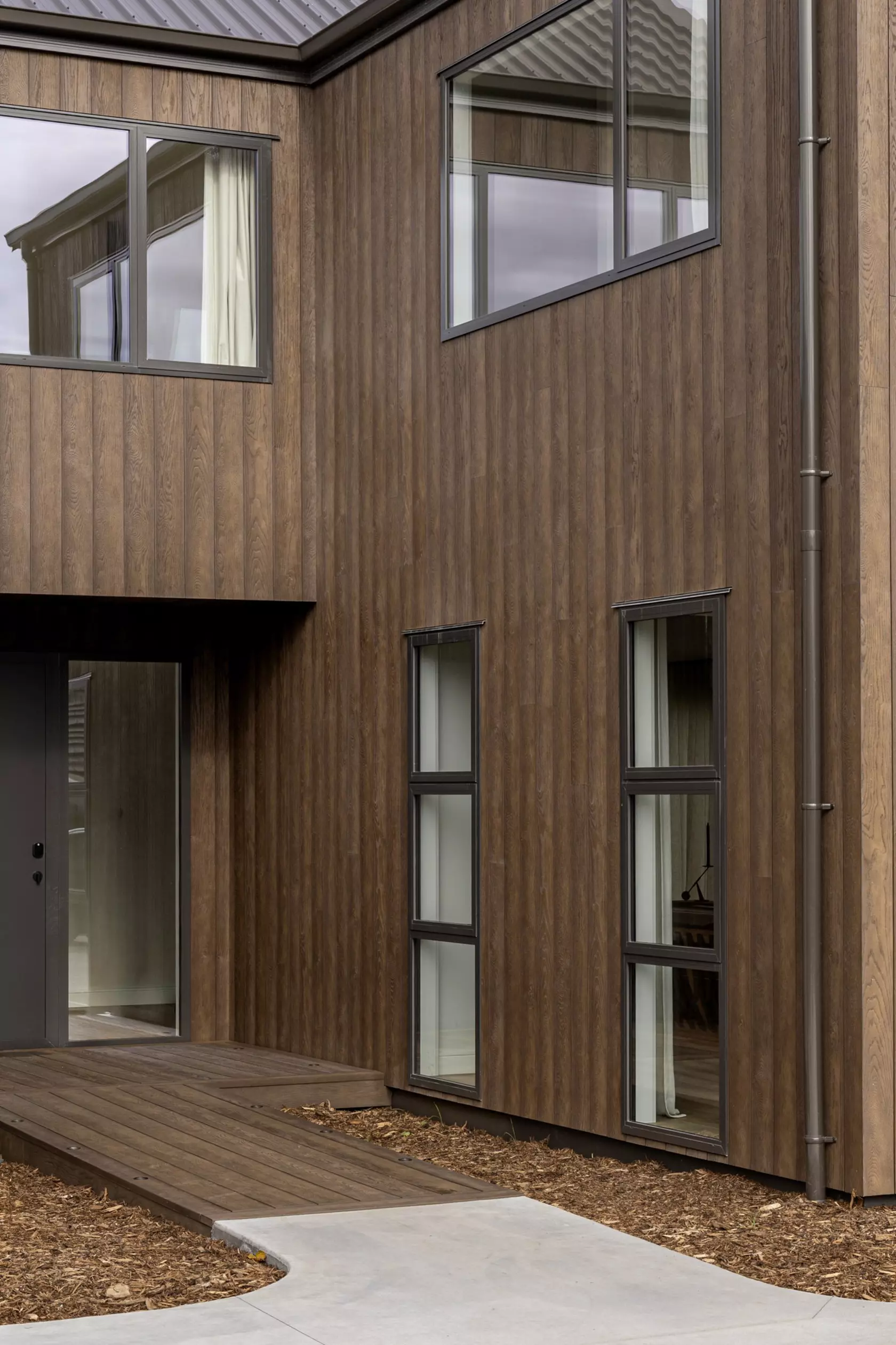
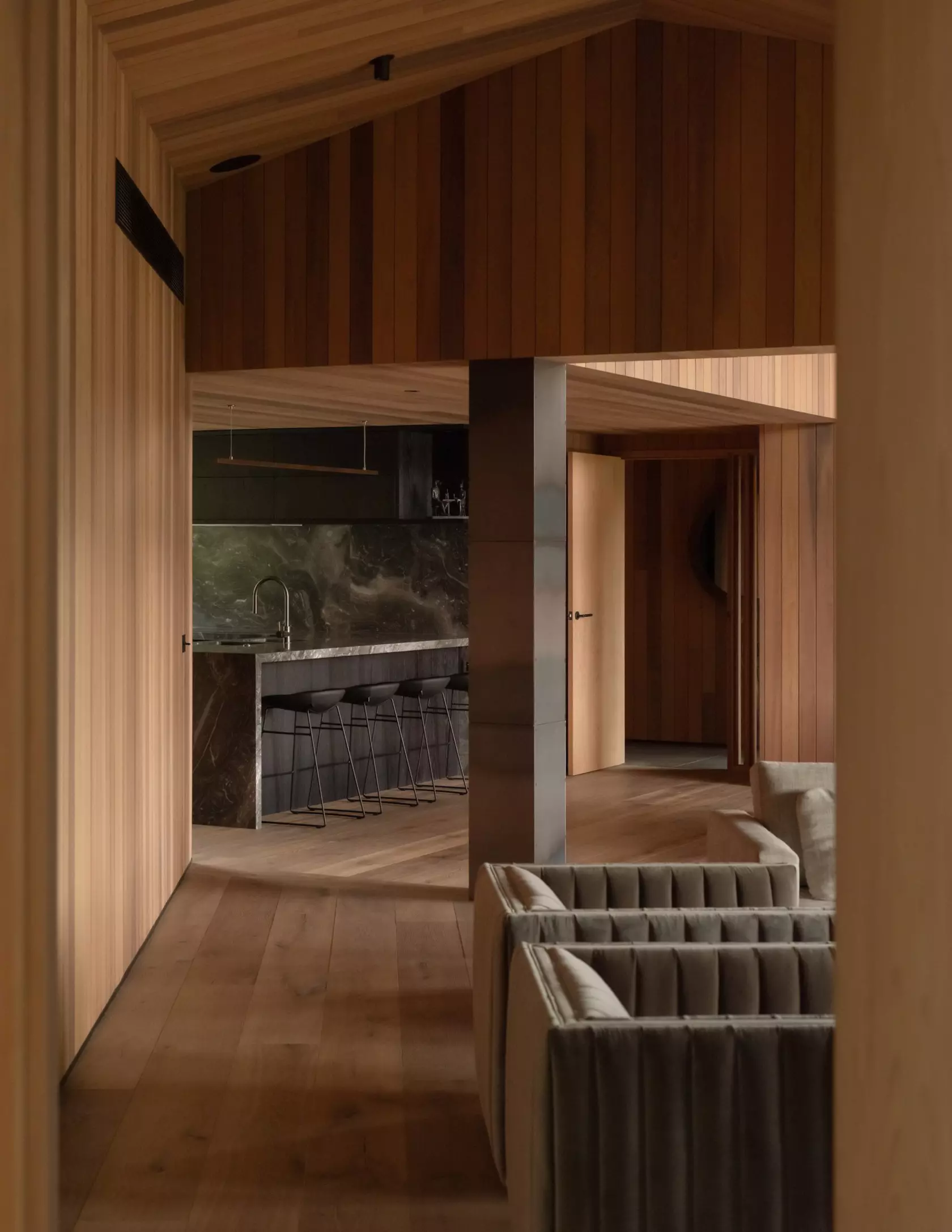
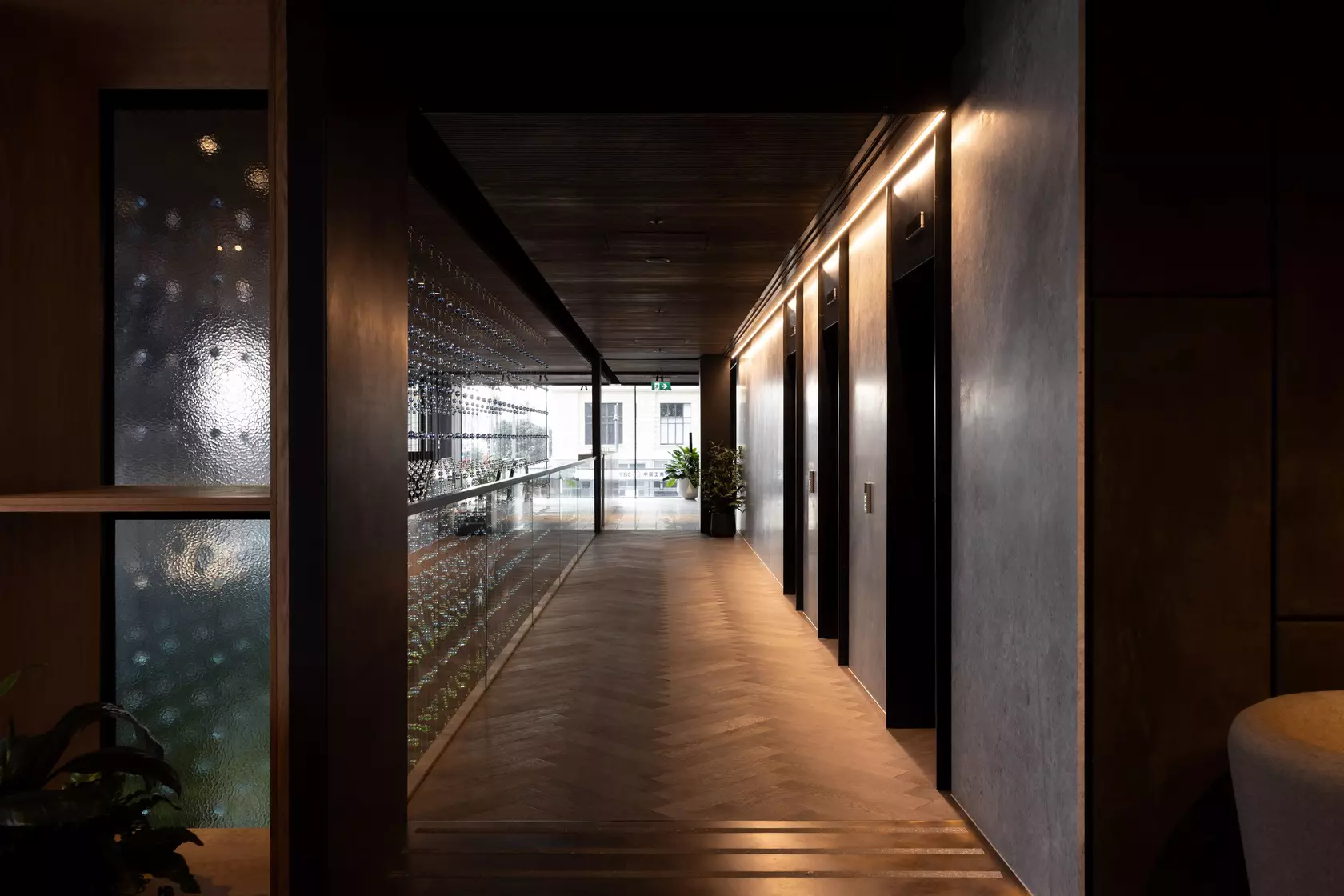
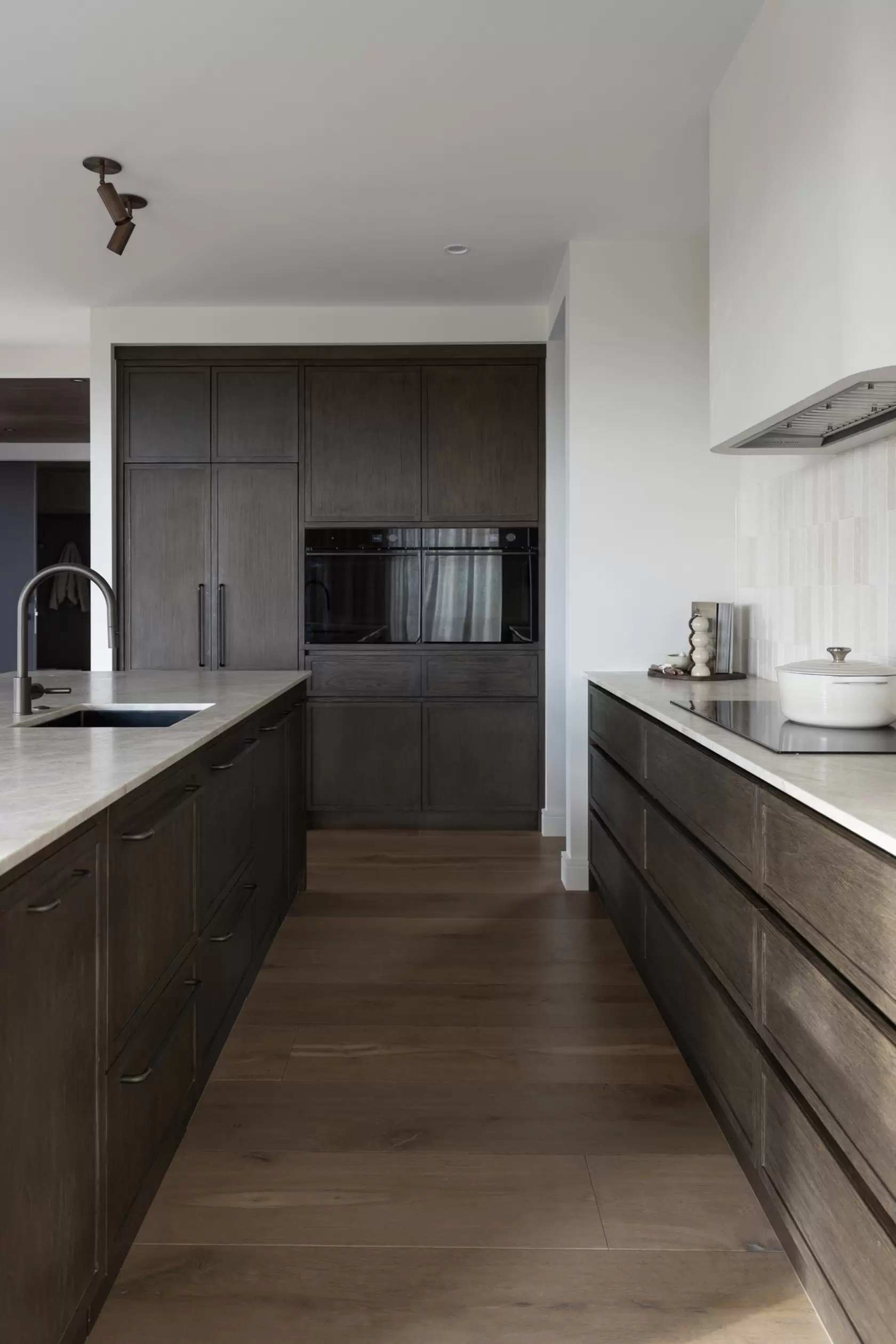
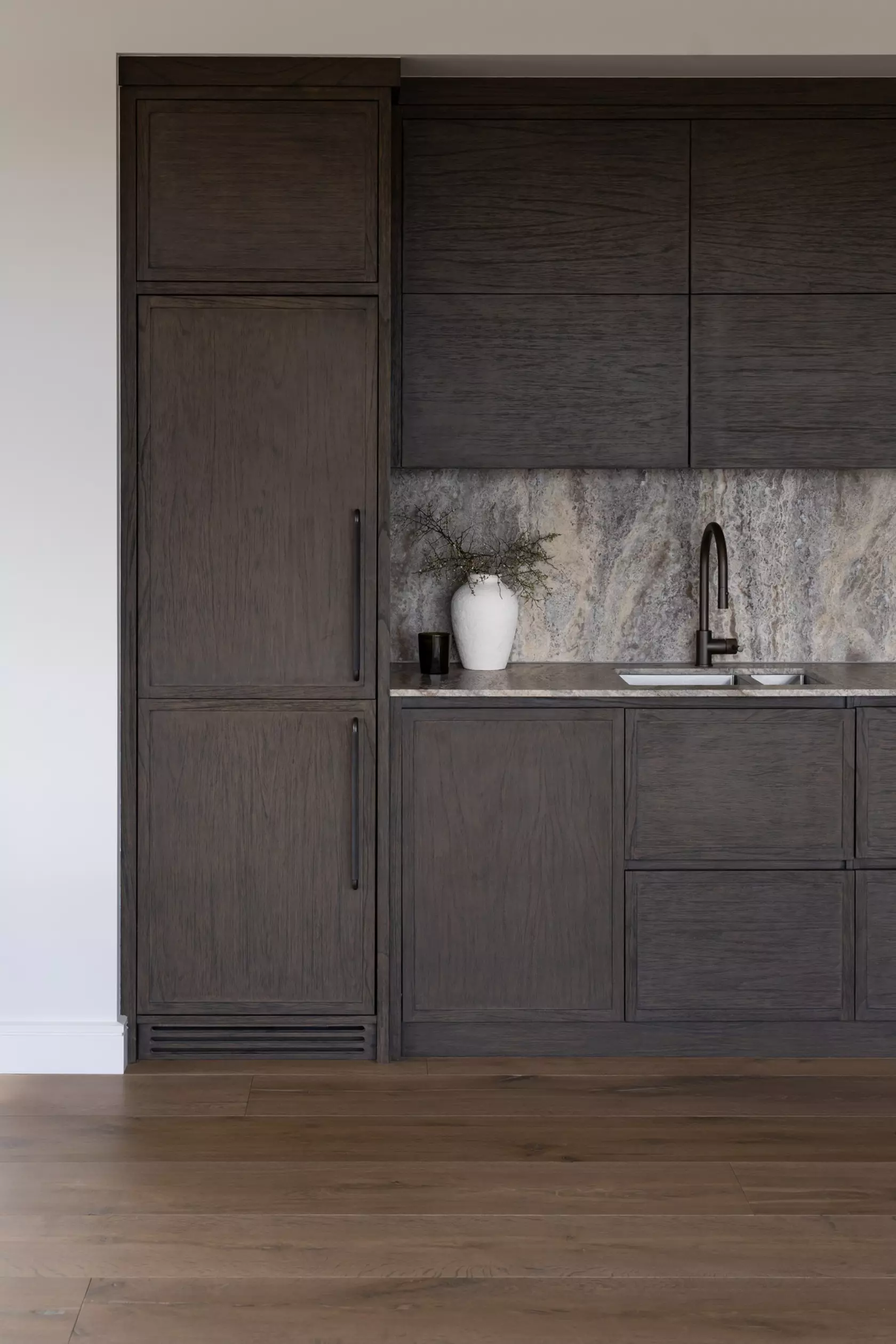
The Sellars Residence, a new home on rural land at the edge of Auckland, was built around a single timber language carried from the outside in. Inside, designer Spatial Studio chose Alor Nox, a deep, rich-brown European Oak, for the ceiling, drawing the room in and adding warmth. In the kitchen, Nox continues into the cabinetry, so the ceiling and joinery communicate as one material.
2. A tone for every kind of home
The eight colourways range from pale and light to deep and dramatic. Because the same palette runs across linings and cabinetry, there’s no need to match a joinery colour to the walls. The tone is chosen once, and the rest follows.
Three homes show how differently that can unfold. At the aforementioned Sellars Residence, the mood is warm and high-contrast. Nox sits overhead and across cabinetry, with a natural matte
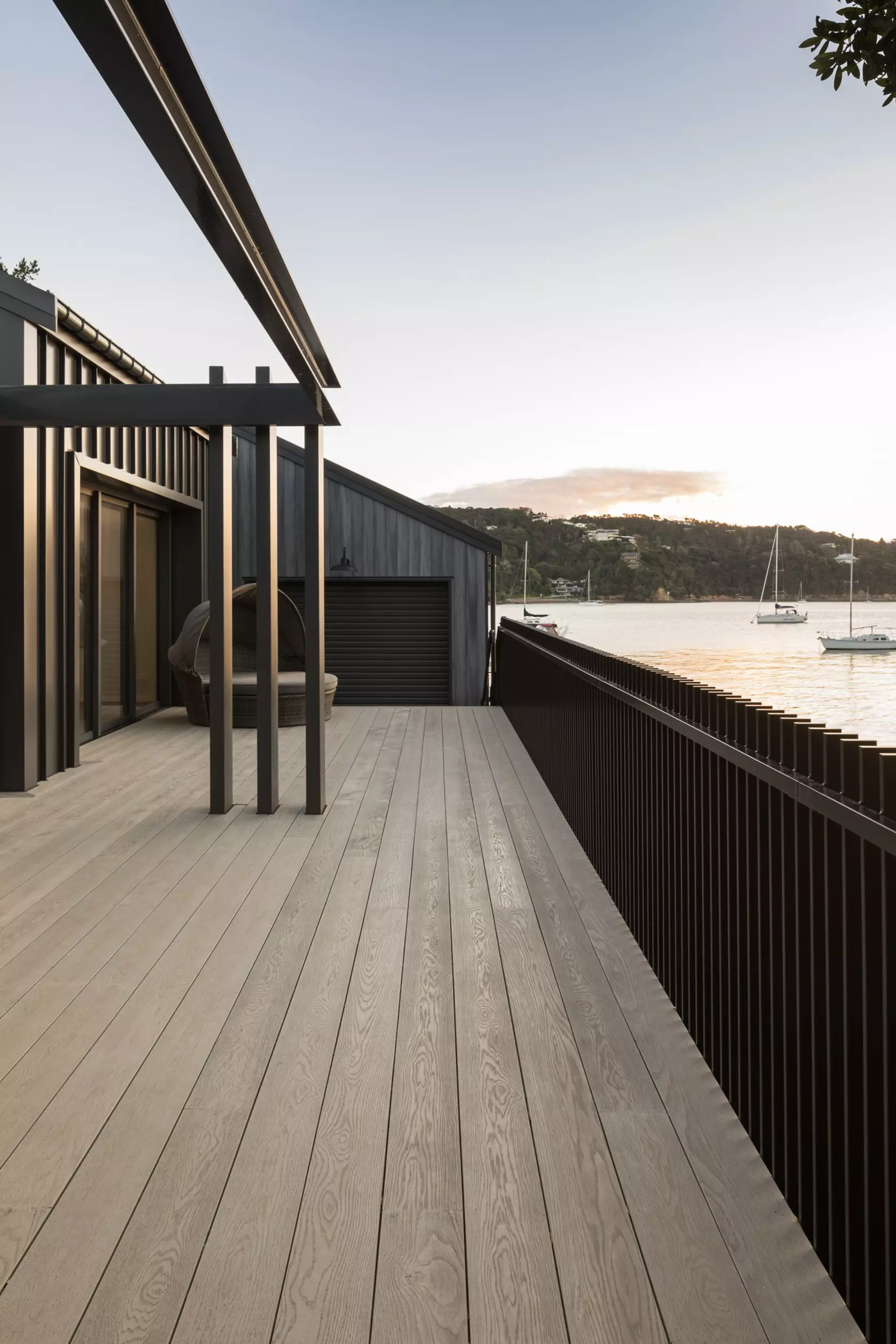
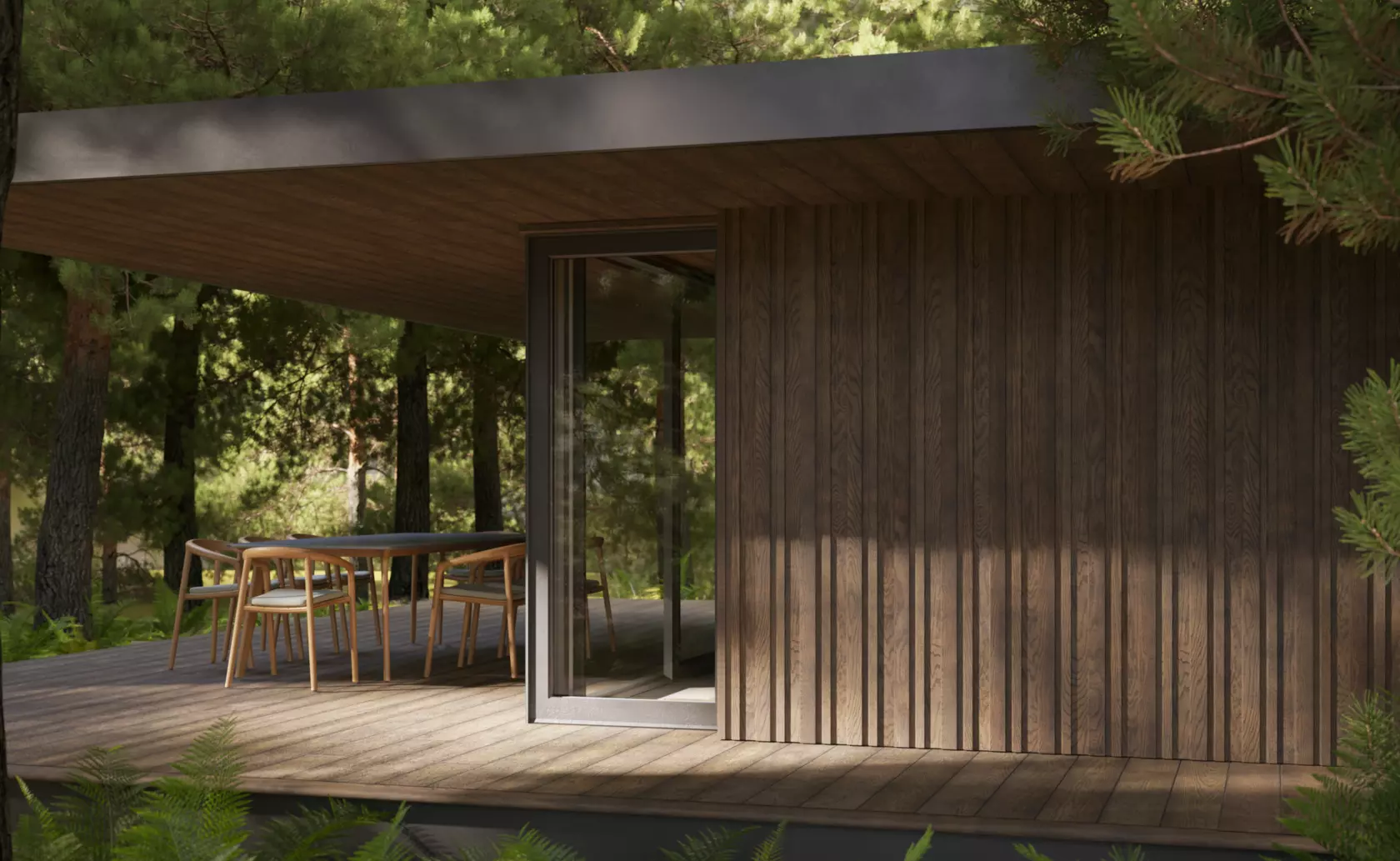
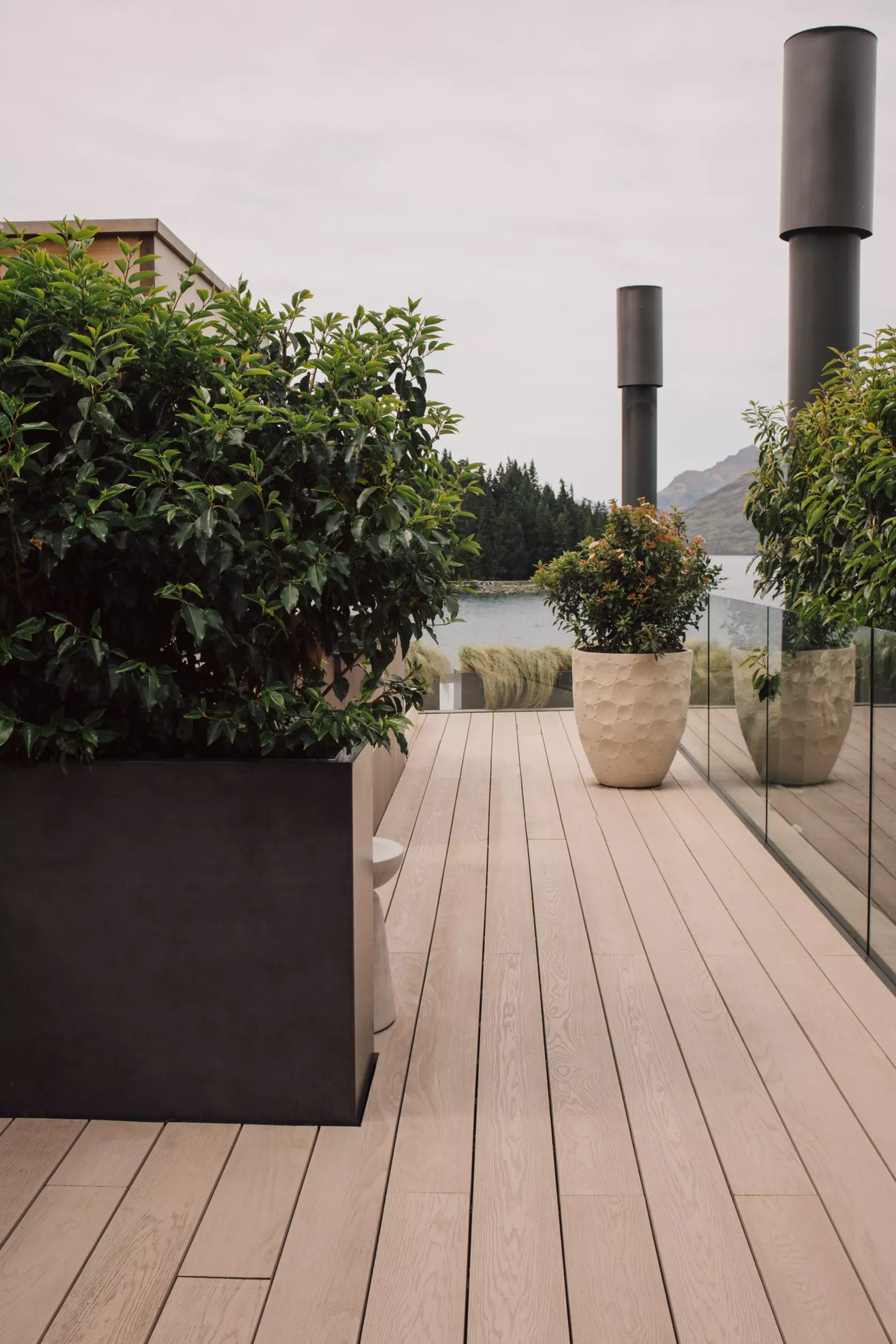
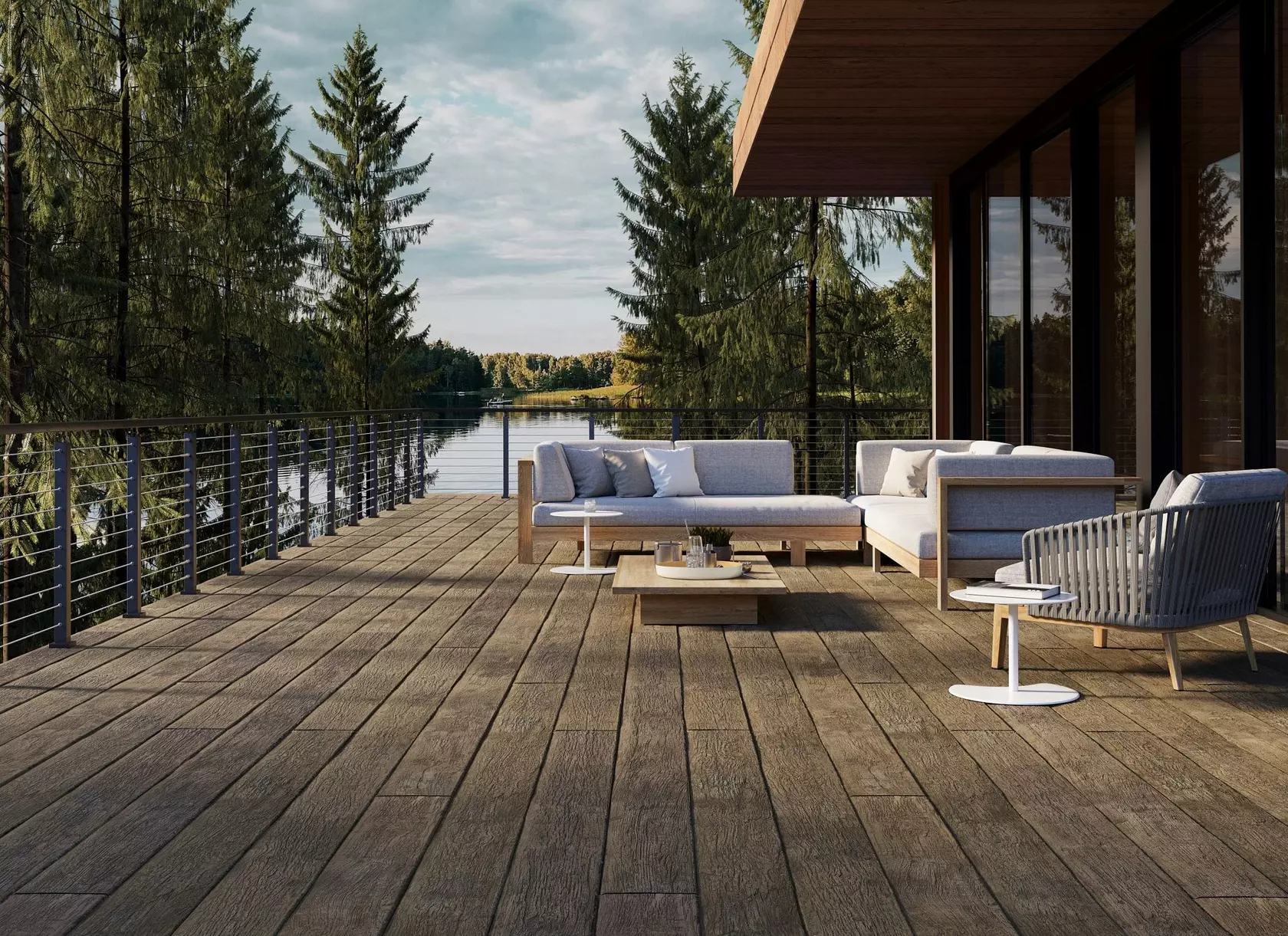
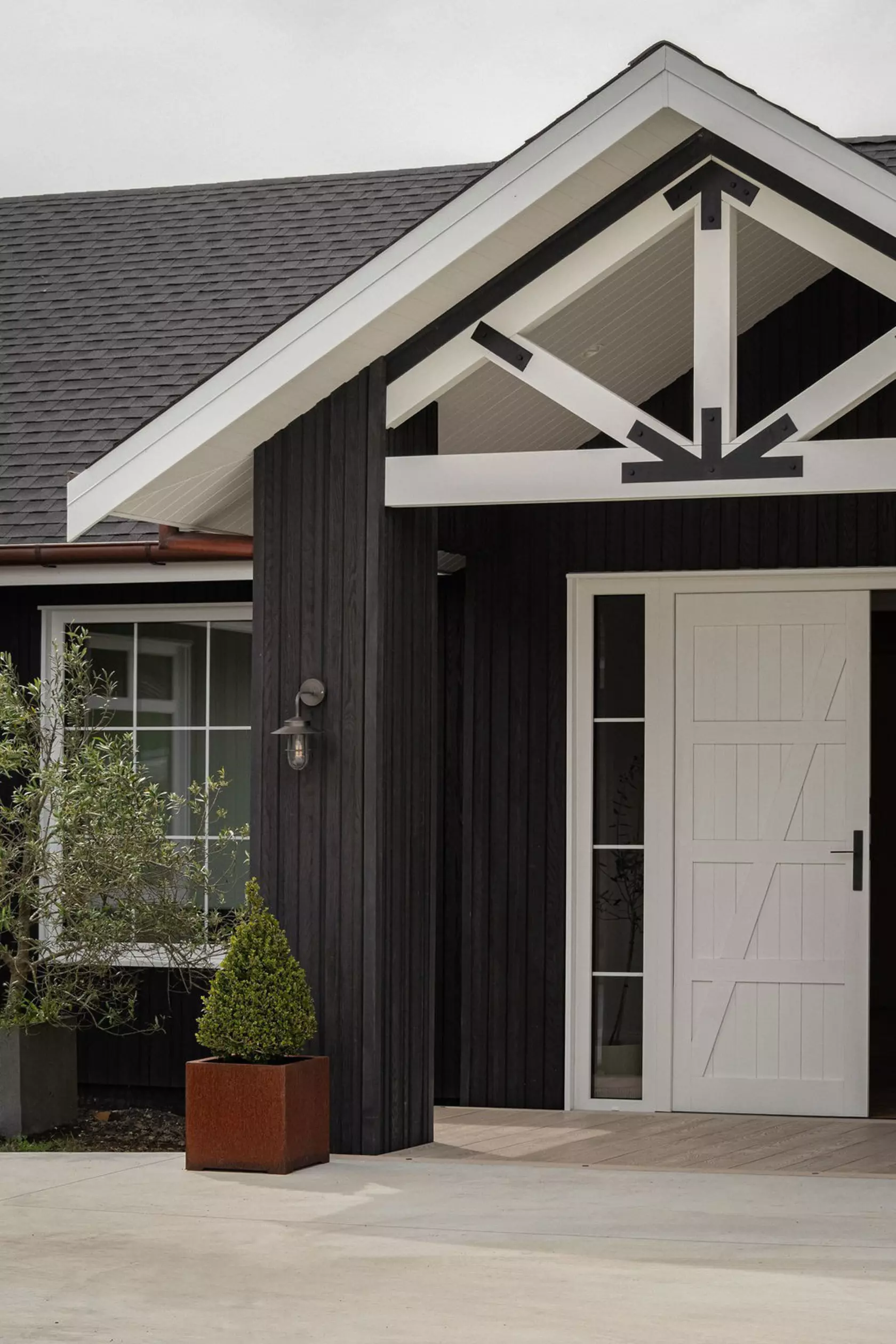
finish that keeps the grain looking raw rather than lacquered. Outside, the home is clad in Millboard Envello in Antique Oak and Burnt Cedar, with a matching Antique Oak deck, and inside the floors are a darker, warmer oak. The result is a single palette family, whichever side of the glass you’re standing on.

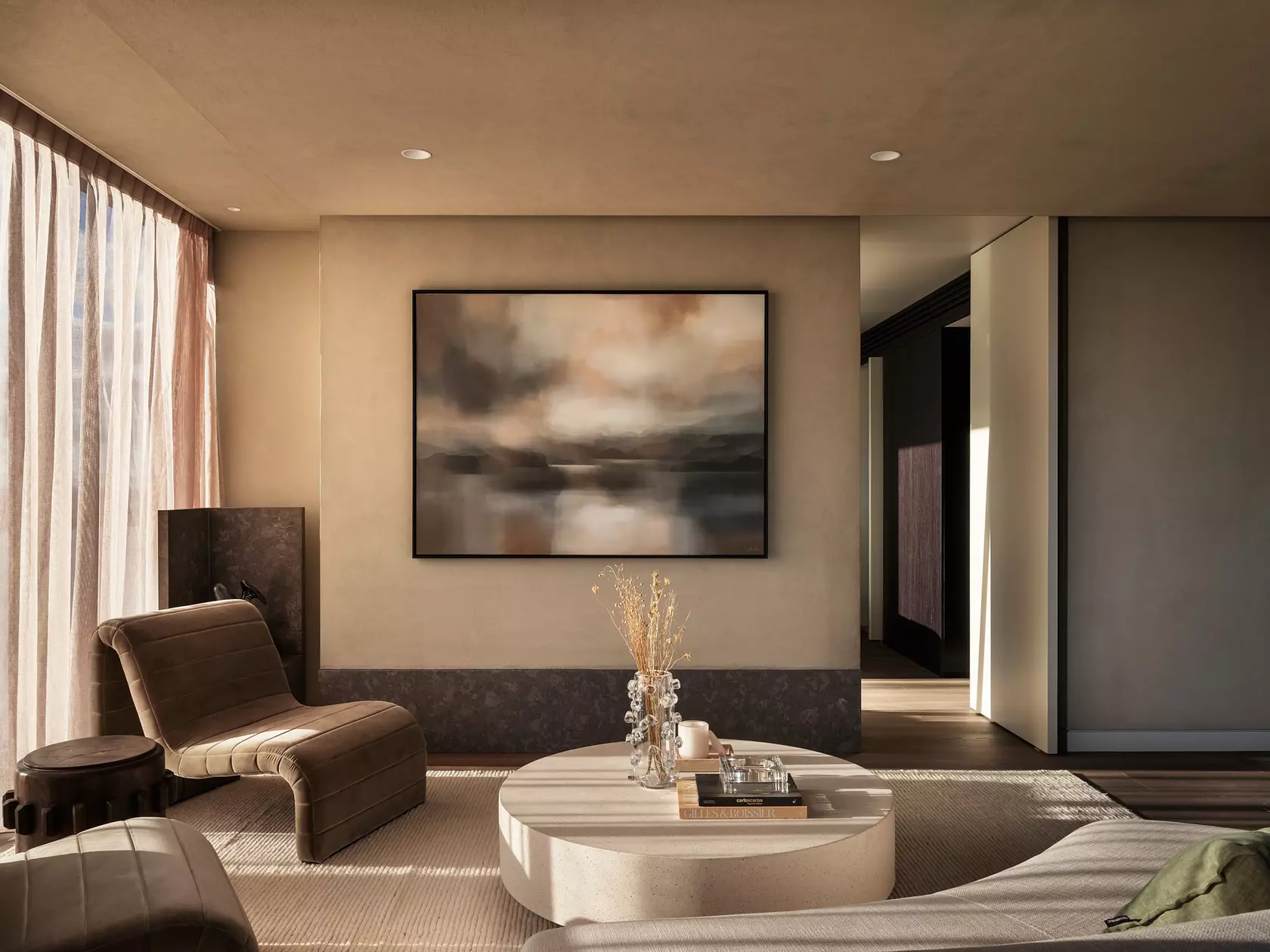
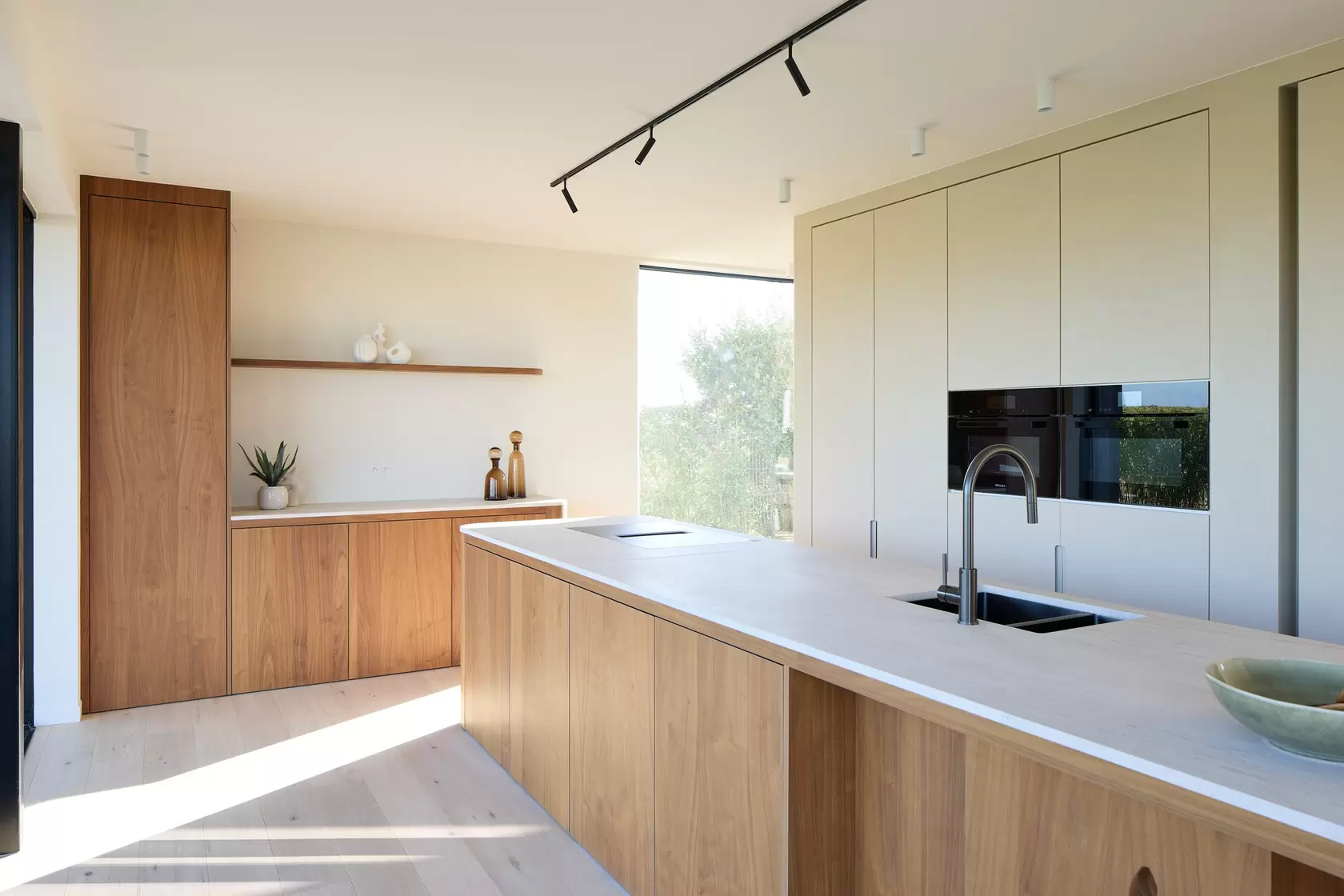
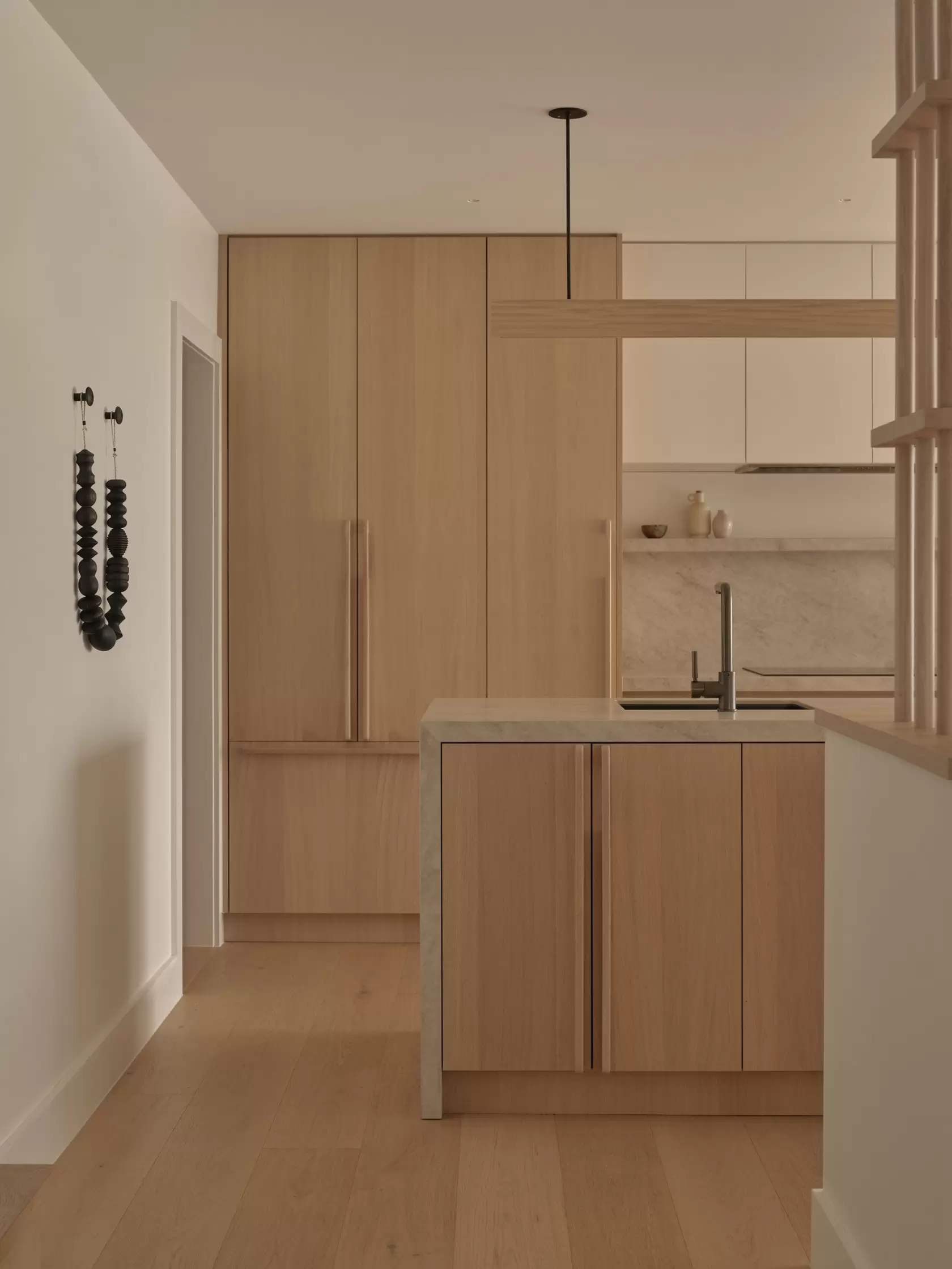
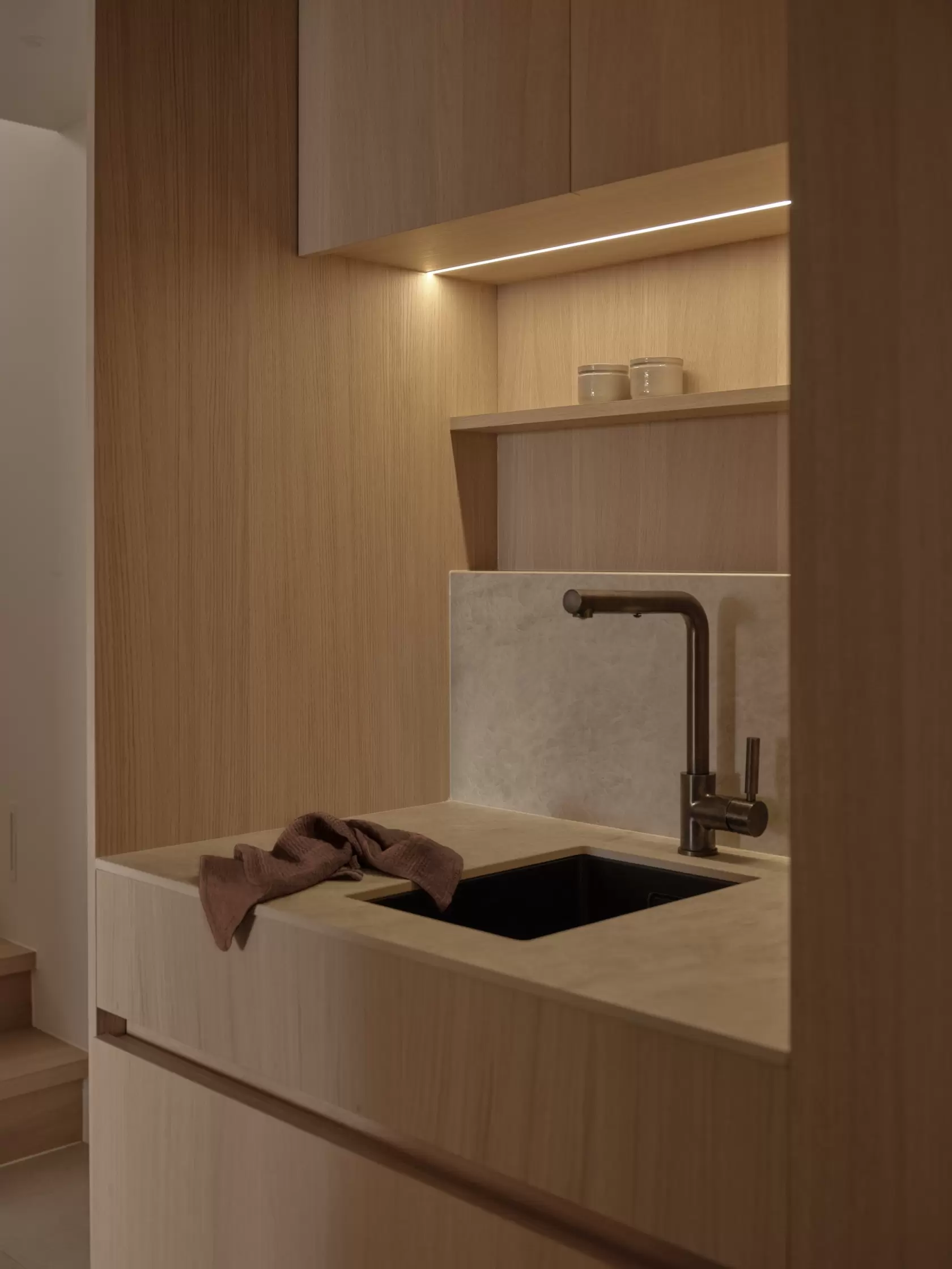
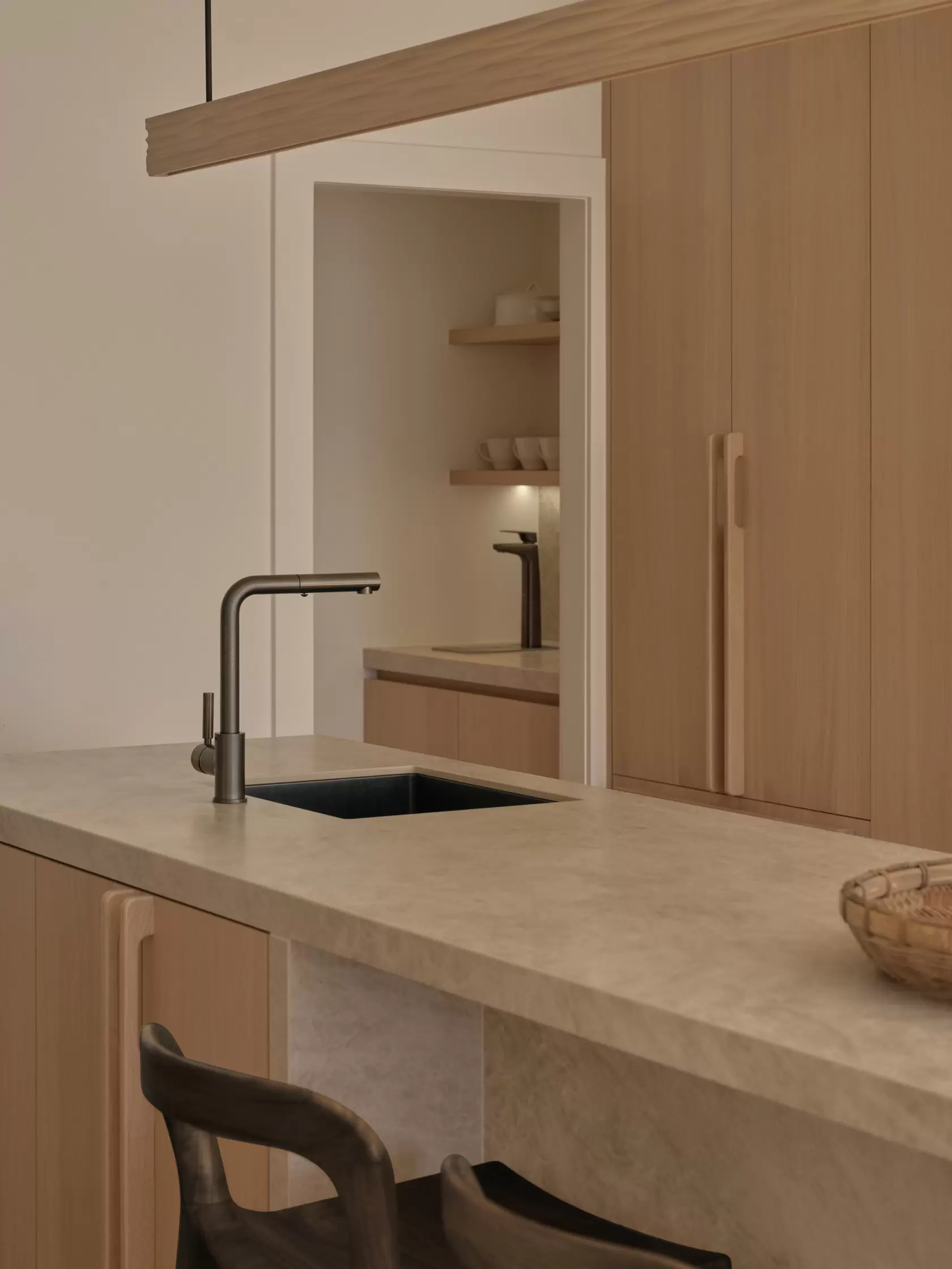
At Oneroa Bay on Waiheke Island, Michael Murray Studio took a lighter approach with Alor Cove. The interior draws on pale timber, natural stone and warm neutrals, and the bay remains the focus of every room. Light timber cabinetry sits beside a substantial stone island in the kitchen, and the same pale material carries into the joinery that frames storage, display and the fireplace in the living areas. With the tone held consistent from room to room, the timber supports the view rather than competing with it.
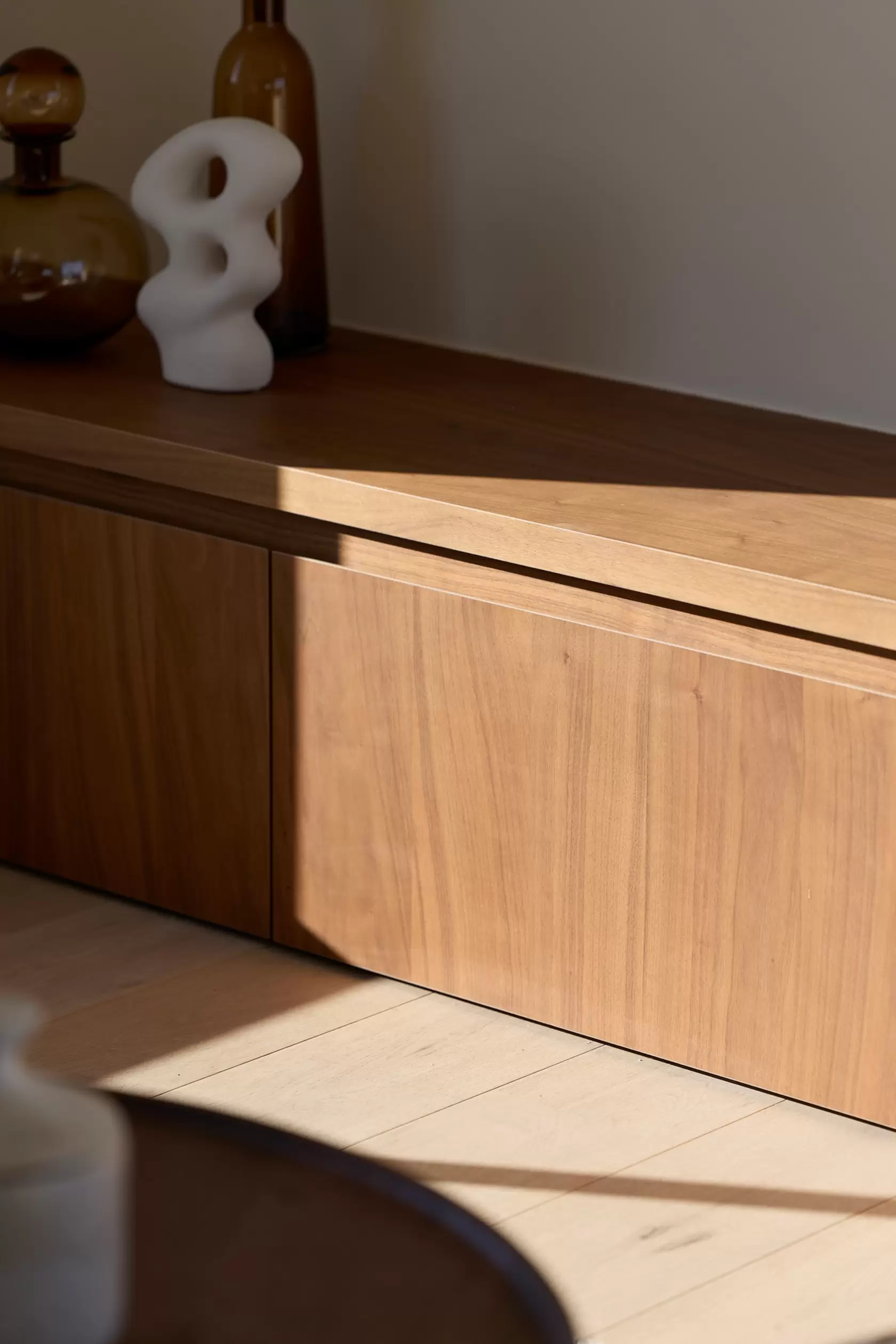
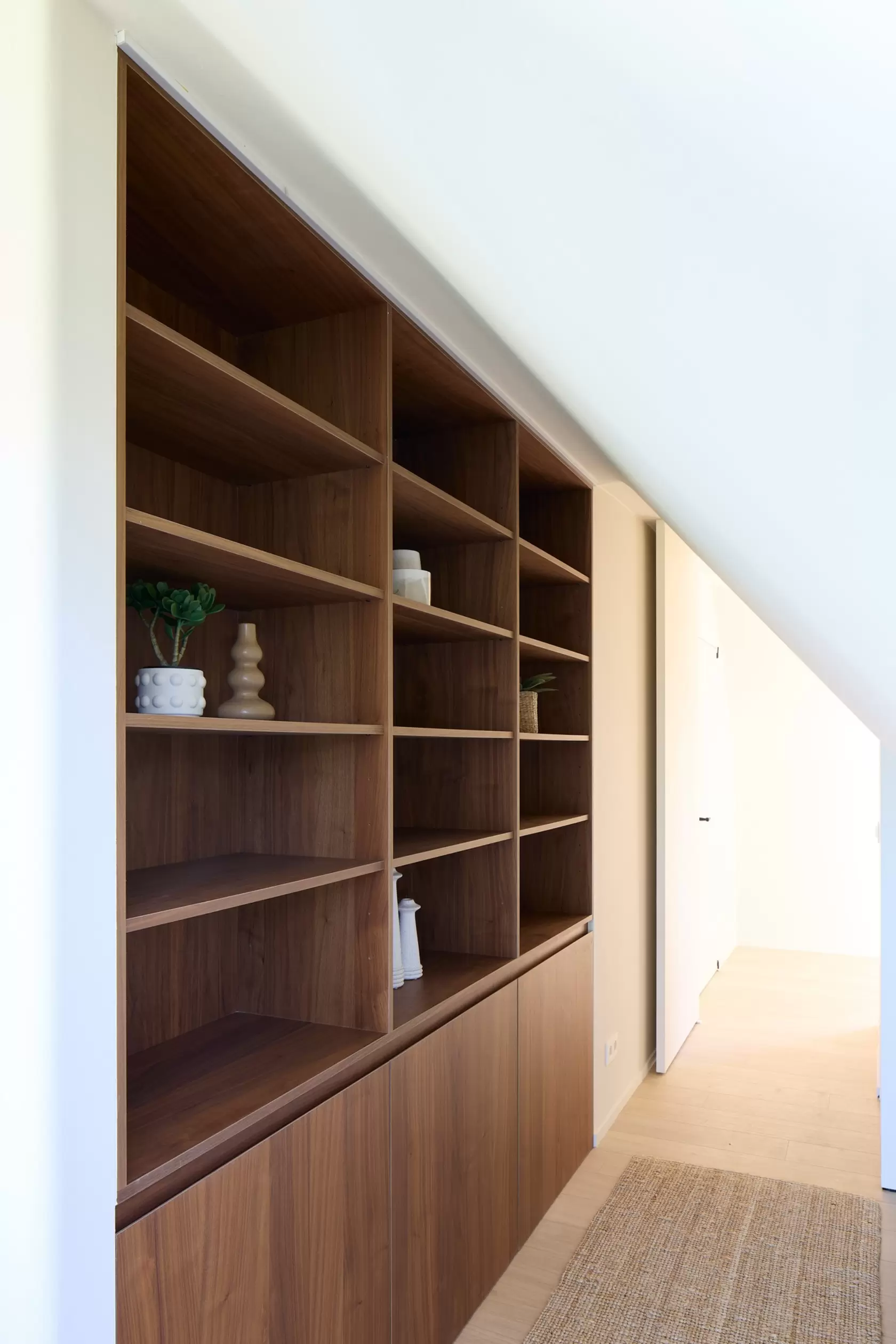
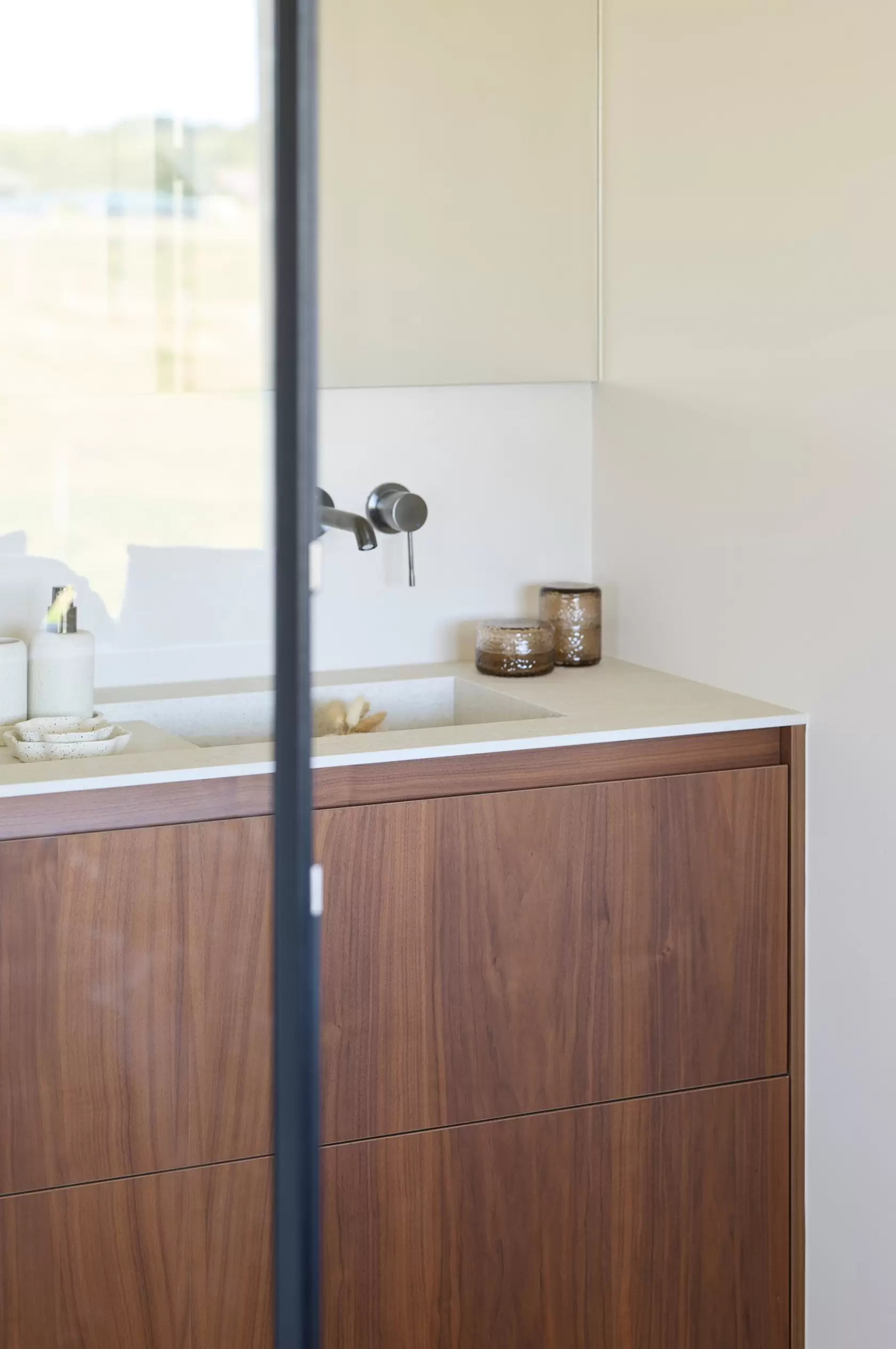
Overseas, Alor Ember was used extensively throughout a residence in Belgium. A warm, rich American Walnut, Ember runs across tall flush-fronted storage, a kitchen island with a softly rounded end and low floating joinery, with one continuous grain set against pale oak floors and clean white shelving. The cabinetry reads as architecture rather than furniture.
3. Prefinished and precise
Timber linings can bring finishing on site and boards that vary from one to the next. Alor is prepared before it arrives. Every plank has a refined Prime Grade face and a UV-lacquered surface, so no sanding, sealing or finishing is needed on site.
At 2.7m, planks run the full height of a standard wall, so the grain continues without joins. The lightweight Flexiclick joint is designed for straightforward installation and can be fixed directly onto framing without gib. On the cabinetry side, Alor veneer panels arrive prefinished, ready for the cabinetmaker to cut and edge to size.
4. Real timber, engineered with care
Alor pairs genuine timber with precision engineering. A 0.6mm European Oak or American Walnut veneer is bonded to a stable HDF core, giving real grain and tone with a consistency that is difficult to achieve across a full wall or ceiling of solid boards.
It also makes lighter use of the natural resource. Alor linings use only 1/16th of the timber of a solid timber lining. The range is low VOC with no added formaldehyde, an important consideration for all homes, but particularly family ones.
5. A complete system
Alor linings can be direct-fixed or battened over plasterboard, timber framing, and concrete or masonry walls. The range is supplied as a complete system, with full documentation, design guidance and installation guides supporting each stage of a project. For scope, substrate requirements and detailing, see the Alor Walls & Ceiling Panelling Design Guide.
Each plank undergoes real-world testing and rigorous quality control, and is backed by a seven-
Start with a conversation
Explore the range for wall and ceiling linings and cabinetry and panels. When you're ready to chat, the Forté team can help with samples, pricing and project advice.