




How hot does Millboard decking get?
Every decking material heats up in the sun. It's a fact of standing outside on a clear day, whatever your deck is made from — and one worth addressing honestly rather than glossing over. We put that to the test last summer, running Millboard's full colour range alongside a Radiata pine and a Kwila sample, side by side. We all know the New Zealand sun is extreme, and therefore careful protections need to be considered around this. The results confirm what the wider composite industry already knows, and they point homeowners toward a simple, practical choice: colour.
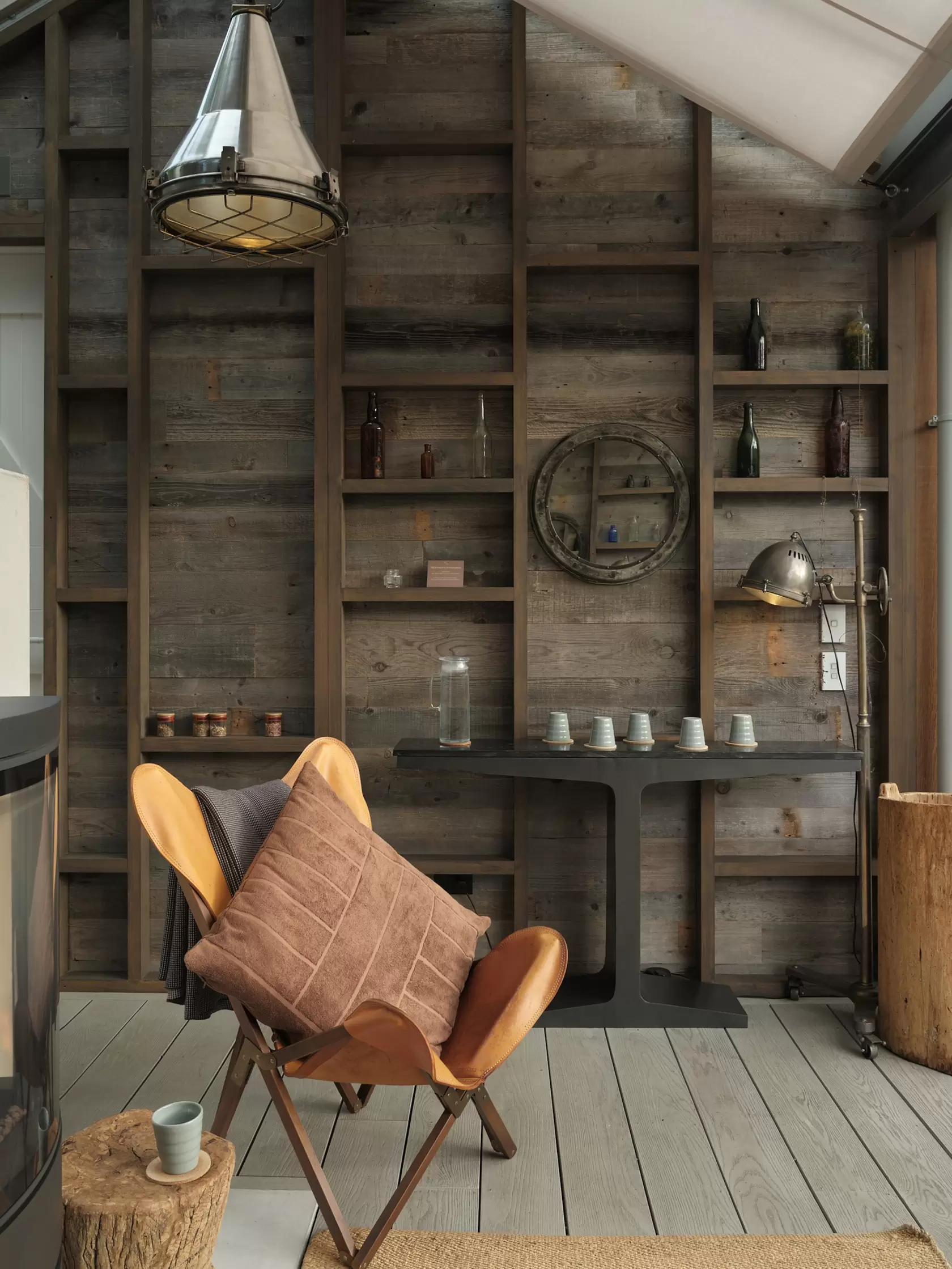
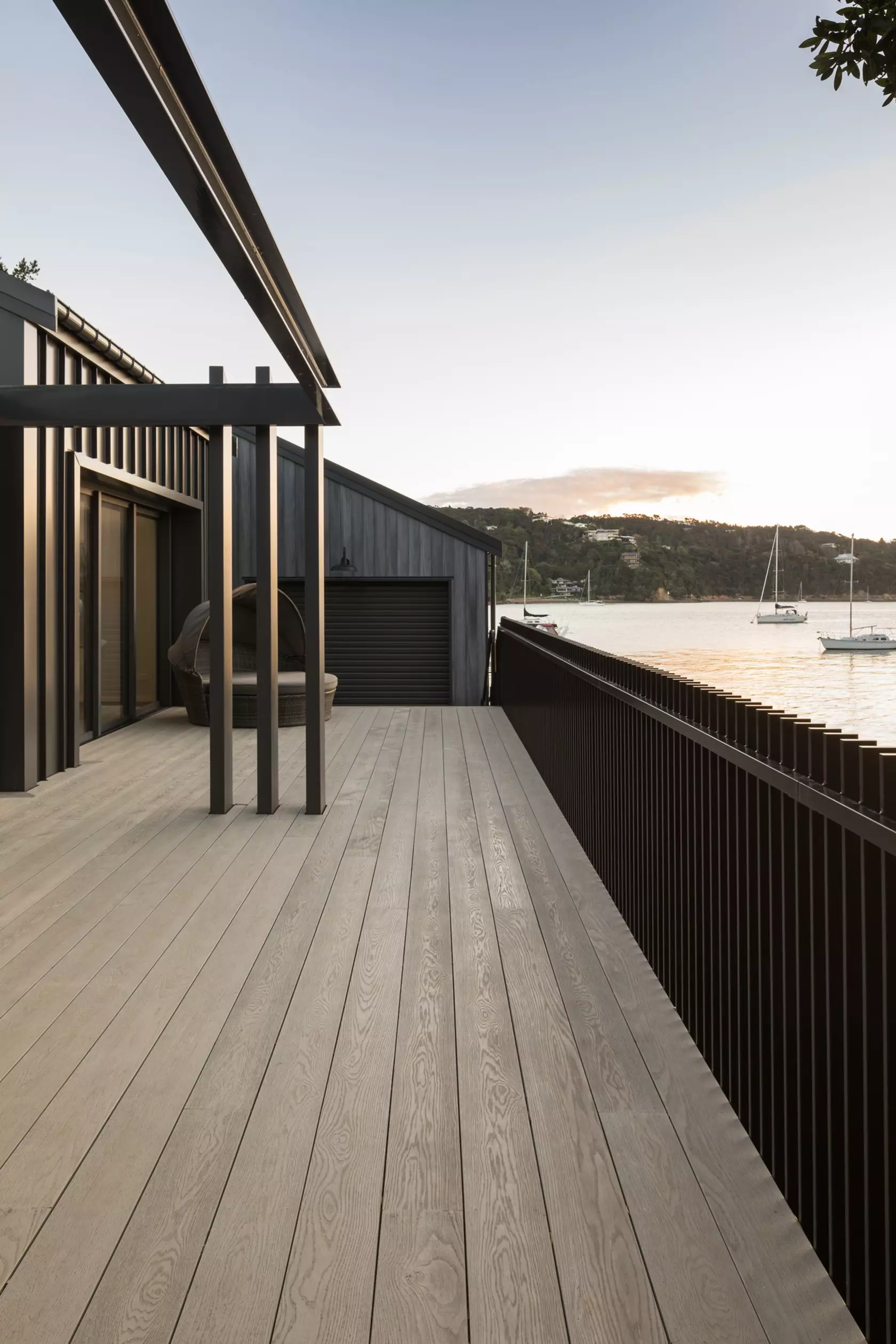
Composite decking, including Millboard, tends to run hotter underfoot than timber when the sun is directly on it. That's true of composite products generally, not just ours — the dense, closed surface that gives Millboard its resistance to splinters, rot and cupping is the same surface that absorbs and holds solar heat. Darker colours absorb more of it, the same way a dark car bonnet or a dark roof runs hotter than a light one. In full sun, on a hot day, any decking surface — timber or composite — can be uncomfortable in bare feet, and footwear is a sensible precaution.
Across the full Millboard range and the two timber samples, three patterns held.
First finding:
Everything heats up under full summer sun — there's no material here that stays cool. Millboard warmed faster than the timber samples early in the day, then settled into a stable, predictable curve for the rest of the afternoon.
Second finding:
Timber had rapid change in temperature with clouds moving overhead. Millboard's composite construction doesn't behave that way: it responds to sun and shade more evenly, which matters if you're trying to predict how a deck will actually feel underfoot through the day rather than at a single peak moment.
Third finding:
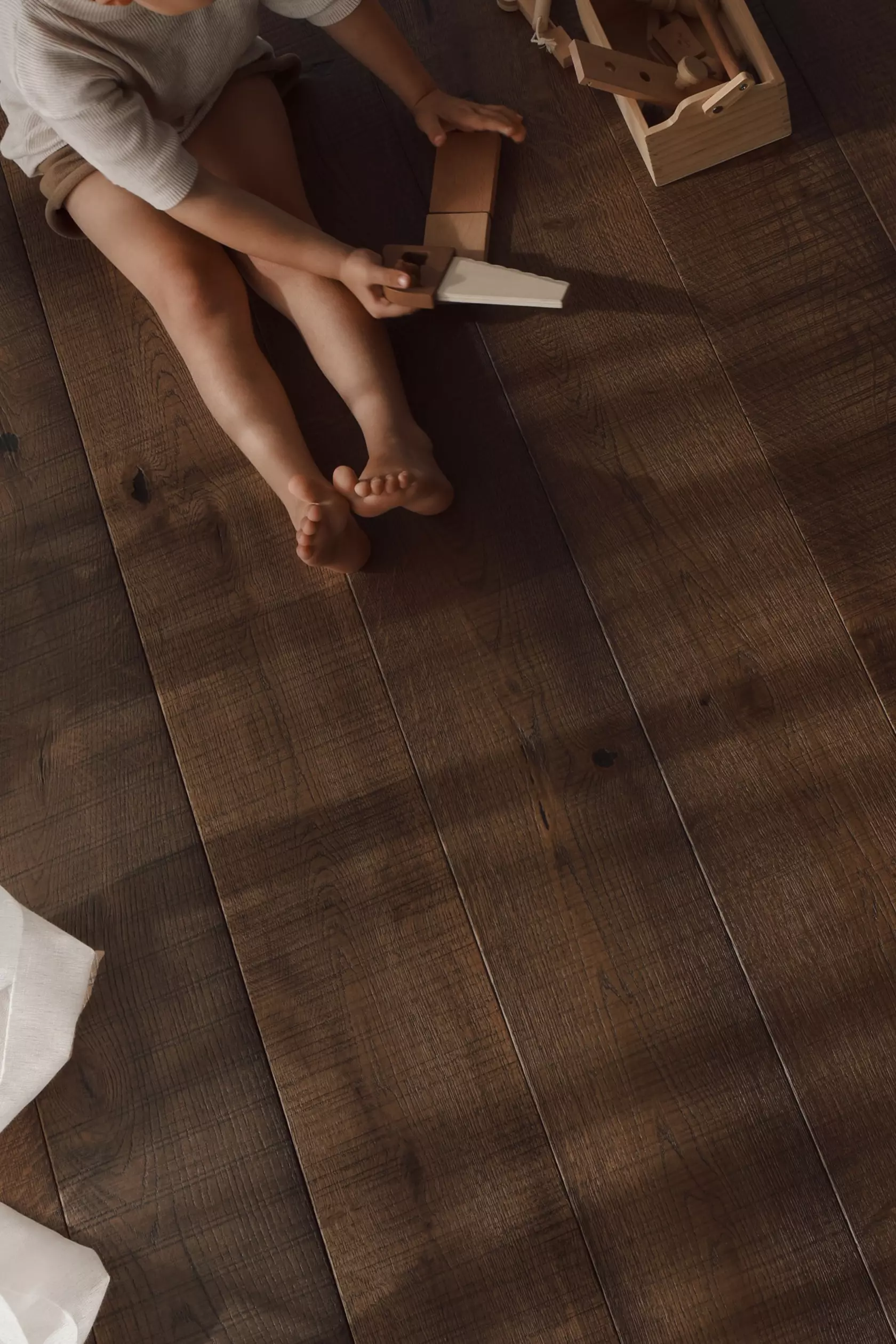
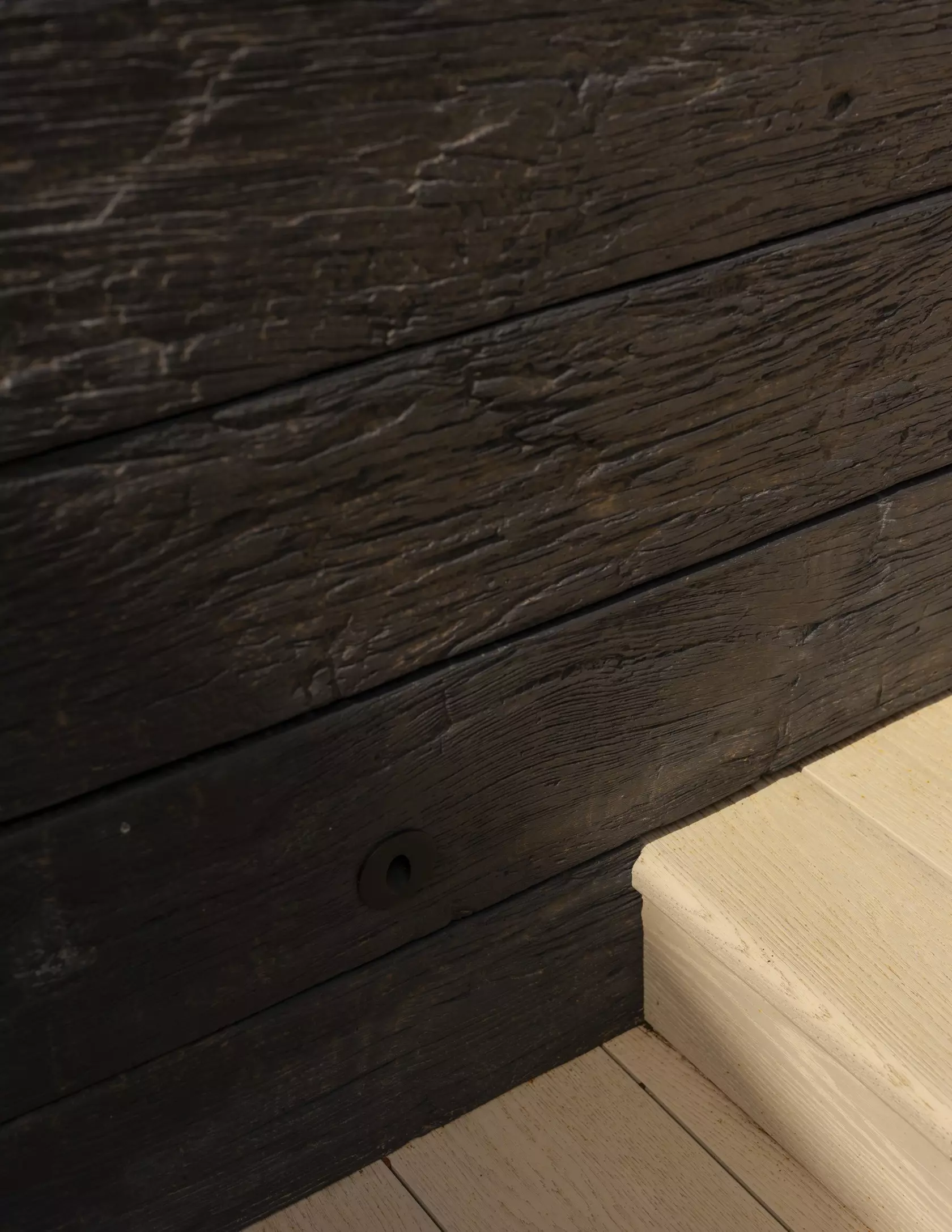
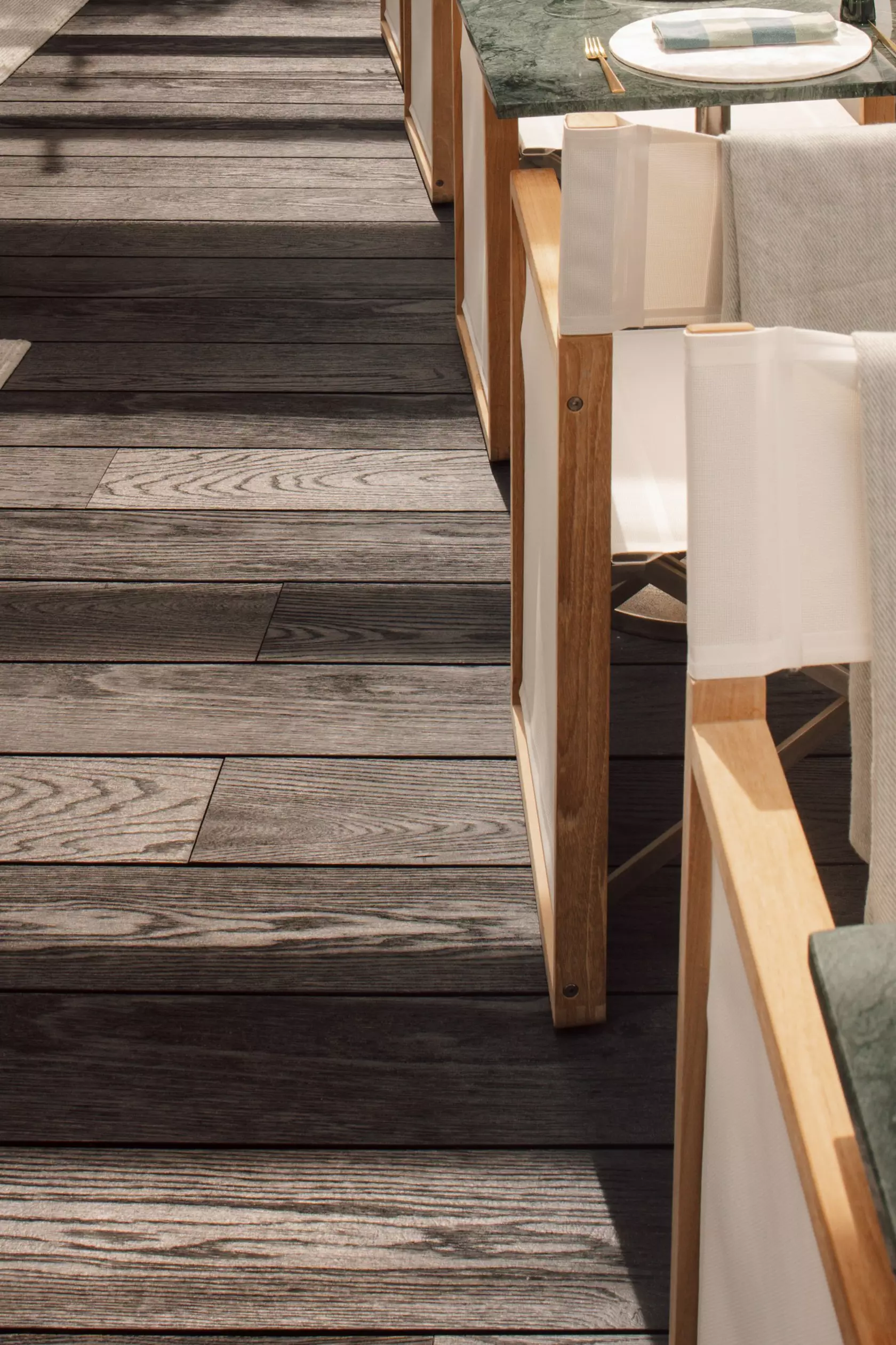
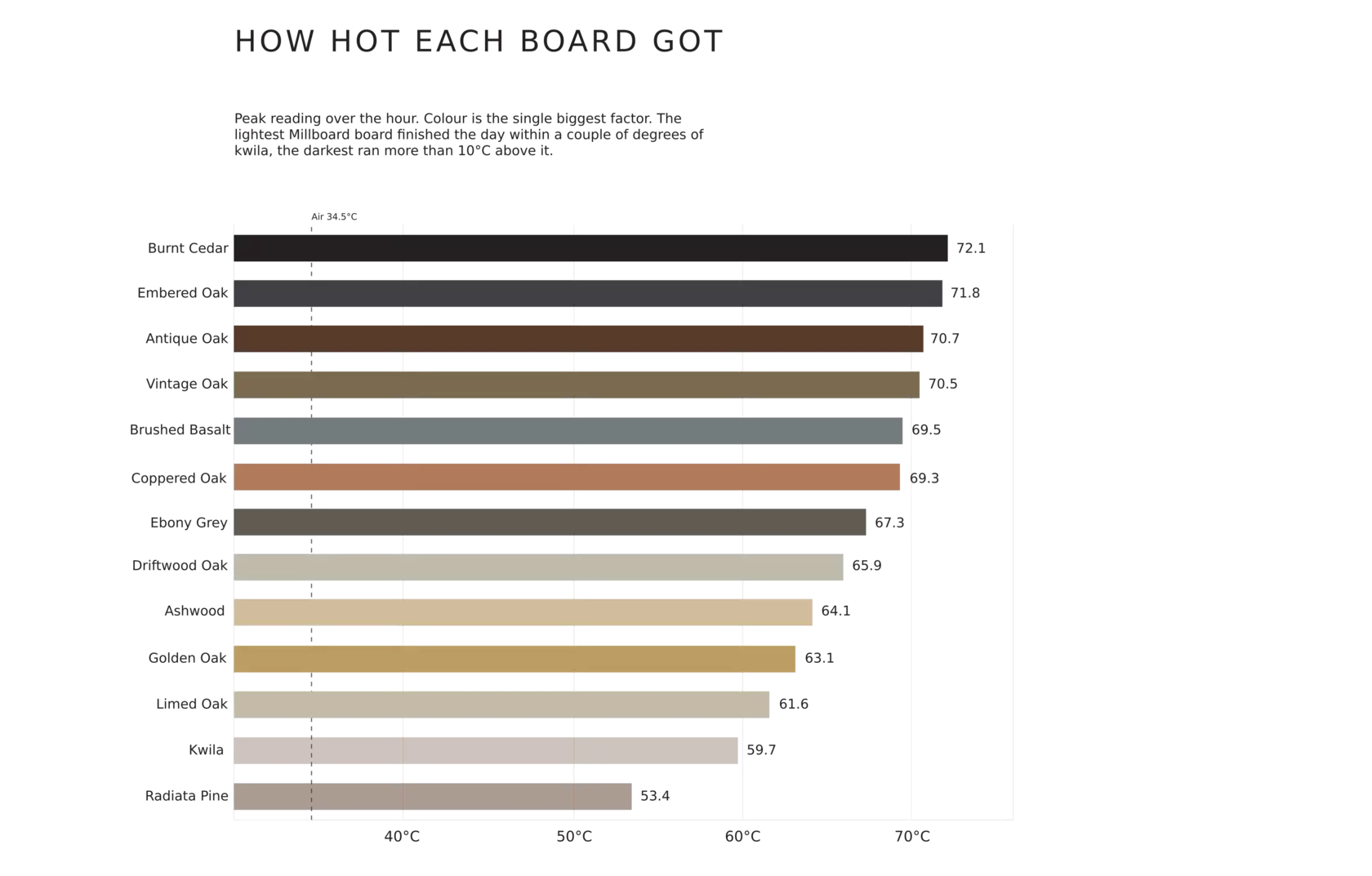
Colour was the clearest driver of comfort. Millboard's lighter shades — Limed Oak, Golden Oak and Ashwood among them — sat at the cooler end of the Millboard range throughout testing. The darker shades, Burnt Cedar, Antique Oak, Embered and Brushed Basalt, ran warmer, in line with what you'd expect from any dark decking material, timber or composite.

Millboard versus timber, without the spin
In direct, overhead summer sun, Millboard can reach higher peak temperatures than Radiata or Kwila. We're not going to dress that up. What it offers in return is durability timber can't match over the same years of use: no splinters, no cupping, no rot and none of the sanding, oiling or re-staining that keeps a timber deck looking its best. Taking extra precautions on glorious, clear summer days, and understanding how Millboard will perform, is a trade worth weighing against decades of low-maintenance performance.
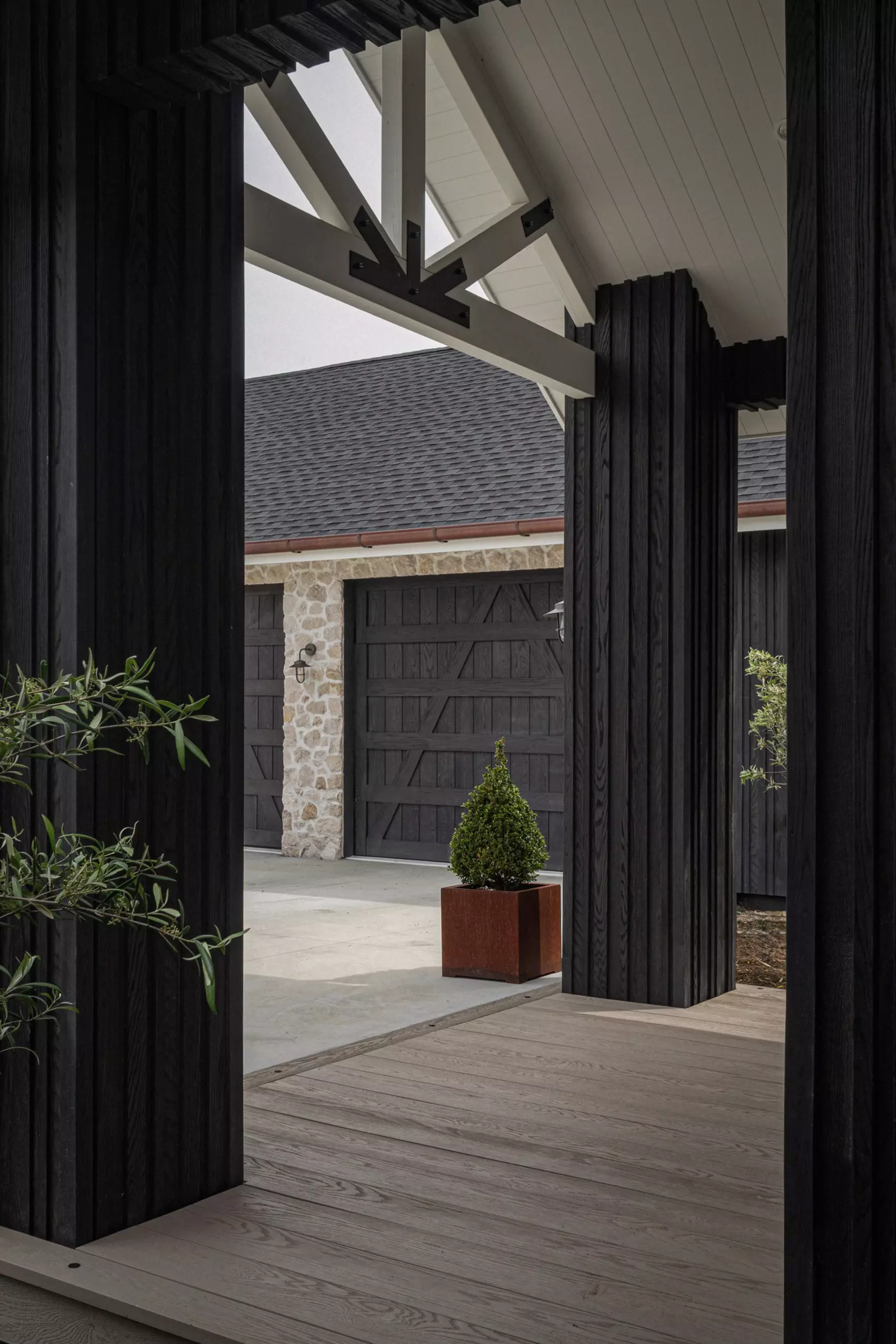
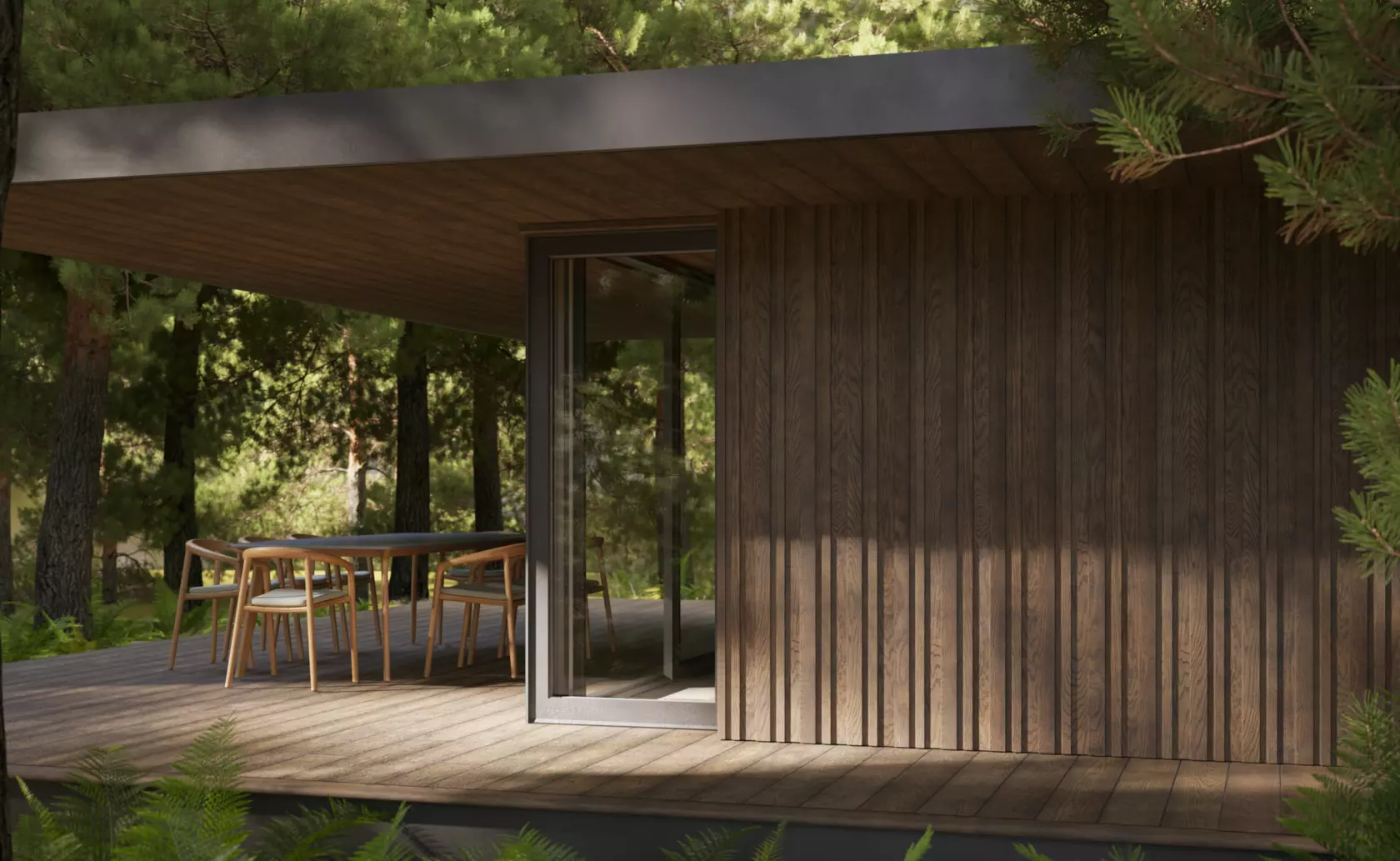
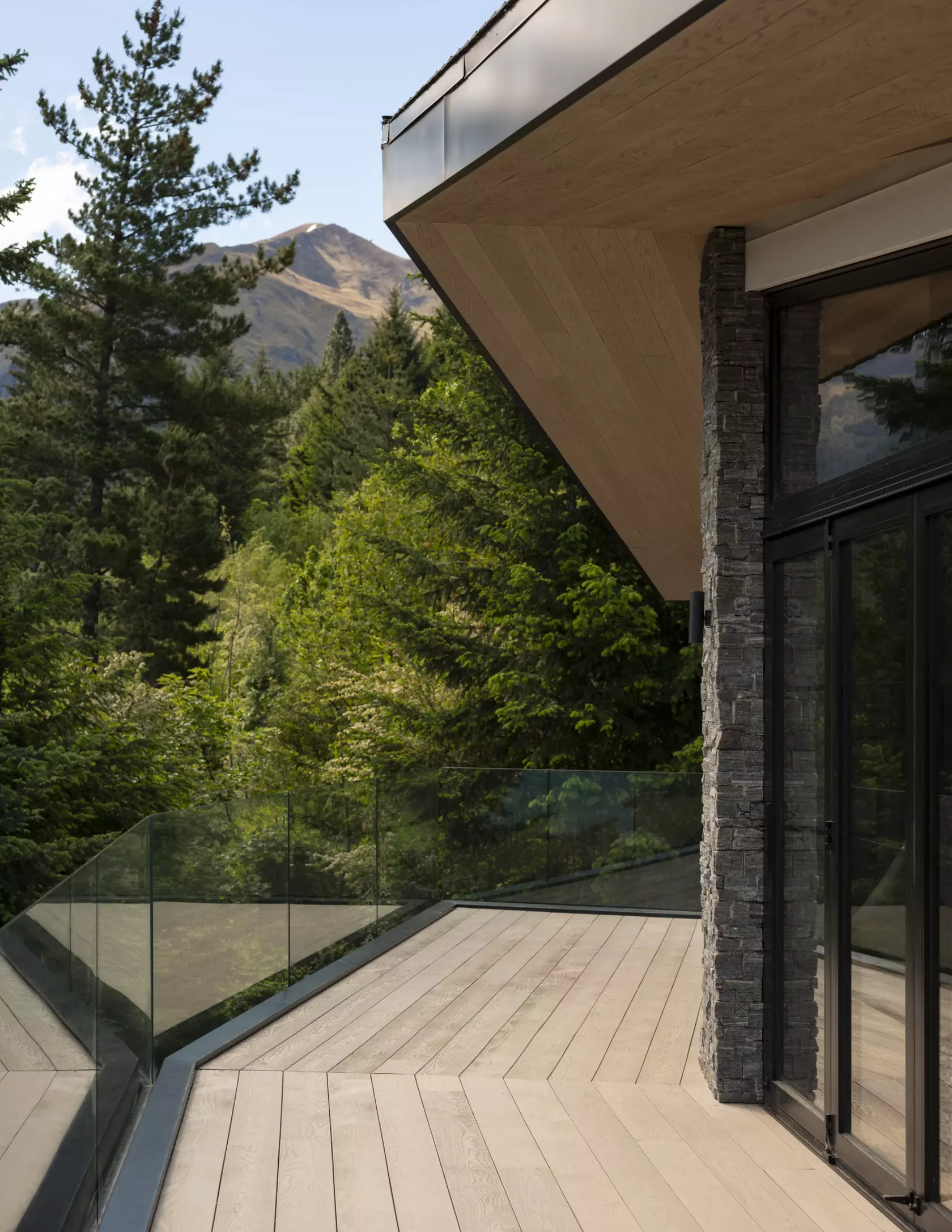
If surface temperature matters to you, the lighter end of the Millboard range is the straightforward answer, especially for those with a deck around a pool, a north-facing spot with little shade or a household with young children who go barefoot. Limed Oak, Golden Oak and Ashwood perform close to, and in some conditions cooler than, the hardwood samples we tested alongside them, while still carrying the durability and low upkeep that make Millboard worth choosing in the first place.
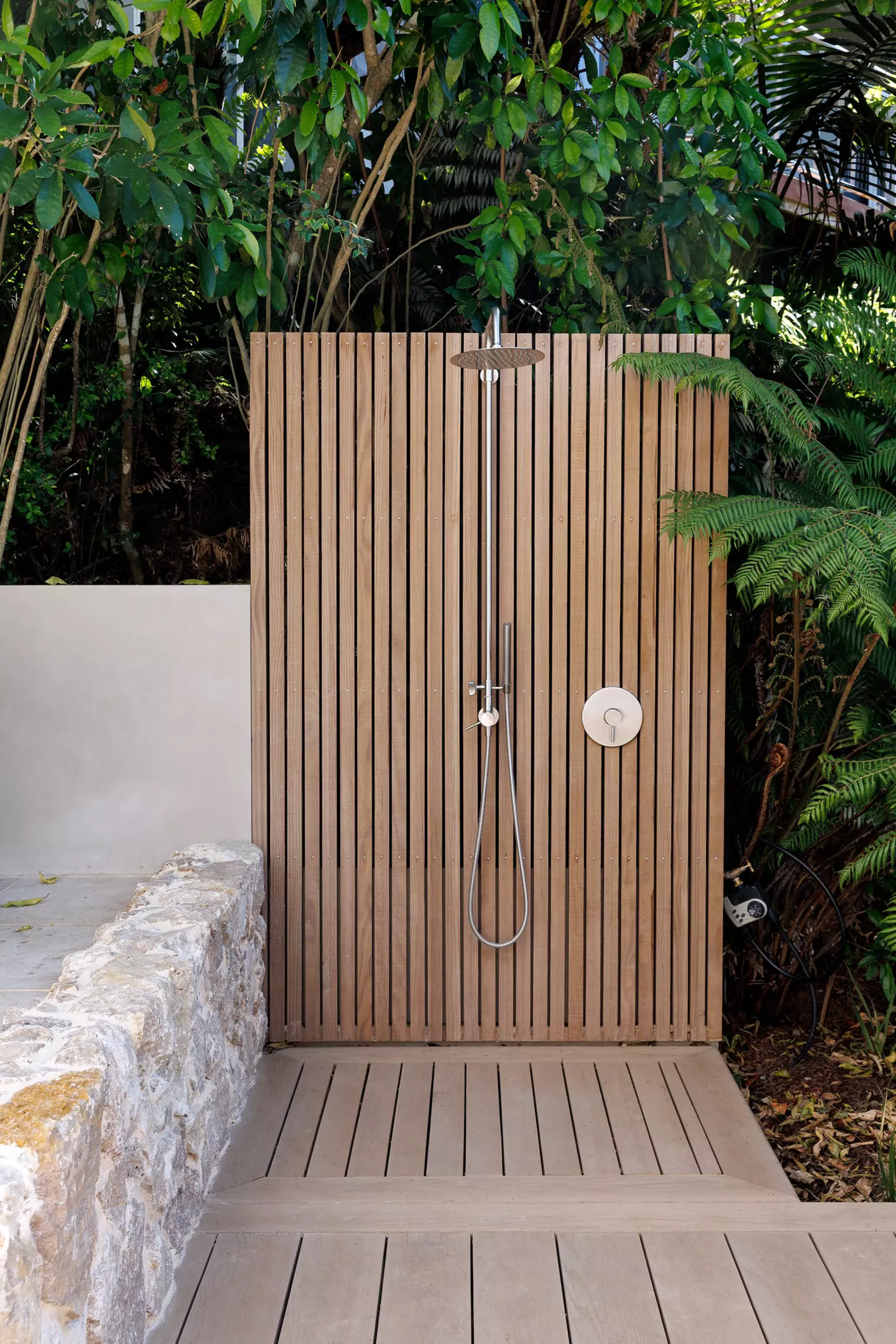
Our peak readings came from sustained, full-sun, midday conditions with the boards left untouched to record their maximum heat. Design decisions such as placement of foliage, shade sails and structural covers should be taken into consideration when pairing with your Millboard deck.
The takeaway
Millboard delivers the look of timber with the durability of a premium composite, and like every decking material, it warms up in the sun. Choose one of the lighter shades and you'll get a genuinely cooler surface underfoot, backed by the low-maintenance performance Millboard is built for.