
























Medullary Rays in European Oak: A Natural Feature, Not a Fault
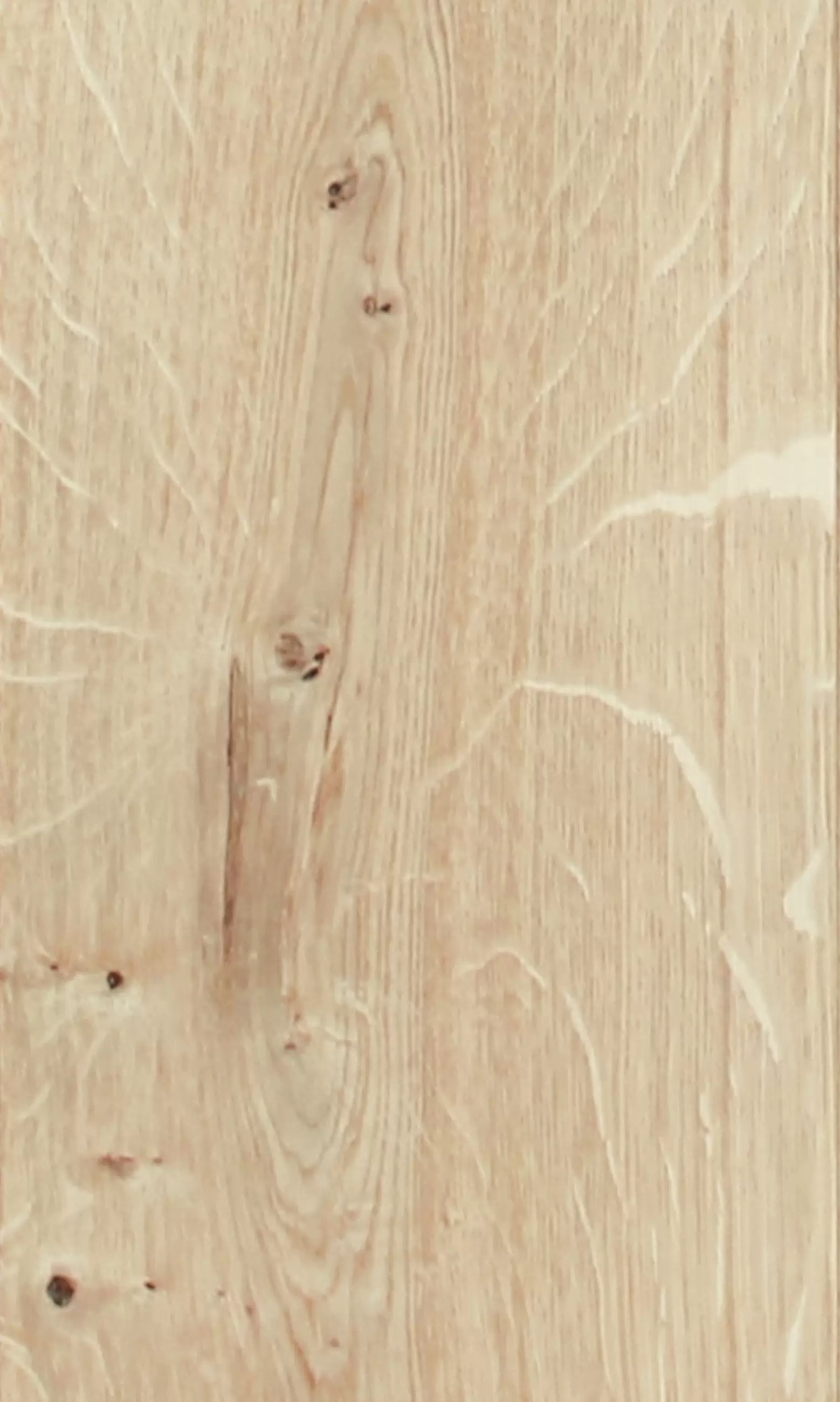
If you've spotted pale, streaky flecks running across the grain of your European Oak floor, you've noticed a medullary ray. It's one of the most common questions we're asked, and one of the easiest to put to rest: this is how the tree grew, not a flaw in the board.
What is a medullary ray?
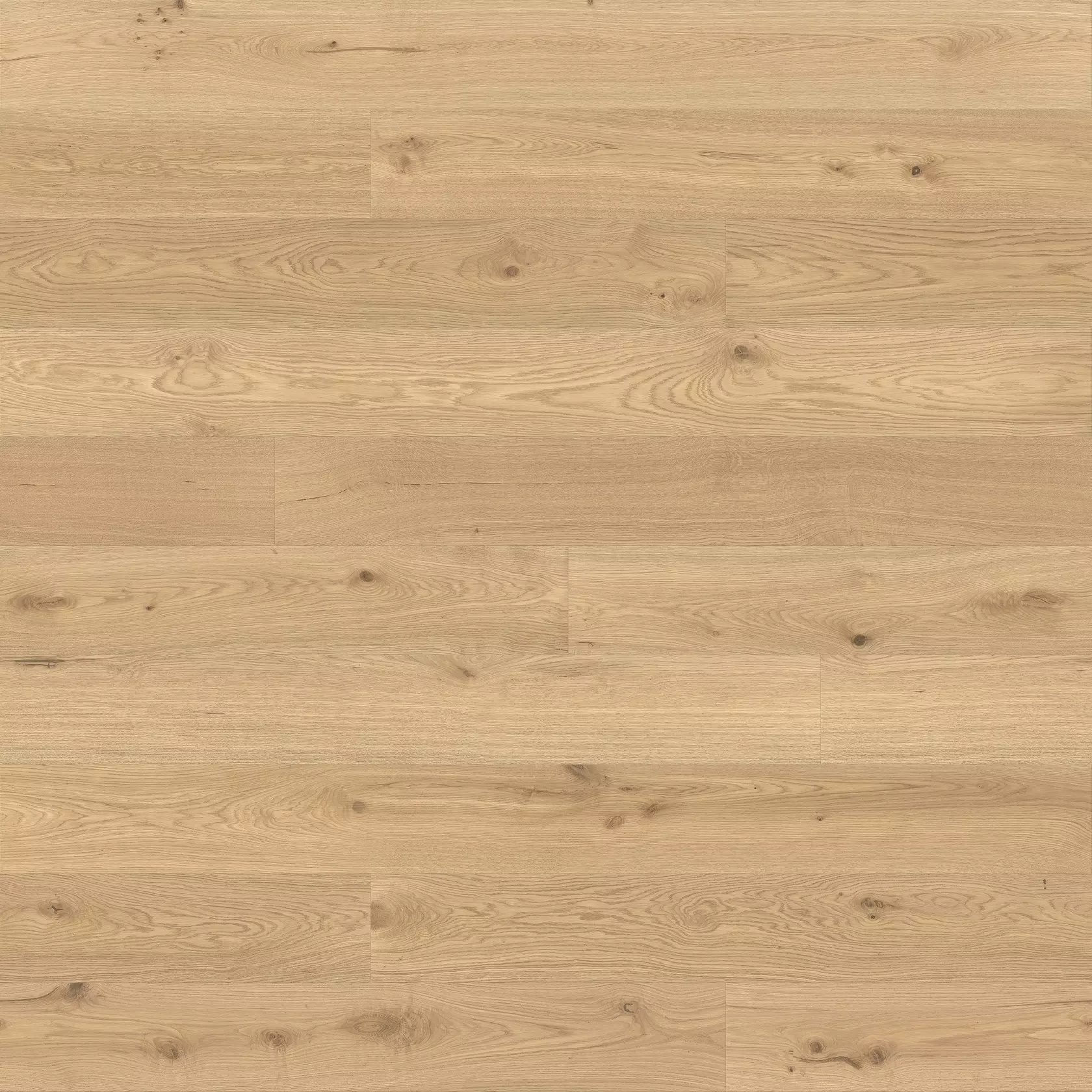
Every tree contains rays: bands of cells that run outward from the centre of the trunk to the bark, carrying nutrients across the growth rings. In most timber species, these rays are too fine to notice. European Oak is the exception. Its rays are unusually large, and where a board is cut close to that radial direction, they show up as pale, silvery flecks or streaks running across the face of the plank.
Why some boards show more than others
How visible a ray looks comes down to the angle the log was milled at, not the quality of the timber. Quartersawn boards, cut at 60 to 90 degrees to the growth rings, carry the most flecking. Rift-sawn and plain-sawn boards show progressively less, as the cut moves further from the ray's own direction. Two boards from the same tree can look markedly different once they're milled, and that's expected, not inconsistent.
Why it's not a fault
A medullary ray is structural, not cosmetic - it's present in every European Oak tree, and it doesn't affect the strength, stability or durability of the finished floor. Quartersawn oak has been prized for its ray fleck in flooring and furniture for centuries, long before it found its way into a European Oak floor.
The takeaway
If you've spotted these flecks in your floor, take them as a mark of authenticity rather than a defect - proof of a genuine, solid European Oak floor rather than a uniform, manufactured surface. They sit alongside the natural colour and grain variation covered in our Grade and Colour Variation in Wood Flooring article, so it's worth a read if you'd like the fuller picture of what makes each board unique.