














Reading the seasons: what your timber needs as we shift from winter into spring
Every home moves through the seasons, and so does the timber inside it. Across this four-part series, we're looking at how interior floors, panelling and linings respond as the year turns, and what to watch for at each stage. We start where most households are right now: the shift out of winter's driest months.
Through winter, wood burners and heat pumps run harder and longer, and that heat comes at a cost to humidity. As the air inside dries out, timber gives up its own moisture to match it, and that's usually when small gaps appear between boards or hairline splitting shows up on floors, panels or linings. It's a natural response to a drier environment, not a fault in the timber itself. A simple hygrometer kept in a key room — a living area or a hallway, for example — gives you an early read on when conditions are shifting, rather than waiting for the timber to tell you first.
As spring approaches, that dry spell starts to ease.
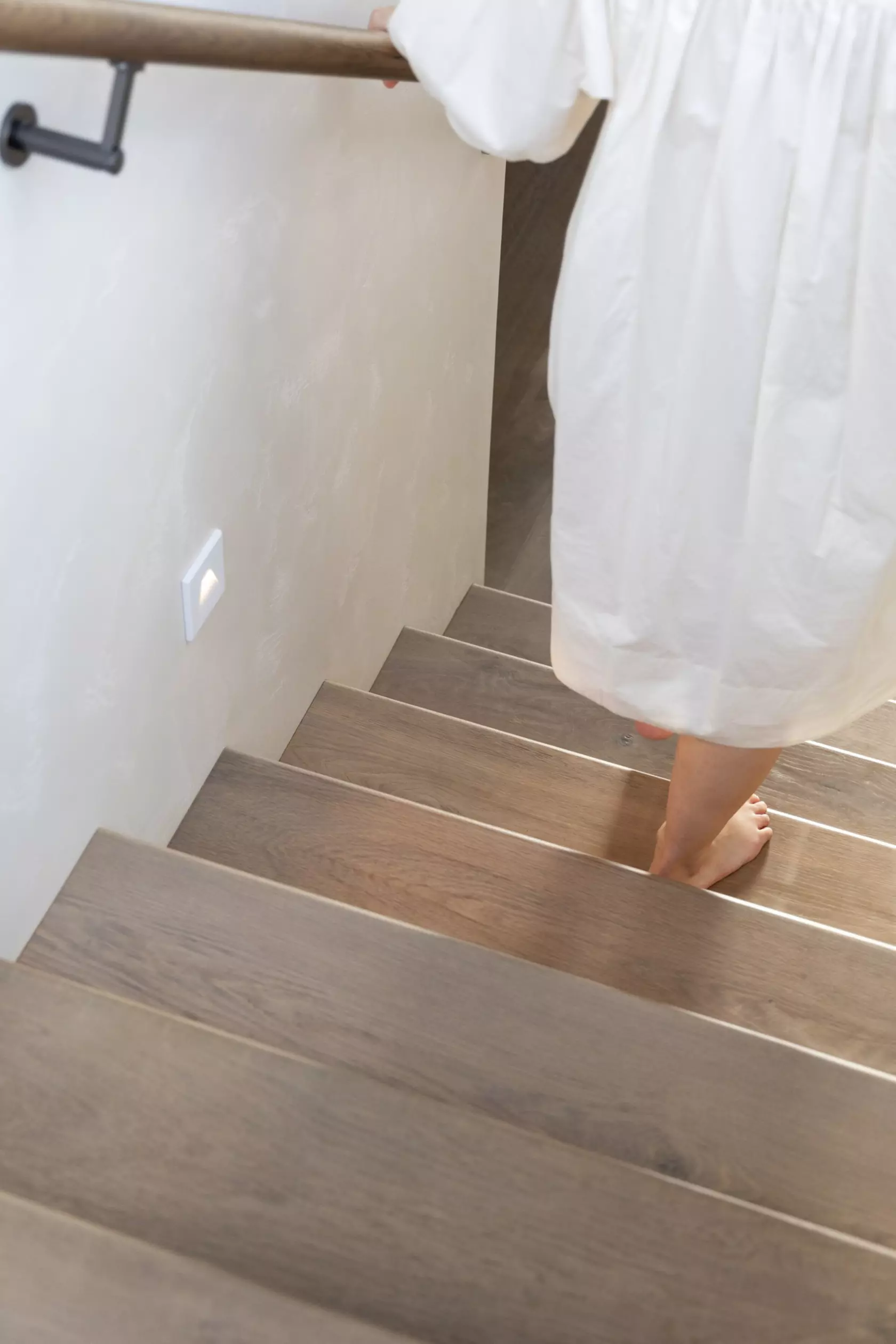
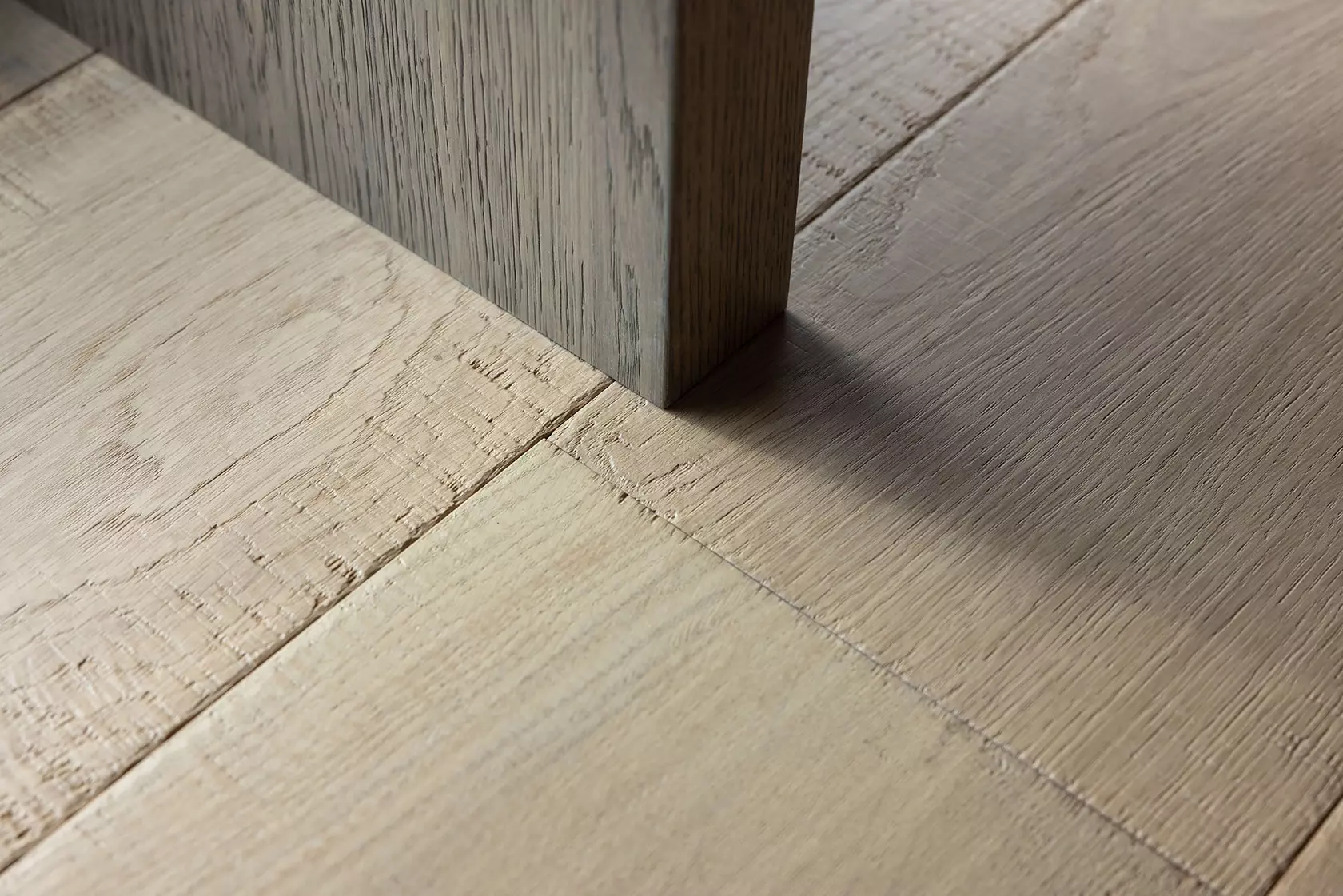
Small gaps that opened up over winter may reduce or close as the timber reabsorbs moisture.
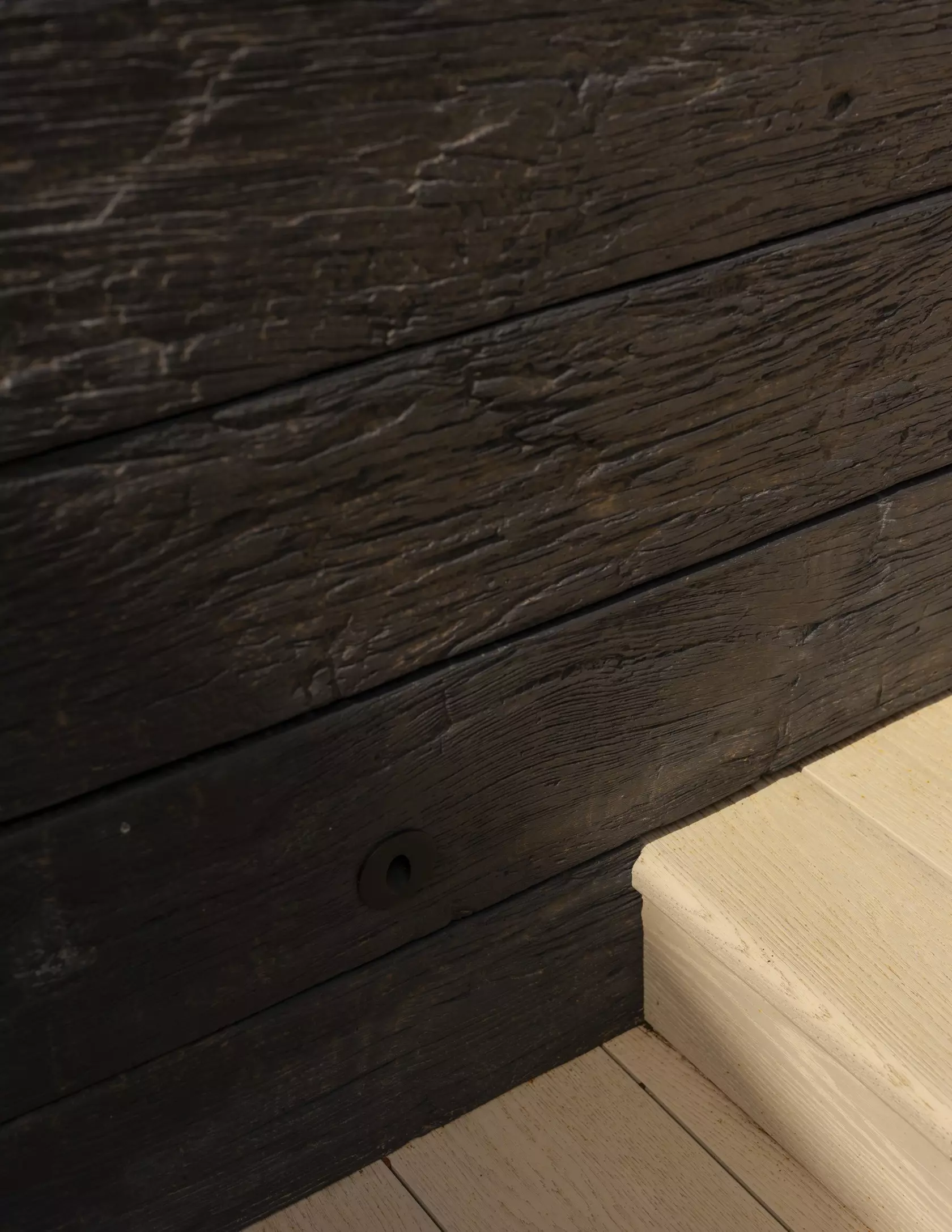
Hairline cracks often become less noticeable, though they may not disappear completely.
Timber can feel less dry underfoot or to the touch as humidity increases.
Doors, panels or linings may sit slightly tighter in some areas.
These changes tend to happen gradually over weeks, not all at once.
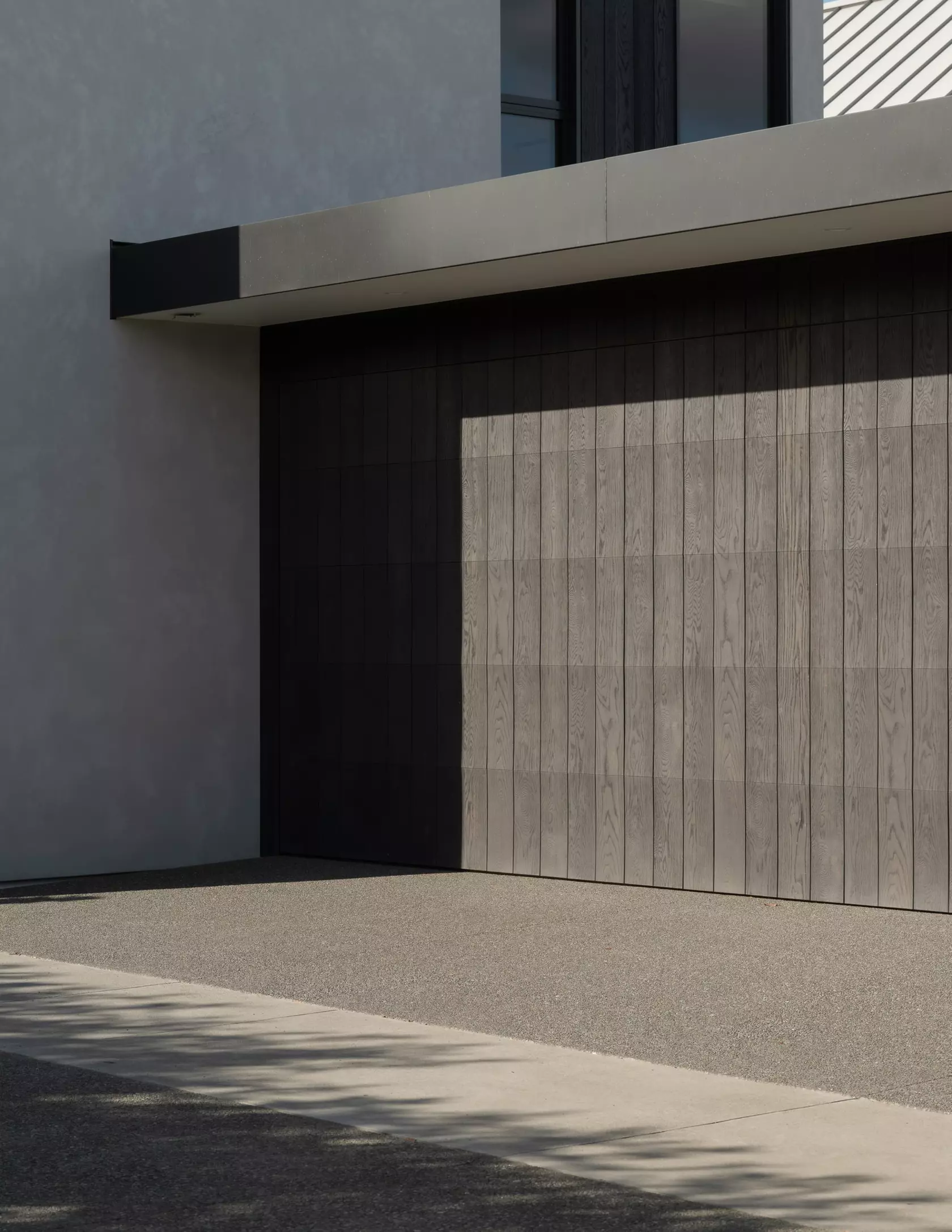
Reintroduce ventilation carefully, rather than opening the home up all at once.
Avoid letting rooms sit damp or poorly ventilated once the heating eases off.
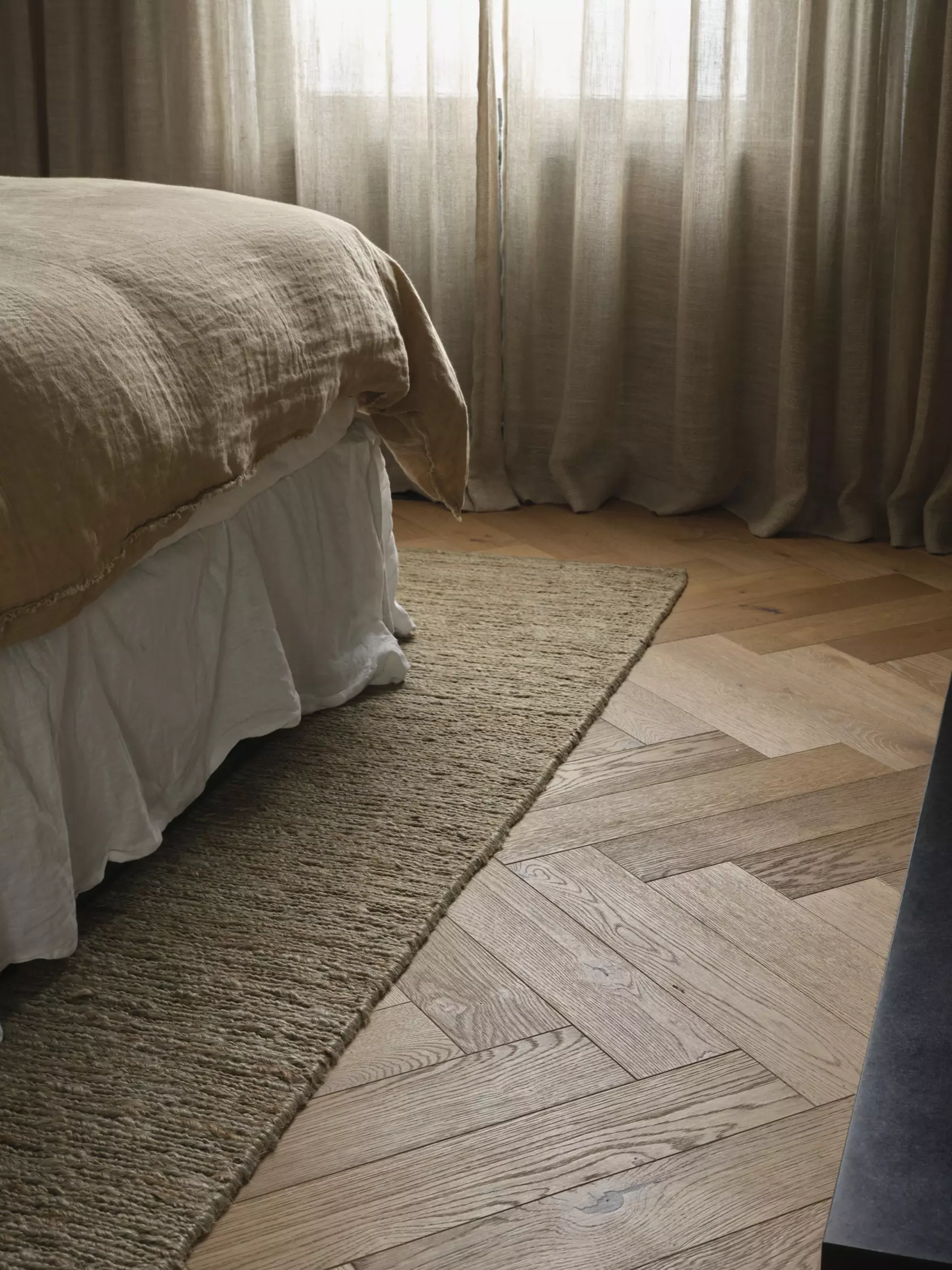
Check wet areas, entryways and laundry spaces for moisture control — woven or breathable rugs work well in these key spots.
Clean and inspect timber surfaces once winter passes, while any seasonal movement is easiest to see.
Watch for signs of an actual moisture problem rather than normal seasonal movement: persistent swelling, cupping, staining, mould, musty smells or condensation. If you notice any of these, get in touch with our team.
Keeping an eye on conditions through this shift is the simplest way to tell ordinary seasonal movement from something that needs attention.