
















The maintenance you didn't know you needed
Quality surfaces are built to last. How long they actually last comes down to one thing most people don't think about until later: knowing what they need from the start.
This doesn’t mean constant upkeep, or specialist products every other month. Just a clear understanding of what each surface requires and when — so you can stay ahead of it rather than catch up to it.
The homeowners who get the most from their floors, decks, cladding and panelling aren't the ones who work harder at it. They're the ones who knew what to expect before the first board went down.
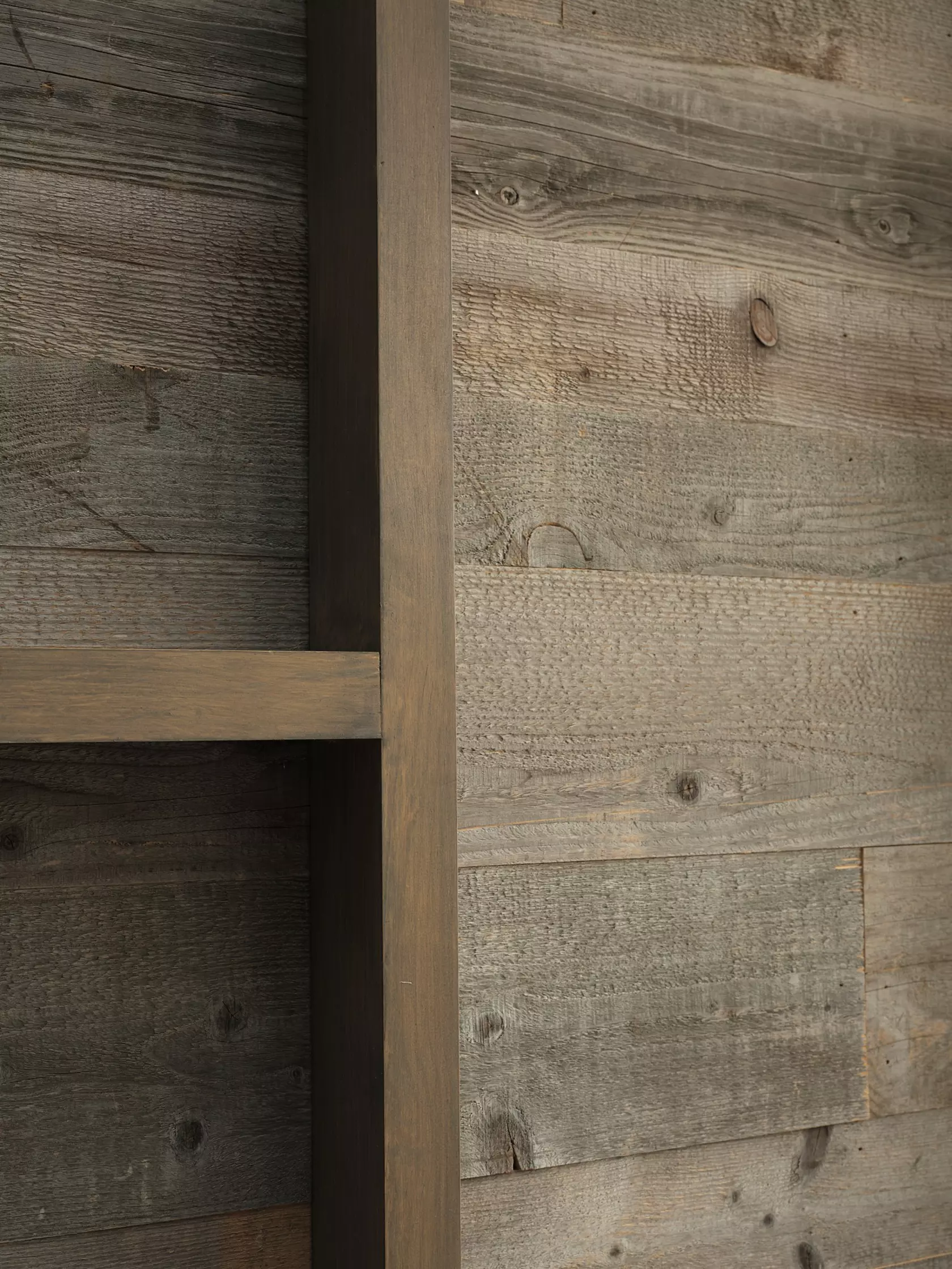


You already do this. You just don't call it maintenance.
Think about the things you maintain without really thinking about them.
Your car goes in for a service at a set interval. You know when new tyres are due. You replace wiper blades before they start to streak. None of this feels burdensome, because you understood it from the day you drove off the lot. The schedule was clear. The consequences of skipping it were clear. So you don't skip it.
Your home runs on routines you've probably absorbed without noticing. The deep clean in spring. Clearing the gutters before the autumn leaves block them. Waterblasting mildew off the paths before it takes hold. Washing the windows when the light changes. These aren't tasks you agonise over — they're just part of how you keep things working.
Timber surfaces deserve exactly this kind of thinking. Not obsessive care, just the same structured awareness you already bring to the things you value.
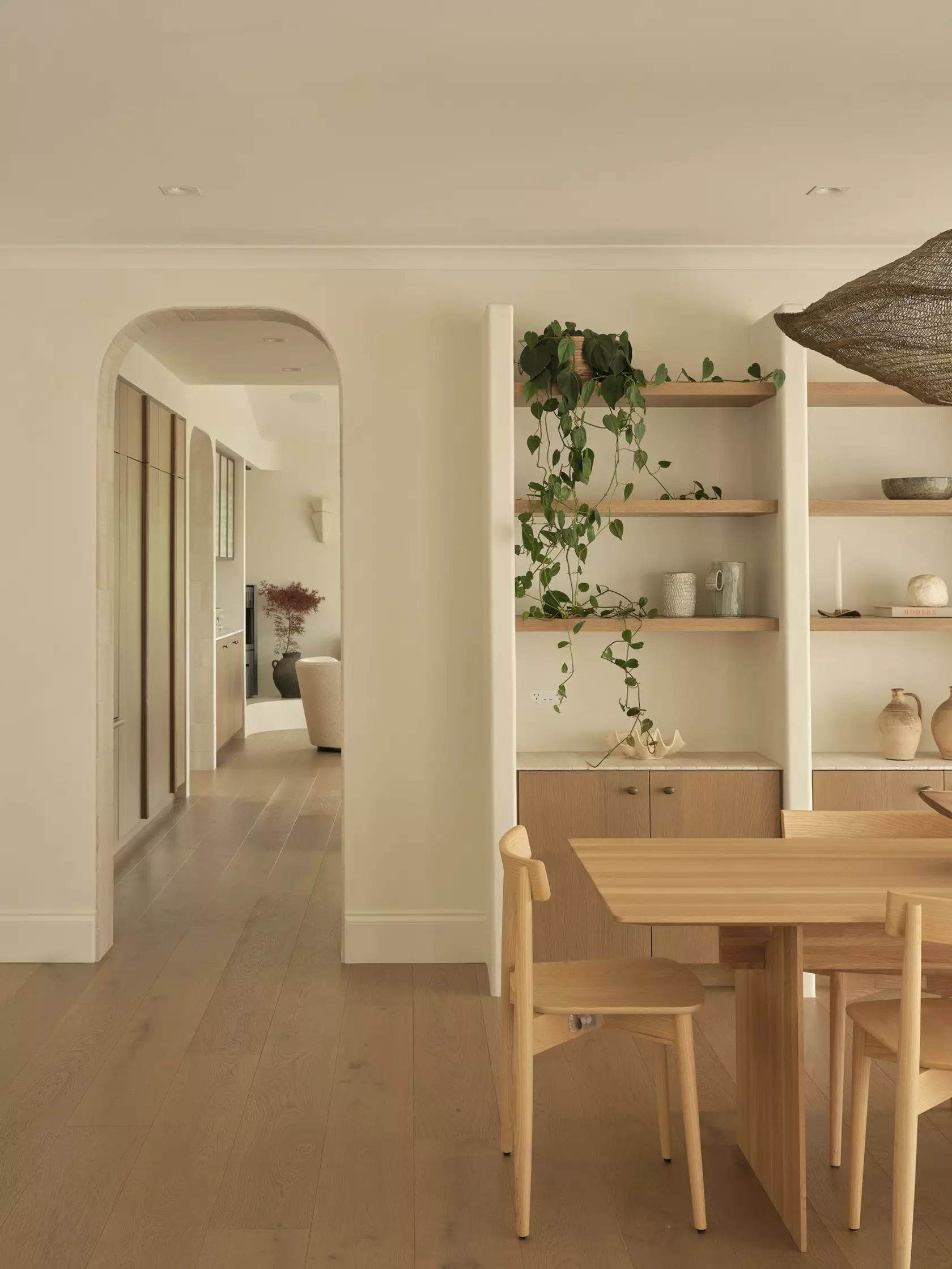
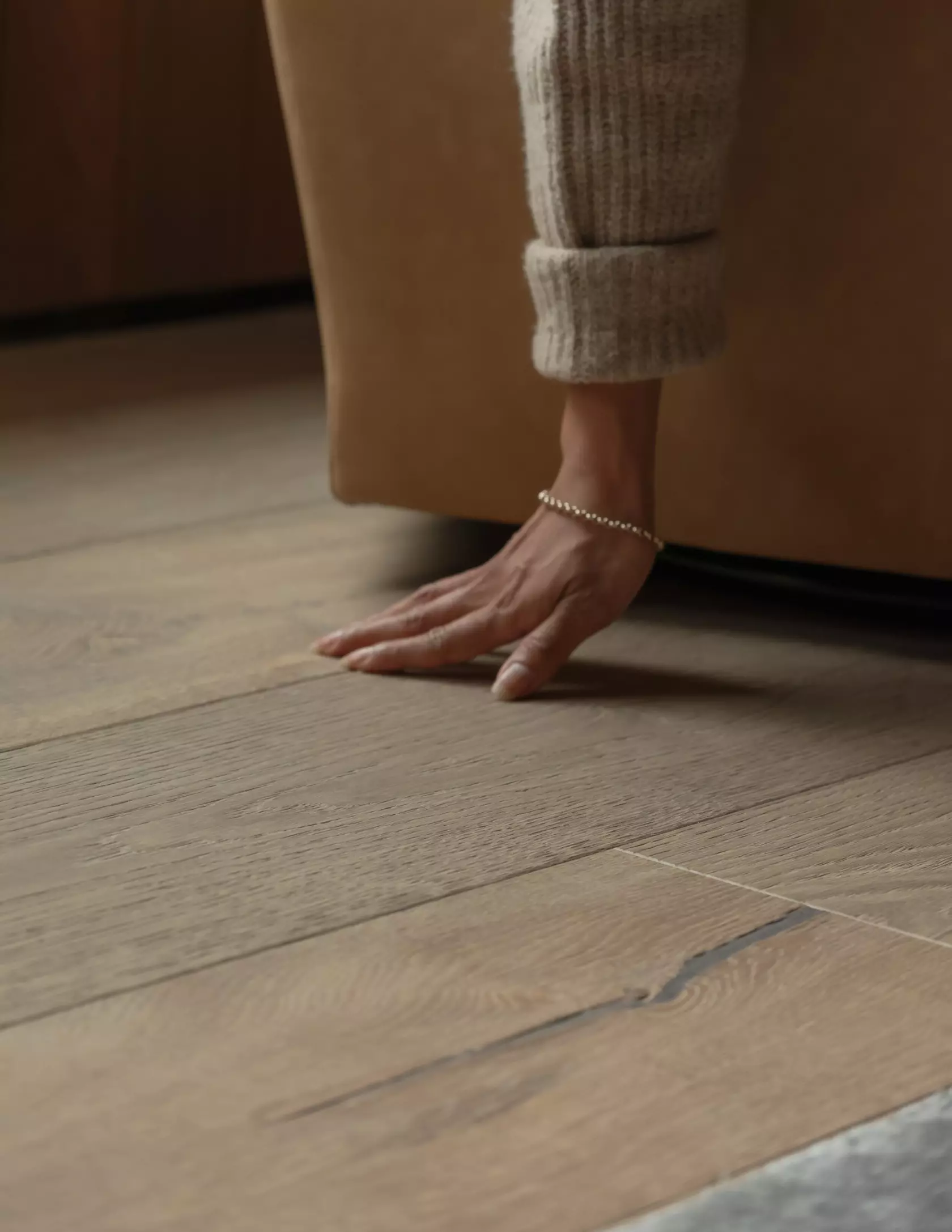
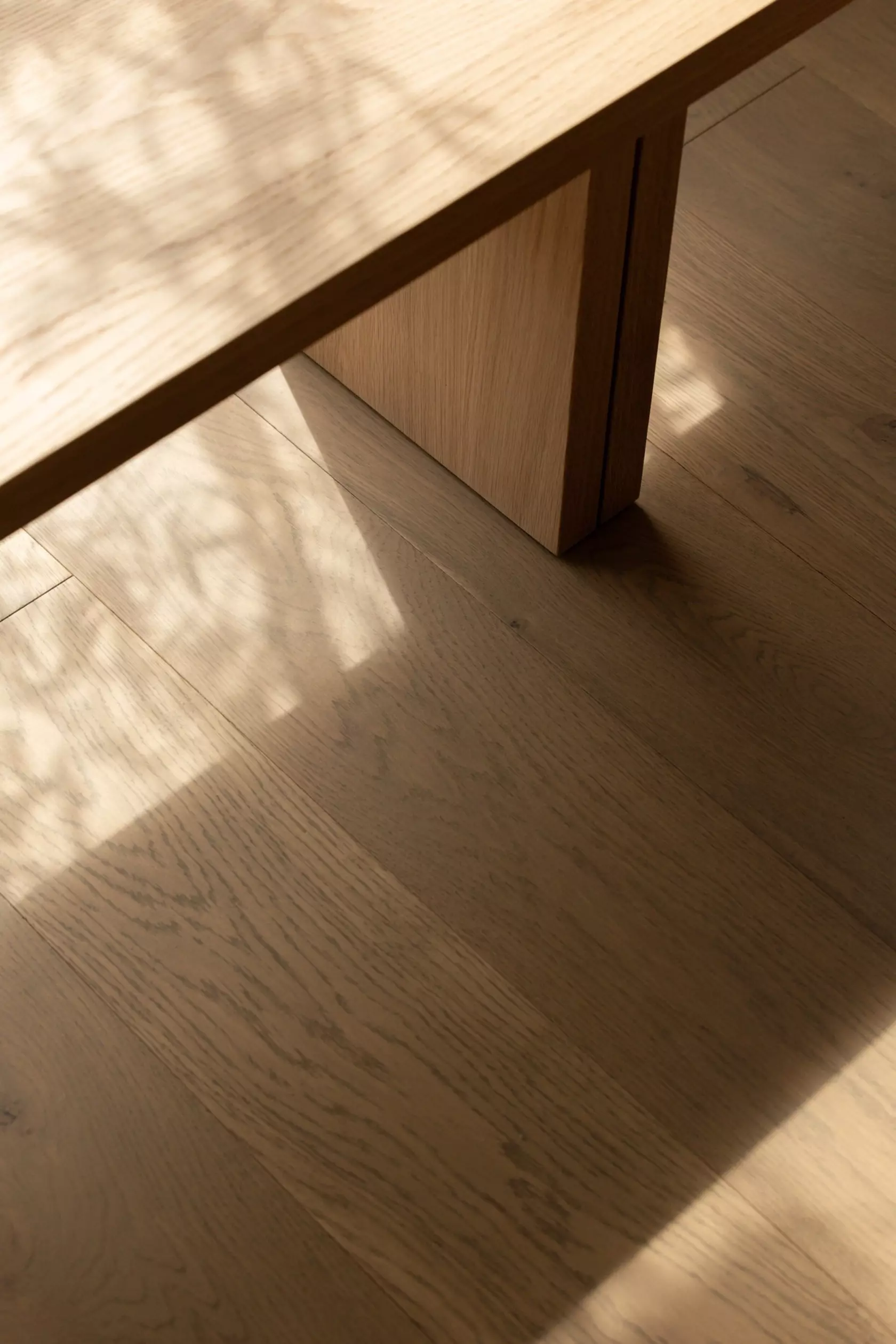
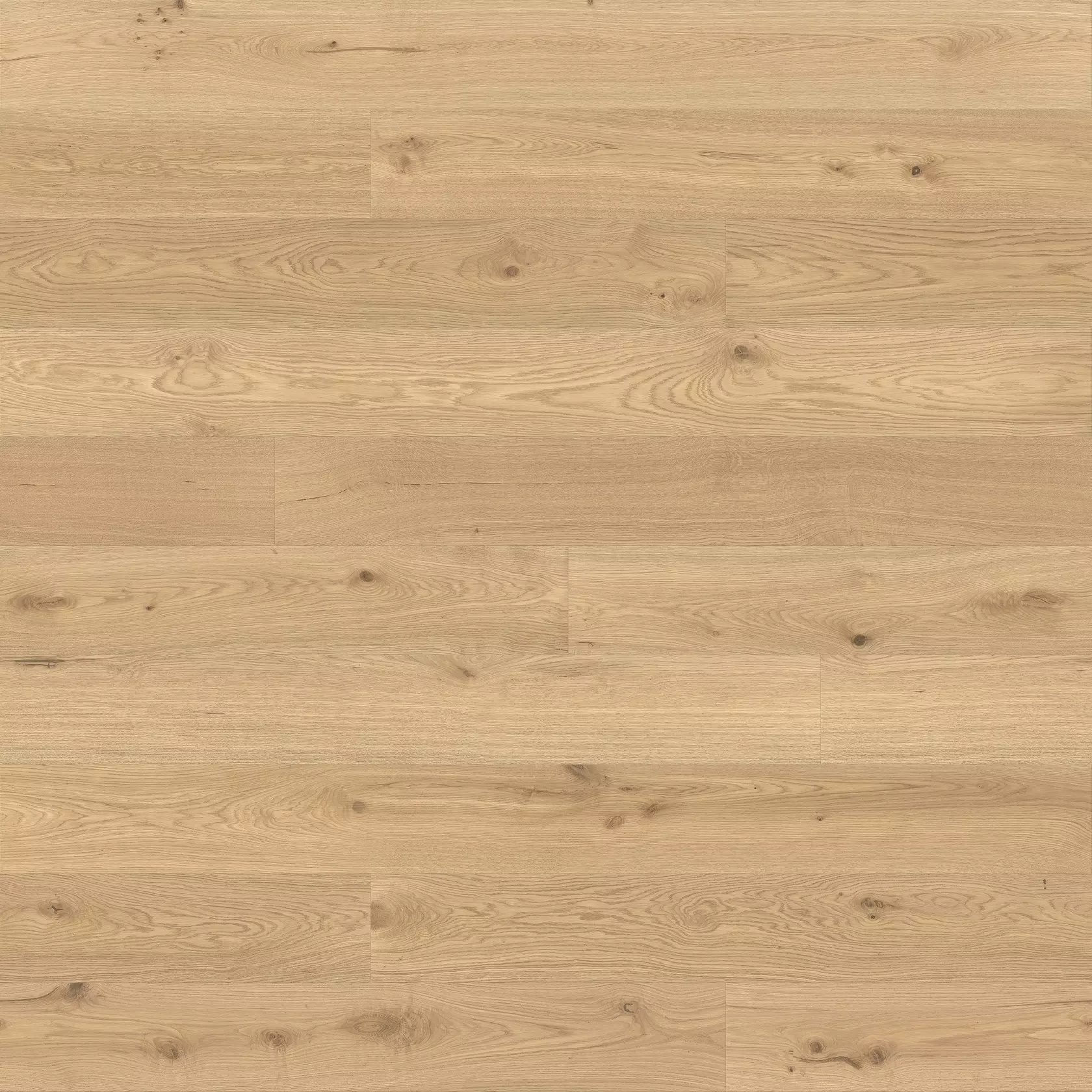
Your floor works harder than almost any surface in your home. Daily foot traffic, furniture movement, spills, grit tracked in from outside — it accumulates. The good news is that most of what your floor needs is simple and infrequent.
A regular sweep or vacuum — weekly in high-traffic areas — keeps abrasive particles from grinding into the finish over time. This is the equivalent of checking your tyre pressure: takes moments, prevents something much larger. Damp mopping with an appropriate timber cleaner every few weeks handles what dry cleaning misses.
Beyond the routine: check the finish every year or two. Not with a magnifying glass, but with an honest look in good light. Is it still protecting the surface, or has it started to thin in high-wear areas? A maintenance coat applied before the finish breaks down entirely is far simpler than a full resand and refinish later. Catch it early.
Watch for: excessive dullness in traffic areas, white marks that don't wipe off, and any signs of moisture getting under the boards — gaps that persist or boards that cup or creak differently.
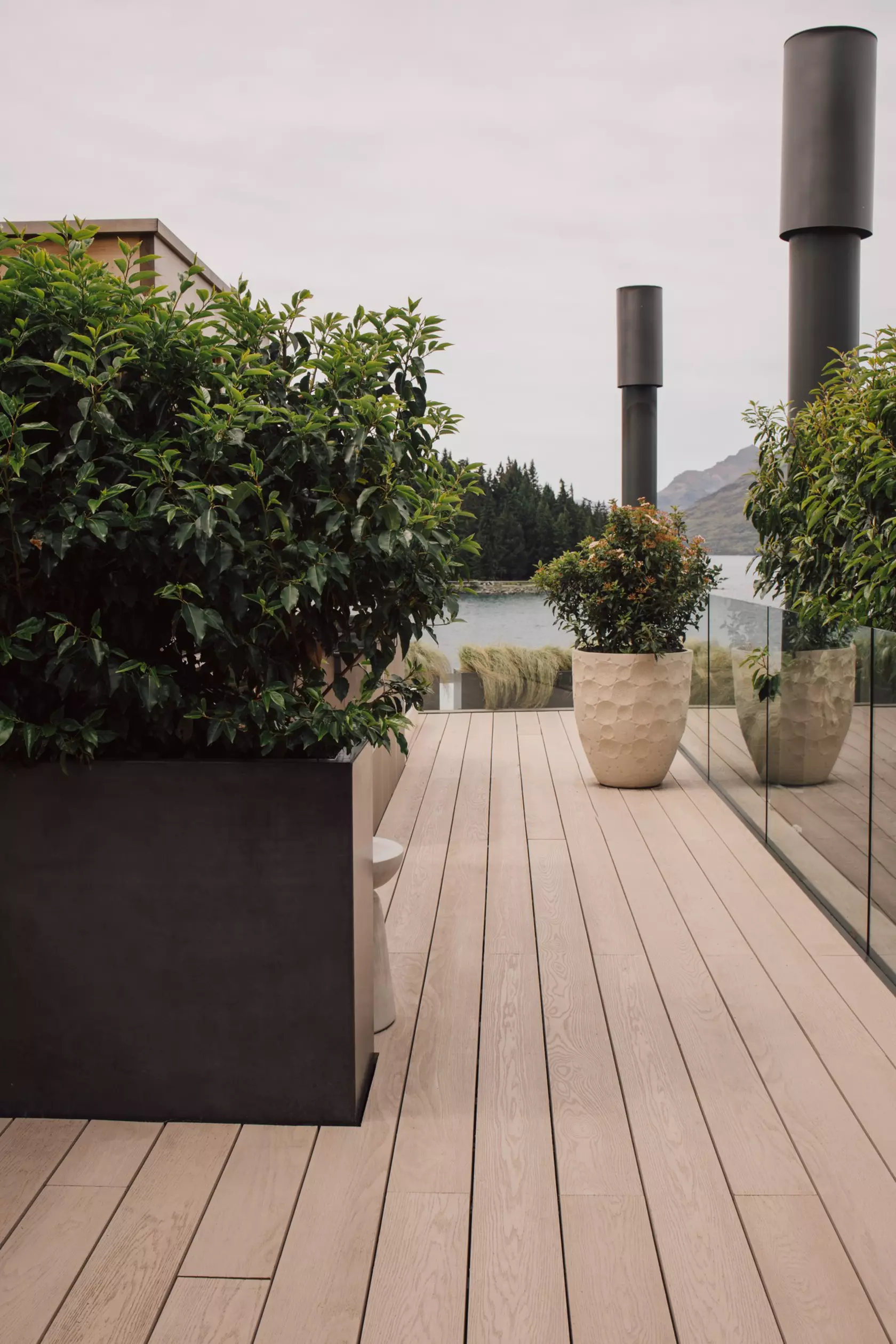
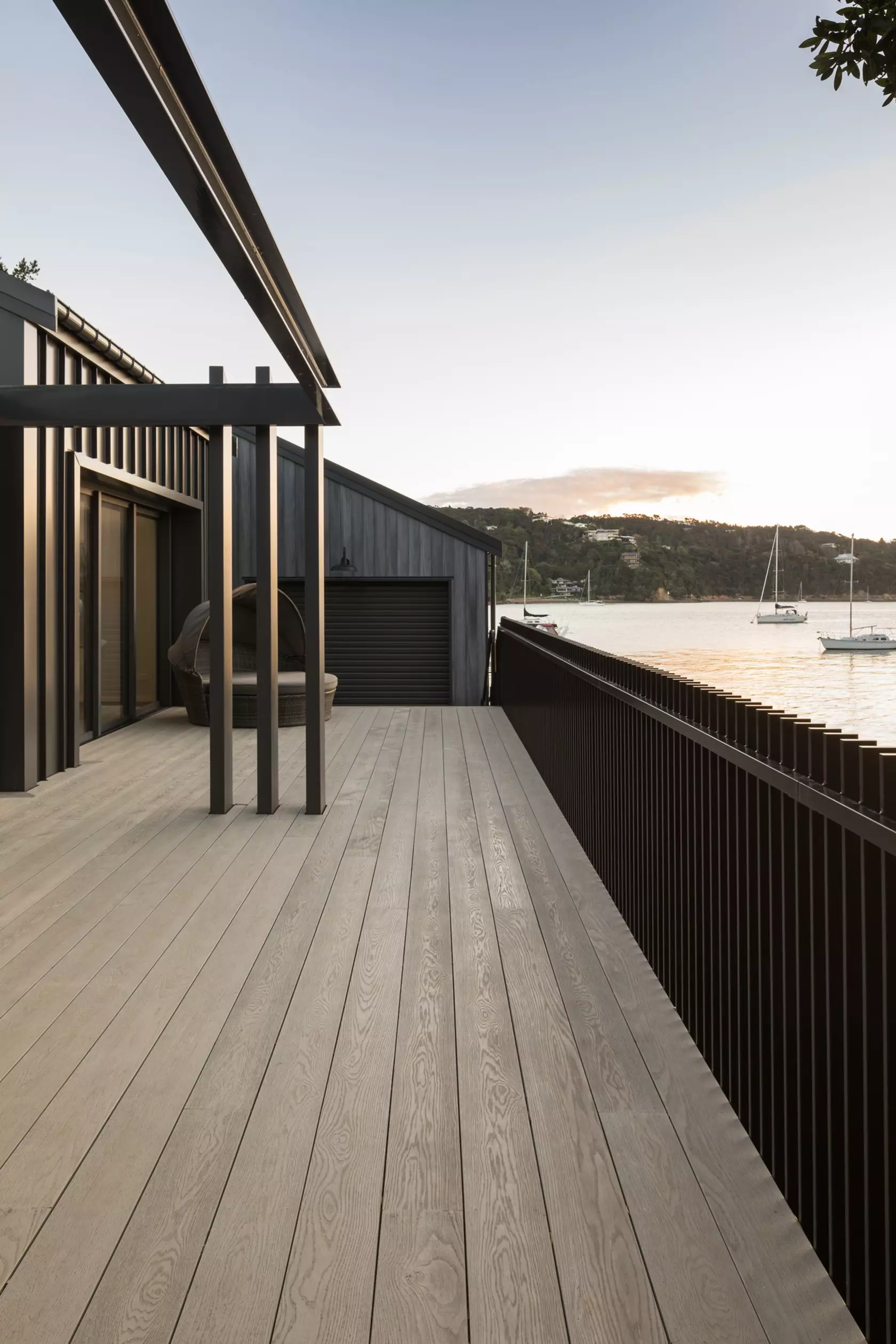
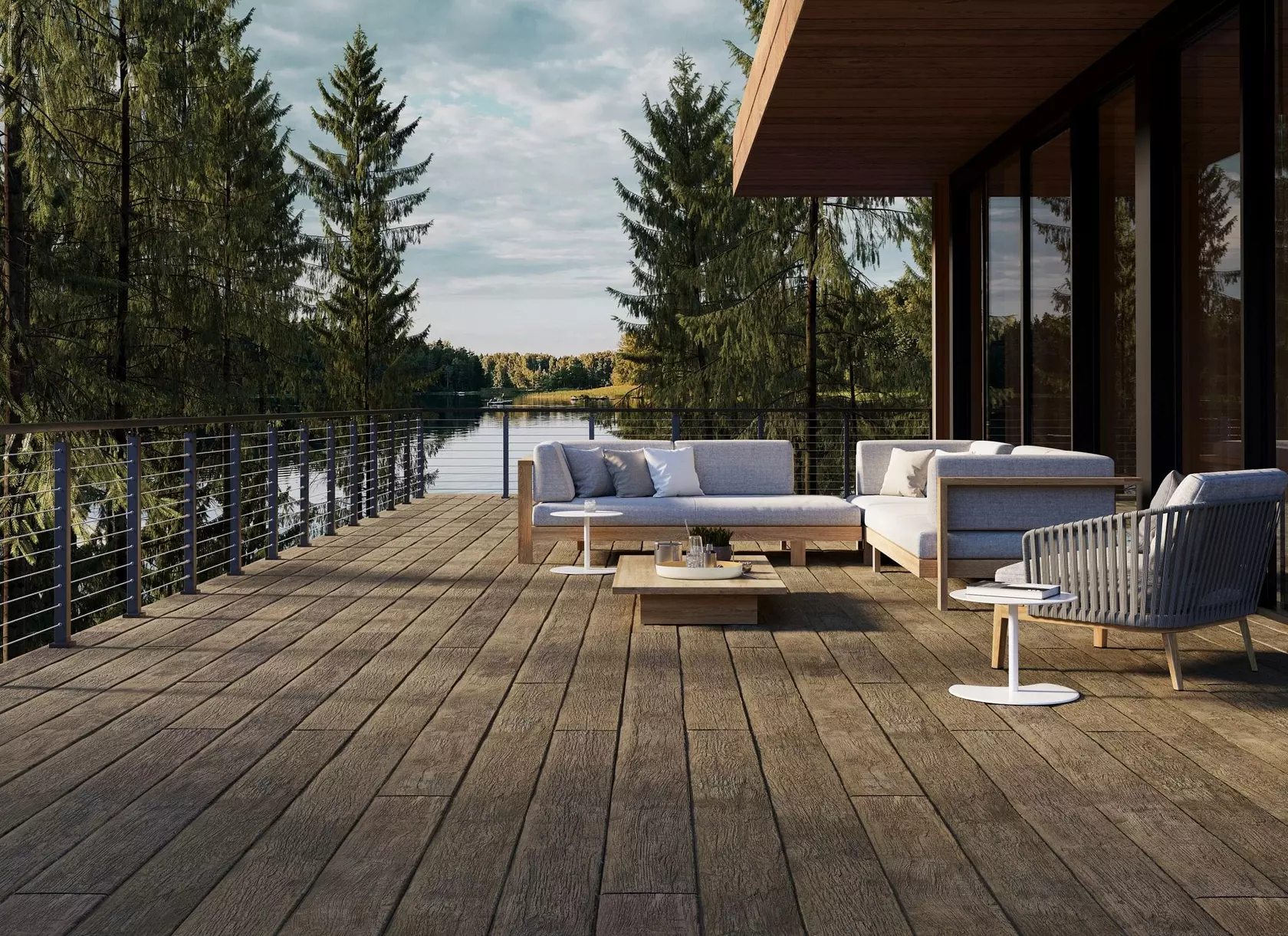
Outdoor timber lives a harder life than anything inside. UV, rain, foot traffic, leaf litter, boards that wet and dry repeatedly — it never really gets a break. And yet decking is the surface homeowners are most likely to leave entirely unattended.
A clean twice a year — spring and autumn — is the baseline. A gentle wash with an appropriate deck cleaner removes mould, mildew, dirt and any organic matter that would otherwise sit against the surface. Blocked drainage gaps should be cleared at the same time.
For timber decking, an oil or sealant reapplication every one to two years (depending on exposure) is what keeps the surface protected and the colour stable. Think of it like the service interval on your car: not optional, just scheduled. A deck that gets oiled on time stays looking right and lasts significantly longer than one that doesn't.
For Millboard decking, the demands are far lighter — one of its genuine advantages. A wash with warm water and a soft brush handles most seasonal maintenance. No oiling, no sealing, no sanding. But the seasonal clean still matters. Organic debris left to sit creates conditions for mould, and light colours in particular will show the neglect.
Watch for: greying or darkening that's uneven, persistent mould or mildew that a wash doesn't remove, any boards that have started to lift, split or cup.
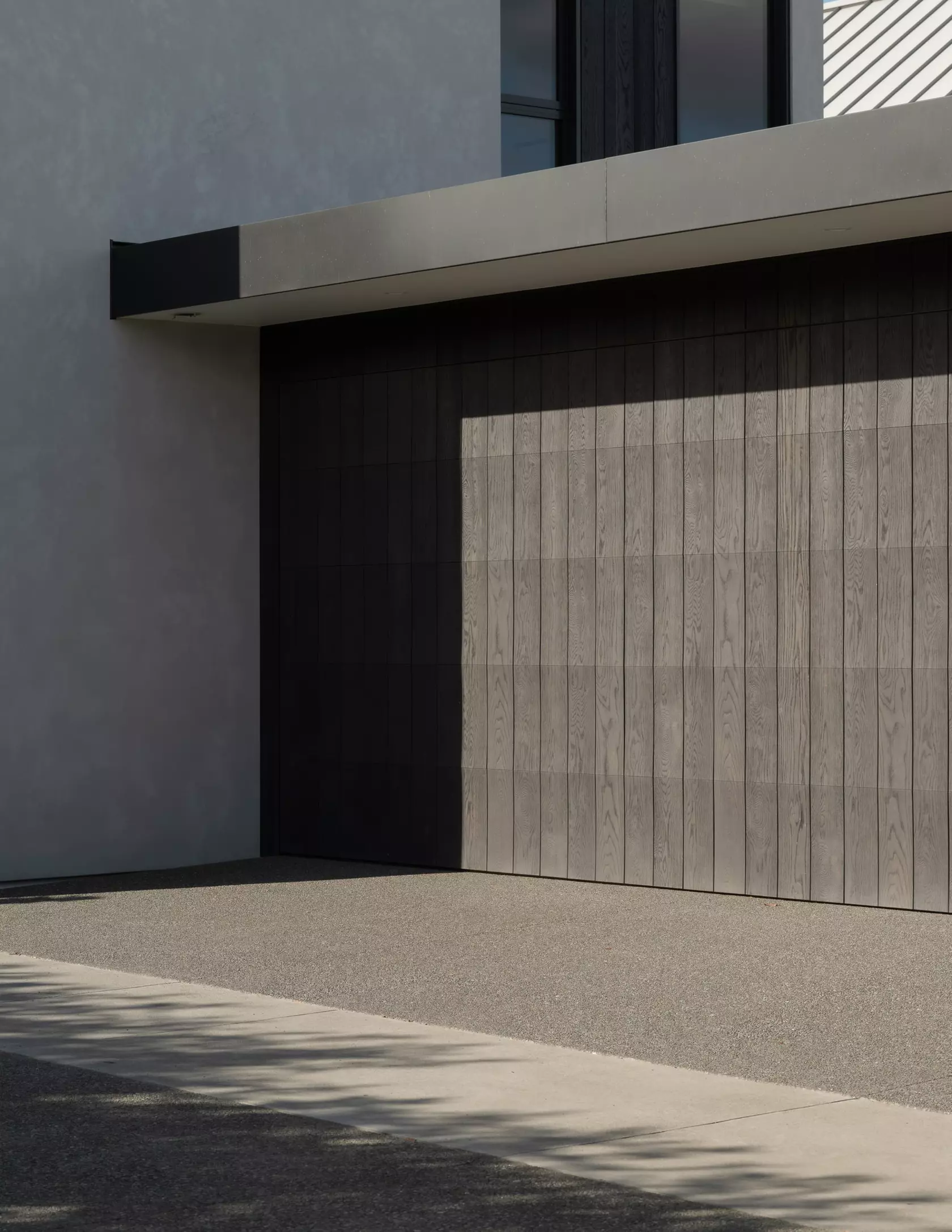
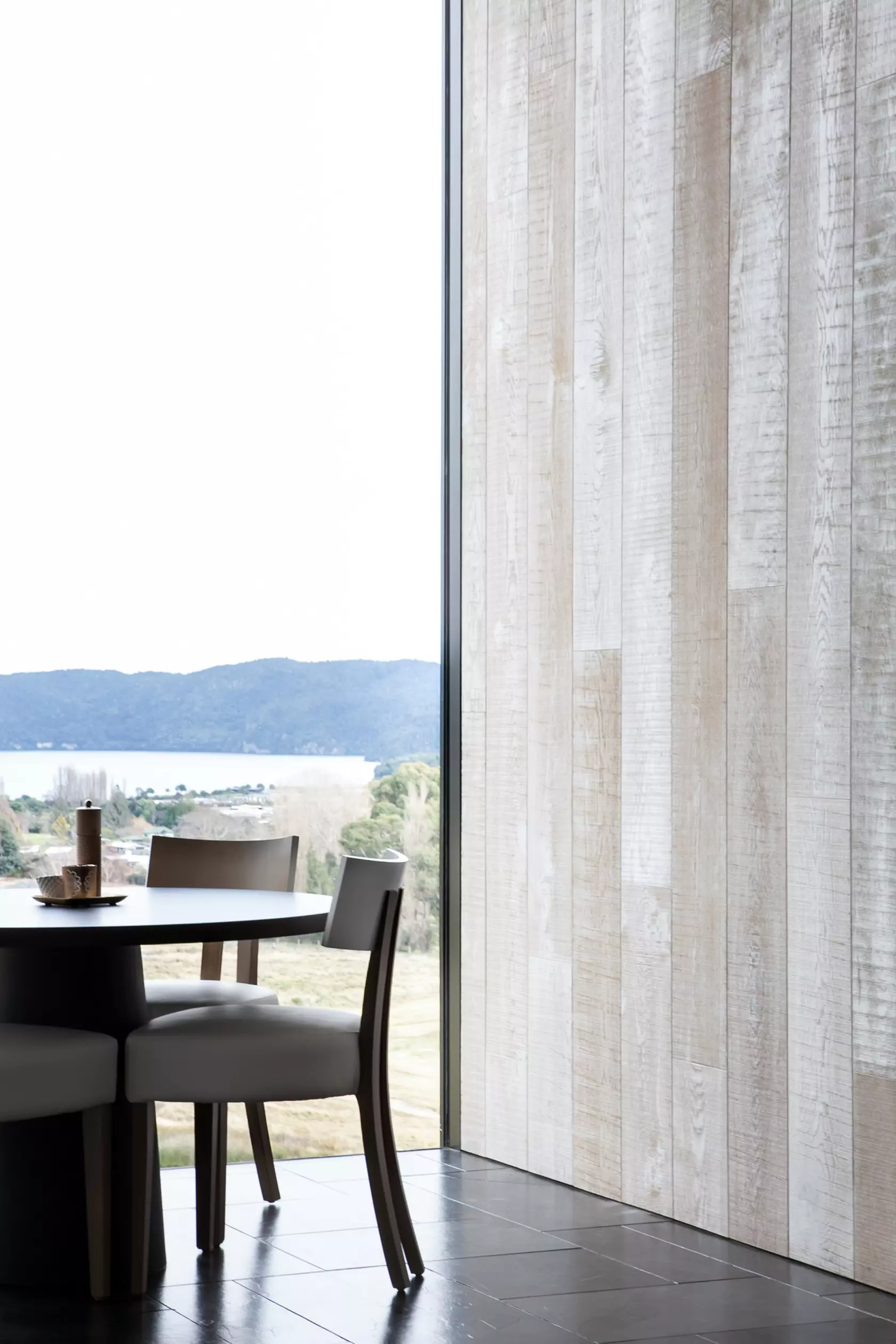
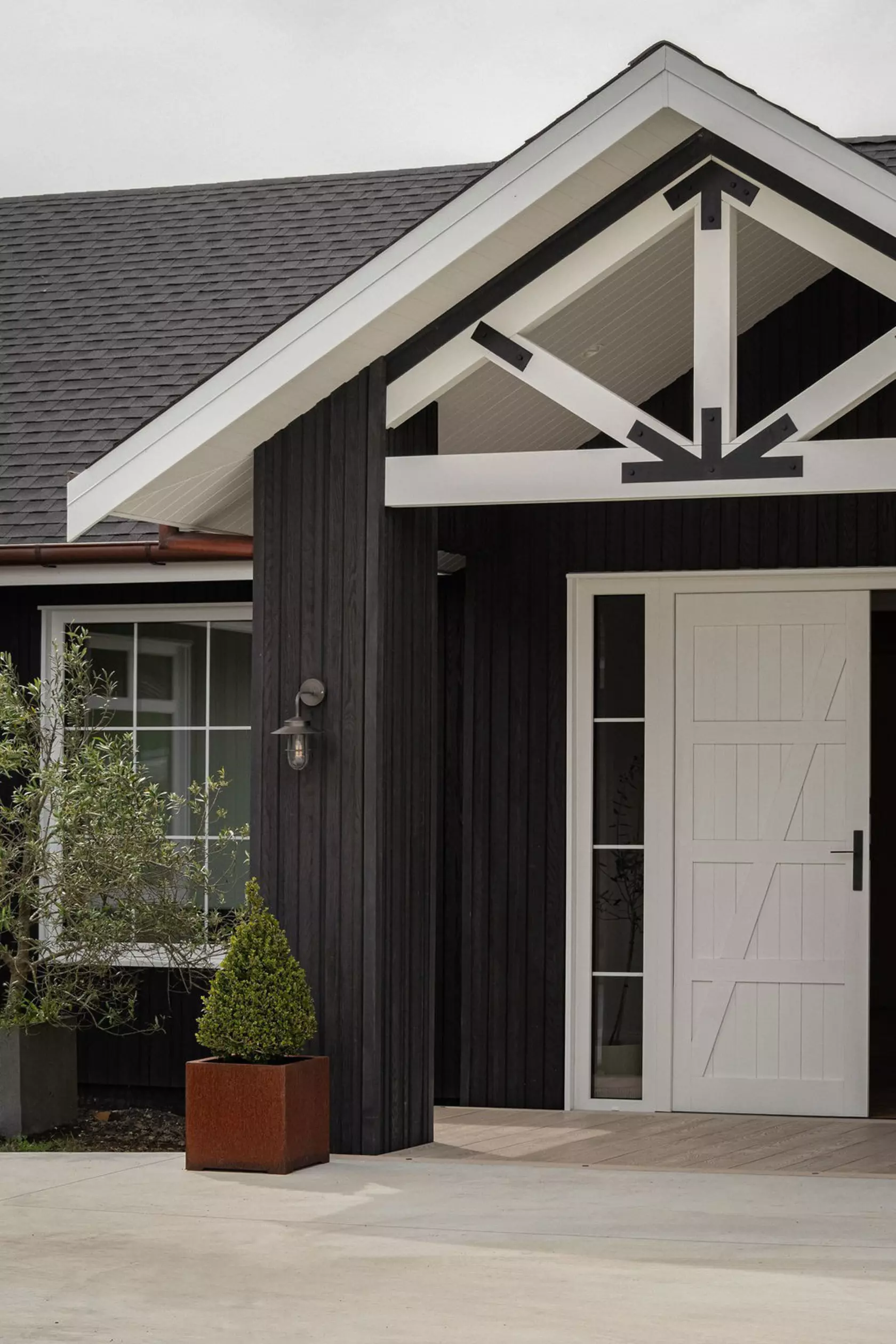
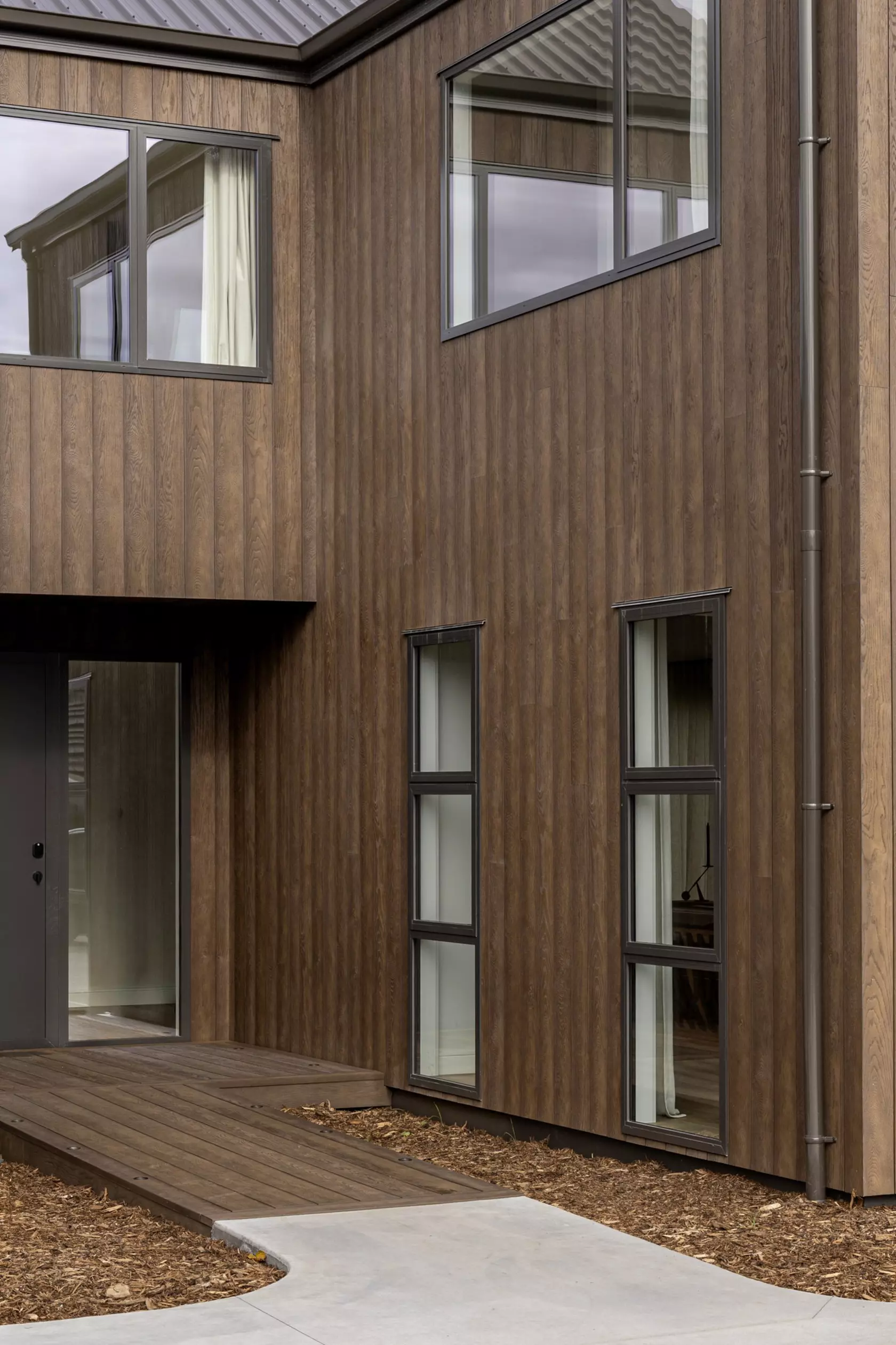
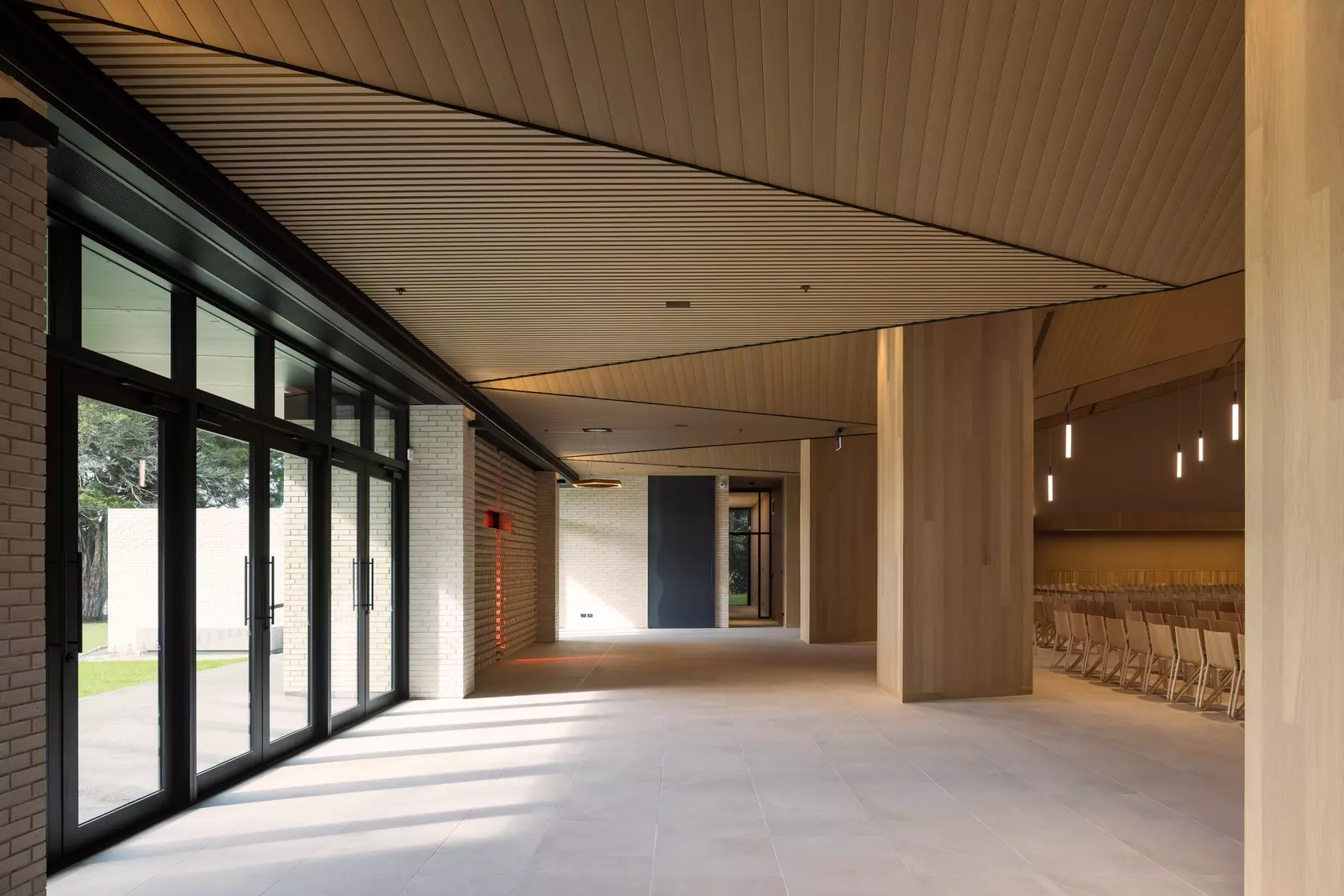
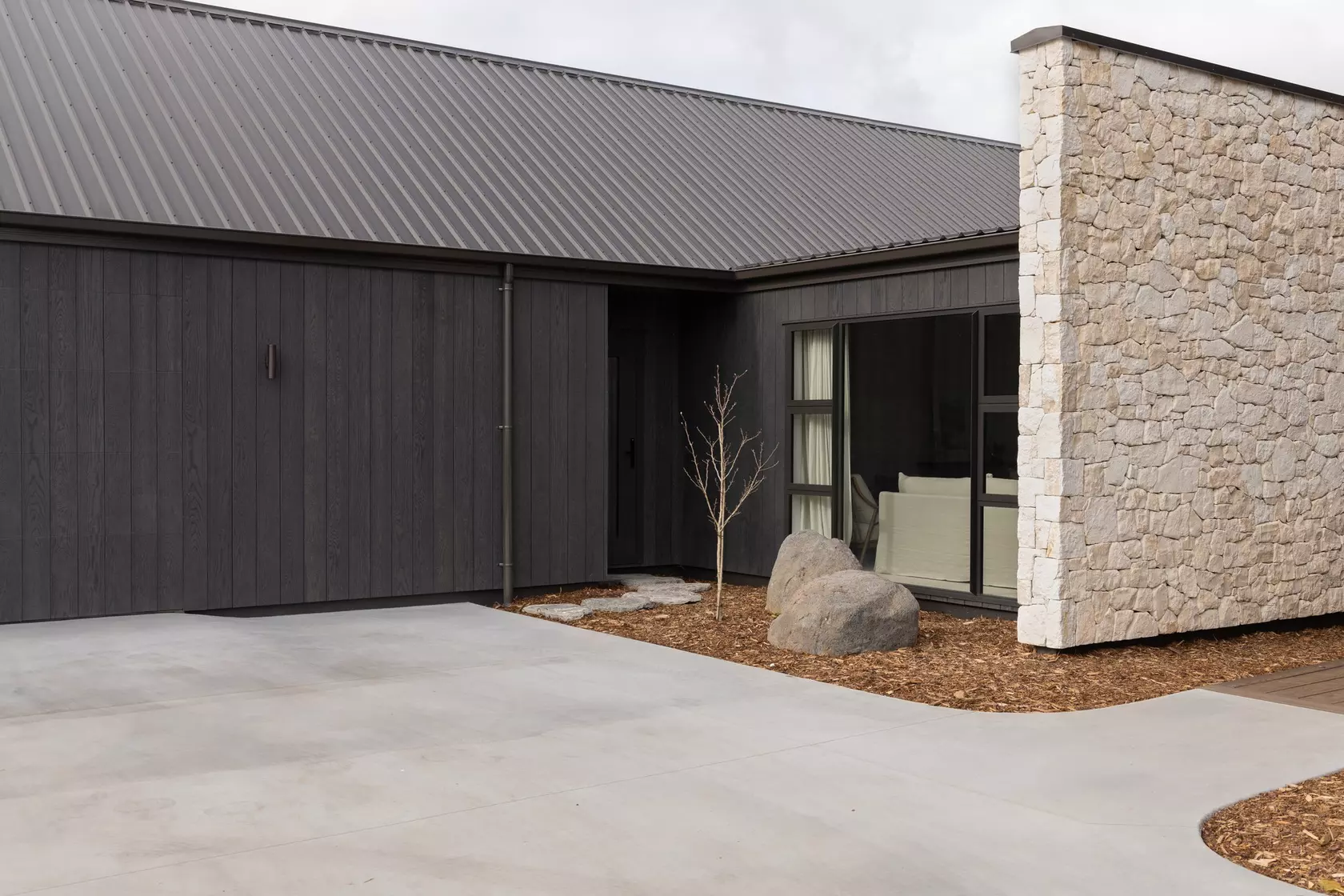
Cladding is easy to forget because it's not underfoot and it's not a surface you actively use. But it's the part of your home most exposed to the elements, and the part bearing the most constant pressure from weather, UV and moisture.
An annual inspection is the minimum — ideally in autumn, before the wet season. Walk around the building and look at the boards in good light. Check junctions, corners, around windows and at ground level. These are the areas where moisture is most likely to find its way in, and where paint or coating systems are most likely to show early wear.
A gentle wash in the same inspection cycle removes salt, pollution and organic growth before they begin to affect the surface. In coastal environments, this should happen twice a year.
For painted or coated cladding, the coating does the protecting — the timber underneath relies on it being intact. A small area of coating failure addressed immediately is a 20-minute job. Left for two winters, it becomes a remediation project. Know which you'd prefer.
Watch for: cracking or peeling at joints and edges, discolouration that isn't consistent with weathering, any areas where the surface feels soft or punky to the touch.
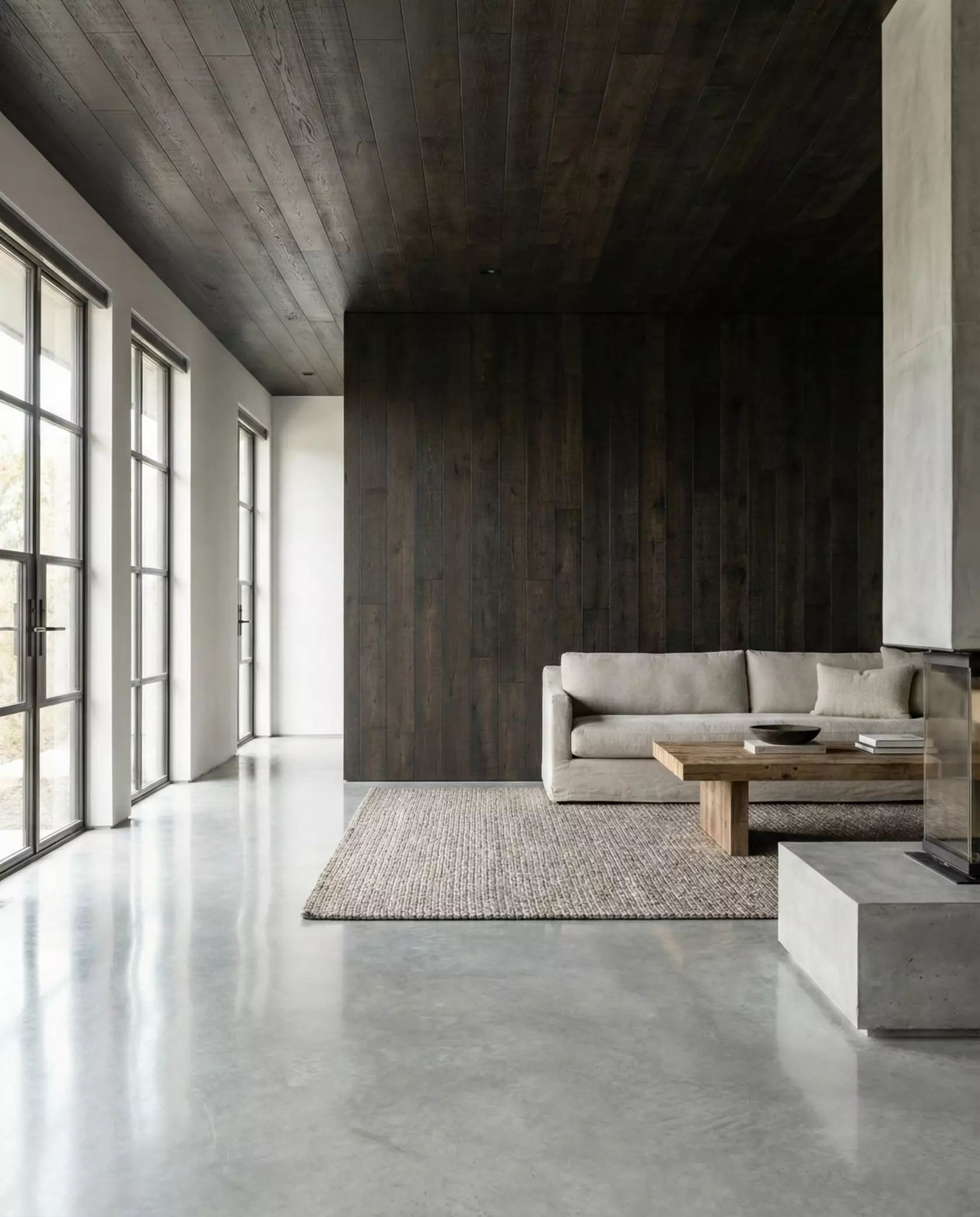
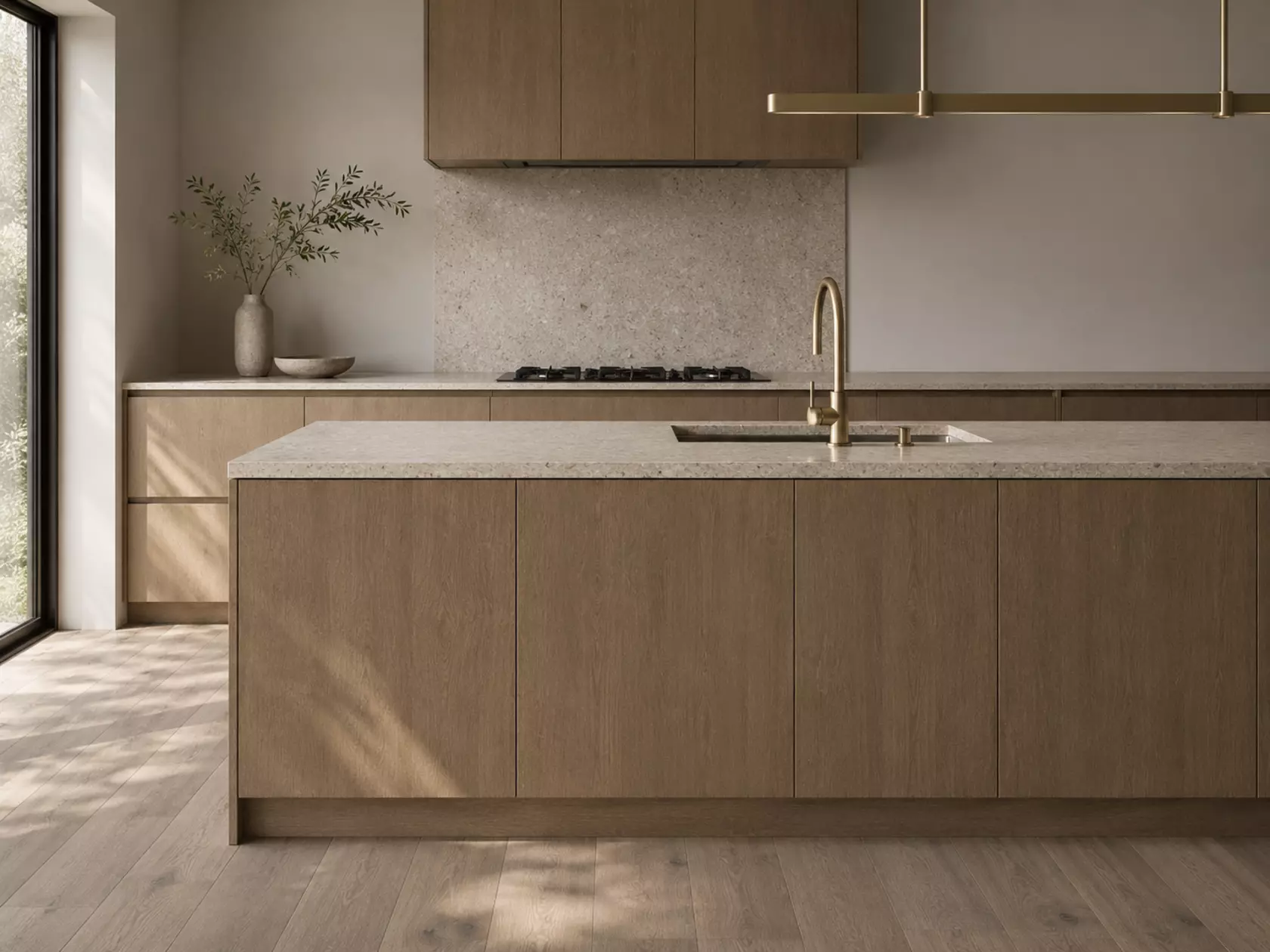
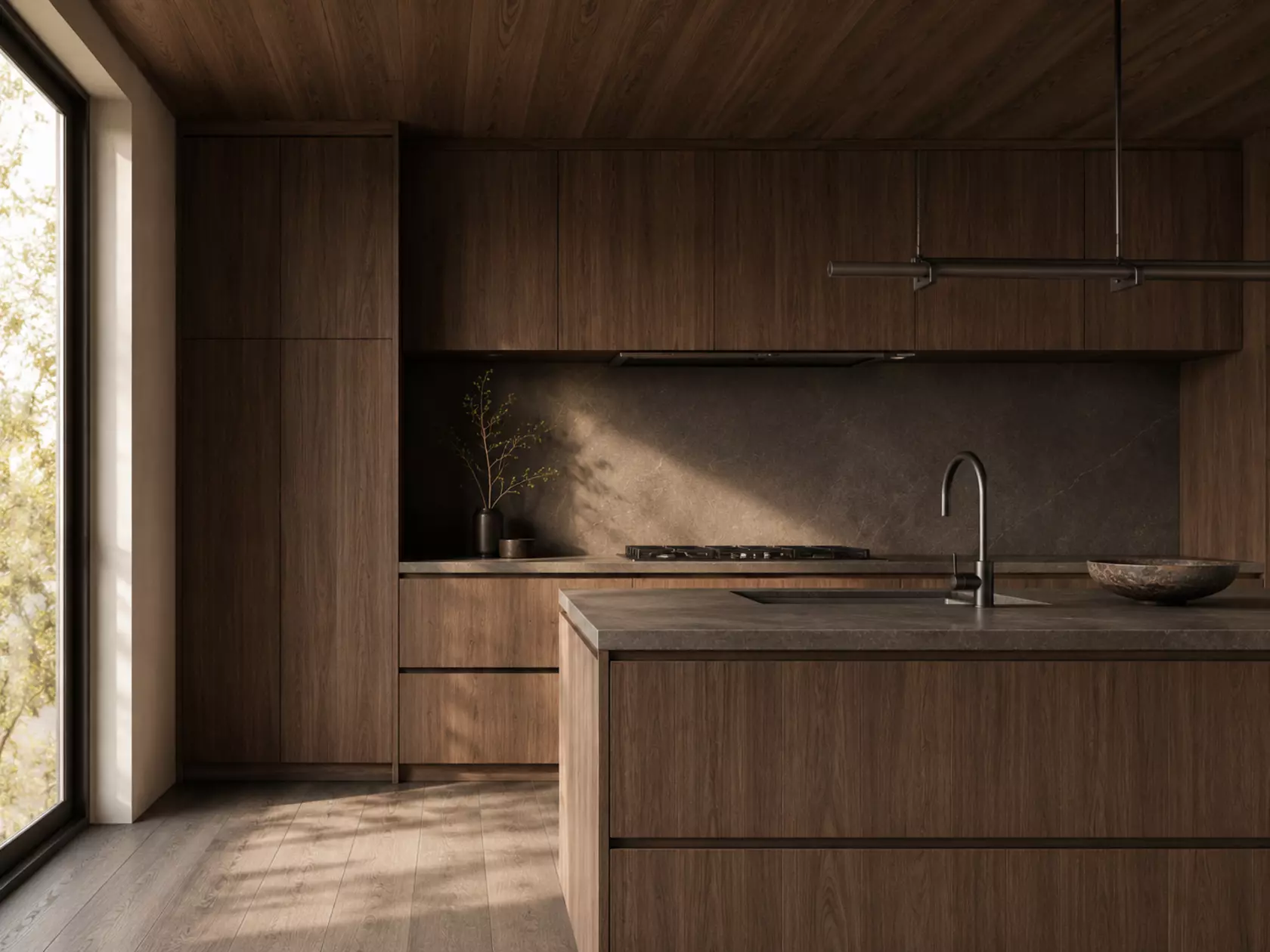
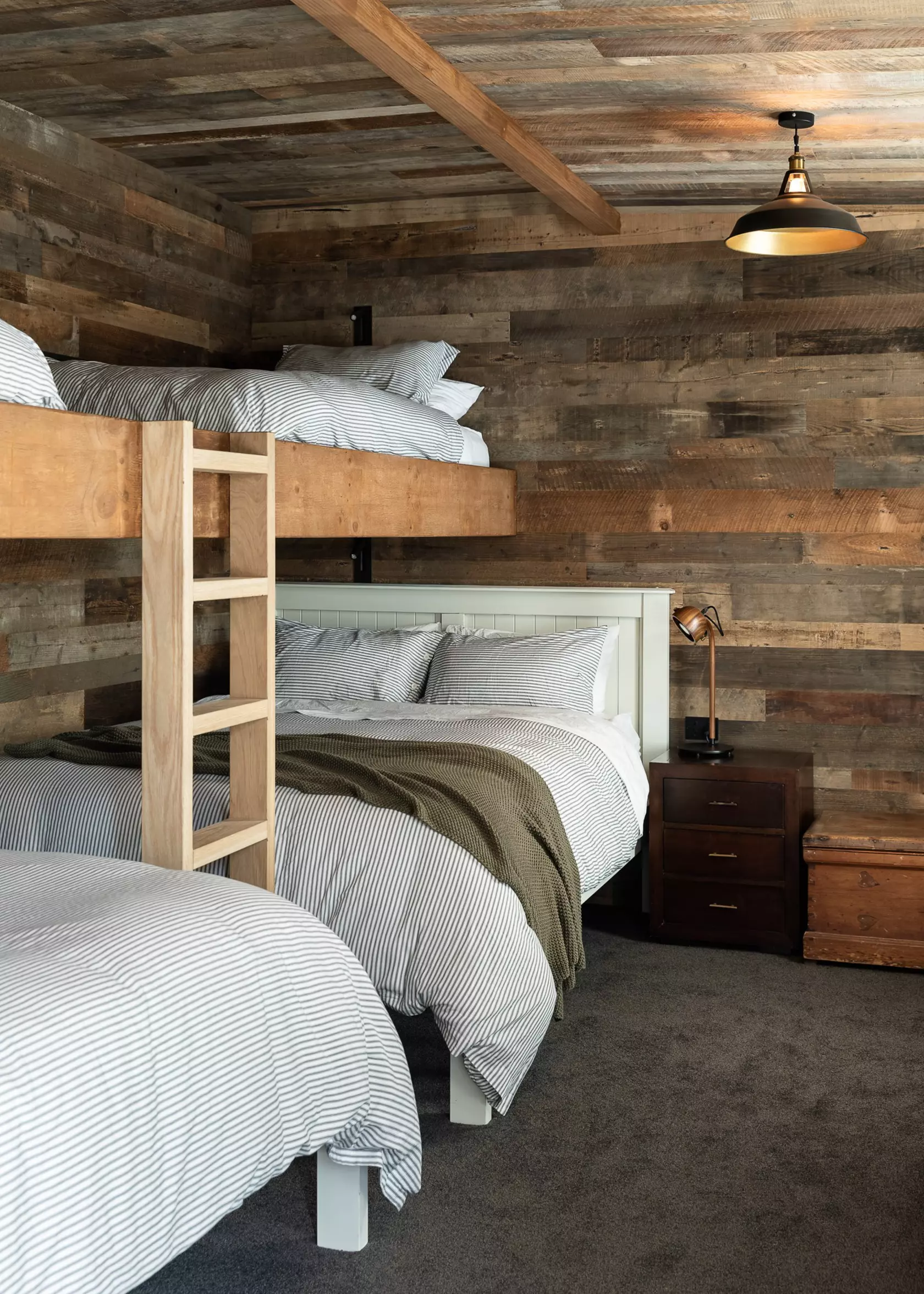
Panelling is the lowest-maintenance surface in the Forté range, and the one that asks the least of you. That said, it still benefits from occasional attention.
A wipe-down with a lightly damp cloth twice a year removes dust, fingerprints and any buildup around switches, handles and high-touch areas. In rooms with fluctuating humidity — kitchens, bathrooms, laundries — a regular check around junctions and edges is worth doing. These are the points most likely to show early signs of moisture or movement.
Protect the finish from harsh cleaning products. Most of what damages interior panelling is well-intentioned: wrong cleaners, too much water, abrasive cloths. Gentle, dry-to-damp, infrequent.
Know before you install
The best time to understand what your surfaces need is before they go in — not years later when something goes wrong.
The right installer or specifier should be able to walk you through the care requirements for every surface you're putting in your home. If that conversation doesn't happen, ask for it. What does this need in the first year? What's the recoat interval? What should I watch for? What cleans it, and what damages it?
You wouldn't drive a new car out of the dealership without knowing when its first service is due. Your floor, your deck, your cladding — they deserve the same clarity upfront. The surfaces that look right in ten years are almost always the ones whose owners knew what they were taking on from day one.
That's not a burden. It's just ownership, done well.