











Why Every Forté Interior Product Is Low-VOC
We recently sat down with architect Keiron O'Connell to talk about VOCs in building materials — what they are, why they matter, and why they're still an underdiscussed part of building a healthy home. One thing he raised stuck with us: getting clear information from manufacturers on VOC content isn't always easy. Often it has to be specifically requested, and the answers aren't always immediate.
We think that's worth fixing. So rather than just stating a position, here's the data behind it.
Where we stand
Every Forté interior product is Low VOC and contains no added formaldehyde. This relates directly to Building Code Clause F2.3.1, which requires that building materials must not emit harmful concentrations of contaminants into the building environment.
We test formaldehyde emissions across every collection — not just flooring — against AS/NZS 2098.11, the relevant Australian and New Zealand standard. That standard sets three tiers:
Super E0: ≤ 0.3 mg/L
E0: ≤ 0.5 mg/L
E1: ≤ 1.0 mg/L
Every Forté product is required to test at E1 or better. In practice, our results sit well inside that:
Collection | Rating | Emission (mg/L) |
Atelier | E0 | 0.08 |
Imondi | E0 | 0.02 |
Indus | E0 | 0.00 |
Haven | E0 | 0.09 |
Loft | E0 | 0.09 |
Muuro | E0 | 0.27 |
Ridge | E0 | 0.01 |
Salvare | E0 | 0.08 |
Villa | E0 | 0.02 |
Alor | E0 | 0.17 |
Moda | E0 | 0.07 |
Artiste | E0 | 0.03 |
Moda, Origin and Artiste Grande are currently in testing, with results to follow.
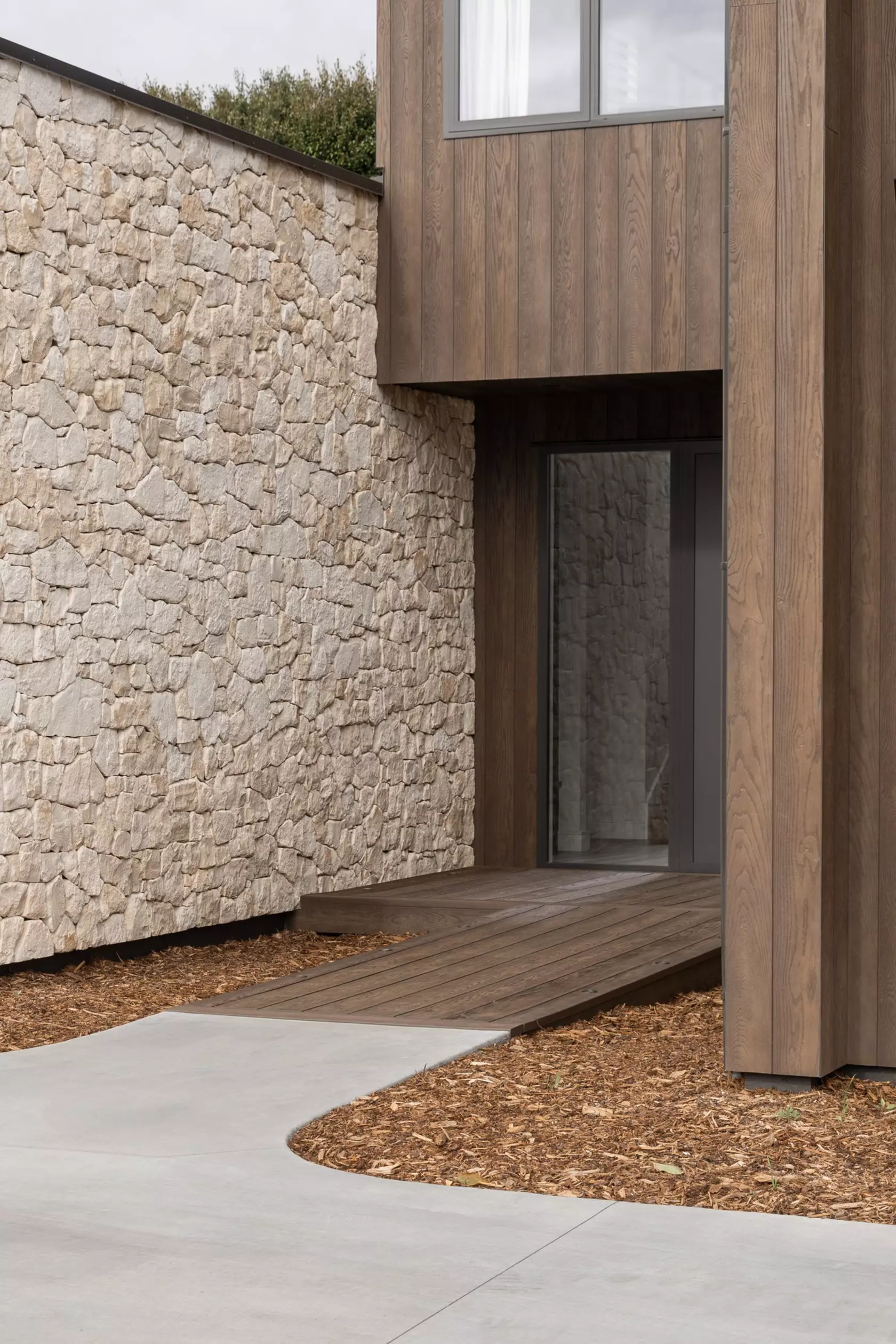
Volatile organic compounds are released from many everyday building materials: paints, adhesives, sealants, manufactured timber products. In a modern, well-sealed, energy-efficient home, they don't always escape easily — they can linger in the air people breathe every day. Formaldehyde, in particular, is one of the more closely scrutinised VOCs in building products, given its use as a binding agent in some manufactured timber.
For us, this isn't a feature we've bolted on. It's a baseline we test for, collection by collection.
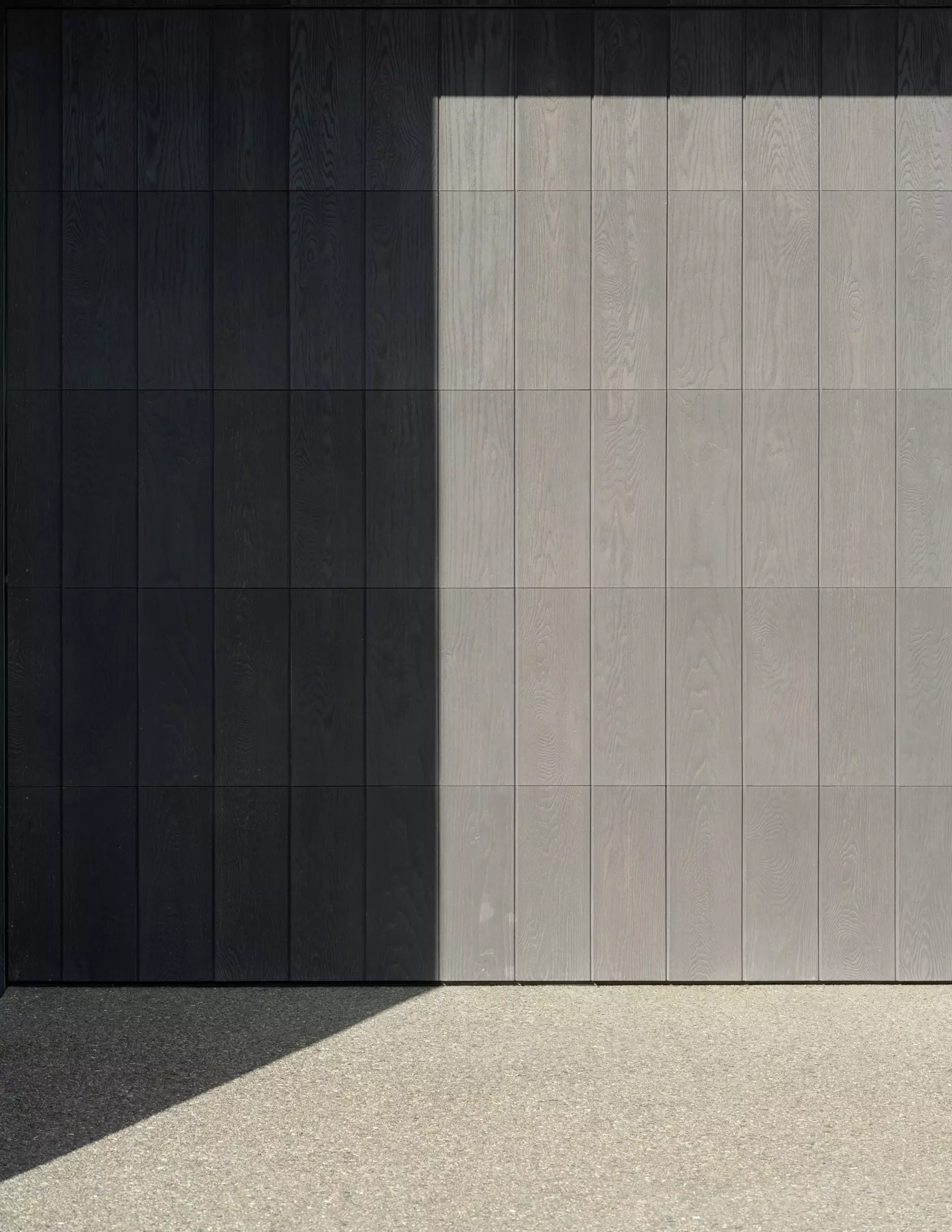
For architects and specifiers, that's one less unknown in the material selection process — and verifiable data rather than a marketing claim. For homeowners, it's one less thing to worry about in a space that's meant to feel good to be in.
The bigger picture
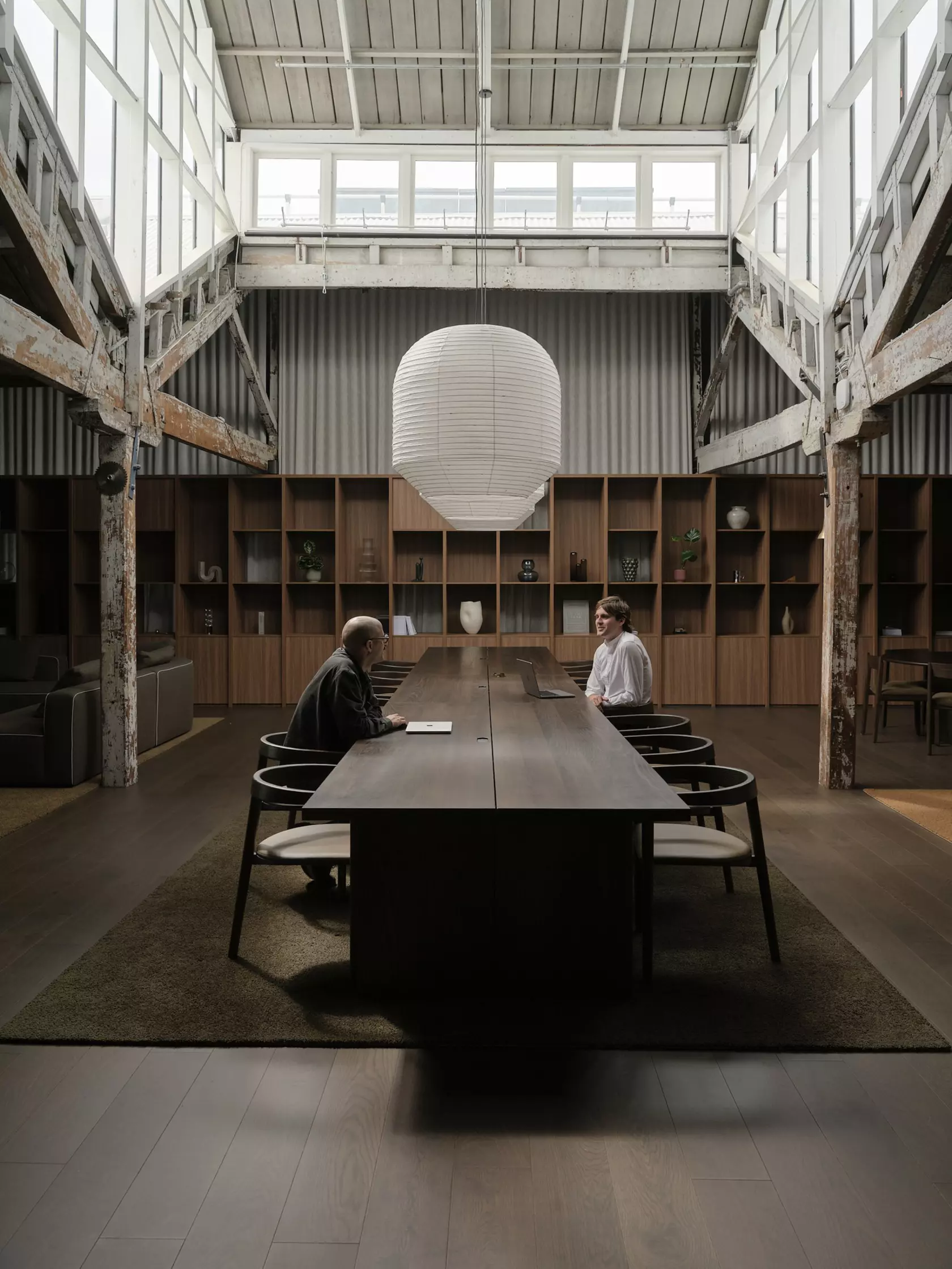
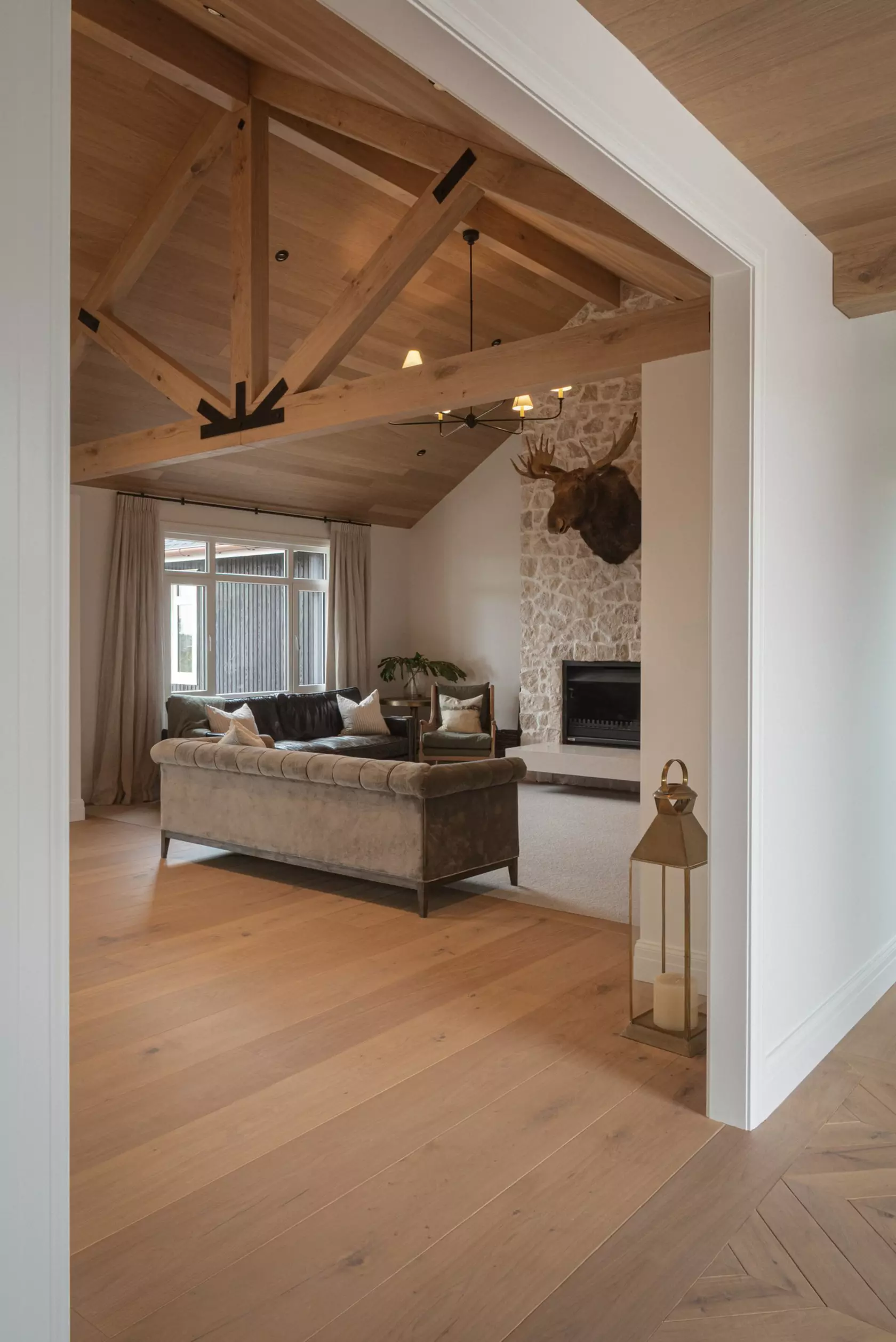
Material health is one part of a wider responsibility we take seriously, alongside responsible sourcing and sustainable manufacturing practices. We don't think a beautiful surface and a healthy indoor environment should be a trade-off. They should simply be the standard.
If you missed our conversation with architect Keiron O'Connell on VOCs and indoor air quality, you can read it here