





In Studio With: David Ponting
Let the Land Speak: David Ponting on Contextual Design
For David Ponting of Ponting Fitzgerald Architects, architecture begins long before the first sketch. It starts with place itself — its form, its climate, its history, and the energy a site holds before anyone builds on it.
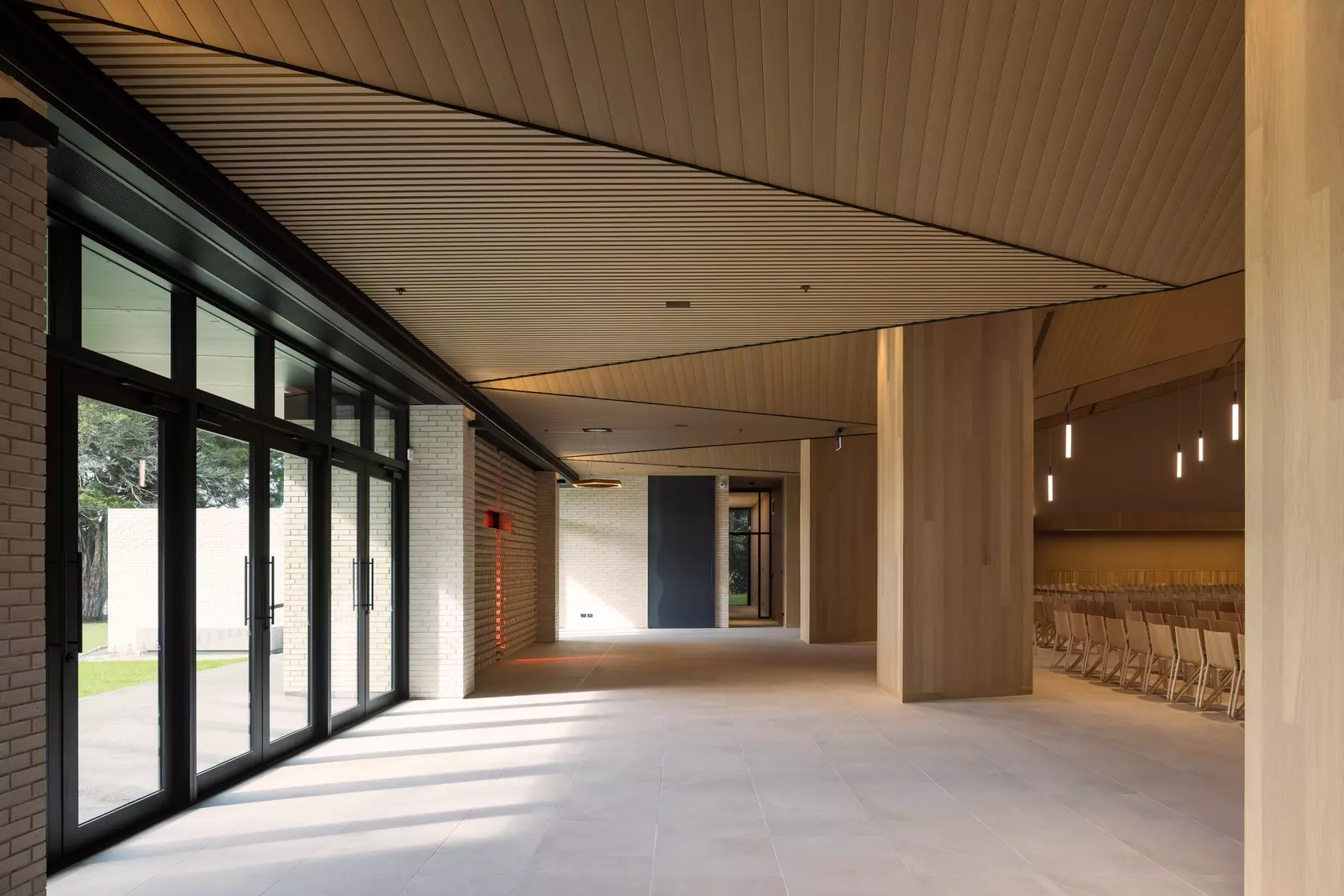
In this edition of In Studio With, we sit down with David to unpack the idea of "context." It's a word so liberally applied in architecture that it's in danger of meaning everything, and therefore nothing — but for Ponting Fitzgerald, it's specific and literal: it's there in the studio's design ethos, in the materials they use to balance strength and softness, and, most tellingly, in the projects that taught them to simply "let the land speak."
We talk about how the practice collaborates with clients, how a 100-year-old oak tree shaped the design of their new studio space, and we share the quickfire answers that reveal how David thinks and works — including the one call every architect hopes to receive.
Can you introduce Ponting Fitzgerald Architects?
Ponting Fitzgerald is a boutique team of creatives that really care about our clients and their built environment.
Contextual design is central to your work. How did that become the foundation of your practice's ethos?
It has evolved out of the appreciation for our clients’ journey, their desire to express themselves within a beautiful location and deeply connect with that chosen place.
Context is a word that gets used a lot in architecture, but what does it genuinely mean for Ponting Fitzgerald, and where does that process start on a project?
Context has many layers, it begins with the landform, the outlook and the geology however this physical dimension is backed up by the climate that has formed it, the cultural history that surrounds it and the energy it generates for the owner's ambition,
Is there a project that really crystallised that approach for you – where the context became the design?
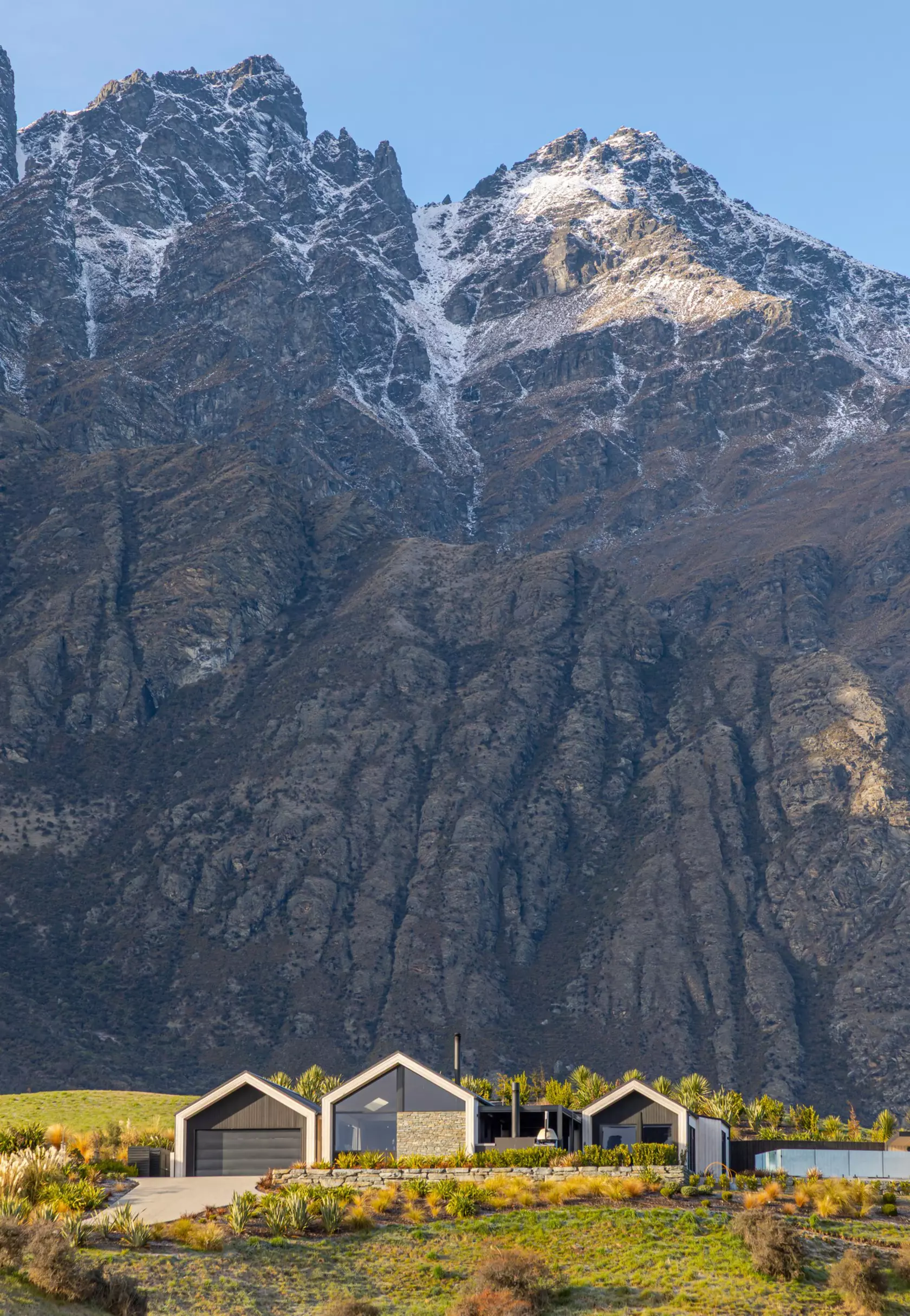
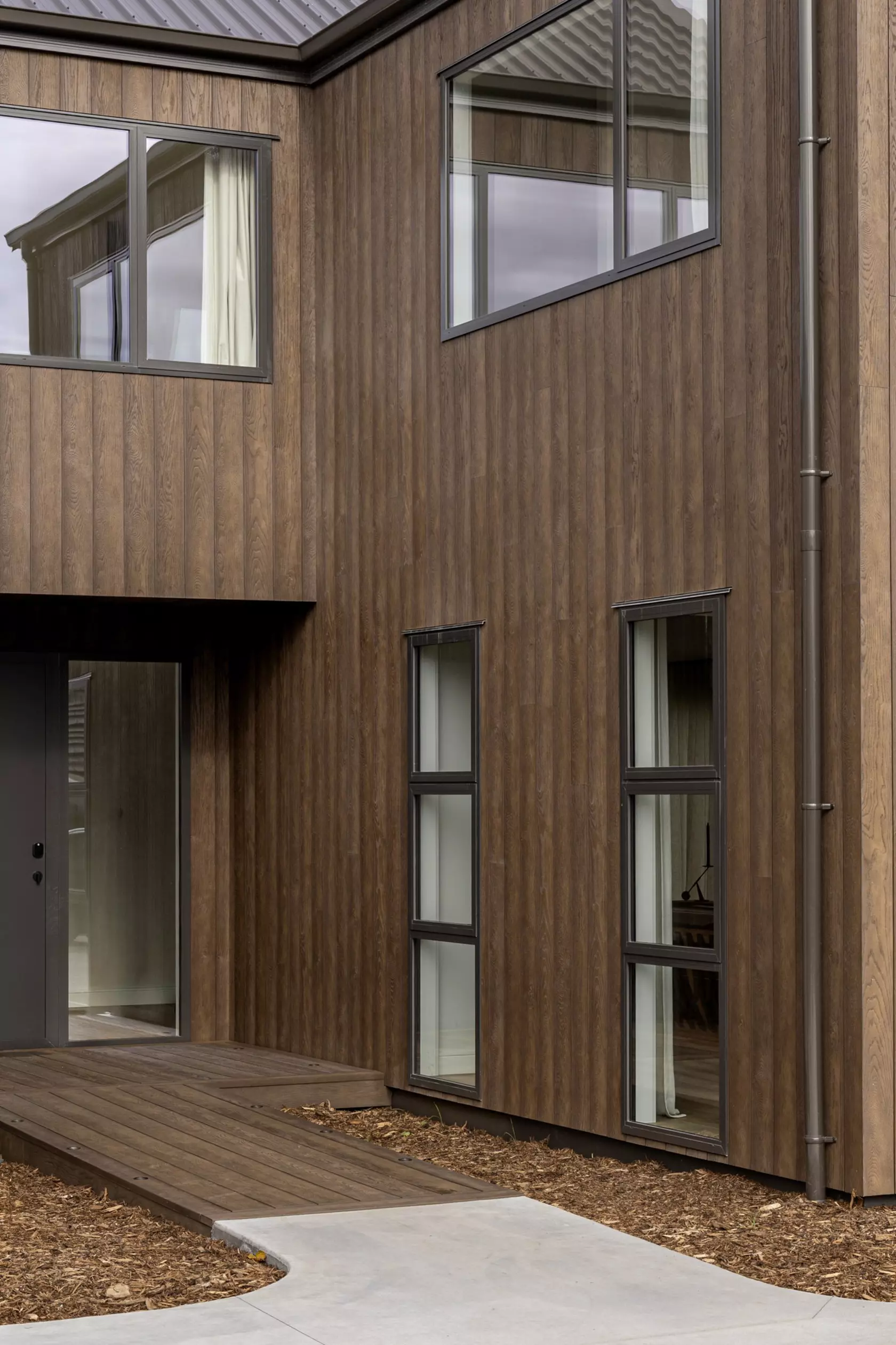
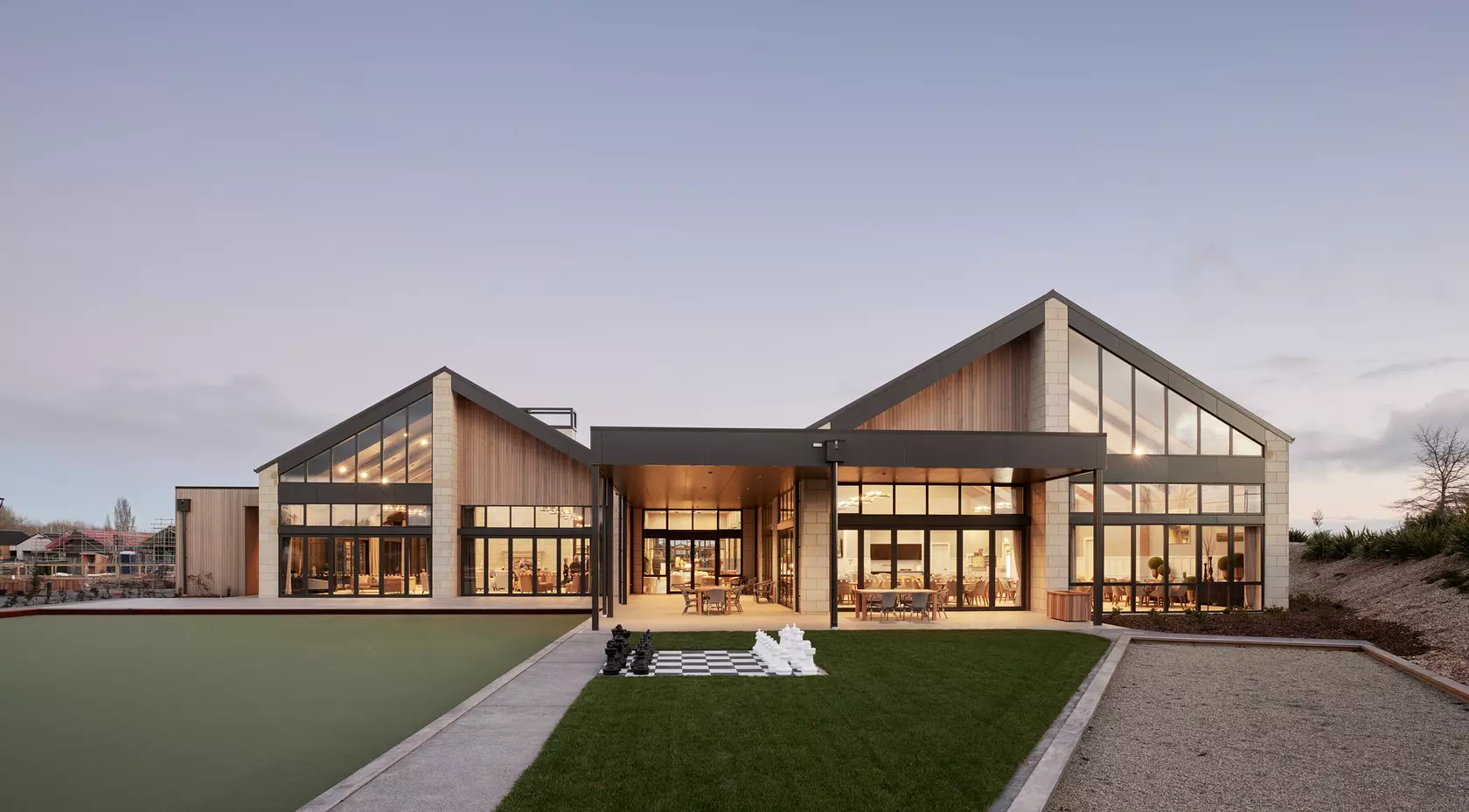
Yes, our Central Otago House was a breakthrough project and it was the most exquisite brief that propelled us as a group to the end result. The client had studied landscape architecture and requested that we 'Let the land speak’ so every decision was passed through that conceptual filter.
Timber appears throughout your work. How does it connect to your thinking about context and place?
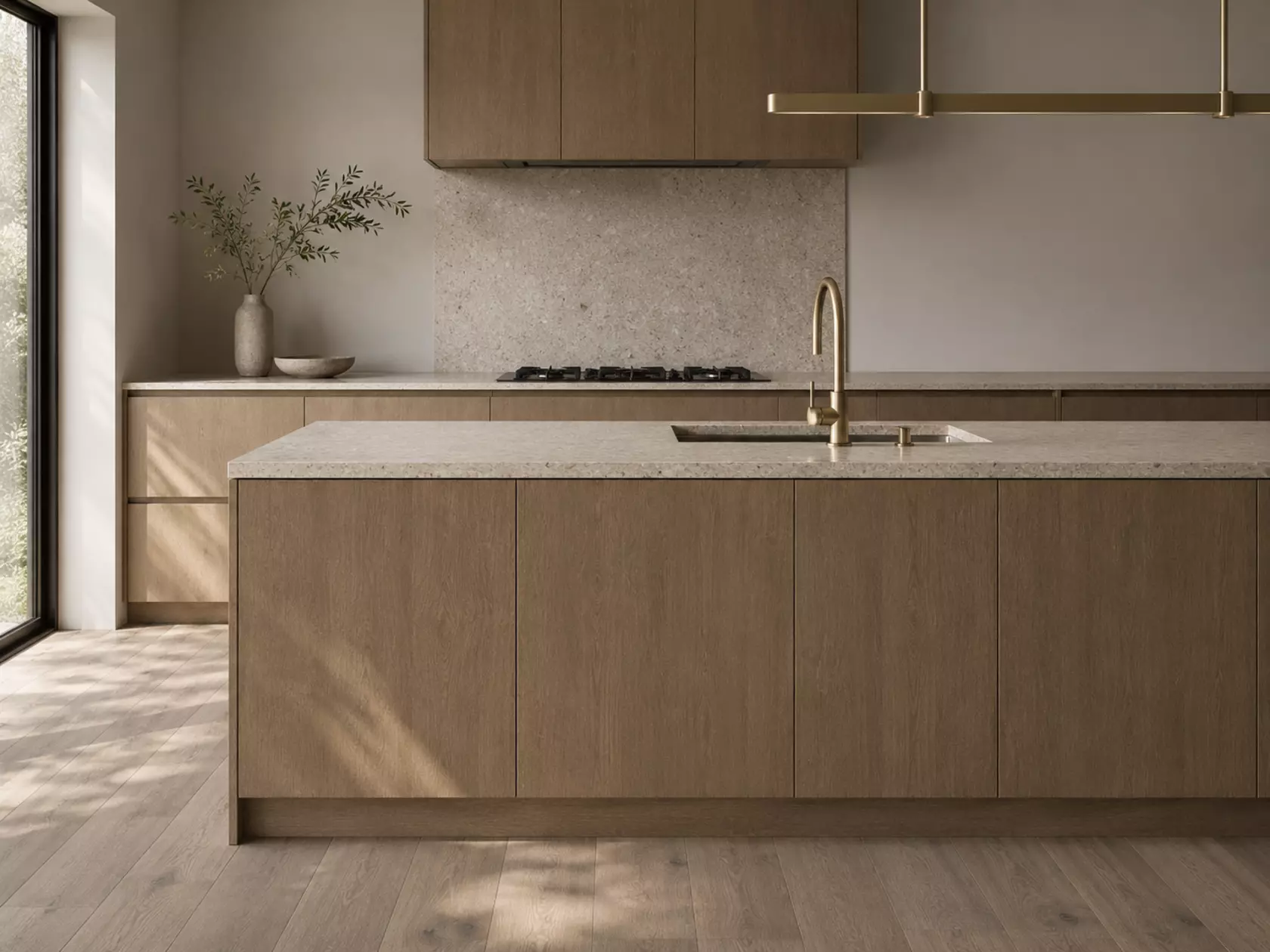
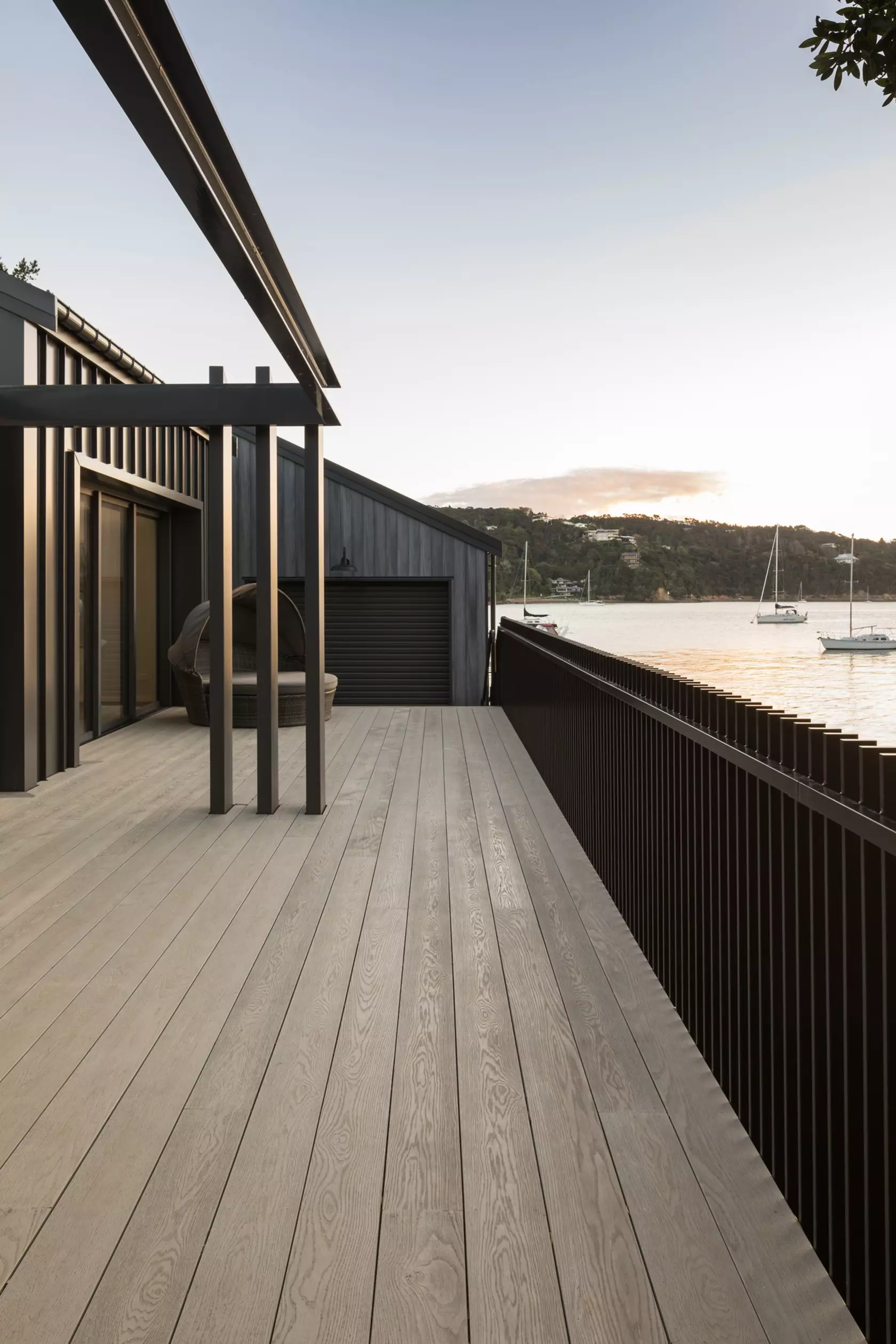
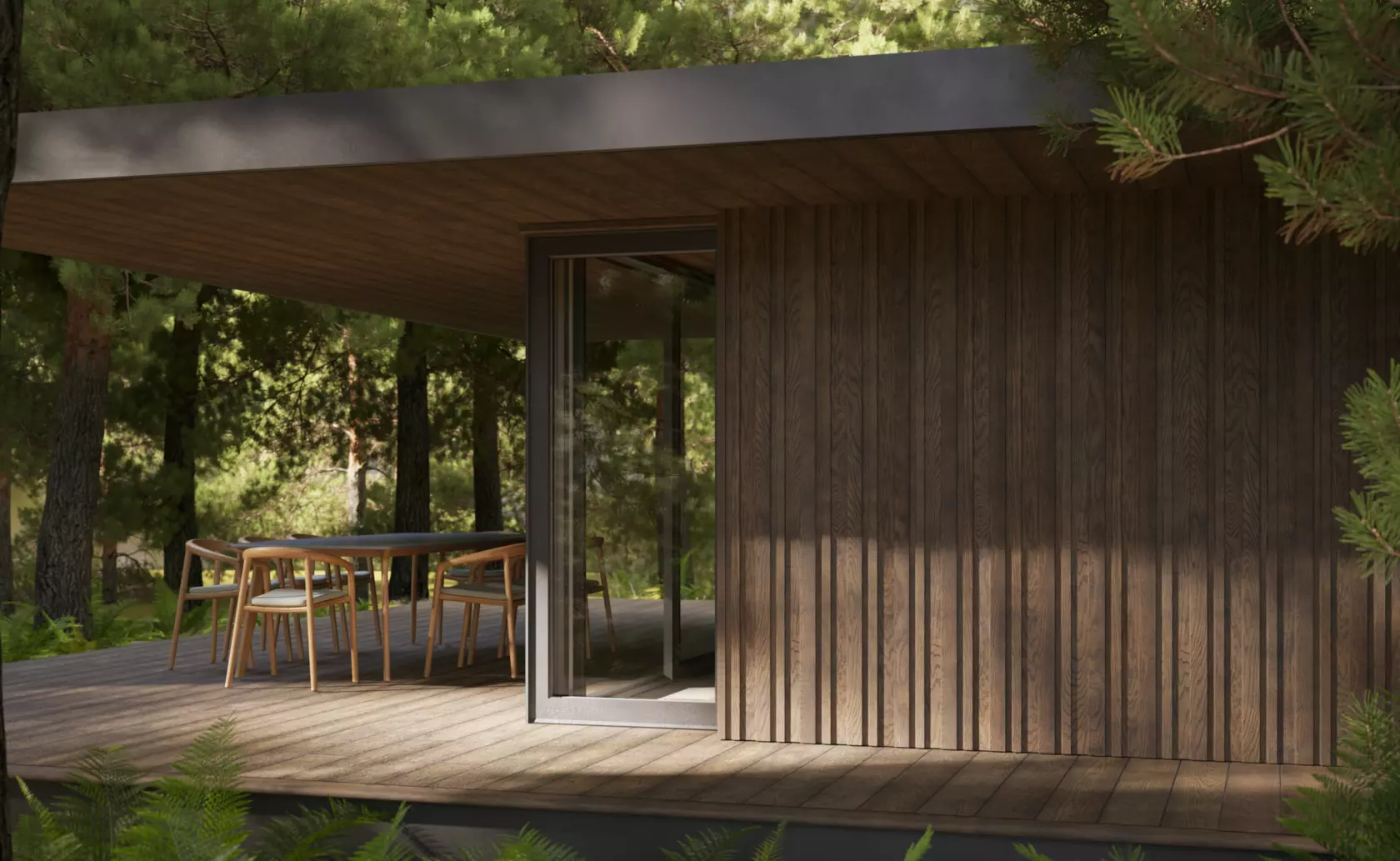
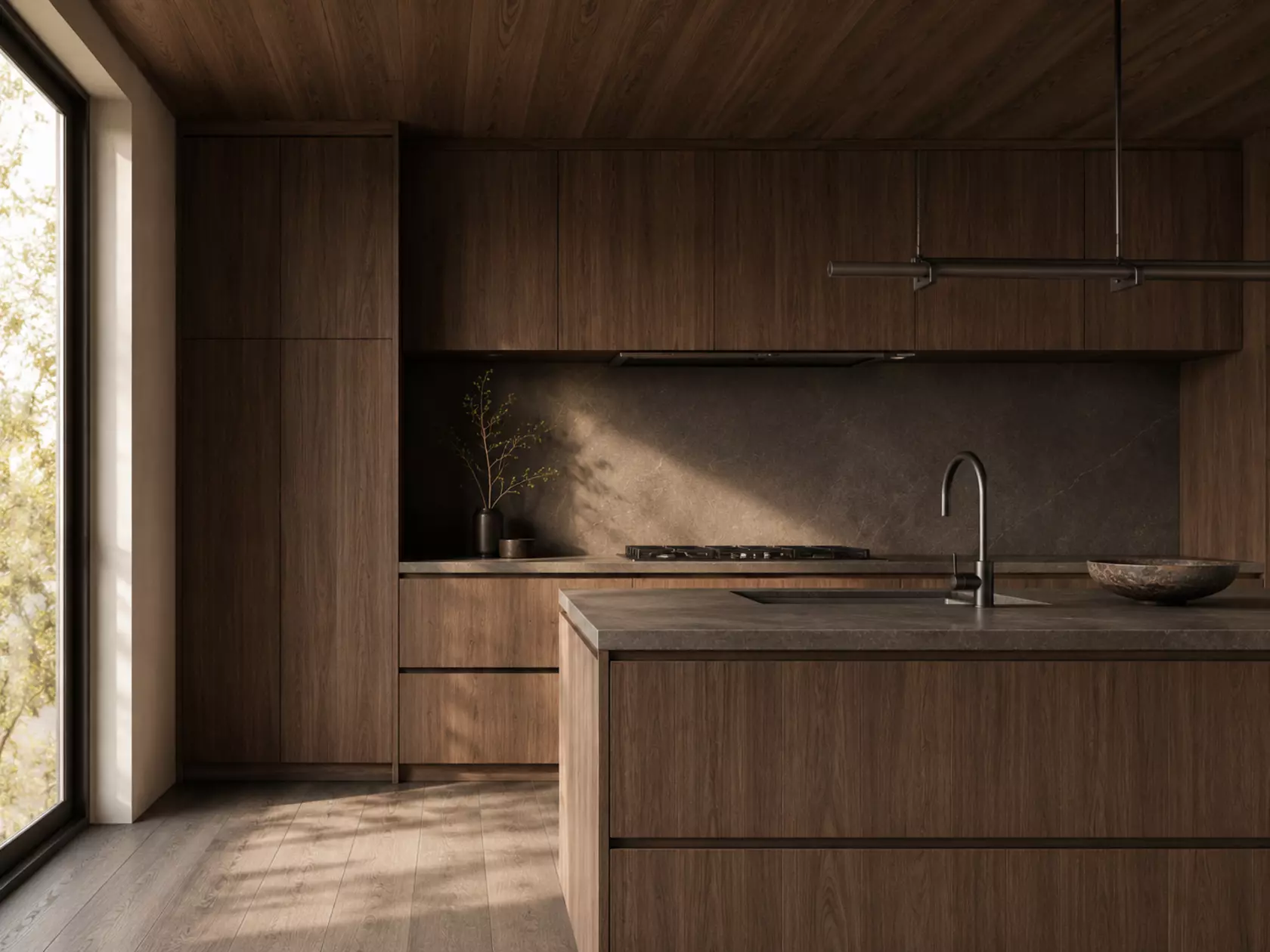
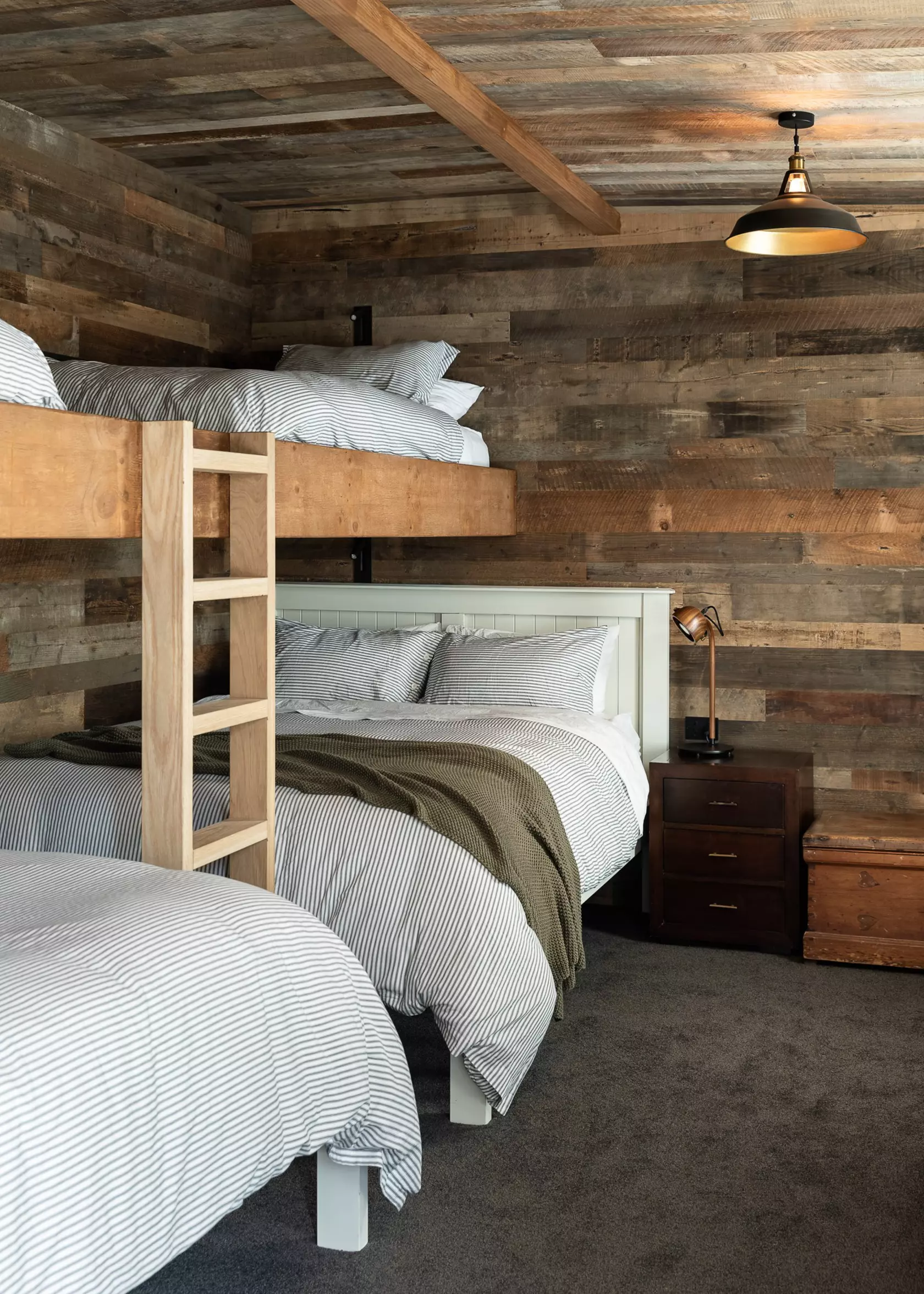
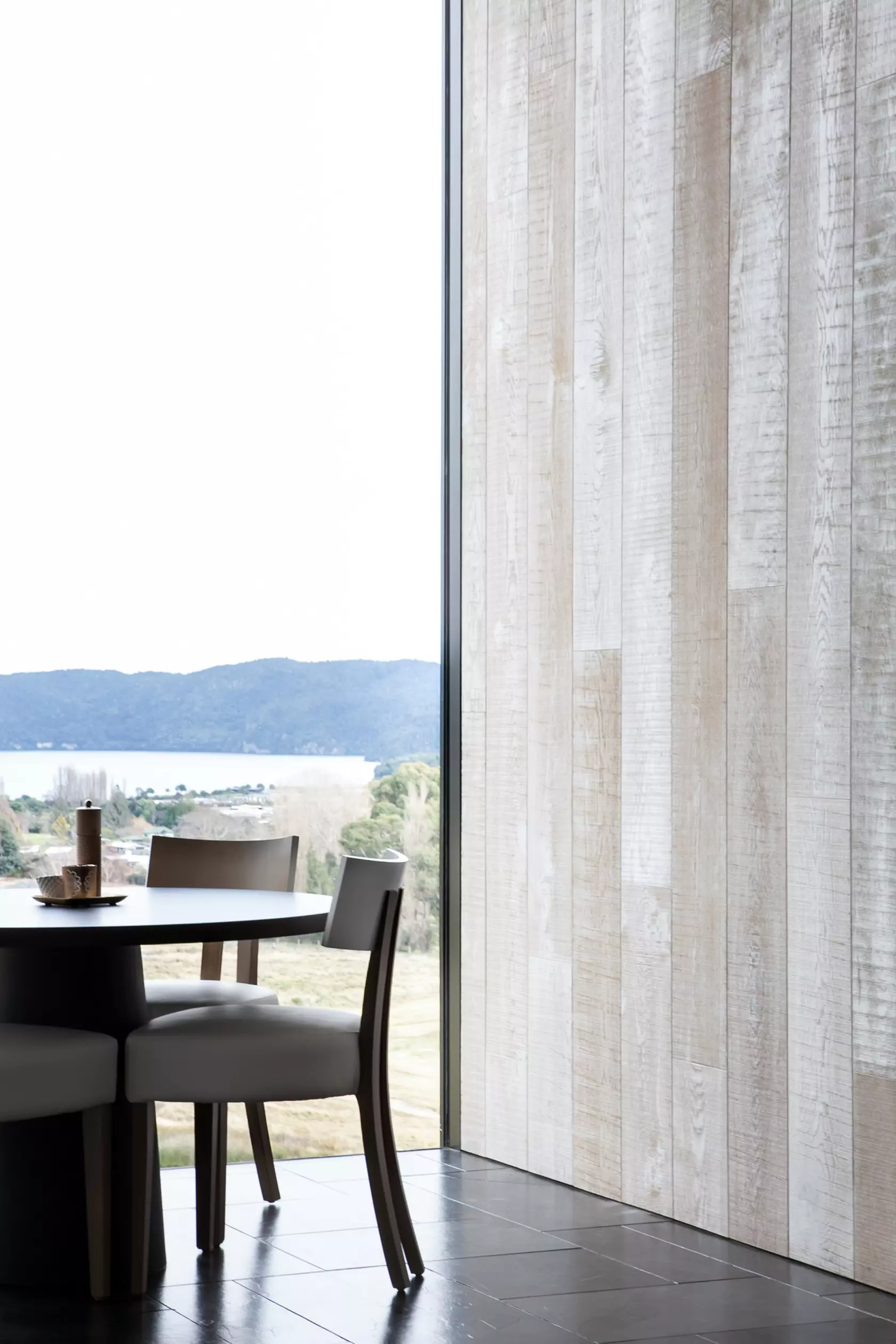
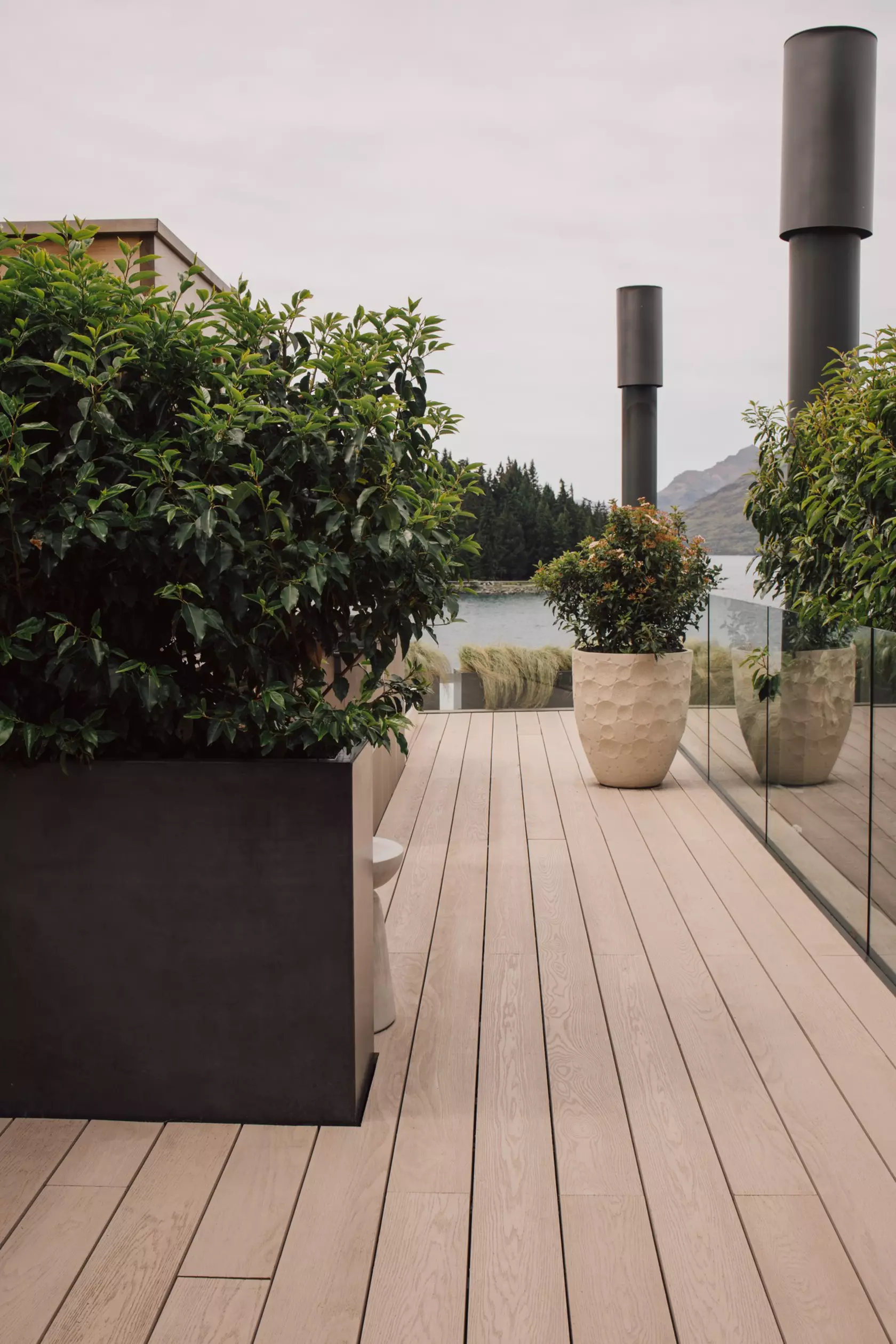
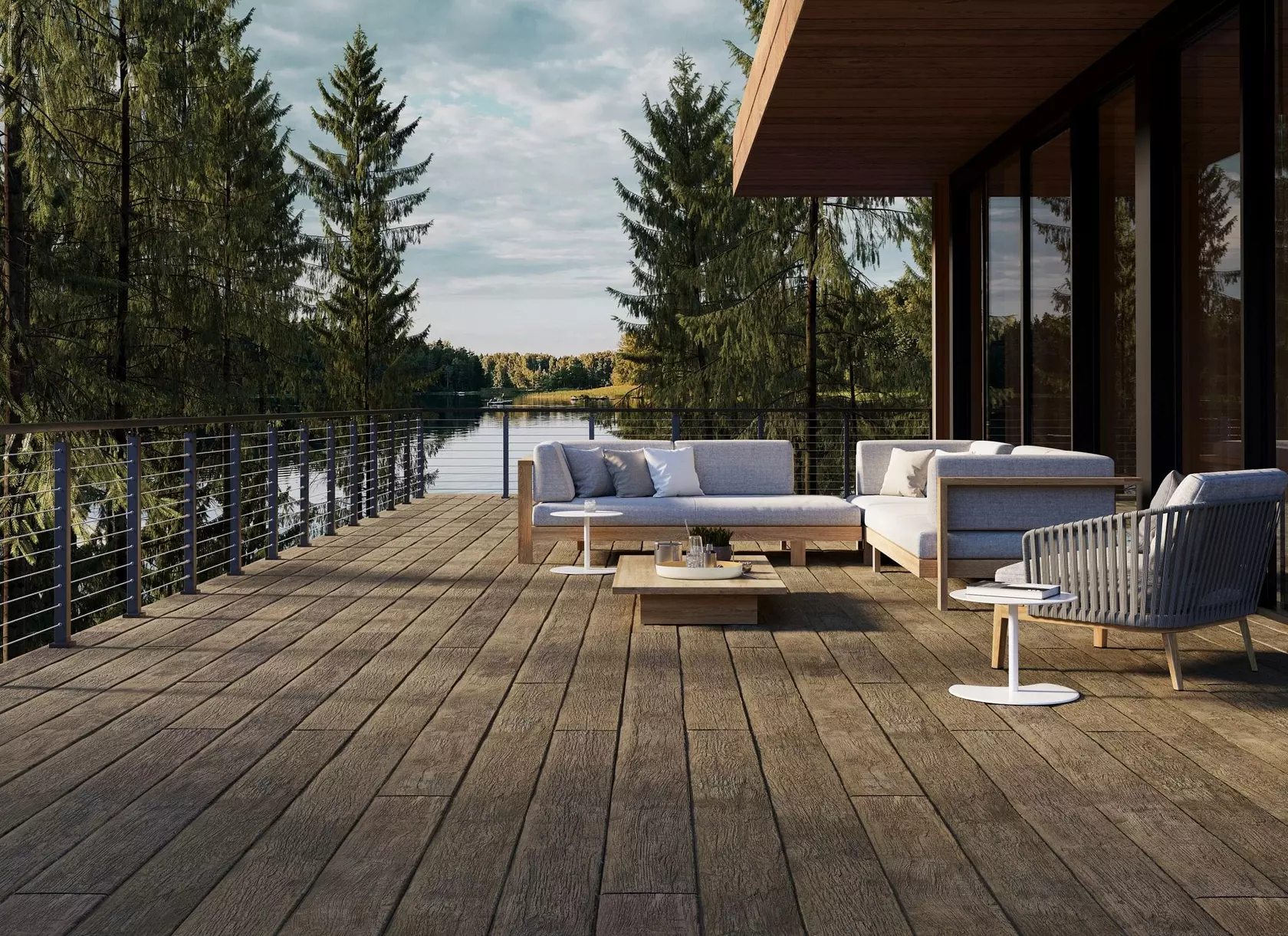
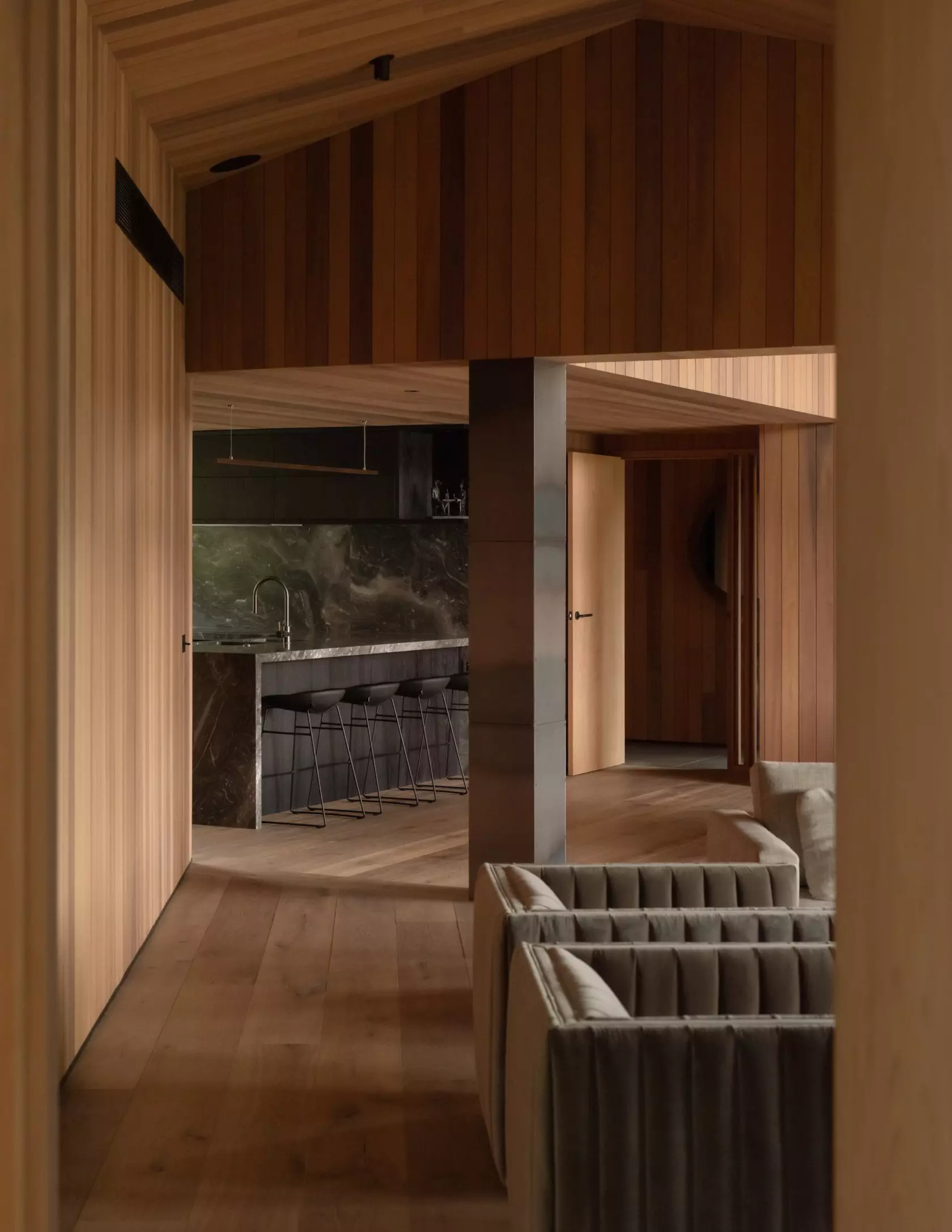
We live in a stunning country with varied, complex landscapes. In most cases our buildings are strong statements anchored to their site and the mass of each form and the materials that achieve this express an overt masculinity. To offset this feeling I find the textural and acoustic character of timber exerts a softer, feminine presence, providing an essential balance to each of our homes.
Are there other materials or elements you find yourself returning to for similar reasons?
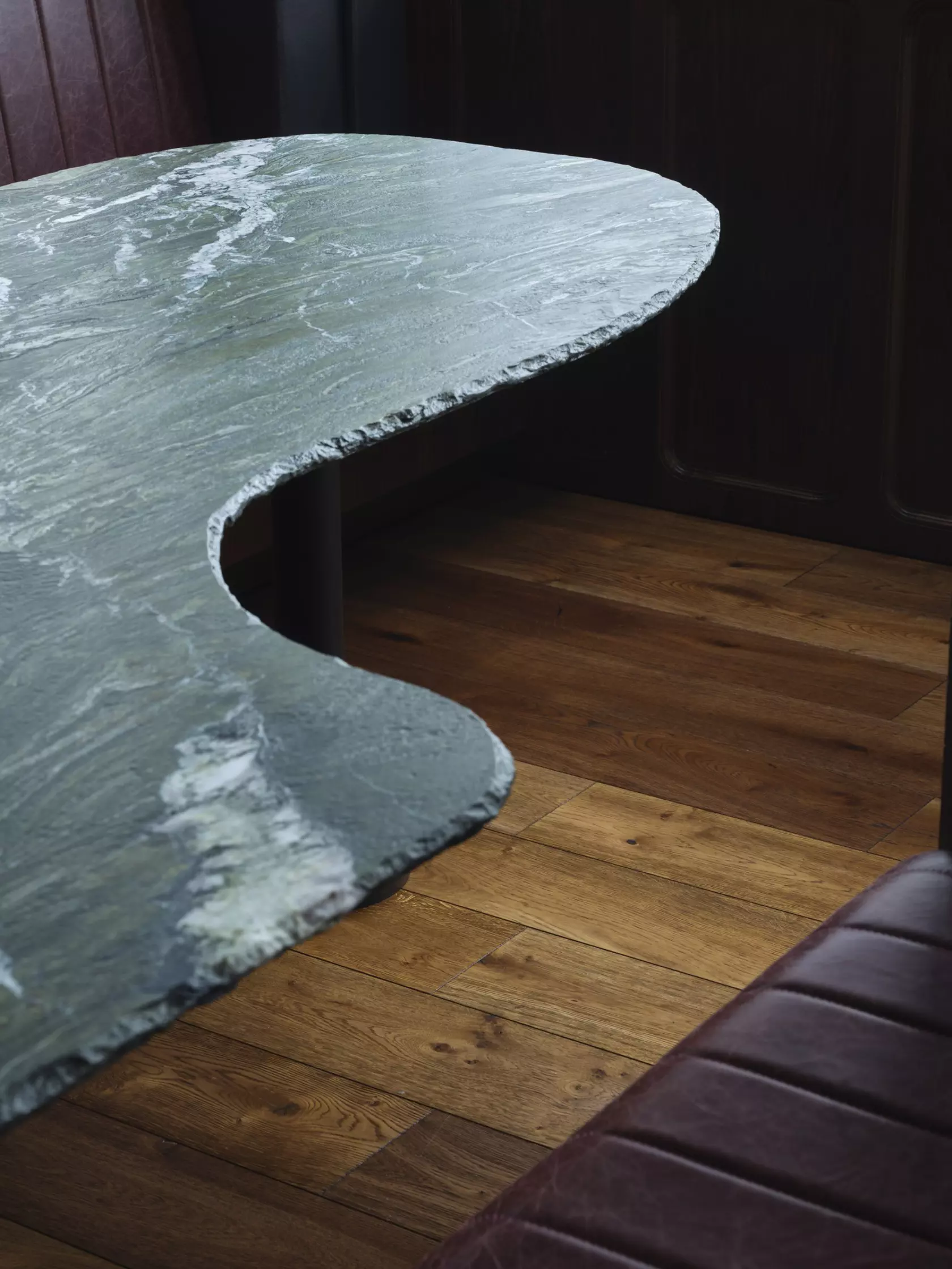
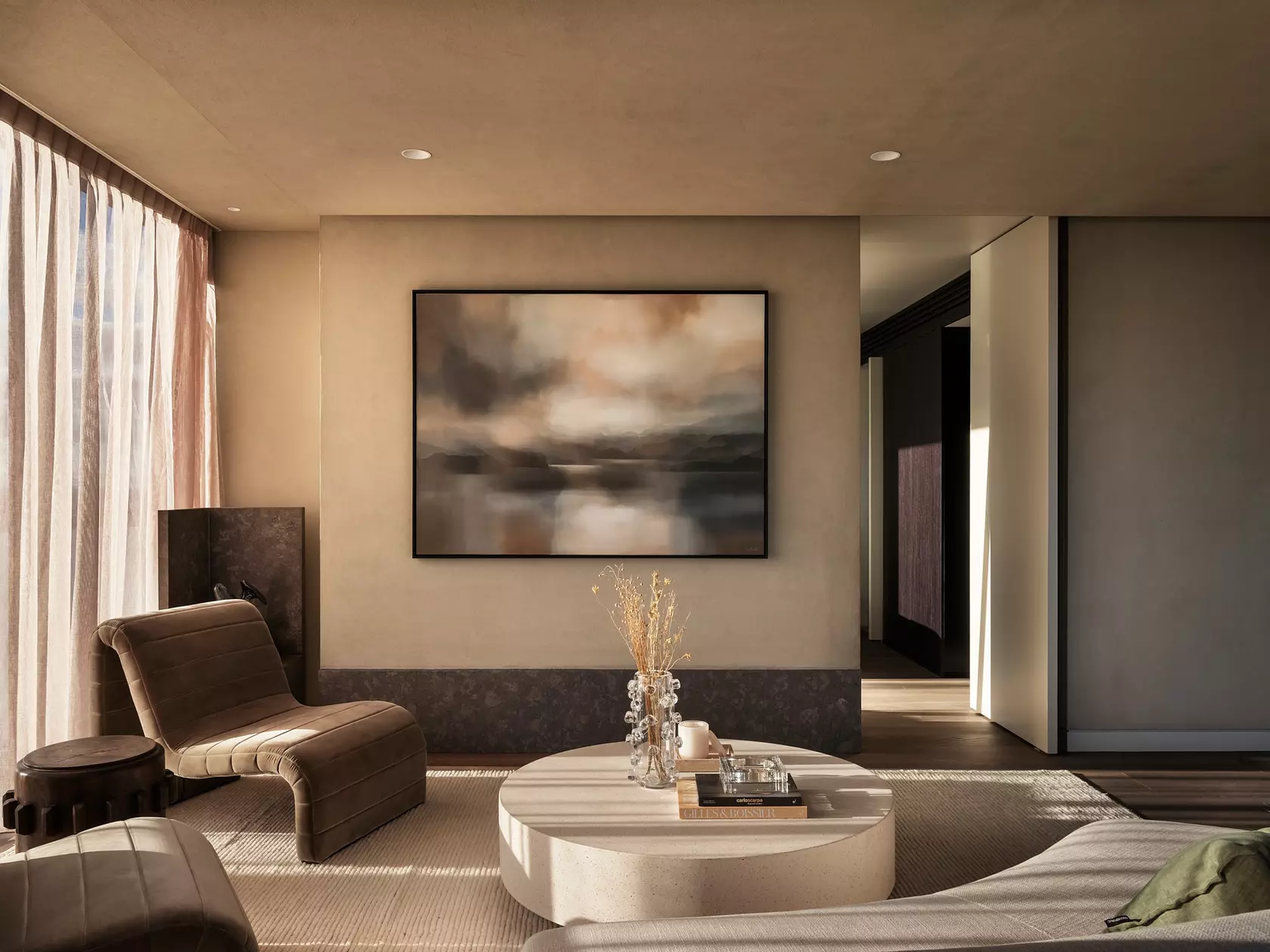
The enduring permanence of concrete and stone also delight me and offer wonderful ways to explore each opportunity.
How do you bring clients along in that thinking, particularly those who arrive with a fixed idea of what they want?
We tend to follow where a client wants to lead us and more often than not the best solutions arise from the open collaboration and quiet appreciation for what the site wants. We don’t need to direct an expectation so much as discuss the benefits we see in what fits the brief, suits the location and feels at home in the given environment.
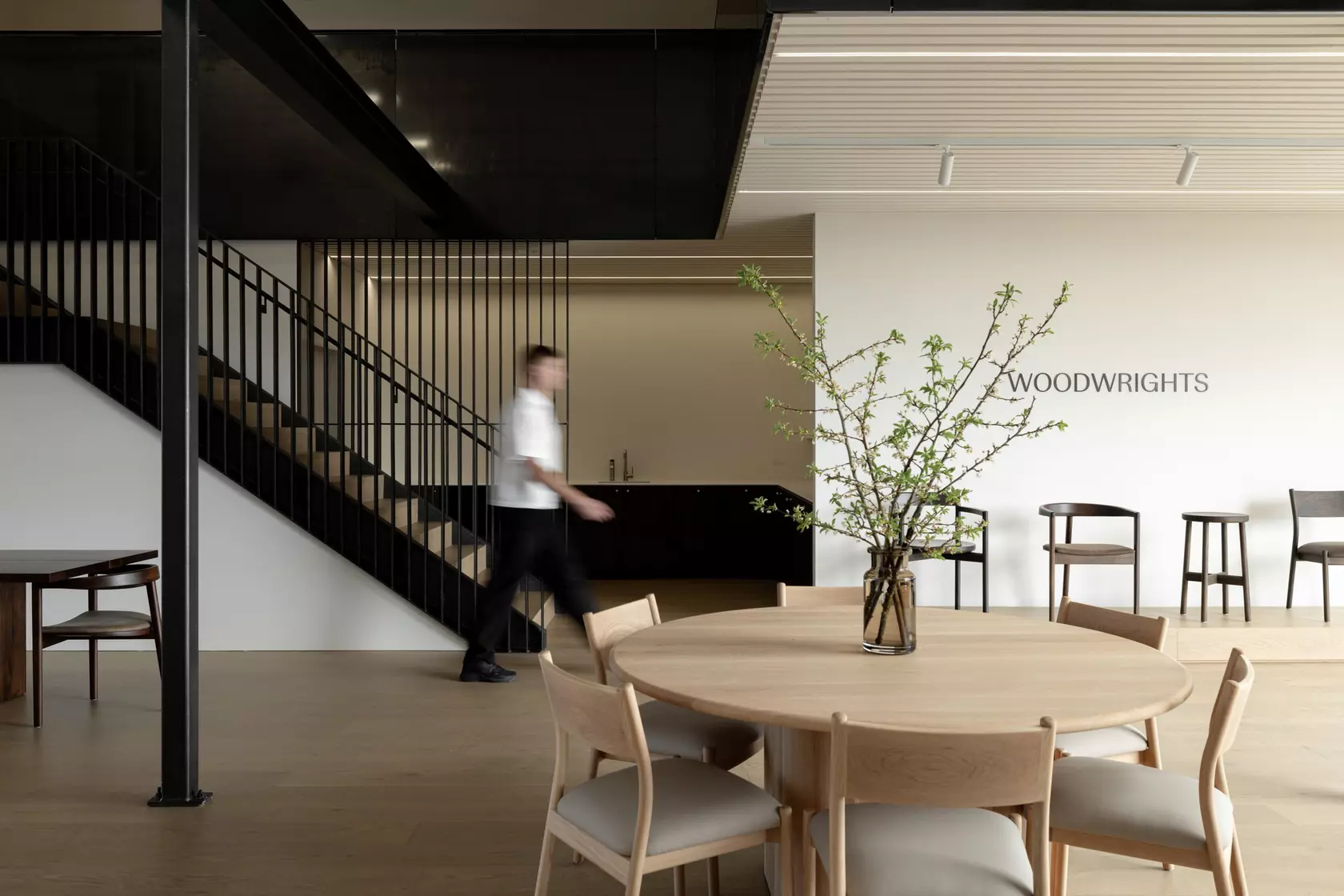
You recently moved into a new studio. Has that same attention to context shaped the design of the new space?
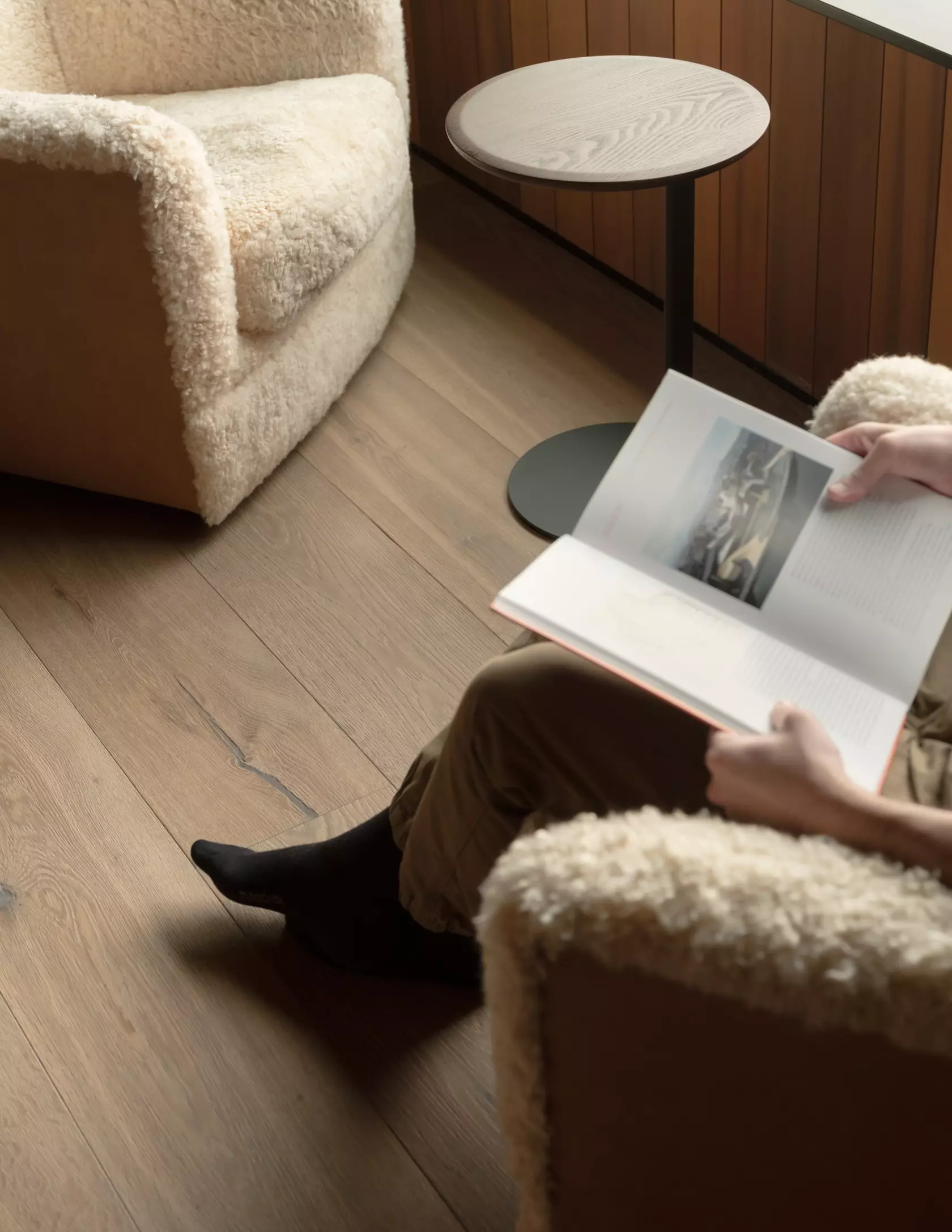
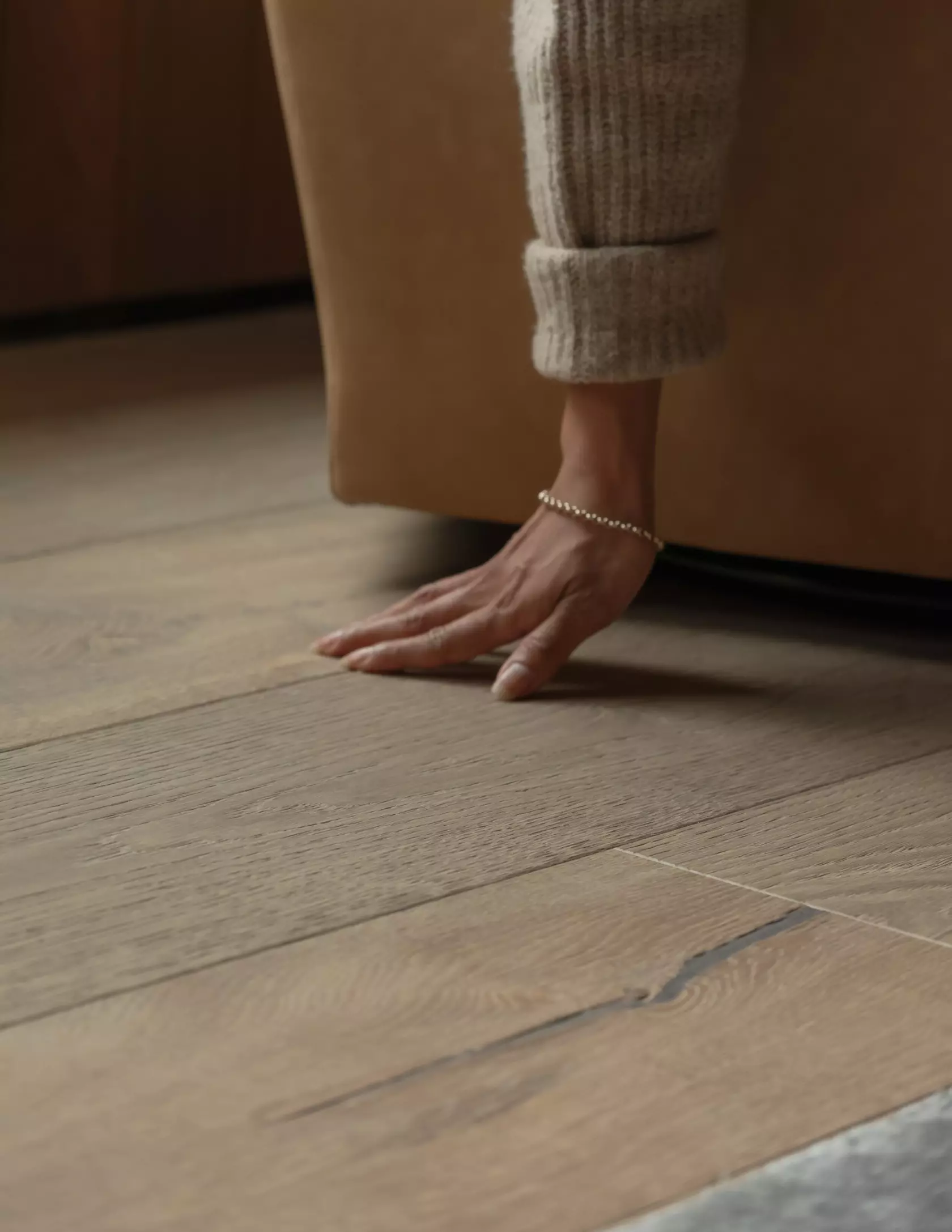
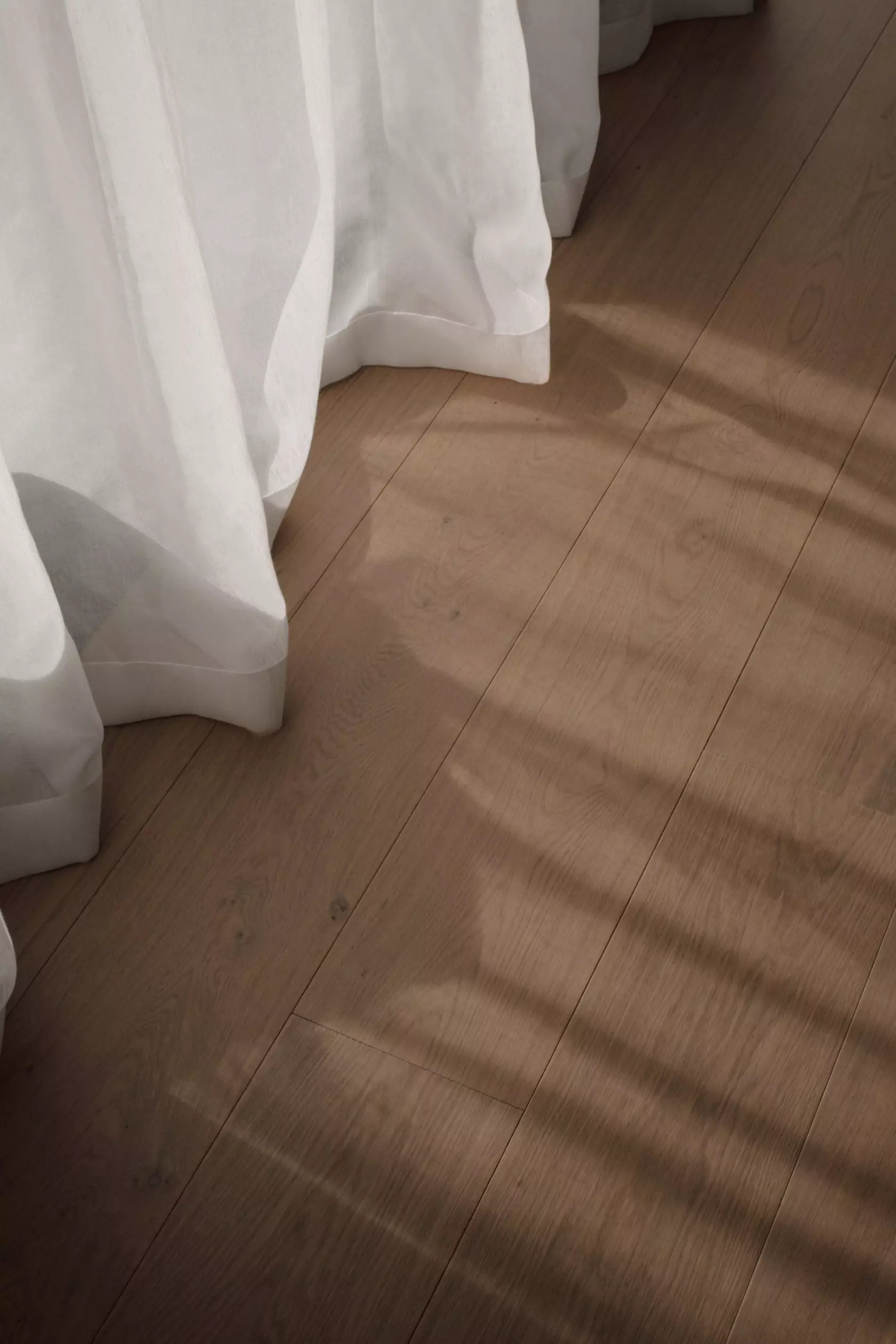
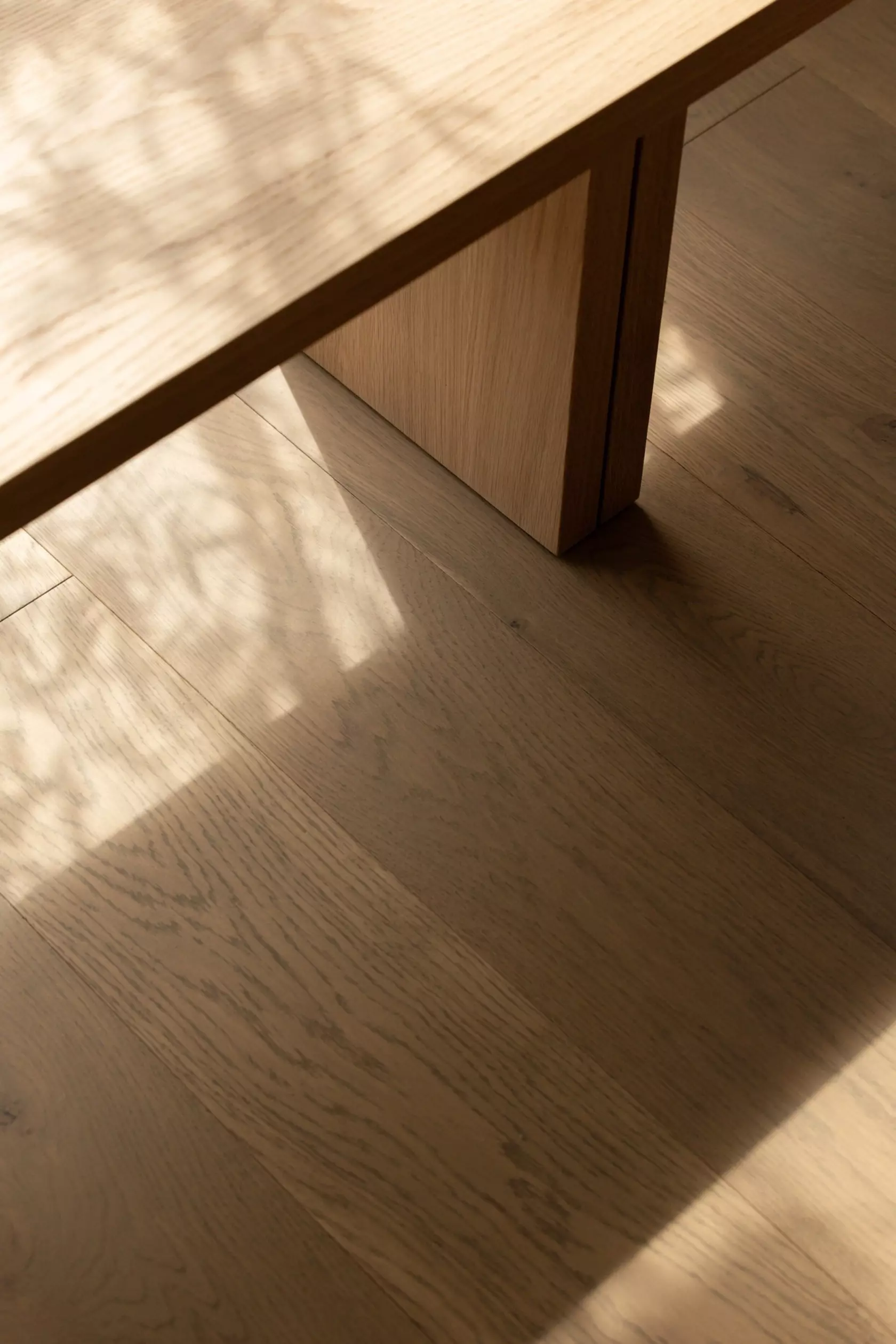
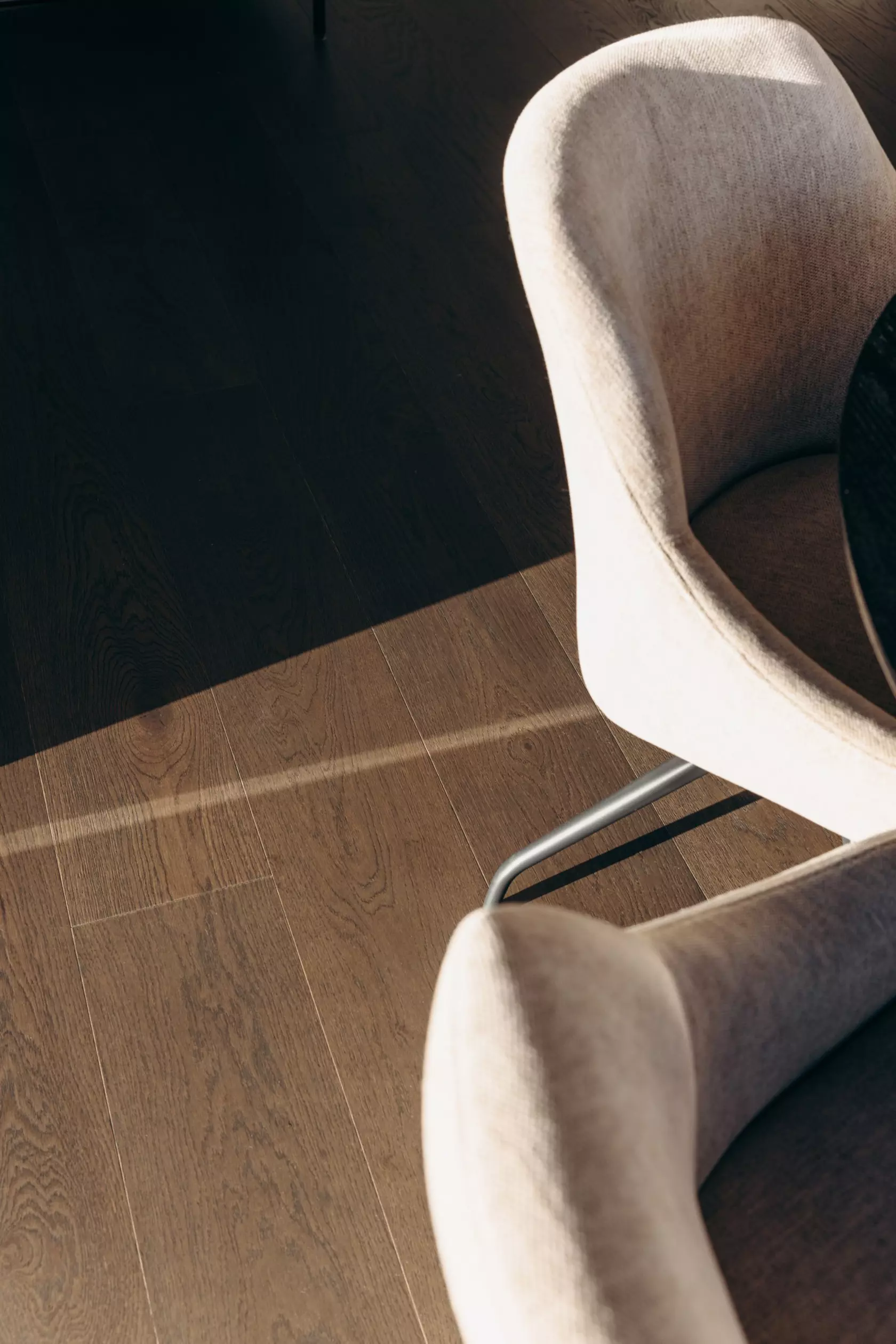
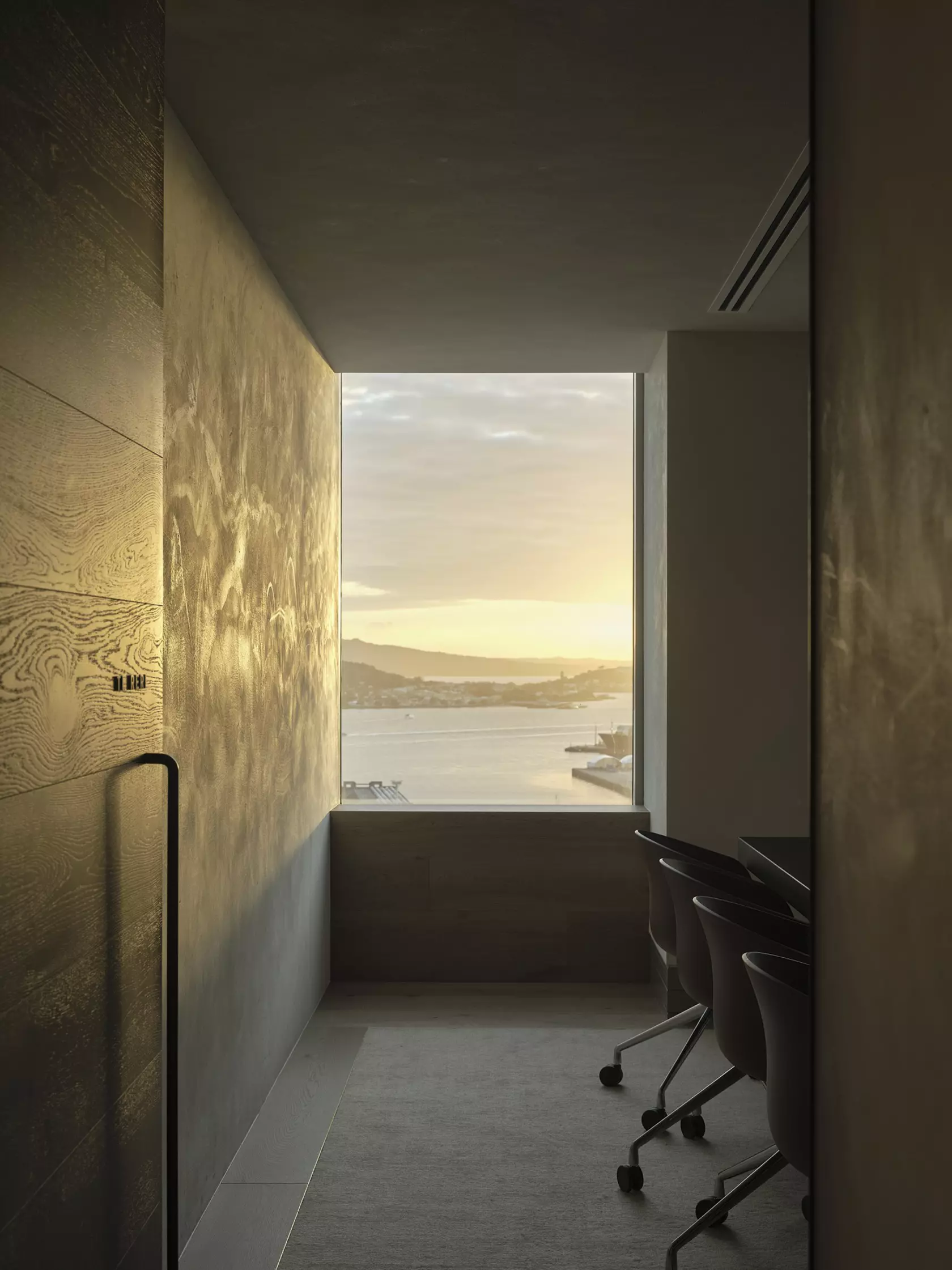
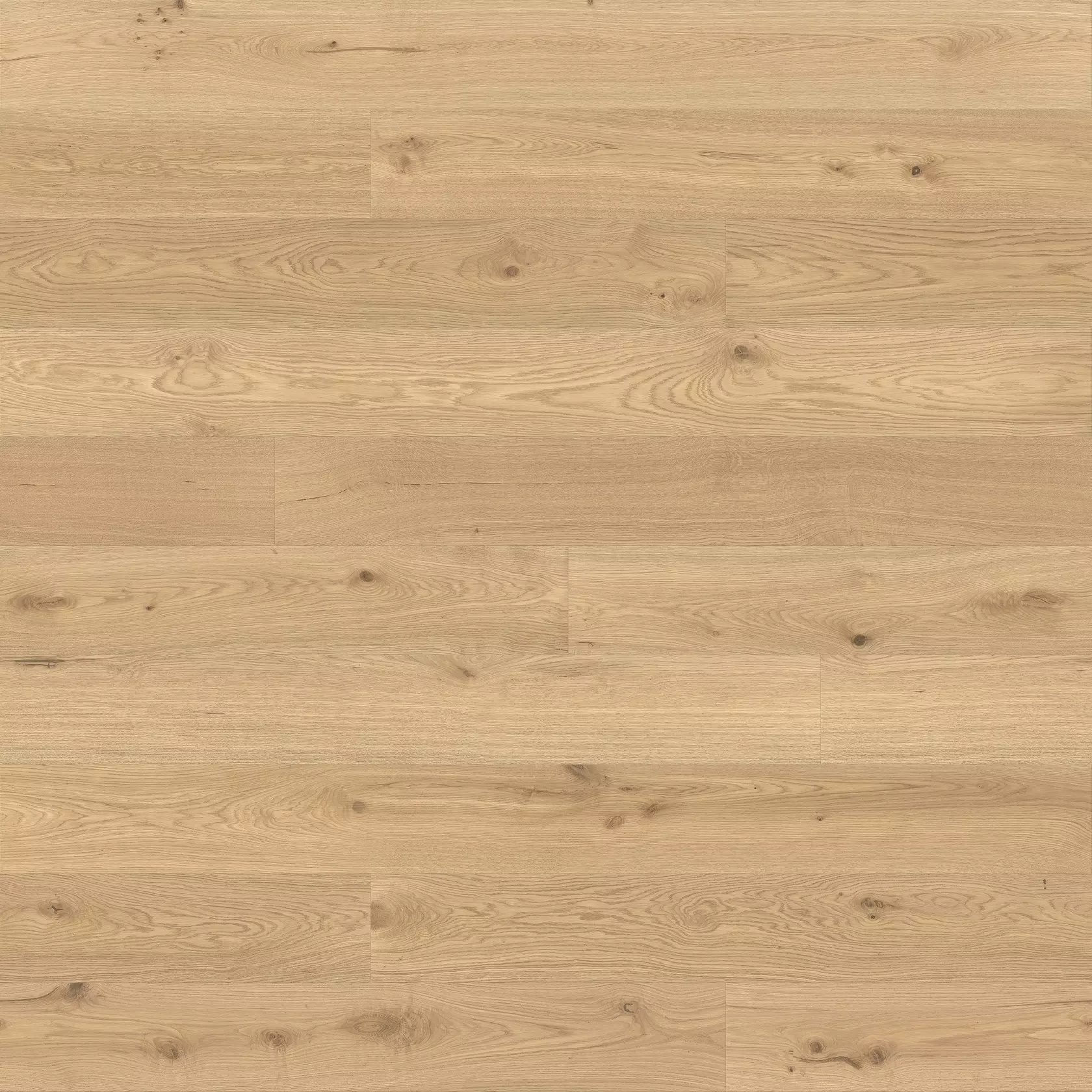
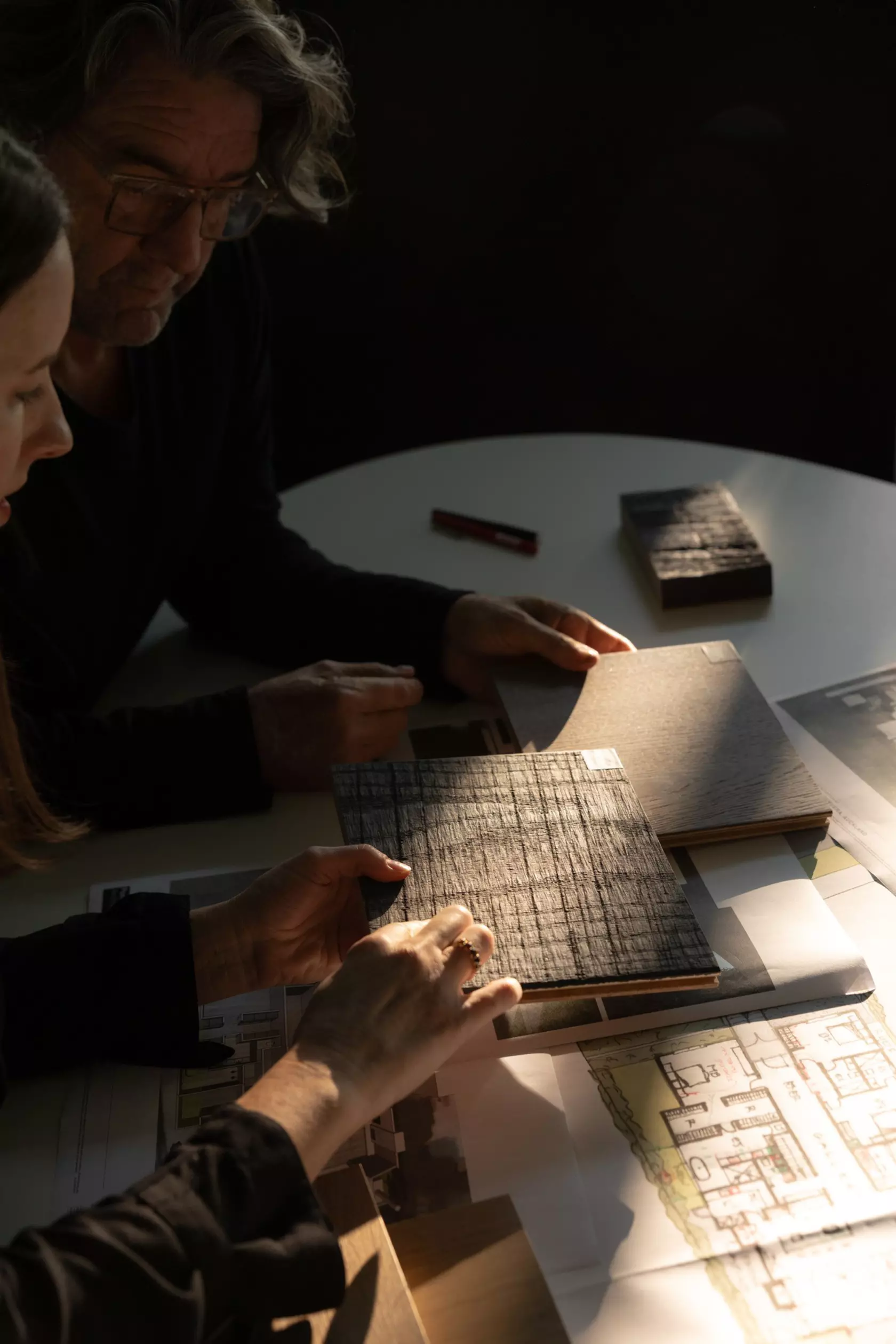
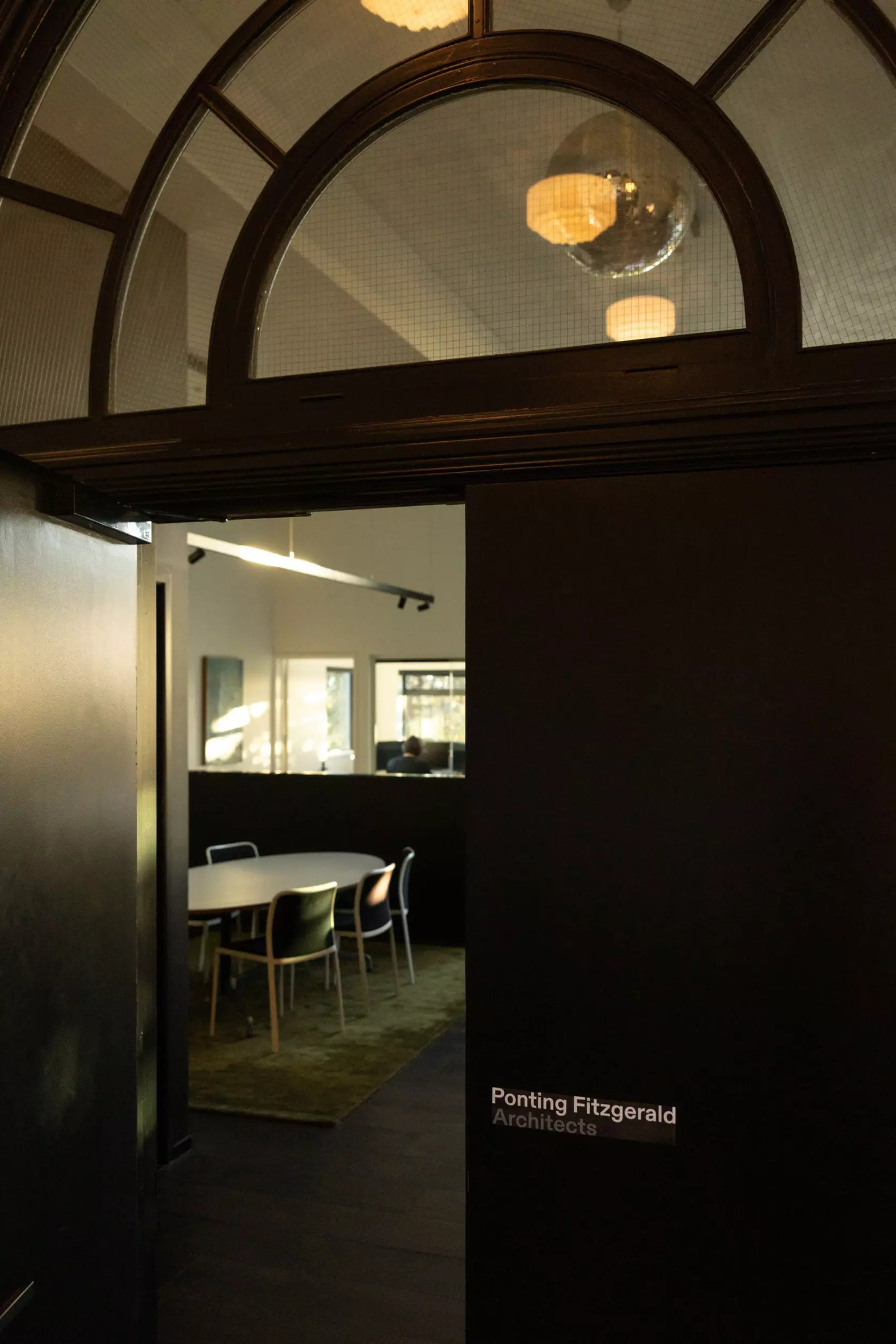
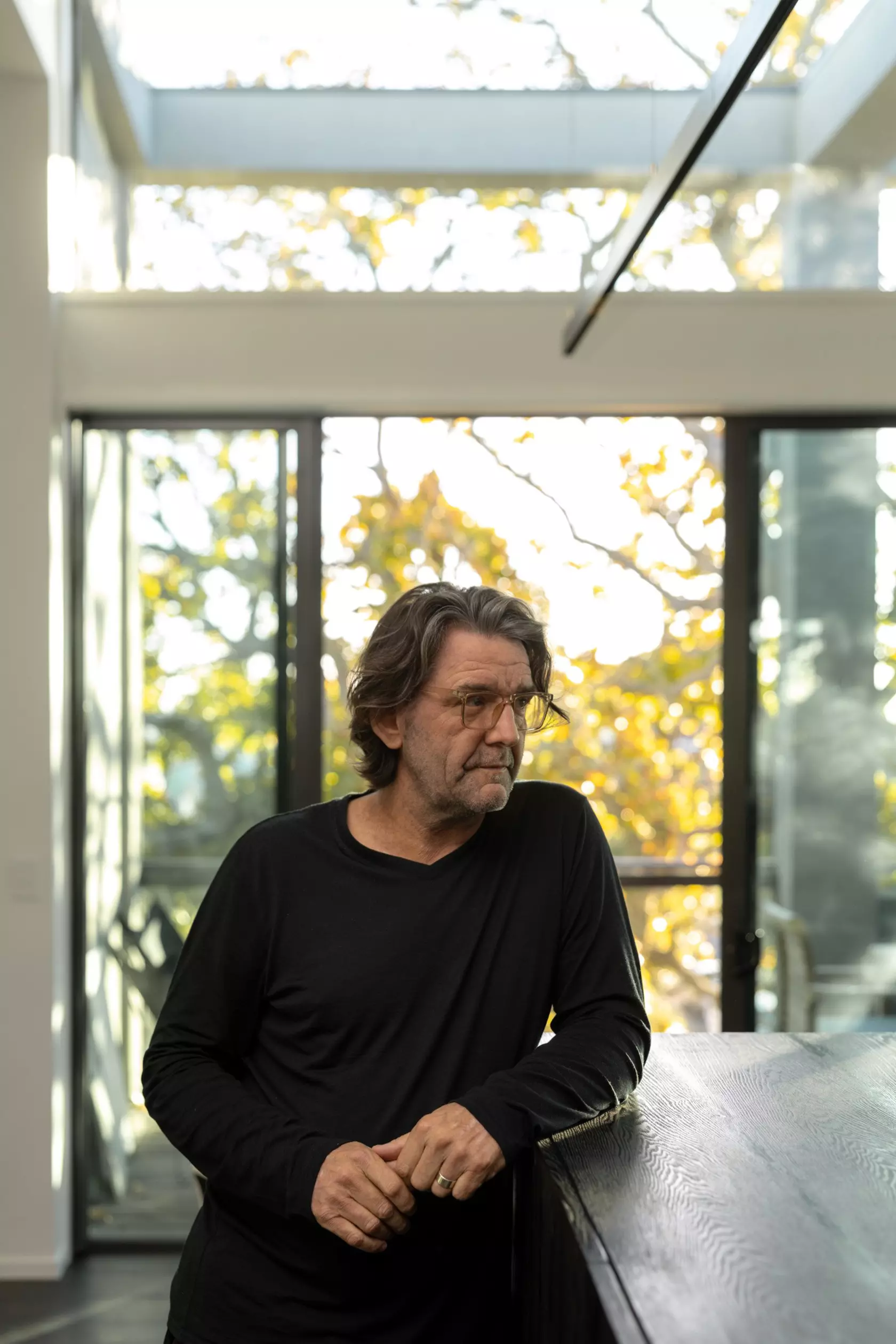
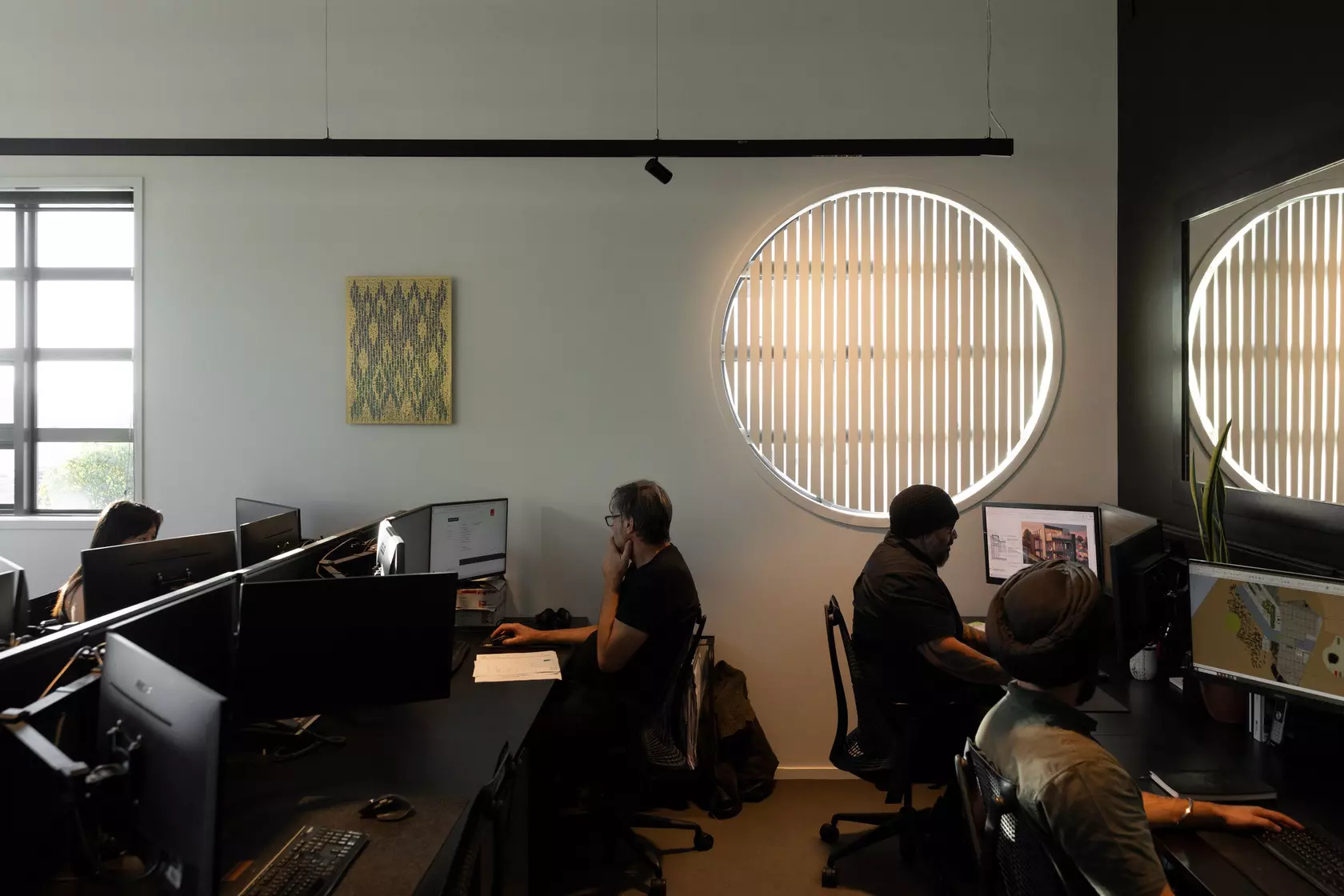
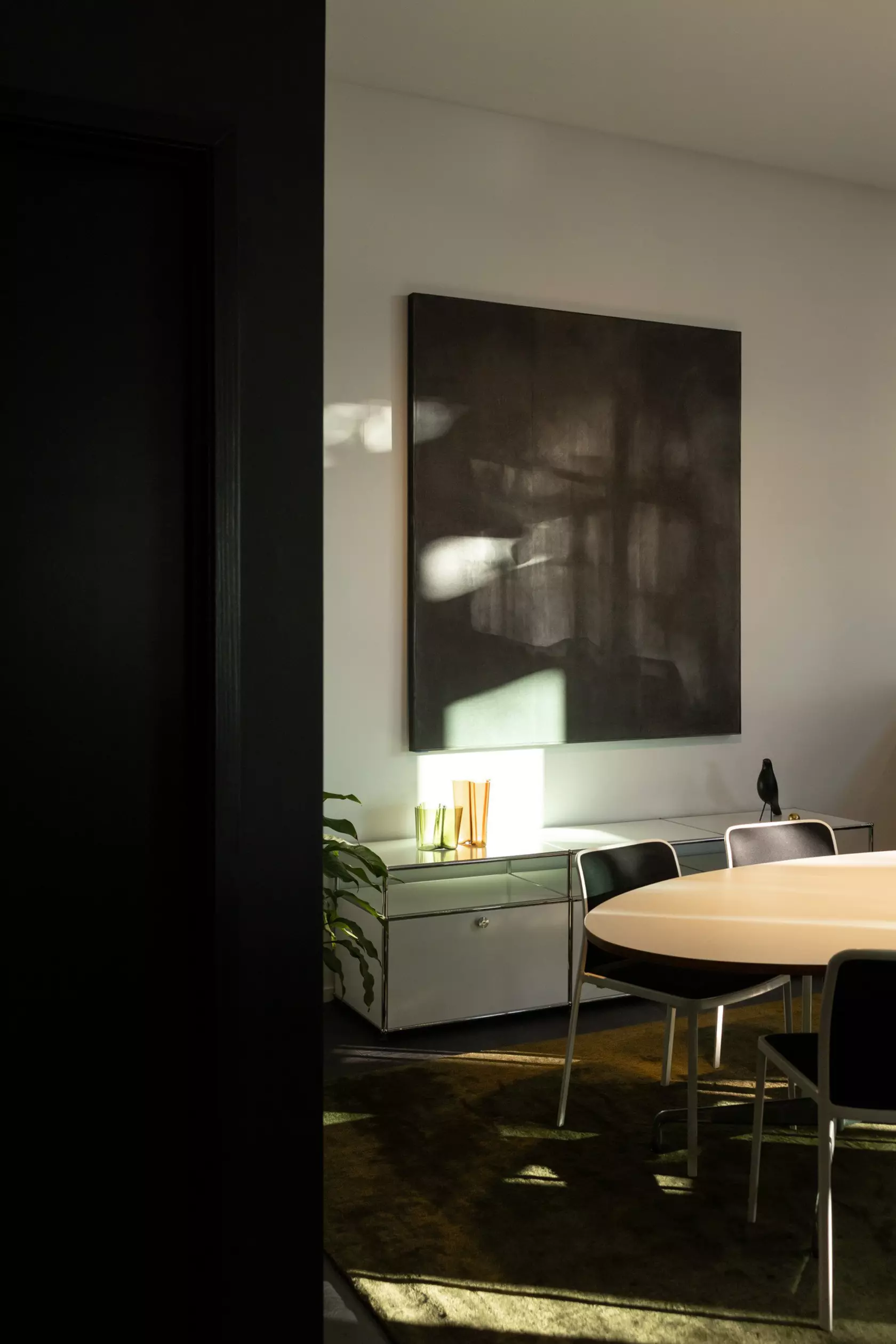
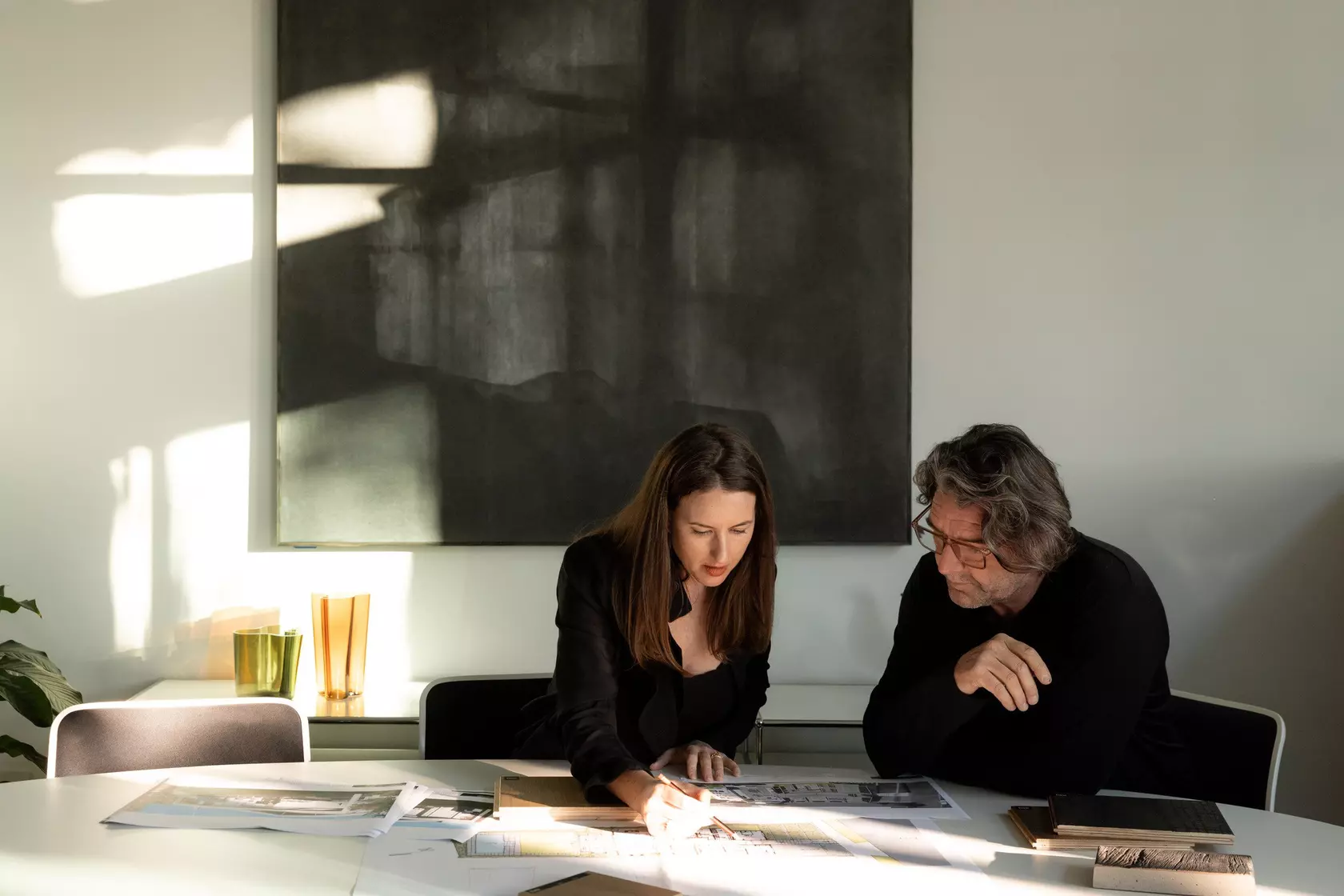
Very much so, we’re so lucky to have a space that co-exists with the most beautiful oak tree to our west. We hover alongside it, experience sunshine through its leaves and dappled shadows passing across our walls. Raw timber flooring is a distinct extension of those visual qualities and I love the natural character the grain and tone bring to our space.
What do you hope someone takes away from a visit to your new studio space?
The memory they were in a thoughtfully composed space with people they enjoyed being around. Our role is so personal and meaningful so we love the connection we make with our client and their lifelong dreams.
Quickfire Questions
Q. The first thing you notice when you visit a new site?
Typically it’s the outlook (unless the topography is quite radical/steep).
Q. A building in Aotearoa that gets context completely right?
Pete Bossley’s beautiful Bay of Islands retreat from 1998.
https://homeofarchitecture.co.nz/1998-bay-islands-retreat-pete-bossley/
Q. Most overlooked source of context: history, landscape, or community?
Community - often because it takes so long to emerge and express itself.
Q. Sketch on paper or straight to model?
Sketch on paper, always!
Q. A place anywhere in the world you'd love to design for?
A Desert (and if could be a spiritual brief that would be the dream).
Q. The best part of the job nobody talks about?
The call you sometimes get when owners have just moved in. It’s like they’re in a disbelieving trance and speak on such an emotional level.