




In Studio with: Material Creative
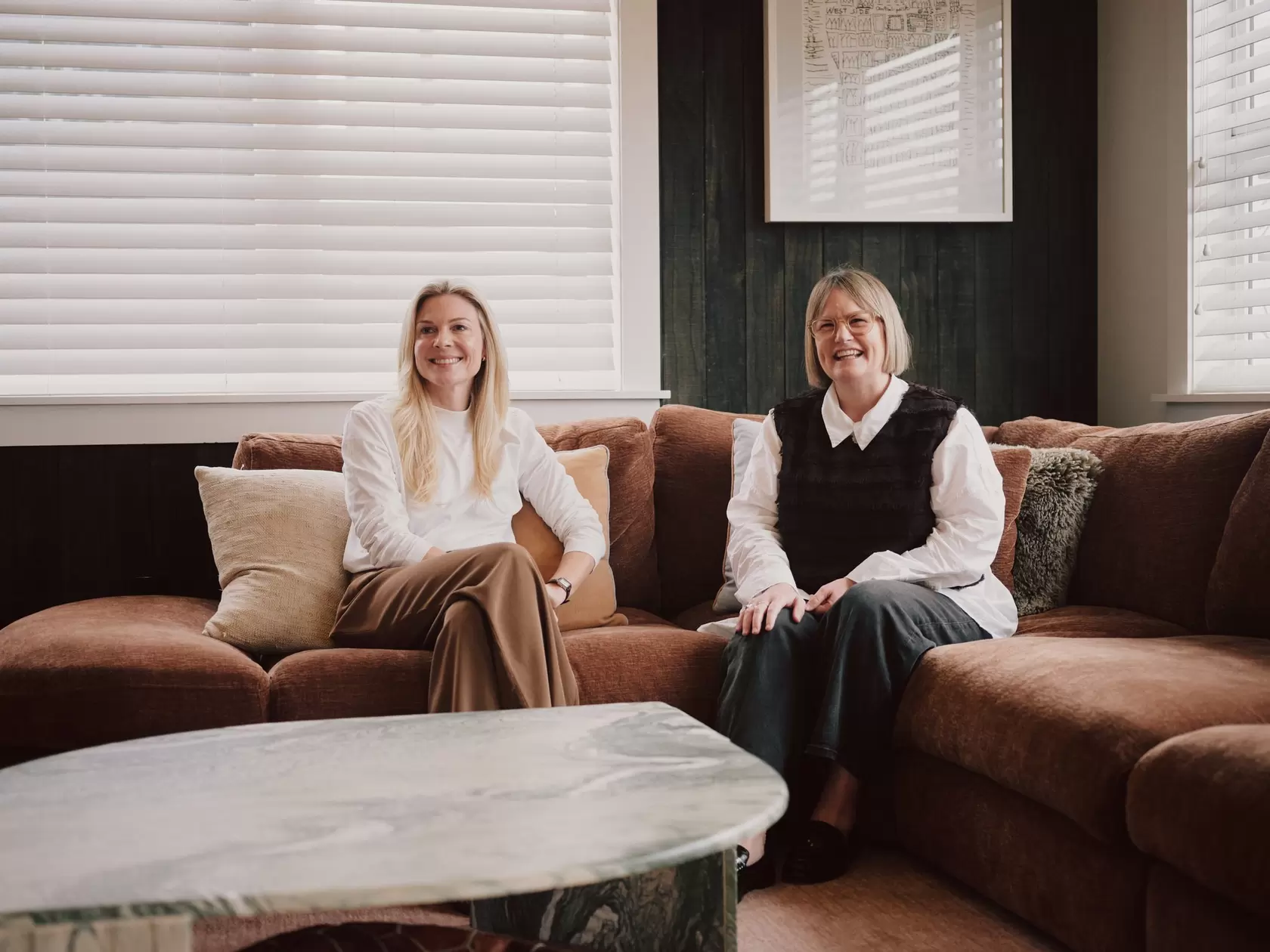
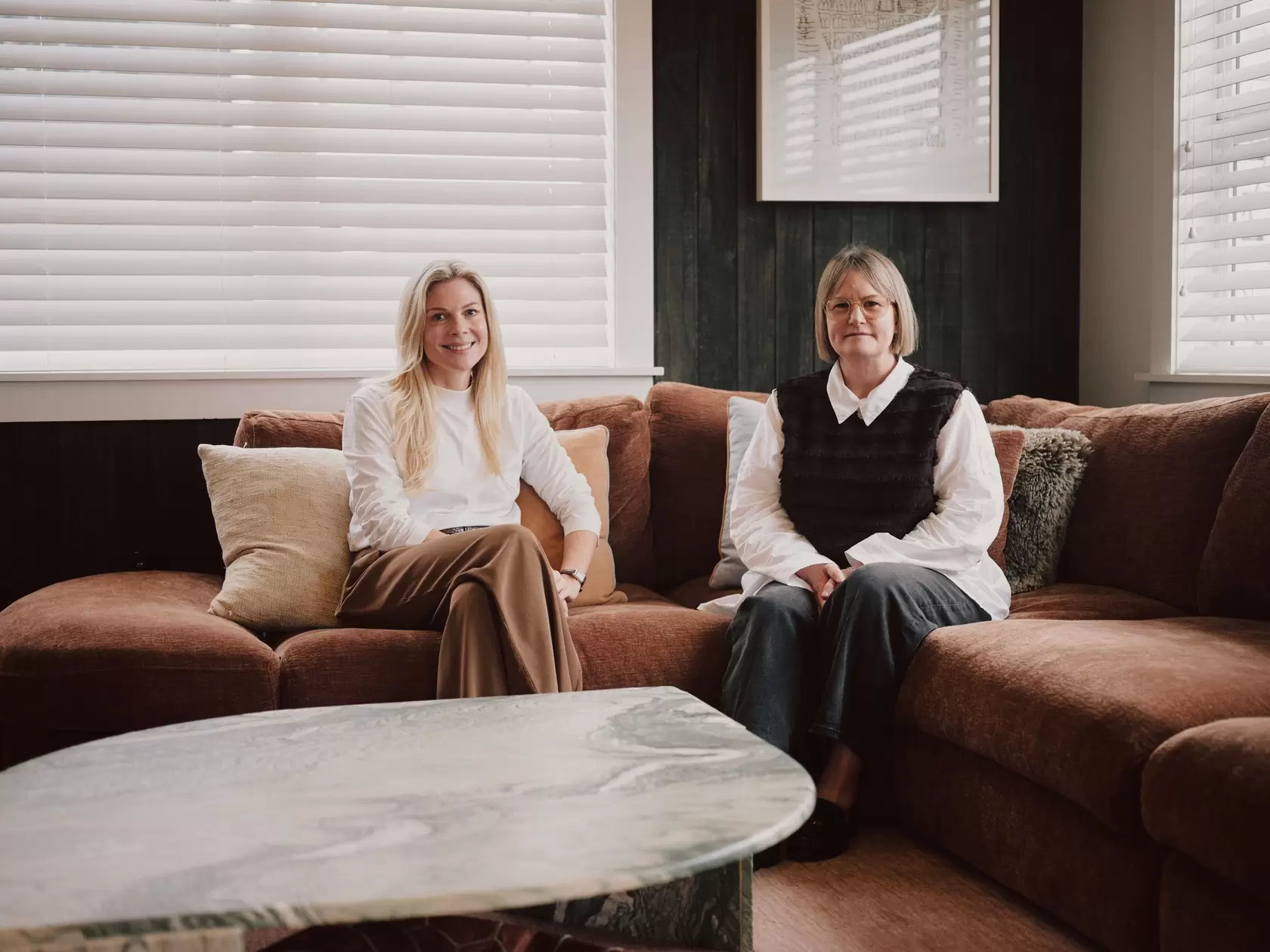
Eighteen years into their successful journey with Material Creative, Liv Patience and Toni Brandso are having a particularly career-defining moment.
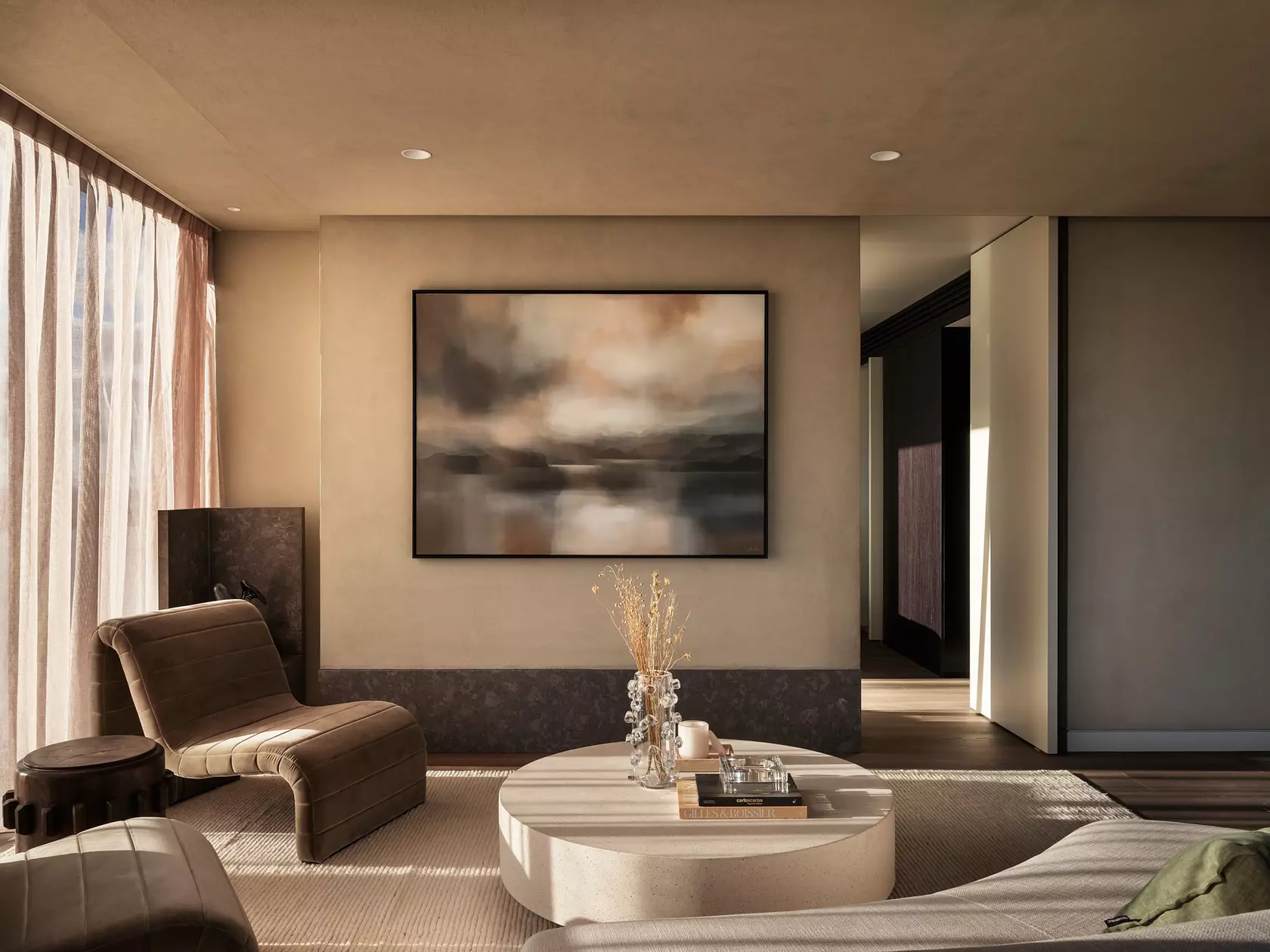
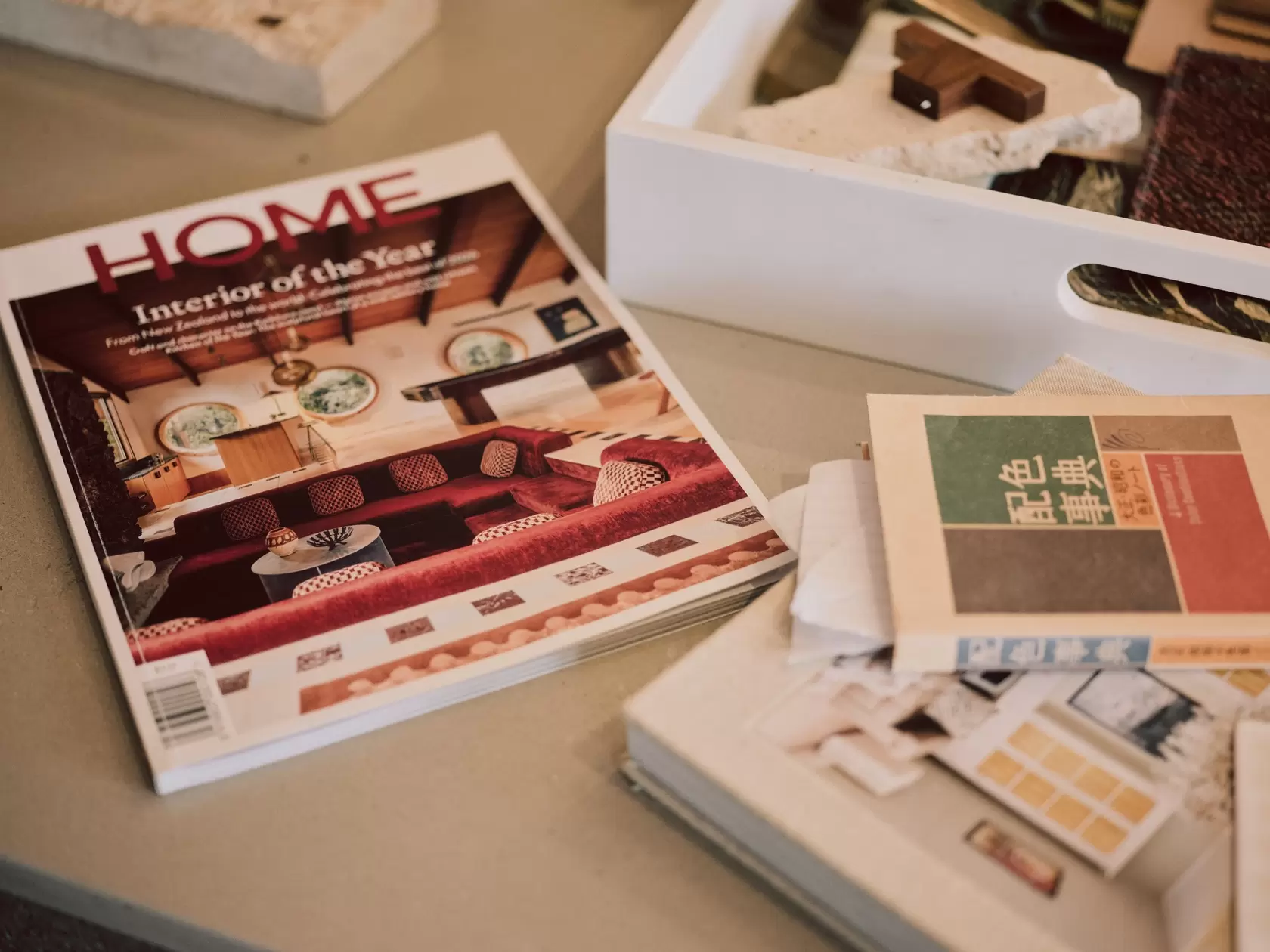
With Sherwood House, a Vancouver, Washington home designed for generosity and gathering, named Interior of the Year at the 2026 Home awards (and catching the eye of Vogue Living) the Auckland studio’s bold approach to colour, texture and materiality is being deservedly celebrated both at home and abroad. For our latest In Studio With we caught up with longtime business partners and friends to chat about early inspirations, the realities of running a creative business, and what chapter comes next.
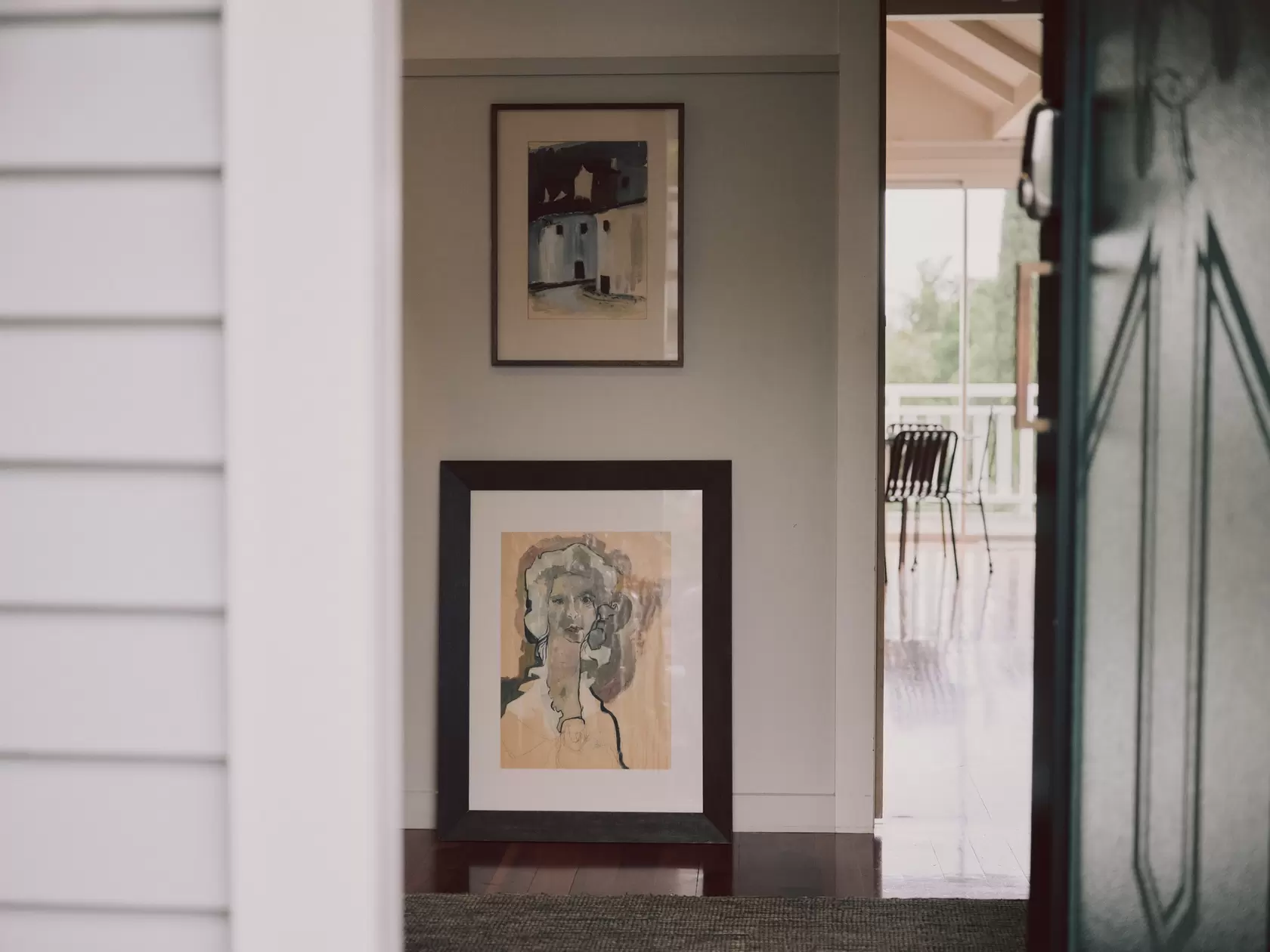
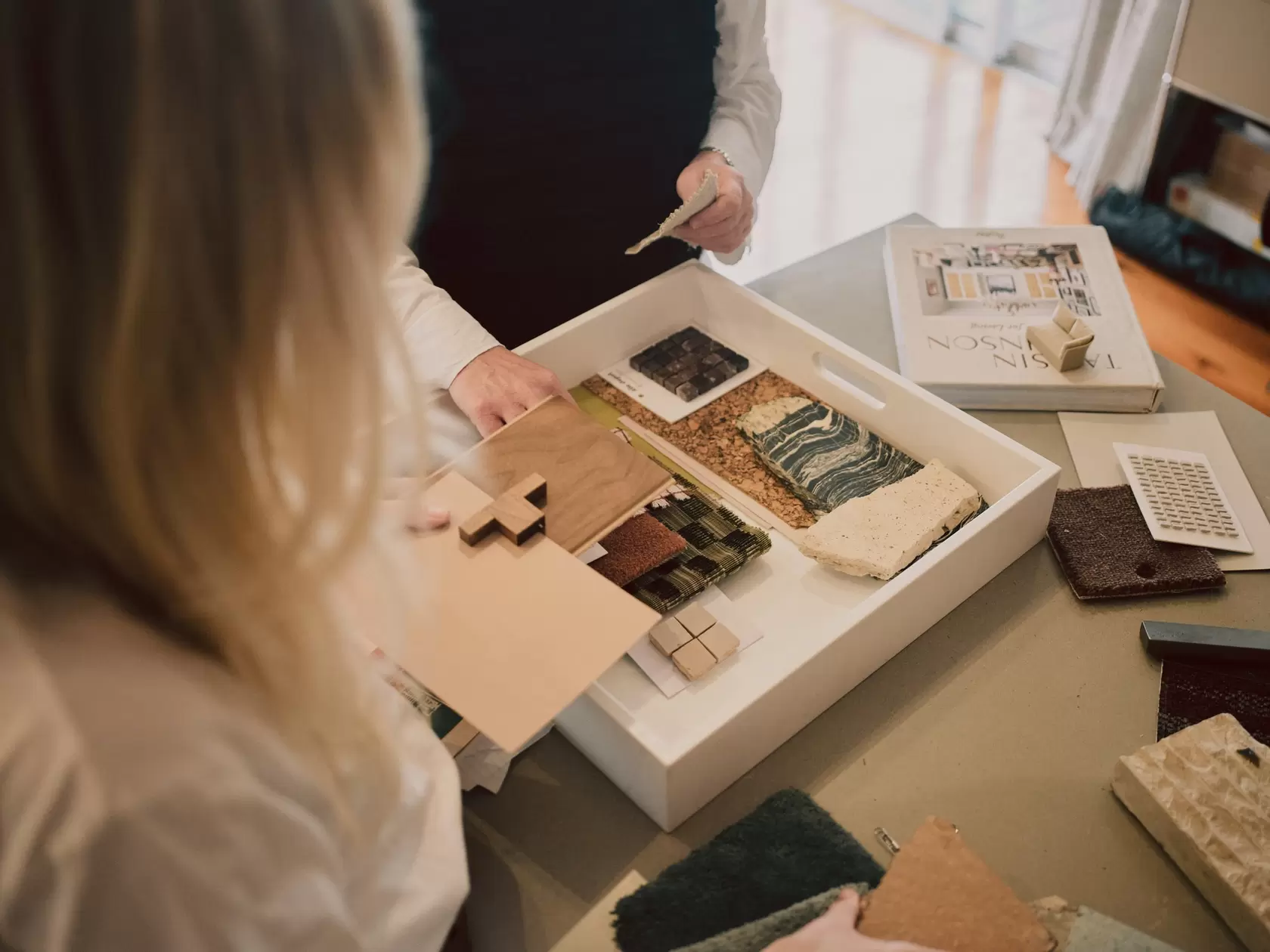
Take us back to before Material Creative existed. What’s your earliest memory of being drawn to design or space?
Liv: Looking back, there were probably early clues we didn’t recognise at the time. We were drawn to making things, changing things and creating environments around us. Through studying and working, that interest became much more focused on interiors and the experience of space.
Toni: I’ve always been drawn to design and architecture. I was drawing my dream bedroom or house from the age of five, and my mum saved some of them (very cute). I loved technical drawing and art at high school and always planned to be an architect. But when I got to architecture school, it felt too restrained for me. The first year was shared with the design school, with papers crossing over, and that piqued my interest. I realised the creative freedom of interior design was far more me.
Liv: Upon reflection of my childhood I grew up in a creative family and have always been quite a spatial person, my way of a reset was rearranging my bedroom and I would have done this 2 or 3 times a year when I was younger. We renovated 5 houses growing up, and at school I was always drawn to the more creative subjects, but it wasn’t until I was finishing high school that I became more conscious about what it was I really loved to do and decided to pursue it as a career.
Was there a person, place or moment that first made you think, “this is what I want to do”?
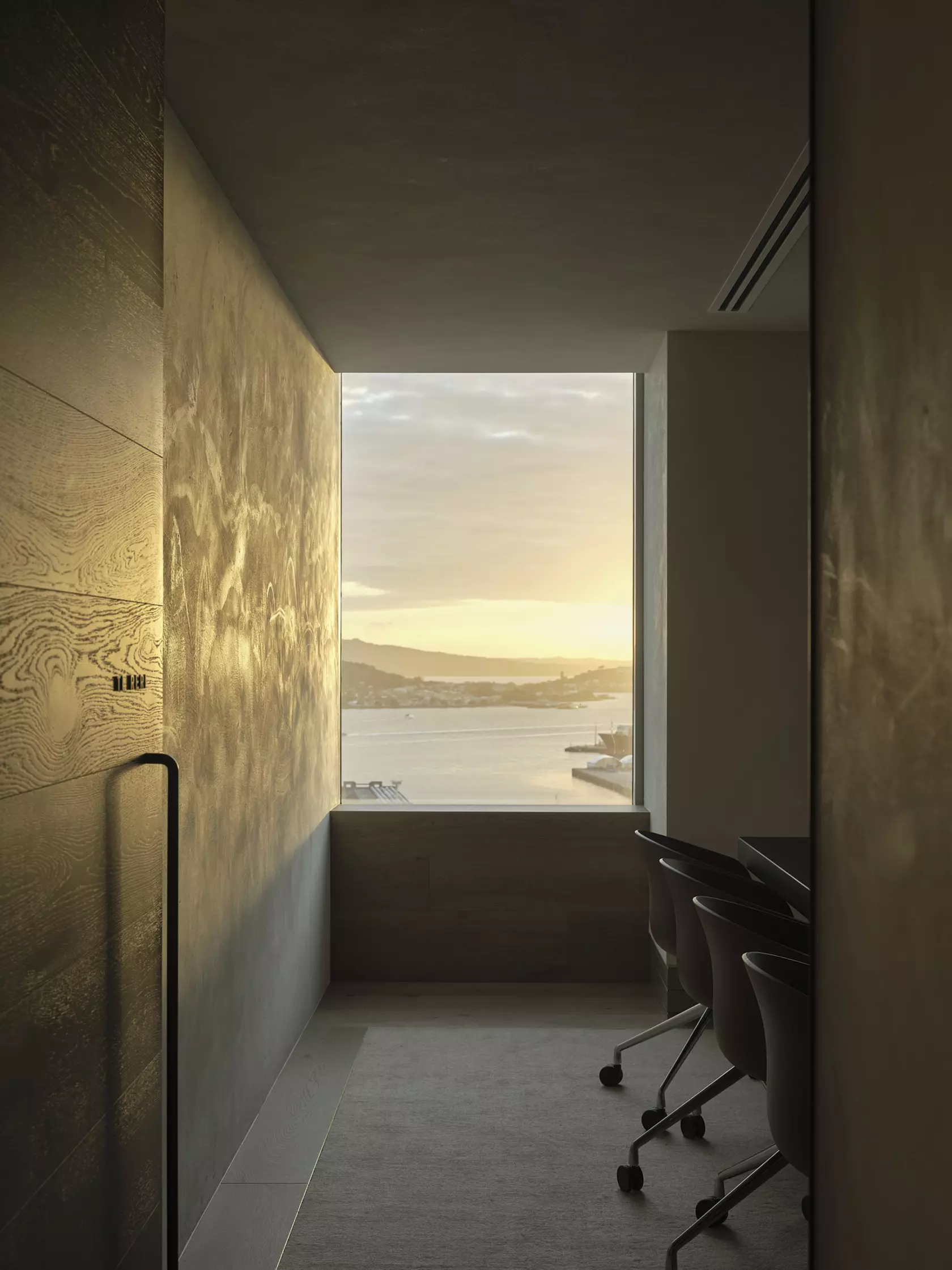
Liv: There were a few moments that opened our eyes to what was possible. One particularly influential experience was seeing the Saatchi & Saatchi offices in Wellington while we were studying (many years ago!). It was such a different approach to a workplace at the time. People had their own pods and were encouraged to personalise them, so the environment had this sense of individuality and playfulness.
Around the same time, we were discovering international interiors through publications like Frame, and suddenly there was this whole world of design that felt much more experimental and expressive than what we were seeing around us.
It made us think, why aren’t we doing more of this in New Zealand? That question has probably stayed with us throughout our careers.
What drew you specifically to interiors, rather than architecture or another design path?
Liv: We’ve always been interested in the relationship between people and space. Interiors felt like the place where you could really shape that experience.
Architecture gives you the broader structure, but interiors are where you can start to layer in atmosphere, material, colour, objects and all the things that make a space feel personal.
We also loved that interior architecture sat across so many disciplines. When we were studying, there was a lot of crossover between architecture, interiors and industrial design, and we were encouraged to experiment and make things. That freedom was really formative.
Is there a space, somewhere you’ve visited and not necessarily designed by you, that changed how you think about interiors?
Toni: We traveled to Rajasthan, India in 2019 for a client’s wedding and the interiors and relationship with colour there really made a huge impression on us. It was their combinations of colours and materials, and their freedom in pattern and texture that has since embedded itself in our work. We stayed at a hotel in Jodhpur called The Raas and it was just stunning.
What was it about those spaces that stayed with you?
Toni: The spaces felt so thoughtful and detailed as well as holistic and joyful. We felt they were designed with a true sense of place with patinas of a life lived in - telling their stories of history, their personalities. So much of India is a feeling, that’s what stayed with us the most - how we felt when we were there.
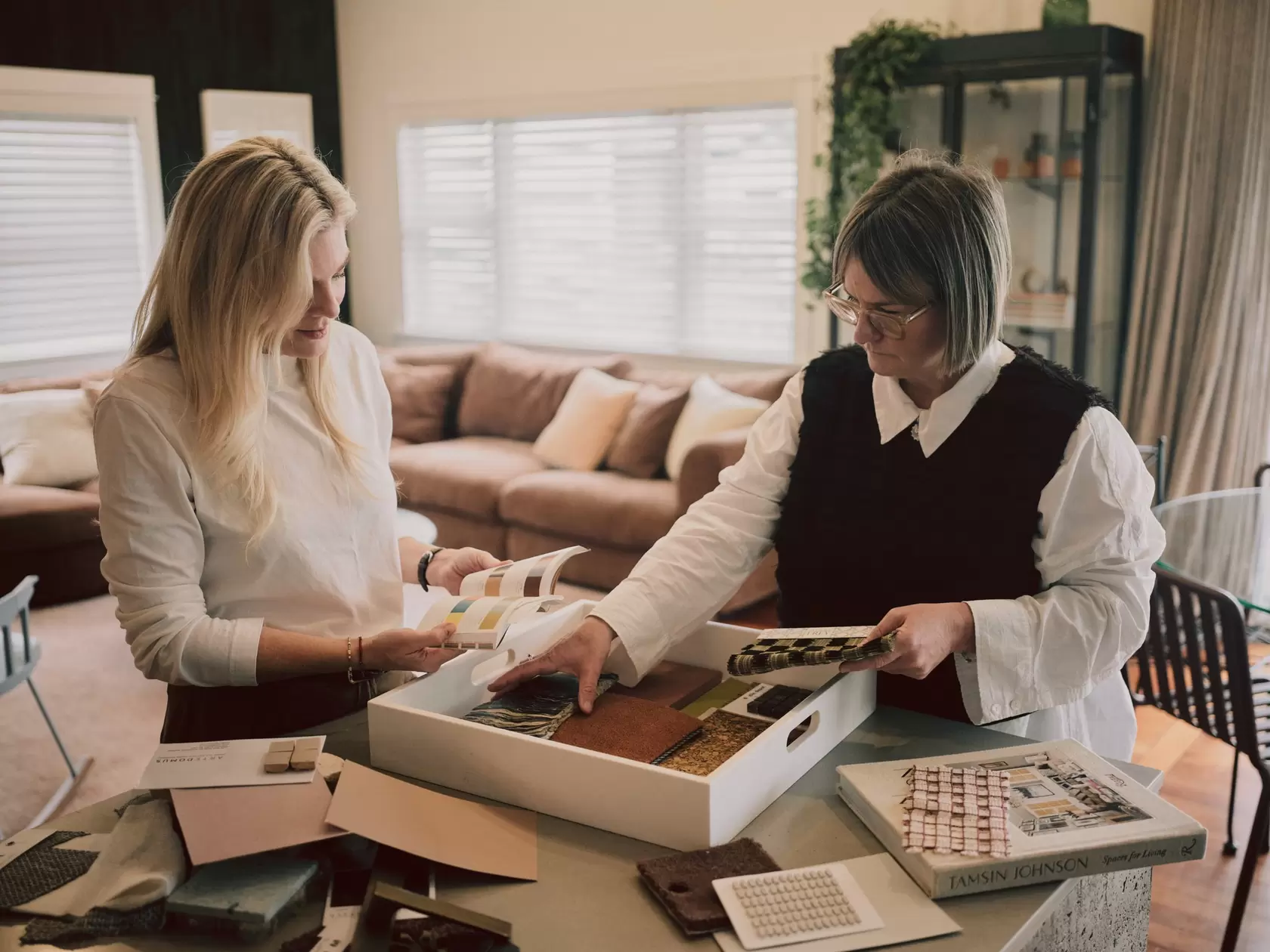
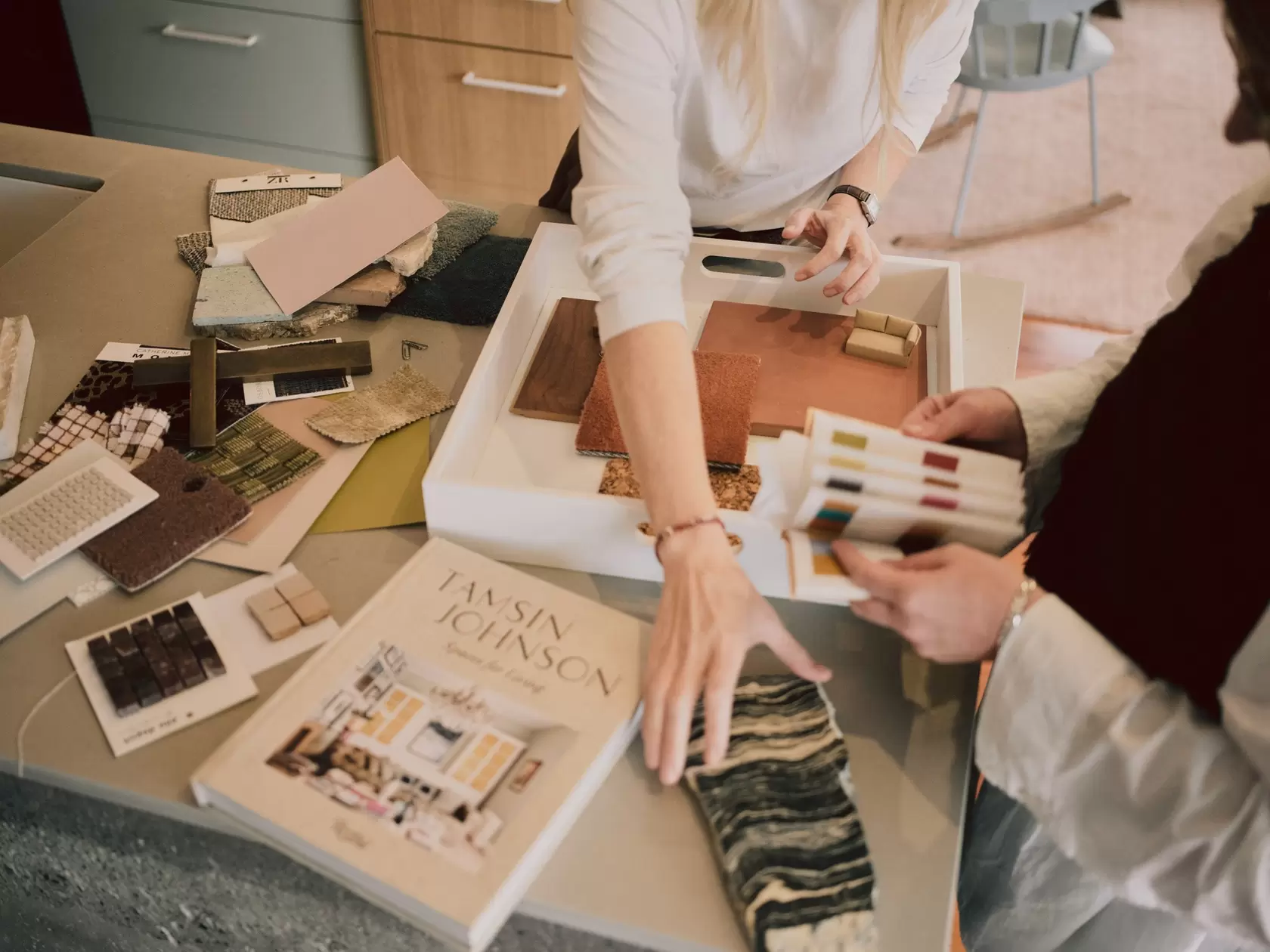
Bringing it back to Material Creative: what did you set out to build when you started, and how much of that original vision still holds?
Toni: We started with a love of creativity. In the innocence of youth, we dreamed of creating spaces that shook up what we’d seen in commercial interiors in New Zealand.
We wanted a studio that wasn’t confined to one way of working, with room for the crossover between interiors, architecture, graphic design, branding, hospitality, objects and art. Even the name came from that idea. Material could be paper, fabric, building materials or objects, and it spans many forms of creativity and design.
That original curiosity is still very much alive. We’ve evolved a lot, but we’ve never wanted to be defined by one look or formula, and we’re still exploring and pushing ideas.
This isn’t always an easy business, and over 18 years you’ve no doubt seen the good times and the lean ones. What has resilience meant for you, not as an idea, but as something you’ve had to practise day in, day out?
Liv: That resilience isn’t necessarily about feeling confident that everything is going to work out. Sometimes it’s just about making the next decision and putting one foot in front of the other.
You can’t control everything that happens around you, particularly in a business, but you can control how you respond to it. And ultimately, it has made us more confident in what we’re capable of!
Let’s talk about how you work. How do you actually approach a project: instinct, references, the client, the site? What comes first?
Liv: It’s a combination, but the client and the space are always fundamental.
We don’t want to arrive with a predetermined Material Creative look and impose that on a project. We’re interested in understanding the people, the architecture, the site and what the space needs to become.
Then the ideas start to build from there. We’re constantly asking how we can do something a little differently, or push an idea a little further.
References and inspiration are obviously part of the process, but we’re not interested in simply replicating something we’ve seen. It’s about taking those influences and translating them into something that feels specific to the project.
Is there a material or approach you keep returning to, and what does it say about how you work?
Toni: We’re more interested in materiality as a whole than in any one material that defines us.
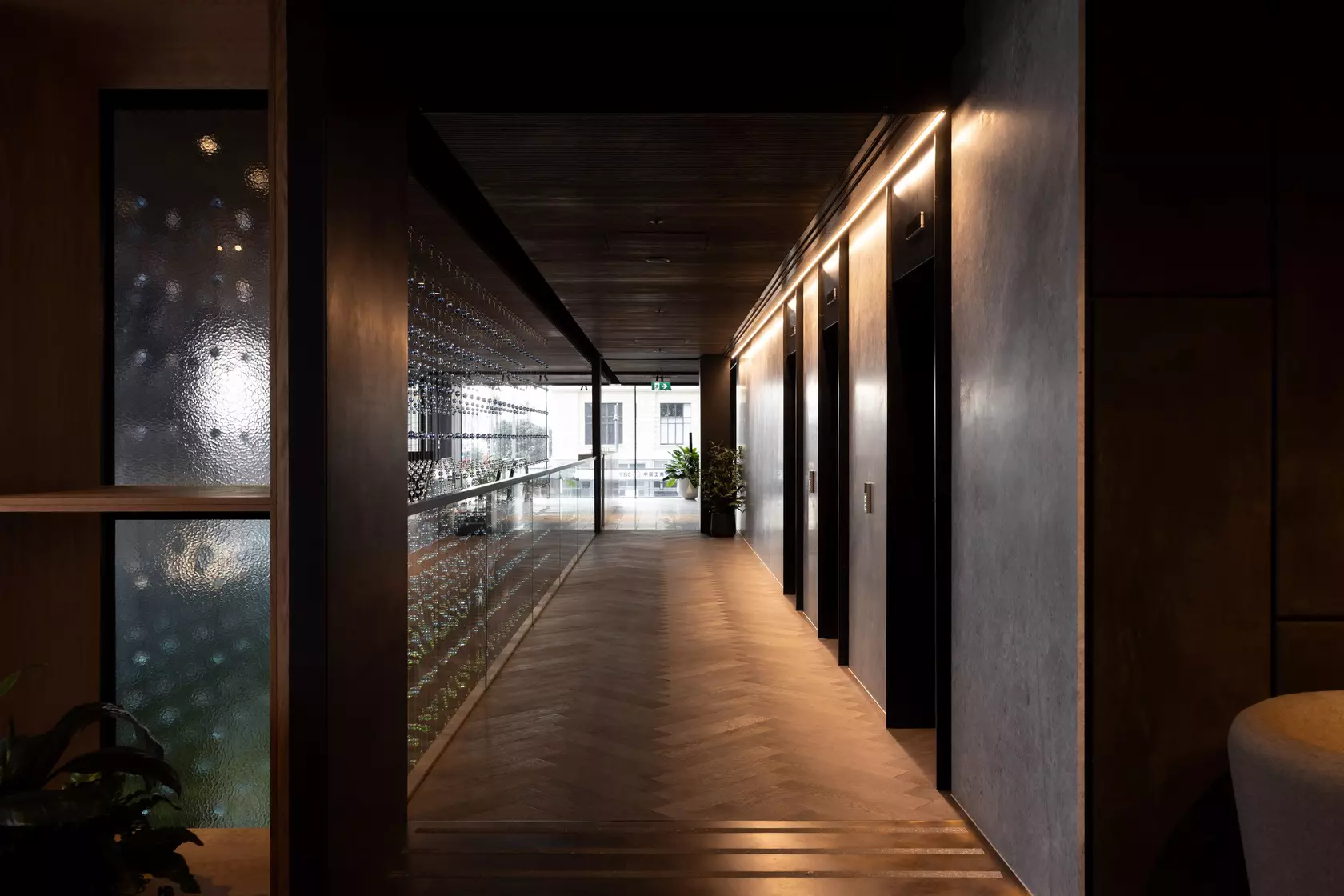
We love texture, colour, natural materials and interesting surfaces, and combinations that create a sense of depth. We’re also drawn to using materials in ways people don’t expect. It reflects how we work more broadly: we’re always looking at how materials can be combined to bring more character and personality to a space, rather than defaulting to the most obvious or conventional choice.
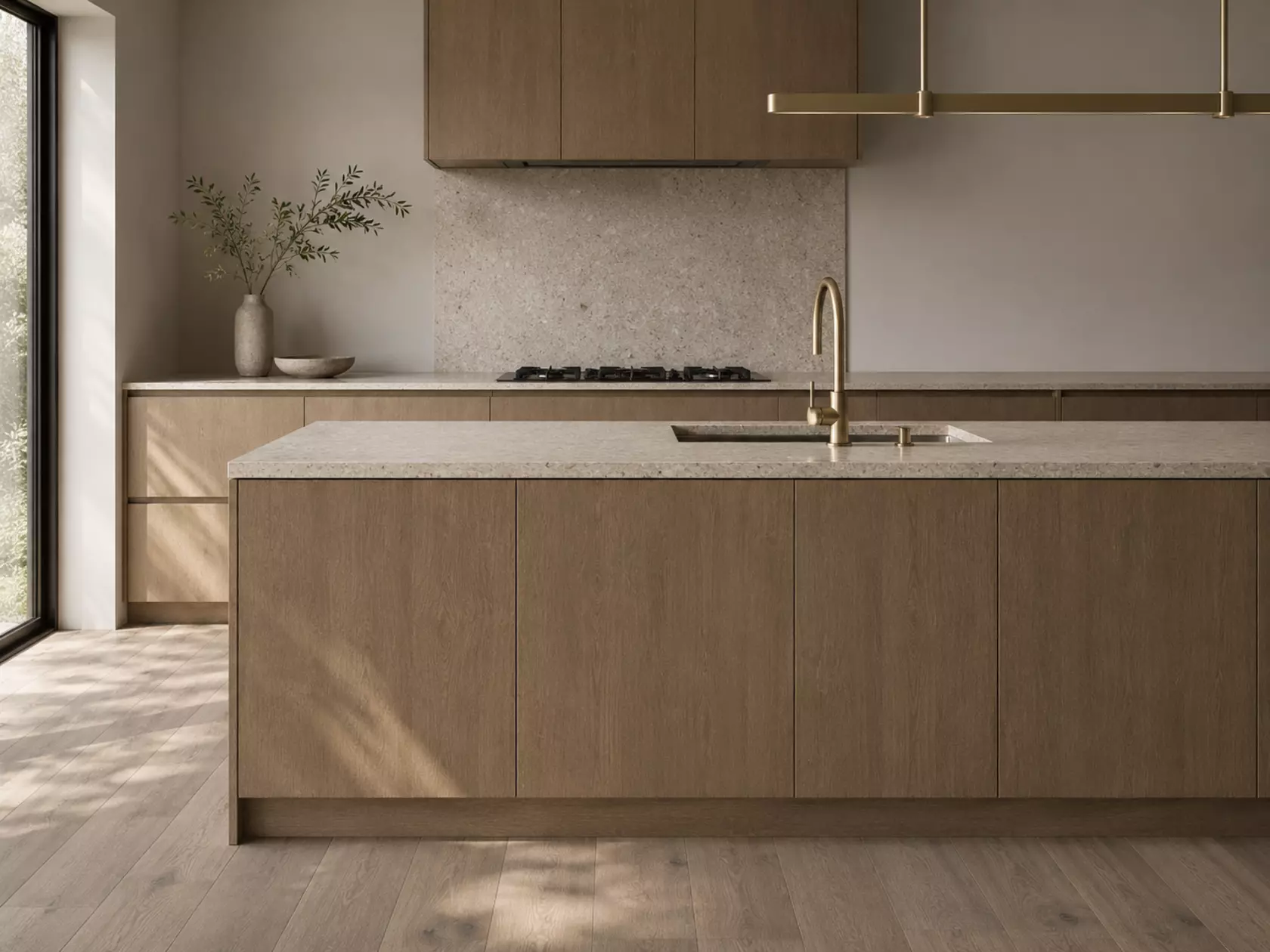
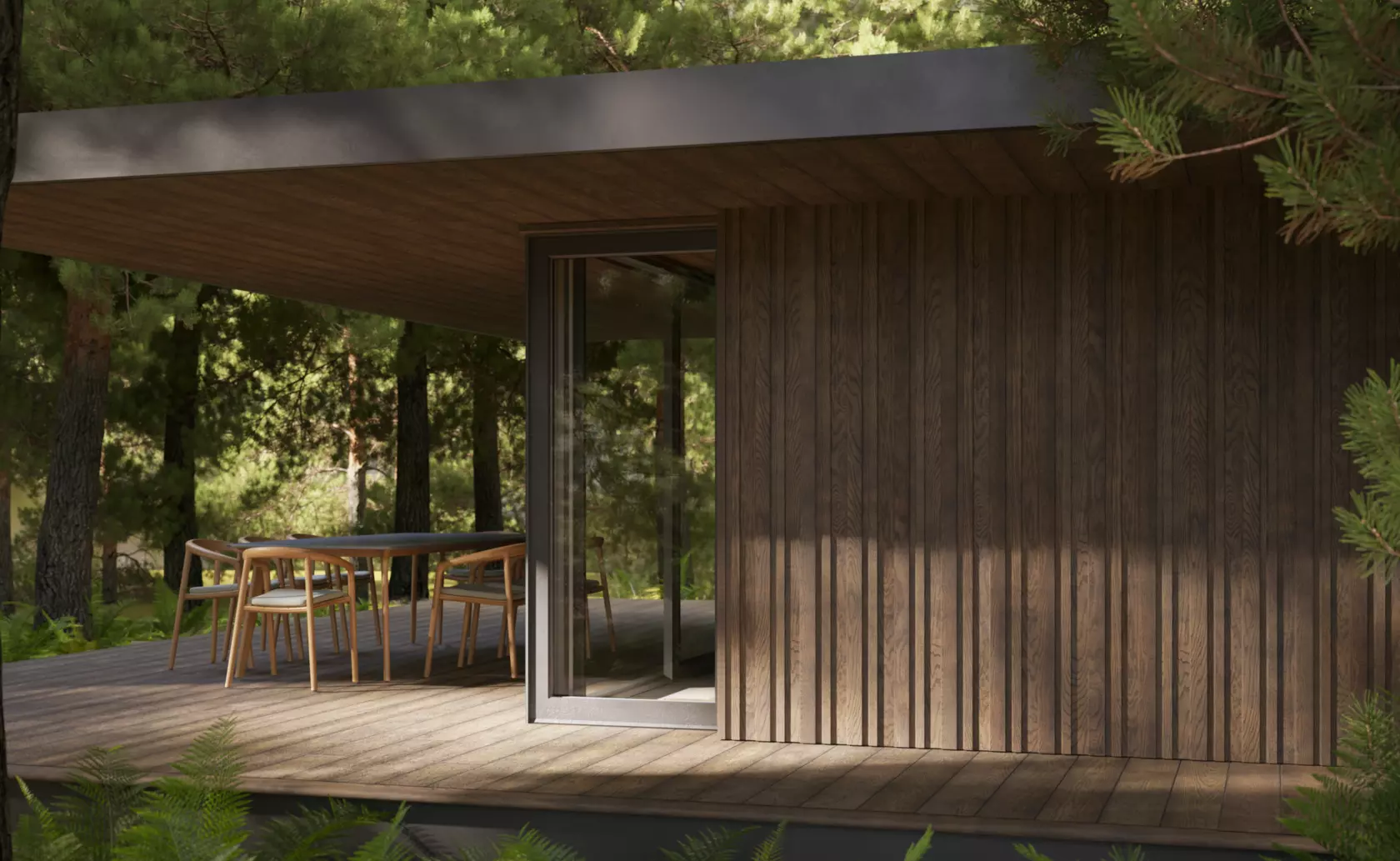
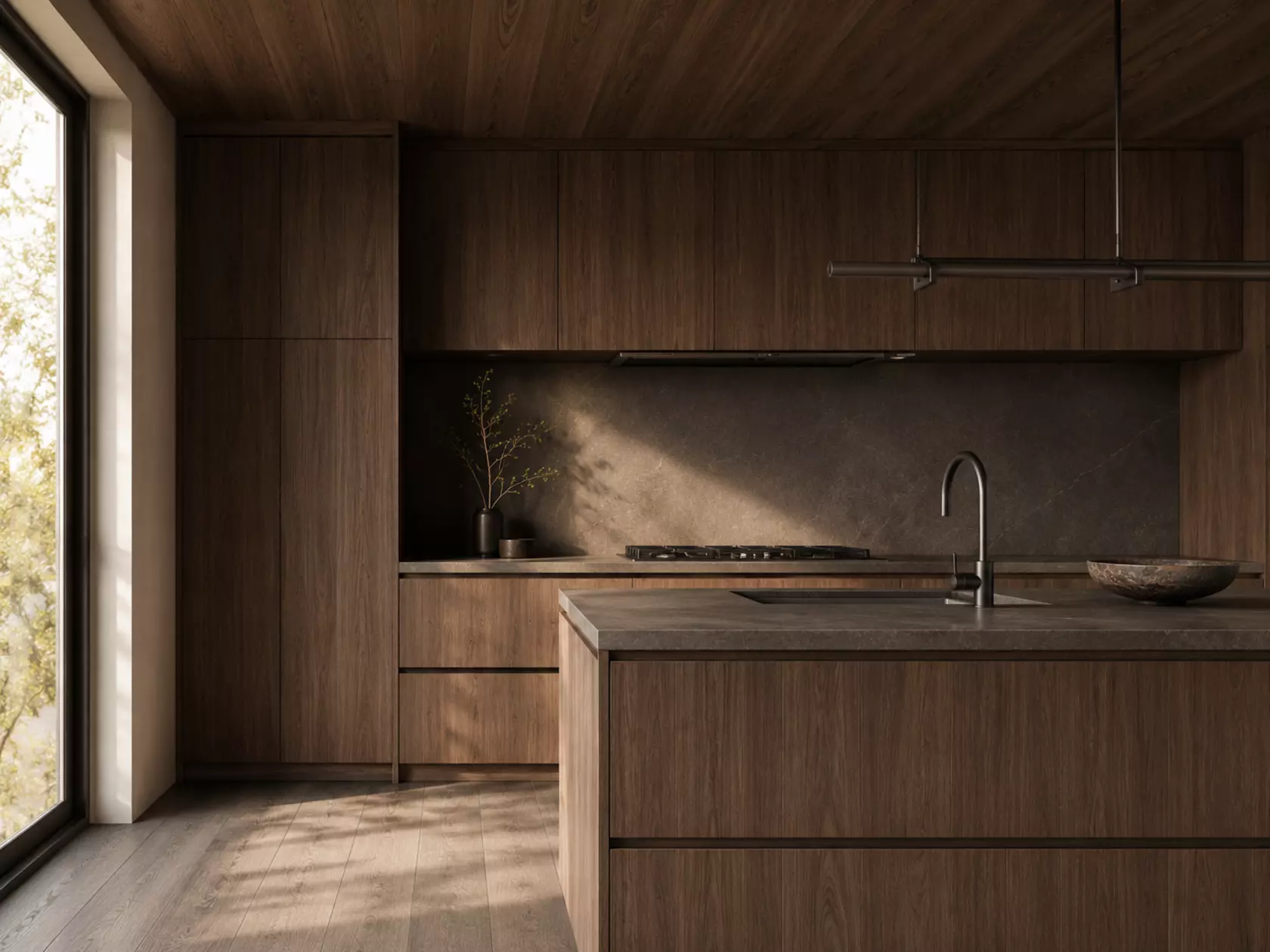
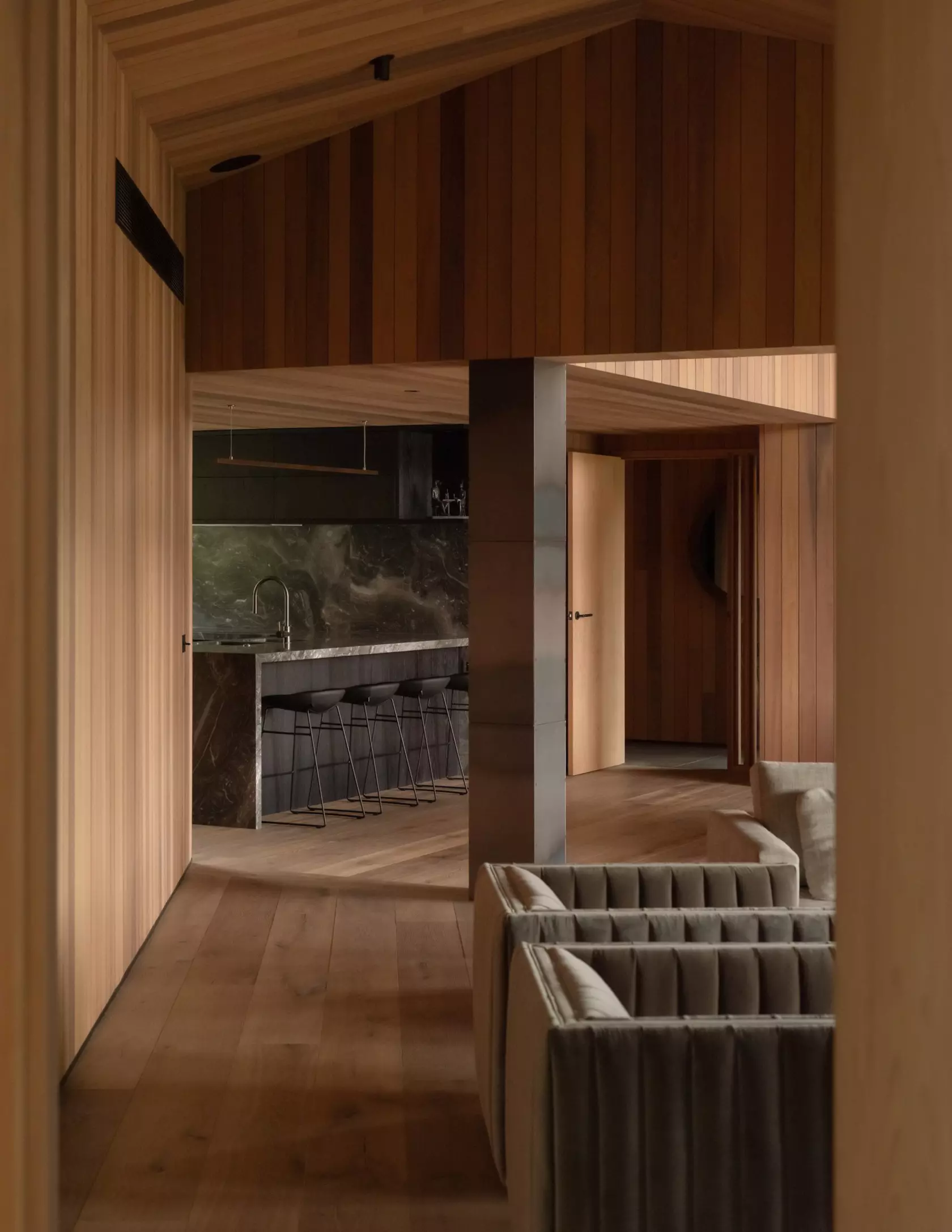
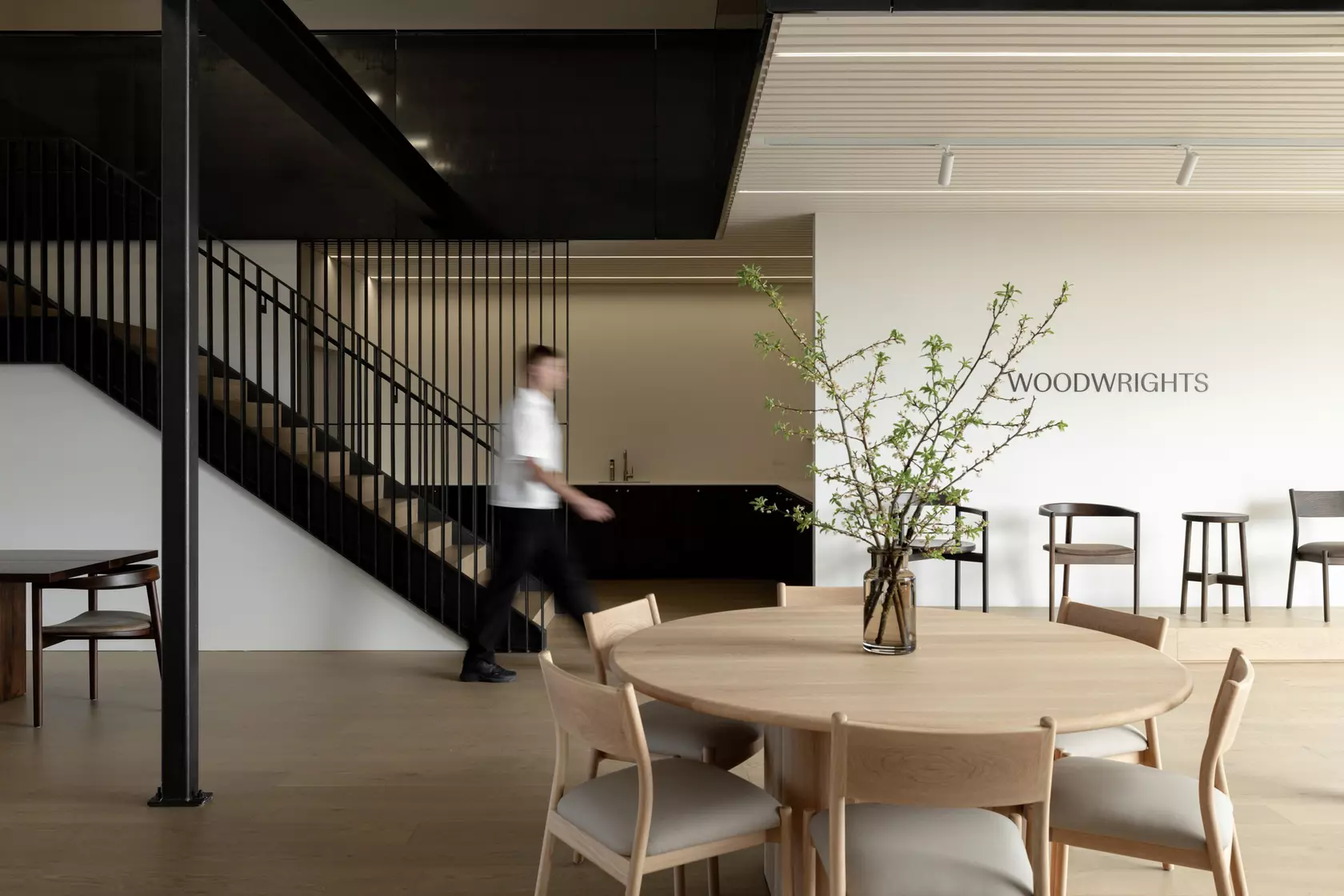
If we had to pick one, though, it would be timber. In all its forms, it finds its way into every project. On a current project we’re folding it into every surface: floors, walls, ceiling, window joinery and cabinetry, layering cedar, blackbutt and [Forte] Van Gogh. It’s going to be stunning.
Is there a common thread or signature that would give away a Material Creative interior, even to someone who doesn’t know your work?
Toni: We don’t think it’s one particular aesthetic, but there are definitely common threads: colour, texture, strong materiality, unexpected combinations and a willingness to push an idea further.
People often associate us with colour, but it’s not really about colour alone. It’s about being adventurous with materials and how things are put together. Decorative freedom.
The test for us is whether a space feels like it could only have been that way. Each project should be unique to the client and the place, while still carrying the curiosity and confidence that runs through all our work.
Let’s turn to Sherwood House. How did it come about, and what made it feel different from other projects?
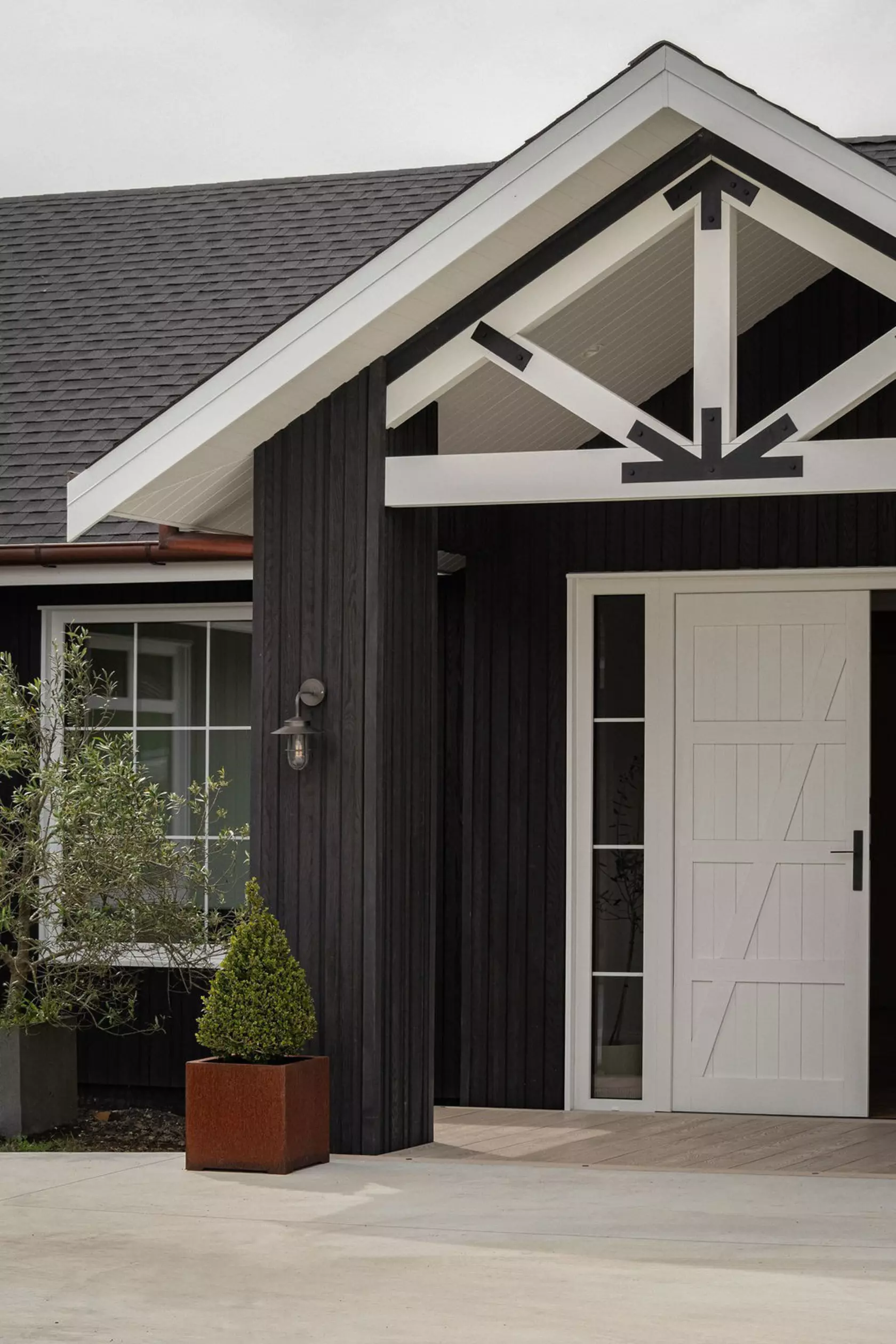
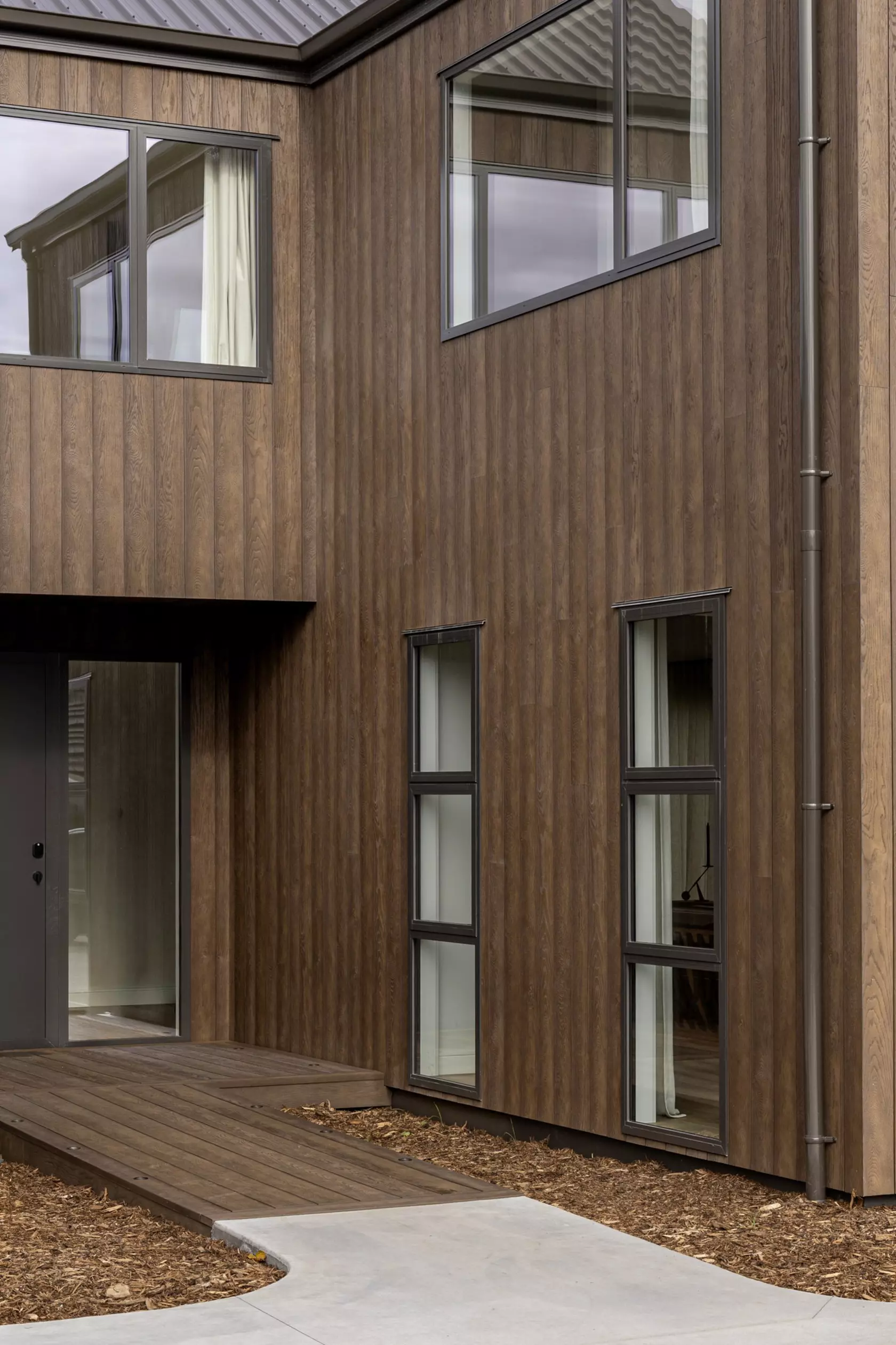
Toni: Sherwood House began when friends of friends, Natalie and Scot Mortimer spotted our work in a collaboration with Homestyle, the kitchen of the future, loved our style, and asked us to transform an untouched mid-century home in Vancouver, Washington into a boutique-hotel-inspired family home.
What made it different was the brief, it was designed around generosity and hospitality, which shaped how the house was planned. There are a few hearts of the home: the kitchen and dining, a music room and sunken lounge, and a bar and pool room, all made for gathering.
The project tested how hospitality and hotel design can inform the way we design a home, and how two very different approaches can come together in harmony. The result is a house that feels intimate and cosy for just the family, and can expand to a real grandness when extended family and friends pile in for regular parties and gatherings.
It was also a project that travelled. An Auckland studio designing a mid-century home on the other side of the Pacific isn’t something we get to do every day. Being named Interior of the Year in 2026 made it even more special for us
What did winning Interior of the Year mean, given the years that came before it?
Toni: It means a huge amount to us, and it feels like a milestone, probably because of everything that came before it. We’ve been recognised in the past for our commercial work, which is where we started. And to have our residential work recognised too, with the Supreme Award and Interior of the Year, was incredibly validating. Not because awards are the reason we do the work, but because it felt like recognition of the creativity, persistence and belief that has gone into this next chapter of Material Creative.
Then to be recognised internationally through Vogue Living as well made it feel like an extraordinary moment for a New Zealand studio.
Beyond the design decisions, is there a value or principle you try to bring to every project?
Toni: We want to enjoy what we’re doing, but we also want the spaces to bring something positive to the people who use them.
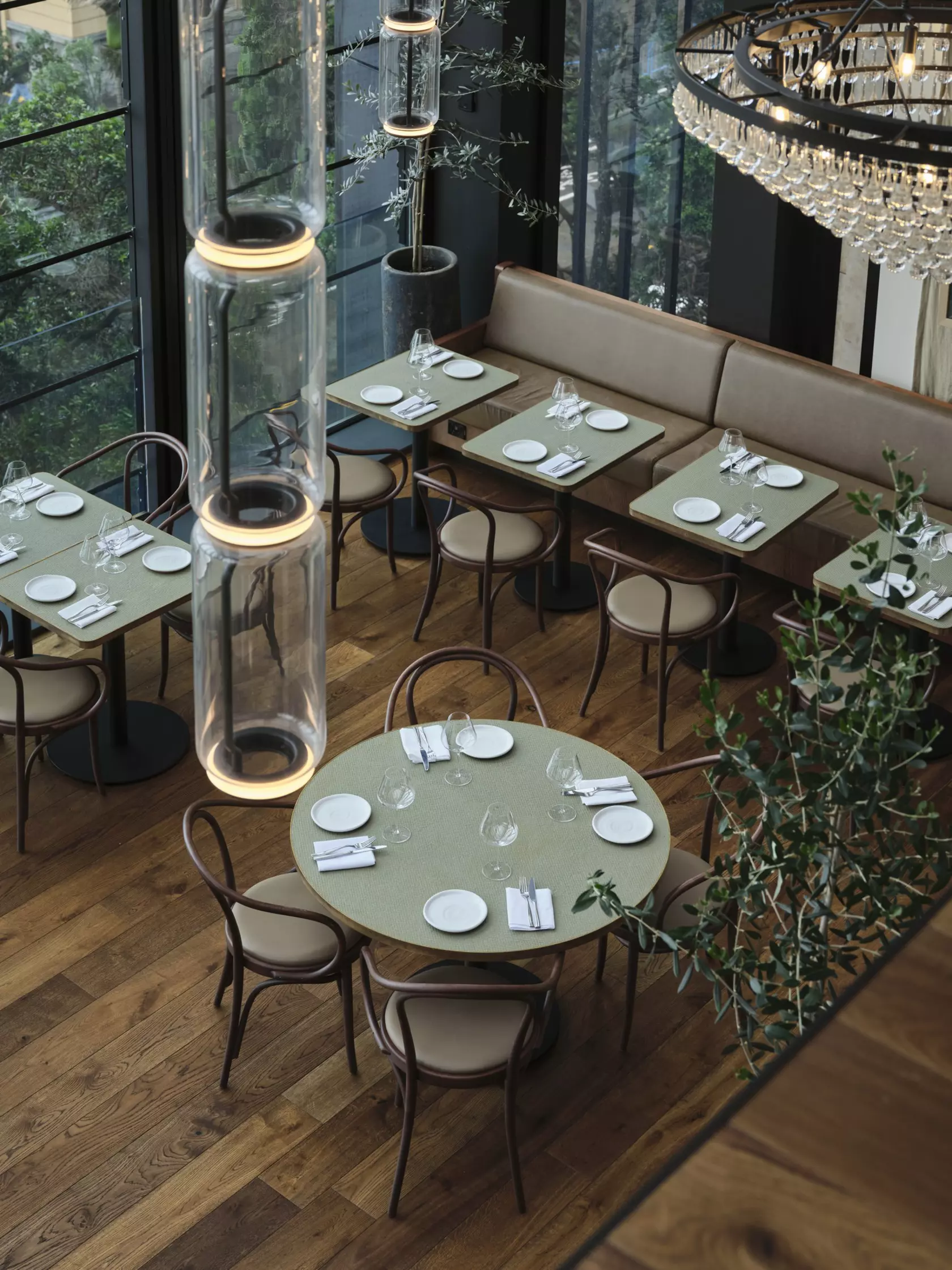
We want to create environments that feel generous, personal and considered. Whether it’s a workplace, a restaurant or, particularly, a home, we’re designing around people’s actual lives, so the space needs to support them rather than simply look beautiful.
The other thing is curiosity. We don’t want to stop at the obvious answer. There’s nearly always another question to ask: could we do this differently? Could we push it a little further?
What do you hope people feel, not see, when they’re in a space you’ve made?
We hope they feel something.
It might be joy, curiosity, comfort, excitement or a sense of belonging. It might even be a little disbelief. We want people to experience a space rather than simply look at it, and we’d rather a space get people talking than go unnoticed. We’re interested in that emotional response, because that’s where design becomes more than decoration.
That said, how far an idea gets pushed is always a conversation with our client. Every home and every business has its own tolerance for boldness, and we respect that.
What chapter of Material Creative’s story do you think is still to come?
We don’t completely know yet, and that’s the exciting part. We’re enjoying the freedom of this current chapter, working on high-end residential, hospitality and commercial projects, and we’re curious where those worlds might take us. Product is the natural next step. We already design bespoke furniture and objects for our projects, and we’d like to explore that further. We don’t feel the need to define what’s next too quickly. We’d rather let it come naturally from the work.