




Case Study
Pacific Lakes Village
Bay of Plenty
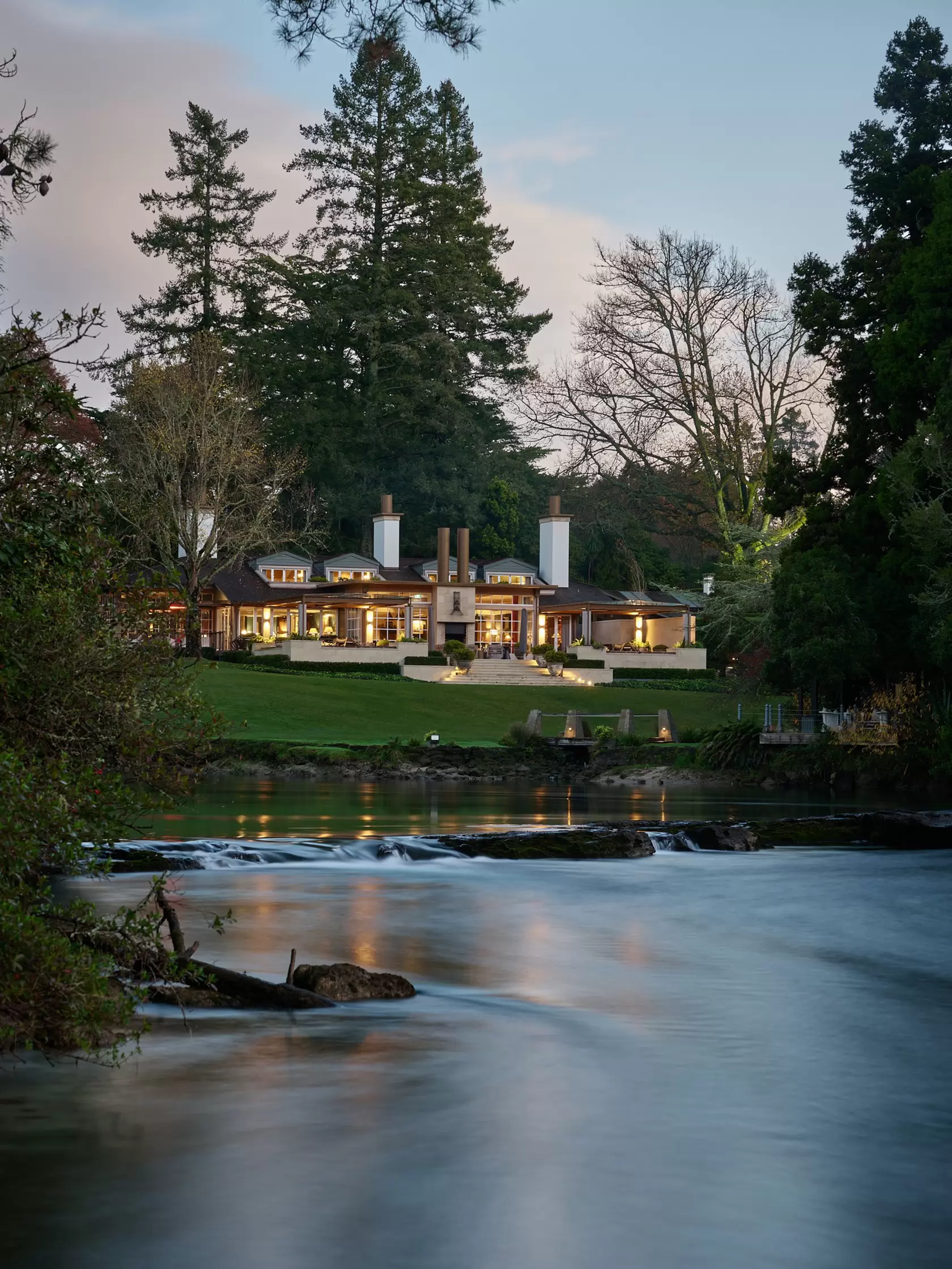
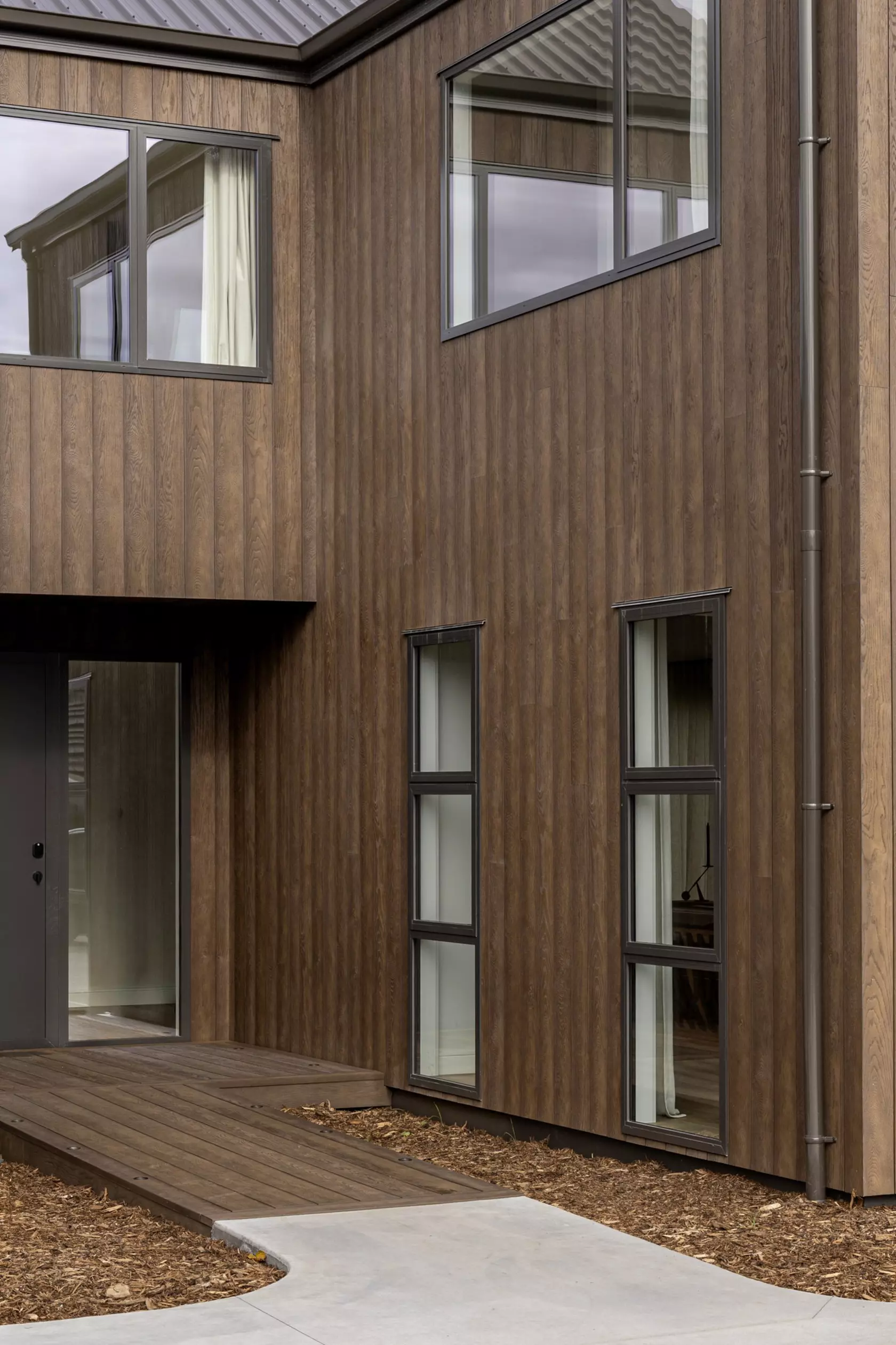
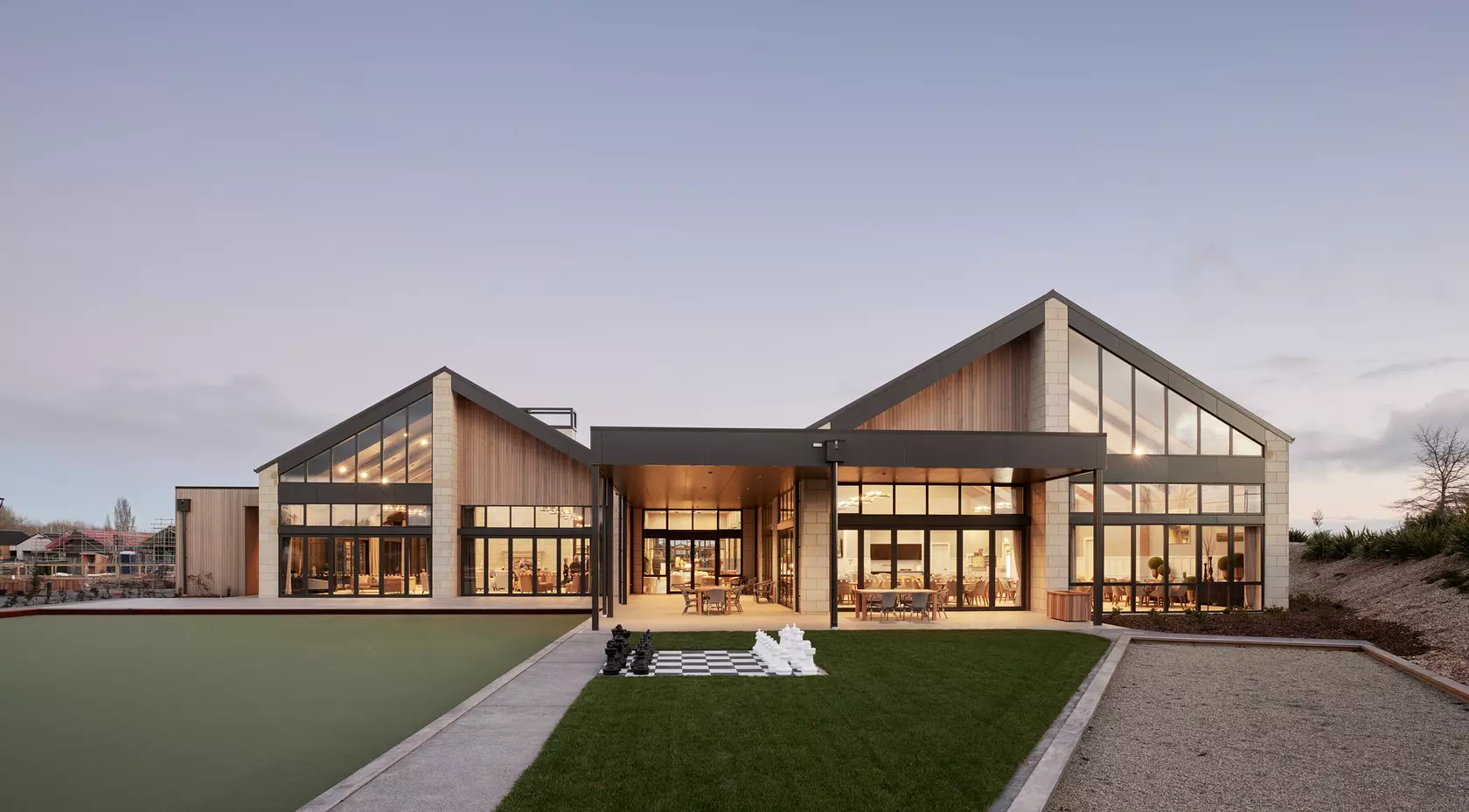
Pacific Lakes wasn't designed to look like a retirement village. That was the point.
Space Studio worked alongside Peddlethorp to create an interior for this Waikato later living community that could stand alongside any hospitality project in the country. Warm, detailed, and genuinely considered – a space residents can bring their families to, and feel proud of.
Breaking the Grid
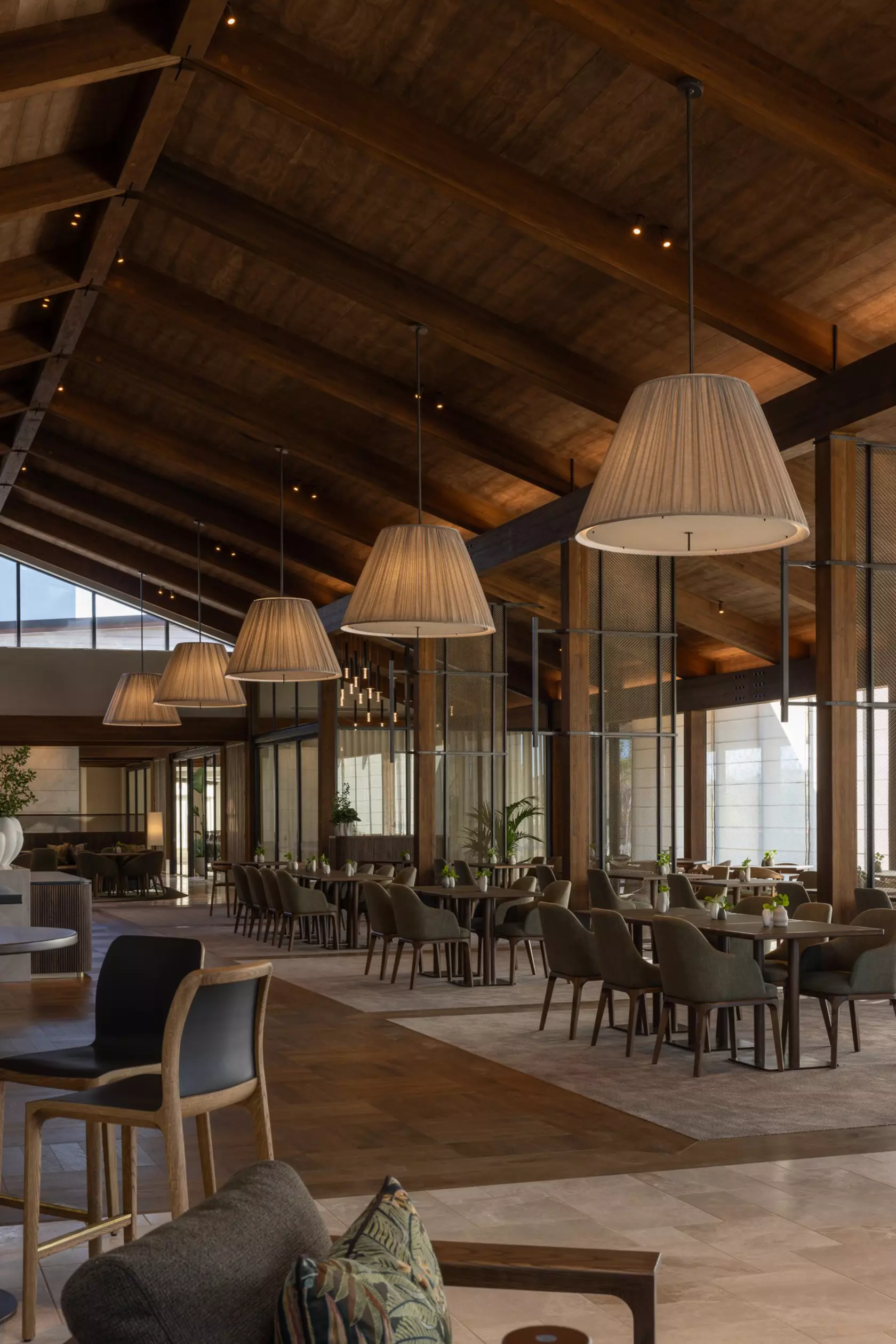
Space Studio made an early decision to work against the architecture rather than with it. "We actually tried to break the grid," says Sapce Studio’s David Sweatman.
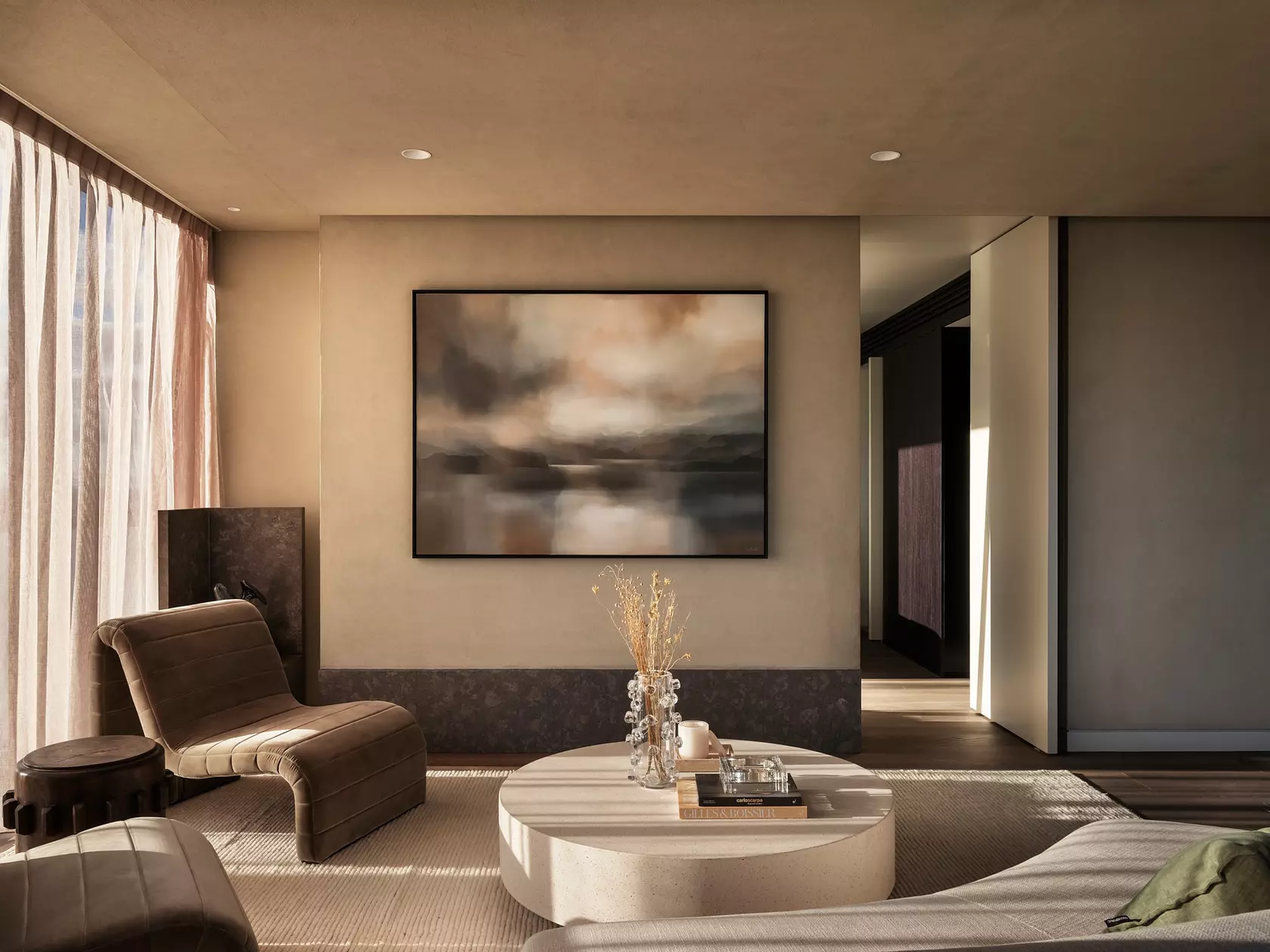
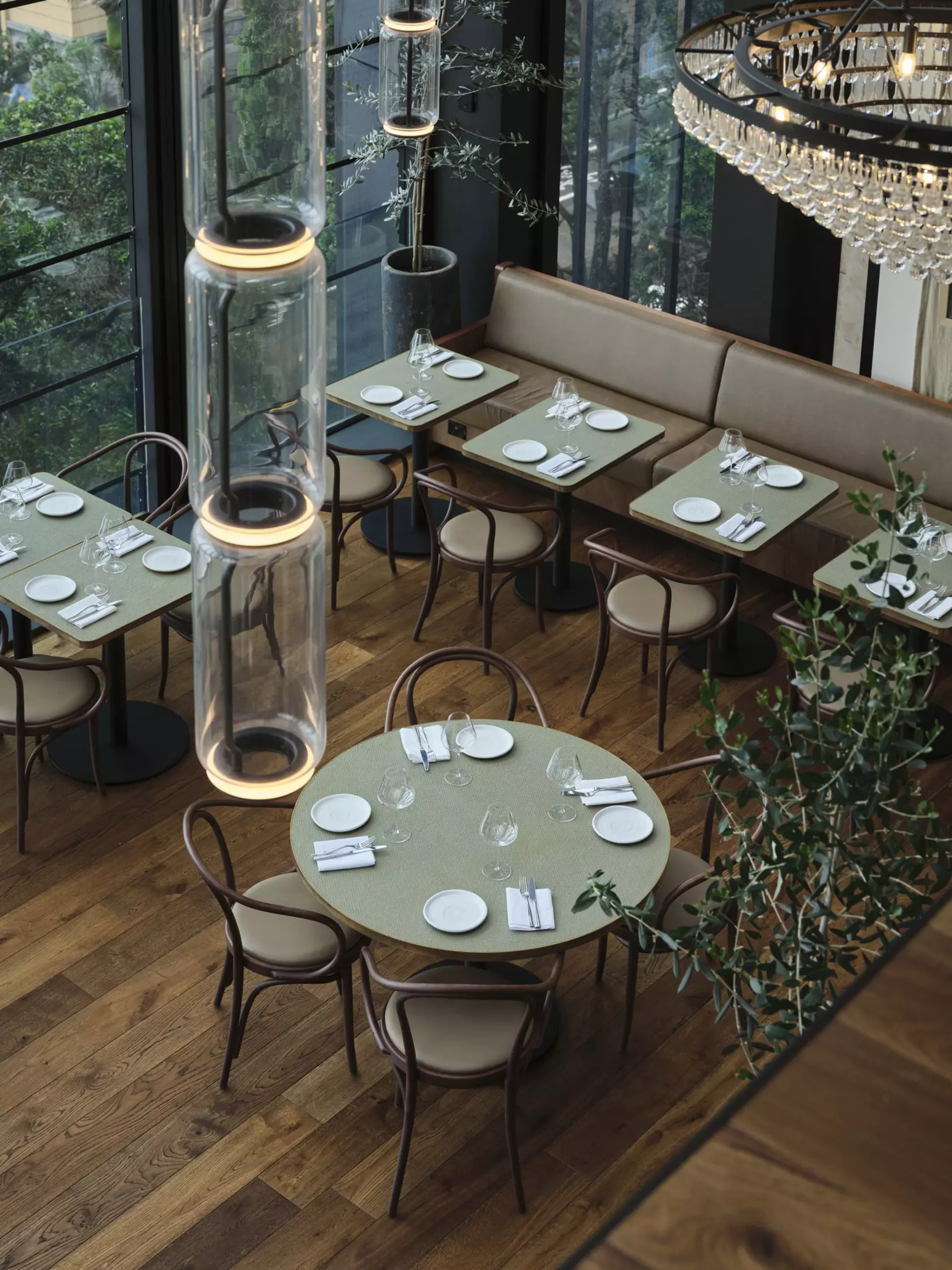
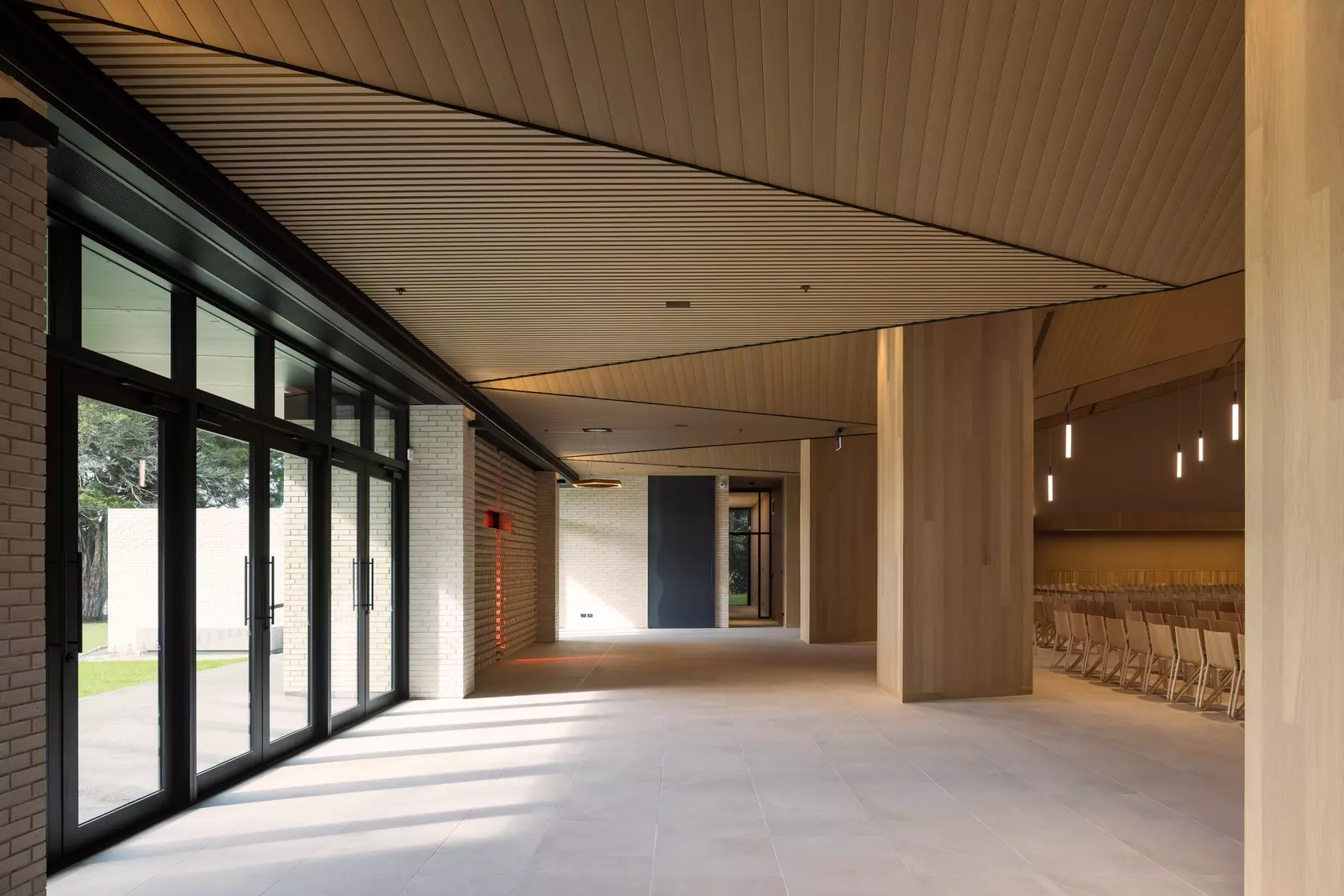
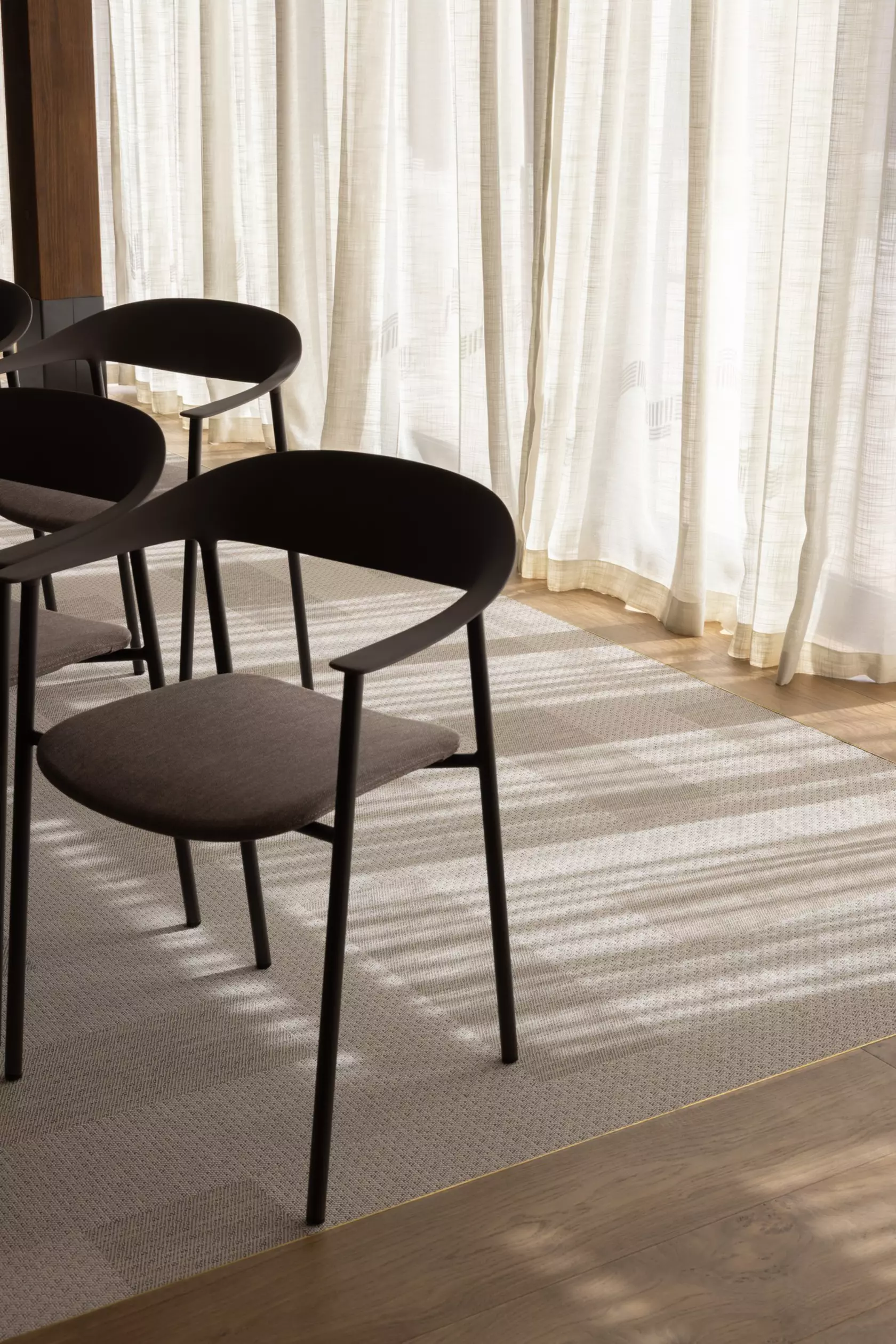
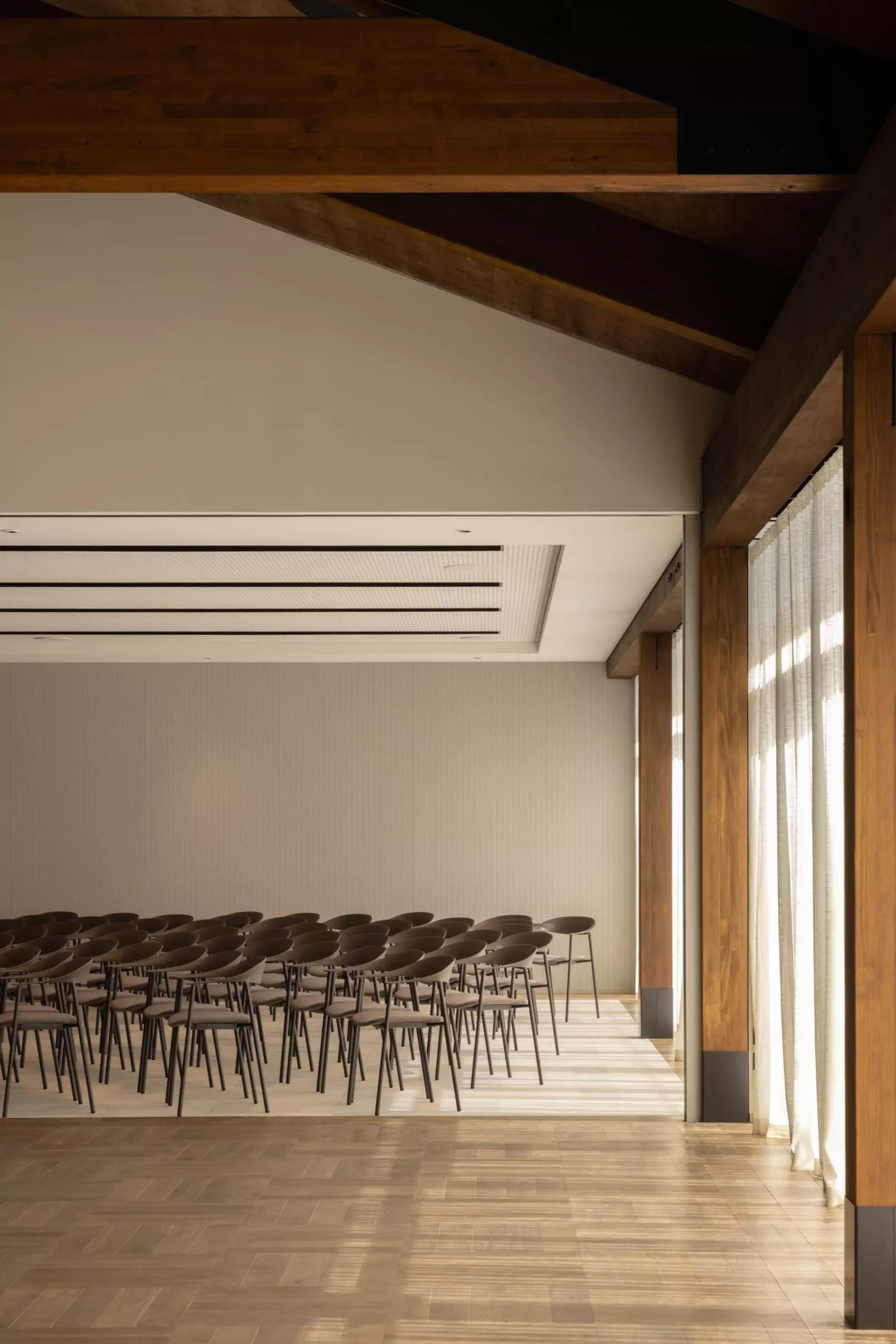
Oval rugs respond to how people actually move through space. A perpendicular timber ceiling detail at the entry does something more deliberate: "the space asks you to pause rather than push through." Within the larger volumes, scale is turned on itself. "Enormous lights and screens carve out intimate zones without fighting the architecture. The overall space reads as generous, but within it there are corners and clusters that feel human."
The Mid-Century Reference
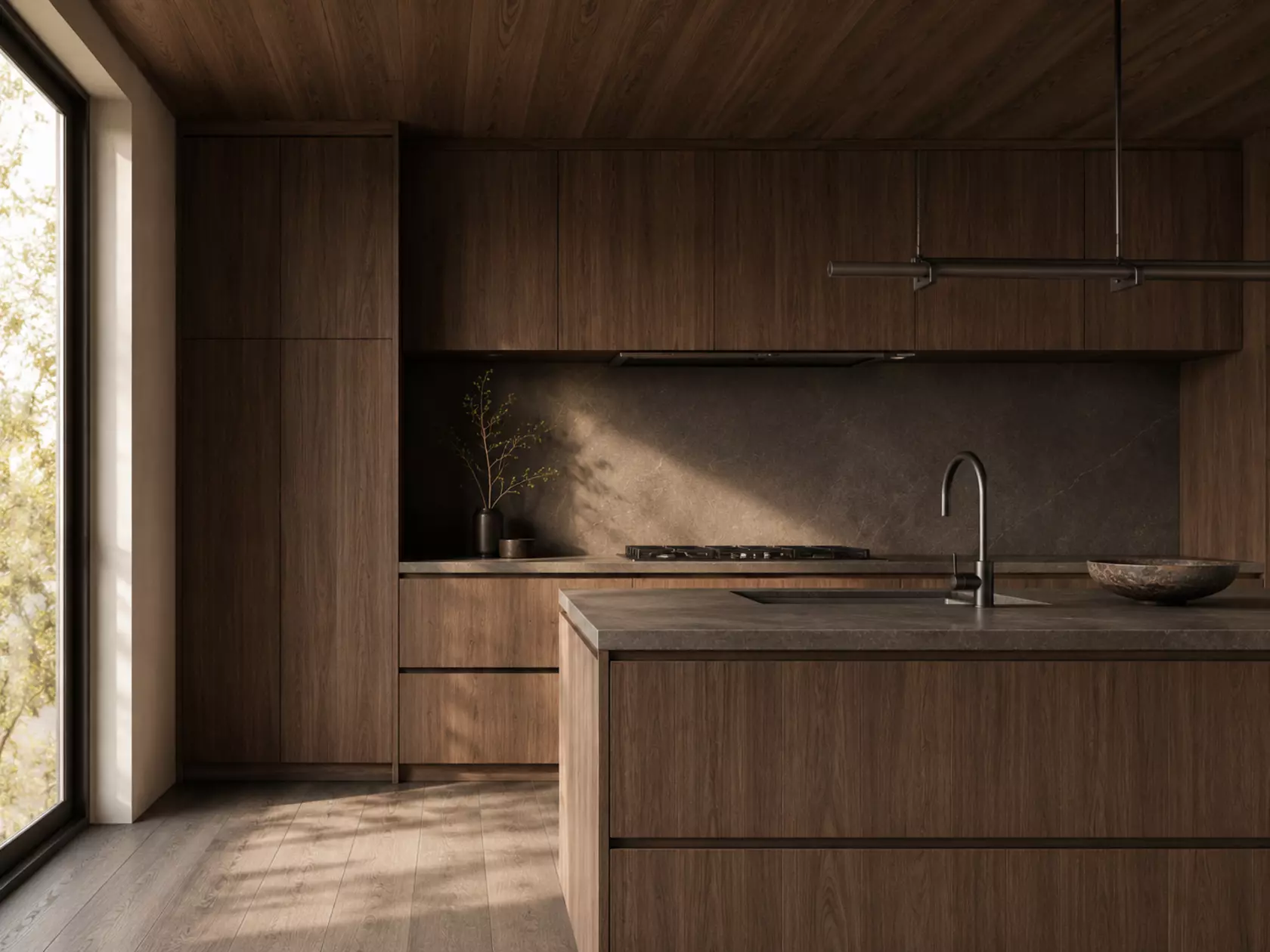
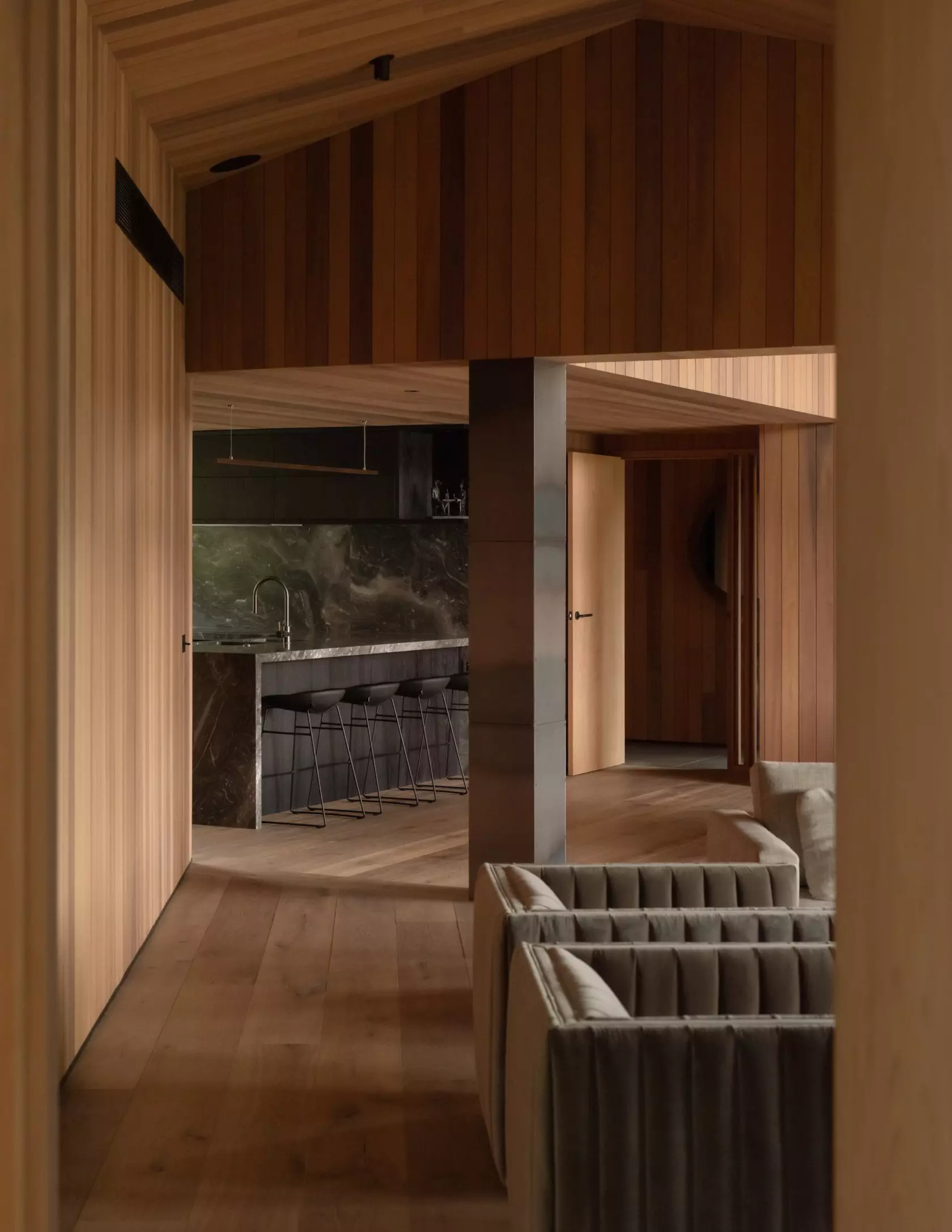
The interiors draw on the emotional register of New Zealand's mid-century Crown Lynn era – familiar to many residents, but never reproduced. "We drew on the sensibility of that era rather than its literal forms," says Sweatman. "The warm timbers, honest materiality, the emotional register that residents recognise instinctively."
Detailing and proportion are entirely contemporary. Furniture silhouettes carry an echo without becoming period pieces. "People should feel at home without feeling like they've stepped back in time."
The flooring specification was one of the project's defining decisions – and one of its most deliberate.
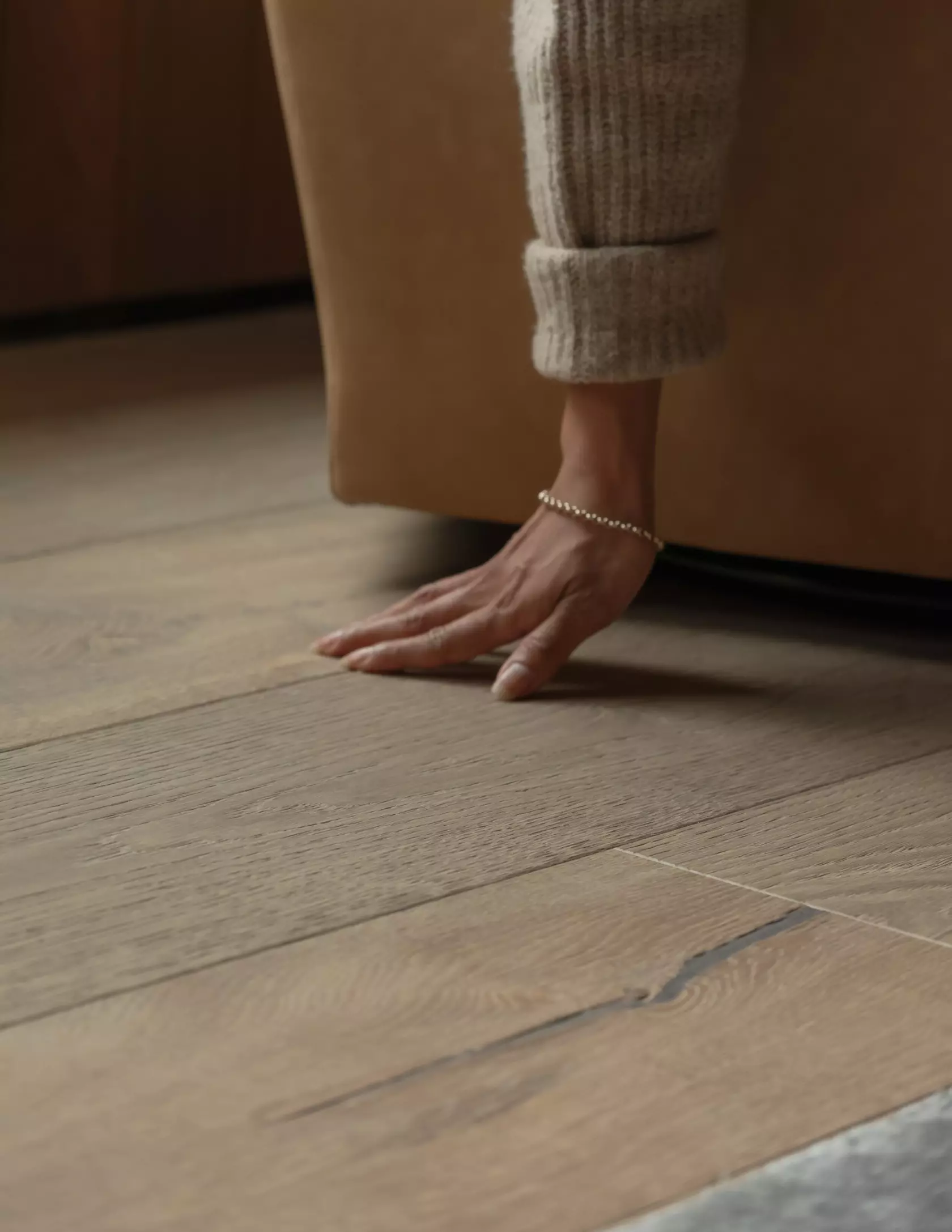
"The flooring was one of our key devices," says Sweatman. "We used the timber to frame all the various transitions."
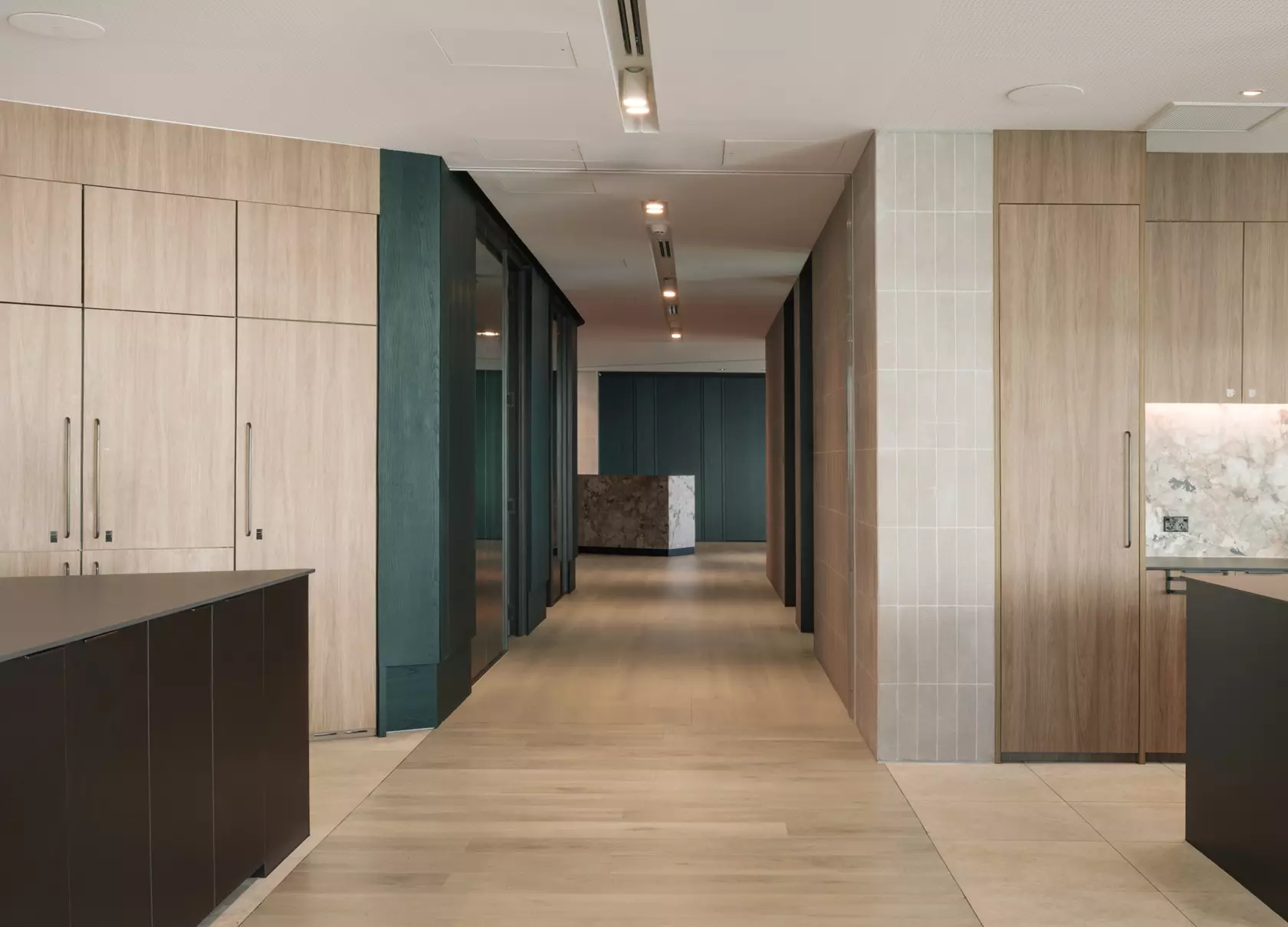
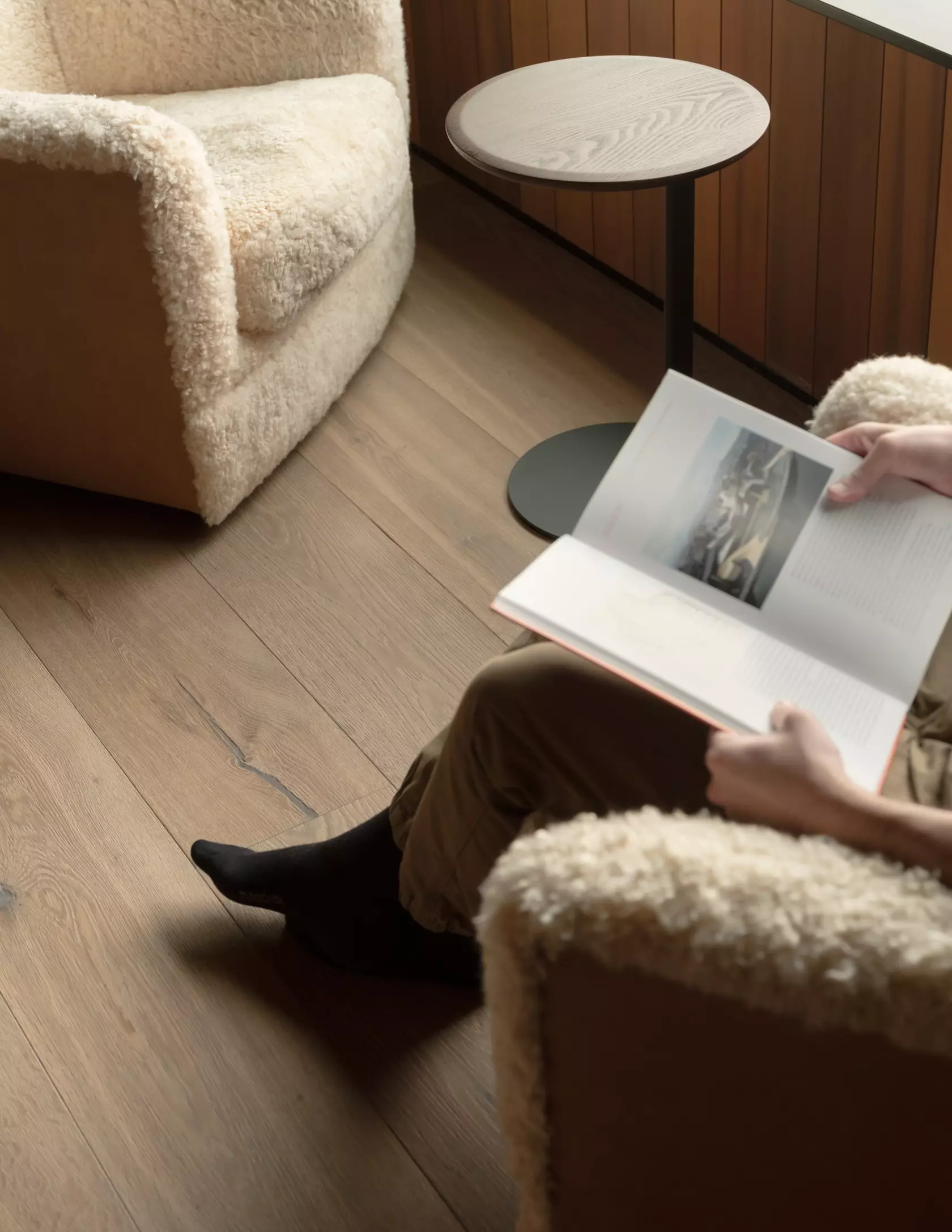
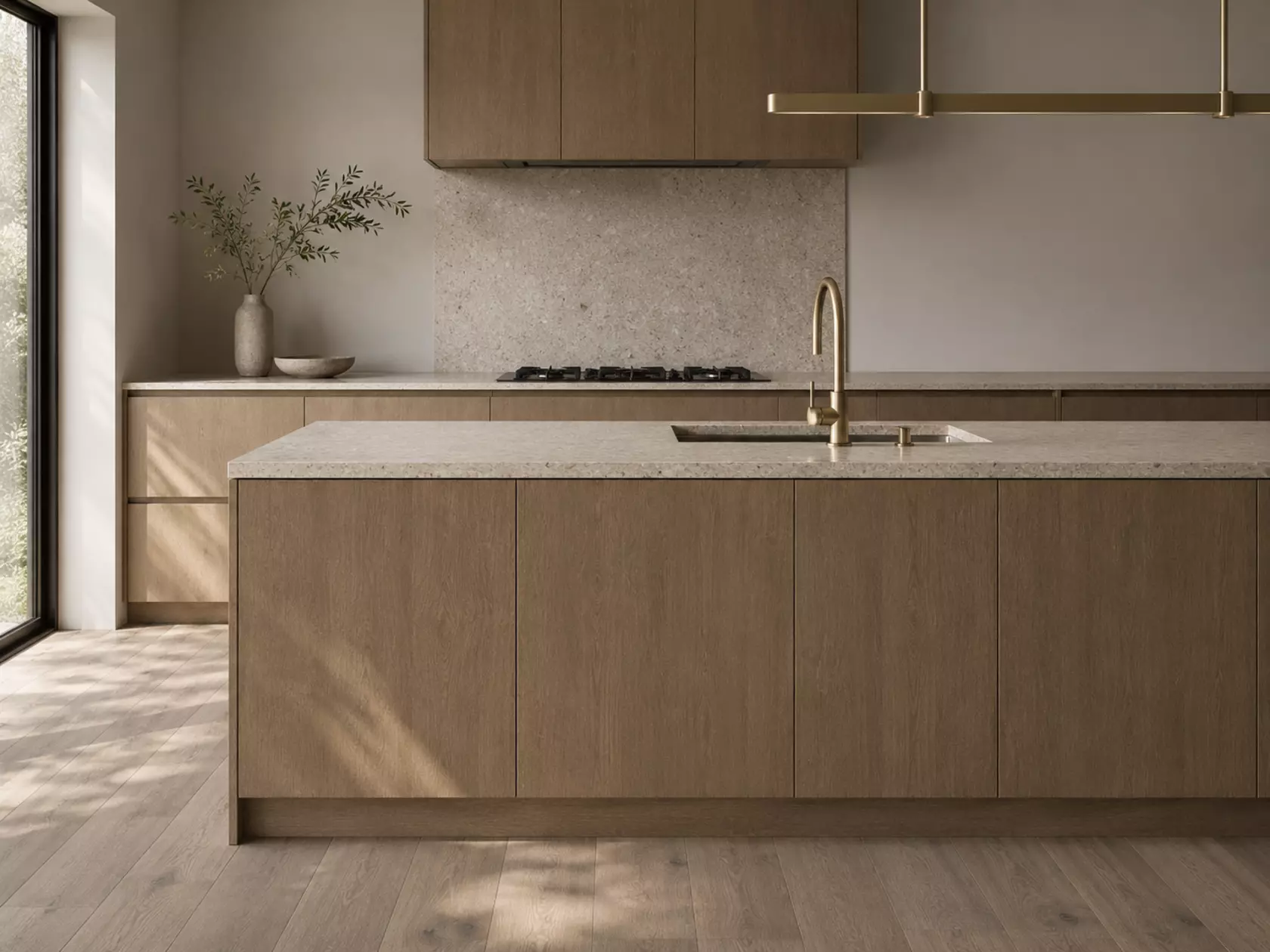
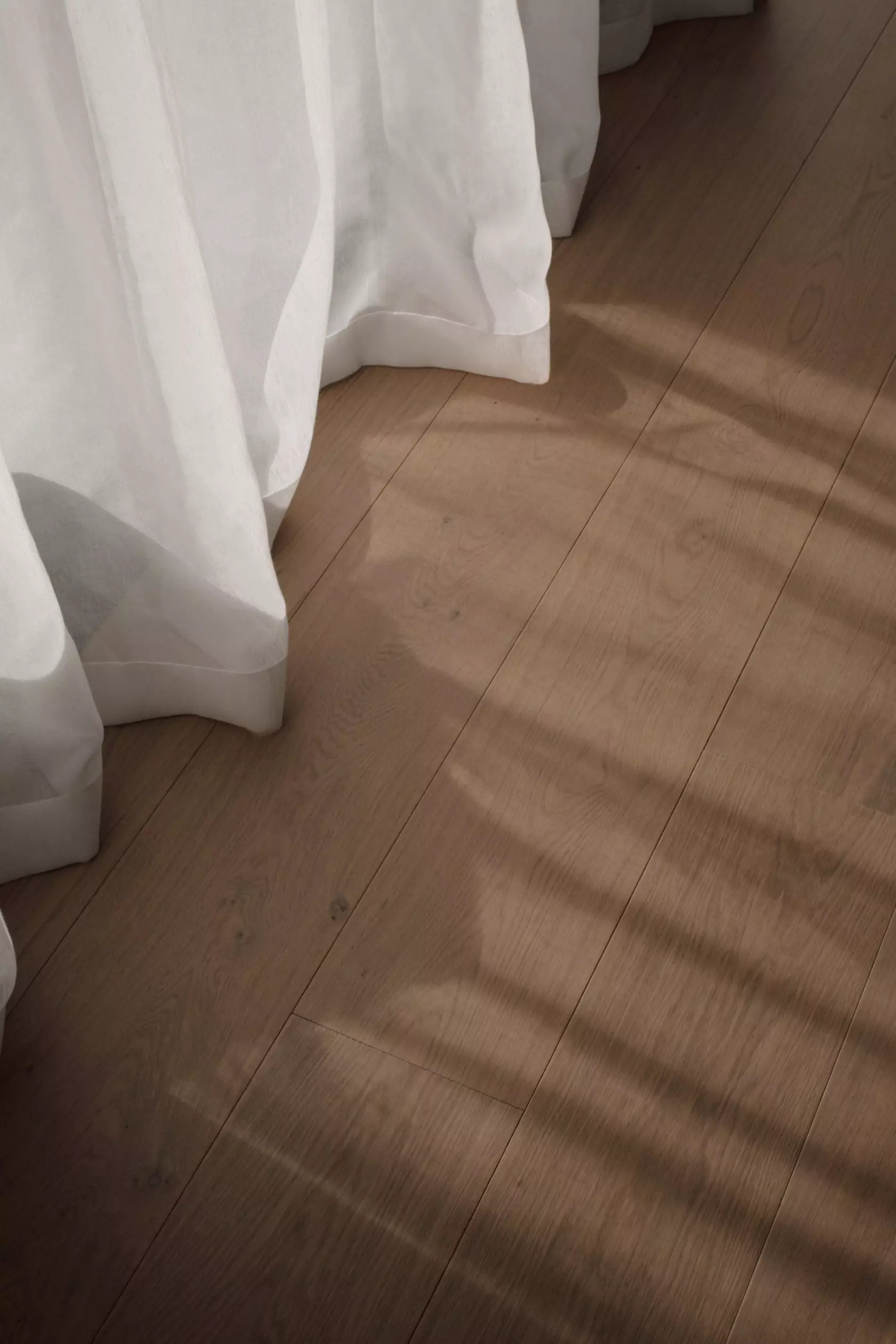
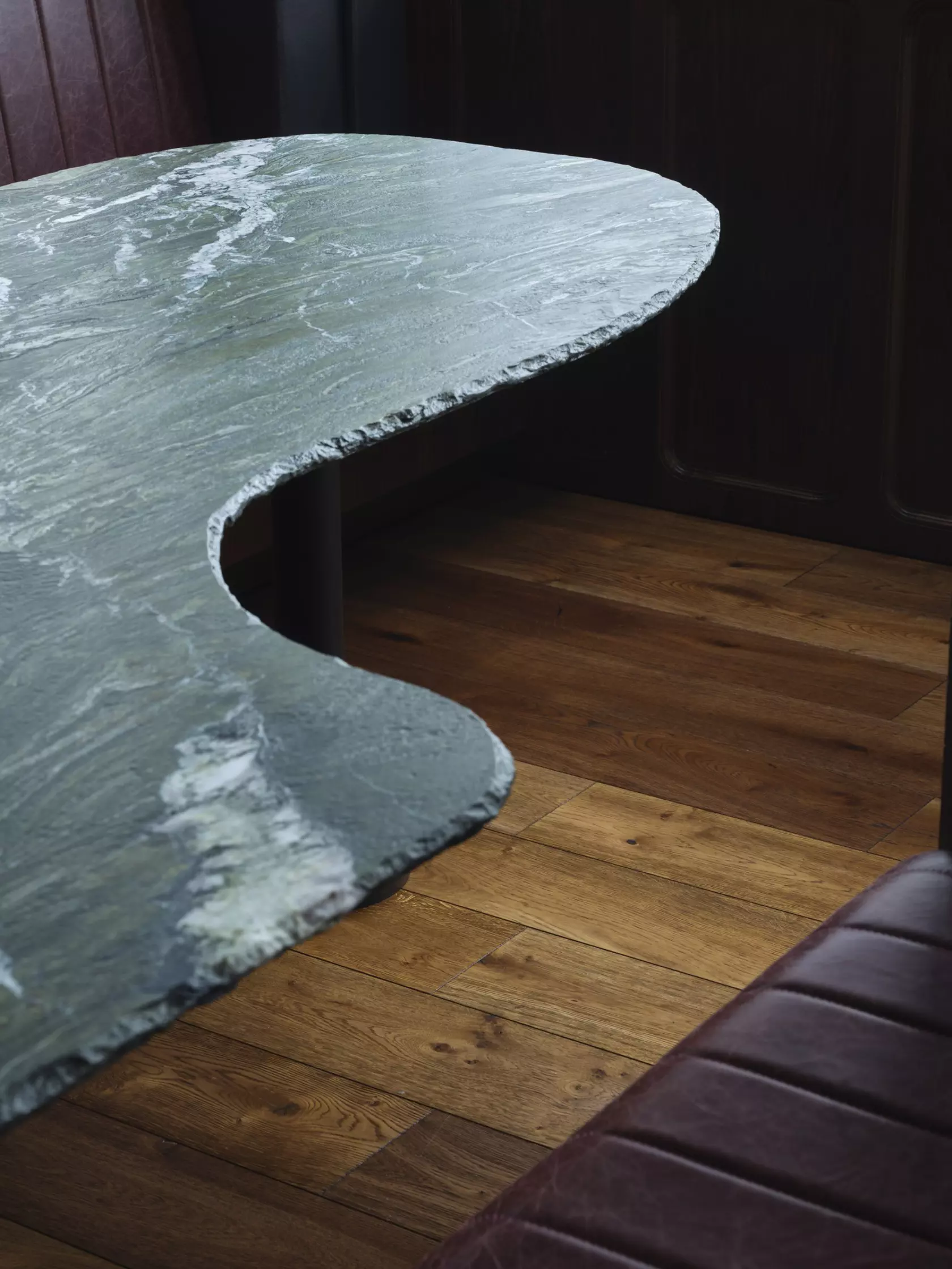
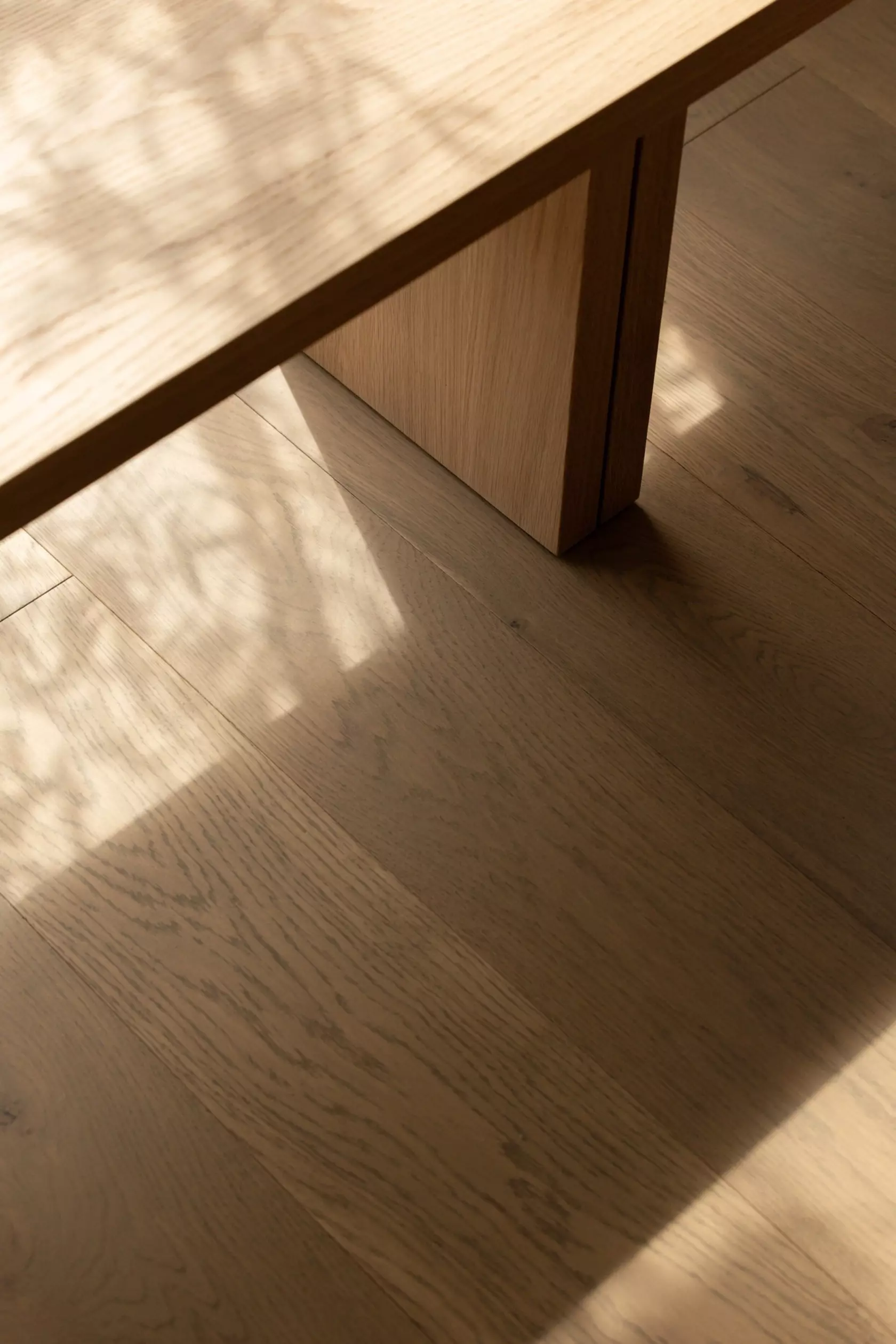
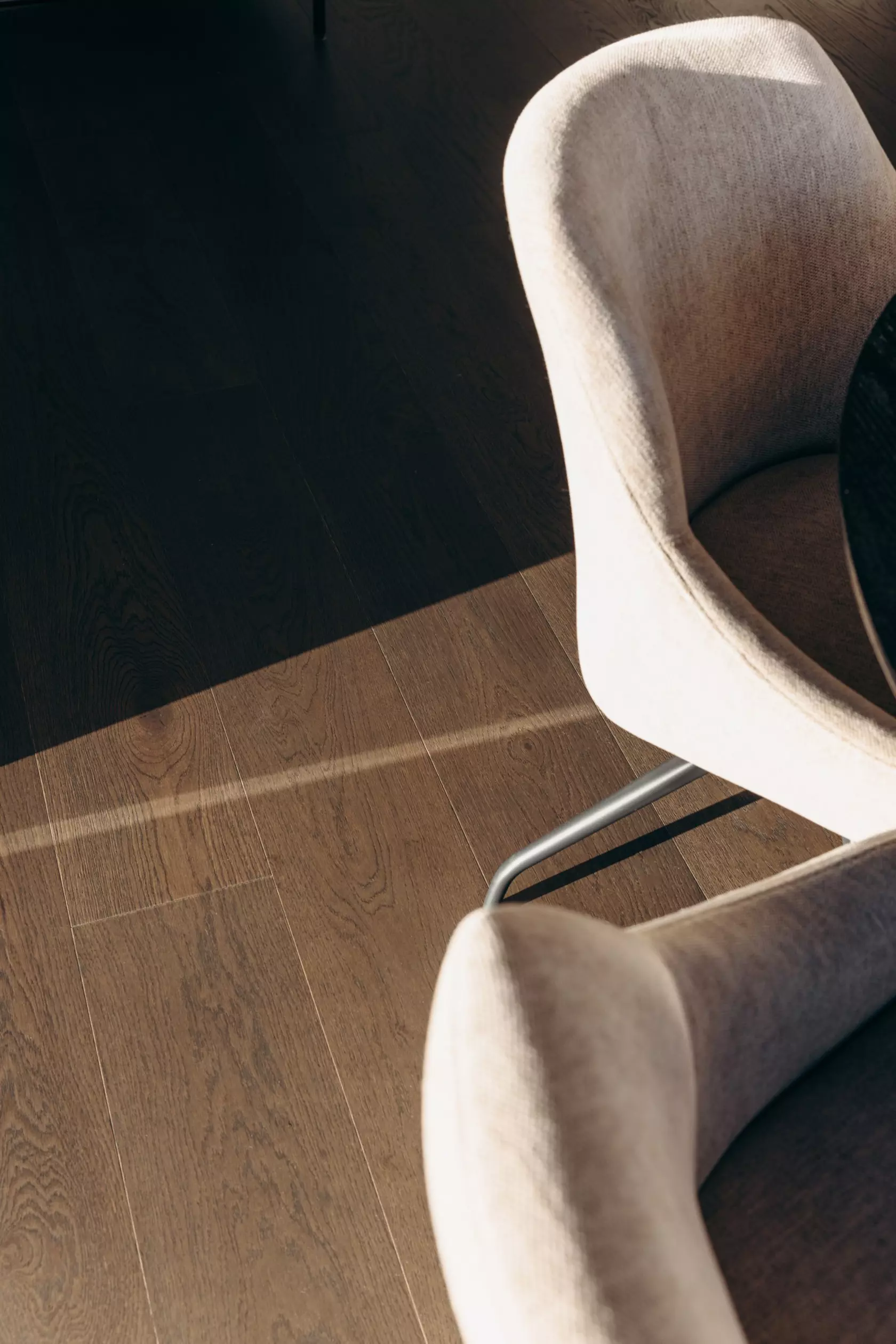
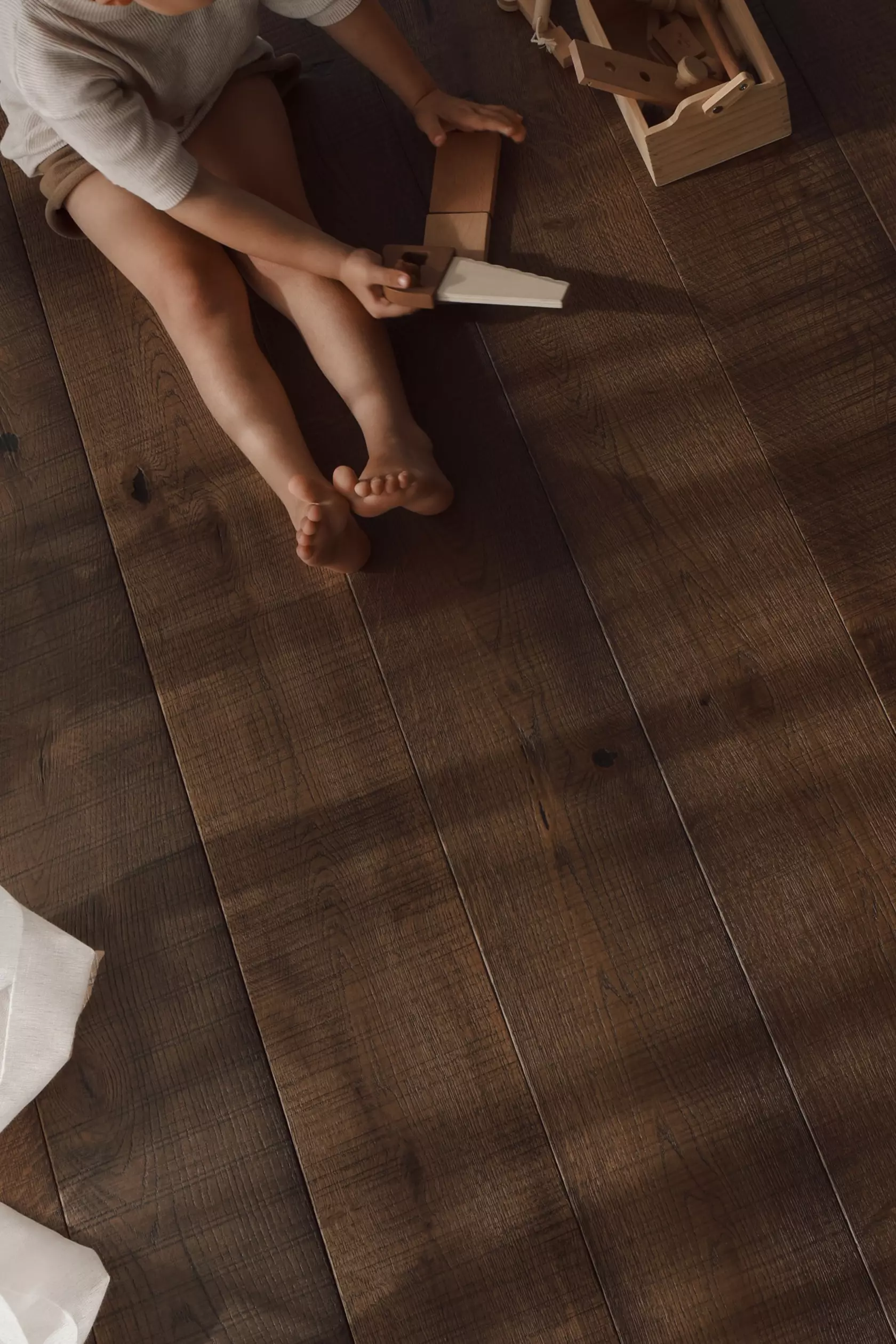
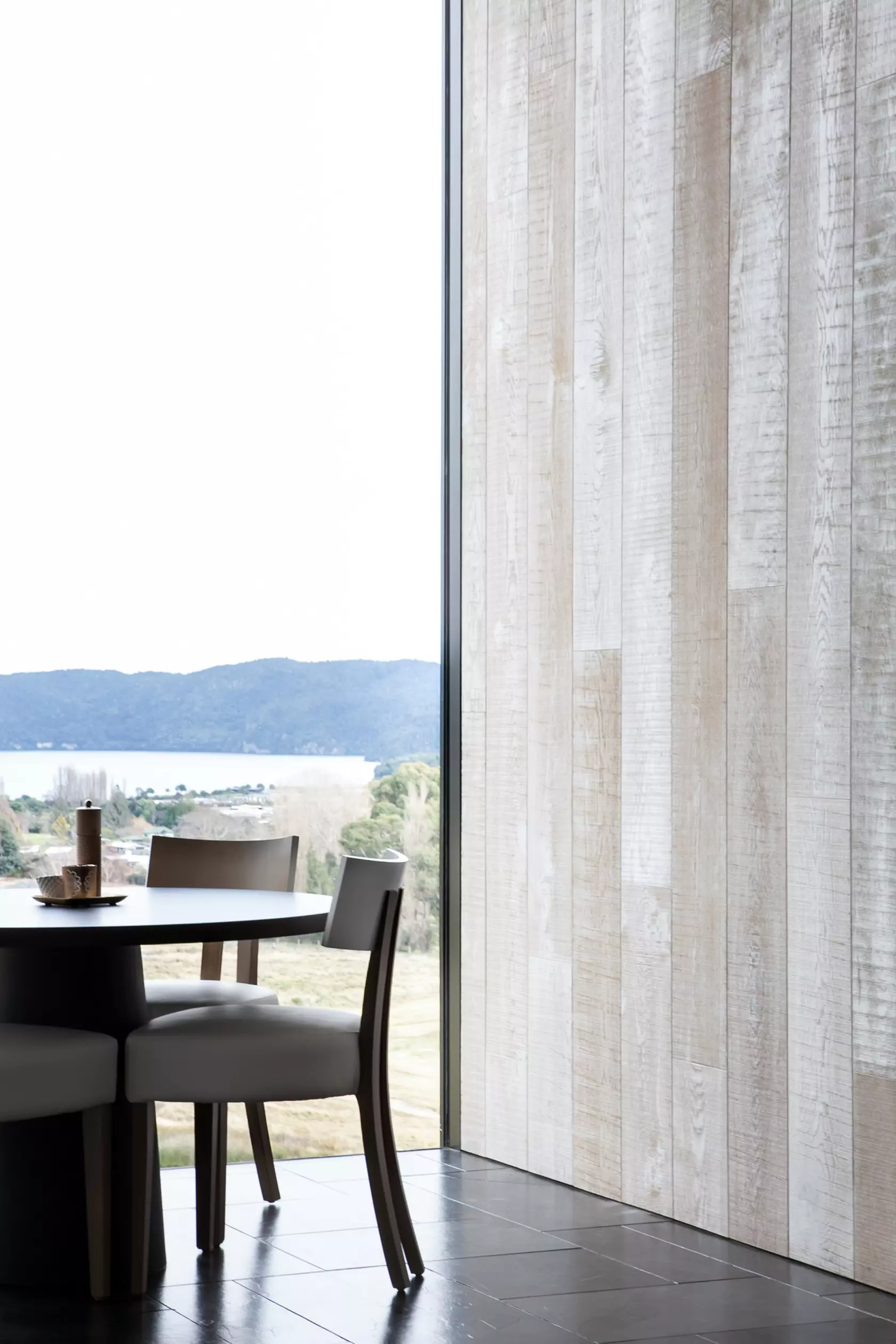
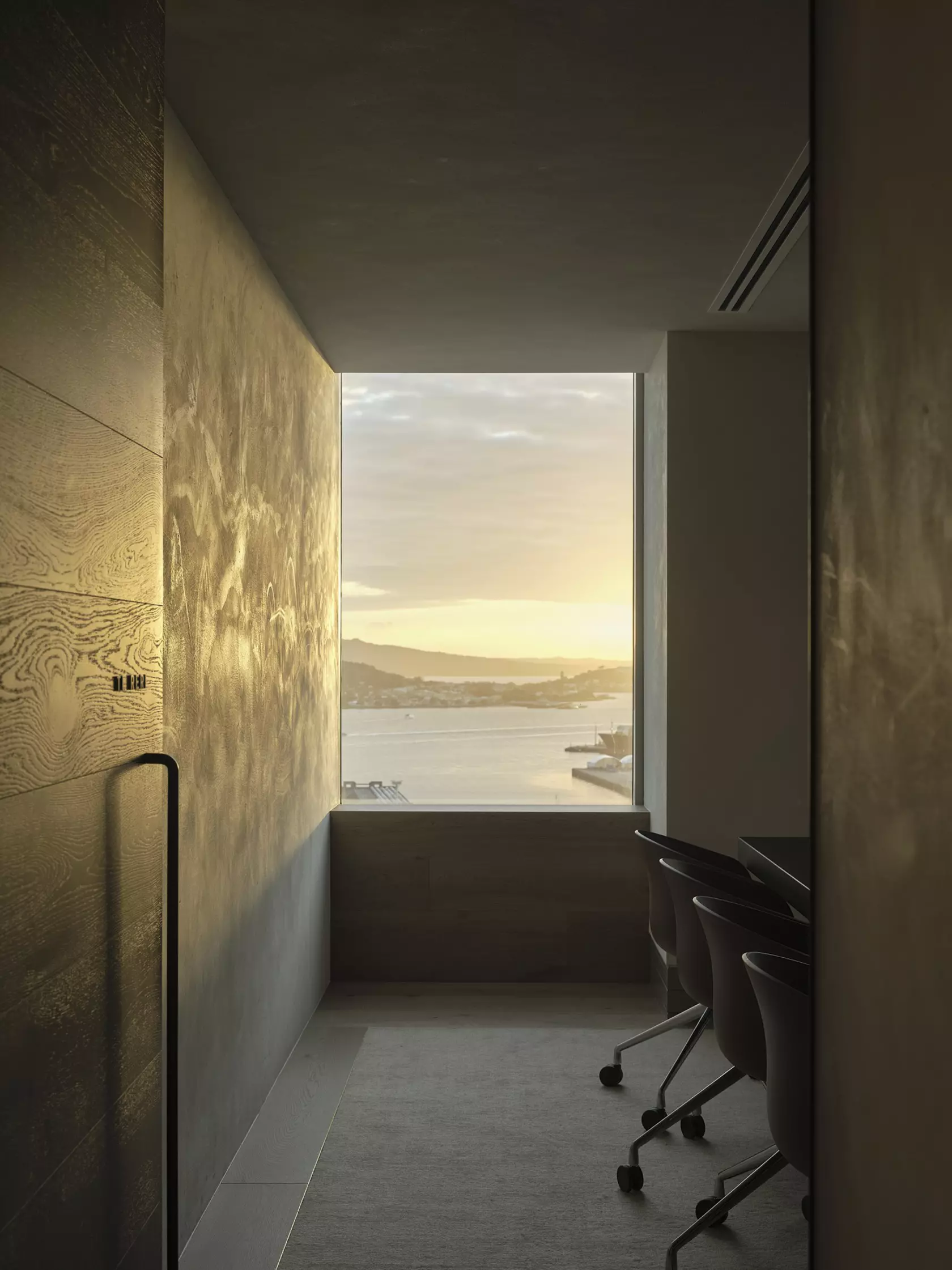
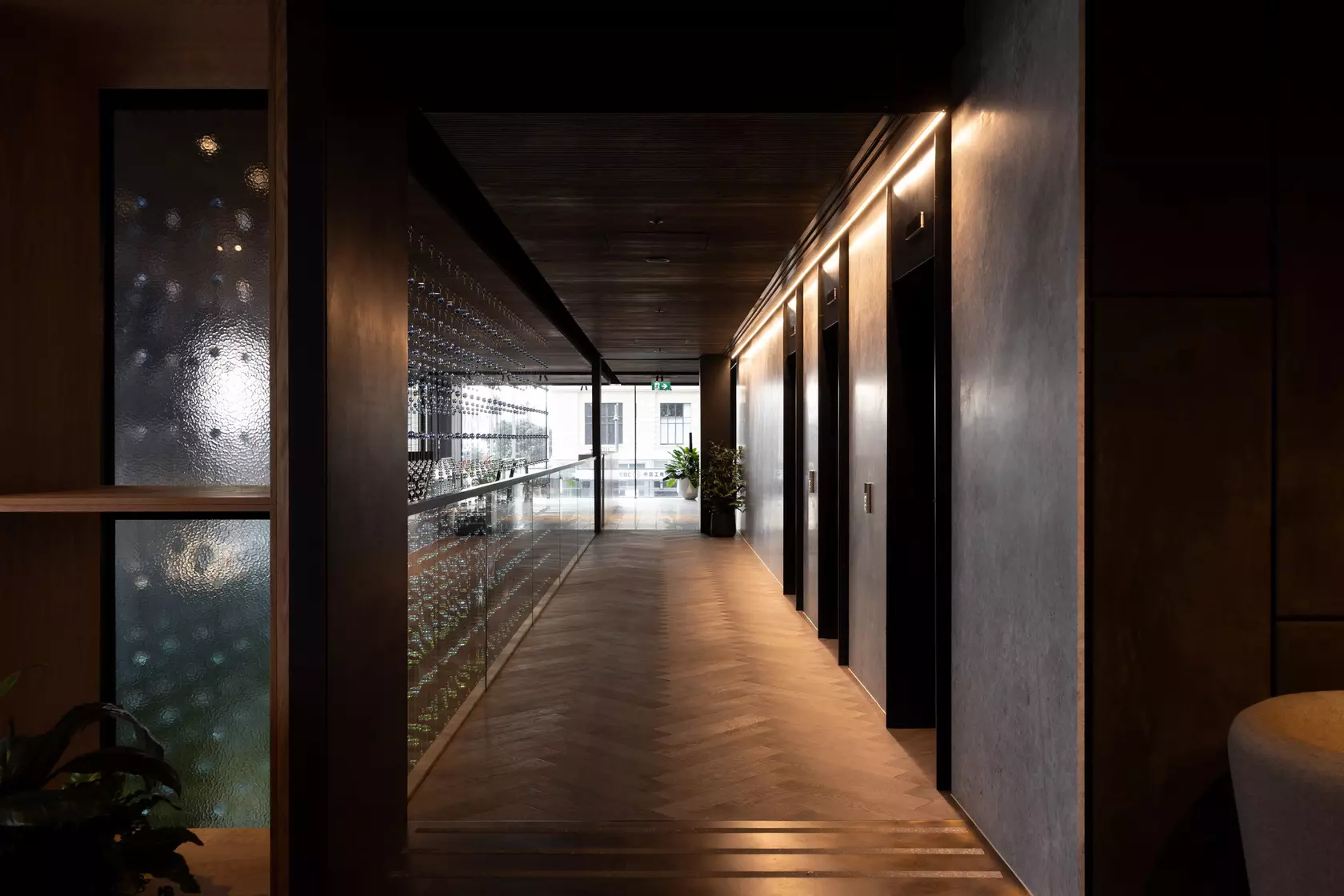
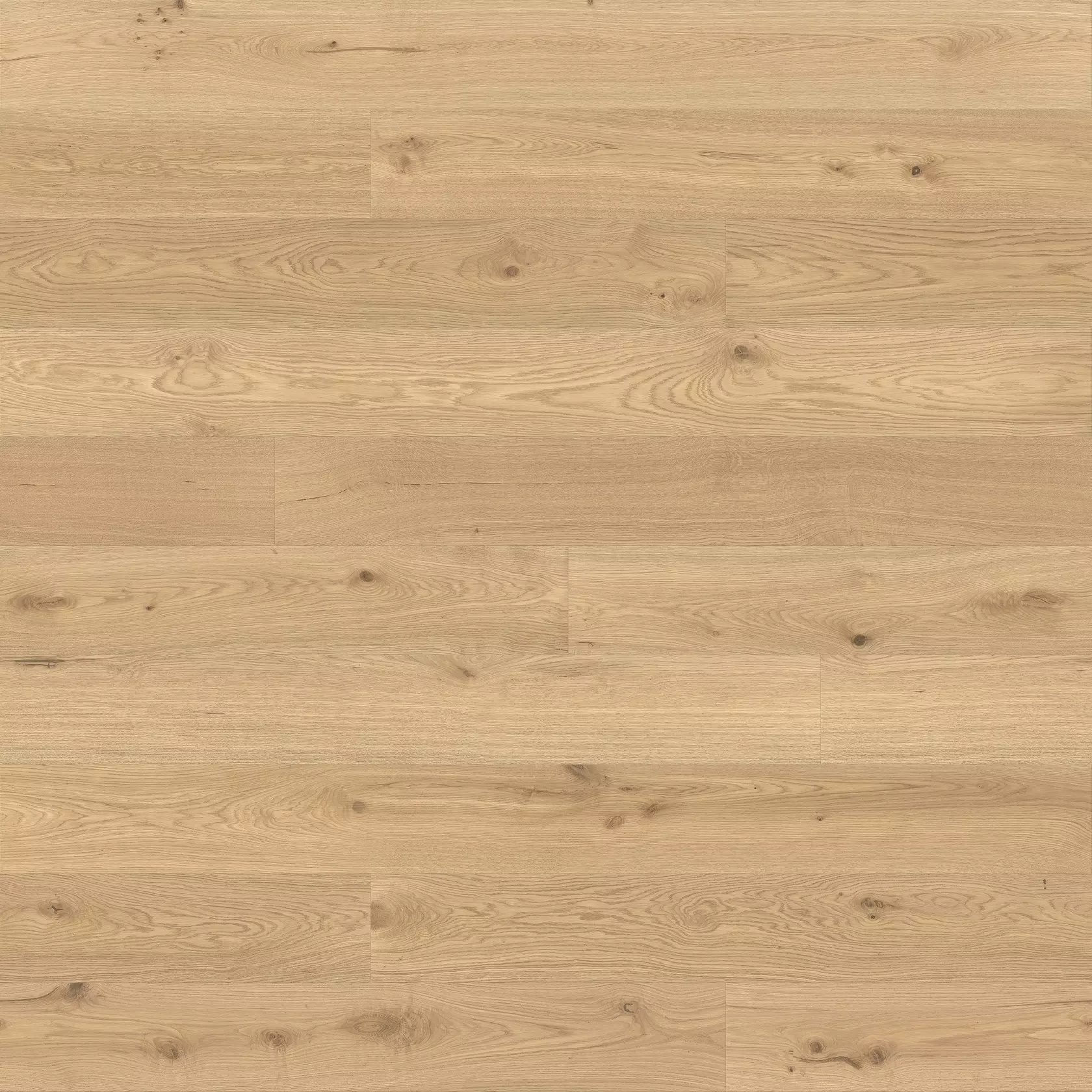
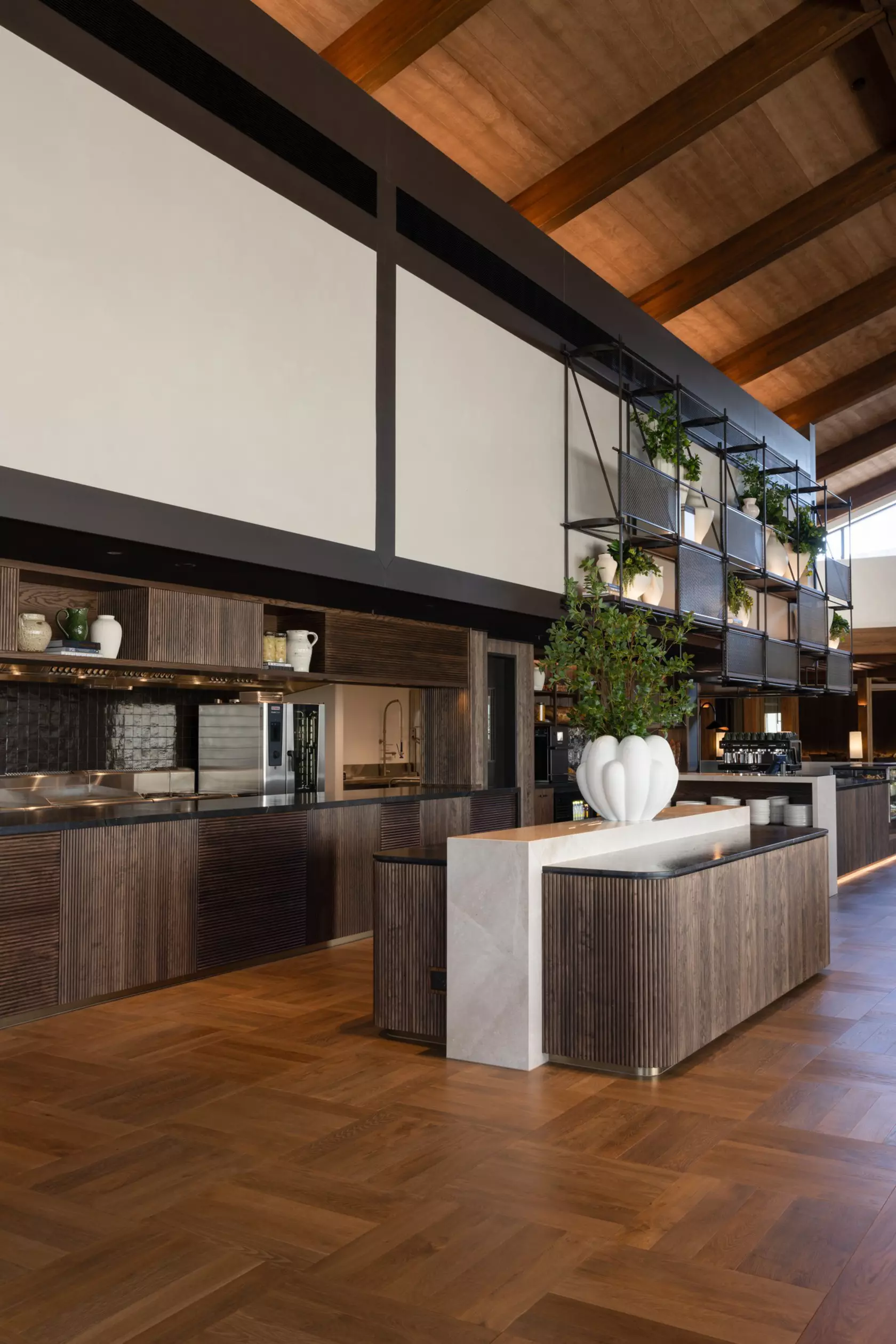
Forté's Atelier Granite 15mm plank was selected for its weight, warmth, and robustness. A feature grade with a subtle whitewash gave it the weathered coastal character Space Studio was after. Detailed laying patterns and precise junctions contrast the heavier grain, bringing finesse to a material chosen for its depth. "The Atelier Granite plank is tactile and warm underfoot, absorbs sound, and carries a visual depth that shifts through the day."
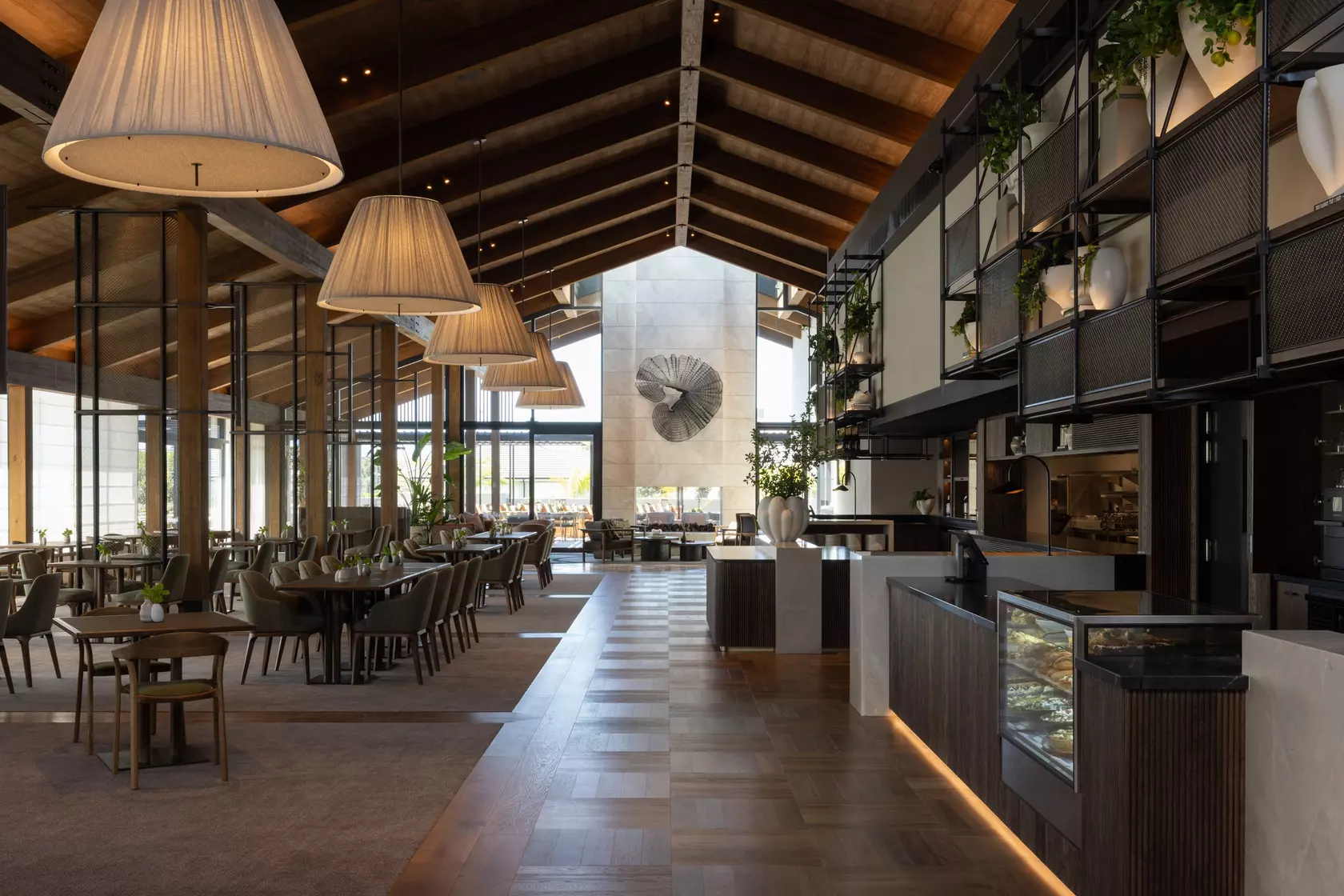
The 5-finger parquet pattern elevated the specification from a strong material choice to a full design statement. "Parquet carries associations of craftsmanship and permanence that resonate deeply in a later living context," Sweatman explains, "and it speaks to a standard of making this generation genuinely values. But the pattern is blown up, using wider planks for an effect that is unique to this project."
Alongside the timber, a French lay leathered limestone allows the flooring to flow without imposing directional lines – creating a calm base from which the organic rugs can sit without competition. Timber frames the more structured zones: the restaurant, the hall, the high-traffic areas where warmth was still required.
Art as Storytelling
"We wanted pieces that couldn't have come from a catalogue," says Sweatman. "Work by local artists and makers whose practice connects to this region, its landscape, and its people." Ceramics, woven elements, and sculptural pieces were chosen for the conversations they start. "Art was treated as storytelling rather than decoration."
Built Together
The collaboration with Peddlethorp was the closest the two studios have worked. "There wasn't a hard scope line, so the whole project was collaborative from the outset — with each becoming a sounding board for the other under a common direction." The result is a project where architecture and interior read as a single considered thing.
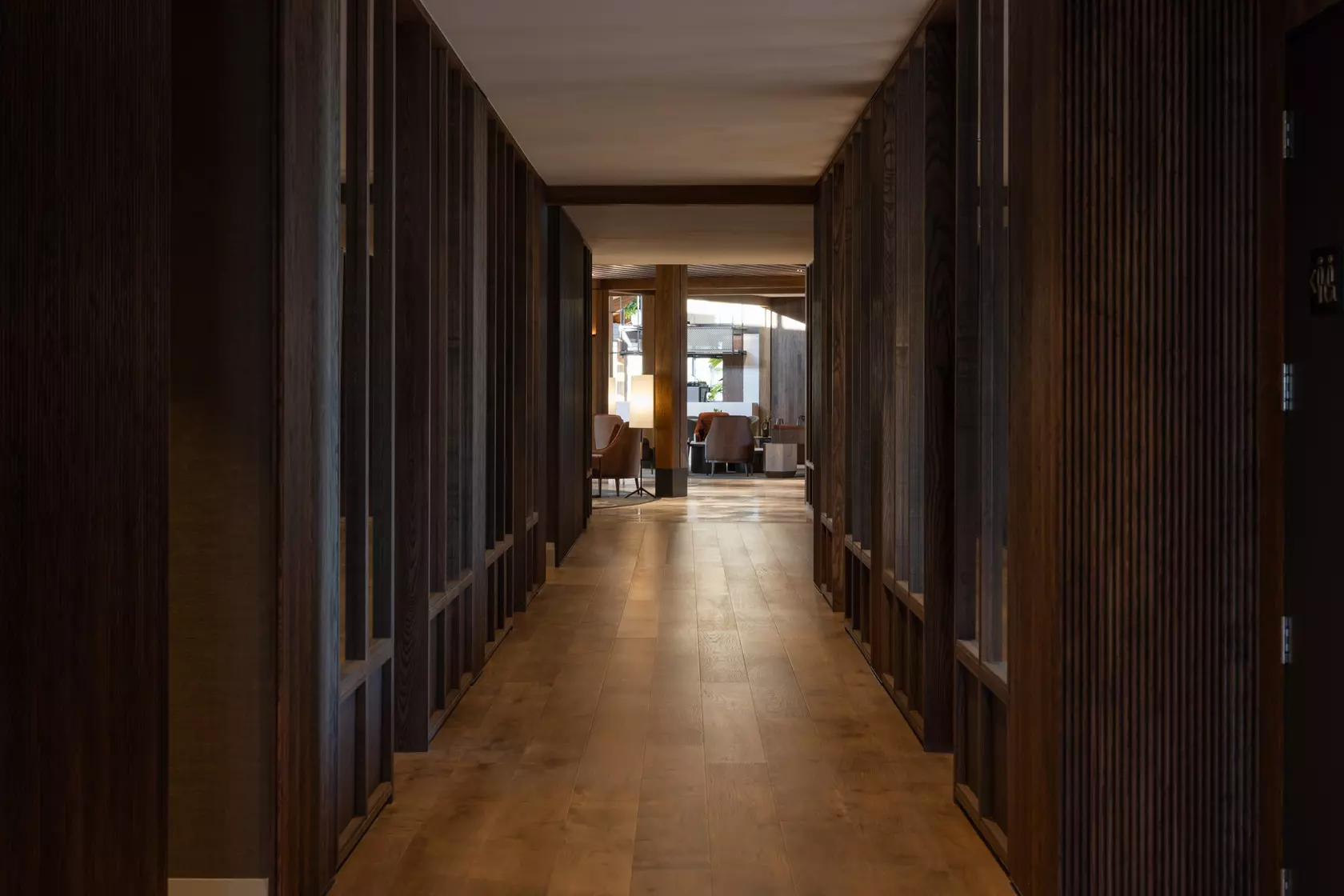
Later living design carries specific demands; flush transitions, spaces that work for a variety of people and the different ways they move. For Space Studio, those constraints and the design ambitions were largely the same thing. The flush flooring junctions, necessary for feet that shuffle rather than step, aligned naturally with the team's commitment to precise detailing. The real tension was elsewhere. "The only element we had to work against was the misconception that later living spaces need to look a certain way."
Pacific Lakes is an intergenerational space – designed not around a style reference, but around values. "What is right for the aspect, climate, architecture, and how people socialise in the spaces," as Sweatman puts it.
A brief like that doesn't date.