







Reading the seasons: what your timber needs, part two — spring into summer
In part one Reading the seasons: what your timber needs as we shift from winter into spring | Forté, we looked at how timber responds as winter's dry heat gives way to spring. This time, we're moving into the warmer months: rising humidity, stronger sunlight and homes that open up and live outward.
Where winter draws moisture out of timber, summer tends to put some of it back. Warmer air holds more humidity, and with doors and windows open more often, that moisture makes its way inside. At the same time, longer daylight hours and stronger sun bring their own kind of change, one that shows up in colour and grain rather than gaps or splitting.
What you may notice
Timber may expand slightly as humidity rises.
Boards, panels or joinery may feel tighter than they did over winter or spring.
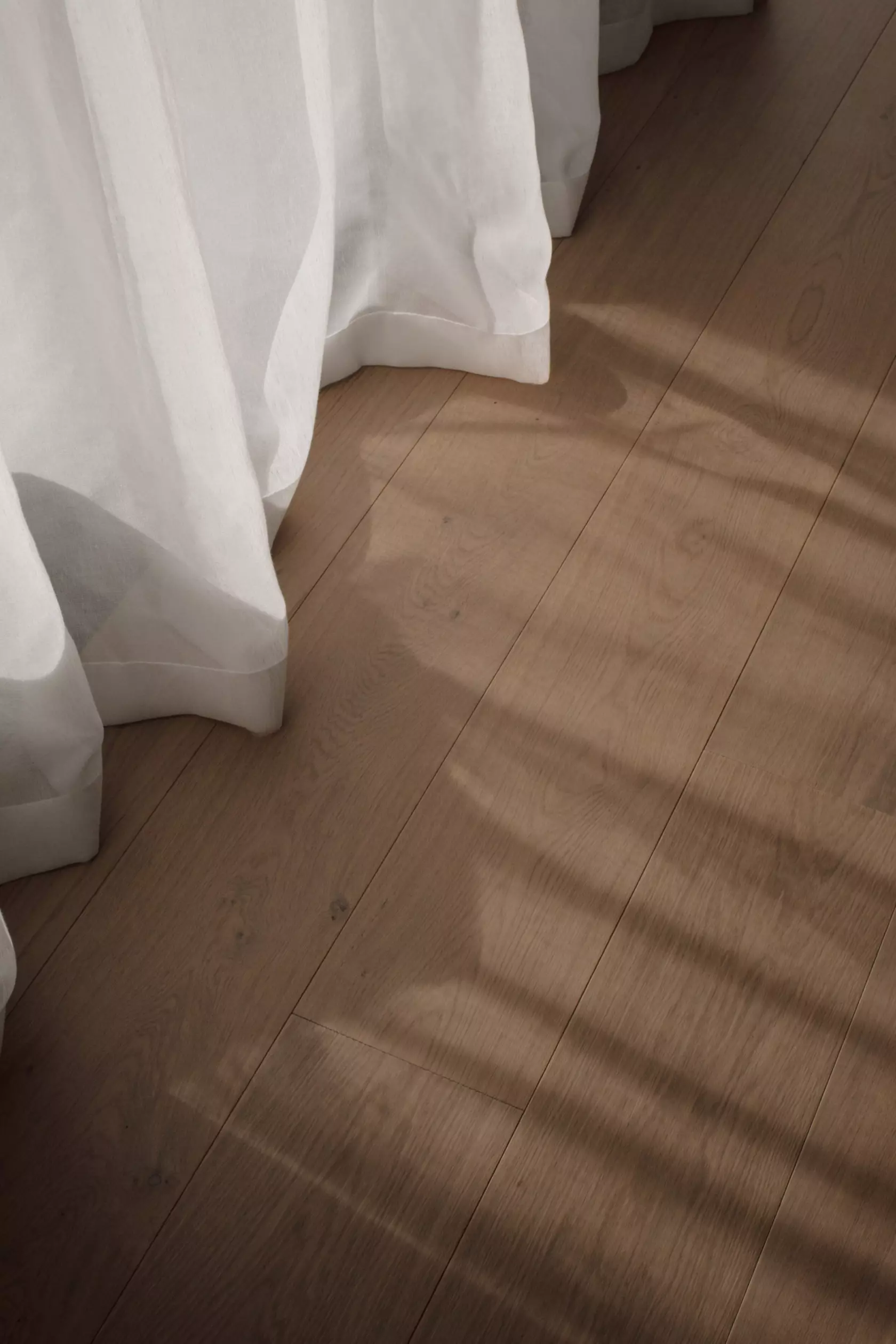
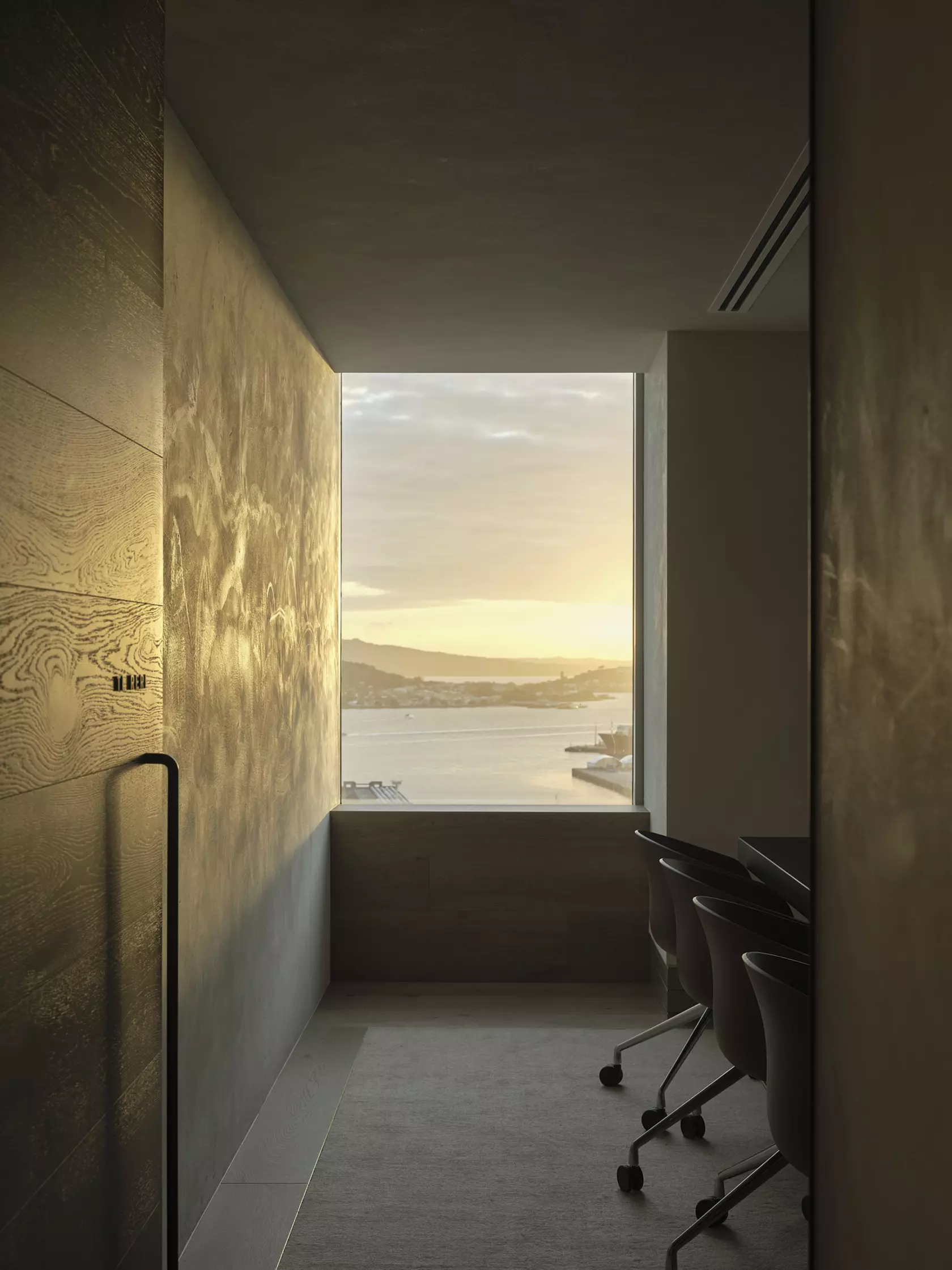
Some natural grain features may become more pronounced in the changing light.
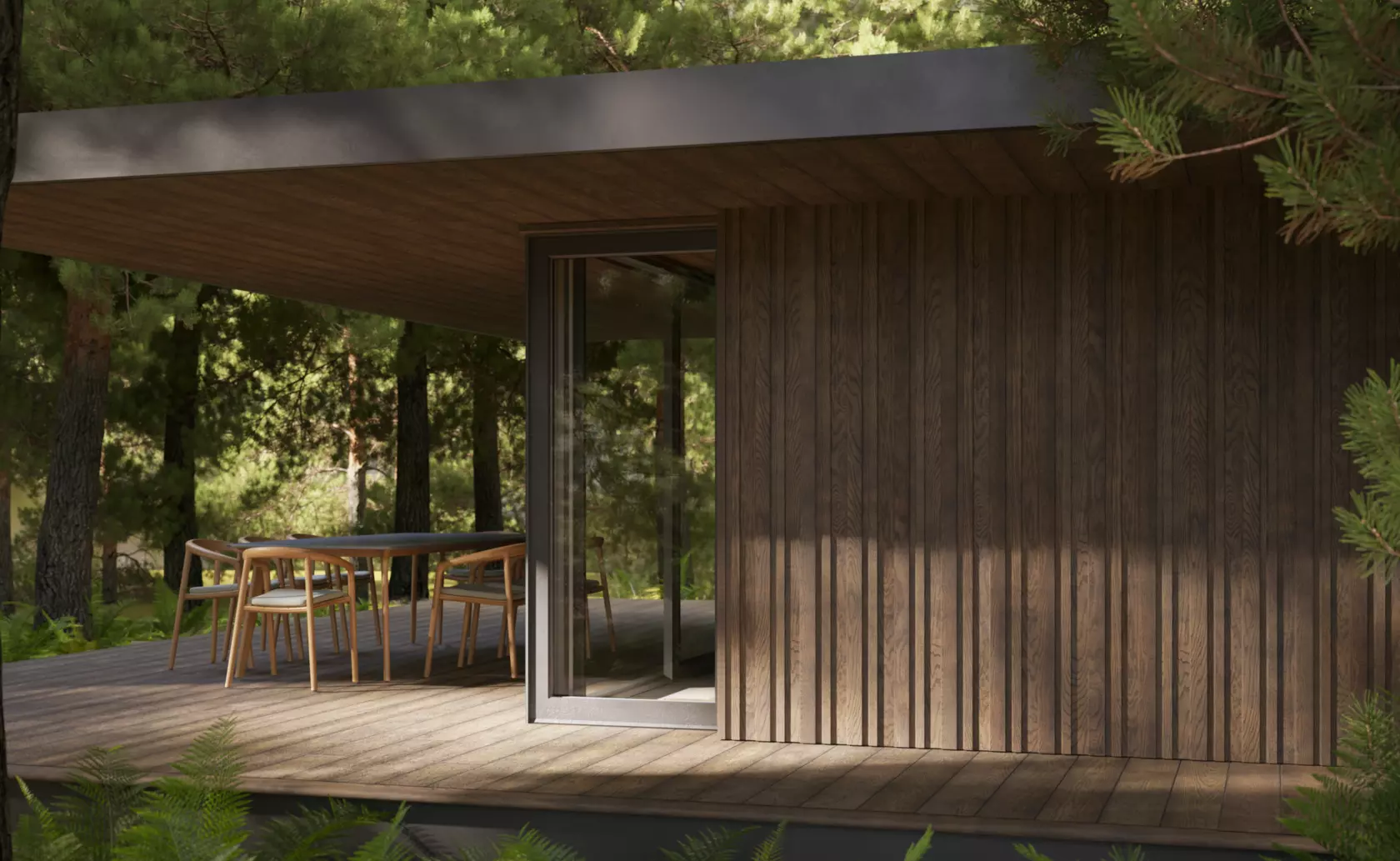
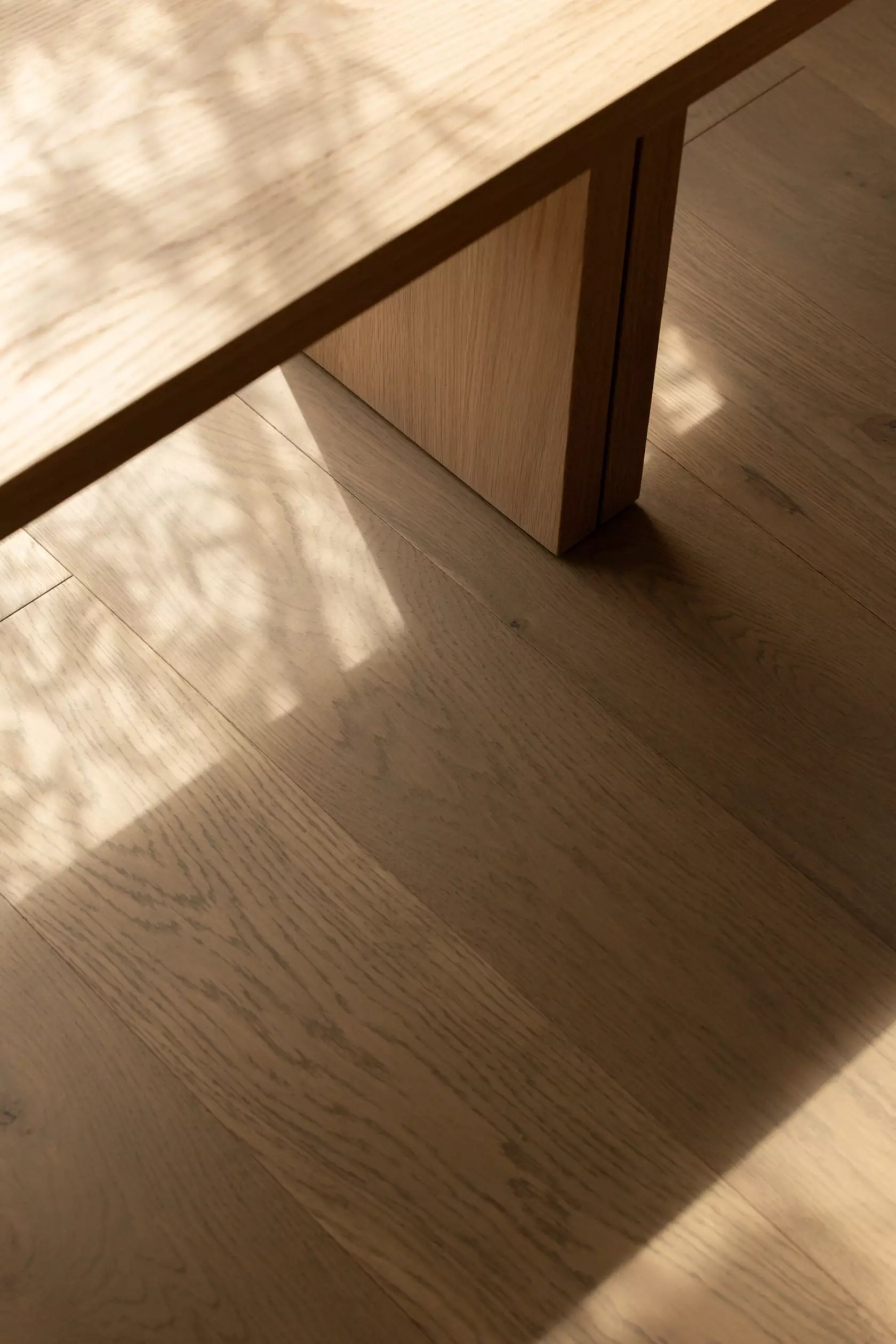
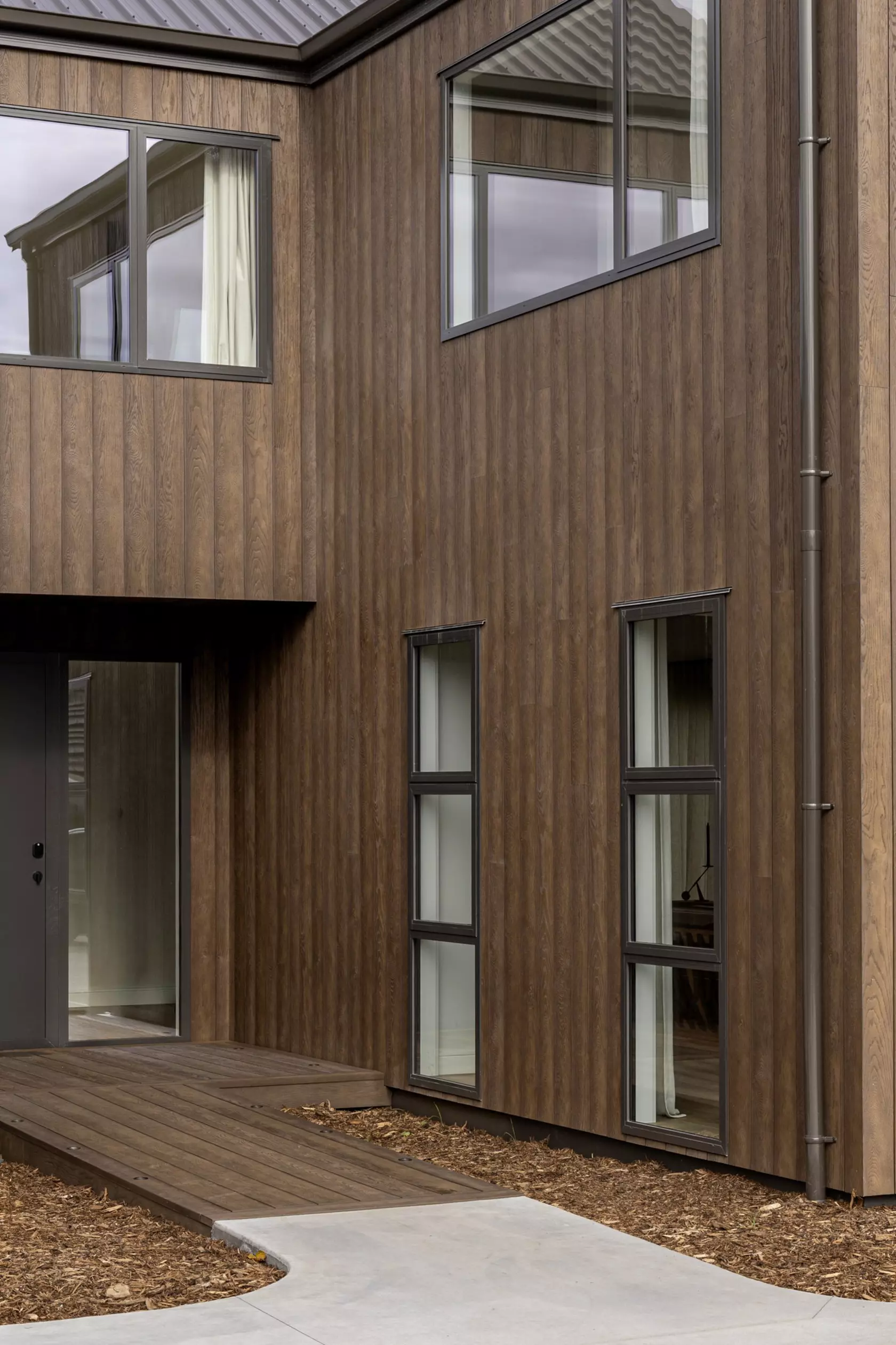
Sun-exposed timber may continue to change colour more quickly than shaded areas.
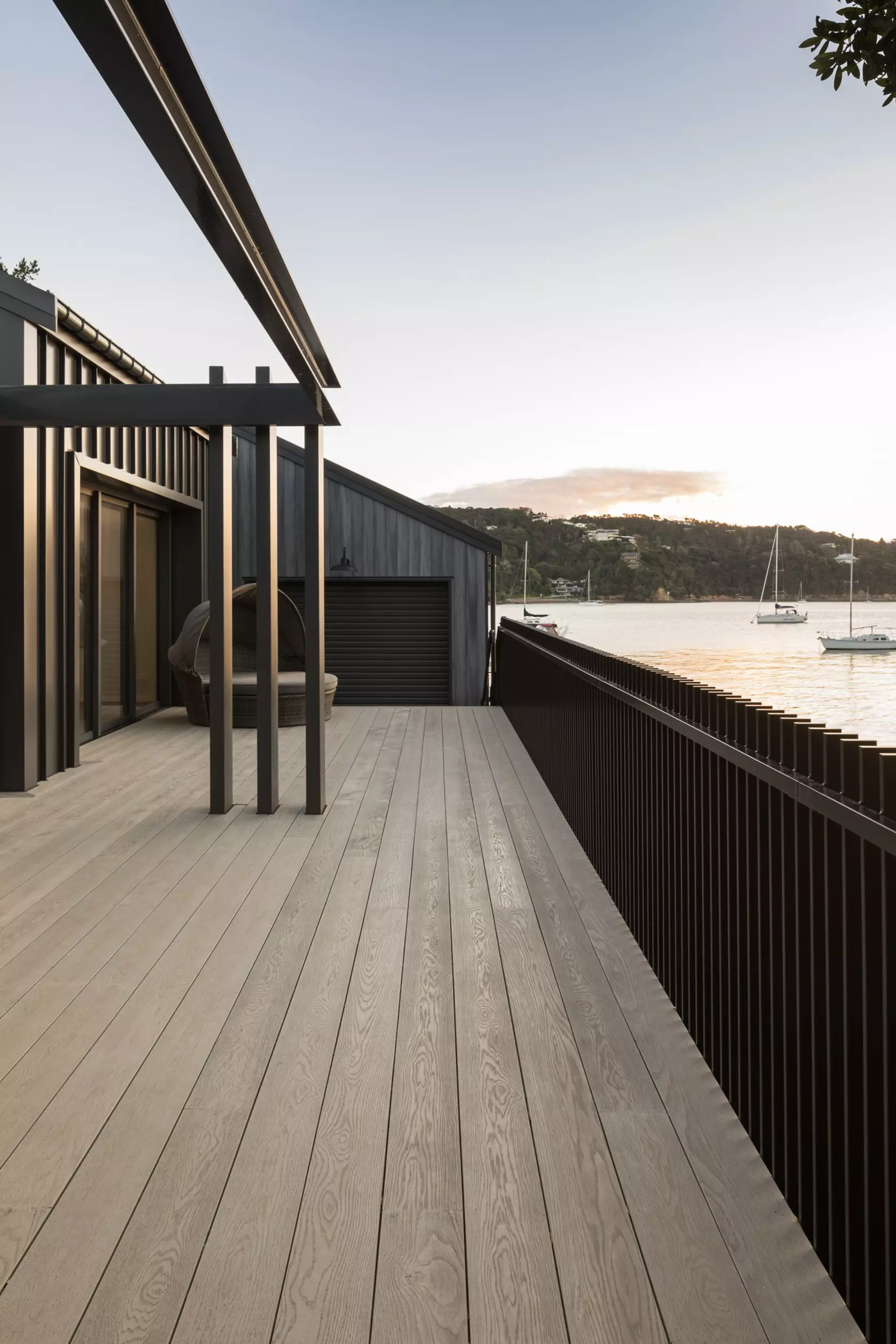
Areas near open doors, coastal air, bathrooms, kitchens or laundries may see more moisture variation than the rest of the home.
In homes using air conditioning, timber may move between humid and dry conditions as the system cycles.
Use shading to manage harsh sunlight, particularly on north-facing rooms through the middle of the day.
Keep humidity and airflow balanced rather than letting either run unchecked.
Avoid leaving doors or windows open during very humid or wet weather if it affects interior spaces.
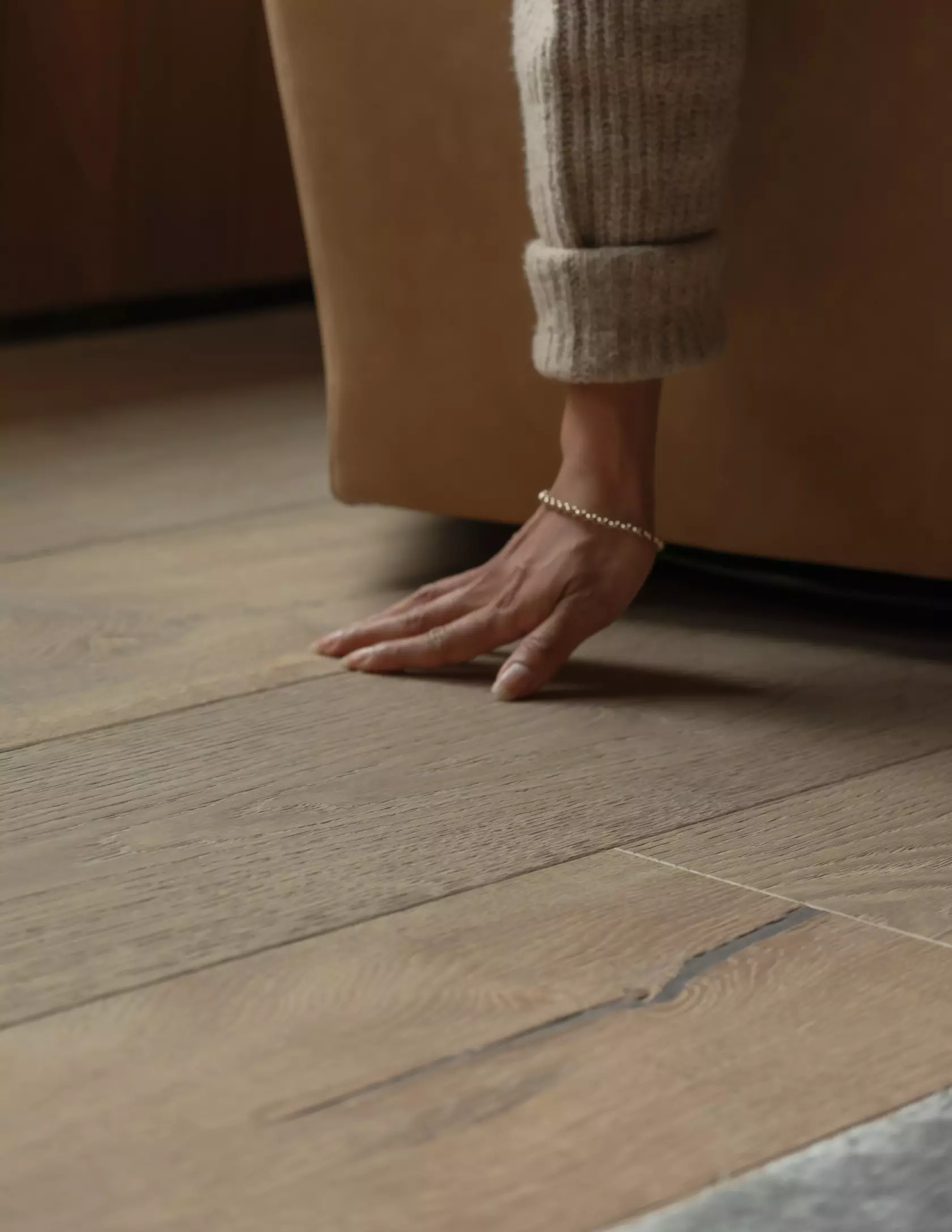
Wipe up spills or moisture quickly, especially on floors.
Use mats at entries to reduce grit, water and debris being carried in.
Be mindful that air conditioning can dry the air, even in summer, so it's worth keeping an eye on your hygrometer through the season.
Rotate rugs or furniture occasionally if colour change from sunlight is a concern.
Summer asks more of timber in some ways than winter does, though the signs are different: colour and tightness rather than gaps and splitting. A bit of forward planning and general maintenance can keep your timber looking and performing its best for many summers to come.