




Timber Cladding Profiles Compared: Board & Batten vs Shadowline vs Shiplap
Board & Batten, Shadowline, and Shiplap are the three most common timber cladding profiles used in modern New Zealand residential architecture. Each creates a distinctly different aesthetic — broad and bold, fine and architectural, or classic and textured — and each suits different home styles, orientations, and budgets. This article explains how each profile works, what it looks like in practice, and how to choose between them. Where real timber cladding requires significant ongoing maintenance, Millboard Envello offers the same profiles engineered for durability — and two New Zealand projects, the Kern Road Residence and the Ashley Residence, show what each looks like built.
What Is Cladding Profile, and Why Does It Matter?
Cladding profile refers to the shape, direction, and shadow detail of the boards used on the exterior of a building. Two homes clad in the same material — say, cedar — can look completely different depending on whether the profile is vertical Board & Batten, vertical Shadowline, or overlapping Shiplap.
Profile is one of the most powerful design decisions on any home exterior. It determines:
Whether the building reads as tall or wide — vertical profiles draw the eye upward; horizontal ones emphasise length and breadth
How much shadow and texture the façade has — deeper reveals create stronger shadow lines and more visual depth
How the home relates to its setting — some profiles feel rural and grounded; others feel architectural and contemporary
How much maintenance the exterior will require — certain profiles trap moisture and debris more readily than others
Getting it right matters. Getting it wrong is expensive to fix.
The Three Main Cladding Profiles Explained
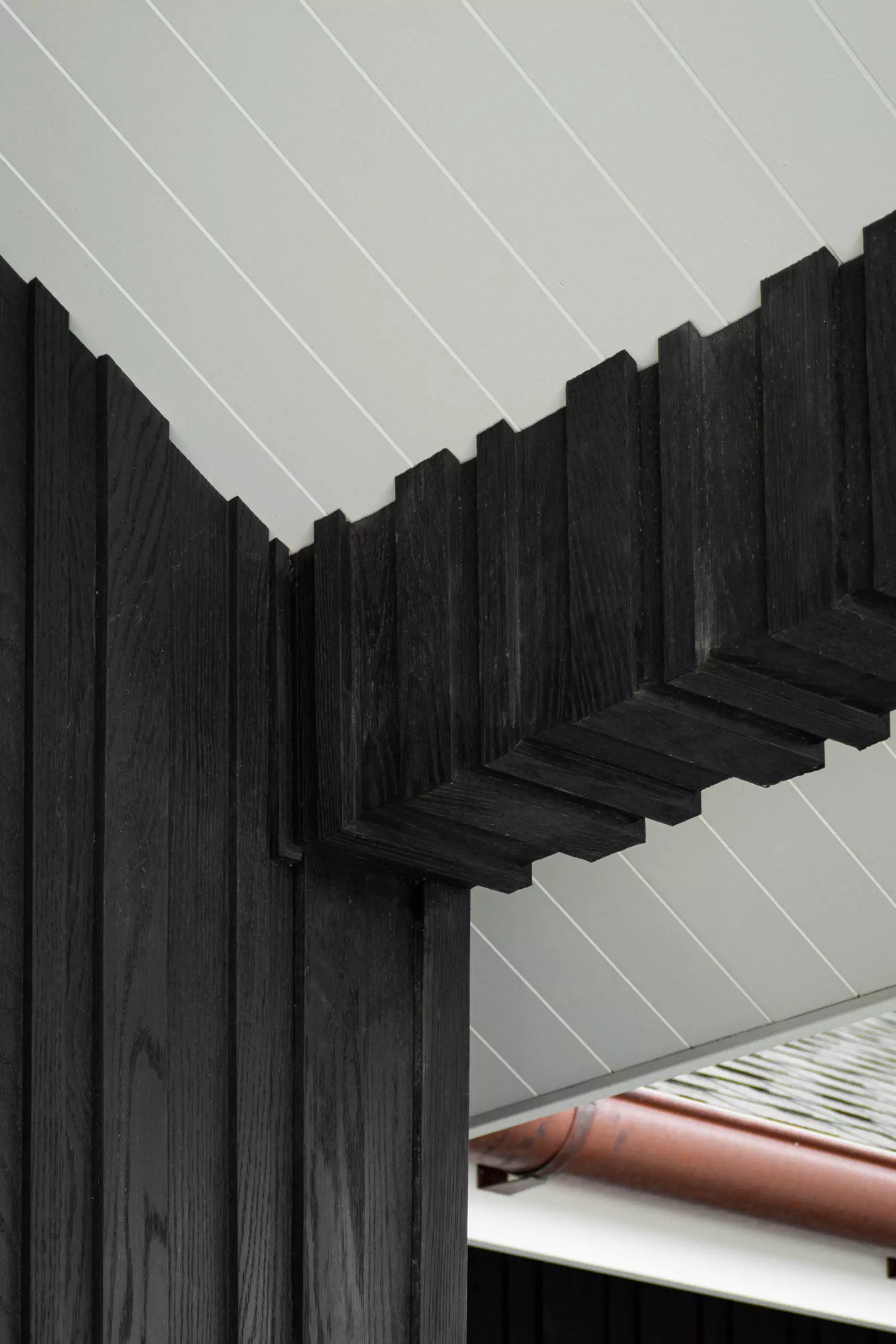
Board & Batten is one of the oldest cladding profiles in residential architecture — and one of the most enduring. Wide vertical boards are fixed to the wall, with narrower strips (battens) covering the joins between them. The result is a strongly vertical façade with pronounced shadow lines running the full height of the building.
The aesthetic: Tall, structured, and distinctly rural in origin. Board & Batten draws immediate reference to barn architecture, agricultural buildings, and vernacular New Zealand farm structures. In its contemporary form — particularly in dark colourways — it reads as confident and grounded, with a presence that suits open rural sites.
Best suited to: Rural properties, lifestyle blocks, homes on elevated or exposed sites, and any brief where the building is meant to feel rooted in its landscape.
In real timber: Cedar and pine are the most common choices. Raw timber Board & Batten requires painting or staining every 5–8 years and periodic checking of the batten fixings, which can lift with moisture movement. Dark-stained timber will fade to grey without maintenance.
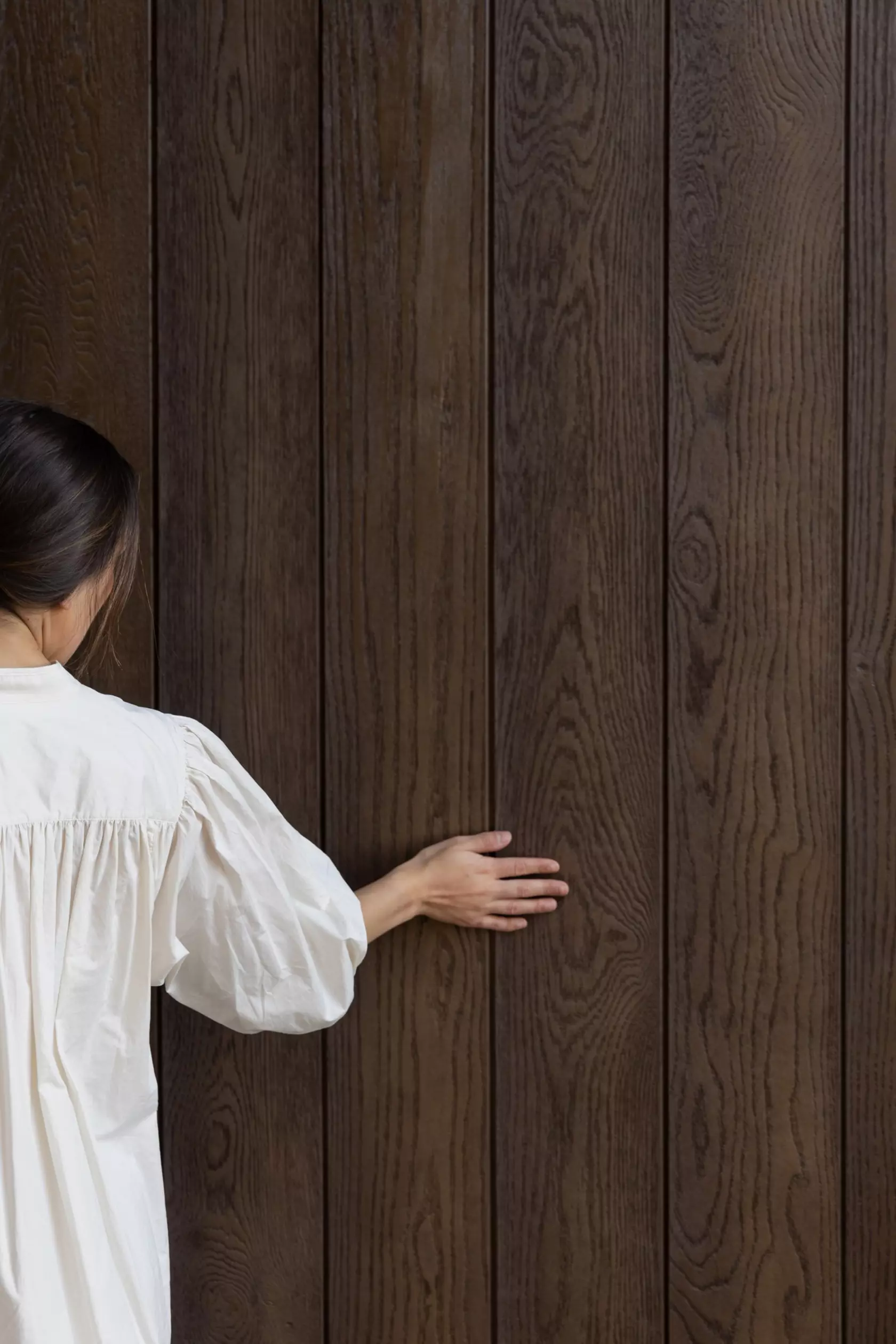
In Millboard Envello Board & Batten+: The same profile — wide board, covering batten, full-height vertical shadow line — engineered without the maintenance demands. Hand-moulded from real timber grain, Envello Board & Batten+ is CodeMark certified, comes with a 25-year guarantee, and requires no painting, staining, or sealing.
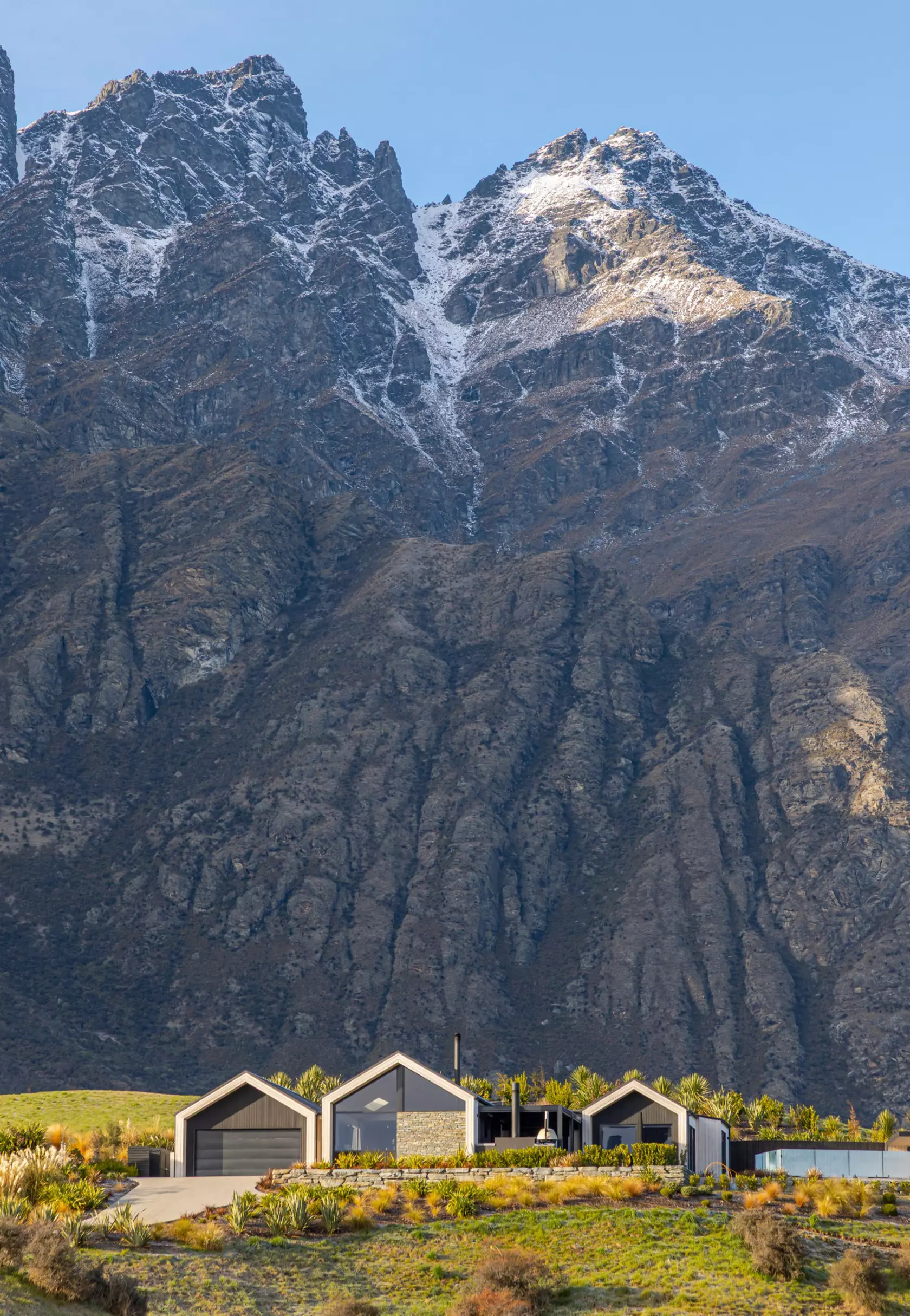
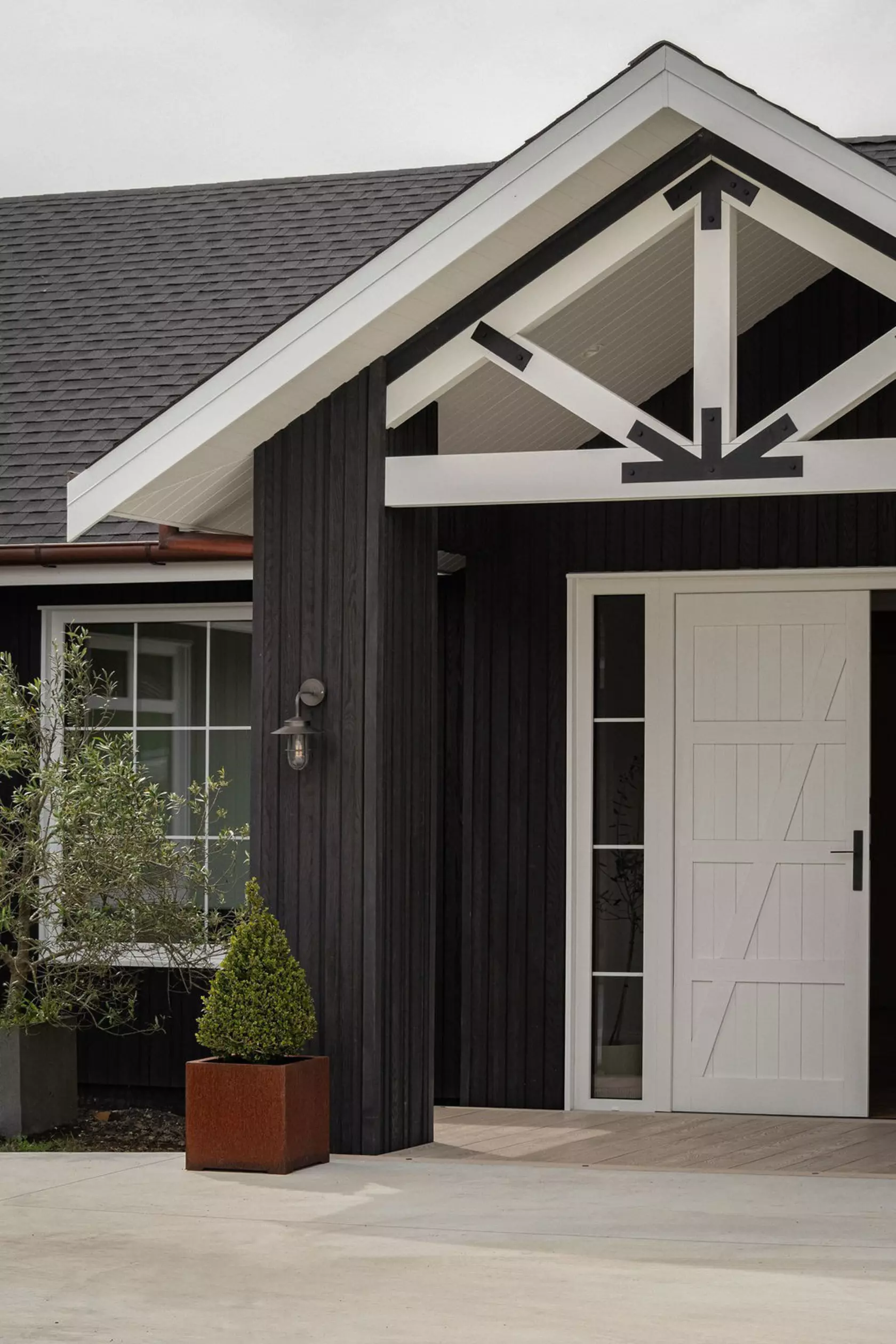
Project example: Kern Road Residence — Board & Batten+ in Burnt Cedar
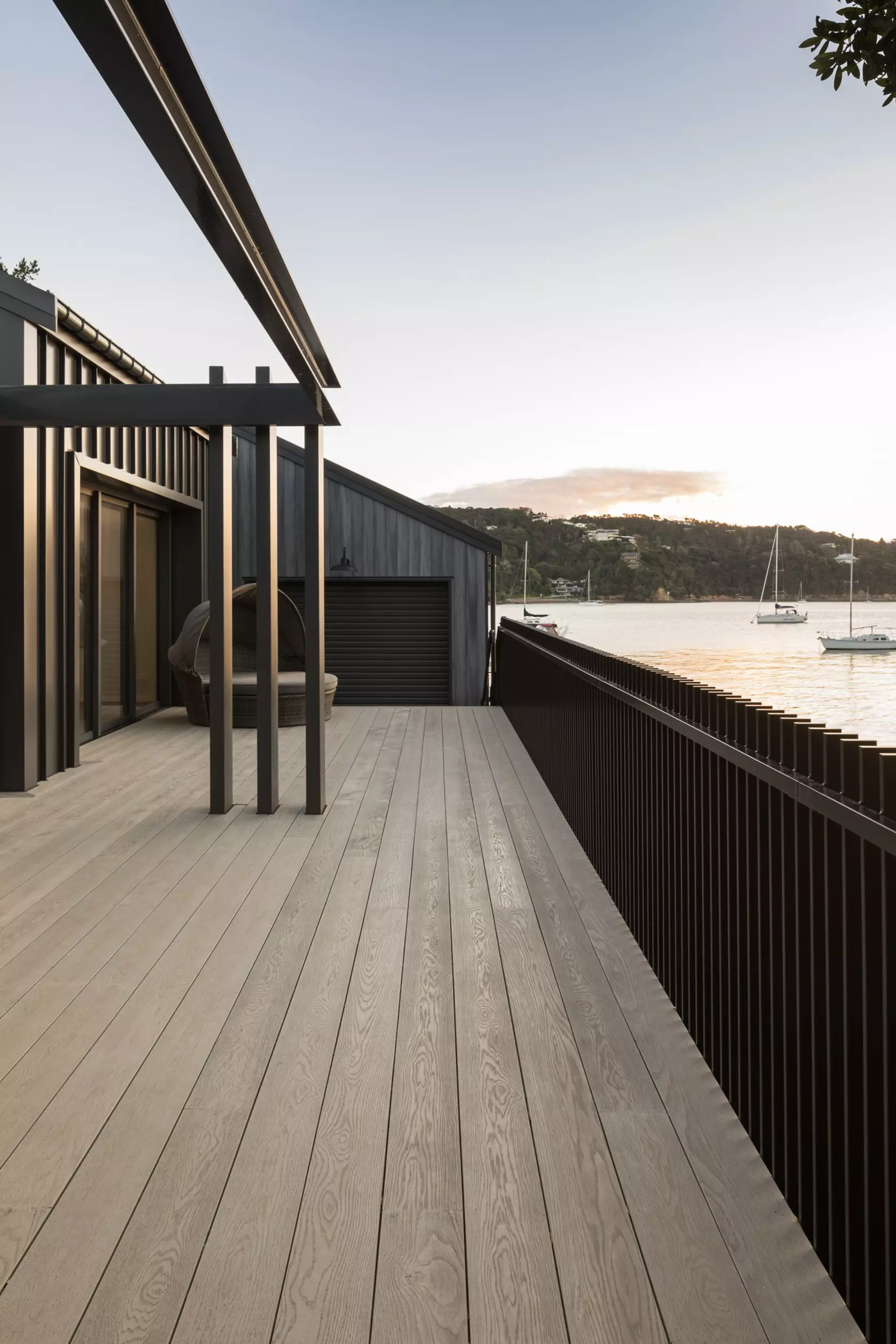
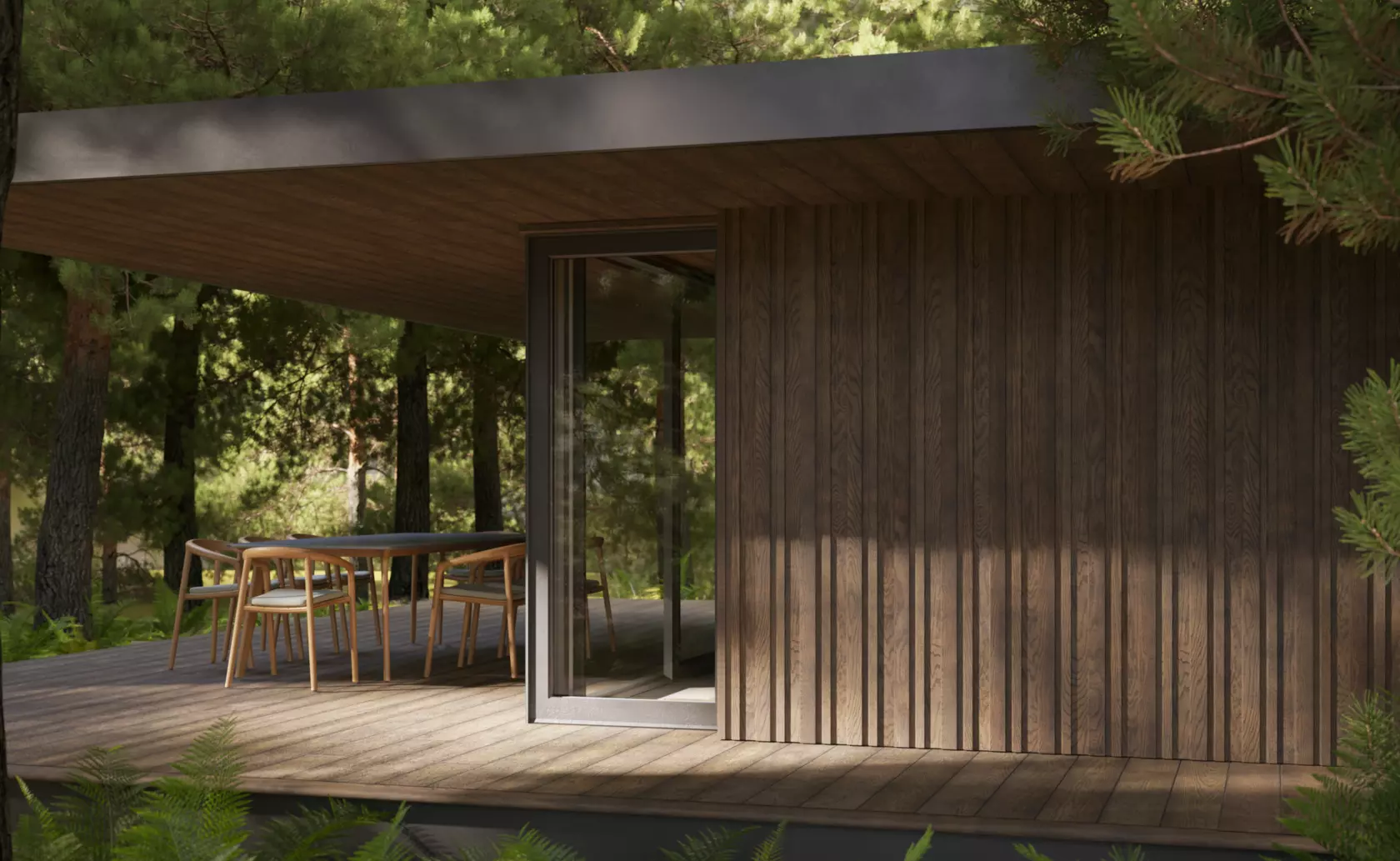
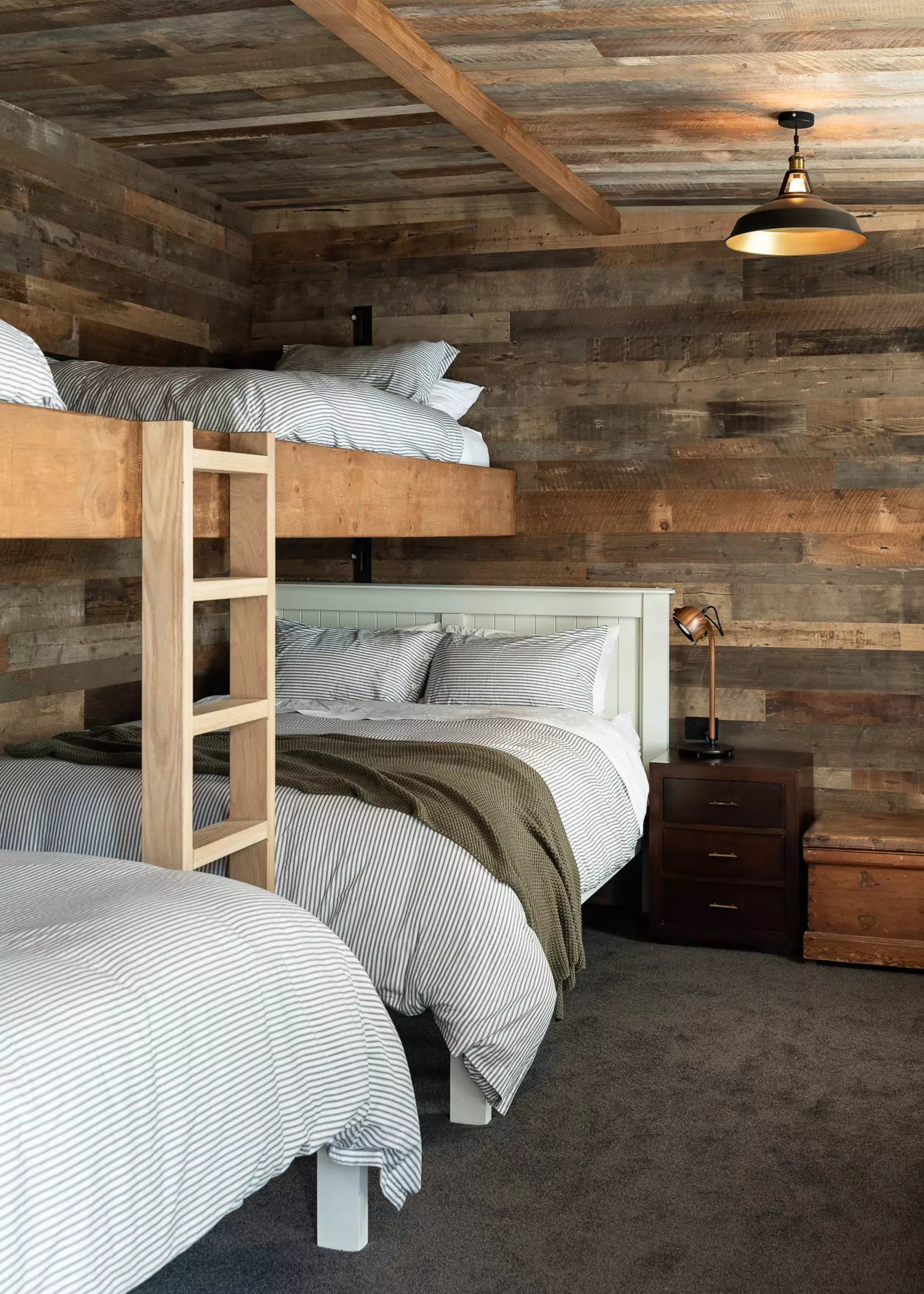
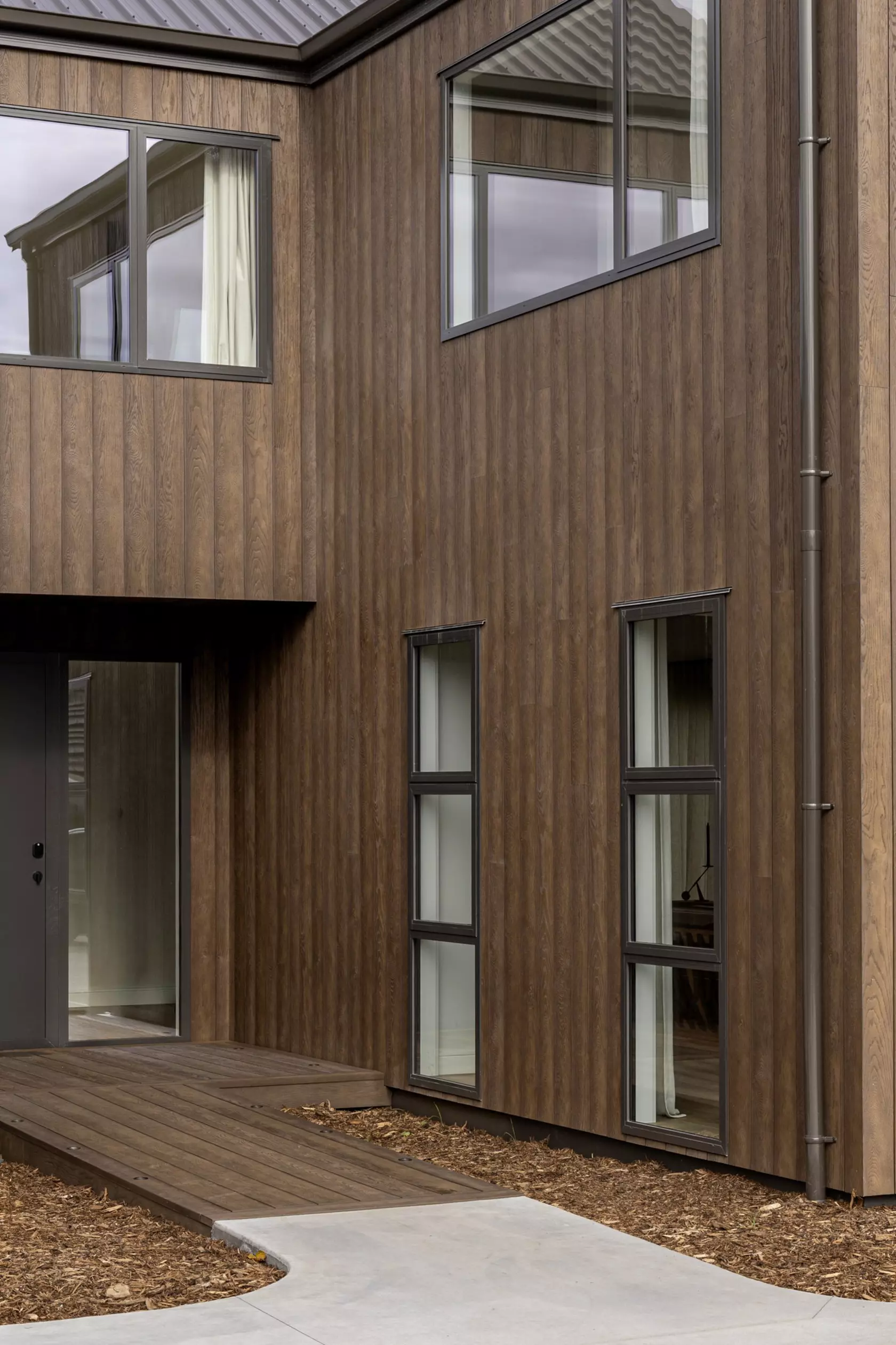
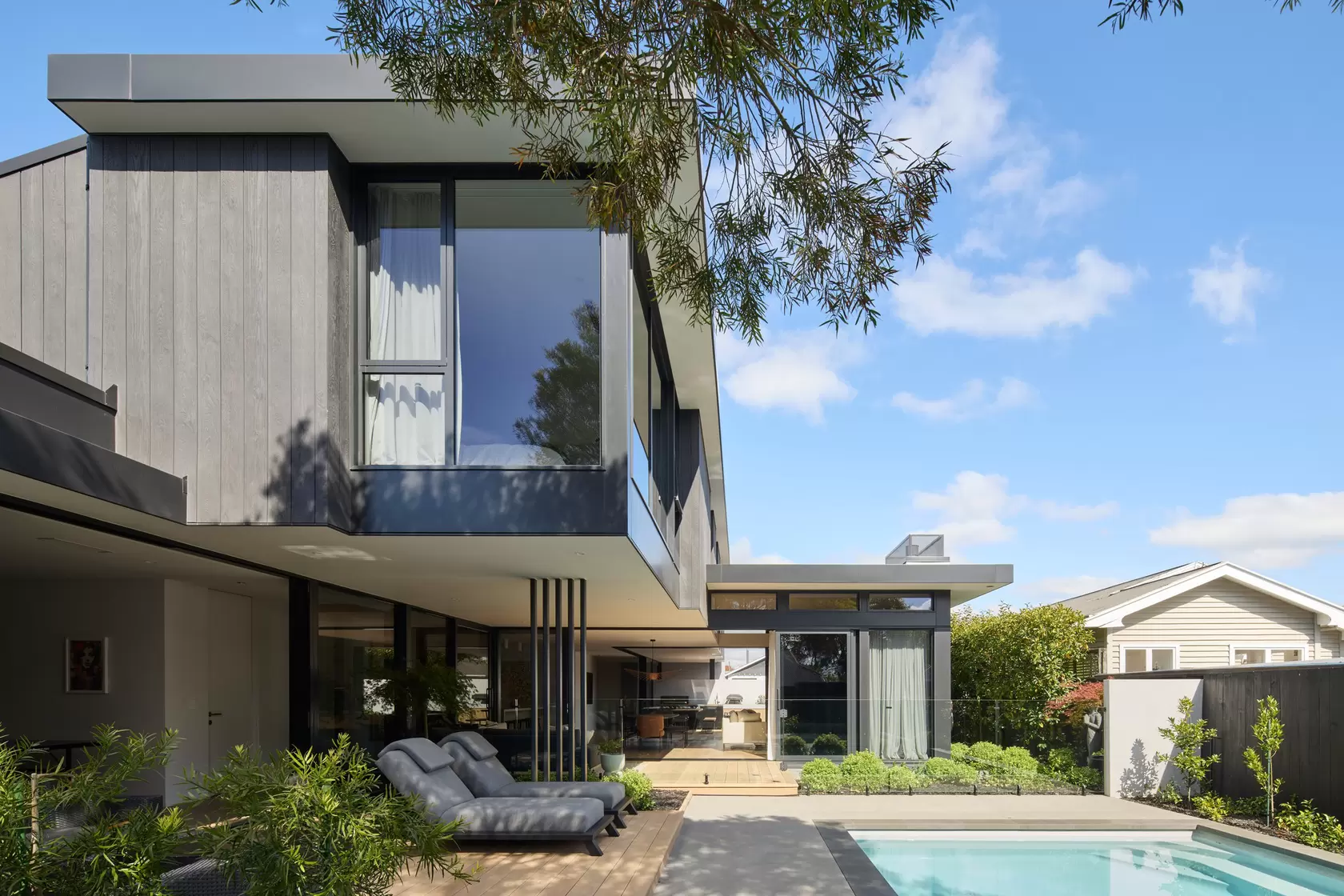
The Kern Road Residence in Rāmarama, South Auckland, is a clear demonstration of what contemporary Board & Batten looks like when executed with conviction. Designer Devon McIntyre specified Millboard Envello Board & Batten+ alongside Shadowline+ — both in Burnt Cedar — across the exterior of a home built around a black barn aesthetic drawn from the owners' Hawke's Bay roots.
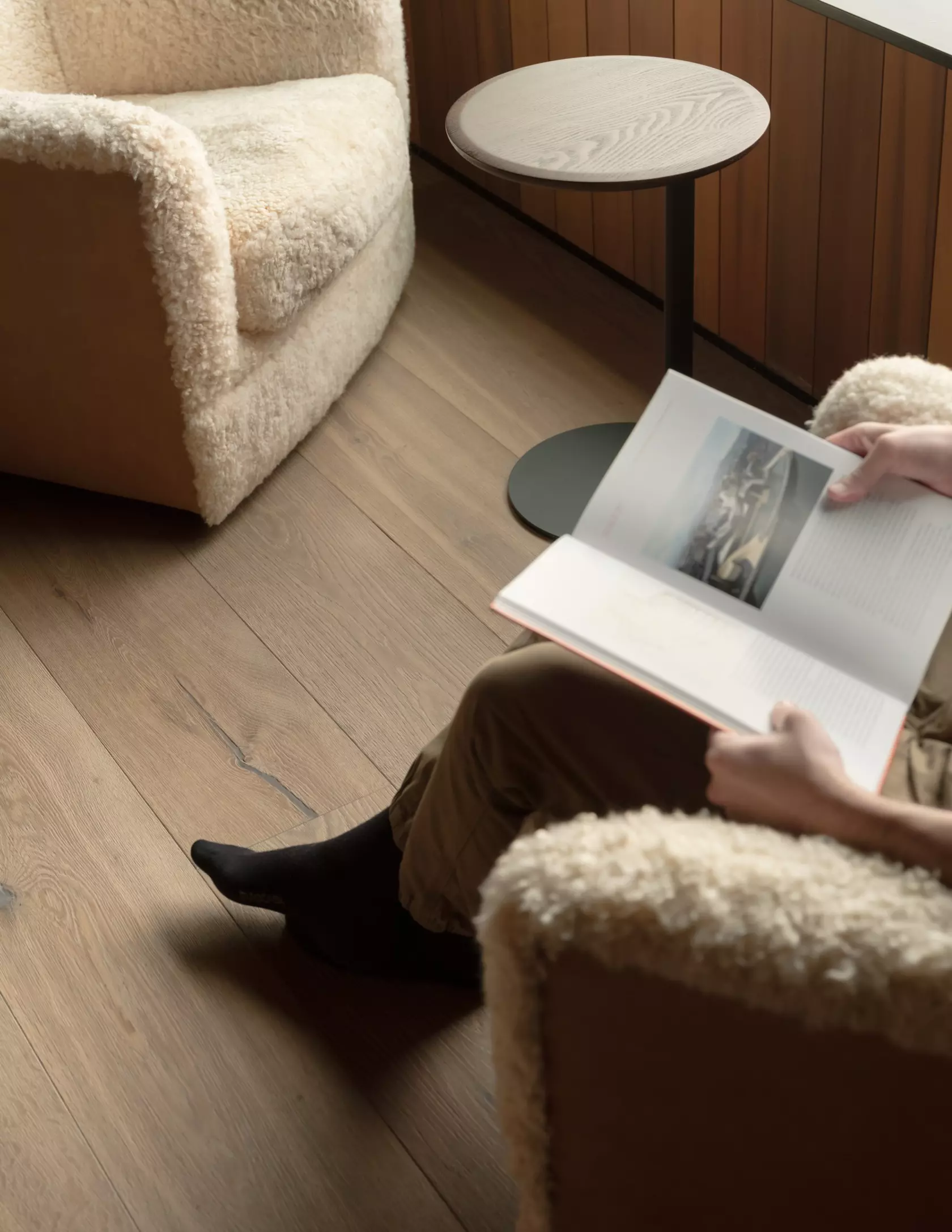
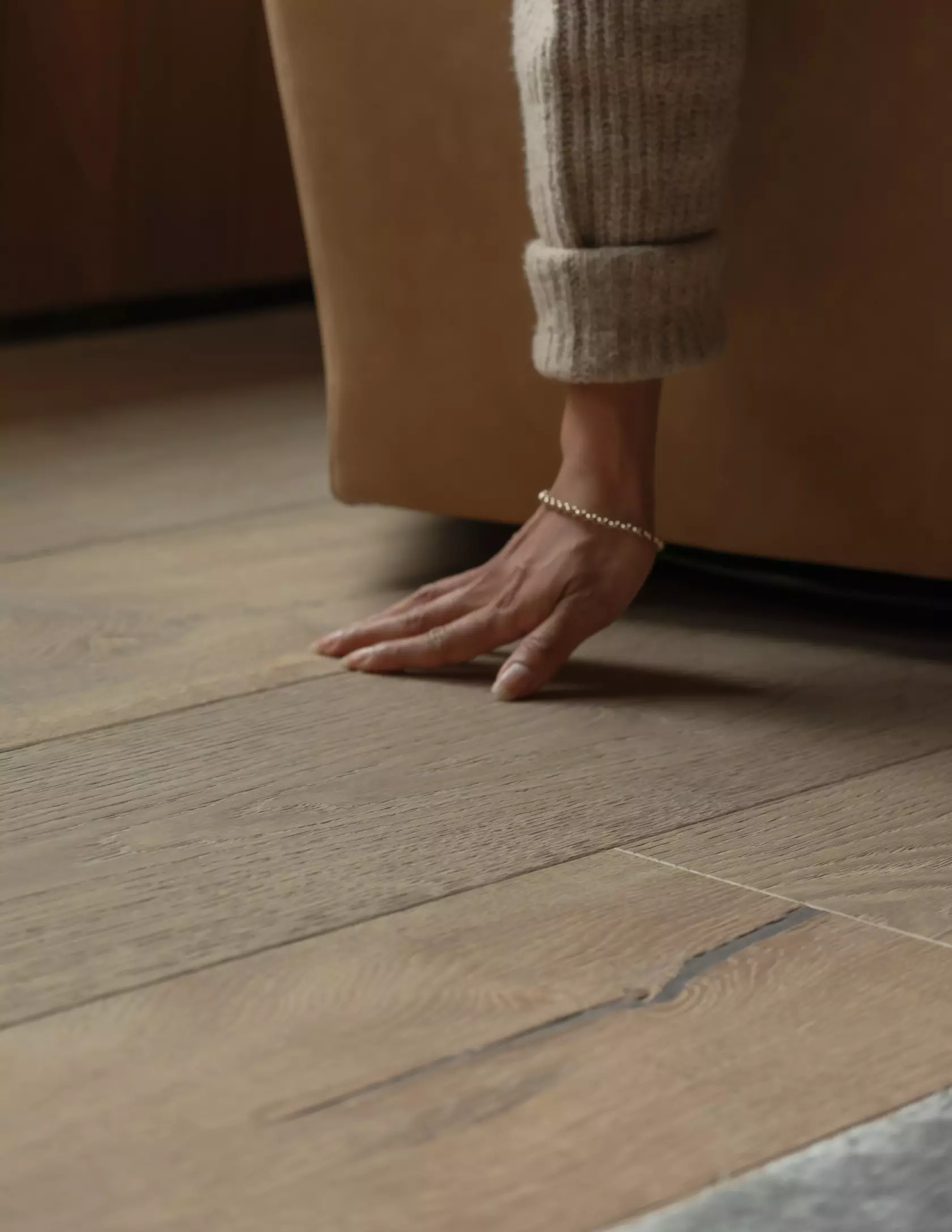
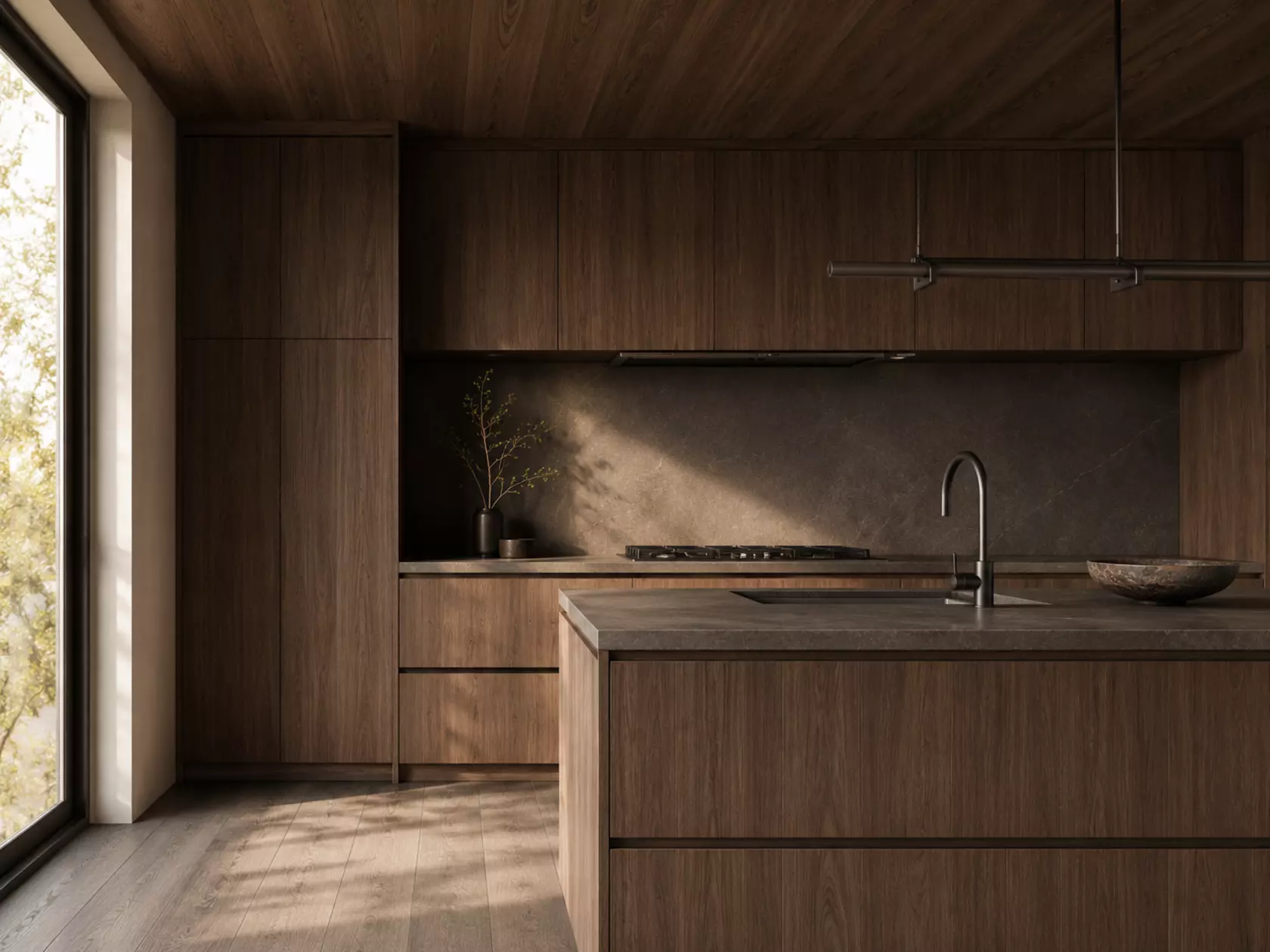
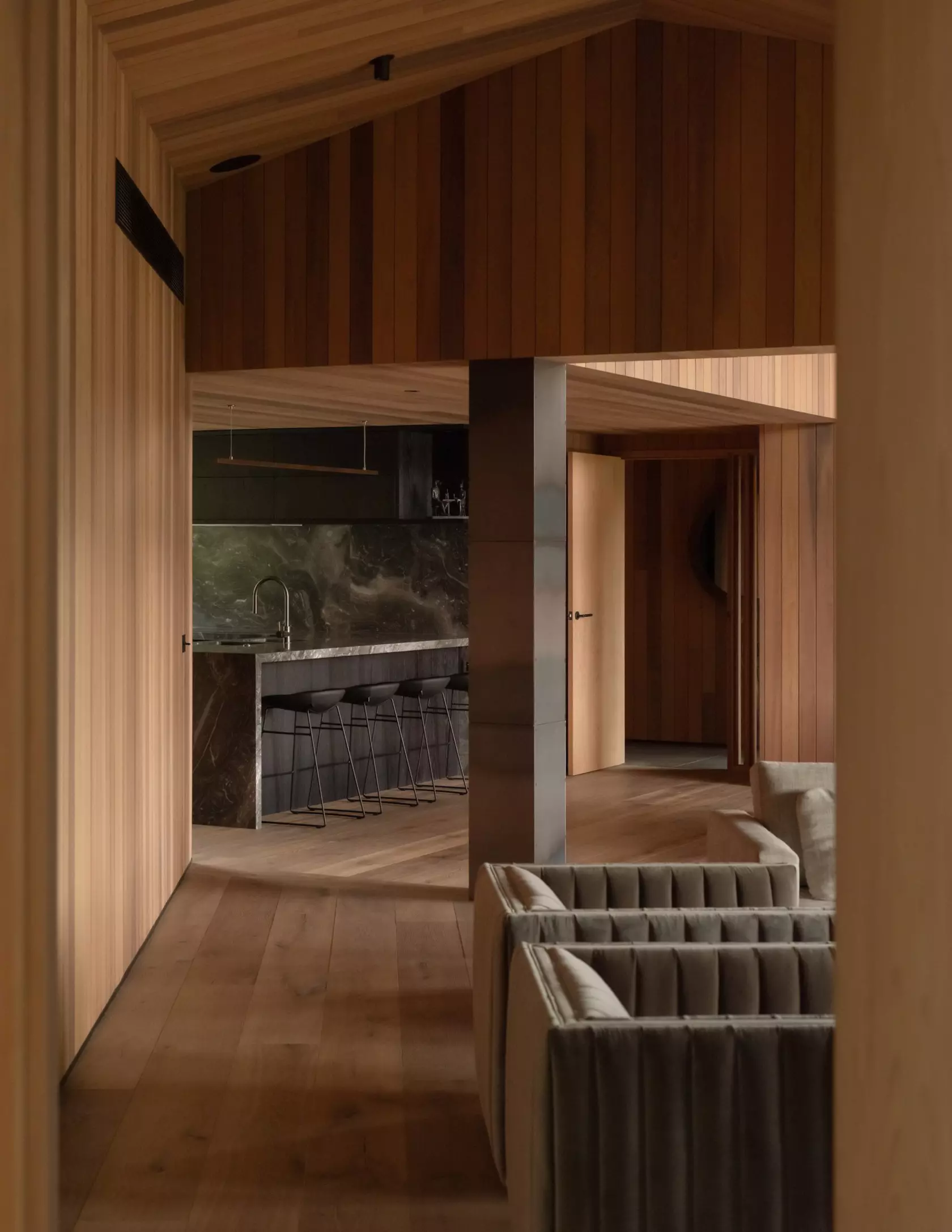
The dark, vertical profile of the Board & Batten reads as composed and deliberate against the open rural setting. Inside, custom flooring and Alor Fawn ceiling panels carry the warmth that the exterior announces — a material conversation that works precisely because the Envello holds its colour and character over time rather than weathering away from the interior palette.
"Guests notice it. It's the combination of the warmth of the floors underfoot, the texture of the ceiling overhead, the way the materials outside seem to continue inside." — Kern Road homeowners

Shadowline cladding runs vertically, like Board & Batten, but with a key difference: rather than a wide board with a covering batten, Shadowline uses narrower boards set with a deliberate recessed gap between each one. That gap — typically 10–20mm deep — creates a continuous vertical shadow line down the face of the building, giving the façade a fine, rhythmic quality that reads as more precise and contemporary than Board & Batten's bolder relief.
The aesthetic: Clean, refined and sophisticated. Where Board & Batten has presence and weight, Shadowline has rhythm and restraint. The repeated vertical reveals create a sense of texture without visual noise, and the profile works particularly well at scale — on larger homes or commercial projects, the fine patterning reads as architectural rather than decorative.
Best suited to: Contemporary homes, mixed-material façades where Shadowline provides a textured counterpoint to plaster or concrete, and any brief where the exterior needs to feel considered and precise without being imposing.
In real timber: Cedar and pine Shadowline profiles are widely used. The recessed gap between boards, while visually elegant, can collect debris and trap moisture if not maintained – accelerating weathering at the reveal. Regular oiling or painting and attention to the gap is required to keep the profile looking as intended.
In Millboard Envello Shadowline+: The same vertical profile with the same recessed reveal, engineered without the maintenance cycle. The composite construction doesn't absorb moisture, so the shadow gap remains clean and consistent without periodic attention.
Project example: Ashley Residence — Shadowline+ in Antique Oak
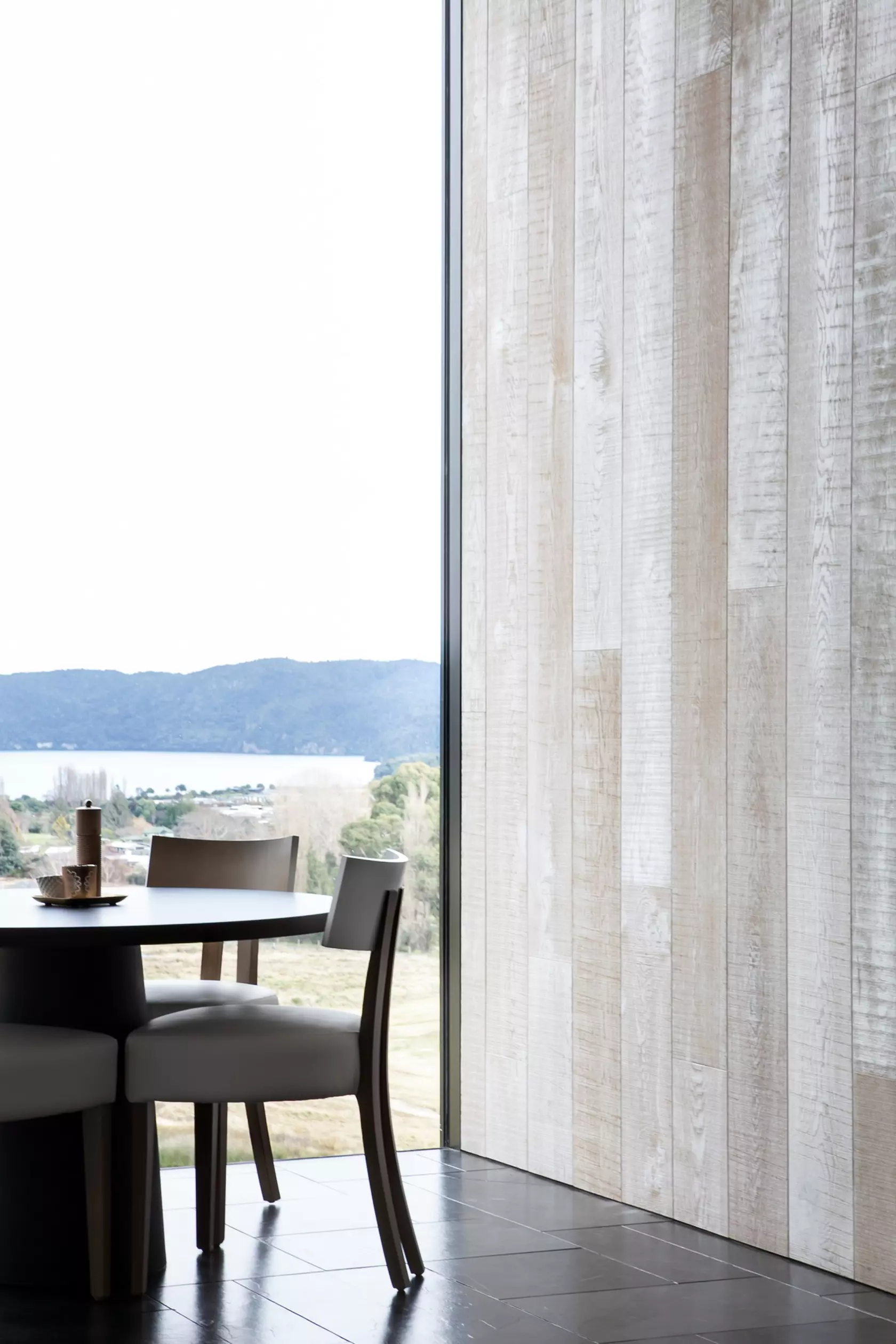
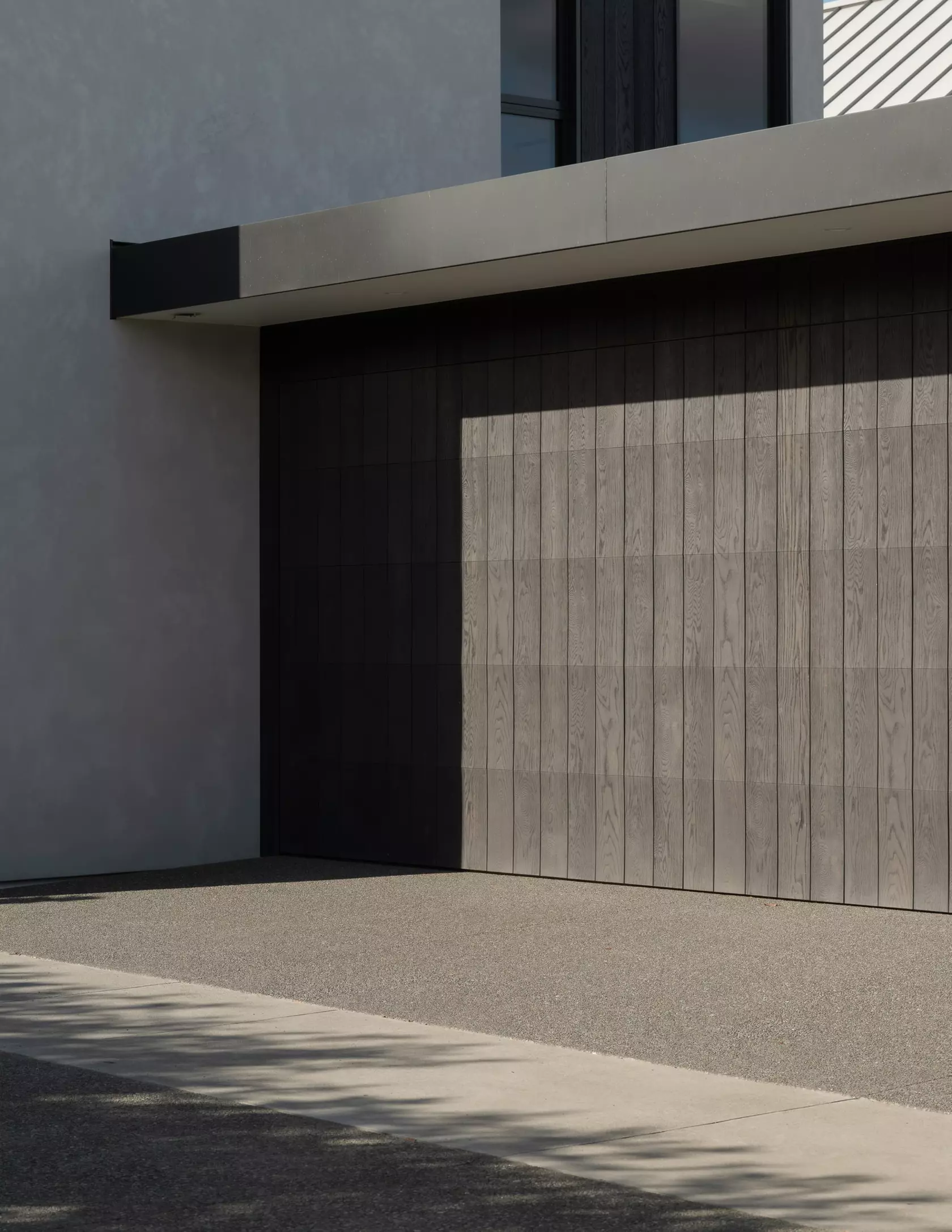
The Ashley Residence in Matamata, designed by The Architecture People and built by Linecrest Homes for a retired farming couple, uses Envello Shadowline+ in Antique Oak as the primary cladding material across a façade that combines the profile with off-white plaster panels.
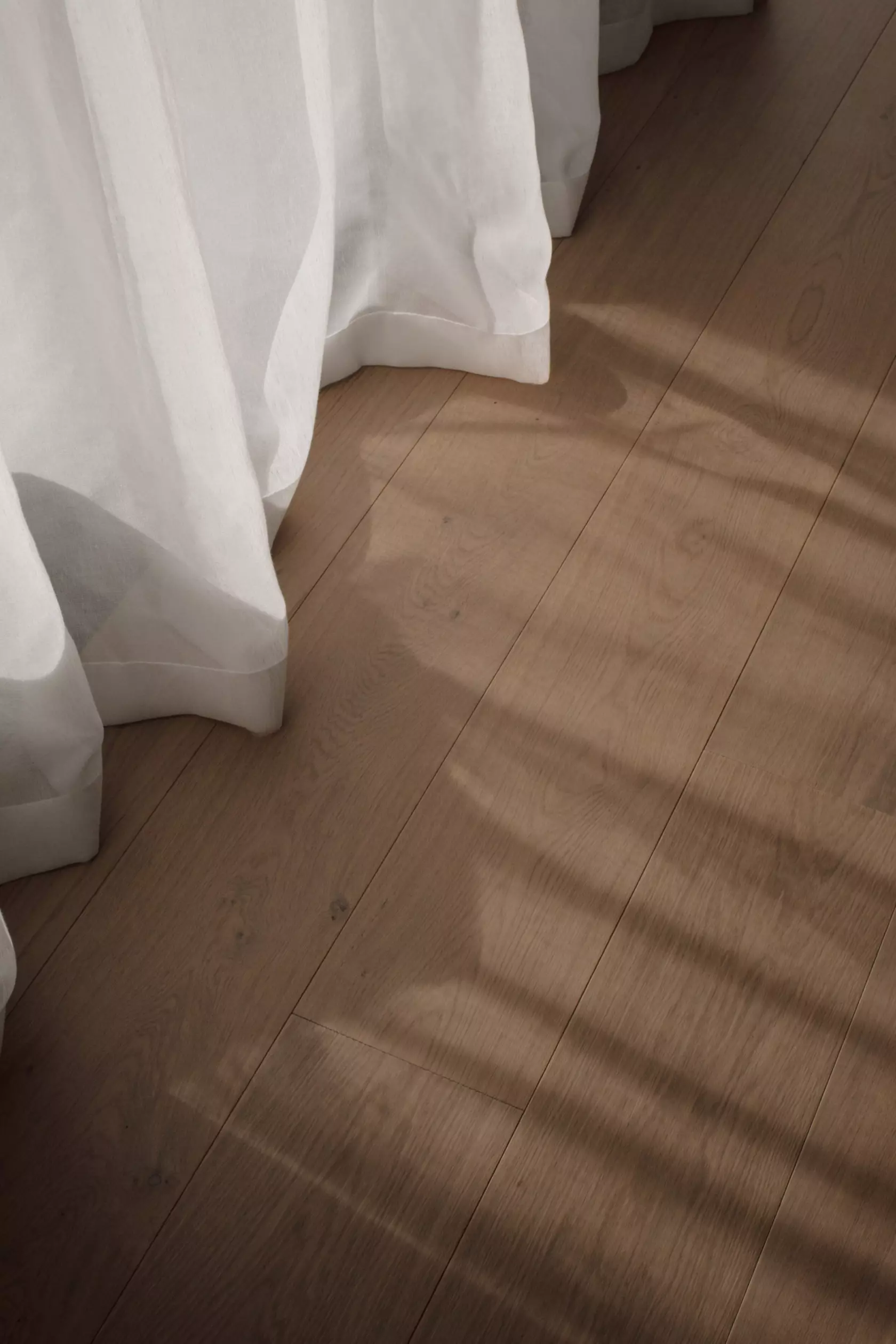
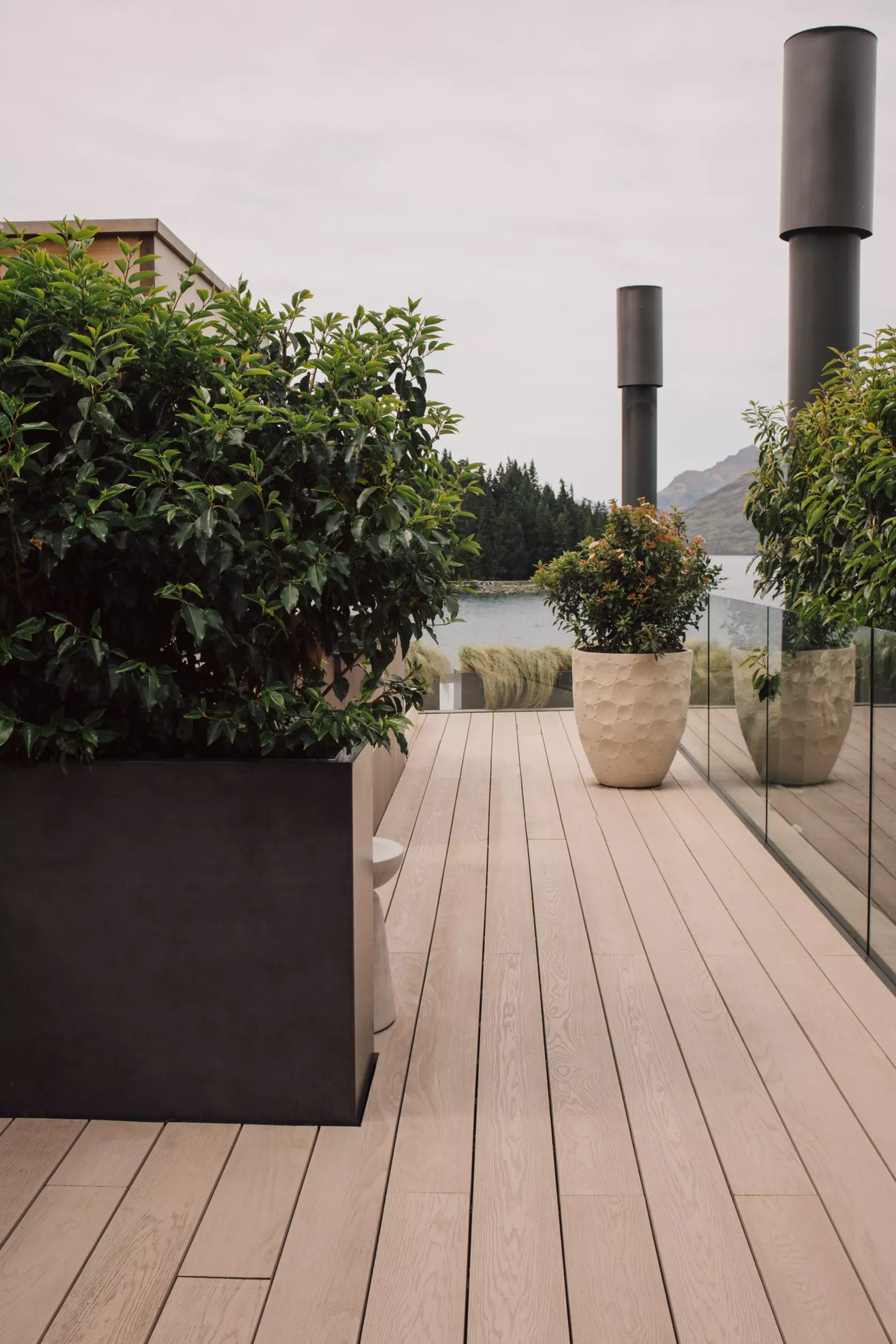
The fine vertical rhythm of the Shadowline gives the home's exterior a refined, layered quality – neither as bold as Board & Batten nor as plain as flush plaster alone. The Antique Oak colourway reads as warm and natural against the plaster, referencing the cedar aesthetic the clients were drawn to while delivering the durability their lifestyle required. The same Millboard Enhanced Grain decking in Antique Oak wraps the outdoor living zones, creating cohesion across the exterior without requiring two separate maintenance regimes.
The Envello also carries into the home's interior at the entry – running from outside in to create a seamless threshold experience that the purely functional version of this profile, in raw timber, would be far harder to sustain over time.
Shiplap is one of the most familiar cladding profiles in New Zealand residential construction. Each board is rebated along its edges so that it overlaps the board below, creating a weather-tight join and a characteristic shadow line at the overlap. Unlike Shadowline, the boards themselves are the visible face — there's no deliberate reveal gap, just the natural shadow of the overlap.
The aesthetic: Warm, familiar, and tactile. Shiplap has a handcrafted quality that suits both traditional and transitional design styles. The texture of overlapping boards catches light differently across the day and gives the façade depth without the strong graphic quality of Board & Batten or the architectural precision of Shadowline.
Best suited to: Traditional homes, baches, coastal properties, transitional styles where the brief sits between heritage and contemporary, and projects where a sense of craft and texture matters more than geometric clarity.
In real timber: Shiplap in cedar or pine is extremely common and generally performs well. The overlapping profile sheds water effectively, but the rebated join can trap debris over time and the face of the board — fully exposed to UV — requires regular maintenance to prevent checking and greyning.
In Millboard: Millboard does not currently offer a dedicated shiplap profile. For projects where the shiplap aesthetic is important, real timber remains the primary option — though the maintenance implications should be factored into the decision from the outset. Where the textured, board-based quality of shiplap is the core appeal, Envello Board & Batten+ or Shadowline+ will often achieve a similarly rich exterior reading with lower long-term demands.
Profile Comparison at a Glance
| Board & Batten | Shadowline | Shiplap |
Orientation | Vertical | Vertical | Horizontal |
Visual effect | Bold, broad, grounded | Fine, rhythmic, architectural | Warm, textured, classic |
Shadow detail | Strong vertical relief | Fine recessed vertical reveal | Soft overlap shadow |
Best setting | Rural, exposed, lifestyle | Contemporary, mixed-material façades | Coastal, traditional, bach |
Real timber maintenance | High | High (gap traps debris) | Medium–High |
Millboard Envello option | ✓ Board & Batten+ | ✓ Shadowline+ | ✗ Not currently available |
Millboard colourways | Burnt Cedar, Smoked Oak, Driftwood, Carbon, Antique Oak | Burnt Cedar, Smoked Oak, Driftwood, Carbon, Antique Oak | — |
Consider the massing of your home first. Both Board & Batten and Shadowline run vertically, so the choice between them is less about tall vs wide and more about weight and rhythm — Board & Batten is bolder in character; Shadowline is finer and more architectural. Shiplap runs horizontally and suits homes where you want to emphasise length and connection to the ground. Getting the profile direction wrong is one of the most common mistakes in residential exterior design.
Consider the setting. Board & Batten reads as rural and rooted — it belongs on a lifestyle block in a way that Shadowline, in some colourways, might not. Shadowline has a more universally contemporary character. Shiplap carries coastal and heritage associations that can work beautifully in the right context and feel slightly incongruous in others.
Consider the colourway alongside the profile. A dark Burnt Cedar Board & Batten reads completely differently from a light Driftwood Board & Batten — one recedes into a rural landscape, the other stands against it. Profiles and colourways work together; assess them as a pair, not separately.
Consider maintenance honestly. Real timber cladding in any profile is a long-term maintenance commitment. If that's something you're prepared to take on — and many homeowners are — it remains a beautiful option. If the appeal is primarily the aesthetic of timber rather than the material itself, Millboard Envello delivers that in two of the three profiles without the ongoing programme of oiling, painting, and repair.
Supply costs for Millboard Envello cladding typically sit above raw cedar or pine on a per-square-metre basis at the point of purchase. However, the full-lifecycle cost comparison looks quite different when maintenance is factored in.
Real timber cladding in New Zealand typically requires:
Repainting or re-oiling every 5–8 years
Occasional board replacement where checking or weathering has occurred
Labour costs that increase as scaffolding and access become more complex on larger or taller homes
Millboard Envello requires no painting, staining, or sealing. An occasional wash is sufficient. Over a 25-year period — the term of the Envello product guarantee — the maintenance cost differential often offsets the higher initial supply cost, particularly on homes with complex roof lines, high walls, or limited access. Envello is also CodeMark certified, which means it carries independent third-party verification of compliance with the New Zealand Building Code — a meaningful reassurance for homeowners and builders alike
Read more about life cost comparison here: How Much Does Exterior Cladding Cost in New Zealand? | Forté
Frequently Asked Questions
Can you mix cladding profiles on the same home? Yes — and when done well, it can be one of the most effective exterior design moves available. Board & Batten on a gable end combined with Shadowline on the main body of the house is a common combination that adds hierarchy and visual interest to the façade. Kern Road uses both Board & Batten+ and Shadowline+ in the same Burnt Cedar colourway, which creates profile contrast while maintaining tonal cohesion.
Does profile affect how a home performs in wind and rain? All three profiles, when correctly installed, perform well in New Zealand conditions. Shiplap's overlapping join is particularly effective at shedding water. Shadowline's recessed reveal can collect debris in very leafy or dusty environments, which is more of a maintenance consideration than a weathertightness issue. Board & Batten's covered joins are typically very weather-tight. Millboard's composite construction adds an additional layer of resilience — it won't swell, crack, or delaminate with moisture.
How do I know which colourway to choose for Millboard Envello? Start with the tone of your interior. Warm interior flooring and panelling — oak, amber, honey tones — generally pair best with Limed Oak, Antique Oak, or Burnt Cedar. Cooler or more neutral interiors suit Driftwood or Smoked Oak. For bold, dark exteriors like Kern Road's black barn aesthetic, Burnt Cedar in a dark colourway creates a composed, receding façade that suits open rural settings particularly well.
Is Millboard Envello available through builders or direct? In New Zealand, Envello is distributed exclusively by us. Specification support, samples, and project pricing are available through Forté's team directly. Enquire | Forté
Projects Referenced
Kern Road Residence | Rāmarama, South Auckland Designer: Devon McIntyre
Exterior cladding: Millboard Envello Board & Batten+ and Shadowline+ — Burnt Cedar Exterior decking: Millboard Enhanced Grain — Limed Oak Interior flooring: Origin Auric Plank and Chevron Interior panelling: Alor Fawn ceiling panels and custom box beams
Ashley Residence | Matamata, Waikato Architectural design: The Architecture People (Dean Baldock, Director) Builder: Linecrest Homes
Exterior cladding: Millboard Envello Shadowline+ — Antique Oak Exterior decking: Millboard Enhanced Grain — Antique Oak
Forté is a New Zealand-based specialist in refined timber surfaces for interior and exterior applications, with over 35 years in the industry. Millboard is distributed in New Zealand by Forté. For further reading on cladding weathertightness and profile performance, see BRANZ's guidance on exterior wall cladding and the New Zealand Building Code Clause E2 — External Moisture.
Does Shiplap come in a composite or low-maintenance version? Not currently through Envello. If shiplap is your preferred profile and maintenance is a concern, it's worth discussing with your designer whether Shadowline might achieve a similarly textured reading — particularly in a warm, natural colourway.