





What is Parquet Wood Flooring?
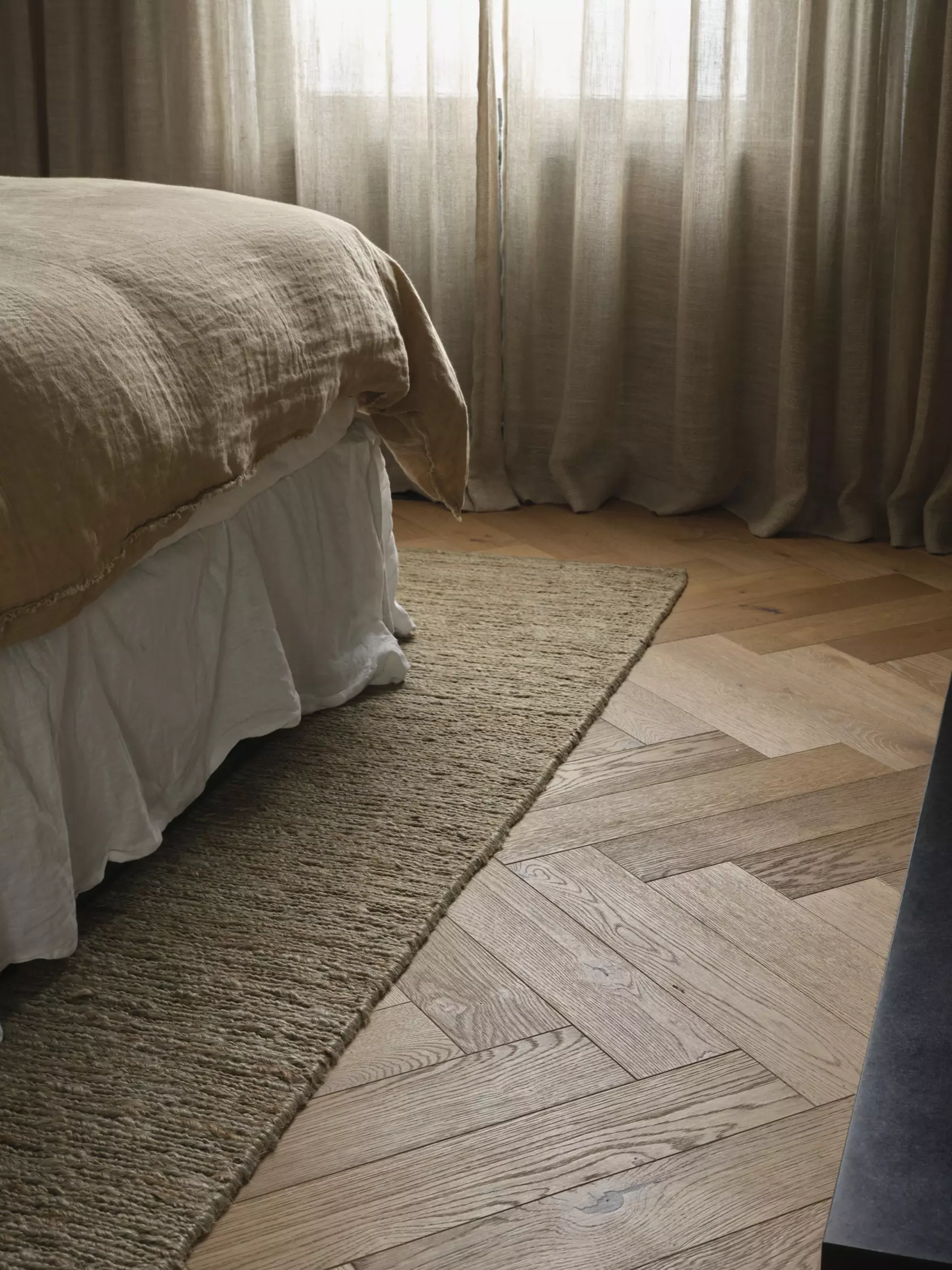
Parquet timber flooring is known for its striking geometric patterns. With its durability and beauty, this traditional style of flooring is a great way to add warmth and character to a space.
If you are considering a parquet floor in your space, this article has everything you need to know. We explore how it is installed, the various patterns, and the pros and cons to keep in mind.

Parquet floors are made of small wood pieces arranged in a geometric pattern. This creates a distinctive aesthetic, adding personality and interest to the room. However, it is not commonly used in New Zealand as it is relatively expensive and time-consuming to install.
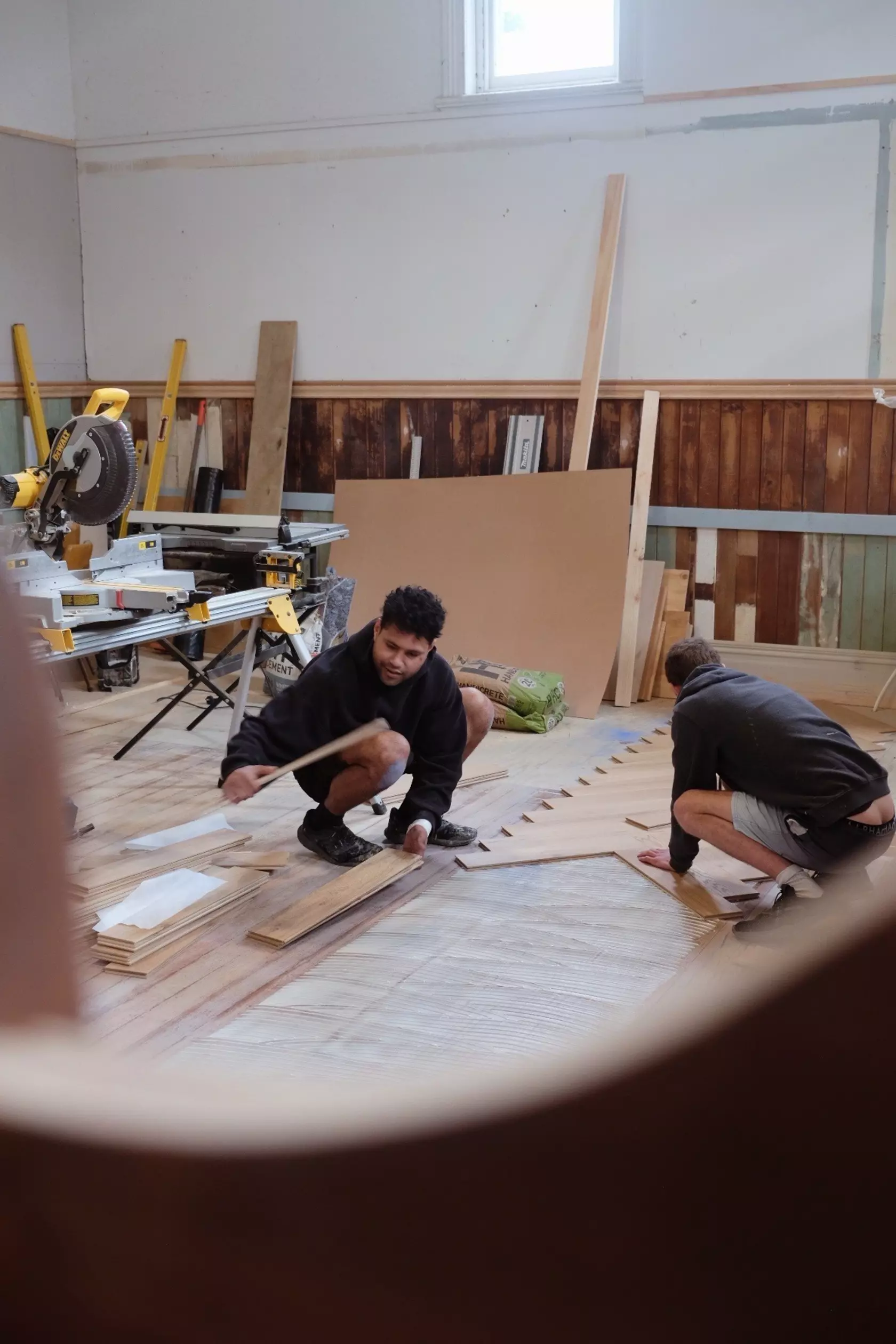
When installing a parquet floor, individual blocks of wood are placed and fixed down piece by piece. Each block is fixed to a solid backing material, which provides strength and structure.
Depending on the pattern and size of the pieces, installation can take a long time. At Forte, we offer parquet flooring as pre-finished boards. This way, you can install it quickly and efficiently, while still achieving the signature parquet look.
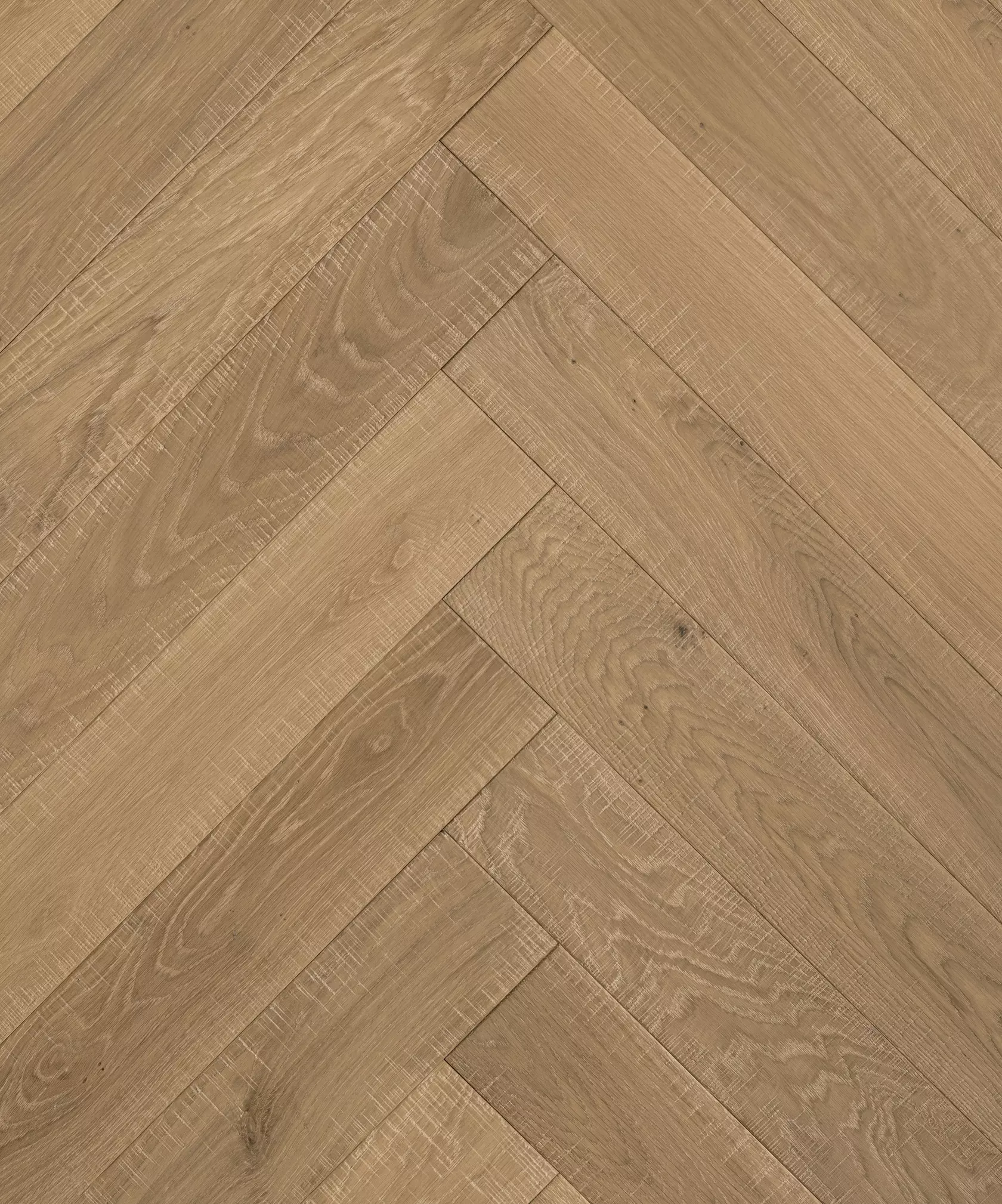
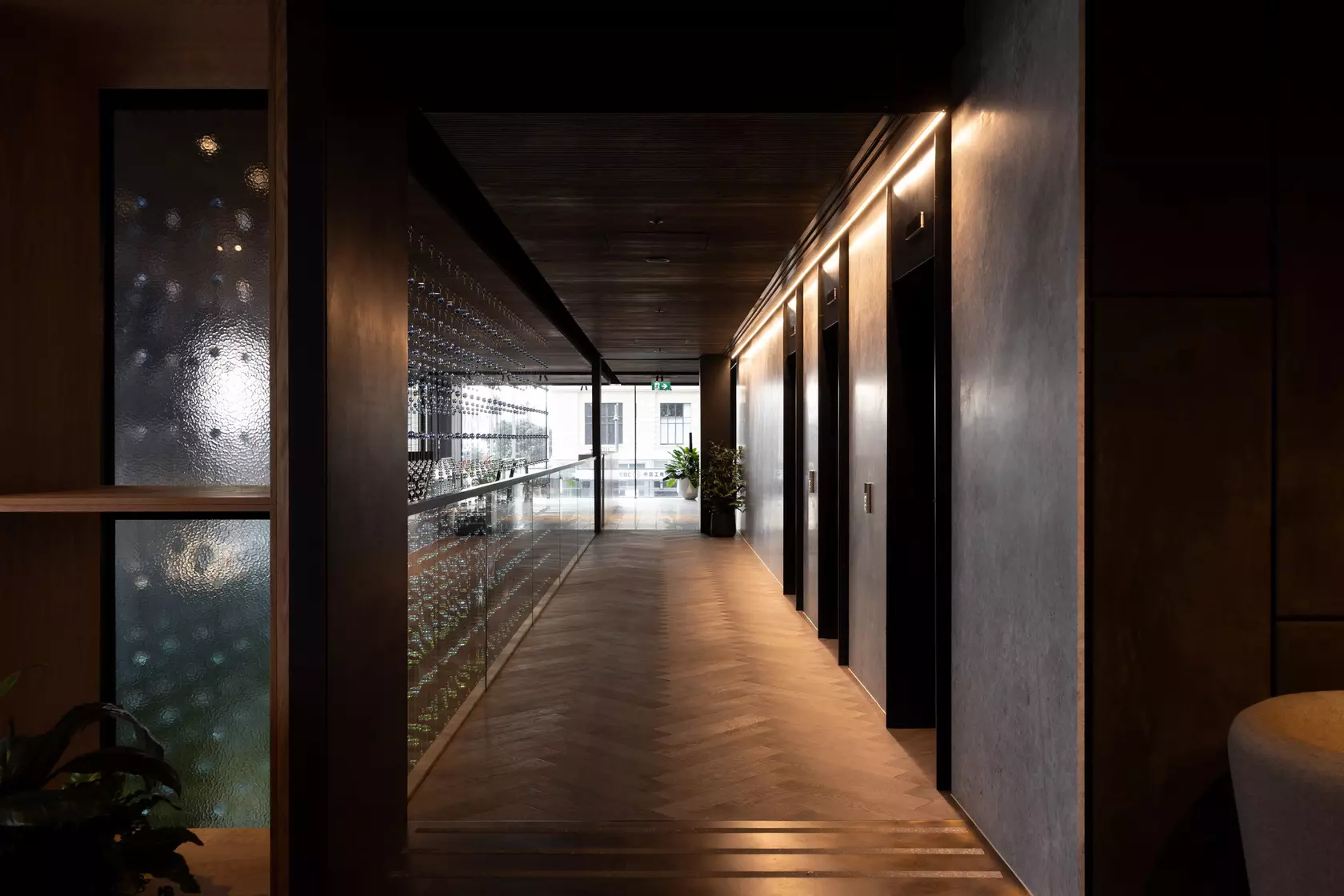
Herringbone
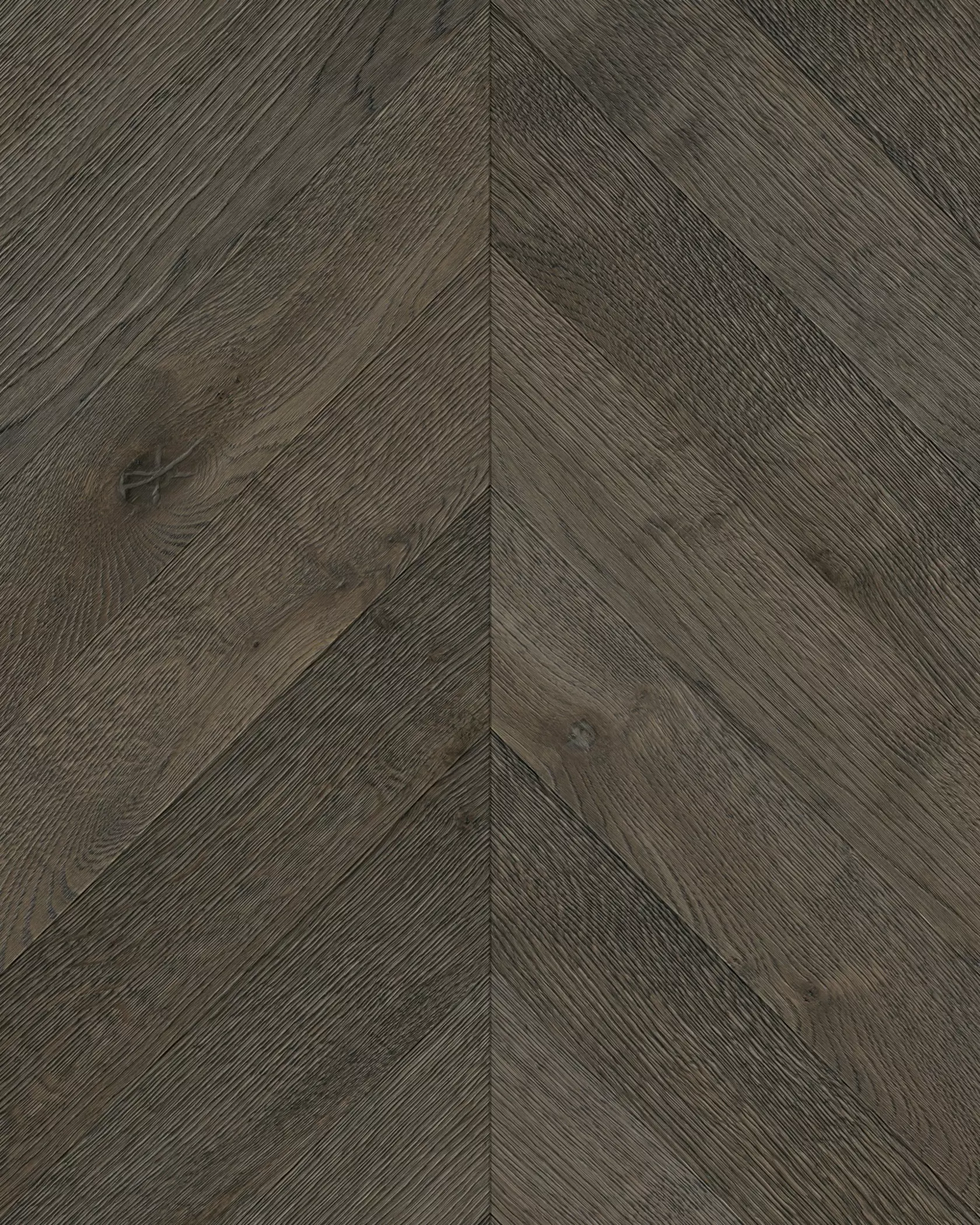
Chevron
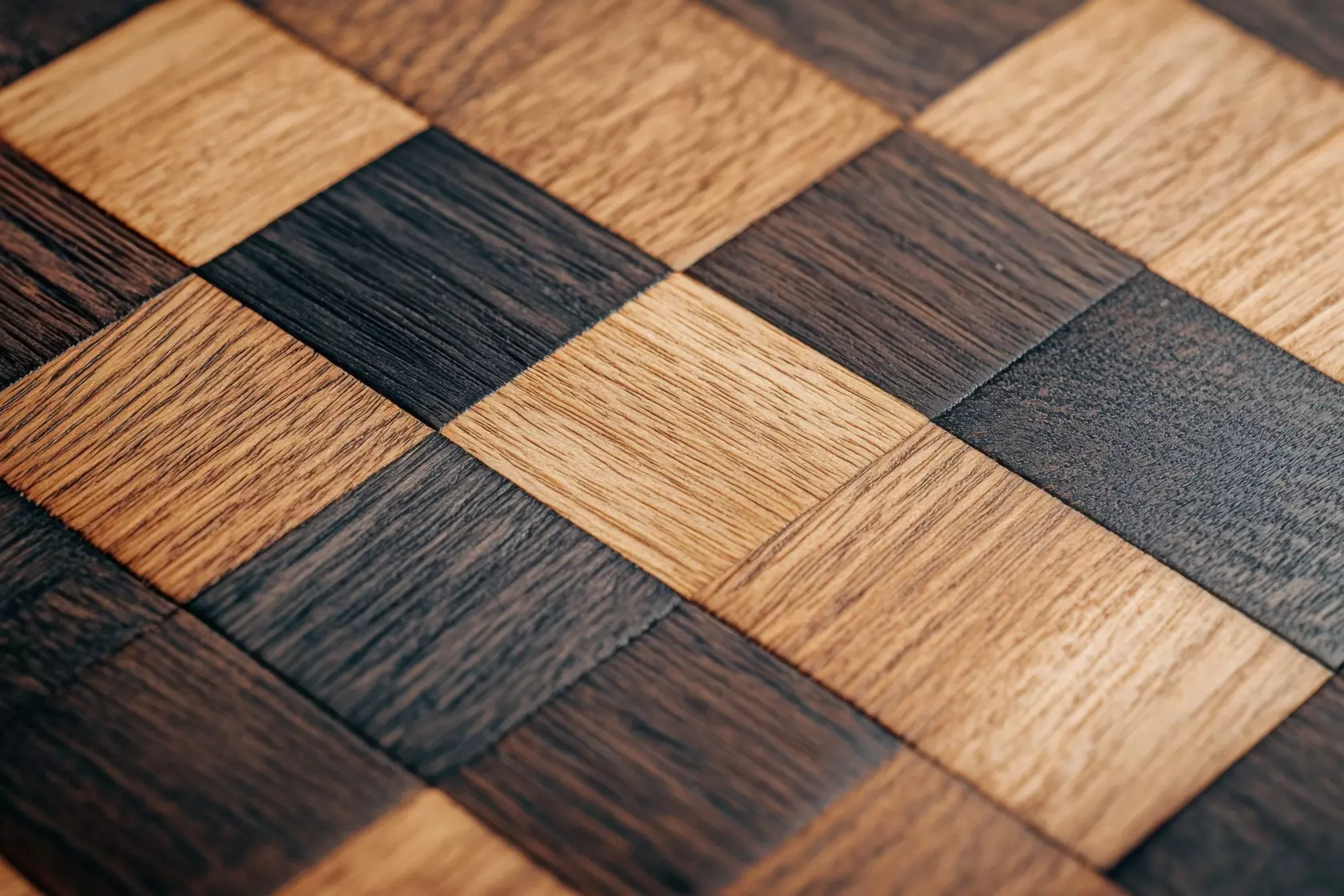
Checkerboard Squares
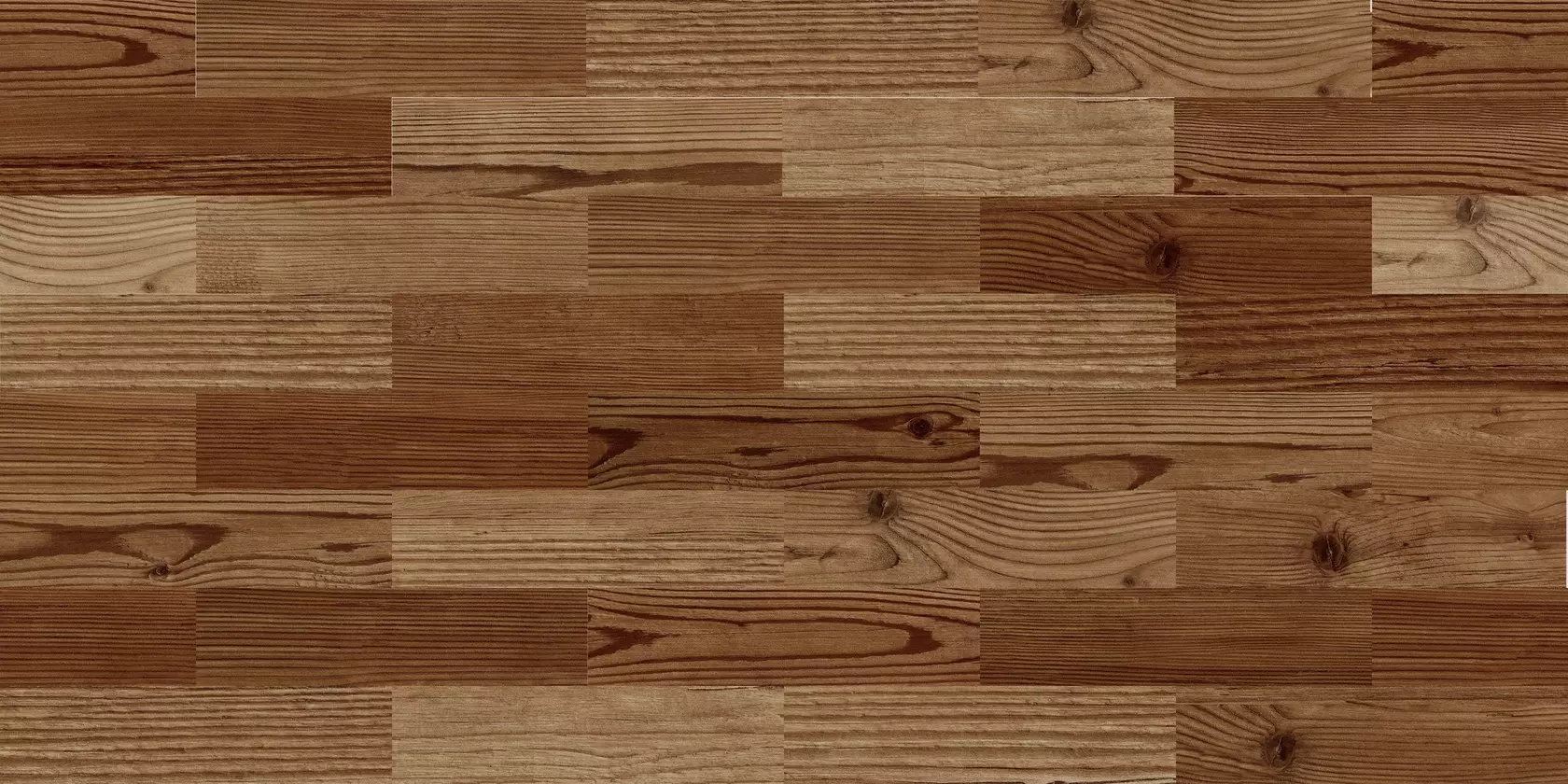
Brickwork
Advantages of Parquet Floors
Parquet is a great material for a bespoke floor as you can use pattern, texture and colour to create a unique effect. Key advantages include:
A unique aesthetic
A wide range of patterns
Made from hardwood or engineered hardwood
Can be installed on timber or concrete
Disadvantages of Parquet Floors
While parquet floors are striking, they may not appeal to everyone. Key drawbacks include:
Time-consuming installation
Expensive
High maintenance
Susceptible to water damage
Unfinished vs Pre-finished Parquet Floors
As with most timber flooring products, parquet flooring can come unfinished or pre-finished.
Unfinished parquet floors require far more site work. Firstly, the small pieces of wood must be placed and secured one by one. When the entire floor is laid, you also need to sand, stain, and seal it. This does mean you have more flexibility in customising the floor but the process is time-consuming and expensive.
Pre-finished parquet floor boards are completed in the factory and need no further finishing once they’re laid. Instead of laying individual pieces, the installers lay large boards with the pieces fixed to them. This saves a lot of time, provides a more consistent look, and creates a more durable finish. However, there may be fewer options for custom finishes.
Water Damage on Parquet Floors
Depending on the installation process, maintenance and environment, wooden parquet floors may be susceptible to water damage. With regular exposure to moisture, the wooden blocks can swell, warp, or cup over time.
To avoid this, it is crucial to clean spills, maintain optimal indoor humidity levels, and apply appropriate sealants to protect the floor's surface. Depending on the flooring you choose, it may need to undergo an acclimatisation period before being laid.
How to Refinish a Parquet Floor
One of the advantages of timber parquet flooring is that it can be sanded and refinished several times during its lifetime. Simply follow these steps:
Remove all furniture and clean the floor.
Sand and buff to remove the existing finish and smooth any damage.
Remove residual dust with a vacuum and a microfibre cloth.
Apply your product along the floor edges with a cutting-in brush.
Use a roller to coat the floor evenly with your chosen products.
Let the floor dry completely.
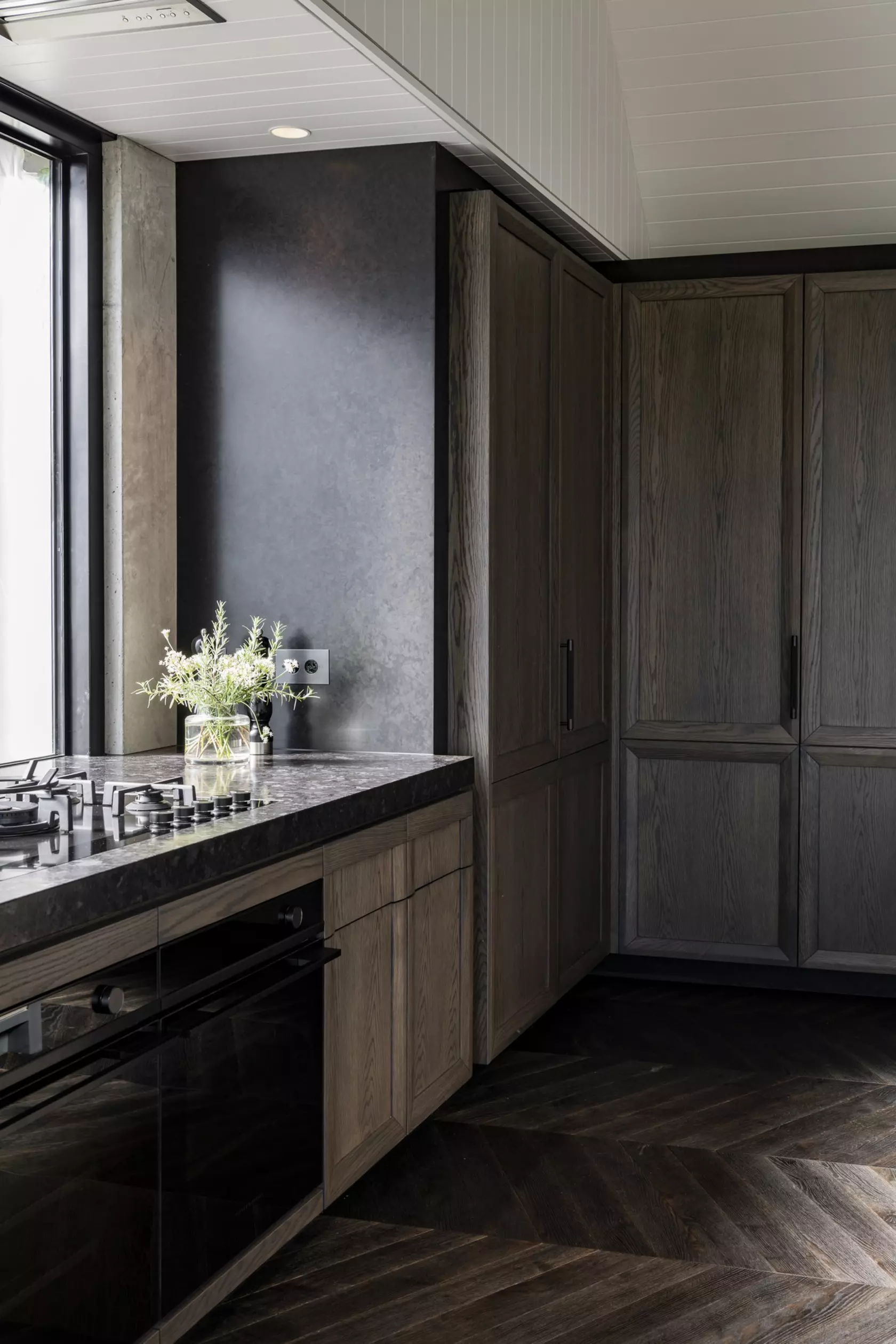
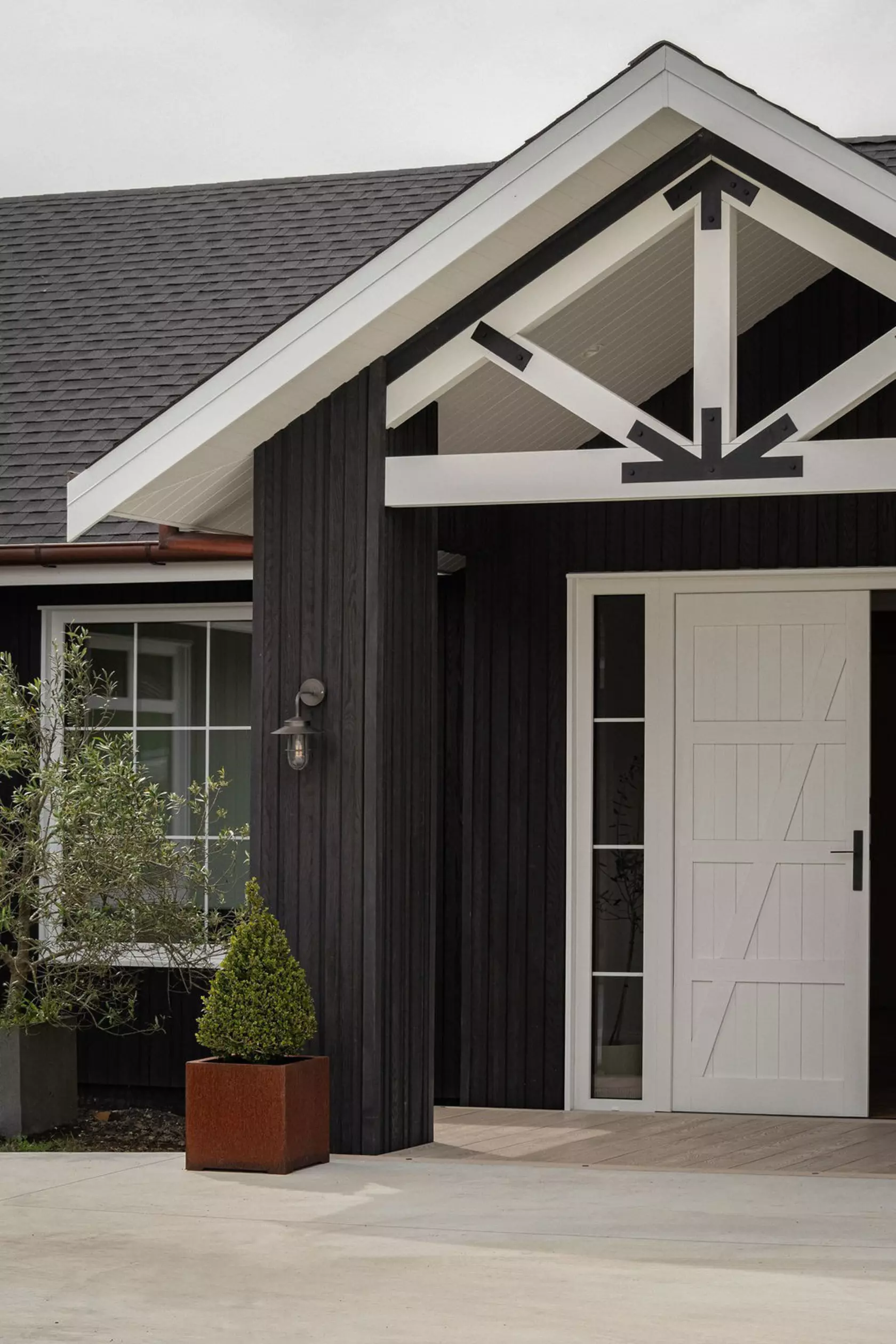
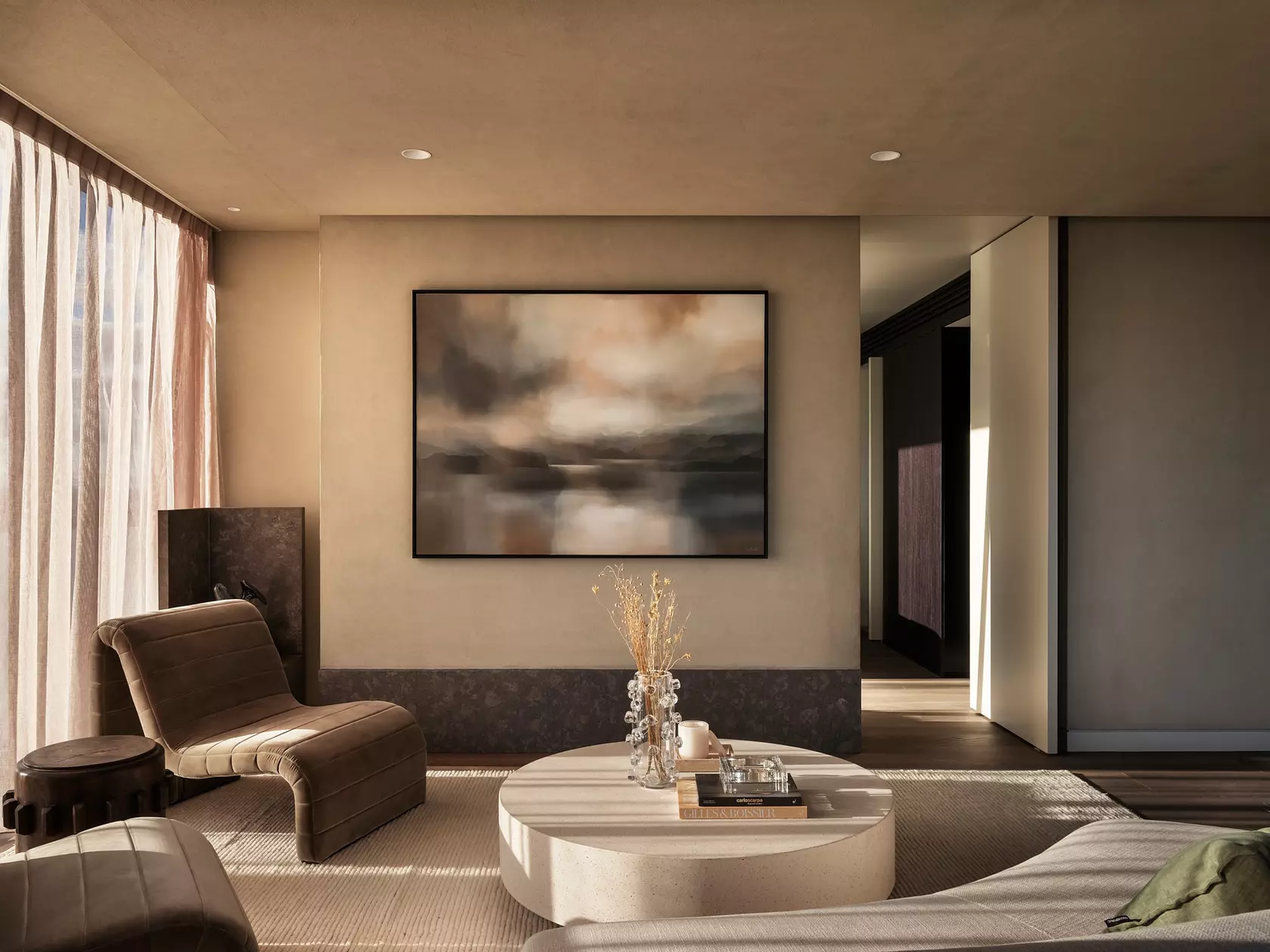
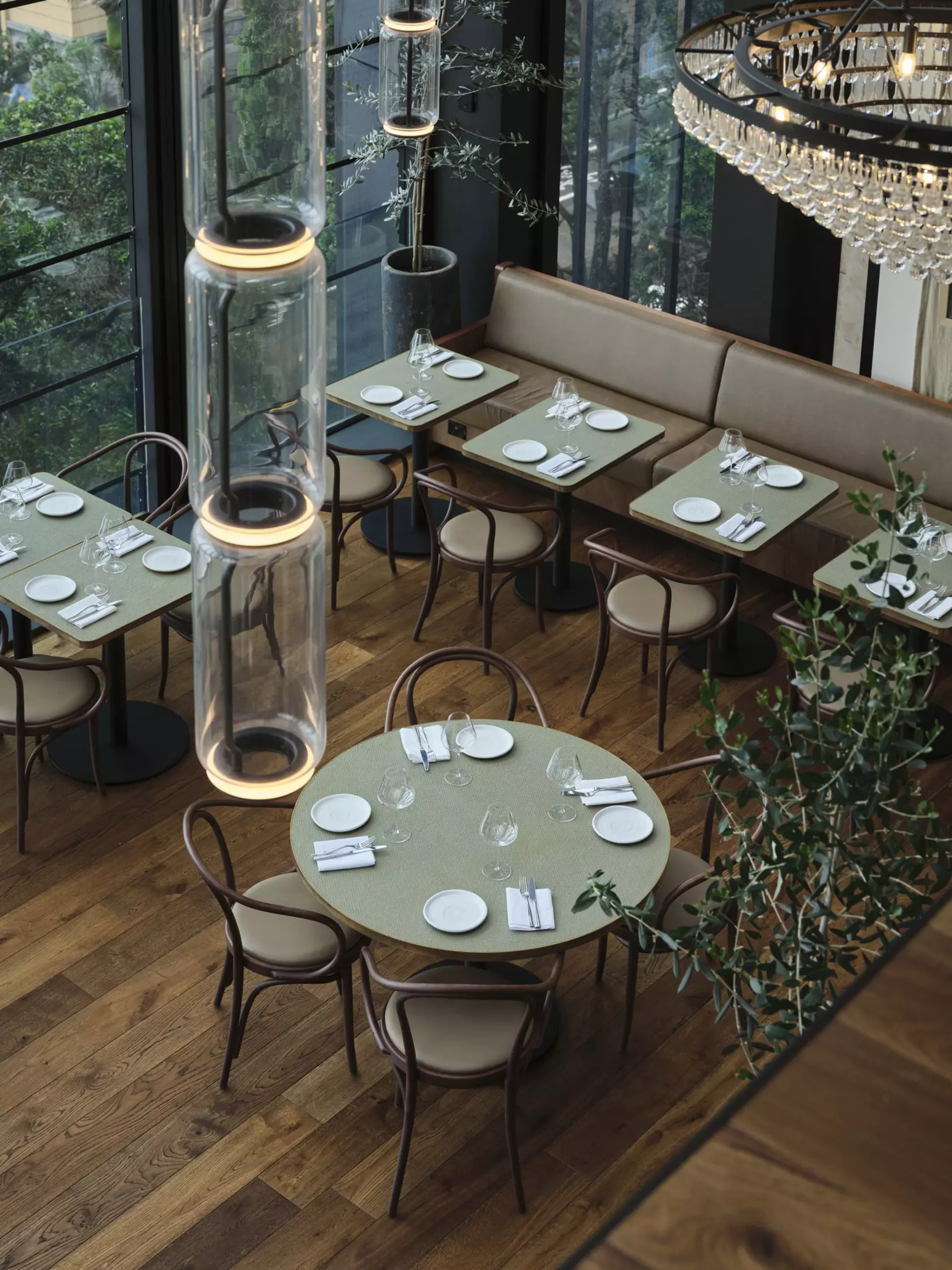
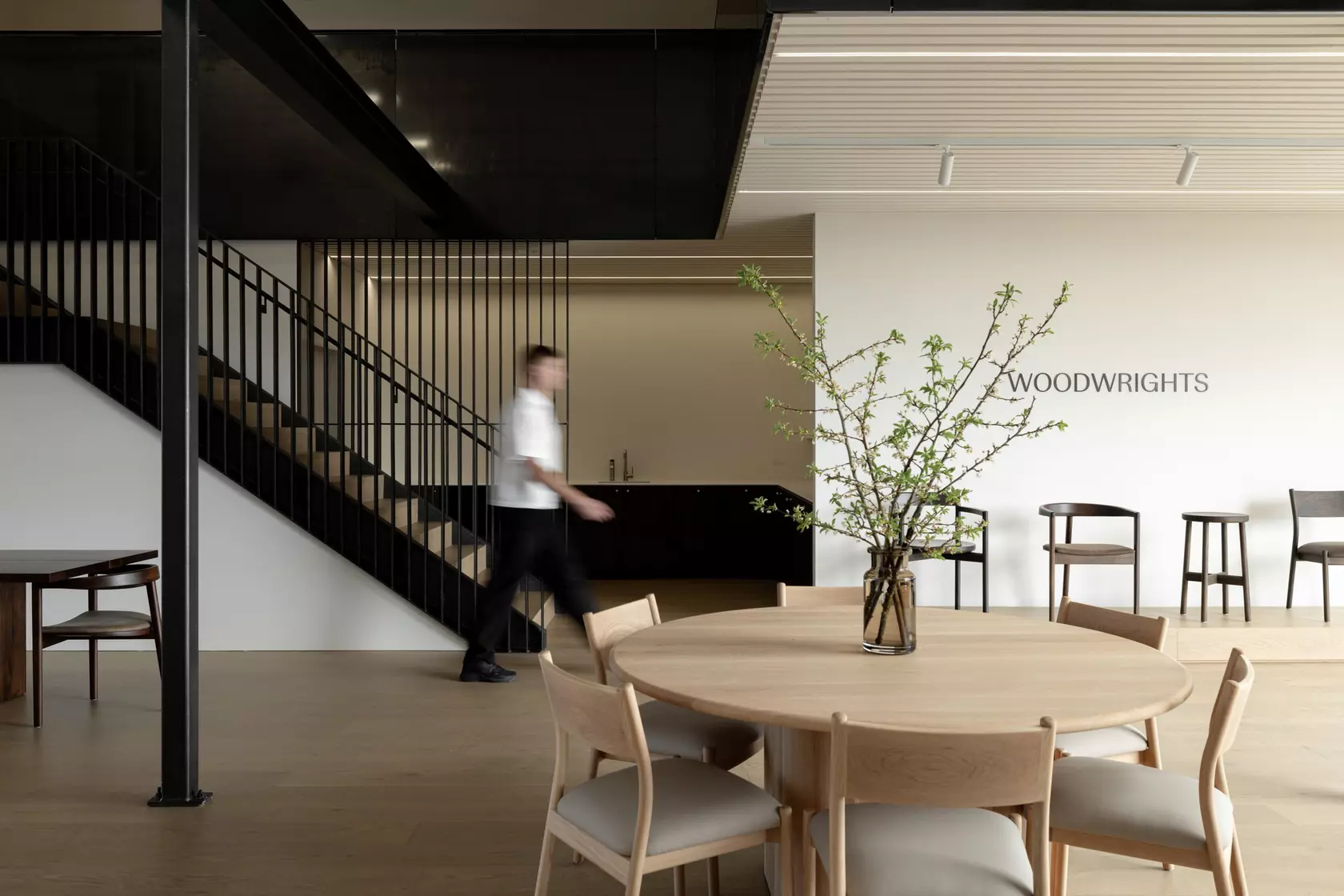
Hepburn's Road House, Ashburton
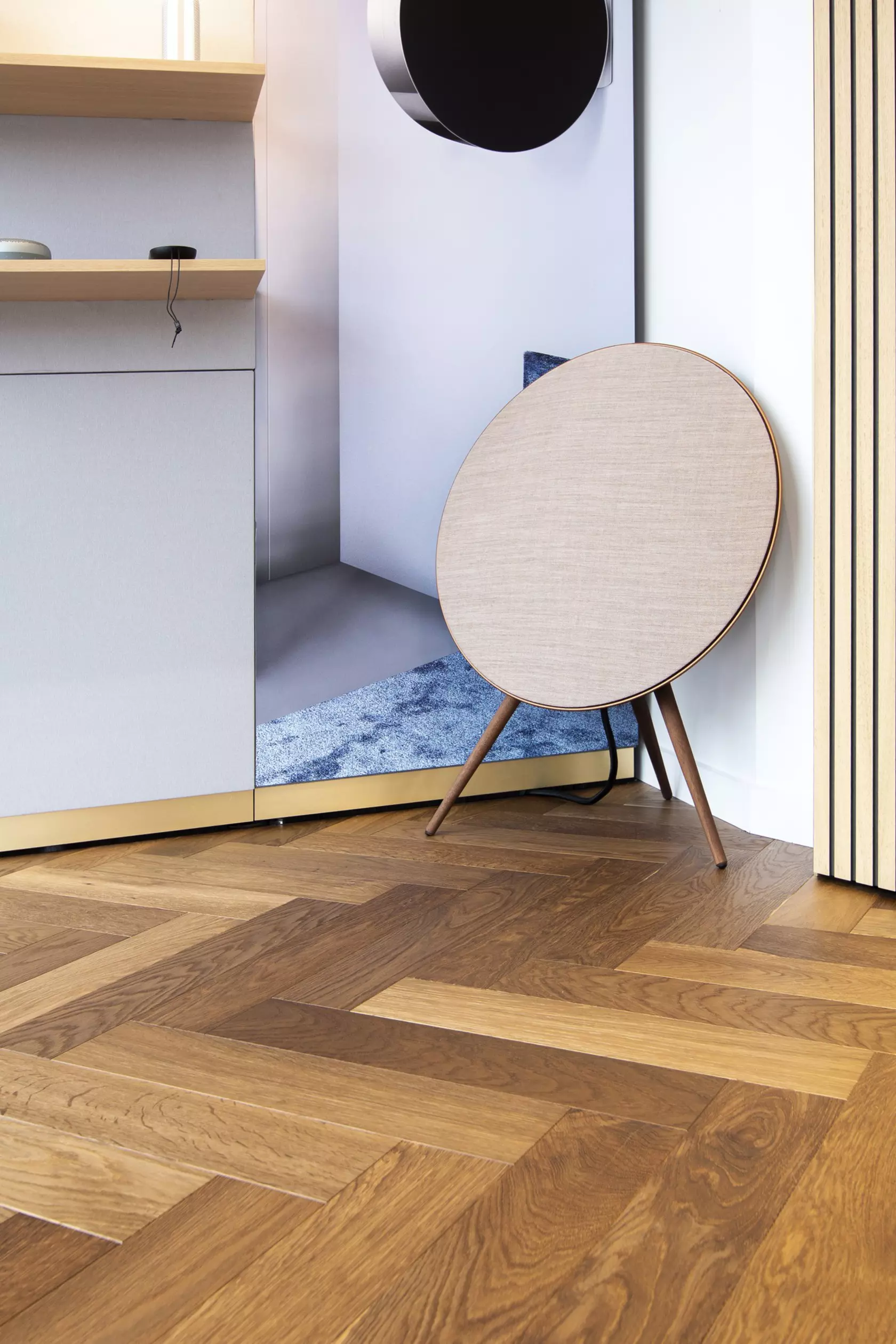
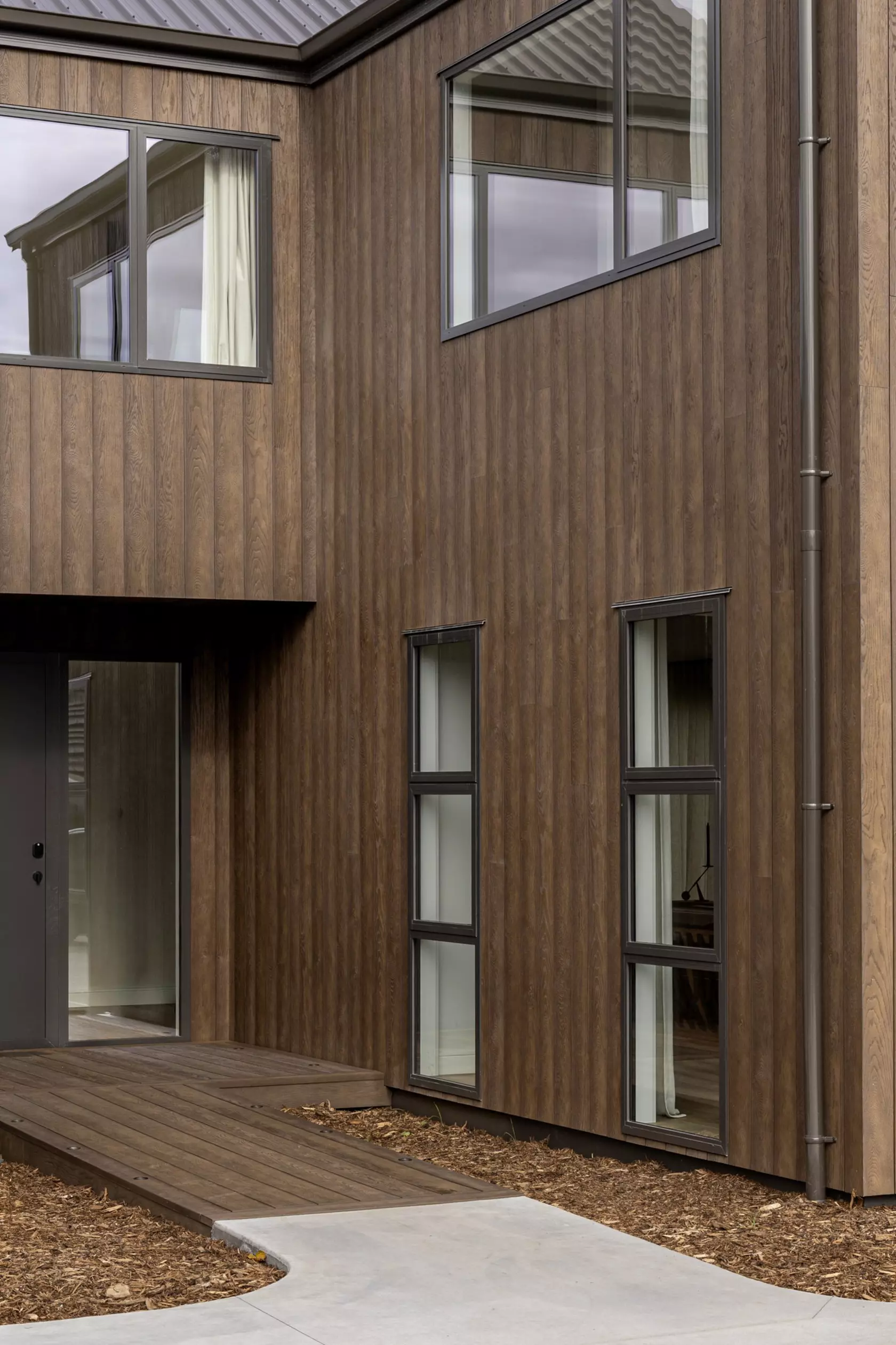
Bang & Olufsen, Newmarket
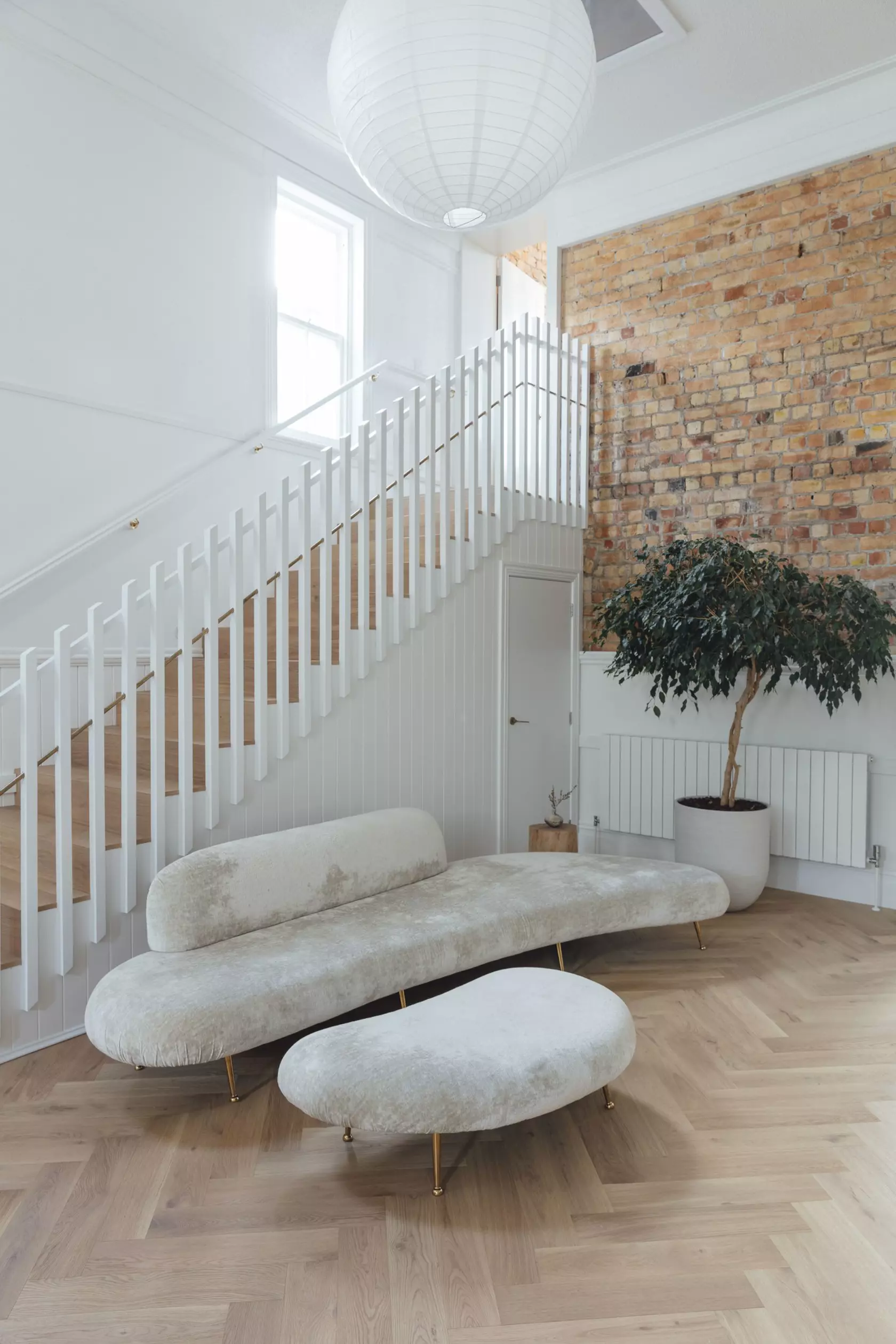
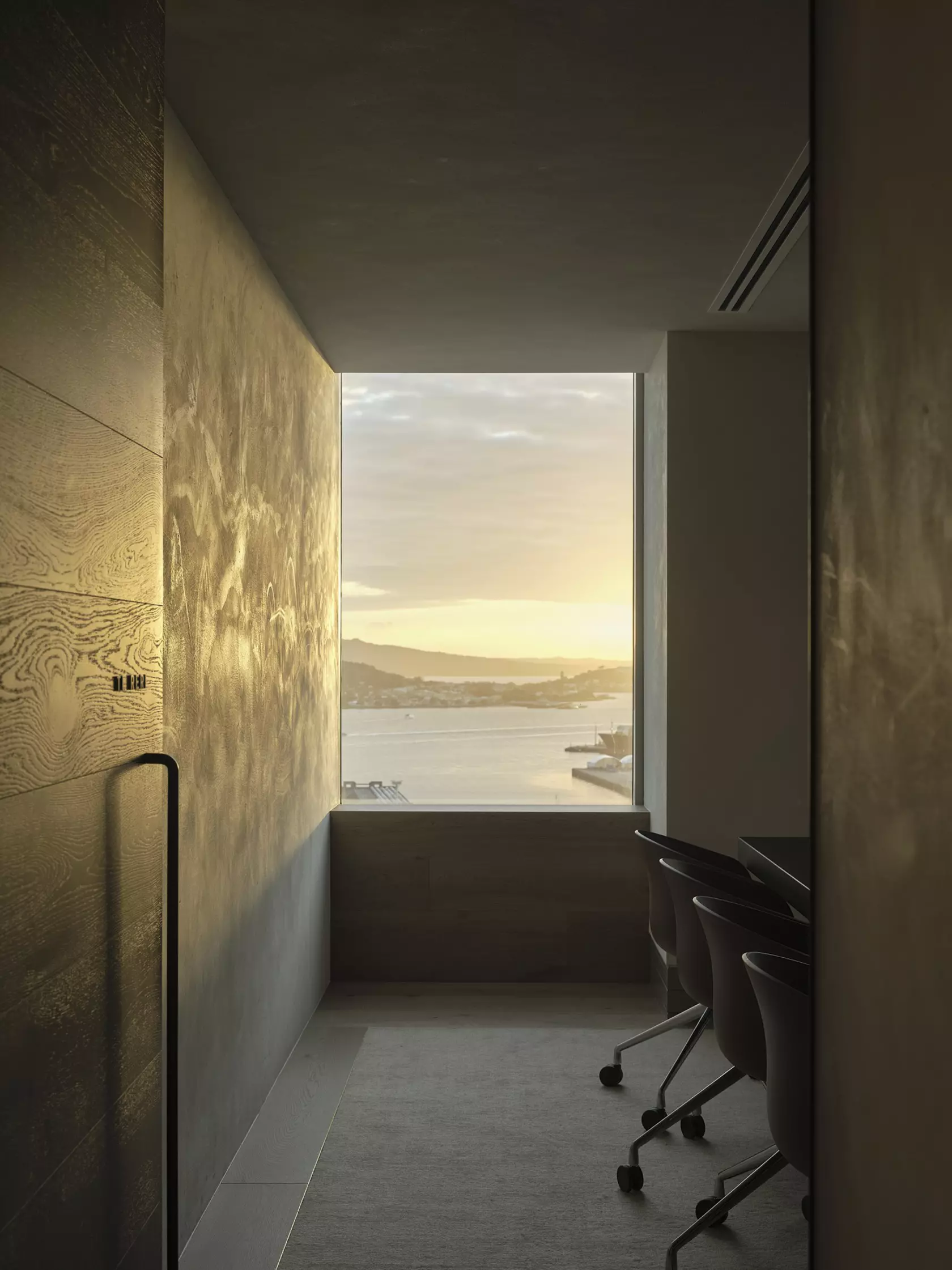
Hall We Need, Ponsonby
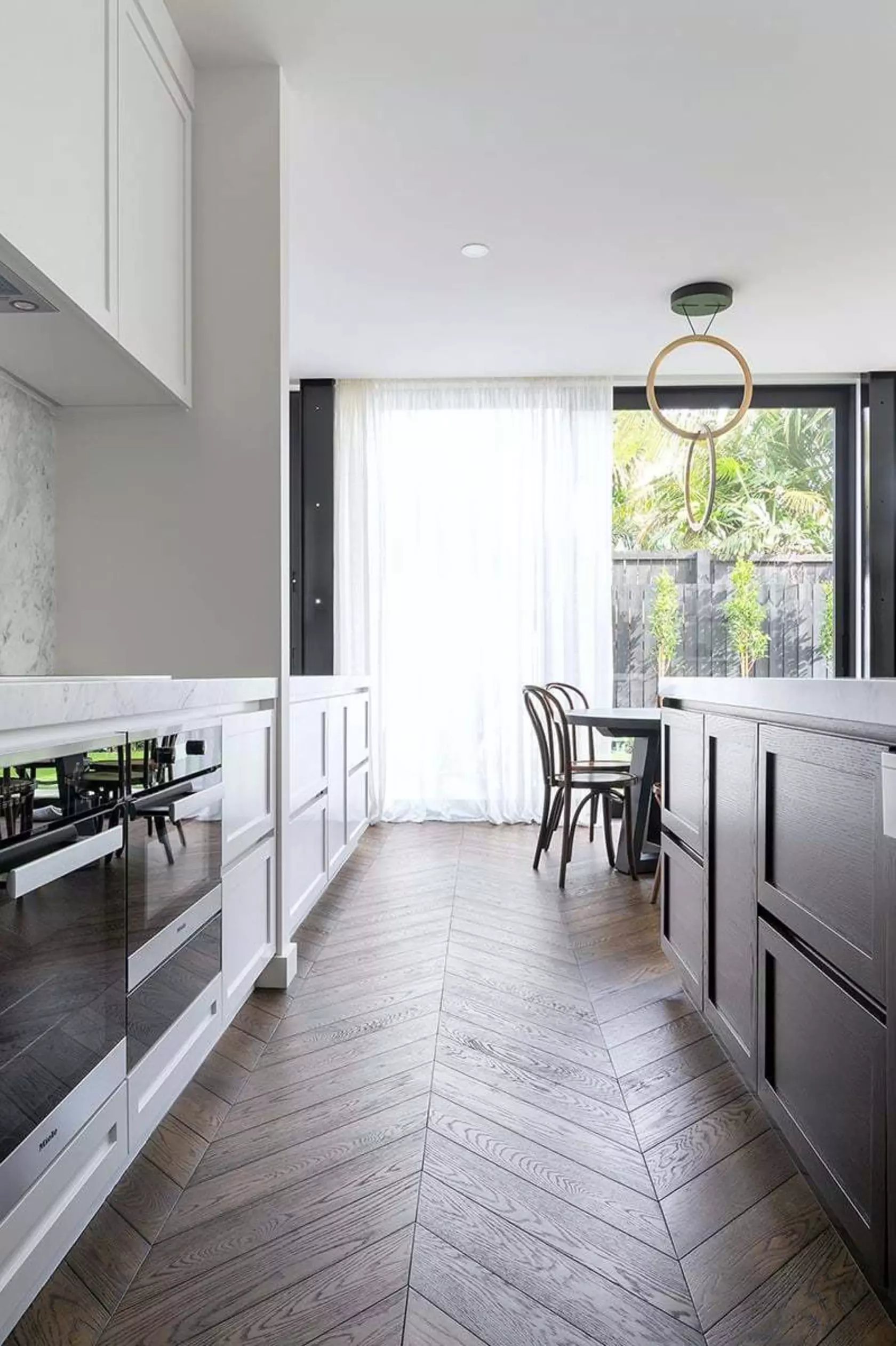
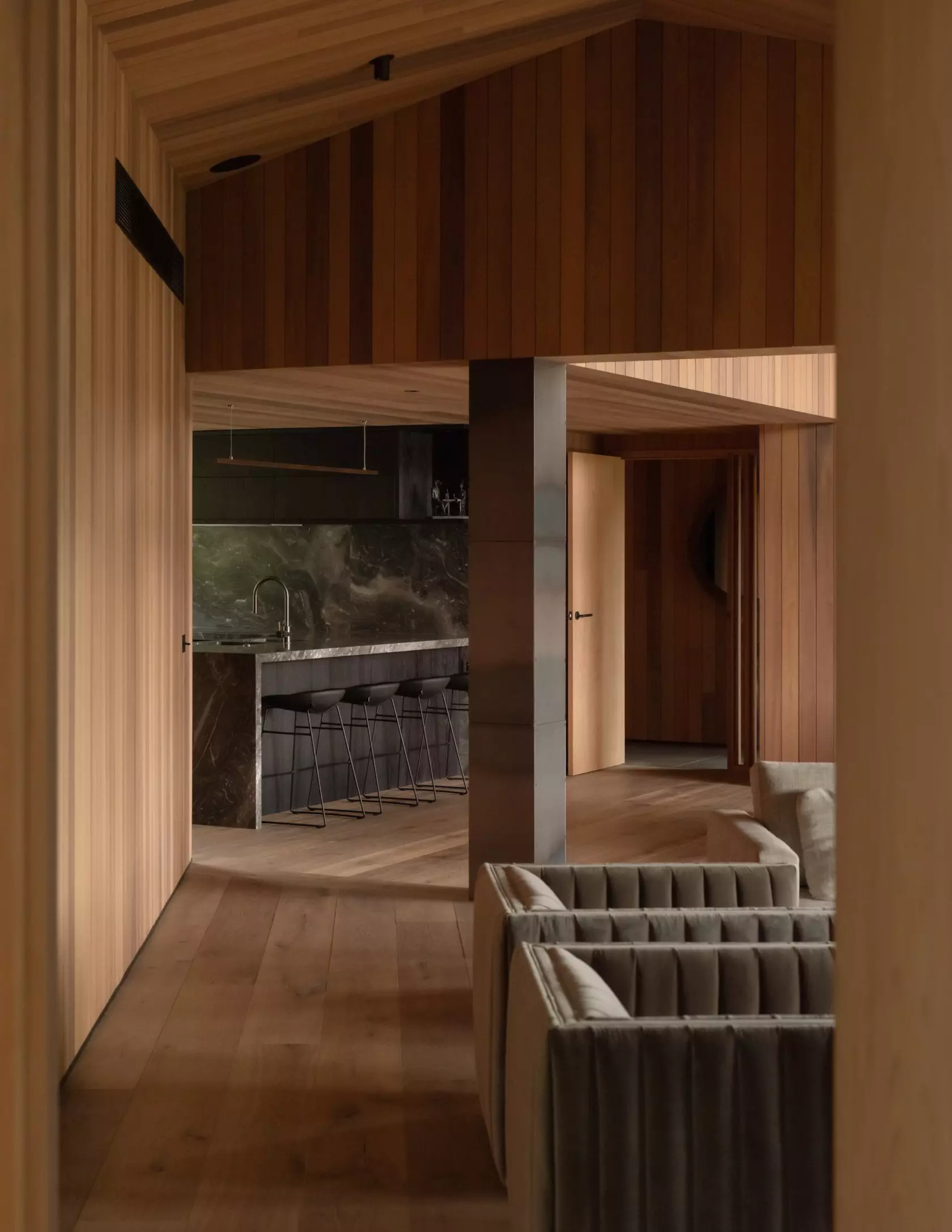
Islington Street, Ponsonby
Still not sure which wood flooring option is right for your project? Speak with a member of our team today. We will help you find a flooring product that suits your needs, tastes, and budget.
At Forté, we offer a wide range of engineered hardwood flooring, including bespoke parquet designs. Every board is sustainably sourced, low in formaldehyde, and designed for New Zealand climates so you can trust the quality every time. To see our colour and grain options, browse through our online catalogue.
Envello cladding warranty extended to 25 years
Medullary Rays in European Oak: A Natural Feature, Not a Fault
Thinking of sourcing engineered flooring direct from China? Read this first